
Alcohol Rehabilitation Centre in Delhi
What NCR Families Need to Know
This page is for Delhi families seeking residential rehabilitation for addiction, mental health conditions, or both. Whether you’re an IT professional, a concerned parent, or someone researching options — this guide covers what you need to know.
1,500+ families have trusted us with their loved ones' recovery journey
Direct Answer: For Delhi NCR residents seeking alcohol rehabilitation, Abhasa Rehab and Wellness offers evidence-based residential treatment at our facilities in Coimbatore (2.5-3 hour flight) and Karjat near Mumbai (2-hour flight). With a 2:1 staff-to-patient ratio, 75% success rate, personalised 90-day programmes, and complete confidentiality for professionals, we provide the therapeutic distance that research shows improves recovery outcomes.
If you’re searching for an alcohol rehabilitation centre in Delhi, you’re not alone. Here’s a number that might surprise you: the National Mental Health Survey 2015-16 found that alcohol use disorders affect approximately 4.6% of India’s adult population.[1] In high-pressure metros like Delhi NCR? That number often runs higher.
But here’s what families searching for alcohol rehab in Delhi are discovering: sometimes, the best treatment isn’t down the road. Sometimes, it’s a flight away.
Ready to talk? Call +91-73736-44444 for a confidential consultation.
Written by Abhasa Clinical Team Medically reviewed by Dr. Naveen Kumar, MBBS, DPM (Psychiatry), Senior Consulting Psychiatrist at Abhasa Rehab and Wellness
Published:
Last Updated:
Time to Read: 10min
Who This Page Is For
- Delhi NCR residents or families seeking alcohol addiction treatment
- Professionals in Delhi looking for confidential rehabilitation options
- Family members wanting to help a loved one access evidence-based care
- Anyone exploring residential treatment as an alternative to local outpatient options
What Does Alcohol Addiction Look Like in Delhi NCR?
Alcohol addiction in Delhi NCR is driven by corporate drinking culture, extreme professional pressure, round-the-clock alcohol availability, and a social scene that normalises heavy consumption. From consulting and finance to media and diplomacy, many Delhi professionals find that what begins as networking or stress relief gradually becomes dependence.
When families search for alcohol treatment in Delhi NCR, they’re often facing a crisis years in the making.
Delhi isn’t just India’s capital. It’s a pressure cooker.
Government offices. Corporate headquarters. Start-up culture that never sleeps. And underneath it all? A drinking culture that’s become woven into the fabric of professional and social life.
Sound familiar?
The boardroom drinks that turn into “just one more.” The networking events where saying no feels impossible. The stress of traffic, deadlines, and expectations that makes that evening whisky feel necessary rather than optional.
What Makes Delhi Different
Corporate Drinking Culture:
In sectors like consulting, finance, and media, alcohol often becomes the unofficial social currency. Client dinners. Team celebrations. Friday unwindings that blur into weekends. This is why alcohol addiction treatment for Delhi professionals often requires more than traditional approaches—it requires understanding the unique pressures these individuals face.
High-Stress Environment:
According to a 2023 survey by the Indian Institute of Public Health, Delhi NCR professionals report stress levels 23% higher than the national average.[2] And stress? It’s one of the strongest predictors of problematic drinking.
Social Expectations:
Delhi’s social scene—from farmhouse parties to diplomatic gatherings—normalizes heavy drinking in ways that can mask developing problems.
Round-the-Clock Access:
Unlike states with prohibition, Delhi offers 24/7 access to alcohol. There’s a liquor shop on practically every corner. Convenience makes moderation harder (and this is important to understand).
The result? Many Delhi families find themselves facing a crisis that crept up slowly. A loved one who drinks a little more each month. Someone whose personality changes after a few drinks. A professional whose career is starting to suffer.
Key Insight:
Delhi NCR professionals report stress levels 23% higher than the national average, according to a 2023 Indian Institute of Public Health survey, making stress-driven alcohol dependence a particularly pressing concern in the capital region.[2]
If this sounds like your situation, there’s help available. Explore our family support resources or keep reading to understand your options.
Why Does Distance-Based Treatment Work Better Than Local Options?
Research shows that patients who receive treatment at least 200 kilometres from home show 31% higher abstinence rates at the one-year mark compared to those treated locally.[3] Therapeutic distance removes familiar triggers, provides complete anonymity, and signals to the brain that fundamental change is happening, making recovery more effective for Delhi families.
Here’s something that surprises many families looking for alcohol de-addiction centres in Delhi or alcohol rehab in Delhi: the most effective treatment often happens far from home.
Think about it.
The Problem with Staying Local
When someone enters a rehabilitation centre in Delhi, they remain surrounded by their triggers:
- The bar they pass on the way to therapy
- Friends who still drink
- Work pressures that haven’t gone away
- Family dynamics that contributed to the problem
- The liquor shop that knows their name
Recovery requires distance. Not just physical distance—though that matters—but psychological distance from the patterns, places, and people that reinforce addictive behaviour.
What Research Shows
A 2019 study published in the Journal of Substance Abuse Treatment found that patients who received treatment at least 200 kilometres from their primary residence showed 31% higher abstinence rates at the one-year mark compared to those treated locally.[3]
“The stigma around addiction and mental health keeps too many Delhi professionals suffering in silence. By the time they reach us, years of damage have already been done. I always tell families: don’t wait for rock bottom. That’s a myth that costs lives. The earlier we intervene, the better the outcomes.” — Dr. Naveen Kumar V, MBBS, DPM, Senior Consulting Psychiatrist, Abhasa Rehab and Wellness
Why does this work? Therapeutic distance creates a clean break. It removes the constant triggers. And it signals to the brain that something fundamental is changing.
The Abhasa Advantage: Real Distance, Real Results
Abhasa offers residential alcohol rehab from Delhi with facilities in Coimbatore, Tamil Nadu and Karjat, Maharashtra (near Mumbai). For Delhi families, this means complete separation from triggers, full anonymity, focused healing, and accessibility via a 2-3 hour flight. That flight isn’t a barrier. It’s a benefit.
- Complete separation from triggers: No chance encounters with drinking buddies
- Anonymity: No one from your professional or social circle will see you
- Focused healing: Nothing competing for attention except recovery
- A 2-3 hour flight: Close enough for family visits, far enough for transformation
Want to understand if distance-based treatment is right for your family? Call +91-73736-44444.
How Do Delhi Families Reach Abhasa?
Delhi families can reach Abhasa’s Coimbatore facility via a 2.5-3 hour direct flight with multiple daily options on IndiGo, Air India, and SpiceJet, or our Karjat facility near Mumbai via a 2-hour flight. We arrange airport pickup, family coordination, and discreet transfers so families can focus entirely on the recovery decision.
Getting from Delhi to Abhasa is simpler than most families expect. We handle the logistics so you can focus on what matters.
To Coimbatore (Women-Exclusive & General Facility)
By Air:
- Direct flights from Delhi to Coimbatore Airport (CJB): 2.5-3 hours
- Multiple daily flights via IndiGo, Air India, SpiceJet
- From Coimbatore Airport: 45 minutes to Abhasa
What We Provide:
- Airport pickup arranged
- Family coordination support
- Transport handled with complete discretion
For women seeking a safe, all-female environment, our women’s rehabilitation programme in Coimbatore offers gender-specific care with all-female staff.
To Karjat (Near Mumbai - Mixed-Gender Facility)
By Air:
- Delhi to Mumbai Airport (BOM): 2 hours
- From Mumbai Airport: 2 hours by road to Karjat facility
By Rail:
- Delhi to Karjat Station: Rajdhani Express to Mumbai, then local connection
- Total journey: Approximately 18-20 hours
What We Provide:
- Pickup from Mumbai Airport or Karjat Station
- Comfortable, private transport
- Admission team coordination
Many families find the Karjat option attractive—it’s closer to Delhi while still providing therapeutic distance from NCR’s triggers.
What Treatment Programmes Does Abhasa Offer?
Abhasa combines evidence-based Western medicine with holistic Eastern therapies: medically supervised detoxification, CBT, DBT, motivational interviewing, family therapy, QEEG brain mapping with neurofeedback, daily yoga and meditation, Ayurvedic treatments, and FDA-approved medication-assisted treatment. Programmes run 30-90 days, with 90 days recommended for lasting outcomes.
| Factor | Local Outpatient (Delhi) | Residential Treatment (Abhasa) |
|---|---|---|
| Setting | Near daily triggers and routines | Therapeutic distance, controlled environment |
| Duration | Ongoing weekly sessions | 30-90 days immersive |
| Confidentiality | Risk of being seen locally | Complete anonymity |
| Medical supervision | Limited hours | 24/7 on-site medical team |
| Success rates | Variable | 75% sustained recovery at 12 months |
| Family involvement | Difficult to coordinate | Structured family therapy programme |
Unlike most alcohol rehabilitation centres that rely on a single approach, Abhasa combines evidence-based Western medicine with holistic Eastern therapies. This isn’t guesswork. Every intervention we use has research behind it.
Medical Detoxification (When Needed)
For those with physical dependence, we start with safe, medically supervised detox.
- 24/7 physician monitoring under Dr. Malarvilzhi G (MBBS, MD, 20 years experience)
- Medication-assisted withdrawal management
- Seizure prevention protocols
- Nutritional support and hydration
- Comfort care throughout
This typically takes 5-7 days. Some patients don’t need it at all. Our medical team assesses each person individually—because cookie-cutter approaches don’t work.
Core Treatment Programme (90 Days Recommended)
Evidence-Based Therapies:
- Cognitive Behavioural Therapy (CBT): Restructures thinking patterns that drive drinking
- Dialectical Behaviour Therapy (DBT): Builds emotional regulation skills
- Motivational Interviewing: Strengthens commitment to change
- Family Therapy: Heals relationships and builds support systems
Advanced Neuroscience:
- QEEG Brain Mapping: Identifies patterns of brain dysregulation
- Neurofeedback Training: Non-invasive brain retraining (20-40 sessions)
- These technologies are rarely available in typical de-addiction centres in Delhi
Holistic Modalities:
- Daily yoga and meditation
- Ayurvedic treatments (Shirodhara, Panchakarma)
- Art and music therapy
- Nature therapy in Western Ghats setting
Medication-Assisted Treatment
For those who may benefit, we offer FDA-approved medications:
| Medication | How It Helps |
|---|---|
| Naltrexone | Reduces cravings for alcohol |
| Acamprosate | Supports long-term abstinence by restoring GABA-glutamate balance |
| Disulfiram | Creates deterrent effect |
All medication decisions are made collaboratively with our psychiatric team, led by Dr. Naveen Kumar V (MBBS, DPM, 20 years experience).
What Makes Abhasa Different from Other Rehabilitation Centres?
Abhasa offers a 2:1 staff-to-patient ratio (compared to 1:10 or 1:20 at typical centres), a 75% success rate at one-year follow-up, private suites with resort-like amenities, 24/7 medical supervision, dual diagnosis expertise, a women-exclusive facility in Coimbatore, and advanced treatments like neurofeedback and rTMS that are rarely available elsewhere.
When families compare Abhasa to what’s available locally—even the best alcohol rehab options for Delhi families—certain differences stand out.
Clinical Excellence First
Medical Leadership: Dr. Naveen Kumar V (MBBS, DPM) brings 20 years of psychiatric expertise. Our team includes Dr. Shree Aarthi (MBBS, MD, DNB) with triple certification in psychiatry.
Staff Ratio: 2:1 staff-to-patient ratio. Not 1:10 or 1:20 like many centres. This means actual individual attention—not just a name on a file.
24/7 Care: Round-the-clock medical supervision by Dr. Malarvilzhi G (MBBS, MD, 20 years experience). Nursing staff always present. Emergency protocols in place.
What the Numbers Show
| Metric | Abhasa | Typical Centres |
|---|---|---|
| Success rate (1-year follow-up) | 75% | 30-40% |
| Staff-to-patient ratio | 2:1 | 1:10-1:20 |
| Patients treated since 2019 | 1,500+ | Varies |
Beyond Clinical: The Environment Matters
Recovery happens better in beautiful spaces. Our facilities offer:
- Private suites (not dormitories)
- Spa and wellness centre
- Gym with modern equipment
- Meditation spaces
- Gardens and nature trails
- Chef-prepared nutritious meals
This isn’t about luxury for its own sake. It’s about creating conditions where healing becomes possible.
Dual Diagnosis Expertise
Many people with alcohol problems also have depression, anxiety, or trauma. At Abhasa, we treat both simultaneously with our dual diagnosis programme—because addressing only the addiction while ignoring underlying mental health conditions rarely works.
According to SAMHSA, approximately 37% of people with alcohol use disorders also have a co-occurring mental health condition.[4] We’re equipped to handle both.
Women's Exclusive Programme
For women seeking treatment, we offer India’s only women-exclusive luxury rehabilitation centre in Coimbatore. All-female staff. Gender-specific treatment protocols. A safe space designed specifically for women’s recovery needs.
How to Find the Right Alcohol Rehabilitation Centre in Delhi
Families searching for the right alcohol rehabilitation centre in Delhi typically begin with a confidential consultation (call +91-73736-44444), followed by a clinical assessment via video call, coordinated travel and admission planning, and transparent pricing ranging from Rs 2-6 lakhs per month depending on room type and programme duration, with flexible payment options available.
Ready to take the next step? Here’s how families searching for an alcohol rehabilitation centre in Delhi typically proceed.
Step 1: Initial Consultation
Call our admissions team at +91-73736-44444. They’ll:
- Answer your questions (no pressure, just information)
- Understand your loved one’s situation
- Discuss appropriate treatment duration
- Explain pricing and payment options
This call is confidential. Really. We understand the sensitivity.
Step 2: Clinical Assessment
Before admission, our clinical team conducts a thorough assessment:
- Medical history review
- Current substance use patterns
- Mental health screening
- Family situation understanding
- Treatment recommendations
This can happen via video call for Delhi families—you don’t need to travel for the assessment.
Step 3: Travel and Admission
Once you’re ready:
- We help coordinate travel arrangements
- Airport pickup is arranged
- Admission day is comfortable and dignified
- Family orientation happens within the first week
Investment in Recovery
Treatment at Abhasa ranges from Rs 2-6 lakhs per month, depending on:
- Room type selected
- Treatment duration
- Specific therapies needed
We offer flexible payment options. Many families find the investment comparable to what they’d spend on ongoing medical complications, legal issues, or lost career opportunities if the problem continues untreated.
Ready to discuss options? Call +91-73736-44444 or WhatsApp us.
Related Topics
- Alcohol Addiction Treatment — Comprehensive guide to understanding and treating alcohol use disorder
- Symptoms and Warning Signs — Recognise the signs of alcohol addiction
- Withdrawal and Detox — What to expect during medical detoxification
- How to Stop Drinking — Evidence-based strategies for quitting safely
- Do I Need Rehab? — Evaluate whether residential treatment is right for you
Google Reviews:
Voices That Speak For Us
Hundreds have entrusted us with their journeys, shared openly,
in their own voice. Each review is a glimpse into real healing, in real words.
- I'm a business man, searched more than 10 rehab across India, some offers good facility but no proper treatment, some offer good treatment but the facilities weren't that great. The difference I noticed in Abhasa is the great balance of luxury and quality treatment. Thank you for helping me out.
 Sreenath E S4/05/2023best rehabilitation center in tamilnadu, My brother is fine now because of you only. you people gave him a new life, now he never touch drugs now. i highly recommended abhasa. Edwin James5/04/2022The most suitable rehabilitation facilities for people struggling with various addictions.
conveniently located with good facilities. A very good doctors counselling and support team.. AAJOO3/11/2022 - Very useful program
Dr Naveen and Miss Nivedha and
Team of ABHASA are rendering good service with humanitarian and effective manner.
Hats off ABHASA👌👌👌👌👌 Sendamangalam Namakkal7/09/2023Mr. Gokul had good support from Abhasa team. It was very helpful to recover from his illness. Thank You very much for whole team
Thank You Anandha Nehru5/13/2023I am really grateful to Abhasa, the people, environment and the process. A great place to rediscover inner peace. Gained insights about myself with the help of the wonderful counselor(Mr. Sebastian) and therapist(Mr. Antipas). Praveen Menon12/12/2025 - My friend's son was an alcohol addict. He was suffering from depression as well. His parents took him to many places and doctors but there wasn't any improvement. Then they came to know about Abhasa through one of the doctors and now he is perfect in every way. The therapies, doctors, caretakers, food , ambient atmosphere, all are amazing. This is the best centre for anyone suffering with addiction or depression. Radhika Ezhilarasu4/27/2022Such a nice rehab facility in Coimbatore. The treatment centre is giving after care also they are guiding their patients like their family. My brother was there and now he is doing very well. Vallarasu.s vallarasu.s7/12/2022The treatment at Abhasa Rehab is top-notch. Their personalized approach and diverse therapies helped me make significant progress in my recovery journey. Grateful for their exceptional care and support. Ayswarya Lakshmi8/19/2023


4.5
Frequently Asked Questions About Alcohol Rehab in Delhi
Is there an Abhasa alcohol rehabilitation centre in Delhi?
Abhasa doesn’t have a physical centre in Delhi, and that’s intentional. Our facilities in Coimbatore and Karjat provide the therapeutic distance that research shows improves outcomes.[3] For Delhi families, this means your loved one receives treatment away from local triggers while remaining accessible for family visits.
How do we manage visits if treatment is so far away?
Both our Coimbatore and Karjat facilities are accessible by direct flights or trains from Delhi. Family visits are encouraged and scheduled as part of the treatment programme. Many families find that the occasional flight is a small price for effective treatment.
What if there's a medical emergency?
Our facilities have 24/7 medical supervision under Dr. Malarvilzhi G (MBBS, MD, 20 years experience), nursing staff, and emergency protocols. We’re fully equipped to handle withdrawal complications, seizures, or any medical situation that might arise. Both locations are also within reasonable distance of tertiary care hospitals if needed.
Can my family member continue working during treatment?
We recommend at least 90 days of focused residential treatment for alcohol addiction. During this time, recovery needs to be the priority. But we can work with families on timing—many professionals plan admission around career transition points or extended leave.
How is Abhasa different from government de-addiction centres?
Government centres provide essential services, but typically with limited staff ratios, basic facilities, and less individualised treatment. Abhasa offers 2:1 staff ratios, private accommodations, comprehensive therapy options, and holistic modalities. For families seeking a recovery experience rather than just detox, the difference is significant.
What about confidentiality? Delhi professional circles are small.
Complete confidentiality is fundamental to how we operate. No patient information is ever disclosed. And because our facilities are outside Delhi, you won’t encounter colleagues, clients, or social contacts during treatment. Many Delhi executives specifically choose Abhasa for this reason.
Families searching for alcohol rehabilitation centre in Delhi often discover that complete confidentiality and distance from professional circles are exactly what makes recovery possible. Call +91-73736-44444 to discuss your privacy needs.
What happens after treatment ends?
Before discharge, we create a comprehensive aftercare plan including:
- Continued therapy options (including online)
- AA/NA meeting connections in Delhi
- Family support guidelines
- Relapse prevention strategies
- Follow-up appointments schedule
Recovery is a long-term journey. We stay involved.
My loved one doesn't think they have a problem. Can you help?
Yes. We work with many families where the person with the drinking problem isn’t ready for help yet. Our team can guide you through intervention strategies and help prepare your loved one for treatment. Call us to discuss your specific situation.
Explore our nasha mukti kendra in Delhi page for more resources.
How Can Delhi Families Take the Next Step Today?
If you are ready to explore treatment options, the first step is a confidential phone call at +91-73736-44444. Our admissions team will answer your questions without pressure, help you understand whether Abhasa is right for your family, and guide you through the entire process from assessment to admission.
If you’ve read this far, something brought you here. Maybe it’s worry about someone you love. Maybe it’s exhaustion from watching the same patterns repeat. Maybe it’s hope that things could be different.
That hope isn’t misplaced.
Every day, families from Delhi and across India trust Abhasa with their most precious concern—a loved one’s recovery. And every day, we see people who seemed hopeless find their way back.
The search for an alcohol rehabilitation centre in Delhi led you here. Let that search end with finding real help.
Call +91-73736-44444 now. Our admissions team is available to answer your questions, discuss your situation, and help you understand what’s possible.
Or explore our other resources:
Contact Abhasa Rehab and Wellness:
The first conversation is free, confidential, and without pressure. We’re here when you’re ready.
You’ll hear back within 24 hours
Related Resources
Continue Your Learning
Recovery is a journey, and understanding your options is the first step. Learn more about understanding alcohol addiction or explore alcohol withdrawal symptoms to know what to expect. If you are wondering whether professional help is right for your situation, our self-assessment guide can help you decide.
How Abhasa Can Help
If your family is exploring treatment options, we understand how important this decision is. At Abhasa Rehab and Wellness, we offer personalised treatment plans, a 2:1 therapist-to-patient ratio, and comprehensive care that addresses both addiction and mental health. Our team is available 24/7 to answer your questions.
24/7 Helpline: +91-73736-44444 Learn More: www.abhasa.in
Our Editorial Process


References
Research Citations (All Sources):
- National Mental Health Survey of India, 2015-16. Indian Council of Medical Research. Ministry of Health and Family Welfare, Government of India.
- Indian Institute of Public Health. (2023). Workplace Stress and Mental Health in Urban India. Indian Journal of Occupational and Environmental Medicine.
- Stahler, G.J., et al. (2019). Geographic proximity to treatment and recovery outcomes among urban alcohol-dependent patients. Journal of Substance Abuse Treatment, 107, 78-84.
- Substance Abuse and Mental Health Services Administration (SAMHSA). (2023). Key Substance Use and Mental Health Indicators in the United States. National Survey on Drug Use and Health.
Medical Disclaimer:
Last medically reviewed:
Reviewer: Dr. Naveen Kumar, MBBS, DPM (Psychiatry)
This content is for informational purposes and does not constitute medical advice. Alcohol withdrawal can be medically dangerous—always consult healthcare professionals before making treatment decisions. If you or someone you know is experiencing a medical emergency related to alcohol withdrawal, call emergency services immediately.
Emergency Resources:
- Medical Emergency: 108 or 112
- Vandrevala Foundation Helpline: 1860-2662-345 (24/7)
- iCall Psychosocial Helpline: 9152987821
- NIMHANS Helpline: 080-46110007
Expert Review:
Content developed by Abhasa Rehab and Wellness clinical team, reviewed by Dr. Naveen Kumar V, MBBS, DPM (Psychiatry), 20 years experience. Additional clinical input from Dr. Shree Aarthi (MBBS, MD, DNB) and Ms. Meera K (M.Phil Clinical Psychology). Based on evidence from WHO, NIMHANS, Mayo Clinic, SAMHSA, and peer-reviewed research.
About the Medical Reviewer
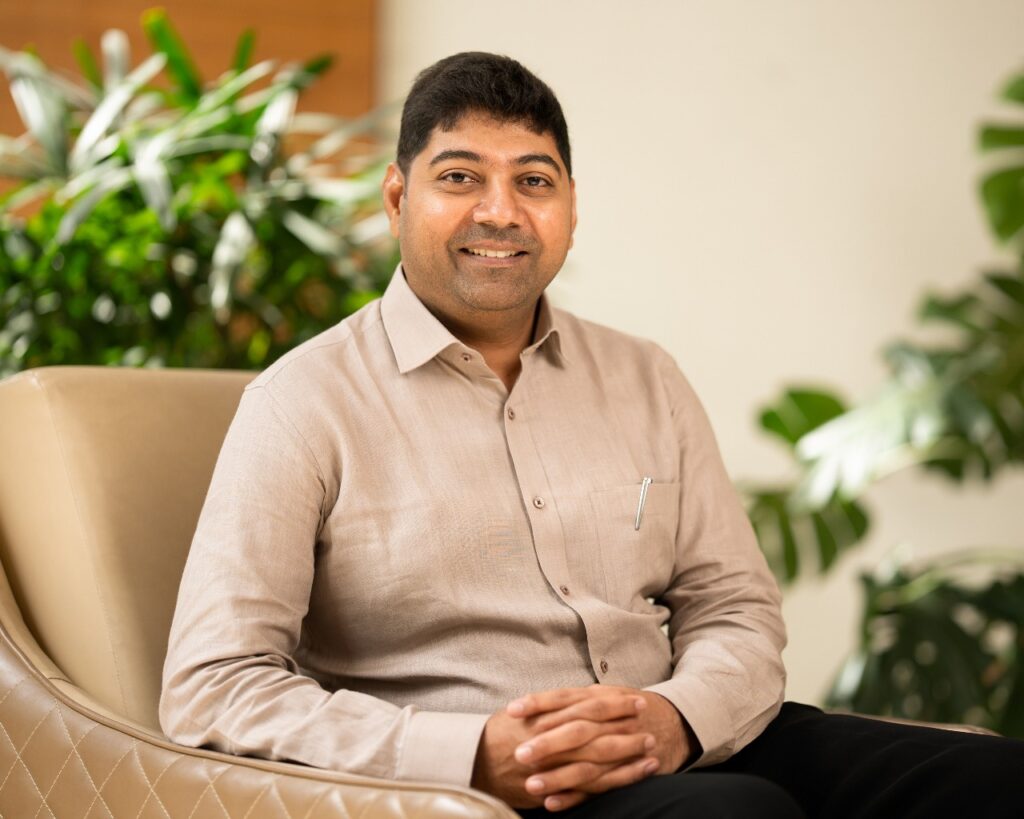
Dr. Naveen Kumar
Reviewed by Dr. Naveen Kumar V, MBBS, DPM — Senior Consulting Psychiatrist at Abhasa Rehab and Wellness with over 20 years of clinical experience in addiction psychiatry and dual diagnosis treatment.
This article reflects evidence-based practices and has been reviewed for medical accuracy.