At Abhasa, healing is never about managing symptoms alone.
Because mental health struggles arise from a blend of biological, psychological, and social factors.
Our Personalised Development program
We follow a holistic healing plan that brings together four core pillars:
Modern Medical Science
Evidence-based psychiatry, diagnostics, and psychotherapy combined with cutting-edge tools to treat conditions with precision.
Ancient Holistic Wisdom
Yoga, mindfulness, homa therapy, breathwork, meditation, and more to calm the nervous system and strengthen inner balance.
Life & Social Skills
Nature walks, trekking, art, sports, movie nights, sound healing, and group activities to help clients reconnect with life meaningfully.
Family Therapy
Sessions with loved ones to rebuild trust, enhance communication, and create a support system for sustainable recovery.
This integrated approach ensures care that is biological, emotional, and social. Just as true healing should be.
A Day at Abhasa
Structure with soul. Here's what a typical day could look like
Every day is built to balance calm, connection, and recovery momentum.
Your Recovery Journey: Guided with Care and Clarity
We guide you with care through each stage of your journey.
Clinical Therapy
Personalised, Evidence-Based Care
We provide a wide spectrum of therapies, carefully matched to your needs with expert guidance.
Cognitive Behavioral Therapy (CBT)
CBT helps you identify unhelpful thought patterns that contribute to anxiety, depression, or self-defeating behaviors. By making these thoughts visible, you can begin to challenge and reframe them into healthier perspectives.
Through structured sessions, you learn practical coping skills that translate directly into everyday life. This empowers you to respond differently to stress, break negative cycles, and build confidence in managing your emotions.
Dialectical Behavior Therapy (DBT):
DBT is designed for you if you experience overwhelming emotions or struggle with self-destructive patterns. It combines mindfulness techniques with skills training in distress tolerance, emotional regulation, and interpersonal effectiveness.
In practice, DBT helps you develop balance between acceptance and change, so you can manage crises without harm and nurture healthier relationships in your daily life.
Cognitive Behavioral Therapy (CBT)
CBT helps you identify unhelpful thought patterns that contribute to anxiety, depression, or self-defeating behaviors. By making these thoughts visible, you can begin to challenge and reframe them into healthier perspectives.
Through structured sessions, you learn practical coping skills that translate directly into everyday life. This empowers you to respond differently to stress, break negative cycles, and build confidence in managing your emotions.
Cognitive Behavioral Therapy
Mental health concerns often start quietly. A shift in mood. Trouble sleeping.
A growing disconnect from joy. And sometimes, they explode—into anxiety
attacks, rage, or complete shutdown.
Mental health concerns often start quietly. A shift in mood. Trouble sleeping. A growing disconnect from joy. And sometimes, they explode—into anxiety attacks, rage, or complete shutdown.
Cognitive Behavioral Therapy
Mental health concerns often start quietly. A shift in mood. Trouble sleeping.
A growing disconnect from joy. And sometimes, they explode—into anxiety
attacks, rage, or complete shutdown.
Mental health concerns often start quietly. A shift in mood. Trouble sleeping. A growing disconnect from joy. And sometimes, they explode—into anxiety attacks, rage, or complete shutdown.
Cognitive Behavioral Therapy
Mental health concerns often start quietly. A shift in mood. Trouble sleeping.
A growing disconnect from joy. And sometimes, they explode—into anxiety
attacks, rage, or complete shutdown.
Mental health concerns often start quietly. A shift in mood. Trouble sleeping. A growing disconnect from joy. And sometimes, they explode—into anxiety attacks, rage, or complete shutdown.
Acceptance and Commitment Therapy (ACT)
ACT focuses on helping you accept difficult emotions and thoughts rather than avoiding them. By creating space for these experiences, we guide you to reconnect with your personal values and commit to actions that align with them.
This therapy is especially effective in building resilience, reducing avoidance behaviors, and encouraging a more meaningful, purpose-driven life.
Rational Emotive Behavior Therapy (REBT)
REBT works by uncovering irrational beliefs that often fuel emotional distress. Therapists guide you to challenge these distorted thoughts and replace them with rational, balanced beliefs.
Over time, you experience greater emotional stability and learn to respond more constructively to life’s challenges, improving both your mental health and overall well-being.
Motivational Enhancement Therapy (MET)
MET helps if you feel ambivalent about change, particularly in cases of addiction. Rather than pushing you, therapists use empathetic listening and guided conversation to build motivation from within.
This approach empowers you to discover your own reasons for change, making recovery more sustainable and personally meaningful.
Behavior Therapy
Behavior Therapy focuses on your actions rather than thoughts. It uses reinforcement and practical strategies to reduce harmful behaviors while encouraging healthier alternatives.
It is highly effective for phobias, obsessive behaviors, and anxiety disorders, providing clear, measurable progress you can see in your everyday life.
Interpersonal Therapy (IPT)
IPT centers around the idea that your mental health is deeply connected to your relationships. By addressing issues like grief, role transitions, and conflict, you learn to improve communication and rebuild healthier bonds.
This therapy is particularly effective for depression, helping you feel less isolated and more supported in your recovery journey.
Mentalization-Based Therapy (MBT)
MBT helps you better understand your own emotions and the emotions of others. It strengthens your ability to interpret behaviors not as threats but as reflections of feelings and intentions.
By cultivating this awareness, you develop healthier ways of relating to yourself and others, reducing impulsivity and conflict in relationships.
Solution-Focused Brief Therapy (SFBT)
SFBT is a future-oriented therapy that emphasizes strengths rather than problems. You are encouraged to envision the changes you want to see and take practical steps toward achieving them.
It is a short-term, empowering approach that provides hope and clarity, making it especially useful during times of crisis or transition.
Schema Therapy
Schema Therapy is designed to address deep-rooted patterns formed in early life that continue to influence your thoughts and behaviors. By identifying these schemas, you gain insight into why you repeat certain cycles.
Through guided techniques, you gradually shift these patterns, breaking free from limiting beliefs and creating healthier ways of thinking and living.
Psychodynamic Therapy
Psychodynamic Therapy explores your unconscious mind, uncovering how past experiences shape present emotions and behaviors. It gives you the opportunity to understand the root of your struggles.
By working through unresolved conflicts, you gain self-awareness, emotional release, and the ability to create more fulfilling relationships and choices in the present.
Mindfulness-Based Cognitive Therapy (MBCT)
MBCT blends traditional cognitive therapy with mindfulness practices. You are taught to observe your thoughts and feelings without judgment, reducing the likelihood of being caught in negative spirals.
This therapy is especially effective in preventing relapse of depression and anxiety, equipping you with lifelong skills for emotional balance.
Narrative Therapy
Narrative Therapy empowers you to see yourself as separate from your problems. By re-examining and re-authoring your life story, you begin to shift focus from limitations to possibilities.
This approach helps you reclaim agency over your life, fostering hope and confidence as you move toward new, empowering narratives.
Family Therapy
Family Therapy acknowledges that healing often requires the involvement of your loved ones. It provides a safe space for open communication, repairing trust, and understanding shared challenges.
Through guided sessions, your family learns to support one another more effectively, creating a healthier home environment that strengthens long-term recovery.
Group and Experiential Therapies
Ancient Wisdom and Expressive Healing
Beyond clinical sessions, experiential tools help reconnect your mind, body, and spirit.
Yoga
Yoga is more than just physical postures; it’s a holistic practice that integrates your body, mind, and breath. At Abhasa, yoga sessions restore balance, improve flexibility, and release stored tension in your body.
By creating calm in your nervous system, yoga helps you find inner stability and resilience, laying the foundation for sustainable recovery.
Breathwork
Breathwork uses conscious breathing techniques to regulate emotions and release stress. Each session allows you to reset your mental state, reduce anxiety, and improve focus.
The practice also builds emotional resilience, equipping you with a tool you can use anytime to manage overwhelm and reconnect with calm.
HOMA Therapy
HOMA Therapy is a Vedic fire ritual that purifies both your environment and mind. At Abhasa, it is used as a grounding practice that reduces negativity and fosters a sense of renewal.
The combination of ancient tradition and healing intention creates a serene atmosphere, supporting your emotional balance and spiritual growth.
Art Therapy
Art Therapy provides a safe channel for emotions that are difficult to put into words. Through painting, drawing, or creative expression, you can externalize feelings, process trauma, and explore your inner world.
It encourages healing through creativity, allowing emotions to be released gently while nurturing confidence and self-expression.
Movement Therapy
Movement Therapy uses physical expression, from dance to structured movement, to release stored trauma and stress. It creates a non-verbal path to healing, bypassing the limitations of spoken therapy.
By reconnecting with your body, you rebuild confidence, emotional regulation, and a deeper sense of freedom.
Mindfulness Practice
Mindfulness practice trains your mind to stay present. At Abhasa, you are guided to notice your thoughts and emotions without judgment, reducing anxiety and constant rumination.
With regular practice, mindfulness becomes a powerful anchor for clarity and peace, supporting recovery at every stage.
Music & Sound Healing
Sound healing uses resonance and rhythm to calm your nervous system. Instruments like singing bowls, gongs, and rhythmic music help release tension and promote relaxation.
The vibrational energy of sound restores balance, bringing you into a state of calm that supports emotional recovery.
Movie Therapy
Watching films together provides more than entertainment; it’s a tool for reflection. Stories spark empathy, insight, and conversations that help you process your own journey.
Movie therapy also builds community, reducing feelings of isolation through shared emotional experiences.
Sports & Recreation
Physical activity improves mood, builds resilience, and enhances overall health. From team sports to individual recreation, you engage in movement that fosters discipline and joy.
Sports also create a sense of camaraderie and teamwork, teaching collaboration and perseverance.
Guided Meditations
Guided meditation sessions help you access stillness and calm, reducing anxiety and intrusive thoughts. Through imagery and focused relaxation, you reconnect with inner peace.
These sessions are especially helpful for grounding during difficult emotional states, providing a simple tool to carry forward.
Guided Reflection
Guided reflection encourages you to look inward with gentle direction from therapists. By reflecting on your experiences, progress, and challenges, you gain insight into your emotional patterns.
This practice builds self-awareness and helps you make conscious choices in alignment with your recovery goals
Alchemy Recovery
Alchemy Recovery at Abhasa is a blend of modern therapeutic techniques and traditional healing practices. It integrates the best of both worlds to spark transformation in your mind, body, and spirit.
By combining diverse approaches, this therapy helps you break through stagnation and embrace holistic growth.
Group Recovery Activities
Healing together is powerful. Group activities create bonds, accountability, and mutual encouragement. You learn from others’ stories and find strength in shared experiences.
These activities also build social confidence and a sense of belonging, essential elements for lasting recovery.
Family Therapy
Families often carry invisible wounds. At Abhasa, we provide:
We Offer
Family Education
Helping families understand underlying dynamics.
Joint Therapy Sessions
Restoring trust and communication.
Post-Rehab Guidance
Preparing for smoother reintegration at home.
Caregiver Support & Training
Equipping caregivers with tools to prevent burnout.
Cutting-edge diagnostics and neurofeedback therapy designed to guide the brain towards healthier pathways.
QEEG Brain Mapping
QEEG provides a detailed map of your brainwave activity, helping our experts identify imbalances linked to anxiety, depression, trauma, or focus issues.
Spots brainwave patterns tied to emotional and cognitive issues.
Thousands have moved beyond confusion, fear, and shame, finding freedom and clarity. Every story we share is genuine and told only with permission, with utmost respect and care.
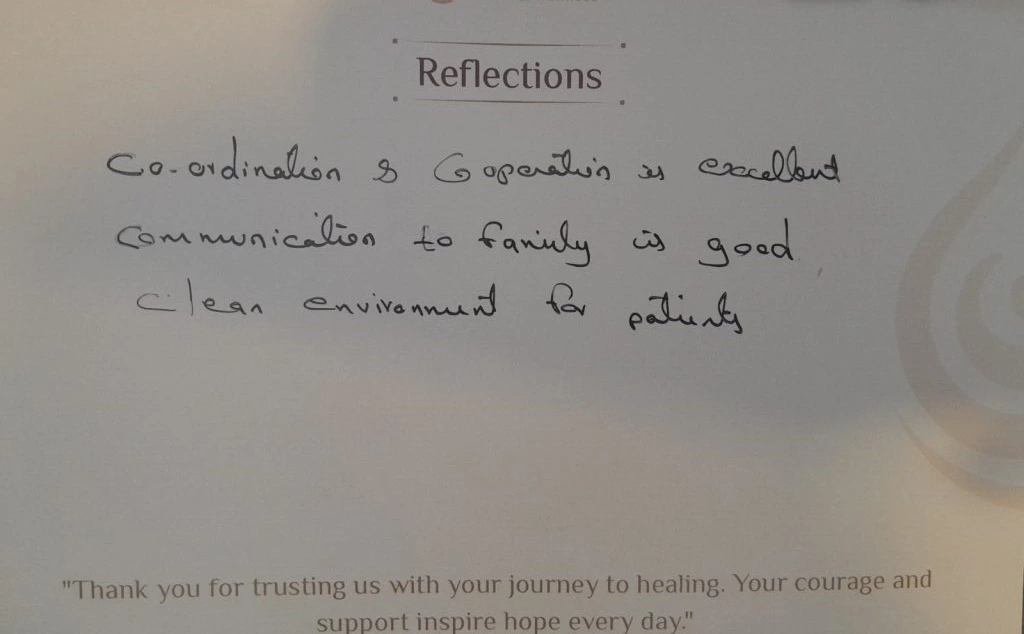
Co-ordination & cooperation is excellent. Communication to family is good. Clean environment for patients.
Former Client
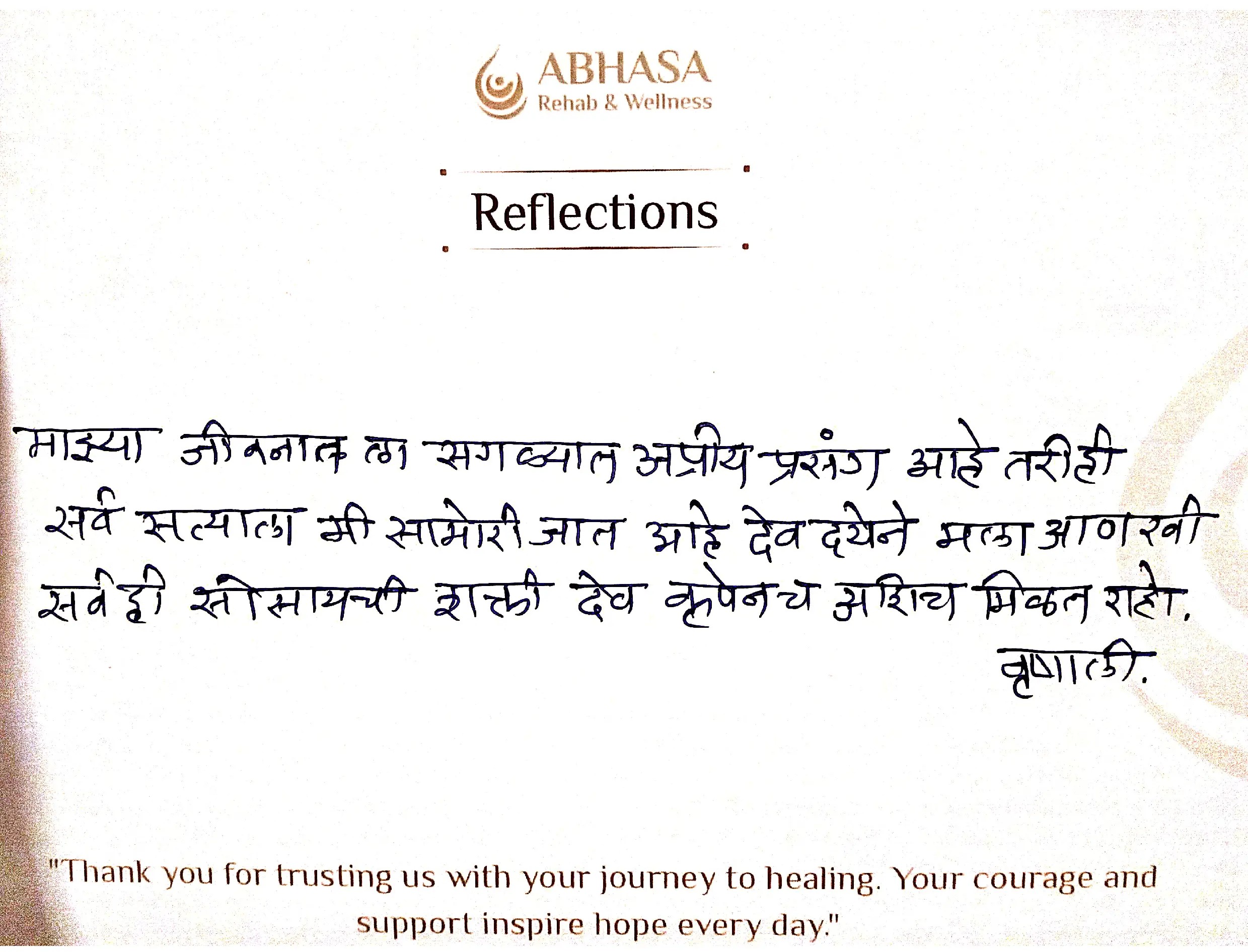
I found strength to face life’s hardest truths here. I believe it was God’s grace that brought me to Abhasa.
Former Client
All the staff are very helpful, and the facility is excellent. Everything here supported my recovery.
Former Client
We are truly satisfied with the treatment. My son is improving, both emotionally and physically.