
Gambling Addiction Treatment Centre in India
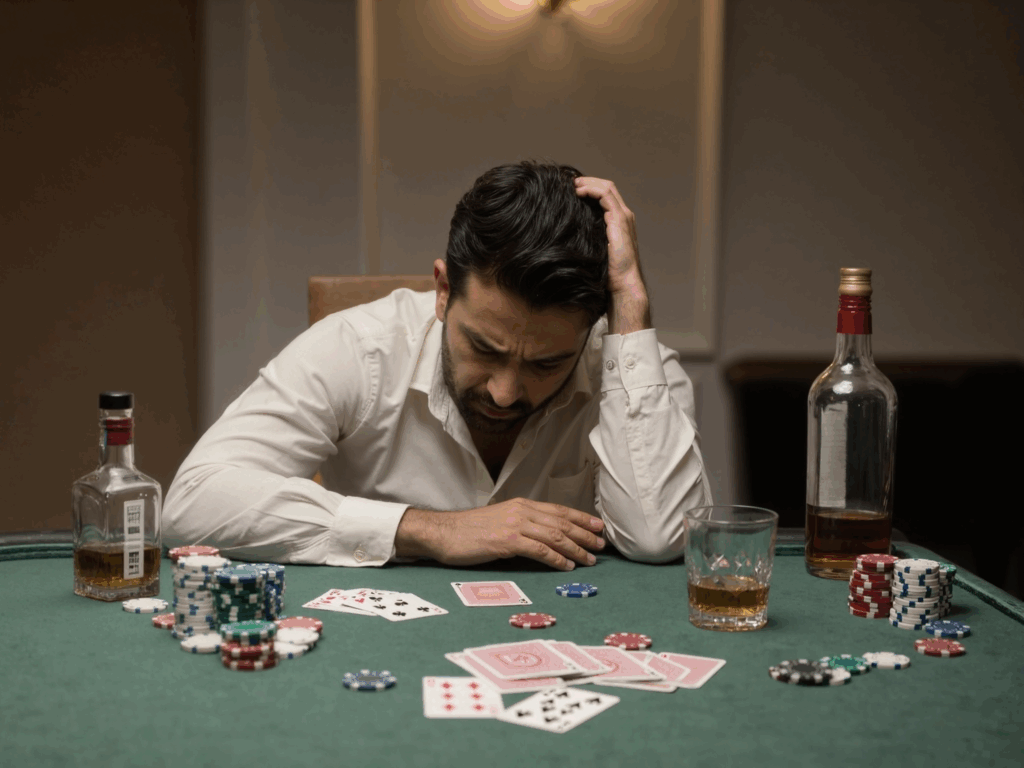
Gambling doesn’t have to cost your peace. Abhasa’s therapies and holistic care help you rebuild trust and control.
Healing includes mind, body, and family. We guide all three.
2:1 Staff-to-client ratio
3 Healing Spaces
Personalised Treatments
360° Healing
2:1 Staff-to-client ratio
3 Healing Spaces
Personalised Treatments
360° Healing
Luxury Gambling Addiction Treatment Centers in India

For people trapped in gambling addiction, the next game always feels like it will fix everything. But it never does. One more win. One more chance. Each bet quietly chips away at time, trust, and peace of mind until nothing feels in control anymore.
For many families, the shift starts small. A few missed calls. A sudden need for money. Unspoken tension around bills or savings. Eventually, the pattern becomes impossible to ignore. The damage goes beyond finances. It affects relationships, careers, and emotional stability.
When gambling begins to control someone’s choices, gambling addiction treatment centres becomes the only way back to stability and life without the secrecy, stress, and shame.
At Abhasa, we provide a healing space where people can feel safe. As one of India’s premier gambling rehab centres, we carefully design every part of our programme. Our luxury residential setting combines structure, daily routine, financial guidance, and emotional support. Clients learn to rebuild, step by step, in a peaceful environment that feels nothing like a hospital.
We also support families throughout the journey. Regular communication, family therapy, and financial coaching help everyone heal together. Our goal includes recovery, relationship repair, and economic stability for the long term.
Take the first step toward a different future. You can stop gambling from taking more than it already has.
Break Free from Gambling. Call Now.
Private support. Real change. Confidential admissions.
You’ve carried this long enough. Let us help.
Understanding Residential Gambling Treatment
Some people believe that gambling struggles end when a person decides to stop. But in most cases, the urge returns with more intensity. Willpower alone cannot hold back the emotional cycle. That is why a structured approach through residential gambling treatment creates real change.
What sets residential care apart
A gambling addiction treatment centre does more than offer therapy. It provides a stable, supportive environment where every part of the day encourages recovery. Unlike outpatient care, which sends a person back into daily stress and temptation, residential care surrounds them with consistency and calm.
Clients in residential gambling treatment live within a setting that supports every step of recovery. Morning routines, group sessions, fitness, financial education, and evening reflection balance their day. The structure helps in rewiring their thinking. Slowly, this will help them regain control over their actions.
Understanding the addiction pattern
Gambling addiction does not just come from poor choices. It builds from reinforced habits, emotional triggers, and a craving for reward. At a gambling addiction treatment centre, clients start to recognise their patterns and learn how to change them.
Through guided therapy and behavioural coaching, clients gain insight into the emotional roots of their gambling. They learn to interrupt the cycle and replace it with better-coping tools.
Why outpatient often falls short
Outpatient care often allows triggers to continue. People still access betting apps, bank accounts, and social influences. A residential gambling treatment centre removes those temptations and adds constant support.
At Abhasa, our gambling addiction treatment centre uses round-the-clock care, emotional coaching, and structured recovery planning to give every individual a stronger chance of long-term success.
What sets residential care apart
A gambling addiction treatment centre does more than offer therapy. It provides a stable, supportive environment where every part of the day encourages recovery. Unlike outpatient care, which sends a person back into daily stress and temptation, residential care surrounds them with consistency and calm.
Clients in residential gambling treatment live within a setting that supports every step of recovery. Morning routines, group sessions, fitness, financial education, and evening reflection balance their day. The structure helps in rewiring their thinking. Slowly, this will help them regain control over their actions.
Understanding the addiction pattern
Gambling addiction does not just come from poor choices. It builds from reinforced habits, emotional triggers, and a craving for reward. At a gambling addiction treatment centre, clients start to recognise their patterns and learn how to change them.
Through guided therapy and behavioural coaching, clients gain insight into the emotional roots of their gambling. They learn to interrupt the cycle and replace it with better-coping tools.
Why outpatient often falls short
Outpatient care often allows triggers to continue. People still access betting apps, bank accounts, and social influences. A residential gambling treatment centre removes those temptations and adds constant support.
At Abhasa, our gambling addiction treatment centre uses round-the-clock care, emotional coaching, and structured recovery planning to give every individual a stronger chance of long-term success.
It’s not just quitting bets, it’s rewiring habits, safely and fully.
Why Choose Residential Rehab for Gambling Addiction
Many families try everything they can, cutting off access to money, setting rules, and offering support. But gambling urges don’t respond to logic or love alone. Without the right tools, the cycle continues. That’s why many families discover the real benefits of gambling rehab only after trying everything else.

Why home strategies often fall short
You may monitor spending, set limits, and hope the pattern ends. But when the urge takes hold, willpower rarely stands a chance. Without structure, the person often slips back into gambling. Over time, this pattern drains not only savings but emotional energy as well. That’s when professional gambling addiction treatment becomes essential.

What happens inside a structured setting
At Abhasa, we create an environment that replaces chaos with calm. Our gambling addiction treatment programme includes round-the-clock support, therapeutic routines, and a clear separation from gambling triggers. Within the first 48 hours, clients begin to feel that shift. Meals, therapy, rest, and daily planning follow a rhythm to restore stability.
The benefits of gambling rehab become clear quickly. Clients no longer face urges alone. Triggers lose their power in a setting built for safety.

A space that protects both mind and money
Residential care does more than therapy. It removes the tools that feed the addiction. Clients cannot access betting platforms, gambling apps, or cash accounts. Our team helps rebuild financial literacy step by step. This is one of the most substantial benefits of gambling rehab; it gives both the client and their family a break from constant fear.

Real connection heals faster than isolation
Inside Abhasa’s gambling addiction treatment programme, no one feels judged. Clients form peer bonds through group sessions and community routines. Sharing their story, listening to others, and gaining trust become part of the healing process. Many describe this sense of belonging as a turning point.

Families feel supported, too
Recovery doesn’t happen in isolation. We involve the family every step of the way. Through joint sessions and financial counselling, we help families learn how to rebuild trust, manage conversations, and support recovery at home. The benefits of gambling rehab reach far beyond the individual; they bring relief to those who care the most.
Recovery works best when families heal together.
Why Families Trust Abhasa for Gambling Recovery
Families often arrive carrying years of emotional strain: confusion about the behaviours, fear of financial collapse, and guilt about not doing enough. At Abhasa, they finally find a place that understands. We do not just offer recovery. We create a space where healing begins with respect, privacy, and dignity. That makes us one of the best gambling rehab centres in the country.
Care that feels personalised and private
No one heals in a place that feels cold or clinical. That is why we designed Abhasa to feel like a sanctuary. As one of India’s few luxury gambling addiction treatment centres, we provide private suites, spa services, gourmet meals, and landscaped nature spaces. But luxury is not just comfort. It is about creating an atmosphere where healing becomes possible.
We give every client a personalised care plan. Our team adjusts therapy styles, financial coaching, and daily structure to match each individual’s emotional and behavioural needs. That flexibility sets us apart from standard options.
Healing the whole person and the whole family
Gambling affects more than the individual. It affects trust, communication, and finances within the family. We include relatives in the recovery journey from day one. Through financial counselling and emotional coaching, families gain tools to rebuild trust and create safe boundaries.
As one of the best gambling rehab centres, we believe that complete recovery includes mind, body, and relationships. That is why we blend structured therapy with breathwork, expressive arts, yoga, and guided mindfulness. These practices calm the nervous system and help people reconnect with their values.
Cultural awareness and professional discretion
We know that many Indian families face pressure to keep matters private. That is why our luxury gambling addiction treatment centres maintain strict confidentiality. Clients include professionals, business owners, and high-profile individuals who trust us to create an environment that protects their identity while supporting their healing.
Our team understands Indian family structures, financial dynamics, and emotional expectations. We speak your language, not just in words, but in values.
A setting designed for transformation
Our campus includes peaceful gardens, a gym, creative therapy studios, and quiet spaces for reflection. Every minor detail supports recovery without pressure, from serving the meals to scheduling the therapy. Families consistently tell us that Abhasa “feels different” because it is. We created it for people who want more than short-term fixes.
That is why many count us among India’s most trusted luxury gambling addiction treatment centres. We help families breathe again.
Healing includes mind, body, and family. We guide all three.
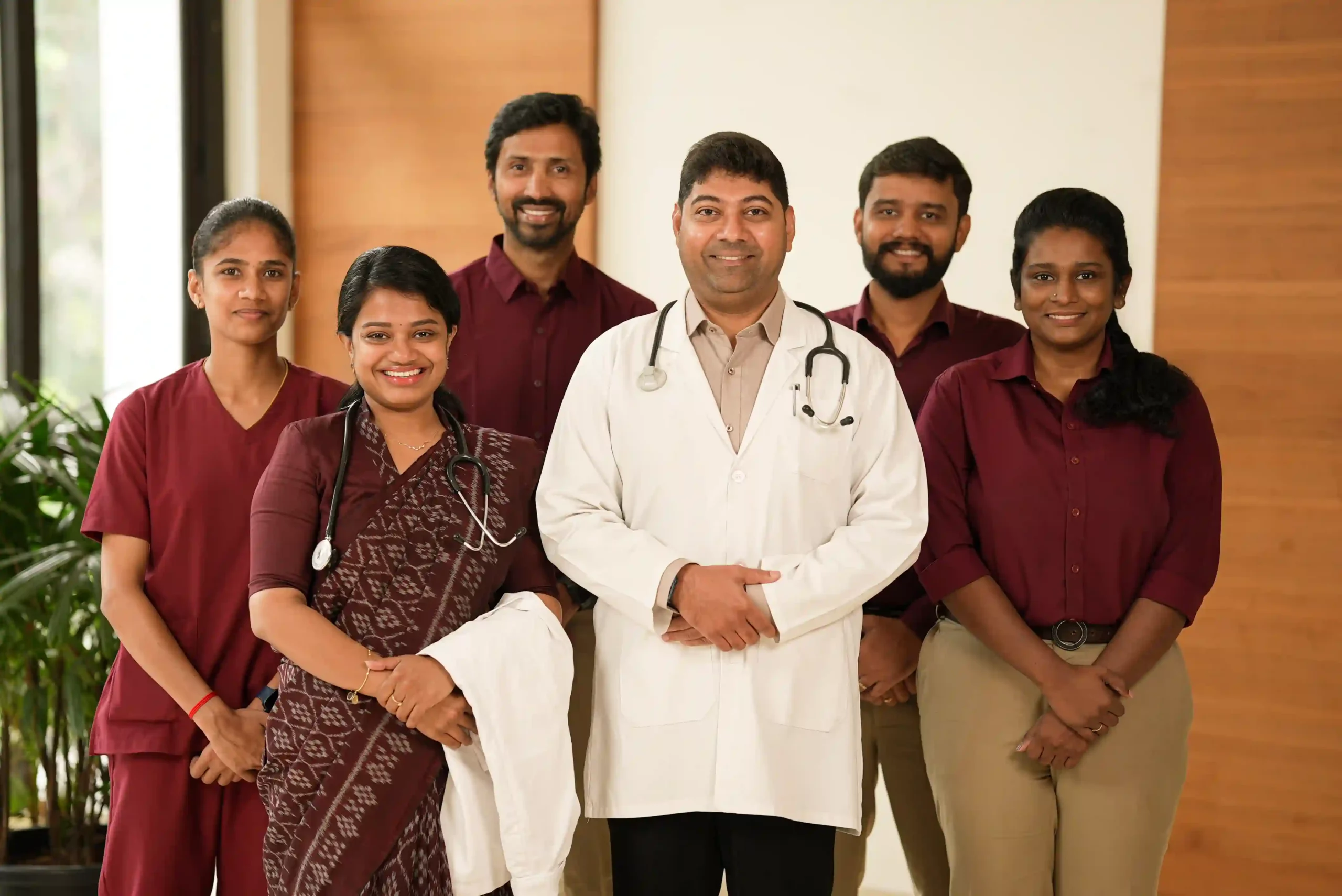
Meet Our Gambling Recovery Experts
At Abhasa, our strength comes from the people who lead the recovery journey. At Abhasa, the people guiding recovery matter as much as the programme. Our team includes warm, deeply experienced professionals who genuinely understand what families go through and know how to support lasting change gently and without judgment.
Our therapists, financial recovery coaches, and behavioural specialists guide each client using personalised plans built around proven gambling therapy techniques. These include cognitive support, family-focused counselling, and financial planning tools that restore confidence and trust.
Some members of our team have walked this path themselves. Their insights bring depth and relatability to the recovery process. Our professionals continue to train in the latest gambling therapy techniques to ensure each client receives support that reflects today’s challenges.
At our gambling rehabilitation centre, we believe recovery becomes possible when the right people stand beside you every step of the way.
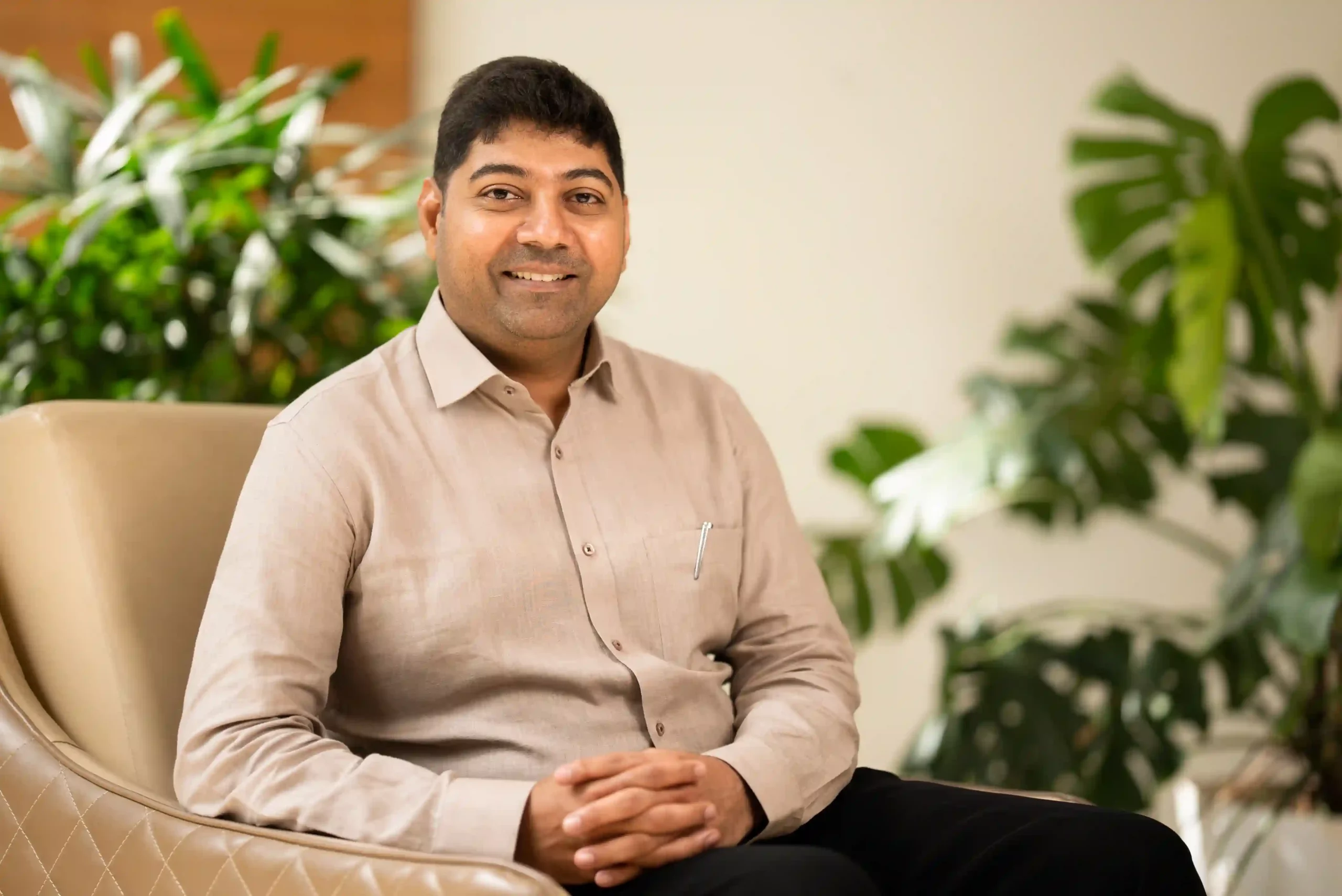
Dr. Naveen Kumar
Medical Director
15+ years of expertise in psychiatry and addiction recovery.
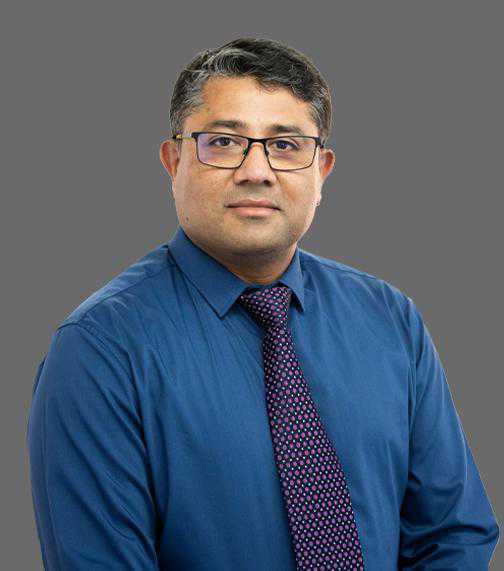
Dr. Vivek Sharma
Consultant Psychiatrist & Neurofeedback Practitioner
With over 15+ years of experience in psychiatry and neurofeedback, he blends medical expertise and compassion to guide clients toward lasting recovery.
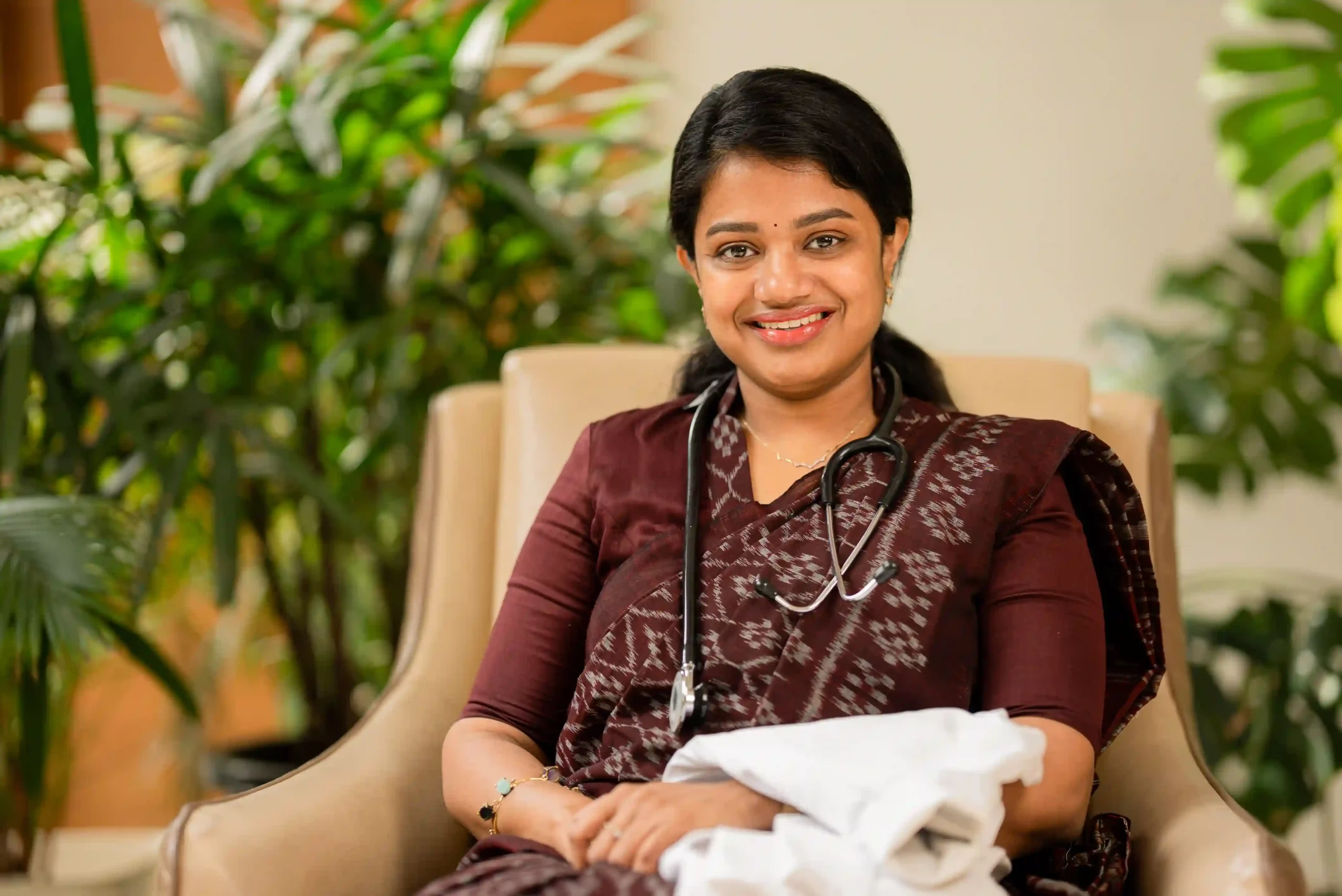
Dr. Shree Aarthi
Consultant Psychiatrist
15+ years providing expert psychiatric care for mental health and substance use disorders.

Dr. Ramalingam P Kandaswamy
Consultant Physician
15+ years With over 5 years of experience in HIV and infectious diseases, he brings global expertise and compassionate care to every patient he supports.

Dr. Divya
Psychiatrist
10+ years combining clinical psychiatry expertise with healthcare management for holistic treatment.
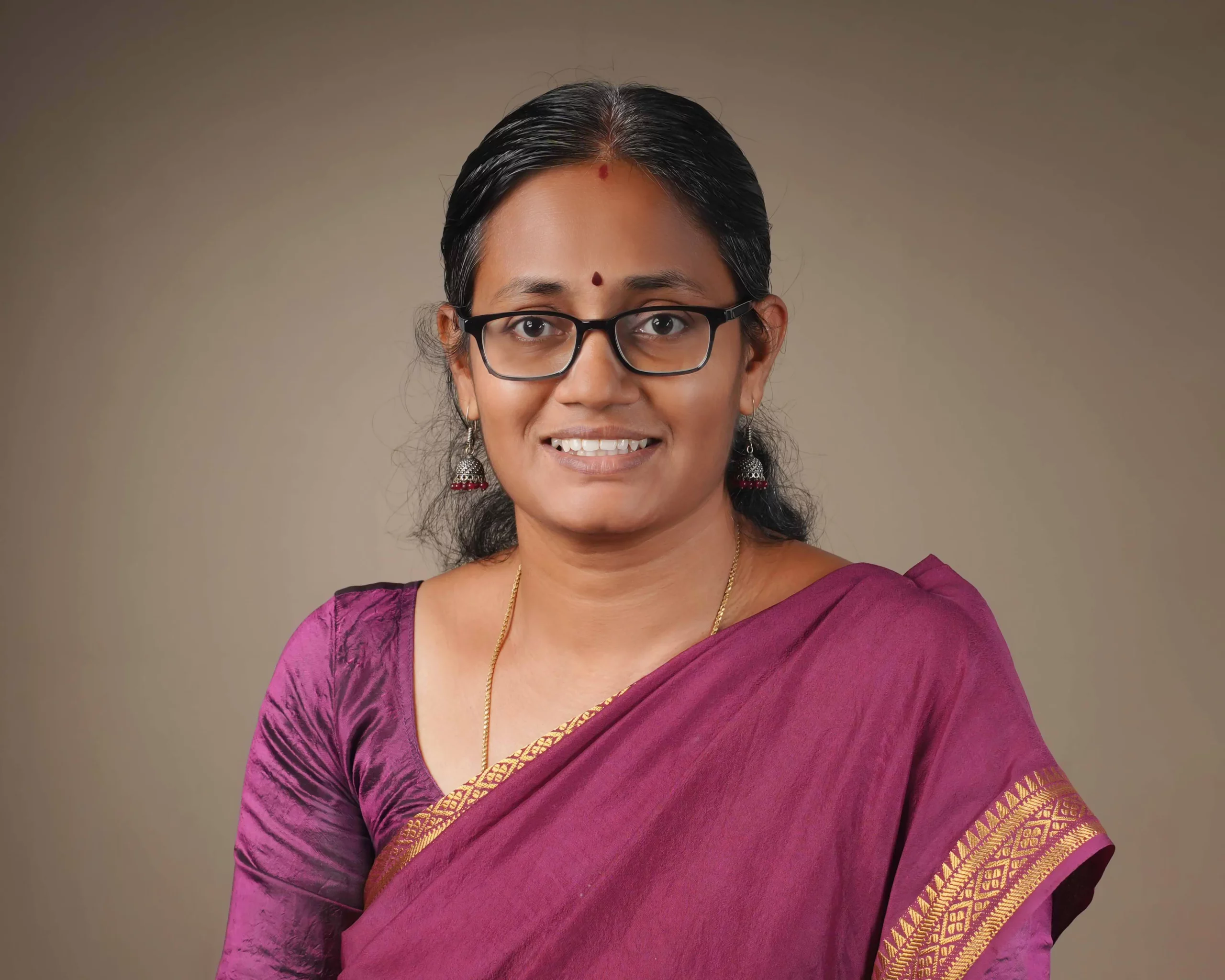
Dr. Malarvilzhi
Residential Medical Officer
12 years delivering comprehensive medical care in psychiatric and rehabilitation settings.
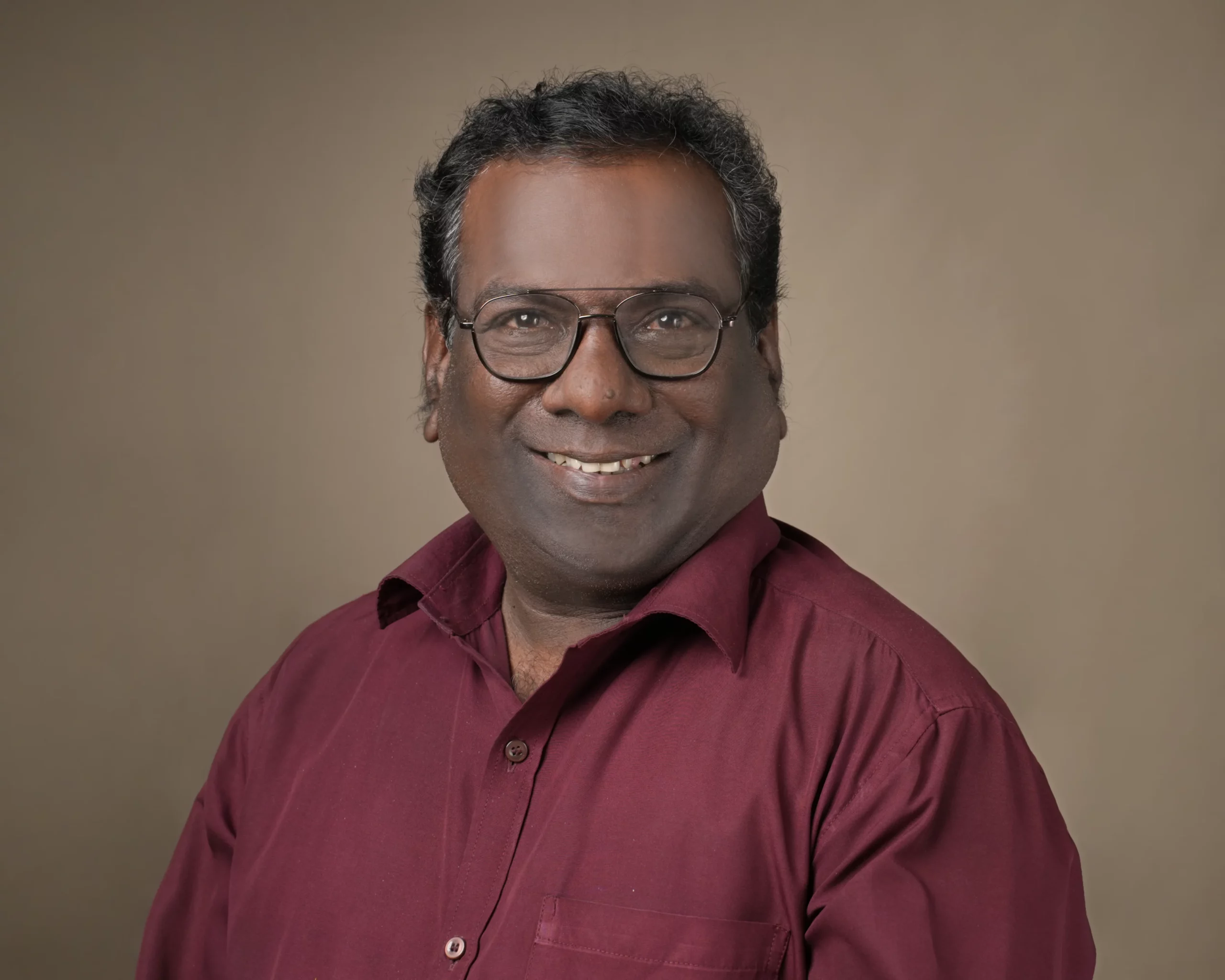
Dr. Karuppachamy
Senior Psychiatric Social Worker
22+ years of experience empowering clients through therapeutic guidance, psychosocial support, and lived-experience wisdom.
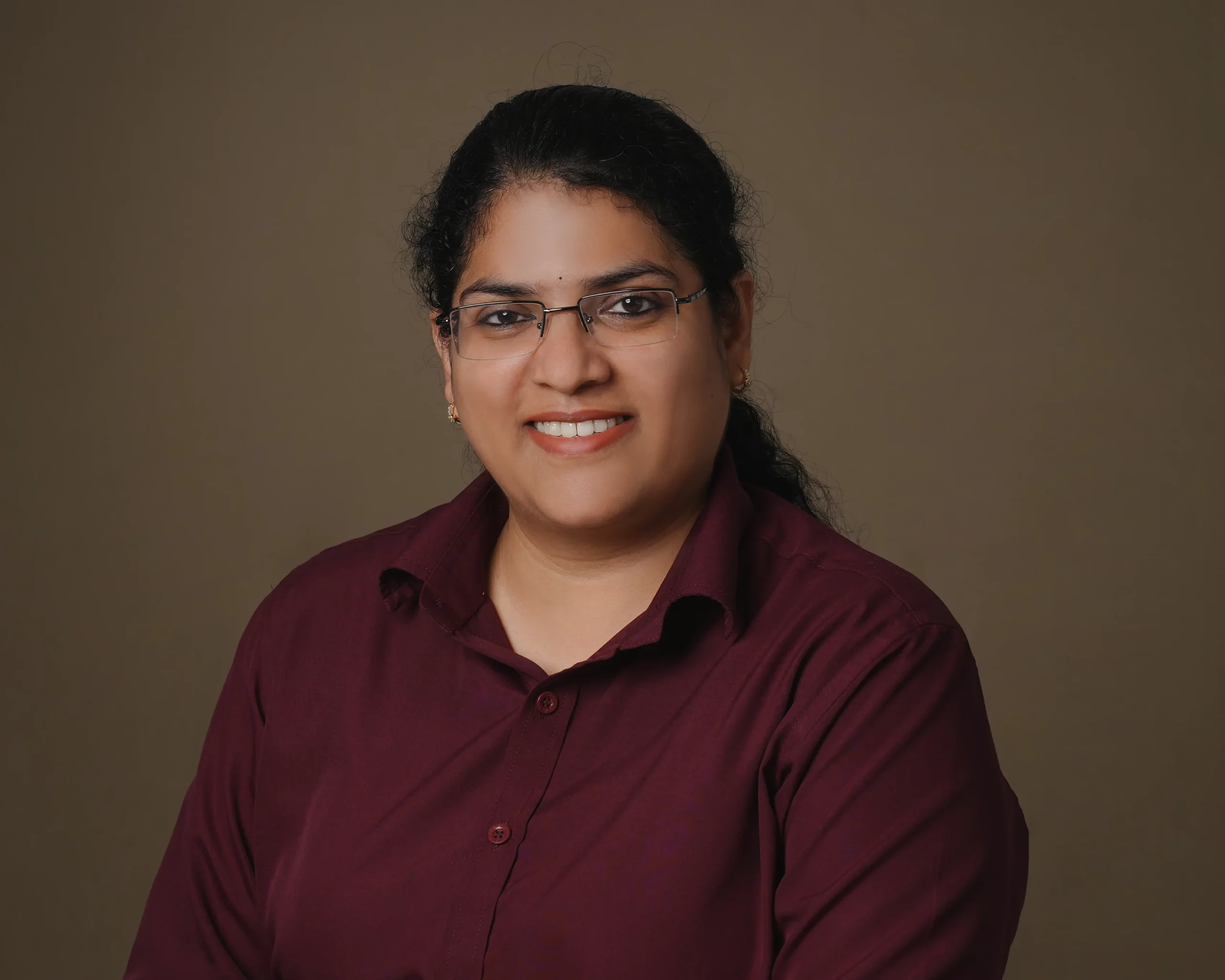
Ms. Meera
Senior Clinical Psychologist
9+ years specializing in psychological assessment and evidence-based therapeutic interventions.
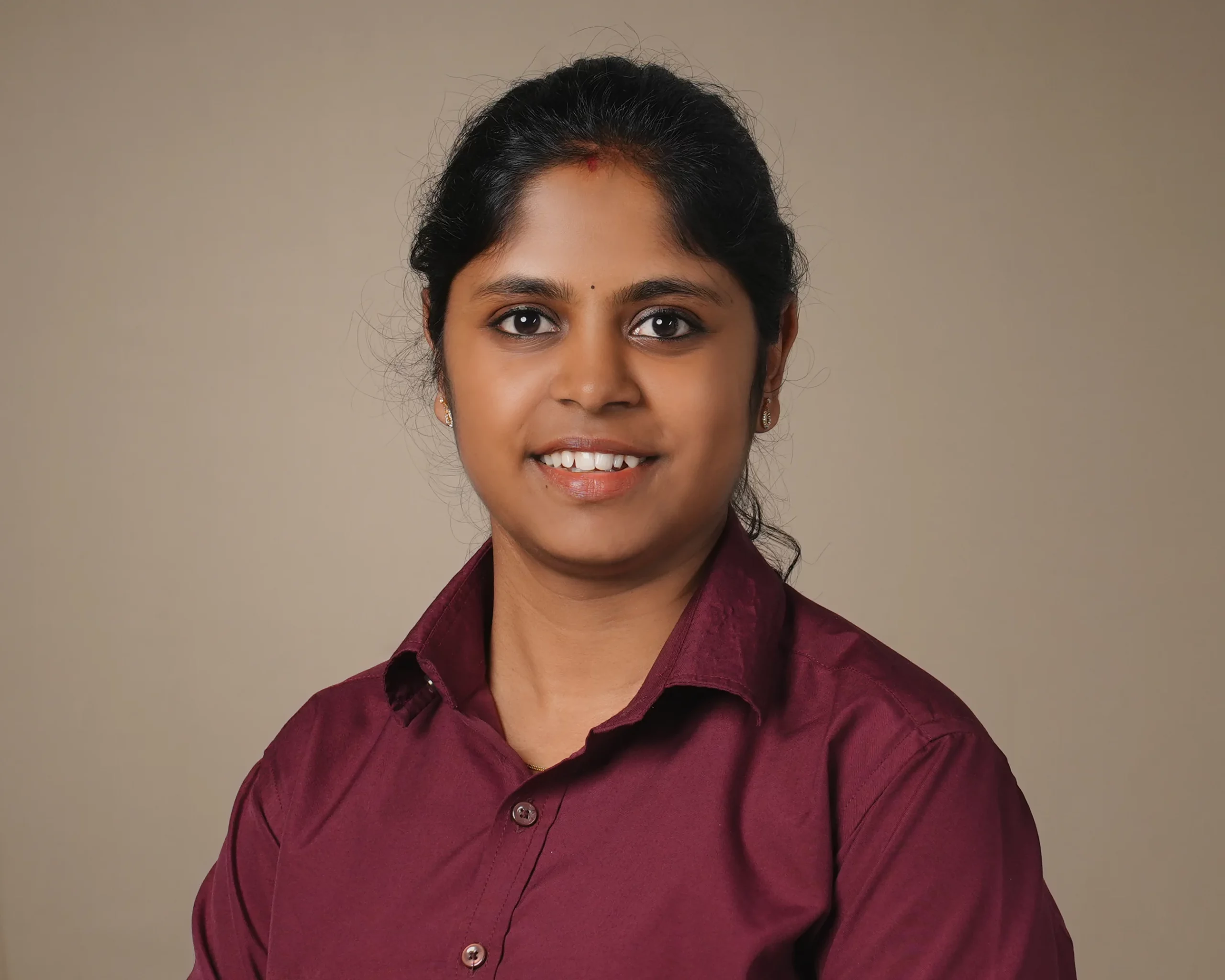
Mrs. Priyadarshini
Head Clinical Psychologist
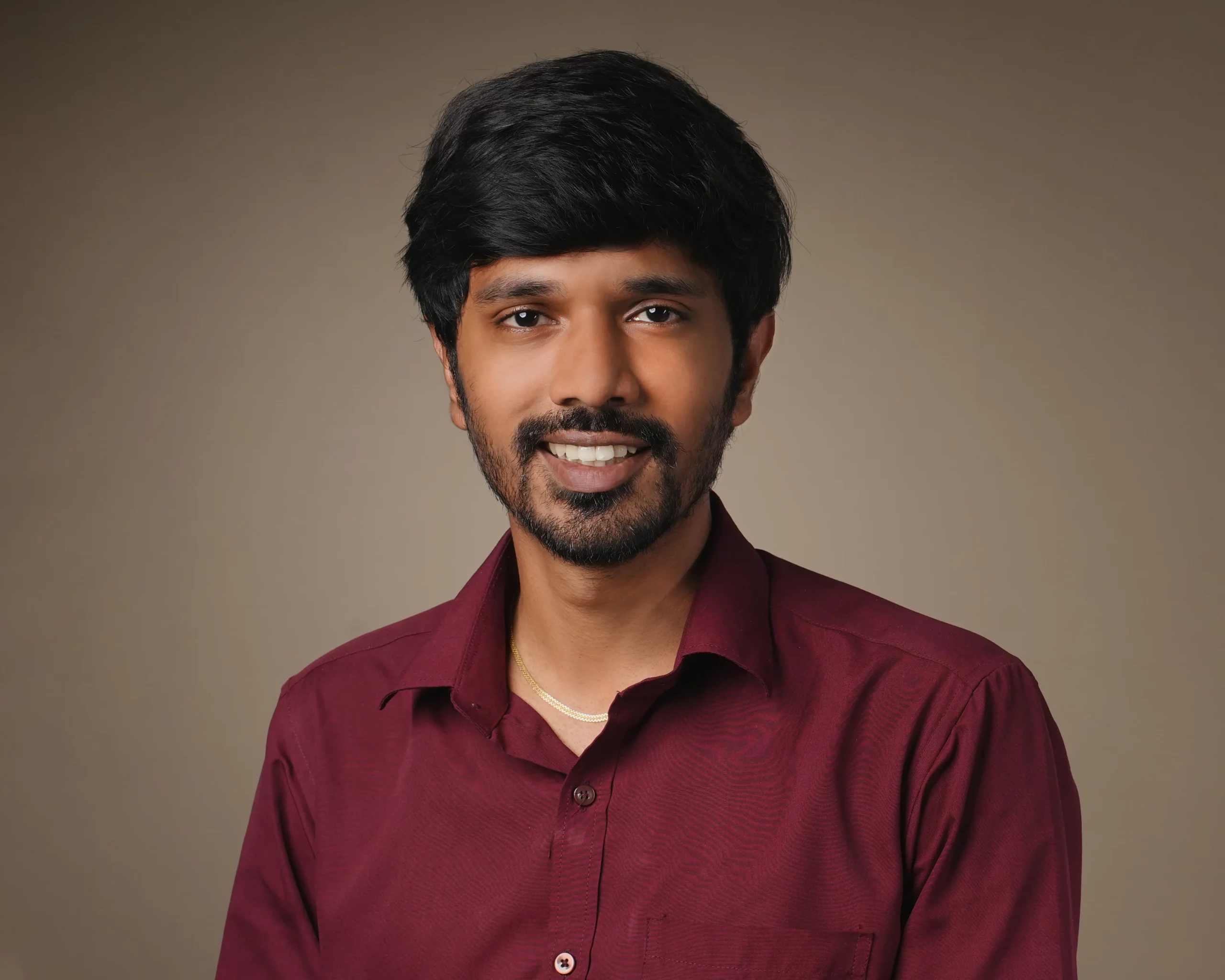
Mr. Mukesh Kanna
Clinical Psychologist
2+ years providing psychological interventions for behavioral health and emotional wellness.
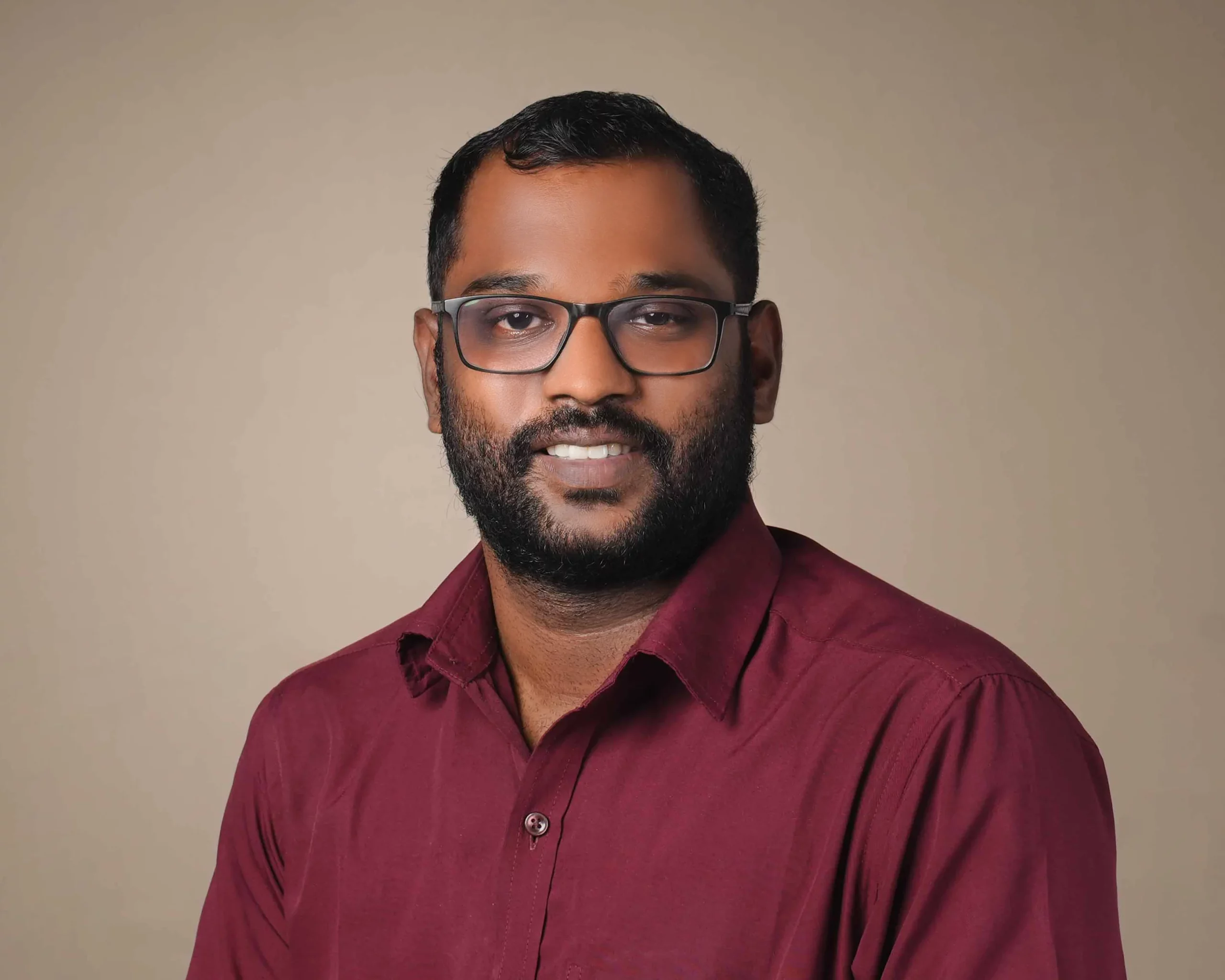
Mr. Antipas Jayabal
Clinical Psychologist
2+ years supporting clients through clinical assessment and therapeutic care.
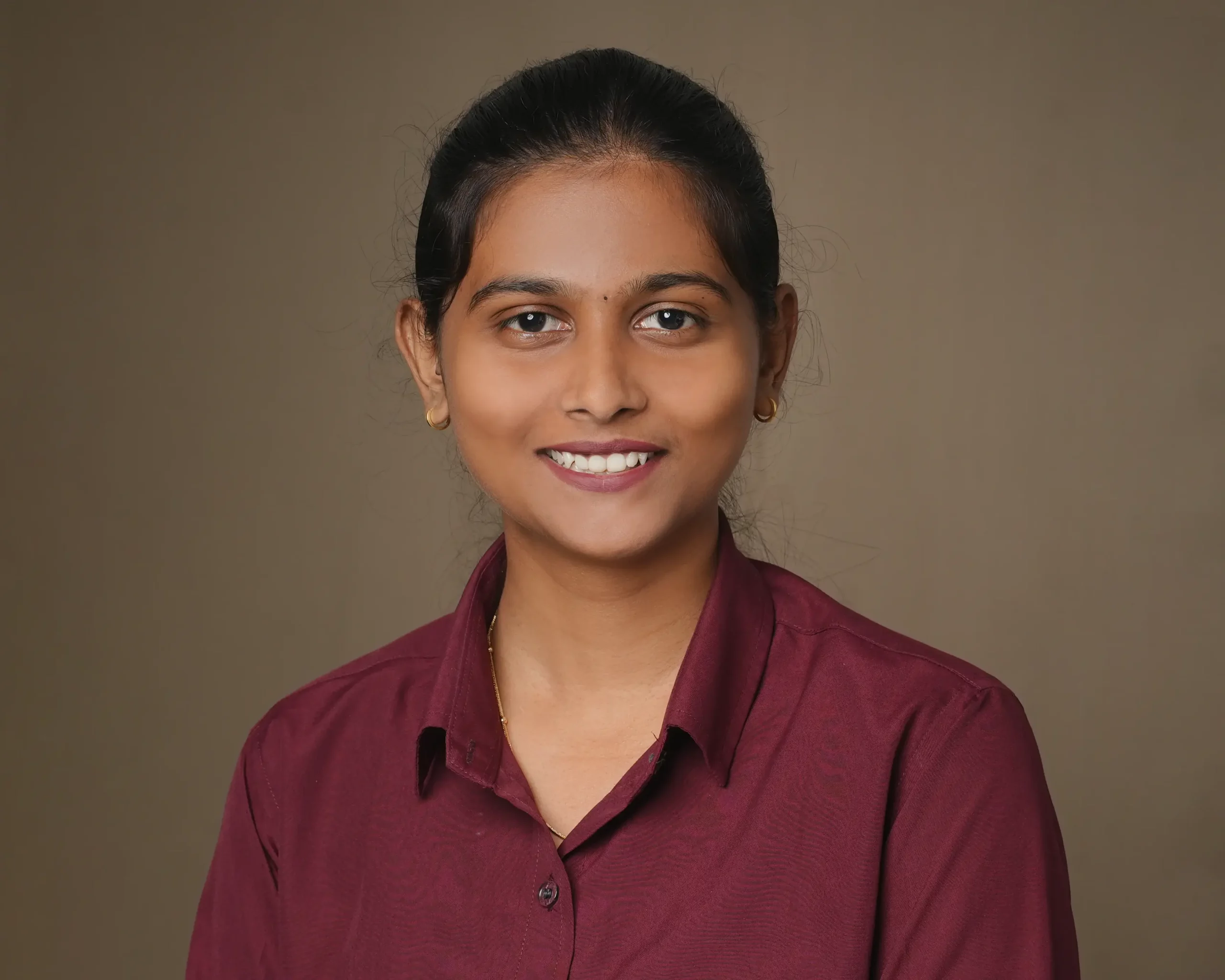
Ms Keerthana S
Psychologist
Empathetic psychologist with 4 years’ experience in handling mental health disorders, using evidence-based psychotherapies for personalized client care.
Inside Our Residential Programme
Many assume that every gambling treatment centre looks the same. They expect scheduled group sessions, surface-level therapy, and a focus on stopping behaviour. At Abhasa, we follow a deeper path. We help people rebuild from the inside out using structure, emotional safety, and personal insight.
As a leading private gambling rehab, we do not just reduce harmful habits. We support complete lifestyle transformation. Each client walks into a space built for reflection, routine, and renewal.

Understanding what drives the cycle
We begin with clarity. Our team starts by listening, not labelling.
Before any schedule starts, we run a complete assessment. We map spending behaviours, emotional triggers, and the internal stress loops that drive gambling. This first layer includes:
- Behavioural interviews that explore how the gambling habit formed and why it persists
- Financial mapping to understand the scope of debt, secrecy, and spending patterns
- Emotional health screening to identify root stressors and co-existing challenges
Clients often feel relief just being understood. That is when the real work begins.
Personalised plans that grow with progress
At Abhasa, we avoid rigid schedules. Each care plan grows in response to how the person feels, behaves, and interacts daily. Our professionals meet weekly to adjust therapy, financial education, and activity schedules.
This flexibility allows clients to build trust in their surroundings and themselves. It makes our gambling treatment centre feel stable, human, and grounded in real change.
A layered system for complete healing
We do not treat gambling as a single issue. We see how it touches every part of life. That is why our care plan includes layers that work together.
- Financial reset includes budgeting, goal-setting, and debt awareness
- Body-mind practices like yoga and nature walks build calm and discipline
- Trigger coaching helps clients replace urges with conscious coping
- A structured routine gives each day purpose through meals, rest, therapy, and movement
- Family involvement adds clarity, education, and long-term accountability
This structure turns our private gambling rehab into more than a place for recovery.
Daily rhythms that support balance
We follow a balanced flow from morning to night. Every moment helps reset mental patterns and emotional regulation. A typical day includes:
- Sunrise meditation or guided breathwork
- Individual therapy or relapse prevention
- Financial literacy workshops or group sharing
- Fresh, balanced meals with built-in rest breaks
- Evening reflection or light activity to ease into rest
Clients follow this rhythm in a calm, distraction-free space. We designed it to restore mental focus and reduce compulsive behaviour.
At our gambling treatment centre, we remove pressure and create space for recovery to take hold.
Daily rhythms and holistic support make lasting change possible.
A Typical Day at Abhasa Gambling Recovery
Most clients arrive with scattered routines and emotional exhaustion. Gambling often disrupts sleep, disconnects people from their bodies, and creates a loop of stress and isolation. That is why we begin with rhythm.

At Abhasa, we follow a flow that restores order without pressure. Each part of the day helps regulate emotions, rebuild trust in daily life, and reduce impulsive patterns. This is the core of structured gambling recovery.
Mornings begin with grounding practices. Clients ease into the day with breathwork, meditation, or quiet reflection. These practices activate calm and help the mind prepare for emotional work.
Clients often gather for group conversations after settling in with the morning flow. These sessions do not feel forced or clinical. They feel like real talk with people who understand. In that space, clients begin to feel seen. Sharing stories, listening without judgment, and recognising familiar struggles help ease the burden of isolation. These group moments don’t just ease isolation; they allow people to feel part of something again. As clients open up and relate to each other, trust grows. It doesn’t happen all at once, but little by little, those conversations lay the groundwork for emotional strength.
Later in the day, clients sit down for personal sessions with their counsellor. These one-on-one conversations go deeper. They examine the emotions, choices, and patterns shaping the gambling habit. It becomes a space to be honest, supported, and understood without pressure.
As confidence builds, we also begin working on an area many clients avoid for a long time: finances. With gentle guidance, clients start to unpack where their money went, how to create better habits, and what it takes to rebuild stability. This part of structured gambling recovery offers not just tools but relief. It reminds each person they can start fresh. This aspect of structured gambling recovery brings clarity, control, and a sense of empowerment back into their lives.
The day includes physical movement, art, journaling, and nature walks. These experiences reduce anxiety and help people reconnect with their bodies and surroundings.
Evenings offer quiet space for reflection. Clients may journal, share insights in smaller circles, or rest in peaceful common areas. Each part of the schedule supports healing in small, consistent ways.
Our team adjusts the daily structure based on how each person progresses. Some need more rest. Others need more interaction. We personalise the rhythm to meet emotional and behavioural needs.
At Abhasa, structured gambling recovery goes beyond routine. It becomes a lifestyle that teaches presence, regulation, and self-respect. We give clients a framework they can carry into life after rehab.
Each day at Abhasa brings calm, clarity, and confidence.
Financial Recovery & Money Management
Gambling often leaves behind more than emotional distress. It creates financial strain that slowly builds up, missed payments, drained savings, and silent tension at home. Over time, the pressure grows heavier for everyone involved, and trust around money breaks down. At Abhasa, we recognise that true healing includes emotional growth and financial repair.
We include financial support as a core part of every personalised plan. This is not just a lecture or a spreadsheet. It is an honest conversation about loss, responsibility, and change. Each session creates a safe space where clients can talk honestly about money without fear of judgment. They begin to understand their relationship with spending and take small steps toward rebuilding trust in their decisions.
We start with a private assessment. Clients walk through past decisions, financial patterns, and current obligations with a trained guide. This first step in financial recovery from gambling helps them face reality with support, not shame.
Once we understand the scope, we work together to create a pathway forward. Clients identify where money went, what habits need to change, and how to build safer choices moving ahead.
Many families carry the weight of loans, secret spending, or unpaid balances. These burdens can increase tension and feed cycles of guilt or avoidance. We provide professional debt counselling that addresses these challenges step by step.
During this process, clients explore repayment strategies, manage existing responsibilities, and begin to build healthier boundaries. This approach creates space for financial recovery from gambling to happen with clarity and calm.
We teach the basics of budgeting in a way that feels accessible and personal. Clients work on real-life scenarios, from managing daily expenses to planning for long-term goals.
They learn to set realistic limits, track spending without shame, and build a rhythm around money-supporting recovery. These new habits reduce stress and create emotional stability.
The ripple of gambling often stretches far beyond the person directly involved. Family members may lose trust, feel blindsided by debts, or struggle with feelings of betrayal. These are common gambling addiction effects on family, and they deserve time and care.
We offer family financial therapy to rebuild open communication and transparency. Together, we explore how decisions affected each person and how to move forward with shared understanding. These sessions help families move from blame to rebuilding.
Sustainable healing also means looking forward. We guide clients through early investment planning, future savings strategies, and banking safety tools that protect them from relapsing into risky behaviour.
This forward-facing work makes financial recovery from gambling not just a patch but a long-term shift in how clients view money, responsibility, and self-worth.
Rebuild your finances, restore trust, and reclaim control over your life.
Trigger Management & Relapse Prevention
Most people arrive at Abhasa carrying more than just a habit. They have tension, financial strain, relationship breakdowns, and a deep sense of uncertainty about what happens next. We never hand over a fixed plan and expect it to work.
We start by listening, not labelling. We observe how clients respond emotionally, financially, and socially during their first few days. These insights help us design a care plan that focuses not just on therapy but on everyday triggers that fuel gambling.

At many facilities, relapse prevention becomes a worksheet handed out in the final week. At Abhasa, we embed it from day one. From the moment a client walks into our gambling recovery centre, our team maps out what puts them at risk emotionally, financially, and socially.
Triggers might include payday, conflict at home, being alone with a phone, or memories of past wins. We do not treat these as general patterns. We get specific. We create individual plans that help clients identify these cues before they escalate. That’s how gambling addiction treatment becomes both personal and proactive.

We don’t just explain what an urge is. We practise what to do when it hits. At Abhasa, clients rehearse breathing exercises, movement breaks, and grounding strategies that help them respond in the moment. These skills are repeated across different settings, such as therapy, group work, and daily routines until they feel natural.
This hands-on learning turns passive information into active protection. That’s how recovery sticks.
One of the most overlooked parts of recovery is the physical and digital space around the person. Gambling doesn’t happen in isolation. It occurs when a person feels emotionally vulnerable and digitally exposed.
We help clients clean up their environment, remove betting apps, organise their financial setup, and work with families to create safe and sustainable boundaries. This layer of gambling addiction treatment prevents relapse by removing access points that many clients never realised were harming their progress.

Stress is one of the most potent triggers for gambling. At our gambling recovery centre, we help clients recognise the early signs of emotional overload and act on them before they spiral.
Daily practices like journaling, breathwork, mindful movement, and peer connection become the emotional safety net that prevents relapse. These aren’t just tools; they become part of the person’s new way of living.

A lot of clients worry about how to say “no” when gambling shows up in social life. Whether it’s a family card game, a casual bet during a match, or a high-stress conversation about money, we prepare clients to respond with clarity.
We rehearse what to say, how to hold boundaries, and how to walk away without guilt. These social recovery skills are taught with kindness, not pressure.

No recovery is perfect. That’s why we build a step-back-in plan for every client. This includes who to call, how to reset routines, and how to involve the family if needed. We do this openly, without shame or fear.
The real work of gambling addiction treatment begins when the person walks back into their everyday life, and we make sure they don’t do that alone.

Learn practical tools to stay in control and prevent relapse.
Family Support & Education
When someone struggles with gambling, the impact does not stay contained. It spreads quietly through the home. Tension rises. Financial stress deepens. Communication begins to break down. Families often try to help but feel lost and overwhelmed without guidance.
At Abhasa, we work with the entire system that surrounds the client. We include families initially because true recovery lasts only when the environment heals. We place family gambling support at the heart of our programme.
Families want more than just surface-level updates. They want to understand how their loved one is emotionally, socially, and in day-to-day life. At Abhasa, we keep families involved through consistent, thoughtful communication.
Here’s how we do that:
- Progress snapshots: We share regular updates that reflect emotional responses, participation in routines, and signs of growth.
- Weekly check-ins: Families speak directly with a dedicated care coordinator for honest conversations, space to ask questions, and reassurance.
Monthly clinical reviews: Our clinical team joins families for deeper discussions about progress, any concerns, and next steps. This structure turns family gambling support into something that feels steady and meaningful. Families stay informed, included, and supported without feeling overwhelmed.

Many families feel stretched thin. They carry the emotional weight of trying to fix things without knowing how. We help relieve that pressure through education.
Our programme teaches how gambling affects the brain, why certain behaviours repeat, and how to respond without reacting. Families learn practical ways to manage stress and set boundaries without creating tension.
When families understand the gambling addiction effects on family life, they begin to see patterns. They stop blaming themselves and build tools that protect everyone’s emotional health.
Emotional distance often grows before anyone notices. We offer family therapy focusing on honest communication, emotional repair, and reconnection. These sessions give the client and the family a space to express their feelings and rebuild trust.
Families who attend these sessions often say they feel heard for the first time in a long while.

As treatment progresses, we prepare families for what comes next. We help them create stable routines, set shared expectations, and plan for potential challenges at home. We address financial communication, personal boundaries, and shared responsibilities.
The gambling addiction effects on family life do not end when rehab begins. That is why we continue to support the family unit, helping them create a safe, honest, and supportive home for ongoing recovery.
At Abhasa, we believe that healing includes everyone. We make family gambling support real, practical, and meaningful through structured updates, education, and emotional repair.
Healing works best when the whole family is supported and understood.
Safe, Serene Environment
Recovery needs more than therapy. It needs space. Silence. Safety. At Abhasa, healing begins the moment someone steps into the environment. We designed every element of our surroundings to restore calm and stability. People who enter our private gambling rehab do not just find treatment. They find peace.

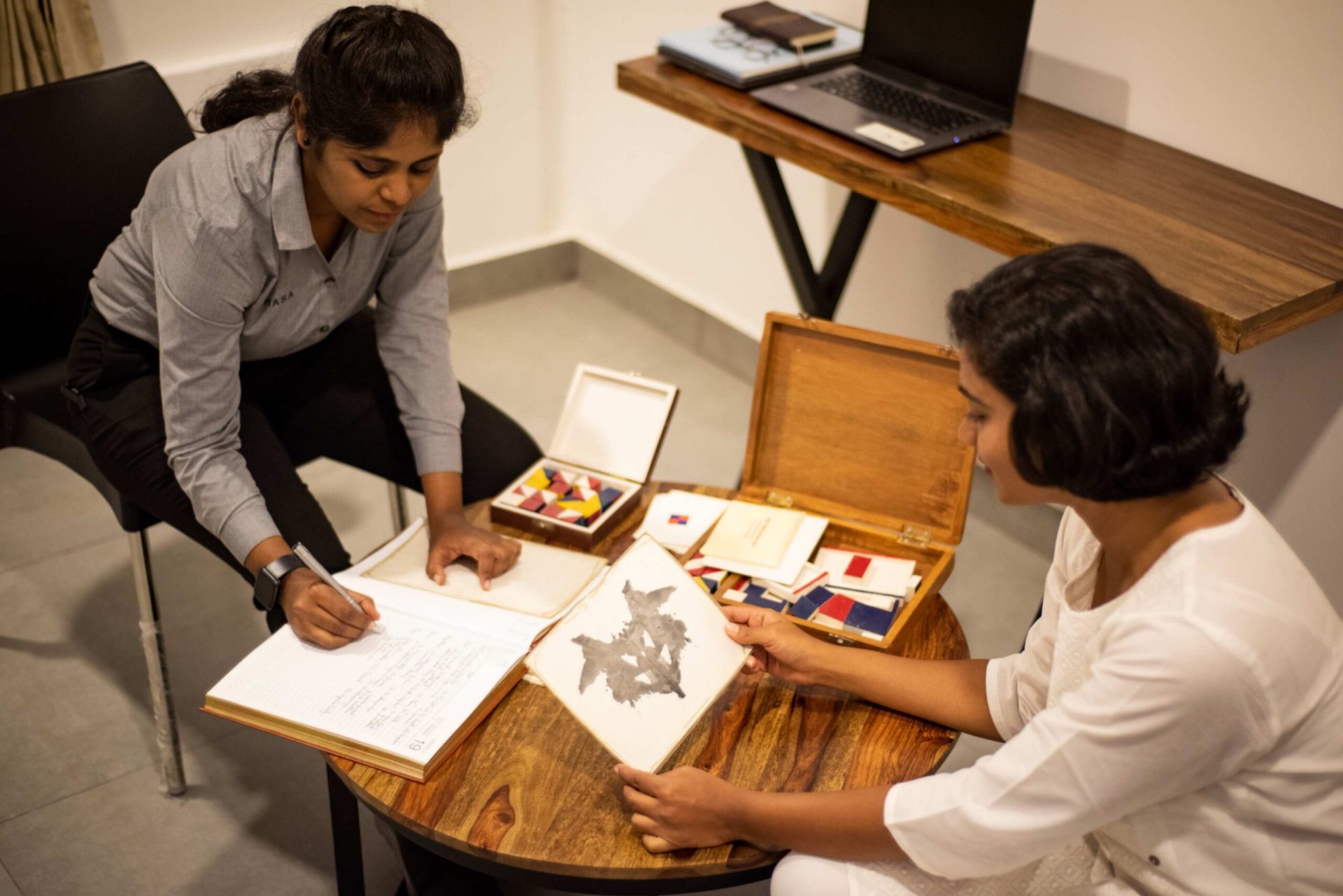
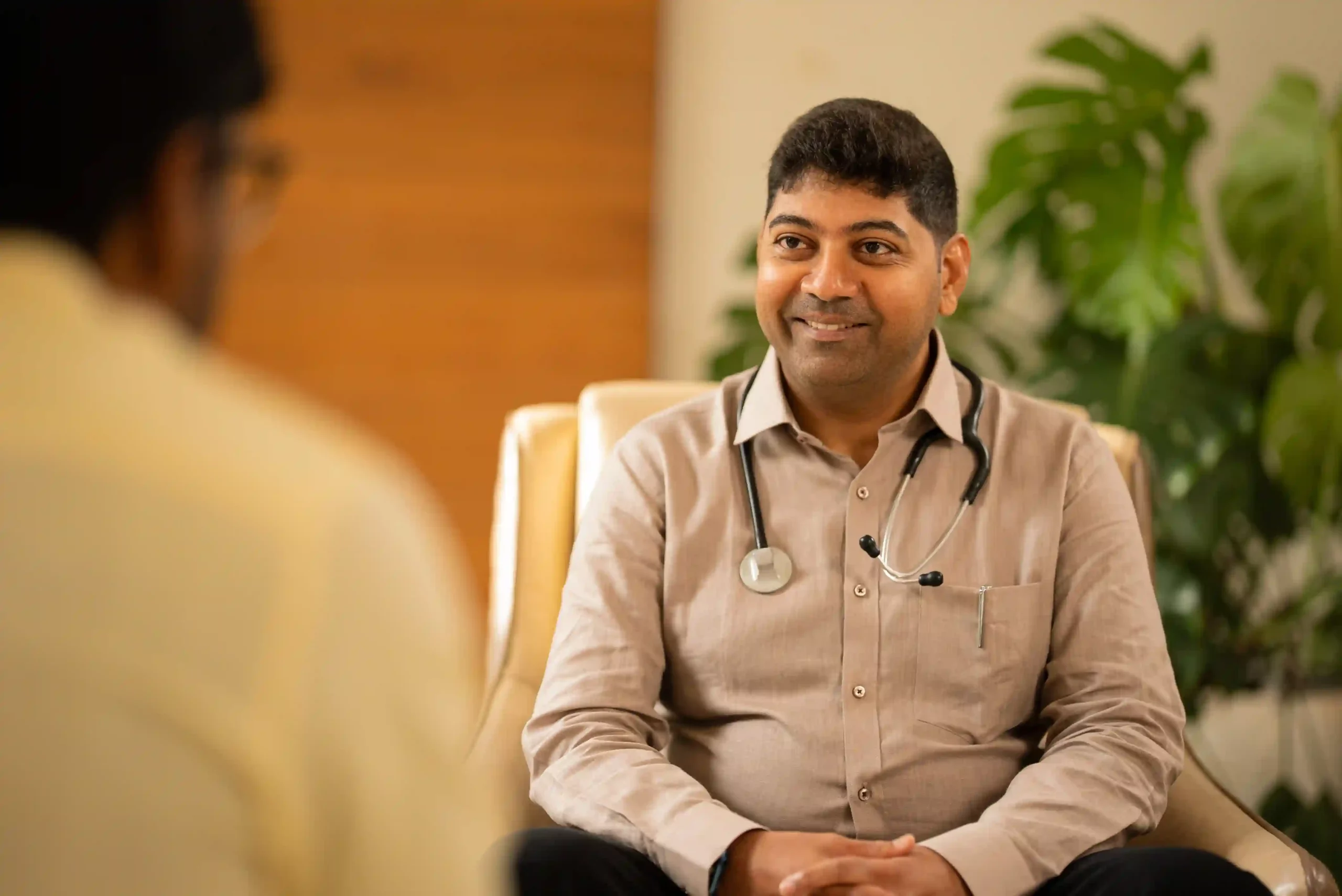
A place far removed from gambling triggers.
We chose our location with care. Clients leave behind the noise, apps, and environments that fed their gambling behaviour. Here, they wake to birdsong, walk through quiet garden paths, and reconnect with nature in small but meaningful ways.
This natural setting reduces overstimulation. It helps the body relax, and the mind reset. This sense of safety is what defines truly effective care at luxury gambling addiction treatment centres.
Privacy that allows people to let go
Healing needs privacy. Clients stay in private suites and never need to explain their presence to anyone. We protect their identity, their space, and their time. Every part of our private gambling rehab supports confidentiality and dignity.
We also limit access to external stressors. The absence of gambling apps, outside pressure, and social exposure gives clients space to think clearly and feel safe while they rebuild.
Spaces designed to calm the senses
Our buildings allow natural light and fresh air to flow freely. Therapy spaces feel open and comfortable. Common areas offer quiet for reflection and connection. We chose materials, colours, and layouts that relax the nervous system.
This is what makes Abhasa one of the most sought-after luxury gambling addiction treatment centres in India. The environment heals, not just the sessions.
Suites that feel like home
Clients stay in spacious, fully furnished private rooms. These suites include soft lighting, neutral tones, and personal touches that make rest easier. We do not believe recovery happens in cold, clinical settings.
Inside our private gambling rehab, rest becomes an intentional part of healing. Clients find comfort, sleep deeply, and restore energy in a space that supports recovery at every level.
At Abhasa, we believe the right environment tells the body it is time to let go. We do not force change. We create space for it to happen naturally. Clients do not just get better here. They feel safe enough to begin.
Healing begins where the mind feels safe and the body can rest.
Stories of Recovery: Life After Gambling
The true success of gambling rehab lives in the quiet moments after discharge. One client repaired broken trust at home and now manages finances with confidence. Another returned to work with structure and earned his first performance award. Families write to us sharing how their loved ones now enjoy simple routines, meals, walks, and peace of mind. At Abhasa, recovery means more than quitting. It means reclaiming joy, rebuilding stability, and living free from shame. The success of gambling rehab is shown in every honest effort, every second chance, and every story that is still being written.
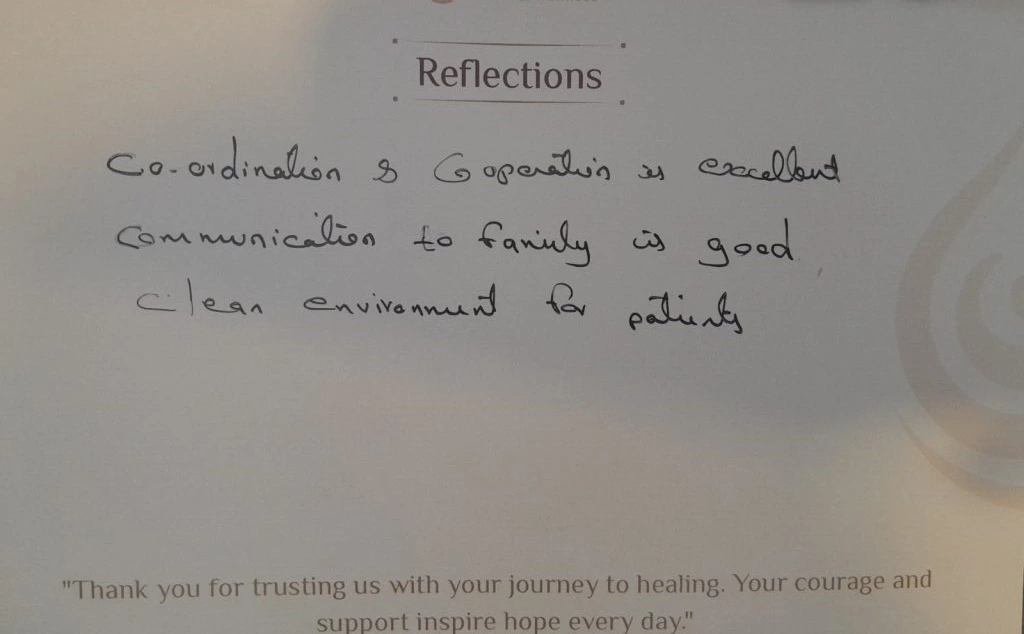
Co-ordination & cooperation is excellent. Communication to family is good. Clean environment for patients.
Former Client
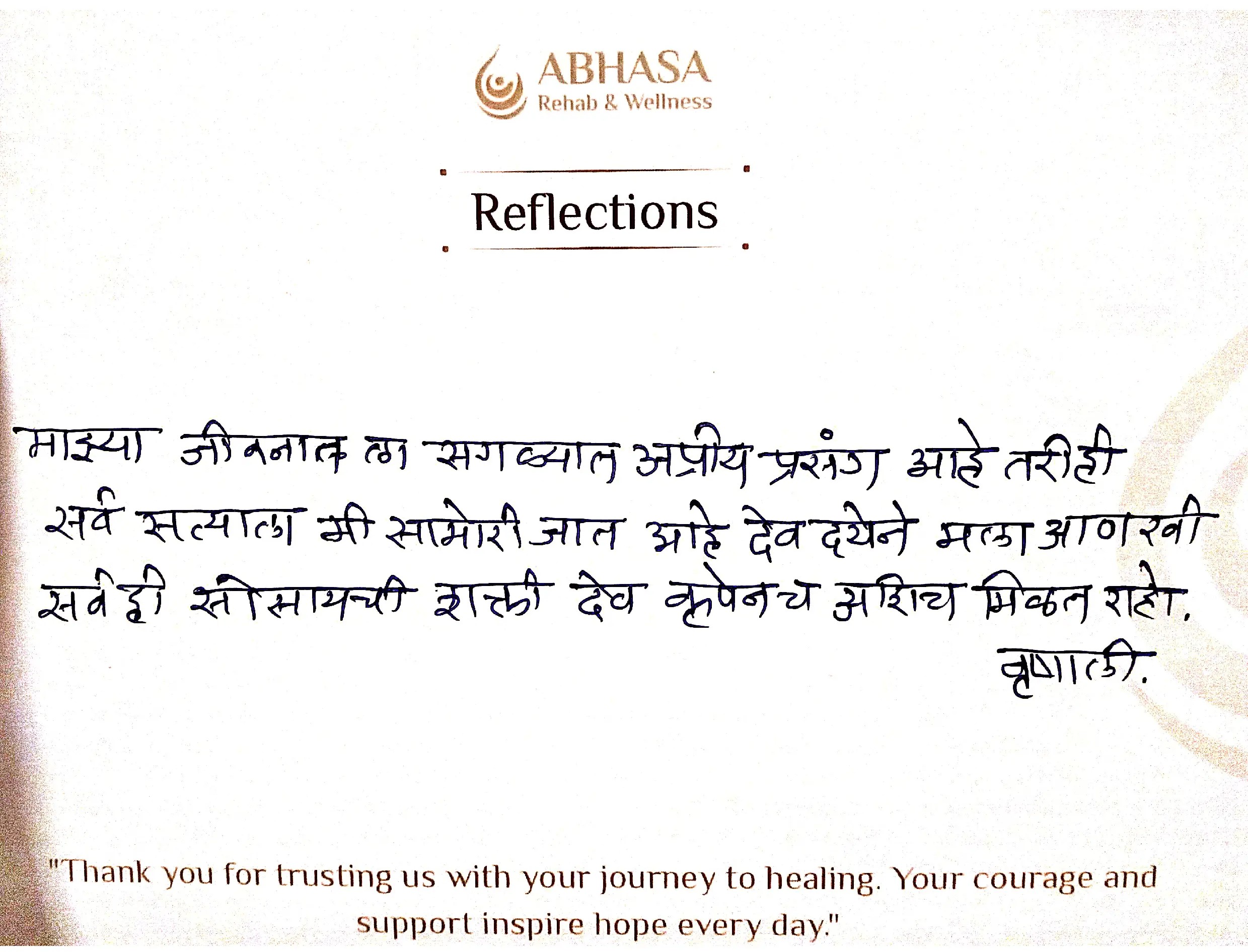
I found strength to face life’s hardest truths here. I believe it was God’s grace that brought me to Abhasa.
Former Client
Recovery is more than quitting, it’s reclaiming life’s joy.
Frequently Asked Questions About Gambling Addiction Treatment
Can a gambling addiction be cured?
Many people achieve lasting recovery. Treatment helps clients understand triggers, build life skills, and rebuild trust. Though risk remains, ongoing support makes lasting change possible at the best gambling rehab centres near you.
How long does gambling addiction treatment take?
The length depends on the person and their goals. Most programmes run from a few weeks to several months. Our admissions team personalises timelines after assessing emotional readiness, support needs, and healing pace.
What happens in gambling rehab?
Clients join therapy, peer support, financial education, mindfulness, and skill-building exercises. They follow a structured routine that fosters discipline and emotional balance. Recovery happens in the community and with tailored one-on-one support.
What is the most effective treatment for gambling addiction?
Evidence shows a blend of cognitive support, financial counselling, peer groups, and mindfulness works best. The best gambling rehab centres combine these elements inside a supportive residential environment for long-term success.
How do I get my life back after gambling?
Start with therapy to identify triggers and rebuild healthy habits. Include financial planning, peer support, and family involvement. A structured programme helps clients regain control and rediscover meaning.
Can marriage survive gambling addiction?
Yes. Many couples restore trust through honest conversation, shared therapy, and clear boundaries. Rehabilitation that includes family support brings healing for both individuals and their relationships.
How do you recover from severe gambling addiction?
Seek a structured residential programme. Clients benefit from daily routines, emotional coaching, financial repair, relapse prevention tools, and ongoing support that creates solid foundations for recovery.
What is the best therapy for gambling addiction?
There’s no one-size-fits-all answer, but the most effective approach usually combines cognitive tools, financial guidance, and emotional support. The best gambling rehab centres blend proven strategies like behaviour-focused therapy, money management coaching, and mindfulness to create a personalised recovery journey that works.
Is gambling recovery possible?
Yes. With tailored treatment, ongoing support, and habit-building follow-up, clients reclaim control. Our centre has witnessed numerous successful outcomes rooted in intentional recovery design.
How to stop addiction to gambling?
Start with honest self-reflection and professional support. Identify triggers, build support systems, set financial barriers, and learn healthy coping habits through therapy and peer connection.
What should I expect immediately after gambling rehab?
Clients often feel relief and clarity. Our centre provides ongoing therapy, check-ins, and peer support to help ease the transition and maintain momentum beyond the residential setting.
Are there gambling addiction treatment centres specifically for Indians?
Yes. Many Indian-focused programmes offer culturally sensitive care, family involvement, and local language support. Search for gambling addiction treatment centres near me to find options tailored for Indian families.
Begin Your Recovery Journey
You are not alone in this. Many families and individuals search for the best gambling addiction treatment centres after months or even years of confusion and emotional strain. If you’re ready to escape the chaos, we are here with structure, privacy, and full-spectrum care.
As one of the trusted gambling treatment centres in India, Abhasa offers more than just therapy. We offer a path forward—built around you. Whether you’re calling for yourself or someone you love, the first step begins with a private, compassionate conversation.
Here’s how we make it simple:
- Speak with our team: Call, email, or message us privately. We respond with clarity and care.
- Get a free consultation: Our experts offer a no-cost family assessment to understand your unique needs.
- Start without delay: We guide you through a seamless admission process designed for ease and urgency.
Personalised plans are in high demand. Families across the country choose Abhasa because we combine science, empathy, and structure in a setting that protects dignity.
If you have been searching for the best gambling addiction treatment centres or wondering which gambling treatment centres in India offer complete support, your search can end here.
Every step forward is progress. You are not alone.
Proudly Serving Across Cities
- Rehab in Karjat
- Rehab in Pune
- Rehab in Navi Mumbai
- Rehab in Madurai
- Rehab in Trichy
- Rehab in Bangalore
- Rehab in Chennai
- Rehab in Thane
- Rehab in Nasik
- Rehab in Kochi
- Rehab in Mangalore
- Rehab in Mysore
- Rehab in Hyderabad
- Rehab in Vijayawada
- Rehab in Visakhapatnam
- Rehab in Delhi
Medical Disclaimer
This information is for educational purposes only and does not constitute medical advice. Alcohol use disorder is a serious medical condition requiring professional diagnosis and treatment by qualified healthcare providers.
Always consult licensed medical professionals and addiction specialists before making treatment decisions. Individual results vary significantly based on numerous factors including severity of dependence, co-occurring conditions, personal commitment, and environmental support.
Alcohol withdrawal can be life-threatening. Attempting to detox at home without medical supervision may result in severe complications including seizures, delirium tremens, and death. Medical detoxification should only be conducted under the supervision of qualified healthcare professionals in an appropriate medical setting.
If you are experiencing a medical emergency, call emergency services immediately (dial 112 in India or your local emergency number).
The content provided describes general treatment approaches and facility amenities. It is not a substitute for individualized medical assessment or professional treatment planning. Treatment outcomes cannot be guaranteed, and recovery from alcohol dependence is an ongoing process that may include periods of relapse.
Research Citations (Top 15 Most Authoritative Sources):
Core Citations (All Sources Used):
TIER 1: Government & International Organizations (Highest Authority)
[1] World Health Organization – “Gambling” Fact Sheet – December 2024 URL: https://www.who.int/news-room/fact-sheets/detail/gambling Source Type: International health authority (Tier 1) Supports: Global prevalence (1.2% with disorder), treatment necessity, public health impact
[2] National Council on Problem Gambling – “Problem Gambling Treatment Options” – November 2023 URL: https://www.ncpgambling.org/help-treatment/problem-gambling-treatment-options/ Source Type: Professional organization Supports: Treatment standards, residential vs outpatient, therapy approaches
[12] SAMHSA – “National Helpline for Mental Health, Drug, Alcohol Issues” URL: https://www.samhsa.gov/find-help/helplines/national-helpline Source Type: Federal government (Tier 1) Supports: Crisis resources, treatment referrals, family support
TIER 2: Peer-Reviewed Medical Research (High Authority)
[5] Cowlishaw S, Merkouris S, Dowling N, et al. – “Cognitive-behavioral therapy for pathological gambling: Cultural Considerations” – 2012 URL: https://pmc.ncbi.nlm.nih.gov/articles/PMC2789341/ Source Type: Peer-reviewed study Supports: CBT efficacy, cultural adaptation, treatment effectiveness
[6] Archives of Psychiatric Nursing – “Efficacy of cognitive-behavioral therapy in improving quality of life of people with compulsive gambling” – 2022 URL: https://www.sciencedirect.com/science/article/pii/S0883941722001625 Source Type: Peer-reviewed systematic review Supports: CBT effectiveness, quality of life improvements, integrated approaches
[11] PMC – “Pathological Gambling Recovery in the Absence of Abstinence” – Addiction, 2010 URL: https://pmc.ncbi.nlm.nih.gov/articles/PMC2975751/ Source Type: Peer-reviewed study Supports: Natural recovery (33%), recovery pathways, abstinence vs controlled gambling
TIER 3: Medical Institutions (High Authority)
[3] Mayo Clinic – “Compulsive gambling – Diagnosis & treatment” – June 2022 URL: https://www.mayoclinic.org/diseases-conditions/compulsive-gambling/diagnosis-treatment/drc-20355184 Source Type: Medical institution (Tier 2) Supports: Treatment approaches, family involvement, therapy types, diagnosis
TIER 4: Specialized Evidence-Based Resources
[4] Addiction Help – “Gambling Addiction Statistics” – June 2025 URL: https://www.addictionhelp.com/gambling/statistics/ Source Type: Treatment information resource Supports: 5 million Americans affected, 70% relapse rate, treatment seeking statistics
[7] Better Health Channel – “Gambling – advice for family and friends” – Victoria Department of Health URL: https://www.betterhealth.vic.gov.au/health/healthyliving/gambling-advice-for-family-and-friends Source Type: Government health portal (Australia) Supports: Family support strategies, education, relationship impacts
[8] Debt.org – “Financial Help for Gamblers & How to Pay Off Gambling Debt” – January 2025 URL: https://www.debt.org/advice/gambling/ Source Type: Financial education nonprofit Supports: Financial recovery strategies, debt management, counseling options
[9] Money and Mental Health – “How financial services can help people with gambling addiction” – June 2025 URL: https://www.moneyandmentalhealth.org/financial-services-gambling-addiction/ Source Type: Mental health advocacy Supports: Financial impact, recovery challenges, systemic solutions
[10] Asian Journal of Gambling Issues and Public Health – “Impacts of gambling problems on partners” – 2013 URL: https://ajgiph.springeropen.com/articles/10.1186/2195-3007-3-11 Source Type: Peer-reviewed study Supports: Partner impacts, trust breakdown, relationship strain, separation/divorce