
Luxury PTSD Rehab in India

Trauma doesn’t have to hold you hostage. Abhasa’s safe therapies and holistic healing help restore trust and calm.
Families choose Abhasa because real change begins here.

2:1 Staff-to-client ratio
3 Healing Spaces
Personalised Treatments
360° Healing
2:1 Staff-to-client ratio
3 Healing Spaces
Personalised Treatments
360° Healing
Comprehensive PTSD & Trauma Treatment in India

The flashbacks don’t define you. The nightmares aren’t your future.
Post-traumatic stress disorder affects more than thoughts. It changes how a person reacts, feels, and connects. Sudden sounds, silence, or even a gentle touch can feel unsafe. This goes beyond everyday stress. It reflects deep emotional wounds that continue to echo long after the event. For many families, watching someone they love struggle feels overwhelming.
If you have already offered support or tried counselling and things still feel stuck, the next step may involve structured help. A safe, healing space changes everything. That is where specialised ptsd treatment centres play a vital role. These spaces give individuals a calm, stable setting where they can begin their healing with guidance and care.
At Abhasa, we believe every post-traumatic stress disorder treatment must begin with safety, trust, and understanding. No two trauma experiences are the same. That is why our residential programme focuses on personalised care. With nature all around, daily structure, and a compassionate team, individuals find the emotional space they need to breathe, reflect, and recover.
Why trauma needs professional help
Time alone does not erase trauma. It can stay hidden for years, showing up as anger, fear, disconnection, or exhaustion. In many Indian households, people are told to stay strong and move on. But trauma does not work that way. It needs care. It needs a process.
With the proper post-traumatic stress disorder treatment, individuals slowly learn to face difficult memories and feelings without being overwhelmed. The most trusted ptsd treatment centres offer that steady support, giving people a clear and structured path forward.
What sets Abhasa apart
We bring together comfort and proven care. Our environment feels calm and private. Our approach combines therapies like EMDR, somatic healing, expressive art, and trauma-informed yoga. These help individuals reconnect with their bodies and find relief from stored stress.
Our team respects the cultural layers of Indian families. We support the entire family, not just the individual. This helps everyone involved find understanding and strength during recovery.
The first step toward healing
You do not have to walk this path alone. If you are searching for trusted ptsd treatment centres that provide luxury care and deep emotional support, Abhasa is ready to welcome you.
Heal from Trauma – Start Today
Unsure about the recovery process? We’ll guide you.
Understanding Residential PTSD Treatment
Healing from trauma requires more than a quiet room and kind words. For many people, real change begins in a space that feels completely safe, structured, and protected from daily triggers. That is precisely what a residential ptsd treatment centre provides.
Outpatient care has its place, but for many people, it’s hard to heal when they’re still surrounded by the same stress, noise, or family pressure they’re trying to recover from. Home may not feel like a safe space. The support might come and go. And without a calm, steady environment, it becomes harder to rest or move forward truly.
In contrast, trauma treatment centres create a full-circle environment that supports recovery around the clock. This structure gives the mind and body space to calm down, reset, and begin healing.
A 24/7 trauma-informed environment
A residential ptsd treatment centre runs on predictability. Each day follows a rhythm that helps individuals feel grounded. Meals are on time. Therapies are scheduled. Staff remain available day and night to offer guidance or simply sit with someone during a difficult moment. This steady presence makes all the difference in restoring trust and safety.
At Abhasa, we design everything around emotional stability. Every interaction, routine, and therapy method aims to calm the nervous system and reduce inner chaos.
Why home care is not enough
Home is where many people want to feel safe. But when trauma has occurred or continues in that space, it often acts as a trigger. Arguments, neglect, misunderstandings, or even well-meaning advice can make symptoms worse.
Trauma treatment centres remove these pressures. They offer a break from old patterns and introduce new ways of coping. By staying in a controlled, healing space, individuals can finally begin to rest and reflect without fear.
More than symptom management
An intense ptsd treatment centre does not focus only on symptoms. It supports the whole person. At Abhasa, we integrate physical wellness, emotional balance, and spiritual reflection into each day. Yoga, art, movement therapy, and guided mindfulness all work alongside evidence-based practices to help clients reconnect with their sense of self.
Healing becomes more than just reducing flashbacks or panic. It becomes about building strength, connection, and peace.
A 24/7 trauma-informed environment
A residential ptsd treatment centre runs on predictability. Each day follows a rhythm that helps individuals feel grounded. Meals are on time. Therapies are scheduled. Staff remain available day and night to offer guidance or simply sit with someone during a difficult moment. This steady presence makes all the difference in restoring trust and safety.
At Abhasa, we design everything around emotional stability. Every interaction, routine, and therapy method aims to calm the nervous system and reduce inner chaos.
Why home care is not enough
Home is where many people want to feel safe. But when trauma has occurred or continues in that space, it often acts as a trigger. Arguments, neglect, misunderstandings, or even well-meaning advice can make symptoms worse.
Trauma treatment centres remove these pressures. They offer a break from old patterns and introduce new ways of coping. By staying in a controlled, healing space, individuals can finally begin to rest and reflect without fear.
More than symptom management
An intense ptsd treatment centre does not focus only on symptoms. It supports the whole person. At Abhasa, we integrate physical wellness, emotional balance, and spiritual reflection into each day. Yoga, art, movement therapy, and guided mindfulness all work alongside evidence-based practices to help clients reconnect with their sense of self.
Healing becomes more than just reducing flashbacks or panic. It becomes about building strength, connection, and peace.
Residential care brings calm to families in crisis.
Why Choose Specialised Trauma Care
When trauma stays unaddressed, it touches everything. You may have tried listening, helping, or giving space, but nothing seems to change. The fear remains. The tension grows. At this point, support from specialised professionals becomes essential. That is where well-established ptsd therapy centres begin to make a real impact.
Trauma shifts how a person feels in their body, responds to relationships, and sees the world. Without guidance, the nervous system stays alert, and the person remains in survival mode. A trusted trauma treatment centre offers the structure and support to create real and lasting change.

Why professional support works better
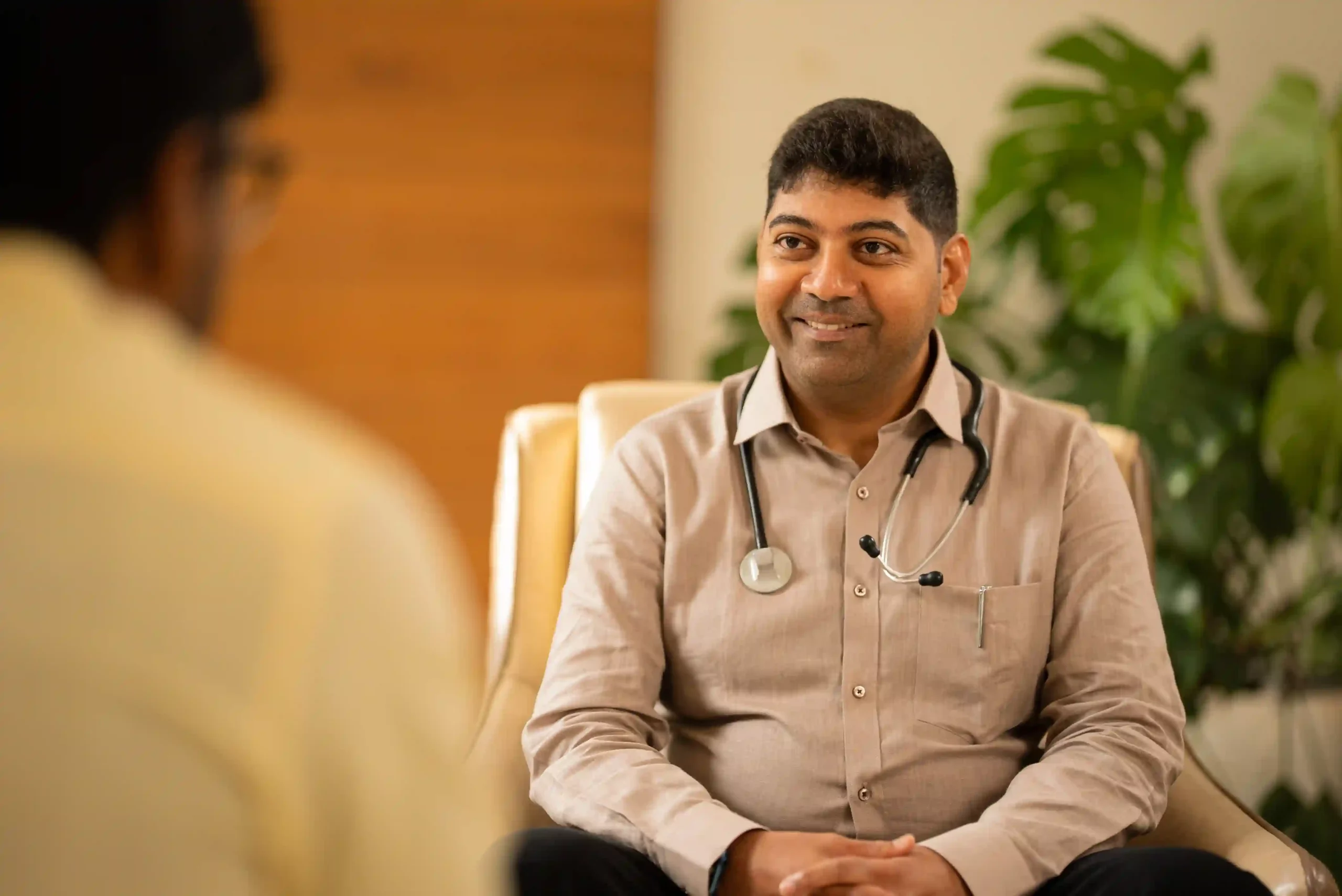
Trained trauma therapists understand what many families do not have the tools to handle alone. At Abhasa, our team uses years of experience to help people feel safe again. We guide clients through steady, focused work that helps them understand what they carry and how to release it safely.
Ptsd therapy centres like Abhasa offer methods that go beyond talk. We use EMDR to help the brain process trauma, CBT to shift harmful patterns, and somatic practices that support physical calm. Our approach allows the person to build new internal responses to old pain.

Healing includes more than therapy
A qualified trauma treatment centre does not just offer sessions. It creates a healing rhythm. We include body-based activities, quiet time, art, nature exposure, and movement therapy to give clients more ways to feel present and regulated. These options help trauma survivors feel grounded and less overwhelmed.
We also bring families into the conversation. At Abhasa, we guide loved ones to understand how trauma affects behaviour, communication, and relationships. By helping the family respond with compassion instead of confusion, we strengthen long-term healing.

The difference it makes
Specialised trauma care does more than ease symptoms. It helps people reclaim control, express themselves freely, and build connections that feel safe. Our clients begin to feel stronger, clearer, and more prepared for the future.
If you want to explore recovery at one of the leading ptsd therapy centres, Abhasa provides expert care inside a fully dedicated trauma treatment centre.
Not sure how trauma care supports real healing?
Why Families Trust Abhasa for PTSD Recovery
Families often arrive with years of silence, confusion, and heartbreak. They want to help their loved one, but nothing feels enough. At Abhasa, we know that healing from trauma takes more than talk. It needs care that reaches the whole person. This is what places us among the best ptsd treatment centres in India.
When families enter our space, they feel something different. The surroundings feel calm. The staff welcome them without judgment. And most importantly, the person they care about begins to feel safe. This is the heart of our luxury trauma care—thoughtful, personalised, and grounded in dignity.
Healing in a space that feels peaceful and secure
Healing begins with comfort. Our centre offers private rooms, nature-filled spaces, and gentle lighting. We design everything to support emotional calm. Clients can reflect, rest, and reconnect without feeling overwhelmed. This attention to detail shapes what we offer as luxury trauma care.
We also respect privacy. Our team protects every client’s confidentiality. Families feel confident about knowing their loved one rests in a secure, professionally monitored space.
Trauma care from people who genuinely understand
Our therapists specialise in trauma recovery. They bring years of experience in treating post-traumatic stress. Each one knows how trauma lives in the body, how it shows up in relationships, and how to guide someone through it with care. This depth of knowledge sets us apart as one of the best ptsd treatment centres in India.
Our team also understands the emotional patterns found in Indian families. We listen with patience. We explain without judgment. We support both the individual and the people around them.
Personalised care that adjusts as recovery unfolds
No two trauma stories are the same. That is why we never follow a fixed formula. We start with a plan, observe closely, and adjust based on how the person responds. We guide them through expressive therapies, body-based sessions, and daily routines that build safety and stability. This personalised rhythm defines our approach to luxury trauma care.
Families often say the care feels real. They notice how we meet each moment with intention: stay present, flexible, and focused.
Families choose Abhasa because real change begins here.
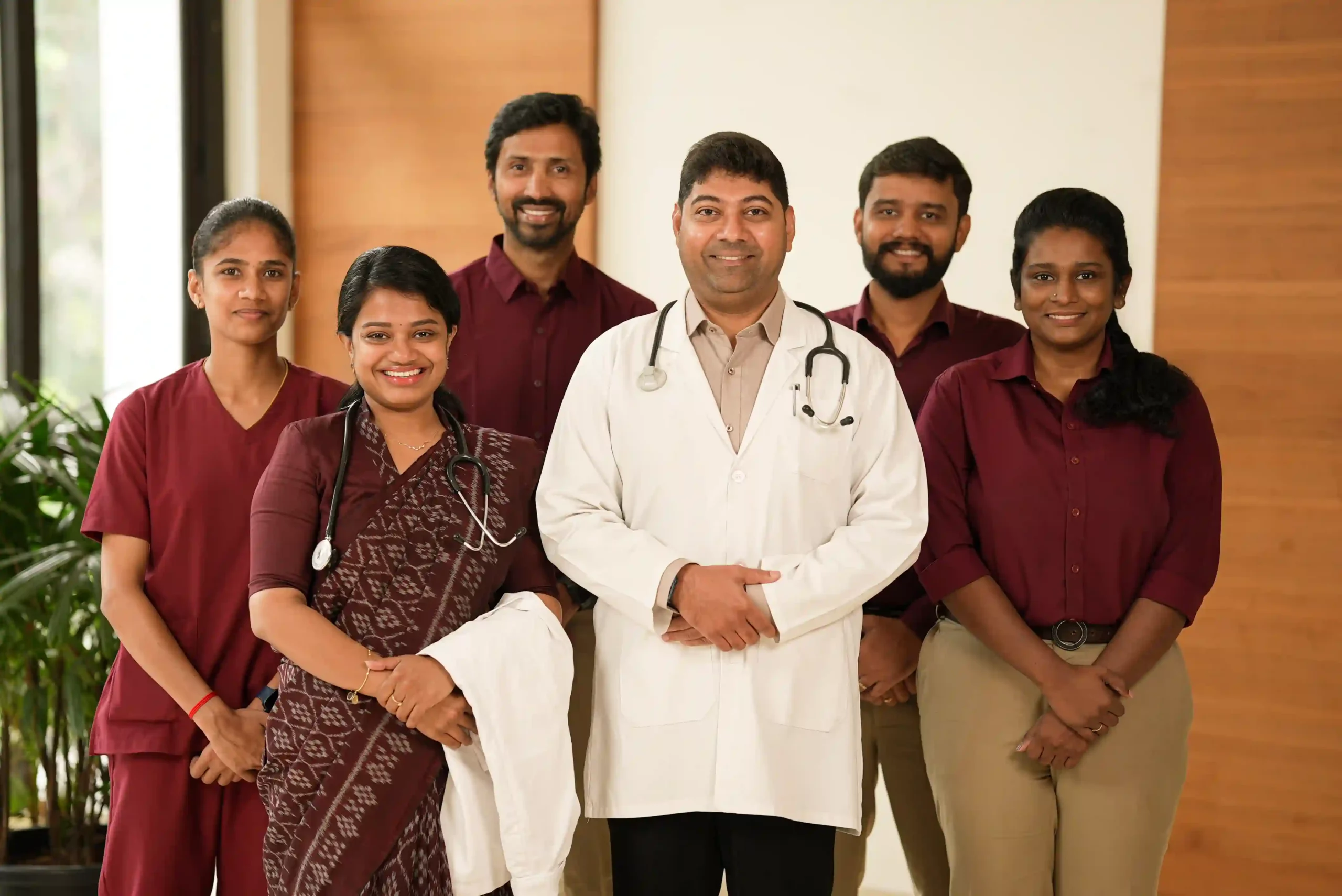
Meet Our Trauma Recovery Experts
As a trusted ptsd treatment centre, Abhasa stands on the strength of the people who serve here. Every therapist, practitioner, and care professional brings a deep understanding of trauma, a kind presence, and an unwavering commitment to personalised healing.
We believe that trauma recovery needs more than experience. It requires a connection. That is why every person on our team not only holds expertise in their field but also meets clients with patience and respect. Our staff make healing feel possible, even when it once felt out of reach.
You will meet trauma therapy specialists who truly listen. They use their training in EMDR, somatic practices, expressive arts, and trauma-informed approaches to build trust, gently reduce fear, and guide each person at their own pace.
This is the team that makes Abhasa a leading ptsd treatment centre in India.
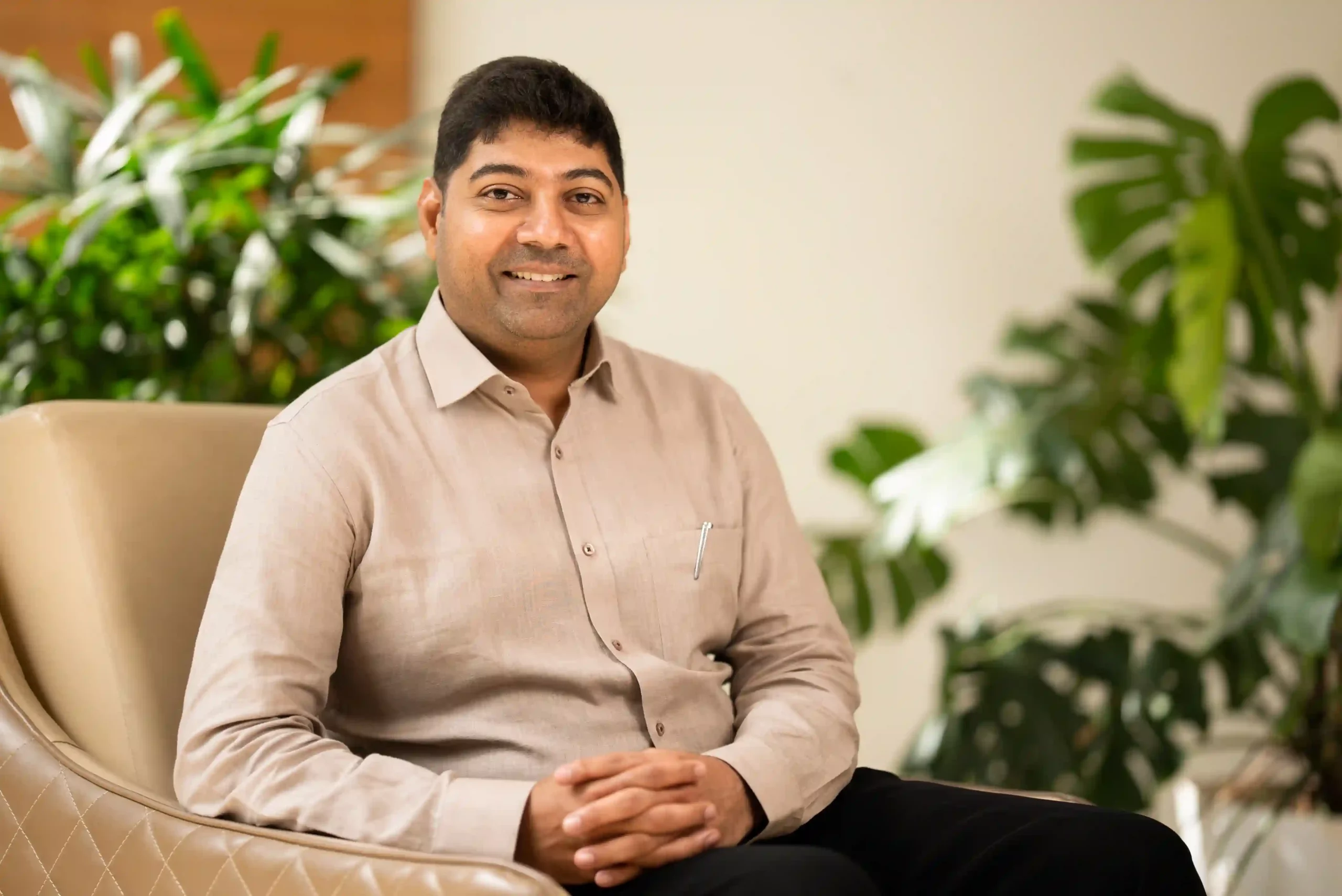
Dr. Naveen Kumar
Medical Director
15+ years of expertise in psychiatry and addiction recovery.
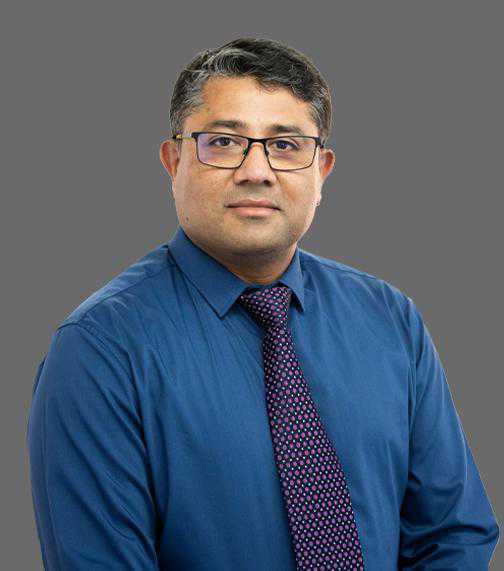
Dr. Vivek Sharma
Consultant Psychiatrist & Neurofeedback Practitioner
With over 15+ years of experience in psychiatry and neurofeedback, he blends medical expertise and compassion to guide clients toward lasting recovery.
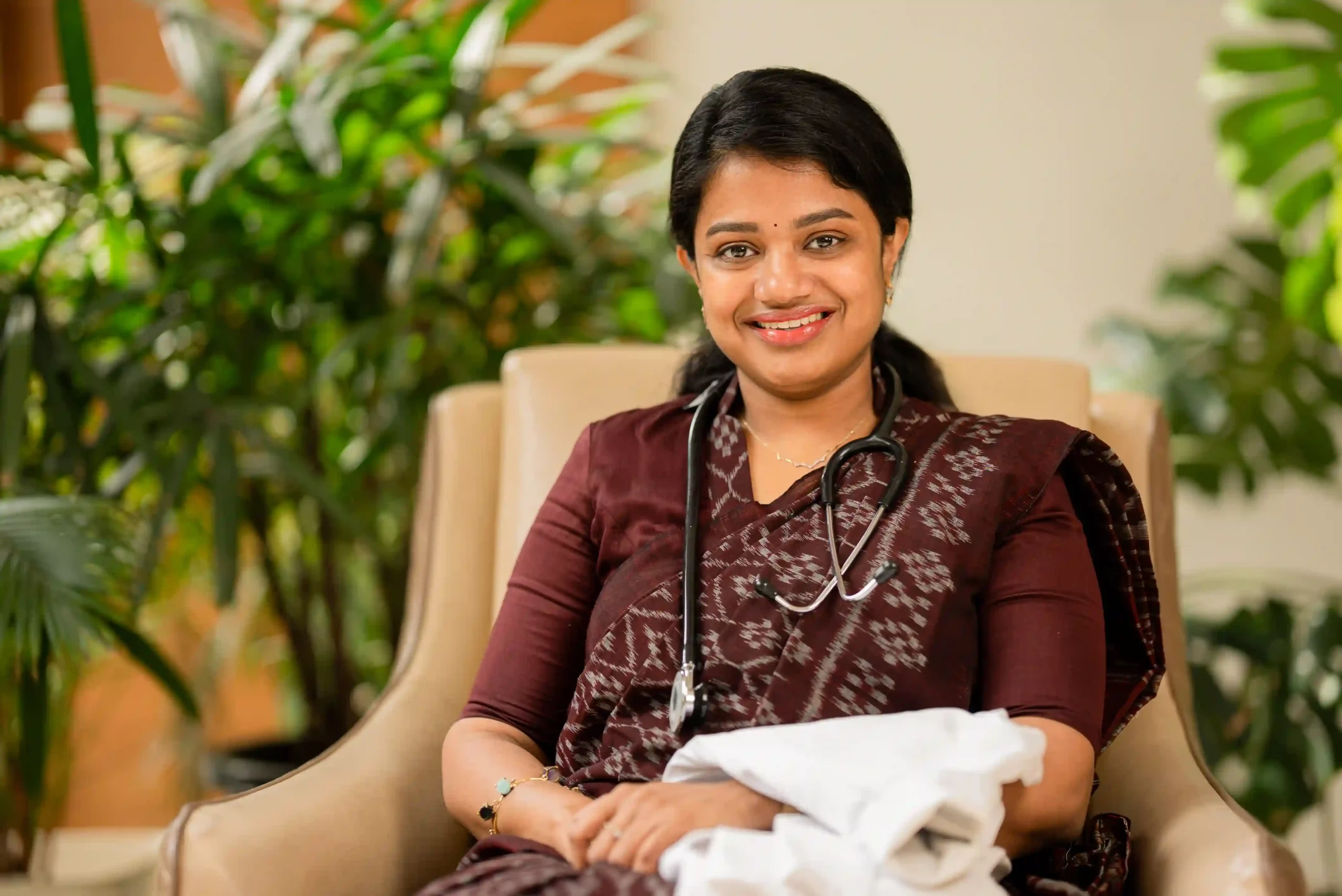
Dr. Shree Aarthi
Consultant Psychiatrist
15+ years providing expert psychiatric care for mental health and substance use disorders.
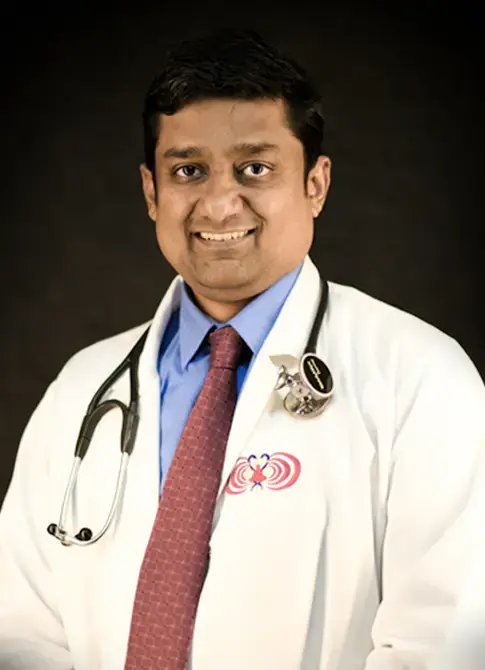
Dr. Ramalingam P Kandaswamy
Consultant Physician
15+ years With over 5 years of experience in HIV and infectious diseases, he brings global expertise and compassionate care to every patient he supports.

Dr. Divya
Psychiatrist
10+ years combining clinical psychiatry expertise with healthcare management for holistic treatment.
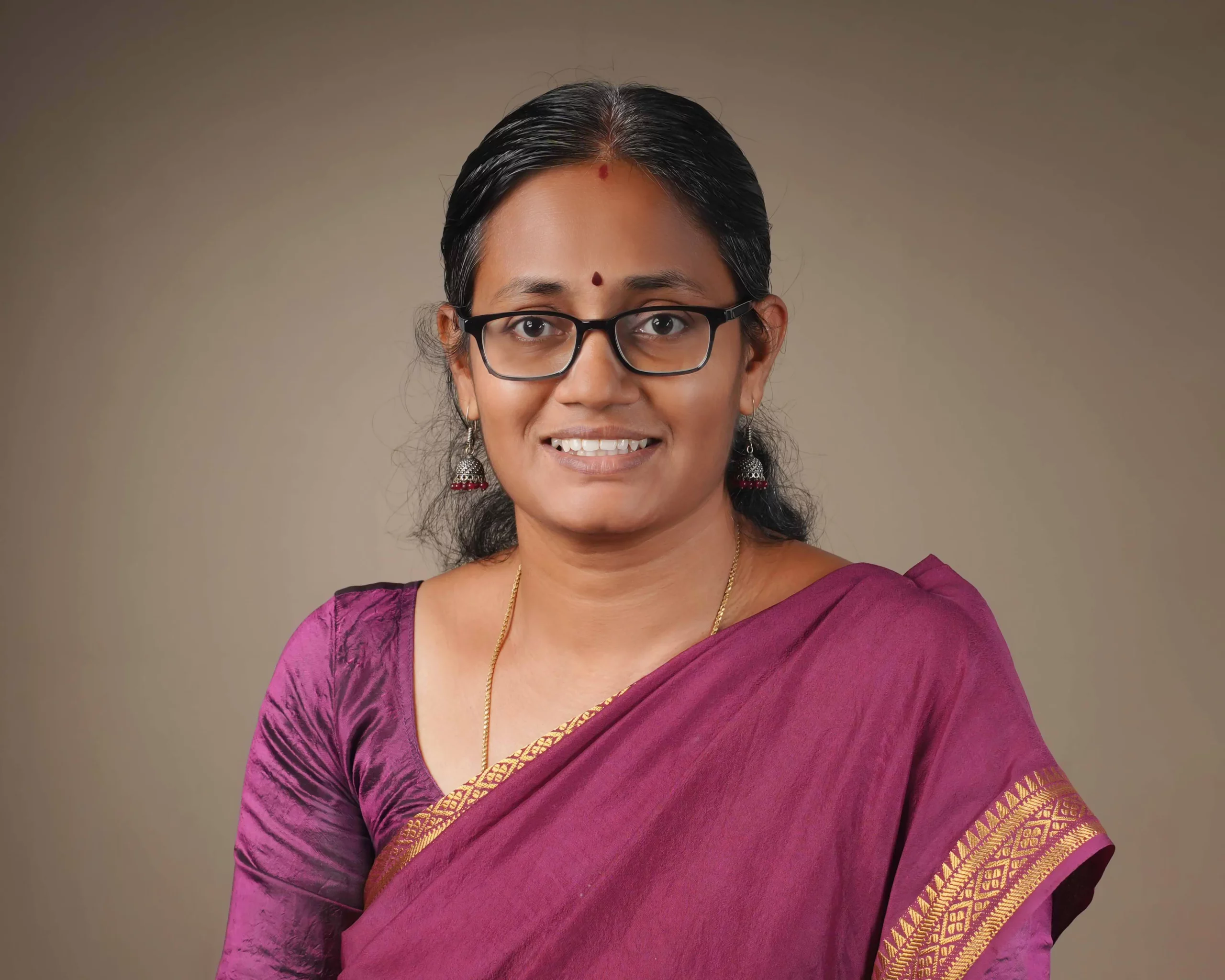
Dr. Malarvilzhi
Residential Medical Officer
12 years delivering comprehensive medical care in psychiatric and rehabilitation settings.
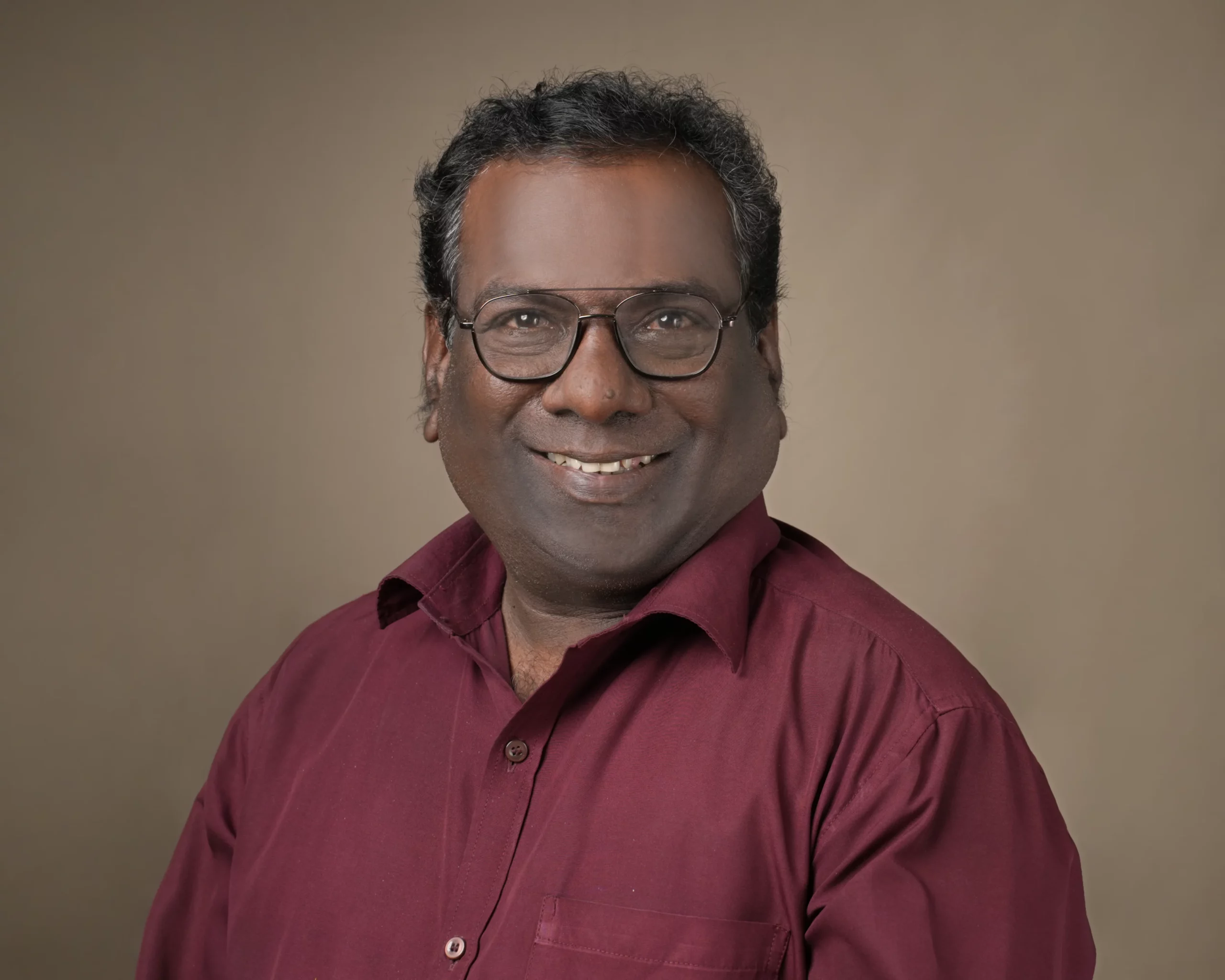
Dr. Karuppachamy
Senior Psychiatric Social Worker
22+ years of experience empowering clients through therapeutic guidance, psychosocial support, and lived-experience wisdom.

Ms. Meera
Senior Clinical Psychologist
9+ years specializing in psychological assessment and evidence-based therapeutic interventions.

Mrs. Priyadarshini
Head Clinical Psychologist
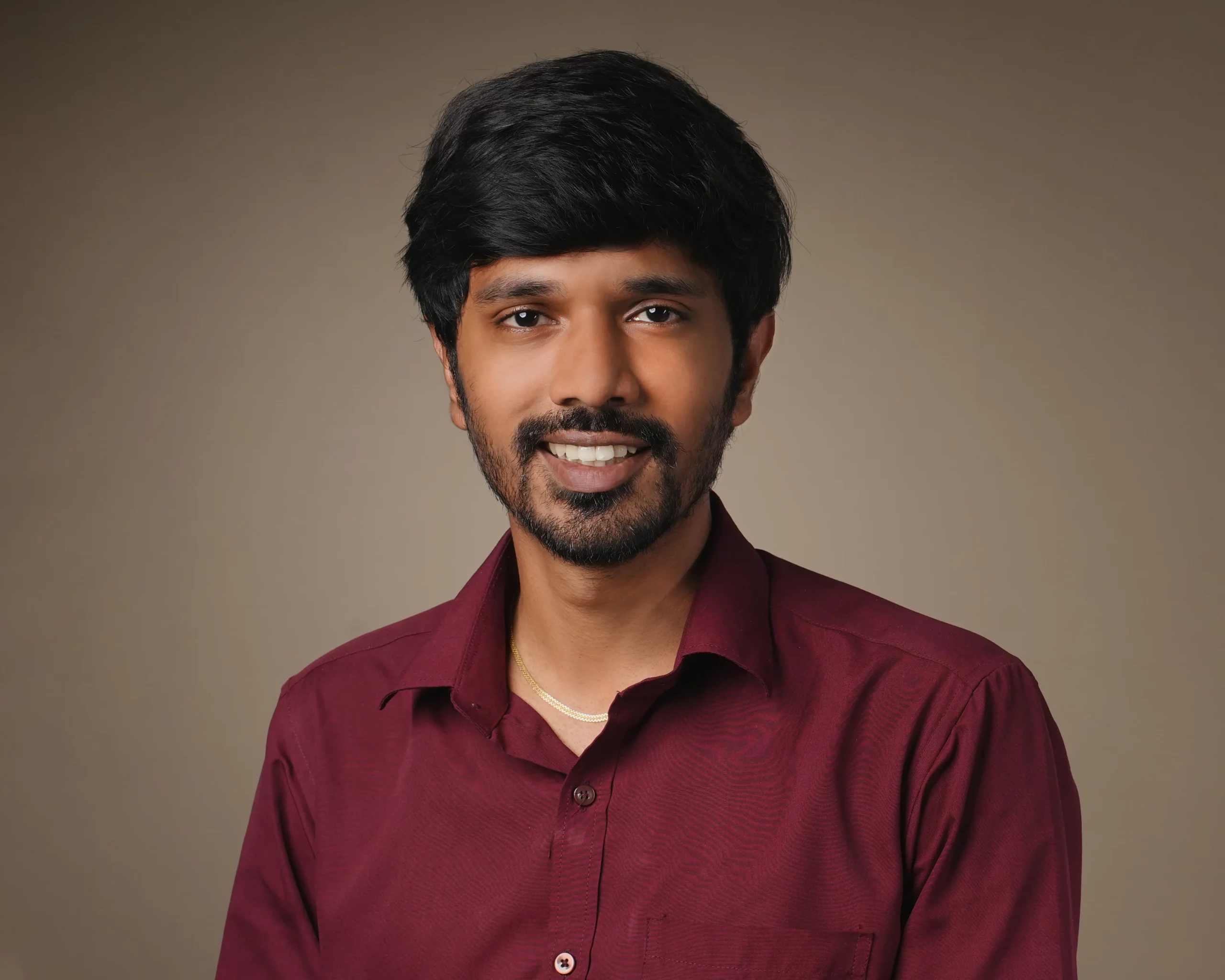
Mr. Mukesh Kanna
Clinical Psychologist
2+ years providing psychological interventions for behavioral health and emotional wellness.

Mr. Antipas Jayabal
Clinical Psychologist
2+ years supporting clients through clinical assessment and therapeutic care.

Ms Keerthana S
Psychologist
Empathetic psychologist with 4 years’ experience in handling mental health disorders, using evidence-based psychotherapies for personalized client care.
Wondering who will stand by your loved one?
Inside Our Trauma Recovery Programme
Many people believe that residential ptsd treatment centres all follow the same routine. They imagine a schedule filled with therapy sessions and little else. But at Abhasa, we take a different path. Our goal is not to reduce symptoms. We help people rebuild their emotional foundation, one safe and steady step at a time.
Our programme blends structure, clinical insight, and personal growth. Each day follows a rhythm that supports stability, while our team provides the kind of comprehensive care that reaches beyond surface-level recovery.
Mapping emotional and physical responses
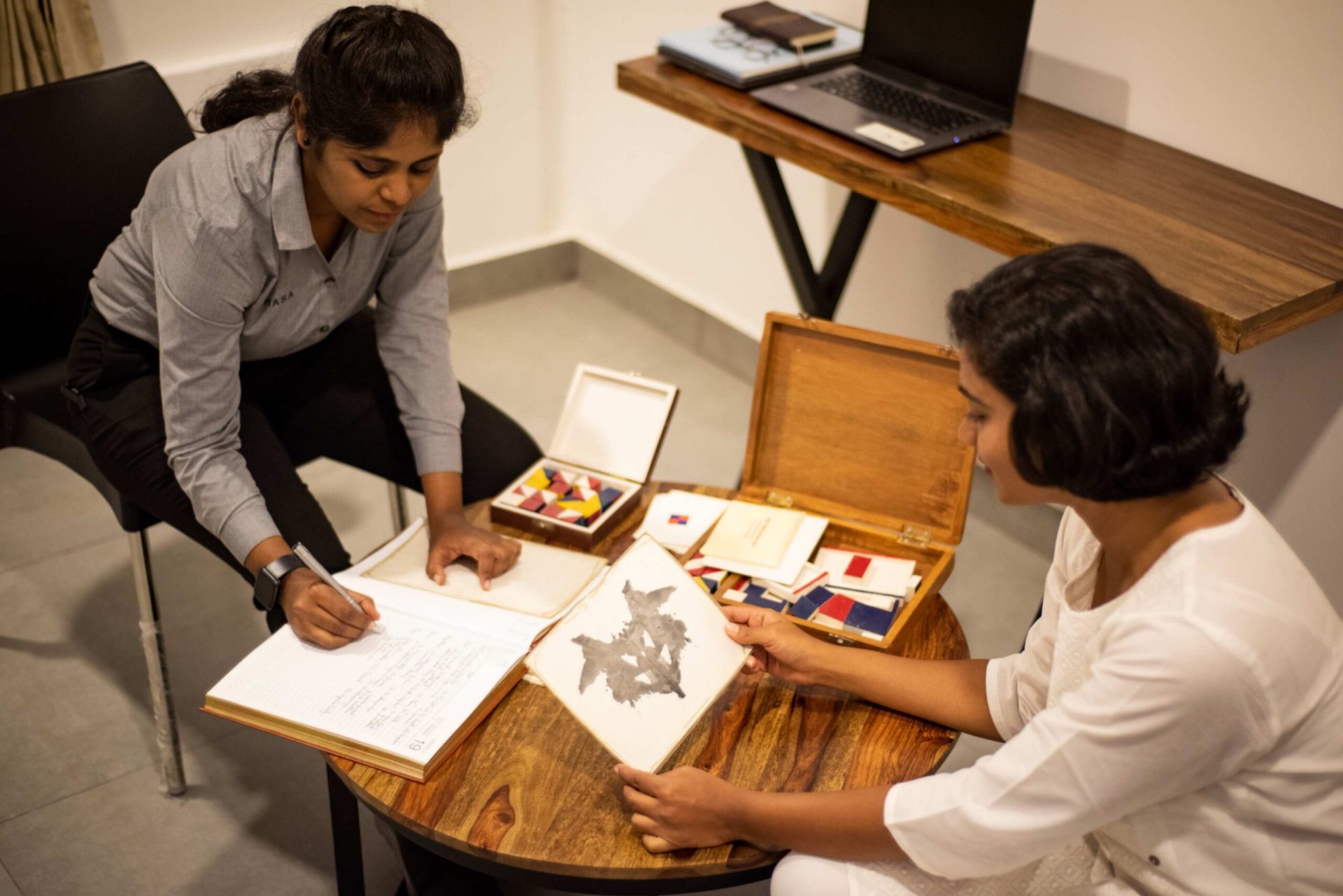
We begin by listening and observing, not assuming. Our team uses gentle assessments to understand what each person needs. The past trauma is explored by asking questions about body responses and patterns that feel stuck. Our process includes:
- Emotional response mapping
- Physical stress pattern identification
- Trauma impact interviews
- Strengths and coping style review
This personalised understanding helps us create a care plan that fits each client. Unlike some residential ptsd treatment centres, we do not follow a one-size-fits-all approach. We build from the inside out, based on what the individual shows us.
Building a rhythm that supports healing
Structure brings safety. We design each day to include a balance of therapy, reflection, movement, and rest. We shape the routine around what each person needs. When someone needs more quiet, we give them space. If they feel ready to engage, we gently guide them into sessions and activities. Most days include time with a therapist, small group circles, and quiet moments in nature or movement. This steady rhythm helps the mind slow down and gives the body a chance to feel safe again.
Healing happens in layers
We don’t stick to one method or one path. Healing from trauma takes more than that. At Abhasa, we combine different approaches so that each part of a person’s experience gets the care it needs.
Therapists use EMDR to help clients work through difficult memories. Somatic sessions support the body in letting go of tension that talk alone can’t release. Clients also express emotions through art, writing, or creative sessions. Movement and gentle yoga help calm the body. Group time offers connection, and tailored meals support emotional and physical balance.
Each part adds something unique. When we bring them together, they create the full circle of care that defines our approach to comprehensive care at Abhasa.
Creating a space that feels safe
The physical environment where you are matters the most. At Abhasa, we have designed our spaces to promote emotional ease. Soft light, quiet corners, open gardens, and private rooms help clients feel grounded. Therapists and caregivers remain present and available at all times, offering gentle guidance and immediate support.
We believe that the right setting, combined with steady care, helps people feel secure enough to open up. This belief is part of what makes us one of the most respected residential ptsd treatment centres in India.
Recovery thrives with rhythm, safety, and expert care.
A Typical Healing Day at Abhasa
This is just a glimpse of what a day might feel like at Abhasa. In reality, each routine looks a little different because we shape it around the person. Some need more rest. Others need more movement. What matters most is that the day supports how they feel, not just what’s on a schedule.

Many of the people who come to us have lived in survival mode for far too long. Their days felt scattered, stressful, or overwhelming. At Abhasa, we gently replace that chaos with rhythm. A steady flow of care, connection, and calm begins to rebuild a sense of safety. That’s where real healing starts. To help them settle, we create a steady routine that brings a sense of calm, comfort, and control. Our programme focuses on creating a steady trauma recovery routine inside a carefully designed healing environment.
Our days follow a transparent yet flexible structure. Every hour supports physical stability, emotional safety, and personal reflection. We design each element to ease stress, reduce inner noise, and support long-term change.
Mornings begin with quiet grounding. Clients start their day by calming their nervous system with breathwork or gentle movement. We provide breakfast that nourishes both the person’s mind and body, and our team ensures each meal aligns with trauma-informed nutrition plans. These morning routines foster emotional safety and aid the body’s natural ability to self-regulate.
Late mornings include personalised therapy sessions. Clients meet one-on-one with their trauma therapists. These sessions often include EMDR, cognitive behavioural work, or trauma mapping. We also include somatic therapy and body awareness practices that encourage release through safe movement.
Creative expression follows. Clients paint, write, sculpt, or engage in other guided forms, allowing them to explore emotions without needing to speak everything out loud. The healing environment remains calm and supportive throughout these moments.
We serve lunch in peaceful surroundings. Clients eat in quiet zones or with others, based on what feels right that day. These choices offer autonomy and emotional safety.
Afternoons include peer group circles or quiet body relaxation time. Clients walk in the garden or practice light movement. Nature sessions and breath-led yoga support grounding and improve emotional flow. These parts of the day help reconnect the body and reduce tension. Our care team remains nearby to assist and guide at any moment.
Evenings provide time for closure. Clients reflect through journaling, music, or stillness. Some write letters. Others participate in family check-ins if part of the extended care programme. This rhythm helps settle the mind before rest.
Each day feels intentional. We do not rush or overwhelm. We keep the trauma recovery routine steady and predictable. Our team builds this rhythm into every person’s care plan. This structure helps clients feel calm again, inside a deeply supportive healing environment.
Each day at Abhasa carefully planned to support lasting calm.
Specialised PTSD Therapies We Offer
Healing from trauma does not follow one path. At Abhasa, we bring together multiple approaches to support deep, lasting recovery. Each therapy has a purpose. Together, they form the foundation of our personalised care. Our team uses methods that are rooted in compassion and backed by science. This is how we deliver actual evidence-based treatment.
Our therapists create a space where people can feel safe enough to begin healing. We match each person with therapies that support their emotional and physical needs. Our approach includes EMDR therapy for PTSD, cognitive techniques, body-focused care, and expressive outlets that help the nervous system settle.
We build every treatment plan around methods that show results. Our team uses evidence-based treatment practices to help clients process, regulate, and recover. One of the most effective methods we use is emdr therapy for PTSD. This therapy helps the brain process trauma memories gently, without needing to relive them in full detail.
We also include Cognitive Behavioural Therapy to support people in changing unhelpful thought patterns. This therapy gives structure and helps clients respond to emotions with more awareness and choice.
Trauma often affects the body just as much as the mind. That is why we offer therapies that help the body release tension. Somatic Experiencing helps clients feel more connected and grounded. Our yoga therapy focuses on breath, movement, and gentle postures that support body awareness and calm.
We use these methods alongside emdr therapy for PTSD to support full recovery. Our goal is to restore a sense of safety from within. This integrated model reflects the depth of our evidence-based treatment approach.
Some emotions feel too large or too hidden to explain with words. We use creative therapies to give those feelings space. In art therapy, clients express grief, fear, or hope using colour, shape, or form.
In group settings, the shared experiences bring comfort and ease their feelings of isolation. The trust is rebuilt slowly. Our therapists create a calm, respectful environment where everyone feels supported.
We also offer neurofeedback as part of the therapeutic process. This approach uses real-time feedback from brain activity to help improve focus, reduce overwhelm, and support emotional balance over time. When used with emdr therapy ptsd, it strengthens the progress clients make in treatment.
Families play a significant role in recovery. That is why we include them in the process. Our family therapy sessions teach loved ones how trauma affects behaviour, emotion, and communication. These sessions build understanding, create healthy boundaries, and support healing at home.
This approach forms part of our evidence-based treatment model. We focus not only on the individual but also on the relationships that surround them.
At Abhasa, we treat each person with respect and care. Our use of emdr therapy, ptsd and other methods reflects our commitment to healing that is deep, thoughtful, and lasting.
True trauma recovery requires multiple, specialized approaches.
Military & Combat PTSD Specialised Care
At Abhasa, we understand that military trauma runs deep. Many veterans carry more than physical injuries. They have invisible wounds that shape how they sleep, connect, and respond to the world around them. Our specialised programme offers support designed for those who served. This is not general trauma care. It is focused, personalised help that reflects the realities of military life and recovery. That is why families choose Abhasa when searching for trusted military ptsd treatment centres in India.
Not all trauma is the same. Combat leaves its mark in specific ways. Loud sounds, crowds, or even silence can feel overwhelming. Some veterans experience guilt, moral injury, or loss that lingers long after service ends. Our team includes clinicians trained in combat trauma recovery. They know how military environments shape emotional patterns and survival instincts.
At Abhasa, we meet clients with that knowledge. We help them feel safe, understood, and respected. This kind of care allows clients to begin to lower their guard and reconnect with their own emotions. It is what sets us apart from other military ptsd treatment centres.

Our programme blends therapeutic care with military-informed sensitivity. We focus on combat trauma through approaches like EMDR, somatic therapy, and breath-based regulation. These sessions help reduce hypervigilance, improve emotional control, and restore a sense of stability.
At Abhasa, we take time to support the transition of serviced clients to lead an everyday life. We help them find meaning again, re-establish healthy routines, and build confidence as they step into the next chapter of their lives.
This approach reflects what clients need most from military ptsd treatment centres: stability, honour, and structure without judgment.

Military trauma affects more than the person who served. Families often feel shut out or overwhelmed. We include them in the healing process. Our family sessions focus on rebuilding communication, understanding trauma responses, and creating safe emotional space at home.
This helps the entire household find balance again. Our team supports partners, parents, and children through guided conversation, education, and shared emotional tools. When families learn how combat trauma affects behaviour, they gain the ability to respond with compassion instead of confusion.

Every part of our care reflects deep respect for service. From quiet spaces that reduce sensory overload to staff trained in military-specific language and needs, we create an environment that feels safe and supportive. Our experience helping veterans recover from combat trauma gives clients a clear path forward.
Abhasa remains one of the few military ptsd treatment centres in India that provides such specialised, culturally attuned care. We support each client not just as a patient, but as a person who once served with strength.

Healing starts when care meets your unique experiences.
Childhood Trauma Recovery Programme
Childhood trauma often hides behind behaviours like withdrawal, people-pleasing, or chronic fear. Many adults carry it without realising how deeply it affects them. Our team begins by helping each person explore how their past experiences shaped their present reality. This is a key part of childhood trauma treatment, and it helps build awareness without shame.
We move gently, always with emotional safety in mind. As clients begin to understand their history, they also start to separate themselves from the story they inherited. This is the first step in untangling the emotional roots of complex ptsd.

Childhood trauma often hides behind behaviours like withdrawal, people-pleasing, or chronic fear. Many adults carry it without realising how deeply it affects them. Our team begins by helping each person explore how their past experiences shaped their present reality. This is a key part of childhood trauma treatment, and it helps build awareness without shame.
We move gently, always with emotional safety in mind. As clients begin to understand their history, they also start to separate themselves from the story they inherited. This is the first step in untangling the emotional roots of complex ptsd.

When someone carries pain from early experiences, it often shapes how they relate to others. Trust feels difficult. Closeness may trigger fear. At Abhasa, we guide clients as they work through these patterns. Through one-on-one sessions, emotional processing, and body-based therapies, they begin to build new ways of connecting. For many, this is the first time relationships feel steady, respectful, and emotionally safe.
Our childhood trauma treatment approach includes attachment repair techniques that help rebuild trust in oneself and others. Clients learn how to set boundaries, name their needs, and respond to closeness without fear or collapse. These skills are essential in long-term recovery from complex ptsd.

Many people never had the chance to be fully seen or heard as children. That emotional neglect leaves lasting imprints. At Abhasa, we support clients through inner child healing practices that reconnect them with their unmet needs, buried emotions, and forgotten strengths. These sessions bring relief, clarity, and often, deep emotional release.
We also look at family systems and inherited dynamics. Our therapists help clients understand how family roles, beliefs, and generational trauma may have contributed to emotional pain. This part of childhood trauma treatment gives clients the tools to break cycles that no longer serve them.

Clients recovering from complex ptsd need to feel safe to explore what hurt them. That is why we place emotional safety at the centre of everything we do. From the setting to the sessions, we make sure each person feels supported, respected, and in control of their process.
Abhasa offers a specialised space for healing early wounds, rebuilding emotional trust, and rediscovering strength. Our integrated childhood trauma treatment model helps each client reclaim parts of themselves that were left behind long ago.
The past can stay behind, your future awaits.
Dual Diagnosis: PTSD & Co-occurring Conditions
PTSD often appears alongside other challenges. Many individuals also experience depression, anxiety, substance use, or eating difficulties. These overlapping struggles affect every part of daily life. At Abhasa, we approach recovery through a dual diagnosis PTSD treatment model that considers the whole picture and provides steady, personalised support.
Our team understands that trauma changes how people think, feel, and connect. To help heal the entire person, we offer comprehensive care that includes emotional, physical, and behavioural support in a calm and structured setting.
When PTSD connects with another condition, each issue requires attention. If one remains untreated, both may worsen. Our dual diagnosis PTSD treatment model brings together professionals from multiple disciplines. This ensures that care addresses everything a person carries, not just a single diagnosis.
We support individuals who experience both PTSD and depression. These clients often struggle with low energy, withdrawal, and hopelessness. Our therapists work gently with them to rebuild strength, introduce positive coping tools, and help them reconnect with life.
In cases of PTSD and anxiety, many people face sleep difficulties, hypervigilance, or frequent panic. We use grounding practices and body-based tools to create calm. This structured support forms a core part of our comprehensive care approach.

Some people living with PTSD turn to substances to numb pain or silence distressing memories. Over time, this creates a harmful cycle that becomes difficult to escape. Our team provides dual diagnosis PTSD treatment that includes trauma-informed addiction recovery.
We offer support through detox, relapse-prevention coaching, and individual therapy. Clients begin to understand why the addiction developed and learn healthier ways to cope. We stay close through every stage of recovery, helping each person find their footing again and slowly build a life that feels steady, safe, and more in their control.

Trauma can quietly shift how someone feels in their skin. For many, PTSD creates a lasting disconnection from the body. Some people lose their appetite or ignore hunger. Others might use food for comfort or control. The patterns reflect deeper wounds that need attention. Our comprehensive care plan includes nutritional support, somatic work, and therapy that gently reintroduces safety and trust.
We focus on helping clients develop respect for their physical selves. Each session reinforces that the body holds wisdom and deserves care. This is a vital part of long-term healing.

Many individuals experience more than two overlapping issues. Our team takes time to understand their symptoms, history, and current goals. We shape the recovery plan around each person, checking in regularly to adjust their needs.
At Abhasa, we guide people through complicated emotional terrain with calm, evidence-based tools and compassionate care. This is what makes our dual diagnosis PTSD treatment unique. We do not offer temporary fixes. We build a path forward through comprehensive care that respects each person’s journey.

True recovery treats the whole person, not symptoms.
Family Healing & Support Programme

When someone begins trauma recovery, the emotional impact often reaches the entire family. Loved ones may carry unspoken worry, guilt, and the desire to help but feel unsure how to support. At Abhasa, we guide families through this process because real healing becomes stronger when supported at home. That is why our family therapy PTSD programme brings clarity, consistency, and connection to each step.

We maintain regular communication so families feel connected and reassured.
- The care team shares weekly updates that give insight into your loved one’s progress.
- Scheduled check-ins allow space for your questions and emotional support.
- Monthly family calls with our clinicians align goals and offer a deeper understanding.
This consistent rhythm of trauma family support brings relief and helps families feel confident and involved.
When someone you love carries trauma, it often touches every part of your connection with them. That’s why we offer guided education sessions for families to bring clarity, not confusion.
In these sessions, you’ll explore how trauma changes the way a person thinks, feels, and reacts. When emotional turmoil hits, you will learn to stay calm. Slowly, you will be able to regain your steadiness at home even though things feel uncertain.
This kind of understanding makes a real difference. It helps families move from frustration to compassion, and from fear to steady support. Healing becomes something you do together, not alone.

Our therapists help families rebuild trust and strengthen communication. Sessions focus on listening, repairing strained relationships, and practising safe emotional expression.
If trauma has caused emotional distance, misunderstandings, or daily conflict, we help guide those conversations in a way that feels respectful and productive. This part of trauma family support helps everyone move forward with greater emotional clarity.

Caregivers often hold their emotional exhaustion. We support parents, spouses, and siblings with tools to manage boundaries, express their needs, and avoid burnout.
You are not just checking in. You are part of the process. Our family therapy PTSD model values every voice and supports healing for the entire household.Clients recovering from complex ptsd need to feel safe to explore what hurt them. That is why we place emotional safety at the centre of everything we do. From the setting to the sessions, we make sure each person feels supported, respected, and in control of their process.
Abhasa offers a specialised space for healing early wounds, rebuilding emotional trust, and rediscovering strength. Our integrated childhood trauma treatment model helps each client reclaim parts of themselves that were left behind long ago.
Healing grows stronger with family beside you.
Safe, Healing Environment
Healing needs more than therapy. It requires a setting that helps the body and mind feel safe again. At Abhasa, we have built a trauma-informed environment that focuses on comfort, calm, and trust from the moment someone arrives.

You will not find clinical white walls or crowded hallways here. Instead, you’ll walk into nature-filled surroundings where open spaces invite reflection and stillness. Every part of the property supports a trauma-informed environment. We have designed our buildings to reduce overwhelm. Natural light fills the rooms. Greenery surrounds the campus. Quiet corners exist for those moments when stillness matters most.
Our healing spaces feel open, calm, and intentionally designed for comfort. Some clients find peace sitting quietly in the garden. Our spaces feel relaxed from the moment you arrive. Nothing feels rushed or clinical. Whether it’s a quiet seat by the garden, a shaded spot on the yoga terrace, or a peaceful corner to journal after a session, each area offers room to breathe. These healing spaces give people the freedom to settle in and feel safe, without pressure.
We’ve built in privacy and protection without restriction. You feel safe, but never boxed in.
Many families notice the shift right away. The stillness. The gentle light. The air feels easier to breathe. None of this happened by accident. We created this setting for people who have carried too much for too long and who are ready to find their footing again.
A space designed to nurture rest and recovery.
Success Stories: Life After Trauma
Every person who arrives at Abhasa brings a different story. Some carry years of silence. Others have walked away from broken relationships or careers lost to trauma. Through care that listens and healing that grows step by step, we have seen countless moments of ptsd recovery success that go beyond symptom relief.
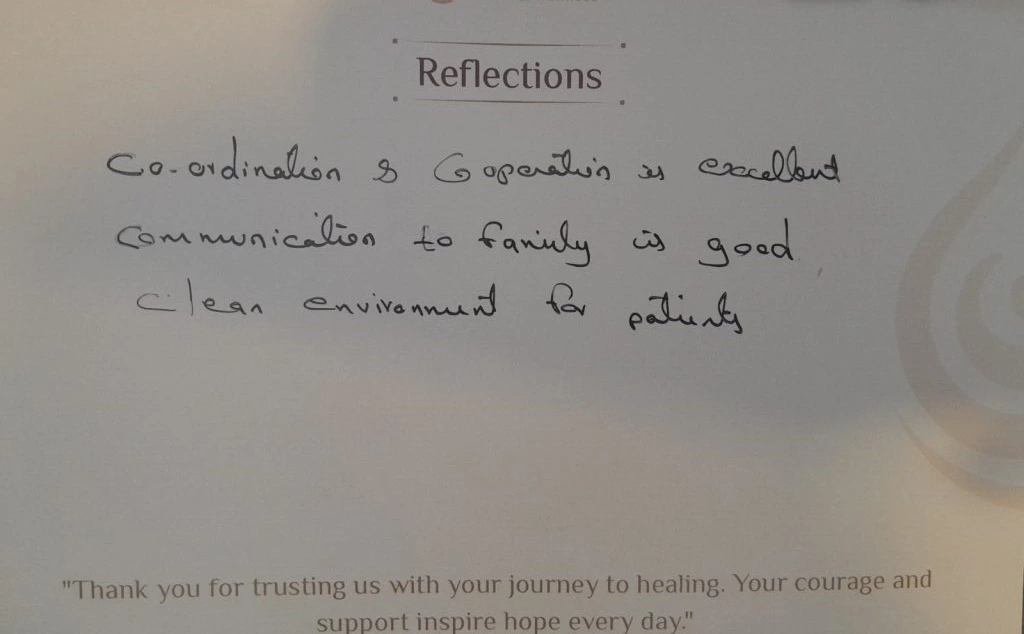
Co-ordination & cooperation is excellent. Communication to family is good. Clean environment for patients.
Former Client
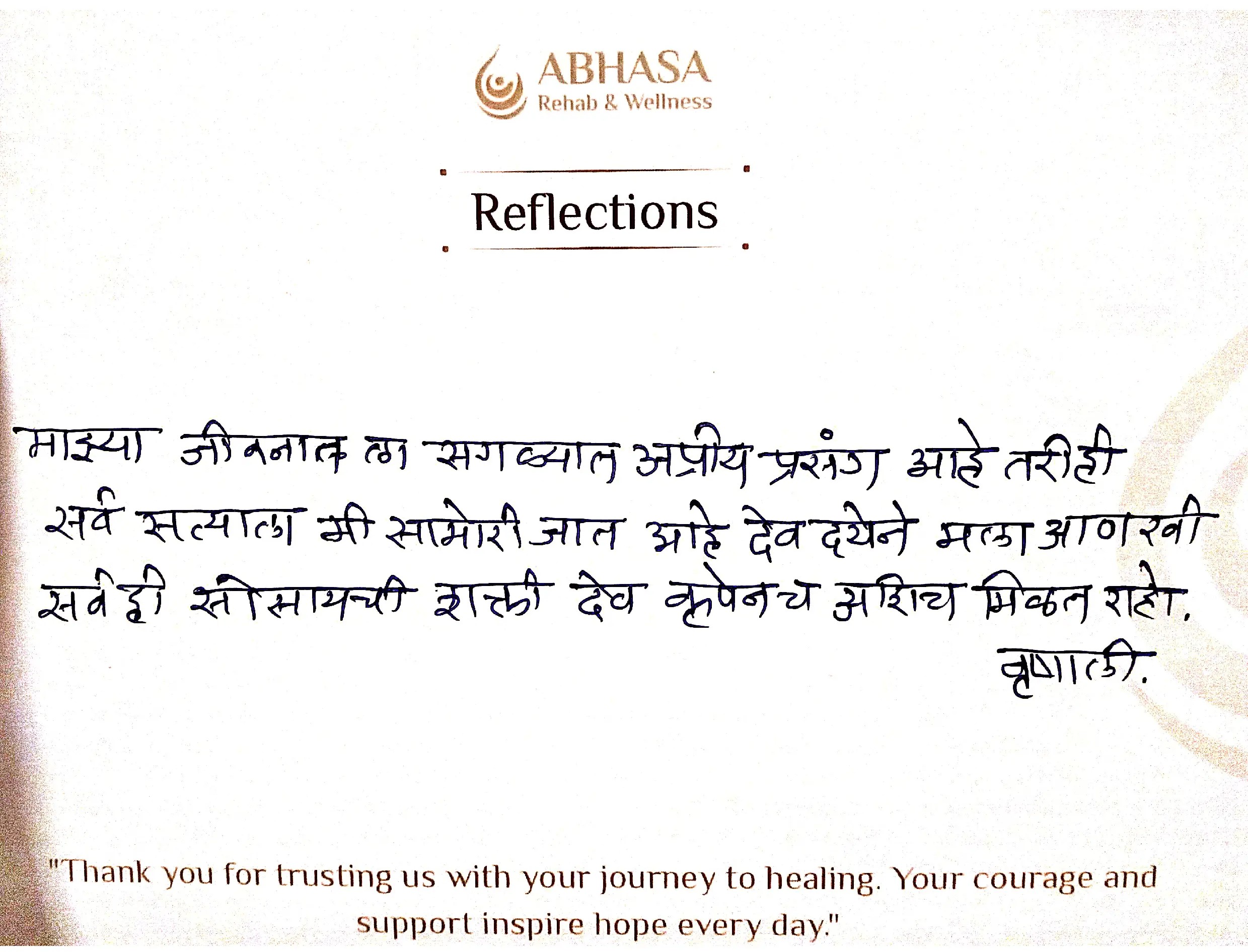
I found strength to face life’s hardest truths here. I believe it was God’s grace that brought me to Abhasa.
Former Client
Healing happens when real support meets real people.
FAQs About PTSD Treatment
Can people with PTSD live normally?
Yes. With consistent care, many people with PTSD regain emotional balance and rebuild healthy routines. A peaceful and fulfilling life is possible.
Can you recover from PTSD?
Recovery from PTSD takes time and the right kind of support. While the past cannot be erased, healing allows people to feel safe, connected, and hopeful again.
What is the best treatment for PTSD?
There is no single answer for everyone, but many benefit from a mix of trauma-sensitive approaches. EMDR and somatic therapies are often part of the best PTSD treatment plans.
What is the most successful therapy for PTSD?
Among the most successful options are EMDR, somatic experiencing, and structured group therapy. The most effective approach depends on the person and their specific experience.
How long does trauma take to heal?
Healing looks different for each person. Some feel better in a few months, while others take longer. What matters most is having steady, compassionate care.
What are the treatments for trauma?
Standard trauma therapies include EMDR, yoga, somatic therapy, talk therapy, and creative expression. Most trauma therapy FAQs highlight the need for personalised care.
What is done in a trauma centre?
A trauma centre provides a calm, supportive space where individuals receive personalised therapy, structured routines, and holistic healing activities.
What is the best group therapy for PTSD?
Small, guided groups that focus on safety, connection, and shared understanding often work best. These groups allow clients to feel seen without pressure.
How to stop PTSD flashbacks?
Flashbacks can be reduced with practice and support. Grounding techniques, movement therapy, and consistent trauma care can help bring the nervous system back to calm.
What is the fastest way to calm PTSD?
There is no one-size-fits-all answer, but practices like breathwork, safe movement, and supportive routines often bring immediate relief.
What is the first-line treatment for PTSD?
Most trauma therapy FAQs suggest EMDR or cognitive therapy as first-line support. The proper care begins with a plan that feels manageable and respectful.
How expensive is PTSD therapy?
Costs vary based on the level of care. Residential programmes typically cost more than outpatient options. Many centres offer consultations to help families plan.
What are the four types of trauma survivors?
Every survivor is unique, but many therapists refer to categories like fight, flight, freeze, and fawn. These reflect how someone’s body responds to stress.
What is the most successful treatment for PTSD?
The most successful treatment for PTSD often includes a layered approach. This means combining EMDR, body therapy, and lifestyle routines that support healing.
How did I heal my PTSD naturally?
Many people share stories of healing through yoga, nature walks, art, and peer support. Natural healing works best when combined with personal guidance.
Begin Your Trauma Healing Journey
If you have been searching for the best PTSD treatment, know that the path forward starts here.
We believe the trauma recovery process should feel welcoming and never rushed. Whether you are seeking care for yourself or someone you love, our first step is to listen. From that first conversation, our care team works with you to understand your needs and recommend the next steps with compassion and clarity.
The first step is reaching out, then we heal together.
Proudly Serving Across Cities
- Rehab in Karjat
- Rehab in Pune
- Rehab in Navi Mumbai
- Rehab in Madurai
- Rehab in Trichy
- Rehab in Bangalore
- Rehab in Chennai
- Rehab in Thane
- Rehab in Nasik
- Rehab in Kochi
- Rehab in Mangalore
- Rehab in Mysore
- Rehab in Nasik
- Rehab in Kochi
- Rehab in Mangalore
- Rehab in Mysore
Medical Disclaimer
This information is for educational purposes only and does not constitute medical advice. Alcohol use disorder is a serious medical condition requiring professional diagnosis and treatment by qualified healthcare providers.
Always consult licensed medical professionals and addiction specialists before making treatment decisions. Individual results vary significantly based on numerous factors including severity of dependence, co-occurring conditions, personal commitment, and environmental support.
Alcohol withdrawal can be life-threatening. Attempting to detox at home without medical supervision may result in severe complications including seizures, delirium tremens, and death. Medical detoxification should only be conducted under the supervision of qualified healthcare professionals in an appropriate medical setting.
If you are experiencing a medical emergency, call emergency services immediately (dial 112 in India or your local emergency number).
The content provided describes general treatment approaches and facility amenities. It is not a substitute for individualized medical assessment or professional treatment planning. Treatment outcomes cannot be guaranteed, and recovery from alcohol dependence is an ongoing process that may include periods of relapse.
Research Citations (Top 15 Most Authoritative Sources):
Core Citations (All Sources Used):
[1] National Mental Health Survey India (2015-2016) – “Prevalence of PTSD in India” – Indian Journal of Psychiatry; NIMHANS
URL: https://pmc.ncbi.nlm.nih.gov/articles/PMC10826864/
URL: https://indianmhs.nimhans.ac.in/phase1/nmhs-results
Source Type: Government survey / National epidemiological study (39,532 participants)
Relevance: India-specific PTSD prevalence data, cultural context, demographic factors
[2] APA (2017); VA/DoD (2017) – “Clinical Practice Guidelines for PTSD Treatment” – American Psychological Association
URL: https://www.apa.org/ptsd-guideline/treatments/cognitive-behavioral-therapy
Source Type: Professional organization clinical guidelines (Gold standard)
Relevance: First-line treatment recommendations, evidence-based practice standards
[3] Brom, D., Stokar, Y., Lawi, C. et al. (2017) – “Somatic Experiencing for PTSD: Randomized Controlled Outcome Study” – Journal of Traumatic Stress
URL: https://pmc.ncbi.nlm.nih.gov/articles/PMC5518443/
Source Type: Peer-reviewed RCT (large effect size Cohen’s d > 0.8)
Relevance: Body-based trauma treatment, somatic therapy effectiveness
[4] Hofmann et al. (2012) – “Efficacy of Cognitive Behavioral Therapy: Review of meta-analyses” – Cognitive Therapy Research
URL: https://pmc.ncbi.nlm.nih.gov/articles/PMC3083990/
Source Type: Meta-analysis of meta-analyses
Relevance: Comprehensive CBT effectiveness evidence across conditions
[5] Chen et al. (2014, 2015); Shapiro, F. (2012-2024) – “EMDR therapy comprehensive research” – Psychological Medicine; EMDR Institute
URL: https://pmc.ncbi.nlm.nih.gov/articles/PMC5997931/
URL: https://www.emdr.com/research-overview/
Source Type: Systematic reviews / Meta-analyses / Professional organization
Relevance: EMDR effectiveness, treatment protocols, mechanism of action
[6] Payne, Levine, & Crane-Godreau (2015) – “Somatic Experiencing: using interoception and proprioception as core elements” – Frontiers in Psychology
URL: https://www.frontiersin.org/journals/psychology/articles/10.3389/fpsyg.2015.00093/full
Source Type: Peer-reviewed theoretical framework with evidence
Relevance: Somatic therapy mechanisms, body awareness in trauma treatment
[7] U.S. Department of Veterans Affairs / Department of Defense – “VA/DoD Clinical Practice Guidelines for PTSD” – Government medical guidelines
URL: https://www.pbm.va.gov/PBM/AcademicDetailingService/Documents/
Source Type: Government / Military medical authority
Relevance: Military PTSD treatment, veteran care protocols, EMDR endorsement
[8] Sagar et al. (2019) – “Cross-Cultural Validity of PTSD in Indian Context” – Frontiers in Psychiatry
URL: https://pmc.ncbi.nlm.nih.gov/articles/PMC6620607/
Source Type: Peer-reviewed systematic review
Relevance: Cultural sensitivity in PTSD diagnosis and treatment in India
[9] Porges, S. – “Polyvagal Theory” – Neuroscience research foundation
Source Type: Neuroscience research (autonomic nervous system)
Relevance: Trauma response patterns (fight, flight, freeze, fawn), nervous system regulation
[10] Cusack et al. (2016); Jonas et al. (2013) – “Psychological treatments for PTSD meta-analyses” – PMC Database
URL: https://pmc.ncbi.nlm.nih.gov/articles/PMC6224348/
Source Type: Peer-reviewed systematic reviews (large-scale treatment data)
Relevance: Treatment effectiveness comparisons, loss of diagnosis rates (30-97%)
[11] Cleveland Clinic (2022) – “EMDR Therapy: What It Is, Procedure & Effectiveness” – Cleveland Clinic Health Library
URL: https://my.clevelandclinic.org/health/treatments/22641-emdr-therapy
Source Type: Academic Medical Center (Non-profit)
Relevance: EMDR procedure explanation, patient education, U.S. DoD/VA endorsement
[12] Global Burden of Disease Study (2017-2019) – “Mental health burden across Indian states” – The Lancet Psychiatry
URL: https://www.thelancet.com/journals/lanpsy/article/PIIS2215-0366(19)30475-4/
Source Type: The Lancet publication (Tier 1 medical journal)
Relevance: Mental health statistics India, disease burden data, epidemiology
[13] Bisson et al. (2007-2013) – “Psychological treatments for chronic PTSD” – British Journal of Psychiatry; Cochrane Reviews
URL: https://www.cambridge.org/core/journals/psychological-medicine/article/emdr-v-other-psychological-therapies-for-ptsd/
Source Type: Cochrane systematic review (Gold standard evidence)
Relevance: Treatment comparisons, therapy effectiveness hierarchy
[14] Harvard Health Publishing (2023) – “What is somatic therapy?” – Harvard Medical School
URL: https://www.health.harvard.edu/blog/what-is-somatic-therapy-202307072951
Source Type: Academic medical institution (.edu)
Relevance: Somatic therapy overview, body-based approaches, educational resource
[15] Manjunatha et al. (2022) – “Epidemiology of Common Mental Disorders in India” – Indian Journal of Psychiatry
URL: https://pmc.ncbi.nlm.nih.gov/articles/PMC8992756/
Source Type: National survey results (NMHS data, 88% response rate)
Relevance: Prevalence rates, treatment gaps, mental health services in India