
Comprehensive Mental Health Disorder Treatment in India

Mental struggles don’t have to dictate life. Abhasa’s therapies and safe spaces bring clarity, balance, and peace.
Break Free from Anxiety. We are here to help you.
2:1 Staff-to-client ratio
3 Healing Spaces
Personalised Treatments
360° Healing
2:1 Staff-to-client ratio
3 Healing Spaces
Personalised Treatments
360° Healing
Gallery
Comprehensive Mental Health Disorder Treatment in India

Spending your life with a mental health disorder can feel like carrying an invisible weight every single day.
Thoughts, emotions, and actions may shift in ways that are hard to explain, leaving both the person and their family feeling uncertain about what comes next. In many Indian homes, conversations around mental health still carry stigma, which can make it harder to seek help. The proper support from trusted mental health disorder treatment centres can bring relief, stability, and hope back into daily life.
Families often try on their own by visiting doctors, waiting for improvement, and hoping time will heal. When progress feels slow or inconsistent, a structured environment with continuous psychiatric care can become the turning point. Abhasa offers professional help and a complete healing experience.
Recovery takes place in a serene, private setting designed for comfort and emotional growth. Our professional team of compassionate specialists guides every step, from daily routines to personalised therapeutic activities. So, healing feels safe and achievable. We also involve families throughout the process, sharing guidance and tools that strengthen the home environment.
Suppose you have been searching for mental health disorder treatment centres in India that truly listen, understand, and support both individuals and families. In that case, Abhasa provides a clear pathway to reclaim wellness and restore harmony.
Mental health recovery needs patience, structure, and trusted guidance.
Understanding Residential Mental Health Treatment
Many people believe recovery from mental health challenges happens only through medicine or short hospital visits. This is not the whole picture. True healing often comes from the structured, steady approach offered by mental health disorder treatment centres. Here, the goal is to rebuild daily life, restore confidence, and help a person feel balanced again.
What makes residential care different?
In our addiction treatment facilities, everything is designed with purpose. Clients don’t just visit for a few hours. They live here. They wake up in a calm, trigger-free space. They follow routines, eat nourishing meals, attend one-on-one and group therapy, and slowly learn how to live without leaning on substances or compulsions.
Residential addiction treatment is structured in a way that helps individuals break cycles. There’s no gap in care, no space for old habits to slip through. Support is available around the clock, day and night, so no one has to face cravings or emotional storms alone.
It's not just about stopping. It's about replacing
At Abhasa, we understand that addiction is not simply about substances. It’s about what those substances were used to soothe. That’s why our addiction treatment facilities don’t focus only on stopping use. We also focus on helping each person build a life they don’t want to escape from. Daily routines, new coping skills, physical wellness, and emotional guidance all play a role in this journey.
Many of our clients have tried to recover through outpatient care. For some, it worked for a while. But without a change in surroundings, old triggers often return. And that’s why residential addiction treatment offers the structure and stability that outpatient settings can’t always provide.
Why structure matters
In a home setting, routines can easily fall apart. There may be family stress, emotional triggers, or even access to substances. In contrast, addiction treatment facilities like Abhasa offer a schedule that gently holds people throughout the day. Wake-up times, therapy hours, wellness activities, and reflective evenings—all of it is intentional. That kind of structure creates safety and helps the brain start building new patterns.
Healing happens in the community
Connection is part of recovery. Within our residential addiction treatment programs, clients form bonds, share space, and take part in peer-led support that reminds them they are not alone. Many say it’s the first time they’ve felt truly seen.
The difference between just surviving and truly recovering often lies in the setting. At Abhasa’s addiction treatment facilities, that setting is quiet, supportive, and deeply healing.
What "Residential Care" Really Means
Residential care offers a safe and supportive environment with constant therapeutic guidance, healthy routines, and emotional safety. This is more than just getting through the day; it is about learning how to live again with strength and purpose.
A Personalised Approach for Every Journey
Each person has a unique experience with mental health. In our mental health disorders treatment centres, some clients start with basic routines, while others join group sessions and skills-building activities. We tailor every step to match the individual’s pace and needs, always with respect and patience.
Why Residential Works Better Than Home Care
At home, days can be unpredictable. Stress, emotional triggers, and gaps in care often slow progress. In residential care, every part of the day supports stability. Clients follow routines, eat balanced meals, attend therapy, take part in group activities, and close the day with calm reflection.
The Power of Community and Connection
Healing also grows from shared experiences. Group activities and peer support help clients feel less alone and more connected.
A Steady Path Toward Real Recovery
When you follow a satisfying routine in your life filled with care and understanding, people often begin to feel safe and grounded again. Families can rest easier when they know their loved one is not only receiving help but is embraced by real, ongoing support.
Unsure if residential care is right?
Why Choose Professional Mental Health Treatment Centres
Selecting the right place for recovery is one of the most critical choices you can make. The most trusted psychological disorder treatment centres go far beyond offering a safe space. They provide highly skilled care, a structured daily routine, and a complete network of support that helps both individuals and families feel confident about the healing process. In these environments, recovery does not happen by chance. It is guided with expertise and compassion.

Professional Expertise for Lasting Change
At reputable psychological disorder treatment centres, a dedicated team of qualified psychiatrists, psychologists, therapists, and wellness specialists takes care of your loved ones. Each professional brings years of training and experience, ensuring clients receive evidence-based strategies along with genuine empathy. This blend of knowledge and understanding makes professional treatment effective because it addresses emotional well-being, coping skills, and personal growth together. Every plan is tailored to the individual so that progress feels realistic and sustainable.

Comprehensive Assessments That Shape Care
Real progress begins with truly understanding the individual. At psychological disorder treatment centres like Abhasa, each client takes part in a careful, in-depth assessment. This examines emotional well-being, daily habits, and personal strengths. The insights gathered guide the team in building a care plan that focuses on meaningful, lasting improvement. Professional treatment ensures these plans adapt over time so clients continue to receive support that matches their progress.
Safe and Responsible Medication Management
When medication forms part of the recovery process, safety and responsibility remain a priority. In professional treatment, skilled psychiatric teams monitor each client’s response carefully. They make flexible schedules and always keep comfort and well-being in focus. This close supervision ensures medications support the recovery plan without creating unnecessary side effects or setbacks.
A Healing Environment That Supports Growth
The setting where recovery takes place can influence its success. A well-designed psychological disorder treatment centre like Abhasa provides a calm environment, balanced routines, and healthy activities that work in union to reduce stress and encourage stability. This environment fosters emotional resilience and makes it easier for clients to focus entirely on their healing journey.
These group bonds become part of the more profound benefits of addiction treatment. They build emotional safety and open the door to lasting relationships. Everyone moves forward together, not in isolation.
Community and Peer Support
Our Professional treatment during group activities fosters social connection. The peer connection allows them to regain their lost trust and confidence.
Your journey to recovery begins with the right support.
Why Families Trust Abhasa Mental Health Centre
At Abhasa, we know that true healing begins when someone feels genuinely heard and valued. This is why we are known as one of the centres for delivering the best mental health treatment in India, where care focuses not only on recovery but also on restoring quality of life.
Care Designed Around Each Person
We know that no two journeys are alike. In our luxury mental health care setting, every plan is flexible, from therapeutic approaches to skill-building activities. Our team closely observes comfort levels, progress, and emotional responses, and adapts each element as needed. This flexibility allows healing to feel personal, meaningful, and sustainable. Families often say they cannot find this level of care elsewhere.
Guidance That Brings Clarity
We believe recovery is more powerful when families understand the “why” behind each step. As part of the best mental health treatment, we explain the science, the patterns, and the challenges so everyone involved feels informed and confident. This approach turns every uncertainty into a clear, possible solution and replaces doubt with direction.
Blending Modern Therapies with Timeless Practices
Families frequently share that Abhasa feels different, and it is. Our luxury mental health care blends evidence-based therapies with yoga, meditation, art therapy, and breathwork. The mind-body-spirit approach, in a calm and nature-filled environment, allows healing to unfold naturally.
Privacy, Comfort, and Continuous Support
We place great importance on privacy and comfort. Our facilities include private suites, spa treatments, gourmet meals, and wellness programs, supported by attentive staff available around the clock. Families describe the experience as being in a home with professional structure and support that ensures progress.
A Reputation Families trust
Families who have been with us in their recovery journey know the level of dedication and care we put in. Their belief in entrusting their loved ones with us makes us strive towards quality care, making us one of the best mental health treatment centres.
Families trust us because we truly listen and understand.
Meet the People Behind Your Care
At Abhasa, we have an elite team of professionals, experts in their respective fields, to care for you. Every treatment plan combines the expert’s skill and perspective to make this journey a fruitful one. They all share the same level of commitment to provide care that is personal, respectful, and rooted in understanding. Every person feels safe and supported throughout their journey.
Clinical Team
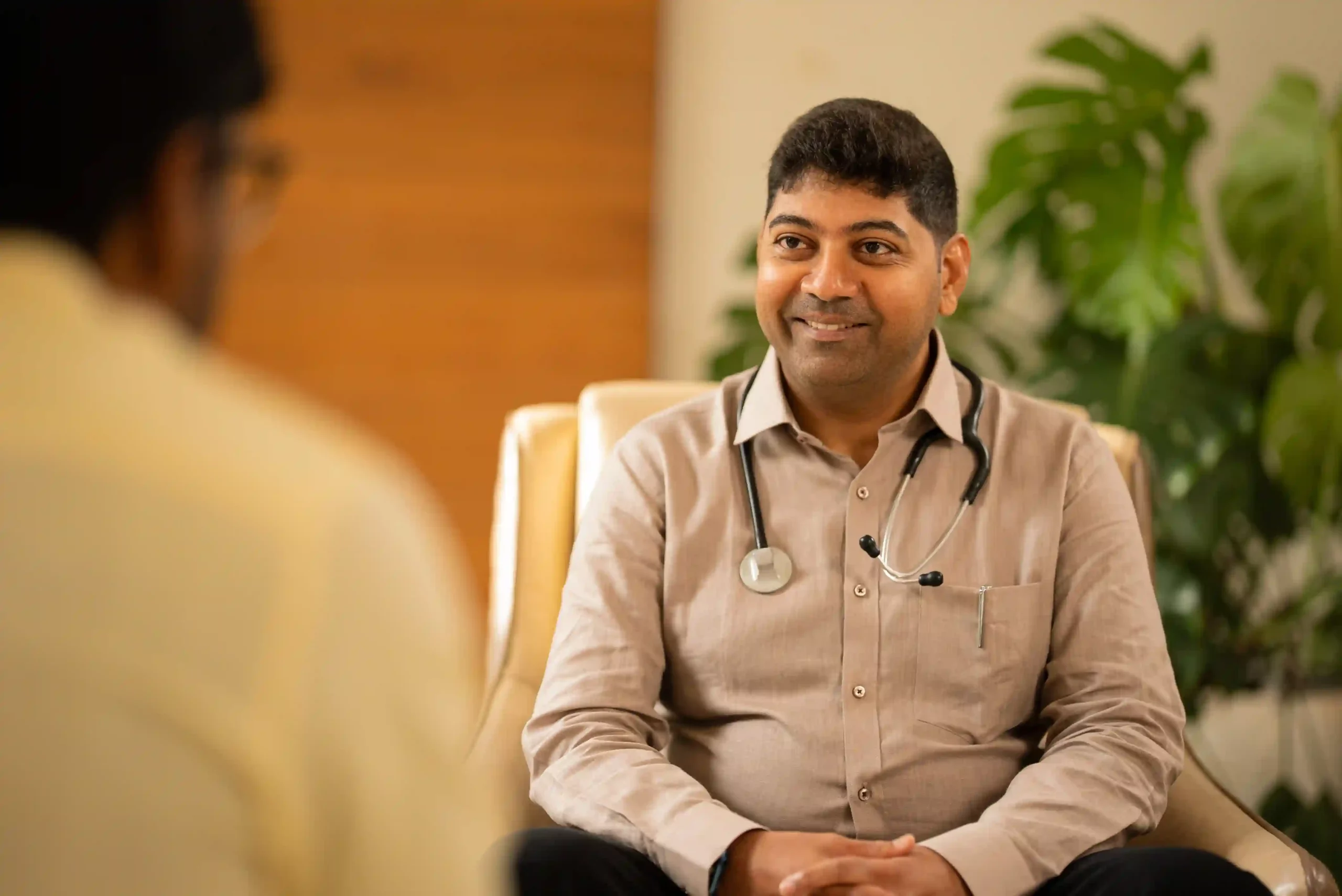
Our psychiatric team includes experienced psychiatrists, psychologists, and therapists who guide clients through every stage of their recovery. They design personalised care plans, ensure therapy remains relevant and practical, and work closely with each person to make progress achievable and sustainable. The team of mental health professionals focus on gaining trust initially, which forms the foundation of meaningful healing.
Wellness Specialists
We believe recovery is not only about addressing symptoms but also about restoring overall well-being. Our wellness specialists are experts in yoga, meditation, mindfulness, and art therapy. They combine proven therapeutic methods with holistic practices to help clients restore balance in mind, body, and spirit.
Therapy Experts
Our therapy team partners with each individual to work through emotional challenges and build practical skills that make daily life feel more manageable and fulfilling. These experts adapt methods to suit each client’s personality, goals, and pace. The psychiatric team collaborates seamlessly with therapists to ensure all aspects of care are aligned for the best possible outcome.
Family Counselors
Healing often involves the whole family. Our family counsellors provide education, emotional support, and practical support to loved ones so they can be part of the recovery journey. These mental health professionals create safe spaces where families can rebuild trust and improve communication, strengthening relationships in the process.
Integrated Approach
Our psychiatric team stands out because clinical knowledge and holistic care work hand in hand here. Each specialist is part of a closely connected team, sharing ideas and adjusting approaches to match every client’s changing needs. This way, every part of a person’s well-being receives the attention it deserves.
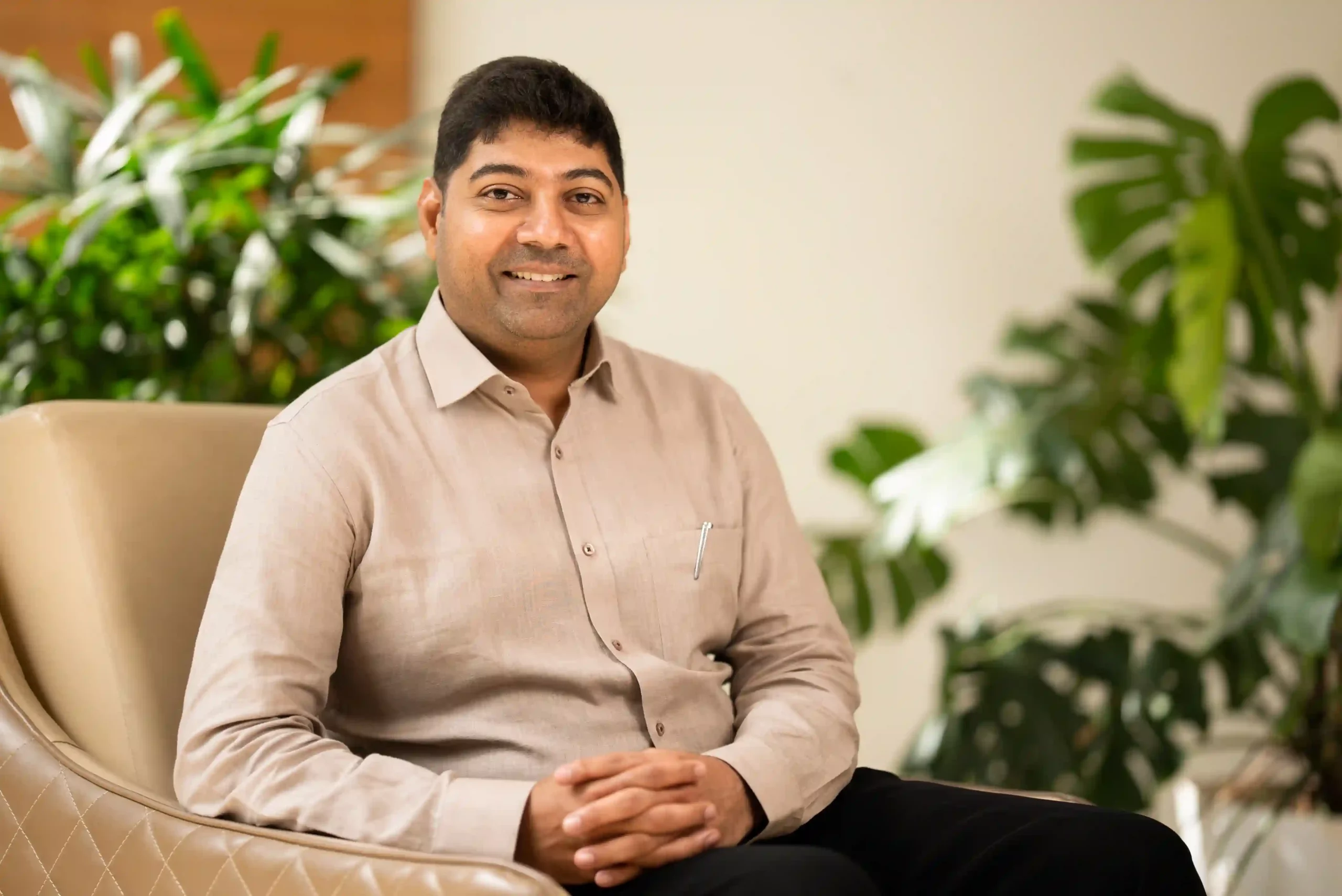
Dr. Naveen Kumar
Medical Director
15+ years of expertise in psychiatry and addiction recovery.

Dr. Vivek Sharma
Consultant Psychiatrist & Neurofeedback Practitioner
With over 15+ years of experience in psychiatry and neurofeedback, he blends medical expertise and compassion to guide clients toward lasting recovery.

Dr. Shree Aarthi
Consultant Psychiatrist
15+ years providing expert psychiatric care for mental health and substance use disorders.

Dr. Ramalingam P Kandaswamy
Consultant Physician
15+ years With over 5 years of experience in HIV and infectious diseases, he brings global expertise and compassionate care to every patient he supports.

Dr. Divya
Psychiatrist
10+ years combining clinical psychiatry expertise with healthcare management for holistic treatment.

Dr. Malarvilzhi
Residential Medical Officer
12 years delivering comprehensive medical care in psychiatric and rehabilitation settings.

Dr. Karuppachamy
Senior Psychiatric Social Worker
22+ years of experience empowering clients through therapeutic guidance, psychosocial support, and lived-experience wisdom.

Ms. Meera
Senior Clinical Psychologist
9+ years specializing in psychological assessment and evidence-based therapeutic interventions.

Mrs. Priyadarshini
Head Clinical Psychologist

Mr. Mukesh Kanna
Clinical Psychologist
2+ years providing psychological interventions for behavioral health and emotional wellness.

Mr. Antipas Jayabal
Clinical Psychologist
2+ years supporting clients through clinical assessment and therapeutic care.

Ms Keerthana S
Psychologist
Empathetic psychologist with 4 years’ experience in handling mental health disorders, using evidence-based psychotherapies for personalized client care.
Inside Our Residential Mental Health Program
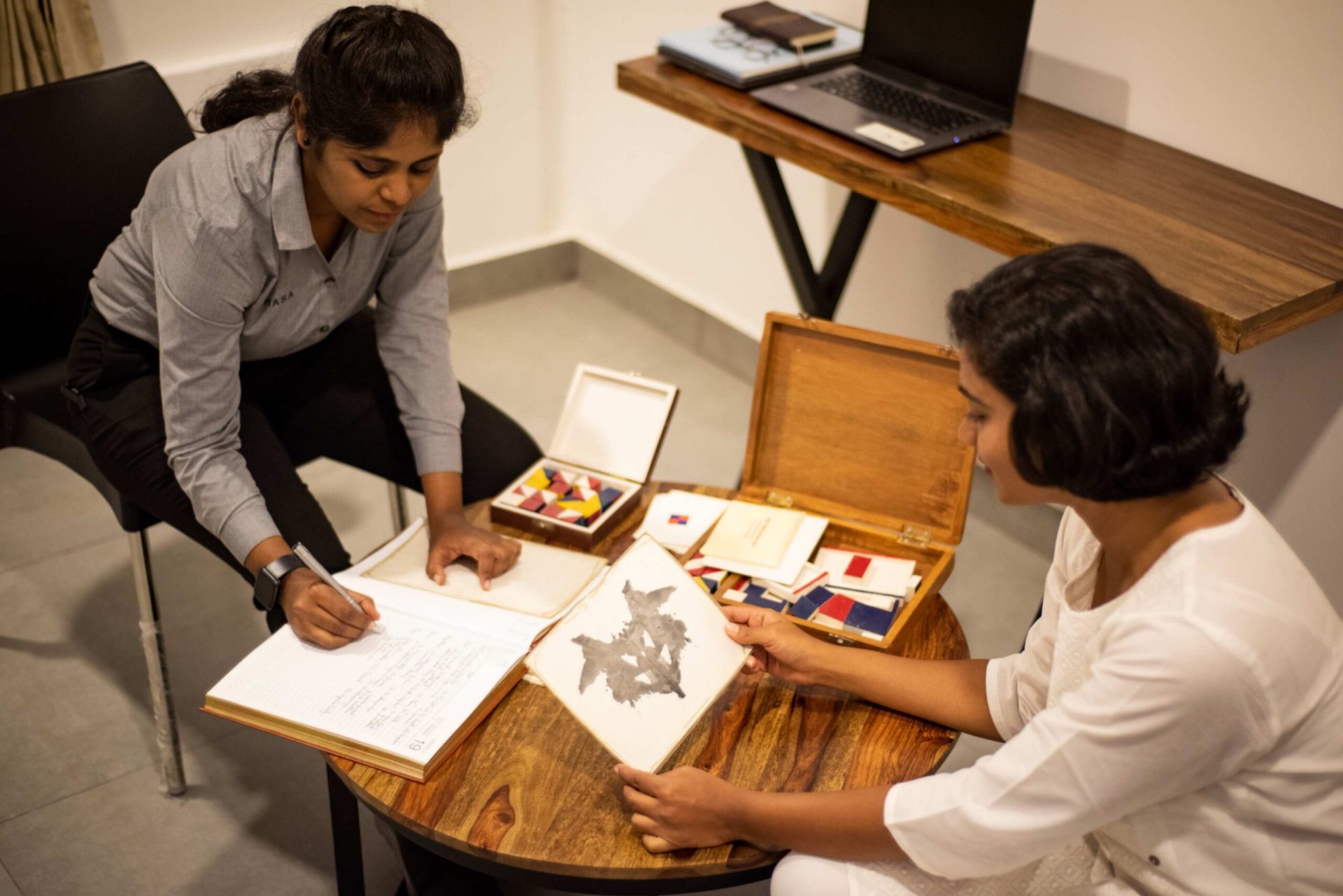
Many people believe that most residential programs for mental health recovery follow the same routine: a quick assessment, medication, and repetitive schedules. At Abhasa, our approach to comprehensive mental health treatment is far more personalised. We do not limit recovery to managing symptoms. Instead, we rebuild life step by step, combining science, structure, and compassionate care.
A Healing Space Designed for Comfort
A supportive environment plays a decisive role in recovery. Our residential program offers private suites, landscaped gardens, serene lounges, and dedicated spaces for quiet reflection. Every detail is designed to help clients feel safe and comfortable so they can focus entirely on their comprehensive mental health treatment without distraction.
Routines that build structure
Establishing a stable routine becomes the foundation for quicker recovery. Unfolding the day with slight, minimal stretches aids in grounding. A nutrient-rich breakfast recharges you for a beautiful start. Sticking with the flexible schedule, you can either opt for a one-on-one session or group therapy.
As the day progresses to noon, we tune your focus on skill-building or wellness activities. Quiet, warm evenings call you for nature walks, journaling or stillness amidst nature. This structured approach not only supports the residential program but also accommodates the individual needs of each participant.
Therapy That Works on Multiple Levels
Our comprehensive mental health treatment blends individual therapy, group work, and targeted approaches to address emotional, cognitive, and behavioural challenges. Psychiatrists, psychologists, and counsellors collaborate every day, fine-tuning care to ensure the residential program aligns with each client’s progress and personal goals.
Wellness Practices That Restore Balance
We care for every part of a person—mind, body, and spirit. In our residential program, clients can take part in yoga, mindfulness sessions, art therapy, fitness activities, and guided relaxation. These practices help lower stress, sharpen focus, and build healthy habits that last long after leaving our care.
Nutrition That Supports Recovery
Fresh, wholesome meals are prepared daily by our chefs as part of the comprehensive mental health treatment plan. Balanced nutrition and mindful eating restore physical energy and support emotional well-being, making it easier for clients to take part fully in their recovery process.
Creativity as a Path to Self-Expression
Art, music, and movement therapies give clients safe and meaningful ways to express emotions. The creative sessions within the residential program encourage self-discovery, rebuild confidence, and strengthen personal identity.
Family Involvement in the Healing Journey
Recovery is often stronger when families are involved. Regular family therapy sessions are an essential part of the comprehensive mental health treatment, helping rebuild trust, improve communication, and prepare a supportive home environment for when the client returns.
Structured support helps your loved one regain stability and hope.
A Typical Day of Mental Health Recovery

A consistent daily rhythm is one of the most effective tools for supporting recovery. At Abhasa, our structured mental health care approach gives each person a precise, steady flow to their day. This helps create a sense of safety and focus, making it easier to take part in the therapies and activities that matter most. No two schedules are the same.
Days unfold with calming and grounding practices. With light stretches and a wholesome breakfast, you could opt for either one-on-one sessions or group therapy based on your schedule.
The morning continues with individual therapy, giving each client the chance to speak openly with their therapist and work through personal challenges.
After a nutritious lunch and a short rest, the afternoon’s focus is on targeted therapeutic activities. Based on your interest and healing phase, you can take up consultations with our psychiatric team, participate in creative arts therapy, or attend skill-building workshops.
As you end your day, you can choose to spend some time with family or be with yourself. Either way, the mind opens up and prepares your body for restorative rest and deep sleep.
Structure is the foundation for lasting change.
Specialised Treatment for Different Mental Health Disorders
Every person’s path to better mental health is different. At Abhasa, we shape each program around the individual instead of relying on a fixed plan. Our work in anxiety disorder treatment, depression treatment, and bipolar treatment is built on the belief that lasting recovery happens when emotional, psychological, physical, and social needs are cared for together.
Every client’s journey with us starts with a thorough and thoughtful evaluation. We take time to have open conversations, use psychometric assessments, and, when helpful, brain-mapping tools to gain a clearer picture of their thought patterns, emotional responses, and sources of stress. We also listen to family perspectives and watch how the person adjusts to the environment in those first days. This layered approach helps us look past the surface symptoms and create a plan that cares for the whole person.
Our depression treatment programs aim to restore balance, motivation, and a sense of purpose. Plans combine evidence-based therapies, structured routines, creative expression, and wellness activities that help clients rebuild confidence. The goal is not only to reduce low mood but to equip each person with tools to sustain emotional well-being long after leaving our care.
We take a comprehensive approach to anxiety disorder treatment, focusing on calming the nervous system and building resilience. Clients learn grounding techniques, practice mindfulness, and work through therapy sessions that address both the root causes and daily challenges of anxiety. Structured exposure to manageable stressors helps them regain a sense of control.
For individuals looking for bipolar treatment, we focus on helping them find balance and stability in daily life. Our programs combine therapy, wellness activities, and practical lifestyle habits that support steady moods. Each plan also teaches clients how to notice the early signs of mood changes and use coping tools to manage them before they grow more intense.
Post-traumatic stress and related conditions require a sensitive, structured approach. Our trauma-informed care integrates therapy, mindfulness, and body-based practices to help clients feel safe, process past experiences, and move forward with confidence.
Specialised therapy approaches address the unique challenges of personality disorders. We focus on emotional regulation, relationship skills, and self-awareness, supported by both individual and group work in a structured, compassionate environment.
Specialised therapy approaches address the unique challenges of personality disorders. We focus on emotional regulation, relationship skills, and self-awareness, supported by both individual and group work in a structured, compassionate environment.
We offer integrated eating disorder recovery programs that combine nutritional rehabilitation, therapy, and self-image work. Each plan addresses both the physical and emotional aspects of the condition.
Our multi-disorder approach makes it possible to adapt care as each person’s needs change. Whether someone is receiving anxiety disorder treatment, depression treatment, or bipolar treatment, their plan develops alongside them, supported by ongoing teamwork and active family participation.
Our layered care supports real, lasting mental health recovery.
Personalised Mental Health Treatment Plans
When someone comes to us for help, they often arrive feeling cautious and unsure. That is why our approach to personalised mental health care is never about handing over a fixed program and expecting it to work for everyone. We create plans that evolve and grow alongside the person, making sure the care truly matches their needs at every stage of recovery.
Every journey begins with a detailed evaluation process. We have in-depth conversations, psychometric testing, and, when appropriate, advanced brain-mapping tools come in handy. We bring out a thorough evaluation report that reflects your thought patterns, emotional responses, and stress triggers in detail. In addition, we gather insights from family members and observe how the individual adapts to the therapeutic environment. This thorough evaluation allows us to design individualised treatment that addresses more than just visible symptoms.

Our first version of the personalised mental health care plan is built from these assessments, but it is never static. We observe how the client responds emotionally, mentally, and socially, and then make adjustments as needed. Psychiatrists, psychologists, counsellors, and wellness specialists meet regularly to review progress and fine-tune the individualised treatment so it stays relevant and practical.

No single therapeutic approach works for everyone. We select from a variety of evidence-based therapies and holistic practices to find the right fit for each person. This can include talk therapy, mindfulness-based practices, creative expression, and lifestyle coaching—all woven into a structure that supports long-term recovery.
When psychiatric medication is part of the plan, it is managed carefully to ensure it complements the rest of the personalised mental health care approach. Our psychiatric team monitors effects, adjusts doses if necessary, and makes sure medication use always supports the individual’s broader healing goals.
We believe lasting recovery is stronger when families are actively involved. Structured family therapy sessions, regular updates, and guidance on creating a supportive home environment are built into the individualised treatment plan. This helps rebuild trust, improve communication, and align everyone toward the same recovery goals.
As progress continues, we prepare each client for a smooth transition back into daily life. This includes relapse-prevention planning, coping strategies, and ongoing support options to help maintain the gains achieved during their time at Abhasa.
Our personalised approach adapts to you, not the other way around.
Family Support & Education in Mental Health Recovery
When a loved one is living with a mental health disorder, the weight often falls on the family. The worry. The confusion. The tiredness that comes from trying to do the right thing without knowing what that is.At Abhasa, we see that. And we support it.
Family involvement is not an afterthought here. It is part of the plan from the first day because mental health family support works best when the system around the person is involved, not just the person.

You will not be left wondering how your loved one is doing. Daily updates give you a simple, honest picture of their routine—how they slept, how they ate, how they responded in therapy.
Weekly calls with the case manager provide an opportunity for questions and honest conversations.
Monthly reviews with the clinical team keep you in step with their progress, the changes in their care plan, and the goals ahead.
This is not just reporting. It is a partnership. Consistency in family therapy and updates keeps you connected to the process and reassures you that your loved one’s care is steady and focused.
Through guided family education, we explain what is happening, why it happens, and how you can respond in a way that helps. You will learn:
What mental health conditions can do to the brain
- How to respond in moments of crisis
- What supports recovery, and what may unintentionally make it harder
- How to manage your stress during challenging moments
- You also receive clear, practical guides on communication, boundaries, and preparing for life after rehab. This makes mental health family support empowering instead of overwhelming.
We do not avoid the hard conversations. In family therapy sessions, we guide them. Trust gets rebuilt. Emotions get heard. Both sides find a safer way to talk and to listen.
Healing is not complete unless the relationships heal, too. That is why this part of the work matters just as much as the individual’s progress.
Supporting someone in recovery can take a lot out of you. We make sure caregivers also receive the understanding and space they need. This is still mental health family support because looking after the family is part of looking after the person.
You don’t have to face this alone.
Safe, Healing Environment for Mental Health Recovery


Not all recovery happens inside a therapy room. Sometimes it starts with quiet. With a walk under green branches. With a space that simply allows you to breathe and rest without demand.
Abhasa was created as a mental health facility where the surroundings work as part of the healing. We know recovery cannot thrive in loud, crowded, or overly clinical spaces. Many of our clients live with daily overstimulation and constant unpredictability. That is why we designed a therapeutic environment that feels calm, natural, and grounding from the moment you arrive.
A Place That Brings Peace
Our surroundings help the mind and body relax. Open gardens, shaded walkways, and spaces filled with natural light create an atmosphere that feels calm and grounding. As the breeze touches you, your body relieves of the stress and become relaxed.
Privacy That Respects Every Individual
In our mental health facility, privacy is part of the healing process. Therapy rooms provide full confidentiality, and living spaces offer comfort and discretion. This design allows clients to focus on their recovery without worry, knowing their dignity is always protected.
Safety as a Constant
Our therapeutic environment includes 24/7 monitoring. We are always present but never intrusive. Clients can move freely while knowing support is close by.
Spaces That Support Healing
Accommodations are designed for comfort, with soft interiors and private spaces. It is intentionally designed to not look like a clinic. You have common areas for social meet-up while therapies happen in a dedicated room. Every corner of the mental health facility has been considered for emotional ease and physical comfort.
It is a place to slow down and feel grounded. That sense of calm is what makes Abhasa’s therapeutic environment different.
Step into a sanctuary that is built to calm, not overwhelm.
Success Stories: Mental Health Recovery Journeys
Every path to healing at Abhasa is personal, yet some moments in mental health recovery are so powerful that they deserve to be shared. These real accounts from our mental health facility show what can happen when care is steady, compassionate, and built on trust. They are proof of our approach to treating mental health disorders, leading to emotional breakthroughs, renewed connections with loved ones, and lasting change that continues well beyond the program.
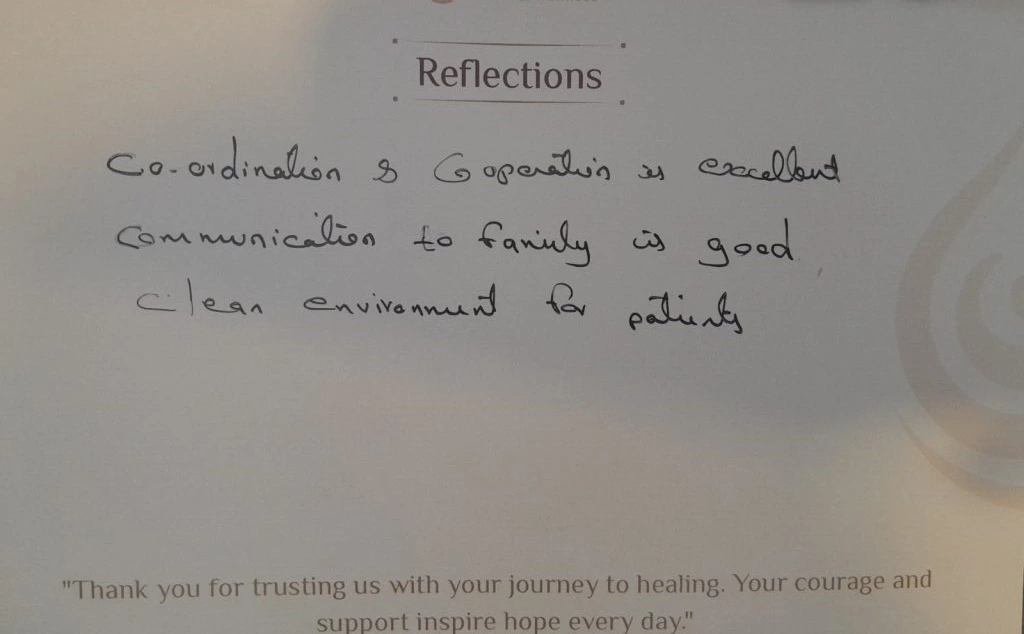
Co-ordination & cooperation is excellent. Communication to family is good. Clean environment for patients.
Former Client
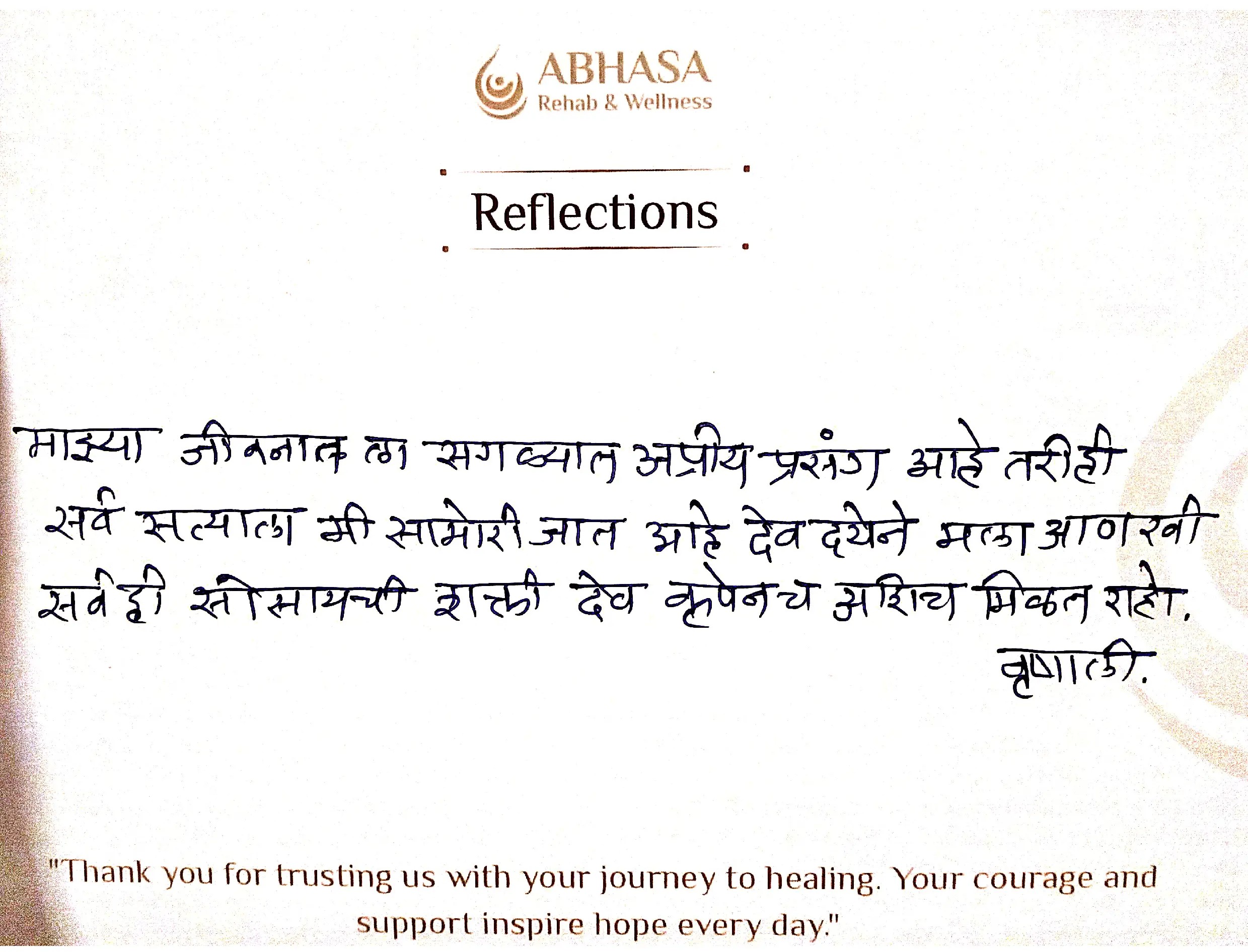
I found strength to face life’s hardest truths here. I believe it was God’s grace that brought me to Abhasa.
Former Client
FAQs About Mental Health Disorder Treatment
Are mental health centres free?
The first step is an assessment by a qualified professional. Many mental health treatment centres offer consultations to understand the condition and recommend the right disorder treatment approach, whether residential care, outpatient therapy, or community programs.
How can a person get treatment for disorders?
Costs vary based on the facility, location, length of stay, and services included. Private mental health treatment centres tend to cost more but often provide specialised care, luxury amenities, and personalised disorder treatment programs.
How much does mental health treatment cost?
Learn about the condition, maintain open communication, and create a calm, structured home. Many mental health treatment centres offer family workshops that help relatives support ongoing disorder treatment.
How to live with someone with a mood disorder?
Life after addiction can feel more peaceful and fulfilling. At addiction recovery centres, clients explore interests, reconnect with loved ones, and rebuild purpose. Joy returns through clarity and connection.
How to solve mental health issues?
It refers to monitoring progress over three months to see if disorder treatment is effective. Many mental health treatment centres reassess care plans within this timeframe.
Is substance use disorder a mental illness?
Addressing mental health concerns often requires a mix of therapy, lifestyle changes, and sometimes medication. Mental health treatment centres can provide structured disorder treatment that combines professional care with practical coping tools.
At what age do mood disorders start?
Addressing mental health concerns often requires a mix of therapy, lifestyle changes, and sometimes medication. Mental health treatment centres can provide structured disorder treatment that combines professional care with practical coping tools.
What are disorder-specific treatments?
Addressing mental health concerns often requires a mix of therapy, lifestyle changes, and sometimes medication. Mental health treatment centres can provide structured disorder treatment that combines professional care with practical coping tools.
What are the seven types of mental disorders?
Addressing mental health concerns often requires a mix of therapy, lifestyle changes, and sometimes medication. Mental health treatment centres can provide structured disorder treatment that combines professional care with practical coping tools.
What are the three main treatments for psychiatric disorders?
Addressing mental health concerns often requires a mix of therapy, lifestyle changes, and sometimes medication. Mental health treatment centres can provide structured disorder treatment that combines professional care with practical coping tools.
What is a place where mentally ill patients are treated?
Addressing mental health concerns often requires a mix of therapy, lifestyle changes, and sometimes medication. Mental health treatment centres can provide structured disorder treatment that combines professional care with practical coping tools.
What is a treatment plan for a disorder?
Addressing mental health concerns often requires a mix of therapy, lifestyle changes, and sometimes medication. Mental health treatment centres can provide structured disorder treatment that combines professional care with practical coping tools.
What is the best mental health treatment centre in the world?
Addressing mental health concerns often requires a mix of therapy, lifestyle changes, and sometimes medication. Mental health treatment centres can provide structured disorder treatment that combines professional care with practical coping tools.
What is the best treatment for dual diagnosis?
Addressing mental health concerns often requires a mix of therapy, lifestyle changes, and sometimes medication. Mental health treatment centres can provide structured disorder treatment that combines professional care with practical coping tools.
What is the best treatment for mental health disorders?
Addressing mental health concerns often requires a mix of therapy, lifestyle changes, and sometimes medication. Mental health treatment centres can provide structured disorder treatment that combines professional care with practical coping tools.
What is the best treatment for mood disorders?
Addressing mental health concerns often requires a mix of therapy, lifestyle changes, and sometimes medication. Mental health treatment centres can provide structured disorder treatment that combines professional care with practical coping tools.
What is the best treatment for psychological disorders?
Addressing mental health concerns often requires a mix of therapy, lifestyle changes, and sometimes medication. Mental health treatment centres can provide structured disorder treatment that combines professional care with practical coping tools.
What is the best type of treatment for a psychiatric disorder?
Addressing mental health concerns often requires a mix of therapy, lifestyle changes, and sometimes medication. Mental health treatment centres can provide structured disorder treatment that combines professional care with practical coping tools.
What is the most treatable psychological disorder?
Addressing mental health concerns often requires a mix of therapy, lifestyle changes, and sometimes medication. Mental health treatment centres can provide structured disorder treatment that combines professional care with practical coping tools.
Where are most psychiatric disorders managed?
Addressing mental health concerns often requires a mix of therapy, lifestyle changes, and sometimes medication. Mental health treatment centres can provide structured disorder treatment that combines professional care with practical coping tools.
Where do people go when they have bad mental health?
Addressing mental health concerns often requires a mix of therapy, lifestyle changes, and sometimes medication. Mental health treatment centres can provide structured disorder treatment that combines professional care with practical coping tools.
Where do people with severe mental illness go?
Addressing mental health concerns often requires a mix of therapy, lifestyle changes, and sometimes medication. Mental health treatment centres can provide structured disorder treatment that combines professional care with practical coping tools.
Which treatment is best for mental illness?
Addressing mental health concerns often requires a mix of therapy, lifestyle changes, and sometimes medication. Mental health treatment centres can provide structured disorder treatment that combines professional care with practical coping tools.
Who is the best support for bipolar disorder?
Addressing mental health concerns often requires a mix of therapy, lifestyle changes, and sometimes medication. Mental health treatment centres can provide structured disorder treatment that combines professional care with practical coping tools.
What is the 3-month rule in mental health?
Addressing mental health concerns often requires a mix of therapy, lifestyle changes, and sometimes medication. Mental health treatment centres can provide structured disorder treatment that combines professional care with practical coping tools.
Begin Your Mental Health Recovery Journey
You do not have to face this alone. If you have been searching for the best mental health treatment centres, know that a safe and supportive place is ready to welcome you. Our mental health recovery programs respect your privacy and focus on lasting change.
We understand that the first step often feels the hardest. Whether you are seeking help for yourself or for someone you love, reaching out opens the door to a healthier, more balanced future. From the moment you contact us, our team will guide you through a simple admission process, answer your questions, and involve your family in creating the right plan for you.
The first step is yours. We’ll walk the rest together.
Proudly Serving Across Cities
- Rehab in Karjat
- Rehab in Pune
- Rehab in Navi Mumbai
- Rehab in Madurai
- Rehab in Trichy
- Rehab in Bangalore
- Rehab in Chennai
- Rehab in Thane
- Rehab in Nasik
- Rehab in Kochi
- Rehab in Mangalore
- Rehab in Mysore
- Rehab in Hyderabad
- Rehab in Vijayawada
- Rehab in Visakhapatnam
- Rehab in Delhi
Medical Disclaimer
This information is for educational purposes only and does not constitute medical advice. Alcohol use disorder is a serious medical condition requiring professional diagnosis and treatment by qualified healthcare providers.
Always consult licensed medical professionals and addiction specialists before making treatment decisions. Individual results vary significantly based on numerous factors including severity of dependence, co-occurring conditions, personal commitment, and environmental support.
Alcohol withdrawal can be life-threatening. Attempting to detox at home without medical supervision may result in severe complications including seizures, delirium tremens, and death. Medical detoxification should only be conducted under the supervision of qualified healthcare professionals in an appropriate medical setting.
If you are experiencing a medical emergency, call emergency services immediately (dial 112 in India or your local emergency number).
The content provided describes general treatment approaches and facility amenities. It is not a substitute for individualized medical assessment or professional treatment planning. Treatment outcomes cannot be guaranteed, and recovery from alcohol dependence is an ongoing process that may include periods of relapse.
Research Citations (Top 15 Most Authoritative Sources):
Core Citations (All Sources Used):
[1] World Health Organization – “Mental Disorders” – WHO Fact Sheets, 2022
URL: https://www.who.int/news-room/fact-sheets/detail/mental-disorders
Source Type: International health organization – Global mental health epidemiology and impact
[2] National Institute of Mental Health – “Psychotherapies” – NIMH Treatment Resources, 2021
URL: https://www.nimh.nih.gov/health/topics/psychotherapies
Source Type: U.S. Government health institute – Comprehensive overview of evidence-based psychotherapy approaches
[3] Substance Abuse and Mental Health Services Administration – “Guiding Principles of Recovery-Oriented Systems” – SAMHSA Publication, 2009
URL: https://www.samhsa.gov/
Source Type: U.S. Government health administration – Recovery-oriented residential care standards
[4] Dixon L, et al. – “Evidence-Based Practices for Services to Families of People With Psychiatric Disabilities” – Psychiatric Services, 2001
URL: https://pubmed.ncbi.nlm.nih.gov/11585950/
Source Type: Peer-reviewed study – Family involvement in mental health treatment
[5] Priebe S, et al. – “Residential programmes for people with severe mental illness” – Cochrane Database of Systematic Reviews, 2006
URL: https://www.cochranelibrary.com/cdsr/doi/10.1002/14651858.CD005116.pub2/full
Source Type: Systematic review (Cochrane) – Residential vs. community care effectiveness
[6] American Psychological Association – “Understanding psychotherapy and how it works” – APA Psychotherapy Guide, 2019
URL: https://www.apa.org/topics/psychotherapy/understanding
Source Type: Professional psychological organization – Comprehensive psychotherapy overview
[7] Mayo Clinic – “Mental Health Medications” – Mayo Clinic Patient Care, 2023
URL: https://www.mayoclinic.org/diseases-conditions/mental-illness/in-depth/mental-health-medications/art-20046303
Source Type: Major medical institution – Psychiatric medication management and safety
[8] National Center for Complementary and Integrative Health – “Meditation and Mindfulness: What You Need To Know” – NCCIH Clinical Digest, 2022
URL: https://www.nccih.nih.gov/health/meditation-and-mindfulness-what-you-need-to-know
Source Type: U.S. Government health center – Evidence for mindfulness-based interventions
[9] Cramer H, et al. – “Yoga for depression: A systematic review and meta-analysis” – Depression and Anxiety, 2013
URL: https://pubmed.ncbi.nlm.nih.gov/23922209/
Source Type: Peer-reviewed meta-analysis – Yoga as adjunctive mental health treatment
[10] Hofmann SG, et al. – “The efficacy of cognitive behavioral therapy: A review of meta-analyses” – Cognitive Therapy and Research, 2012
URL: https://pubmed.ncbi.nlm.nih.gov/23459093/
Source Type: Peer-reviewed review of meta-analyses – CBT effectiveness across disorders
[11] American Psychiatric Association – “Practice Guideline for the Treatment of Patients With Major Depressive Disorder” – APA Practice Guidelines, 2010
URL: https://psychiatryonline.org/pb/assets/raw/sitewide/practice_guidelines/guidelines/mdd.pdf
Source Type: Professional medical organization guideline – Depression treatment standards
[12] Cuijpers P, et al. – “Psychotherapy for depression in adults: A meta-analysis” – Journal of Consulting and Clinical Psychology, 2008
URL: https://pubmed.ncbi.nlm.nih.gov/18377121/
Source Type: Peer-reviewed meta-analysis – Comparative effectiveness of depression therapies
[13] Bandelow B, et al. – “World Federation of Societies of Biological Psychiatry guidelines for treatment of anxiety disorders” – World Journal of Biological Psychiatry, 2008
URL: https://pubmed.ncbi.nlm.nih.gov/18649648/
Source Type: International clinical guidelines – Anxiety disorder treatment standards
[14] Miklowitz DJ, et al. – “Family-focused treatment for bipolar disorder: Reflections on 30 years of research” – Family Process, 2019
URL: https://pubmed.ncbi.nlm.nih.gov/31197842/
Source Type: Peer-reviewed review article – Bipolar treatment with family involvement
[15] Van der Kolk BA – “The Body Keeps the Score: Brain, Mind, and Body in the Healing of Trauma” – Penguin Books, 2014
URL: https://www.penguinrandomhouse.com/books/220989/the-body-keeps-the-score-by-bessel-van-der-kolk-md/
Source Type: Authoritative clinical book – Trauma treatment and body-based approaches