Luxury Generalised Anxiety Disorder Treatment in India

Many Indian families quietly struggle with anxiety, hoping it will improve with time or strength of will.
Private consultation. No pressure.
2:1 Staff-to-client ratio
3 Healing Spaces
Personalised Treatments
360° Healing
2:1 Staff-to-client ratio
3 Healing Spaces
Personalised Treatments
360° Healing
Luxury Generalised Anxiety Disorder Treatment in India

Many Indian families quietly struggle with anxiety, hoping it will improve with time or strength of will.
Anxiety is not something you can power through.[1] It slowly weaves itself into the way you think, feel, and connect with others. It even shows up in your body. Over time, it grows heavier and more complex to handle alone. That is why reaching out to trusted centres for anxiety disorder treatment matters so much.[2] The proper support does more than ease the struggle; it provides a foundation for success.[3,4] It gently guides you toward lasting calm and a clearer mind.
At Abhasa, we understand how anxiety touches every part of life. We also know the weight that Indian families carry when facing these challenges.[5] Our Generalised Anxiety Disorder (GAD) treatment centres offer much more than short-term relief. They bring deep emotional healing through compassionate, holistic care.
Many people think they can handle anxiety on their own.[5] Families often wait and watch, hoping their loved one will feel better. But when anxiety affects sleep, work, and relationships, it is time to seek professional help.[1,2]
Anxiety disorder treatment centres provide consistent care that gently helps people release worry and regain emotional strength.[3,4] At Abhasa, clients experience daily routines, calming therapies, and ongoing support designed to alleviate anxious thoughts and promote inner calm.
Abhasa does not feel like a typical facility. Abhasa is a peaceful retreat where every person receives personal attention. Our Generalised Anxiety Disorder (GAD) treatment centres combine holistic therapies, mindfulness, and expert counselling to help individuals rebuild their peace of mind.[6,7]
Family involvement remains at the heart of everything we do.[8] They form an integral part of the healing process here, participating in learning sessions, attending family counselling, and receiving regular updates along the way. This shared path makes it easier for everyone to heal together, creating lasting change that feels natural and supportive.
If you are looking for anxiety disorder treatment centres where warmth, comfort, and true healing come together, Abhasa is here for you.
Our Generalised Anxiety Disorder (GAD) treatment centres create a space where every person feels respected, every day offers new hope, and every step leads toward peace. Need help understanding how our residential care works?
Break free from anxiety today.
Understanding Residential Generalized Anxiety Disorder Treatment
Many people believe that anxiety fades with time, rest, or a few therapy visits.[5] That belief often delays real help. Residential anxiety treatment creates a calm and stable place where people rebuild their emotional strength and learn daily tools to manage anxiety.
Residential anxiety treatment provides steady support and a peaceful environment. Every person follows a gentle rhythm of care. They do not just pass the day; they start to reclaim it. Through personal therapy, soothing activities, and ongoing guidance, they gradually regain calm and control.[3,4]
Every journey through inpatient anxiety treatment looks different. Anxiety shows up in many ways.[1] Some people feel stuck and unable to leave their rooms. Others face racing thoughts that never seem to stop. Inpatient anxiety treatment respects these differences and responds with fully personalised care. The approach stays patient, respectful, and kind, adjusting with every step forward.
Life at home often brings unpredictable stress. Family tensions, emotional triggers, and daily pressures can disrupt recovery. And that is where residential anxiety treatment makes a powerful difference. Inside this safe space, every day follows a nurturing structure. People wake up at the same time, eat nourishing meals, attend one-on-one sessions, and join group activities. They also enjoy quiet reflection time and calming evenings.
Inpatient anxiety treatment helps to connect with others on similar paths, share experiences, and build trust through group sessions. These moments help reduce isolation and create hope through shared understanding.
This care does not aim to “fix” anyone. It gently shows people that they can grow, heal, and move forward in their own time. With time and consistent support, residential anxiety treatment helps people feel at peace within themselves again.[3,4]
For families, it offers deep reassurance to know their loved one receives ongoing, focused care that supports actual progress.
If you wonder whether inpatient anxiety treatment could help your loved one, know that we see lives change here every day.
Curious about how this approach can fit your needs? Speak to us for personal guidance.

Why Choose Residential Treatment for Generalised Anxiety Disorder (GAD)

When Home Care No Longer Feels Enough
You may have already tried everything you can think of. You offer emotional support, suggest healthier routines, and stay strong by your loved one’s side. Even with all this effort, anxiety may still take hold.5] You might notice your loved one pulling away from daily life, avoiding conversations, or feeling overwhelmed by the most minor tasks. This is where anxiety treatment programs become necessary.

How Lack of Professional Support Affects Progress
Without structured help, anxiety tends to come back repeatedly.[1,2] Daily patterns begin to fall apart. Sleep becomes restless. Emotional stress builds up. Both the person and their family feel exhausted and unsure of what to do next. This is why Generalised Anxiety Disorder therapy centres provide essential relief. They offer clear direction, daily support, and a calm space to rebuild stability.

What Makes a Residential Setting So Effective
At Abhasa, healing begins with consistency and comfort. One of the biggest strengths of anxiety treatment programs is the setting itself. Clients experience peaceful surroundings, healthy meals, deep rest, and therapy that feels gentle and approachable. Everything here brings comfort and never feels clinical.
Through therapy, people begin to understand their anxiety in new ways.[3,4] They learn to spot triggers, shift unhelpful thought patterns, and build skills that ease anxiety over time. This deeper self-awareness is one of the many reasons Generalised Anxiety Disorder (GAD) therapy centres offer lasting change.[9]

Round-the-Clock Care Builds Emotional Strength
Providing this level of full-time support at home is a significant challenge. In anxiety treatment programs, every part of the day is designed for emotional safety. Clients gain round-the-clock guidance, steady reassurance, and a safe place to explore their emotions.
Group activities also help rebuild social confidence. Clients practice speaking openly, share experiences, and learn respectful communication. These shared connections are among the most significant benefits of Generalised Anxiety Disorder (GAD) therapy centres.
Planning for Long-Term Healing Together
Care does not stop when the program ends.[9] Before clients leave, Abhasa works closely with them and their families to create a plan for continued progress. Recovery grows stronger with support at home, and every person leaves equipped with tools for long-term peace.[8]
Still wondering if this path is right for your family? Speak to us for personalised guidance.
Why Families Trust Abhasa for Generalized Anxiety Disorder Treatment
A Place Where Families Feel Understood
At Abhasa, healing starts with a deep sense of understanding. Families often arrive feeling overwhelmed by years of worry and uncertainty.[8] At Abhasa, they discover more than therapy or routines. They step into a space that feels comforting, where it feels natural to ask questions, express emotions, and slowly find hope again. This sense of belonging is what makes many families see Abhasa as one of the best anxiety treatment centres in India. Here, the focus is not only on easing anxiety, but on helping people and their families reconnect with a calmer, brighter way of living.
Care Designed Around Each Individual
Abhasa does not follow a one-size-fits-all approach. Every guest receives care that evolves with their needs.[3,4] From therapy plans to wellness activities, everything is tailored to individual comfort levels and emotional progress. Our team watches closely and adjusts the path gently. This flexibility is rare, and it is why families choose us over other luxury anxiety treatment centres. We believe that healing must feel personal to be truly effective.
We Guide Every Step of the Way
Families often arrive unsure about what anxiety means.[1,5] We take time to explain the patterns behind anxiety and how the brain responds. Clients and families learn together, gaining clarity and confidence. They stop feeling lost and start feeling empowered. This clarity is part of what makes Abhasa stand out among the best anxiety treatment centres. We guide every person with patience and understanding.
Blending Traditional Wisdom with Modern Healing
Many families say Abhasa feels completely different from other places. They are right. While other centres stop at basic therapies, we go further by blending modern approaches with ancient wisdom.[6,7,10] Alongside proven therapies, we offer yoga, breathwork, meditation, art therapy, and other holistic practices. Our nature-filled setting adds to the healing atmosphere. This combination is why we are known as one of the top luxury anxiety treatment centres.
Comfort, Privacy, and Support All in One
We focus on comfort, privacy, and steady care. Clients benefit from private suites, wellness therapies, and spa services. They also receive 24/7 emotional and therapeutic support. Families often describe it as a peaceful retreat where professional care meets personal attention. This high standard of care is why we remain among the best anxiety treatment centres in India.
Families trust us because they feel heard, respected, and supported.
Consistent care and safe spaces make lasting calm possible.
Meet Our Generalized Anxiety Disorder Treatment Specialists
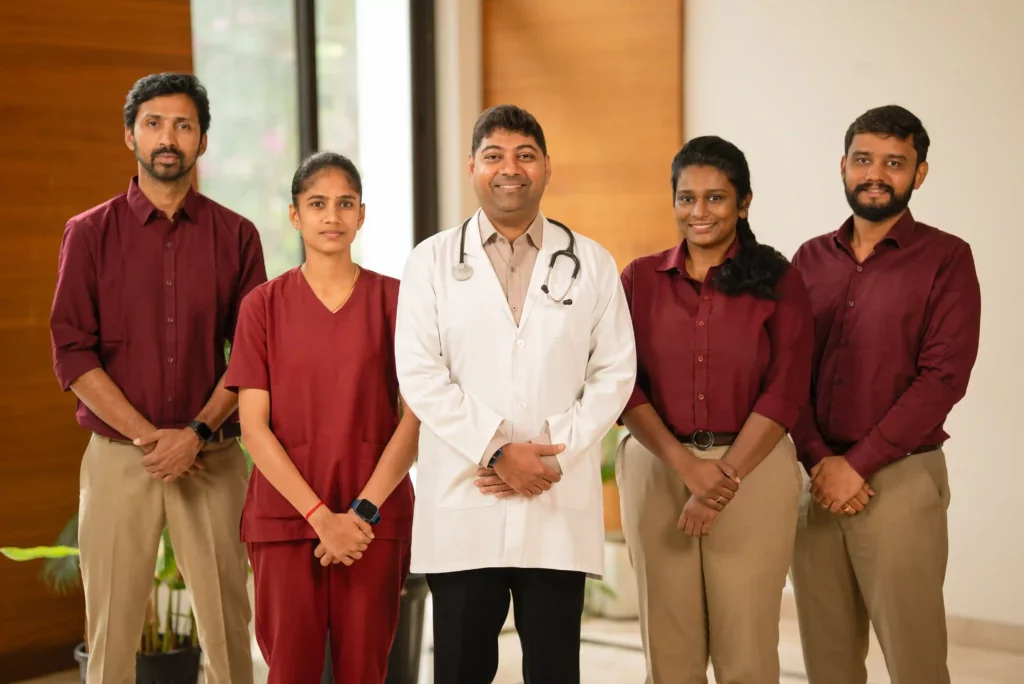
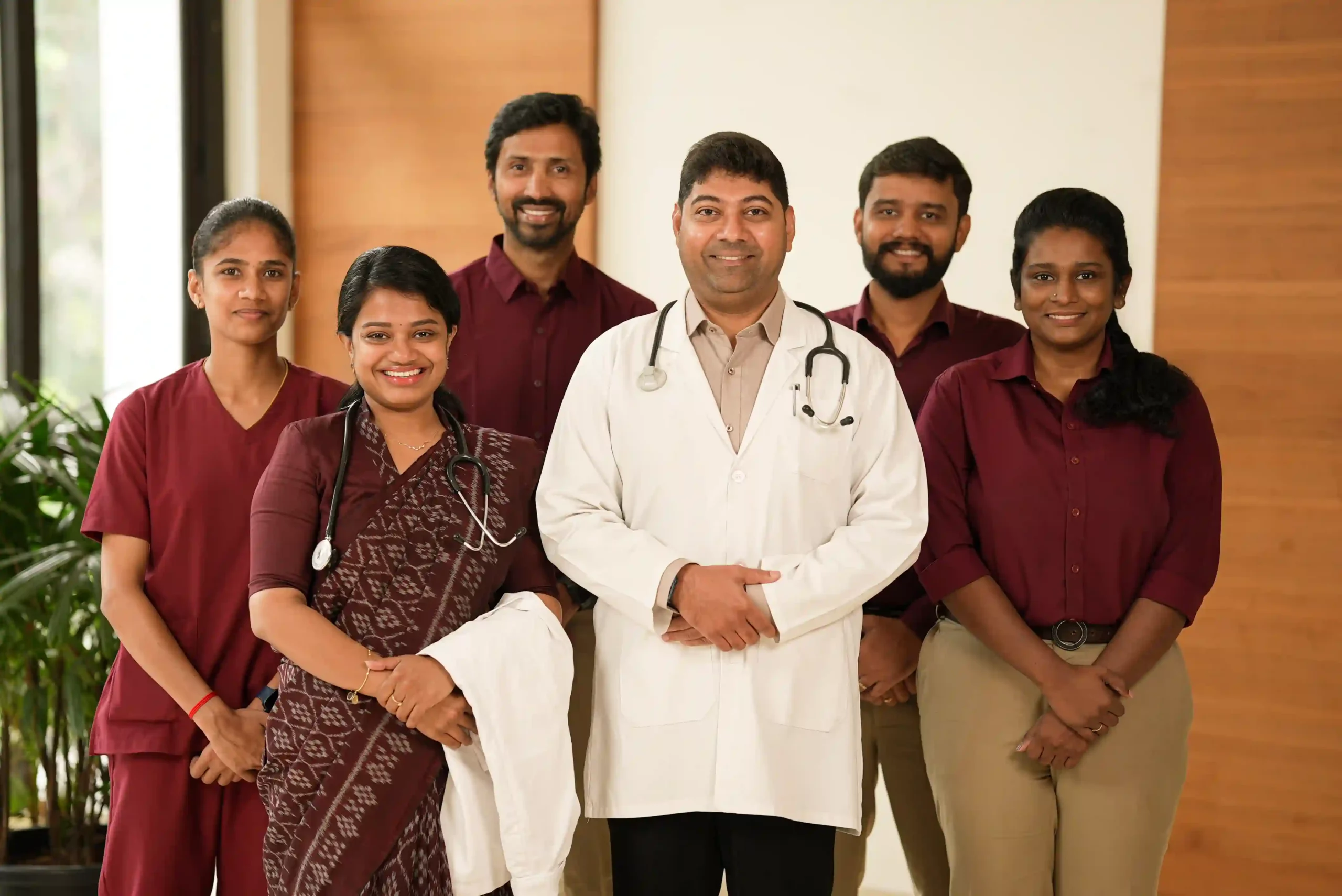
At Abhasa, care always begins with people who listen and understand. Our team includes psychiatrists, therapists, and wellness experts who work together to guide every person gently through their healing journey.[3,4] As one of the leading clinics for anxiety disorders, we combine professional expertise with mindful practices such as yoga and breathwork.[6,7]
Some of our team members have walked their path through anxiety, bringing real-life compassion to their work. The love, warmth and experience make Abhasa stand apart from other Generalised Anxiety Disorder (GAD) treatment facilities, creating a space where every person feels safe, supported, and understood.
Together, we offer expert guidance, family support, and a calm, welcoming path to healing.
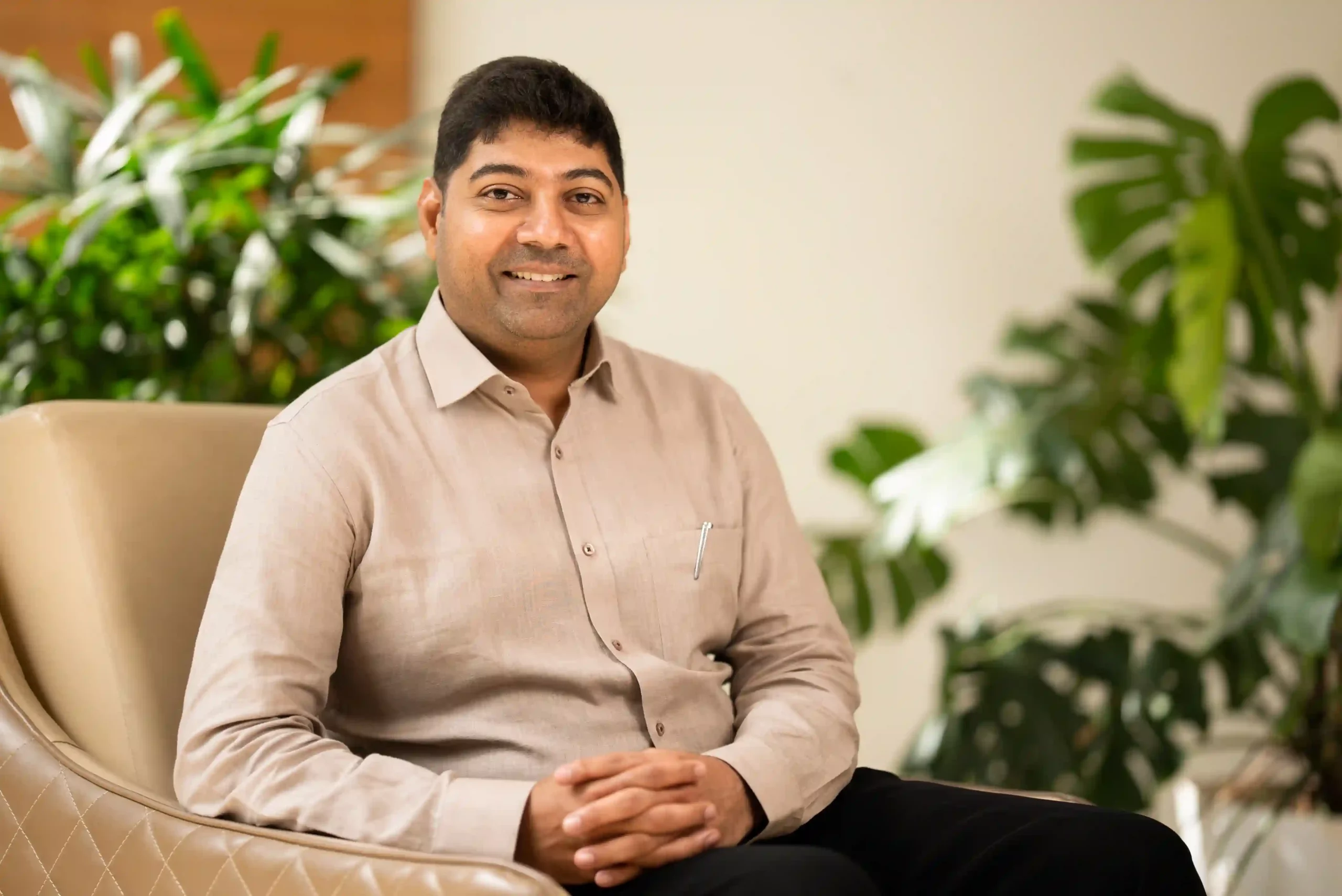
Dr. Naveen Kumar
Medical Director
15+ years of expertise in psychiatry and addiction recovery.

Dr. Vivek Sharma
Consultant Psychiatrist & Neurofeedback Practitioner
With over 15+ years of experience in psychiatry and neurofeedback, he blends medical expertise and compassion to guide clients toward lasting recovery.

Dr. Shree Aarthi
Consultant Psychiatrist
15+ years providing expert psychiatric care for mental health and substance use disorders.

Dr. Ramalingam P Kandaswamy
Consultant Physician
15+ years With over 5 years of experience in HIV and infectious diseases, he brings global expertise and compassionate care to every patient he supports.
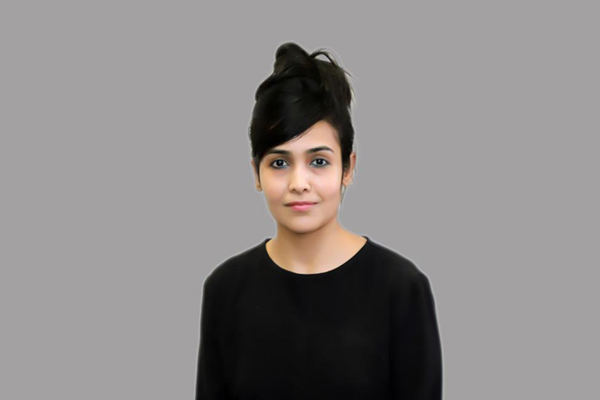
Dr. Divya
Psychiatrist
10+ years combining clinical psychiatry expertise with healthcare management for holistic treatment.

Dr. Malarvilzhi
Residential Medical Officer
12 years delivering comprehensive medical care in psychiatric and rehabilitation settings.
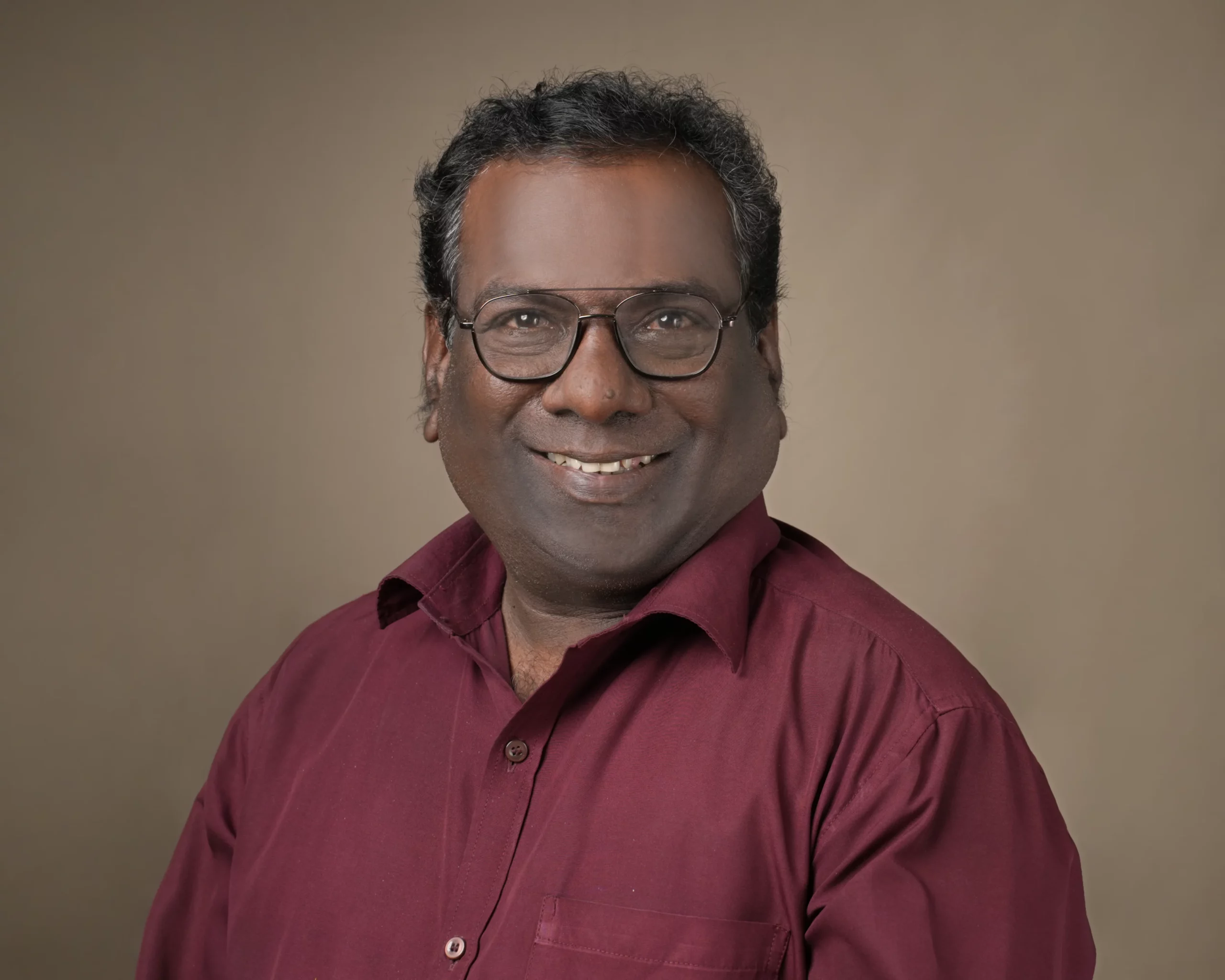
Dr. Karuppachamy
Senior Psychiatric Social Worker
22+ years of experience empowering clients through therapeutic guidance, psychosocial support, and lived-experience wisdom.

Ms. Meera
Senior Clinical Psychologist
9+ years specializing in psychological assessment and evidence-based therapeutic interventions.

Mrs. Priyadarshini
Head Clinical Psychologist
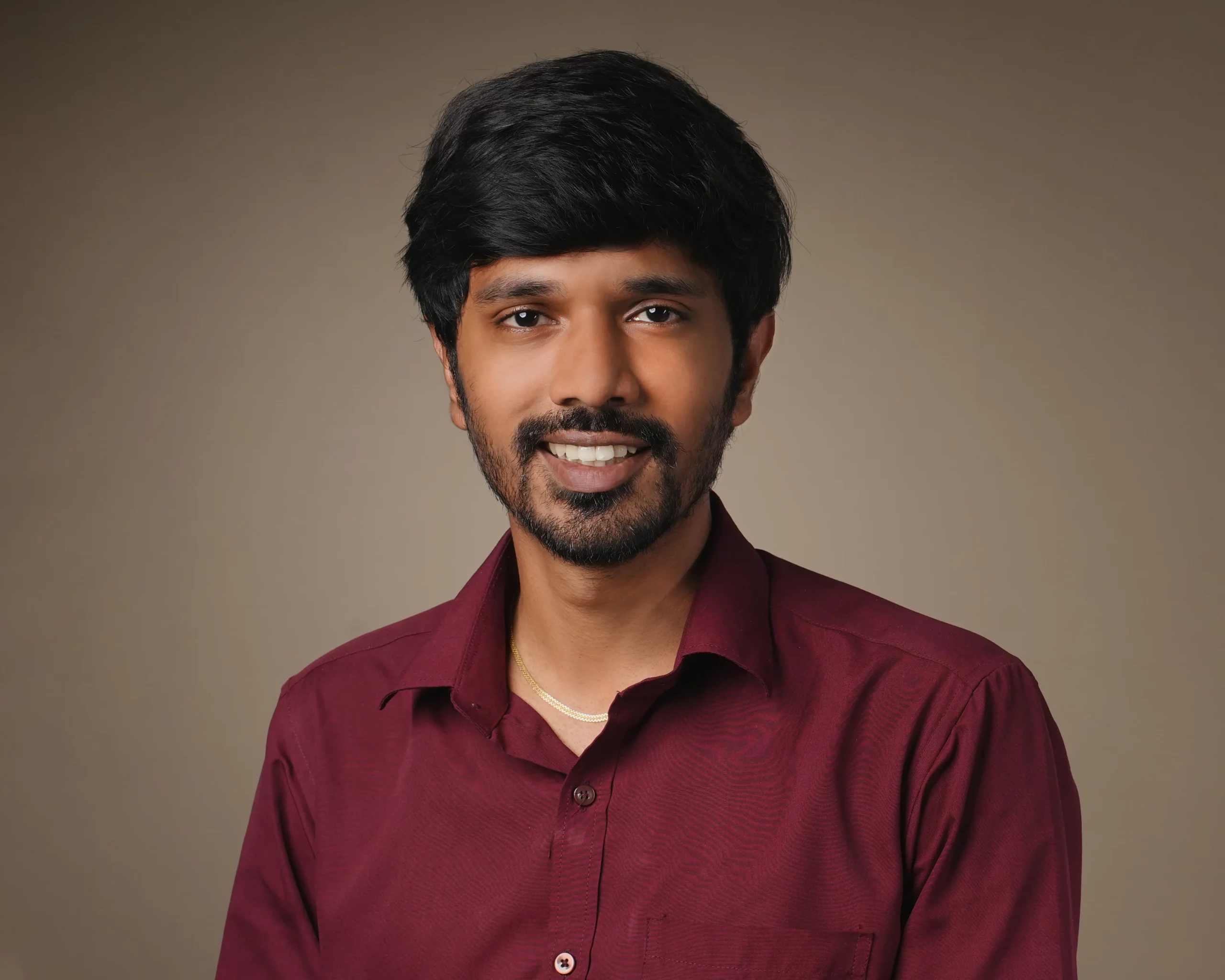
Mr. Mukesh Kanna
Clinical Psychologist
2+ years providing psychological interventions for behavioral health and emotional wellness.

Mr. Antipas Jayabal
Clinical Psychologist
2+ years supporting clients through clinical assessment and therapeutic care.

Ms Keerthana S
Psychologist
Empathetic psychologist with 4 years’ experience in handling mental health disorders, using evidence-based psychotherapies for personalized client care.
Inside Our Residential Programme
If you think all anxiety rehabilitation centres simply follow a basic routine of therapy and medication, you are not alone.
At Abhasa, we approach healing uniquely. We do not just aim to ease symptoms. Our program rebuilds emotional balance and daily peace through a structured, layered process within our residential anxiety treatment approach.

Identifying Emotional Triggers and Patterns
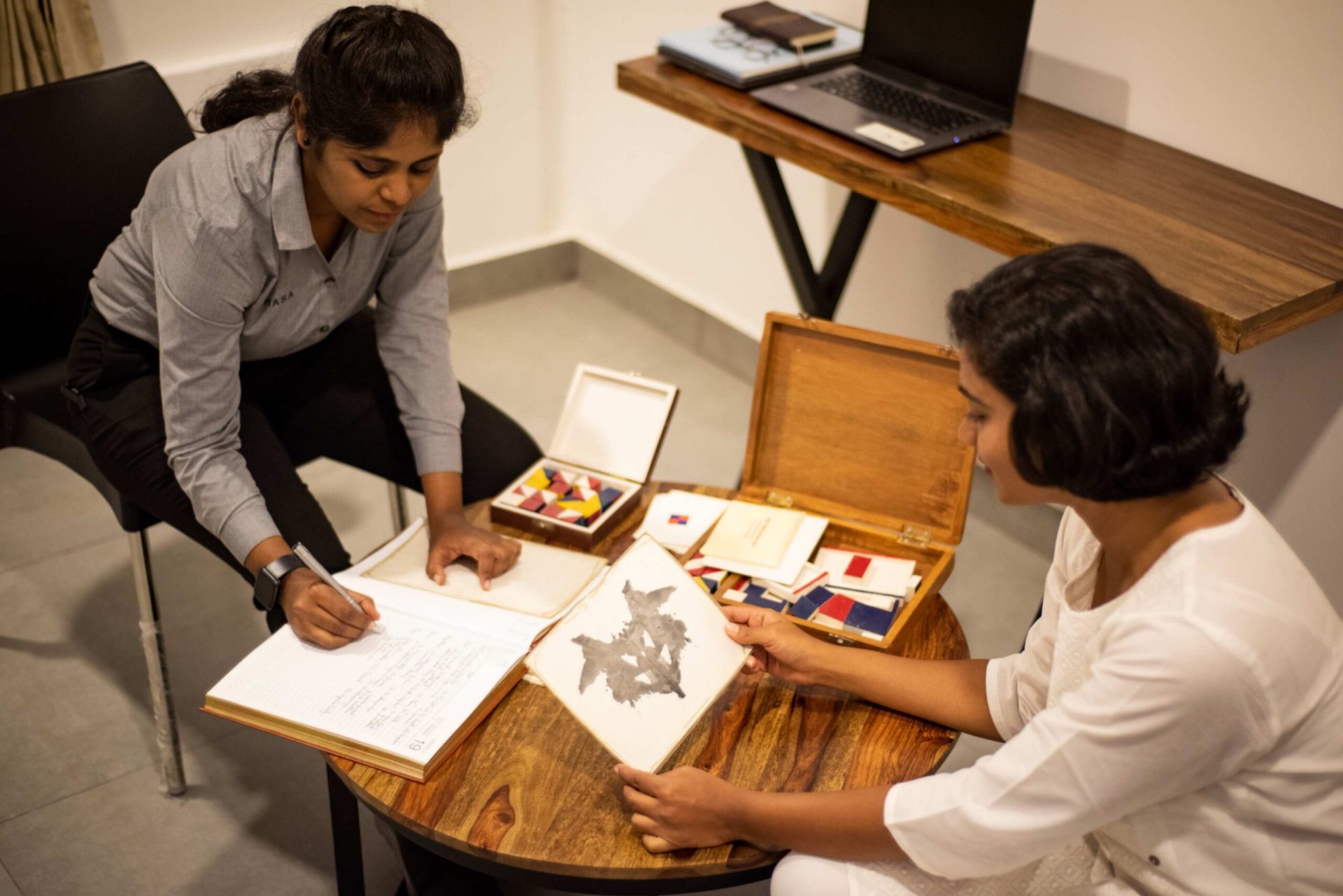
We never rush into therapy plans immediately. First, we focus on truly understanding the individual.[1,3]
At our anxiety rehabilitation centres, the first step always includes:
- Emotional Mapping: We identify triggers and emotional stress patterns unique to each person.[3,4]
- Stress Response Assessments: We study how clients process emotional pressure and anxiety cycles.[1]
- Collaborative Review: Our experts meet to design a supportive starting plan, based not only on symptoms but also on life experiences.
Families often choose us over other residential anxiety treatment programs because we take time to understand, not assume.
Adapting Care Through Every Phase
Many programs provide fixed plans. At Abhasa, our care plans grow with the person.
Our team regularly reviews each client’s progress. We update care based on emotional responses, social comfort, and daily stability.
This steady adaptation makes our anxiety rehabilitation centres more responsive and supportive than many others.
Building Lasting Resilience Through Layers
Most centres focus only on managing symptoms. Each person is guided through more profound emotional healing with gentle and layered care.
- Mindful Practices: Clients learn simple breathwork, meditation, and quiet reflection to ease their minds and settle their bodies.[6,7,10]
- Understanding Emotional Patterns: In safe, guided sessions, clients uncover their triggers, reactions, and the feelings that follow.[3,4]
- Personal Growth Sessions: One-on-one therapy helps clients achieve emotional balance, foster self-awareness, and enhance their relationships with others.[3,9]
- Holistic Therapies: Yoga, nature walks, and neurofeedback sessions that ease anxiety and restore inner calm.[6,10]
Few residential anxiety treatment programs offer this depth of care. We include all these layers because true healing happens step by step.
At Abhasa, every person finds gentle structure without rigid expectations. We walk alongside them through every phase, setback, and milestone.
If you are searching for anxiety rehabilitation centres that help your loved one rebuild from within, this is where their journey can begin.
Our personalised healing framework is designed for lasting change.
Discover how the program can benefit your loved one.
Every phase is supported, every step guided with care.
A Typical Day During Generalized Anxiety Disorder Treatment at Abhasa
Each day at Abhasa is thoughtfully shaped to bring calm and stability. Our program gently blends structure and flexibility, allowing every person to move through their day with ease. The key goal is to help each individual through structured anxiety management so that they feel safe and secure during the recovery journey.

The morning starts softly, with quiet moments that allow clients to settle into the day. Practices like mindful breathing and guided reflection help clear the mind and ease anxiety.[6,7] Clients undergo private one-on-one therapies for personal reflection and deeper conversations.[3,4] We also offer group therapies or discussions that bring a sense of togetherness and shared understanding. Gentle movement activities, such as yoga or mindful nature walks, help release stress and get a sense of calm.[6,10]
The schedule blends smoothly into the day.
When clients are overwhelmed by emotional turmoil, creative therapies like art and music offer a helping hand. The sessions enable clients to listen to their hearts, read and understand their emotions more easily. Understanding their feelings enhances the healing journey.[7,10]
Meals are prepared with care, focusing on comfort and emotional nourishment. Alongside activities, there is time to rest.
As the day gently draws to a close, clients unwind with soothing activities like meditation or quiet journaling. These evening moments help settle the mind and create a sense of peace before sleep.
In time, this daily rhythm becomes far more than a routine. It helps clients to lead a life with calm and clarity.
At Abhasa, structured anxiety management is not just part of treatment. It becomes a foundation for lasting emotional freedom.
“Free, no-obligation consultation within 24 hours”
Generalized Anxiety Disorder Recovery & Wellness Activities
At Abhasa, every space, activity, and experience has a purpose. Our serene environment makes the healing feel natural and comforting. As one of the trusted holistic anxiety treatment centres, we go beyond standard therapy. Here, every detail supports emotional balance and structured daily care. Healing is not limited to therapy sessions. Activities form an integral part of anxiety therapy.
Access to carefully curated wellness activities at Abhasa helps clients ease anxiety and restore emotional steadiness.[6,7,10] These activities form the heart of our programs at holistic anxiety treatment centres.
Breathwork for Calm: Clients are guided through gentle breathing exercises that ease the body, quiet the mind, and create a sense of emotional steadiness.[6,7]
Yoga for Inner Ease: Gentle, mindful movements help clients reconnect with themselves, release built-up tension, and cultivate a more profound sense of peace.[6,10]
Mindfulness Moments: Through simple meditation practices, clients learn how to let go of racing thoughts and find comfort in the present moment.[7,10]
Creative expression plays a central role in emotional healing here. At Abhasa, we believe that emotional release can occur through various forms of expression, making our programs distinct from traditional anxiety therapy clinics.
- Art Therapy: Clients explore their feelings through painting, drawing, or crafting, providing a safe and expressive outlet for emotions that are difficult to express in words.
- Music Therapy: Soothing sounds and rhythms create a space for emotional release and sensory relaxation.
Nature Therapy: Outdoor walks, gardening, and time spent in nature help clients reconnect with their surroundings in a peaceful and rejuvenating way.
Our wellness offerings also include activities that focus purely on comfort and sensory healing, making us one of the most welcoming holistic centres for anxiety treatment.
- Spa Treatments: Clients experience calming therapies designed to ease muscle tension and promote deep relaxation.
- Mindful Leisure Spaces: Quiet lounges, library nooks, and serene gardens offer spaces for gentle rest and reflection.
Every part of the day at Abhasa supports emotional healing. These activities are not one-time events but are thoughtfully integrated into daily care plans at our anxiety therapy clinics.
Each therapy, every breath, and every moment spent here gently builds emotional strength and creates a pathway to lasting calm.
Every space at Abhasa restores calm, every detail supports healing.
Personalised Anxiety Management Plans
At Abhasa, we know many people arrive feeling guarded, uncertain, and emotionally drained. That is why, unlike many Generalised Anxiety Disorder (GAD) therapy centres, we never hand over a fixed plan and walk away. We create plans that grow with each person’s healing journey.
Our anxiety treatment programs focus on long-term change, not short-term fixes.[9] Every client starts with detailed assessments that go beyond surface-level symptoms. These include in-depth personal evaluations, emotional history, and observation by our clinical team during the first few days. We explore each client’s personal stress triggers, emotional responses, daily habits, and comfort levels within group settings.[1,3]
Healing happens not when we understand symptoms, but when we know the whole person. Anxiety often has many layers, and it rarely comes from just one cause.[1,5]
- It can begin in the body, shaped by health history or chemical imbalances.[1]
- It may also grow from emotional wounds: past trauma or persistent negative thinking.[3,4]
- Family dynamics, work stress, and other daily pressures can quietly add to the weight.[5,8]
At Abhasa, we recognise that every aspect of a person’s experience contributes to their healing. Our care thoughtfully brings these pieces together through a compassionate and balanced approach that sets us apart from many other GAD therapy centres.
At the core of everything we do is a profoundly personal healing plan, thoughtfully shaped to fit each individual’s unique journey. The combined care includes,
- Therapeutic Support: One-on-one sessions that help clients work through thought patterns, build emotional resilience, and find new ways to respond to anxiety[3,4,9]
- Whole-Person Practices: Restorative activities like yoga, meditation, mindfulness, and breathwork that calm the mind and support the body’s natural rhythm[6,7,10]
- Life Skills Building: Group workshops, outdoor activities, and creative therapies such as art and sound healing
- Family Involvement: Counselling to rebuild trust and strengthen communication[8,11]
Every plan in our anxiety treatment programs evolves continuously. Our team reviews client progress regularly, adjusting therapies based on emotional growth, challenges, and personal breakthroughs. Every progress in the client’s healing journey is shared with the family.[8]

When clients approach the final stages of care, we shift focus toward life after treatment. Together with the family, we create a clear, practical transition plan.[8,11]
We spend time explaining anxiety, its long-term patterns, and how clients can manage emotions confidently.[1,3] We offer simple, easy-to-follow strategies covering daily routines, early signs of stress, coping tools, and relapse prevention.[3,9]
This approach sets Abhasa apart from other GAD therapy centres. We do not just guide people through treatment. We empower them with lasting skills to navigate life beyond our walls.
No one-size-fits-all plans. Only care that adapts and responds.

Family Support & Education During Generalized Anxiety Disorder Treatment
When a loved one faces anxiety, families often carry their struggles quietly. They hold the worry, the uncertainty, and the emotional weight of trying to help without knowing how.[8]
At Abhasa, we understand this. More importantly, we stand with you.
Here, family involvement in anxiety treatment stays at the centre of the healing journey.[8,11] We believe that actual progress happens when families grow alongside their loved ones, not from a distance.

We keep families connected with consistent and meaningful updates.
- Daily Reports: Families receive clear summaries that show how their loved one is feeling, the activities they joined, and signs of progress.
- Weekly Conversations: Short calls with the case manager provide an opportunity for questions, updates, and emotional support.
- Monthly Family Reviews: Deeper conversations with the clinical team enable families to review their goals and understand the next steps forward.
This steady flow of updates turns family involvement in anxiety treatment into a shared experience.[8]

We offer family education sessions that help caregivers understand anxiety better and support their loved ones more effectively.[8,11]
- Learn how anxiety shapes thoughts, emotions, and daily habits[1,3]
- Understand how to stay calm during difficult situations
- Identify actions that help and avoid responses that may cause stress[11]
- Practice self-care and emotional regulation during challenging times
These sessions help make family involvement in anxiety treatment feel empowering. Families also receive clear guidelines on communication, boundary setting, and post-treatment planning.[11]

We believe that healing must also happen within relationships. Our family therapy sessions focus on rebuilding trust, developing meaningful communication, and creating a safe and supportive home environment.[8,11]
This part of family involvement in anxiety treatment helps families grow together. These sessions encourage honest conversations and build emotional closeness that lasts beyond treatment.
Healing feels complete when relationships heal, too.
Strong families help build lasting recovery for loved ones.
A Safe, Healing Environment for Generalized Anxiety Disorder Patients
Not every part of healing happens inside therapy rooms. Sometimes, it begins with quiet moments. A slow walk beneath the trees. A space that asks nothing from you, except to simply pause and breathe.
Abhasa stands apart from other private anxiety treatment centres because we understand that recovery needs more than just clinical care. For many clients, daily life already feels loud and overwhelming. That is why we created a calm, nurturing sanctuary where every detail supports the healing process.

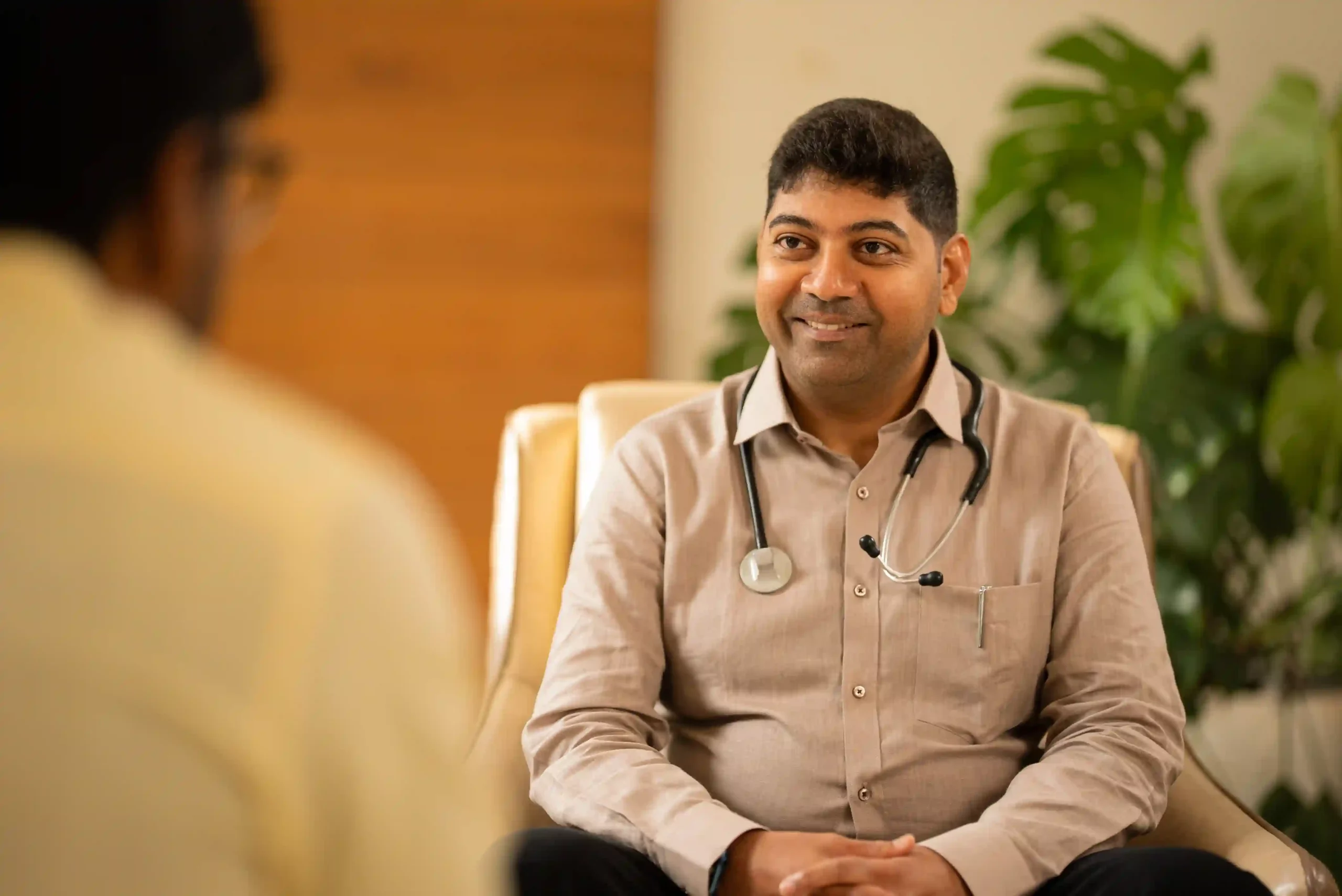
A Setting That Feels Far from Stress
Our location is tucked away from busy streets and everyday noise. Here, the pace naturally slows down. Clients experience the comfort of privacy and the soothing presence of nature, unlike many private anxiety treatment centres.
Spaces That Invite Calm and Comfort
Every part of Abhasa is designed to create a sense of calm and comfort. Our private suites provide enough space for clients to relax, rest, and reflect in peace. The common areas feel welcoming with soft lighting and open layouts that naturally ease the mind.
Beautiful gardens surround the property, with walking paths that weave through lush greenery. Many clients enjoy quiet moments outdoors, where they can breathe deeply and reconnect with nature. The reconnection brings in tranquillity that is often missing in many private anxiety treatment centres.
Privacy That Brings Safety and Confidence
We understand the importance of privacy throughout the healing process. Our location remains discreet and confidential, allowing every client to focus entirely on their recovery without outside distractions. Furthermore, a secure and 24/7, closely monitored environment makes clients feel more protected.
A Sanctuary That Supports Recovery
At Abhasa, the setting itself plays an essential role in emotional recovery. Here, clients can take slow walks, sit in quiet corners, or breathe in the calm atmosphere. This natural rhythm sets our centre apart from typical private anxiety treatment centres.
As you step into the centre, the serene environment embraces you with calmness that aids in your recovery journey.
Abhasa is designed to soothe, support, and restore emotional balance.
Generalized Anxiety Disorder Treatment Success Stories
Every story at Abhasa reflects courage and hope. These personal journeys show the true success of anxiety treatment when care remains steady, thoughtful, and compassionate. [9]
Clients have shared how they found peace after years of living with overwhelming fear. Many families speak about healing fractured relationships and reconnecting with their loved ones through shared growth and development. [8,11]
Some clients returned to their careers with a renewed sense of confidence, while others regained physical strength and emotional stability. [9]
These journeys remind us that the success of anxiety treatment is about more than easing symptoms. It brings people closer, helps them grow stronger emotionally, and creates lasting, meaningful change.
Several clients continue to stay connected, offering hope to others by sharing their progress and showing that true healing can continue long after treatment ends.
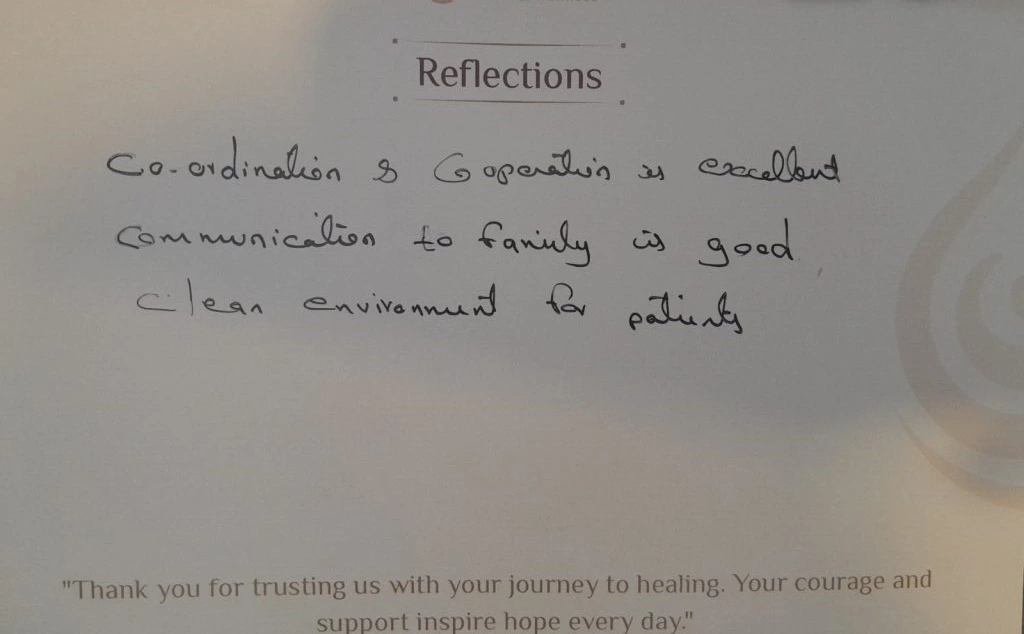
Co-ordination & cooperation is excellent. Communication to family is good. Clean environment for patients.
Former Client
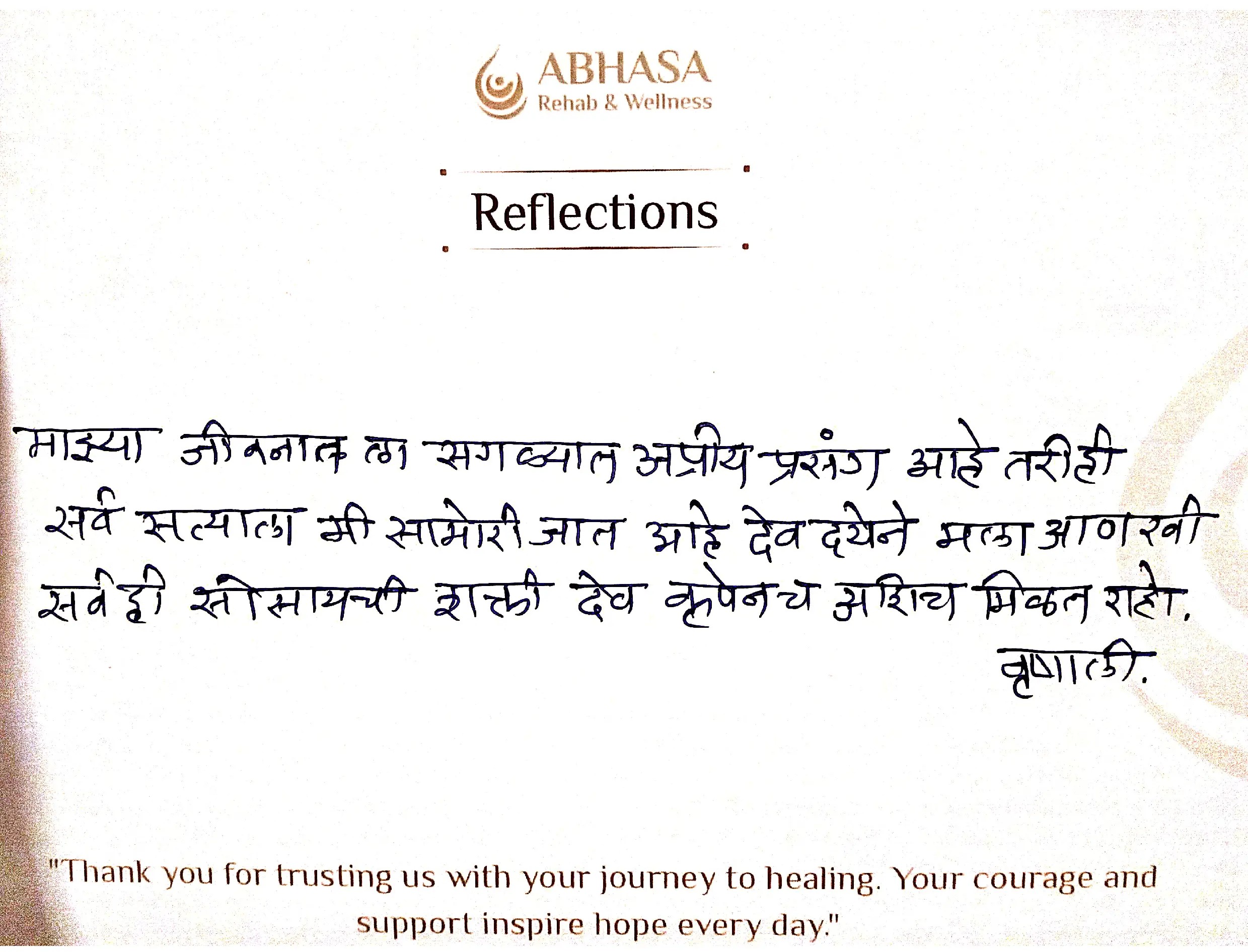
I found strength to face life’s hardest truths here. I believe it was God’s grace that brought me to Abhasa.
Former Client
“Free, no-obligation consultation within 24 hours”
FAQs About Generalised Anxiety Disorder (GAD) Treatment
Can GAD be cured permanently?
While GAD may not completely go away for everyone, many people learn to manage it successfully.[1,9] With steady care and the proper support from Generalised Anxiety Disorder (GAD) treatment centres, long-lasting relief is possible.[9]
Can someone with GAD live an everyday life?
Yes, many people live fulfilling lives after receiving help at anxiety disorder treatment centres.[9]
Can you live a long life with anxiety?
Yes, with emotional support and a healthy lifestyle, clients at Generalised Anxiety Disorder (GAD) treatment centres often enjoy long, meaningful lives.[2]
Can you live an everyday life with GAD?
With the right tools and care, clients at anxiety disorder treatment centres often regain a sense of normalcy and stability.[3,9]
Does GAD come and go?
Yes, anxiety can shift over time.[1] Structured care at Generalised Anxiety Disorder (GAD) treatment centres can reduce these ups and downs.[9]
How much anxiety is normal?
Some anxiety is part of daily life.[1] If it disrupts your routine, it is time to explore anxiety disorder treatment centres.
How to beat GAD?
Many people manage GAD through therapy, mindfulness, and lifestyle changes offered at Generalised Anxiety Disorder (GAD) treatment centres.[3,6,9]
Is GAD a lifelong disorder?
For some, GAD requires long-term care, but clients often learn to manage it effectively with the help of anxiety disorder treatment centres.[1,9]
Is GAD a serious mental illness?
GAD can affect daily life, but with support from Generalised Anxiety Disorder (GAD) treatment centres, many people regain control.[1,2]
What are the inpatient medications for anxiety?
Treatments vary and depend on individual needs.[12] Anxiety disorder treatment centres may combine therapy with medication under professional guidance.
What are the treatment plans for anxiety?
Plans often include therapy, relaxation techniques, and coping tools.[3,4,6] At Generalised Anxiety Disorder (GAD) treatment centres, each plan is tailored to meet individual needs.
What is the 3-3-3 rule for anxiety?
It is a simple exercise involving sight, sound, and touch to ease anxiety, often taught at anxiety disorder treatment centres.
What is the best place to go for anxiety disorders?
Many families prefer Generalised Anxiety Disorder (GAD) treatment centres that offer both therapy and holistic care.[6,12]
What is the best solution for GAD?
A blend of therapy, stress management, and emotional support works well in anxiety disorder treatment centres.[3,9]
What is the best therapy for GAD?
Cognitive therapies, mindfulness, and lifestyle-based practices are commonly used in many Generalised Anxiety Disorder (GAD) treatment centres.[3,4,9]
What is the best treatment for generalised anxiety?
Personalised care through therapy and holistic methods at anxiety disorder treatment centres often works best.[3,9]
What is the best way to overcome anxiety?
Therapy, mindfulness, and family support offered by Generalised Anxiety Disorder (GAD) treatment centres can make a big difference.[3,8,9]
What is the most effective treatment for anxiety?
Consistent therapy combined with daily emotional support works well in anxiety disorder treatment centres.[3,9]
What is the success rate of GAD treatment?
Success varies, but many clients report lasting progress after time at Generalised Anxiety Disorder (GAD) treatment centres.[9]
What treatments are most effective for anxiety?
Therapies that address thought patterns, emotions, and habits are highly effective in anxiety disorder treatment centres.[3,4,9]
What type of therapist is best for anxiety?
Therapists trained in anxiety-focused methods, available at most Generalised Anxiety Disorder (GAD) treatment centres, often provide the best results.[3,12]
When should I be hospitalised for anxiety?
Hospital care is necessary for extreme cases. Most people find relief at specialised anxiety disorder treatment centres.[12]
Which doctor is best for anxiety disorders?
Psychiatrists or psychologists with expertise in anxiety, often found at Generalised Anxiety Disorder (GAD) treatment centres, are ideal.[12]
Which treatment is best for GAD?
Personalised plans that combine therapy, mindfulness, and lifestyle care are standard at leading anxiety disorder treatment centres.[3,9]
Is there residential treatment for anxiety in India?
Yes, several Generalised Anxiety Disorder (GAD) treatment centres in India offer residential programs with personalised support.[5,13,14]
Blogs & Expert Resources on Generalised Anxiety
Dive into our blog for insights that go beyond theory. Whether you’re supporting someone or walking this journey yourself, our curated resources offer everyday guidance backed by expert understanding.
You’ll find practical tools, recovery tips, and personal reflections drawn from real rehab journeys, designed to support your clarity, motivation, and daily rhythm. From lifestyle resets to relapse guidance, every piece is rooted in our approach to holistic healing.


Sugar Cravings After Quitting Alcohol – Why They Happen and What They Mean
Shame vs Guilt in Addiction Recovery: Understanding the Difference
Why Relapse Is a Process, Not a Failure: A Clinical Perspective
Explore addiction recovery tips from expert-backed insights.
Begin Your Generalized Anxiety Disorder Treatment Journey
You just need to reach out. We'll walk the rest of the way with you.
You do not have to carry this on your own. If you have been searching for the best anxiety treatment centres, know that help is right here. Our space is safe, private, and designed for proper healing.
As one of the trusted Generalized Anxiety Disorder (GAD) treatment centres in India, we understand that healing begins with kindness and clarity. Whether you are a family member or someone looking for help yourself, reaching out is the first step toward a calmer, brighter future. And we will walk with you from this point forward.
Take the first step toward lasting peace with us.
Proudly Serving Across Cities
- Rehab in Karjat
- Rehab in Pune
- Rehab in Navi Mumbai
- Rehab in Madurai
- Rehab in Trichy
- Rehab in Bangalore
- Rehab in Chennai
- Rehab in Thane
- Rehab in Nasik
- Rehab in Kochi
- Rehab in Mangalore
- Rehab in Mysore
- Rehab in Hyderabad
- Rehab in Delhi
- Rehab in Vijayawada
- Rehab in Vizhapattinam
Medical Disclaimer
This information is for educational purposes only and does not constitute medical advice, diagnosis, or treatment. Generalized Anxiety Disorder and related anxiety conditions require professional evaluation and individualized treatment planning. The content on this page should not be used as a substitute for consultation with qualified healthcare professionals, including psychiatrists, psychologists, or licensed therapists.
Individual Results May Vary: Treatment outcomes depend on multiple factors including severity of symptoms, duration of illness, individual response to therapy, co-occurring conditions, and adherence to treatment protocols. While research shows positive outcomes for evidence-based treatments, no treatment center can guarantee specific results.
Treatment Decisions: Always consult with qualified mental health professionals before making decisions about anxiety treatment, including whether residential treatment is appropriate. The descriptions of treatment approaches, success stories, and program benefits are not promises of specific outcomes.
Emergency Situations: If you are experiencing a mental health emergency, including thoughts of self-harm or harm to others, call emergency services immediately or go to your nearest emergency department. Do not rely on website content in crisis situations.
Professional Consultation Required: Abhasa’s programs require professional medical evaluation and ongoing supervision. Self-diagnosis or self-treatment of anxiety disorders can be harmful. All treatment decisions should be made in consultation with licensed healthcare providers familiar with your specific medical history and current condition.
Author: Abhasa Rehab and Wellness, Reviewed by: Dr. Naveen Kumar, MBBS, DPM (Psychiatry), Last Updated: December 2025
Author: Abhasa Rehab and Wellness,
Reviewed by: Dr. Naveen Kumar, MBBS, DPM (Psychiatry),
Last Updated: December 2025
Resources
Research Citations (Top 15 Authoritative Sources):
[1] StatPearls/NCBI – “Generalized Anxiety Disorder”
URL: https://www.ncbi.nlm.nih.gov/books/NBK441870/
Source Type: Peer-reviewed medical reference (continuously updated)
Why Included: Comprehensive medical resource covering GAD diagnostic criteria, symptoms, epidemiology, and evidence-based treatment approaches. StatPearls is a trusted medical education resource.
[2] World Health Organization (WHO) – “Anxiety Disorders Fact Sheet”
URL: https://www.who.int/news-room/fact-sheets/detail/anxiety-disorders
Source Type: International health organization
Why Included: Global health authority providing worldwide prevalence data (359 million affected) and treatment effectiveness statements from the leading international health body.
[3] PMC – “Cognitive-behavioral therapy for generalized anxiety”
URL: https://pmc.ncbi.nlm.nih.gov/articles/PMC5573564/
Source Type: Peer-reviewed journal article
Why Included: Detailed examination of CBT effectiveness for GAD, including therapeutic techniques and clinical evidence supporting CBT as a first-line treatment.
[4] Taylor & Francis Online – “Cognitive behavioral therapy in anxiety disorders: current state of the evidence”
URL: https://www.tandfonline.com/doi/full/10.31887/DCNS.2011.13.4/cotte
Source Type: Academic journal meta-analysis
Why Included: Comprehensive meta-analysis establishing CBT as gold standard treatment with specific effect sizes and long-term outcome data across anxiety disorders.
[5] PMC/Indian Journal of Psychiatry – “Prevalence and its correlates of anxiety disorders from India’s National Mental Health Survey 2016”
URL: https://www.ncbi.nlm.nih.gov/pmc/articles/PMC9045348/
Source Type: Peer-reviewed national survey
Why Included: Most authoritative Indian data on anxiety disorder prevalence (2.57% of adults), treatment gaps, and cultural context specific to Indian population.
[6] PMC – “The Effect of Mindfulness-Based Therapy on Anxiety and Depression: A Meta-Analytic Review”
URL: https://pmc.ncbi.nlm.nih.gov/articles/PMC2848393/
Source Type: Peer-reviewed meta-analysis
Why Included: Quantified mindfulness therapy effectiveness for anxiety (Hedges’ g = 0.97), providing strong evidence for mindfulness-based interventions in anxiety treatment.
[7] JAMA Internal Medicine – “Meditation Programs for Psychological Stress and Well-being”
URL: https://jamanetwork.com/journals/jamainternalmedicine/fullarticle/1809754
Source Type: Peer-reviewed systematic review (JAMA – top-tier medical journal)
Why Included: Goyal et al. major meta-analysis from one of the most prestigious medical journals, establishing meditation’s effects on anxiety and psychological stress with rigorous methodology.
[8] PMC – “Family engagement as part of managing patients with mental illness in primary care”
URL: https://pmc.ncbi.nlm.nih.gov/articles/PMC8801858/
Source Type: Peer-reviewed journal
Why Included: Strong evidence on family involvement benefits including reduced relapses, decreased hospital admissions, and improved treatment compliance in mental health care.
[9] JAMA Psychiatry – “Long-term Outcomes of Cognitive Behavioral Therapy for Anxiety-Related Disorders”
URL: https://jamanetwork.com/journals/jamapsychiatry/fullarticle/2756136
Source Type: Peer-reviewed meta-analysis (JAMA Psychiatry – premier psychiatric journal)
Why Included: Analysis of 69 randomized controlled trials demonstrating long-term effectiveness of CBT for anxiety disorders – the gold standard evidence for treatment outcomes.
[10] PMC/Frontiers – “The Effects of Meditation, Yoga, and Mindfulness on Depression, Anxiety, and Stress”
URL: https://pmc.ncbi.nlm.nih.gov/articles/PMC6491852/
Source Type: Peer-reviewed meta-analysis
Why Included: Comprehensive evidence for yoga and meditation effects on anxiety and stress, supporting holistic treatment approaches with measurable outcomes.
[11] PMC – “A Review of Parent Participation Engagement in Child and Family Mental Health Treatment”
URL: https://pmc.ncbi.nlm.nih.gov/articles/PMC4433419/
Source Type: Peer-reviewed comprehensive review
Why Included: Extensive research synthesis on family participation improving treatment outcomes, directly supporting family involvement emphasis in anxiety treatment programs.
[12] McLean Hospital – “Treatment for Anxiety”
URL: https://www.mcleanhospital.org/anxiety
Source Type: Harvard Medical School-affiliated psychiatric hospital
Why Included: Authoritative clinical guidance from Harvard’s premier psychiatric hospital on anxiety treatment approaches (CBT, ACT, DBT) and medication management.
[13] PMC – “Cultural aspects of anxiety disorders in India”
URL: https://www.ncbi.nlm.nih.gov/pmc/articles/PMC5573556/
Source Type: Peer-reviewed journal
Why Included: Essential cultural context for anxiety disorders in Indian population, addressing culture-specific factors that influence anxiety presentation and treatment in India.
[14] The National Medical Journal of India – “Anxiety disorders”
URL: https://nmji.in/anxiety-disorders/
Source Type: Indian medical journal
Why Included: Indian medical perspective on anxiety management, including post-COVID anxiety increase (25%) and GAD management approaches relevant to Indian healthcare context.
[15] PMC – “Randomized Controlled Trial of Mindfulness Meditation for Generalized Anxiety Disorder”
URL: https://pmc.ncbi.nlm.nih.gov/articles/PMC3772979/
Source Type: Peer-reviewed randomized controlled trial
Why Included: High-quality RCT specifically demonstrating MBSR (Mindfulness-Based Stress Reduction) effectiveness for GAD, with stress reactivity reduction data.