
Bipolar Disorder Rehab in India
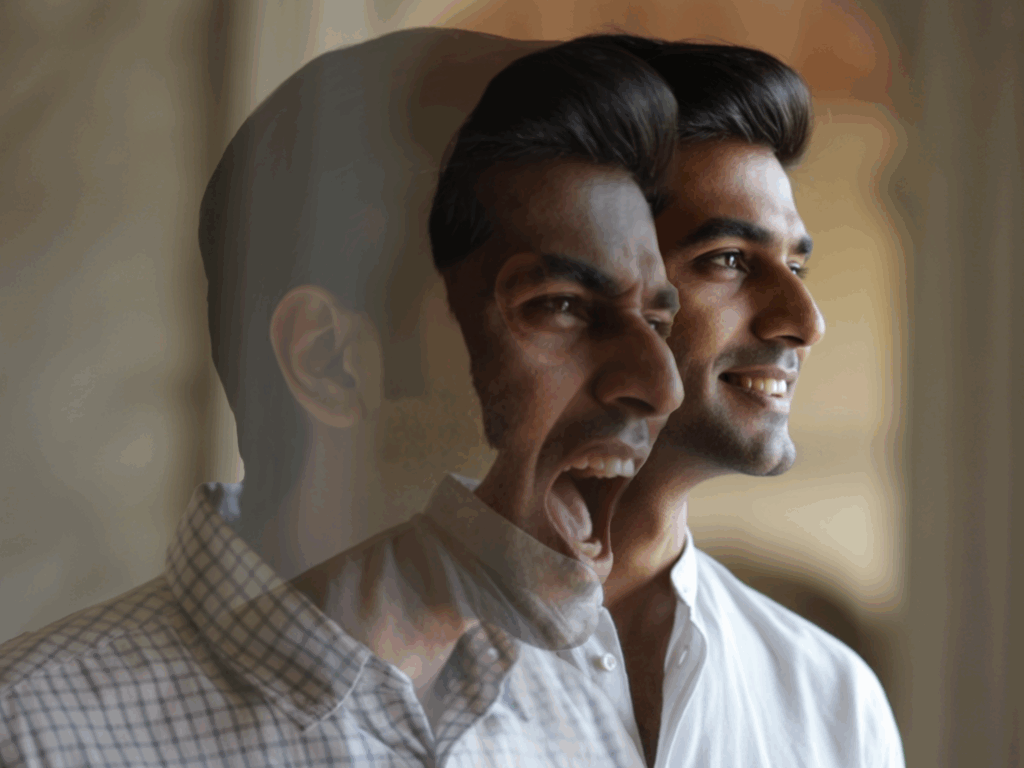
Bipolar swings don’t define you. Abhasa offers therapies and holistic care to bring balance, calm, and stability back.
Private consultation. No pressure.
2:1 Staff-to-client ratio
3 Healing Spaces
Personalised Treatments
360° Healing
2:1 Staff-to-client ratio
3 Healing Spaces
Personalised Treatments
360° Healing
Luxury Bipolar Rehab Centre

At bipolar rehab centres, one of the hardest things families tell us is, “Some days I recognise them… and some days, I really don’t know what happened.”
Bipolar disorder has a way of reshaping the person you love.
Some days, everything moves fast: your thoughts, heartbeat, and ideas. You feel like you can take on the world and can’t just sleep with all that energy. You feel the adrenaline rush that keeps you supercharged. The next week, without any warning, the energy vanishes. Even the slightest things like getting out of bed, replying to a message, or taking a bite of food can feel too hard. You pull away, unsure how things shifted so quickly or how to find your way back. That’s the kind of emotional back-and-forth bipolar disorder can bring. When life starts to feel like a swing between extremes, it’s easy to feel lost in the middle.[1, 2, 3]
One of the most common things we hear from families is,
“It’s like I don’t know which version of them I’ll see next.”
And if you’ve been living in this cycle or watching someone you love go through it, you know how deeply it affects every part of life. Relationships strain. Work becomes unstable. Self-trust wears thin. It’s not a lack of willpower. It’s a condition that deserves care, understanding, and the right environment to begin again.[1, 2, 3]
At Abhasa, we’ve created that right environment with right expert care.
As a luxury bipolar disorder treatment centre in India, Abhasa offers more than structure; we offer emotional safety. In a private, serene space surrounded by nature, your journey is supported by people who truly listen. We help you build steady routines, reconnect with your inner rhythm, and move forward at the right pace.
Understanding Bipolar Disorder and Residential Rehab
Depression can affect every part of life: how you think, how you feel, and how you show up in the world. It is not just sadness or tiredness. It is a quiet weight that can make daily tasks overwhelming or even impossible. When this happens, simply “pushing through” often does not work. That is when depression rehabilitation becomes a vital and compassionate part of the healing journey.
What Does Bipolar Rehab Involve?
Many people assume they can manage bipolar disorder with just medication or occasional therapy. But real healing takes more than that. Rehabilitation for bipolar disorder is about helping a person feel stable, understood, and supported, not just during episodes but every day in between.
At Abhasa, rehab for bipolar disorder means giving someone “the tools, space, and care they need to rebuild their rhythm, relationships, and sense of self.
Bipolar disorder is often misunderstood. It’s not just being happy one day and sad the next.” It can mean intense periods of energy, racing thoughts, and risky choices, followed by days or weeks of exhaustion, disinterest, and silence.
This cycle can affect everything: relationships, work, sleep, and self-esteem. That’s why a structured space like Abhasa can make such a difference. We focus on emotional regulation, daily balance, and steady support to help clients regain their footing.
Personalised Support, Not One-Size-Fits-All
Every person experiences bipolar disorder differently. Some may need help regulating energy, while others struggle with deep emotional lows. That’s why we never follow a fixed approach to rehabilitation for bipolar disorder.
We create personalised care plans based on clients’ thoughts, feelings, and copes. There is no rush. Every step is paced to suit the person, with therapy, mindfulness, gentle routines, and family-inclusive care to help build long-term stability.
Why Residential Rehab Offers What Home Cannot
At home, support can be inconsistent. The day might begin calmly and spiral into conflict or confusion by afternoon. In a private bipolar rehabilitation setting, there’s consistency. There’s structure.
At Abhasa, every day is designed to bring a sense of steadiness. Mornings start with quiet intention, followed by nourishing meals and therapy sessions that meet each person where they are.
Healing Happens Together
Healing is not a single-person journey. It requires community effort. At Abhasa, we firmly believe this and have scheduled group activities. Clients come together for moments like music, art, food, or conversations. The sense of being heard, seen and conversing gives them a sense of trust and confidence. The goal is to build connections slowly, reassuring them they are not alone in this journey. Over time, they learn how to connect with others in honest, comforting, and safe ways.
Because recovery isn’t about fixing a person, rehab for bipolar disorder is about showing them they still belong and that their life can move forward with hope and balance.
What Does Bipolar Rehab Involve?
Many people assume they can manage bipolar disorder with just medication or occasional therapy. But real healing takes more than that. Rehabilitation for bipolar disorder is about helping a person feel stable, understood, and supported, not just during episodes but every day in between.
At Abhasa, rehab for bipolar disorder means giving someone “the tools, space, and care they need to rebuild their rhythm, relationships, and sense of self.
Bipolar disorder is often misunderstood. It’s not just being happy one day and sad the next.” It can mean intense periods of energy, racing thoughts, and risky choices, followed by days or weeks of exhaustion, disinterest, and silence.[1, 3]
This cycle can affect everything: relationships, work, sleep, and self-esteem. That’s why a structured space like Abhasa can make such a difference. We focus on emotional regulation, daily balance, and steady support to help clients regain their footing.[4, 8]
Personalised Support, Not One-Size-Fits-All
Every person experiences bipolar disorder differently. Some may need help regulating energy, while others struggle with deep emotional lows. That’s why we never follow a fixed approach to rehabilitation for bipolar disorder.
We create personalised care plans based on clients’ thoughts, feelings, and copes. There is no rush. Every step is paced to suit the person, with therapy, mindfulness, gentle routines, and family-inclusive care to help build long-term stability.[4, 5]
Why Residential Rehab Offers What Home Cannot
At home, support can be inconsistent. The day might begin calmly and spiral into conflict or confusion by afternoon. In a private bipolar rehabilitation setting, there’s consistency. There’s structure.[2]
At Abhasa, every day is designed to bring a sense of steadiness. Mornings start with quiet intention, followed by nourishing meals and therapy sessions that meet each person where they are.[8, 9]
Healing Happens Together
Healing is not a single-person journey. It requires community effort. At Abhasa, we firmly believe this and have scheduled group activities. Clients come together for moments like music, art, food, or conversations. The sense of being heard, seen and conversing gives them a sense of trust and confidence. The goal is to build connections slowly, reassuring them they are not alone in this journey. Over time, they learn how to connect with others in honest, comforting, and safe ways.[4]
Because recovery isn’t about fixing a person, rehab for bipolar disorder is about showing them they still belong and that their life can move forward with hope and balance.
Why Choose Residential Bipolar Rehab?

When Bipolar Feels Overwhelming, Structure Can Be the First Step Toward Ease
Living with bipolar disorder often means navigating unpredictable mood changes. In one phase, you might feel full of motivation and ideas. At the same time, the next brings a heaviness that makes even simple tasks too hard. For families, this uncertainty can feel overwhelming. That’s why a residential setting makes such a difference. At a bipolar rehab like Abhasa, each day follows a thoughtful rhythm. With consistent care and a peaceful routine, your loved one gets the space they need to feel secure, supported, and more connected to themselves again.[2]

The Strength of a Daily Mood-Regulation Routine
In rehabilitation for bipolar disorder, one of the most essential tools is a simple, reliable routine.
In rehabilitation for bipolar disorder, one of the most essential tools is a simple, reliable routine.
A structured daily rhythm creates predictability for the brain. When meals, movement, medication, therapy, and rest follow a consistent flow, the nervous system begins to trust the rhythm. That trust slowly reduces mood swings, lowers reactivity, and builds emotional safety.[8, 9, 10, 11]
Clients start to sleep better, eat better, and respond to their emotions with more stability. It also replaces chaos with clarity. When each part of the day has a purpose, clients don’t wake up overwhelmed; they wake up knowing what to expect.[8,10]
In the long run, this isn’t just about routine. It’s about retraining the body and mind to hold balance. Because with bipolar disorder, rhythm is the foundation of long-term healing.[8, 9]

Why Home Support Isn't Always Enough
Home can be comforting, but when bipolar mood shifts are frequent and intense, it may not offer the steady structure needed to regulate moods. Outpatient care has its place, yet in between sessions, emotional swings can still take over. What’s often missing is the daily rhythm, a mood‑regulation routine that’s gently guided and consistently supported.[2]

24/7 Support That Makes Healing Feel Possible
Unlike outpatient care, where support ends with a session, residential bipolar rehab offers continuous guidance. At Abhasa, our team is available around the clock. Whether your loved one wakes up anxious or finds it hard to sleep at night, there’s always someone there to help.[2]
Out 24/7 support ensures emotional and physical safety all the time. It replaces isolation with companionship and brings steady encouragement through every shift, setback, or step forward.

Long-Term Benefits of Bipolar Rehab
The benefits of bipolar rehab go beyond symptom management. Clients at Abhasa learn how to:
- Recognise the early signs of mood swings
- Build routines that support energy and focus
- Strengthen emotional regulation through creative therapies
- Feel safe, both in themselves and relationships.
[4, 5, 7]
The benefits extend to family members through regular updates on therapy sessions and education. You no longer just watch your loved one but become active in the healing process.[5,6,7]
Why Families Trust Abhasa Rehab & Wellness
A Place That Feels Calming When Everything Else Has Felt Heavy
At Abhasa, we start by listening, really listening. Many families come to us feeling stretched thin from years of uncertainty, long nights, and emotional ups and downs that never seem to settle. What they often need most is a place to pause. A place where someone hears them without rushing, where they can finally ask the questions they’ve been carrying, and breathe a little easier. They begin to feel supported, not just for their loved one’s sake, but for their own.[5]
Many families searching for luxury bipolar rehab in India choose us because they feel included. Because we make room for every voice in the healing journey.[5, 6]
Support That Moves With Your Loved One
We personalise care in real-time. Our team observes, adjusts, and reshapes care plans based on what your loved one responds to. We never fix any plans just for the sake of it.
If something doesn’t feel right for the particular client, we pivot with empathy.[4]
You're Always in the Loop
From the moment care begins, we keep you close to the process. From daily status messages to weekly phone calls with our specialists or a planned, elaborate meeting, we make sure you are always in the loop and give you space for your questions.[5, 6]
You’re never left wondering what’s going on with your loved one.
A Place That Feels Safe, Inside and Out
Healing needs more than just good care. It needs the right surroundings. At Abhasa, the calm greenery, warm spaces, and simple comforts work quietly in the background to help your loved one feel settled. It’s not about luxury. It’s about making dignity, privacy, and peace feel like part of recovery.[2]
You can trust your loved ones with us as they receive our professional team’s round-the-clock emotional care, physical and crisis support. They will never face the difficult moments alone. They will never be judged for who they are. Instead, a steady, supportive care refines them inside out.
Meet Our Bipolar‑Recovery Experts
As one of the trusted names in luxury bipolar rehab in India, Abhasa is led by a team of specialists who bring both clinical expertise and deep compassion. Every professional here believes in personalised bipolar rehabilitation care, where emotional dignity is just as important as medical treatment. It’s this commitment that makes Abhasa a dependable choice for holistic bipolar care.
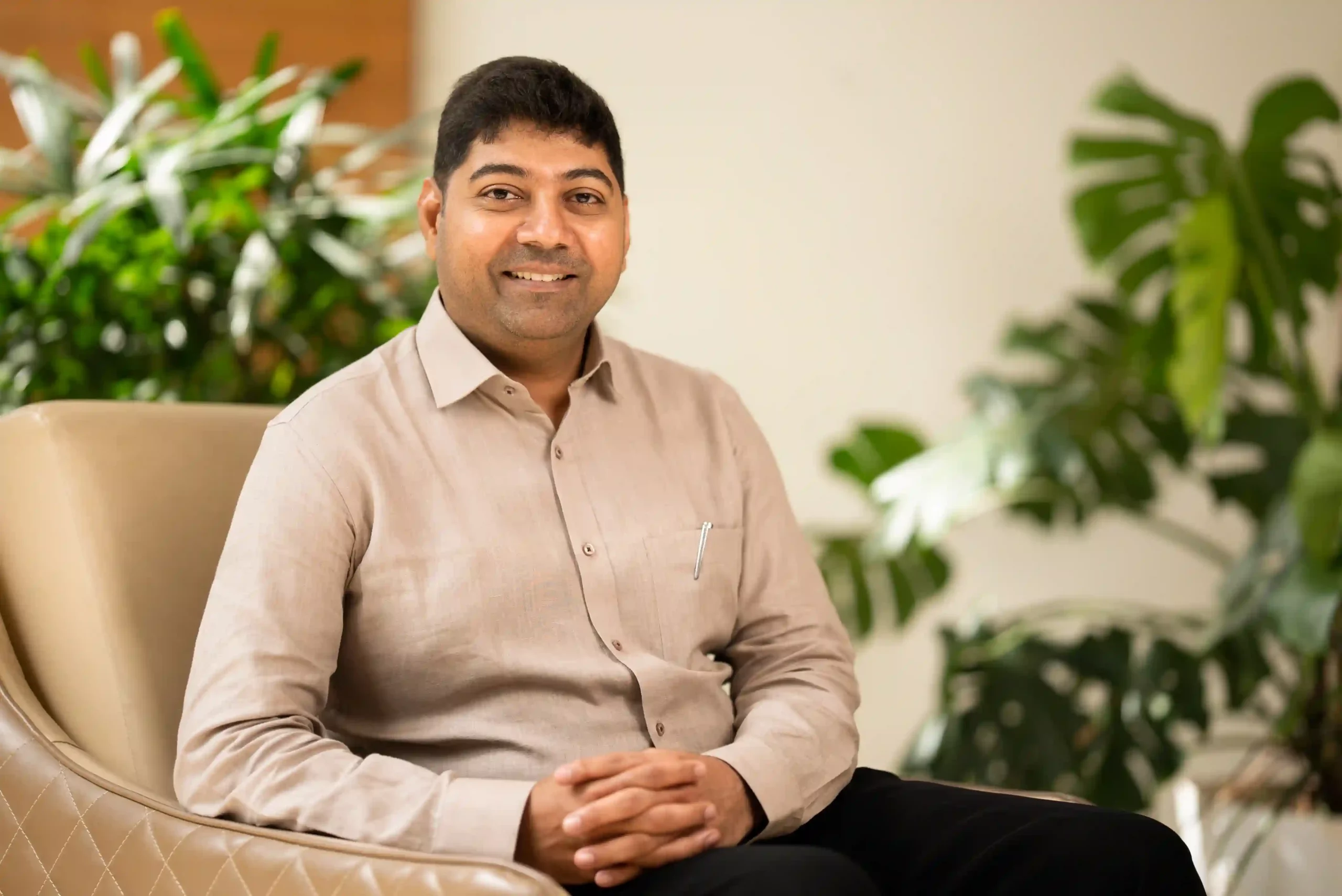
Dr. Naveen Kumar
Medical Director
15+ years of expertise in psychiatry and addiction recovery.

Dr. Vivek Sharma
Consultant Psychiatrist & Neurofeedback Practitioner
With over 15+ years of experience in psychiatry and neurofeedback, he blends medical expertise and compassion to guide clients toward lasting recovery.

Dr. Shree Aarthi
Consultant Psychiatrist
15+ years providing expert psychiatric care for mental health and substance use disorders.

Dr. Ramalingam P Kandaswamy
Consultant Physician
15+ years With over 5 years of experience in HIV and infectious diseases, he brings global expertise and compassionate care to every patient he supports.

Dr. Divya
Psychiatrist
10+ years combining clinical psychiatry expertise with healthcare management for holistic treatment.

Dr. Malarvilzhi
Residential Medical Officer
12 years delivering comprehensive medical care in psychiatric and rehabilitation settings.

Dr. Karuppachamy
Senior Psychiatric Social Worker
22+ years of experience empowering clients through therapeutic guidance, psychosocial support, and lived-experience wisdom.

Ms. Meera
Senior Clinical Psychologist
9+ years specializing in psychological assessment and evidence-based therapeutic interventions.

Mrs. Priyadarshini
Head Clinical Psychologist

Mr. Mukesh Kanna
Clinical Psychologist
2+ years providing psychological interventions for behavioral health and emotional wellness.

Mr. Antipas Jayabal
Clinical Psychologist
2+ years supporting clients through clinical assessment and therapeutic care.

Ms Keerthana S
Psychologist
Empathetic psychologist with 4 years’ experience in handling mental health disorders, using evidence-based psychotherapies for personalized client care.
Inside Our Residential Programme
More Than Treatment. A Place to Rebuild Life
At Abhasa, we understand that healing from bipolar disorder goes beyond managing mood swings. That’s why our private bipolar rehab is built as a space where structure, comfort, and personalised care work together to restore balance.
Unlike many centres that follow a one-size-fits-all routine, our approach at Abhasa is layered. We blend clinical science with holistic rituals, luxury with purpose, and daily routine with flexibility. As a trusted bipolar rehabilitation centre, we support your loved one in finding steadiness, clarity, and a renewed sense of self. Every part of the journey is guided with care, never rushed, and always personal.
Not every healing journey looks the same. At Abhasa, we move away from one-size-fits-all routines. Instead, we blend clinical insight, holistic therapies, and supportive structure within a calm, private setting. As a trusted bipolar rehabilitation centre, we guide your loved one toward emotional steadiness and a renewed sense of self. Every step is approached with care, patience, and personalised attention.[1, 3]

Step 1: Seeing the Person Behind the Patterns
Real healing begins when someone feels genuinely understood. That’s why we don’t start with assumptions or labels. We take time to observe gently, listen openly, and assess thoughtfully. This helps us understand how your loved one feels, what triggers stress, and where they need support most.[1,3]
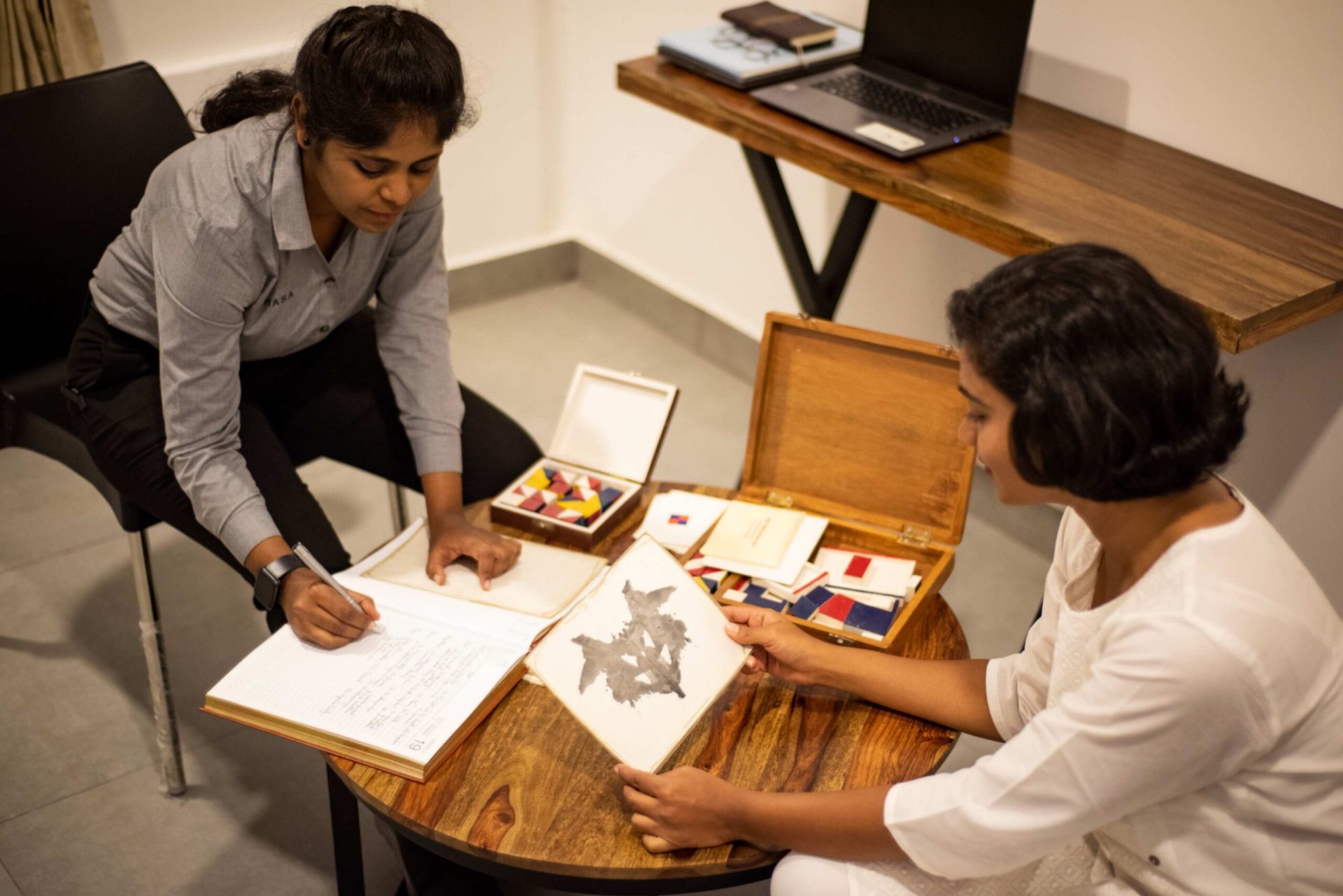
- QEEG (Quantitative Electroencephalography): A brain-mapping tool that visually shows us which areas of the brain are overactive or underactive
- Psychometric testing: These are structured assessments that help us understand someone’s personality, emotional tendencies, and stress response. In simple words, we learn how they think, feel, and cope.
- Clinical evaluation: This is where psychiatrists and psychologists work together to create a working plan, not just based on symptoms, but on lived experience.[1,3]
This strong foundation makes our program adaptable. It grows with your loved one and supports their progress without pressure. We shape our care around each person, not the other way around. At Abhasa, nothing is fixed or preset. As your loved one progresses, their support shifts with them, offering steadiness, comfort, and a sense of emotional security throughout their time at our private bipolar rehab.
Step 2: Creating a Steady Flow to Each Day
At our bipolar rehabilitation centre, we know that proper recovery doesn’t happen overnight. It begins with the little things, simple routines that bring a sense of calm, structure, and emotional ease.
Each day is thoughtfully paced to help smooth out emotional highs and lows, making space for steady progress and quiet confidence.[8, 9, 10, 11]
Our environment is built to support this rhythm through:
- Chef-crafted meals that nourish both body and mind
- Yoga and mindfulness to create moments of stillness
- Music, journaling, and expressive arts that allow safe emotional release
- A blend of one-on-one therapy, group sessions, and personalised mood regulation practices. [8, 10, 12]
This isn’t just about offering care; it’s about creating a rhythm your loved one can rely on. That rhythm becomes a quiet anchor, helping them feel safe, supported, and ready to grow.
Step 3: Layered Recovery with Gentle Support
Healing is not just about getting through the day. It’s about creating days that feel worth living. That’s why we combine emotional support, physical well-being, and life skills development through:
- Mood regulation and neuroplasticity techniques
- Sound and movement therapies that help the nervous system settle
- One-on-one and family sessions to rebuild emotional safety[5, 6]
- Social rhythm training so clients feel steady in group settings[8,9,10]
- Creative therapies like pottery, dance, and nature walks[13,14]
Each layer gently teaches the mind and body to work together again.[4,8,12]
A Typical Day at Abhasa
Gentle Structure, Emotional Safety, and Progress That Feels Natural

Daily rhythm can be one of the most powerful tools in recovery. At Abhasa, as a recognised bipolar rehabilitation centre, we focus on structured living for bipolar that feels soothing rather than rigid. It’s not about keeping you busy but building emotional steadiness through thoughtful routines.
Each day paces with purpose. Mornings begin slowly, with time for self-care, emotional check-ins, and calming practices like yoga or Breathwork. These small moments create a grounded start, helping the nervous system settle.[8, 9]
Clients then move into a mix of supportive activities, which may include:
- One-on-one therapy to explore emotions and create healthy coping[4, 12]
- Creative expression through art, music, and writing[13, 14]
- Mindfulness sessions and nature walks for clarity and calm[12]
- Group bonding that fosters connection and belonging
- Life skills activities that build confidence and prepare for life after rehab
Quiet breaks and nourishing meals follow each activity. This rhythm is intentional. It’s how structured living for bipolar gently regulates energy, minimises overwhelm, and brings back a sense of flow.
Evenings wind down with reflection, journaling, or light creative work. These end-of-day rituals help close the day with emotional ease.[8, 10]
Although Abhasa offers a structured environment, the schedules are not rigid. It depends on the individual whether they like to rest more or engage in activities. We bring flexible routines and structure to individuals based on their preferences.
What sets us apart is the thoughtful attention behind every part of the day. It’s not just about therapy; it’s about creating a steady rhythm that helps your loved one feel safe, supported, and gradually confident in daily life again.[8, 9, 10, 11]
“Free, no-obligation consultation within 24 hours”
Creative Therapies & Wellness Activities
At Abhasa, healing is never confined to a therapy room. It lives in our gardens, hums through music sessions, flows with a paintbrush and walks alongside horses on quiet trails. As a bipolar rehabilitation centre, we believe that proper recovery happens when structure meets creativity and when emotional wellness is nurtured from all angles.[13, 14]
We don’t offer activities to fill time. Each therapy and experience has a clear purpose: to regulate emotions, rebuild trust in the body, and foster self-awareness. This is what makes our private bipolar rehab different. Every experience is a step toward emotional clarity and connection.[13, 14]
Our wellness offerings are designed to gently support mood regulation, reduce overwhelm, and encourage healthy expression. These activities are not just feel-good extras; they are structured and clinically integrated into the recovery plan.[13, 14]
Wellness Spaces Designed for Emotional Balance and Everyday Confidence
- A fully equipped gym to build strength, focus, and energy balance[11]
- A basketball court to support emotional release, teamwork, and body coordination
- Indoor games and board games that improve attention, frustration tolerance, and gentle social bonding
- Outdoor games and nature trails that reconnect the body to the environment are peaceful, low-pressure ways.
- Quiet reading corners for calm stimulation and reflective solitude
- A chai nook for easy, comfortable conversation without expectations
- Salon and spa facilities that help regulate sensory experiences and promote relaxation
- Weekend creative sessions like pottery, bird-watching, or food truck evenings bring joy back into the ordinary.
Rebuilding Rhythm and Regulation Through Daily Healing Activities
- Yoga is used to regulate the nervous system and help clients develop internal awareness[12]
- Zumba sessions offer a joyful, high-energy outlet to improve coordination, uplift mood, and ease emotional buildup[11]
- Art, aroma, and music therapy provide creative space for processing emotions that can’t always be put into words[13,14]
- Sound healing offers sensory balance and promotes deep relaxation, which is especially helpful during manic or depressive phases[14]
- Pet therapy fosters emotional bonding, empathy, and unconditional comfort in a safe and non-judgmental space[13]
Why Structure and Rhythm Matter in Bipolar Rehabilitation
For someone navigating bipolar disorder, unstructured time can sometimes heighten emotional swings or deepen disconnection. That’s why every day at Abhasa is designed to create balance.[8, 9, 10, 11]
Every moment is part of a healing pattern, from therapy sessions to nature walks. This rhythm helps stabilise mood, build emotional regulation, and reintroduce life skills after rehab that are vital for long-term independence.[8, 9, 10, 11]
At our centre, comfort isn’t just about luxury; it’s about care that helps regulate. Each space and activity is woven into the healing process, ensuring clients are safe and supported in building sustainable wellness.
This is the heart of holistic bipolar care: structured healing that gently brings back clarity, connection, and confidence, step by step.
Personalised Mood‑Stabilisation Plans
Many people walk into a treatment program already guarded, already tired. That’s why, unlike many schizophrenia residential treatment centres, we never hand over a fixed plan and walk away. We let the plan breathe. And we build it with them.
At Abhasa, we don’t believe in standard templates for healing. Every individual carries a different story, pace, and triggers. That’s why our approach to person‑centred therapy for bipolar disorder begins with listening closely and without judgment.[1, 3]
From the first week, our team maps emotional rhythms, tracks behavioural patterns, and gently uncovers the roots of instability. We don’t rush this process. Instead, we observe and understand, allowing the care plan to grow with the individual.

- Goal-setting sessions to define what recovery means for them, whether it’s restoring sleep, rebuilding relationships, or managing energy levels.
- Trigger journals to gently identify emotional highs and lows, helping clients become more aware of their cycles.
- Relapse prevention coaching focused on practical tools, grounding techniques, and early warning signs.[4, 5, 7]

Healing doesn’t stop when someone leaves our bipolar rehabilitation centre. As the discharge date nears, we co-create a transition strategy. This includes:[2, 5]
- Ongoing relapse prevention coaching
- Family guidance sessions to ease the adjustment
- Daily rhythm suggestions tailored to real-life challenges
- Simple tools to handle setbacks without panic
What makes our private bipolar rehab different is this: We don’t just help people feel better inside the centre. We help them build a life that holds that stability when they step outside.

Family Support & Education
When a loved one struggles with schizophrenia, the weight often falls silently on the family. The worry. The helplessness. The burnout comes from trying to do the right thing without knowing what that really is.[6]
At Abhasa, we see that. And more importantly, we support it.
That’s why family involvement in rehab is never optional. It’s part of the healing plan.
At Abhasa, we honour family involvement in rehab as a central element of every treatment journey. Because real schizophrenia recovery support involves the system that surrounds the client, not just the client themselves.[5, 6, 7]


- Daily routine updates that offer a glimpse into your loved one’s meals, moods, and progress
- Weekly check-in calls with your case manager to ask questions and share concerns
- Monthly care plan reviews with the clinical team to align goals and evolving strategies

- What bipolar disorder feels like from the inside
- How to stay grounded when a loved one is in a high or low phase
- What helps, what doesn’t, and how to support without overstepping
- Boundaries that protect the connection, not weaken it

Many families carry unspoken pain or guilt. We create space to talk about it.
Our family therapy sessions guide you through rebuilding trust, expressing needs, and finding safety in communication again because no recovery is complete unless the relationships heal, too.[5, 6, 7]
At Abhasa, family involvement in bipolar rehab means real-time support, not just updates.
A Healing Environment That Feels Safe From the Inside Out



Finding Peace amid Emotional Turbulence
Not all healing starts with therapy. Sometimes, it begins quietly on a bench under a tree, in a garden where thoughts slow down, or in a room that finally feels safe to breathe in. At Abhasa, we’ve designed our private bipolar rehabilitation centre to reflect that.[2]
Living with bipolar disorder can mean navigating emotional extremes that feel unpredictable and exhausting. Noise, crowds, and rigid settings often make it harder to regulate emotions. That’s why Abhasa isn’t a traditional clinic. It’s a sanctuary.
A Space That Calms the Nervous System
Every element of our luxury bipolar rehab in India has been thoughtfully designed to reduce emotional overstimulation and support a sense of calm:
- Light-filled rooms that feel open and comforting
- Garden paths and shaded corners for reflection and grounding
- Natural textures, soft tones, and earthy surroundings that help soothe the senses
- Quiet nooks where clients can journal, read, or rest without pressure
Unlike many rehabilitation centres, we don’t just provide care. We create space where emotional balance can start to rebuild, one moment at a time.
We know that healing can’t be rushed and shouldn’t feel clinical. That’s why every corner at Abhasa was created to help clients feel at ease. From private living areas to peaceful therapy rooms, we’ve created an environment where people living with bipolar disorder can feel supported, not scrutinised.
Stories of Strength: Life Beyond Bipolar Rehab
Healing from bipolar disorder looks different for everyone, but the heart of every story at Abhasa is the same: hope, honesty, and quiet courage. The success of bipolar rehab isn’t just about fewer mood swings. It’s about someone finally feeling steady enough to show up for their life. We’ve seen clients reconnect with family, find joy in simple routines, and begin to believe in themselves again.[7]
These big and small moments remind us that recovery isn’t a finish line. It’s a journey, and growing with the proper support, care, and space is possible.[5,7]
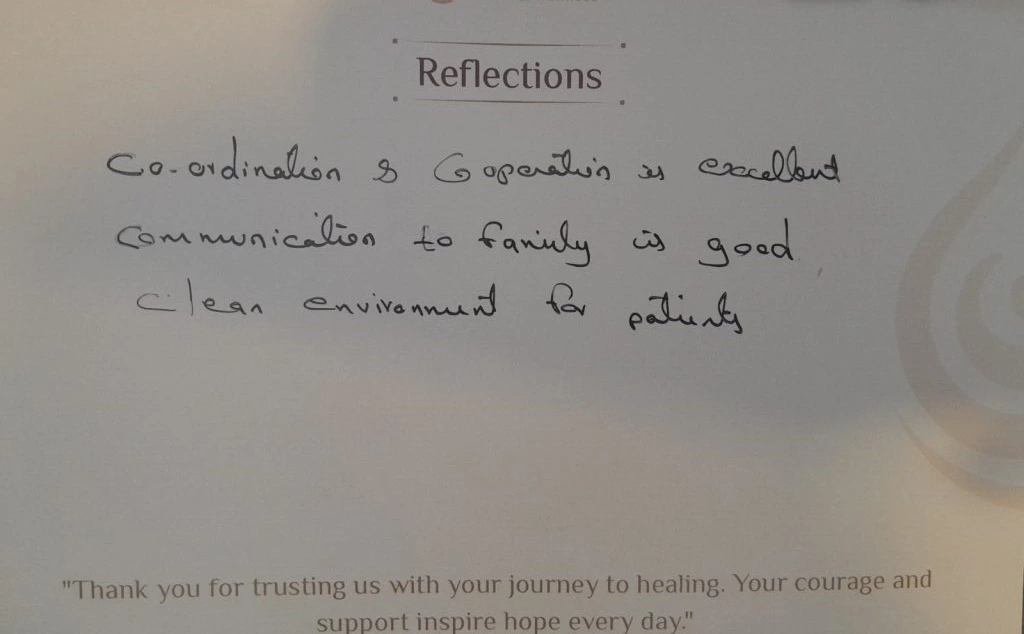
Co-ordination & cooperation is excellent. Communication to family is good. Clean environment for patients.
Former Client
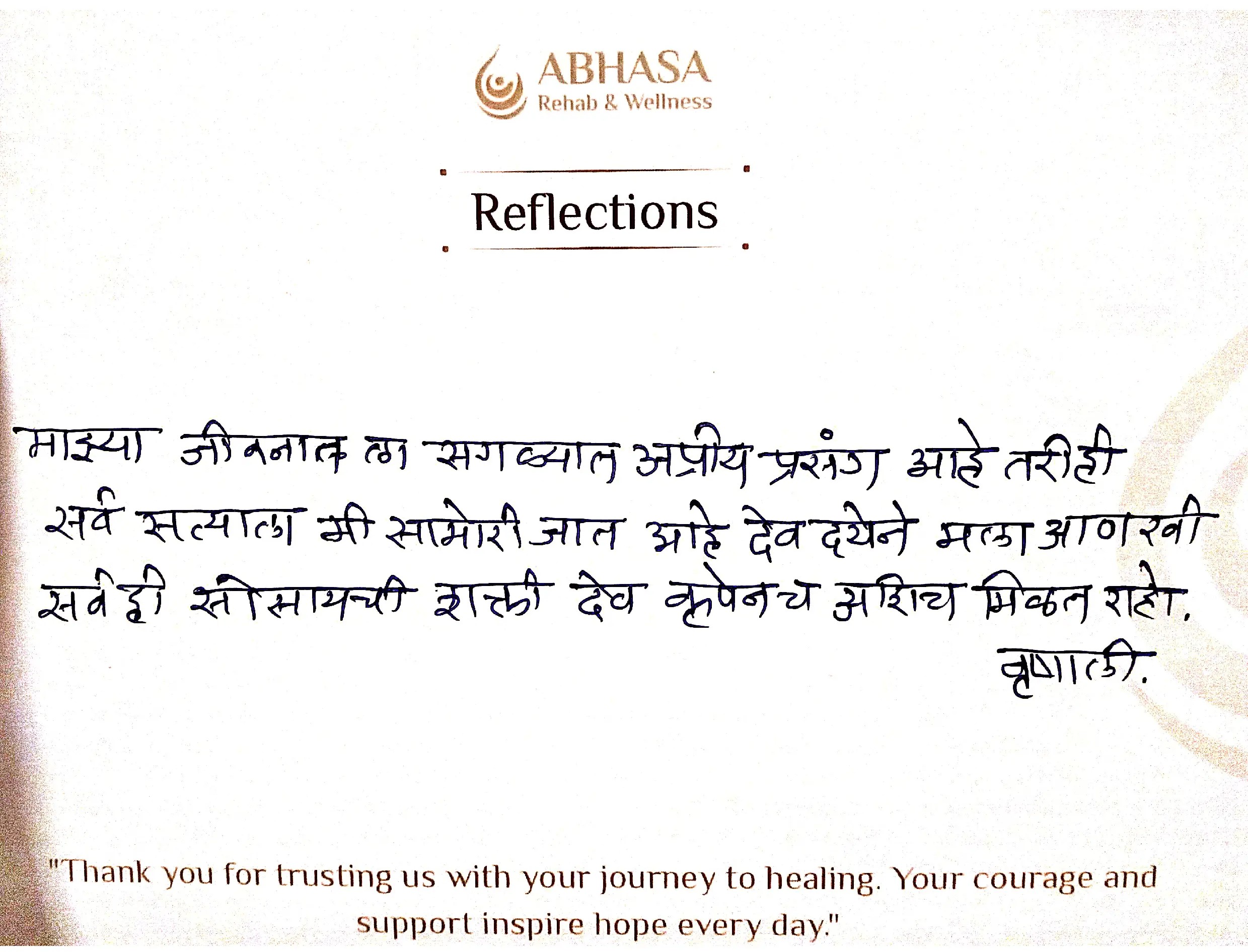
I found strength to face life’s hardest truths here. I believe it was God’s grace that brought me to Abhasa.
Former Client
“ no-obligation consultation within 24 hours”
FAQs About Bipolar Rehabilitation
Can a bipolar person live a normal life after rehab?
What is the best environment for bipolar recovery?
Which therapy works best for bipolar disorder?
How long does residential rehab for bipolar last?
Is rehab good for bipolar disorder?
What are the most successful treatment approaches?
How do you manage mood swings without medication?
What daily routine helps stabilise bipolar moods?
Where can I find the best treatment centre in India?
What happens after discharge from bipolar rehab?
Aftercare planning helps your loved one transition back home with structure and support. This includes check-ins, family guidance, and tools for continuing emotional wellness.[2, 5]
Blog & Resources for Ongoing Bipolar Support
At Abhasa, we believe healing doesn’t end when rehab does. That’s why we’ve created a resource space to guide, support, and reassure you wherever you are on the journey. Our bipolar recovery blog brings you stories, practical tools, and heartfelt advice from people who understand the day-to-day reality.[2]


Sugar Cravings After Quitting Alcohol – Why They Happen and What They Mean
Shame vs Guilt in Addiction Recovery: Understanding the Difference

Why Relapse Is a Process, Not a Failure: A Clinical Perspective
Begin the Healing Journey at Abhasa
If you’ve been quietly wondering where to turn for help with bipolar disorder, you’re not alone. Watching someone you love move between emotional extremes can feel overwhelming. You want to help, but finding the proper support can be just as hard.
At Abhasa, we create space for healing, not pressure. As one of the top bipolar treatment centres in India, our approach is calm, private, and deeply personalised. Here, recovery doesn’t follow a script. It follows your loved one’s unique rhythm.
Abhasa, a luxury bipolar rehab in India, is designed to be a healing sanctuary where compassion meets structure. From personalised care plans to family-inclusive support, we walk this journey with you.
Proudly Serving Across Cities
- Rehab in Karjat
- Rehab in Pune
- Rehab in Navi Mumbai
- Rehab in Madurai
- Rehab in Trichy
- Rehab in Bangalore
- Rehab in Chennai
- Rehab in Thane
- Rehab in Nasik
- Rehab in Kochi
- Rehab in Mangalore
- Rehab in Mysore
- Rehab in Hyderabad
- Rehab in Vijayawada
- Rehab in Visakhapatnam
- Rehab in Delhi
Medical Disclaimer
This website provides general information about bipolar disorder treatment at Abhasa. The information on this site is not medical advice and should not be used as a substitute for professional medical consultation, diagnosis, or treatment.
Bipolar disorder is a serious medical condition that requires professional psychiatric care. Always seek the advice of your psychiatrist or other qualified health provider with any questions you may have regarding your mental health condition.
Never disregard professional medical advice or delay in seeking it because of something you have read on this website. Individual results vary significantly. Outcomes depend on many factors including illness severity, medication adherence, co-occurring conditions, and individual engagement with treatment.
If you think you may have a medical emergency or are experiencing a mental health crisis, call your doctor, go to the nearest emergency department, or call emergency services immediately.
The decision to pursue residential treatment for bipolar disorder should be made in consultation with a qualified psychiatrist or mental health professional who can assess your specific situation, symptoms severity, and treatment needs. Residential treatment is not appropriate for all individuals with bipolar disorder.
RESOURCES - 15 AUTHORITATIVE SOURCES
Research Citations (Consolidated to Top 15)
[1] American Academy of Family Physicians – “Bipolar Disorders: Evaluation and Treatment” – American Family Physician, 2021
URL: https://www.aafp.org/pubs/afp/issues/2021/0215/p227.html
Supports: Bipolar disorder definition, mood characteristics, clinical assessment, treatment foundations
[2] Skyland Trail – “Residential Treatment for Bipolar Disorder” – Treatment Program, 2024
URL: https://www.skylandtrail.org/our-programs/what-we-treat/bipolar/adult-bipolar/
Supports: Residential treatment structure, 24/7 care benefits, program length (2-4 months), home environment limitations
[3] Mayo Clinic – “Bipolar disorder – Diagnosis and treatment” – Medical Reference, 2024 URL: https://www.mayoclinic.org/diseases-conditions/bipolar-disorder/diagnosis-treatment/drc-20355961
Supports: Clinical diagnostic criteria, treatment approaches, extreme mood swings, medical authority
[4] NCBI – “Psychosocial therapies for bipolar disorder: Network meta-analysis” – British Journal of Psychiatry, 2018 URL: https://www.cambridge.org/core/journals/the-british-journal-of-psychiatry/article/psychosocial-therapies-for-the-adjunctive-treatment-of-bipolar-disorder-in-adults-network-metaanalysis/38884948954905C7B71C7D9E4215B78C
Supports: Psychosocial interventions effectiveness, personalized care approaches, therapy as medication adjunct
[5] NCBI – “Family-Focused Therapy for Bipolar Disorder: 30 Years of Research” – PMC, 2018 URL: https://pmc.ncbi.nlm.nih.gov/articles/PMC5922774/
Supports: FFT effectiveness, relapse reduction (9% vs 50%), family psychoeducation value, long-term outcomes
[6] ScienceDirect – “Family interventions in bipolar disorder: Systematic review” – Journal of Affective Disorders, 2015
URL: https://www.sciencedirect.com/science/article/abs/pii/S027273581530057X
Supports: Family intervention improving outcomes, caregiver burden (89-91% distress), tailored family approaches
[7] NCBI – “Family-Focused Treatment: 2-Year RCT Results” – PMC, 2008
URL: https://pmc.ncbi.nlm.nih.gov/articles/PMC2754177/
Supports: Shorter depression recovery times, 70-100% recovery rates with family involvement, 2-year follow-up data
[8] NCBI – “Treating Circadian Rhythm Disruption in Bipolar Disorder” – PMC, 2019
URL: https://pmc.ncbi.nlm.nih.gov/articles/PMC6812517/
Supports: Social rhythm therapy benefits, IPSRT effectiveness, circadian dysfunction in BD, routine stabilization
[9] NCBI – “Maintaining Daily Routines to Stabilize Mood” – PMC, 2021
URL:https://pmc.ncbi.nlm.nih.gov/articles/PMC7890582/
Supports: Social rhythm stability predicting episode onset, stabilization decreasing recurrence risk, daily rhythm importance
[10] NCBI – “Social Rhythm Therapies for Mood Disorders: Update” – PMC, 2016
URL: https://pmc.ncbi.nlm.nih.gov/articles/PMC4919368/
Supports: Consistent daily routines, social rhythm instability as risk factor, IPSRT effectiveness data
[11] Supportive Care – “Bipolar Disorder and the Importance of Routine” – Clinical Resource, 2024
URL: https://www.thesupportivecare.com/blog/bipolar-disorder-and-the-importance-of-routine
Supports: 40% fewer manic episodes with regular routines, relapse risk reduction, physical activity benefits
[12] NCBI – “Mindfulness-Based Cognitive Therapy: Systematic Review” – PMC, 2017
URL: https://pmc.ncbi.nlm.nih.gov/articles/PMC5590538/
Supports: MBCT improving emotional regulation, reducing anxiety/depression/mania symptoms, 12-month maintenance
[13] NCBI – “Role of Art Therapy in Mental Health: Critical Review” – PMC, 2022
URL: https://pmc.ncbi.nlm.nih.gov/articles/PMC9472646/
Supports: Art therapy improving mental health, emotion regulation enhancement, anxiety reduction, self-expression
[14] PubMed – “Creative art therapy for mental illness” – Journal of Psychiatric Research, 2019
URL: https://pubmed.ncbi.nlm.nih.gov/30901671/
Supports: CAT as low-risk intervention for SMI, symptom minimization, functioning maximization, 86-study review
[15] NIMH – National Institute of Mental Health – Bipolar Disorder
URL: https://www.nimh.nih.gov/health/topics/bipolar-disorder
Supports: Government health authority, prevalence (2.8% U.S. adults), evidence-based treatment standards, crisis resources