
Cocaine Addiction Treatment Centre in India

Cocaine doesn’t have to drain life. Abhasa’s safe detox and therapies help you recover with clarity and dignity.
Break Free from Anxiety. We are here to help you.
2:1 Staff-to-client ratio
3 Healing Spaces
Personalised Treatments
360° Healing
2:1 Staff-to-client ratio
3 Healing Spaces
Personalised Treatments
360° Healing
Luxury Cocaine Addiction Treatment Center in India

The substance that began as a shortcut to confidence or clarity slowly hijacks motivation, steals connection, and leaves families struggling to understand what happened.[1] That is where a cocaine addiction treatment centre becomes absolutely necessary.[2]
At Abhasa, we offer more than just treatment for cocaine addiction. We create a peaceful and private space that allows each person to recover with dignity. Our cocaine rehab centre does not look or feel like a hospital. It feels like a retreat. But the days follow a structure guided by experts who understand both the emotional and physical impact of cocaine use and know how to help people recover. .
Clients begin to heal through personalised care and holistic support. Every moment supports progress from the morning meditation to the evening reflection.[3] Families stay involved throughout the journey.[4] You receive consistent updates, join therapy sessions, and get needed support.
Our cocaine addiction treatment centre focuses on long-term healing, not quick fixes. We help people rebuild what cocaine tried to take away. Inside our cocaine rehab centre, recovery feels possible, and hope becomes real again.[2]
If your loved one needs a space that genuinely understands the toll cocaine takes and helps them return to life with clarity and strength, Abhasa is ready to support that change.
Ever wondered what true clarity feels like?
Understanding Cocaine Addiction & Why Residential Treatment Works
Cocaine dependency escalates quickly. A short burst of energy turns into something more controlling. The brain begins to crave that high constantly. This repeated cycle doesn’t just create a habit. It changes how a person thinks, reacts, and connects with others.[1]
Families often watch this shift and feel lost. Your loved one may seem distant, irritable, or even like a stranger. They may say they’ll quit. They may mean it. But cocaine dependency grips the brain so tightly that breaking free alone feels impossible.
Why Home Isn't Always Enough To Help Them
At home, you may try your best to support them. However, emotional stress, familiar environments, and daily triggers can keep pulling them back. Without structured care, even the strongest willpower starts to fade.[3]
On the other hand, cocaine addiction treatment centres remove daily chaos and provide a calm, stable space for recovery. At Abhasa, we surround each client with structure, personalised care, and a predictable rhythm that helps rewire the brain and reduce the grip of cocaine dependency.
Why Residential Treatment Helps Break the Cycle
Unlike outpatient programs that offer a few hours of support, residential care provides a complete environment dedicated to healing. Clients at cocaine addiction treatment centres follow routines that reduce stress and create clarity. They participate in therapies designed to untangle the root causes of cocaine dependency and learn healthier coping mechanisms. [2,5]
We offer personalised care because cocaine dependency affects everyone differently. Some clients need to manage emotional triggers. Others need to address social pressure or trauma. Our team supports each person based on their specific needs. [6]
How a 24/7 Environment Supports Deep Recovery
Our residential program provides a 24/7 environment where every part of the day supports healing. From morning routines to evening reflections, everything follows a gentle rhythm that brings clarity and calm. The environment removes outside pressures and offers constant guidance, helping clients break free from destructive patterns.
Inside cocaine addiction treatment centres, this kind of round-the-clock support makes all the difference. Apart from care, the cocaine-addicted brain craves a steady framework and continuous support. It’s not enough to offer care; we must create a healing and stable environment. [3]
The Role of Environment in Healing
In a residential setting, clients are free from the pressures of everyday life. They wake up in a peaceful environment, enjoy nourishing meals, and participate in sessions that guide them toward positive change. Every detail, from therapy timings to rest periods, supports long-term recovery.
Cocaine addiction treatment centres provide more than a place to detox. They give people the time, space, and support to step out of addiction and into clarity. [2]
If you want your loved one to experience a recovery that goes deeper than willpower alone, residential care at Abhasa can help them reclaim their life from cocaine dependency.
Why Home Isn't Always Enough To Help Them
At home, you may try your best to support them. However, emotional stress, familiar environments, and daily triggers can keep pulling them back. Without structured care, even the strongest willpower starts to fade.[3]
On the other hand, cocaine addiction treatment centres remove daily chaos and provide a calm, stable space for recovery. At Abhasa, we surround each client with structure, personalised care, and a predictable rhythm that helps rewire the brain and reduce the grip of cocaine dependency.
Why Residential Treatment Helps Break the Cycle
Unlike outpatient programs that offer a few hours of support, residential care provides a complete environment dedicated to healing. Clients at cocaine addiction treatment centres follow routines that reduce stress and create clarity. They participate in therapies designed to untangle the root causes of cocaine dependency and learn healthier coping mechanisms.[2,5]
We offer personalised care because cocaine dependency affects everyone differently. Some clients need to manage emotional triggers. Others need to address social pressure or trauma. Our team supports each person based on their specific needs.[6]
How a 24/7 Environment Supports Deep Recovery
Our residential program provides a 24/7 environment where every part of the day supports healing. From morning routines to evening reflections, everything follows a gentle rhythm that brings clarity and calm. The environment removes outside pressures and offers constant guidance, helping clients break free from destructive patterns.
Inside cocaine addiction treatment centres, this kind of round-the-clock support makes all the difference. Apart from care, the cocaine-addicted brain craves a steady framework and continuous support. It’s not enough to offer care; we must create a healing and stable environment.[3]
The Role of Environment in Healing
In a residential setting, clients are free from the pressures of everyday life. They wake up in a peaceful environment, enjoy nourishing meals, and participate in sessions that guide them toward positive change. Every detail, from therapy timings to rest periods, supports long-term recovery.
Cocaine addiction treatment centres provide more than a place to detox. They give people the time, space, and support to step out of addiction and into clarity.[2]
If you want your loved one to experience a recovery that goes deeper than willpower alone, residential care at Abhasa can help them reclaim their life from cocaine dependency.
Could the right environment be the key to lasting recovery?
Why Choose Residential Cocaine Rehab at Abhasa
Cocaine changes more than just habits. It disrupts trust, sleep, dignity, and the small rhythms that hold life together. Families do everything they can. They offer support, try conversations, and hope that things will change. But cocaine’s grip often goes deeper than home care can handle.

A Healing Space Designed for Dignity
That is where luxury cocaine addiction treatment centres like Abhasa make a real difference. Here, we do not treat people like problems. We offer a space where healing feels personal, peaceful, and private. Instead of sterile hospital rooms, clients stay in quiet, comfortable suites surrounded by nature. The environment itself starts the healing process.[3]
At Abhasa, we protect family dignity. Choosing a cocaine recovery centre does not mean giving up hope but choosing structured help that protects your loved one’s future and your family’s peace of mind.

Support That Never Sleeps
Every person at Abhasa benefits from a 24/7 environment where safety and support never pause. Medical professionals remain present around the clock. This ensures that cocaine withdrawal happens with comfort, care, and stability, assuring families that their loved ones are safe, even during the hardest early days.[1]
Many luxury cocaine addiction treatment centres offer basic care. But Abhasa focuses on total healing: mind, body, and emotions. Our therapies include medical care, yoga, nature walks, massage, and personalised fitness. We help people sleep better, eat nourishing meals, and reflect through journaling and mindfulness.

Healing the Whole Person, Not Just the Habit
Cocaine recovery is not just about stopping use. It is about learning how to feel calm again without needing a substance. That is why our cocaine recovery centre focuses on deep emotional care. Through individual and group therapy, clients reconnect with themselves and others.[5]
We also help families prepare for life after rehab. Our discharge planning starts early, ensuring every person leaves with a strategy for staying well.[6]
When families choose luxury cocaine addiction treatment centres, they are choosing more than comfort. They are choosing long-term safety, stability, and hope. A cocaine recovery centre like Abhasa becomes the bridge between struggle and lasting change.[2]
Recovery is more than quitting, it’s reclaiming life.
Abhasa's Unique Approach to Cocaine Recovery
Families come to us holding questions, fear, and quiet exhaustion. They have tried home care, therapy, and tough love. But cocaine doesn’t just go away with willpower. It needs structure, safety, and deep understanding. That’s what makes Abhasa a truly different cocaine rehabilitation centre.
A Treatment Philosophy That Looks Deeper
At Abhasa, healing begins with individual understanding. Our cocaine rehabilitation centre applies a biopsychosocial model that addresses every layer: emotional, physical, and behavioural. We include trauma-informed therapy, behavioural coaching, and body-based practices to support authentic, sustained healing. Our holistic cocaine recovery plans evolve with each person rather than forcing them into a fixed track.[6]
Luxury Amenities That Feel Like a Retreat
Abhasa does not resemble a hospital. Instead, it mirrors the feel of a wellness sanctuary. Clients rest in private suites, eat chef-prepared meals, and wake to views of nature. Daily schedules include spa therapies, yoga, mindful movement, and art sessions. These comforts are not extras. They are essential parts of our holistic cocaine care that help restore dignity and emotional regulation.[3]
Family Involvement That Builds Trust
Cocaine affects more than the individual. It affects every conversation, every relationship, and every bond that matters. At our cocaine rehabilitation centre, families receive regular updates, private consultation calls, and guided involvement through structured sessions. We help families process guilt, rebuild boundaries, and become part of recovery. This family-first lens strengthens outcomes and prevents future breakdowns.[4]
Privacy Protection for Cultural Sensitivity
We understand the pressure Indian families feel when dealing with addiction. Shame, stigma, and social fear often stop families from seeking support. At Abhasa, privacy is sacred. Our cocaine rehabilitation centre upholds strict confidentiality. Whether your family needs discreet admission, anonymous communication, or extra privacy during visits, we make it happen without question.[15]
Our Success Is Quiet but Real
We don’t parade outcomes. But our results speak through changed lives. Clients at our holistic cocaine recovery centre reconnect with their purpose, restore lost trust, and step into life again with clarity.[2] Our success stories remain confidential, but the transformation families witness speaks volumes.
Abhasa offers more than care. It provides quiet strength, cultural understanding, and real change. That’s why families across India trust our cocaine rehabilitation centre when nothing else seems to work.
At Abhasa, transformation happens quietly, yet profoundly.
Meet Our Cocaine Recovery Specialists
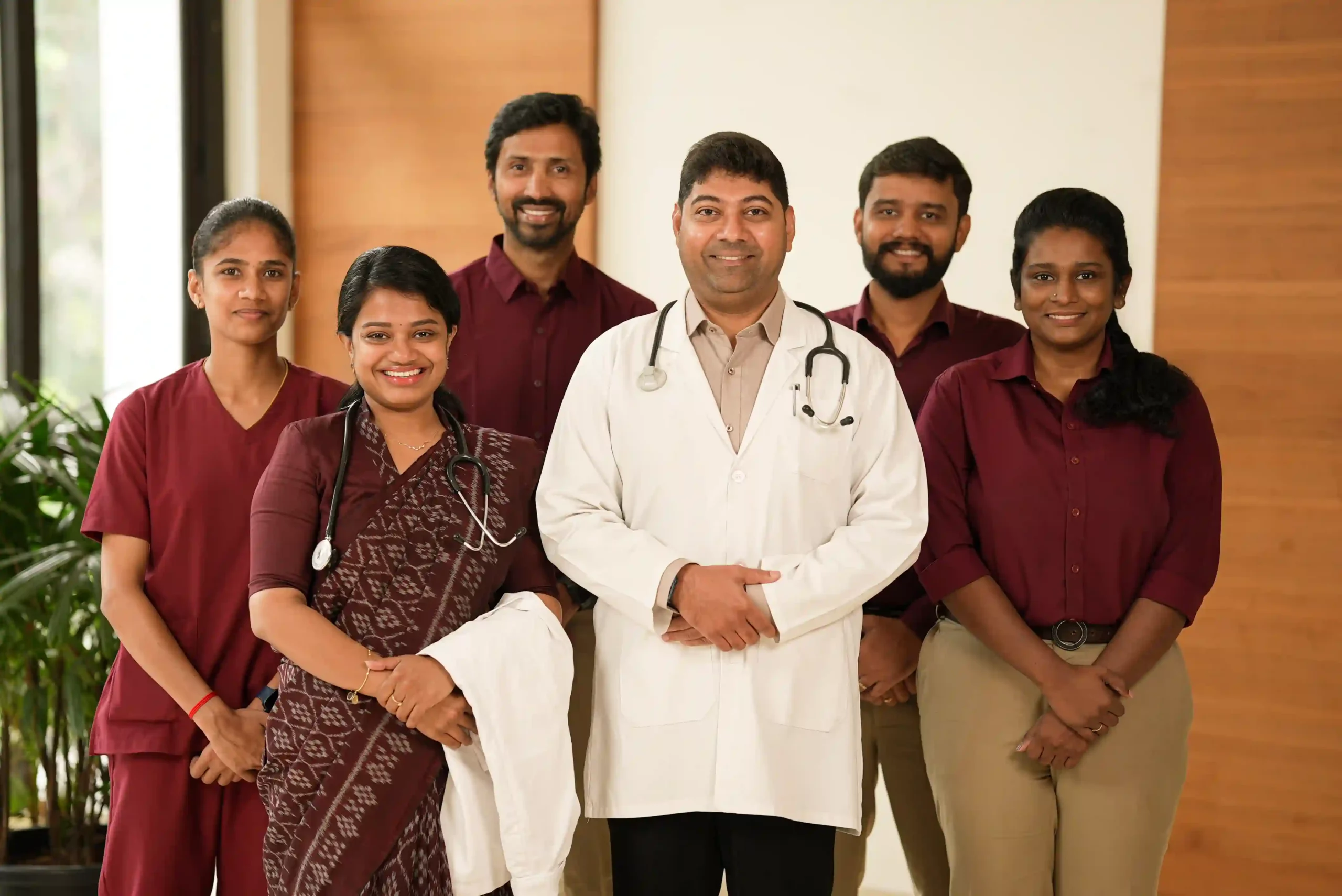
At our cocaine therapy centre, recovery begins with people who care deeply and understand fully. Our addiction specialists include psychiatrists, behavioural therapists, and family counsellors who personalise every step of care.[7]
Many of our addiction specialists have trained internationally and understand Indian family dynamics with cultural sensitivity. They work alongside nutritionists, yoga coaches, and mindfulness practitioners to deliver holistic healing. What makes our cocaine therapy centre unique is this blend of deep medical knowledge and human warmth.[3,7]
What makes our cocaine therapy centre unique is this blend of deep medical knowledge and human warmth.
Many of our team members have lived experience, enabling them to connect with clients deeper beyond theoretical knowledge. Our addiction specialists participate in ongoing advanced training focused on cocaine-specific care, ensuring that your loved one receives guidance that is both compassionate and knowledgeable.[3]
This dedicated team is the foundation of our cocaine therapy centre’s success.

Dr. Naveen Kumar
Medical Director
15+ years of expertise in psychiatry and addiction recovery.

Dr. Vivek Sharma
Consultant Psychiatrist & Neurofeedback Practitioner
With over 15+ years of experience in psychiatry and neurofeedback, he blends medical expertise and compassion to guide clients toward lasting recovery.

Dr. Shree Aarthi
Consultant Psychiatrist
15+ years providing expert psychiatric care for mental health and substance use disorders.

Dr. Ramalingam P Kandaswamy
Consultant Physician
15+ years With over 5 years of experience in HIV and infectious diseases, he brings global expertise and compassionate care to every patient he supports.

Dr. Divya
Psychiatrist
10+ years combining clinical psychiatry expertise with healthcare management for holistic treatment.

Dr. Malarvilzhi
Residential Medical Officer
12 years delivering comprehensive medical care in psychiatric and rehabilitation settings.

Dr. Karuppachamy
Senior Psychiatric Social Worker
22+ years of experience empowering clients through therapeutic guidance, psychosocial support, and lived-experience wisdom.

Ms. Meera
Senior Clinical Psychologist
9+ years specializing in psychological assessment and evidence-based therapeutic interventions.

Mrs. Priyadarshini
Head Clinical Psychologist

Mr. Mukesh Kanna
Clinical Psychologist
2+ years providing psychological interventions for behavioral health and emotional wellness.

Mr. Antipas Jayabal
Clinical Psychologist
2+ years supporting clients through clinical assessment and therapeutic care.

Ms Keerthana S
Psychologist
Empathetic psychologist with 4 years’ experience in handling mental health disorders, using evidence-based psychotherapies for personalized client care.
Inside Our Cocaine Recovery Programme
Not every cocaine treatment facility follows the same script. Many focus on short-term control but don’t go deeper. At Abhasa, recovery happens through a layered approach that rebuilds identity, stability, and inner strength, one step at a time.
Healing here follows a structured recovery model. It adapts to your loved one’s needs, stage of recovery, and emotional rhythm.
Understand What's Underneath
Before any action plan begins, we focus on clarity.
At our cocaine treatment facility, every recovery journey starts with the following:
- QEEG Brain mapping: Identifying habits, patterns, and emotional triggers[1]
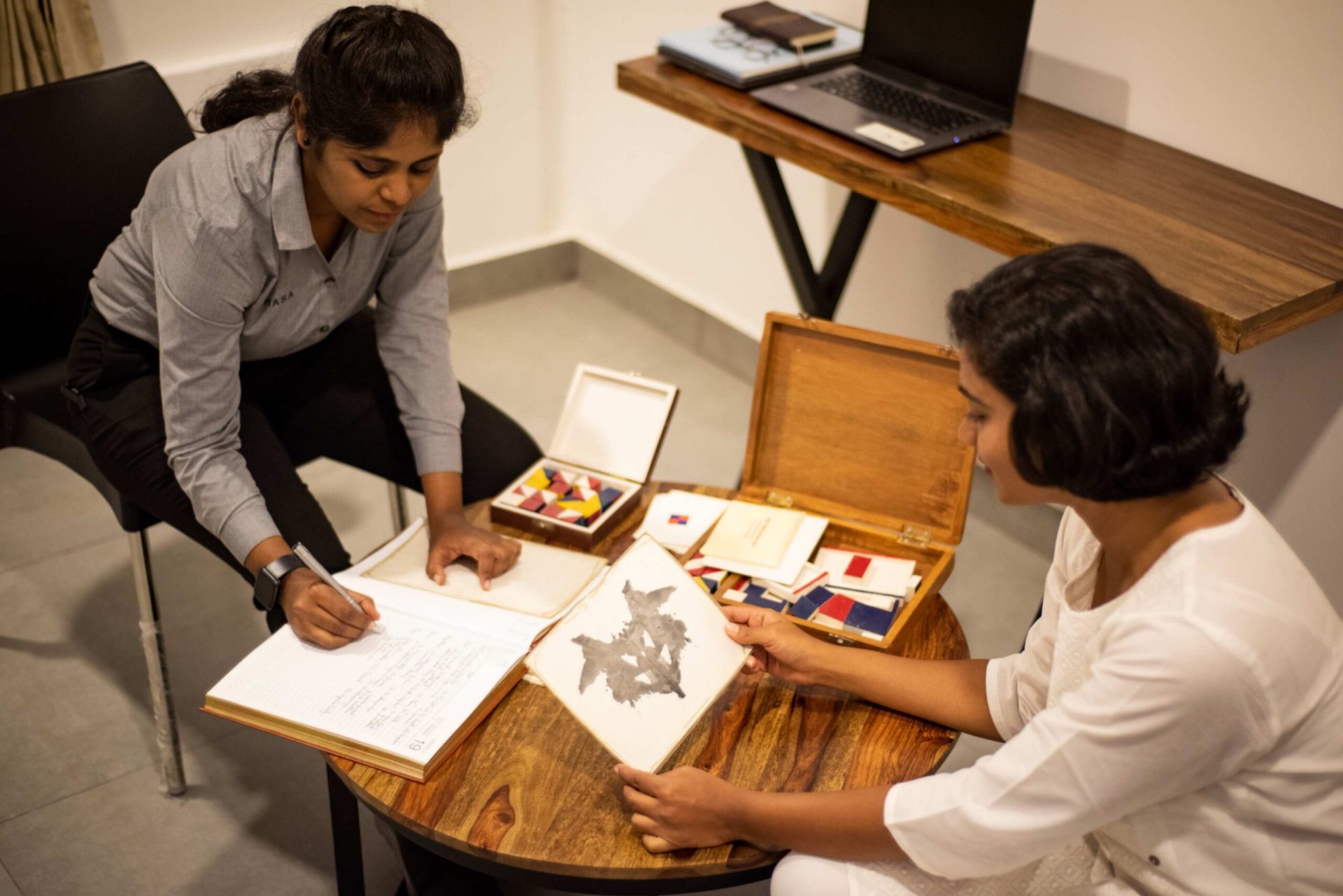
- Psychological evaluation: Understanding how someone copes, responds, and relates
- Family input: Listening to what you’ve observed and felt at home
This phase helps us personalise every detail. Structured recovery starts with knowing the person, not the problem.
Build a Flexible Framework
We don’t lock clients into rigid routines. Our care plans change based on how someone responds day to day.[6]
Our structured recovery model includes the following:
- Daily observation and care reviews
- Custom therapy schedules: Some need more rest, others more emotional support
- Nutrition, sleep, and movement planning tailored to energy and mood
Clients in our cocaine treatment facility feel supported, not pushed. That balance leads to deeper engagement.
Layer Real Healing Across the Mind and Body
Recovery must reach beyond cravings. It must retrain the brain and restore the body.
At Abhasa, our structured recovery approach includes:
- One-on-one therapy to unpack emotional roots[5]
- Group work for shared strength and belonging[8]
- Holistic practices like meditation, music, art, and nature therapy[9,10]
- Neurofeedback training to improve focus and reduce overwhelm[1]
- Fitness and nutrition that rebuild physical and mental resilience[7]
Most cocaine treatment facilities stop after detox. We go further because healing takes more than a plan; it takes layers.
Our cocaine treatment facility offers rhythm without rigidity, structure without stress, and recovery that feels human.[2]
Healing that goes deeper than detox, designed for lasting change.
A Typical Healing Day at Abhasa
Here is a sample day inside our cocaine recovery programme. Actual timings and activities are always customised based on each client’s emotional readiness, clinical assessment, and daily needs.

At Abhasa, we believe rhythm is essential for recovery. As one of the most trusted centres for structured cocaine recovery in India, our daily routine is designed to bring calm, rebuild inner regulation, and gently move each person toward lasting change.
Each day flows through a thoughtful rhythm that blends science-backed methods, therapeutic structure, and quiet reflection. From sunrise breathwork to evening journaling, every moment carries intention.
Clients take part in a mix of healing experiences throughout the day. These include one-on-one therapy, group circles, guided nature-based movement, expressive arts, and mindfulness. Between each core activity, we offer quiet breaks for nourishment, rest, or simply being still. These intervals help stabilise energy levels and regulate emotional highs and lows.
This structure is not rigid. It bends with the person. Some clients need more space. Others need more activity. Our team adjusts the schedule based on what is helpful at that moment. This flexibility is what makes structured cocaine recovery feel humane and sustainable.
Most clients arrive at Abhasa after months or years of unpredictability, disturbed sleep, unstable emotions, and lost connections. They come from a place where nothing feels steady anymore. That’s why we don’t just offer therapy. We offer rhythm. Predictability. Safe routines that slowly rebuild confidence.
For us, structured cocaine recovery isn’t just a checklist of therapies. It’s the blueprint of long-term healing. Actual progress begins when the body feels regulated, and the mind feels safe.
At many cocaine treatment centres in India, the daily structure is just a logistical plan. At Abhasa, it’s part of the care. It’s woven into every conversation, every meal, and every step forward.
This isn’t just a timetable. It’s the architecture of rebuilding life, one peaceful day at a time.
Every moment designed to heal mind, body, and spirit.
Cocaine Detox & Withdrawal Management at Abhasa
Detox marks the beginning of healing. At Abhasa, we shape this stage with care, calm, and clinical precision. Our cocaine detox centre provides more than supervision.[1] It creates a structured space where people feel safe enough to let go of old patterns and build something new.
Unlike traditional settings that feel cold or overwhelming, our cocaine detox centre blends medical attention with luxury, peace, and purpose. Every corner supports the person’s journey to stability.
Cocaine withdrawal symptoms often bring anxiety, energy crashes, low mood, and powerful cravings.[1] Our medical professionals remain on-site 24/7. We observe, support, and respond quickly to detox-related emotional and physical changes. Clients know someone is always available and listening.
We design every space in our cocaine detox centre to help the nervous system settle. Clients benefit from:
- Spa and salon suites that support relaxation
- Library corners that offer quiet mental clarity
- A chai corner that allows warm social interaction
- Low-stimulation private rooms that support emotional safety
We use these environments as active tools in cocaine withdrawal treatment, helping people feel regulated without medication whenever possible.
We support the body through guided physical activity. Clients may choose from:
- A fully equipped gym to build strength and balance hormones
- A basketball court that fosters coordination and emotional release
- Yoga and Zumba classes that combine mindfulness and movement
- Outdoor games and nature walks that restore connection with the body
These activities are optional but often become key elements in cocaine withdrawal treatment for emotional and physical grounding.[9,10]
Clients reconnect with themselves through:
- Board games and group activities that develop social skills
- Expressive art, aroma, music, and sound therapies
- Pet-assisted therapy that encourages empathy and safety
- Weekend activities like pottery, birdwatching, and movie nights that reintroduce safe joy
Every activity in our cocaine detox centre serves a healing purpose. We use play, connection, and creativity as part of clinical recovery.[7]
Our in-house chefs prepare meals rich in brain-supportive nutrients. We also provide IV therapy and hydration support. We see food as a vital part of cocaine withdrawal treatment, not a background task.[7]
During withdrawal, sleep often feels impossible. We restore rest through structured night routines, quiet rooms, natural sleep aids, and environmental calm. Sleep returns without sedation when the body feels safe.
Our counsellors remain available every hour. Whether someone needs to talk, cry, or feel heard, we stay close. Emotional support remains one of the most crucial components of effective cocaine withdrawal treatment.
We keep families informed with clear, kind updates. You receive insight without medical overload, and your presence stays valued throughout your loved one’s stay in our cocaine detox centre.
A detox environment designed for mind, body, and dignity.
Therapeutic Approaches for Cocaine Addiction
At Abhasa, we understand that healing from cocaine addiction is not about willpower alone. Many who arrive here have cycled through detox programs, quick fixes, or outpatient attempts. What makes our cocaine addiction therapy unique is that it doesn’t just focus on stopping use. It helps the person understand why they use it in the first place and how to build a life where cocaine no longer fills that role.[5,6]
We start with a comprehensive assessment that goes far beyond diagnosis. Our specialists understand each client’s thought patterns, emotional reactions, family background, and social environment. The foundation of our behavioural therapy approach is the bio–psycho–social model, where we treat the whole person, not just the symptoms of drug use.
Here’s how our personalised care plan takes shape and evolves:
- Clinical Mapping: We begin with diagnostic interviews, emotional safety assessments, and psychometric tools to create a 360-degree view of the person behind the addiction.
- Customised Goals: We help each person set realistic goals for emotional growth, family reconnection, and craving management.
Weekly Adjustments: Our team holds weekly meetings to assess the client’s emotional and behavioural responses and to adjust the therapy plan as needed.

Each component of our program plays a vital role in achieving lasting transformation. The following therapies are foundational to our recovery process:
1. Cognitive Behavioral Therapy (CBT):
CBT is a key element of our therapy plan for cocaine addiction. We help clients identify thought patterns that trigger cravings and build alternative responses. They learn how to recognise and reframe negative self-beliefs that often drive cocaine use.
- Understand the cycle of trigger → thought → use
- Practice replacing destructive thoughts with constructive actions.
- Build relapse-prevention thinking strategies.[6]
2. Dialectical Behavior Therapy (DBT)
DBT provides clients with tools to manage emotional extremes that often lead to relapse, focusing on emotional regulation and distress tolerance as part of our behavioural therapy. This includes the following:
- Practice mindfulness to calm racing thoughts.
- Build emotional regulation through breathing, grounding, and journaling.
- Learn how to tolerate discomfort without using cocaine as an escape.[11]
3. Motivational Enhancement Therapy
Not everyone enters rehab feeling motivated. Our cocaine addiction therapy integrates motivational sessions that awaken the internal drive for change.
- Recognise Core Values and Acknowledge How Addiction Interferes with Them
- Visualise a life without dependence.
- Set small, achievable goals to build self-esteem.[12]

Cocaine use doesn’t just impact the individual; it ripples through the entire family. Our therapy work includes sessions that bring loved ones into the process. Families gain insight into what drives addiction and discover healthier ways to offer support. These sessions open space for honest conversation, help ease the emotional strain and lay the groundwork for stronger, more connected relationships.[4]

During group sessions, clients realise they are not alone in this journey. As stories unfold, so does a quiet sense of belonging.[8]
- Daily sessions explore real-life challenges like cravings, emotional triggers, and relapse risks
- Clients reflect on personal experiences and support one another through open dialogue
- Interactive roleplays and guided activities help rebuild confidence in social settings

We provide evidence-based cocaine addiction therapy alongside treatments that restore balance to the mind, body, and nervous system.
Through movement and breath-based routines, yoga supports physical awareness and encourages steady, focused energy. It helps the body and mind reconnect with intention.[9,10]
Meditation invites quiet moments where clients learn to observe their emotions, find calm, and reset from the inside out.[9]
Art and Music Therapy offer gentle ways to release emotions that feel too heavy to say aloud. Through rhythm, colour, and sound, clients often find new ways to process pain.
Sound therapy surrounds the senses with soft, grounding tones that ease anxiety and create a space of inner stillness.
Aroma and Breathwork: Blends the calming effects of scent with slow, mindful breathing to restore focus and bring a sense of calm from within.
Together, these activities enhance the core behavioural therapy plan, supporting emotional stability and resilience.
Adventure Therapy: Healing Through Challenges: Establishing confidence often crumbles in addiction. We use outdoor-based therapies to help clients rebuild self-belief.[7]
- Nature treks to encourage perseverance
- Trust-building games for teamwork and self-worth
- Structured physical challenges to reset dopamine naturally

Healing isn’t one-size-fits-all, especially when it comes to cocaine addiction. At Abhasa, we don’t hand over a static plan. Instead, we pay close attention. Our team, psychiatrists, therapists, wellness coaches, and caregivers regularly come together to talk through how each person is doing. When something needs to shift, we adjust it. Real-time care keeps therapy relevant, responsive, and rooted in the person’s needs at each step.

As clients prepare to leave the program, their care plan transitions into a real-life recovery strategy. We work closely with families to build a relapse-response protocol, outline lifestyle changes, and design a support system that clients can use outside our walls.
We include:
- A structured daily routine
- Coping checklists and relapse-warning signs
- Emotional resilience building
- Tools for family members to set healthy boundaries and expectations
This approach gives the client freedom from use and the ability to stay free.

Recovery works best when care moves with you.
Family Involvement That Strengthens Every Step of Recovery
When someone in the family struggles with cocaine use, the ripple effects quietly affect everyone. You carry the concern, the confusion, and the constant question of how to help without making it worse. You may feel like you’re doing everything you can and still watching your loved one drift.
At Abhasa, we recognise the weight families carry. That’s why cocaine addiction family support is never left out. It becomes a structured, ongoing part of the care plan.[4,7]
We invite families to participate in a safe, informed healing process because sustainable recovery grows best in a supported environment.

We keep families informed in clear, meaningful ways. Updates aren’t just occasional; they’re consistent and thoughtfully delivered.
- Daily briefings: Short updates clearly show your loved one’s routine and how they slept, ate, and emotionally responded to the day.
- Weekly family calls: A 15-minute check-in with the case manager offers space to raise questions and process emotions.
- Monthly care reviews: Families join hour-long sessions with the clinical team to understand progress, challenges, and the evolving recovery plan.
These systems make cocaine addiction family support feel grounded and collaborative.[4] You are included not just as a bystander but as a partner in healing.

We don’t expect families to know how to navigate cocaine recovery. We teach you.
Through guided education sessions, we help you:
- Understand what cocaine does to the brain and emotional patterns
- Recognise triggers and identify early signs of relapse
- Learn what helps vs what unintentionally harms
- Stay emotionally balanced when things feel uncertain
This is what cocaine addiction family support looks like in action. Learning that reduces fear and creates confidence. We also share practical tools on communication, emotional boundaries, and preparing for life after rehab.

One of the most potent forms of healing happens in family therapy. These sessions go beyond conversation. They create space for honesty, accountability, and repair.
Together, families:
- Learn to rebuild trust and emotional safety
- Practice clear, respectful communication
- Work through past pain without blame
When families engage in this level of care, the path forward becomes clearer.[4,13] Proper cocaine addiction family support is not about fixing; it’s about reconnecting.

Rehab may happen inside our centre, but recovery continues at home. That’s why we prepare families to be ready.
- We guide you in creating a cocaine-free environment at home
- We involve you in discharge planning and long-term support tools
- We help you build structures and routines that reduce risk and increase stability
Your role is essential. And with the proper knowledge and support, you won’t feel alone in it.

At Abhasa, we see every family as part of the recovery ecosystem. We support you emotionally, guide you practically, and welcome you into the care journey at every step.
This is what sets Abhasa apart when it comes to cocaine addiction family support. We don’t just help individuals heal. We help families grow stronger.
Family involvement strengthens every step of recovery.
A Serene Environment That Supports Lasting Change

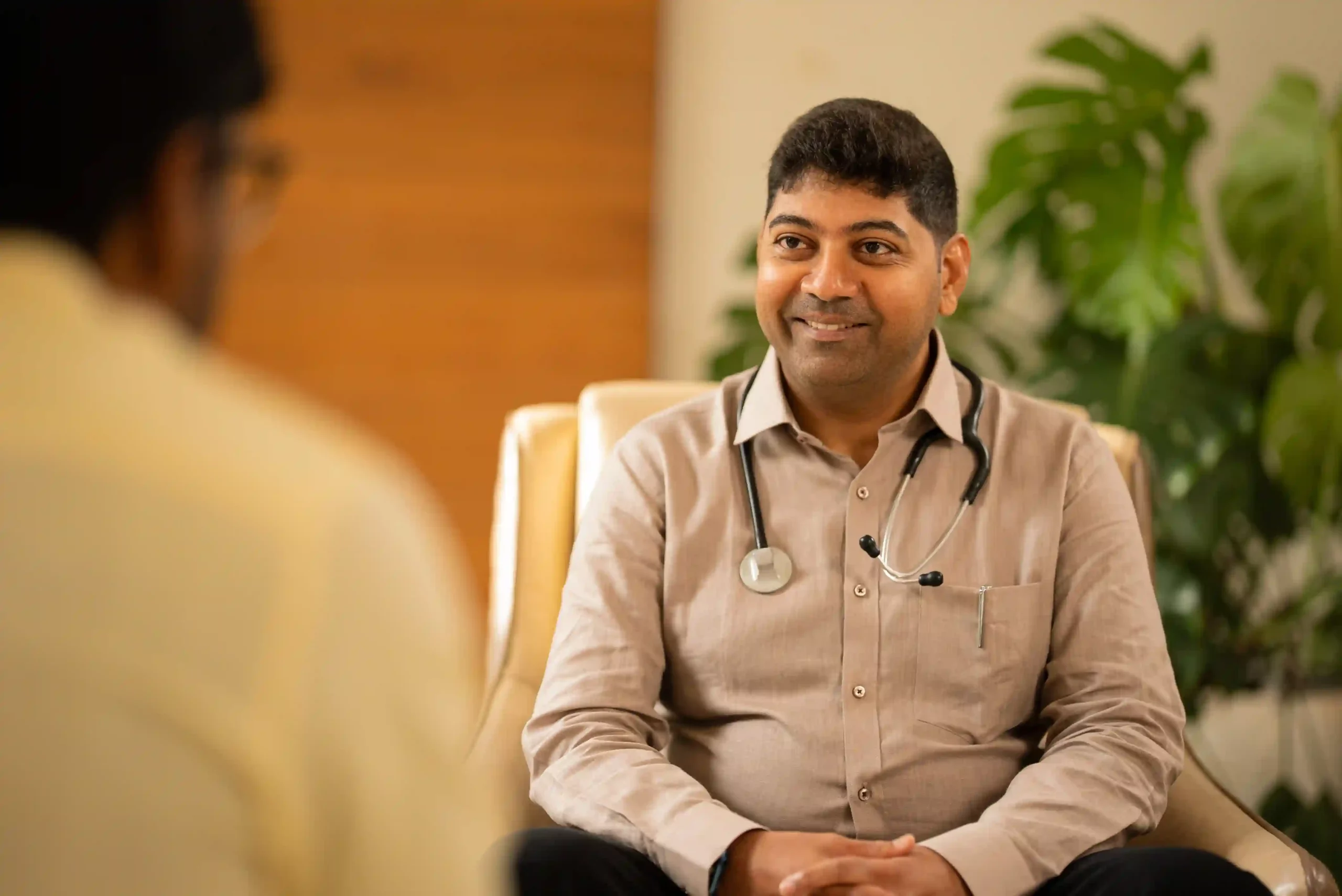
Recovery from stimulant use often begins by removing the noise. At Abhasa, we created a private cocaine treatment setting that brings back stillness. Far from the chaos of daily life, our location offers calm, space, and the feeling of being protected. Clients recovering from cocaine addiction experience nature not as a backdrop but as a therapeutic presence. Walking trails, meditation gardens, and quiet corners help reduce internal agitation.
This peaceful setting is more than beautiful. It’s purposeful. We designed it to regulate emotional responses and restore a sense of safety that stimulant use may have disrupted. For anyone looking for a luxury rehabilitation experience that prioritises emotional safety, this is where healing feels possible.
Comfort-Driven Spaces and Wellness Amenities
Every client stays in a private suite equipped with calming interiors, soft lighting, and modern furnishings that allow for real rest. This approach to private cocaine treatment includes not just therapy but comfort designed to reduce overstimulation and rebuild physical strength.
- Our spa, fitness studio, and yoga spaces provide daily opportunities for body-mind alignment.
- Clients enjoy chef-curated meals that support brain repair, gut health, and emotional balance.
- Whether in yoga class, art therapy, or sound healing, each activity is selected to soothe the nervous system and support recovery.
Luxury in Abhasa never exists for display. In this luxury rehabilitation space, it becomes a tool for stability and self-reconnection.
Privacy, Dignity, and Therapeutic Design
We value discretion. Every environment element, from security protocols to room placements, is built for quiet, respectful care. Clients in private cocaine treatment experience safety not just from substances but from external triggers, pressures, and social judgment. Our confidential admissions process and low client-to-staff ratio help protect personal space and trust.[15]
Every piece of furniture, every therapy room, and every path through the gardens has been carefully designed to offer calm without rigidity. That defines luxury rehabilitation at Abhasa as thoughtful, adaptive comfort that eases emotional strain and supports deep recovery.
Abhasa is a serene space designed for real recovery.
Stories of Strength: Rebuilding Purpose, Restoring Health
Many of our clients return to careers they once believed they had lost. They resume education, re-enter workspaces, or start passion projects with renewed energy. These outcomes define cocaine recovery success in practical ways that go far beyond abstinence.
Physical health improves. Sleep comes back, and confidence returns. Clients talk about feeling strong in their bodies, stable in their moods, and hopeful about relationships. Life after cocaine becomes more than just sober; it becomes meaningful. Some even go on to support others, sharing their experiences through volunteering or mentoring.
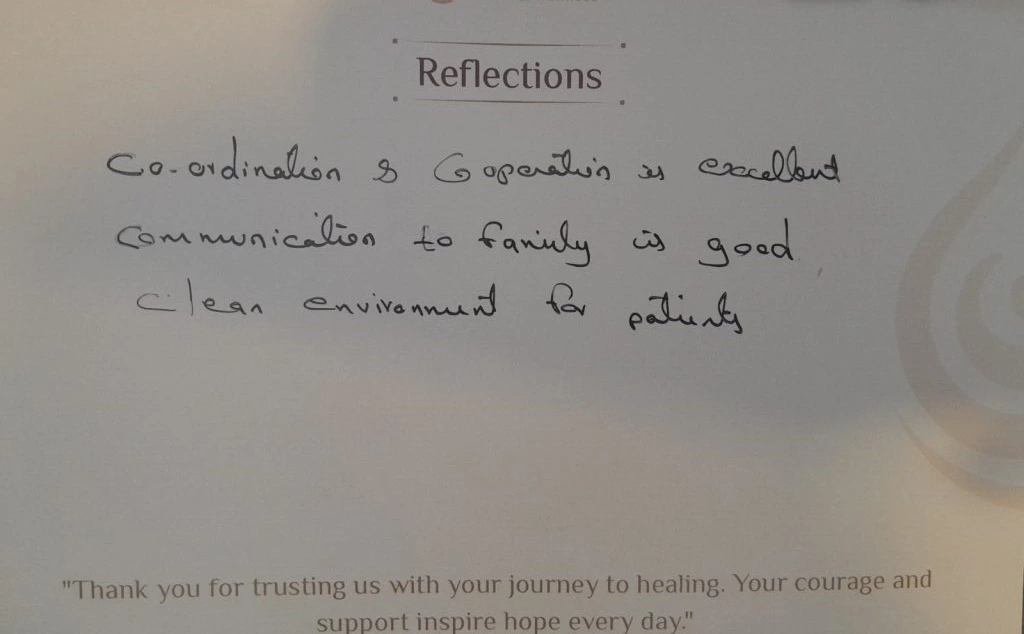
Co-ordination & cooperation is excellent. Communication to family is good. Clean environment for patients.
Former Client
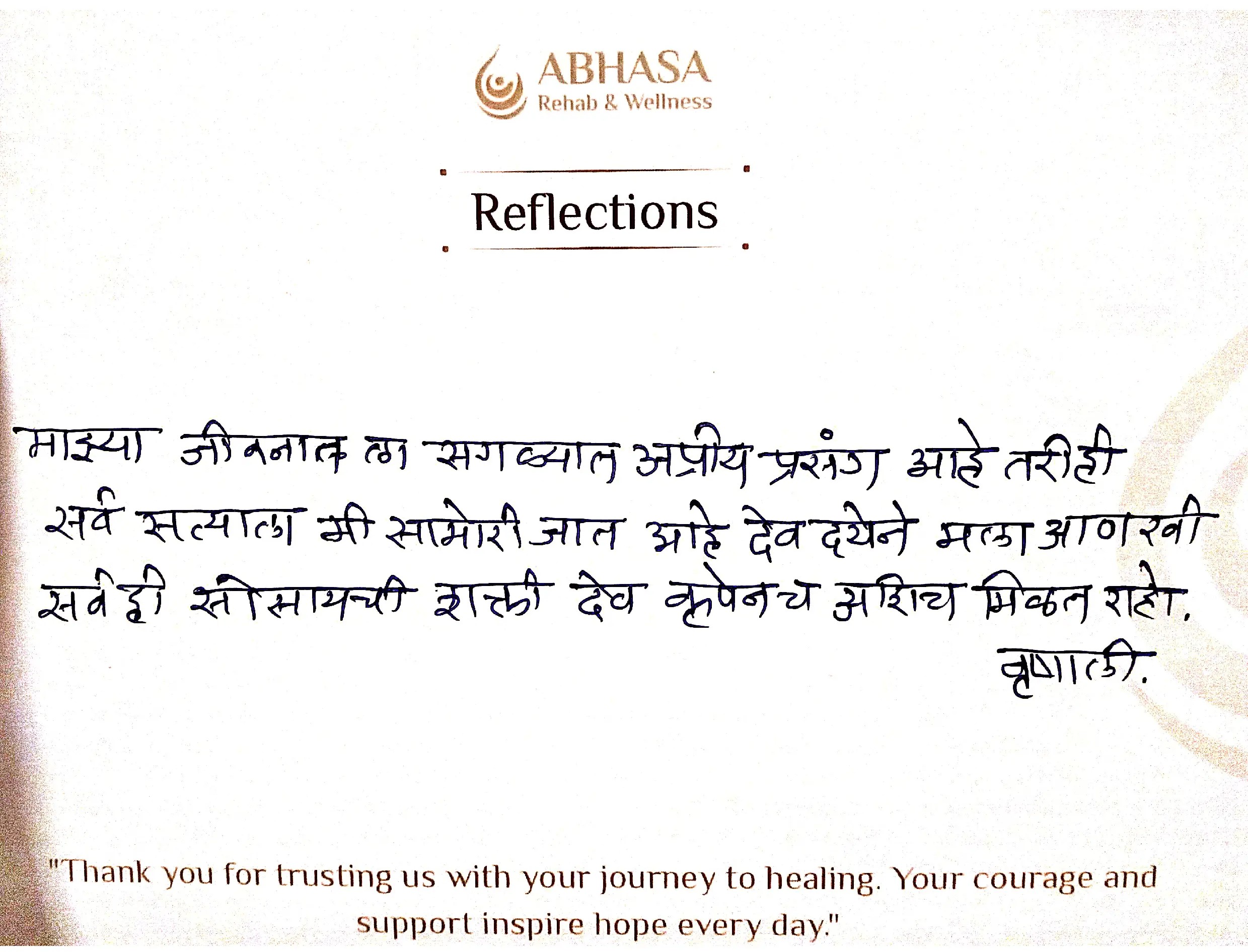
I found strength to face life’s hardest truths here. I believe it was God’s grace that brought me to Abhasa.
Former Client
From sobriety to strength: life renewed after cocaine recovery.
Frequently Asked Questions About Cocaine Addiction Treatment questions
How long does cocaine addiction treatment take?
Each recovery journey is unique. The length depends on the severity of use, emotional readiness, and how a person responds to therapeutic support. While many clients stay for 30 to 90 days, some require extended care. Our team customises timelines to meet each client’s goals, ensuring every step feels right.
Is cocaine addiction treatment confidential?
Yes. We protect your identity and personal information at every stage. Abhasa maintains strict confidentiality policies across clinical records, therapy sessions, and communication with family. Privacy forms part of our commitment to dignity and trust, so we are a preferred choice for discreet care.[15]
What happens during cocaine withdrawal?
Cocaine withdrawal can include mood changes, sleep disruptions, and cravings. At Abhasa, we offer medically supervised detox to manage these symptoms safely. Our environment contains 24/7 nursing care, calming amenities, and therapeutic support that reduces discomfort and promotes stability.
How do you involve family in cocaine addiction treatment?
Family plays a vital role in healing. Our programme includes weekly check-ins, education sessions, joint therapy, and support coaching. We teach families how to help without enabling and rebuild trust and healthy communication.
Why is residential treatment better for cocaine addiction?
Residential care creates distance from triggers and brings structured support into every part of daily life. At Abhasa, clients benefit from a private setting, round-the-clock guidance, and immersion in therapies that build lasting habits. It allows for deeper emotional work without daily pressures.
Can I continue working during cocaine addiction treatment?
In residential settings, we advise focusing entirely on recovery. However, in exceptional circumstances, arrangements may be made for professional responsibilities. Speak with our admissions team to discuss flexible care planning and how we can support your career needs.
What if I relapse after cocaine addiction treatment?
Relapse is not failure. It’s a signal that something needs adjusting. At Abhasa, our cocaine treatment questions often include concerns about setbacks. We offer a step-back-in protocol, access to alum support, and relapse-prevention coaching to help clients regain balance quickly and safely.
What makes Abhasa different from other cocaine treatment centres?
We blend scientific care with emotional depth. Our environment, therapies, and holistic methods create a full-spectrum recovery model. Families receive real-time updates, and clients are supported long after discharge. This comprehensive care framework is what sets us apart.
Do you treat other addictions along with cocaine?
Yes. Many clients face more than one dependency. We offer integrated care for substance use, behavioural concerns, and emotional health. Our multidisciplinary team addresses co-occurring challenges in a safe, judgment-free space.
What support is available after cocaine addiction treatment?
Our aftercare includes therapy follow-ups, family guidance, alumni circles, and 24/7 helpline access. We stay connected so you never feel alone after rehab. This is how cocaine treatment questions about long-term recovery turn into real, sustainable answers.
Life Beyond Rehab: Staying Grounded, Staying Strong

Recovery does not stop at discharge. Our cocaine addiction aftercare programme helps clients build a stable, purpose-driven life with structure, connection, and ongoing support.[7]
Personalised Transition Planning
We begin by preparing each client for life outside our centre. Our team designs a reintegration plan considering daily routines, emotional triggers, and support systems.[2,7] With clear steps and check-ins, the process feels guided and not rushed. This phase plays a vital role in relapse prevention.
Consistent Therapy and Family Involvement
Even after leaving, clients continue individual therapy sessions tailored to evolving needs.[7] We offer family counselling as part of cocaine addiction aftercare so loved ones stay actively involved in the healing process. Together, we rebuild emotional safety and communication at home.
Healing at Abhasa continues with support beyond rehab.
Begin the Recovery Journey with Abhasa
Step Into a Safer Tomorrow
You don’t have to carry this alone.[14] If you’ve been searching for the best cocaine addiction treatment, you’ve found a place that leads with empathy, not judgment. At Abhasa, recovery begins with a quiet conversation that opens the door to peace, structure, and healing.
We have built our cocaine recovery centre for privacy, safety, and personalised care. Whether you’re calling for yourself or someone you love, we meet you right where you are and walk you through each step.
Courage begins with one small step.
Proudly Serving Across Cities
- Rehab in Karjat
- Rehab in Pune
- Rehab in Navi Mumbai
- Rehab in Madurai
- Rehab in Trichy
- Rehab in Bangalore
- Rehab in Chennai
- Rehab in Thane
- Rehab in Nasik
- Rehab in Kochi
- Rehab in Mangalore
- Rehab in Mysore
- Rehab in Hyderabad
- Rehab in Vijayawada
- Rehab in Visakhapatnam
- Rehab in Delhi
Medical Disclaimer
The information provided on this website and in this document is for educational and informational purposes only and is not intended as medical advice. Abhasa Rehabilitation and Wellness Home provides addiction treatment services, but individual results vary significantly. Treatment effectiveness depends on multiple factors including severity of use, duration of use, co-occurring mental health conditions, physical health status, treatment adherence, social support systems, and individual circumstances.
We cannot guarantee specific outcomes. This information does not replace professional medical advice, diagnosis, or treatment. Always seek the advice of qualified healthcare providers, addiction medicine specialists, or licensed medical professionals with questions about cocaine addiction, substance use disorders, or treatment options.
In case of medical emergency, overdose symptoms, or severe withdrawal, call emergency services immediately (112 in India, 911 in USA). Do not delay seeking emergency care.
Cocaine use disorder is a serious medical condition that requires professional evaluation and treatment. Self-diagnosis or attempting self-treatment of addiction can be dangerous and is not recommended.
Research Citations (15 Streamlined Sources - Most Authoritative)
Resources
[1] National Institute on Drug Abuse (NIDA) – “Cocaine Research Report” – NIDA, 2024
URL: https://nida.nih.gov/research-topics/cocaine
Source Type: Government (.gov) – Federal health agency
Why Selected: Most authoritative U.S. government source on cocaine, covers neurobiology, withdrawal, treatment approaches
[2] Chan, B., Freeman, M., Kondo, K., et al. – “Comparison of Treatments for Cocaine Use Disorder Among Adults” – JAMA Network Open, 2021
URL: https://jamanetwork.com/journals/jamanetworkopen/fullarticle/2779686
Source Type: Peer-reviewed systematic review (JAMA)
Why Selected: High-impact medical journal, comprehensive treatment comparison meta-analysis
[3] Kampman, K. & Jarvis, M. – “The treatment of cocaine use disorder” – Science Advances, 2019
URL: https://www.science.org/doi/10.1126/sciadv.aax1532
Source Type: Peer-reviewed journal (Science)
Why Selected: Prestigious scientific journal, comprehensive evidence-based treatment review
[4] Esteban, E., López-Goñi, J.J., Fernández-Montalvo, J. – “Effects of family therapy for substance abuse: A systematic review” – Family Process, 2023
URL: https://onlinelibrary.wiley.com/doi/10.1111/famp.12841
Source Type: Peer-reviewed systematic review
Why Selected: Recent comprehensive review specifically on family therapy effectiveness
[5] Dutra, L., Stathopoulou, G., Basden, S.L., et al. – “A meta-analytic review of psychosocial interventions for substance use disorders” – American Journal of Psychiatry, 2008
URL: https://pmc.ncbi.nlm.nih.gov/articles/PMC2897895/
Source Type: Peer-reviewed meta-analysis
Why Selected: Gold-standard psychiatric journal, comprehensive meta-analysis of psychosocial treatments
[6] Boness, C.L., Votaw, V.R., Schwebel, F.J., et al. – “Evaluation of CBT for SUD Using Society of Clinical Psychology Criteria” – Clinical Psychology, 2023
URL: https://pmc.ncbi.nlm.nih.gov/articles/PMC10572095/
Source Type: Peer-reviewed systematic review
Why Selected: Recent rigorous evaluation of CBT effectiveness using APA standards
[7] NIDA – “Treatment and Recovery: Behavioral Therapies” – NIDA, 2025
URL: https://nida.nih.gov/publications/drugs-brains-behavior-science-addiction/treatment-recovery
Source Type: Government (.gov) – Federal treatment guidelines
Why Selected: Most current official U.S. government treatment guidelines
[8] Crits-Christoph, P., Siqueland, L., Blaine, J., et al. – “Psychosocial treatments for cocaine dependence: NIDA Collaborative Cocaine Treatment Study” – Archives of General Psychiatry, 1999
URL: https://jamanetwork.com/journals/jamapsychiatry/fullarticle/1673777
Source Type: Peer-reviewed multi-center trial (JAMA Psychiatry)
Why Selected: Landmark NIDA-funded collaborative study with 487 patients, supports group therapy
[9] Khanna, S. & Greeson, J.M. – “A narrative review of yoga and mindfulness as complementary therapies for addiction” – Complementary Therapies in Medicine, 2013
URL: https://pmc.ncbi.nlm.nih.gov/articles/PMC3646290/
Source Type: Peer-reviewed narrative review
Why Selected: Comprehensive review of yoga/mindfulness mechanisms in addiction recovery
[10] Brooks, J., Lawlor, S., Turetzkin, S., et al. – “Yoga for Substance Use Disorder in Women: A Systematic Review” – International Journal of Yoga Therapy, 2021
URL: https://pubmed.ncbi.nlm.nih.gov/33201991/
Source Type: Peer-reviewed systematic review
Why Selected: Recent systematic review specifically on yoga effectiveness in SUDs
[11] Dimeff, L.A. & Linehan, M.M. – “Dialectical Behavior Therapy for Substance Abusers” – Addiction Science & Clinical Practice, 2008
URL: https://pmc.ncbi.nlm.nih.gov/articles/PMC2797106/
Source Type: Peer-reviewed journal article
Why Selected: Original DBT-SUD developers, foundational paper on DBT for addiction
[12] Miller, W.R. & Rollnick, S. – “Motivational interviewing for substance abuse” – Cochrane Database of Systematic Reviews, 2023
URL: https://pmc.ncbi.nlm.nih.gov/articles/PMC8939890/
Source Type: Cochrane systematic review
Why Selected: Gold-standard Cochrane review of motivational interviewing effectiveness
[13] American Society of Addiction Medicine (ASAM) / American Academy of Addiction Psychiatry (AAAP) – “Clinical Practice Guideline on the Management of Stimulant Use Disorder” – Journal of Addiction Medicine, 2024
URL: https://pmc.ncbi.nlm.nih.gov/articles/PMC11105801/
Source Type: Professional organization clinical guideline
Why Selected: Most current authoritative clinical practice guideline from major professional organizations
[14] SAMHSA – “National Helpline” – SAMHSA, 2024
URL: https://www.samhsa.gov/find-help/national-helpline
Source Type: Government (.gov) – Federal resource
Why Selected: Official U.S. government 24/7 treatment referral and support resource
[15] SAMHSA – “Confidentiality of Substance Use Disorder Patient Records” – 42 CFR Part 2, 2024
URL: https://www.samhsa.gov/substance-use/treatment/statutes-regulations-guidelines
Source Type: Government (.gov) – Federal regulations
Why Selected: Official federal privacy regulations for substance abuse treatment