
Luxury Alzheimer's & Dementia Care in India

Abhasa provides specialized Alzheimer’s and dementia care in India with evidence-based memory support programs, 24/7 professional supervision, and family-centered approaches designed to support quality of life and dignity throughout the care journey.
Private consultation. No pressure.

2:1 Staff-to-client ratio
3 Healing Spaces
Personalised Treatments
360° Healing
2:1 Staff-to-client ratio
3 Healing Spaces
Personalised Treatments
360° Healing
Gallery
Luxury Alzheimer's & Dementia Care in India

When memory begins to fade, love becomes the strongest anchor. Watching someone you care for struggle with forgetfulness, confusion, or personality changes can be heartbreaking. The search for the right alzheimer treatment centre is not just about finding a place with professional care. It is about finding a place where dignity, respect, and compassion form the foundation of every moment.
Alzheimer’s and other forms of dementia create moments of profound disorientation. Your loved one may seem distant, repeat the same question, or forget familiar names. These changes affect the whole family. You may feel sadness, exhaustion, and uncertainty about what the next step should be.
You may have tried home support, visited doctors, and waited for progress. Now you may sense that more specialised help is needed. A dedicated alzheimer treatment centre offers more than care. It provides structure, emotional stability, and a safe environment that nurtures identity and self-worth.
At Abhasa, we care for each person in a way that feels personal and respectful. Unlike many dementia care facilities, our environment feels more like a peaceful retreat than a clinic. Your loved one can enjoy calm, private spaces that feel safe and familiar, surrounded by people who understand their needs. Gentle routines help preserve memory, encourage meaningful connections, and keep both mind and body active.
We see family as part of the care team. When someone becomes part of our community, their family becomes part of it too. We keep you informed, listen to your concerns, and offer gentle guidance so you can stay meaningfully involved every step of the way.
Choosing Abhasa means placing your trust in a dementia care facility where kindness and comfort guide everything we do. It means giving your loved one days filled with dignity, peace, and purpose, and finding your reassurance in knowing they are genuinely cared for.
Understanding Alzheimer's & Dementia Care
Families often believe they can only manage Alzheimer’s or dementia with hospital visits or home-based care. In reality, the right alzheimer care centres create a safe, structured, and enriching environment where your loved one can feel secure, valued, and connected as their needs evolve.
What does “rehabilitation” really mean?
For us at Abhasa, rehabilitation for schizophrenia patients means steady support. It means giving the person structure, emotional safety, and a calm routine. They don’t just survive the day, they learn how to live again.
Through therapy, healthy habits, and constant guidance, our clients slowly gain skills to handle their mind, body, and emotions.
It’s not a one-size-fits-all process
Every person experiences schizophrenia differently. That’s why our approach to rehabilitation for schizophrenia patients is deeply personalised. Some may need help with simple things like getting out of bed. Others may be ready to explore group sessions and skills training.
We personalise our care to suit each client: gently, respectfully, and patiently.
What makes rehab different from home care?
At home, days can be unpredictable. There may be emotional triggers, family stress, or gaps in care. In a centre like Abhasa, everything is designed for stability.
Clients follow a routine. They wake up at the same time, eat balanced meals, join individualised and group therapy and group activities, rest and reflect, and end the day calmly, not chaotically.
That consistency is at the heart of rehabilitation in schizophrenia.
The role of community and connection
We also help clients feel less alone. In rehabilitation for schizophrenia patients, connection is key. Group activities, peer support, and shared spaces allow them to build trust and social comfort, without pressure.
It’s not about fixing someone. Rehabilitation for schizophrenia is about showing them they can still belong, grow, and move forward.
A journey toward real recovery
With time, structure, and care, rehabilitation in schizophrenia helps clients feel safe in their own minds again.
And for the family, it brings peace of mind, knowing their loved one is not just being treated, but truly supported.
If you’re wondering whether rehabilitation for schizophrenia patients can make a difference, the answer is yes. We’ve seen it. And we help make it possible, one steady step at a time.
Knowing the Difference
Alzheimer’s is one form of dementia, but it is not the only one. Other types affect memory, thinking, and behaviour in unique ways. The most trusted dementia care centres understand these differences and personalise support to each individual. This approach safeguards dignity, encourages independence, and maintains a fulfilling daily life.
Why Families Need Professional Help
Caring for a loved one at home can be both rewarding and exhausting over time. Without the right kind of trained support, days may feel unpredictable, and the emotional weight can take a toll on everyone involved. Trusted alzheimer care centres bring structure and comfort into daily life. They provide gentle routines, familiar surroundings, and attentive supervision that keep your loved one safe and emotionally steady. Knowing that skilled specialists are guiding each part of their day gives families a sense of relief and reassurance.
Preserving Dignity Every Day
In the most compassionate dementia care centres, every moment is shaped to honour the person behind the condition. Residents spend their days doing activities they genuinely enjoy, following routines that feel familiar, and relaxing in spaces that reflect who they are. Our caregivers offer gentle encouragement with patience and warmth, helping each person feel valued and connected to those around them.
The most trusted alzheimer care centres create spaces where safety and independence work together. Clear, straightforward pathways make it easier for residents to find their way and feel at ease. This helps them go about their day with comfort and confidence, knowing friendly support is always close.
Selecting a specialised dementia care centre means placing your trust in care that puts comfort, stability, and respect at the heart of every moment. It reassures families that their loved one is in a place where they receive attentive, personalised care and where every day is designed to bring ease and meaning.
Wondering if rehab is the right fit for your loved one? Let’s talk.
Why Choose Residential Dementia Care
Caring for someone you love through the challenges of memory loss can be both emotionally demanding and physically exhausting. You may give your best every day, yet still watch them withdraw, lose interest in familiar activities, or become more easily confused. When these changes begin to affect daily life, residential dementia care offers the stability, reassurance, and dignity your loved one needs.

Always Safe, Always Supported
In trusted memory care facilities, your loved one receives support every hour of the day and night. Caring staff guide daily routines, watch over well-being, and respond quickly whenever help is needed. This continuous care keeps them safe and ensures they feel comfortable and respected. Many families find it difficult to maintain this level of attention at home as care needs increase, which is why professional support becomes so valuable.

Environments Designed for Memory Support
Every detail in specialised residential dementia care is designed with memory in mind. From easy-to-navigate layouts to calming colours and familiar spaces, the environment reduces confusion and creates a sense of security. Thoughtful design helps residents move around freely while staying safe.
Staying Connected Through Social Life
In the best memory care facilities, life is not just about safety; it is about living fully. Residents enjoy activities, meals, and spending time in friendly company. These simple, everyday experiences help restore the feeling of connection and belonging that may be lost when they receive care only at home.
Relief for Families
Choosing residential dementia care allows families to step out of the exhausting role of constant caregiver and into the role of loving supporter. Knowing that skilled professionals handle daily needs relieves you of the stress of managing every detail, allowing you to spend quality time with your loved one.
Skilled, Compassionate Care Teams
In trusted memory care facilities, every team member brings both knowledge and heart to their work. They recognise the challenges that dementia brings and take the time to understand each person. With this understanding, they shape care that feels familiar and respectful. Their mix of professional skill and heartfelt empathy creates a sense of trust, helping residents feel safe, valued, and supported in both body and mind.
Why Families Trust Abhasa Memory Care
At Abhasa, we start healing by making each person feel truly understood. Families arrive with years of worry, uncertainty, and emotional strain. They find more than professional care here. They find a calm sanctuary where their loved one feels safe, respected, and valued, and where they can breathe, ask questions, and rediscover hope. This care defines our luxury dementia care approach.
Care That Fits the Individual
We design every programme to match the individual. In the best alzheimer care centres, care adapts to the person’s needs. At Abhasa, we adjust therapies, routines, and activities as comfort, progress, and emotions change. We ensure each plan feels right and supports real improvement, which is why families choose us over other providers.
We Guide, Support, and Empower
We walk beside families through every stage of the care journey. We take time to explain the process and share simple, practical ways to stay involved. This open, supportive approach helps replace fear with understanding and builds lasting trust, which is why many families see us as one of the best alzheimer care centres in India.
Therapies That Engage the Mind and Spirit
Our dementia care specialists fill each day with experiences that feel enriching and familiar. Small yet meaningful moments like this can stir treasured memories, bring people closer, and fill the day with a calm, lasting joy.
Privacy, Comfort, and Constant Support
We provide private rooms, peaceful outdoor spaces, and continuous assistance. Our high staff-to-resident ratio, spa services, and focus on dignity ensure comfort and emotional security. Families turn to Abhasa because they trust our commitment to being among the best alzheimer care centres in the country.
Meet Our Dementia Care Specialists
As one of India’s leading providers of luxury dementia care, Abhasa is proud to be guided by a team of dementia care specialists who believe every person deserves respect, comfort, and a personalised approach. Families trust us because our alzheimer care team combines professional expertise with a genuine commitment to preserving dignity and quality of life.
Each member of our dementia care specialists team plays a vital role in making residents feel safe. Our team includes doctors, therapists, wellness experts, and trained caregivers, all bringing years of hands-on experience in supporting people with dementia.
Our alzheimer care team brings recognised qualifications and a commitment to ongoing learning.

Dr. Naveen Kumar
Medical Director
15+ years of expertise in psychiatry and addiction recovery.

Dr. Vivek Sharma
Consultant Psychiatrist & Neurofeedback Practitioner
With over 15+ years of experience in psychiatry and neurofeedback, he blends medical expertise and compassion to guide clients toward lasting recovery.

Dr. Shree Aarthi
Consultant Psychiatrist
15+ years providing expert psychiatric care for mental health and substance use disorders.

Dr. Ramalingam P Kandaswamy
Consultant Physician
15+ years With over 5 years of experience in HIV and infectious diseases, he brings global expertise and compassionate care to every patient he supports.

Dr. Divya
Psychiatrist
10+ years combining clinical psychiatry expertise with healthcare management for holistic treatment.

Dr. Malarvilzhi
Residential Medical Officer
12 years delivering comprehensive medical care in psychiatric and rehabilitation settings.

Dr. Karuppachamy
Senior Psychiatric Social Worker
22+ years of experience empowering clients through therapeutic guidance, psychosocial support, and lived-experience wisdom.

Ms. Meera
Senior Clinical Psychologist
9+ years specializing in psychological assessment and evidence-based therapeutic interventions.

Mrs. Priyadarshini
Head Clinical Psychologist

Mr. Mukesh Kanna
Clinical Psychologist
2+ years providing psychological interventions for behavioral health and emotional wellness.

Mr. Antipas Jayabal
Clinical Psychologist
2+ years supporting clients through clinical assessment and therapeutic care.

Ms Keerthana S
Psychologist
Empathetic psychologist with 4 years’ experience in handling mental health disorders, using evidence-based psychotherapies for personalized client care.
Therapies That Engage the Mind and Spirit
Our dementia care specialists complement essential medical care with activities that inspire and uplift. Residents can join music and art sessions, take part in gentle exercise or relax in soothing outdoor areas. Each experience supports memory, fosters friendships, and adds moments of genuine joy to daily life
Care Designed for the Individual
The alzheimer care team takes time to know each resident’s personal story, likes, and strengths. This knowledge shapes care plans that feel familiar and supportive, while still adapting as needs change. Every person receives the right mix of independence and assistance to help them live with comfort and dignity.
Support for Families Too
We know dementia affects the whole family, so our dementia care specialists also guide and support loved ones through the journey. We offer regular updates, counselling sessions, and practical advice, helping families stay informed, connected, and confident in their decisions.
Inside Our Memory Care Programme
If you think every dementia care centre follows the same pattern of supervision, medication, and repetition, you are not alone. What we do at Abhasa is different. We focus on rebuilding daily life one layer at a time, giving residents structure, comfort, and moments that bring meaning to each day.
As a trusted dementia care centre, we see our memory care programme as more than a set of routines. It is a living framework built on understanding the individual, meeting them where they are, and creating an environment that nurtures the mind, body, and spirit.

Step 1: Creating a Safe and Comfortable Home
Step 2: Building a Gentle, Predictable Structure
Our memory care programme is designed to give each day a natural flow that residents can depend on. We mix stimulating activities with quiet breaks, allowing time for both engagement and rest. Nutritious, brain-healthy meals bring comfort and nourishment, while thoughtfully planned programmes encourage participation and enjoyment. Calm periods in between offer space to unwind, helping residents feel steady, reassured, and at peace in their surroundings.
Step 3: Supporting the Mind Through Meaningful Activities
We layer in cognitive stimulation through music therapy, art sessions, reminiscence activities, and nature walks. These activities are part of what makes our memory care programme stand out, as they spark memory, encourage social interaction, and promote emotional well-being.
Step 4: Connecting With Nature
Step 5: Involving the Family at Every Stage
We invite families to be part of daily life here. Our team shares regular updates and encourages open communication, ensuring our dementia care centre supports not just the resident, but also the people who care about them most.
Our memory care programme is not a rigid plan. It adapts as needs change, with our team making adjustments to ensure comfort, dignity, and joy remain central to daily life.
A Typical Day in Memory Care

At Abhasa, our structured dementia care offers a daily rhythm that builds residents’ sense of safety and comfort. We fill each day with meaningful activities, wholesome meals, light movement, and quiet moments, adjusting the flow to suit each person’s needs and preferences.
Mornings start peacefully, allowing residents to wake in their own time and begin the day without rush. Caregivers assist with personal care respectfully, helping each person feel fresh and comfortable. We serve a wholesome, brain-healthy breakfast in a warm dining space, where conversation and connection set a positive tone for the day.
Residents join in memory-focused activities that stimulate the mind and encourage interaction. They take part in storytelling, reminiscence games, puzzles, or guided conversations that bring familiar memories to life. Our team leads light exercise, stretching, and gentle movement to support mobility, improve mood, and maintain physical strength.
We prepare and serve a nutritious lunch that meets dietary needs and personal preferences. With energy restored, clients take part in creative opportunities such as art, music, and crafts, or social gatherings that build a sense of community. Those who prefer nature can spend time in our memory gardens, enjoying fresh air and peaceful surroundings.
Evenings focus on comfort and connection. Residents share a warm, relaxed dinner, often with visiting family members, and then unwind with soft music, conversation, or quiet reflection before bedtime.
Our structured dementia care keeps each day predictable yet flexible, ensuring residents feel both comfort and purpose. We shape the flow of activities to bring joy, dignity, and a sense of home.
Memory Stimulation & Cognitive Activities
Our memory stimulation therapy forms an integral part of daily life at Abhasa, helping residents stay engaged, active, and connected to their sense of self. These activities are woven into our care in a way that feels enjoyable and natural, supporting both mental agility and emotional well-being. Our approach to cognitive rehabilitation focuses on maintaining abilities, strengthening recall, and building confidence through personalised, meaningful interactions.
In our memory stimulation therapy, we create gentle, enjoyable exercises that help strengthen recall and keep the mind active. This can be as simple as playing a word game, putting objects in order, or solving a light puzzle. We adjust each activity to suit the person’s abilities so that every session feels positive, encouraging, and engaging.
We integrate technology into our memory stimulation therapy and cognitive rehabilitation. Sessions are made engaging and meaningful as residents enjoy tablet-based memory games, revisit precious moments through digital photo albums, or relax with calming audio programs, all provided in a safe, supportive setting.
Our blend of memory stimulation therapy and cognitive rehabilitation goes beyond preserving abilities. It creates daily opportunities for joy, strengthens emotional connections, and gives every moment a sense of purpose.
Personalised Care Plans & Family Involvement
Many people walk into a treatment program already guarded, already tired. That’s why, unlike many schizophrenia residential treatment centres, we never hand over a fixed plan and walk away. We let the plan breathe. And we build it with them.
At Abhasa, we understand that dementia affects each person differently. No two journeys are the same, so we never rely on a one-size-fits-all approach. Our personalised dementia care begins with an open mind and a commitment to truly knowing the person we support. We believe the best care grows with the individual, adapts to their needs, and always includes the people who love them most.
We start with a detailed personal assessment, learning about the resident’s life story, everyday habits, cultural roots, and the traditions they hold dear. We also speak with their family, as family involvement gives us a critical understanding that allows us to care for the person in a complete and meaningful way. This step will enable us to design care that honours personal preferences while addressing health and safety needs.
Our care plans in personalised dementia care combine medical guidance, therapeutic activities, and lifestyle choices in one supportive framework. This may include memory stimulation therapy, gentle exercise, music and art sessions, nutrition plans, and opportunities for safe social engagement. Every element is selected to match the resident’s strengths, comfort level, and emotional well-being.
We do not create a strict, rigid plan. Our team observes residents and their response to activities, meals, and routines. If we see that a particular therapy lifts their mood or sparks interest, we make it a regular part of their schedule. If an activity causes discomfort or stress, we adapt immediately. This flexibility is central to effective personalised dementia care and ensures each day remains positive and purposeful.
We make family involvement a part of every step in our care approach. Families stay included, informed, and supported throughout the journey. We share regular updates about progress and any changes in condition, arrange meetings to talk about care goals, and welcome loved ones to join daily activities whenever they can. We also offer educational sessions that help families understand the progression of dementia, giving them tools and confidence to continue providing meaningful support.
Our work follows a multidisciplinary model. Doctors, therapists, caregivers, nutritionists, and wellness practitioners meet regularly to review each care plan. They exchange observations, review progress together, and adjust the plan to match the resident’s needs. Working as a team ensures that every change is made with care, at the right time, and in the best interest of the person we support.
We place great importance on cultural sensitivity. Our personalised dementia care respects each individual’s food preferences, religious practices, and daily habits that bring comfort and a sense of home. Honouring these personal details helps preserve dignity and strengthens emotional well-being.
Family involvement is fundamental to building trust. People always feel comfort in knowing their loved one is surrounded by sincere care and heartfelt understanding. Together, we create a strong circle of support that extends beyond medical care, nurturing emotional connections, shared experiences, and a genuine sense of belonging.

As clients move closer to discharge, the care plan doesn’t end. It evolves into a structured transition roadmap. We involve the family early in this process, not just as observers, but as active participants. Our clinical team works closely with caregivers to co-create a post-rehab continuity plan.
A core part of this phase is education. We help both clients and families understand schizophrenia as a condition, what it means, how it shows up, and how it changes over time. We explain the purpose of each therapeutic step and offer simple, digestible guidance around ongoing care, medication management, and how different types of treatments work together as part of schizophrenia treatment rehabilitation. This clarity helps replace fear with readiness.
The plan itself includes medication schedules with tapering or adjustment options, flexible yet stabilising daily routines, emotional risk indicators tailored to the client, and a clear step-back-in protocol if symptoms re-emerge. We also provide training on communication techniques, boundary-setting, and relapse prevention so that families feel confident and not overwhelmed.
This approach prepares both the client and the family to manage life after rehab, not with guesswork, but with understanding. Because when people know what they’re dealing with, they’re more likely to stay resilient.
This is what distinguishes Abhasa from most schizophrenia residential treatment centres. We don’t simply treat a condition. We help rebuild a system of support that can sustain healing outside our walls. That’s how schizophrenia treatment rehabilitation holds meaning beyond the residential stay.

Family Support & Education Programs
In dementia care, the journey is rarely walked alone. Families carry the emotional weight, the daily responsibilities, and the constant questions about what is best for their loved one. At Abhasa, we recognise that supporting the resident means equally supporting the people who love them. That is why family caregiver support is built into every stage of our personalised dementia care. We create a partnership where no one feels left out or left behind.

Families receive simple, regular updates. Daily updates about their schedule, weekly check-ins, make them feel confident about your progress. This offers a space to share concerns and celebrate small wins. Case managers connect with families weekly for personal discussions. Monthly reviews with our care team keep everyone aligned on goals, changes, and next steps. The slow positive progress creates trust and ensures that family caregiver support remains consistent and reliable.
Dementia Family Education That Empowers
We believe that knowledge reduces fear. Our dementia family education workshops guide families through understanding how dementia affects memory, mood, and daily function. We share practical ways to respond during challenging moments. We teach communication techniques that reduce frustration. We provide self-care strategies for caregivers. Clear and helpful guides and resources help families feel more confident in their role. This makes their support both effective and sustainable.
Counselling and Relationship Support
Dementia can shift family dynamics in ways that feel difficult to navigate. Our counselling services happen in a safe space where you open up, rebuild trust, and find new ways to connect. Guided conversations focus on emotional healing for both the resident and their loved ones. This ensures that relationships grow stronger instead of being strained by the journey.
Respite Care for Caregivers
Caring for someone with dementia is physically and emotionally demanding. We offer short-term respite care so families can rest, attend to personal needs, or take a break. They can rest easier knowing their loved one is cared for in a safe, respectful, and genuinely compassionate environment.
Resources and Ongoing Learning
Families have access to a thoughtfully curated library of guides, videos, and practical tools designed to make every stage of dementia care easier to understand. For those who cannot be here in person, our virtual support options open the door to workshops, therapy sessions, and live educational events that can be joined from home. Families when cannot come in person, could connect online and be in touch with the residents.
Our approach to dementia family education goes beyond simply sharing information. It creates a well-informed, emotionally connected circle of care that supports each resident with warmth, understanding, and consistency every single day.
Safe, Therapeutic Environment
Not all healing happens in therapy rooms. Sometimes, it begins with silence. With a walk beneath trees. With a space that doesn’t demand anything, except that you rest.


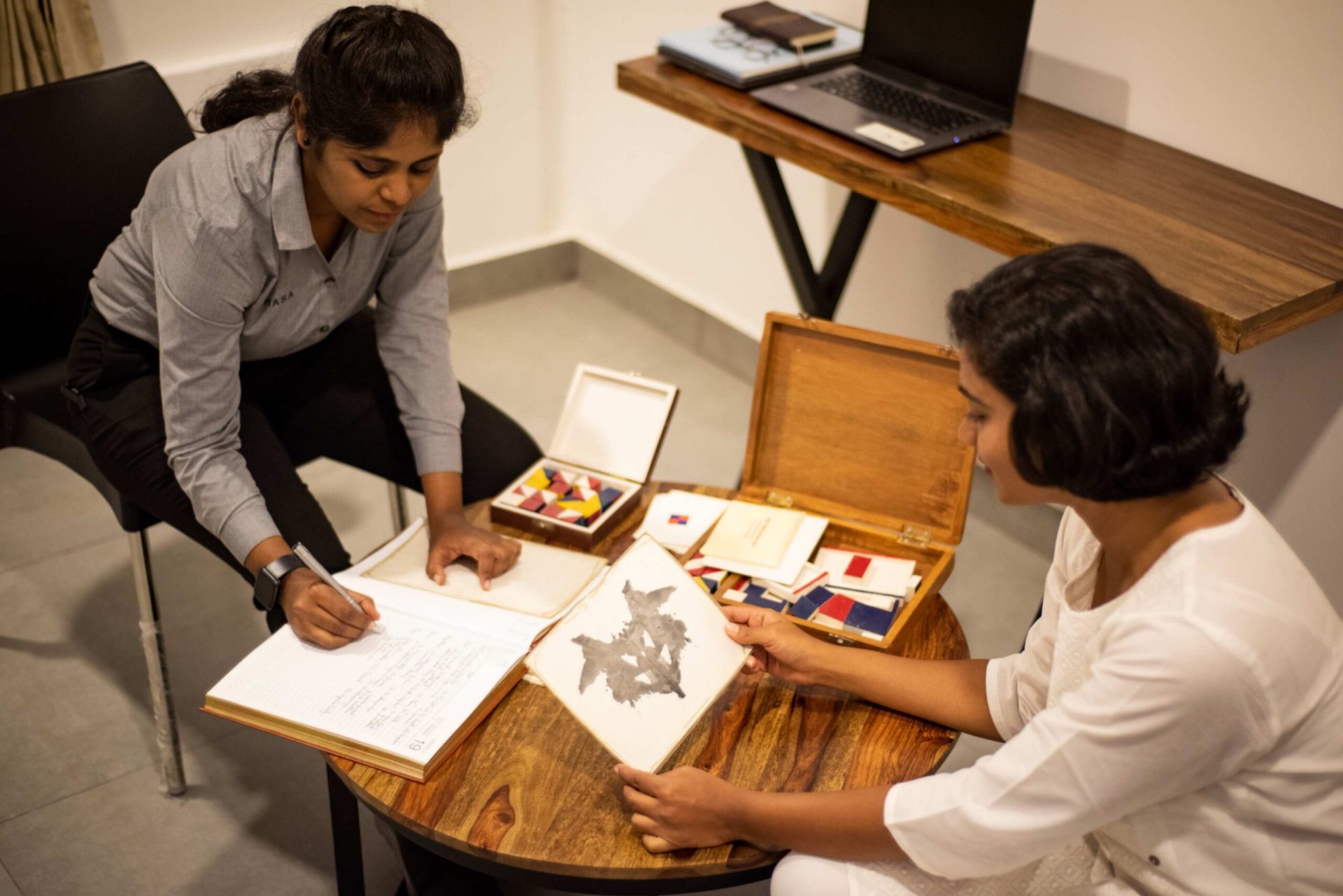

In our safe dementia care environment, healing happens in surroundings that feel secure and familiar. We plan every detail to create comfort, reduce stress, and encourage a sense of ease for residents.
Clear layouts, familiar cues, and warm décor help residents navigate without worry. This approach reduces confusion and builds confidence, allowing each person to move about with greater independence. We make safety a priority with discreet monitoring, secured entry points, and gentle wandering management features that would enable exploration without risk.
Quiet retreat areas give space for reflection or rest, while bright natural light supports healthy circadian rhythms. We control noise to create a peaceful atmosphere that soothes the senses. Every part of the safe dementia care environment protects dignity and enhances comfort, from soft furnishings to safe walking paths and secure gardens.
Our emergency systems work around the clock to provide immediate support when needed. Families know their loved one stays in a place that understands their needs.
Nutrition & Wellness for Memory Health
Good care for memory health begins with the right balance of nourishment and daily wellness habits. At Abhasa, our approach to brain-healthy nutrition and overall dementia wellness focuses on more than just serving meals. It is about creating experiences that nourish the body, stimulate the mind, and bring comfort to the heart.
Our nutritional planning blends fresh, wholesome ingredients with recipes that feel familiar to each resident. Meals feature nutrient-rich foods that support brain function.
Hydration plays a key role in dementia wellness, so we offer refreshing drinks and gentle reminders throughout the day to prevent dehydration. For residents with swallowing challenges, our safe eating support includes texture-modified meals and specialised preparation techniques that make mealtimes both safe and enjoyable.
We keep a gentle eye on each resident’s weight and nutrition, making adjustments to meals whenever their needs shift.
Meals here go beyond providing nourishment. During meal time, they share stories, exchange smiles and feel truly connected. These simple yet meaningful moments lift the spirit and support emotional well-being. Warm dining spaces, thoughtfully set tables, and caring staff create a welcoming atmosphere where residents can slow down, enjoy good food, and savour the company around them.
This thoughtful combination of brain-healthy nutrition and personalised dementia wellness supports physical vitality, sharpens mental function, and helps residents feel cared for in every sense.
Stories of Hope: Families Finding Peace
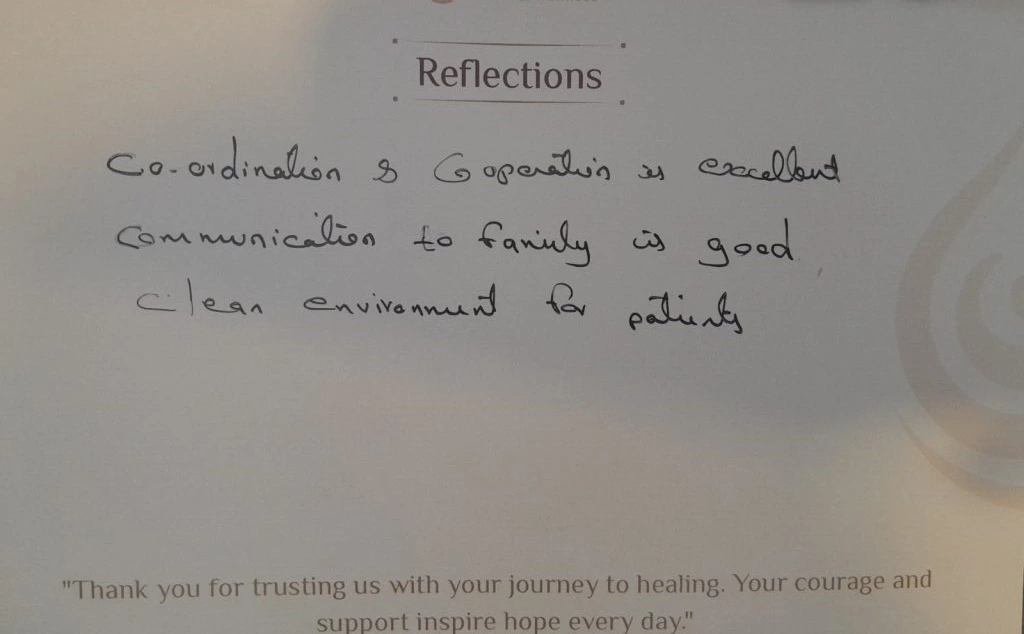
Co-ordination & cooperation is excellent. Communication to family is good. Clean environment for patients.
Former Client

I found strength to face life’s hardest truths here. I believe it was God’s grace that brought me to Abhasa.
Former Client
FAQs
Can people with Alzheimer's live at home?
Can you live 20 years with Alzheimer's?
How long can dementia patients live?
How long do Alzheimer's patients live in memory care?
How much does it cost to treat Alzheimer's?
How to care for a dementia patient?
How to slow down Alzheimer's?
What are the seven habits to avoid dementia?
What facility is best for dementia patients?
What happens if Alzheimer's is not treated?
Without proper care, Alzheimer’s symptoms can progress more quickly, and the person may lose independence sooner. They may also experience higher levels of anxiety, confusion, and physical health issues. Early intervention — even if only through supportive daily routines and emotional engagement — can ease this journey and preserve dignity for longer.
What is a dementia care centre?
What is stage 7 Alzheimer's?
What is the average life expectancy in memory care facilities?
What is the best care for Alzheimer's?
The best care blends safety, daily engagement, and emotional support. This means providing a calm environment, personalised routines, brain-healthy meals, and activities that stimulate memory and creativity. The goal is not only to manage symptoms but to help the person feel secure, valued, and connected to the world around them.
What is the best doctor to see for Alzheimer's?
What is the best treatment for Alzheimer's disease?
What is the cost of Alzheimer's treatment in India?
What is the cost of dementia care in India?
What is the current best treatment for Alzheimer's?
What is the last stage of dementia?
What therapy is best for Alzheimer's patients?
Where are most Alzheimer's patients cared for?
Where are most patients with dementia cared for?
Where is the best place for someone with Alzheimer's?
Where is the best place to treat Alzheimer's?
Begin Your Memory Care Journey
If you have been searching for the best alzheimer care centres, you deserve a place where safety, dignity, and comfort are always the priority. At Abhasa, our approach to dementia care in India blends compassionate support with personalised attention, ensuring that every resident feels valued, understood, and at home. The right time to take this step is now, while your loved one can still benefit from a secure, structured environment that supports both memory and quality of life.
Our process begins with a free, no-obligation consultation. We listen to your concerns, understand the daily challenges you face, and outline practical ways we can help. You will have access to multiple communication options, whether by phone, video call, or in-person visit. This makes it easy for families near and far to connect with us and start the conversation without delay.
Because our best alzheimer care centres operate with specialised staff and a tailored resident-to-caregiver ratio, spaces are limited. Early contact ensures that your loved one can access the environment and care they need without delay. We encourage families to schedule an assessment promptly to secure a place and begin building a care plan that feels right.
Choosing Abhasa for dementia care in India means becoming part of a caring partnership. Our goal is to ensure your loved one experiences each day with dignity, meaning, and genuine connection, while you feel the comfort of knowing they are safe and cared for by people you can trust.
Proudly Serving Across Cities
- Rehab in Karjat
- Rehab in Pune
- Rehab in Navi Mumbai
- Rehab in Madurai
- Rehab in Trichy
- Rehab in Bangalore
- Rehab in Chennai
- Rehab in Thane
- Rehab in Nasik
- Rehab in Kochi
- Rehab in Mangalore
- Rehab in Mysore
- Rehab in Hyderabad
- Rehab in Vijayawada
- Rehab in Visakhapatnam
- Rehab in Delhi
Medical Disclaimer
This information is for educational purposes only and does not constitute medical advice. Alcohol use disorder is a serious medical condition requiring professional diagnosis and treatment by qualified healthcare providers.
Always consult licensed medical professionals and addiction specialists before making treatment decisions. Individual results vary significantly based on numerous factors including severity of dependence, co-occurring conditions, personal commitment, and environmental support.
Alcohol withdrawal can be life-threatening. Attempting to detox at home without medical supervision may result in severe complications including seizures, delirium tremens, and death. Medical detoxification should only be conducted under the supervision of qualified healthcare professionals in an appropriate medical setting.
If you are experiencing a medical emergency, call emergency services immediately (dial 112 in India or your local emergency number).
The content provided describes general treatment approaches and facility amenities. It is not a substitute for individualized medical assessment or professional treatment planning. Treatment outcomes cannot be guaranteed, and recovery from alcohol dependence is an ongoing process that may include periods of relapse.
Research Citations (Top 15 Most Authoritative Sources):
Core Citations (All Sources Used):
[1] National Institute on Aging – “Research on Alzheimer’s Disease and Related Dementias” – NIH/Alzheimers.gov, 2025
URL: https://www.alzheimers.gov/taking-action/research-activities
Source Type: Government research institution (.gov)
Used to support: General dementia information, disease progression, lifestyle factors, life expectancy
[2] Fink et al. – “Diagnosis and Treatment of Clinical Alzheimer’s-Type Dementia: A Systematic Review” – AHRQ Comparative Effectiveness Review, April 2020
URL: https://effectivehealthcare.ahrq.gov/products/alzheimers-type-dementia/research
Source Type: Government research agency systematic review
Used to support: Diagnostic processes, treatment effectiveness, evidence-based interventions
[3] Logsdon et al. – “Evidence-Based Interventions to Improve Quality of Life for Individuals with Dementia” – PMC/National Library of Medicine
URL: https://pmc.ncbi.nlm.nih.gov/articles/PMC2585781/
Source Type: Peer-reviewed research study
Used to support: Quality of life interventions, psychosocial approaches, person-centered care, social engagement
[4] National Institute on Aging – “Specialized dementia care in nursing homes linked to better outcomes” – NIA News, 2024
URL: https://www.nia.nih.gov/news/specialized-dementia-care-nursing-homes-linked-better-outcomes-residents
Source Type: Government research institution
Used to support: Specialized care facility effectiveness, memory care outcomes
[5] Zimmerman et al. – “Dementia care and quality of life in assisted living and nursing homes” – PubMed
URL: https://pubmed.ncbi.nlm.nih.gov/16230760/
Source Type: Peer-reviewed clinical study
Used to support: Staff training benefits, residential care quality, person-centered approaches
[6] Alzheimer’s Association – “Long-Term Care Options”
URL: https://www.alz.org/help-support/caregiving/care-options/long-term-care
Source Type: Professional medical organization
Used to support: Care setting types, residential options, home vs. facility care
[7] Alzheimer’s Association – “Medications for Memory, Cognition & Dementia-Related Behaviors”
URL: https://www.alz.org/alzheimers-dementia/treatments/medications-for-memory
Source Type: Professional medical organization
Used to support: Treatment options, medication information, medical management
[8] Centers for Medicare & Medicaid Services – “National Partnership to Improve Dementia Care”
URL: https://www.cms.gov/medicare/health-safety-standards/quality-safety-oversight-general-information/national-partnership-improve-dementia-care-nursing-homes
Source Type: Government healthcare agency
Used to support: Quality standards, best practices, multidisciplinary care approaches
[9] Alzheimer’s Association – “Dementia Care Education Resources”
URL: https://www.alz.org/help-support/resources/care-education-resources
Source Type: Professional medical organization
Used to support: Family education programs, caregiver training, communication strategies
[10] CMS – “Guiding an Improved Dementia Experience (GUIDE) Model”
URL: https://www.cms.gov/priorities/innovation/innovation-models/guide
Source Type: Government healthcare agency
Used to support: Caregiver support services, respite care, care coordination, family involvement
[11] Woods et al. – “Reminiscence therapy for dementia” – PMC/Cochrane Review
URL: https://pmc.ncbi.nlm.nih.gov/articles/PMC6494367/
Source Type: Peer-reviewed Cochrane systematic review (gold standard)
Used to support: Reminiscence therapy effectiveness, therapeutic activities
[12] Aguirre et al. – “Cognitive stimulation to improve cognitive functioning in people with dementia” – PMC/Cochrane Review
URL: https://pmc.ncbi.nlm.nih.gov/articles/PMC9891430/
Source Type: Peer-reviewed Cochrane systematic review
Used to support: Cognitive stimulation therapy, memory activities, structured programming
[13] Zhao et al. – “The effect of music therapy on cognitive functions in patients with Alzheimer’s disease” – Alzheimer’s Research & Therapy, March 2023
URL: https://alzres.biomedcentral.com/articles/10.1186/s13195-023-01214-9
Source Type: Peer-reviewed study in specialized journal
Used to support: Music therapy benefits, non-pharmacological interventions
[14] Harvard Health Publishing – “Memory care: A senior living option” – Harvard Health, October 2024
URL: https://www.health.harvard.edu/mind-and-mood/memory-care-a-senior-living-option-for-those-with-dementia-or-alzheimers-disease
Source Type: Academic medical institution (.edu)
Used to support: Memory care facility design, environmental safety, best practices
[15] Alzheimers.gov – “Finding Dementia Care and Local Services”
URL: https://www.alzheimers.gov/life-with-dementia/find-local-services
Source Type: Government resource
Used to support: Care options, service types, residential transitions