
Luxury Dissociative Disorder Rehab in India

Disconnection doesn’t have to last. Abhasa’s therapies and safe care help you reconnect with yourself and reality.
Want clarity on how we can support you?
2:1 Staff-to-client ratio
3 Healing Spaces
Personalised Treatments
360° Healing
2:1 Staff-to-client ratio
3 Healing Spaces
Personalised Treatments
360° Healing
Gallery
Luxury Dissociative Identity Disorder Treatment in India

Living with parts of yourself you don’t fully understand can feel confusing, painful, and lonely. For families, it often feels like the person they love has changed in ways they can’t explain. This is where specialised dissociative treatment becomes more than support. It becomes a path to real healing.[1,2]
Dissociative personality disorder can quietly reshape how someone sees the world and relates to others. It may manifest as memory blackouts, shifts in mood, or changes in voice or behaviour that feel unfamiliar. For the person going through it, these moments can feel confusing and out of control. For families, it often feels like watching a loved one disappear and reappear as someone they barely recognise.[1] Many spend months trying to make sense of what’s happening, hoping things will settle on their own.
When things don’t change, structured dissociative treatment can offer the support that is missing.[2,3]
At Abhasa, we offer a peaceful environment where recovery feels achievable. Our luxury environment removes the pressure of clinical settings.
Instead, we offer privacy, daily routines, and calm surroundings that support emotional balance. Each person receives personalised attention and care designed to reconnect them with their sense of self.
Our focus on dissociative personality disorder treatment reflects years of experience with complex trauma and identity fragmentation. We work gently and consistently to help each part feel safe and supported. Healing here is not rushed. It unfolds with patience, clarity, and trust.
We also offer guidance to families who feel lost or unsure. We help you understand what dissociative personality disorder treatment looks like in real life. You will never walk this road alone. We stay by your side, answer your questions, and provide a clear path forward.
If you are seeking dissociative treatment that respects each person’s unique emotional world and supports lasting progress, Abhasa can help. Here, we support the journey toward healing with purpose, compassion, and care.
Begin your loved one’s healing with us today. Call now and take the first step toward stability and connection.
Want clarity on how we can support you?
Understanding Dissociative Identity Disorder and Residential Healing
What Makes DID Different from Other Conditions
Dissociative Identity Disorder, or DID, is often misunderstood. It is not just about forgetfulness or feeling disconnected. DID forms when the mind creates different identities, usually called parts, in response to intense or repeated trauma.[1,4] Each part may carry its memories, behaviours, and emotions. The internal divide can create daily confusion and emotional strain. With the proper treatment for dissociative disorder, these parts can begin to communicate and build trust.
When Outpatient Support Falls Short
Many families first try outpatient therapy, hoping it will be enough. For some, that helps. However, for others, the symptoms persist, disrupting daily life. When different parts of a person with Dissociative Identity Disorder (DID) have difficulty working together or when distress becomes a constant issue, a higher level of support is necessary. This is where treatment for DID in a residential setting becomes crucial.[5,6] Such a setting provides round-the-clock care, emotional safety, and professional guidance that may not be available through home care.
The Benefits of Residential Dissociative Disorder Treatment
At Abhasa, dissociative disorder treatment begins with creating a safe space where all parts feel welcome. Our team employs trauma-informed approaches to guide internal systems toward understanding and mutual respect in a gentle manner.[3,7] Each person follows a structured daily routine, which creates a sense of safety and predictability. The rhythms are vital during treatment for DID, especially when emotions or identities shift rapidly.
We help individuals reconnect with their surroundings, feel grounded in their bodies, and begin to trust their inner system. Our environment supports this journey with peaceful therapy rooms, calm surroundings, and professionals who offer consistent care.
Community and Co-Consciousness Support Healing
One of the key aspects of residential care is community. People going through treatment for DID often feel isolated. At Abhasa, peer connection makes a difference. Group activities and shared experiences show them they are not alone. Within this supportive space, they start to move toward co-consciousness. This means parts begin to communicate, share awareness, and work together as a team.
By choosing dissociative disorder treatment in a dedicated setting, healing becomes more than possible. It becomes real, one step at a time.
What Makes DID Different from Other Conditions
Dissociative Identity Disorder, or DID, is often misunderstood. It is not just about forgetfulness or feeling disconnected. DID forms when the mind creates different identities, usually called parts, in response to intense or repeated trauma.[1,4] Each part may carry its memories, behaviours, and emotions. The internal divide can create daily confusion and emotional strain. With the proper treatment for dissociative disorder, these parts can begin to communicate and build trust.
When Outpatient Support Falls Short
Many families first try outpatient therapy, hoping it will be enough. For some, that helps. However, for others, the symptoms persist, disrupting daily life. When different parts of a person with Dissociative Identity Disorder (DID) have difficulty working together or when distress becomes a constant issue, a higher level of support is necessary. This is where treatment for DID in a residential setting becomes crucial.[5,6] Such a setting provides round-the-clock care, emotional safety, and professional guidance that may not be available through home care.
The Benefits of Residential Dissociative Disorder Treatment
At Abhasa, dissociative disorder treatment begins with creating a safe space where all parts feel welcome. Our team employs trauma-informed approaches to guide internal systems toward understanding and mutual respect in a gentle manner.[3,7] Each person follows a structured daily routine, which creates a sense of safety and predictability. The rhythms are vital during treatment for DID, especially when emotions or identities shift rapidly.
We help individuals reconnect with their surroundings, feel grounded in their bodies, and begin to trust their inner system. Our environment supports this journey with peaceful therapy rooms, calm surroundings, and professionals who offer consistent care.
Community and Co-Consciousness Support Healing
One of the key aspects of residential care is community. People going through treatment for DID often feel isolated. At Abhasa, peer connection makes a difference. Group activities and shared experiences show them they are not alone. Within this supportive space, they start to move toward co-consciousness. This means parts begin to communicate, share awareness, and work together as a team.
By choosing dissociative disorder treatment in a dedicated setting, healing becomes more than possible. It becomes real, one step at a time.
Not sure if residential care is the right step?
Why Specialised Care Makes the Difference

When general care is no longer enough
You may have already tried everything—therapy appointments, online advice, and constant emotional support. Still, your loved one may feel distant, confused, or as if they are not themselves. These changes are not your fault. When symptoms of dissociation persist, even the strongest families need structured help. That is where a dissociative identity disorder treatment program provides the professional support that families cannot offer alone.

Without professional treatment, progress can stall
Without a clear plan, the same patterns repeat. The person may continue to dissociate, miss daily responsibilities, or avoid conversations. Families often feel exhausted, anxious, and unsure how to help. A structured dissociative identity disorder treatment setting gives each part of the individual’s system a chance to be understood and supported. With daily routines and gentle guidance, real progress can begin.[2,3]

What specialised DID care offers that others cannot
At Abhasa, we bring together therapists explicitly trained in dissociative identity disorder treatment. They understand how internal systems work, how trauma affects identity, and how to build trust across parts gently.[4,7] Our team not only manages symptoms but also addresses the underlying causes. We support the person as a whole, giving space for each identity to feel safe and heard.
We create an environment that feels calm, consistent, and non-judgmental. Individuals follow daily schedules, engage in tailored therapy sessions, and receive care that moves at their own pace. This makes dissociative identity disorder treatment not only effective but also deeply respectful of the healing process.

Healing alongside others who understand
Connection is a powerful part of recovery. In our program, clients meet others on similar paths. Having someone who understands what you’re going through can make all the difference, especially during dissociative identity disorder treatment. The bonding with the community often grows into real sources of strength, reminding each person that healing doesn’t have to happen in isolation.
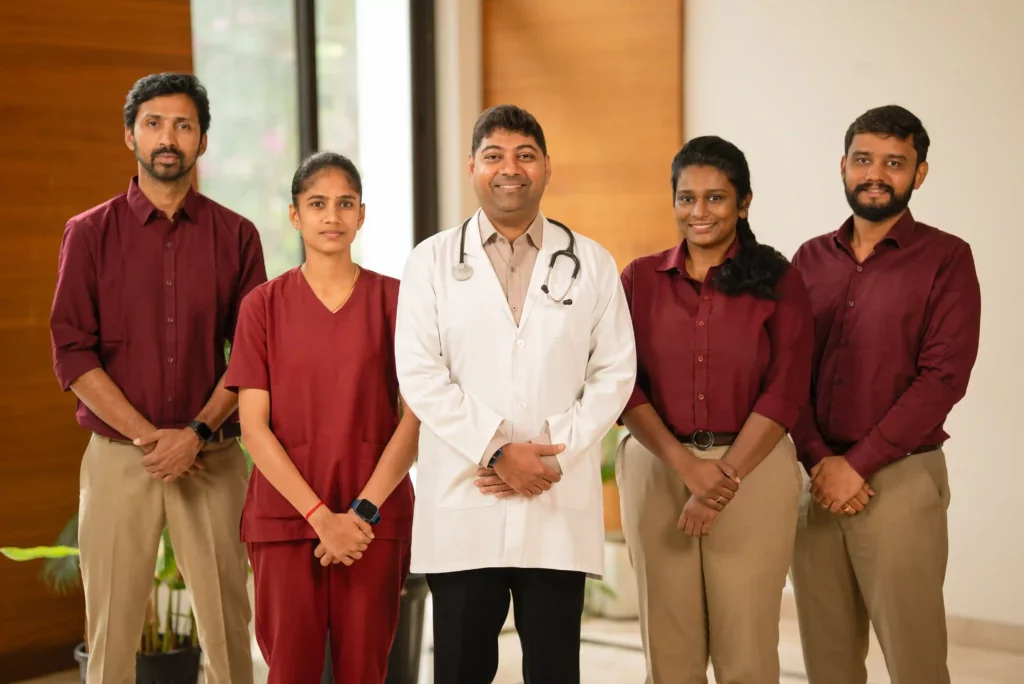
Families learn, grow, and heal, too
Healing extends beyond the individual. Families also receive guidance, education, and emotional support. We help you understand how dissociative identity disorder treatment works and show you how to offer support with confidence and compassion.
Unsure if specialised care is right for your family?
Abhasa's Way of Supporting Internal Healing
A specialised space built for deeper work
At Abhasa, healing begins with safety. Many individuals arrive feeling overwhelmed by confusion, inner conflict, and emotional pain. Families carry questions, fear, and guilt, unsure how to help. We offer more than just peace and privacy. We create one of India’s most trusted dissociative disorder treatment facilities, where every step supports integration and stability.
Our method of did integration therapy goes far beyond standard therapy models.[3,7] We build trust with each part of the self and invite gentle dialogue between them. This process allows the individual to regain connection, awareness, and emotional clarity slowly.
Internal Family Systems Therapy builds bridges within
Every part has a story, a voice, and a purpose. Through Internal Family Systems (IFS), a foundational approach in our did integration therapy, we help those parts begin to speak to one another.[8] In our dissociative disorder treatment facilities, therapists guide clients to recognise their inner roles, understand protective mechanisms, and restore balance in the internal system.
Trauma memories deserve safe processing
Our team understands how trauma sits in the body and mind. We use EMDR therapy to help clients revisit memories without becoming overwhelmed.[9,10] Memory processing becomes gentle, guided, and emotionally secure. Within our dissociative disorder treatment facilities, this approach supports lasting breakthroughs during DID integration therapy.
Expressive tools and somatic support
Not all parts communicate with words. That’s why we include art therapy, movement therapy, and somatic practices in every program. These methods give space for expression through colour, rhythm, and body movement. In dissociative disorder treatment facilities like ours, this holistic support strengthens trust within the self and encourages full-system healing.
A complete approach to co-conscious living
Through did integration therapy, our goal is not to erase parts but to support cooperation and communication between them. We help build co-consciousness, enabling individuals to feel more present, in control, and unified. This approach makes Abhasa a leader in trauma-informed care across dissociative disorder treatment facilities in India.
Healing is possible, even for complex systems.
Meet the Experts Behind Abhasa's DID Care
As one of the leading trauma care centres in India, Abhasa is shaped by people who understand what deep healing requires. Every therapist here brings more than qualifications. They bring presence, patience, and a commitment to personalised care. Our work with Dissociative Identity Disorder is guided by specialists who offer trauma-informed dialectical behaviour therapy in a way that feels safe and meaningful.
What sets us apart is the experience our team brings. Each dissociative disorder specialist here has years of focused training in dissociation, complex trauma, and internal systems work.[3,7] DID about understanding their inner world, one part at a time.
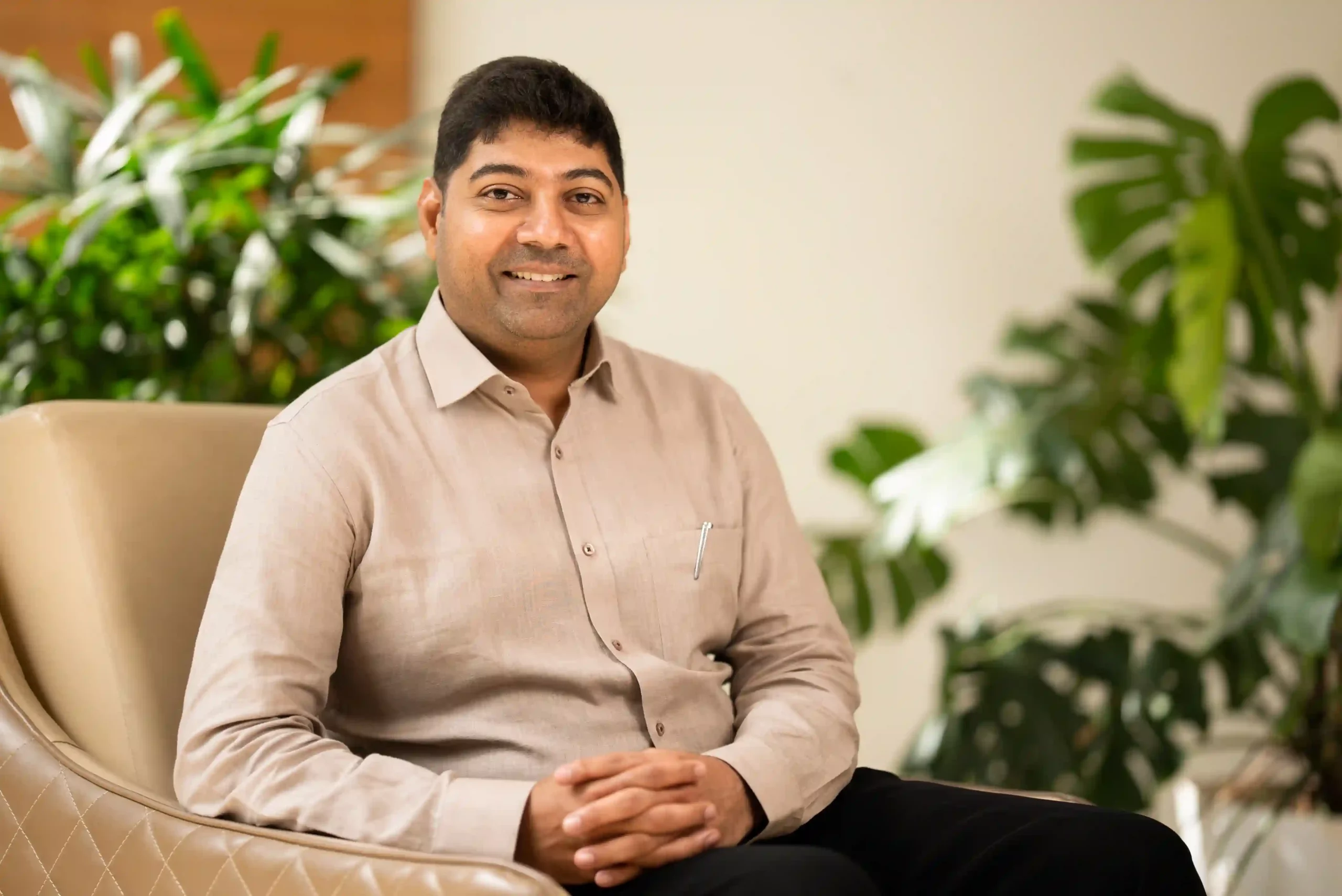
Dr. Naveen Kumar
Medical Director
15+ years of expertise in psychiatry and addiction recovery.
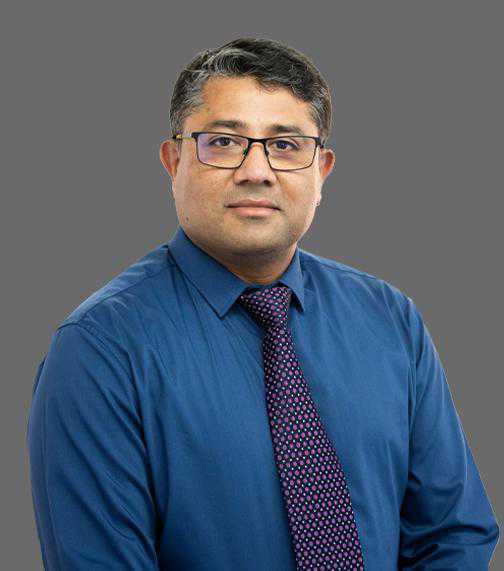
Dr. Vivek Sharma
Consultant Psychiatrist & Neurofeedback Practitioner
With over 15+ years of experience in psychiatry and neurofeedback, he blends medical expertise and compassion to guide clients toward lasting recovery.

Dr. Shree Aarthi
Consultant Psychiatrist
15+ years providing expert psychiatric care for mental health and substance use disorders.

Dr. Ramalingam P Kandaswamy
Consultant Physician
15+ years With over 5 years of experience in HIV and infectious diseases, he brings global expertise and compassionate care to every patient he supports.

Dr. Divya
Psychiatrist
10+ years combining clinical psychiatry expertise with healthcare management for holistic treatment.
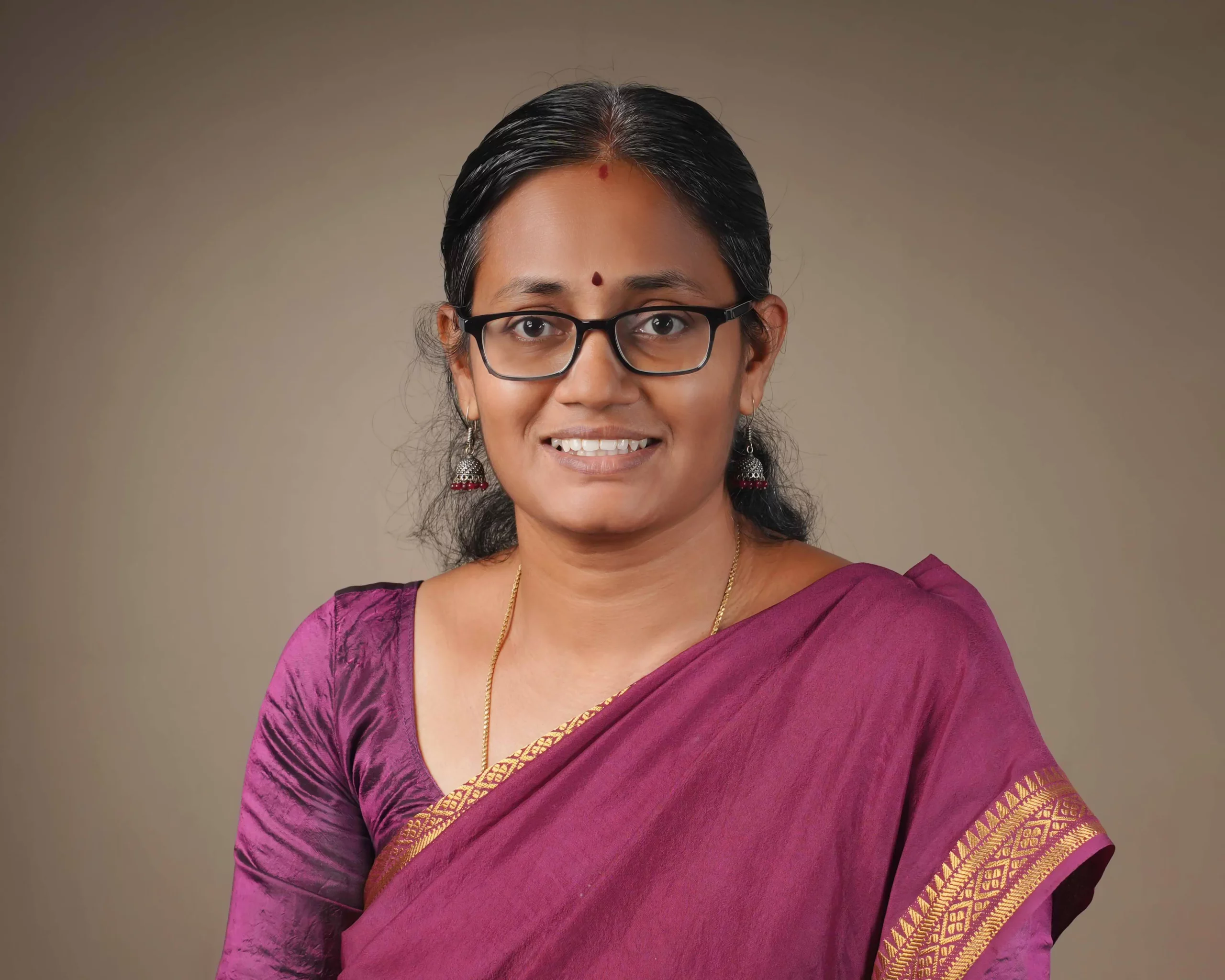
Dr. Malarvilzhi
Residential Medical Officer
12 years delivering comprehensive medical care in psychiatric and rehabilitation settings.

Dr. Karuppachamy
Senior Psychiatric Social Worker
22+ years of experience empowering clients through therapeutic guidance, psychosocial support, and lived-experience wisdom.
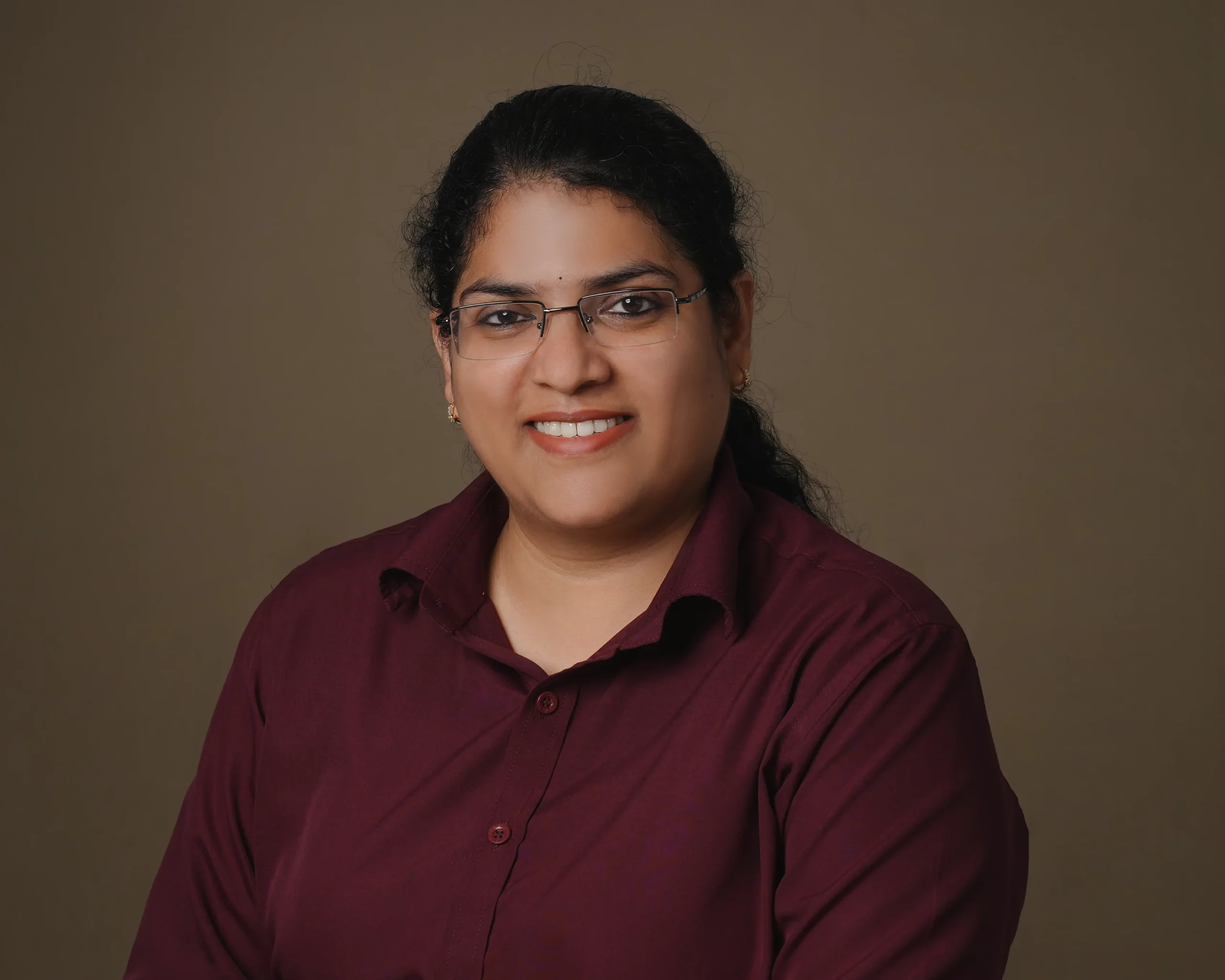
Ms. Meera
Senior Clinical Psychologist
9+ years specializing in psychological assessment and evidence-based therapeutic interventions.
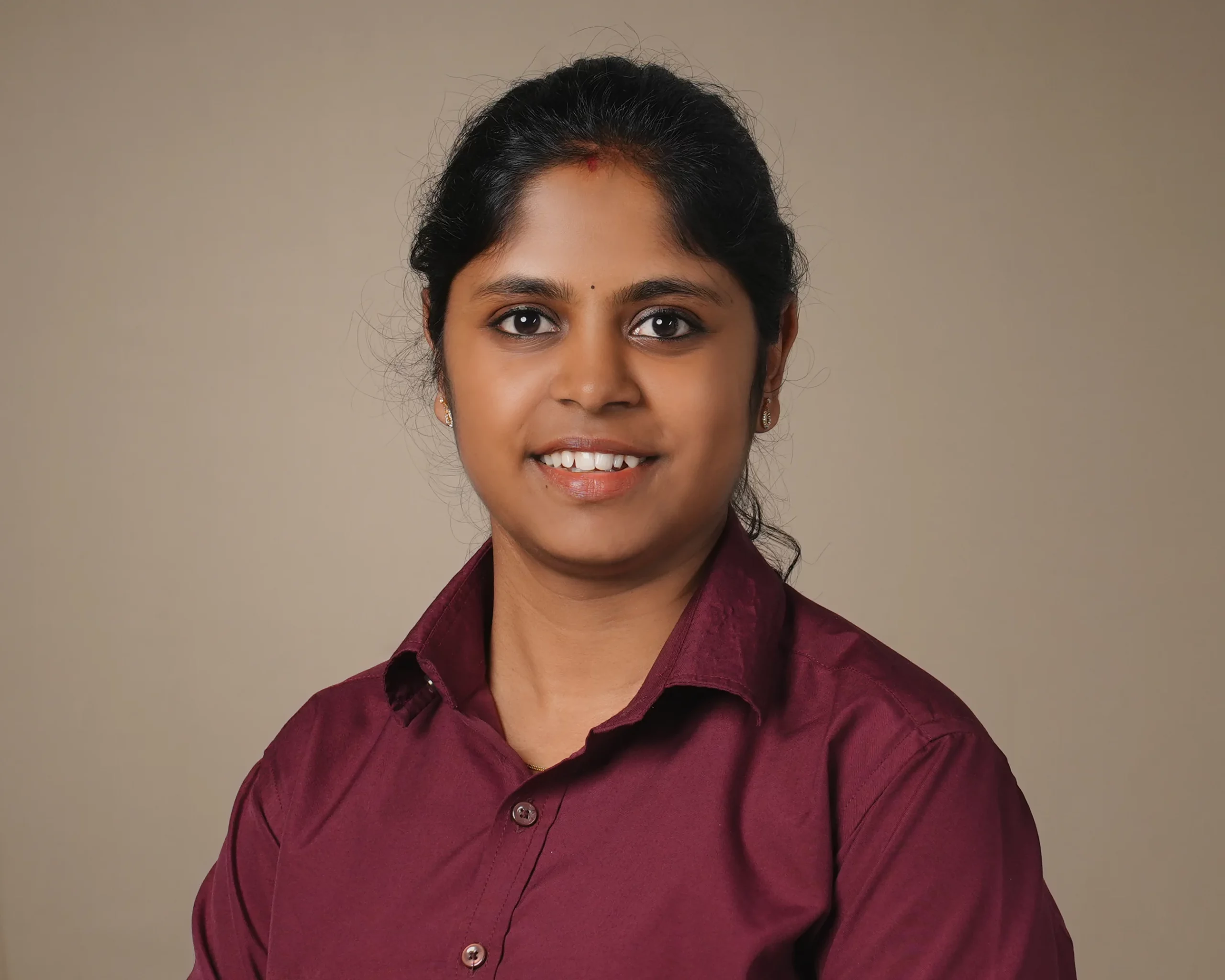
Mrs. Priyadarshini
Head Clinical Psychologist
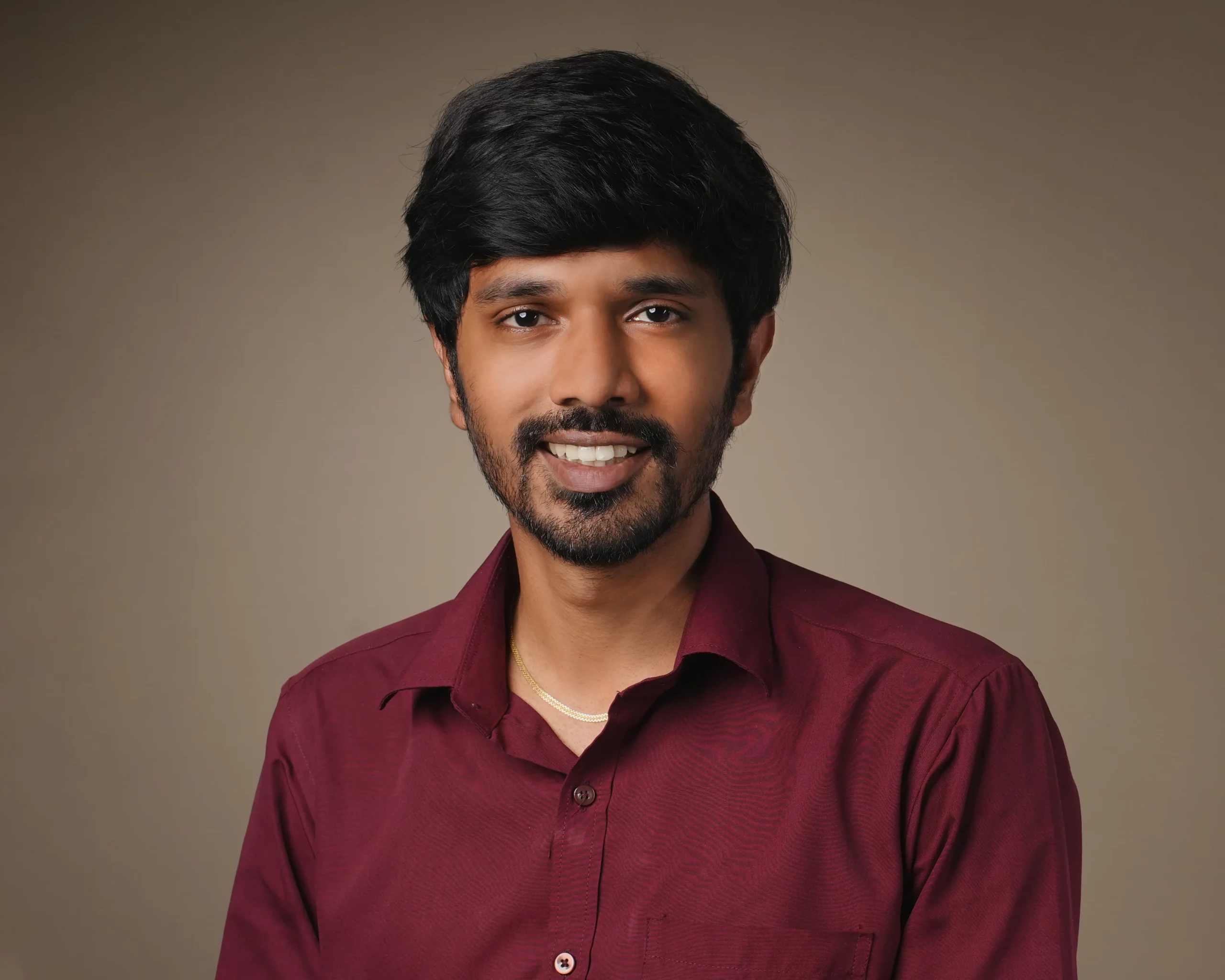
Mr. Mukesh Kanna
Clinical Psychologist
2+ years providing psychological interventions for behavioral health and emotional wellness.
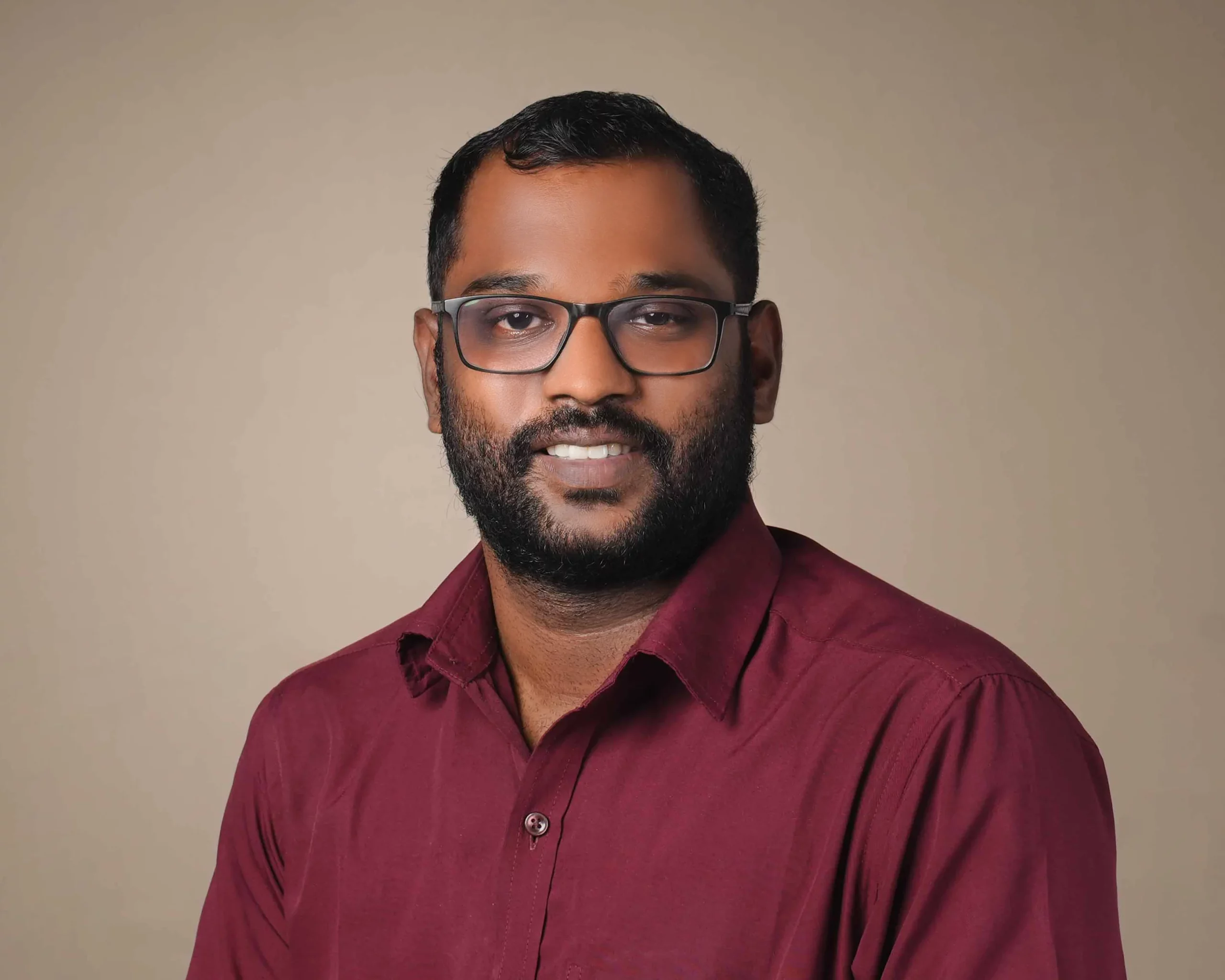
Mr. Antipas Jayabal
Clinical Psychologist
2+ years supporting clients through clinical assessment and therapeutic care.
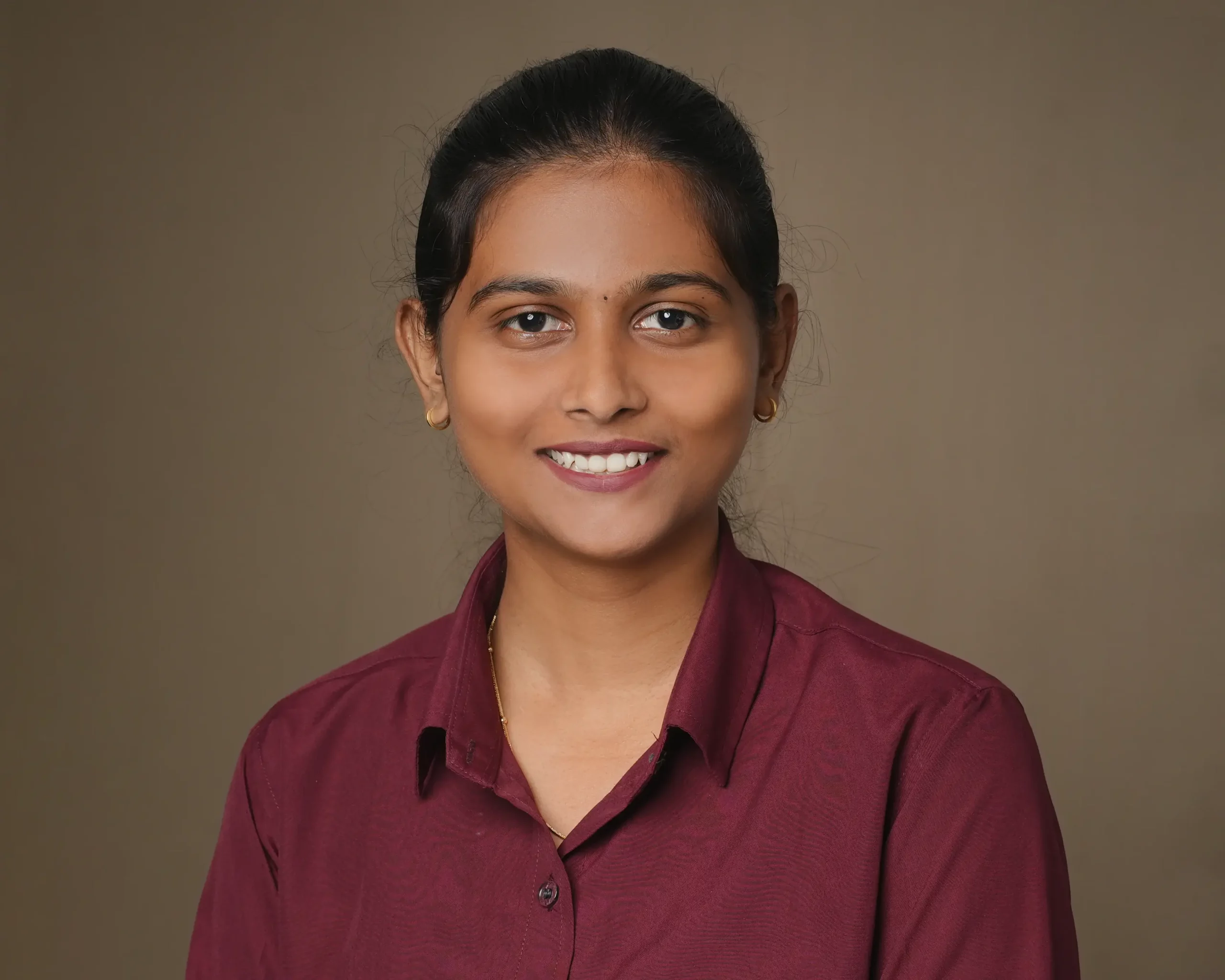
Ms Keerthana S
Psychologist
Empathetic psychologist with 4 years’ experience in handling mental health disorders, using evidence-based psychotherapies for personalized client care.
A Day of Healing: DID Treatment Schedule

Living with dissociation can make it hard to feel connected to the flow of the day. Time may pass without much awareness, or suddenly feel too intense to manage. At Abhasa, we don’t believe in rigid schedules. Instead, we gently guide each day with a steady rhythm that supports emotional ease and a sense of inner calm. Within our specialised did treatment programs, each part of the day promotes healing without creating pressure.[5,6]
Our approach blends structure with softness. We design a daily flow that gently supports emotional safety and internal connection. We aim to create an environment where each person can slow down, settle into themselves, and feel supported at every step. The mornings begin softly. Some may choose quiet breathing exercises, others may write in a journal or sit outdoors among trees and birdsong. These simple choices help the day start with calm and a sense of connection, both within and around them. As part of our specialised did treatment programs, this start helps set a calm tone for the rest of the day.
Individual therapy comes next. Clients meet with experienced therapists who guide parts work and internal communication. Art, music, or movement therapy follows, offering creative ways to express what words cannot always capture. These sessions encourage internal trust and emotional release.
Mealtimes provide moments of calm. Clients share space, connect gently with others, and take time to rest. These shared experiences form an important layer of support within specialised did treatment programs.
Throughout the day, clients may join group discussions or engage in gentle movement sessions. These could involve light stretching, grounding exercises, or simply sitting with others in a space that welcomes every part of their experience. These shared interactions foster emotional connection and a steady sense of support, which are central to how specialised did treatment programs work.
As evening approaches, everything begins to quiet down. Some reflect on their day through writing, others find comfort in silence or guided meditation. These closing moments help the mind and body settle, making space for quiet healing. Each activity supports emotional settling and prepares the system for restorative sleep.
The rhythm of the day at Abhasa respects each person’s pace. Specialised did treatment programs here focus on healing through consistency, connection, and emotional care. Every part matters, and every day presents an opportunity for growth.
Let healing unfold one grounded moment at a time with Abhasa.
Trauma-Informed Therapies for DID

At Abhasa, therapies are not offered in isolation. Every method we use is thoughtfully woven into the structure of our trauma-informed care. We don’t focus on just treating symptoms. We focus on helping each part of the system feel safe, seen, and supported. That is what makes our healing environment different.
Our work with emdr for dissociative disorders allows individuals to process trauma without becoming overwhelmed.[9,10] This evidence-based therapy uses guided eye movements and gentle prompts to access and reframe painful memories. Many clients describe this as the moment their internal story begins to shift. We apply emdr for dissociative disorders with care and flexibility, always working within the client’s emotional window of tolerance.
Dissociation often creates a gap between mind and body. That is why we also use somatic therapy for dissociation to rebuild physical awareness and emotional grounding.[11,12] Clients engage in breathwork, movement, and stillness to reconnect with their body’s signals and intuitive guidance. These practices reduce emotional overload and improve nervous system regulation. Our team weaves somatic therapy for dissociation into the everyday flow of care. These practices help bring steadiness and support when emotions feel scattered or overwhelming. Slow, mindful movement helps clients reconnect with their bodies and find a sense of ease. These body-based practices create a grounding effect, especially when emotions feel scattered.
When parts struggle to communicate with words, creative expression becomes a gentle alternative. Through colours, sound, and movement, clients begin to explore feelings that may have stayed buried. These moments go beyond activity; they often lead to powerful emotional breakthroughs and a deeper sense of inner connection. They are essential pieces of the recovery puzzle.
Each person’s program blends Internal Family Systems work, parts mapping, and expressive therapy into a steady rhythm. We adjust the intensity based on readiness and progress. This flexibility is what defines our trauma-focused approach.
Through consistent use of emdr for dissociative disorders and somatic therapy for dissociation, clients slowly begin to feel whole again. The therapies are not add-ons. They are at the heart of how we help people feel grounded in their bodies and connected to their systems.
Our therapies rebuild you.
Integration and Communication Work
At Abhasa, we believe that true healing begins with understanding. Instead of focusing solely on symptoms, we examine what lies beneath. Each part of a person’s system holds experiences, emotions, and memories. Our role is to help bring those pieces into focus, gently and without judgment. This is the heart of how we approach did integration therapy.[3,4,7]
We begin by exploring the internal system together. With the support of trained therapists, individuals learn to recognise their parts, understand how each one shows up, and notice how they relate to one another. This discovery process sets the stage for deeper work. Through guided alter communication therapy, we support healthy dialogue between parts, so they can share thoughts, express needs, and connect in ways that feel safe.[8]
Many people with DID live with a lack of awareness between parts. That is why we emphasise co-consciousness training. As clients move through did integration therapy, we support them in building shared awareness across their system. Parts begin to cohere, even when they carry different stories or perspectives. This growing connection helps the individual feel more grounded and in control.
In alter communication therapy, we sit with clients as they begin to reconnect with the parts of themselves. These parts often carry deep emotions, stories, or needs that were never spoken. With gentle support, whether through writing, art, guided conversations, or simply being listened to, these voices gradually emerge. As that inner communication grows, the tension inside often begins to ease.
It’s common for different parts to want very different things. When one may try to keep everything safe and familiar, another pushes for change or connection. Through did integration therapy, we don’t force agreement. Instead, we make room for every voice and help them begin to understand one another. These conversations take time, but they lead somewhere meaningful.
Our work with alternative communication therapy also includes daily practices. Clients learn to recognise emotional cues, record their inner dialogue, and utilise grounding tools to remain present. These methods help parts feel connected and valued.
When the system begins to speak clearly within itself, healing becomes sustainable. Through layered integration therapy, individuals rediscover what it means to feel whole, even when each part carries its truth.

Real healing happens when all parts feel heard.
Family Support for DID Recovery

When someone lives with dissociation, the entire family feels the impact. You may find yourself unsure of what to say, how to respond, or whether your support is helping. At Abhasa, we recognise this struggle and stand beside you.
At Abhasa, we believe healing happens more fully when families feel supported, too.
That’s why family therapy for DID is part of every care journey here.[3,7] We keep you involved, not just informed.
You’ll hear from us regularly, not in clinical reports, but in simple updates that help you understand how your loved one is doing. You’ll know if they’re resting well, eating regularly, and attending their sessions with ease. These small details matter. They bring comfort and clarity when you’re waiting and wondering from a distance.
This level of contact helps family therapy for DID feel grounded and consistent.
We offer weekly check-ins with the assigned case manager.
Through calls, you have the opportunity to clarify any doubts you may have regarding your healing journey.
Each month, you’ll sit down with the clinical team to talk through your loved one’s progress, what’s shifting, and how you can keep supporting them. It’s a steady rhythm that helps you stay close to the process without feeling overwhelmed.
Education also plays a significant role. Our psychoeducation sessions explain what dissociative identity disorder is, how it affects thinking and behaviour, and how family members can respond with care. You learn techniques for grounding, communication tools, and how to take care of your well-being.
This kind of support makes family therapy for DID empowering rather than confusing.
We also hold dedicated therapy sessions for families. These sessions provide a space for open and honest conversations that many families have not felt safe enough to have before.
Trust begins to rebuild. Misunderstandings start to clear. Everyone gets a chance to feel heard. These moments are part of what makes family therapy for DID so powerful.
Recovery does not belong to one person alone. As families begin to understand more and reconnect, the healing becomes more substantial and more lasting. We walk beside you through each step, offering steady guidance and compassion.
You’re not expected to do this on your own.
Safe, Serene Environment
At Abhasa, safety stays at the core of everything we do. When someone faces overwhelming emotions or sudden shifts in awareness, they need care that responds with clarity and calm. Our approach to did crisis management combines professional readiness with a compassionate presence.[1,5,6] Every individual receives protection that feels personal and respectful.
Our care team remains available at all hours. Trained professionals observe for signs of distress, changes in mood, or system shifts. They respond with gentleness and precision. With round-the-clock support, we provide consistent did crisis management that helps prevent escalation and restores stability.
We personalise every safety plan. Clients and clinicians work together to identify early warning signs, preferred grounding tools, and communication preferences.
These details allow us to deliver dissociative episode support that feels tailored, not reactive. Clients learn that their needs will be met without judgment, even during intense emotional moments.
Managing transitions between parts can feel disorienting. That is why our staff remains close, offering comfort and guidance when shifts occur.
With therapeutic strategies and attentive care, we use did crisis management techniques that stabilise the individual without removing their sense of control.
We also reduce risk by designing healing environments with intention. Every space feels open, calming, and supportive. Clients have access to grounding stations that include textures, weighted items, calming visuals, and audio tools. These supports form part of our structured dissociative episode support, helping clients regain focus and settle their nervous system.
In moments of high intensity, we act quickly and with empathy. Our team follows clear protocols developed by clinical leadership. Whether the situation involves emotional overload or a physical safety concern, our response includes therapeutic grounding, professional assessment, and family updates. This process allows us to provide complete crisis management that reassures both the client and their loved ones.
Dissociative episode support continues even after the moment passes. We help clients process what happened and identify what worked. This reflection builds trust, lowers fear, and prepares them for future stability.
Support is always close and calm.
Success Stories: DID Recovery Journeys
Every recovery at Abhasa carries its rhythm, but some moments are too meaningful not to share. These stories from our clients and their families offer a glimpse into what becomes possible with consistent care, personalised attention, and a space built for emotional safety. Our did recovery programs have helped people rebuild trust, restore connection, and rediscover a sense of wholeness within themselves.[2,3]
Little by little, they grew more confident in naming what they felt and recognising the parts within them.
After weeks of steady progress, they could identify their parts, build internal dialogue, and begin making choices with clarity. Their journey reflects what dissociative identity disorder healing can look like when care meets patience.
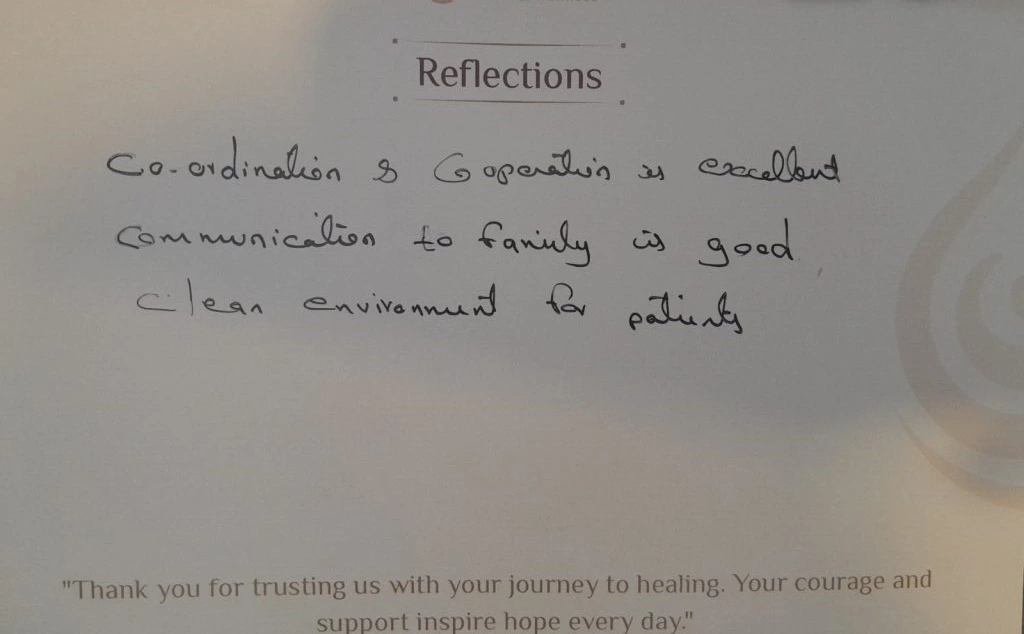
Co-ordination & cooperation is excellent. Communication to family is good. Clean environment for patients.
Former Client
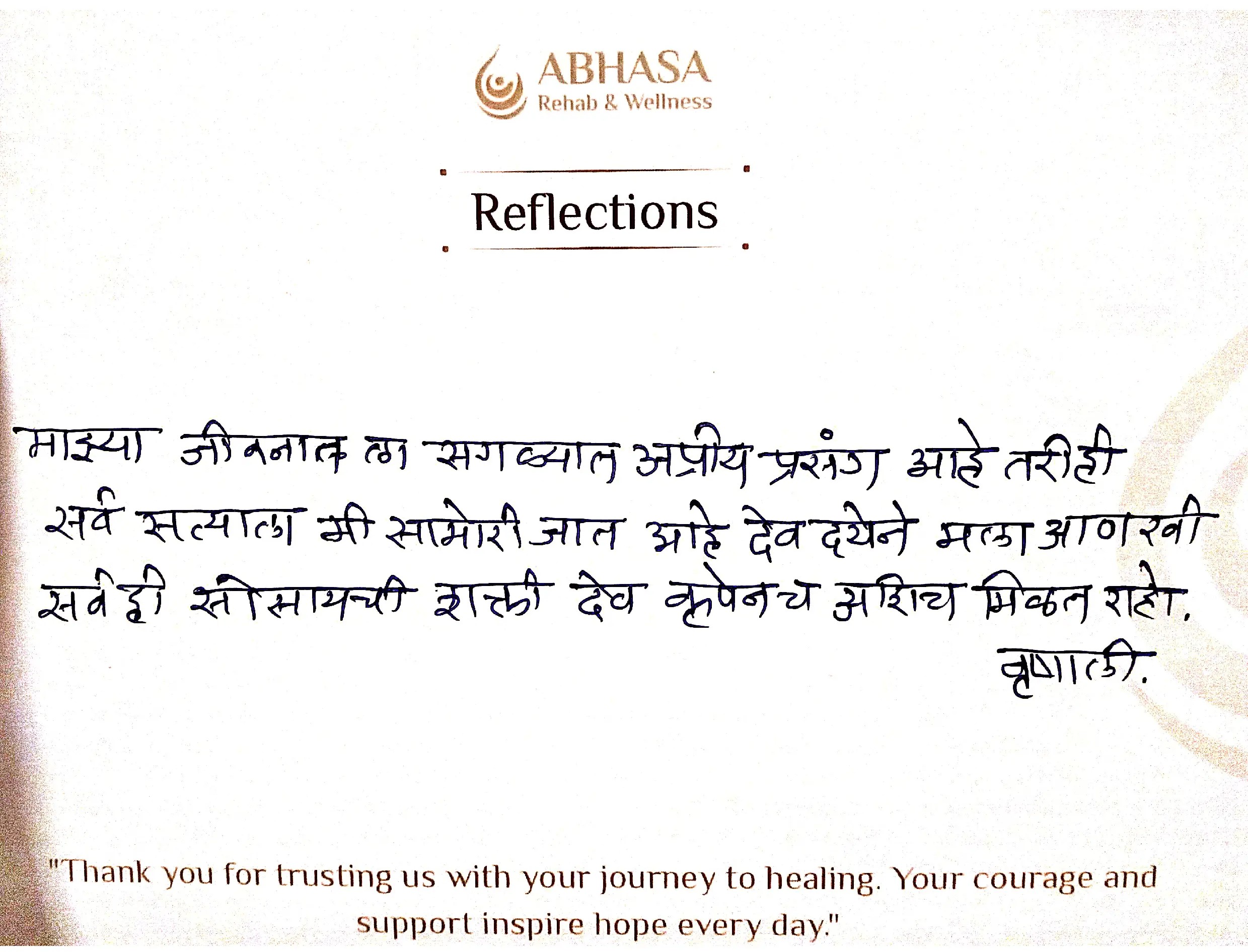
I found strength to face life’s hardest truths here. I believe it was God’s grace that brought me to Abhasa.
Former Client
These stories began with a single step. Yours can too.
Life After DID Treatment
Recovery does not end at discharge. For many individuals, the actual transformation begins after structured care, when they apply what they have learned to their everyday life. At Abhasa, we support this transition with care that extends beyond the residential setting. Our focus on functional multiplicity therapy provides a long-term approach that prioritises cooperation within the system, rather than erasure.[3,13]
Clients who complete their program continue to build on their progress through scheduled follow-up sessions and remote therapy. These touchpoints help keep integration work active and grounded. The skills developed through functional multiplicity therapy facilitate smoother communication between parts, enabling clients to manage daily stress with greater clarity and emotional control.
One young adult who completed treatment now lives independently, works part-time, and attends online classes. Their team maintains a shared calendar, communicates clearly about responsibilities, and checks in regularly through journaling. This kind of balance is the goal of functional multiplicity therapy—not to eliminate parts, but to help them work together toward shared goals.
Family dynamics also begin to change. With education, therapy, and honest conversations, relationships often move from tension to understanding. Many clients continue functional multiplicity therapy with family involvement, using learned tools to express needs, manage conflict, and rebuild trust. These shifts allow everyone involved to heal in their way.
In community settings, people who once avoided social contact now take part in support groups, volunteer work, or casual gatherings. The confidence built during their time at Abhasa follows them, and the emotional tools they gained through functional multiplicity therapy give them the grounding to stay connected without losing their sense of safety.
Life after treatment is not perfect, but it holds promise. With continued structure, honest self-awareness, and compassionate care, the journey forward becomes more manageable.

Healing doesn’t stop here. It grows into something more substantial.
Frequently Asked Questions About DID Treatment
Can a person with DID be cured?
Dissociative Identity Disorder (DID) is not something that gets “cured” in the traditional sense, but many individuals experience significant healing through structured care.[1,2,13] At Abhasa, our approach focuses on long-term support, identity coordination, and emotional regulation. With the proper support, people can lead fulfilling lives. Our dissociative identity disorder healing model helps clients feel safer, more stable, and more in control of their lives.
Can DID be fully treated?
Yes, DID can be managed and treated through a combination of therapies tailored to each individual’s needs.[3,6,7] Our did recovery programs help clients understand their internal system, manage emotional overwhelm, and improve communication between parts. While the condition may remain lifelong for some, it becomes more manageable over time with consistent support.
Can dissociative personality disorder be treated?
Dissociative personality disorder is another name used for DID. Yes, it can be treated. Through specialised care such as did recovery programs and trauma-informed therapy, individuals begin to develop a sense of internal stability and connection between parts. At Abhasa, we offer personalised treatment plans that address the emotional and physical aspects of dissociative identity disorder healing.
Has anyone recovered from DID?
Many people have experienced meaningful recovery. Many people find their lives begin to feel more stable with the right kind of help. [2,3]
Through did recovery programs, regular therapy, and steady support, they learn how to manage each day with more ease. Recovery doesn’t always mean going back to who they were before, but it often brings more clarity, emotional steadiness, and closer relationships that feel genuine and supportive. Our clients typically share stories of resilience and transformation following structured healing for dissociative identity disorder.
How long does therapy take for DID?
The length of therapy varies from person to person. [1,3,6] Some clients may work with their system for several months, while others may need years of structured care. Our did recovery programs follow each individual’s pace, respecting emotional readiness and unique goals. Healing from dissociation takes time, patience, and a consistent therapeutic relationship.
What is the best therapy for DID?
There is no single best therapy, but a combination works best. [3,7,9]This often includes trauma-informed care, Internal Family Systems (IFS), EMDR, and somatic therapies. Our did recovery programs blend these methods with mindfulness and creative expression to support whole-person healing. Every therapy is chosen based on what supports the client’s internal system best.
What is the best treatment for DID?
Dissociative personality disorder is another name used for DID. Yes, it can be treated. Through specialised care such as did recovery programs and trauma-informed therapy, individuals begin to develop a sense of internal stability and connection between parts. At Abhasa, we offer personalised treatment plans that address the emotional and physical aspects of dissociative identity disorder healing.
How to help someone with dissociative identity disorder?
Dissociative personality disorder is another name used for DID. Yes, it can be treated. Through specialised care such as did recovery programs and trauma-informed therapy, individuals begin to develop a sense of internal stability and connection between parts. At Abhasa, we offer personalised treatment plans that address the emotional and physical aspects of dissociative identity disorder healing.
How to live an everyday life with DID?
Many people with DID live stable, fulfilling lives. [2,3,13]
With structured routines, safe relationships, and ongoing therapy, individuals build skills that support everyday functioning. Our did recovery programs taught clients how to manage stress, communicate effectively, and stay grounded. An everyday life with DID is possible when the system feels supported and understood.
What is the treatment protocol for DID?
At Abhasa, the protocol includes a complete assessment, personalised planning, and layered therapeutic care. [3,6,7]
We use EMDR, parts work, somatic therapy, and integration-focused strategies to support each individual. Every part of our recovery programs is structured around safety, trust-building, and long-term dissociative identity disorder healing.
Is there any treatment for MPD?
Dissociative personality disorder is another name used for DID. Yes, it can be treated. Through specialised care such as did recovery programs and trauma-informed therapy, individuals begin to develop a sense of internal stability and connection between parts. At Abhasa, we offer personalised treatment plans that address the emotional and physical aspects of dissociative identity disorder healing.
What is the best therapy for dissociative disorders?
Dissociative personality disorder is another name used for DID. Yes, it can be treated. Through specialised care such as did recovery programs and trauma-informed therapy, individuals begin to develop a sense of internal stability and connection between parts. At Abhasa, we offer personalised treatment plans that address the emotional and physical aspects of dissociative identity disorder healing.
How to stop a dissociative episode?
Grounding techniques, sensory input, and safe environments are key. [6,11,12]
At Abhasa, we teach clients how to use breathwork, body awareness, and visual anchors during dissociative episodes. These tools are part of all our did recovery programs, helping individuals return to the present without shame or fear.
Can people with DID live a normal life?
Dissociative personality disorder is another name used for DID. Yes, it can be treated. Through specialised care such as did recovery programs and trauma-informed therapy, individuals begin to develop a sense of internal stability and connection between parts. At Abhasa, we offer personalised treatment plans that address the emotional and physical aspects of dissociative identity disorder healing.
How do you recover from dissociation?
Dissociative personality disorder is another name used for DID. Yes, it can be treated. Through specialised care such as did recovery programs and trauma-informed therapy, individuals begin to develop a sense of internal stability and connection between parts. At Abhasa, we offer personalised treatment plans that address the emotional and physical aspects of dissociative identity disorder healing.
Begin Your DID Healing Journey
You do not have to carry this alone. If you are looking for the best treatment for dissociative identity disorder, you can find real support here. Healing starts when you take that first step.
At Abhasa, we stay with you from the moment you reach out. Whether you are seeking care for yourself or someone close to you, we take time to listen, understand your concerns, and guide you forward. Every recovery story begins with connection.
We offer private, personalised assessments designed around your specific needs. These sessions help us understand where you are and what kind of support will be most beneficial to you. Finding the best treatment for dissociative identity disorder begins with choosing a place where you feel safe, understood, and gently supported.
You don’t have to do it all at once. Just start with one step. We’ll walk with you from there.
Healing begins with understanding and gentle support.
Proudly Serving Across Cities
- Rehab in Karjat
- Rehab in Pune
- Rehab in Navi Mumbai
- Rehab in Madurai
- Rehab in Trichy
- Rehab in Bangalore
- Rehab in Chennai
- Rehab in Thane
- Rehab in Nasik
- Rehab in Kochi
- Rehab in Mangalore
- Rehab in Mysore
- Rehab in Nasik
- Rehab in Kochi
- Rehab in Mangalore
- Rehab in Mysore
Medical Disclaimer
This information is for educational purposes only and does not constitute medical advice, diagnosis, or treatment. Dissociative Identity Disorder (DID) and other dissociative disorders require professional clinical assessment, diagnosis, and ongoing treatment by qualified mental health professionals. Individual treatment responses and outcomes vary significantly based on multiple factors including trauma history, symptom severity, co-occurring conditions, and individual circumstances.
Always consult qualified mental health professionals before making treatment decisions. This content should not replace professional psychiatric or psychological consultation. Treatment for dissociative disorders requires specialized expertise and should only be undertaken with proper clinical supervision.
If you are experiencing a mental health emergency, including thoughts of self-harm or harm to others, call emergency services immediately (112 in India) or contact your local crisis helpline.
Resources
Research Citations (15 Most Authoritative Sources):
[1] StatPearls – “Dissociative Identity Disorder” – NCBI Bookshelf, National Center for Biotechnology Information, 2023
URL: https://www.ncbi.nlm.nih.gov/books/NBK568768/
Source Type: Government medical database (.gov) – Peer-reviewed medical education resource
Supports: DID prevalence, symptoms, diagnosis, trauma connection, treatment requirements
[2] Brand et al. (2016) – “Six-year follow-up of the treatment of patients with dissociative disorders study” – Journal of Trauma & Dissociation
URL: https://pmc.ncbi.nlm.nih.gov/articles/PMC5492082/
Source Type: NIH database peer-reviewed longitudinal study
Supports: Long-term treatment effectiveness, recovery outcomes, functionality improvements
[3] Snyder et al. (2021) – “Trauma-Related Dissociation and the Dissociative Disorders: Neglected Symptoms With Severe Public Health Consequences” – PMC/NIH
URL: https://pmc.ncbi.nlm.nih.gov/articles/PMC9162402/
Source Type: NIH public health review, peer-reviewed
Supports: Treatment duration, tri-phasic approach, therapy modalities, public health impact
[4] Van der Hart, Nijenhuis, & Steele (2006) – “The Haunted Self: Structural dissociation and the treatment of chronic traumatization”
Source Type: Foundational text on structural dissociation theory
Supports: Structural dissociation theory, internal systems understanding, treatment framework
[5] Salberg et al. (2024) – “Psychiatric Inpatient Care for Persons with Dissociative Identity Disorder: A Scoping Review” – Journal of Psychosocial Nursing
URL: https://www.tandfonline.com/doi/full/10.1080/01612840.2025.2553164
Source Type: Recent peer-reviewed scoping review (2024)
Supports: Residential/inpatient treatment approaches, trauma-informed care, specialized care effectiveness
[6] Sheppard Pratt Health System – “Dissociative Identity Disorder (DID)”
URL: https://www.sheppardpratt.org/knowledge-center/condition/dissociative-identity-disorder-did/
Source Type: Academic medical center (major psychiatric hospital system)
Supports: Phasic trauma treatment, treatment phases, long-term therapy requirements, professional standards
[7] ISSTD (2011) – “Guidelines for Treating Dissociative Identity Disorder in Adults, Third Revision”
Source Type: International Society for the Study of Trauma and Dissociation – Expert consensus guidelines
Supports: Phase-oriented treatment model, professional standards, treatment protocols
[8] Twombly (2022) – “Trauma and Dissociation Informed Internal Family Systems” – ISSTD Center
URL: https://cfas.isst-d.org/content/trauma-and-dissociation-informed-internal-family-systems
Source Type: Professional organization training resource (ISSTD)
Supports: IFS therapy adaptation for complex trauma and dissociative disorders, parts work
[9] Poli et al. (2023) – “The integrative process promoted by EMDR in dissociative disorders: a theoretical model” – Frontiers in Psychology
URL: https://www.frontiersin.org/journals/psychology/articles/10.3389/fpsyg.2023.1164527/full
Source Type: Peer-reviewed psychology journal (2023)
Supports: EMDR effectiveness for dissociative disorders, neurobiological mechanisms, integration process
[10] Cleveland Clinic (2022) – “EMDR Therapy: What It Is, Procedure & Effectiveness”
URL: https://my.clevelandclinic.org/health/treatments/22641-emdr-therapy
Source Type: Major medical institution
Supports: EMDR as recognized evidence-based treatment, dissociative disorder applications
[11] Brom et al. (2017) – “Somatic Experiencing for Posttraumatic Stress Disorder: A Randomized Controlled Outcome Study” – PMC/NIH
URL: https://pmc.ncbi.nlm.nih.gov/articles/PMC5518443/
Source Type: NIH database – First randomized controlled trial of somatic experiencing
Supports: Somatic therapy effectiveness, PTSD treatment, body-based intervention evidence
[12] Scheiderer et al. (2021) – “Somatic experiencing – effectiveness and key factors of a body-oriented trauma therapy” – PMC
URL: https://pmc.ncbi.nlm.nih.gov/articles/PMC8276649/
Source Type: NIH database – Comprehensive scoping review
Supports: Somatic experiencing for trauma/PTSD, body-based therapy research, effectiveness evidence
[13] Brand, Loewenstein, & Spiegel (2014) – “Dispelling myths about dissociative identity disorder treatment: An empirically based approach”
Source Type: Peer-reviewed psychiatric publication
Supports: Evidence-based treatment approach, dispelling treatment myths, outcome data, functional multiplicity
[14] Lebois et al. (2024) – “Treatment of dissociative identity disorder: leveraging neurobiology to optimize success” – Expert Review of Neurotherapeutics, Vol. 24
URL: https://www.tandfonline.com/doi/full/10.1080/14737175.2024.2316153
Source Type: Recent peer-reviewed medical journal (McLean Hospital/Harvard Medical School, 2024)
Supports: DID treatability, neurobiological basis, treatment optimization, current best practices
[15] Greinacher & Lotzin (2020) – “Psychological Interventions for Dissociative disorders: An Overview of Treatment Approaches, Efficacy and Effectiveness” – PMC
URL: https://pmc.ncbi.nlm.nih.gov/articles/PMC7001344/
Source Type: NIH database peer-reviewed comprehensive treatment overview
Supports: Phase-oriented treatment, psychotherapy approaches, integration work, efficacy evidence