
Luxury Bulimia Rehab in India

Bulimia doesn’t have to trap you. Abhasa’s compassionate therapy and holistic support restore balance and self-worth.
Curious how healing at Abhasa really works?
2:1 Staff-to-client ratio
3 Healing Spaces
Personalised Treatments
360° Healing
2:1 Staff-to-client ratio
3 Healing Spaces
Personalised Treatments
360° Healing
Luxury Bulimia Nervosa Treatment Centres in India

For many, the mirror feels like an enemy. Meals trigger overwhelming fear. Days revolve around secrecy, guilt, and shame. Bulimia slowly takes hold, affecting not only the body but also the heart, mind, and sense of peace. It may feel impossible to imagine a life free from this exhausting struggle.
Many families in India quietly carry the weight of worry, unsure how to speak about struggles with eating. Fear of judgment or misunderstanding keeps these challenges hidden. But bulimia cannot be overcome through sheer determination alone. True healing often begins with steady support, compassionate care, and guidance from professionals who have a deep understanding of both the condition and the cultural sensitivities associated with it.[1,2]
At Abhasa, our bulimia nervosa treatment centres offer a private space where true healing can begin. These are not ordinary facilities. Our bulimia treatment centres provide an environment that feels calm, comfortable, and deeply supportive. Every detail is designed to make individuals feel safe and nurtured, far removed from clinical or hospital-like settings.
Bulimia is complex, affecting thoughts, emotions, and physical well-being all at once.[2] Without specialised care, the pattern often continues behind closed doors. In our bulimia treatment centre at Abhasa, every part of our care is thoughtfully shaped to help break the complex cycle of bulimia. Through constant support, therapeutic guidance, and a soothing environment, individuals are given the space to let go of harmful habits and slowly rediscover emotional steadiness.
At Abhasa, care is rooted in both expertise and heartfelt understanding. Everything here, from the calm, welcoming atmosphere to the Therapies, feels more like a retreat than a clinic, allowing each person to settle in and feel at ease. With dedicated support from skilled therapists, nutrition specialists, and wellness practitioners, every guest is carefully supported as they work toward lasting recovery. Each day is carefully planned, blending mindful eating, emotional support, and wellness activities to help people regain strength and self-acceptance.
Families often carry deep concerns and confusion about bulimia. We are here to ease that worry. We work alongside families, offering education and support that helps everyone understand the path toward healing. Cultural sensitivity is at the heart of everything we do, making sure both individuals and their loved ones feel respected and heard.
Recovery from bulimia is possible. Choosing a bulimia nervosa treatment centre can feel daunting, but at Abhasa, every individual is welcomed with care, privacy, and kindness. If you have been searching for bulimia treatment centres that provide both expert guidance and heartfelt support, you are in the right place.[4]
Curious how healing at Abhasa really works?
Understanding Binge Eating Disorder

Many people believe that bulimia can be managed through occasional therapy visits or by simply trying to change habits at home. But recovery often needs something more profound. In our bulimia nervosa rehab centres, healing means stepping into a space where constant care, emotional safety, and structured living guide every part of the day. Here, the goal is not just to manage symptoms, but to rebuild life in a more stable and lasting way.
In a residential treatment setting, care goes far beyond typical outpatient support. It provides round-the-clock supervision, which plays a key role in breaking the binge-purge cycle. Many people struggling with bulimia find themselves stuck in patterns that feel impossible to escape at home. Environmental triggers, such as family stress or easy access to food, often cause setbacks. Without the consistent support of residential treatment, progress can feel out of reach.[5]
Our bulimia nervosa rehab centres follow a predictable routine. This rhythm builds a sense of safety and calm, helping individuals slowly release the grip of disordered eating.[5]
Residential treatment operates by knowing the underlying issues of bulimia.[2, 6]
The interconnection between body image, emotional health, and physical well-being is taken into account. Recovery extends beyond stopping harmful behaviours; it also involves learning healthier coping skills and developing resilience. Attempting to recover at home can be frustrating, as willpower alone often isn’t sufficient to overcome bulimia amid daily pressures and struggles. In contrast, our bulimia nervosa rehab centres provide a space free from judgment, where individuals can focus entirely on healing. In this supportive space, people have the opportunity to try new ways of coping, without worrying about being judged or reverting to familiar habits.[5]
It is common for families to question whether leaving home is needed. But for many dealing with bulimia, spending time in a residential treatment setting can change everything. It provides the space to reflect, understand, and move forward positively in their life. Nothing is rushed. Everything happens at a pace that suits them. Healing here does not happen all at once. It unfolds gradually, with patience, care, and steady encouragement. Throughout it all, there is a shared belief that every person has the right to feel calm again and to reconnect with the parts of themselves that may have felt lost along the way.
If you or your loved one has been searching for a place where healing feels steady, compassionate, and structured, our bulimia nervosa rehab centres are ready to welcome you. Recovery begins where understanding and expert care meet.
Wondering if residential care is right for lasting change?
Why Choose Residential Care for Bulimia Recovery

Without this kind of structured care, bulimia often grows more challenging to manage. People slip back into familiar behaviours. Emotional stress increases, and the entire household feels the weight of the struggle. The same painful cycle repeats, and everyone feels stuck. This is where eating disorder treatment in a residential setting makes a real difference.
Inside bulimia recovery centres, healing happens in a setting designed for steady progress. Medical professionals monitor each person’s health to prevent physical complications.[2]
Meals follow a thoughtful schedule, and every activity supports emotional balance.[5]
Guests sleep better and eat with support from experts who understand how difficult these moments can feel. The focus here is on helping each person understand what leads to their struggles and teaching them simple, practical ways to respond differently. They slowly learn how to replace harmful habits with healthier choices that feel more natural over time. This kind of steady, hands-on support makes eating disorder treatment in this setting significant.
Emotional growth is just as necessary throughout the process. Here, people find the freedom to speak honestly, knowing they are listened to with care and without judgment. It becomes easier to open up in a space where safety and respect come first. Through group conversations and shared activities, they begin to connect with others who understand their journey. These connections often spark a sense of comfort and remind them that they are not facing this struggle alone. It reminds each person that recovery is possible when they feel understood and supported inside bulimia recovery centres.[4]
Care continues after residential treatment. The focus on the future ensures that the benefits of eating disorder treatment do not fade with time. The program encourages long-term stability, emotional resilience, and healthy routines. Families often feel relieved knowing their loved ones can return home with the tools, confidence, and continued guidance they need.
If you feel unsure about whether this kind of care is necessary, know that many families once felt the same. Professional help from a dedicated team can bring about powerful and lasting change.[3]
Still wondering if this is the right step?
Why Families Trust Abhasa for Bulimia Treatment
Families often arrive at Abhasa carrying years of fear, uncertainty, and exhaustion. They have tried their best, yet nothing seems to bring lasting change. From the moment they step inside, they find something they have not experienced before. This is not just a place for therapy. It feels like a sanctuary where judgment has no place, where every person can breathe and where hope begins to feel real again. That is what makes Abhasa stand apart among the best bulimia treatment centres in India. The care offered here goes beyond addressing the struggle. It changes lives.[5]
Care at Abhasa never follows a fixed script. Every individual who enters our luxury bulimia treatment centres receives a plan that evolves. This approach enables our team to stay closely attuned to each person’s feelings, comfort, and growth throughout their tenure. Every care plan is carefully crafted, blending therapy, life skills, and emotional support in a way that feels right for each guest.[5]
Because we adjust along the way, the care stays personal and meaningful. Families often feel reassured knowing their loved one’s healing will continue to evolve at a pace that feels natural, always moving toward deeper recovery and lasting change.
At Abhasa, families find more than support. They find clarity. The path to recovery becomes easier to understand because we take time to explain it. Both individuals and families learn why specific therapies matter, how patterns form, and what steps can help prevent setbacks. This level of guidance helps remove confusion and replaces it with confidence. It is this focus on education and empowerment that allows our luxury bulimia treatment centres to create lasting change.
Many families say that Abhasa feels different from anywhere else they have tried. While some centres offer only traditional therapy, we take a different approach. We blend modern science with time-tested wellness practices. Alongside evidence-based treatments, guests take part in yoga, meditation, art therapy, movement-based sessions, and other holistic activities. The peaceful setting, surrounded by nature, makes every healing moment feel grounded and soothing. These layers of care create a space where healing feels natural and deeply personal, making Abhasa a place many consider among the best bulimia treatment centres.[9, 10]
Comfort and privacy remain at the heart of every experience here.
Families choose Abhasa because they feel truly seen and understood. They know their loved ones are in safe hands, surrounded by people who understand and care deeply about their journey toward healing.

Families choose us because they feel seen and supported. You can too!
Meet Our Bulimia Treatment Specialists
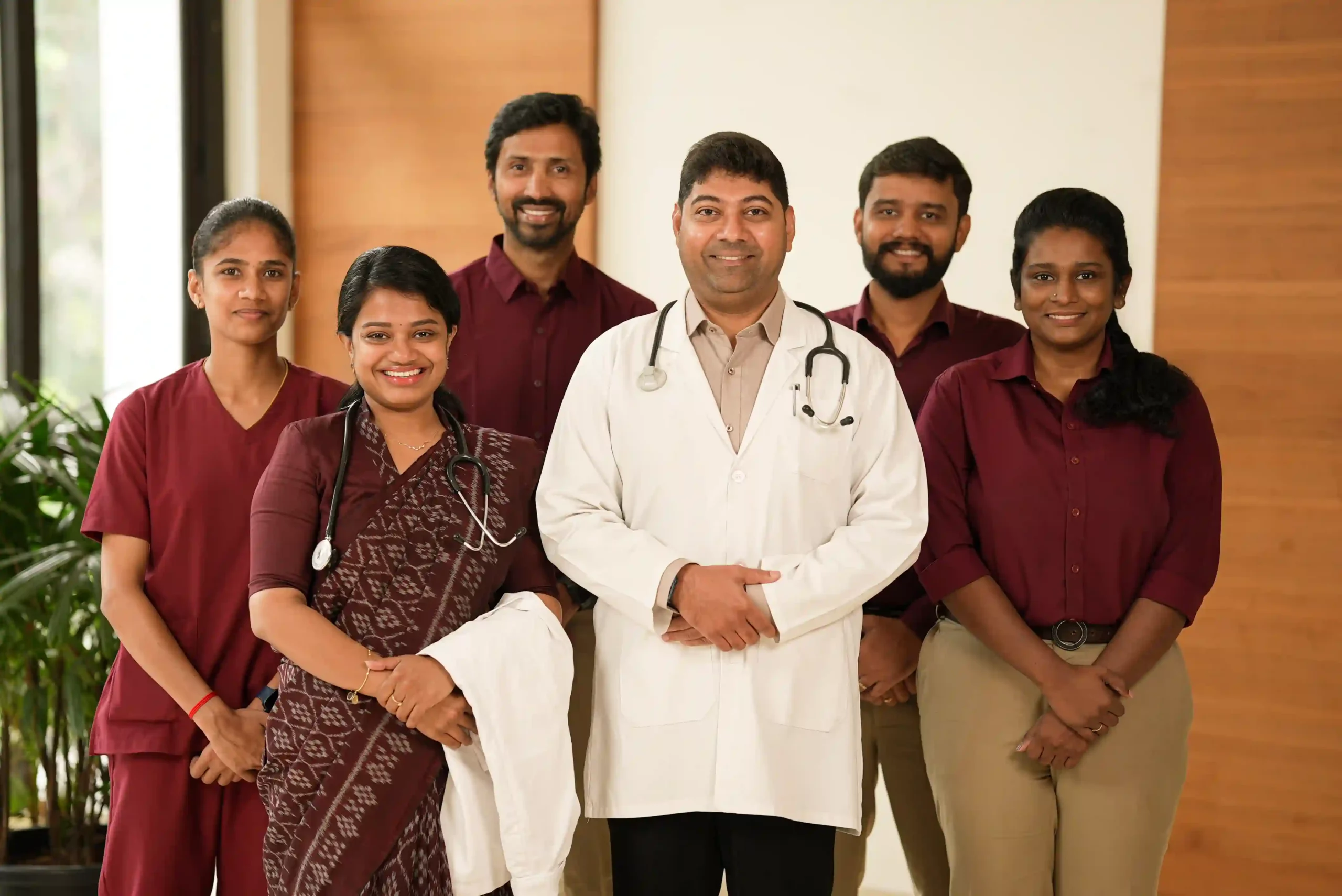
Healing at Abhasa takes shape through the care of dedicated bulimia nervosa specialists who believe in treating each person with respect, kindness, and personal attention. Every expert here brings a wealth of experience and a genuine commitment to supporting lasting recovery. The team involves psychiatrists, therapists, nutritionists, and wellness professionals, providing comprehensive medical care and holistic therapies.
They understand how complex the journey through recovery can feel and stand ready to guide each guest with patience and compassion. Many of our eating disorder experts hold advanced training in bulimia care and continue to learn the latest approaches.[4]
Their kindness, patience, and dedication create a safe space where every guest feels understood, supported, and empowered to heal in a way that feels right for them.
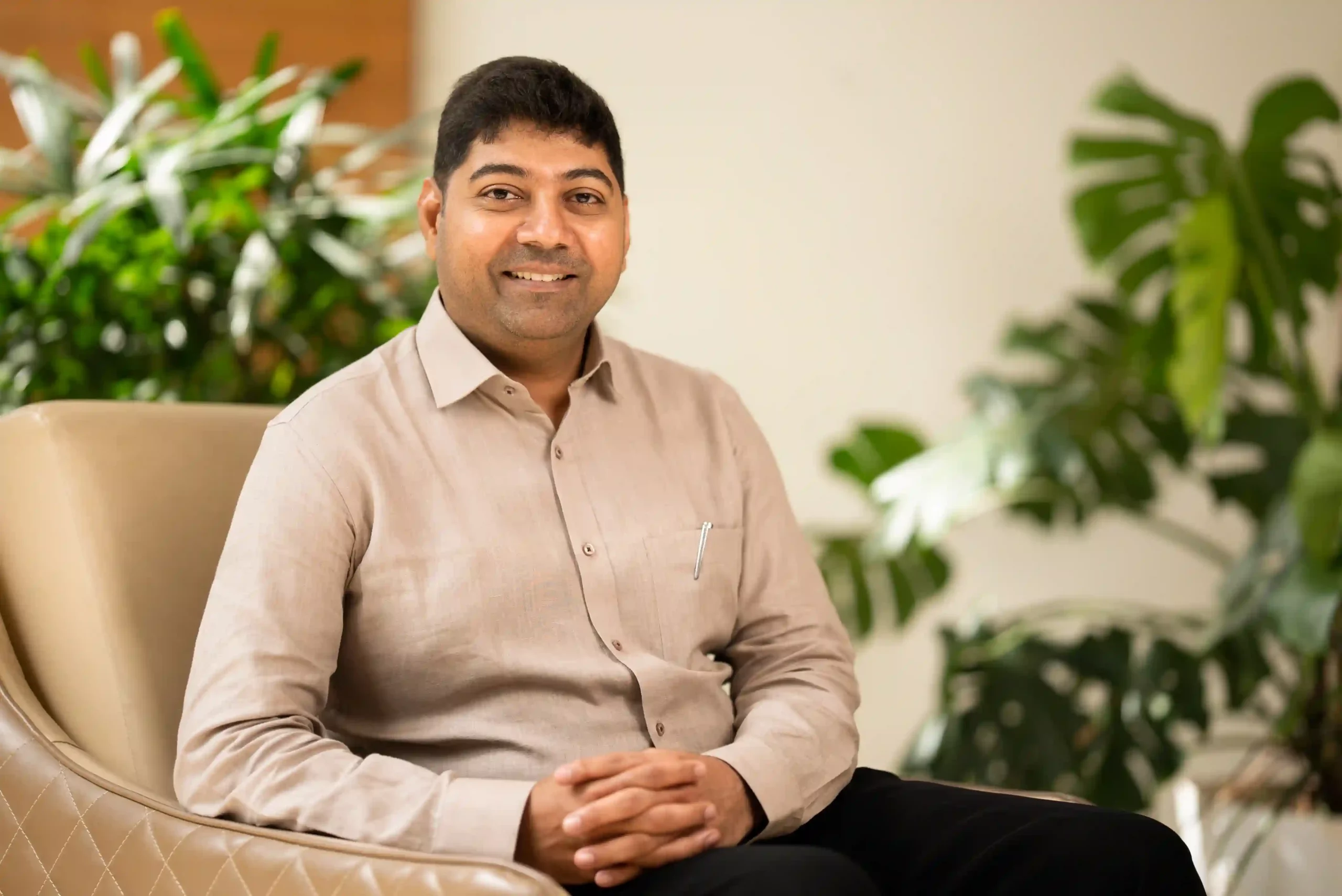
Dr. Naveen Kumar
Medical Director
15+ years of expertise in psychiatry and addiction recovery.
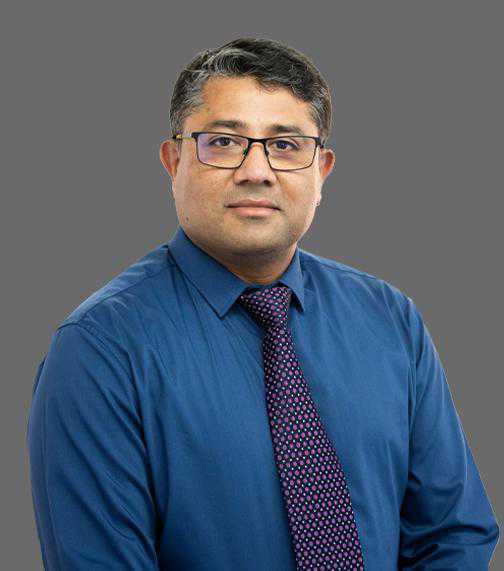
Dr. Vivek Sharma
Consultant Psychiatrist & Neurofeedback Practitioner
With over 15+ years of experience in psychiatry and neurofeedback, he blends medical expertise and compassion to guide clients toward lasting recovery.
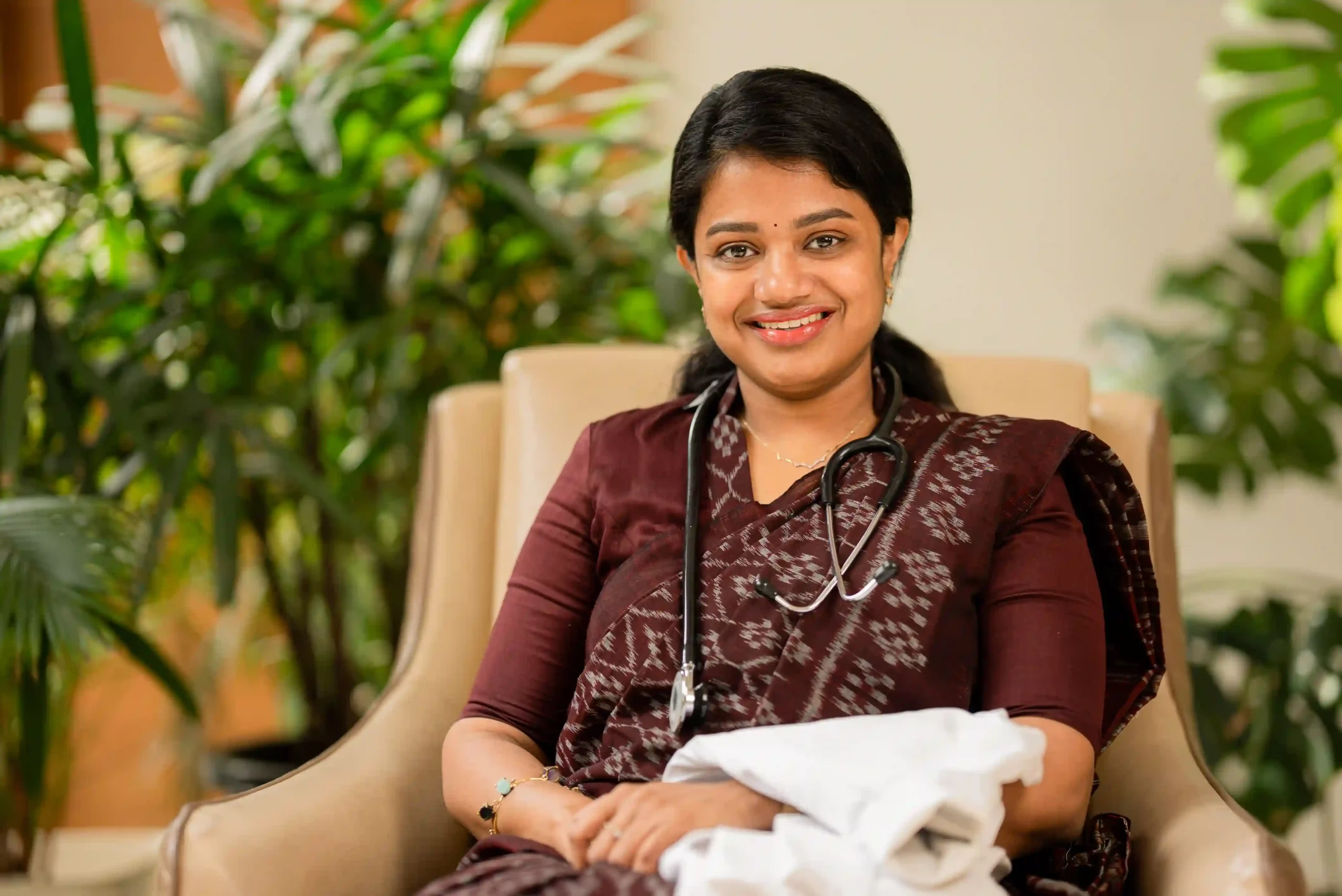
Dr. Shree Aarthi
Consultant Psychiatrist
15+ years providing expert psychiatric care for mental health and substance use disorders.

Dr. Ramalingam P Kandaswamy
Consultant Physician
15+ years With over 5 years of experience in HIV and infectious diseases, he brings global expertise and compassionate care to every patient he supports.

Dr. Divya
Psychiatrist
10+ years combining clinical psychiatry expertise with healthcare management for holistic treatment.
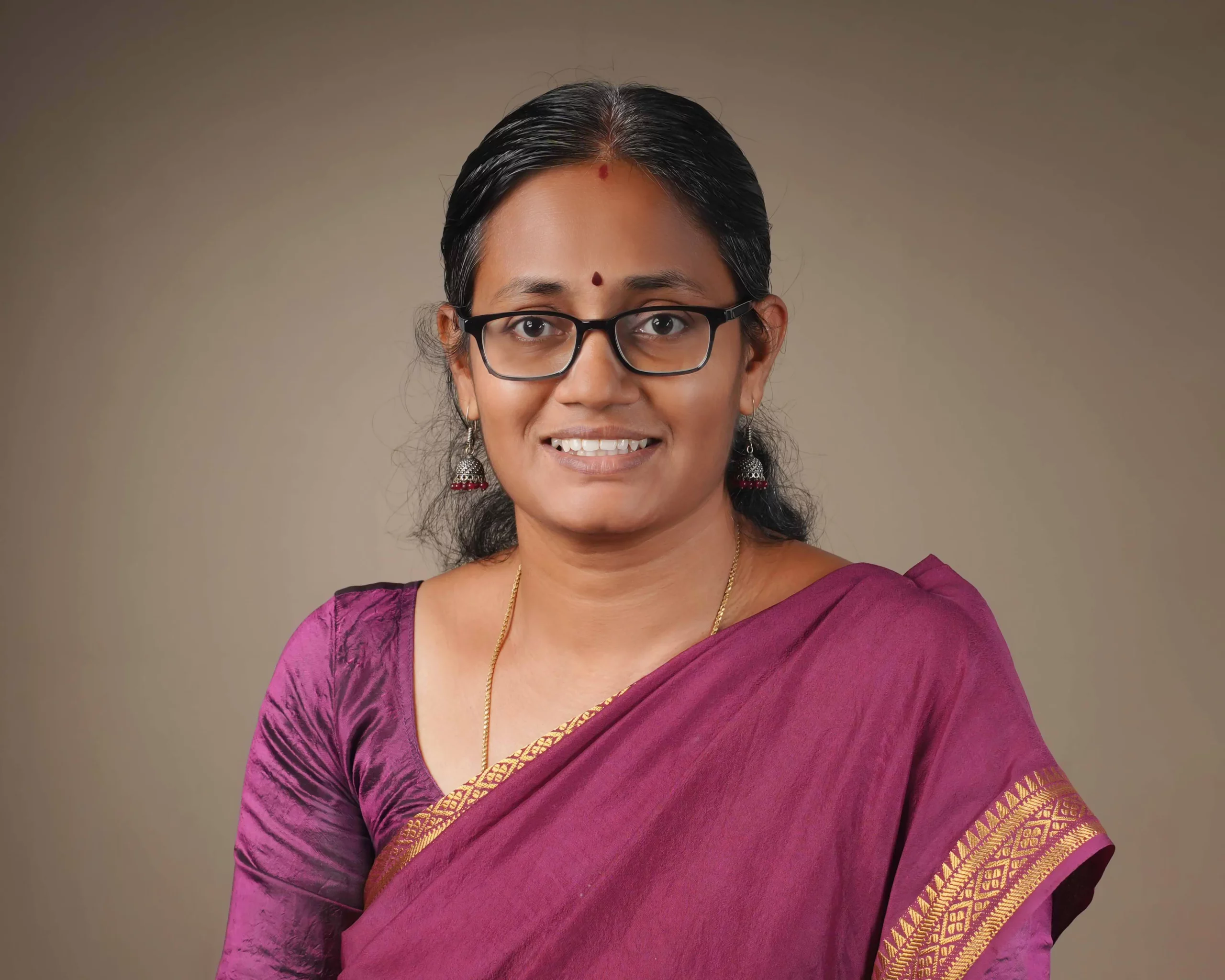
Dr. Malarvilzhi
Residential Medical Officer
12 years delivering comprehensive medical care in psychiatric and rehabilitation settings.

Dr. Karuppachamy
Senior Psychiatric Social Worker
22+ years of experience empowering clients through therapeutic guidance, psychosocial support, and lived-experience wisdom.
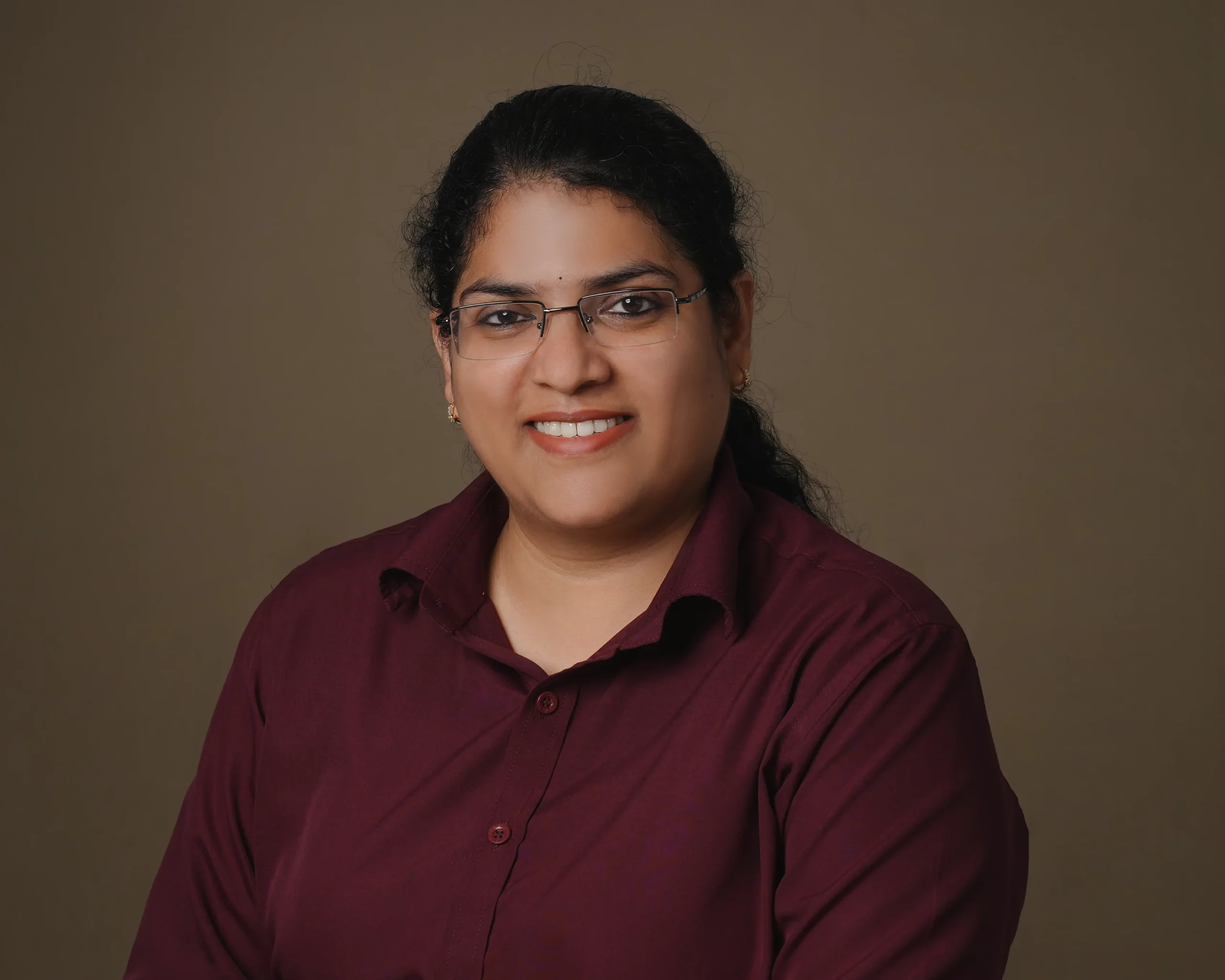
Ms. Meera
Senior Clinical Psychologist
9+ years specializing in psychological assessment and evidence-based therapeutic interventions.
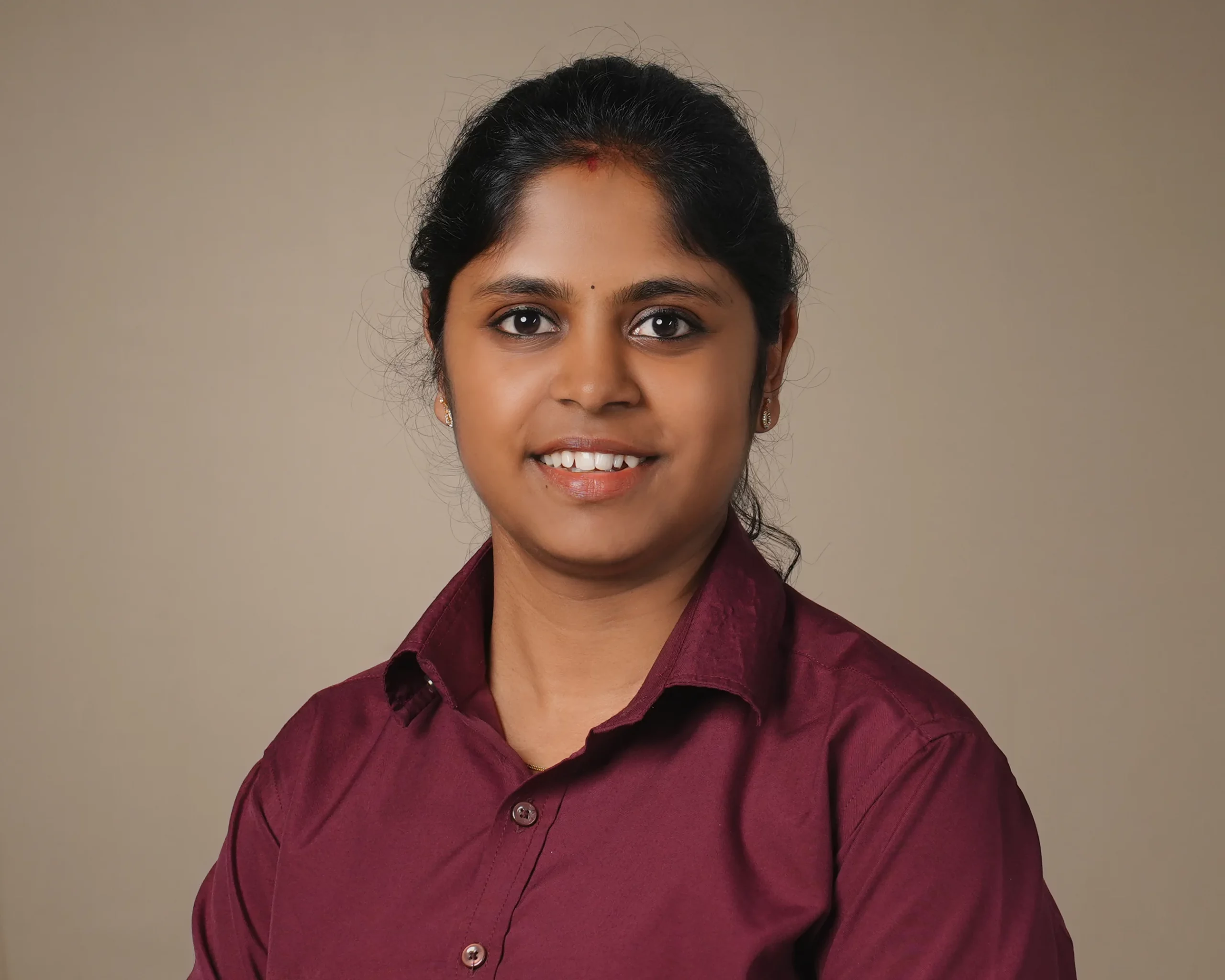
Mrs. Priyadarshini
Head Clinical Psychologist

Mr. Mukesh Kanna
Clinical Psychologist
2+ years providing psychological interventions for behavioral health and emotional wellness.

Mr. Antipas Jayabal
Clinical Psychologist
2+ years supporting clients through clinical assessment and therapeutic care.
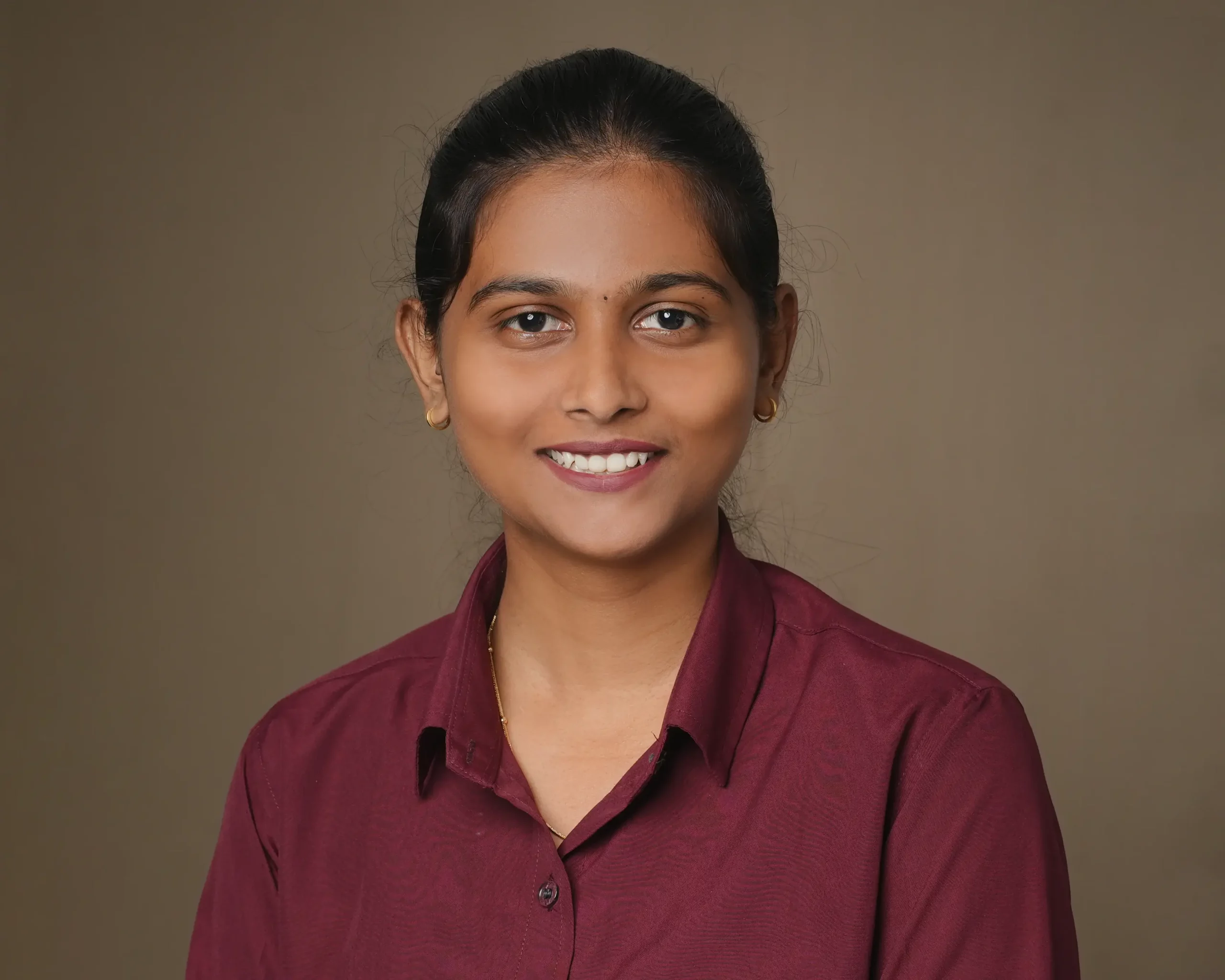
Ms Keerthana S
Psychologist
Empathetic psychologist with 4 years’ experience in handling mental health disorders, using evidence-based psychotherapies for personalized client care.
Inside Our Residential Bulimia Program
It is common to assume that most bulimia nervosa treatment facilities follow a simple routine—offering meals, therapy, and supervision in the same way for everyone. At Abhasa, we approach healing with a different mindset. Our focus is not just on managing eating behaviours. We help each person gently rebuild their life, layer by layer, with compassion, patience, and understanding.Healing here follows a thoughtful path that brings together science, structure, and emotional care.

Finding the Root Cause Behind Eating Patterns
We listen. We pay heed to your words before starting the recovery journey. We understand what lies beneath such conditions. We take time to gently explore each person’s experiences, emotional triggers, and the quiet struggles they may have carried alone. This approach lays the foundation for a care plan that truly reflects your needs, allowing support to feel personal, respectful, and meaningful from the outset. Many bulimia nervosa treatment facilities rely on set routines, but we believe true healing begins with insight, not assumptions.[5]
Creating a Plan That Grows Alongside Each Guest
After gaining a clear understanding, we create a care plan that naturally evolves with the guest’s progress. Nothing stays rigid here. Our therapists, medical experts, nutritionists, and holistic practitioners meet regularly to carefully review how each guest is responding to their care and treatment. They adjust therapies to meet emotional needs, physical healing, and personal breakthroughs along the way, making every step of private treatment feel truly supportive.[5]
Building a Healing Routine That Feels Safe and Steady
Guests follow a calm, steady daily rhythm throughout their stay.[5]
Every day begins with nourishing meals, thoughtfully prepared by skilled chefs.
Throughout the day, guests participate in activities that promote emotional and physical well-being. These activities nurture emotional resilience and help guests feel more at ease in their bodies. This kind of complete, layered care is not often found in other bulimia nervosa treatment facilities.
Providing 24/7 Medical Care for Comfort and Safety
Medical support is available 24/7 to ensure the guests are safe and cared for during their stay.[2]
The steady, watchful care offers comfort not only to those in the program but also to their families, who can feel at ease knowing their loved one is in good hands. The care we offer during private treatment focuses on creating a calm and secure environment where healing feels steady and reassuring.
Community Connection Through Shared Experiences
Offering a Balance of Structure and Compassion
The structured care that combines kindness and flexibility makes Abhasa a unique centre for bilumia treatment. Every guest moves through the program at their own pace, supported by a team that genuinely cares.
The program works to restore physical health, strengthen emotional well-being, and guide every guest toward lasting growth. By the time guests complete their stay, they carry with them valuable skills, a stronger sense of self, and a hope that continues to guide them long after they leave.
What happens here goes beyond treatment. It is about helping each person find their sense of calm again, rebuild their confidence, and step into the future feeling steady and clear.
Abhasa’s personalised healing approach supports real, lasting recovery.
A Typical Day of Healing at Abhasa
Every day at Abhasa follows a thoughtful rhythm, offering guests a safe, steady space to heal. This daily flow is not about strict schedules; it is about creating calm, emotional safety, and gradual progress. As one of the leading centres for structured bulimia treatment, Abhasa weaves together therapeutic practices, gentle body work, mindful reflection, and supportive connections to help guests feel grounded and cared for.

Each morning begins slowly, inviting guests to ease into the day with quiet self-care practices that encourage mindfulness, body awareness, and emotional calm. Throughout the day, guests take part in a variety of healing activities. These may include,[5]
- one-on-one therapy,
- group conversations,
- gentle movement practices, or
- creative outlets like art or writing.
In between, there is ample time to rest, reflect, and recharge. Each meal is more than just food; it becomes an opportunity to rebuild a healthier connection with eating as part of their structured bulimia treatment.[11]
Afternoons gently flow into activities that deepen emotional growth and personal reflection.
The schedule flexes with the emotional readiness of each client. Some clients prefer rest over physical activity; we offer sessions tailored to address their needs.
Many who arrive at Abhasa carry the weight of chaos, irregular habits, and emotional overwhelm. Here, they find something different. They discover that healing does not begin with pressure or force; it starts with rhythm. This gentle daily pattern helps guests rebuild trust in themselves, restore emotional balance, and acquire practical life skills that will continue to support them long after their stay.
While many treatment centres treat daily structure as an afterthought, at Abhasa, it is a core part of the healing journey. Routine here is not just about passing time. It becomes the foundation for long-term recovery, gently guiding guests toward lasting peace, clarity, and emotional freedom.[5]
Our therapeutic rhythm guides healing with structure and support.
Nutritional Rehabilitation & Meal Support
Healing from bulimia involves more than just eating. At Abhasa, we focus on nutritional rehabilitation that helps guests rebuild a positive, trusting relationship with food. Each meal becomes a meaningful part of their recovery, offering both nourishment and emotional support.
Throughout nutritional rehabilitation, we focus on body awareness. The mindful approach of listening to and responding to hunger and fullness cues enables them to break free from old patterns and feel more in tune with their personal needs.[12]
At Abhasa, we see food as a source of nourishment, connection, and emotional healing. Our thoughtful combination of nutritional rehabilitation and meal support therapy becomes a foundation for long-term recovery. Every guest leaves with renewed trust in their body, emotional resilience, and the tools to sustain their progress long after their time here.
Our gentle nutrition approach helps rebuild peace with food.
Body Image Healing and Self-Acceptance at Abhasa
At Abhasa, healing from bulimia goes beyond food. We focus on body image therapy and self-acceptance treatment to help guests rebuild a healthier, more compassionate connection with their bodies. These therapies guide guests toward emotional freedom and personal peace.
The healing process begins with gentle practices that invite self-compassion. Guests explore several approaches designed to support body trust and emotional balance.
Our therapies include:
- Mirror Work: Laying the foundation for body image therapy through guided exercises.[7]
- Cognitive Restructuring: Therapy sessions focused on identifying and shifting negative thoughts related to body image, promoting emotional clarity through self-acceptance treatment.[7]
- Movement Therapy: Gentle movement practices that encourage positive body connection and help guests experience their bodies in a safe, nurturing way.
- Art Therapy: Creative painting or drawing that allows emotional expression and fosters healing as part of body image therapy.
- Mindfulness Practices: Focused breathing and present-moment awareness techniques that help guests manage stress, stay grounded, and deepen their experience of self-acceptance treatment.[12]
- Self-Compassion Training: Activities designed to nurture kindness toward oneself and reinforce a more balanced inner dialogue.[8]
- Media Literacy Education: Discussions that teach guests how to critically view unrealistic beauty ideals portrayed in media and promote a more accepting self-image.

Each guest’s healing path is unique. Our team customises every experience to match emotional readiness and personal goals. Guests slowly release self-judgment and begin to rebuild their self-esteem through this blend of body image therapy and self-acceptance treatment.
As guests progress through these therapies, they learn that healing does not depend on changing their appearance. Instead, it comes from shifting how they see themselves. Over time, they rediscover emotional strength, self-respect, and confidence that extends beyond their stay.[8]
At Abhasa, we believe every person deserves to feel safe and at peace within their body. Our compassionate approach provides guests with the tools to cultivate self-acceptance in their daily lives with confidence and clarity.

Our therapies guide guests toward confidence and self-compassion.
Family Education and Support Program at Abhasa
When a loved one faces bulimia, the effects ripple through the entire family. Many families feel confused, worried, and unsure of how to help. At Abhasa, we see this struggle and provide steady care through family therapy and eating disorder support. Our approach helps families feel supported, informed, and inclusive in every step of the recovery journey.

We understand the importance of family connection throughout the healing process.
Our process includes:
- Daily updates that share information about meals, emotional progress, and daily routines
- Weekly calls with case managers to discuss concerns and answer questions
- Monthly sessions with the clinical team to review progress and discuss next steps
This level of involvement turns eating disorder support into a partnership. Families stay informed and feel included throughout their loved one’s healing process.[4]

Education is a core part of our program. We offer workshops and resources that teach families about bulimia and how they can provide healthy, lasting support through family therapy and practical skills.
Our education sessions cover:
- Understanding how eating disorders affect mental and physical health
- Responding with calm and clarity during emotional situations
- Avoiding behaviours that may unintentionally cause harm
- Managing personal stress and emotional boundaries
- Building respectful communication and setting healthy limits
- Preparing for life after residential care
These tools help families feel more confident in their ability to offer meaningful eating disorder support at home.[4]

Healing relationships are a crucial component of long-term recovery.[4]
In these family therapy sessions, families:
- Rebuild trust through honest, respectful conversations
- Strengthen their ability to communicate with kindness and clarity
- Learn how to face difficult moments with compassion and patience
Through this process, families gain a deeper connection and learn how to continue offering effective eating disorder support long after their loved one completes their program.
At Abhasa, we believe recovery works best when the whole family feels supported. We guide families to grow stronger together, so they can offer lasting encouragement and understanding.
Your family’s healing matters, we walk this journey together.
Holistic Therapies for Eating Disorder Recovery at Abhasa
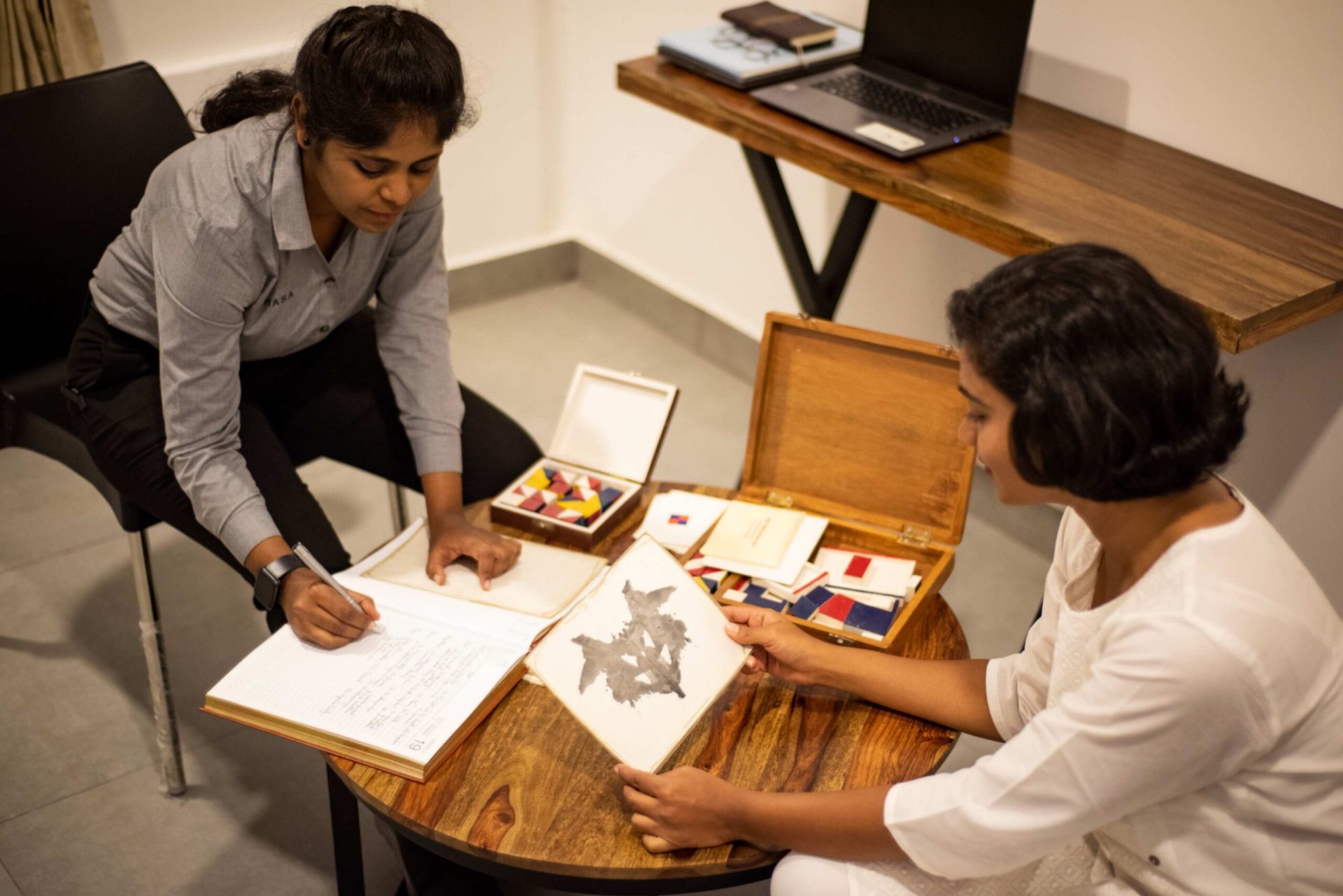
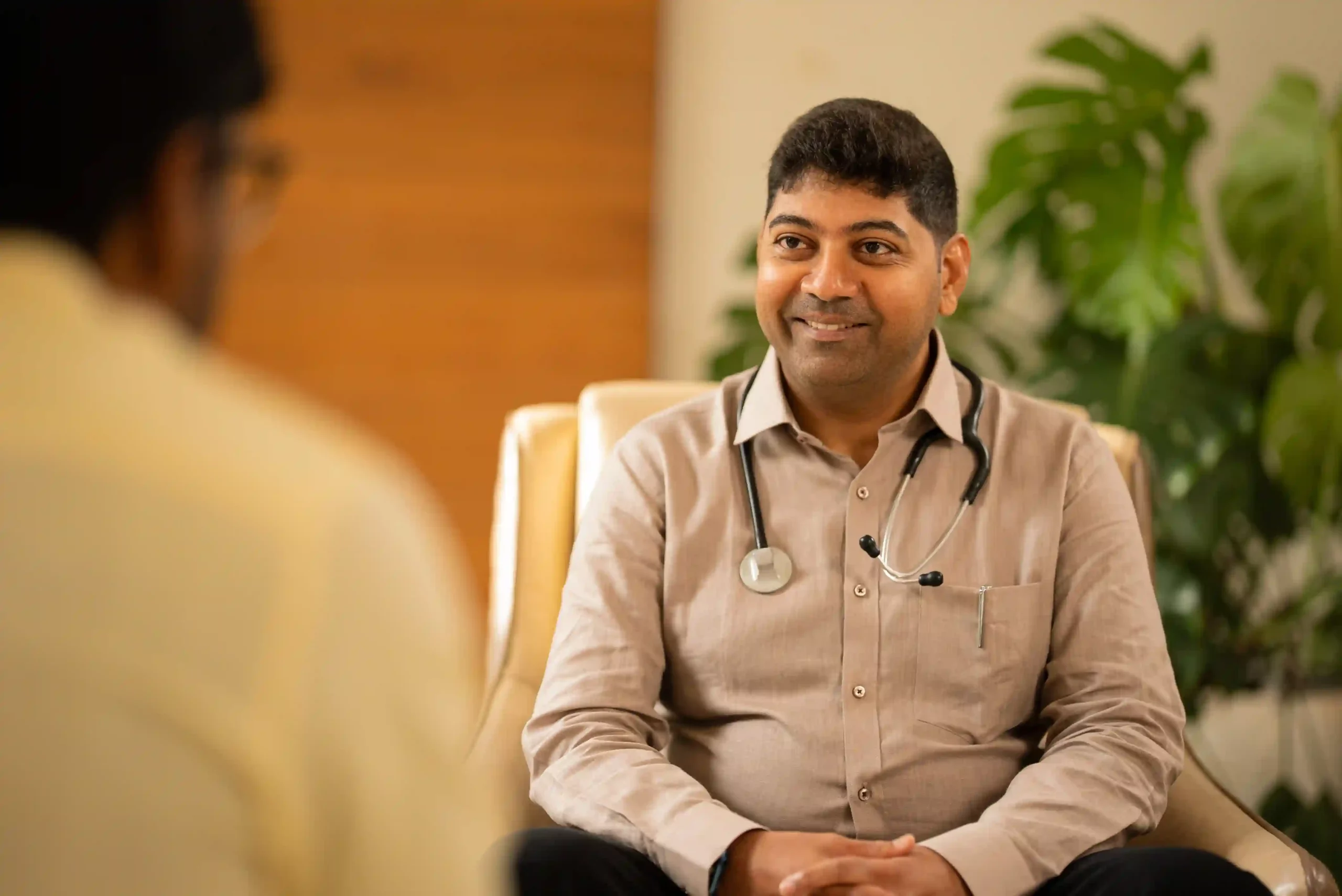
At Abhasa, healing goes beyond traditional methods. Here, holistic bulimia treatment becomes a way for guests to reconnect with themselves in nurturing, non-judgmental ways. Our setting allows individuals to explore alternative therapies that support emotional healing, physical balance, and long-term growth. Every experience here is part of a larger journey toward lasting recovery.

Embracing Healing Through Therapeutic Practices
Our program offers a gentle blend of therapies that help guests establish a healthier, more comfortable relationship with their bodies and emotions.
Some of the therapies guests explore include:
- Yoga Therapy: Mindful movements help guests reconnect with their bodies, ease emotional tension, and build self-acceptance. This practice plays a meaningful role in holistic bulimia treatment.[9,10]
- Art Therapy: A creative outlet that allows emotions to surface in a safe, non-judgmental way. Guests use painting, drawing, or other forms of art to release what words sometimes cannot express.
- Music Therapy: Gentle rhythms and melodies that help soothe the nervous system, offering comfort and emotional regulation through sound.
- Mindfulness Meditation: A part of holistic bulimia treatment, where guided breathing and awareness exercises help in grounding.[12]
- Equine Therapy: Calm, supervised interactions with animals nurture trust, emotional connection, and personal growth, offering a unique experience within alternative therapies.
- These practices invite guests to explore healing at their own pace, with kindness and patience at the heart of every step.
- Nature Therapy: Time spent in calming outdoor spaces to reduce stress, ease emotional tension, and build a more profound sense of inner peace through alternative therapies.
- Massage Therapy: Bodywork designed to release tension, improve body connection, and create physical relaxation.
Each therapy gently encourages guests to experience their bodies in a compassionate and supportive way, allowing them to rediscover comfort and emotional clarity.
A Healing Environment That Nurtures Growth
Our natural surroundings play a significant role in recovery. Peaceful landscapes surround Abhasa, which is away from external pressures. The serene environment aids in every holistic bulimia treatment experience.
Guests benefit from:
- Quiet gardens and green spaces that encourage reflection and a connection with nature.
- Private areas that ensure confidentiality and emotional safety.
- Rooms that create warmth, comfort, and a sense of home.
- Outdoor gathering spaces that offer gentle opportunities for connection and social support.
- Calm communal spaces where guests can relax, read, or enjoy light activities.
By combining comfortable surroundings with carefully selected alternative therapies, we create an environment where every guest can heal.
Restoring Balance Through Purposeful Activities
Every activity at Abhasa is intentionally designed to support recovery. Our team works with guests to create daily rhythms that bring calm, structure, and emotional stability. Through this blend of holistic bulimia treatment and therapeutic activities, guests begin to experience life with more ease and clarity.[9,10]
Guests often describe their time here as a return to themselves, a chance to step away from chaos and rediscover what peace feels like. These therapies and activities work together to create a path toward healing that feels as natural as it is effective.
At Abhasa, holistic bulimia treatment is not just an option. It is an essential part of the recovery process. By combining traditional care with alternative therapies, we offer guests a unique opportunity to heal deeply and fully, surrounded by compassion, comfort, and expert guidance.
Every therapy and space nurtures growth and lasting healing.
Success Stories: Freedom from Bulimia
At Abhasa, recovery stories reflect courage, patience, and hope. Many guests arrive feeling overwhelmed by feelings of guilt and secrecy, yet leave with renewed strength, confidence and freedom. Through steady guidance, they rebuild their relationship with food, their bodies, and their loved ones.[3]
Families often share how eating disorder recovery has strengthened their bonds and brought emotional healing. These moments of bulimia recovery success show that lasting change can happen with compassion, support, and the proper care.
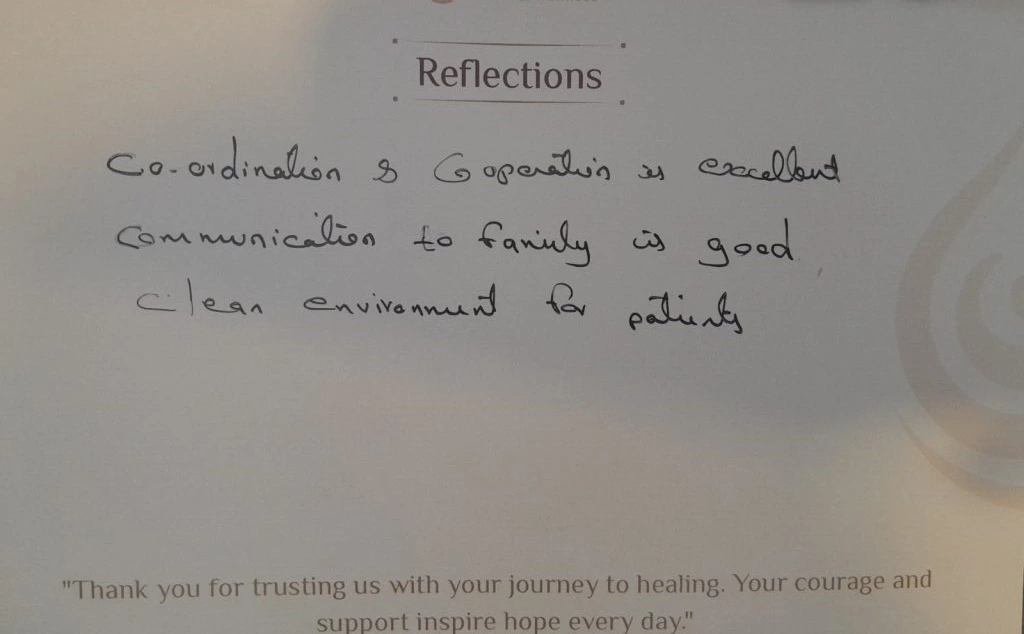
Co-ordination & cooperation is excellent. Communication to family is good. Clean environment for patients.
Former Client
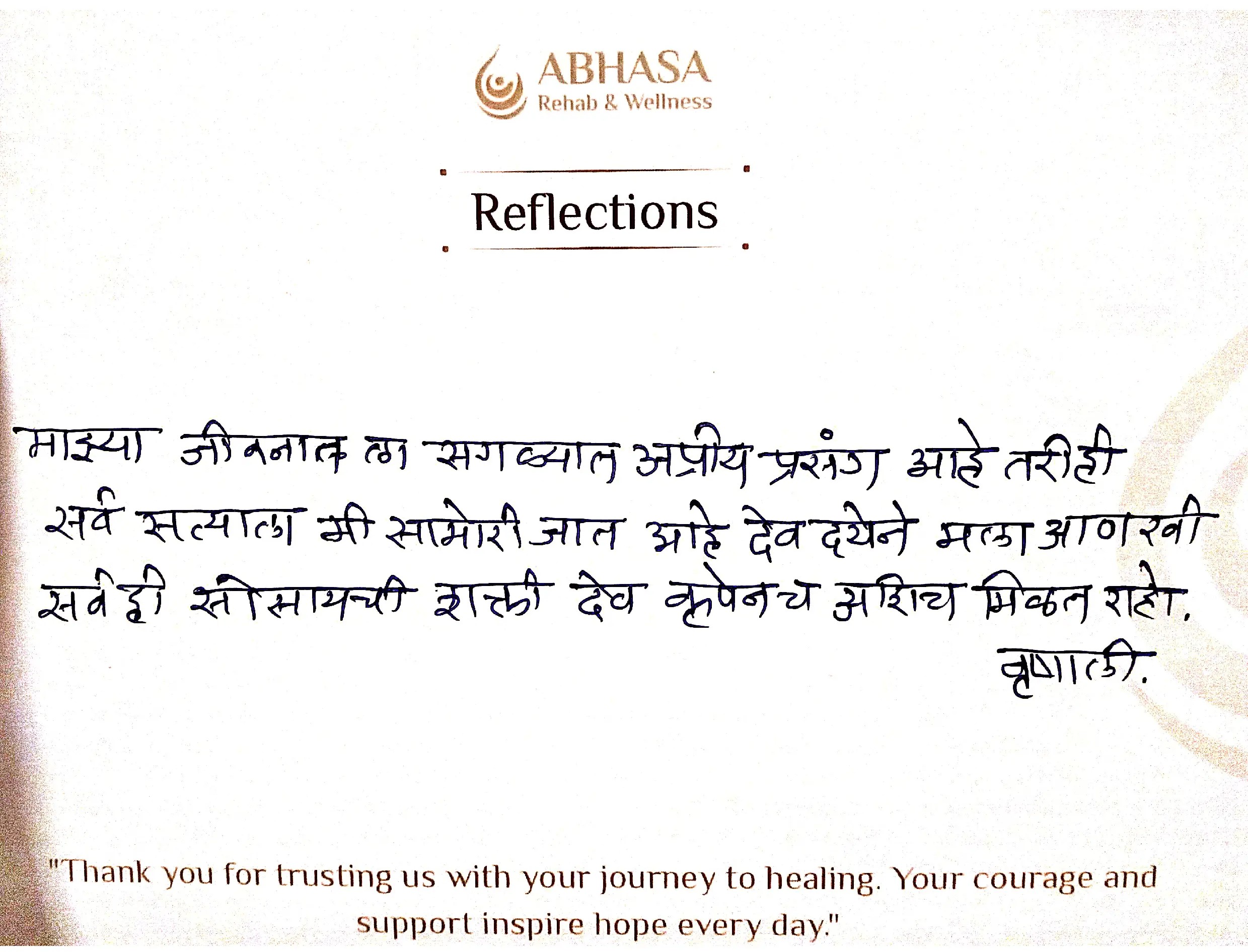
I found strength to face life’s hardest truths here. I believe it was God’s grace that brought me to Abhasa.
Former Client
Every therapy and space nurtures growth and lasting healing.
FAQs About Bulimia Treatment Centres
Finding the proper support for bulimia can feel overwhelming. Here, we answer the most common questions about bulimia treatment centres and provide clear guidance for those seeking eating disorder help.
Can you live a normal life with bulimia?
Can your body recover from bulimia?
With proper treatment and consistent support for eating disorders, the body often heals, leading to improvements in physical health and emotional well-being over time.[2]
How do people treat bulimia?
Treatment usually includes therapy, nutrition guidance, and emotional support at bulimia treatment centres, alongside holistic eating disorder help.
How long does it take to recover from bulimia?
How to break the bulimia cycle?
Structured care at bulimia treatment centres teaches coping skills, emotional regulation, and nutrition strategies for lasting eating disorder help.
Should I go to the hospital for bulimia?
Hospitals help with immediate medical concerns, but long-term healing happens through specialised bulimia treatment centres that provide focused eating disorder help.[2]
At what age is bulimia most common?
Bulimia often appears during adolescence or early adulthood. However, eating disorder help benefits people at any age.[1]
What are the medical treatments for bulimia nervosa?
Medical support addresses physical health, while therapy and nutrition counselling at bulimia treatment centres offer emotional and behavioural eating disorder help.[2,13]
What is an eating recovery centre?
It is a specialised place offering structured care, therapy, and wellness programs for those seeking bulimia treatment centres and eating disorder help.
What is stage 4 of bulimia?
What is the most successful treatment for bulimia?
The most effective treatment blends therapy, nutrition care, and emotional support provided by expert bulimia treatment centres and skilled eating disorder help teams.
What is the recovery rate for bulimia?
What is the success rate of bulimia treatment?
Many who complete programs at specialised bulimia treatment centres with consistent eating disorder help experience significant improvements and lasting change.[3, 15]
What is the treatment for a person with bulimia nervosa?
Treatment involves therapy, nutritional care, and family support, typically offered at experienced bulimia treatment centres alongside professional eating disorder help.[2,13]
What type of therapy is best for bulimia?
Cognitive behavioural therapy (CBT) remains one of the most effective forms of eating disorder help provided in bulimia treatment centres.
Where do you go if you have bulimia?
You can reach out to trusted bulimia treatment centres for personalised eating disorder help that fits your needs.
Where to get help if you have bulimia?
Specialised bulimia treatment centres offer structured care, therapy, and nutrition programs for those seeking immediate eating disorder help.
Which of the following treatments for bulimia nervosa is most effective?
Which therapy appears to be most effective for treating bulimia?
Which therapy is found to be most effective for patients with bulimia nervosa?
CBT, combined with nutritional therapy and emotional care at bulimia treatment centres, forms a highly effective approach for eating disorder help.[13]
Why is bulimia so hard to overcome?
Begin Your Recovery Journey
You do not have to face this alone. If you are searching for the best bulimia treatment centres, know that help is here. Abhasa offers private, compassionate care focused on long-term healing. Taking the first step toward bulimia recovery help may feel overwhelming, but we are here to guide you. Our admissions process is straightforward, offering options for immediate contact and a complimentary family consultation. Space is limited to ensure personal attention. Once you reach out, we will walk with you every step of the way.
The first call can change everything, let us guide you.
Proudly Serving Across Cities
- Rehab in Karjat
- Rehab in Pune
- Rehab in Navi Mumbai
- Rehab in Madurai
- Rehab in Trichy
- Rehab in Bangalore
- Rehab in Chennai
- Rehab in Thane
- Rehab in Nasik
- Rehab in Kochi
- Rehab in Mangalore
- Rehab in Mysore
- Rehab in Hyderabad
- Rehab in Vijayawada
- Rehab in Visakhapatnam
- Rehab in Delhi
Medical Disclaimer
This website provides general information about bipolar disorder treatment at Abhasa. The information on this site is not medical advice and should not be used as a substitute for professional medical consultation, diagnosis, or treatment.
Bipolar disorder is a serious medical condition that requires professional psychiatric care. Always seek the advice of your psychiatrist or other qualified health provider with any questions you may have regarding your mental health condition.
Never disregard professional medical advice or delay in seeking it because of something you have read on this website. Individual results vary significantly. Outcomes depend on many factors including illness severity, medication adherence, co-occurring conditions, and individual engagement with treatment.
If you think you may have a medical emergency or are experiencing a mental health crisis, call your doctor, go to the nearest emergency department, or call emergency services immediately.
The decision to pursue residential treatment for bipolar disorder should be made in consultation with a qualified psychiatrist or mental health professional who can assess your specific situation, symptoms severity, and treatment needs. Residential treatment is not appropriate for all individuals with bipolar disorder.
RESOURCES - 15 AUTHORITATIVE SOURCES
Research Citations (Consolidated to Top 15)
[1] Frontiers in Psychology – “Bulimia nervosa and treatment-related disparities: a review” – 2024
URL: https://www.frontiersin.org/journals/psychology/articles/10.3389/fpsyg.2024.1386347/full
Source Type: Peer-reviewed systematic review
Why Selected: Most recent comprehensive review; documents that 94% of those with BN never seek or delay treatment; covers treatment effectiveness across modalities
[2] NCBI – “Bulimia Nervosa” – StatPearls – 2023
URL: https://www.ncbi.nlm.nih.gov/books/NBK562178/
Source Type: Government source / Medical reference
Why Selected: Authoritative NIH-affiliated medical reference; comprehensive coverage of epidemiology, median age of onset, prevalence, medical complications requiring monitoring
[3] American Journal of Psychiatry – “The Outcome of Bulimia Nervosa: Findings From One-Quarter Century of Research” – 2009
URL: https://psychiatryonline.org/doi/10.1176/appi.ajp.2009.09040582
Source Type: Peer-reviewed meta-analysis
Why Selected: Landmark study analyzing 79 studies with 5,653 patients; documents 45% full recovery rate, 27% improvement rate; most cited outcome research
[4] PMC – “Family-based treatment of eating disorders in adolescents: current insights” – 2017
URL: https://pmc.ncbi.nlm.nih.gov/articles/PMC5459462/
Source Type: Government source / Peer-reviewed
Why Selected: Comprehensive review of family therapy; supports cultural sensitivity, non-blaming approaches, family involvement benefits; evidence-based treatment approach
[5] PMC – “A systematic review of outcomes following residential treatment for eating disorders” – 2020
URL: https://pmc.ncbi.nlm.nih.gov/articles/PMC7216912/
Source Type: Government source / Peer-reviewed systematic review
Why Selected: Most comprehensive review of residential treatment specifically; documents effectiveness, structured routines, psychopathology improvements, environmental factors
[6] Mayo Clinic – “Eating disorder treatment: Know your options” – 2025
URL: https://www.mayoclinic.org/diseases-conditions/eating-disorders/in-depth/eating-disorder-treatment/art-20046234
Source Type: Professional medical organization
Why Selected: Most authoritative general medical source; supports multidisciplinary team approach; updated 2025; trusted consumer resource
[7] PMC – “A novel ‘practical body image’ therapy for adolescent inpatients with anorexia nervosa: a randomised controlled trial” – 2021
URL: https://pmc.ncbi.nlm.nih.gov/articles/PMC8292282/
Source Type: Government source / Peer-reviewed RCT
Why Selected: High-quality RCT evidence for mirror exposure and cognitive restructuring; CBT-based body image intervention; strong methodology
[8] Journal of Eating Disorders – “Body dissatisfaction, stigma and eating disorders: a scoping study on the role of compassion focused therapy” – 2025
URL: https://jeatdisord.biomedcentral.com/articles/10.1186/s40337-025-01292-0
Source Type: Peer-reviewed / Open access
Why Selected: Most recent (2025) review on compassion-focused approaches; supports self-compassion training; addresses body image concerns and shame reduction
[9] PubMed – “Benefits of yoga in the treatment of eating disorders: Results of a randomized controlled trial” – 2020
URL: https://pubmed.ncbi.nlm.nih.gov/32182190/
Source Type: Government source / Peer-reviewed RCT
Why Selected: RCT evidence showing yoga reduces binge eating and improves emotional regulation; supports holistic therapy claims with rigorous methodology
[10] PMC – “Effect of Yoga in the Treatment of Eating Disorders: A Single-blinded Randomized Controlled Trial with 6-Months Follow-up” – 2018
URL: https://pmc.ncbi.nlm.nih.gov/articles/PMC5934953/
Source Type: Government source / Peer-reviewed RCT
Why Selected: RCT with 6-month follow-up showing sustained benefits; documents yoga reduces ED psychopathology long-term; supports holistic treatment durability
[11] PMC – “Meal support intervention for eating disorders: a mixed-methods systematic review” – 2024
URL: https://pmc.ncbi.nlm.nih.gov/articles/PMC11034063/
Source Type: Government source / Peer-reviewed systematic review
Why Selected: Most recent (2024) comprehensive review of meal support specifically; documents effectiveness as first-line intervention; supports nutritional rehabilitation claims
[12] Springer – “Mindfulness-based interventions for binge eating: an updated systematic review and meta-analysis” – 2025
URL: https://link.springer.com/article/10.1007/s10865-025-00550-5
Source Type: Peer-reviewed meta-analysis
Why Selected: Most current (2025) meta-analysis; 54 studies showing medium-large effect sizes; strongest evidence for mindfulness effectiveness in binge eating
[13] PubMed – “Treatments for bulimia nervosa: a network meta-analysis” – 2018
URL: https://pubmed.ncbi.nlm.nih.gov/29729686/
Source Type: Government source / Network meta-analysis
Why Selected: Gold-standard network meta-analysis comparing all treatment types; 21 RCTs with 1,828 participants; documents CBT as most likely to achieve remission
[14] Journal of Eating Disorders – “The five tenets of family-based treatment for adolescent eating disorders” – 2022
URL: https://jeatdisord.biomedcentral.com/articles/10.1186/s40337-022-00585-y
Source Type: Peer-reviewed / Open access
Why Selected: Authoritative explanation of FBT principles; supports non-authoritarian, agnostic, partnership approach to family involvement
[15] Journal of Eating Disorders – “Treatment outcomes for adolescent bulimia nervosa: a systematic scoping review” – 2025
URL: https://jeatdisord.biomedcentral.com/articles/10.1186/s40337-025-01236-8
Source Type: Peer-reviewed systematic review
Why Selected: Most recent (2025) review specifically on BN treatment outcomes; documents family-focused and CBT effectiveness with promising findings