
Heroin Addiction Treatment Centre in India

Heroin doesn’t have to take it all. Abhasa’s safe detox and therapies guide you towards recovery with dignity.
Find stability and clarity at Abhasa today.

2:1 Staff-to-client ratio
3 Healing Spaces
Personalised Treatments
360° Healing
2:1 Staff-to-client ratio
3 Healing Spaces
Personalised Treatments
360° Healing
Comprehensive Heroin Addiction Treatment Center in India

Heroin doesn’t just affect the body. It changes how a person thinks, feels, and connects with others. Choosing the right heroin addiction treatment centre helps rebuild what heroin has taken away. Recovery means more than stopping use. It means finding peace, stability, and strength again.
You may see your loved one withdrawing, losing interest in life, or struggling to function daily. You may have tried speaking with them, visited doctors, or hoped things would improve with time. They often need a structured, expert-led path forward when nothing brings lasting change.
At Abhasa, our heroin rehab centre offers care that goes deeper. We provide a peaceful, private environment to heal the body and the mind. Clients follow a daily routine with professional guidance, emotional support, and holistic practices that restore balance and dignity.
Our team monitors progress with round-the-clock care. We include evidence-based therapy, wellness sessions, nutrition, and time for reflection. This helps each person feel safe, focused, and empowered to begin again.
Families play a central role, too. We keep you informed, involved, and supported through every phase of care. We believe healing must include the relationships that matter most.
When you choose a heroin addiction treatment centre like Abhasa, you choose compassion, expertise, and long-term guidance. We walk with you from the first call through every step of recovery.
Not sure if residential care is right for your loved one?
Understanding Heroin Addiction & Why Professional Treatment Matters
What Heroin Does and Why Professional Support Can't Wait
Many people believe heroin use fades with time or willpower. In reality, heroin addiction changes how the brain works and how a person sees the world. It does not stay in the background. It takes over routines, relationships, and emotional control. A person facing this challenge needs more than encouragement. They need structured support and a calm, medically guided setting to begin healing.
Heroin changes the brain and the body
When someone uses heroin, their brain releases intense pleasure chemicals. Over time, the brain stops producing those chemicals naturally. This creates heroin dependency, where the person no longer feels normal without the substance. They lose interest in daily life, disconnect from people they care about, and feel stuck in a cycle they cannot break alone.
The longer heroin stays in a person’s life, the more it reshapes who they are and how they live.
Stopping without medical help increases the risk
Trying to stop heroin use at home often leads to severe withdrawal symptoms. Without medical oversight, the person may face physical pain, emotional distress, and serious health risks. When someone struggles with heroin addiction, they need more than motivation. They need a safe environment that protects them while they recover.
Many families do their best to support their loved ones. However, home care cannot meet those needs when symptoms become too strong or unpredictable.
Families carry the weight, too
Opioid addiction affects more than one person. It brings worry, confusion, and fatigue into the home. You may stay up at night listening for movement or checking in constantly. You may avoid conversations with friends out of fear or shame. This silent pressure builds over time and wears families down.
Choosing a professional setting helps lift that weight and gives everyone a better path forward.
A structured plan replaces chaos with calm
At Abhasa, we create daily schedules that restore stability. Clients eat nourishing meals, participate in therapy, join wellness sessions, and rest in peaceful surroundings. These routines help people regain control over their thoughts and choices. Someone living with heroin dependency needs that structure to begin believing in recovery again.
The mind starts to quiet down and heal when the day has a rhythm.
Acting early prevents deeper pain
Heroin addiction does not stop on its own. It grows quietly until it disrupts everything. Seeking help early can prevent physical decline, emotional burnout, and potential overdose. Families who choose treatment often say they waited too long out of fear or uncertainty.
You do not need to wait. You can choose to heal today.
What Heroin Does and Why Professional Support Can't Wait
Many people believe heroin use fades with time or willpower. In reality, heroin addiction changes how the brain works and how a person sees the world. It does not stay in the background. It takes over routines, relationships, and emotional control. A person facing this challenge needs more than encouragement. They need structured support and a calm, medically guided setting to begin healing.
Heroin changes the brain and the body
When someone uses heroin, their brain releases intense pleasure chemicals. Over time, the brain stops producing those chemicals naturally. This creates heroin dependency, where the person no longer feels normal without the substance. They lose interest in daily life, disconnect from people they care about, and feel stuck in a cycle they cannot break alone.
The longer heroin stays in a person’s life, the more it reshapes who they are and how they live.
Stopping without medical help increases the risk.
Trying to stop heroin use at home often leads to severe withdrawal symptoms. Without medical oversight, the person may face physical pain, emotional distress, and serious health risks. When someone struggles with heroin addiction, they need more than motivation. They need a safe environment that protects them while they recover.
Many families do their best to support their loved ones. However, home care cannot meet those needs when symptoms become too strong or unpredictable.
Families carry the weight, too
Opioid addiction affects more than one person. It brings worry, confusion, and fatigue into the home. You may stay up at night listening for movement or checking in constantly. You may avoid conversations with friends out of fear or shame. This silent pressure builds over time and wears families down.
Choosing a professional setting helps lift that weight and gives everyone a better path forward.
A structured plan replaces chaos with calm
At Abhasa, we create daily schedules that restore stability. Clients eat nourishing meals, participate in therapy, join wellness sessions, and rest in peaceful surroundings. These routines help people regain control over their thoughts and choices. Someone living with heroin dependency needs that structure to begin believing in recovery again.
The mind starts to quiet down and heal when the day has a rhythm.
Acting early prevents deeper pain
Heroin addiction does not stop on its own. It grows quietly until it disrupts everything. Seeking help early can prevent physical decline, emotional burnout, and potential overdose. Families who choose treatment often say they waited too long out of fear or uncertainty.
You do not need to wait. You can choose to heal today.
Recovery starts when you act. So, don’t wait.
Medically Supervised Heroin Detox Program

A Safer Start to Recovery with Medically Guided Detox
Detox is not just a step. It is the beginning of healing. At Abhasa, our heroin detox centre creates a safe and supportive space where clients begin the process of clearing heroin from their system. We combine professional oversight, physical comfort, and emotional care to make this crucial phase as steady as possible.

24/7 Medical Monitoring for Total Safety
Every person entering detox receives full-time supervision from trained professionals. Our medically supervised detox process involves physicians, nurses, and wellness staff who stay present around the clock. They closely observe symptoms, adjust care as needed, and immediately respond to concerns.
This level of attention prevents complications and gives the client and their family peace of mind.

Support That Focuses on Comfort, Not Just Safety
We know detox can feel overwhelming. That is why our heroin detox centre places just as much focus on comfort. Clients stay in calming private rooms with access to nutrition, gentle movement, and quiet surroundings. We believe physical ease supports emotional strength, especially during the early stages of recovery.
Each person receives care that matches their needs, energy levels, and emotional state.

A Plan for Managing Symptoms With Care
Heroin withdrawal can come with a range of symptoms, from sleep issues and muscle pain to deep anxiety. Our approach to withdrawal management uses evidence-backed methods to reduce discomfort. Our clinical team may use FDA-approved medications when needed, and we support every step with hydration, nutrition, and emotional check-ins.
Staying ahead of symptoms, we help clients move through detox with more stability and less fear.

Involving Families Every Step of the Way
Families deserve clarity during detox. We share daily updates and walk you through your loved one’s progress. The team at our heroin detox centre believes communication builds trust. We keep you informed, supported, and part of the care experience.
Our medically supervised detox protocol works for the individual and the entire family.

What to Expect During the First Days
The first few days can feel intense. That is why we provide clear expectations and structure. From admission to stabilisation, we follow safety protocols, monitor vital signs, and build trust with each client. We combine these steps with wellness comforts, all backed by expert withdrawal management practices.
Wondering how our detox program really works?
Medication-Assisted Treatment (MAT) Options
How Medication-Assisted Options Support Long-Term Recovery
Some people believe that medications replace one problem with another. That belief often delays essential care. In reality, the proper medication-assisted treatment can stabilise brain function, reduce cravings, and give people the clarity they need to begin recovery.
At Abhasa, we offer a compassionate, structured approach to MAT that prioritises safety, personal comfort, and long-term wellness.
How Medication Builds Stability
Once heroin use stops, the brain takes time to recalibrate and restore its natural balance. Cravings increase. Sleep becomes disturbed. Mood swings intensify. Through medication-assisted treatment, we create a more stable starting point. By easing withdrawal symptoms and reducing psychological distress, these medications allow our clients to re-engage with therapy and daily life routines.
They become more present. They begin to participate. And from that participation, progress begins.
Tailored Medication Choices That Respect Individual Needs
No two recovery journeys look the same, and the same holds for medication. At Abhasa, we take time to understand each person’s unique story. Some clients respond well to methadone, which offers consistent support. Others may find that suboxone or buprenorphine better match their needs with fewer side effects.
We begin with a detailed assessment. Our team considers physical health, past substance use, current symptoms, and emotional resilience. This helps us guide each client toward the medication that fits them medically and personally.
Thoughtful Support Through Every Phase
Stability doesn’t happen overnight, and medication choices often need fine-tuning. With our medication-assisted treatment, clients receive continuous attention. Our medical team monitors how the body responds, tracks emotional changes, and adjusts doses when necessary.
This kind of oversight ensures the medication works as a support tool, not a substitute for deeper recovery. It allows clients to build trust and feel safer within the process. This level of care ensures that the medication supports healing rather than masking deeper needs.
We maintain this balance through structured monitoring and open communication with clients and their families.
Gradual and Gentle Tapering
Medications like methadone, suboxone, and buprenorphine are not permanent solutions. They are bridges. As clients grow more stable, we gradually reduce their use under close supervision. This tapering process keeps discomfort minimal while preserving emotional safety.
We aim to stop use and build independence, confidence, and clarity.
Long-Term Benefits Backed by Research
Research shows that medication-assisted treatment improves long-term outcomes. It lowers relapse risk, supports mood stability, and allows therapy to go deeper. Clients who feel safe physically can begin to work through the emotional roots of addiction more effectively.
With this foundation, recovery becomes more than possible. It becomes sustainable.
Find stability and clarity at Abhasa today.
Residential Heroin Rehabilitation Program
A Recovery Path That Rebuilds the Person, Not Just Treats the Addiction
Many people believe that all residential treatment programs for heroin addiction follow the same pattern: detox, medication, and discharge. But that’s not how healing happens at Abhasa. Healing from heroin use takes more than stopping the drug. At Abhasa’s heroin rehabilitation centre, we help people reconnect with who they are beneath the addiction, regain clarity, rebuild confidence, and find steady ground again.
Sobriety is just one part of the journey. What matters just as much is helping someone reclaim the life they lost along the way. Our inpatient program gives each person a stable rhythm, meaningful support, and the space to grow at a pace that feels right for them.
Starting with the Whole Story
Before we talk about treatment plans or schedules, we begin by listening. Every story has a reason behind it, and at Abhasa, we take the time to understand what led someone here, not just what they’re trying to leave behind. Our team takes time to learn the triggers, emotional wounds, and daily challenges thAbhasa’sd the client’s past.
In our heroin rehabilitation centre, the first step includes the following:
- Clinical review: Our doctors and therapists evaluate emotional state, physical health, and history of use
- Emotional mapping: We explore patterns of coping, grief, loss, and anxiety
- Goal alignment: We define what recovery should look like for the client, not just what the system expects
Families often tell us this is the first time someone truly paused to understand, not just treat.
Creating a Plan That Shifts With Program
Every inpatient program includes a care plan. What makes ours different is how it evolves. Our team meets weekly to assess the client’s progress emotionally, socially, and physically and adapts the care strategy as needed.
- If a client feels emotionally drained, we scale back the day and offer calming practices
- If motivation builds, we add structure through group work or therapy intensives
- If family tensions rise, we include additional sessions focused on communication and support
This flexibility ensures our residential treatment stays humane, personal, and responsive.
Layered Healing That Covers Every Angle
Many programs offer basic therapy. We provide a layered recovery model built for transformation. At our heroin rehabilitation centre, healing includes:
- Therapy Modalities: CBT and DBT for thought clarity and emotional regulation
- One-on-One Counselling: Individual sessions that help clients unpack trauma and build trust
- Group Therapy: Shared recovery stories, peer learning, and accountability circles
- Daily Wellness Practices: Movement, rest, journaling, and guided reflection
- Skill Building: Daily routines that support structure, purpose, and self-discipline
Each layer builds upon the other, creating a foundation for real change.
A Recovery Community That Feels Like Belonging
Heroin disconnects people. Recovery restores relationships. Inside our inpatient program, clients build emotional resilience through therapy and meaningful human connection.
- Peer Support: Safe group environments where shared experiences reduce shame
- Community Activities: Collaborative meals, wellness classes, and team reflections
- Guided Relationships: Encouraged social rebuilding without pressure
These moments help clients remember they belong somewhere and that people see them beyond their history.
Family Healing as Part of the Process
Families carry the invisible impact of addiction. At Abhasa, we make sure they heal, too. Our residential treatment model includes:
- Weekly family progress updates
- Counselling sessions focused on boundaries, emotional repair, and honest conversation
- Education about relapse cycles and emotional triggers
At our heroin rehabilitation centre, families don’t feel left out. They feel supported and seen.
Real healing is when every part of the person is cared for.
Why Choose Abhasa's Heroin Treatment Center
When heroin affects someone you love, support at home may no longer feel enough. You may see them retreat, repeat old patterns, or struggle with even simple daily tasks. That’s when choosing the best heroin treatment centre becomes a turning point. At Abhasa, we create a space where recovery feels human, hopeful, and truly possible.
We combine medical guidance with emotional care in a luxury heroin treatment environment that supports the whole person, not just the symptoms. Every element of our care is intentional, from the team we build to the space we provide.
Healing begins with feeling safe. Clients who walk into Abhasa feel the shift immediately. Our luxury heroin treatment centre offers quiet surroundings, greenery, private living spaces, and thoughtful design that eases stress and supports healing.
We do not treat clients in hospital-like settings. We offer warmth, privacy, and personalised attention to every detail.

At the heart of our success is a highly skilled team. As the best heroin treatment centre, we bring together addiction specialists, clinical psychologists, psychiatrists, and wellness experts. Each member contributes to a coordinated care plan shaped by regular reviews and personal progress updates.
Clients receive medical care, therapy, and holistic support from professionals who understand both the science of addiction and the emotional depth of recovery.
We believe that luxury heroin treatment should do more than manage symptoms. At Abhasa, we help clients rebuild routines, process emotional pain, and form healthy habits that last.
Our treatment includes individual therapy, group work, yoga, meditation, nutrition support, and expressive arts. Every activity in our private treatment plan exists to create strength, self-awareness, and new emotional tools.

Many families face stigma, secrecy, and fear when dealing with heroin addiction. At Abhasa, we understand these pressures. We design our private treatment programme to respect family dynamics and provide a safe space for open dialogue.
Family involvement is not an afterthought. We include relatives through weekly sessions, emotional coaching, and education. We teach families how to support without enabling and rebuild trust from a place of compassion.

Privacy matters, especially during such a vulnerable time. Our private treatment model protects clients’ identities, medical records, and communication. Only the people you choose stay involved in your care journey.
This discretion allows clients to focus entirely on healing without fearing judgment or social pressure.

As the best heroin treatment centre, we do not measure success only by completion. We follow through with each client’s journey beyond discharge. Our relapse-prevention planning, alumni check-ins, and long-term support ensure recovery doesn’t end with rehab. It carries forward with strength and self-awareness.
Clients leave our luxury heroin treatment centre with clarity, confidence, and a deep belief in their ability to move forward.

Wondering if this is the right step for your family?
Meet Our Heroin Addiction Specialists
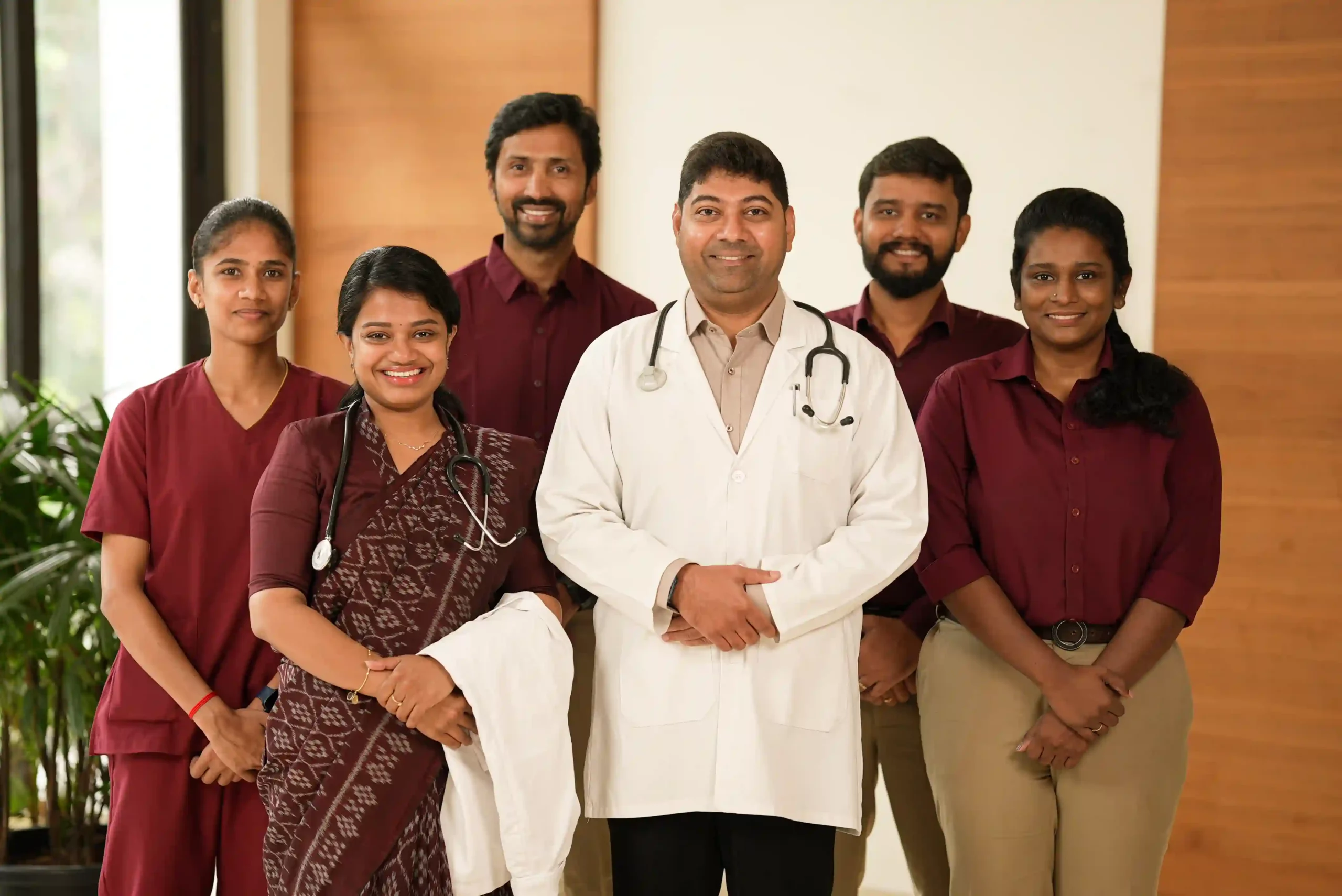
At Abhasa, recovery is guided by experienced addiction specialists who combine clinical skills with compassion. Our medical team includes addiction medicine doctors, licensed therapists, 24/7 nursing staff, and holistic practitioners in yoga, meditation, and nutrition. Every care plan reflects the insight of trusted treatment experts who tailor support to individual needs. We also include family counsellors who help rebuild connections at home. This team creates a safe, structured, and profoundly personal path to recovery. When your loved one enters Abhasa, they are never alone; they are supported by experts who walk with them at every step.
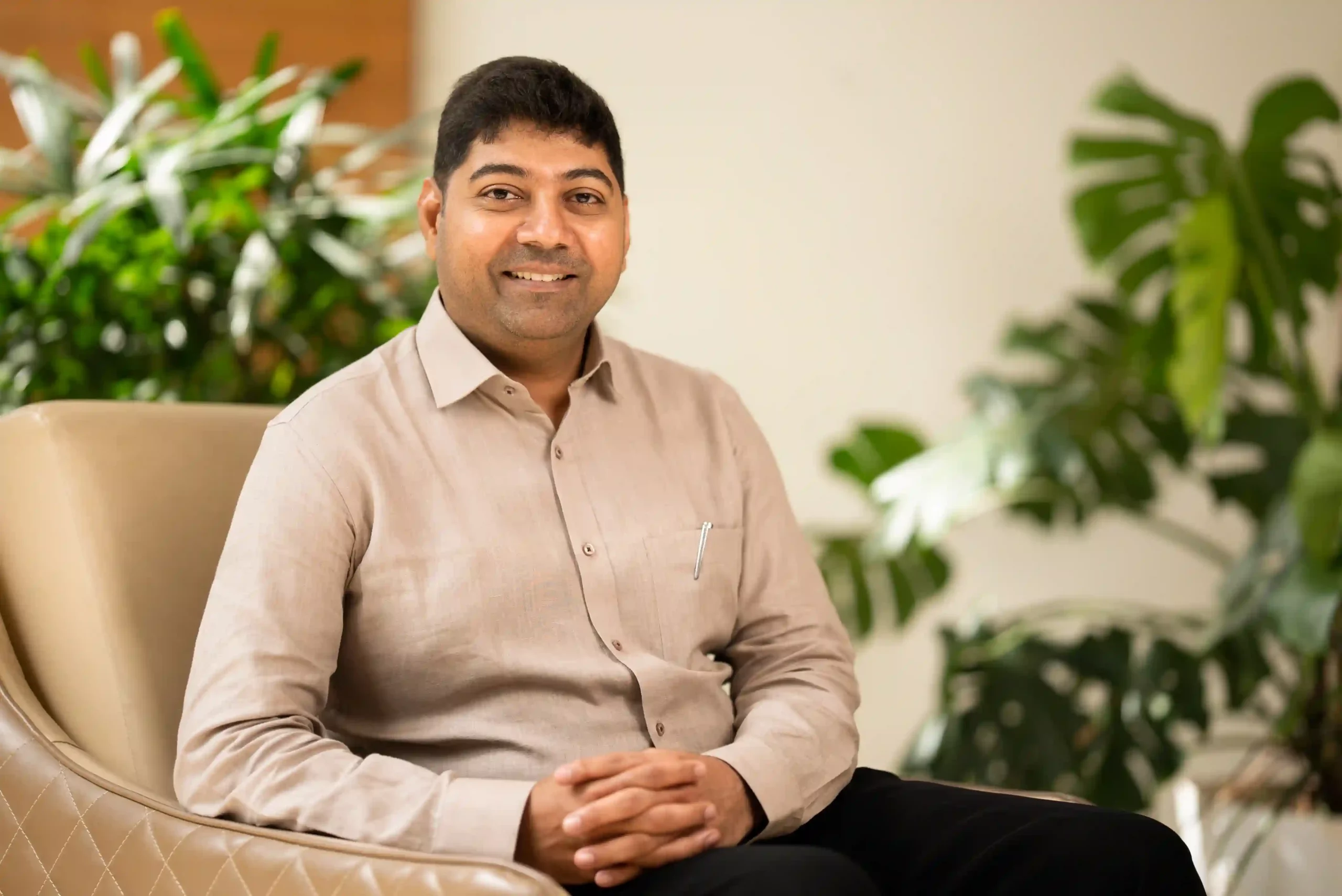
Dr. Naveen Kumar
Medical Director
15+ years of expertise in psychiatry and addiction recovery.
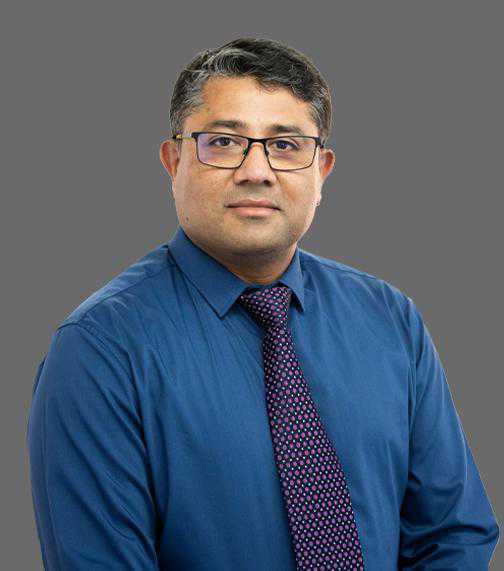
Dr. Vivek Sharma
Consultant Psychiatrist & Neurofeedback Practitioner
With over 15+ years of experience in psychiatry and neurofeedback, he blends medical expertise and compassion to guide clients toward lasting recovery.
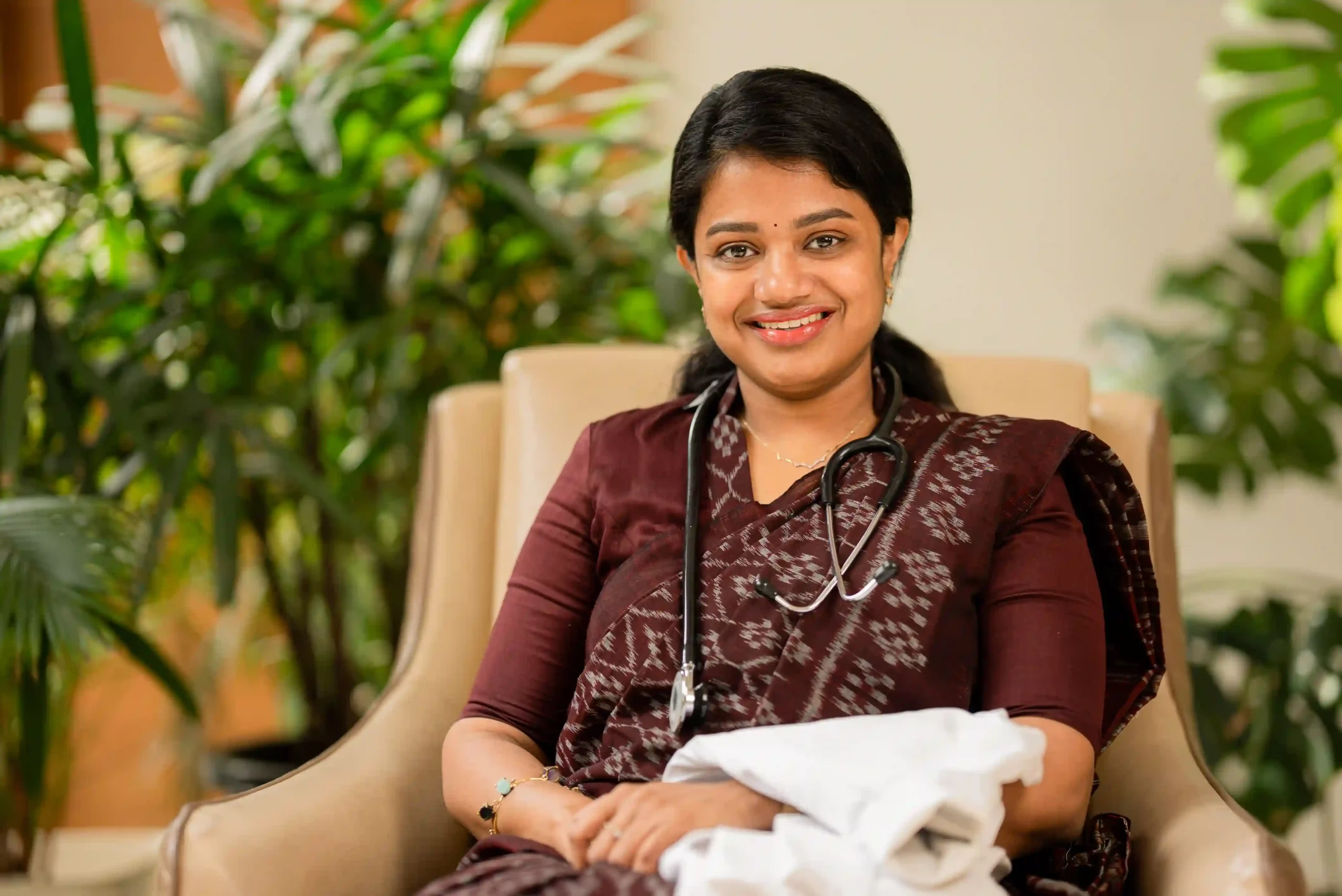
Dr. Shree Aarthi
Consultant Psychiatrist
15+ years providing expert psychiatric care for mental health and substance use disorders.

Dr. Ramalingam P Kandaswamy
Consultant Physician
15+ years With over 5 years of experience in HIV and infectious diseases, he brings global expertise and compassionate care to every patient he supports.

Dr. Divya
Psychiatrist
10+ years combining clinical psychiatry expertise with healthcare management for holistic treatment.

Dr. Malarvilzhi
Residential Medical Officer
12 years delivering comprehensive medical care in psychiatric and rehabilitation settings.

Dr. Karuppachamy
Senior Psychiatric Social Worker
22+ years of experience empowering clients through therapeutic guidance, psychosocial support, and lived-experience wisdom.
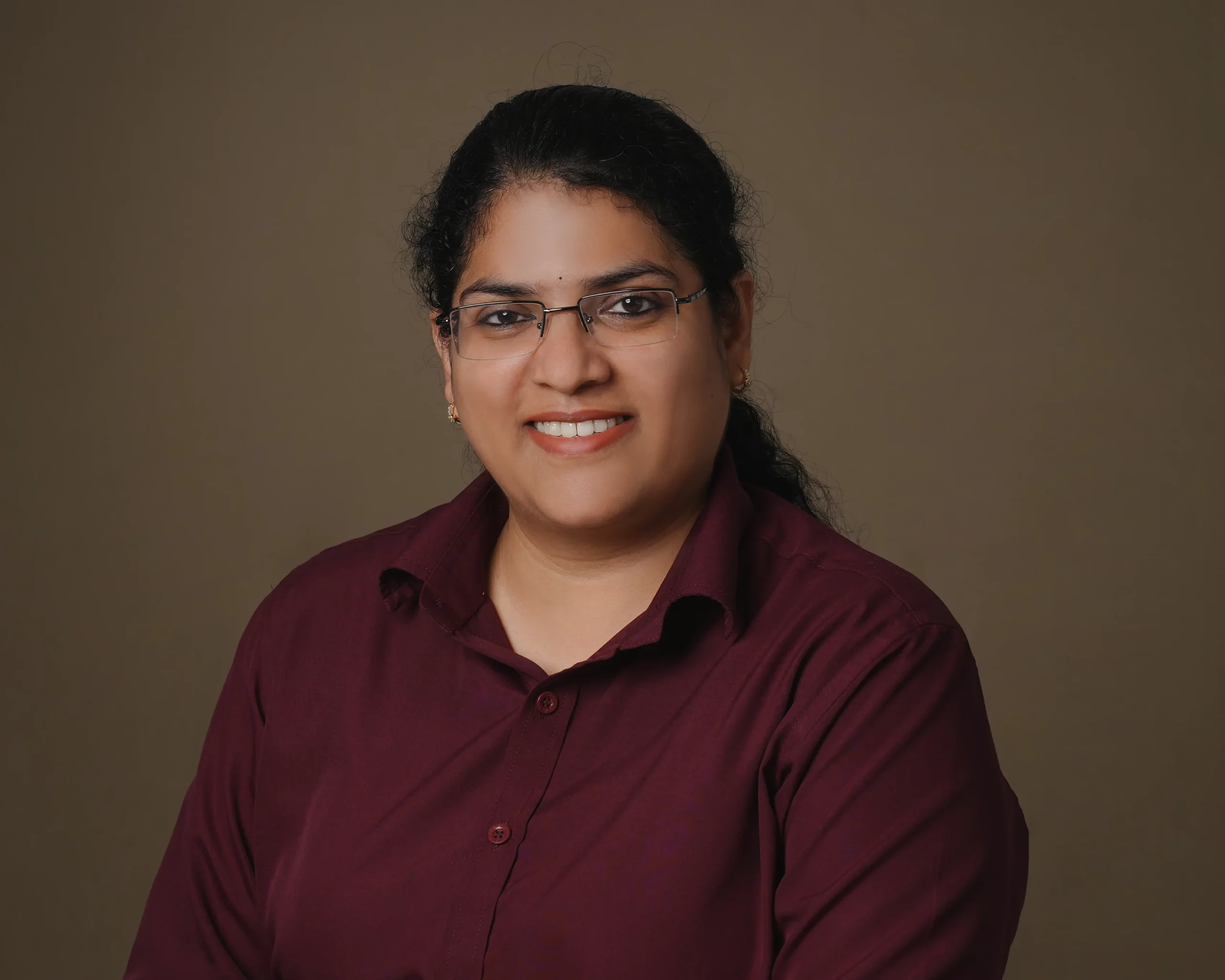
Ms. Meera
Senior Clinical Psychologist
9+ years specializing in psychological assessment and evidence-based therapeutic interventions.
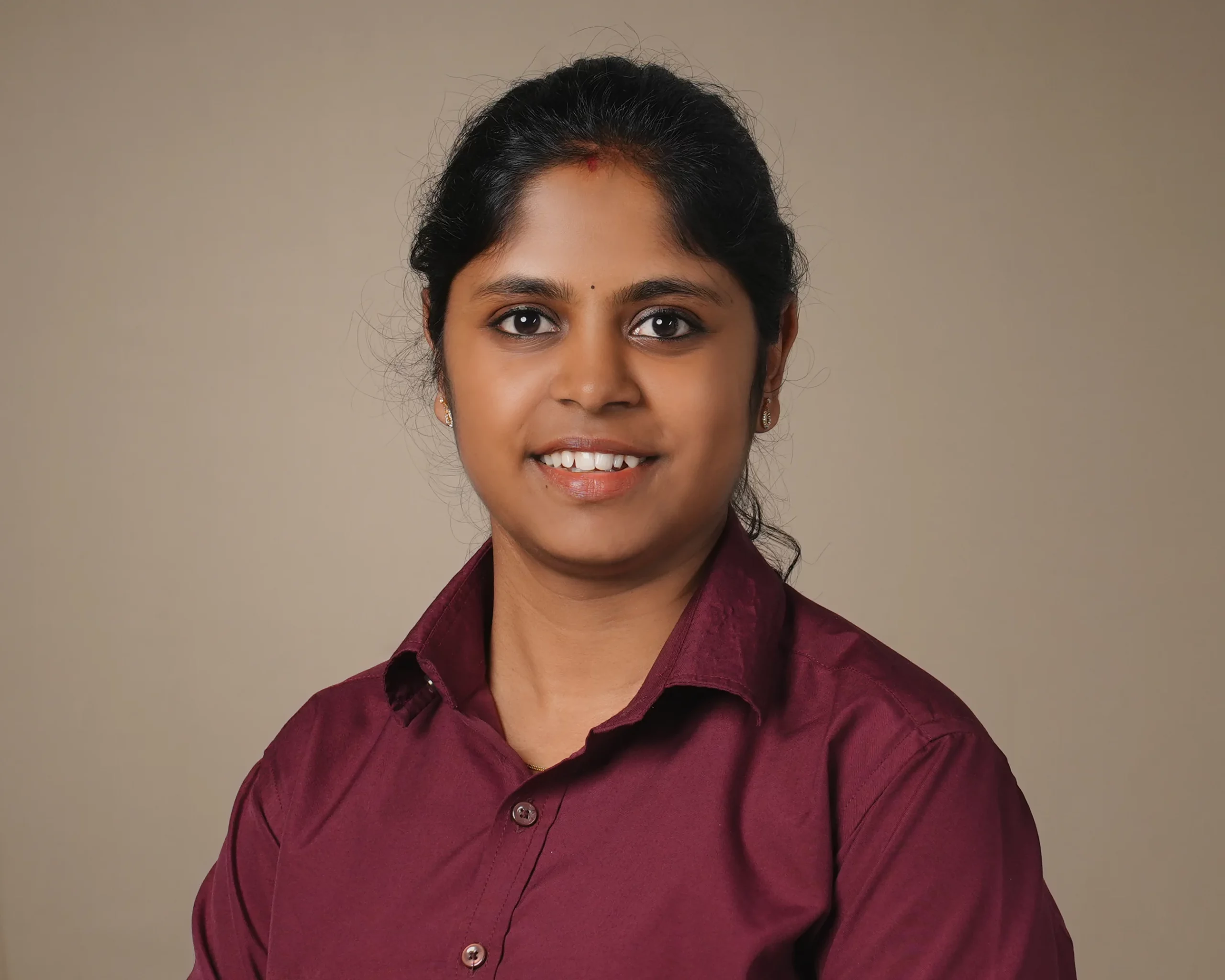
Mrs. Priyadarshini
Head Clinical Psychologist

Mr. Mukesh Kanna
Clinical Psychologist
2+ years providing psychological interventions for behavioral health and emotional wellness.

Mr. Antipas Jayabal
Clinical Psychologist
2+ years supporting clients through clinical assessment and therapeutic care.

Ms Keerthana S
Psychologist
Empathetic psychologist with 4 years’ experience in handling mental health disorders, using evidence-based psychotherapies for personalized client care.
Daily Life in Our Residential Program
Every person who enters our residential program brings a different story. Some come after years of struggle, some after a recent relapse, and some after trying everything else.

What many have in common is this: chaos. Their days lack rhythm. Their nights lack rest. Their emotions feel too loud. At Abhasa, we gently rebuild that rhythm through a structured treatment schedule focusing on healing, not just coping.
Each day starts with intention. Clients wake up in a calm space, check in with our wellness team, and begin with movement or mindfulness. Some go for a walk. Others sit in quiet reflection. A nourishing breakfast follows, giving both energy and a sense of care. These morning routines form the foundation of our residential program and help prepare the mind for what comes next.
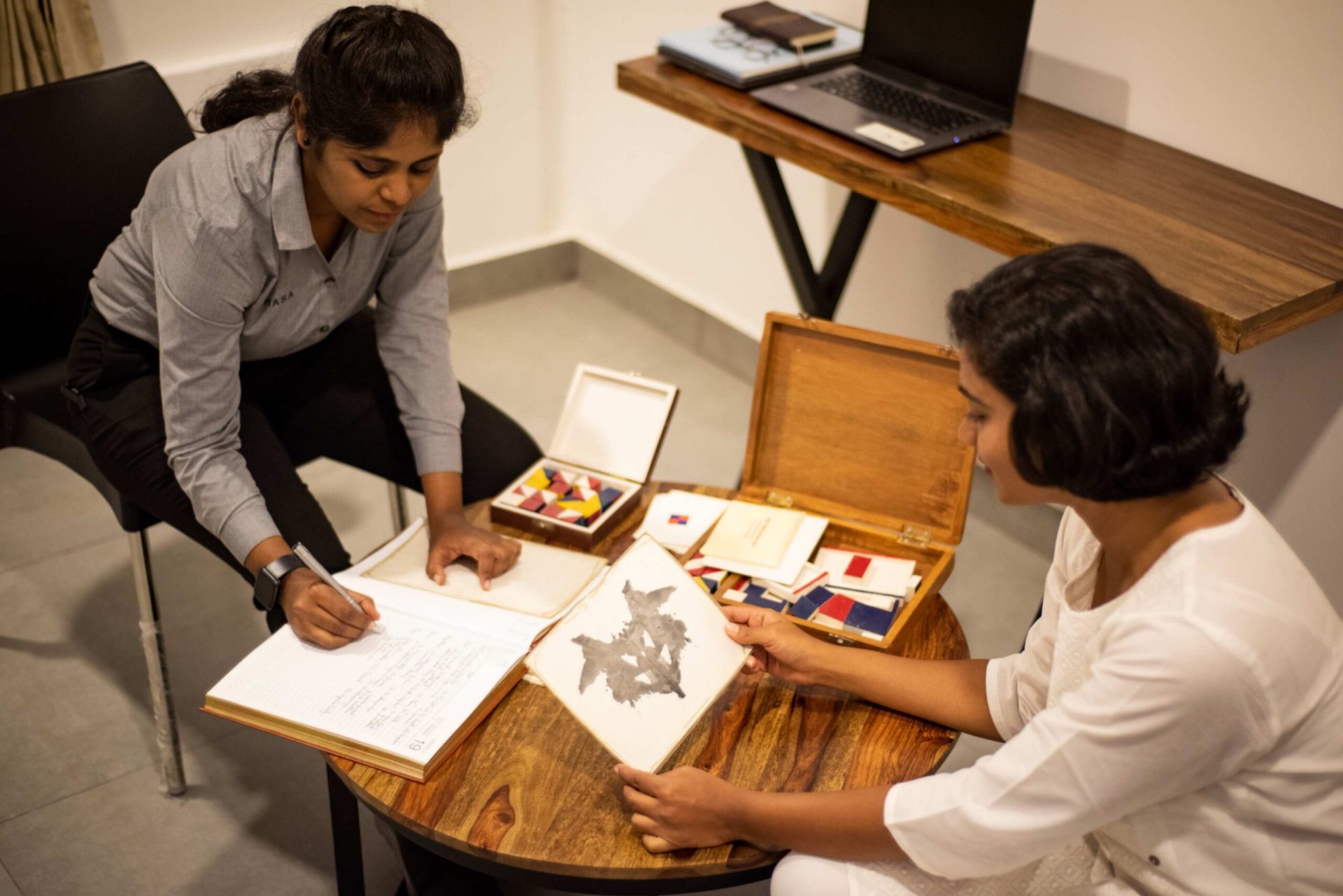
As the day continues, therapy takes centre stage. Every treatment schedule includes time for one-on-one counselling, group sessions, and workshops on addiction education. These recovery activities aren’t just about talking through problems. They help clients understand what led them to heroin in the first place and what will help them move forward.
But recovery is never just about therapy. Our residential program also includes time for expression, movement, and creativity. Clients take part in yoga, art, journaling, or fitness. These recovery activities help release stress, reconnect the mind with the body, and offer small wins that rebuild confidence.
As evening approaches, the treatment schedule slows down. The goal is to reflect, reset, and rest. Group circles, writing time, or guided relaxation help clients wind down. Sleep becomes predictable again. Emotions start to settle. These quiet moments are just as important as the active ones.
Family time is part of this rhythm, too. In our residential program, clients connect with loved ones through video calls or written updates. Guided family therapy helps rebuild trust, repair communication, and unite everyone in recovery. These moments remind clients that healing doesn’t happen alone.
Throughout all of this, the treatment schedule supports small, steady changes. It teaches clients how to build routines that last. From preparing meals to managing their time, every part of our recovery activities mirrors life outside, just with more support and care.
When they leave, most clients tell us they feel like themselves again. They think of themselves more steadier. And for many, that’s the most powerful start they could ask for.
Wondering how daily structure promotes real recovery?
Holistic Healing That Goes Beyond Talk Therapy
Not everyone begins recovery ready to talk. Some carry deep emotional pain. Others feel disconnected from their bodies. At Abhasa, we meet them there with care that listens without needing words. Our holistic treatment approach supports healing on every level: physical, emotional, and spiritual. This is not just therapy. This is full-circle care built to restore balance, stability, and self-trust.
We weave modern therapeutic practices with ancient wisdom. Our wellness activities help clients find their rhythm. When the body begins to feel safe again, the mind often follows. That’s why we focus on restoring calm from the inside out. Recovery should feel natural, not like a task. It begins to feel possible when the body softens, and emotions have space to settle.
We start the day with gentle yoga therapy. These sessions are quiet, focused, and welcoming. Clients move at their own pace, taking time to breathe and feel steady again. There’s no pressure to perfect it. The focus is on coming home to the body slowly, gently, and without judgment.
We follow this with breathwork and mindfulness practice. These tools allow clients to regulate emotions, reduce stress, and build awareness. As part of our holistic treatment model, meditation helps quiet mental noise and creates space for healing.
Words are not always enough. Our wellness activities include art therapy, journaling, and music. These expressive practices give clients a safe way to release their feelings. They begin to explore and express themselves without judgment.
Clients often describe breakthroughs in these quiet moments through a brushstroke, a melody, or a single written line. These are not optional extras. They are an essential part of building emotional safety.
Nutrition shapes mood, energy, and focus. Clients receive guidance on balanced eating, hydration, and food awareness as part of our holistic treatment plan. Our chefs prepare meals that support healing, and our therapists help clients understand how nutrition influences recovery.
Each food choice becomes a new form of care. Clients learn how to support their bodies and feel the difference good nutrition can make.
Some of the most potent moments in recovery happen outside four walls. We take yoga therapy outdoors whenever possible through nature walks, open-air stretching, and quiet reflection under the trees. These experiences gently bring clients back to themselves. They start to feel more rooted, present, and at peace in both body and mind.
The movement also offers a quiet kind of support. As part of our wellness activities, clients join simple fitness sessions that help them feel stronger, breathe deeper, and let go of built-up tension. There’s no rush or intensity, just gentle encouragement to move in a safe and healing way. Clients build physical confidence through light strength training, movement classes, and recreational games. These sessions release stress, lift mood, and help the body produce natural endorphins.
We personalise every holistic treatment plan based on how clients respond. Some need more stillness. Others need movement or creative space. Our team watches closely and adapts the mix of wellness activities to match each person’s pace and progress.
There is no fixed formula. Only a living, breathing plan evolves with each client’s healing journey.
Healing at Abhasa starts by listening beyond symptoms.
Family Support & Education Program
Families carry so much. Quiet worry. Confusion. Exhaustion. Often without clear answers. At Abhasa, we recognise every effort behind your support. That is why family support is not optional. It forms a core part of the healing framework.
From day one, we involve families in a structured, reliable way. You receive consistent updates about your loved one’s emotional state, daily routines, and progress. These moments of connection help you stay informed, grounded, and involved. This includes:
- Daily routine summaries
- Weekly calls with the case manager
- Monthly progress meetings with the clinical team
This level of involvement helps family support feel steady, not overwhelming.

Many families want to help but often feel unsure how. Our structured addiction education sessions explain how heroin addiction impacts behaviour, decision-making, and emotions. We help you understand the science and the human side of it.
You will learn:
- How addiction affects the brain
- How to respond during moments of emotional strain
- What to avoid saying and what supports recovery
- How to set and maintain healthy boundaries
This is how addiction education turns confusion into clarity and makes family support sustainable and empowering.

We create space for honest conversations. Our family therapy sessions guide you and your loved one through emotional repair, communication training, and boundary setting. These sessions offer a powerful path toward reconnection.
You will experience:
- Safe, honest, emotional sharing
- Guided conflict resolution
Learning to Understand Each Other Again
In our family therapy sessions, you begin to see what your loved one has been carrying, and they begin to see you, too. These moments create space for healing on both sides. At Abhasa, we care for the whole family, not just the person in recovery. When everyone grows together, the path forward feels less heavy.
Families are central to lasting healing at Abhasa.
Long-term Recovery & Relapse Prevention
Building a Life That Lasts Beyond Rehab
At Abhasa, recovery continues long after residential care ends. We focus on preparing each person for sustainable healing. Our approach to long-term recovery provides real-life tools, emotional support, and a clear path forward.

Our team teaches clients how to understand and respond to triggers. Every relapse prevention plan includes:
- Identifying emotional and environmental triggers
- Practising grounding techniques
- Building daily routines that reduce risk
These strategies help clients respond with clarity, not react from habit. Relapse prevention starts during treatment and becomes second nature in daily life.

Before discharge, we build a personalised aftercare program for every client. This includes:
- Ongoing therapy sessions with familiar care providers
- Peer support through alumni groups and recovery mentorship
- Communication planning with family members
Each aftercare program gives structure and reassurance, helping clients and families stay connected to progress and avoid setbacks.
We help clients develop habits that support long-term recovery. These include:
- Life skills training like time management and personal boundaries
- Daily routines that encourage sleep, movement, and balanced nutrition
- Mindfulness tools for handling stress in healthy ways
These practices strengthen recovery and support independence in real-world settings.
We continue to support clients after they leave. Our care team stays in touch, monitors progress, and offers flexible updates to each aftercare program as needed. This helps every person stay grounded, supported, and focused on long-term recovery.
Abhasa recovery supports life beyond our doors.
A Healing Environment Where Comfort Supports Recovery
Abhasa offers more than therapy. We provide a carefully designed setting where every part of the environment contributes to healing. Our luxury facilities provide the comfort and stability needed to support recovery from the inside out.

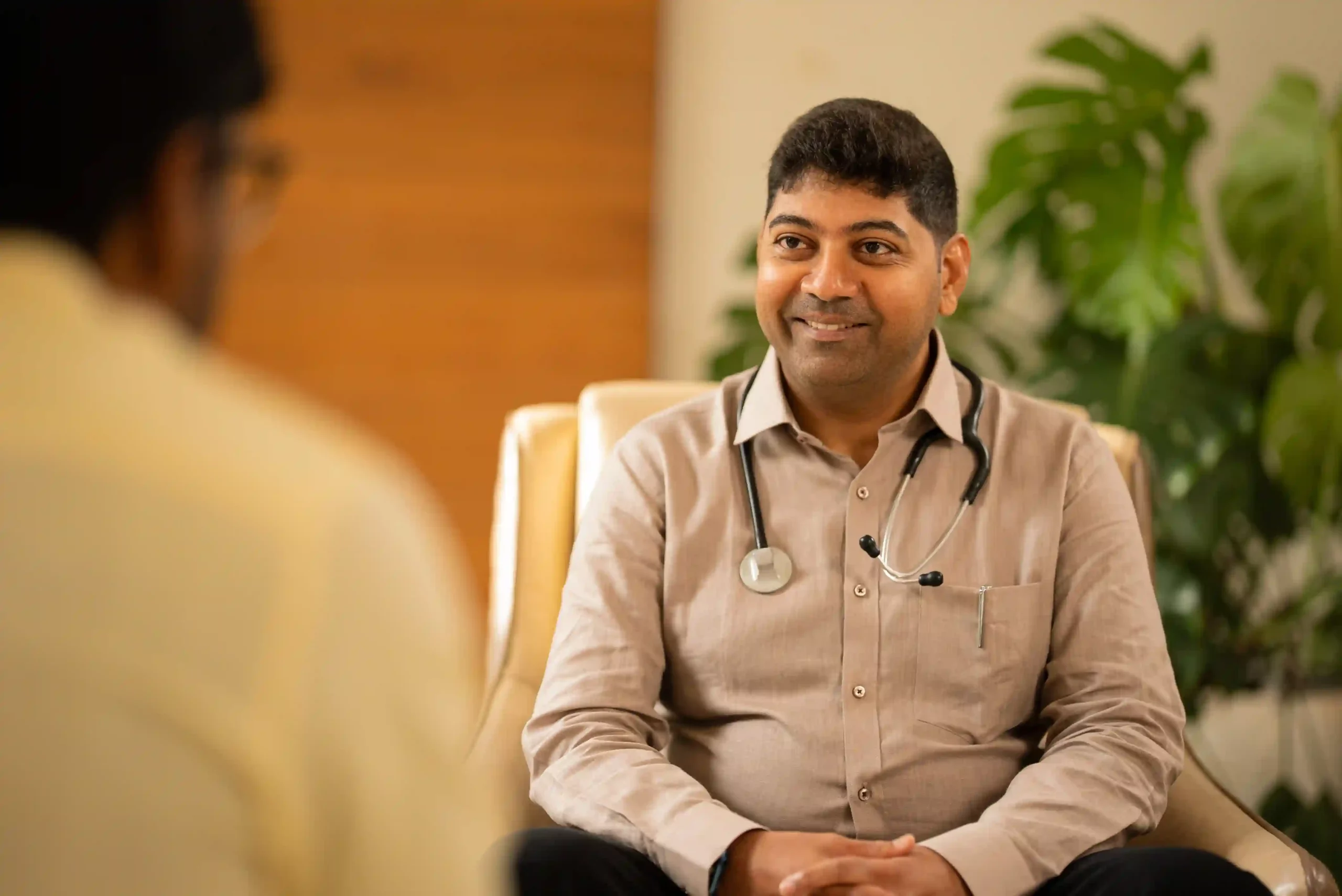
Calm, Private, and Designed for Healing
Our private rooms offer space to breathe, rest, and reflect. Each room includes a comfortable bed, personal storage, climate control, and calming interiors promoting ease. These private rooms give clients the privacy and dignity that support emotional safety and daily structure.
Spaces That Help Healing Happen
Every room at Abhasa is built with care. Clients spend time in soothing, focused spaces where therapy feels safe and engaging. Our recovery setting includes quiet rooms for one-on-one sessions, larger areas for group work, and calming corners for mindfulness. These aren’t just rooms; they are part of the healing process.
Wellness That Goes Beyond Talk
Recovery also needs comfort, care, and connection. That’s why our treatment amenities include more than therapy. Clients enjoy access to wellness options like a spa, a fitness zone, and outdoor areas designed to refresh the body and ease the mind. Each part of our luxury facilities supports both strength and stillness.
- A fully equipped gym to build strength and support emotional release
- Spa services that include massage, hydrotherapy, and aromatherapy
- A salon area to promote self-care and routine building
- Outdoor meditation decks and green walking paths to reconnect with nature
These treatment amenities give clients a multi-sensory healing experience and help integrate wellness into everyday life.
Nourishing the Body with Care
We believe good food supports emotional balance. Our in-house chefs prepare meals that follow each client’s nutrition plan. Meals are fresh, balanced, and served in a calming dining space that brings people together. These moments around the table are just as important as therapy. They help restore connection and comfort.
Space for Joy and Leisure
We also create room for fun, relaxation, and creative exploration. Clients can enjoy:
- Board games and movie nights
- Weekend pottery and music sessions
- Light outdoor sports and nature walks
These offerings make our luxury facilities feel lived-in and human. Recovery grows best in environments where people feel safe and connected.
Safety and Clinical Oversight
Our private rooms and shared spaces are monitored to ensure continuous safety. Clients can access round-the-clock clinical support and emotional check-ins. They heal better when they feel safe. With comfort built into every detail, clients can focus on their recovery without fear or discomfort. They feel cared for, not just treated.
Healing feels real when the space feels like home.
Success Stories & Recovery Testimonials
At Abhasa, recovery feels personal and powerful. Our success stories show how individuals rebuild their lives with clarity, confidence, and support. Families contribute heartfelt recovery testimonials about healing, renewed bonds, and real change. From emotional stability to career growth, each journey reflects positive treatment outcomes that extend far beyond rehab. Clients reconnect with loved ones, rediscover joy, and step into a future they once thought was out of reach. These voices of recovery give hope to those just beginning.
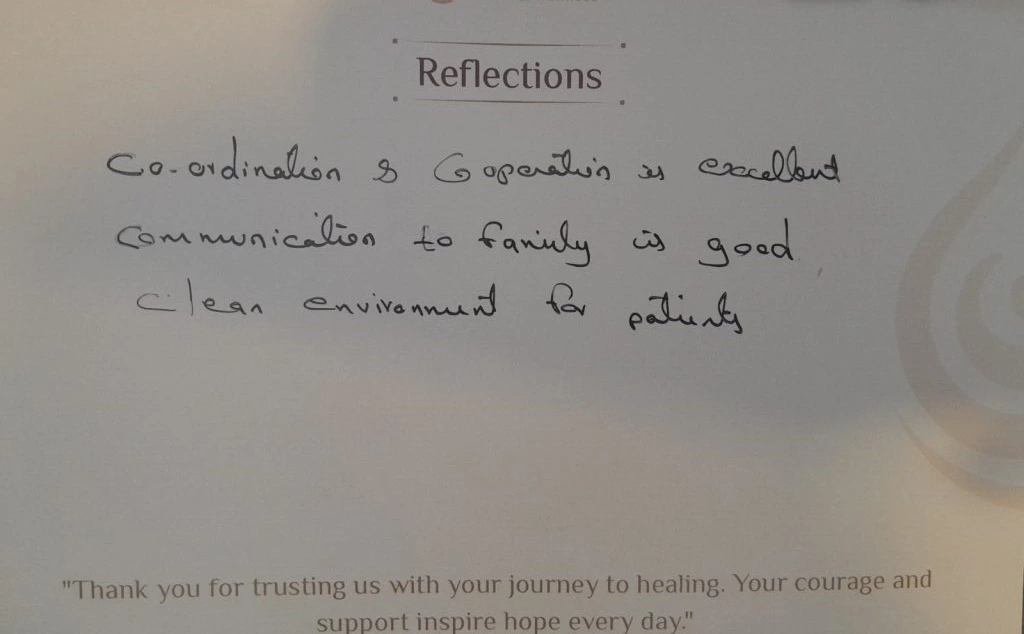
Co-ordination & cooperation is excellent. Communication to family is good. Clean environment for patients.
Former Client
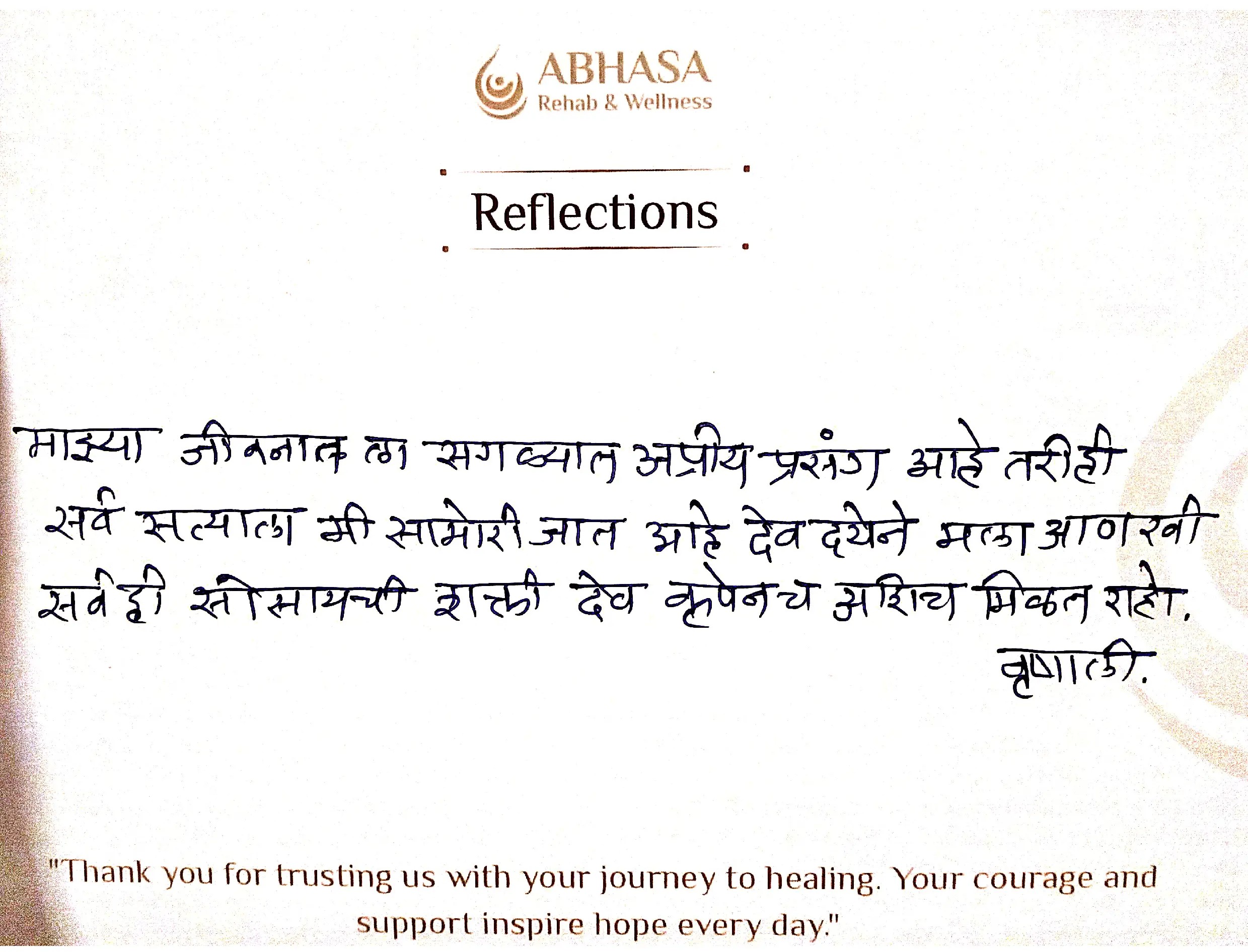
I found strength to face life’s hardest truths here. I believe it was God’s grace that brought me to Abhasa.
Former Client
Insurance & Financial Options

Accessible Healing Without the Financial Overwhelm
We know that considering treatment costs can feel like one more burden during a difficult time. At Abhasa, we make the financial side of recovery less stressful. Our team walks you through your insurance coverage, explains all available payment options, and ensures you never feel left in the dark.
Most major insurance coverage plans are accepted here. We help you check eligibility, submit claims, and understand precisely what your insurance coverage includes. If you’re exploring flexible payment options, we’ll sit with you and find a manageable way forward. You’re not left to figure this out on your own.
Our team will help you design a plan that fits your circumstances while still prioritising care.
Care should be accessible; finances shouldn’t block healing.
Frequently Asked Questions About Heroin Addiction Treatment
How long does heroin addiction treatment take?
Every person heals differently. Some complete their inpatient program in 30 days, while others need longer to stabilise and build new habits. After understanding your health, history, and goals, we personalise the treatment schedule.
What happens during heroin detox?
Heroin detox is the first phase, where the body clears the substance. During this time, our medical team offers constant supervision, comfort care, and emotional support to ease withdrawal safely.
Is medication-assisted treatment safe for heroin addiction?
Yes, when guided by addiction specialists. Medication-assisted care forms a part of many successful recovery journeys. It helps reduce cravings and supports long-term stability.
What is the success rate of heroin addiction treatment?
Success depends on multiple factors, including personalised care, family involvement, and structured aftercare. We measure treatment outcomes based on improved well-being, not just abstinence.
How much does heroin addiction treatment cost in India?
Treatment costs vary depending on your length of stay, room type, and therapy plan. We maintain transparency from the start and help you explore your financial options.
What is the difference between inpatient and outpatient heroin treatment?
Inpatient programs offer a 24/7 therapeutic environment and structured routine, while outpatient care allows clients to stay home and attend therapy sessions. We guide you on what suits your recovery best.
Can family members visit during treatment?
Yes. Family support plays a vital role in recovery. We schedule therapeutic visits, communication sessions, and regular progress updates for loved ones.
What medications are used to treat heroin addiction?
Depending on clinical needs, our team may use FDA-approved options like buprenorphine or naltrexone. All medications are administered with care and oversight.
How do you prevent relapse after heroin treatment?
Relapse prevention is a key focus of our aftercare planning. We teach clients to identify triggers, manage stress, and stay connected to supportive networks.
What happens in a heroin addiction treatment centre?
A typical day includes therapy sessions, holistic healing, personal growth work, and rest. Our treatment FAQs often highlight the safety and structure of our programs.
Is heroin addiction treatment confidential?
Absolutely. From admission to discharge, everything remains strictly private. We follow all ethical and legal standards to protect your identity.
What are the signs that someone needs heroin addiction treatment?
You might notice changes in mood, secrecy, sleep disturbances, financial issues, or withdrawal from loved ones. Early intervention leads to better treatment outcomes.
How do you choose the best heroin treatment centre?
Look for experienced professionals, personalised care, and a holistic approach. Based on our outcomes and client care, Abhasa is recognised as one of India’s trusted centres.
What therapies are used in heroin addiction treatment?
We use a blend of CBT, DBT, mindfulness, yoga therapy, and family support. These therapeutic methods strengthen emotional regulation and support long-term healing.
What support is available after completing heroin treatment?
Our aftercare includes relapse-prevention coaching, alumni groups, and regular check-ins. These layers of support help you maintain progress well beyond your stay.
Start Your Recovery Journey Today
You are not alone in this. If you’ve been searching for a place to begin again, Abhasa offers a safe and supportive space to start recovery with dignity.
We understand the weight that heroin dependency brings. That’s why we make the heroin treatment admission process simple, respectful and guided. From your first contact, our team walks you through every step, whether you’re ready to enrol or need more clarity.
You can call now to speak with our admissions counsellor or reach out through our online form. We offer a free, no-obligation consultation to help you decide the next step. Our lines are open 24/7 in case of urgent need.
The journey starts with one brave step. We’re ready when you are.
Every journey begins with one step today.
Proudly Serving Across Cities
- Rehab in Karjat
- Rehab in Pune
- Rehab in Navi Mumbai
- Rehab in Madurai
- Rehab in Trichy
- Rehab in Bangalore
- Rehab in Chennai
- Rehab in Thane
- Rehab in Nasik
- Rehab in Kochi
- Rehab in Mangalore
- Rehab in Mysore
- Rehab in Hyderabad
- Rehab in Vijayawada
- Rehab in Visakhapatnam
- Rehab in Delhi
Medical Disclaimer
This information is for educational purposes only and does not constitute medical advice. Alcohol use disorder is a serious medical condition requiring professional diagnosis and treatment by qualified healthcare providers.
Always consult licensed medical professionals and addiction specialists before making treatment decisions. Individual results vary significantly based on numerous factors including severity of dependence, co-occurring conditions, personal commitment, and environmental support.
Alcohol withdrawal can be life-threatening. Attempting to detox at home without medical supervision may result in severe complications including seizures, delirium tremens, and death. Medical detoxification should only be conducted under the supervision of qualified healthcare professionals in an appropriate medical setting.
If you are experiencing a medical emergency, call emergency services immediately (dial 112 in India or your local emergency number).
The content provided describes general treatment approaches and facility amenities. It is not a substitute for individualized medical assessment or professional treatment planning. Treatment outcomes cannot be guaranteed, and recovery from alcohol dependence is an ongoing process that may include periods of relapse.
Research Citations (Top 15 Most Authoritative Sources):
Core Citations (All Sources Used):
[1] National Institute on Drug Abuse (NIDA) – “Drugs and the Brain” – NIDA Research, 2025
URL: https://nida.nih.gov/publications/drugs-brains-behavior-science-addiction/drugs-brain
Source Type: Government (.gov) – Federal agency
Why Selected: THE authoritative US government source on addiction neuroscience
[2] National Institute on Drug Abuse (NIDA) – “Treatment and Recovery” – NIDA, 2025
URL: https://nida.nih.gov/publications/drugs-brains-behavior-science-addiction/treatment-recovery
Source Type: Government (.gov) – Federal agency
Why Selected: Gold standard for evidence-based treatment principles
[3] World Health Organization (WHO) – “Withdrawal Management: Clinical Guidelines” – WHO
URL: https://www.ncbi.nlm.nih.gov/books/NBK310652/
Source Type: International health organization
Why Selected: Global clinical guidelines for withdrawal management
[4] MedlinePlus – “Opiate and opioid withdrawal” – US National Library of Medicine, 2024
URL: https://medlineplus.gov/ency/article/000949.htm
Source Type: Government (.gov) – NIH
Why Selected: Trusted medical reference from National Library of Medicine
[5] US Food and Drug Administration (FDA) – “Information about Medications for Opioid Use Disorder (MOUD)” – FDA, 2024
URL: https://www.fda.gov/drugs/information-drug-class/information-about-medications-opioid-use-disorder-moud
Source Type: Government (.gov) – Federal regulatory agency
Why Selected: Official FDA guidance on approved medications
[6] Substance Abuse and Mental Health Services Administration (SAMHSA) – “Medications for Substance Use Disorders” – 2024
URL: https://www.samhsa.gov/substance-use/treatment/options
Source Type: Government (.gov) – Federal agency
Why Selected: Leading federal authority on MAT protocols
[7] SAMHSA – “Chapter 3—Family Counseling Approaches” – Substance Use Disorder Treatment and Family Therapy
URL: https://www.ncbi.nlm.nih.gov/books/NBK571088/
Source Type: Government (.gov) – Federal clinical guidelines
Why Selected: Comprehensive federal guidelines on family therapy
[8] Melemis SM – “Relapse Prevention and the Five Rules of Recovery” – Yale Journal of Biology and Medicine, 2015
URL: https://pmc.ncbi.nlm.nih.gov/articles/PMC4553654/
Source Type: Peer-reviewed journal (Yale)
Why Selected: Seminal research from prestigious academic medical journal
[9] Khanna S, Greeson JM – “A Narrative Review of Yoga and Mindfulness as Complementary Therapies for Addiction” – PMC, 2013
URL: https://pmc.ncbi.nlm.nih.gov/articles/PMC3646290/
Source Type: Peer-reviewed / PMC
Why Selected: Comprehensive review of holistic therapies with research support
[10] SAMHSA National Helpline – “Mental Health, Drug, Alcohol Resources”
URL: https://www.samhsa.gov/find-help/helplines/national-helpline
Source Type: Government (.gov) – Emergency resource
Why Selected: Critical 24/7 emergency helpline information
[11] National Institute on Drug Abuse – “The Neurobiology of Substance Use, Misuse, and Addiction” – Surgeon General’s Report, 2016
URL: https://www.ncbi.nlm.nih.gov/books/NBK424849/
Source Type: Government / Peer-reviewed
Why Selected: Comprehensive Surgeon General’s report on addiction neuroscience
[12] Shah M, Huecker MR – “Opioid Withdrawal” – StatPearls, 2023
URL: https://www.ncbi.nlm.nih.gov/books/NBK526012/
Source Type: Medical reference / Peer-reviewed
Why Selected: Authoritative medical textbook on withdrawal symptoms
[13] Horigian VE, et al. – “Family-based Treatments for Adolescent Substance Use” – Child and Adolescent Psychiatric Clinics, 2020
URL: https://pmc.ncbi.nlm.nih.gov/articles/PMC6986353/
Source Type: Peer-reviewed journal / PMC
Why Selected: Strong research evidence on family therapy effectiveness
[14] Centers for Disease Control (CDC) – “Medication-Assisted Treatment for Opioid Use Disorder Summary” – 2019
URL: https://www.cdc.gov/niosh/docs/wp-solutions/2019-133/pdfs/2019-133.pdf
Source Type: Government (.gov) – CDC
Why Selected: CDC official guidance on MAT
[15] Mayo Clinic – “Drug addiction (substance use disorder) – Symptoms and causes” – 2025
URL: https://www.mayoclinic.org/diseases-conditions/drug-addiction/symptoms-causes/syc-20365112
Source Type: Professional medical organization
Why Selected: Trusted medical authority for patient education