
Dementia Rehab in India
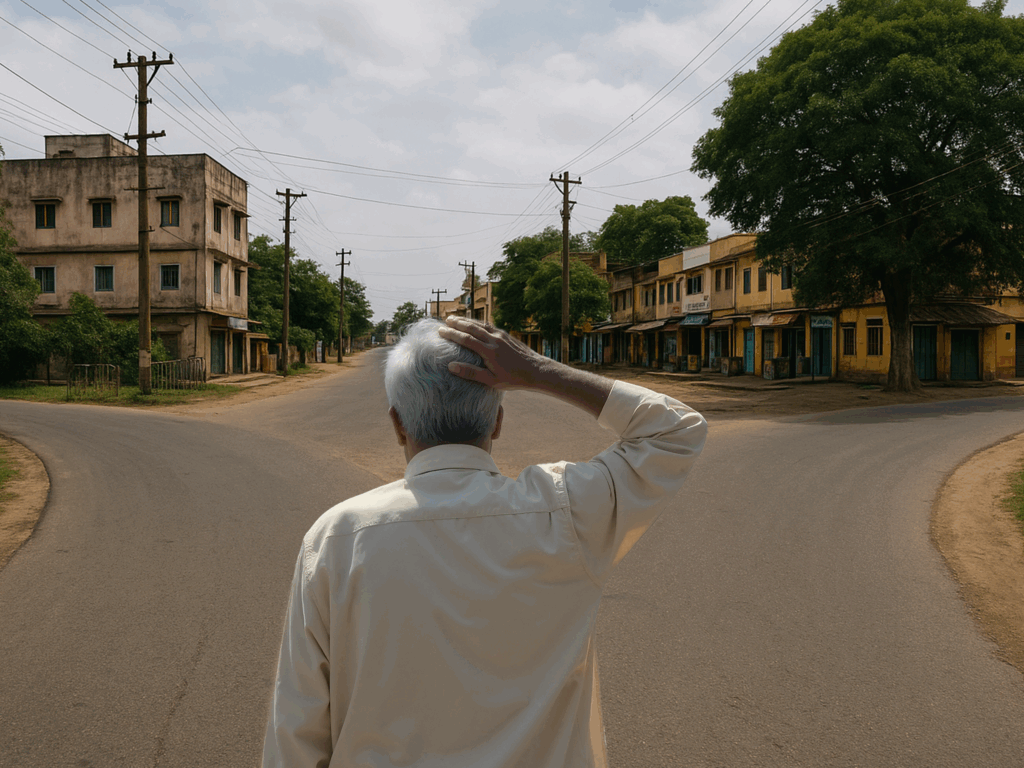
Dementia doesn’t erase dignity. Abhasa’s gentle care and therapies support memory, comfort, and family connection.
Break Free from Anxiety. We are here to help you.
2:1 Staff-to-client ratio
3 Healing Spaces
Personalised Treatments
360° Healing
2:1 Staff-to-client ratio
3 Healing Spaces
Personalised Treatments
360° Healing
Gallery
Luxury Dementia Treatment Centres in India

When memory begins to fade, love becomes the bridge that holds families together. But when that bridge starts to feel fragile, families need more than hope. They need guidance, reassurance, and expert support. That is where dementia treatment centres like Abhasa offer care that does more than manage symptoms. We restore connection, safety, and dignity.
Many families in India carry the emotional weight while watching a loved one slip into confusion. They hold on, hoping things will get better on their own. But when a parent starts forgetting familiar names or seems lost in their own home, it becomes harder to ignore. The guilt, the worry, and the helplessness begin to grow.[1] And in that moment, most families aren’t sure what to do next or where to turn for help.
You may have already tried everything, like visits to doctors, home assistance, spiritual practices, but the signs continue. At this stage, a shift to structured care becomes essential. Our dementia care centres provide a setting where healing feels natural, where routines bring clarity, and where the environment supports calm and comfort.
Abhasa offers more than professional care. Our dementia treatment centres create a warm, peaceful atmosphere where individuals receive respectful assistance tailored to their unique needs. Our daily programs use familiar routines, sensory spaces, and gentle guidance to reduce confusion and support emotional well-being.[2,3]
We also include families in every step. Our care team listens to your concerns, explains the process with clarity, and keeps you informed throughout your loved one’s stay. In our dementia care centres, every person matters and every family finds support they can trust.
Take the first step toward compassionate, respectful dementia care that understands your family’s values and supports long-term emotional stability.
Calm, structured care that respects your loved one.
Understanding Dementia & Memory Care
It often starts with small things. A missed appointment. A name forgotten. A sense that something just feels off. These changes may seem minor at first, but families quickly realise they point to something more profound.[1] That’s when questions begin to rise—and so does the worry.
At Abhasa, our memory care centres’ dementia services help families make sense of these early signs. We create calm, familiar routines that ease confusion and bring comfort, not only to the person living with dementia but to those who care for them.
Recognising the Early Signs
Dementia doesn’t arrive all at once. It may begin with small slips, repeating the same question, getting lost in a familiar place, or misplacing everyday items. All these leave families feeling unsure and overwhelmed.[4] It’s hard to know what the right step is, especially when you’re doing your best at home. That’s when specialised dementia care makes a real difference.[3,5] It brings in calm, steady routines that ease daily stress for both your loved one and you. In the right environment, things start to feel a little more settled, and everyone begins to breathe a little easier.
When Home Support Feels Unsteady
Even the most loving homes can begin to feel unpredictable when dementia progresses. Changes in sleep, increased agitation, or wandering can exhaust caregivers. Memory care centres’ dementia programs provide environments designed to ease these challenges through calm routines, safe spaces, and staff who understand each individual’s needs.
How Specialised Care Preserves Identity
At Abhasa, we believe that each person deserves to feel seen and respected. Our team offers specialised dementia care that honours who the individual has been and who they are becoming. Gentle activities, memory prompts, and quiet companionship help clients reconnect with moments of joy and calm.[6,7]
The Power of Choosing Professional Support
Families often feel unsure about when to seek help. Choosing care isn’t about letting go. It’s about finding the right kind of support that helps your loved one feel safe and helps you feel less alone. With thoughtful guidance, families often rediscover a sense of balance and peace. Let’s talk about what your family needs. We’re here to guide you with compassion and clarity.
Recognising the Early Signs
Dementia doesn’t arrive all at once. It may begin with small slips, repeating the same question, getting lost in a familiar place, or misplacing everyday items. All these leave families feeling unsure and overwhelmed.[4] It’s hard to know what the right step is, especially when you’re doing your best at home. That’s when specialised dementia care makes a real difference.[3,5] It brings in calm, steady routines that ease daily stress for both your loved one and you. In the right environment, things start to feel a little more settled, and everyone begins to breathe a little easier.
When Home Support Feels Unsteady
Even the most loving homes can begin to feel unpredictable when dementia progresses. Changes in sleep, increased agitation, or wandering can exhaust caregivers. Memory care centres’ dementia programs provide environments designed to ease these challenges through calm routines, safe spaces, and staff who understand each individual’s needs.
How Specialised Care Preserves Identity
At Abhasa, we believe that each person deserves to feel seen and respected. Our team offers specialised dementia care that honours who the individual has been and who they are becoming. Gentle activities, memory prompts, and quiet companionship help clients reconnect with moments of joy and calm.[6,7]
The Power of Choosing Professional Support
Families often feel unsure about when to seek help. Choosing care isn’t about letting go. It’s about finding the right kind of support that helps your loved one feel safe and helps you feel less alone. With thoughtful guidance, families often rediscover a sense of balance and peace. Let’s talk about what your family needs. We’re here to guide you with compassion and clarity.
Small steps, gentle routines, lasting peace for memory.
Why Choose Residential Dementia Care Centres

Caring for someone with dementia asks a lot from families. You do everything you can, offer love, stay patient, and give your time. But there are days when it feels like nothing helps. Maybe your loved one forgets where they are. Perhaps they stop talking as much, or seem frustrated without knowing why. That’s when you start to feel stretched thin, and home no longer feels like the right place for care.
Most families reach a point where they realise love alone isn’t enough. Dementia doesn’t follow a clear path. Without a stable routine, things can spiral. Moods shift. Confusion grows. Everyone in the house begins to feel worn down. That’s why residential dementia care centres have become such a vital step forward.[5] They offer gentle structure, emotional steadiness, and the kind of support that’s hard to create on your own.
Inside residential dementia care centres, healing begins with routine. Clients wake at the same time each day, engage in calm activities, and feel secure in familiar surroundings. A regular schedule reduces confusion and helps them settle into a rhythm. This kind of steadiness is one of the most valuable forms of care.[3]
Safety matters just as much. Dementia rehabilitation centres create environments that prevent wandering and reduce sensory overload. Each space is designed to support independence without creating fear.[3] Your loved one can move freely while staying protected.
These centres also give families the space to breathe. Caregivers gain time to rest while still feeling connected. The guilt softens. The burden lightens. At residential dementia care centres, families find reassurance that their loved ones are supported by professionals who truly understand dementia care.
Social interaction also returns. Gentle group activities and shared mealtimes help ease feelings of isolation. With encouragement from trained staff, clients slowly regain confidence in how they relate to others.[2] This social support often lifts spirits in ways families didn’t expect.
Choosing care does not mean stepping away. It means stepping into a place where healing has room to grow, physically, emotionally, and socially. Let’s begin a new chapter. Talk to us today. We’ll walk with you to find the support your loved one needs and the peace your family deserves.
Structured care that eases confusion and supports families.
Why Families Trust Abhasa Dementia Care
Families often arrive with a heavy heart. They carry months or years of worry, trying to do everything right while watching their loved one slip further away. At Abhasa, we meet them with warmth, understanding, and steady support. We do not just offer help. We offer a space where healing begins. That is what defines genuine luxury dementia care.
Our environment does not feel clinical. It feels calming and natural. Open gardens, quiet courtyards, and thoughtfully designed spaces surround each individual with comfort. We created our luxury dementia care model to bring dignity and peace into everyday living.[6,7]
What sets Abhasa apart as one of the best dementia care centres in India is the way we blend gentle healing practices with modern structure. Our programs include art, music, guided movement, and emotional wellness sessions. These experiences help reduce stress and create emotional balance.[2] Our holistic philosophy supports every part of a person—not just their memory, but their spirit too.
Our dementia care team includes experienced professionals who bring both skill and compassion. They personalise each plan based on daily needs and emotional cues. We do not follow one path for everyone. We observe, listen, and adjust so that care always fits the person. This makes a meaningful difference and is one reason families call us one of the best dementia care centres.
We also understand how Indian families make decisions together. Our care team keeps everyone involved through regular conversations, family updates, and thoughtful guidance. That inclusion forms a vital part of our luxury dementia care approach.
We treat every person with quiet respect. And they show why Abhasa continues to be one of the best dementia care centres trusted by families across India.
Give Your Loved One the Care They Deserve
Let’s have a conversation. We are here to listen and guide your next steps with honesty and care.

Compassionate care that honours memory and dignity.
Our Dementia Care Specialists
At Abhasa, healing begins with people who genuinely care. Every member of our dementia care team brings warmth, experience, and a deep commitment to providing respectful, personalised support. Families often say that it’s not just the environment that helps their loved one feel safe, it’s the people guiding the care every day.
Our medical team includes geriatricians who understand the ageing mind and body. These dementia specialists monitor each person’s well-being and guide with a gentle, non-intrusive approach.[4] Their role focuses on safety and overall stability, not invasive procedures or hospital routines.
Nursing care plays an essential part in our support system. Our memory care nurses train specifically in dementia-related support. As part of the dementia care team, they help with everything from daily routines to emotional reassurance, always watching closely for changes that matter.
We also include a dedicated group of therapists, like occupational, art, speech, and movement experts, who guide meaningful daily activities. These professionals work together with other dementia specialists to support communication, emotional expression, and functional comfort.
Families also receive support from our in-house counsellors. We offer guidance, listening, and stress-relief tools to help caregivers feel less alone. This part of the dementia care team ensures that healing includes everyone, not just the individual receiving care.
To complete our circle of care, holistic practitioners lead sensory sessions, music therapy, yoga, and mindfulness practices. These experiences add depth and calm to the everyday rhythm and support emotional wellness in ways that feel natural and nurturing.
What makes our dementia care team truly special is how we care. Each person brings their own experience, their own heart, and their own way of connecting, but we all work toward the same purpose. We want your loved one to feel safe, understood, and truly cared for.

Dr. Naveen Kumar
Medical Director
15+ years of expertise in psychiatry and addiction recovery.

Dr. Vivek Sharma
Consultant Psychiatrist & Neurofeedback Practitioner
With over 15+ years of experience in psychiatry and neurofeedback, he blends medical expertise and compassion to guide clients toward lasting recovery.

Dr. Shree Aarthi
Consultant Psychiatrist
15+ years providing expert psychiatric care for mental health and substance use disorders.

Dr. Ramalingam P Kandaswamy
Consultant Physician
15+ years With over 5 years of experience in HIV and infectious diseases, he brings global expertise and compassionate care to every patient he supports.

Dr. Divya
Psychiatrist
10+ years combining clinical psychiatry expertise with healthcare management for holistic treatment.

Dr. Malarvilzhi
Residential Medical Officer
12 years delivering comprehensive medical care in psychiatric and rehabilitation settings.

Dr. Karuppachamy
Senior Psychiatric Social Worker
22+ years of experience empowering clients through therapeutic guidance, psychosocial support, and lived-experience wisdom.

Ms. Meera
Senior Clinical Psychologist
9+ years specializing in psychological assessment and evidence-based therapeutic interventions.

Mrs. Priyadarshini
Head Clinical Psychologist

Mr. Mukesh Kanna
Clinical Psychologist
2+ years providing psychological interventions for behavioral health and emotional wellness.

Mr. Antipas Jayabal
Clinical Psychologist
2+ years supporting clients through clinical assessment and therapeutic care.

Ms Keerthana S
Psychologist
Empathetic psychologist with 4 years’ experience in handling mental health disorders, using evidence-based psychotherapies for personalized client care.
Memory Gardens & Healing Environment
Every space within Abhasa supports healing with purpose. We go beyond comfort. Our dementia care facilities focus on calm, structure, and emotional safety. Every room, garden, and activity becomes part of a deeply supportive routine that helps individuals feel more stable and less overwhelmed.

Nature That Brings Comfort
The gardens at Abhasa offer more than a place to walk. They give people space to breathe, slow down, and feel steady again. Some clients enjoy a quiet stroll. Others find peace just sitting on a bench, listening. These moments happen without effort. They are simple, calming, and part of what makes our therapeutic environment feel safe and real.[3]
Rooms That Feel Like Home
Inside our dementia care facilities, we keep things simple and soothing. Soft fabrics, warm lights, and familiar arrangements make each space feel safe. Nothing feels cold or clinical. Shared sitting areas, dining spaces, and quiet nooks help bring people together in natural ways. These thoughtful details help ease confusion and make the day feel a little steadier.
Everyday Comforts That Bring Balance
At Abhasa, healing doesn’t stop at therapy sessions. It continues through the little things that make each day feel fuller and more peaceful.
Clients enjoy a gentle time in the gym to stretch, move, and feel steady in their bodies. Walking through nature and light outdoor games offer fresh air and quiet joy without any pressure. Indoors, board games and relaxed activities spark laughter, focus, and simple connection.
Our spa and salon spaces add moments of calm through familiar routines like warm water, gentle care, and a chance to unwind. The chai corner welcomes slow conversation and light company, often becoming a quiet highlight of the day.
On weekends, clients can try their hand at pottery, watch birds from the garden, listen to music under the stars, or join in on a relaxed movie night. These small pleasures bring rhythm to the week and help each person reconnect with ease and joy.
Each of these features forms an active part of our therapeutic environment, reducing agitation and encouraging emotional regulation.
Creative and Sensory Activities That Support Expression
Our therapy rooms include music, art, aroma, and sound healing sessions. These activities give clients a way to express emotion and memory without needing words.[2]We also offer yoga, gentle movement, and pet-assisted visits that nurture emotional trust and sensory connection.
A Place for Families
When we know our loved ones support us and are with us in our healing journey, the time to recovery is significantly reduced. At Abhasa, we offer dedicated family spaces for meaningful conversations with your loved ones. Trustworthy connection starts from here.
A Healing Design That Works
At Abhasa, the environment does not sit in the background. It participates in care. Our therapeutic environment restores rhythm, brings down stress, and makes everyday life feel safer and more manageable. This is where individuals begin to feel at ease and families begin to feel hope.
Our personalised healing framework creates real, lasting change.
How Structure Shapes Each Day at Abhasa
Predictability brings peace, especially when memory becomes fragile. At Abhasa, we rely on carefully built rhythm to help clients feel safe and steady. Our approach to structured dementia care gives each day a familiar shape, reducing the confusion while creating space for healing.[3,5]

Starting the Day with Gentle Support
We begin with slow, mindful transitions. Clients wake with soft light, warm guidance, and personal care routines. Our team creates calm mornings that ease the mind and body into movement. This sets the tone for the rest of the daily routine dementia schedule.[3]
Purposeful Activities That Build Connection
Through the day, clients take part in guided sensory therapy, music, art, and gentle group sessions. These moments improve focus and emotional engagement without pressure.[2] Our team personalises every part of this structured dementia care, adjusting pace and content to match how each individual feels.
Shared Meals and Time with Family
We create space for family visits in a quiet, private setting. These visits happen at regular times to ensure comfort for everyone involved. During meals, clients enjoy familiar dishes in a relaxed dining space. We believe that family time supports connection and forms a key part of the daily routine dementia at Abhasa.
Evenings Built for Calm and Closure
As daylight fades, we slow the pace. Evening activities focus on calm conversation, quiet music, and gentle wind-down rituals. Reducing agitation and preparing clients for rest is the primary goal. Through structured dementia care, we guide clients to spend their evening with calm routines that help our clients feel safe, relaxed, and ready to rest.
Helping Each Night Feel Safe
We keep the lights low, the atmosphere quiet, and the rooms soft and familiar. If someone wakes during the night or feels unsure, our team stays nearby to offer calm, reassuring support. These small touches help each person settle with ease and make sure the daily routine dementia rhythm continues through the night with care and comfort.
At Abhasa, structure does more than organise time. It brings peace to the mind, ease to the body, and quiet strength to the people we care for.
Restoring Connection Through Memory and Mind
At Abhasa, we believe healing the mind means helping individuals reconnect with themselves. Our programs use familiar routines and activities that support clarity, emotional strength, and stability. Through thoughtful cognitive rehabilitation and carefully designed memory therapy, we guide each person toward calm, comfort, and meaningful engagement.[2]
Not everyone wants to talk, and that’s okay. We create calm, open spaces where clients can paint, colour, or shape clay with their hands. These quiet activities become a way to express feelings without needing words. As part of both cognitive rehabilitation and emotional care, creative time helps each person feel seen in their own way.[2]
A soft blanket, the scent of flowers, or the glow of warm lighting can make a big difference. We bring these elements into our care routines through gentle sensory activities. These sessions help our clients settle, feel calm, and stay connected to the moment. In our memory therapy approach, these sensory experiences often provide the deepest kind of relief.
Everyone has a story worth telling. We sit with clients as they look through old photographs, talk about their families, and share the memories that shaped them. These moments help strengthen long-term memory while giving space to honour who they are. This kind of cognitive rehabilitation is not just about memory. [6,7] It’s also about meaning and dignity.
It’s easy to lose track of time or place, and that can feel unsettling. So we place clear signs, use simple reminders, and guide each person through the day with care. This part of our memory therapy helps clients feel less anxious and more connected to their surroundings, without ever feeling rushed or confused.
Every detail of this program reflects our belief in thoughtful, compassionate care. When we support memory gently and consistently, we do more than help someone remember; we help them feel like themselves again.
Curious how this program can support your loved one?
Supporting Families, Every Step of the Way
When dementia becomes part of a loved one’s life, families often carry more than they can say. The worry, the constant watchfulness, and the exhaustion grow silently. At Abhasa, we see that weight, and we walk with you through it. Our family support dementia programs give structure, guidance, and room to breathe, because healing must include the people who care the most.[8,9]
We offer clear, thoughtful guidance to help families understand what dementia is and how it affects the brain, emotions, and everyday behaviour. Our team shares real-life tools to respond with care, not confusion. With each session, families begin to feel more confident and less overwhelmed. [9] This is where caregiver support starts with clarity, not just concern.

Our support groups allow families to speak honestly about what they face. These sessions offer encouragement, connection, and practical insight from others on the same path.[8]We keep it warm, respectful, and honest. You are not alone in this, and family support dementia begins to feel real when you can speak freely and be heard.

We help families learn how to connect with loved ones whose communication may have changed. Whether through tone, rhythm, or simple gestures, we teach ways to express care and calm. This part of caregiver support can bring real emotional closeness back into relationships that have felt distant or difficult.

Caring for someone with dementia is demanding. That’s why we provide tools for self-care, emotional regulation, and rest.[8,9]You can only give your best when you feel supported, too. We consider caregiver support essential, not optional, in the long-term journey of healing.

We guide families through future planning, including legal steps, advanced care decisions, and ongoing strategies for home life after residential care. Family support dementia includes preparation, not just for today, but for what lies ahead.

You’ll receive regular updates, check-ins, and progress conversations with our team. We make sure you know what’s happening, how your loved one is doing, and what steps we are taking together. This rhythm gives caregiver support structure, so you never feel left out or lost in the process.

You are never alone on this journey.
Honouring the Person Behind the Diagnosis
At Abhasa, we believe that dignity in dementia care begins by seeing the whole person. Every individual holds a unique story, and we design our support to reflect that story.[6,7]Each client experiences personalised care as they are treated with kindness, respect, and steady attention.

We take time to understand each person’s history, habits, and preferences. We include familiar routines, treasured belongings, and comforting practices in daily life. This helps our person-centred care approach feel grounded in who they truly are.[7]

We encourage clients to make choices whenever possible. Whether they select clothes, music, or mealtime preferences, their voice remains part of the process. We see dignity in dementia care as something we uphold through these daily decisions.

Our caregivers stay present, patient, and aware. They assist with calm voices, steady hands, and soft communication. Person-centred care means responding without rushing and allowing space for every client to feel comfortable and safe.

We respect the traditions and beliefs that shape our clients and their families. We integrate familiar foods, rituals, languages, and cultural rhythms into daily routines. This adds a sense of belonging and strengthens dignity in dementia care.

We know that clients may experience fear, sadness, or confusion. Our team stays nearby to provide reassurance through calm presence and kind conversation. Person-centred care means we listen, comfort, and validate without judgment.

We design each day to include activities that bring purpose and joy. Gardening, painting, storytelling, or listening to music allow clients to reconnect in simple but powerful ways. These experiences help restore emotional safety and reinforce dignity in dementia care.[6,7]
Build a care journey honoring your loved one fully.
Compassion That Sees Beyond the Behaviour
A Holistic Approach to Dementia Behavioural Care
Behaviours in dementia often carry meaning. At Abhasa, we begin by recognising that every action may be a form of communication. When someone struggles to express their needs with words, behaviours often speak in their place. Our dementia behavioural care team observes and responds with understanding.[10,11]
We use non-confrontational techniques that calm and guide without pressure. Gentle redirection, affirming words, and calm presence help reduce confusion and frustration. These behavioural support strategies create a safer space where clients can feel emotionally secure and respected.[11]
The environment also plays a vital role. Our care team modifies lighting, layout, and noise levels to prevent sensory overload. These thoughtful changes lower agitation and support emotional balance.[3]
A peaceful setting allows our dementia behavioural care methods to work more effectively.
Families often feel unsure of how to respond to challenging behaviours. That’s why we include caregiver training as part of our holistic healing.
Prevention remains one of our key tools. Our staff watches for early signs of distress, including changes in sleep, appetite, or social interaction.[10]
We act quickly to adjust routines and provide comfort. These helpful proactive steps reduce the risk of emotional outbursts and promote a sense of calm.
We create individual behavioural support plans that adapt as the person’s needs change. Daily check-ins, quiet reflection time, and consistent routines all work together to keep clients steady and secure. These strategies also help reduce anxiety and restore a sense of control.[11]
At Abhasa, we treat more than symptoms. Our dementia behavioural care team sees each person as a whole individual with a history, personality, and inner life.

Compassionate care that honours memory and dignity.
Nurturing Health at Every Level


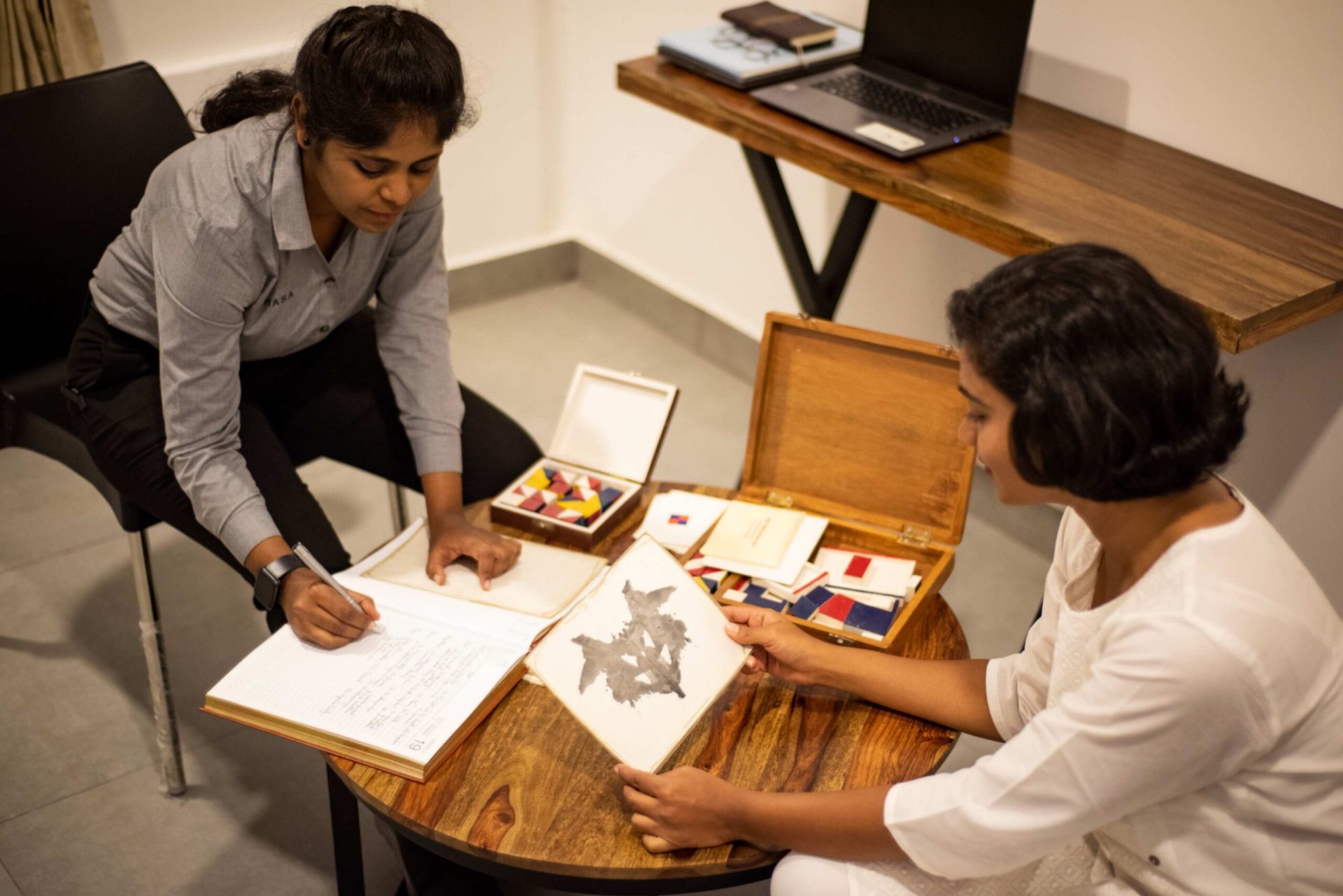

Our approach to dementia nutrition combines scientific principles with comfort. We carefully plan each meal that enhances clarity and mood.[12,13]
This balanced approach helps our clients feel stronger from within.
Our dining spaces are designed to promote calmness and structure. Clients enjoy their meals at familiar times in peaceful settings. The routine helps reduce confusion, while familiar tastes help spark memory and bring comfort.[12]
As part of our wellness dementia care model, we use food to restore rhythm and bring ease back into everyday life.
We prioritise hydration with close attention. Many people with dementia forget to drink or do not recognise thirst. The kind of support they receive, like reminders for hydration, not only helps the body but also brings calm and balance to the mind.[13]
We also keep a close eye on changes in weight or appetite. Our caregivers and dietitians check in regularly and make thoughtful adjustments to tailor meals. If someone needs more nourishment or a gentler approach, we respond with care. The goal is always steady health and daily comfort. By staying aware of subtle shifts, we respond early and avoid distress.[13]
This personalised attention makes dementia nutrition safe, effective, and comforting.
Clients who need help eating receive it with dignity. Our team supports each person with patience and calm. We focus on preserving the client’s independence while ensuring safety and ease. This kind of assistance forms a key part of our wellness dementia care approach. We never rush, pressure, or overlook the emotional needs that often come with mealtimes.
Familiar food offers more than nourishment. At Abhasa, we prepare cultural dishes and use traditional ingredients that feel familiar and meaningful. These meals often spark memories, encourage conversation, and remind clients of home.[12]
We focus on more than nutrition; we focus on comfort. It helps create emotional ease without needing words.
Every meal supports more than just health. It helps build rhythm, restores dignity, and quietly reminds each person that they still belong.
Food can nourish more than the body.
Stories of Hope & Connection
Every journey at Abhasa reflects something personal and meaningful. These authentic moments from families show what happens when care feels steady, warm, and respectful. Over time, something beautiful begins to return: connection, comfort, and quiet strength. Success in dementia care often grows through these gentle relationships, not grand milestones.
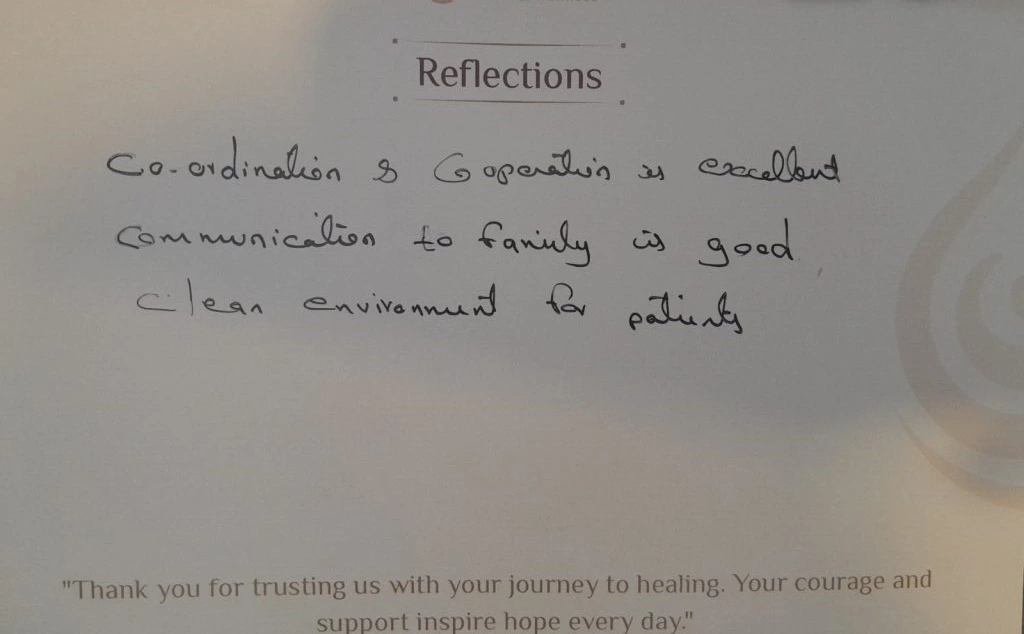
Co-ordination & cooperation is excellent. Communication to family is good. Clean environment for patients.
Former Client

I found strength to face life’s hardest truths here. I believe it was God’s grace that brought me to Abhasa.
Former Client
Frequently Asked Questions About Dementia Care Centres
What is a dementia care centre?
A dementia care centre is a dedicated facility where individuals with memory-related conditions receive structured, round-the-clock support. These dementia care centres focus on creating a safe, calm, and familiar environment that supports emotional stability, daily living, and dignity.[3]At Abhasa, we combine compassionate routines, cultural sensitivity, and personalised care to help residents feel secure and valued.
What facility is best for dementia patients?
The best facilities for dementia patients offer more than medical care. They provide personalised attention, structured days, and emotionally supportive spaces.[5]
Leading memory care facilities focus on person-centred routines, emotional well-being, and family involvement. Abhasa brings all of this together in a luxurious, nature-supported setting tailored for long-term wellness.
What is specialised dementia care?
Specialised dementia care includes programs that address memory loss, behavioural changes, and emotional needs through cognitive stimulation, sensory engagement, and memory therapy.[2,3]
Dementia care centres like Abhasa offer structured services that maintain identity, respect autonomy, and support both clients and families throughout the journey.
Which is the best dementia care in India?
The best dementia care in India will offer expert-led programs, holistic therapies, personalised care plans, and emotional safety. At Abhasa, our reputation comes from combining science-backed methods with cultural warmth and luxury comfort. We believe memory care facilities must provide stability, family inclusion, and dignity at every stage.
What care is available for dementia patients?
Dementia patients benefit from cognitive exercises, therapeutic routines, emotional support, and respectful assistance with daily tasks.[2]
Dementia care centres like Abhasa also offer structured schedules, wellness activities, culturally appropriate meals, and ongoing medical supervision. Each element supports memory preservation and emotional regulation.
Where should a dementia patient live?
A dementia patient should live in a space that feels secure, predictable, and emotionally soothing. Memory care facilities designed specifically for dementia provide consistent support, familiar routines, and gentle guidance. At Abhasa, clients live in private, peaceful environments with trained staff available 24/7.
What are the rehabilitation programs for dementia patients?
Rehabilitation programs in dementia care centres may include memory therapy, life story work, occupational routines, art expression, and sensory sessions.[2]At Abhasa, we combine structured support with emotional care to build confidence, improve mood, and reduce distress.
What is the difference between memory care and dementia care?
Memory care is a specialised type of dementia care that focuses on memory-related challenges and behavioural support. While all memory care facilities are designed for people with memory loss, dementia care can include a broader range of cognitive and emotional needs.[3,5] Abhasa integrates both approaches with person-centred support.
Which specialist treats dementia patients?
Dementia patients often receive care from a multidisciplinary team including psychiatrists, neurologists, geriatricians, and therapists.[4]At Abhasa, our dementia care centre brings these experts together under one roof to ensure integrated, respectful care that treats each individual with empathy and expertise.
Begin Your Family's Healing Journey
If you’ve been searching for the best dementia care centres, this is the moment to begin. Support is closer than you think. Our team understands how overwhelming the early steps can feel, which is why we keep the assessment process simple and fully guided. From the first call, you receive clarity, compassion, and a clear path forward.
We are here to help you find the kind of dementia treatment in India that feels right for your family. You can reach us in the way that feels most comfortable by phone, message, or video call. We guide you through each step with care and clarity.
At Abhasa, we listen with intention. We understand how important it is to feel supported when making decisions for your loved one.
We know healing feels possible when families feel seen, valued, and supported.[8,9]
At Abhasa, we make sure your loved one’s dignity stays at the centre of every step we take.
Recovery starts with one small step, never alone.
Proudly Serving Across Cities
- Rehab in Karjat
- Rehab in Pune
- Rehab in Navi Mumbai
- Rehab in Madurai
- Rehab in Trichy
- Rehab in Bangalore
- Rehab in Chennai
- Rehab in Thane
- Rehab in Nasik
- Rehab in Kochi
- Rehab in Mangalore
- Rehab in Mysore
- Rehab in Nasik
- Rehab in Kochi
- Rehab in Mangalore
- Rehab in Mysore
Medical Disclaimer
This information is for educational purposes only and does not constitute medical advice, diagnosis, or treatment recommendations. Dementia is a complex group of conditions that requires professional medical evaluation, diagnosis, and ongoing care from qualified healthcare providers. The information presented here describes general care approaches and should not replace consultation with your physician, neurologist, geriatrician, or other qualified healthcare professionals.
Individual results and experiences vary significantly. The effectiveness of any care program, therapeutic intervention, or treatment approach depends on numerous factors including the specific type of dementia, stage of progression, co-existing medical conditions, individual response to interventions, family support systems, and many other variables. No two individuals with dementia have identical experiences or outcomes.
Do not make medical decisions based solely on this content. Always consult with qualified healthcare professionals before making any decisions about care placement, treatment approaches, medication changes, or care planning for yourself or a loved one with dementia. This content is not intended to discourage or replace professional medical consultation.
Emergency situations require immediate professional help. If you or a loved one is experiencing a medical emergency, behavioral crisis, or safety concern, call emergency services immediately. Do not delay seeking emergency care.
Abhasa operates as a specialized care facility and not as a substitute for acute medical treatment or emergency care. Our services complement but do not replace ongoing medical supervision by qualified physicians.
Resources
Research Citations - 15 Most Authoritative Sources:
[1] Lee, J., Meijer, E., Langa, K.M., et al. – “Prevalence of dementia in India: National and state estimates from a nationwide study” – Alzheimer’s & Dementia, 2023
URL: https://alz-journals.onlinelibrary.wiley.com/doi/10.1002/alz.12928
Why Included: Large-scale epidemiological study providing India-specific dementia prevalence data (8.8 million affected) – essential for establishing relevance to Indian families
[2] Livingston, G., Huntley, J., Liu, K.Y., et al. – “Dementia prevention, intervention, and care: 2024 report of the Lancet standing Commission” – The Lancet, 2024
URL: https://www.thelancet.com/article/S0140-6736(24)01296-0/abstract
Why Included: Most authoritative and current international dementia care guidelines – 2024 Lancet Commission is gold standard reference
[3] Alzheimer’s Association – “Dementia Care Practice Recommendations” – The Gerontologist, 2018
URL: https://www.alz.org/professionals/professional-providers/dementia_care_practice_recommendations
Why Included: Evidence-based practice guidelines from leading professional organization – covers environmental design, person-centered care, structured routines
[4] Atri, A., Frosch, M.P., Balderston, C., et al. – “Alzheimer’s Association clinical practice guideline for diagnostic evaluation” – Alzheimer’s & Dementia, 2024
URL: https://alz-journals.onlinelibrary.wiley.com/doi/10.1002/alz.14333
Why Included: 2024 clinical practice guidelines for diagnostic evaluation and multidisciplinary team roles
[5] Gibson, A.K., D’Amico, M., Janevic, M.R., Tousi, B. – “Comprehensive Dementia Care Models: State of the Science and Future Directions” – Gerontological Nursing Research, 2024
URL: https://pmc.ncbi.nlm.nih.gov/articles/PMC11869813/
Why Included: Recent comprehensive review of residential care models and best practices in dementia facilities
[6] Kim, S.Y.H., Karlawish, J., Berkman, B.E. – “Effectiveness of person-centered care on people with dementia: a systematic review and meta-analysis” – Clinical Interventions in Aging, 2017
URL: https://pmc.ncbi.nlm.nih.gov/articles/PMC5322939/
Why Included: Systematic review and meta-analysis demonstrating effectiveness of person-centered care approach – supports dignity and identity preservation claims
[7] Manthorpe, J., Samsi, K. – “Person-centered dementia care: current perspectives” – Clinical Interventions in Aging, 2016
URL: https://pmc.ncbi.nlm.nih.gov/articles/PMC5135058/
Why Included: Comprehensive review of person-centered care philosophy and implementation strategies
[8] Cheng, S-T. – “Dementia Caregiver Burden: a Research Update and Critical Analysis” – Current Psychiatry Reports, 2017
URL: https://pmc.ncbi.nlm.nih.gov/articles/PMC5550537/
Why Included: Critical analysis of caregiver burden research – supports family support program importance
[9] Xie, Y., Shen, S., Liu, C., et al. – “Internet-Based Supportive Interventions for Family Caregivers of People With Dementia: Randomized Controlled Trial” – JMIR Aging, 2024
URL: https://aging.jmir.org/2024/1/e50847
Why Included: Recent RCT evidence for effectiveness of family caregiver education and support programs
[10] Kim, S.K., Kales, H.C., Gitlin, L.N. – “Assessment and management of behavioral and psychological symptoms of dementia” – JAMA, 2015
URL: https://pmc.ncbi.nlm.nih.gov/articles/PMC4707529/
Why Included: Comprehensive clinical review of BPSD management from authoritative medical journal
[11] Kales, H.C., Gitlin, L.N., Lyketsos, C.G. – “Guideline Recommendations on Behavioral and Psychological Symptoms of Dementia: A Systematic Review” – Journal of the American Medical Directors Association, 2024
URL: https://www.jamda.com/article/S1525-8610(24)00223-8/fulltext
Why Included: 2024 systematic review of BPSD guidelines – most current behavioral management recommendations
[12] Shannon, O.M., Ranson, J.M., Gregory, S., et al. – “Healthy dietary patterns, cognition and dementia risk: current evidence and context” – Proceedings of the Nutrition Society, 2024
URL: https://www.cambridge.org/core/journals/proceedings-of-the-nutrition-society/article/EB3957B48CAF4898C23387DFADE09FD8
Why Included: Recent 2024 systematic review on dietary patterns and cognitive health – supports nutrition program claims
[13] Townsend, R., Fairley, A., Gregory, S., et al. – “Nutrition for dementia prevention: a state of the art update for clinicians” – Age and Ageing, 2024
URL: https://academic.oup.com/ageing/article/53/Supplement_2/ii30/7668921
Why Included: 2024 clinical update on nutrition in dementia care with practical recommendations
[14] Alzheimer’s Association – “2024 Alzheimer’s Disease Facts and Figures” – Alzheimer’s & Dementia, 2024
URL: https://www.alz.org/alzheimers-dementia/facts-figures
Why Included: Authoritative 2024 statistics and facts from leading professional organization
[15] Sommerlad, A., Huntley, J., Livingston, G., et al. – “Interventions for people living with dementia: updates from 2024 Lancet Commission” – Alzheimer’s & Dementia, 2025
URL: https://alz-journals.onlinelibrary.wiley.com/doi/10.1002/alz.085068
Why Included: Most recent 2025 evidence synthesis on dementia interventions from Lancet Commission