
Luxury Cannabis Addiction Rehab in India
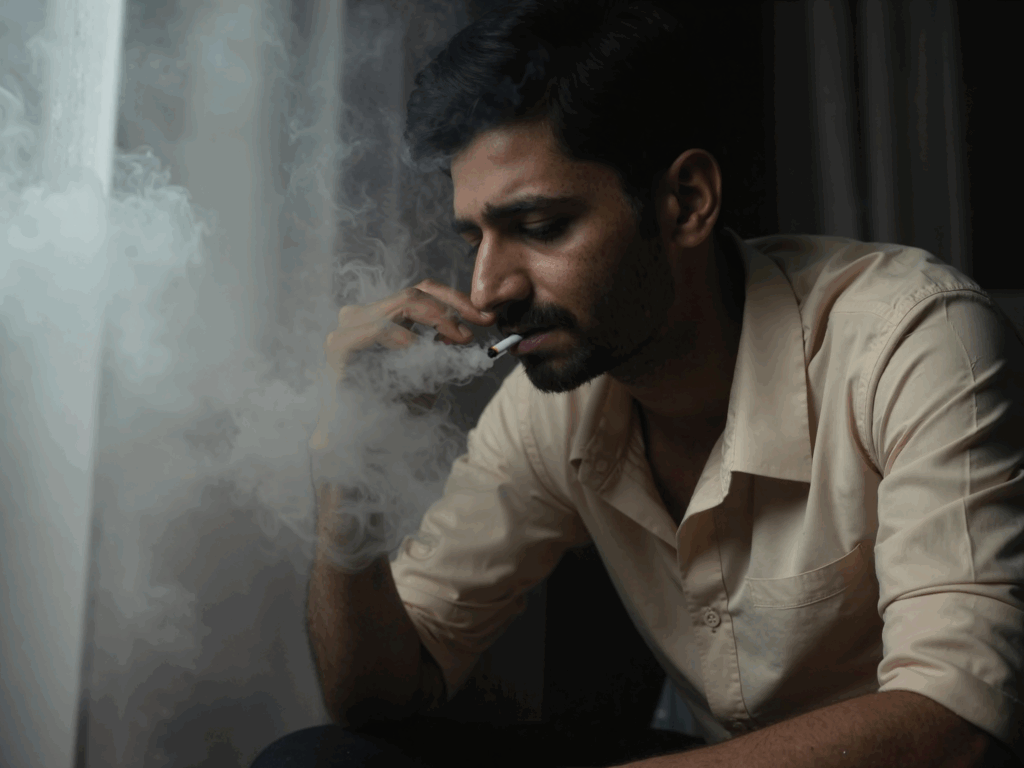
Life is more than dependence. Abhasa’s expert team guides recovery from cannabis with safe detox and holistic healing.
Private consultation. No pressure.
2:1 Staff-to-client ratio
3 Healing Spaces
Personalised Treatments
360° Healing
Gallery
How Can Cannabis Addiction Rehab Help?

Cannabis use may start small, something to relax, escape, or cope with. But when someone you love is caught in its grip, it doesn’t stay small for long. Over time, it slowly reshapes how they live, how they connect, and who they are. The spark in their eyes fades. [1] Their focus drifts. Relationships strain. And the person you once knew feels far away.
As a family member, this is deeply painful. You try patience. You offer support. You wait and hope. But somewhere inside, you know this isn’t just a phase, and they may need more than time: a safe, structured space to pause, heal, and truly find their way back to themselves.
Abhasa is not just a cannabis rehab centre. It’s a sanctuary where healing is personalised, private, and deeply human. We understand that cannabis use can affect motivation, peace of mind, and emotional connection. But we also know people can find their way back with the proper support.
Our program is grounded in daily rhythm, emotional safety, and one-on-one care. Clients participate in wellness activities, talk therapy, and holistic routines designed to calm the mind and uplift the spirit.
We don’t believe in judgment. We believe in renewal. In helping your loved one rediscover purpose and presence without pressure. Because cannabis addiction rehab is not just about stopping use, it’s about rediscovering who they really are.[2]
Understanding Cannabis Use and Why Rehab Can Help
Cannabis use often starts as a way to relax, manage stress, or fall asleep more easily. It may seem harmless at first. But over time, what felt like a personal choice can slowly become a daily habit that takes over motivation, focus, and emotional balance.[1]
Cannabis rehabilitation is about much more than just the substance itself. It’s about the patterns, the emotional dependence, and how someone begins to rely on it to get through the day.
This kind of change can be difficult to witness as a loved one. You might notice shifts in mood, isolation, or a growing sense of disconnection. It’s not about willpower or weakness. It’s about needing help to break free from a cycle that slowly affects the person and their relationships.
That’s why cannabis rehabilitation at Abhasa focuses on real-life healing, not clinical labels.[3] We meet each person where they are, with care that respects their pace and story.
Why Residential Rehab Works Better Than Willpower Alone
Trying to stop while surrounded by daily stress, pressure, or access to cannabis makes recovery difficult. This is where a residential setting can make all the difference.
At Abhasa’s luxury cannabis treatment centre, your loved one steps into a structured, peaceful space designed to support healing. Instead of struggling alone, they are guided gently through each day. With nature walks, wellness routines, personal therapy, and emotional support, they begin to feel like themselves again.
We help individuals build healthy habits, rediscover joy, and find strength from within.
Why Residential Rehab Works Better Than Willpower Alone
Trying to stop while surrounded by daily stress, pressure, or access to cannabis makes recovery difficult. This is where a residential setting can make all the difference.
At Abhasa’s luxury cannabis treatment centre, your loved one steps into a structured, peaceful space designed to support healing. Instead of struggling alone, they are guided gently through each day. With nature walks, wellness routines, personal therapy, and emotional support, they begin to feel like themselves again.
We help individuals build healthy habits, rediscover joy, and find strength from within.
It’s not a one-size-fits-all process
Every person experiences cannabis differently. That’s why our approach to rehabilitation for cannabis patients is deeply personalised. Some may need help with simple things like getting out of bed. Others may be ready to explore group sessions and skills training.
We personalise our care to suit each client: gently, respectfully, and patiently.
What makes rehab different from home care?
At home, days can be unpredictable. There may be emotional triggers, family stress, or gaps in care. In a centre like Abhasa, everything is designed for stability.
Clients follow a routine. They wake up at the same time, eat balanced meals, join individualised and group therapy and group activities, rest and reflect, and end the day calmly, not chaotically.
That consistency is at the heart of rehabilitation in cannabis.
The role of community and connection
We also help clients feel less alone. In rehabilitation for cannabis patients, connection is key. Group activities, peer support, and shared spaces allow them to build trust and social comfort, without pressure.
It’s not about fixing someone. Rehabilitation for cannabis is about showing them they can still belong, grow, and move forward.
A journey toward real recovery
With time, structure, and care, rehabilitation in cannabis helps clients feel safe in their own minds again.
And for the family, it brings peace of mind, knowing their loved one is not just being treated, but truly supported.
If you’re wondering whether rehabilitation for cannabis patients can make a difference, the answer is yes. We’ve seen it. And we help make it possible, one steady step at a time.
Why Choose Residential Rehab for Cannabis
Choosing a residential program is not just about staying away from cannabis. It’s about creating the right space for healing to begin. When your loved one is supported in a calm, structured setting, meaningful change can take root.
Here are some of the key benefits of cannabis rehab at Abhasa:

24/7 Support That Builds Emotional Safety
Some struggles don’t wait for the next appointment. Worry can rise early in the morning. Restlessness can creep in at night. In a residential setting like Abhasa, your loved one will not manage those moments alone. There’s always someone to listen, someone who understands. This steady presence creates the sense of safety and trust that’s so important when beginning to heal.[4]

Resetting Habits Through Structure and Routine
Cannabis use often follows specific triggers like stress, boredom, or routine moments throughout the day. At Abhasa, we help individuals gently replace these patterns with healthy habits.[3] Daily schedules include wellness practices, creative therapies, and rest, assisting clients to build a new rhythm that supports long-term recovery.

Healing Through a Holistic Detox Program
Our holistic detox program is designed to treat the whole person, not just the symptoms.[5] From nutritious meals and body-based therapies to guided breathwork and mindfulness, we help restore physical and emotional balance. This approach allows clients to feel stronger, more stable, and ready to reconnect with life.
Residential care offers something that short-term or at-home support often cannot; consistency. It allows your loved one to step away from everyday pressures and focus entirely on healing.
If you are considering professional support, the benefits of cannabis rehab at Abhasa go far beyond stopping use. They help your loved one remember who they are and give your family a renewed sense of hope.
Why Families Trust Abhasa for Luxury Cannabis Rehab in India
When someone you love starts to drift, using cannabis more often, withdrawing emotionally, or feeling less like themselves, it’s hard to know what to do.[6] You may have tried supportive conversations, set boundaries, or waited patiently, hoping they would find their way back. However, when you realize there is no turning back, it’s not the advice or treatment plan you seek but a supportive environment where everyone feels heard.
As a luxury cannabis rehab retreat, we understand how emotionally draining this journey can be. Families who turn to us are often tired, unsure, and carrying a quiet worry that grows heavier daily.
That’s why we’ve created something gentler. A space that’s calm, private, and designed to help someone recover and help you feel less alone.
Recognised among the best cannabis rehab centres in India and set in peaceful, natural surroundings, we combine personalised support with wellness-focused living because healing should feel human.
Where Comfort and Connection Begin the Healing Process
At Abhasa, recovery doesn’t follow a rigid script. Every care plan is shaped around the person, not the problem, with space for emotional support, mindfulness, expressive arts, and reconnecting with nature.[3] However, how we walk with families often makes the most significant difference. We ensure you are aware of the progress daily and connected to your loved ones through weekly check-ins, progress updates, and shared care planning.
A Cannabis Rehab Centre That Feels Like a Retreat, Not a Facility
Families tell us that what they find here is more than treatment. They find relief. A sense of calm they haven’t felt in a long time. And for their loved ones, our residential cannabis treatment program offers something that home or outpatient care rarely can; a chance to reset in a structured, caring environment that feels safe enough to grow in.
It’s not fast. It’s not flashy. But it’s real.
And that’s why so many families say choosing Abhasa was the turning point, not just for their loved ones, but for them too.
Meet the Team Behind Your Loved One’s Healing Journey
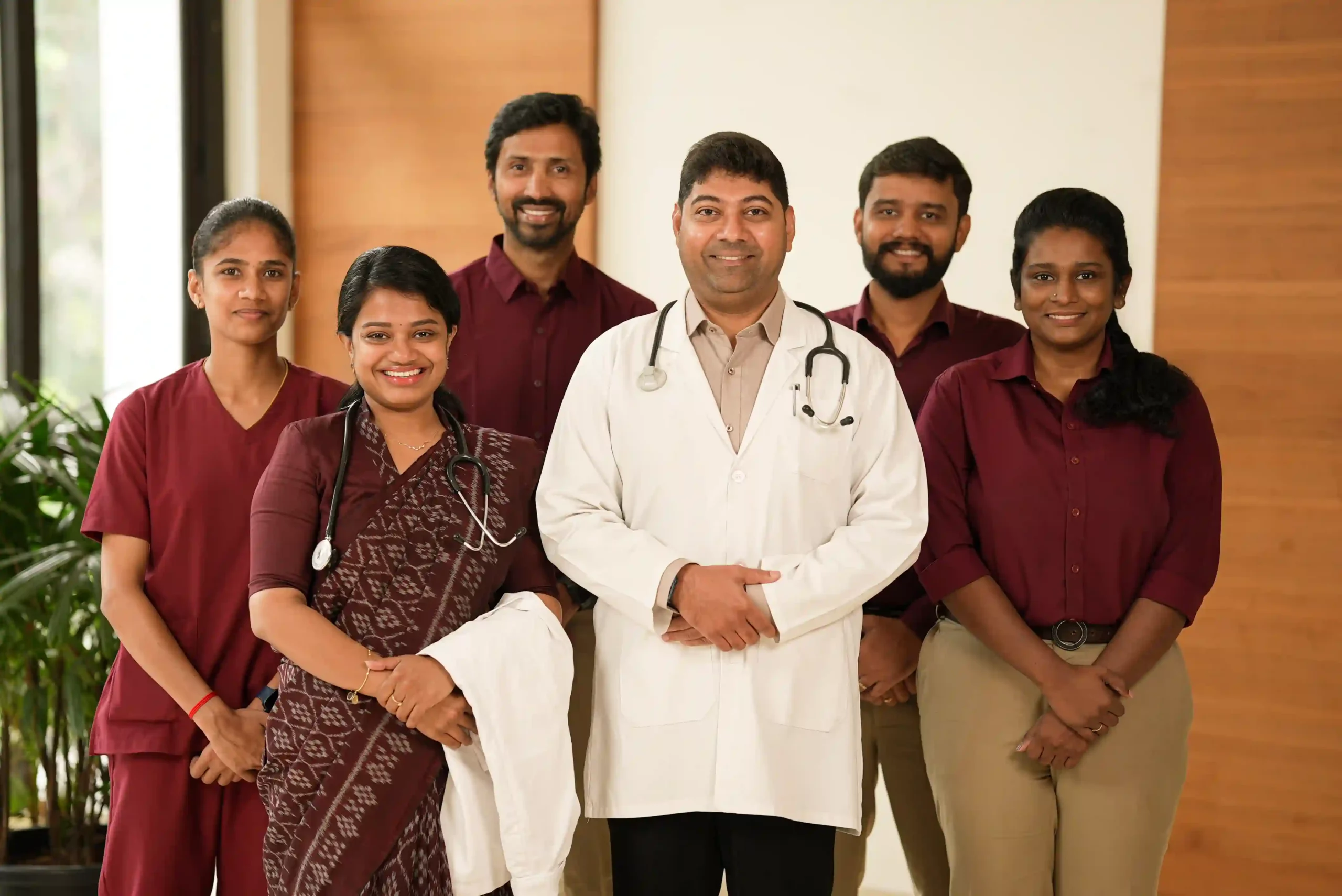
When someone enters a cannabis rehabilitation centre, they need more than just a place to stay. They need people who understand. People who listen without judgment notice the small shifts and know that healing isn’t just about routines but relationships.
At Abhasa, we’re proud to have built a team that reflects that care.[4] Every person who joins our marijuana addiction treatment program is supported by a diverse team of professionals who work together to create a care experience that feels deeply personal. That’s part of what makes Abhasa feel less like a facility and more like a true cannabis rehabilitation centre built on trust, connection, and care.
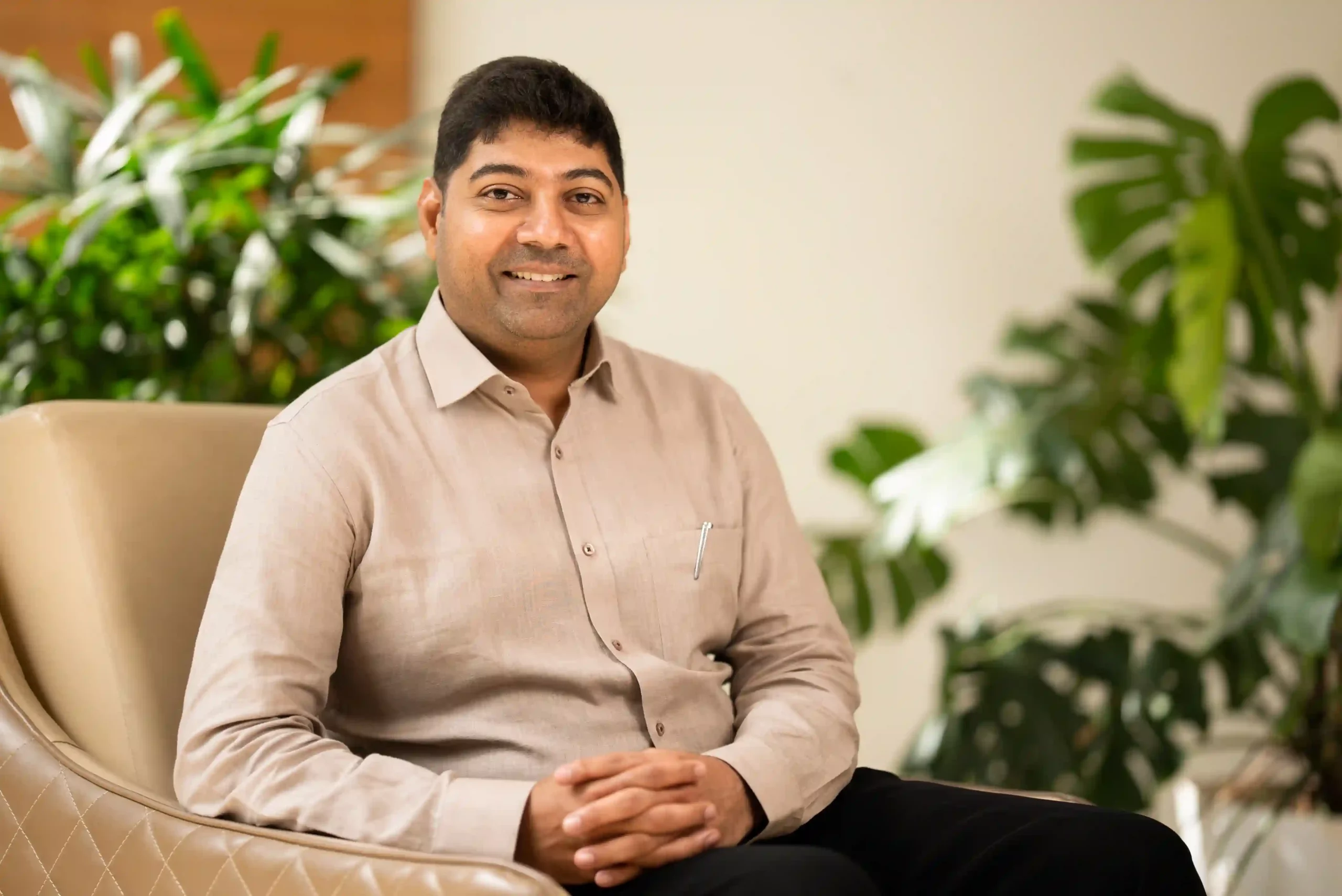
Dr. Naveen Kumar
Medical Director
15+ years of expertise in psychiatry and addiction recovery.
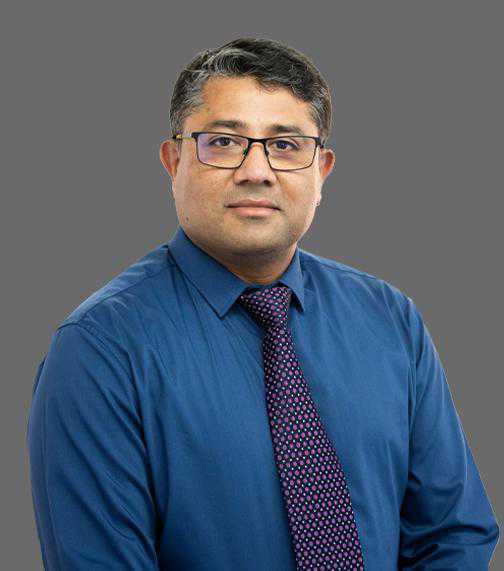
Dr. Vivek Sharma
Consultant Psychiatrist & Neurofeedback Practitioner
With over 15+ years of experience in psychiatry and neurofeedback, he blends medical expertise and compassion to guide clients toward lasting recovery.
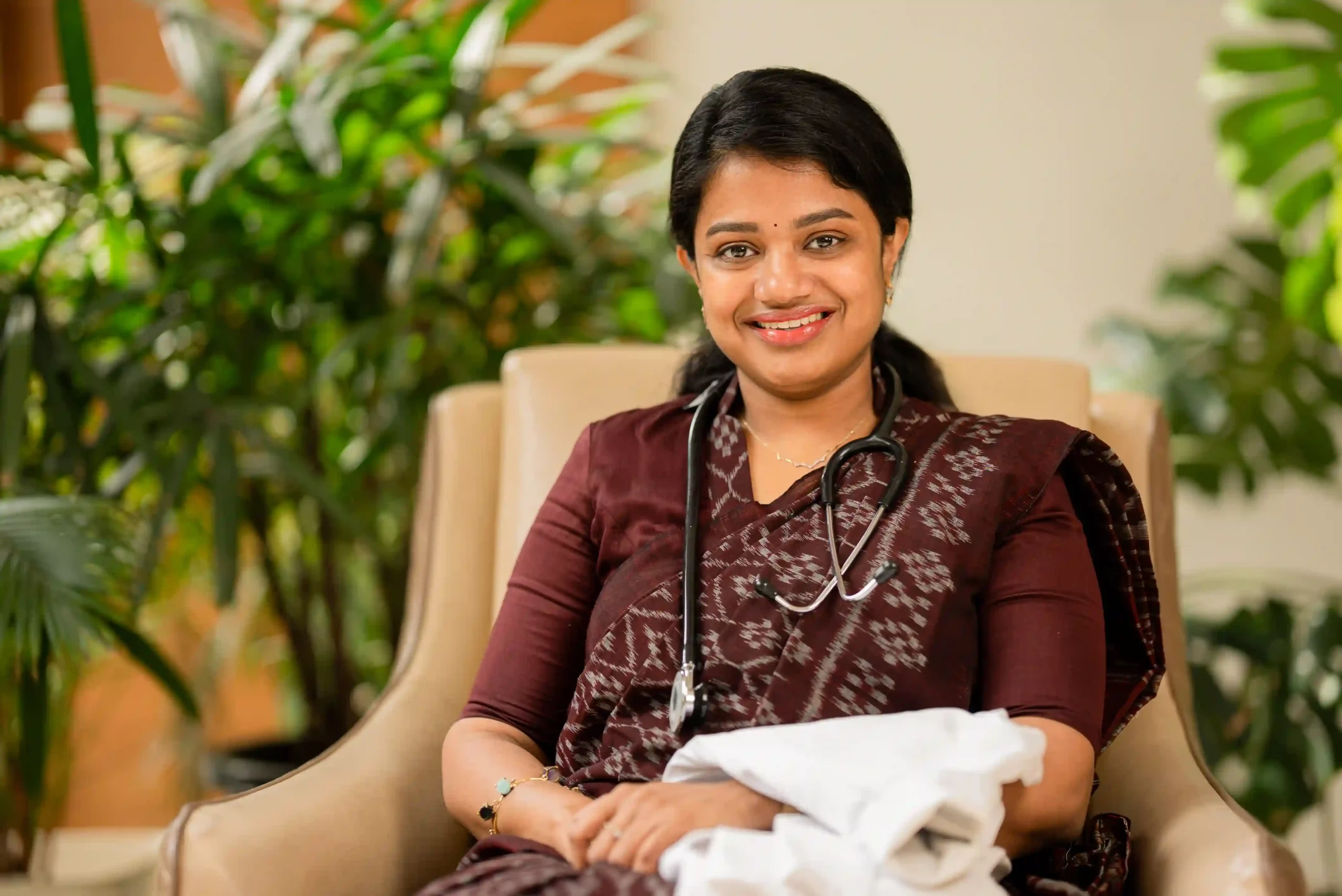
Dr. Shree Aarthi
Consultant Psychiatrist
15+ years providing expert psychiatric care for mental health and substance use disorders.

Dr. Ramalingam P Kandaswamy
Consultant Physician
15+ years With over 5 years of experience in HIV and infectious diseases, he brings global expertise and compassionate care to every patient he supports.

Dr. Divya
Psychiatrist
10+ years combining clinical psychiatry expertise with healthcare management for holistic treatment.

Dr. Malarvilzhi
Residential Medical Officer
12 years delivering comprehensive medical care in psychiatric and rehabilitation settings.
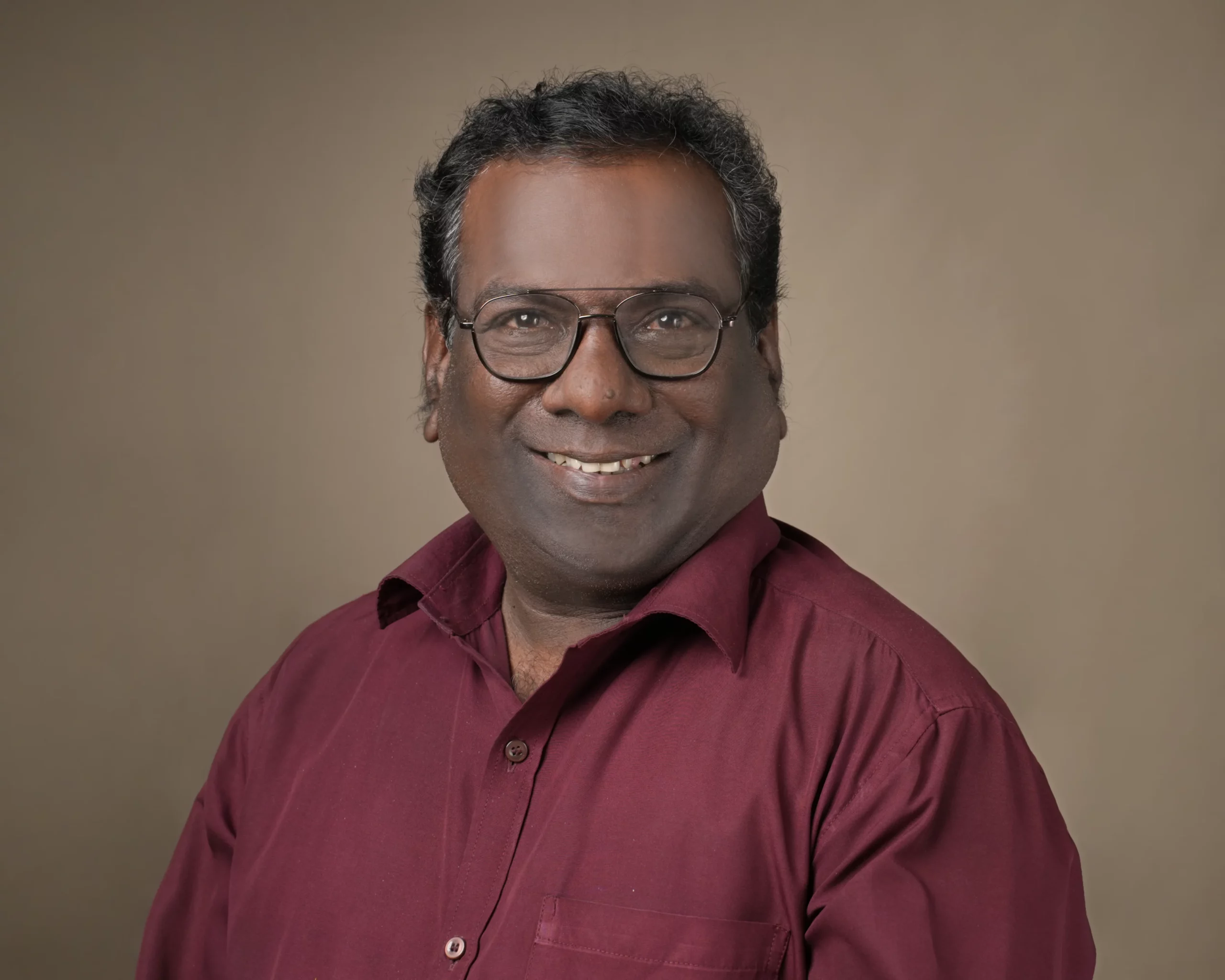
Dr. Karuppachamy
Senior Psychiatric Social Worker
22+ years of experience empowering clients through therapeutic guidance, psychosocial support, and lived-experience wisdom.
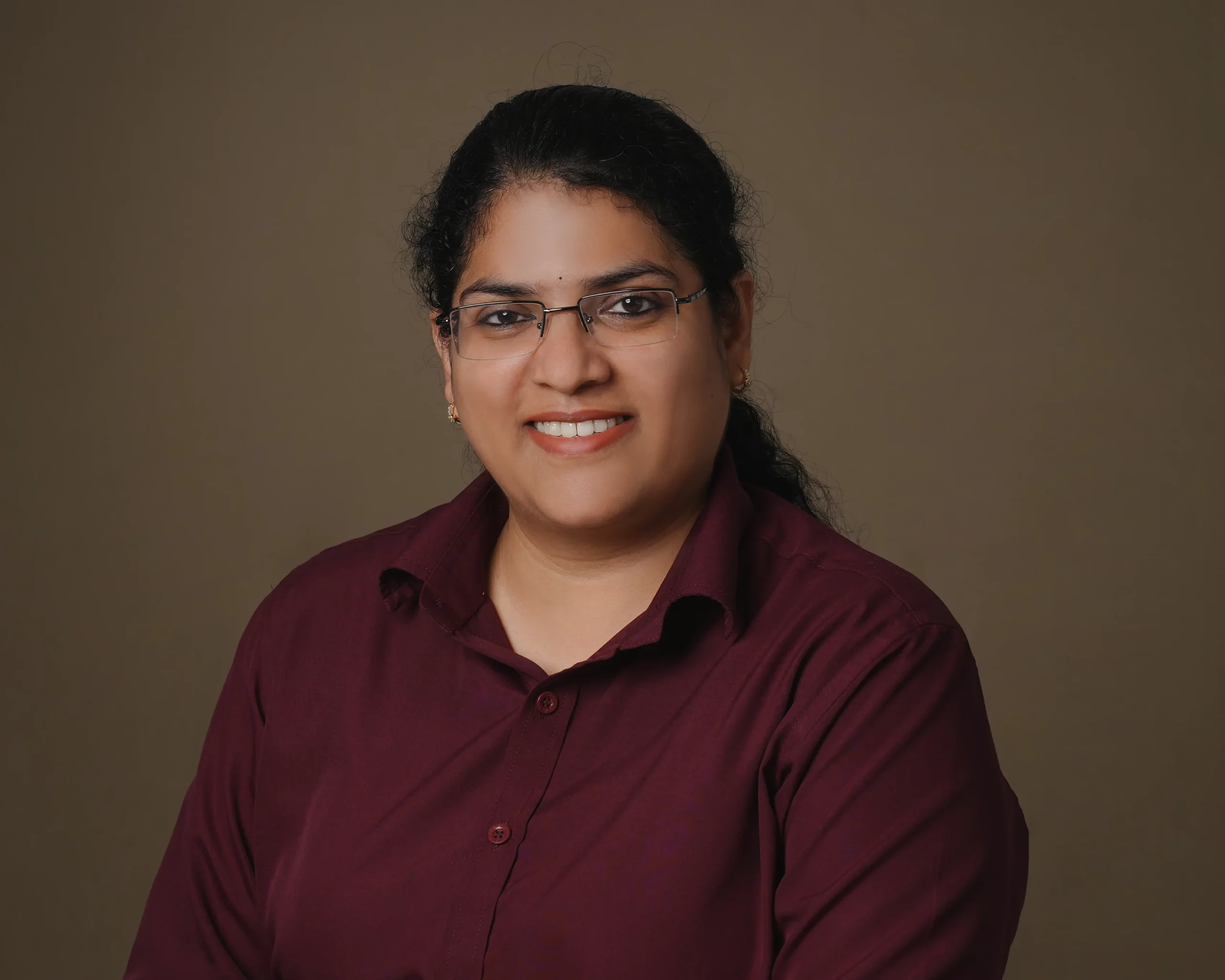
Ms. Meera
Senior Clinical Psychologist
9+ years specializing in psychological assessment and evidence-based therapeutic interventions.

Mrs. Priyadarshini
Head Clinical Psychologist
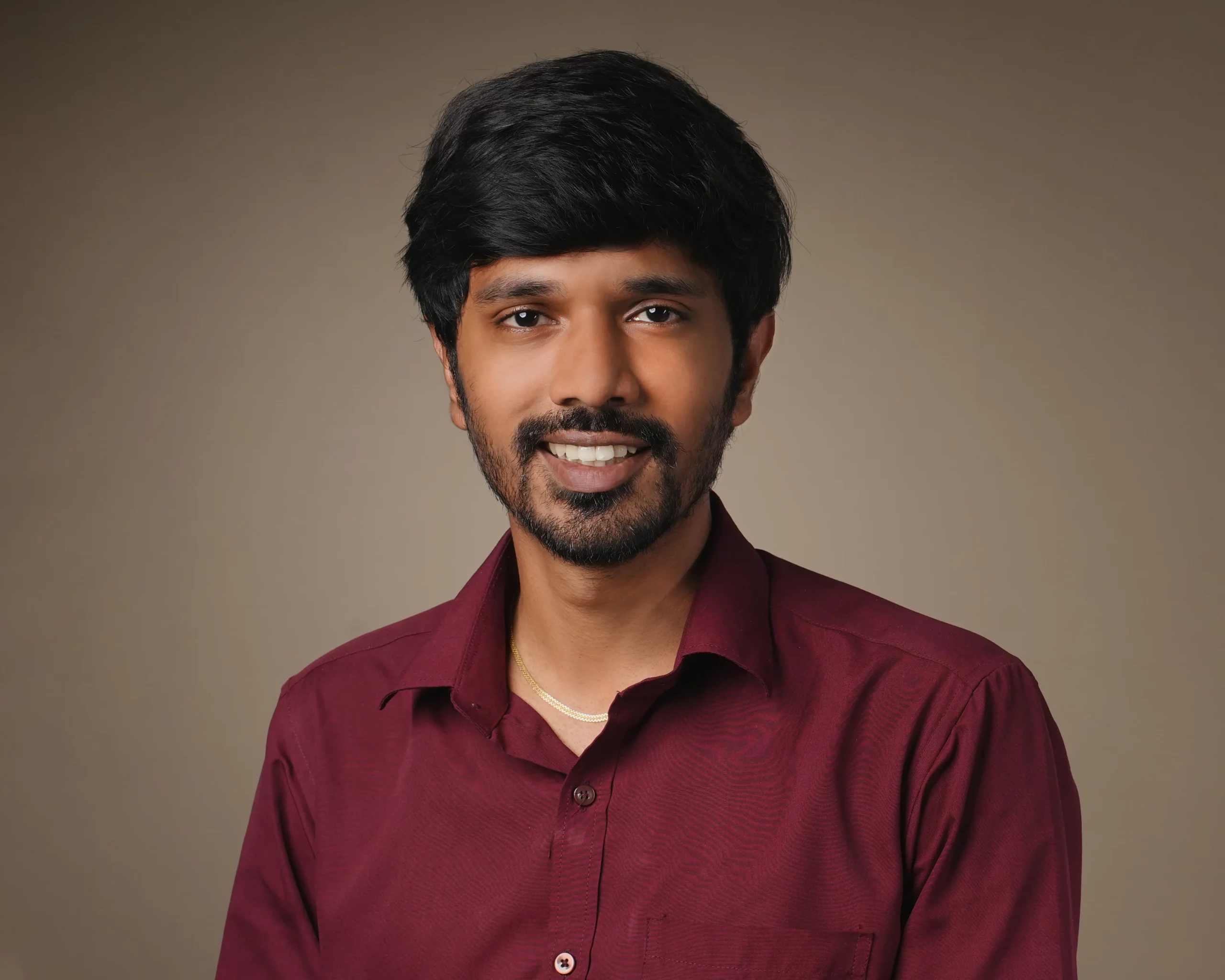
Mr. Mukesh Kanna
Clinical Psychologist
2+ years providing psychological interventions for behavioral health and emotional wellness.
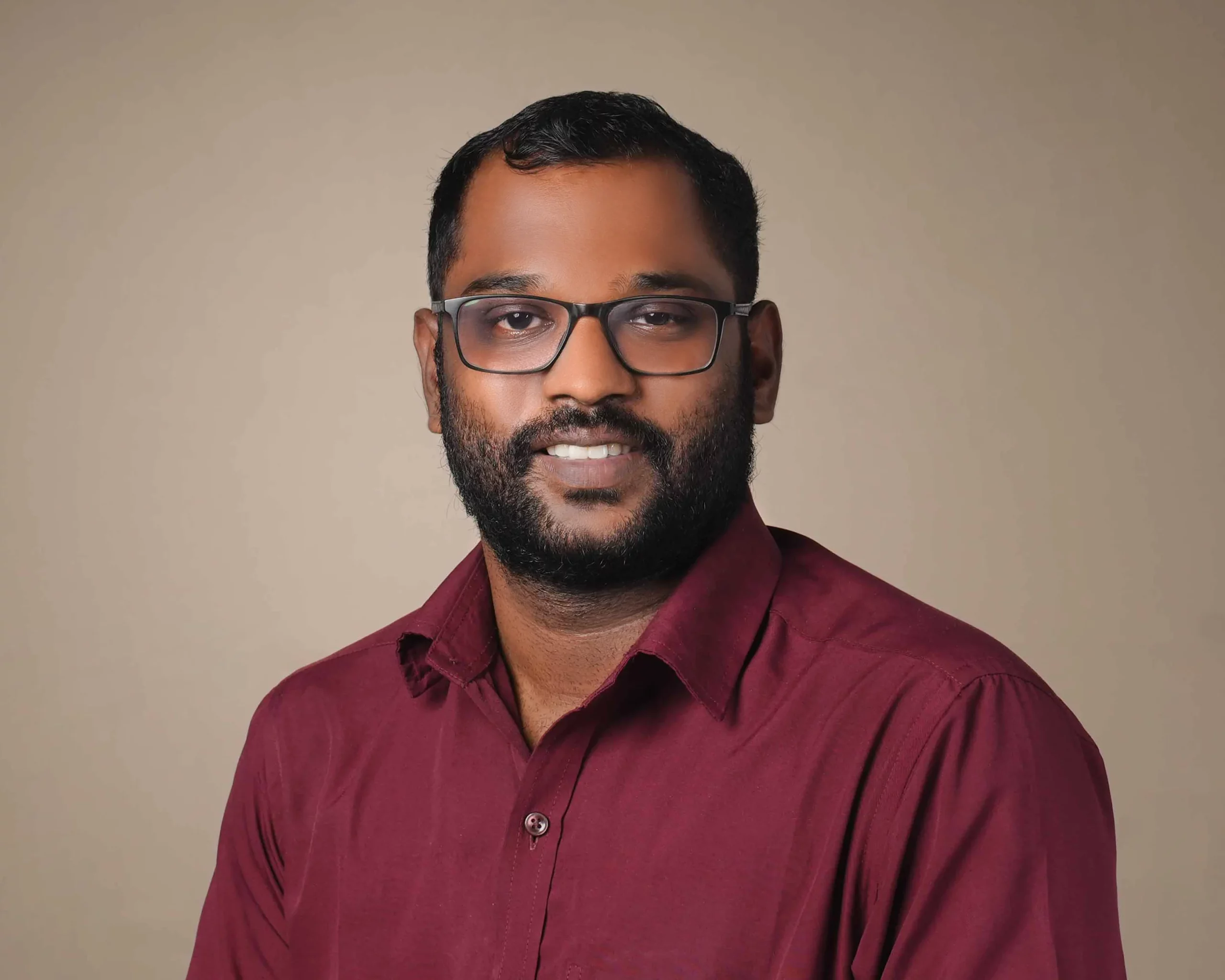
Mr. Antipas Jayabal
Clinical Psychologist
2+ years supporting clients through clinical assessment and therapeutic care.

Ms Keerthana S
Psychologist
Empathetic psychologist with 4 years’ experience in handling mental health disorders, using evidence-based psychotherapies for personalized client care.
Inside Our Cannabis Rehabilitation Program
If you’ve seen one cannabis rehab program and assumed they’re all the same, just detox and therapy on repeat, it’s an understandable thought. But Abhasa is different.
We don’t just help people stop using cannabis. We help them find their way back to themselves, one step at a time, with care that touches every part of life.
At Abhasa, we don’t believe in one-size-fits-all care. As a private cannabis rehab, we take the time to understand each person and build a path that fits their life, not just their symptoms. We create a natural healing space with clinical support, emotional care, and daily structure.
Step 1: Understanding the Root Cause
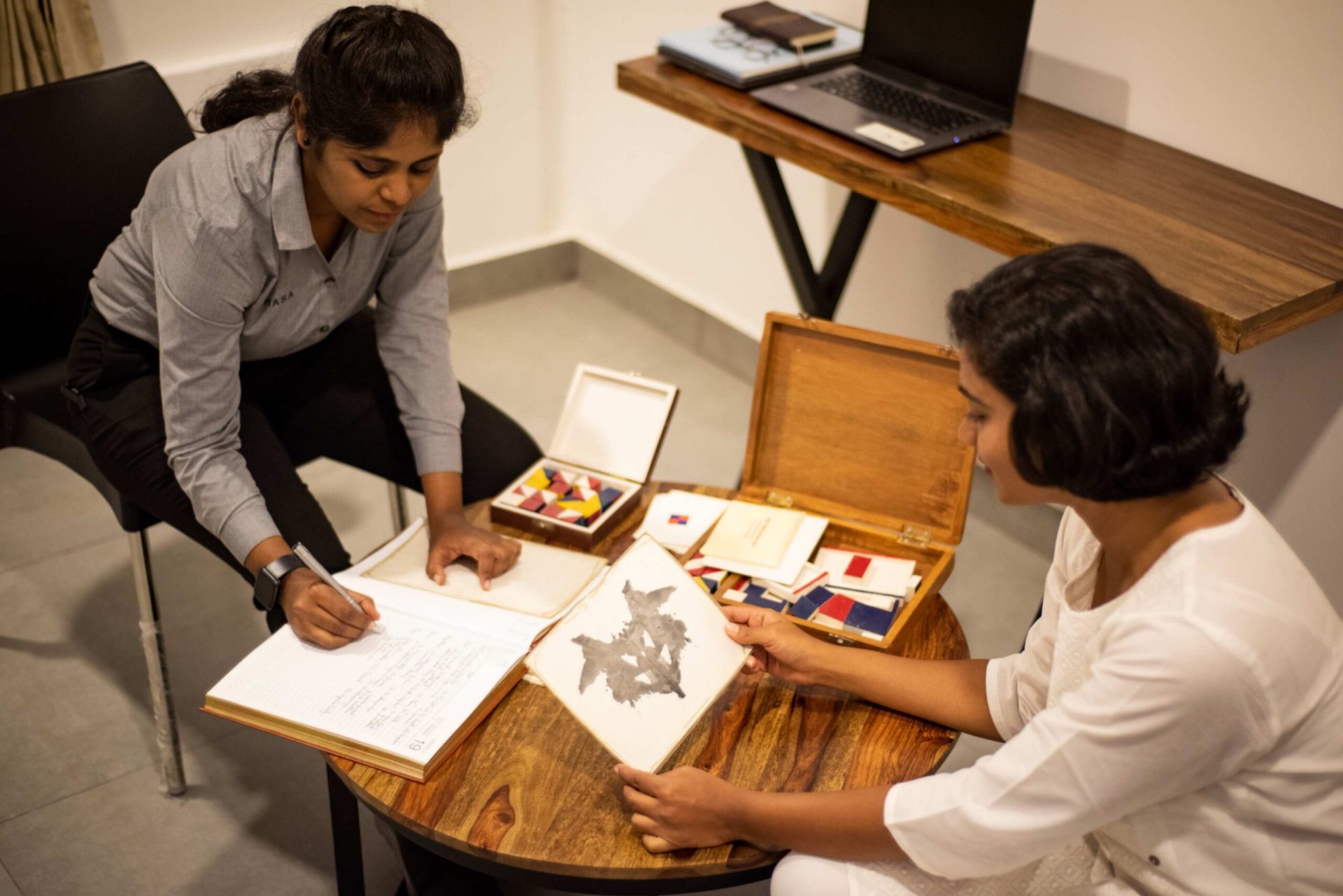
At Abhasa, we don’t jump into treatment without first understanding what brought someone to this point. Before looking at routines or therapy, we listen, map, and uncover what’s happening underneath.
- Personal wellness assessment: We look at emotional patterns, lifestyle habits, and stress responses
- Clinical consultation: Our team of psychologists and wellness experts work together to understand the person behind the behaviour
- Individualised intake process: Families are included from the beginning, ensuring we have a complete picture of each client’s needs and challenges
This first step sets the foundation for real healing, not just abstinence but also awareness and alignment.[3]
Step 2: Designing a Plan That Moves With You
At our private cannabis rehab, we observe each person’s progress and adjust the plan regularly.
Your loved one’s plan may include:
- Daily yoga and mindfulness to support emotional regulation[5]
- Creative therapies like art, journaling, and music to process emotions without pressure
- Nature walks and time outdoors to ground the body and quiet the mind
- Nutritious, chef-prepared meals that restore energy and help the body reset
The goal is never perfection. It’s consistency, comfort, and the slow return of clarity.
Step 3: Comprehensive Healing that Supports the Whole Person
We do not treat the symptoms; instead, our multifaceted approach helps in complete healing.[2] Towards recovery sets us apart from other typical cannabis rehab centres. We focus on managing cravings and assisting individuals to rewire old patterns, rebuild emotional strength, and restore trust in themselves.
- Our program includes neuroplasticity-based activities that promote habit change and improve mental focus.[1]
- Craving awareness tools like journaling and trigger mapping to build self-understanding[3]
- Personalised coaching sessions with wellness specialists and emotional guides[5]
- Mindfulness routines and grounding practices to ease anxiety and improve self-regulation
- Behavioural support through structured yet flexible daily schedules
Most programs offer a few of these pieces. At Abhasa, we bring them all together because true healing doesn’t happen in isolation.
We meet your loved ones where they are. And we walk with them through every up, every down, every question, and every moment of quiet progress.
A Typical Sober-Living Day at Abhasa

Daily rhythm does more than fill the hours. It creates safety, builds trust, and lays the foundation for real progress.[4] At Abhasa, a leading cannabis rehab centre in India, every day is shaped with purpose—to help clients find calm, stability, and meaning through structured sober living.
Our therapeutic schedule brings together modern clinical care and timeless healing practices.[5] Mornings begin gently with grounding rituals like breathwork, herbal teas, and self-care. Evenings offer space for journaling, mindfulness, and quiet emotional reflection. These small, steady patterns begin to rebuild the sense of control that cannabis dependence often takes away.
Throughout the day, clients engage in a balance of activities that support both body and mind:
- One-on-one therapy for emotional processing and guidance[3]
- Group sessions that build connection and reduce isolation
- Nature walks that calm the nervous system and promotes mental clarity
- Craving-management tools like trigger mapping, journaling, and breathwork[3]
- Creative therapies, including art, music, and writing to support the expression
- Mindfulness practices that support awareness without judgment[5]
Between each session, breaks are designed for rest and nourishment, including wholesome meals promoting detox and overall well-being.
What makes our approach different is how we personalise it. While the structure remains steady, the flow of each day is adjusted based on individual needs. [3]Some may benefit from more rest. Others thrive with increased engagement. We listen, observe, and adapt—because no two healing journeys are the same.
Many clients arrive at Abhasa from a place of overwhelm. Their days may have felt chaotic or unstructured, their emotions unpredictable. What they need is not just therapy but rhythm. That’s why structured sober living and practical life skills are built into each program part.
In many settings, routine is seen as background. At Abhasa, it is part of the therapy.
This isn’t just a schedule. The structure supports long-term healing one thoughtful, intentional day at a time.[4]
“no-obligation consultation within 24 hours”
Our Facilities, Amenities, and Wellness Activities
At Abhasa, comfort isn’t just about appearance. It’s about intention. As a private cannabis rehab focused on meaningful recovery, we design every space to ease stress, support emotional balance, and offer a sense of peace. Luxury here has a purpose. It helps clients feel safe to let go, reflect, and rebuild.
Many treatment centres limit healing to therapy rooms. Recovery happens everywhere. That’s why our environment blends nature, routine, and warmth to support each person’s journey. Our amenities are a key part of our holistic detox program and play an active role in healing.
Cannabis recovery is not just about stopping use. It’s about learning how to live again, calmly and clearly.[2] At Abhasa, our approach to marijuana addiction treatment includes nurturing the body, mind, and emotions with daily practices that restore balance.
Clients benefit from:
- Chef-prepared meals using fresh, restorative ingredients
- Spa therapies designed for deep relaxation, detox, and emotional release
- Yoga and breathwork sessions that anchor the body and calm the nervous system[5]
- A fully equipped gym to rebuild strength and focus
- Guided nature walks that provide quiet reflection and emotional clarity
- Reading nooks and chai lounges to promote stillness and gentle connection
- Games, weekend events, and creative outlets to reconnect with joy and healthy interaction
- 24/7 security and support to ensure peace of mind and physical safety
Each of these supports healing by engaging different aspects of well-being. They’re not distractions. They’re part of how people learn to feel whole again.
Our daily schedule is designed to bring rhythm, expression, and emotional release. Each activity offers a chance to reconnect with self in a way that feels empowering, not overwhelming.
Healing practices include:
- Morning yoga and mindfulness to start the day with steadiness
- Aromatherapy, art, and music to allow non-verbal expression of feelings
- Sound healing to regulate the nervous system and quiet the mind
- Pet-assisted therapy to foster trust, presence, and gentle companionship
- Zumba and movement therapy to shift stuck energy and support emotional flow
These are not optional extras. They are thoughtfully built into our program and adapted to each person’s stage of recovery. This is what makes our holistic detox program so effective. It’s not just about what’s done. It’s about how and why it’s done.
Cannabis dependence often brings emotional highs and lows, irregular sleep, and disconnection from daily life.[7] Our spaces and schedules work together to replace chaos with rhythm and avoidance with awareness.
From nourishing meals to quiet nature time, from movement to rest, every moment has value. This daily rhythm supports emotional stability, clearer thinking, and the return of joy.
At Abhasa, healing doesn’t only happen in therapy. It occurs in the small routines, the safe silences, the steady breath, and the moments of connection. That is the difference a thoughtful cannabis rehab centre can make.
Personalised Recovery Plans and Relapse Prevention
Many people arrive at Abhasa feeling worn down, guarded, and unsure of what healing looks like. We understand that. We don’t hand over a rigid plan and expect it to work. [3] We include them in planning, allowing it to grow with the person. At our private cannabis rehab, every care journey begins with listening, adjusting, and responding.
Overcoming cannabis dependence is not just about quitting. It’s about learning to live with more clarity, stability, and purpose. [2] At Abhasa, we begin by getting to know the person, not just the pattern.
Each client goes through a thoughtful intake process that includes:
- Emotional and behavioural assessments
- Trigger journaling to understand patterns and stress points[3]
- Personal and family history
- Daily observations during their first few days
We want to know what helps someone feel safe, what causes anxiety, and how they respond in everyday situations. This allows us to design care that feels natural and supportive.
We follow a bio-psycho-social model that considers the whole picture.[1] Cannabis dependency often results from a mix of:
- Biological factors like sleep issues, nutrition, and brain chemistry[1]
- Psychological factors such as anxiety, avoidance, or trauma
- Social factors, including isolation, relationships, and peer influence[8]
Instead of focusing on one cause, we work on all three layers. That’s how healing becomes more complete.

We shape each recovery plan using a balanced framework:
- Clinical Therapy for Emotional Health and Goal-setting[3]
- Mindfulness, yoga, and nature time for calm and grounding[5]
- Life skills after rehab, such as structured routines, communication skills, and decision-making[4]
- Family involvement to rebuild trust and support long-term success[8]
Our team meets regularly to update the recovery plan. Therapists, coaches, and wellness guides all share their insights. We adapt based on how the client feels, what they’re responding to, and what they’re ready for next. We also keep families informed so they stay connected and confident throughout the process.

As clients prepare to transition out of our program, we shift focus to long-term success. [4] We create a practical, personalised aftercare plan that supports daily life beyond rehab.
This includes:
- Relapse prevention coaching teaches how to manage cravings, handle stress, and avoid risky situations[3]
- Emotional check-ins, goal tracking, and flexible daily routines
- Guidance on setting boundaries, building structure, and asking for help when needed
- Step-back-in protocols in case early warning signs reappear
We also educate families. We explain how recovery unfolds, how to respond to challenges, and staying supportive without feeling overwhelmed. [8] When families know what to expect, they feel more equipped and less anxious.
At Abhasa, we don’t just help someone through rehab. We help them prepare for a whole life beyond it. With the right tools, rhythm, and support, recovery becomes something they can carry forward.

Family Support and Education in Cannabis Recovery
When someone you love struggles with cannabis use, the emotional weight often lands silently on the family. You might feel unsure, watching them drift away, wondering if you’re helping or only hoping. The confusion. The burnout. The quiet heartbreak of wanting to fix something you don’t fully understand.
At Abhasa, we recognise what families carry. And we make sure you don’t have it alone.
Family involvement in recovery is not an afterthought. It’s part of the care plan.[8] Healing happens faster and more fully when the family is included, supported, and heard.

You deserve to know how your loved one is doing—not just through occasional updates, but with consistent, structured communication.
Here’s how we keep families connected:
- Daily progress snapshots: You’ll receive updates about meals, rest, participation, and emotional well-being
- Weekly check-ins: A 15-minute scheduled call with the case manager gives you space to ask questions and understand what’s shifting
- Monthly clinical review sessions: These deeper conversations help align everyone on recovery goals, progress, and any changes to the care plan
This approach gives families more than updates. It creates a partnership.[8] You become part of the rhythm of care, not left in the dark but supported in step with your loved one’s healing.
Actual family involvement in recovery means caring for you, too.

The fear starts to ease when you understand the why behind your loved one’s behaviour. Through structured family education sessions, we guide you gently through key topics like:
- How cannabis affects mood, motivation, and decision-making[1]
- What helps during emotional distress, and what doesn’t
- How to respond to challenging situations calmly and effectively
- Ways to support your emotional health while showing up for theirs
We also share practical guides on communication, healthy boundaries, and what to expect after rehab. These tools help you feel less unsure and more prepared.

Cannabis use can create distance between people who deeply care about each other. At Abhasa, family therapy isn’t just a scheduled session; it’s a space where real conversations can happen.
These guided sessions give families a chance to listen, speak honestly, and begin to repair the emotional strain that may have built up over time. With the support of our team, families learn how to reconnect with compassion, communicate with clarity, and move forward together.
Healing isn’t just about the individual; it’s also about the relationships waiting for them at home.[8]
A Safe, Private Sanctuary Where Healing Feels Possible
If you’re supporting someone through cannabis recovery, one of your biggest concerns might be, “Will they be safe? Will their privacy be respected?”
These are deeply valid questions, especially when the journey has already been heavy on trust, uncertainty, and fear of being judged.
At Abhasa, we take that concern to heart.
Our private cannabis rehab is designed to offer not just professional care but emotional ease from the first inquiry call to the very last aftercare check-in. Everything is handled with confidentiality, compassion, and respect.

Privacy You Can Count On, Support You Can Feel
From the moment you reach out, your family’s privacy is protected. Every conversation, consultation, and care plan is handled discreetly. Whether you’re speaking with our admissions team or joining a family therapy call, you can trust that personal details stay just that, personal. We know how hard the social stigma hits when one returns to life again.
Clients stay in private, thoughtfully designed rooms offering quiet, comfort, and breathing space. Safety, too, is a priority. Our centres are staffed around the clock by a professional team who monitor emotional and physical wellbeing, always respectfully and without intrusion. Security is present, but subtle so that clients feel held, not watched.
A Serene Setting That Helps Healing Happen
For some people, the surroundings could be a trigger. When someone is healing, the environment matters more than we often realise. Nature has a way of softening what feels sharp. A quiet garden walk, a moment of stillness by the trees, or simply watching the sky shift at sunset become part of the recovery in ways that words can’t always express. Our luxury cannabis rehabilitation environment includes serene gardens, open-air spaces, and peaceful pathways, all created to bring calm without pressure.
This is the heart of luxury cannabis rehabilitation at Abhasa. A place that doesn’t feel clinical. A place where your loved one can slow down, feel safe in their surroundings, and begin to reconnect with themselves in gentle, meaningful ways.
Stories of Hope from Our Cannabis Recovery Community
When your loved one is struggling with cannabis use, it can feel like you’re holding your breath every single day. Waiting for them to speak. Hoping they’ll show a sign of change. Wondering if the cycle will ever stop. If that’s where you are right now, please know you’re not alone. We see you. And we understand.
At Abhasa, we’ve supported many families in this very moment. Families who felt exhausted, unsure, and afraid nothing would help. Over time, with the right support, something begins to shift. That shift doesn’t always start loud. Sometimes it begins quietly, with hope that slowly grows into healing.
These stories aren’t perfect. They’re real. They are filled with courage, setbacks, progress, and honest emotion. They belong to individuals who arrived unsure of themselves and families who stood by them with love, even when it was hard. Together, they found strength in gentleness and clarity in slowing down. They chose recovery on their own terms and started finding their way forward.
These journeys remind us what truly matters. They show us that marijuana addiction rehab success isn’t measured in numbers. It’s measured in moments of presence, connection, and self-worth returning piece by piece.
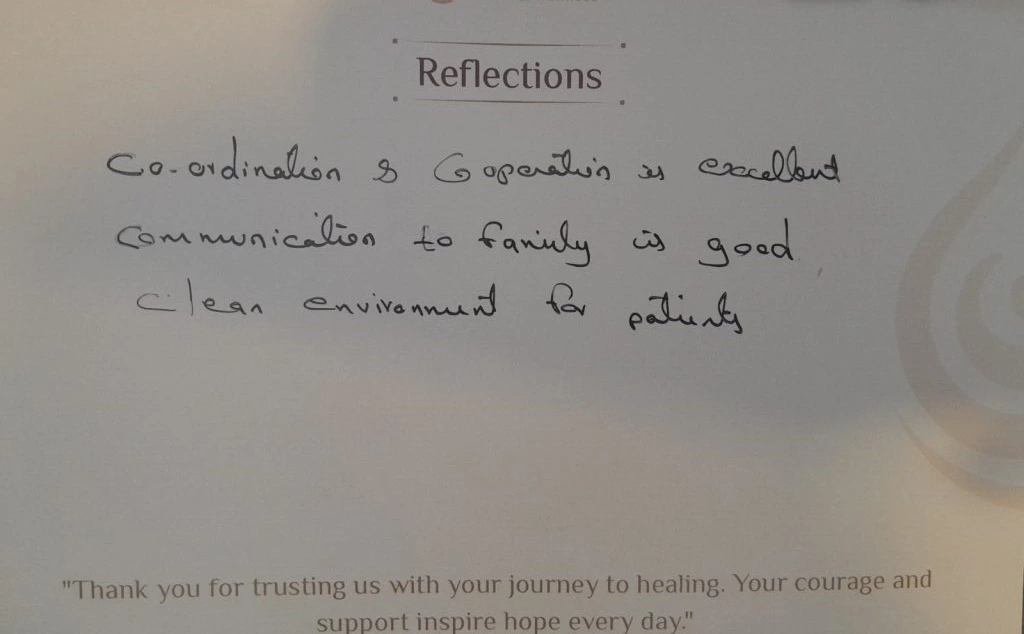
Co-ordination & cooperation is excellent. Communication to family is good. Clean environment for patients.
Former Client
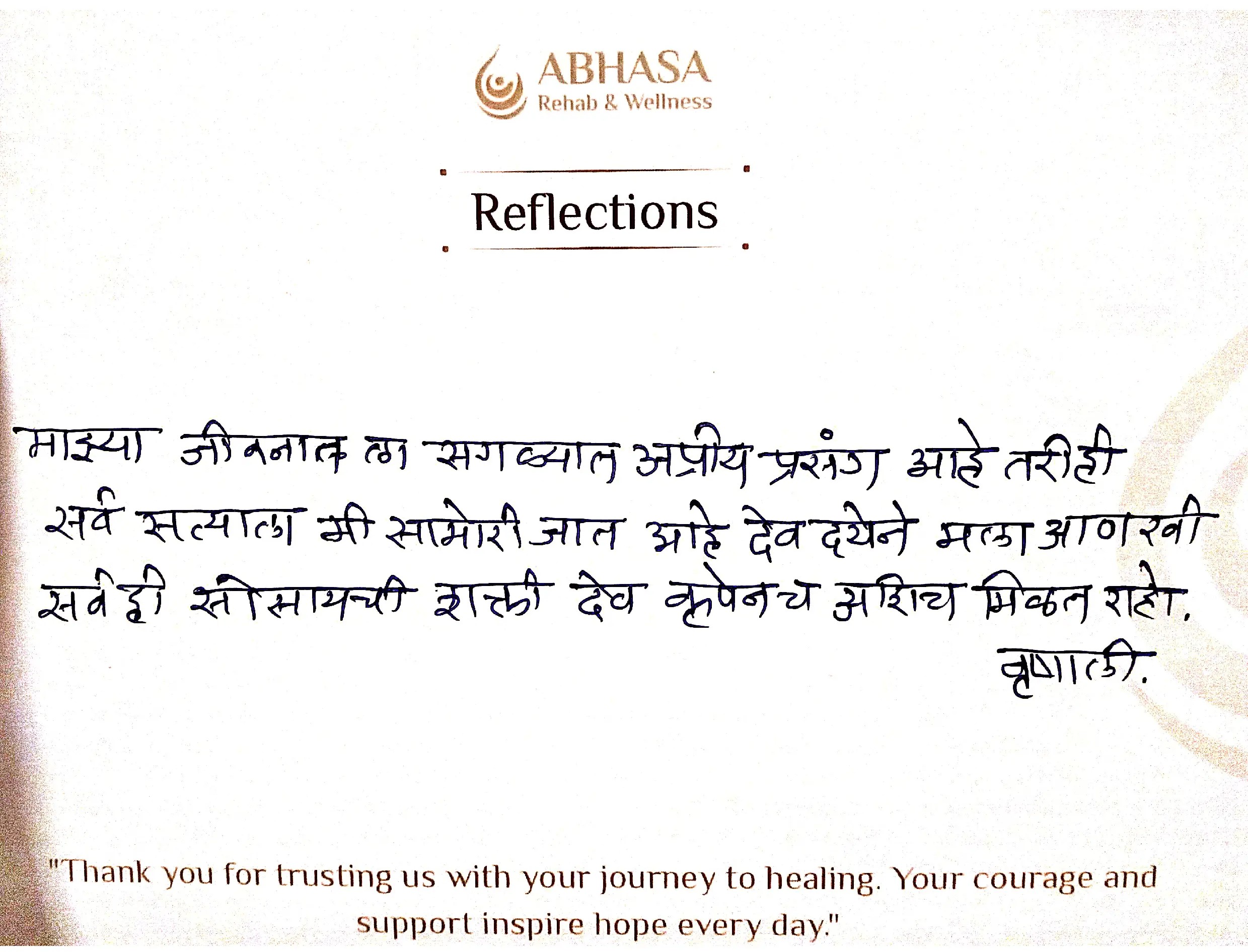
I found strength to face life’s hardest truths here. I believe it was God’s grace that brought me to Abhasa.
Former Client
“ no-obligation consultation within 24 hours”
FAQs About Cannabis Addiction and Recovery
Can you recover fully from cannabis addiction?
Yes, recovery is absolutely possible. While every journey is different, many people rebuild their lives with clarity, confidence, and support. At a trusted cannabis addiction rehab, recovery is not just about stopping use. It’s about healing emotionally, restoring a daily rhythm, and rediscovering a sense of purpose.[2,4]
How long does it take to detox from cannabis?
Detox timelines vary depending on how long and how often someone has used cannabis. Physical detox usually begins within a few days. Emotional detox such as mood swings, cravings, or irritability may take longer.[7] At a cannabis treatment centre like Abhasa, detox is supported gently with nutrition, rest, and holistic care to make the process easier and more comfortable.
Is cannabis addiction curable?
We don’t often use the word “cure,” but cannabis dependency can be transformed. With the right support and a nurturing environment, many people go on to live balanced, healthy lives. A cannabis addiction rehab provides tools and structure that make long-term recovery not just possible, but sustainable.[4]
What are the side effects of long-term cannabis use?
Long-term use can lead to reduced motivation, memory issues, anxiety, and emotional withdrawal.[1,6] It may also affect relationships and daily routines. Early support from a cannabis treatment centre can help address these issues and begin the process of emotional and cognitive healing.
What therapy is best for cannabis addiction?
There is no one-size-fits-all answer. At Abhasa, we personalise care with emotional counselling, mindfulness-based therapies, nature connection, and relapse prevention coaching.[2,3,5] The best therapy is the one that adapts to the individual’s needs, which is exactly what we offer.
How do you treat cannabis withdrawal without medication?
Many individuals move through withdrawal using supportive, non-medicated care. Breathwork, rest, nutritious meals, and emotional guidance are all part of the approach at our cannabis treatment centre. [5] These methods help manage symptoms gently while reducing stress and promoting comfort.
What is the most successful addiction treatment?
Success looks different for each person. At Abhasa, we believe lasting recovery comes from emotional support, steady structure, and long-term guidance.[3,4] Our focus on life skills after rehab, family involvement, and holistic wellness has led to meaningful outcomes and true transformation.[8]
Does cannabis help recovery from other drugs?
Although some believe cannabis may reduce cravings for other substances, it often replaces one dependency with another. In most cases, it can slow or complicate recovery. [6] A professional cannabis treatment centre offers safer, healthier alternatives that support long-term change.
How long does residential cannabis rehab last?
What happens after discharge from cannabis rehab?
Discharge is not the end of recovery; it’s the beginning of a new chapter. [4] That’s why we create detailed aftercare plans that include routine building, emotional check-ins, family support, and relapse prevention coaching. [8] At our cannabis treatment centre, we stay connected and continue to guide each person after they leave.
Blogs & Expert Resources on Cannabis Recovery
Dive into our cannabis recovery blog for insights that go beyond theory. Whether you’re supporting someone or walking this journey yourself, our curated resources offer everyday guidance backed by expert understanding.
You’ll find practical tools, recovery tips, and personal reflections drawn from real rehab journeys, designed to support your clarity, motivation, and daily rhythm. From lifestyle resets to relapse guidance, every piece is rooted in our approach to cannabis rehabilitation and holistic healing.

How do alcohol and drugs affect the brain?
How do alcohol and drugs affect the brain? Our brain is the most important yet complex organ of our human
Impact of Drugs, Alcohol & Mental Health
Drugs, Alcohol & Mental Health People take drugs and use alcohol for a variety of reasons. Using drugs or alcohol
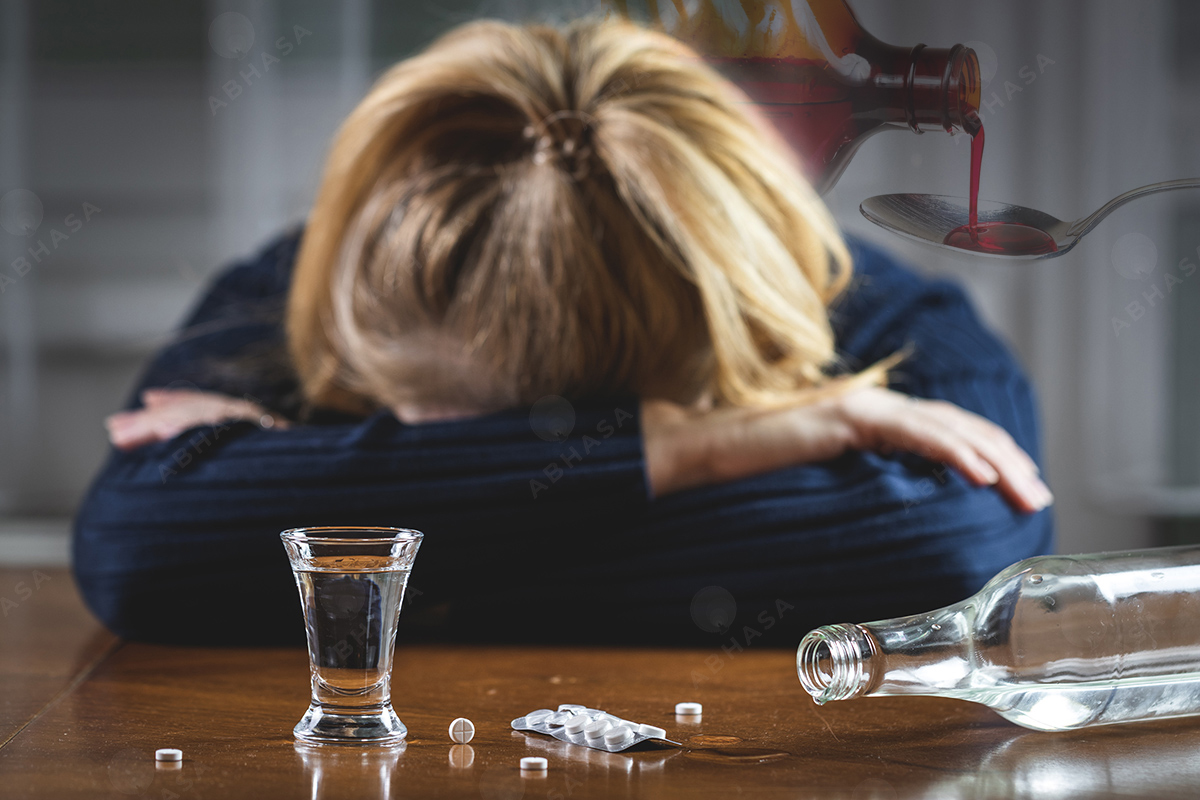
The Danger Of Mixing Alcohol And Dayquil
The Danger Of Mixing Alcohol And Dayquil Introduction In our fast-paced world, people are often seeking quick solutions to alleviate
Begin Your Drug-Free Journey with Abhasa
You just need to reach out. We'll walk the rest of the way with you.
There comes a moment when you begin to wonder if life could feel different. Maybe calmer. Maybe lighter. A life where your loved one wakes up rested, connects with others, and begins to find peace again.
If you’ve reached that moment, we’re here to meet you there.
Choosing rehab is not giving up. It’s reaching for something better. At Abhasa, we’ve seen lives change through courage, steady care, and personalised healing. Not overnight. Not perfectly. But step by step, with guidance that comes from the heart.
As one of the best cannabis rehab centres in India, Abhasa offers more than treatment. We provide dignity, nature-inspired calm, and a personalised space for recovery. In our luxury cannabis rehab in India, your loved one receives focused attention, holistic care, and the support they need to reconnect with themselves.
It’s not just about recovery. It’s about rediscovery.
We understand how heavy this decision can feel. But on the other side of that choice, there is rest. There is laughter. There is a future that feels possible again.
You won’t walk it alone. Whether you’re reaching out for yourself or someone close to you, our team is ready to stand beside you—with kindness, privacy, and true care.
This is where your next chapter begins.
Proudly Serving Across Cities
- Rehab in Karjat
- Rehab in Pune
- Rehab in Navi Mumbai
- Rehab in Madurai
- Rehab in Trichy
- Rehab in Bangalore
- Rehab in Chennai
- Rehab in Thane
- Rehab in Nasik
- Rehab in Kochi
- Rehab in Mangalore
- Rehab in Mysore
- Rehab in Hyderabad
- Rehab in Vijayawada
- Rehab in Visakhapatnam
- Rehab in Delhi
COMPLIANCE ADDED: Medical Disclaimer
This information is for educational purposes only and does not constitute medical advice. Alcohol use disorder is a serious medical condition requiring professional diagnosis and treatment by qualified healthcare providers.
Always consult licensed medical professionals and addiction specialists before making treatment decisions. Individual results vary significantly based on numerous factors including severity of dependence, co-occurring conditions, personal commitment, and environmental support.
Alcohol withdrawal can be life-threatening. Attempting to detox at home without medical supervision may result in severe complications including seizures, delirium tremens, and death. Medical detoxification should only be conducted under the supervision of qualified healthcare professionals in an appropriate medical setting.
If you are experiencing a medical emergency, call emergency services immediately (dial 112 in India or your local emergency number).
The content provided describes general treatment approaches and facility amenities. It is not a substitute for individualized medical assessment or professional treatment planning. Treatment outcomes cannot be guaranteed, and recovery from alcohol dependence is an ongoing process that may include periods of relapse.
Research Citations (Top 15 Most Authoritative Sources):
Core Citations (All Sources Used):
[1] PMC/NCBI – “Cannabis Addiction and the Brain: a Review”
URL: https://pmc.ncbi.nlm.nih.gov/articles/PMC6223748/
Source Type: Peer-reviewed neuroscience research
Supports: Cannabis effects on brain chemistry, addiction mechanisms, biological factors
[2] European Archives of Psychiatry – “Effectiveness of cannabis use disorder interventions”
URL: https://link.springer.com/article/10.1007/s00406-024-01829-5
Source Type: Peer-reviewed systematic review
Supports: CBT/MET effectiveness, comprehensive treatment approaches
[3] PMC/NCBI – “Treatment of Cannabis Use Disorder: Current Science”
URL: https://pmc.ncbi.nlm.nih.gov/articles/PMC4880536/
Source Type: Peer-reviewed medical research
Supports: Psychotherapeutic treatments, personalized care, craving management
[4] NIDA – “Treatment and Recovery: The Science of Addiction”
URL: https://nida.nih.gov/publications/drugs-brains-behavior-science-addiction/treatment-recovery
Source Type: Federal government (.gov)
Supports: Recovery principles, long-term outcomes, aftercare importance
[5] PMC/NCBI – “Yoga and Mindfulness as Complementary Therapies for Addiction”
URL: https://pmc.ncbi.nlm.nih.gov/articles/PMC3646290/
Source Type: Peer-reviewed research
Supports: Holistic therapies, mindfulness effectiveness, stress reduction
[6] National Institute on Drug Abuse (NIDA) – “Cannabis Research”
URL: https://nida.nih.gov/research-topics/cannabis-marijuana
Source Type: Federal government (.gov)
Supports: Cannabis use statistics, long-term effects, behavioral therapies
[7] Cleveland Clinic – “Marijuana Withdrawal: Symptoms & Treatment”
URL: https://my.clevelandclinic.org/health/diseases/marijuana-weed-withdrawal
Source Type: Major medical institution
Supports: Withdrawal timeline, symptoms, detox management
[8] PMC/NCBI – “Family Involvement in Treatment and Recovery for SUDs”
URL: https://pmc.ncbi.nlm.nih.gov/articles/PMC8380649/
Source Type: Peer-reviewed research
Supports: Family therapy effectiveness, treatment engagement, recovery outcomes
[9] JCI (Journal of Clinical Investigation) – “Cannabis use disorder: neurobiology to treatment”
URL: https://www.jci.org/articles/view/172887
Source Type: Peer-reviewed medical journal (2024)
Supports: Evidence-based interventions, treatment science
[10] PMC/NCBI – “Treatment of Adolescent Cannabis Use Disorders”
URL: https://pmc.ncbi.nlm.nih.gov/articles/PMC10097012/
Source Type: Peer-reviewed medical research
Supports: Family-based interventions, treatment effectiveness
[11] Yale Medicine – “Cannabis/Marijuana Use Disorder”
URL: https://www.yalemedicine.org/conditions/marijuana-use-disorder
Source Type: Academic medical institution
Supports: Clinical treatment information, behavioral therapies
[12] Brain Sciences (MDPI) – “Treatments for Cannabis Use Disorder: Systematic Review”
URL: https://www.mdpi.com/2076-3425/14/3/227
Source Type: Peer-reviewed journal (2024)
Supports: Comprehensive treatment approaches, family engagement
[13] PMC/NCBI – “Clinical management of cannabis withdrawal”
URL: https://pmc.ncbi.nlm.nih.gov/articles/PMC9110555/
Source Type: Peer-reviewed medical research
Supports: Withdrawal management, symptom timeline
[14] SAMHSA National Helpline
URL: https://www.samhsa.gov/find-help/helplines/national-helpline
Source Type: Federal government (.gov)
Supports: Crisis resources, treatment access
[15] Family Process (Wiley) – “Effects of family therapy: Systematic review”
URL: https://onlinelibrary.wiley.com/doi/10.1111/famp.12841
Source Type: Peer-reviewed journal (2023)
Supports: Family therapy outcomes, treatment effectiveness