
Psychosomatic Disorder Rehab in India

Pain in body doesn’t have to be endless. Abhasa’s therapies address both mind and body for deep, lasting healing.
Your healing starts here, mind and body together.
2:1 Staff-to-client ratio
3 Healing Spaces
Personalised Treatments
360° Healing
2:1 Staff-to-client ratio
3 Healing Spaces
Personalised Treatments
360° Healing
Gallery
Luxury Psychosomatic Disorder Treatment Centres in India

When your body aches, tires easily, or feels unwell in ways that medical tests cannot seem to explain, it can be both confusing and exhausting. For families, the uncertainty can leave everyone feeling drained and unsure of what to do next. At psychosomatic disorder treatment centres like Abhasa, we recognise that these sensations are real and deserve a respectful, compassionate approach. Here, healing is not about choosing between mind and body; it is about treating both together in harmony.
In our experience, many Indian families spend months or even years seeking answers from multiple specialists, only to feel caught in a loop of uncertainty. This is where the difference of a dedicated mind-body treatment centre becomes clear. We do not see your symptoms as isolated events. We see these symptoms as part of a larger story, where emotional strain, ongoing stress, and past experiences can all influence how the body feels.[1,2] At Abhasa, you step into a peaceful, private setting that feels nothing like a hospital, a place designed to help you exhale and begin to heal. Our luxury setting is designed to soothe the senses from the moment you arrive. Here, each day is structured with a balance of medical care, emotional support, and holistic practices that help the mind and body reconnect.
Our guests follow gentle daily routines that may include individual therapy, somatic practices, movement therapies, guided relaxation, and time in nature. These are supported by nutritious meals and wellness activities tailored to each person’s needs.
We believe recovery works best when families are part of the journey.[3] When someone is living with psychosomatic symptoms, it affects everyone at home. That’s why we take time to help families understand the mind–body link, learn ways to communicate with care, and build a calmer, more supportive home life once their loved one returns.
Choosing Abhasa means choosing a place where privacy, respect, and genuine care are at the heart of everything we do. Our team of medical professionals, therapists, and holistic practitioners work together to ensure each guest receives the personalised care they deserve.
If you have been searching for psychosomatic disorder treatment centres that combine science, compassion, and comfort, or a mind-body treatment centre that truly understands your family’s needs, your search can end here.
Your healing starts here, mind and body together.
Understanding Psychosomatic Disorders & Mind-Body Medicine
At Abhasa, we know that recovery begins with understanding. Many people believe that persistent, unexplained physical symptoms must have a purely medical cause, yet often the body reflects the weight of emotional strain. Through specialised somatoform disorder treatment, we explore both the physical sensations and the emotional patterns that may shape them.
What makes symptoms psychosomatic
In some cases, medical tests come back clear, but pain, fatigue, or discomfort remain. This does not mean the symptoms are imagined. It means the mind and body work together in ways that need a different kind of attention.[1,2] At our psychosomatic medicine centres, we focus on the link between thoughts, emotions, and the nervous system. We offer tools that ease both mental tension and physical distress.
The mind-body connection in daily life
Stress, worry, and unprocessed emotions can make the body more reactive than usual.[2,4] With time, this heightened sensitivity may show up as chronic aches, digestive troubles, frequent headaches, or constant tiredness. Noticing how your thoughts and feelings influence your physical state is often the first step toward feeling better.
Why traditional approaches may fall short
Standard medical care excels at ruling out disease. It often does not address how emotional well-being influences physical health.[3] In somatoform disorder treatment, we combine medical insight with therapeutic practices that calm the mind.
Conditions We Support
At our psychosomatic medicine centres, we help people whose physical symptoms may be linked to stress or emotional strain.[5,6] Some of the concerns we often address include:
- Ongoing muscle or joint pain that does not improve with standard treatment
- Digestive problems such as irritable bowel symptoms, which can worsen during periods of stress
- Chest discomfort that has been checked medically but is not linked to heart disease
- Sleep difficulties, whether it’s trouble falling asleep, staying asleep, or feeling rested in the morning
- Frequent headaches or migraines that may be influenced by tension or emotional triggers
By looking at both the physical and emotional aspects of these conditions, we create a care plan that supports long-term relief and a better quality of life.[7,8]
Why Holistic Treatment Works
When support focuses on both the body and the mind, many people begin to feel more energetic, balanced, and at ease. At Abhasa, we make this possible in a calm, well-planned environment where you can rest, reflect, and learn practical skills that stay with you long after you leave.
If you have been searching for somatoform disorder treatment that goes beyond quick fixes or psychosomatic medicine centres where you are understood as a whole person, you will find that here.
What makes symptoms psychosomatic
In some cases, medical tests come back clear, but pain, fatigue, or discomfort remain. This does not mean the symptoms are imagined. It means the mind and body work together in ways that need a different kind of attention.[1,2] At our psychosomatic medicine centres, we focus on the link between thoughts, emotions, and the nervous system. We offer tools that ease both mental tension and physical distress.
The mind-body connection in daily life
Stress, worry, and unprocessed emotions can make the body more reactive than usual.[2,4] With time, this heightened sensitivity may show up as chronic aches, digestive troubles, frequent headaches, or constant tiredness. Noticing how your thoughts and feelings influence your physical state is often the first step toward feeling better.
Why traditional approaches may fall short
Standard medical care excels at ruling out disease. It often does not address how emotional well-being influences physical health.[3] In somatoform disorder treatment, we combine medical insight with therapeutic practices that calm the mind.
Conditions We Support
At our psychosomatic medicine centres, we help people whose physical symptoms may be linked to stress or emotional strain.[5,6] Some of the concerns we often address include:
- Ongoing muscle or joint pain that does not improve with standard treatment
- Digestive problems such as irritable bowel symptoms, which can worsen during periods of stress
- Chest discomfort that has been checked medically but is not linked to heart disease
- Sleep difficulties, whether it’s trouble falling asleep, staying asleep, or feeling rested in the morning
- Frequent headaches or migraines that may be influenced by tension or emotional triggers
By looking at both the physical and emotional aspects of these conditions, we create a care plan that supports long-term relief and a better quality of life.[7,8]
Why Holistic Treatment Works
When support focuses on both the body and the mind, many people begin to feel more energetic, balanced, and at ease. At Abhasa, we make this possible in a calm, well-planned environment where you can rest, reflect, and learn practical skills that stay with you long after you leave.
If you have been searching for somatoform disorder treatment that goes beyond quick fixes or psychosomatic medicine centres where you are understood as a whole person, you will find that here.
Why Choose Residential Mind-Body Treatment
Caring for someone with ongoing psychosomatic symptoms at home can feel like an endless cycle of hope and worry. You may be doing your best, arranging appointments, offering reassurance, and trying different remedies, yet the symptoms keep returning. This is where residential psychosomatic treatment changes the outcome. It provides the structured care, skilled guidance, and 24/7 support that families often cannot sustain on their own.

Breaking the stress–symptom cycle
Without a consistent plan, physical discomfort and emotional distress can feed into each other, creating a pattern that is hard to break. In a residential psychosomatic treatment setting, we interrupt this loop with steady routines, targeted therapies, and a calm environment that helps both the mind and body relax.

Support every hour of the day
At home, care can be disrupted by daily demands or unexpected stress. In our programme, guests have continuous access to medical oversight, therapeutic support, and a safe, private space to rest. This constant care ensures that progress is steady and setbacks are addressed quickly.

A complete, integrated approach
We combine the best of medical insight, psychological guidance, and holistic practices through our integrative medicine treatment model. This may include individual therapy, movement practices, nutrition planning, relaxation techniques, and skills to regulate the nervous system.[3,4] Each element works together to build resilience and restore balance.

Resetting lifestyle patterns
Long-term change often requires a shift in daily habits. In a residential psychosomatic treatment programme, guests learn healthier routines around sleep, diet, activity, and emotional self-care. These patterns become the foundation for maintaining progress after leaving the centre.

Education for the whole family
Symptoms affect more than just the person experiencing them. Families also need clarity, strategies, and reassurance. As part of our integrative medicine treatment, we involve families in learning about the mind–body connection, building supportive communication skills, and creating a home environment that promotes continued healing.
Choosing a setting designed for recovery means stepping into a place where every detail, from the schedule to the surroundings, is created to support health and peace of mind. When care is comprehensive, personalised, and grounded in both science and compassion, it gives people the best chance to reclaim comfort, confidence, and connection in their lives.
Discover how residential psychosomatic treatment can support lasting mind, body healing.
Why Families Trust Abhasa for Psychosomatic Care
At Abhasa, healing begins the moment a person feels genuinely understood. Families often arrive carrying years of worry and unanswered questions. What they find here is more than a programme. It is a sanctuary. Our approach to luxury psychosomatic treatment combines emotional safety, personalised care, and a setting designed to calm the nervous system.[4] This is why many call us one of the best mind-body treatment centres for complete recovery.
Blending the best of both worlds
Our care model brings together modern medical science and time-tested wellness traditions. Through our luxury psychosomatic treatment, guests work with psychiatrists, psychologists, and somatic therapists while also exploring yoga therapy, breathwork, and mindfulness practices.[3,4] This integrative style supports both the physical and emotional aspects of healing in a balanced way.
A healing space with purpose
Unlike clinical facilities, our environment is warm, private, and surrounded by nature. This kind of setting helps the nervous system relax and allows therapy to work more effectively. Families often say the resort-like comfort paired with professional care makes Abhasa stand apart from other centres.
An expert team that adapts to each person
Our clinicians, holistic practitioners, and wellness specialists create personalised plans based on individual needs. No two journeys are the same. Our team continually adjusts therapy, activities, and goals to ensure progress feels sustainable. This flexibility is one of the reasons we are trusted among the best mind-body treatment centres in India.
Cultural sensitivity at every step
We understand the nuances of Indian family life, health beliefs, and expectations. This awareness shapes how we communicate, involve families, and design treatment plans that work in real-world home environments.
Privacy and discretion you can count on
Confidentiality is a priority, especially for executives, public figures, and families who value their privacy. Each guest has access to private suites, discreet care protocols, and respectful boundaries while still receiving attentive support.
Proven results
Years of experience in luxury psychosomatic treatment have shown us that when care is integrated, personalised, and delivered in the right environment, the results can be life-changing. Guests leave with improved well-being, better coping skills, and stronger connections with their loved ones.
Residential psychosomatic care supports lasting mind, body healing.
Meet Our Mind-Body Healing Experts
At Abhasa, recognised as one of India’s leading psychosomatic therapy centres, our team brings together deep expertise and genuine care. You’ll meet psychiatrists, psychologists, and physicians who are highly trained in integrative psychiatry, each with respected board certifications and years of hands-on experience helping people navigate psychosomatic challenges.[3]
Holistic practitioners such as yoga therapists, meditation instructors, and biofeedback specialists complement medical treatment, ensuring every aspect of mind–body healing is addressed.[9,10] Each guest receives a personalised plan shaped by their history, challenges, and goals, reflecting the best of integrative psychiatry practices.
We stay current through ongoing training and research, bringing the latest advancements into our psychosomatic therapy centres. Cultural understanding is at the heart of our care, with respect for family values and traditions guiding every interaction.
Our united approach helps guests restore balance between mind and body in a safe, supportive environment.
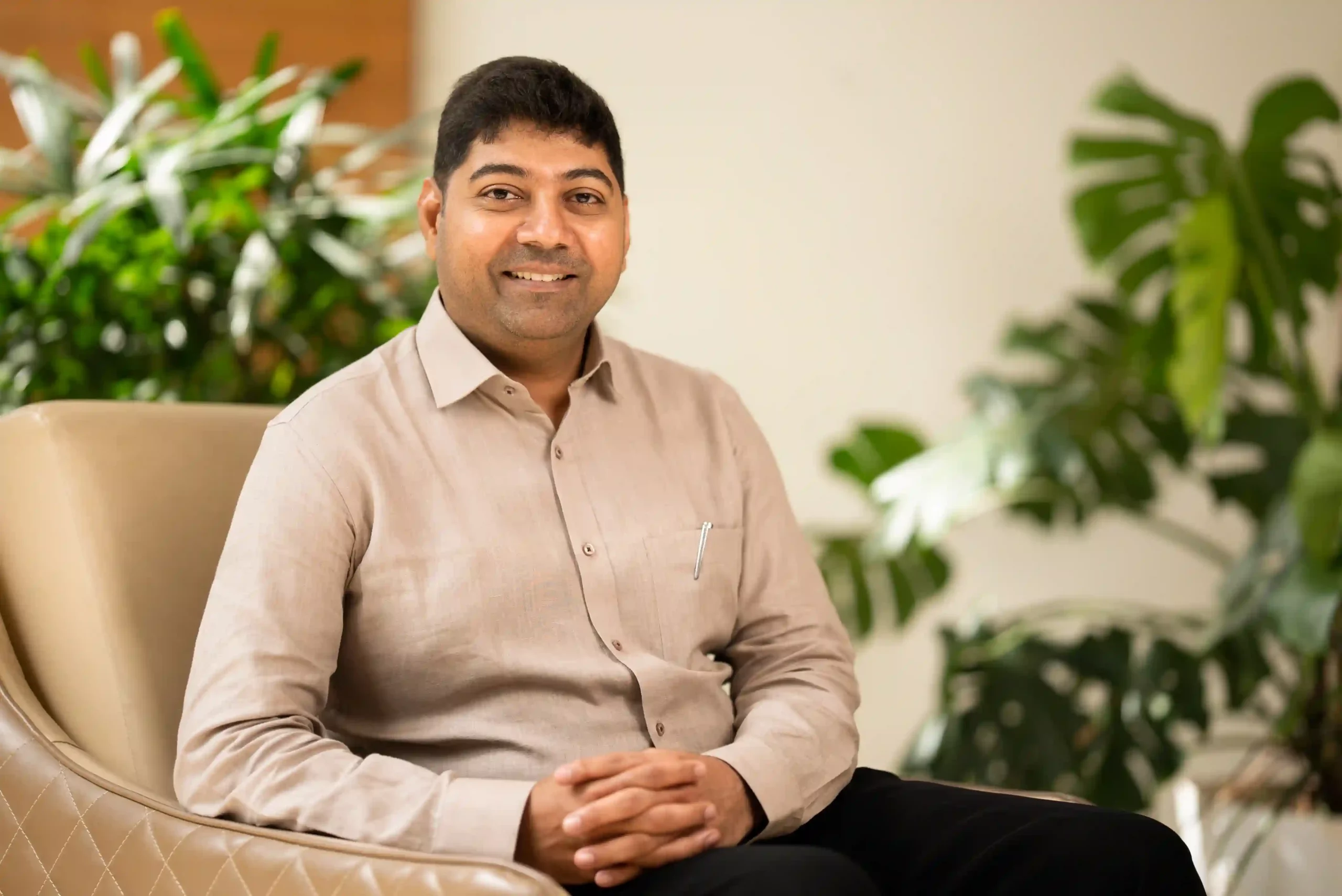
Dr. Naveen Kumar
Medical Director
15+ years of expertise in psychiatry and addiction recovery.

Dr. Vivek Sharma
Consultant Psychiatrist & Neurofeedback Practitioner
With over 15+ years of experience in psychiatry and neurofeedback, he blends medical expertise and compassion to guide clients toward lasting recovery.

Dr. Shree Aarthi
Consultant Psychiatrist
15+ years providing expert psychiatric care for mental health and substance use disorders.

Dr. Ramalingam P Kandaswamy
Consultant Physician
15+ years With over 5 years of experience in HIV and infectious diseases, he brings global expertise and compassionate care to every patient he supports.
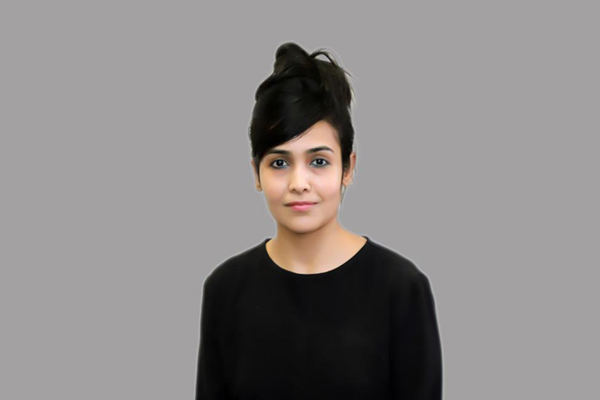
Dr. Divya
Psychiatrist
10+ years combining clinical psychiatry expertise with healthcare management for holistic treatment.

Dr. Malarvilzhi
Residential Medical Officer
12 years delivering comprehensive medical care in psychiatric and rehabilitation settings.

Dr. Karuppachamy
Senior Psychiatric Social Worker
22+ years of experience empowering clients through therapeutic guidance, psychosocial support, and lived-experience wisdom.

Ms. Meera
Senior Clinical Psychologist
9+ years specializing in psychological assessment and evidence-based therapeutic interventions.
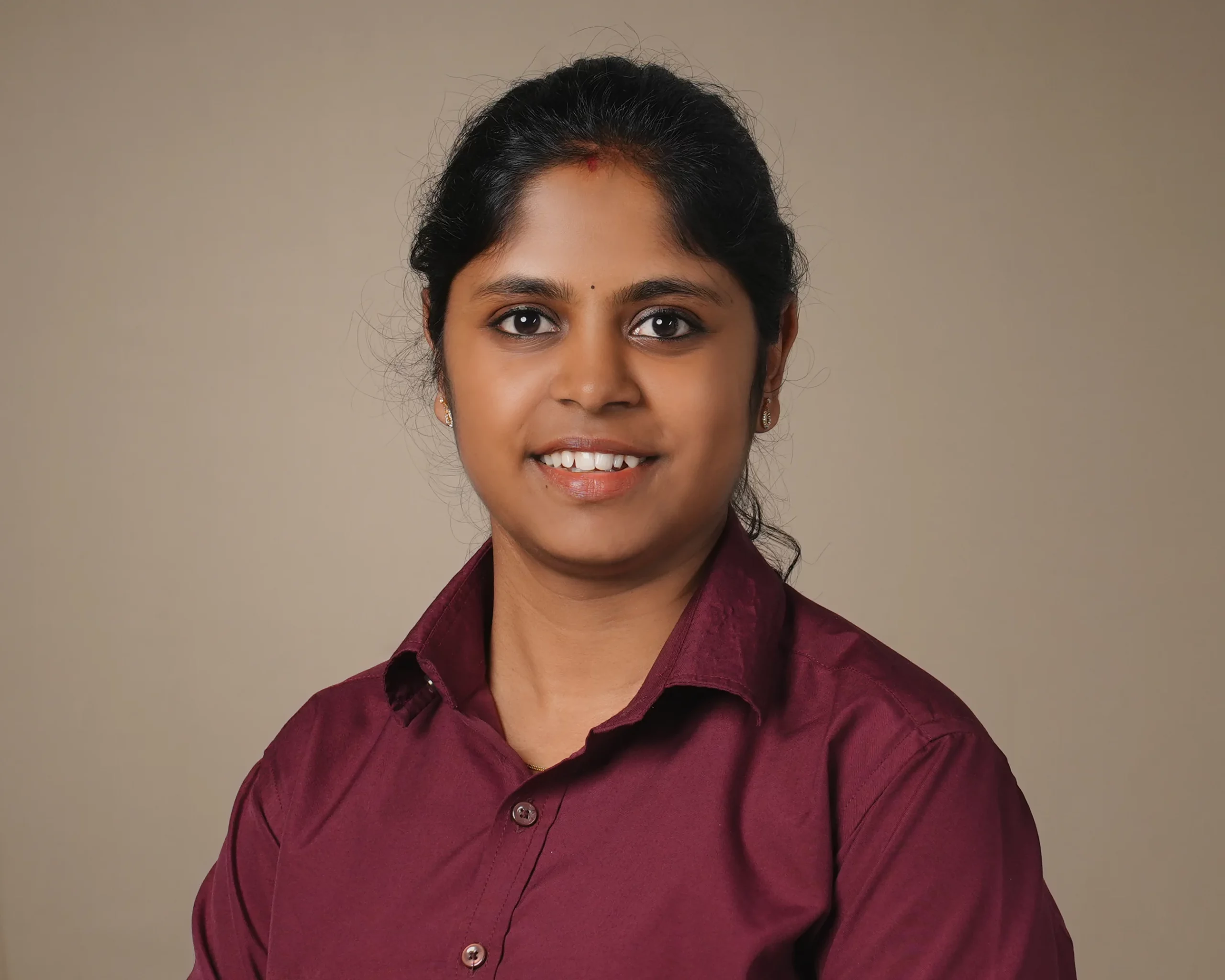
Mrs. Priyadarshini
Head Clinical Psychologist

Mr. Mukesh Kanna
Clinical Psychologist
2+ years providing psychological interventions for behavioral health and emotional wellness.

Mr. Antipas Jayabal
Clinical Psychologist
2+ years supporting clients through clinical assessment and therapeutic care.

Ms Keerthana S
Psychologist
Empathetic psychologist with 4 years’ experience in handling mental health disorders, using evidence-based psychotherapies for personalized client care.
Residential psychosomatic care supports lasting mind-body healing.
Inside Our Integrative Treatment Programme
If you believe every centre offering mind-body medicine treatment follows the same formula of assess, treat, and repeat, you are not alone. What we do at Abhasa is different. We do not stop at easing symptoms but help you create a new image of yourself. We achieve this by blending scientific facts with tailored care. Recognised among India’s leading holistic treatment centres, our programme brings you the treatment plans that breathe with you.

Laying the foundation
We start with a complete medical and psychological assessment. This includes physical health checks, emotional mapping, and lifestyle review. The goal is to see the whole picture before creating your personalised plan for mind-body medicine treatment.
Designing care that evolves
Every plan at Abhasa grows with you. Our team of doctors, therapists, and holistic practitioners meets regularly to adjust activities, therapies, and routines so they continue to meet your needs.
A layered approach to healing
We bring together therapies that work in harmony to restore balance to both body and mind. Gentle practices such as yoga, tai chi, or stretching improve movement and release stiffness. Mindfulness, breathing exercises, and meditation help quiet the mind and build focus.[4] Biofeedback sessions help to calm the nervous system and aid you towards balanced response,[9,10] while somatic therapies gently release tension that has been stored in the body over time.[11,12]
Daily life with purpose
Your day follows a calm, steady rhythm. You start with mindful practices, move through therapy and skill-building activities, enjoy balanced meals, and end with evening relaxation. Every element supports your recovery through mind-body medicine treatment principles.
Preparing for life after the programme
Before you leave, we help you build routines and coping tools you can take home. This ensures the benefits gained here last well beyond your stay.
At Abhasa, our integrative programme gives you a framework that supports progress without rigidity. We meet you where you are, and we stay with you through each phase of your healing journey.
Discover mind–body medicine for lasting holistic healing.
A Typical Mind-Body Healing Day at Abhasa
This is a sample daily flow. Activities and pacing are personalised for each guest based on their therapeutic plan and wellness needs.

Daily rhythm plays a central role in recovery. As a centre known for its structured psychosomatic care, we create days that balance stability, emotional comfort, and steady progress. Known for our structured psychosomatic care, we shape each day to bring a sense of steadiness, emotional ease, and gradual improvement. The flow combines proven therapeutic methods with holistic practices, while also allowing space for rest, quiet reflection, and meaningful connection.
Mornings that bring calm
The day begins with meditation and deep breathing.[4] To regain physical energy following light stretches, a nourishing breakfast is provided. Personal therapy sessions then allow guests to address challenges and gain insight into their needs.
Afternoons that balance body and mind
Movement therapies such as yoga encourage flexibility and ease physical tension. Guests may also engage in biofeedback or somatic therapy to regulate the nervous system,[10,11] along with group psychoeducation sessions that develop awareness and life skills.
Evenings for restoration
The day typically closes with relaxation practices such as guided imagery, journaling, or gentle stretching, allowing guests to wind down in a peaceful state.
Our structured psychosomatic care replaces unpredictability with a consistent rhythm that nurtures both emotional and physical well-being.
Abhasa provides structured psychosomatic care for lasting daily balance.
Innovative Mind-Body Therapies
At Abhasa, healing is never limited to a single method. We bring together advanced science, time-tested practices, and compassionate guidance to create therapies that reach both body and mind. Our approach to somatic experiencing therapy and biofeedback therapy reflects our belief that every person’s recovery journey should be as unique as their experiences.
Through somatic experiencing therapy, guests learn to recognise and safely release the physical tension and stress that past events may have left behind.[11,12] Gentle, body-based work helps restore a sense of safety and ease in the nervous system.
With biofeedback therapy, we use technology to show how the body responds to stress in real time.[9,10] Guests practice regulating heart rate, breath, and muscle tension, building the skills to react more calmly in daily life.
Our programme also offers EMDR for processing difficult memories, yoga therapy for mindful movement and breathwork, and meditation training to strengthen focus and presence. Creative therapies such as art and music provide safe outlets for expression, while massage, bodywork, and acupuncture support physical relaxation and energy balance.
By combining somatic experiencing therapy with biofeedback therapy, alongside traditional and creative modalities, we address the biological, emotional, and physical layers of recovery together. This integration allows guests to build resilience, release what no longer serves them, and develop healthier patterns they can carry forward into everyday life.
Speak to us today to explore how somatic experiencing therapy and biofeedback therapy can be part of your personalised healing plan at Abhasa.
Personalised Mind-Body Treatment Plans
Many people begin their healing journey feeling worn out from searching for answers. That is why, at Abhasa, we never hand over a fixed plan and walk away. Our approach to psychosomatic disorder rehabilitation is designed to grow with each guest, ensuring that care evolves as they do.

Your journey with us begins with listening and understanding. We take time to learn about your medical history, emotional well-being, and the way you live day to day. This is more than a checklist; it is a chance to see the complete picture of what you have been experiencing. By recognising patterns and spotting possible triggers, we can design a personalised treatment plan that truly reflects your needs and supports your healing from the very start.[5,6]

Physical symptoms are often linked to emotional strain, past experiences, or chronic stress.[1,2] Our team works to uncover these connections so we can address the real issues, not just the surface discomfort.

Guests receive a blend of therapies suited to their needs — from body-based approaches and mindfulness training to nutritional guidance and lifestyle adjustments.[7,8] This flexibility ensures that psychosomatic disorder rehabilitation feels relevant and practical.

We keep a close eye on how you are feeling both physically and emotionally, noting the changes that matter most to your recovery. Regular reviews help us fine-tune your personalised treatment plan so it continues to work for you, keeping your progress steady and your goals within reach.[5]

As you near the end of your stay, our focus shifts to helping you feel ready and confident for the next chapter at home. We work alongside you to shape simple, sustainable routines that nurture restful sleep, balanced eating, strategies to prevent setbacks and healthy ways to handle stress. These everyday habits become your toolkit, giving you the strength to maintain the progress you have worked so hard to achieve. The goal is a long-term framework that supports mind–body balance well beyond the stay at Abhasa.
At Abhasa, psychosomatic disorder rehabilitation is not a rigid process. It is a living, responsive plan built on understanding, adaptation, and the belief that every person deserves care tailored to their needs.
Your personalised treatment plan guides your recovery journey.
Family Support & Education Programme
When someone is facing psychosomatic challenges, the strain often extends to the entire household. Families carry the weight of worry, uncertainty, and exhaustion, often without clear guidance on how to help. At Abhasa, we recognise this, which is why family involvement in healing is not optional here. It is an essential part of every treatment journey.
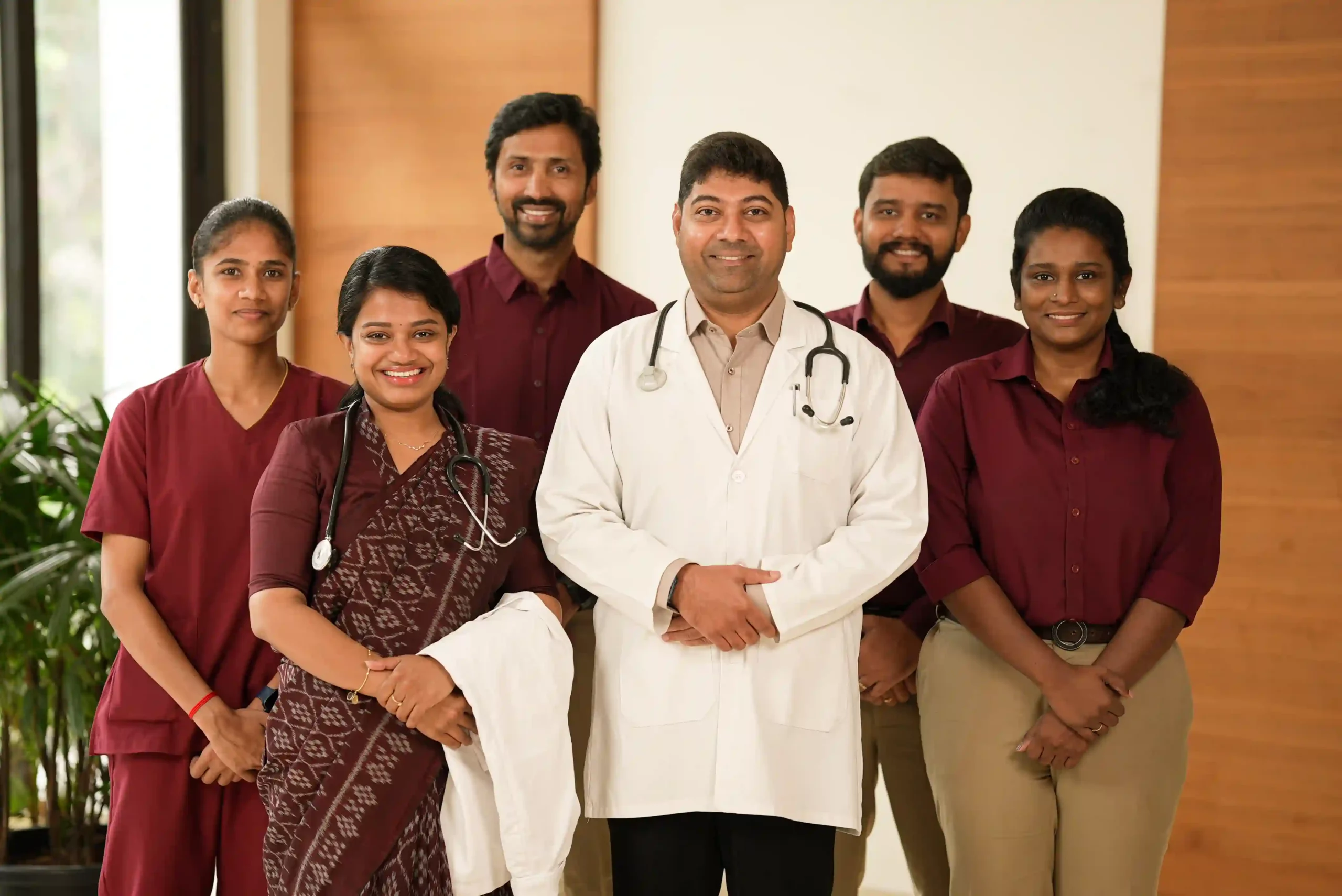

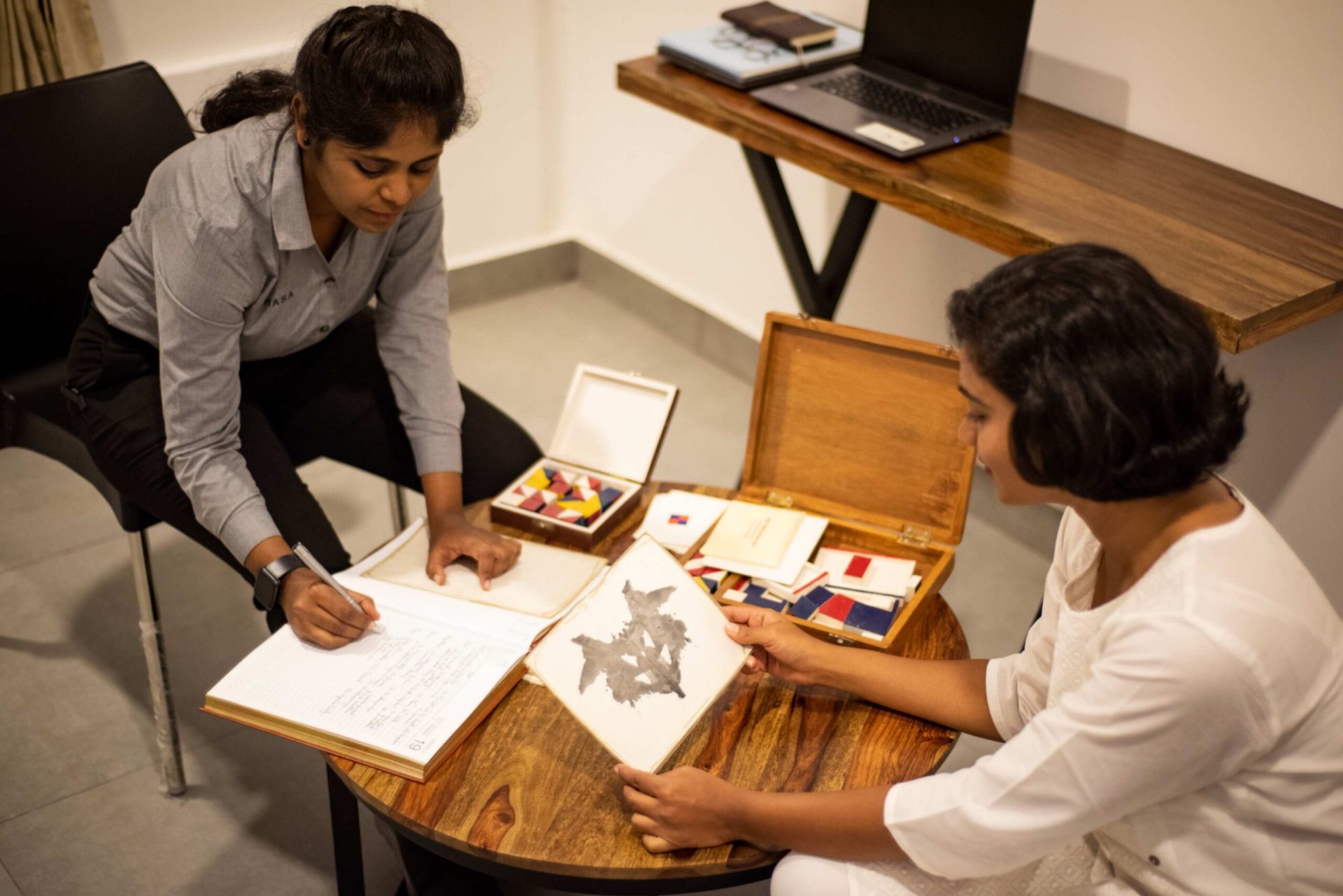
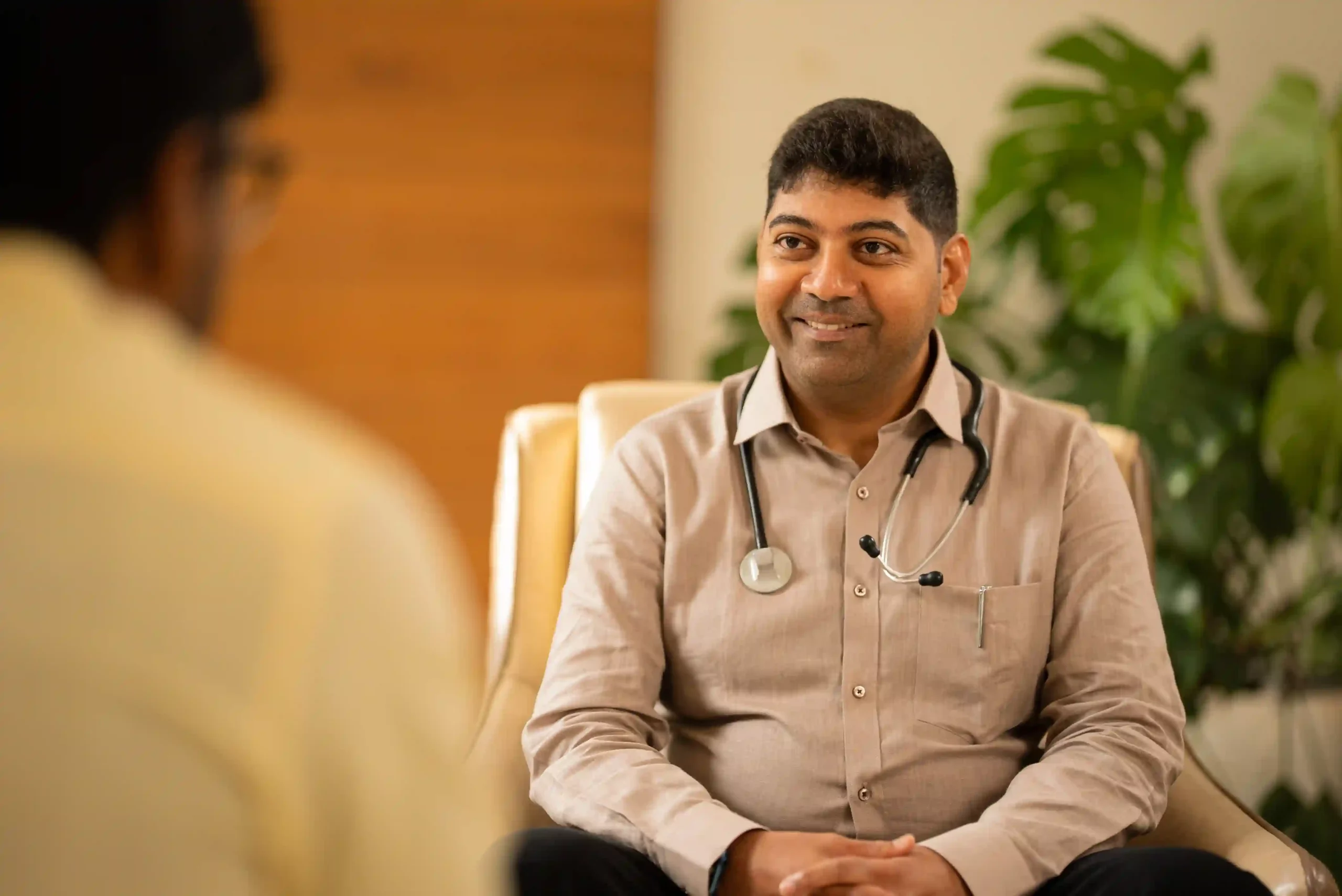
Consistent partnership with families
We make sure families feel connected during the entire healing process.[3] You receive clear updates on your loved one’s daily routines, emotional progress, and key milestones, so you are included in every step towards recovery. Regular check-ins and review calls with our team give you space to ask questions, share what’s on your mind and work together on the next steps. This steady, open communication turns family involvement in healing into a source of confidence and support, not stress.
Education that empowers
Our psychoeducation sessions give families the tools to understand psychosomatic conditions and respond effectively.[5,6] You learn what supports progress, what might unintentionally hinder it, and how to maintain your emotional balance. We also provide clear guides for healthy communication, setting boundaries, and preparing a home environment that promotes recovery.
Therapy that strengthens relationships
Healing is more profound when relationships heal, too. In family therapy sessions, we address unspoken tensions, rebuild trust, and create safe ways to express emotions on all sides. This is one of the most powerful aspects of family involvement in healing. Families participate, grow, and recover together.
At Abhasa, we believe that proper recovery extends beyond the individual. When families stay supported, informed, and actively involved, healing is most likely to last.
You are not alone, family support strengthens lasting healing.
Safe, Healing Environment for Recovery
Not all progress happens during a therapy session. Sometimes it begins with a moment of stillness, a quiet walk in the garden, or simply being in a place that asks nothing of you except to rest. At Abhasa, our private psychosomatic treatment setting was created with this in mind. We know that recovery needs more than professional care. It needs surroundings that feel safe, calm, and free from daily pressures.
Our healing environment is surrounded by nature, with walking paths shaded by trees and open spaces designed for reflection.[4] Natural light, fresh air, and soothing colours help the nervous system relax. Private accommodations provide peaceful space for rest, while dedicated areas such as meditation rooms, yoga studios, and therapy spaces encourage focus and renewal.
We maintain safety at all times. Our team provides 24/7 medical and emotional support so every guest feels protected and cared for. Our kitchens prepare organic, nutrient-rich meals that promote physical health and emotional balance. We also guide mindful use of technology so guests stay connected without becoming overwhelmed.
Many centres offer treatment, but at Abhasa, the difference lies in how the space itself supports recovery. From the moment you arrive, the atmosphere tells you it is safe to slow down, breathe, and begin again.

Step into a sanctuary designed for proper healing.
Success Stories: Mind-Body Healing Journeys
At Abhasa, every guest’s path is different, yet many share the exact turning point: the moment they realise change is not only possible but already happening. These personal accounts of success in psychosomatic treatment show how a thoughtful blend of care, patience, and guidance can transform lives in ways that go far beyond symptom relief.
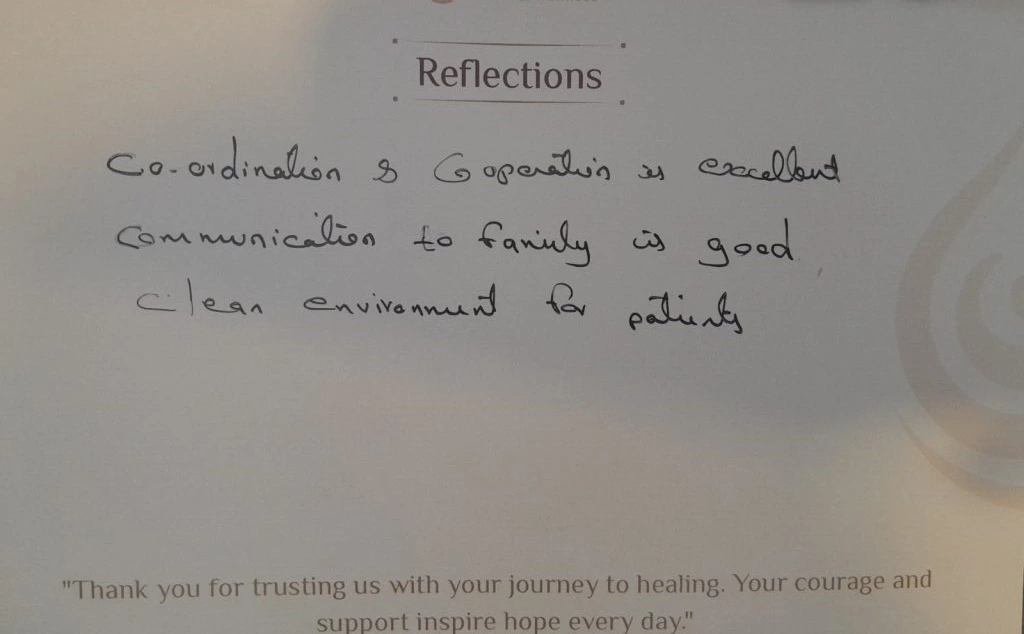
Co-ordination & cooperation is excellent. Communication to family is good. Clean environment for patients.
Former Client
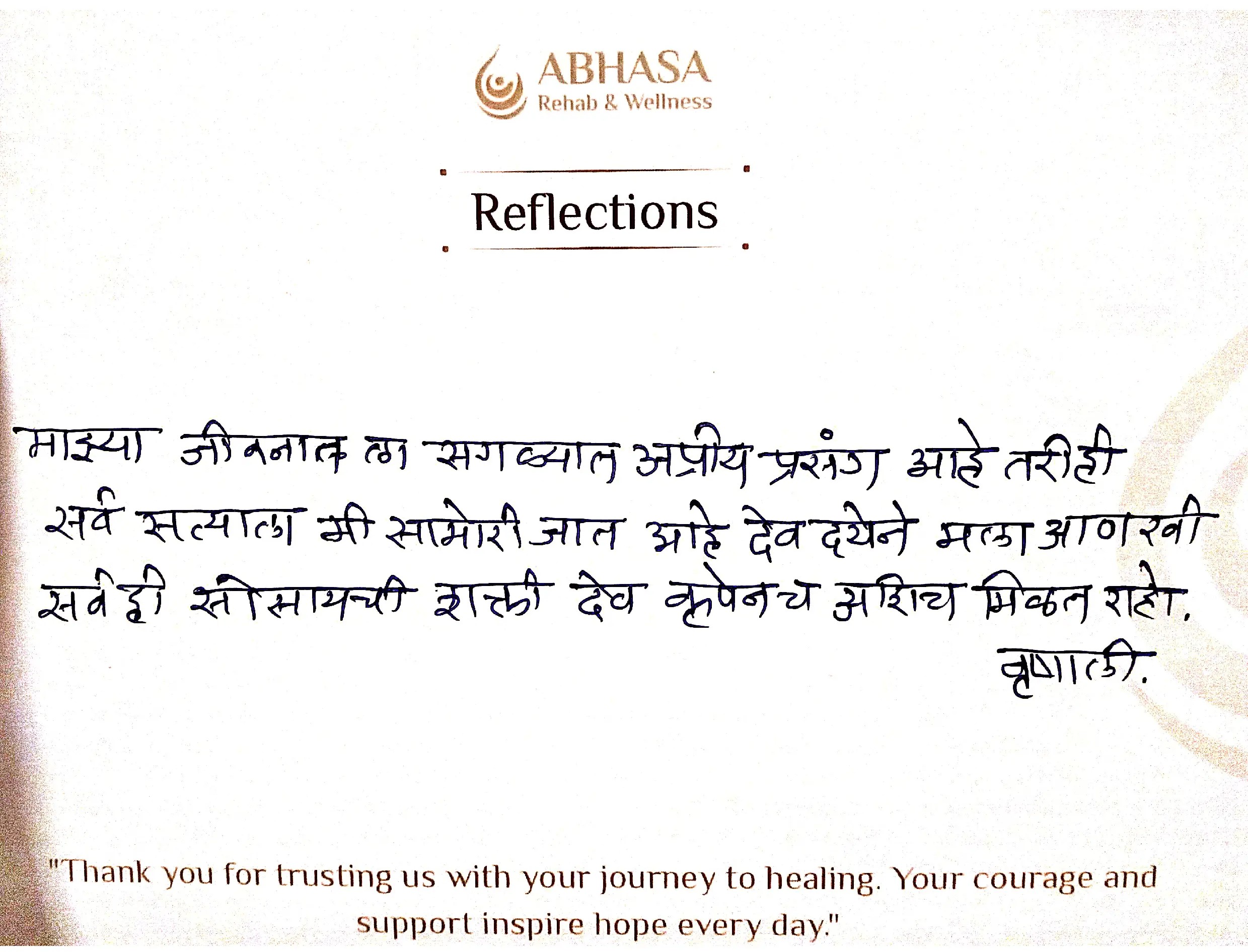
I found strength to face life’s hardest truths here. I believe it was God’s grace that brought me to Abhasa.
Former Client
FAQs About Psychosomatic Disorder Treatment
What is the best treatment for a psychosomatic disorder?
The best care combines medical evaluation, emotional support, and lifestyle changes.[7,8] At trusted psychosomatic treatment centres near me, therapies focus on both mind and body for complete healing.
What is the best therapy for psychosomatic symptoms?
An approach that blends talk therapy, body-based techniques, and stress management often works best. This helps address the emotional and physical sides together.
What is a psychosomatic therapist?
A psychosomatic therapist is trained to work on how emotional stress can affect the body, guiding clients toward balance through mind-body techniques.
What is behavioural medicine therapy?
It’s a therapy that uses both medical knowledge and behavioural science to improve physical health and emotional well-being.[3]
What are holistic therapy treatments?
They combine practices like meditation, yoga, nutrition, and creative expression to support whole-person healing.[4]
Does mind-body therapy work?
Yes. It can help reduce stress, ease symptoms, and improve resilience by teaching the body healthier responses to emotional triggers.[4,7,8]
What is an integrative treatment plan?
It’s a plan that blends medical care, therapy, and wellness practices into one coordinated program.
What are the five domains of integrative medicine?
They include physical health, emotional health, social connection, spiritual well-being, and environmental factors.[3]
How to help someone with SSD?
Offer patience, listen without judgment, and encourage them to seek help from psychosomatic treatment centres near me for professional care.
What is the best treatment for somatic symptom disorder?
A mix of therapy, stress reduction techniques, and healthy lifestyle changes often brings the best results.
Can psychosomatic pain go away?
Yes. With the proper mind-body care, many people see their symptoms improve or resolve.[7,8]
What kind of doctor treats psychosomatic disorders?
Psychiatrists, psychologists, and physicians trained in psychosomatic care work together in specialist centres.[5,6]
What is the difference between psychosomatic and psychogenic?
Psychosomatic refers to physical symptoms influenced by emotional factors. Psychogenic refers to conditions caused entirely by psychological origins.
What is the holistic way of treatment?
It treats the whole person, focusing on physical, emotional, and spiritual balance rather than just symptoms.
What is the first step for the treatment of somatic disorders?
The first step is a thorough assessment at psychosomatic treatment centres near me to understand triggers and create a tailored plan.[5,6]
Begin Your Mind-Body Healing Journey
If you have been searching for the best psychosomatic disorder treatment centres, now is the moment to act. You don’t have to go through this on your own. This is a safe, private space where your story matters and your healing begins with genuine care and understanding.
Get in touch today, whether it’s for you or someone close to your heart. A free, no-obligation consultation can be the first step toward real and lasting change.
Start your healing journey with expert care today.
Proudly Serving Across Cities
- Rehab in Karjat
- Rehab in Pune
- Rehab in Navi Mumbai
- Rehab in Madurai
- Rehab in Trichy
- Rehab in Bangalore
- Rehab in Chennai
- Rehab in Thane
- Rehab in Nasik
- Rehab in Kochi
- Rehab in Mangalore
- Rehab in Mysore
- Rehab in Nasik
- Rehab in Kochi
- Rehab in Mangalore
- Rehab in Mysore
Medical Disclaimer
This information is for educational and informational purposes only and does not constitute medical advice, diagnosis, or treatment. Psychosomatic disorders require professional medical evaluation and treatment planning. Always consult qualified healthcare professionals before making decisions about your health or treatment.
Individual results may vary significantly. The effectiveness of psychosomatic disorder treatment depends on multiple factors including condition severity, individual circumstances, treatment adherence, co-occurring conditions, and personal health history.
Do not use this content as a substitute for professional medical consultation. This website content should not replace comprehensive evaluation by psychiatrists, psychologists, or physicians trained in psychosomatic medicine. Never disregard professional medical advice or delay seeking it because of information you have read on this website.
Diagnosis requires professional evaluation. Physical symptoms with unclear medical causes require thorough medical testing to rule out organic disease before psychosomatic treatment is considered appropriate.
If you are experiencing a medical emergency, call emergency services immediately or go to your nearest emergency room.
Resources
Research Citations (15 Essential Sources):
[1] Open Access Pub – “Psychosomatics: Exploring the Role of the Mind-Body Connection in Causing Physical Illnesses” – Psychophysiology Practice and Research, 2022
URL: https://openaccesspub.org/psychophysiology-practice-and-research/article/1846
Source Type: Peer-reviewed journal
Supports: Mind-body connection scientific basis, psychosomatic symptom origins
[2] PMC/NIH – “Mind and body: how the health of the body impacts on neuropsychiatry” – Neuropsychiatry Research
URL: https://pmc.ncbi.nlm.nih.gov/articles/PMC3866391/
Source Type: Government (.gov) – National Institutes of Health
Supports: Neurobiological basis of mind-body connection, stress-body reactivity
[3] SpringerLink – “Psychosomatic and Biopsychosocial Medicine: Body-Mind Relationship” – Medical Research
URL: https://link.springer.com/chapter/10.1007/978-3-319-74736-1_2
Source Type: Peer-reviewed academic chapter
Supports: Biopsychosocial approach, family involvement, integrative psychiatry
[4] Frontiers in Integrative Neuroscience – “Mind-body medicine and its impacts on psychological networks, quality of life, and health” – 2023
URL: https://www.frontiersin.org/journals/integrative-neuroscience/articles/10.3389/fnint.2023.1188638/full
Source Type: Peer-reviewed journal
Supports: Mind-body medicine effectiveness, mindfulness interventions, environmental factors
[5] PMC/NIH – “Clinical Practice Guideline: Psychotherapies for Somatoform Disorders” – 2020
URL: https://pmc.ncbi.nlm.nih.gov/articles/PMC7001354/
Source Type: Government (.gov) – NIH Clinical Guidelines
Supports: Assessment protocols, treatment team composition, monitoring guidelines
[6] American Academy of Family Physicians – “Somatoform Disorders” – American Family Physician, 2007
URL: https://www.aafp.org/pubs/afp/issues/2007/1101/p1333.html
Source Type: Professional medical organization
Supports: Diagnostic criteria, clinical practice guidelines, psychoeducation
[7] American Psychiatric Association Focus – “Efficacy of Treatment for Somatoform Disorders: Review of RCTs” – Focus Journal
URL: https://psychiatryonline.org/doi/full/10.1176/foc.7.3.foc414
Source Type: Professional organization – APA
Supports: Evidence-based treatment effectiveness, integrated approaches
[8] ScienceDirect – “The efficacy of cognitive behavioural therapy in somatoform disorders and MUPS: Meta-analysis” – 2018
URL: https://www.sciencedirect.com/science/article/abs/pii/S0165032718306967
Source Type: Peer-reviewed meta-analysis
Supports: CBT effectiveness, symptom reduction, treatment outcomes
[9] Mayo Clinic – “Biofeedback” – 2025
URL: https://www.mayoclinic.org/tests-procedures/biofeedback/about/pac-20384664
Source Type: Tier 1 medical institution
Supports: Biofeedback therapy overview, applications, nervous system regulation
[10] PMC/NIH – “Biofeedback in medicine: who, when, why and how?” – 2010
URL: https://pmc.ncbi.nlm.nih.gov/articles/PMC2939454/
Source Type: Government (.gov) – NIH
Supports: Biofeedback applications, efficacy levels, skill transfer to daily life
[11] PMC/NIH – “Somatic experiencing — effectiveness and key factors: scoping literature review” – 2021
URL: https://pmc.ncbi.nlm.nih.gov/articles/PMC8276649/
Source Type: Government (.gov) – NIH
Supports: Somatic experiencing effectiveness, trauma treatment, nervous system work
[12] Taylor & Francis Online – “Somatic experiencing — effectiveness and key factors: scoping review” – 2021
URL: https://www.tandfonline.com/doi/full/10.1080/20008198.2021.1929023
Source Type: Peer-reviewed comprehensive review
Supports: SE effectiveness evidence, body-based therapy outcomes
[13] PMC/NIH – “Somatic Experiencing for Posttraumatic Stress Disorder: RCT” – 2017
URL: https://pmc.ncbi.nlm.nih.gov/articles/PMC5518443/
Source Type: Government (.gov) – NIH, First RCT
Supports: SE treatment efficacy, controlled trial data
[14] Harvard Health – “What is somatic therapy?” – 2023
URL: https://www.health.harvard.edu/blog/what-is-somatic-therapy-202307072951
Source Type: Academic institution (.edu) – Harvard Medical School
Supports: Somatic therapy overview, techniques, clinical applications
[15] PMC/NIH – “Pharmacological interventions for somatoform disorders in adults” – Cochrane Review
URL: https://pmc.ncbi.nlm.nih.gov/articles/PMC11023023/
Source Type: Government (.gov) – Cochrane systematic review
Supports: Medication treatment approaches, comprehensive care options