Luxury Personality Disorder Rehab in India

Personality struggles don’t define you. Abhasa’s therapies and holistic care help rebuild balance and healthier bonds.
Support for every layer of personality and emotion.
2:1 Staff-to-client ratio
3 Healing Spaces
Personalised Treatments
360° Healing
2:1 Staff-to-client ratio
3 Healing Spaces
Personalised Treatments
360° Healing
Gallery
Luxury Personality Disorder Treatment Centres in India

Navigating personality disorder in real life can feel like being caught in the same complex cycles over and over again. It touches every part of a person’s life, from thoughts and reactions to how they connect with others. In many Indian families, the ripple effect is profound, reaching beyond the individual and bringing moments of tension, worry, and uncertainty into the heart of the home.[1] The stigma around getting help often makes it harder to take that first step, but acknowledging the need for change can be the turning point.
Suppose you have been searching for personality disorder treatment centres that truly understand the unique challenges of BPD, NPD, and other personality disorders. In that case, you will find more than just therapy here. At Abhasa, we provide personality disorder treatment in a calm, private setting where each day follows a structured yet supportive routine.[2] This is not a clinical ward; it is a place where clients gain practical skills, families learn to communicate better, and everyone moves toward long-term stability.
We focus on understanding the patterns that lie beneath the surface and work on them with a mix of effective therapies and whole-person care. You and your loved one are supported by specialists who honour cultural values while encouraging real progress. With private suites, calming nature walks, hands-on skill sessions, and active family participation, every part of the experience is shaped to bring back balance and stability.
- Specialists trained in DBT, schema therapy, and family systems.
- A safe and serene environment that feels personal, not institutional.
- Active family participation to support changes at home
Holistic healing that includes mind-body-spirit care. - If you are ready to explore a personality disorder treatment plan that offers complete care and dignity, we invite you to take the first step today.
Support for every layer of personality and emotion.
Understanding Personality Disorders: Why Treatment Matters
Many people think a personality disorder is simply about having a “difficult personality” or being overly emotional, but it is much more complex. These are long-standing patterns in thinking, feeling, and behaving that can affect how someone experiences life, handles relationships, and responds to stress. Each person’s experience is different. But the proper support can help them regain stability and rebuild trust in themselves and others.
What it means in real life
At Abhasa, working with someone who has a personality disorder means more than offering therapy sessions. It is about creating structure, emotional safety, and a daily routine that supports growth. The aim is not just to get through the day but to develop the skills and confidence to live fully again.
Through guided sessions, healthy habits, and consistent encouragement, our clients gradually learn to manage thoughts, emotions, and behaviours in ways that feel healthier and more balanced.[2,3]
Not the same for everyone
No two people experience a personality disorder in the same way. Someone with borderline personality disorder might need help with intense emotions and fears of abandonment, while another person with narcissistic personality disorder may struggle with empathy and relationship stability.[4,11] That is why our care plans are always personalised, shaped to meet each person’s emotional, social, and practical needs at their own pace.
Why structured care matters
Home life can be unpredictable. Triggers, unresolved conflicts, or gaps in understanding can make progress harder. In a dedicated setting like Abhasa, everything is designed to provide calm and predictability. Each day flows with a gentle rhythm, starting with waking up at the same time, and ending the evening with a feeling of calm and completion instead of disorder.
This consistency is one of the most essential elements in effective personality disorder care, whether for borderline personality disorder, narcissistic personality disorder, or other related concerns.[2]
The importance of connection
Isolation can make a personality disorder feel heavier. We always encourage safe social interactions through group activities, peer discussions, and shared spaces. Clients see that they are not alone in their challenges. This develops trust and belonging without judgment or pressure.
A steady path forward
With time, structure, and genuine care, people with a personality disorder can find ways to feel grounded in their own lives again.[1,2] For families, this brings relief and hope, knowing their loved one is supported in a way that is compassionate and sustainable.
What it means in real life
At Abhasa, working with someone who has a personality disorder means more than offering therapy sessions. It is about creating structure, emotional safety, and a daily routine that supports growth. The aim is not just to get through the day but to develop the skills and confidence to live fully again.
Through guided sessions, healthy habits, and consistent encouragement, our clients gradually learn to manage thoughts, emotions, and behaviours in ways that feel healthier and more balanced.[2,3]
Not the same for everyone
No two people experience a personality disorder in the same way. Someone with borderline personality disorder might need help with intense emotions and fears of abandonment, while another person with narcissistic personality disorder may struggle with empathy and relationship stability.[4,11] That is why our care plans are always personalised, shaped to meet each person’s emotional, social, and practical needs at their own pace.
Why structured care matters
Home life can be unpredictable. Triggers, unresolved conflicts, or gaps in understanding can make progress harder. In a dedicated setting like Abhasa, everything is designed to provide calm and predictability. Each day flows with a gentle rhythm, starting with waking up at the same time, and ending the evening with a feeling of calm and completion instead of disorder.
This consistency is one of the most essential elements in effective personality disorder care, whether for borderline personality disorder, narcissistic personality disorder, or other related concerns.[2]
The importance of connection
Isolation can make a personality disorder feel heavier. We always encourage safe social interactions through group activities, peer discussions, and shared spaces. Clients see that they are not alone in their challenges. This develops trust and belonging without judgment or pressure.
A steady path forward
With time, structure, and genuine care, people with a personality disorder can find ways to feel grounded in their own lives again.[1,2] For families, this brings relief and hope, knowing their loved one is supported in a way that is compassionate and sustainable.
Wondering if the proper care could help your loved one?
Why Choose Abhasa for Personality Disorder Treatment
Caring for someone with a personality disorder at home can be deeply challenging. You may be giving your best each day with patience, care, and understanding, yet the changes you hope for seem distant. Over time, even the most loving families can feel worn down as routines slip away and emotions run high. That’s when residential treatment for borderline personality disorder and other personality disorders can make all the difference. We offer the structure and support that home alone cannot provide. In dedicated personality disorder rehab centres, healing is supported by both environment and expertise.

Why home care alone is not enough
At home, triggers can appear without warning. Unresolved conflicts, daily stress, or inconsistent support can make recovery more complicated. In a setting designed for stability, days follow a steady rhythm, with regular meals, focused therapy sessions, and built-in time for rest and reflection.
This consistent structure is one of the reasons residential treatment for borderline personality disorder works better than trying to manage everything within the family home.[5]

The value of immersive care
In personality disorder rehab centres, clients have 24/7 guidance from professionals who guide them through difficult moments. Steady presence helps them manage emotions before they spiral, reducing the risk of setbacks turning into crises.[6] Intensive DBT sessions are a key part of the program, giving clients practical tools for emotion control, handling stress, and building stronger relationships. It’s the kind of consistent, focused care that is hard to match outside a dedicated setting.

Finding strength in connection
Facing a personality disorder in isolation can make recovery more complicated. In personality disorder rehab centres, clients connect with people who genuinely relate to what they’re going through.
Through open conversations, shared activities, and everyday moments together, they slowly rebuild trust and discover better ways to connect with people. The sense of belonging that grows in this space often stays with them, providing warmth and support long after they leave the program.

Healing the family unit
Personality disorders affect the entire family. Residential treatment for borderline personality disorder at Abhasa includes structured family therapy, teaching communication tools, healthy boundaries, and shared coping strategies.[13] Families leave with the skills and understanding to create a more supportive home environment.

A safe, trigger-free environment
Being away from harmful patterns, unhealthy relationships, and daily stressors allows clients to focus on growth. Our personality disorder rehab centres provide a calm, private, and secure setting where clients can practise new skills without fear of judgment or relapse into old cycles.
Still unsure if healing of your loved one starts with this step?
Family Support & Involvement in Personality Disorder Treatment
At Abhasa, we believe that proper healing begins when someone feels genuinely understood. Families often arrive carrying years of concern, confusion, and exhaustion. Here, they find more than therapy or routine. They find a safe, welcoming place where questions are heard, worries are eased, and hope returns. This approach is why we are counted among the best personality disorder treatment centres in India, offering care that goes beyond symptom management to transform everyday life.
Care is shaped for the individual
We never hand out a fixed plan and expect it to work for everyone. Each program is built around the client’s needs, and changes as they evolve.
Whether it involves therapy sessions, life skills practice, or community engagement, our team watches closely and adjusts. This flexibility is one of the reasons families choose our luxury personality disorder treatment over more rigid options.[2]
Guidance that empowers
Families deserve to understand what is happening, not just follow instructions. We explain the emotional patterns, triggers, and coping strategies so clients and their loved ones can move forward with confidence. This clarity makes us one of the best personality disorder treatment centres for those seeking long-term stability.
A blend of modern and traditional healing
Our setting feels different because it is. Alongside evidence-based therapy, we integrate yoga, meditation, art, and other holistic practices, creating a mind-body-spirit approach. The environment is peaceful and nature-rich, which is central to our luxury personality disorder treatment experience.
Privacy, comfort, and dedicated support
Private suites, spa facilities, and wellness programs ensure comfort, while our high staff-to-client ratio means each person receives consistent attention. Around-the-clock emotional and therapeutic support creates the kind of safety that families value most. This level of care has earned us a place among the best personality disorder treatment centres in the country.
Families trust us because they feel seen, supported, and hopeful again.
Meet Our Personality Disorder Treatment Specialists
At Abhasa, every therapist for personality disorders is chosen for their skill, compassion, and dedication to personalised care. Our team brings together DBT-trained clinicians, psychiatrists, family counsellors, and wellness practitioners, each committed to creating a secure space where clients feel respected and understood.
Every personality disorder specialist here has advanced training in approaches like schema therapy, DBT, and CBT, allowing them to adapt strategies for each individual’s needs.[8,9] They work closely with clients to identify patterns, build coping skills, and strengthen relationships.
Our family counsellors focus on helping loved ones understand personality disorders and develop healthy ways to support recovery at home. By blending clinical expertise with a personal touch, our team of therapists for personality disorders ensures progress feels achievable, not overwhelming.
Each personality disorder specialist keeps building their skills, learning the latest therapeutic approaches, so every client receives care that is up to date and genuinely personal. At Abhasa, this spirit of teamwork and multi-disciplinary support helps make healing not only possible, but lasting.
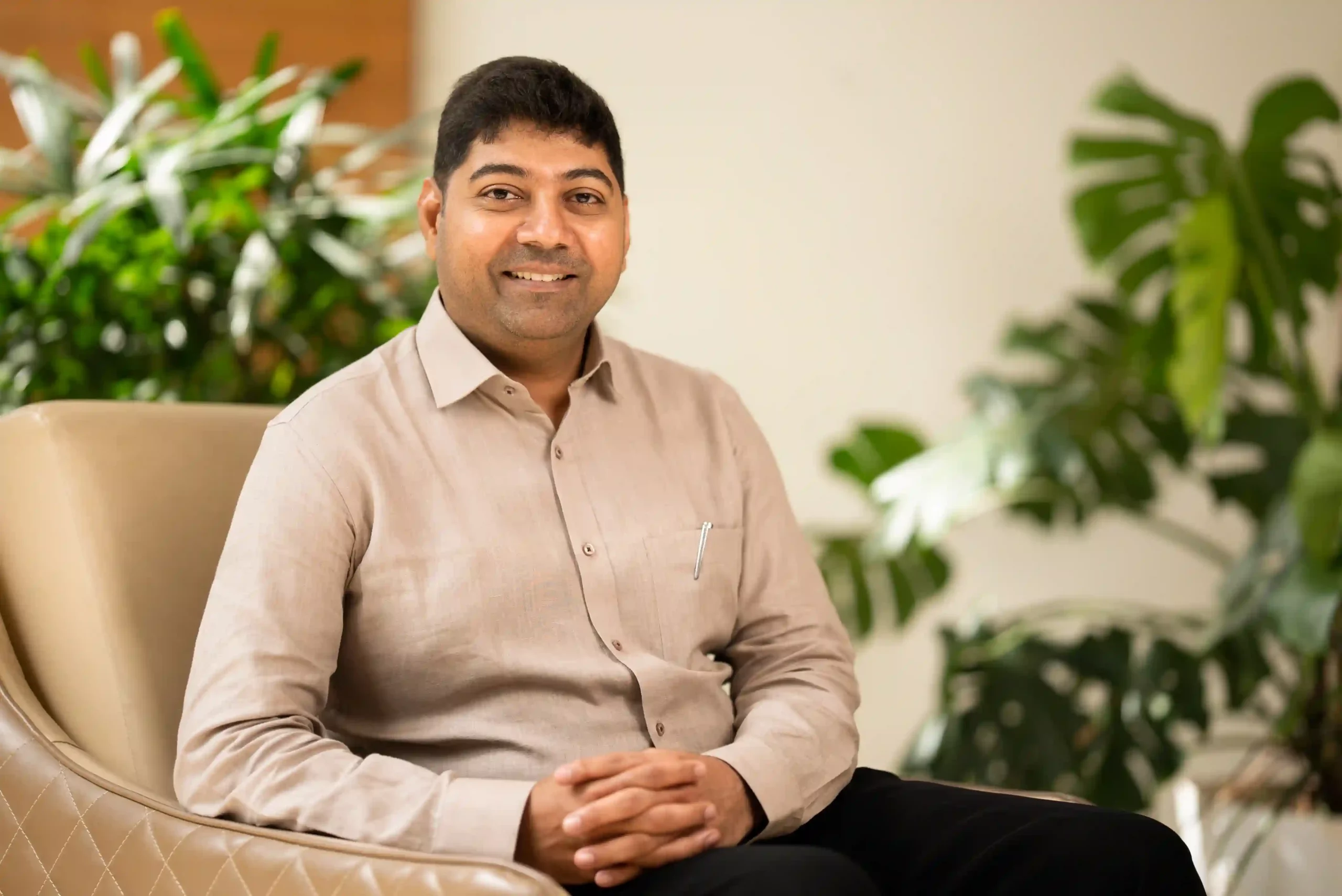
Dr. Naveen Kumar
Medical Director
15+ years of expertise in psychiatry and addiction recovery.
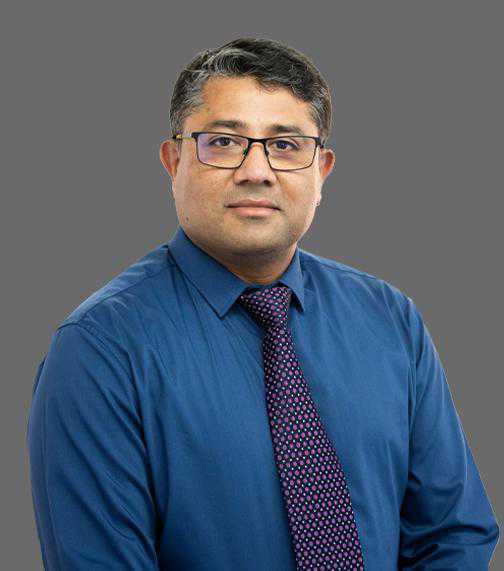
Dr. Vivek Sharma
Consultant Psychiatrist & Neurofeedback Practitioner
With over 15+ years of experience in psychiatry and neurofeedback, he blends medical expertise and compassion to guide clients toward lasting recovery.

Dr. Shree Aarthi
Consultant Psychiatrist
15+ years providing expert psychiatric care for mental health and substance use disorders.

Dr. Ramalingam P Kandaswamy
Consultant Physician
15+ years With over 5 years of experience in HIV and infectious diseases, he brings global expertise and compassionate care to every patient he supports.
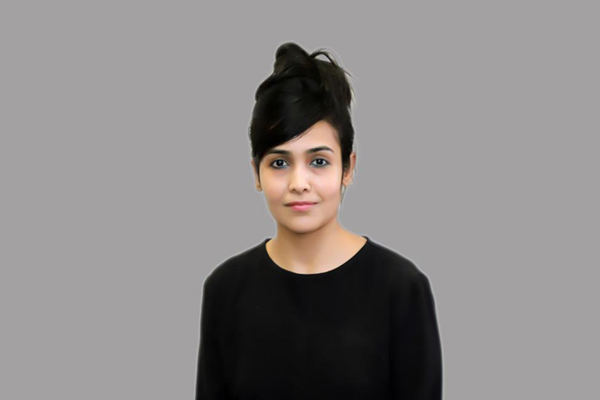
Dr. Divya
Psychiatrist
10+ years combining clinical psychiatry expertise with healthcare management for holistic treatment.
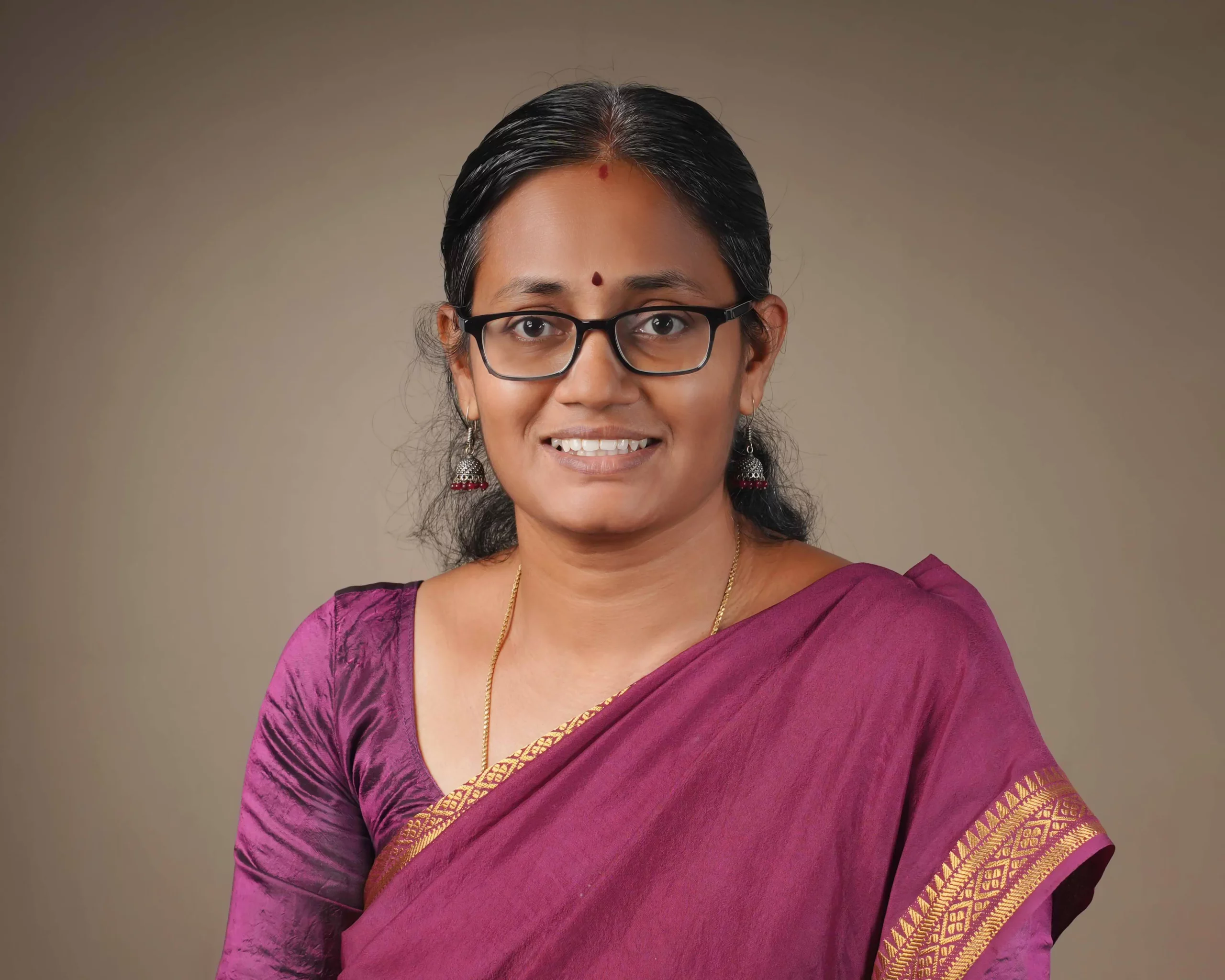
Dr. Malarvilzhi
Residential Medical Officer
12 years delivering comprehensive medical care in psychiatric and rehabilitation settings.

Dr. Karuppachamy
Senior Psychiatric Social Worker
22+ years of experience empowering clients through therapeutic guidance, psychosocial support, and lived-experience wisdom.
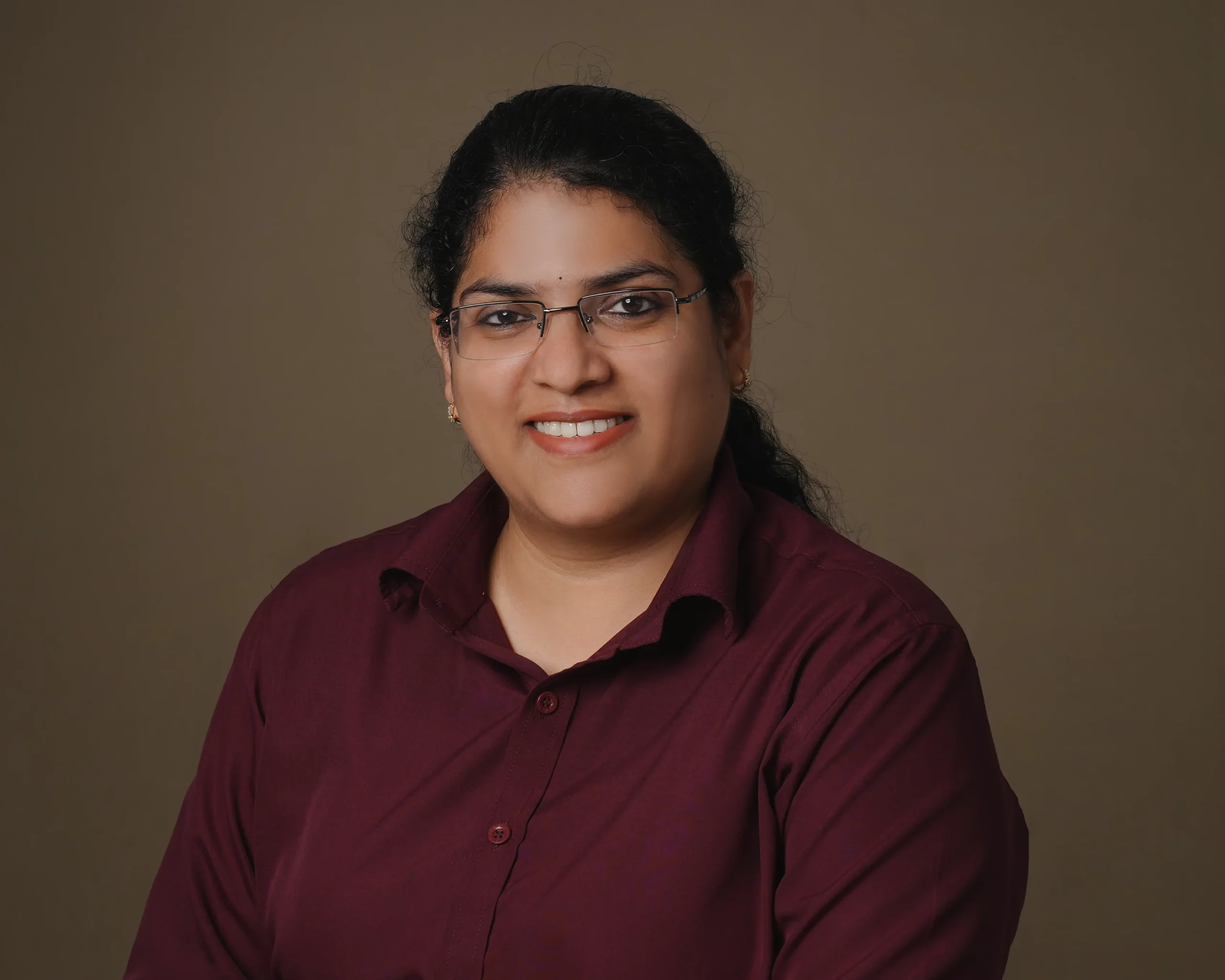
Ms. Meera
Senior Clinical Psychologist
9+ years specializing in psychological assessment and evidence-based therapeutic interventions.
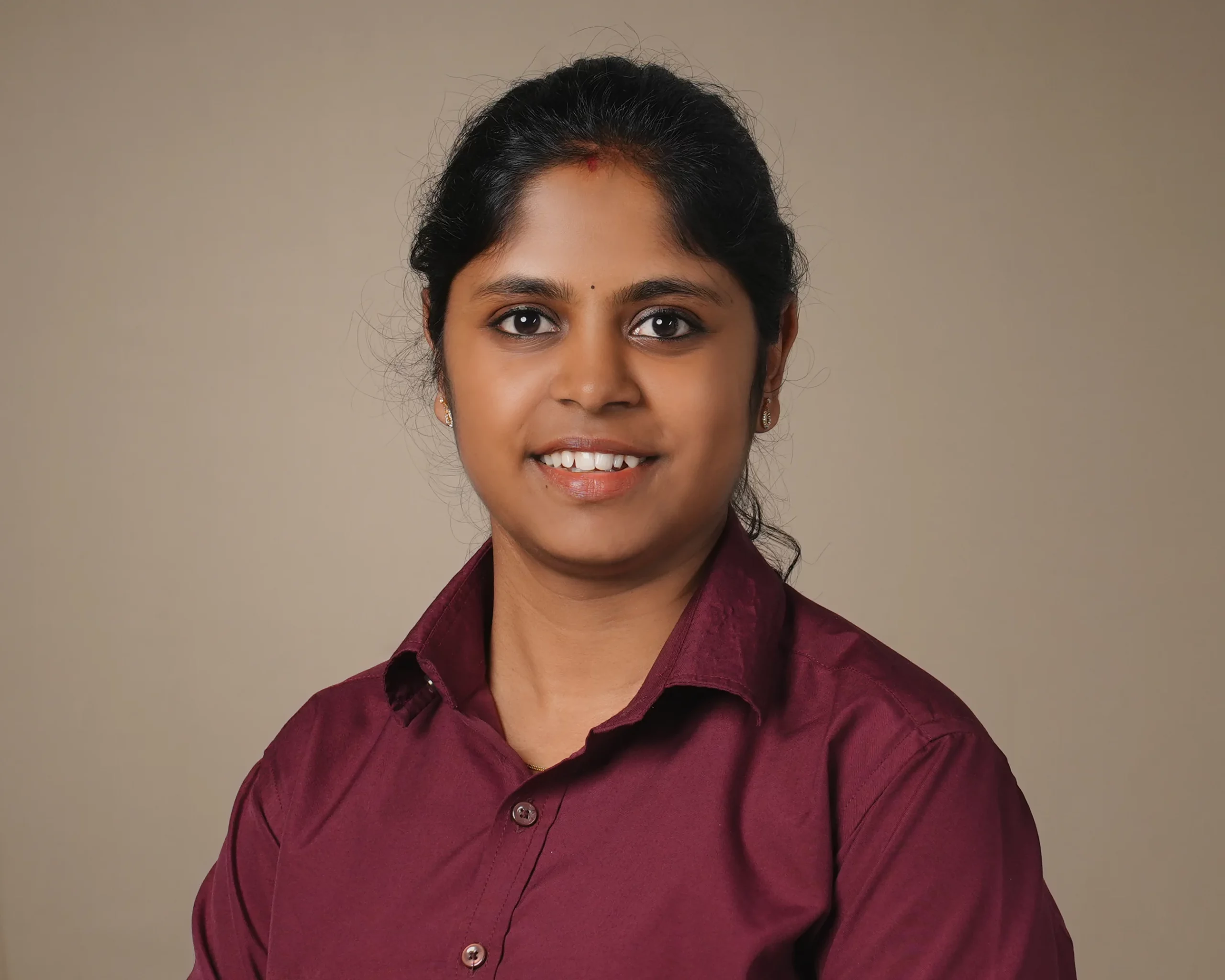
Mrs. Priyadarshini
Head Clinical Psychologist
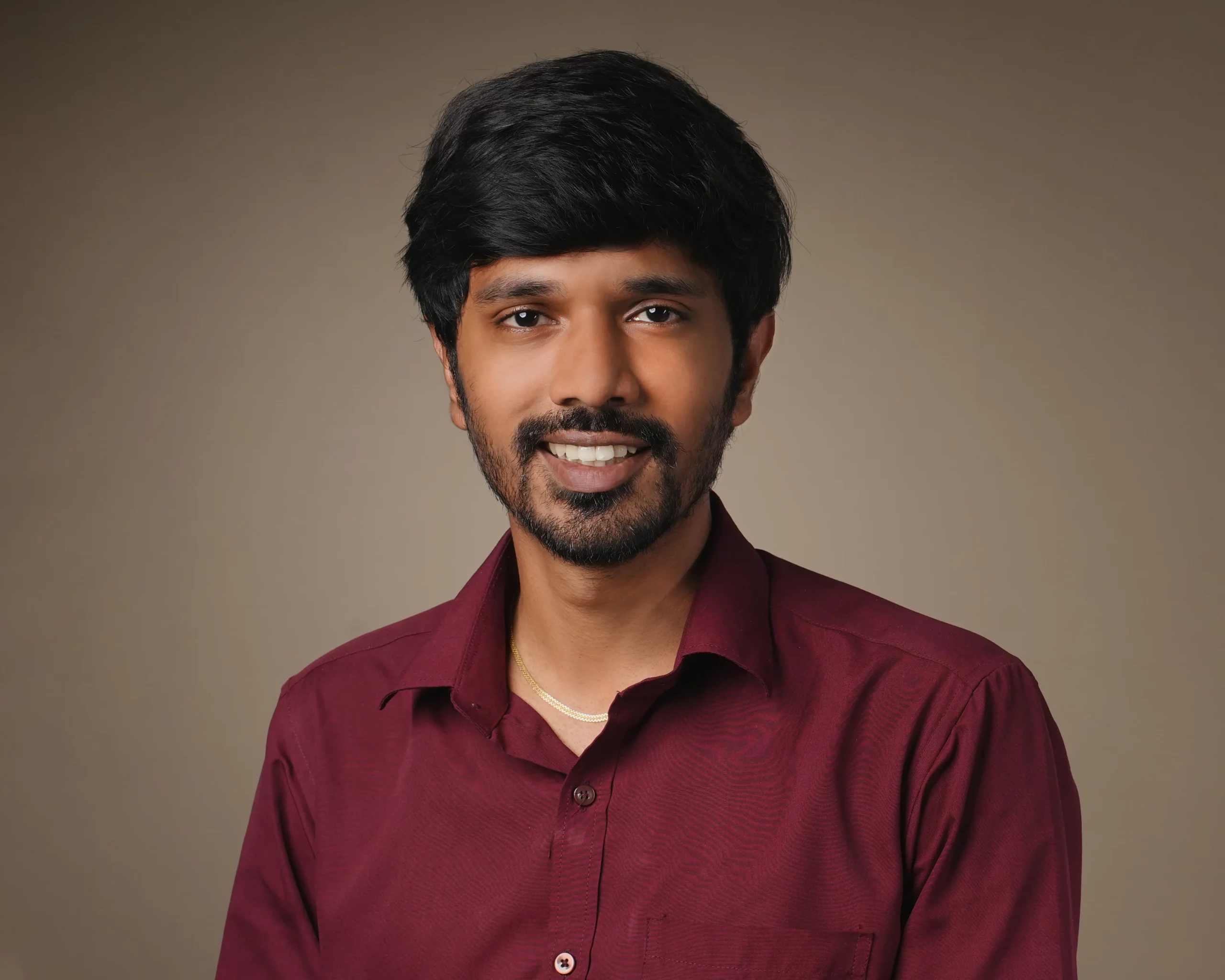
Mr. Mukesh Kanna
Clinical Psychologist
2+ years providing psychological interventions for behavioral health and emotional wellness.

Mr. Antipas Jayabal
Clinical Psychologist
2+ years supporting clients through clinical assessment and therapeutic care.
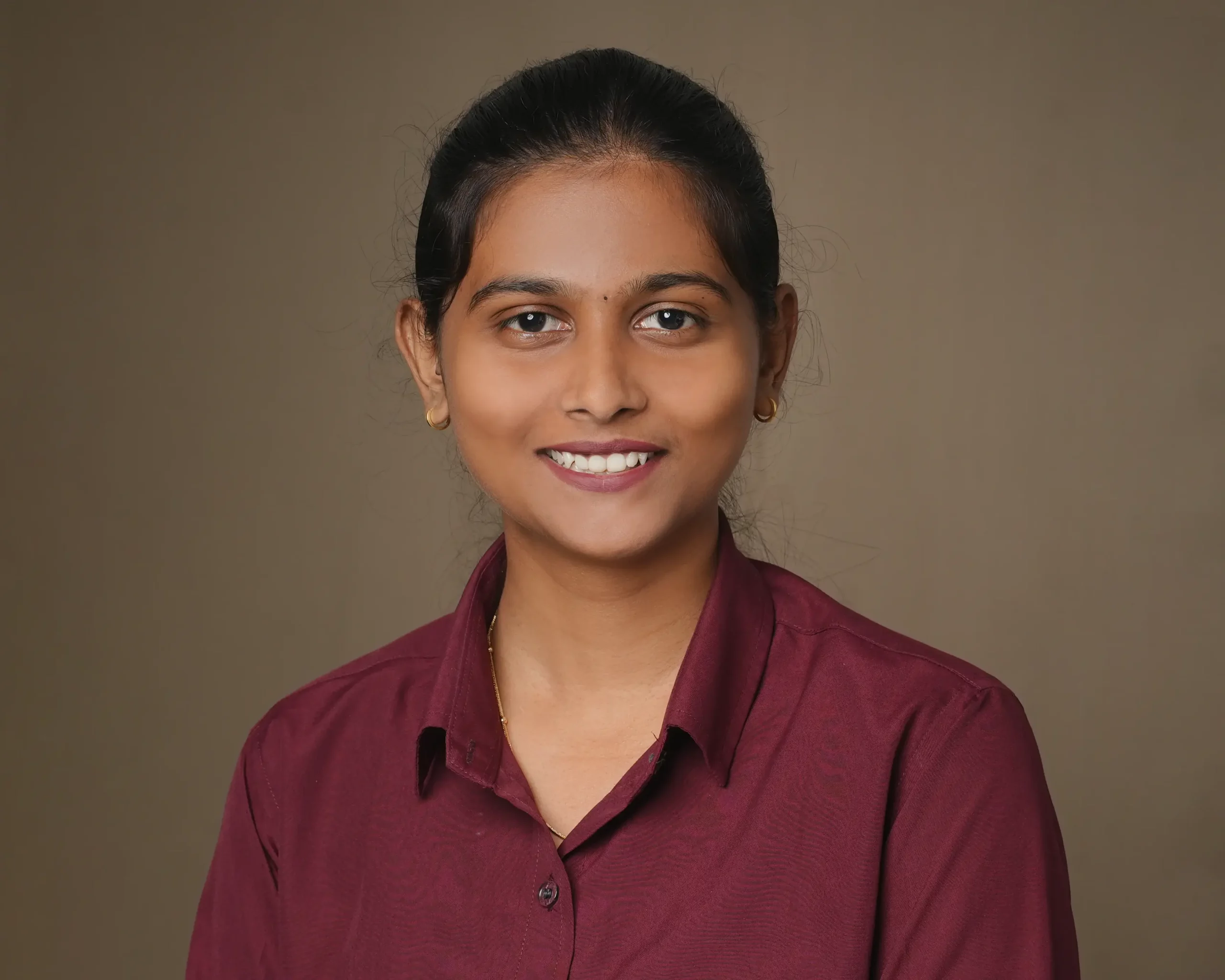
Ms Keerthana S
Psychologist
Empathetic psychologist with 4 years’ experience in handling mental health disorders, using evidence-based psychotherapies for personalized client care.
Comprehensive Personality Disorder Treatment Programs & Recovery Plans
At Abhasa, our care is not a one-size plan handed out on day one. We build each program as a living framework that grows with the person. The focus is not only on reducing distress but on helping clients reclaim a whole, connected life. This is why our personality disorder recovery programs bring together science, structure, and a profoundly human approach.

Seeing the person, not just the behaviour
Our team spends time exploring life experiences, emotional patterns, and personal history to uncover what truly influences specific actions or reactions. Following this, schema therapy and other methods are used to address the actual reason behind the behaviour.[8,9] Before introducing DBT therapy for borderline personality disorder, we focus on understanding the whole story.
Designing a responsive plan
We do not lock anyone into a rigid schedule. Instead, the program evolves, adapting as the client’s emotional and social strengths grow. Our therapists, counsellors, and wellness practitioners meet regularly to refine the plan, ensuring DBT therapy for borderline personality disorder and schema therapy are delivered in the right balance for each stage of recovery.
Layered healing for lasting change
What makes our personality disorder recovery programs unique is that multiple therapeutic layers work together:[2]
- DBT skills for managing emotions, handling crises, and improving relationships.[6,7]
- Schema therapy to challenge deep-rooted beliefs and patterns.[8,9]
- CBT-based tools for reframing unhelpful thoughts.
- Group therapy for practising social skills in a safe space.
- Individual sessions to focus on personal goals.
- Family therapy to improve communication and boundaries.
- Creative therapies like art and music for emotional release and self-expression
This integrated approach ensures that DBT therapy for borderline personality disorder and schema therapy are supported by practical, real-world skill-building.
Preparing for life after treatment
Every stage in our personality disorder recovery programs prepares clients for the next chapter. By the time they complete the program, they have a set of skills, coping strategies, and support systems to continue their progress at home and in their communities.
Our programs are built for change that lasts long after treatment ends.
A Day in Residential Personality Disorder Treatment & Recovery

A steady daily rhythm is one of the most valuable parts of structured personality disorder treatment. Many clients arrive from lives filled with unpredictable emotions, broken routines, and constant tension. Our program replaces that with a calm, predictable flow that supports emotional stability, healthy habits, and steady progress.[2]
Mornings begin with mindfulness and grounding practices. This sets a positive tone for the day. Clients share a nutritious breakfast and, where needed, receive supportive medication management. Early sessions often focus on DBT skills training, a core element of our structured personality disorder treatment, helping clients manage emotions and develop more balanced ways of thinking and relating.[6,7]
As the day unfolds, clients take part in individual therapy to work on personal goals, schema therapy or CBT to address deep-rooted patterns, and group sessions that encourage connection and peer support. Breaks for wholesome meals and light social interaction help maintain balance.
Afternoons may include creative therapies like art or music, allowing clients space to express themselves. Family therapy or communication skills sessions strengthen connections beyond the centre. Evenings often end with reflection and group processing, helping clients integrate what they’ve learned and prepare for the next day.
While the structure offers consistency, every day is personalised to match each client’s needs, energy, and progress. This flexibility within a clear framework is what makes our structured personality disorder treatment both practical and sustainable long after clients return home.
A steady, well-designed day creates the foundation for lasting change.
Dialectical Behaviour Therapy (DBT) at Abhasa

At Abhasa, DBT therapy for borderline personality disorder helps clients develop practical skills that promote emotional balance, strengthen relationships, and reduce feelings of overwhelm.[6,7] Grounded in the principles of dialectical behaviour therapy, it combines structured skill development with a caring and supportive approach.
We start with the fundamental aspects of DBT. Mindfulness practices guide clients to recognise their thoughts and emotions without getting swept away by them. Distress tolerance techniques equip them to manage challenging or high-pressure situations in a safe and constructive manner.
Emotion regulation methods give them tools to manage strong feelings, while interpersonal effectiveness training helps improve communication and maintain respectful boundaries.[7,10]
Our DBT therapy for borderline personality disorder is delivered through both individual and group settings.
One-to-one sessions focus on personal goals and specific challenges, offering customised guidance. Group DBT creates a supportive space to practise skills, share experiences, and build trust through connection with others on the same path.
By combining these elements, our dialectical behaviour therapy program gives clients not just the knowledge of what to do, but the confidence to use these skills in daily life. This structured, supportive process makes DBT one of the most effective tools in our care model.[6]
Learn how DBT can bring balance and clarity to daily life.
Family Therapy & Support for Personality Disorders
When a loved one lives with a personality disorder, the impact touches the whole family. Many carry the weight of worry, uncertainty, and fatigue from trying to help without clear guidance. At Abhasa, we make family therapy for personality disorders a central part of every recovery plan.[13,14] It is not an add-on. It is a core step toward long-term healing.
Families deserve to feel involved and informed. Daily updates show their emotional well-being, their involvement in activities, and what progress looks like. Weekly calls with your case manager provide an opportunity to ask questions and share concerns. Monthly reviews with the clinical team help keep everyone on the same page with goals and plans. This approach turns family therapy for personality disorders into a dependable source of support rather than occasional involvement.
Guided education sessions explain how personality disorders affect daily life and relationships. Families learn how to respond in high-stress moments, which actions encourage progress, and how to set healthy boundaries.[13] We provide clear, practical tools for better communication and for creating a supportive home after rehab. In family therapy for personality disorders, understanding becomes a source of strength.
Our sessions give families a safe place to address difficult conversations, repair trust, and practise new ways of communicating. This shared work allows recovery to extend beyond the client, building a stronger emotional foundation for everyone. Progress is most effective when the person and their family grow together.[13,14] That is the goal of family therapy for personality disorders at Abhasa.
You are not alone in this journey
Personality Disorder Recovery Success Stories
At Abhasa, we recognise that recovery looks different for everyone. No two paths are the same, yet many lead to similar outcomes: a stronger sense of hope, improved relationships, and a life that feels more grounded and fulfilling. These accounts of personality disorder recovery reflect how consistent, individualised care, supported by family involvement, can create lasting change.
A father described how family sessions repaired his relationship with his son. Conversations that used to end in silence or conflict became open and respectful. That shift strengthened the son’s personality disorder recovery and proved how much change can happen when the family heals, too.

Years after leaving Abhasa, some clients still share their milestones with us. One former client credits her career growth to the emotional regulation and decision-making tools she learned here. Stories like hers show that successful treatment outcomes can last well beyond the program.[4]

Clients often rediscover the small joys they had lost — hobbies, friendships, and a sense of belonging. Each of these moments adds strength to their personality disorder recovery.

Clients often rediscover the small joys they had lost — hobbies, friendships, and a sense of belonging. Each of these moments adds strength to their personality disorder recovery.

The strength you build can inspire someone’s tomorrow.
Life After Treatment: Continuing Your Journey

At Abhasa, recovery continues well beyond the time spent in residential care. Our personality disorder aftercare plans give every client a clear, personalised path to follow once they return home. This stage receives the same level of attention as the residential program, with continuing support that helps maintain steady progress and encourages long-term stability.
We involve the family from the start, working together to create a personalised plan that reflects the client’s needs and strengths. Education plays a central role in this stage. Clients and families learn what to expect as life outside the centre unfolds, how to recognise early signs of emotional strain, and which steps to take to prevent setbacks.
Our personality disorder aftercare includes flexible outpatient therapy options to maintain momentum, peer support groups for ongoing connection, and regular family check-ins to strengthen the home environment.[2] We also provide crisis response strategies so clients and families know exactly where to turn if challenges arise.
Skill maintenance is another key focus. Clients practise the techniques they learned in therapy and build on them with life coaching for work, study, and daily routines. Continuing support may also involve guided reintegration into social and community activities, helping clients apply their skills in real-world settings.
What sets our approach apart is that we do not send clients home with a generic checklist.
Our personality disorder aftercare is a living plan that adapts as life changes. This ensures that both the individual and their family have the tools, confidence, and guidance to continue building a stable, fulfilling life.
Your recovery deserves a plan as unique as you.
Healing Environment at Our Personality Disorder Treatment Centre
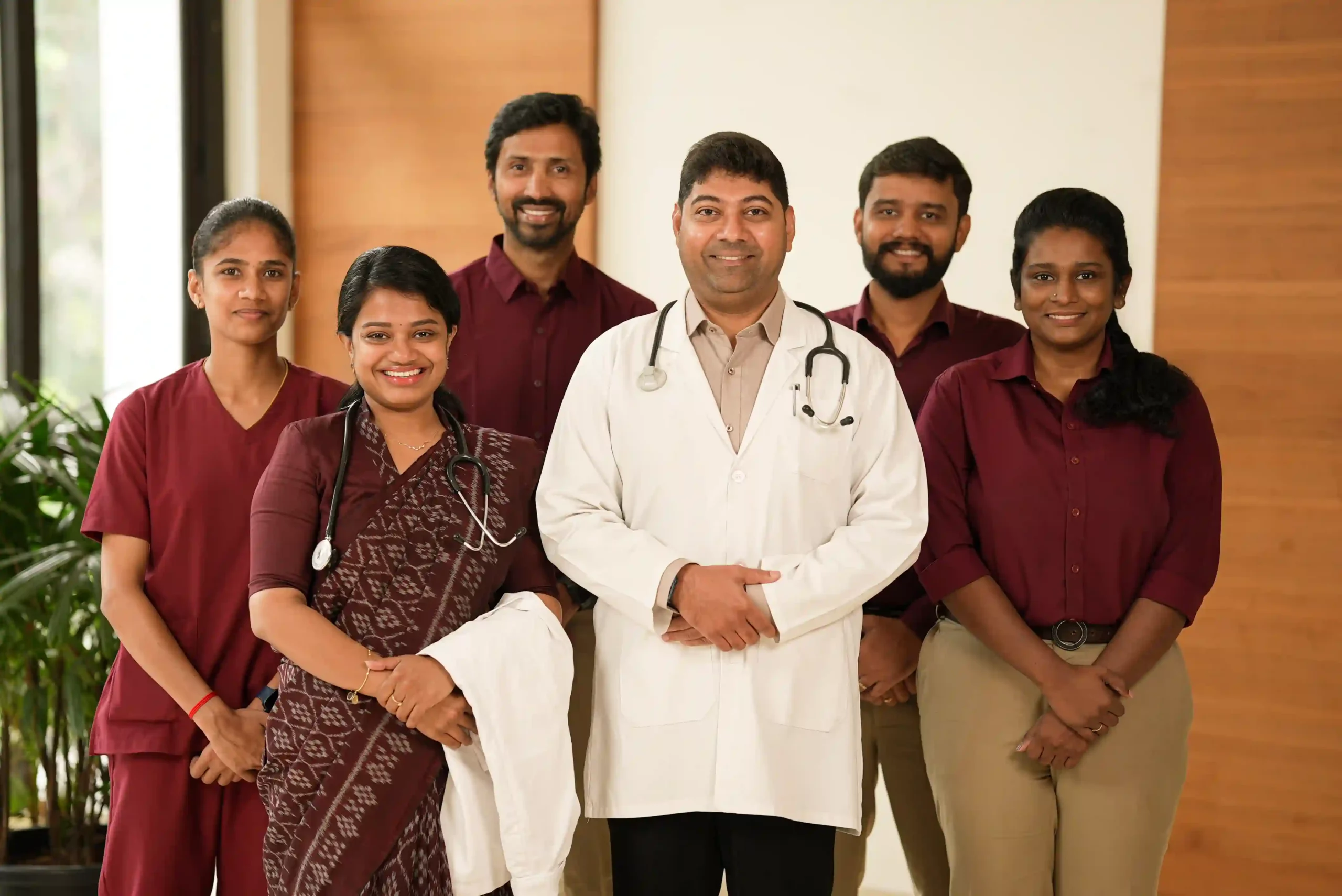

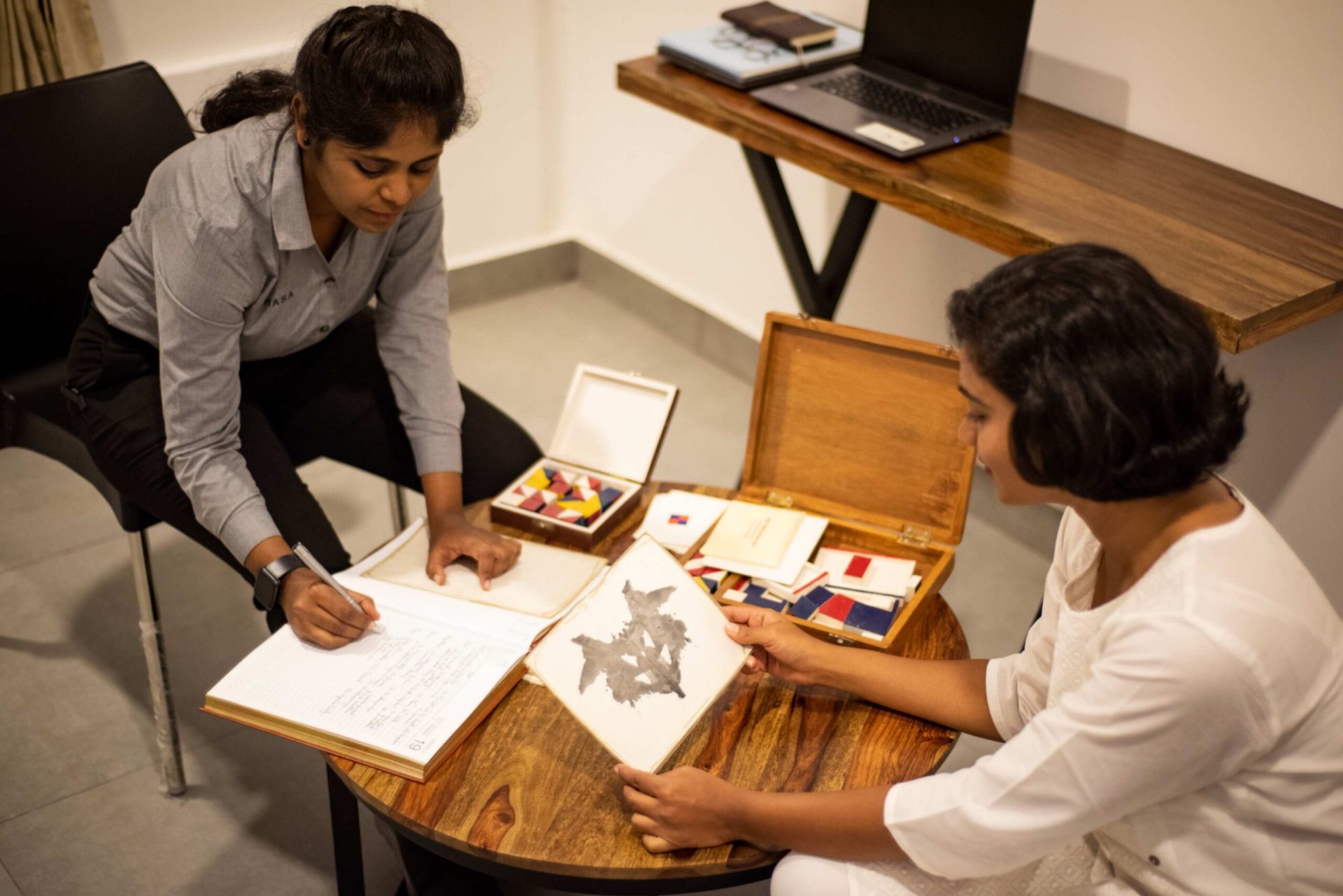
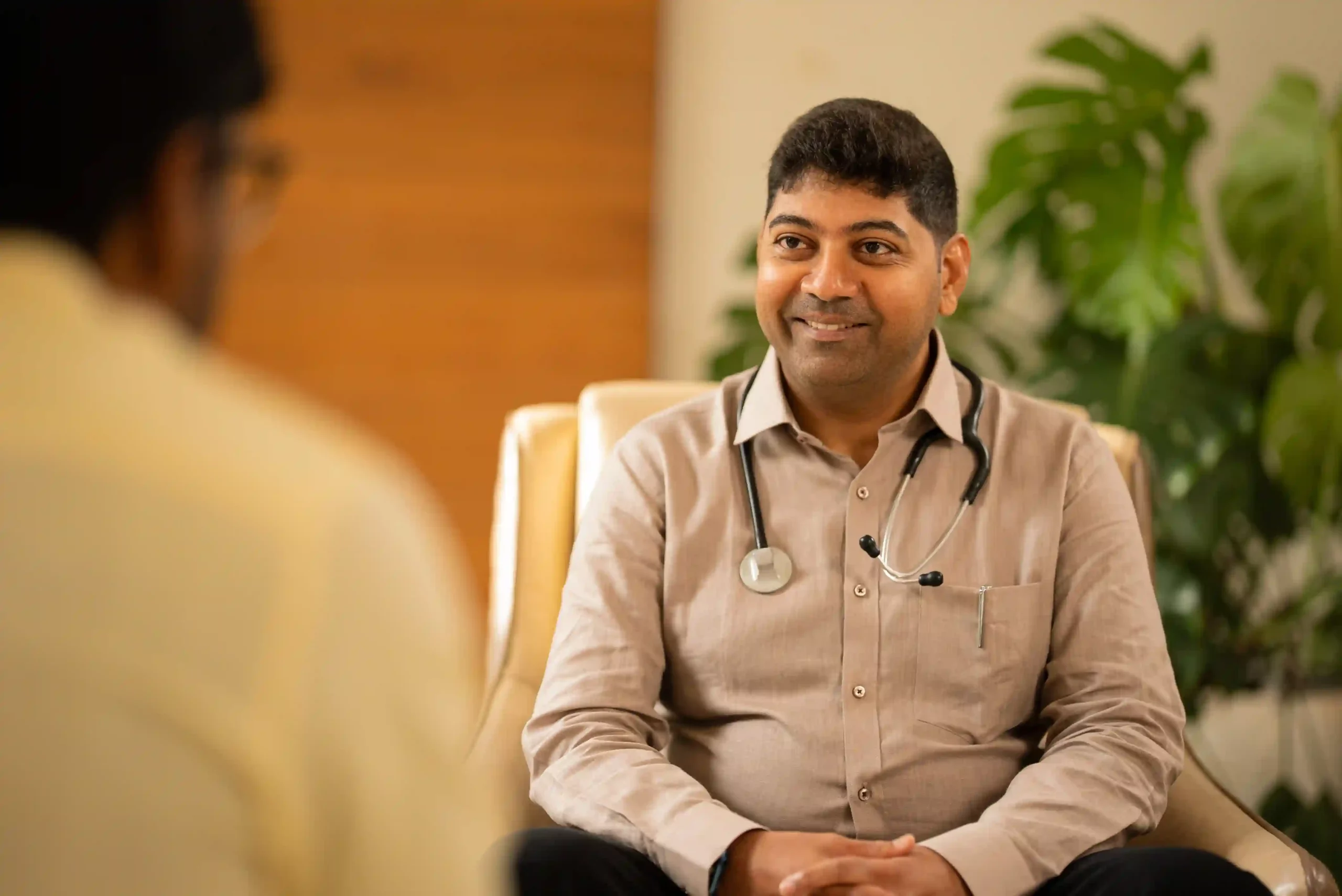
Healing takes root in the right surroundings, and our luxury personality disorder facilities are designed to offer both comfort and purpose. Every detail, from the layout of the grounds to the choice of furniture, is planned to promote calm, privacy, and emotional safety.
Natural setting that restores balance
Set in a peaceful, nature-rich location, our luxury personality disorder facilities give clients space to breathe and reconnect with themselves. Gentle walking paths, shaded garden areas, and open green spaces create an environment where stress begins to lift and clarity returns.[5,12]
Privacy and security at every step
Confidentiality is respected at all times. Secure entry points, discreet staff presence, and private consultation areas ensure that clients feel safe to open up and focus on recovery without fear of intrusion.
Accommodation with care in mind
Our luxury personality disorder facilities include spacious private rooms designed for rest and reflection. The furnishings and naturally lit rooms enable an inviting atmosphere that fosters a sense of home and meets quality care standards.
Healing Spaces
The design of therapy rooms, meditation areas, and creative studios intentionally promotes focus, self-expression, and emotional release, which are vital for healing. Common areas invite relaxed social interaction, helping clients practise healthy communication in a safe environment.
Safety as a constant priority
The property is monitored round-the-clock, with trained staff available at all hours. This commitment to safety allows clients to engage fully in their programs, knowing they are supported at every stage.
Abhasa is a healing space built for comfort and lasting change.
Personality Disorder Treatment Success Stories & Testimonials
At Abhasa, every guest’s path is different, yet many share the exact turning point: the moment they realise change is not only possible but already happening. These personal accounts of success in personality treatment show how a thoughtful blend of care, patience, and guidance can transform lives in ways that go far beyond symptom relief.
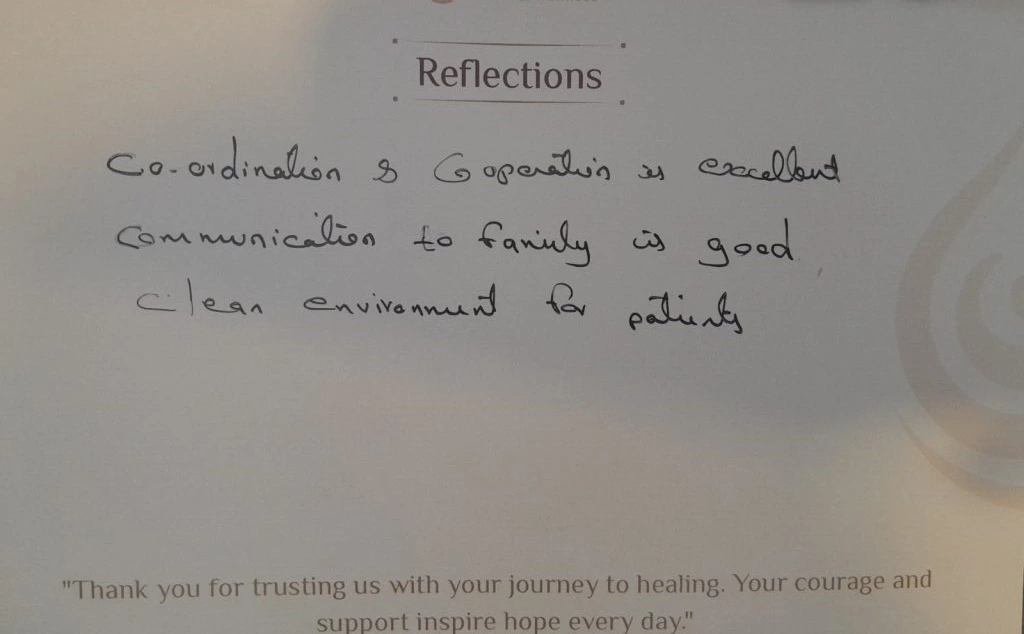
Co-ordination & cooperation is excellent. Communication to family is good. Clean environment for patients.
Former Client
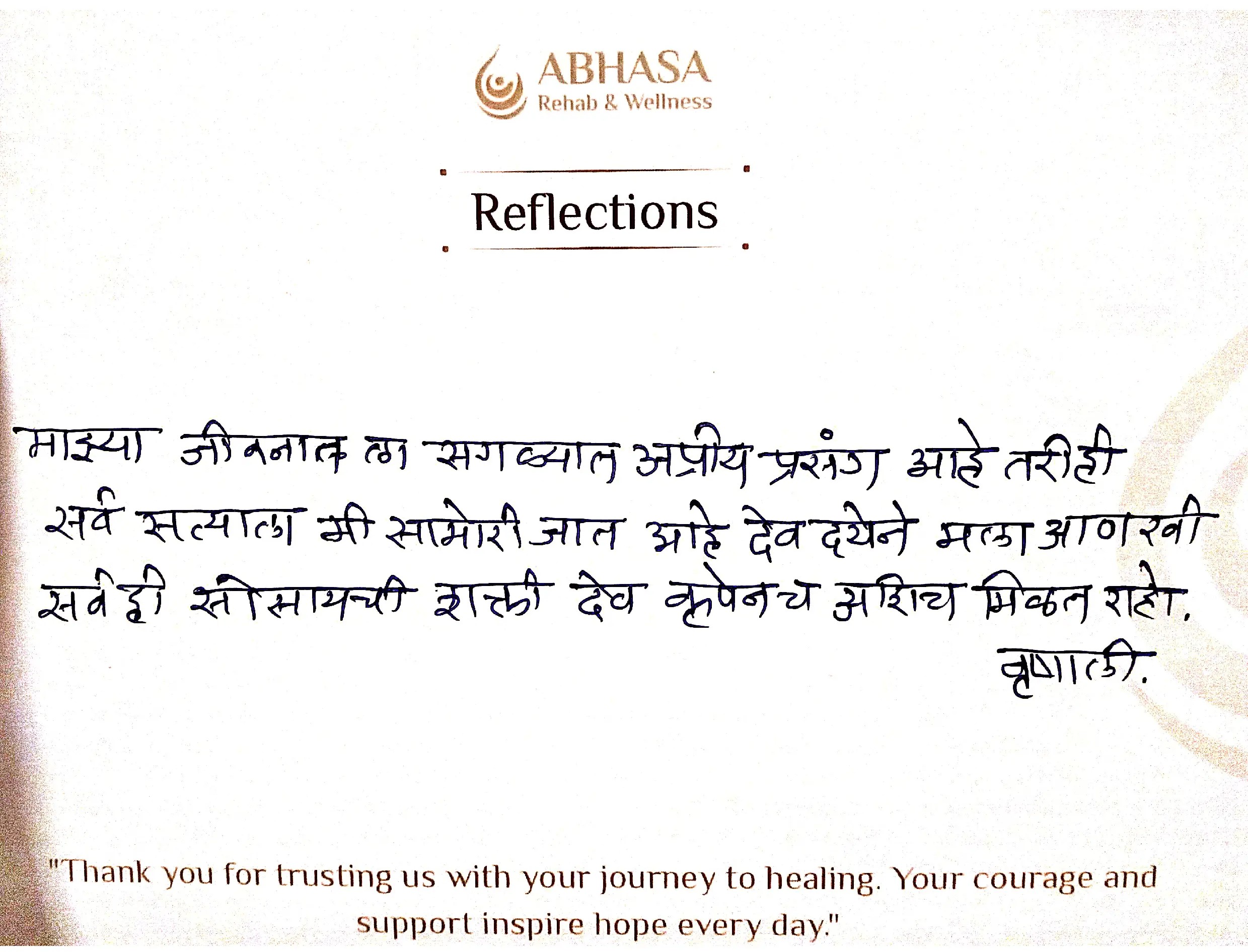
I found strength to face life’s hardest truths here. I believe it was God’s grace that brought me to Abhasa.
Former Client
Addiction recovery succeeds in moments, and we walk together.
FAQs About Personality Disorder Treatment
Can a narcissist heal with therapy?
Yes. Change is possible when therapy helps build self-awareness, healthier coping habits, and more balanced relationships.[11,15] At Abhasa, we have seen that steady guidance and a safe space can make a real difference over time.
Can a therapist help with a personality disorder?
Yes. A skilled therapist can help someone understand their patterns, manage emotions, and create better ways of relating to others.[2,3] Therapy can also give families tools to support progress at home.
Can BPD live an everyday life?
Yes. With the proper support, people with BPD can develop emotional stability, maintain healthy relationships, and live whole, meaningful lives.[4,6]
Can personality disorders be treated?
Yes. While it often takes time and commitment, many people make lasting changes through structured care, skill-building, and strong support networks.[1,2]
Can you live a happy life with BPD?
Yes. Happiness is possible with the right combination of therapy, lifestyle adjustments, and personal insight.[4,10] clients go on to build lives that feel balanced and deeply satisfying.
Do people with BPD go to rehab?
Yes. Residential care can be a valuable choice for someone with BPD, offering a safe and focused environment to work on emotional health without outside pressures.[5,12]
How can I help someone with a personality disorder?
Yes. While it often takes time and commitment, many people make lasting changes through structured care, skill-building, and strong support networks.
How do I know if I have a personality disorder?
Yes. While it often takes time and commitment, many people make lasting changes through structured care, skill-building, and strong support networks.
How to help a narcissistic person?
Yes. While it often takes time and commitment, many people make lasting changes through structured care, skill-building, and strong support networks.
How to support someone with a personality disorder?
Yes. While it often takes time and commitment, many people make lasting changes through structured care, skill-building, and strong support networks.
Is there any hope for BPD?
Yes. While it often takes time and commitment, many people make lasting changes through structured care, skill-building, and strong support networks.
What are the 10 signs of a personality disorder?
Yes. While it often takes time and commitment, many people make lasting changes through structured care, skill-building, and strong support networks.
What is the best treatment for a personality disorder?
There is no single answer. The best treatment is a plan tailored to the person’s needs, often combining therapy, skill-building, and supportive relationships. [1,2]
What type of therapy is best for personality disorders?
Therapies such as DBT, schema therapy, and CBT are often effective, especially when adapted to fit the individual’s personality and goals. [3,8,9]
Which treatment is best for BPD?
DBT is one of the most widely used therapies for BPD, helping people manage intense emotions, improve relationships, and reduce harmful patterns. [6,7]
Begin Your Healing Journey Today at Abhasa
If you have been looking for the best personality disorder treatment centres in India, Abhasa offers you the right place where healing can truly begin—welcomed into a safe, private and compassionate setting that encourages real and lasting change.[1,2] Our team blends professional skill with heartfelt understanding, so you always feel supported and cared for along the way.
Whether you are taking this step for yourself or someone close to your heart, it can mark the start of a steadier, more fulfilling chapter in life.
From your very first contact, we take the time to walk you through the process, answer your questions, and make sure you feel comfortable and informed.
We offer multiple ways to connect by phone, email, or a private consultation.
Every journey begins easier when walked together.
Proudly Serving Across Cities
- Rehab in Karjat
- Rehab in Pune
- Rehab in Navi Mumbai
- Rehab in Madurai
- Rehab in Trichy
- Rehab in Bangalore
- Rehab in Chennai
- Rehab in Thane
- Rehab in Nasik
- Rehab in Kochi
- Rehab in Mangalore
- Rehab in Mysore
- Rehab in Nasik
- Rehab in Kochi
- Rehab in Mangalore
- Rehab in Mysore
Medical Disclaimer
This information is for educational purposes only and does not constitute medical advice.
Personality disorders, including Borderline Personality Disorder (BPD), Narcissistic Personality Disorder (NPD), and other personality disorders, are serious mental health conditions that require professional psychiatric diagnosis and treatment by licensed medical professionals. The content provided on this website describes treatment approaches available at Abhasa but should not be used for self-diagnosis or as a substitute for professional medical consultation.
Individual treatment outcomes vary significantly. Recovery from personality disorders depends on multiple factors including severity of symptoms, duration of condition, co-occurring disorders, individual commitment to treatment, family support, and other personal circumstances. While research supports the effectiveness of evidence-based therapies such as Dialectical Behavior Therapy (DBT), Schema Therapy, and Cognitive Behavioral Therapy (CBT), no treatment program can guarantee specific outcomes.
This content should not replace professional medical consultation. Always consult qualified mental health professionals including psychiatrists, clinical psychologists, or licensed mental health counselors before making treatment decisions. Only licensed professionals can provide accurate diagnosis, develop individualized treatment plans, and monitor your progress appropriately.
Crisis situations require immediate professional intervention. If you or someone you know is experiencing a psychiatric emergency, suicidal thoughts, or risk of harm to self or others, contact emergency services immediately rather than relying on information from this website.
Abhasa Treatment Centers provides residential mental health treatment but does not offer emergency psychiatric services. We recommend contacting appropriate crisis resources for urgent situations.
Author: Abhasa Rehab and Wellness, Reviewed by: Dr. Naveen Kumar, MBBS, DPM (Psychiatry), Last Updated: December 2025
Author: Abhasa Rehab and Wellness,
Reviewed by: Dr. Naveen Kumar, MBBS, DPM (Psychiatry),
Last Updated: December 2025
Resources
Complete Research Citations (15 Carefully Selected Authoritative Sources)
[1] Tyrer, P., et al. – “Personality Disorder: A New Global Perspective” World Psychiatry, 2010 URL: https://pmc.ncbi.nlm.nih.gov/articles/PMC2816919/ Source Type: Peer-reviewed journal – Global prevalence and treatment perspectives Why Included: Authoritative overview of PD treatment from global perspective
[2] Storebø, O.J., et al. – “Effectiveness of Outpatient and Community Treatments for People with a Diagnosis of ‘Personality Disorder'” BMC Psychiatry, 2023 URL: https://bmcpsychiatry.biomedcentral.com/articles/10.1186/s12888-022-04483-0 Source Type: Peer-reviewed systematic review – Comprehensive meta-analysis Why Included: Most recent comprehensive review of treatment effectiveness (2023)
[3] Leichsenring, F. & Leibing, E. – “The Effectiveness of Cognitive Behavioral Therapy for Personality Disorders” Psychiatric Clinics of North America, 2011 URL: https://pmc.ncbi.nlm.nih.gov/articles/PMC3138327/ Source Type: Peer-reviewed clinical review Why Included: Definitive CBT effectiveness research for personality disorders
[4] Leichsenring, F., et al. – “Effectiveness of Psychological Treatments for Borderline Personality Disorder” Journal of Clinical Medicine, 2021 URL: https://www.mdpi.com/2077-0383/10/23/5622 Source Type: Peer-reviewed meta-analysis Why Included: Recent BPD-specific treatment outcomes research
[5] Chiesa, M., et al. – “Residential versus Community Treatment of Personality Disorders: A Comparative Study” American Journal of Psychiatry, 2004 URL: https://pubmed.ncbi.nlm.nih.gov/15285974/ Source Type: Peer-reviewed comparative study Why Included: Key evidence for residential treatment effectiveness
[6] Bohus, M., et al. – “Efficacy of Dialectical Behavior Therapy in the Treatment of Borderline Personality Disorder: A Systematic Review of Randomized Controlled Trials” Frontiers in Psychiatry, 2024 URL: https://pmc.ncbi.nlm.nih.gov/articles/PMC10896753/ Source Type: Peer-reviewed systematic review Why Included: Most recent comprehensive DBT RCT review (2024)
[7] Cleveland Clinic – “Dialectical Behavior Therapy (DBT): What It Is & Purpose” Cleveland Clinic Health Library, 2022 URL: https://my.clevelandclinic.org/health/treatments/22838-dialectical-behavior-therapy-dbt Source Type: Major medical institution Why Included: Authoritative, accessible DBT overview from trusted medical source
[8] Zhang, K., et al. – “The Efficacy of Schema Therapy for Personality Disorders: A Systematic Review and Meta-Analysis” Nordic Journal of Psychiatry, 2023 URL: https://pubmed.ncbi.nlm.nih.gov/37402124/ Source Type: Peer-reviewed meta-analysis Why Included: Recent comprehensive schema therapy effectiveness research
[9] Arntz, A. & Jacob, G. – “Schema Therapy for Personality Disorders—A Review” International Journal of Cognitive Therapy, 2013 URL: https://guilfordjournals.com/doi/10.1521/ijct.2013.6.2.171 Source Type: Peer-reviewed journal Why Included: Definitive schema therapy overview from leading researchers
[10] Harvard Health Publishing – “Dialectical Behavior Therapy: What Is It and Who Can It Help?” Harvard Health, 2024 URL: https://www.health.harvard.edu/blog/dialectical-behavior-therapy-what-is-it-and-who-can-it-help-202401223009 Source Type: Academic medical institution – Harvard Medical School Why Included: Most recent Harvard Medical School DBT publication
[11] Ronningstam, E. & Weinberg, I. – “Narcissistic Personality Disorder: Progress in Understanding and Treatment” Focus, 2023 URL: https://pmc.ncbi.nlm.nih.gov/articles/PMC10187400/ Source Type: Peer-reviewed clinical review Why Included: Expert clinical perspective on NPD treatment (often challenging to treat)
[12] McLean Hospital – “Gunderson Residence: Borderline Personality Disorder Care” McLean Hospital, 2024 URL: https://www.mcleanhospital.org/treatment/gunderson Source Type: Academic medical institution – Harvard-affiliated psychiatric hospital Why Included: Leading specialized residential BPD program (named after BPD expert John Gunderson)
[13] Wang, Y., et al. – “The Influence of Family Intervention on Treatment of Adolescent BPD” Cureus, 2023 URL: https://pmc.ncbi.nlm.nih.gov/articles/PMC10361633/ Source Type: Peer-reviewed literature review Why Included: Recent systematic review of family intervention effectiveness
[14] National Institute of Mental Health – “Borderline Personality Disorder” NIMH, 2024 URL: https://www.nimh.nih.gov/health/publications/borderline-personality-disorder Source Type: Government health agency (.gov) Why Included: Authoritative federal resource – most trusted U.S. mental health agency
[15] Harvard Health Publishing – “Narcissistic Personality Disorder: Symptoms, Diagnosis, and Treatments” Harvard Health, 2024 URL: https://www.health.harvard.edu/mind-and-mood/narcissistic-personality-disorder-symptoms-diagnosis-and-treatments Source Type: Academic medical institution – Harvard Medical School Why Included: Current Harvard Medical School NPD treatment guide