
Luxury Tinnitus & Audiology Treatment Centres in India

Tinnitus chips away at focus, disrupts sleep, and dulls joy. Families watch someone they love grow weary, irritable, and distant, wondering what else they can try after so many attempts have led to slight change.
Finding the right place to heal can be a turning point. At Abhasa’s tinnitus treatment centres, we know true relief takes more than another short appointment. It needs a calm setting, care designed for each person, and a team that hears your story before offering solutions. Here, personalised sound therapy, holistic practices, and genuine emotional support come together in a peaceful environment where you can finally begin to rest and recover.
Reclaim peace and quiet with personalised tinnitus care.
2:1 Staff-to-client ratio
3 Healing Spaces
Personalised Treatments
360° Healing
2:1 Staff-to-client ratio
3 Healing Spaces
Personalised Treatments
360° Healing
Gallery
Understanding Residential Tinnitus Treatment

Many believe that caring for tinnitus starts and ends with hearing aids or quick visits to a clinic. These can bring some relief, but they often miss the deeper challenges of living with a constant sound in your ears. In tinnitus rehabilitation centres, the aim goes far beyond temporary fixes. The focus is on creating a steady, supportive way of living where the ringing no longer dictates how you feel or how you spend your days.
Residential care at hearing disorder treatment centres provides more than therapy sessions. It offers structure, emotional safety, and a calm environment designed to reduce triggers. Here, clients do not just manage to get through the day. They begin to reclaim their energy, focus, and ability to enjoy life again.
What makes residential care different
In tinnitus rehabilitation centres, support is available around the clock. Sound therapy, relaxation activities, and personalised routines are part of everyday life. This consistent approach helps the brain adapt, making tinnitus less intrusive.[9,10] At home, unpredictable noise, stress, or lack of guidance can easily undo progress. In residential care, everything is built for stability.
Why hearing aids are not enough
Hearing devices may mask the ringing, but they cannot replace the benefits of a complete recovery plan. At hearing disorder treatment centres, therapy includes lifestyle changes, coping strategies, and emotional support that address the deeper challenges of tinnitus.[5,7] This combination helps clients feel more in control and less dependent on devices alone.
The science of breaking the cycle
Living in constant exposure to everyday noise can make tinnitus feel sharper and more exhausting. At tinnitus rehabilitation centres, the surroundings are carefully managed so your ears and mind get a proper break. In this quieter space, the brain has a chance to relax and slowly relearn how to tune out the ringing.[2,9] With time, your focus begins to shift, and the grip of frustration starts to loosen.
A journey toward lasting change
Abhasa’s hearing disorder treatment centre gives you a place where healing feels natural and unhurried. Days are shaped to help you feel steady and balanced, while evenings invite relaxation and nights restore you with deep, undisturbed sleep. It is a chance to step away from the constant noise and rediscover a sense of calm. Every element here is thoughtfully created to bring back your comfort, rebuild your confidence, and help you enjoy the quiet you have been missing.
Why Choose Residential Care for Tinnitus
You might already be doing everything you can, trying sound devices, visiting specialists, and giving constant encouragement. Yet the ringing continues, and the frustration builds. For many families, this is the point where care at tinnitus therapy centres becomes essential. Without the right tools, structure, and environment, tinnitus can feel impossible to manage at home, no matter how much love and effort you give.
What happens without structured care
Without a clear and consistent plan, tinnitus can become more complicated to manage. The ringing may seem louder and more frequent, sleep can stay broken, and stress can grow heavier with time.[3,4] The person living with it might start avoiding conversations or stepping back from things they once enjoyed. Families can feel exhausted and unsure of how to help next. At tinnitus relief centres, the aim is to bring back a steady routine, ease the emotional weight, and support both the individual and their loved ones toward constant improvement.
How the right setting changes everything
In the first 48 hours at tinnitus therapy centres, guests begin personalised sound therapy to reduce the intensity of the ringing.[9,10,11] The environment remains calm and private, free from unpredictable noises that can worsen symptoms. Healthy routines take root with restorative sleep, balanced meals, and therapy delivered in a way that feels natural and personal. Over time, guests learn to recognise triggers, understand their condition, and use practical strategies that work beyond their stay.[5,18]
The emotional and social side of recovery
Residential care at tinnitus relief centres also strengthens emotional resilience. Guests feel heard, supported, and never judged. Group sessions offer a space to share experiences with others who understand, creating a sense of belonging that is hard to find elsewhere.
Preparing for long-term success
Care here does not stop at discharge. Before leaving, guests and families work together on a plan for continued support at home. Recovery is an ongoing journey, and tinnitus therapy centres provide the knowledge and tools to keep making progress.
If you still wonder whether this approach can make a difference, it can. We see it happen every day.
What happens without structured care
Without a clear and consistent plan, tinnitus can become more complicated to manage. The ringing may seem louder and more frequent, sleep can stay broken, and stress can grow heavier with time.[3,4] The person living with it might start avoiding conversations or stepping back from things they once enjoyed. Families can feel exhausted and unsure of how to help next. At tinnitus relief centres, the aim is to bring back a steady routine, ease the emotional weight, and support both the individual and their loved ones toward constant improvement.
How the right setting changes everything
In the first 48 hours at tinnitus therapy centres, guests begin personalised sound therapy to reduce the intensity of the ringing.[9,10,11] The environment remains calm and private, free from unpredictable noises that can worsen symptoms. Healthy routines take root with restorative sleep, balanced meals, and therapy delivered in a way that feels natural and personal. Over time, guests learn to recognise triggers, understand their condition, and use practical strategies that work beyond their stay.[5,18]
The emotional and social side of recovery
Residential care at tinnitus relief centres also strengthens emotional resilience. Guests feel heard, supported, and never judged. Group sessions offer a space to share experiences with others who understand, creating a sense of belonging that is hard to find elsewhere.
Preparing for long-term success
Care here does not stop at discharge. Before leaving, guests and families work together on a plan for continued support at home. Recovery is an ongoing journey, and tinnitus therapy centres provide the knowledge and tools to keep making progress.
If you still wonder whether this approach can make a difference, it can. We see it happen every day.
Reclaim quiet, focus, and calm with expert care.
Why Indian Families Trust Abhasa for Tinnitus Care
At Abhasa, healing often begins with the simple act of being understood. Many families come to us burdened by years of concern, exhaustion, and uncertainty. What they find is a place where they can pause, feel safe to share their thoughts, and slowly begin to believe that a better way forward is possible.
This approach has made us one of the best tinnitus centres in India for people seeking care that transforms lives, not just manages symptoms.

Care is shaped around the individual
Every journey is different, which is why our luxury tinnitus treatment is never a one-size plan. We design each programme around the person’s needs, adjusting therapies and activities as they progress. Our team observes closely, listens attentively, and fine-tunes the approach so that healing feels natural and personal. This flexibility is one of the reasons families trust us over other facilities.

Blending science with holistic wisdom
Many tell us Abhasa feels unlike any place they have visited before. Alongside modern sound therapy and evidence-based care, we include yoga, meditation, breathing practices, art sessions, and nature-based healing.[14,15,16,17,18,20,21,22] The result is luxury tinnitus treatment that nurtures the mind, body, and spirit together. Our sound therapy gardens and quiet spaces allow people to relax in surroundings that promote calm and clarity.[31,48]

Privacy and cultural understanding
We respect the need for confidentiality, especially for professionals and public figures. Discreet care, private suites, and a peaceful environment make recovery feel safe and dignified. As one of the best tinnitus centres in India, we also understand the dynamics of Indian families. We include loved ones in the process, teaching them how to create supportive spaces and communicate in ways that ease stress.

A proven record of results
For years, our programmes have helped people reduce the impact of tinnitus and regain control over their lives. Families leave with more than hope. They take home skills, understanding, and the confidence that progress can continue. This combination of personal attention, cultural sensitivity, and holistic luxury is what truly sets Abhasa apart.
Personalised care for your loved ones restoring calm, focus, and life balance.
Meet Our Tinnitus & Audiology Experts
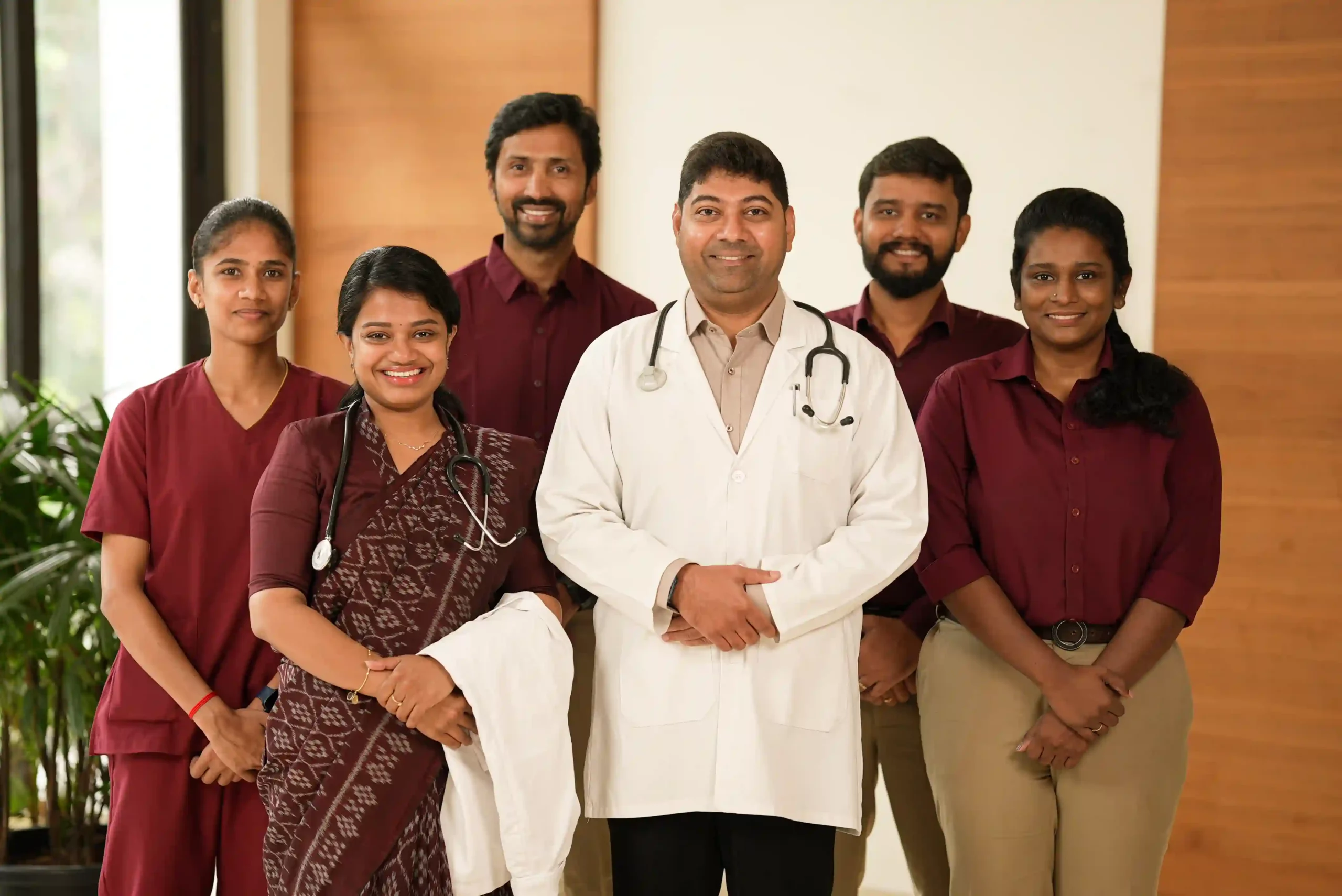
As one of the leading audiology treatment centres, Abhasa is guided by skilled tinnitus specialists who combine expertise with genuine care. Our team includes audiology professionals, sound therapists, wellness coaches, and family counsellors working together to create personalised recovery plans. They blend proven sound therapy techniques with mindfulness and stress management, ensuring care addresses both physical and emotional needs.[33,28,40]
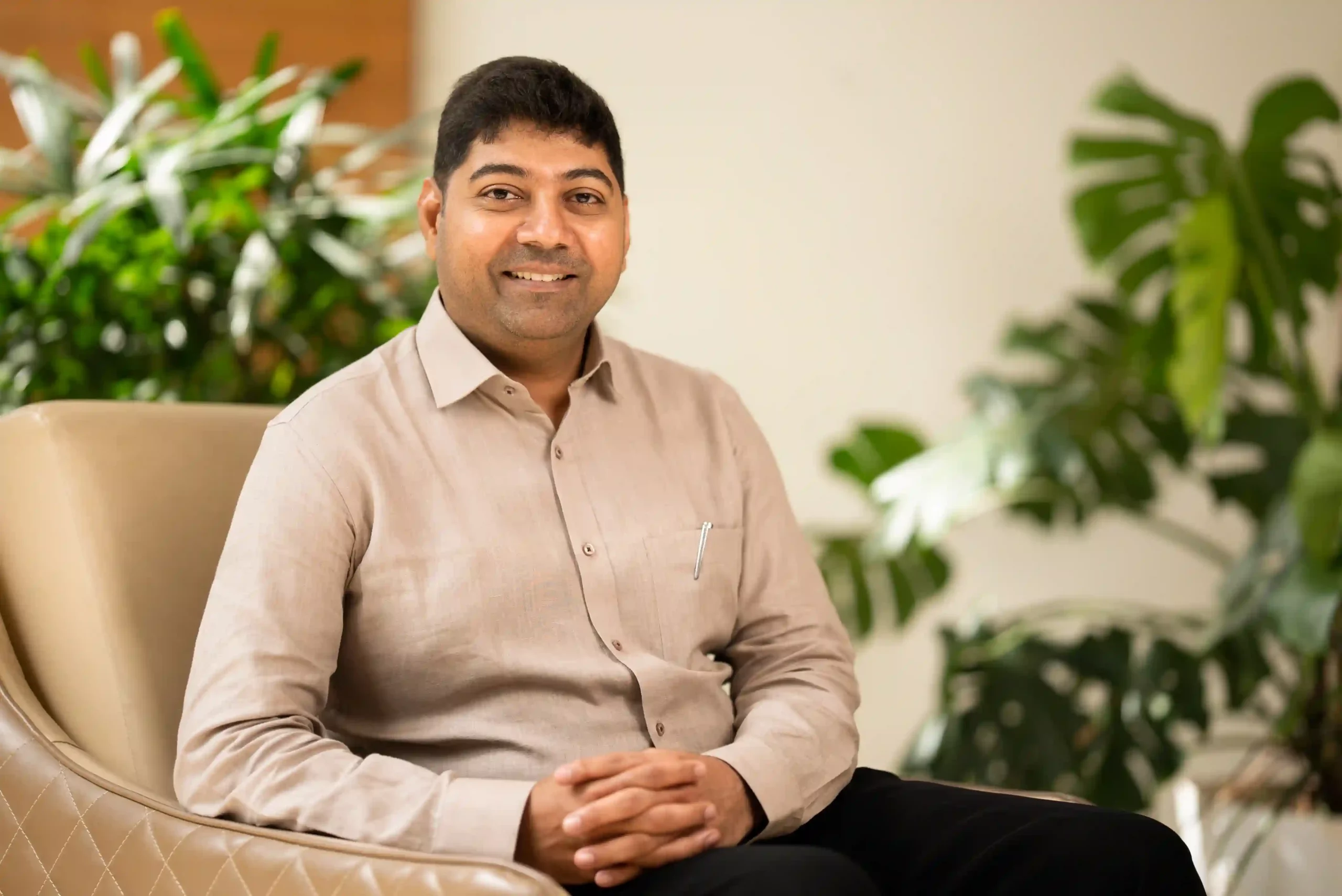
Dr. Naveen Kumar
Medical Director
15+ years of expertise in psychiatry and addiction recovery.

Dr. Vivek Sharma
Consultant Psychiatrist & Neurofeedback Practitioner
With over 15+ years of experience in psychiatry and neurofeedback, he blends medical expertise and compassion to guide clients toward lasting recovery.

Dr. Shree Aarthi
Consultant Psychiatrist
15+ years providing expert psychiatric care for mental health and substance use disorders.

Dr. Ramalingam P Kandaswamy
Consultant Physician
15+ years With over 5 years of experience in HIV and infectious diseases, he brings global expertise and compassionate care to every patient he supports.

Dr. Divya
Psychiatrist
10+ years combining clinical psychiatry expertise with healthcare management for holistic treatment.

Dr. Malarvilzhi
Residential Medical Officer
12 years delivering comprehensive medical care in psychiatric and rehabilitation settings.

Dr. Karuppachamy
Senior Psychiatric Social Worker
22+ years of experience empowering clients through therapeutic guidance, psychosocial support, and lived-experience wisdom.

Ms. Meera
Senior Clinical Psychologist
9+ years specializing in psychological assessment and evidence-based therapeutic interventions.

Mrs. Priyadarshini
Head Clinical Psychologist

Mr. Mukesh Kanna
Clinical Psychologist
2+ years providing psychological interventions for behavioral health and emotional wellness.

Mr. Antipas Jayabal
Clinical Psychologist
2+ years supporting clients through clinical assessment and therapeutic care.

Ms Keerthana S
Psychologist
Empathetic psychologist with 4 years’ experience in handling mental health disorders, using evidence-based psychotherapies for personalized client care.
Inside Our Residential Tinnitus Programme
Many people arrive at tinnitus treatment clinics expecting a standard routine, only to find short-term fixes that do little to change life in the long run. At Abhasa, our approach to residential tinnitus care is different. We look beyond the ringing to help you rebuild your days, your confidence, and your sense of calm. Healing here combines structured support, evidence-based therapies, and a deeply personal touch.

Starting with a clear understanding
Before we create any plan, we take time to understand your experience with tinnitus, the sounds you hear, the situations that make them worse, and the impact they have on your life. This first step in our tinnitus treatment clinics allows us to design a programme that addresses your specific needs rather than following a generic template. We set up a calm, sound-managed space so your mind and body can begin to settle.
Plans that change as you do
In our residential tinnitus care, the plan you start with is never set in stone. We observe how you respond each day and adjust therapy sessions, activities, and schedules so that you feel supported without feeling overwhelmed.[33,34,41] The aim is to keep progress steady while making sure you remain comfortable and motivated.
Layers of care that work together
What sets Abhasa apart from other tinnitus treatment clinics is the way we combine multiple elements into one coordinated programme:
- Quiet, private accommodation: Soundproof suites give you a peaceful place to rest.
- A balanced daily rhythm: Morning sound therapy, afternoon wellness activities, and calm evening reflections.
- Nutrition for healing: Anti-inflammatory, nutrient-rich meals designed to support hearing health.[23,24,25,27,42]
- Reducing stress naturally: Gentle yoga, breathing practices, and nature walks to ease physical and mental strain.
- Specialised sound therapy: Dedicated rooms for masking and retraining techniques that help your brain adapt.[31,48,49]
- Peer connection: Group sessions that allow you to share experiences and feel understood.
- One-to-one attention: Personal counselling that focuses on coping strategies you can use beyond your stay.[5,7,8]
In many places, you might find one or two of these elements. In our residential tinnitus care, all of them work together, creating an environment that supports every part of your well-being.
Preparing for life beyond the programme
We believe real change continues after you leave. That is why we focus on routines and skills you can take home. Families are actively involved through education sessions that explain tinnitus, share communication tips, and show how to create a more supportive, quieter home.
At Abhasa, the programme is not a rigid checklist. It is a flexible framework that meets you where you are and grows with you. Every step is designed to help you feel more in control, more at ease, and ready to enjoy life again.
A Typical Day of Tinnitus Recovery at Abhasa
A steady daily rhythm is at the heart of our approach. In our programme for structured tinnitus care, the day flows in a way that balances therapeutic work with moments of rest and reflection. Guests begin with calm, grounding practices that help set a peaceful tone. Nutrient-rich meals prepared with anti-inflammatory ingredients support ear and nervous system health, forming a key part of daily tinnitus management.[23,24,42,43]

One-on-one therapeutic sessions give time to absorb and reflect, while group counselling creates a sense of connection, helping guests feel understood and inclusive in their experience. Personal sound therapy is tailored with care, guiding the brain to respond differently to the internal sounds and gradually easing their impact.[31,48,50] Individual audiology support addresses each person’s unique challenges, while relaxation activities and quiet reflection ease both mental and physical tension.
Throughout the day, time is given for unhurried connection with nature. Walking in calm surroundings helps guests reconnect with their senses and reduce stress. Evenings close with gentle practices, including sound masking, to prepare the mind for restful sleep. These moments of closure are essential to reinforcing the habits that make daily tinnitus management sustainable beyond the programme.[5,9,18]
Every person’s flow is different. Some benefit from more time in therapy, while others need more extended periods of rest. What makes our structured tinnitus care truly effective is its flexibility. We pay attention to how each person is feeling, notice their progress, and make changes so the day moves at a pace that feels supportive rather than exhausting. It is not simply a timetable to follow. It is a responsive framework that shapes the healing process and grows with the person on their journey.
Sound Therapy & Tinnitus Retraining Activities
At Abhasa, sound becomes more than something you hear; it becomes part of your healing. In our tinnitus sound therapy programme, every note, tone, and rhythm is chosen with care. The goal is to help the brain respond with greater ease, reduce tension throughout the nervous system, and offer the mind precious moments of stillness and comfort.[5,6] These therapies are not optional extras; they are an integral part of the daily flow, playing an active and vital role in the recovery journey.
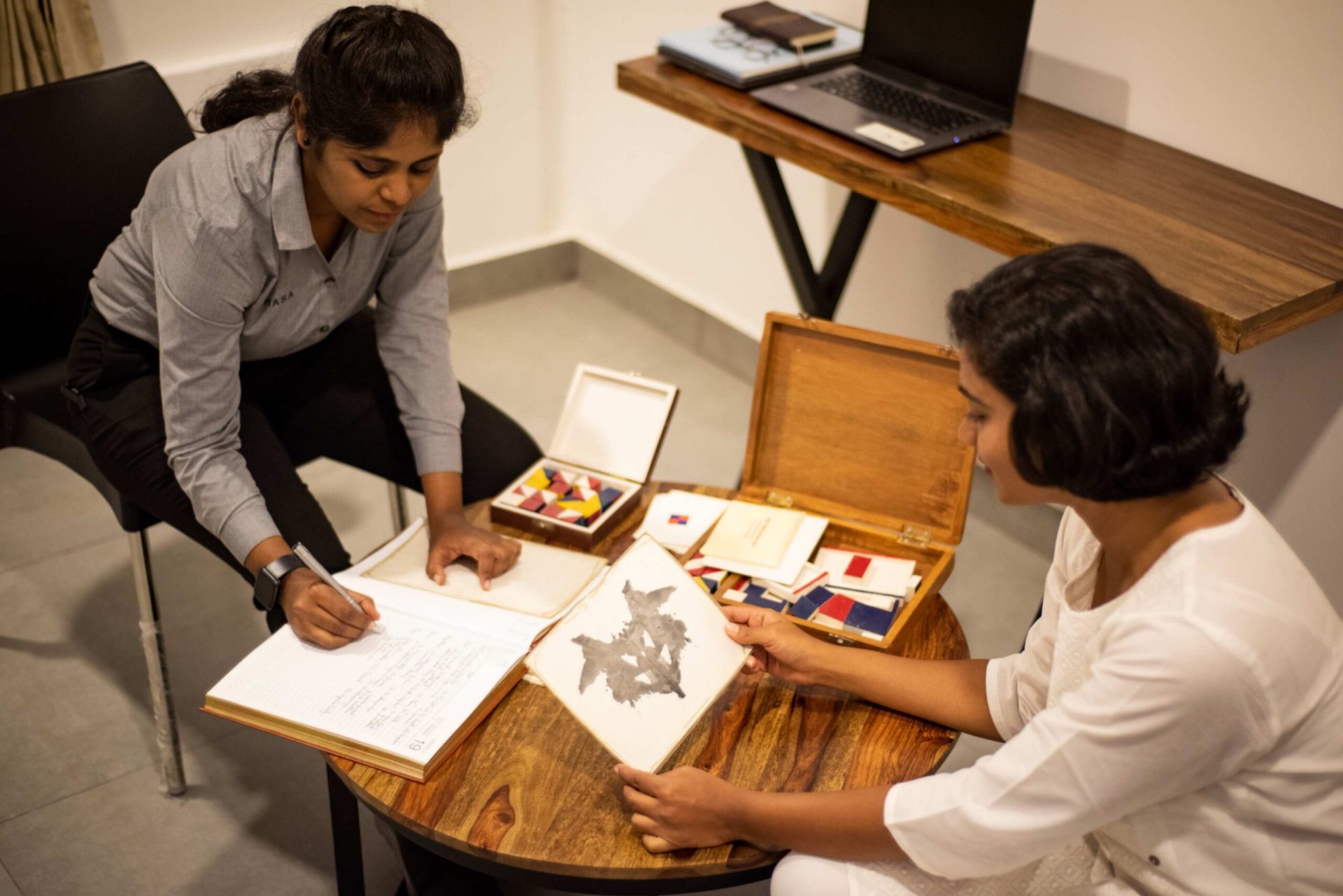
Our approach to tinnitus retraining therapy is built on the principle of gentle, consistent exposure to sounds that help the brain stop treating tinnitus as a threat.[5,6] Sessions happen in a well-organised environment where sound masking techniques are paired with personalised habituation exercises. Over time, the perception of ringing can diminish, allowing individuals to focus better and participate more fully in daily life.
We provide various unique sound-based methods, like,
- Environmental sound therapy uses calming background tones to make tinnitus less noticeable and to reduce the emotional impact of the noise.[1]
- Music therapy offers a soothing auditory experience that supports relaxation, emotional release, and nervous system regulation.
- Nature-based sound sessions take place in our gardens, where birdsong, flowing water, and wind through the trees create a sensory reset.[1]
- Breathing and relaxation practices work alongside tinnitus sound therapy to lower stress levels, which can directly reduce symptom intensity.[7,8,9]
Every activity in our programme is part of a bigger design. Guests engage with these therapies in a consistent, repeated pattern, so benefits build steadily rather than disappearing after a single session. This is one of the reasons our tinnitus retraining therapy helps create lasting changes in how tinnitus is experienced.
For many, the most powerful moments happen during the quiet connection between therapy and rest. Sitting in a sound garden after a session, taking slow breaths, and feeling the body respond with calm is as much a part of the process as the therapy itself. These experiences are not rushed because we know that healing the relationship with sound takes patience and trust.
At Abhasa, we have shaped our sound therapy facilities and outdoor spaces to work together in harmony. Whether indoors in a dedicated treatment room or outdoors surrounded by nature, every sound you hear here is chosen to help you feel more grounded, more in control, and more at ease with your senses.
Every sound you hear at Abhasa is a step toward quiet confidence.
Personalised Tinnitus Management Plans
Many people arrive at tinnitus management centres feeling exhausted from the constant noise and frustrated by approaches that never quite fit. At Abhasa, we do not give you a fixed plan on your first day. We create it with you and adjust it as you progress.[10]
Your journey starts with a detailed understanding of your situation. In our tinnitus management centres, we take time to map your sound sensitivities, learn your daily habits, review your health history, and understand how tinnitus affects your focus, mood, and relationships.[11,14] We also speak with your family to gain insight into patterns they have noticed. This process allows us to design care that supports you as a whole person.
Tinnitus often develops from a mix of physical changes in the auditory system, stress, lifestyle factors, and environmental triggers. This is why our personalised tinnitus care focuses on the biological, emotional, and social aspects of recovery.[10]
From this foundation, we create your first plan. It may include:
- Identifying triggers that worsen your symptoms
- Making lifestyle changes that reduce stress and improve well-being
- Integrating technology such as sound apps or devices to support therapy outside sessions
- Tracking progress daily and adjusting the plan as you improve
- Preparing relapse prevention strategies to manage flare-ups
- Setting clear hearing wellness milestones to work toward
We do not treat your plan as final. Our team meets regularly to review your progress, making changes to therapy techniques, session frequency, and activities based on your feedback and progress. This is not a rigid timetable. It is a living plan that grows with you. Families are included in essential updates so they can give you the proper support at home.
With this approach, personalised tinnitus care becomes more than a treatment programme. It turns into a shared path toward calmer days, sharper focus, and a renewed sense of control over your life.

Your plan should fit your life, not the other way around.
Family Support and Tinnitus Education
When tinnitus becomes part of daily life, it can quietly shift the way a family moves through each day. Conversations at the table may shorten as weariness takes over. The easy laughter that once filled the rooms can fade, replaced by an unspoken worry. Some may start adjusting their behaviour, unsure how to help without making things more complicated.

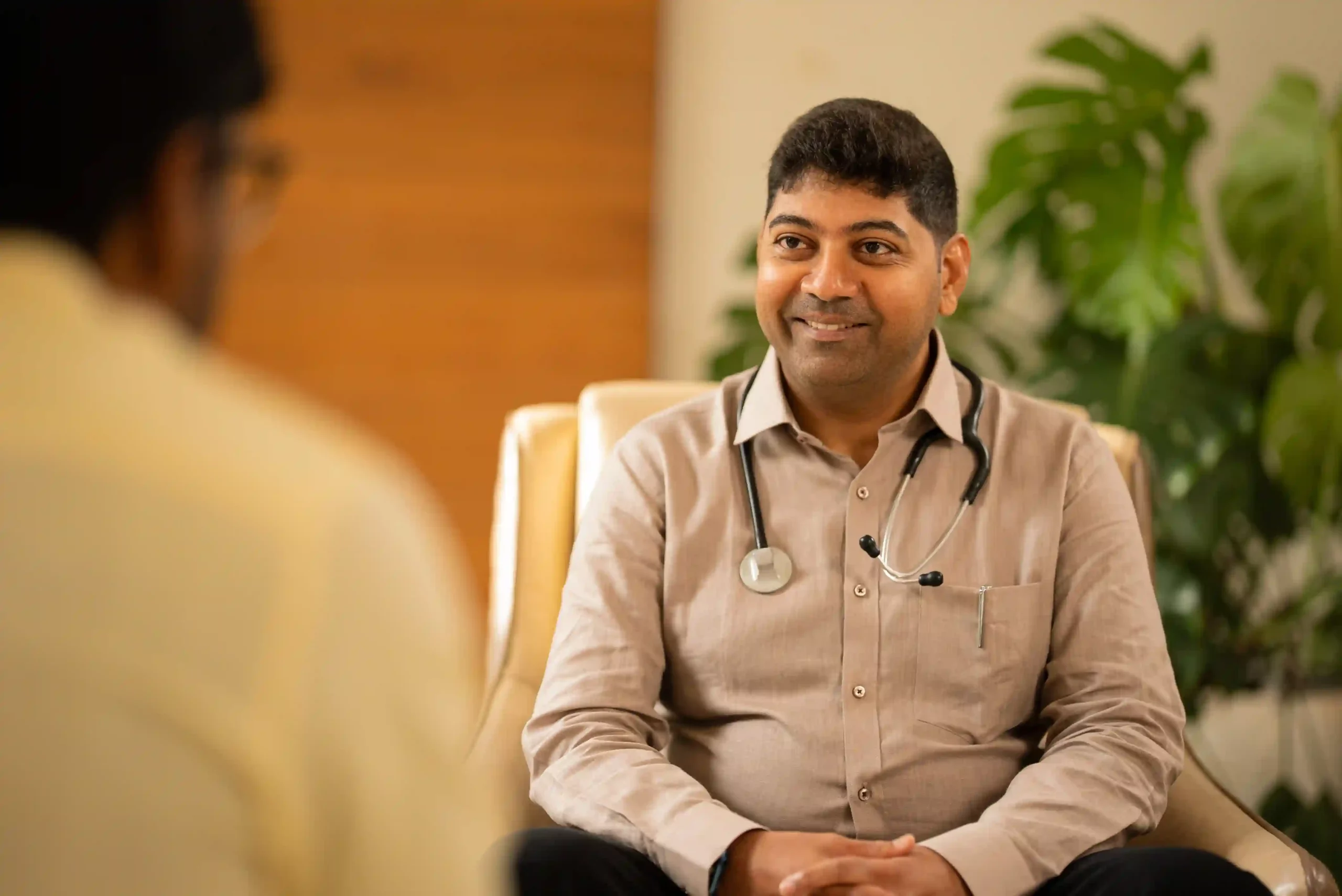
At Abhasa, we understand these changes and make space for them. Our family tinnitus support goes beyond offering instructions.[11.15] We walk alongside families, helping them see the world through their loved one’s eyes and guiding them in ways they can bring calm, reassurance, and moments of genuine connection into the recovery process. Healing is most effective when the people closest to the guest feel informed, confident, and involved.
Our approach to tinnitus family education ensures that support is consistent, not occasional. Families receive regular updates that offer a clear picture of progress, emotional well-being, and engagement in the programme.[11] Daily snapshots share what the guest has participated in, how they responded, and where they are showing growth. Weekly calls with the case manager provide a space for questions and emotional check-ins, while monthly reviews with the therapy team align goals and strategies. This structure means families are never left guessing.
Education is a key element of family tinnitus support. In our dedicated sessions, we make families understand the influence of tinnitus on the brain, emotions, and everyday routines.[1,15] We help them to spot potential triggers, communicate in ways that feel supportive, and avoid reactions that might add to the strain. We also share simple, practical ways to manage their own emotions, so the care they give remains calm, consistent, and sustainable. Guests and families receive clear, easy-to-use guides that cover boundaries, home adjustments, and post-programme care.
Our tinnitus family education programme also offers counselling focused on strengthening relationships. These sessions give families a safe place to talk openly, work through misunderstandings, and rebuild trust.[11] Both sides can share their needs without worry of criticism or misunderstanding. It is more than simply sitting in therapy together; it is about learning to grow side by side and shaping a home environment that continues to support healing long after the programme ends.
We believe that recovery is not complete until the family feels supported and the home feels safe. By combining consistent updates, practical education, and relationship-focused counselling, family tinnitus support becomes a source of strength rather than stress.
You do not have to carry this alone.
Quiet, Healing Environment
Not all recovery begins in a therapy room. Sometimes it starts with stillness, a quiet walk under the trees, or simply being in a place that lets you breathe without pressure.
Abhasa was created for people who need more than treatment. They need surroundings that feel safe. Our quiet treatment centres are set away from the noise of the city, allowing nature to guide the rhythm of each day. Soft breezes, birdsong, and open green spaces help the mind and body release tension and find balance.
Every part of our peaceful tinnitus care setting is shaped to calm the senses. Private, soundproof suites allow uninterrupted rest. Quiet zones and sound-controlled rooms keep therapy focused and free from distractions. Sunlit common spaces encourage connection with peers, while garden paths and shaded benches invite reflection.
The environment itself plays a role in recovery. Outdoor areas are more than decorative; they are spaces where natural sounds bring relaxation and help restore inner calm.
Our quiet treatment centres provide more than clinical care. They offer a sense of safety that lets your nervous system settle. This is the foundation of peaceful tinnitus care, and it is the feeling you notice the moment you arrive; the feeling that tells you you are in the right place to heal.

Step into a sanctuary built to calm, not overwhelm.
Success Stories: Life After Tinnitus
Every recovery here begins with a small but life-changing step. For many, that step is a successful detox. We have seen again and again how a safe withdrawal not only eases the body but also restores hope. These moments stay with us because they remind us why this work matters.
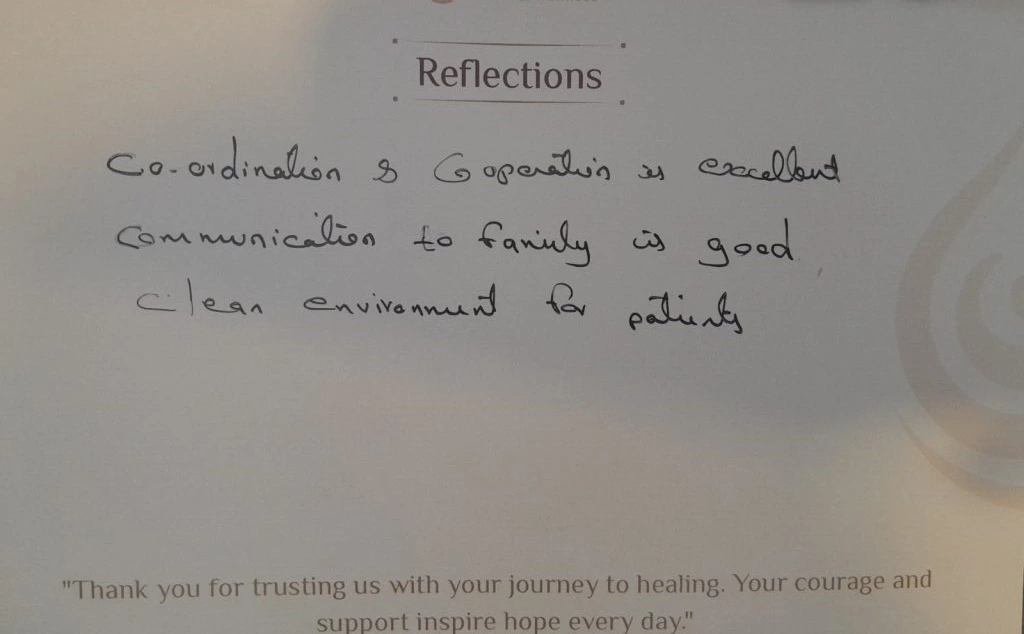
Co-ordination & cooperation is excellent. Communication to family is good. Clean environment for patients.
Former Client
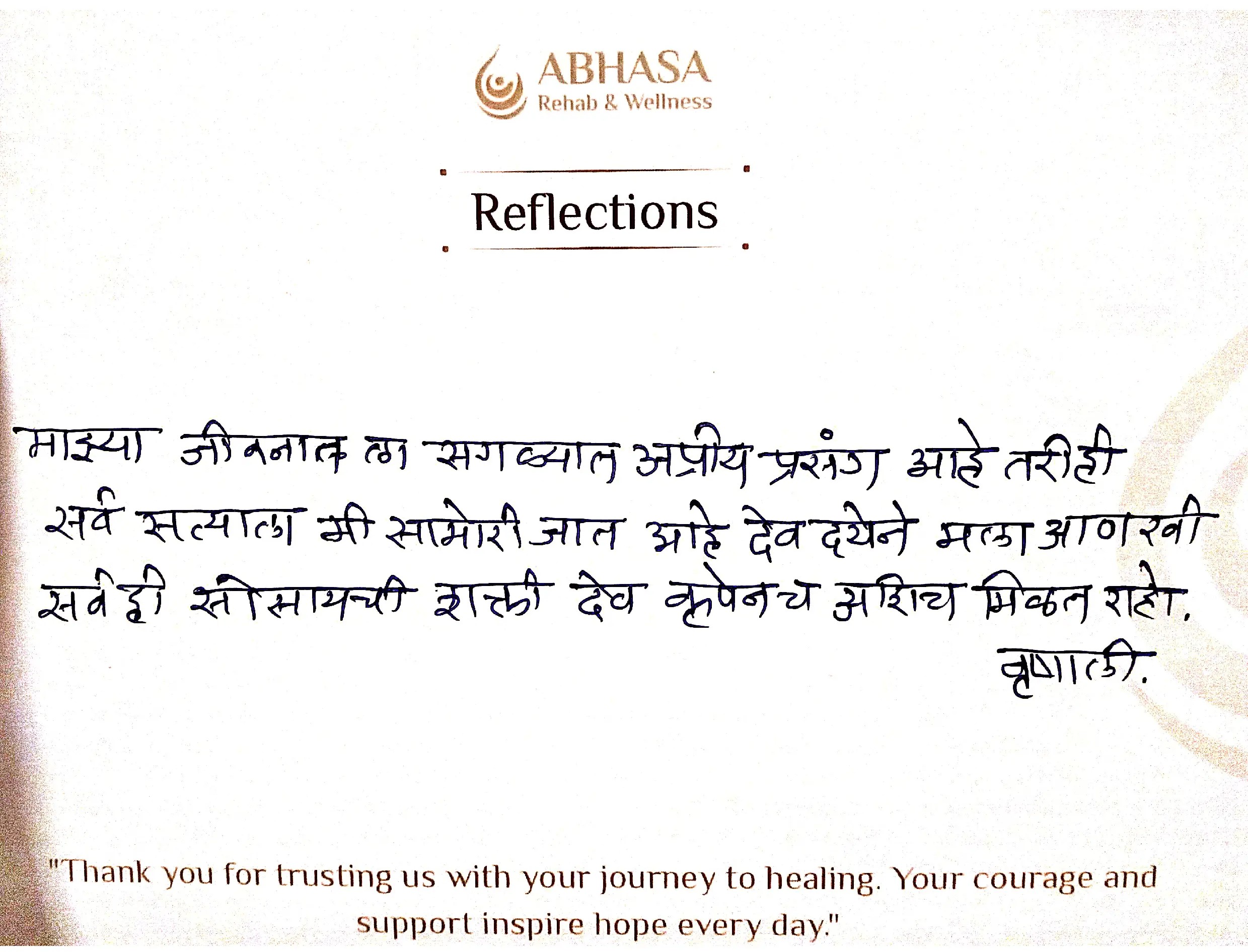
I found strength to face life’s hardest truths here. I believe it was God’s grace that brought me to Abhasa.
Former Client
Every transformation begins when you believe that change is possible.
FAQs About Tinnitus Treatment Centres
Can ENT fix ringing in the ear?
An ENT can examine your ears, rule out treatable causes, and guide you toward the next steps.[1,14] Many people begin here before moving to tinnitus treatment centres for specialised care and long-term relief options.
Can I live a long life with tinnitus?
Yes. With the right strategies from experienced tinnitus treatment centres, most people adapt well and enjoy a whole, healthy life.[2] The key is learning how to manage the condition instead of letting it control daily routines.
Can I live an everyday life with mild hearing loss?
Absolutely. With early intervention, hearing devices, and audiology treatment tailored to your needs, you can continue your lifestyle with little disruption.
Can I live with hearing loss?
Yes. Many people live well with hearing loss when they receive practical solutions, emotional support, and guidance from tinnitus treatment centres.
Can you live a whole life with tinnitus?
Yes. Through personalised care, sound-based therapies, and emotional support, tinnitus treatment centres help people return to meaningful activities and connections.
Can you live normally with tinnitus?
Yes. By learning coping skills, creating calm environments, and following guidance from tinnitus treatment centres, daily life can feel balanced again.
How can I get permanent relief from tinnitus?
A complete cure is rare, but relief is possible.[1,14] Audiology treatment and tinnitus retraining therapy can significantly reduce the noise and help you focus on what matters.
How much does hearing loss treatment cost?
The cost depends on your care plan, devices, and duration. Tinnitus treatment centres provide precise estimates after a personal consultation.
How much does tinnitus retraining therapy cost?
It varies based on program length and individual needs. A visit to tinnitus treatment centres will give you an accurate figure.
Is audiology the study and treatment of hearing disorders?
Yes. Audiology treatment is the professional field focused on assessing, diagnosing, and caring for hearing and balance conditions.
Is there a 100% cure for tinnitus?
Currently, no guaranteed cure exists.[1,14] However, tinnitus treatment centres offer therapies that can make the condition far easier to live with.
Is there any real treatment for tinnitus?
Yes. Audiology treatment plans may include sound therapy, counselling, and lifestyle guidance to improve comfort and focus.
What are the five levels of hearing loss?
They range from mild to profound. An audiology treatment assessment will identify your level and guide your care.
What is audiology treatment?
It is the assessment, diagnosis, and management of hearing and balance conditions, often including devices or therapies to improve hearing.
What is the best cure for ear ringing?
While no single cure works for everyone, tinnitus treatment centres use sound therapy, counselling, and wellness practices to reduce symptoms.
What is the best doctor to see for tinnitus?
Start with an ENT, who can then refer you to an audiologist or tinnitus treatment centres for specialised support.
What is the best therapy for tinnitus?
Tinnitus retraining therapy is among the most effective and is available at many tinnitus treatment centres.[5,6]
What is the best treatment for hearing?
The best choice depends on your type of hearing loss. Audiology treatment options range from hearing aids to therapy.
What is the best treatment for tinnitus?
A combination of sound therapy, counselling, and stress reduction, offered at tinnitus treatment centres, is often most effective.[3,4]
What is the most effective treatment for tinnitus?
Tinnitus retraining therapy, guided by experts, helps reduce the perception of ringing and supports better focus.
What kind of doctor can help with ear ringing?
An ENT or audiologist can assess and guide you toward the right tinnitus treatment centres.
What kind of doctor is best for hearing loss?
An ENT or audiologist with experience in audiology treatment is best.
Which doctor is best for tinnitus?
An ENT or audiologist specialising in tinnitus care at tinnitus treatment centres can provide targeted solutions.
Which medicine is best for ear ringing?
There is no universal medicine for tinnitus, but therapies at tinnitus treatment centres can reduce its impact.
Who is the best doctor for tinnitus?
A specialist in tinnitus care, often found at dedicated tinnitus treatment centres, will have the expertise you need.
Begin Your Journey to Silence
If you have been searching for the best tinnitus treatment centres, know that a calm, safe place is ready to welcome you. At Abhasa, we believe that effective tinnitus care in India begins with empathy, understanding, and a plan that feels achievable. You do not need to go through this alone.
The first step is simple. Contact us through a quick call, email, or message. Our team on admissions will guide you through the process, explain your options, and answer every question with clarity. We also offer a free family consultation so your loved ones understand how to support you best.
Start your journey to calm, quiet, and focus.
Proudly Serving Across Cities
- Rehab in Karjat
- Rehab in Pune
- Rehab in Navi Mumbai
- Rehab in Madurai
- Rehab in Trichy
- Rehab in Bangalore
- Rehab in Chennai
- Rehab in Thane
- Rehab in Nasik
- Rehab in Kochi
- Rehab in Mangalore
- Rehab in Mysore
- Rehab in Nasik
- Rehab in Kochi
- Rehab in Mangalore
- Rehab in Mysore
Medical Disclaimer
This content is for informational purposes only and does not constitute medical advice, diagnosis, or treatment. Tinnitus requires professional evaluation and management. Always consult qualified healthcare professionals, including ENT specialists or audiologists, before beginning any treatment program. Individual results vary significantly based on severity, underlying causes, commitment to treatment, and other health factors. No treatment outcomes can be guaranteed.
Never disregard professional medical advice or delay seeking it because of information you have read on this website. If you are experiencing sudden onset tinnitus, pulsatile tinnitus (rhythmic with heartbeat), tinnitus in only one ear, or tinnitus accompanied by dizziness or hearing loss, seek immediate medical evaluation to rule out serious underlying conditions.
Resources
Research Citations (15 Core Sources)
[1] National Institute on Deafness and Other Communication Disorders (NIDCD)
“What Is Tinnitus? — Causes and Treatment”
https://www.nidcd.nih.gov/health/tinnitus
Government source – NIH official patient information
[2] Jarach CM, Lugo A, et al.
“Global Prevalence and Incidence of Tinnitus: Systematic Review and Meta-analysis”
https://pmc.ncbi.nlm.nih.gov/articles/PMC9361184/
Peer-reviewed meta-analysis – JAMA Otolaryngology 2022
[3] Martinez-Devesa P, Perera R, Theodoulou M, Waddell A
“Cognitive Behavioural Therapy for Tinnitus”
https://pmc.ncbi.nlm.nih.gov/articles/PMC3936550/
Cochrane Review – Gold standard evidence
[4] Fuller T, Cima R, et al.
“Cognitive Behavioural Therapy for Tinnitus (2020 Update)”
https://www.cochrane.org/CD005233/ENT_cognitive-behavioural-therapy-for-tinnitus
Cochrane Review – 28 RCTs analyzed
[5] Jastreboff PJ
“Tinnitus Retraining Therapy”
https://pubmed.ncbi.nlm.nih.gov/17956806/
Peer-reviewed – Original TRT methodology
[6] Jastreboff PJ, Jastreboff MM
“TRT for Patients with Tinnitus and Decreased Sound Tolerance”
https://pubmed.ncbi.nlm.nih.gov/12856300/
Peer-reviewed – Clinical outcomes, 80%+ improvement rate
[7] Rademaker MM, Stegeman I, et al.
“Effect of Mindfulness-Based Interventions on Tinnitus Distress: Systematic Review”
https://pmc.ncbi.nlm.nih.gov/articles/PMC6838968/
Peer-reviewed systematic review – 7 studies, 425 patients
[8] McKenna L, Marks EM, Hallsworth CA, Schaette R
“Mindfulness-Based Cognitive Therapy for Chronic Tinnitus: RCT”
https://pubmed.ncbi.nlm.nih.gov/29131084/
Peer-reviewed RCT – MBCT significantly superior to relaxation
[9] Bakhsh H, Gupta A
“Effect of Yoga and Meditation on Tinnitus: Systematic Review”
https://pubmed.ncbi.nlm.nih.gov/33691808/
Peer-reviewed systematic review – Positive effects on severity and stress
[10] Cima RFF, Mazurek B, Haider H, et al.
“Current State of Tinnitus Diagnosis and Treatment: Multidisciplinary Perspective”
https://pmc.ncbi.nlm.nih.gov/articles/PMC11528090/
Peer-reviewed – Journal of ARO 2024, personalized care needs
[11] American Speech-Language-Hearing Association (ASHA)
“Counseling in Audiology and Speech-Language Pathology”
https://www.asha.org/practice-portal/professional-issues/counseling-in-audiology-and-speech-language-pathology/
Professional organization – ASHA practice guidelines for family support
[12] Dawes P, Cruickshanks KJ, et al.
“Relationship Between Diet, Tinnitus, and Hearing Difficulties”
https://pmc.ncbi.nlm.nih.gov/articles/PMC7664714/
Peer-reviewed – UK Biobank data on vitamin B12, dietary patterns
[13] De Ridder D, Vanneste S, et al.
“The Role of Diet and Lifestyle in Tinnitus Management: Comprehensive Review”
https://pmc.ncbi.nlm.nih.gov/articles/PMC11137645/
Peer-reviewed review 2024 – Mediterranean diet recommendations
[14] Tunkel DE, Bauer CA, Sun GH, et al.
“Clinical Practice Guideline: Tinnitus”
https://pubmed.ncbi.nlm.nih.gov/24909056/
Clinical guidelines – AAO-HNS official treatment recommendations
[15] American Tinnitus Association
“Support Services and Educational Programs”
https://www.ata.org/
Professional organization – Leading tinnitus advocacy and family resources