
Luxury Schizoaffective Disorder Rehab Centre in India

Schizoaffective disorder isn’t the end of balance. Abhasa’s therapies and safe spaces help you restore stability and peace.
Private consultation. No pressure.
2:1 Staff-to-client ratio
3 Healing Spaces
Personalised Treatments
360° Healing
2:1 Staff-to-client ratio
3 Healing Spaces
Personalised Treatments
360° Healing
Gallery
Luxury Schizoaffective Disorder Rehab Centre in India

At a schizoaffective disorder treatment centre, one of the first things families often say is, “I just don’t understand what’s happening to my loved one.” Schizoaffective disorder is confusing, not just for the person going through it, but for the ones who love them.[1,2]
One day, your loved one is full of energy, talking fast, hopeful about life.
The next, they’ve withdrawn… barely speaking… lost in a world you can’t reach.
It’s not just mood swings. And it’s not just psychosis.
It’s both layered and unpredictable.[2]
Caring for someone with schizoaffective disorder often means living with uncertainty, hoping for stability, managing the fear of relapse, and holding onto moments of connection when they come.
As one of the top luxury schizoaffective disorder rehab centres in India, we do things differently at Abhasa. We don’t believe healing happens through force or formulas. Instead, we offer space, empathy, and guidance at a pace that respects your loved one’s emotional reality.
Nestled in nature, our residential schizoaffective rehab centre feels more like a sanctuary than a clinic. Here, routines are gentle, days are structured to feel steady, and care is always personalised. Clients move through their recovery with privacy, dignity, and quiet encouragement. With family-inclusive care, weekly updates, and guidance sessions, we help you understand and be part of your loved one’s journey.
Regain Balance One Step at a Time
Understanding Schizoaffective Rehabilitation and Residential Rehab
Many people believe that schizophrenia can only be treated with pills or hospital stays. But that’s not true. Rehabilitation in schizophrenia is about helping someone rebuild their daily life, their confidence, and their ability to function, even if the condition doesn’t entirely go away.
What Is Schizoaffective Disorder Rehabilitation?
Schizoaffective disorder rehabilitation is not just about symptom management. It’s about creating the right space, structure, and support to help people reconnect with themselves. At its core, rehab provides an emotionally safe environment where healing can unfold gently and purposefully.[5]
At Abhasa, we approach schizoaffective rehab with empathy and adaptability. Some days are filled with creativity and expression. Other days call for quiet and rest. This flexible care structure supports clients’ needs as they shift from moment to moment.
What Happens in Residential Schizoaffective Rehab?
Choosing residential schizoaffective rehab means choosing consistency in the face of internal chaos.[6,7] Clients benefit from a calm, nature-anchored environment where daily life follows a gentle rhythm: wake up, nourish, move, reflect, rest, and connect. Each activity has a purpose, helping regulate emotions and foster self-trust.
Structured therapies and unstructured healing time are carefully balanced. Through art, music, talk therapy, or mindfulness practices, clients explore tools that help them cope with emotional highs, confusion, or isolation. Over time, this builds emotional regulation and personal resilience.
Why Residential Support Is So Transformative
Unlike outpatient care or clinical interventions, our residential setting offers complete immersion in a healing lifestyle. At Abhasa, the entire environment is tuned for recovery, from the softness of morning routines to the supportive presence of our expert team.
Families are included in this rhythm, too. With regular updates, education, and dedicated support calls, you become an active part of your loved one’s recovery journey. This model of care doesn’t just stabilise; it rebuilds confidence, relationships, and a sense of inner safety.[5]
A Safe, Supportive Pathway Starts Here
What Is Schizoaffective Disorder Rehabilitation?
Schizoaffective disorder rehabilitation is not just about symptom management. It’s about creating the right space, structure, and support to help people reconnect with themselves. At its core, rehab provides an emotionally safe environment where healing can unfold gently and purposefully.[5]
At Abhasa, we approach schizoaffective rehab with empathy and adaptability. Some days are filled with creativity and expression. Other days call for quiet and rest. This flexible care structure supports clients’ needs as they shift from moment to moment.
What Happens in Residential Schizoaffective Rehab?
Choosing residential schizoaffective rehab means choosing consistency in the face of internal chaos.[6,7] Clients benefit from a calm, nature-anchored environment where daily life follows a gentle rhythm: wake up, nourish, move, reflect, rest, and connect. Each activity has a purpose, helping regulate emotions and foster self-trust.
Structured therapies and unstructured healing time are carefully balanced. Through art, music, talk therapy, or mindfulness practices, clients explore tools that help them cope with emotional highs, confusion, or isolation. Over time, this builds emotional regulation and personal resilience.
Why Residential Support Is So Transformative
Unlike outpatient care or clinical interventions, our residential setting offers complete immersion in a healing lifestyle. At Abhasa, the entire environment is tuned for recovery, from the softness of morning routines to the supportive presence of our expert team.
Families are included in this rhythm, too. With regular updates, education, and dedicated support calls, you become an active part of your loved one’s recovery journey. This model of care doesn’t just stabilise; it rebuilds confidence, relationships, and a sense of inner safety.[5]
A Safe, Supportive Pathway Starts Here
Unsure if residential rehab is right for your loved one?
Why Choose Residential Rehab for Schizoaffective Disorder

When Support at Home Feels Overwhelming
For many families, managing schizoaffective disorder at home can feel like walking a tightrope. You may try to be patient, attentive, and strong. However, the emotional ups and downs can be hard to track and support consistently. It’s exhausting when you’re unsure whether to intervene or step back when every slight shift brings anxiety.

The Gaps in Outpatient or Short-Term Care
Outpatient sessions can help, but when a person is overwhelmed or struggling with both mood and perception, weekly appointments may not be enough.[6] There are too many hours in between, too many chances to spiral. What’s missing is the structured environment, daily rhythm, and the constant emotional presence that helps calm the chaos.

How Residential Schizoaffective Rehab Creates Real Change
At Abhasa, our residential schizoaffective rehab offers a different way forward. Here, your loved one is surrounded by 24/7 support. They’re gently guided into routines that are grounding but not rigid—designed to bring back a sense of self, day by day.
Mornings begin slowly, with space to wake up without pressure. Nourishing meals, guided therapy sessions, creative exploration, and quiet reflection weave through the day. It’s not about doing more but finding a rhythm that helps your loved one feel safe and seen.
And when difficult emotions surface, someone is always there, not with judgment but with care.

The Benefits of Schizoaffective Disorder Rehabilitation
- 24/7 Emotional Support: A compassionate team is always nearby to offer care in moments of need, both big and small.[7]
- Predictable Daily Structure: Gentle routines that help reduce anxiety, build consistency, and restore trust in daily life.[5]
- Nature-Integrated Setting: Serene, green surroundings that support sensory calm and emotional regulation.
- Creative Therapies: Access to music, art, movement, and other outlets that aid self-expression when words fall short.
- Family Involvement: You’re an active part of the process—with education, check-ins, and support that helps you support your loved one.
Long-Term Tools for Stability: Clients leave with practical ways to manage life beyond rehab, from coping techniques to lifestyle changes.

Families Find Space to Breathe Again
You’re no longer trying to manage everything on your own. You’re supported, too, with updates, communication, and a team that understands what it means to love someone with a complex condition.
You’re no longer on the outside of their healing. You’re part of it. Stability Begins with Structure
Why Families Trust Abhasa Rehab & Wellness
Because care should feel as personal as family
At Abhasa, we understand that when a loved one is living with schizoaffective disorder, the entire family feels the weight of it. That’s why we’ve built more than just a luxury schizoaffective rehab. We’ve created a sanctuary where families feel heard, supported, and included.
Our approach goes beyond structured therapy. From the first call, you’re met with empathy. Families arrive carrying years of questions, fatigue, and silent hope. What they find here is not just help but warmth and space to breathe, talk, and trust again.
This is one of the reasons Abhasa is counted among the best schizoaffective treatment centres in India. We don’t just care for conditions. We care for people.
Tailored healing that evolves with your loved one
No two journeys look alike. That’s why, at Abhasa, every plan is flexible and personalised. Whether adjusting therapy styles or building daily rhythms that work, we pay close attention. Your loved one is not a case file here. They are known, understood, and cared for in ways that truly fit.
Our team adapts as your loved one grows. This level of individual attention is rare and is one of the many reasons families place their trust in our hands.
Where therapy meets wellness and science blends with soul.
Families often say, “Abhasa just feels different.” And they’re right. Alongside clinical guidance, we bring holistic practices supporting mind and body. Everything we offer, from yoga and breathwork to art therapy and nature walks, promotes emotional regulation and inner calm.
This fusion of ancient healing and modern science sets Abhasa apart as a luxury schizoaffective rehab. Our environment is not cold or clinical but restorative in every sense.
Support that never sleeps
Recovery can feel uncertain, especially at night or during moments of emotional overwhelm. At Abhasa, you’re never alone. With 2:1 staff-client support, round-the-clock medical and emotional care, and calm private rooms, families rest easier knowing their loved one is truly supported.
When care feels this complete, families stop surviving and start healing.
Meet Our Schizoaffective‑Recovery Experts
The People Who Make Healing Possible at Our Schizoaffective Disorder Rehabilitation Centre
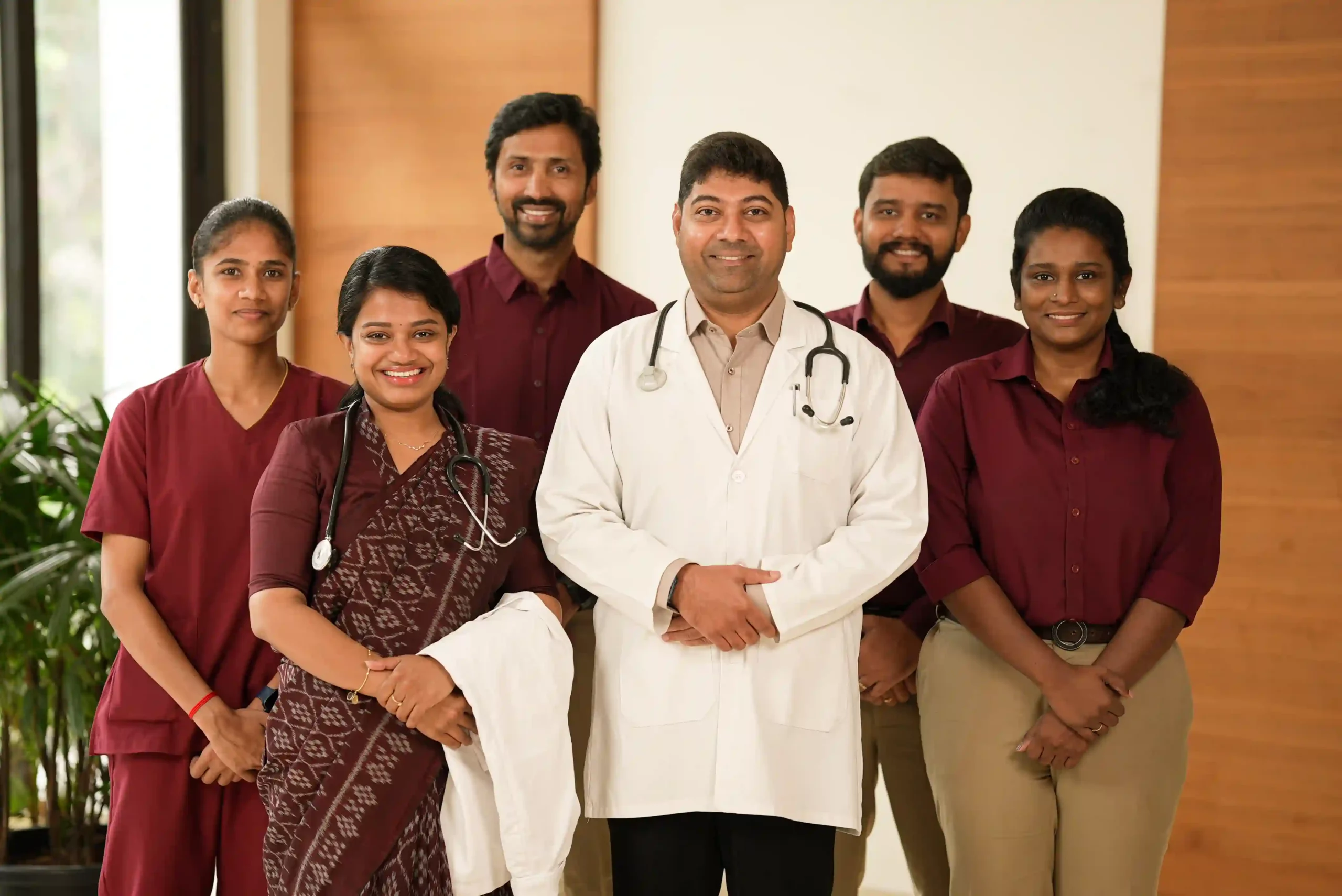
At Abhasa, we believe recovery is a collective journey unfolding through care, connection, and consistency. Every individual who enters our schizoaffective disorder rehabilitation centre is supported by a thoughtfully assembled team that combines clinical skill with human warmth.
From therapists and coaches to wellness experts and support staff, each professional is here for more than just their role. They are here to listen, guide, and walk alongside each client with patience and respect. That’s why families across the country choose Abhasa as one of the top schizoaffective treatment centres in India, not just for our environment but for the people who shape it.
Our experts collaborate daily, tailoring real-time support based on how a client feels, copes, and progresses. Because healing isn’t about checking boxes but being met, understood, and gently moved forward.
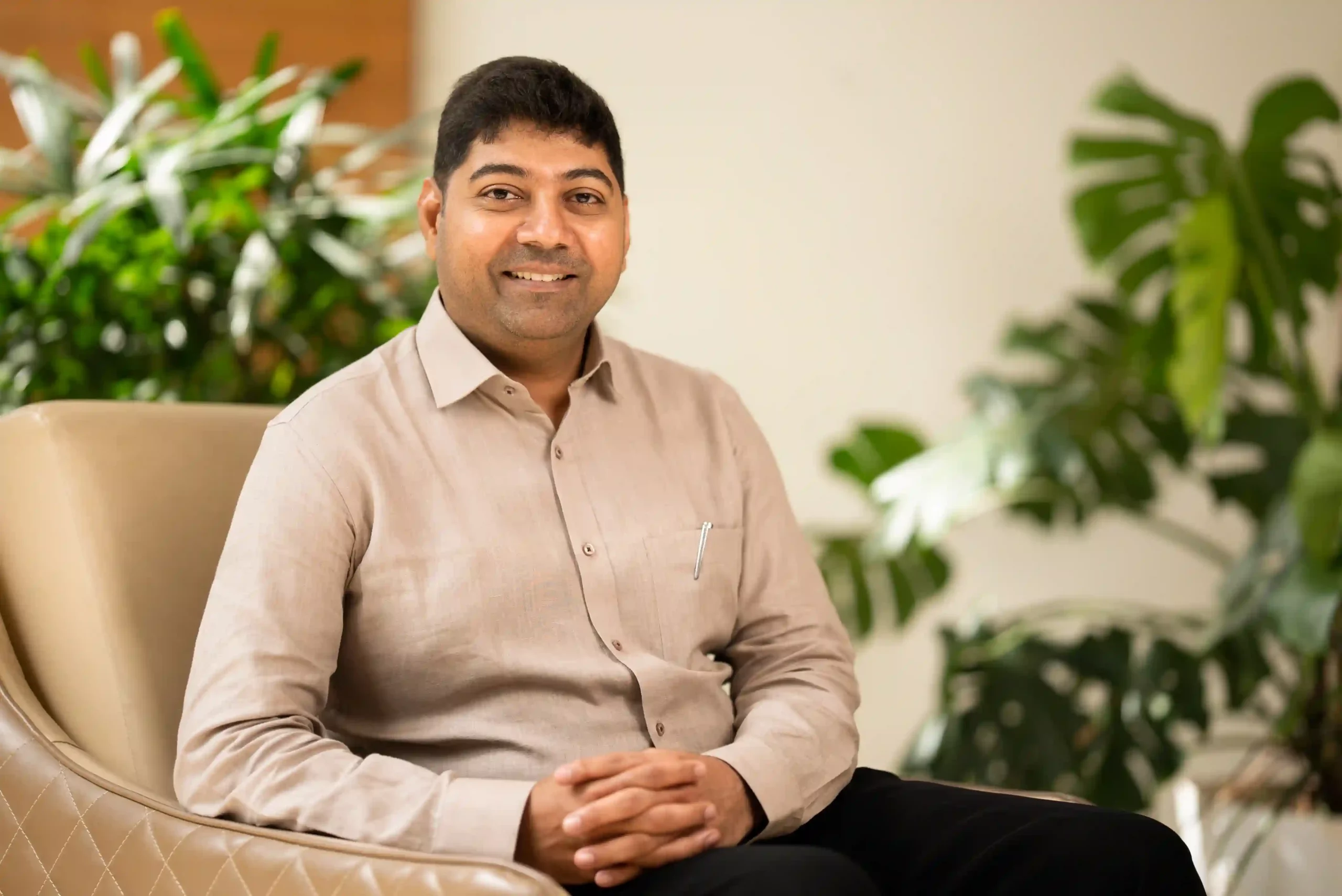
Dr. Naveen Kumar
Medical Director
15+ years of expertise in psychiatry and addiction recovery.

Dr. Vivek Sharma
Consultant Psychiatrist & Neurofeedback Practitioner
With over 15+ years of experience in psychiatry and neurofeedback, he blends medical expertise and compassion to guide clients toward lasting recovery.

Dr. Shree Aarthi
Consultant Psychiatrist
15+ years providing expert psychiatric care for mental health and substance use disorders.

Dr. Ramalingam P Kandaswamy
Consultant Physician
15+ years With over 5 years of experience in HIV and infectious diseases, he brings global expertise and compassionate care to every patient he supports.

Dr. Divya
Psychiatrist
10+ years combining clinical psychiatry expertise with healthcare management for holistic treatment.

Dr. Malarvilzhi
Residential Medical Officer
12 years delivering comprehensive medical care in psychiatric and rehabilitation settings.

Dr. Karuppachamy
Senior Psychiatric Social Worker
22+ years of experience empowering clients through therapeutic guidance, psychosocial support, and lived-experience wisdom.

Ms. Meera
Senior Clinical Psychologist
9+ years specializing in psychological assessment and evidence-based therapeutic interventions.

Mrs. Priyadarshini
Head Clinical Psychologist

Mr. Mukesh Kanna
Clinical Psychologist
2+ years providing psychological interventions for behavioral health and emotional wellness.

Mr. Antipas Jayabal
Clinical Psychologist
2+ years supporting clients through clinical assessment and therapeutic care.
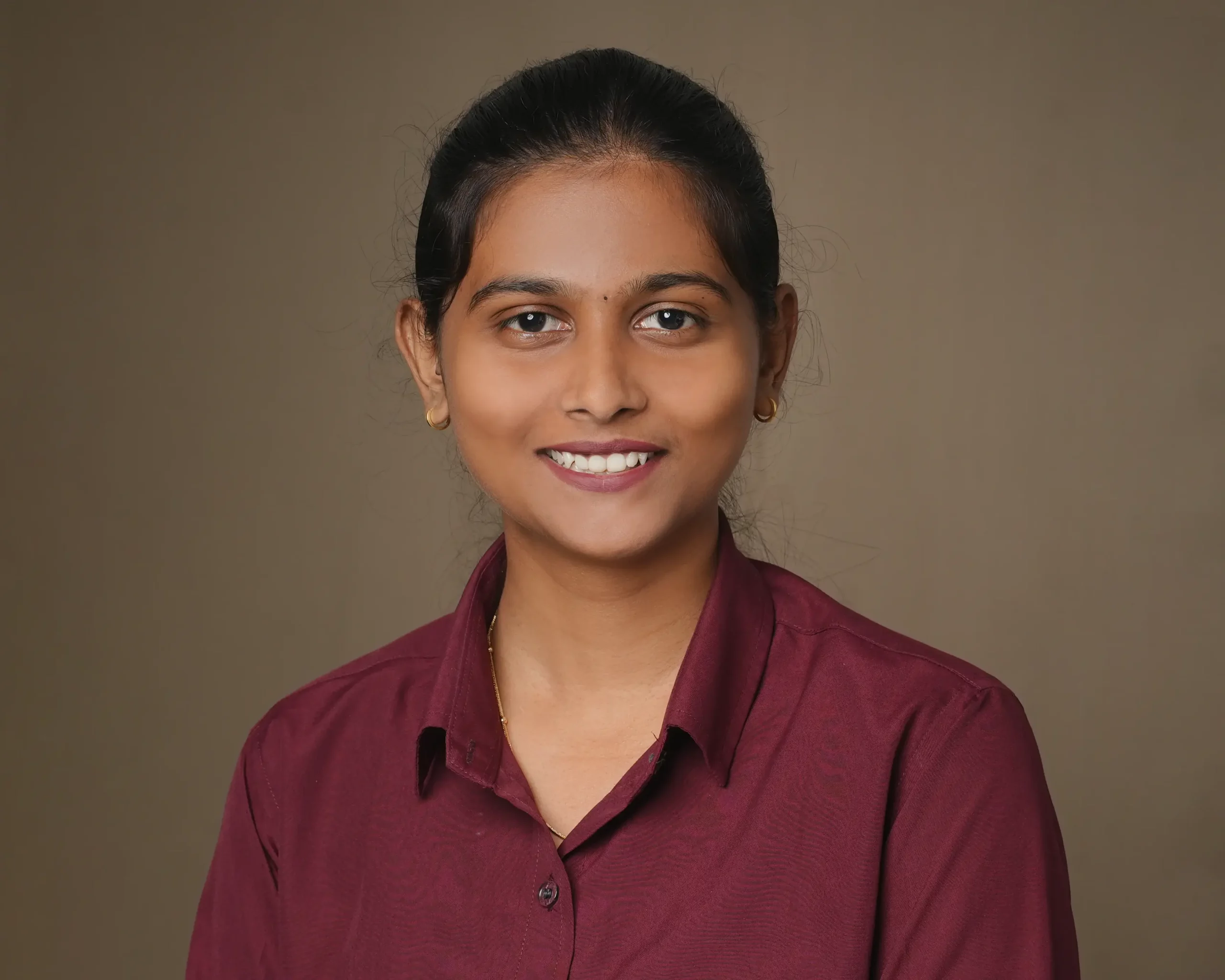
Ms Keerthana S
Psychologist
Empathetic psychologist with 4 years’ experience in handling mental health disorders, using evidence-based psychotherapies for personalized client care.
Inside Our Residential Programme for Schizoaffective Disorder
Not every schizoaffective rehab centre takes the same approach. Many follow a familiar path: observe, medicate, monitor, and repeat. At Abhasa, we do things differently. We don’t just aim to reduce symptoms. We focus on restoring the person behind the symptoms gently, layer by layer.
Abhasa, recognised as among the best private schizoaffective rehabilitation centres in India, offers a healing space. Here, recovery is not attained through control but with the essence of science and compassion.

Step One: Gaining Clarity Before Taking Action
Instead of jumping to fix things, we truly take time to see the person before us. That means listening closely, noticing patterns, and asking the right questions. This early stage is about understanding what lies beneath the surface, what’s stirring the emotional waves, what keeps repeating, and what kind of support would help. It’s this clarity that shapes a path forward, one that feels considered, respectful, and personal.[1,3]
Pattern mapping to identify personal triggers and stress points
Behavioural observation periods led by our team of clinicians
One-on-one conversations with psychologists to gently explore the lived experience
This stage is focused on understanding what’s happening beneath the symptoms.
Step Two: A Dynamic Plan for Healing
Healing starts as one unfolds one’s inner turmoil. The triggers, root causes and circumstances are different for every individual. At Abhasa, we believe in the fundamental concept of recovery: strict plans do not help. So, we tailor-make a recovery plan that suits every individual and changes daily based on your progress.[5]
From private suite preferences to daily therapy selections, every detail is shaped by individual comfort and response.
Step Three: Recovery That Works in Layers
What sets Abhasa apart from many other schizoaffective rehab centres is our multi-dimensional approach. Healing happens in layers, and we honour each one.
Mind-body practices like yoga and journaling to gently rewire stress responses
ABC Emotional Insight Model helps individuals understand the connection between trigger, response, and consequence
Life skills development through daily structure and supported decision-making
Clinical therapy, including trauma-informed sessions tailored to mood fluctuation patterns
Neuro-regulation tools such as breathwork and biofeedback to build emotional control over time
Each layer works together as a fluid, integrated care system, not as isolated interventions.[5,7]
Personalised Healing, One Step at a Time
At Abhasa, recovery is never rushed. We walk with each person through the highs and lows, the questions and the quiet wins. Families often tell us what makes our private schizoaffective rehabilitation programme feel different is this: we see the human first, not just the condition.
A Typical Balanced Day at Abhasa's Schizoaffective Rehab

At Abhasa, we understand that structured living for schizoaffective care isn’t about rigid rules but rhythm. Many clients come to us from unpredictable routines, emotional highs and lows, or long periods of disconnection from self and surroundings. What they need isn’t more pressure. They need gentle structure. The predictability that feels safe. A pace that makes healing feel possible.
Our daily rhythm is designed to support this. Blending therapeutic sessions, creative expression, and mindful rest daily at Abhasa becomes a soft container for progress.
At Abhasa, this isn’t just a schedule. It’s the foundation of emotional steadiness. It’s how structured living for schizoaffective disorder becomes part of daily life, not as an obligation but as support.
Creative Therapies & Wellness Activities
Healing takes many forms, and at Abhasa, we believe creativity is one of the most powerful paths toward emotional recovery. For individuals navigating the complexities of schizoaffective disorder, healing doesn’t always begin with words. It starts with movement, colour, connection, and quiet reflection. That’s why our holistic schizoaffective care includes a thoughtfully curated range of expressive and restorative therapies.
Music touches parts of the self that words can’t always reach. Guided music sessions at Abhasa allow clients to explore emotions through rhythm, melody, and sound. Music therapy provides a gentle space for emotional regulation and inner calm, whether listening, composing, or simply being present in the moment.[10]
Clients can express what may be challenging through painting, pottery, or working with texture and form. Art therapy supports the release of emotional buildup. The activity helps to identify and understand thought patterns. The very understanding of thoughts, emotions and feelings becomes an essential part of long-term stability and life skills after rehab.[8,9]
Healing at Abhasa happens both indoors and out. Gentle walks through our nature-rich campus help reduce overstimulation and bring a sense of groundedness. Being surrounded by trees, birdsong, and open skies provides a natural reset for the nervous system.[11,12]
We offer yoga, breathwork, and gentle stretching routines that align body and mind. These practices soothe the nervous system and help clients reconnect with their physical presence, which is critical in structured living for a schizoaffective recovery model.[11]
Every space at Abhasa is created to restore calm and support healing at every level.
Spaces That Heal: Amenities Designed for Emotional Safety
We’ve created spaces that don’t just look beautiful; they work hard behind the scenes to support emotional regulation and balance.
Our Amenities
Clients at Abhasa have access to calming, purpose-driven spaces that make everyday routines feel healing:
- A fully equipped gym to help regulate energy and build strength
- Basketball court for structured release and teamwork
- Indoor games and board games for social interaction and focus
- Outdoor games and trekking to reconnect with the body and natural world
- Library nooks to rest the mind through gentle stimulation
- Chai corners for slow, pressure-free social time
- Spa and salon areas that support sensory regulation and body care
Weekend activities such as pottery, birdwatching, or food truck evenings are offered based on availability, giving clients safe, joyful ways to rediscover leisure without overwhelm.
- 24/7 security and compassionate staff presence
- Crisis support is always available
- Private, low-stimulation environments to rest and regroup
These spaces, routines, and sensory-friendly experiences aren’t afterthoughts—they’re part of how life skills after rehab are built naturally at Abhasa.
Personalised Care Plans That Support Growth and Stability
We don’t hand over a fixed routine. Instead, we co-create a care plan that evolves. Through person‑centred therapy for schizoaffective disorder, our team continually adjusts the rhythm of support to reflect each individual’s progress, setbacks, and shifting needs.[5]
Our initial assessments are layered and intentional:
- QEEG brain mapping to understand neurological patterns
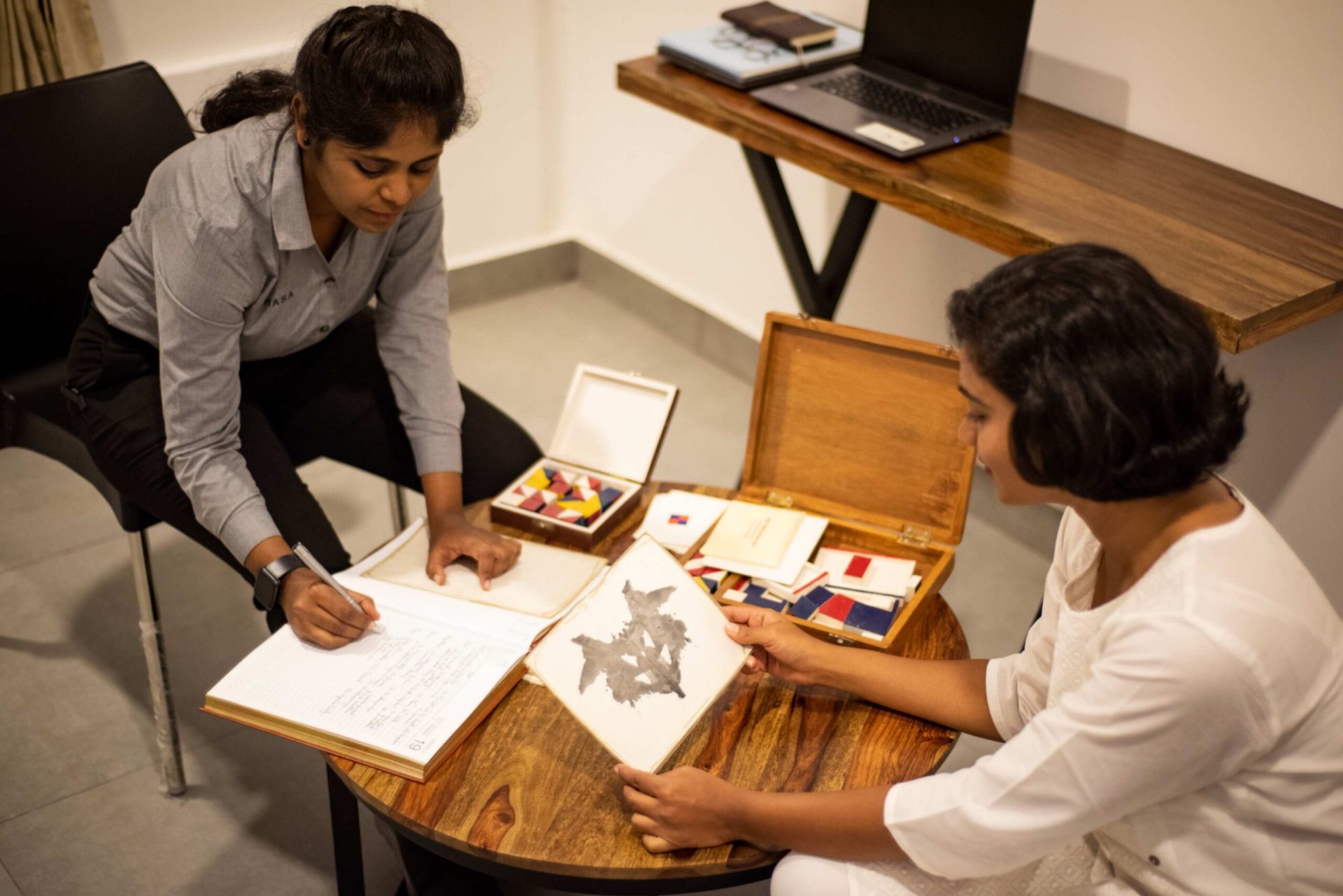
- Psychometric testing to uncover cognitive and emotional responses
- Daily team observations and insights from family members
These insights shape a dynamic care plan that honours how each person feels safe, learns to self-regulate, and begins to trust again.

Healing at Abhasa extends far beyond therapy rooms. Our relapse‑prevention coaching is an essential part of the journey. Clients use trigger journaling to identify specific triggers behind emotional shifts and develop calming techniques that ground them during the overwhelm.[13,14]
These aren’t abstract strategies. They’re day-to-day tools that help build resilience and reduce the likelihood of relapse.

As clients approach transition, we prepare them and their families for life after rehab. We introduce flexible daily routines, goal-tracking systems, and emotional safety plans. Families are included every step of the way, helping co-create a post-rehab support system that feels doable, not daunting.
Our transition toolkit includes:
- Tapered medication plans
- Communication and boundary-setting guidance
- A step-in protocol if emotional patterns shift again
Because proper recovery means knowing what to do when life feels unpredictable.

Family Involvement in Schizoaffective Rehab
When someone you love is living with schizoaffective disorder, the emotional toll on the family can be invisible but heavy. The long nights, the second-guessing, the quiet worry that no one else sees. At Abhasa, we see it and support it every step of the way.
That’s why family involvement in schizoaffective rehab isn’t a side note in our program. It’s part of the foundation.

At Abhasa, meaningful recovery includes those who’ve been there all along. That’s why we create consistent, compassionate systems to bring you into the journey, not leave you out.[13,14]
Here’s how we support families at Abhasa:
- Daily Routine Updates: Short, clear reports that answer the questions that keep you up at night. Are they sleeping well? Did they eat? How are they doing emotionally?
- Weekly Case Manager Calls: A 15-minute space to ask what’s on your mind, clarify doubts, and feel heard, not rushed.
- Monthly Clinical Reviews: In-depth 60-minute calls with our therapeutic team to track progress, discuss goals, and align strategies.
This is how family involvement in schizoaffective rehab becomes something you can rely on. It’s not overwhelming or occasional, it’s steady, structured support.

We don’t expect families to know what to do. That’s why we offer psychoeducation sessions designed to give you real, usable knowledge, not clinical jargon.
You’ll learn:
- What schizoaffective disorder does to mood, thought, and nervous system regulation
- How to respond in moments of emotional intensity or withdrawal
- How to manage your emotional load so you don’t burn out
- Practical tools for boundary setting and communicating with empathy[13,14,15]
These aren’t just tips, they’re emotional lifelines. When you know why something is happening, your response comes from calm, not fear.

Family therapy sessions at Abhasa are more than check-ins. They’re guided spaces to repair trust, revisit patterns, and start healing emotional wounds that schizoaffective disorder may have deepened.[15]
Sometimes, it’s the first time in a long while a family has spoken openly and safely. And we’re here to guide that space with compassion and clarity.
True healing doesn’t just change the individual; it restores the relationships that give life meaning.
A Safe, Private and Serene Setting for Your Schizoaffective recovery
Schizoaffective recovery doesn’t always begin in a therapy room. Sometimes, it starts in stillness with a quiet moment under the trees. In the warm sunlight on your skin or the reassurance of simply being in a place that asks nothing from you except that you rest and be. doesn’t the kind of environment we’ve created at Abhasa.
As a luxury schizoaffective rehab in India, it is not a clinical facility. It’s a sanctuary. A space designed intentionally to offer safety, emotional calm, and gentle privacy for those navigating the complexities of schizoaffective disorder. We know how overwhelming the outside world can be when your moods shift suddenly, and your thoughts feel disconnected. That’s why every part of our environment, from your private It’s to the garden view outside, is built to ease your nervous system and invite you to breathe deeper.
You’re not here to be fixed. You’re here to feel safe enough to start again.

Nature-based Healing at Our Private Schizoaffective Treatment Centre
At Abhasa, healing extends beyond therapy sessions. Our surroundings are part of the care. Quiet paths by the trees, open skies that stretch wide, and green spaces will be your gentle companions rather than scenery.
These moments are not just beautiful. They’re grounded in nature at our private schizoaffective treatment centre to experience calm, rebuild internal rhythm, and reconnect with the world in a quiet, manageable way.
Spa and Wellness Spaces for Emotional Ease
Recovery also has small moments of comfort, like a warm oil massage, the subtle scent of lavender, or a quiet spaThey’reip tea in silence. Our spa and wellness facilities are part of what makes Abhasa a luxury schizoaffective rehab in India. These spaces offer rest not just for the body but for the emotions, too.
Clients can unwind in peaceful lounges, reconnect with their senses through aromatherapy, and begin to trust that healing is possible and even enjoyable.
Designed with Calm in Every Detail
From the natural materials used in our architecture to the colours that line the walls, everything at Abhasa is intentionally chosen to soothe. Open windows invite in natural light. Soft tones reduce visual noise. Spaces feel expansive yet contained, never overwhelming, always welcoming.
Nothing about our environment is accidental. It’s all part of our holistic approach to schizoaffective disorder rehabilitation. Recovery needs more than structure; it needs surroundings that speak to your senses, hold space for your vulnerability, and support your courage to begin again.
Where Emotional Safety Comes First
Stories of Hope: Life After Rehab for Schizoaffective Disorder
Healing doesn’t always come with significant breakthroughs. Sometimes, it starts quietly; you’ve had a full night’s sleep after weeks of restlessness, the first unhurried meal, or simply making eye contact again. At Abhasa, we see these small, powerful moments every day.
Each story is deeply personal. They’re not just about overcoming symptoms but connecting with themselves and the world around them. From feeling overwhelmed and rediscovering calm and clarity, these steps show that healing is possible and lasting with the proper support.
Every person who visits our schizoaffective rehabilitation centre brings with them unique struggles with uncertainty. Their energy may feel scattered. Their connection to others may be strained. And for their families, the exhaustion is often just as profound.
However, within the identity and structure of our programme, we begin to see subtle yet powerful changes.
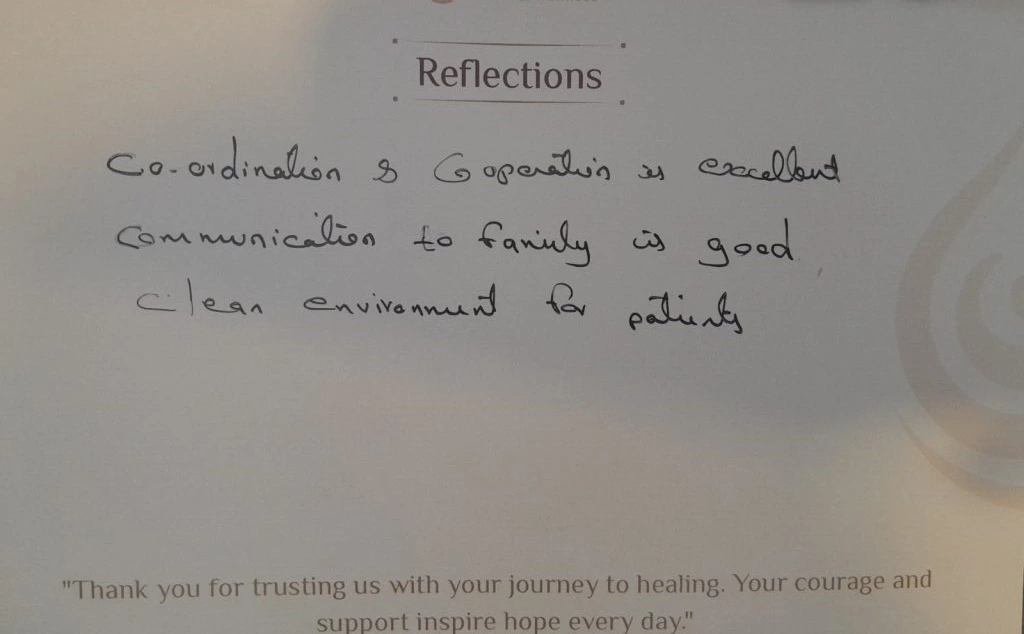
Co-ordination & cooperation is excellent. Communication to family is good. Clean environment for patients.
Former Client
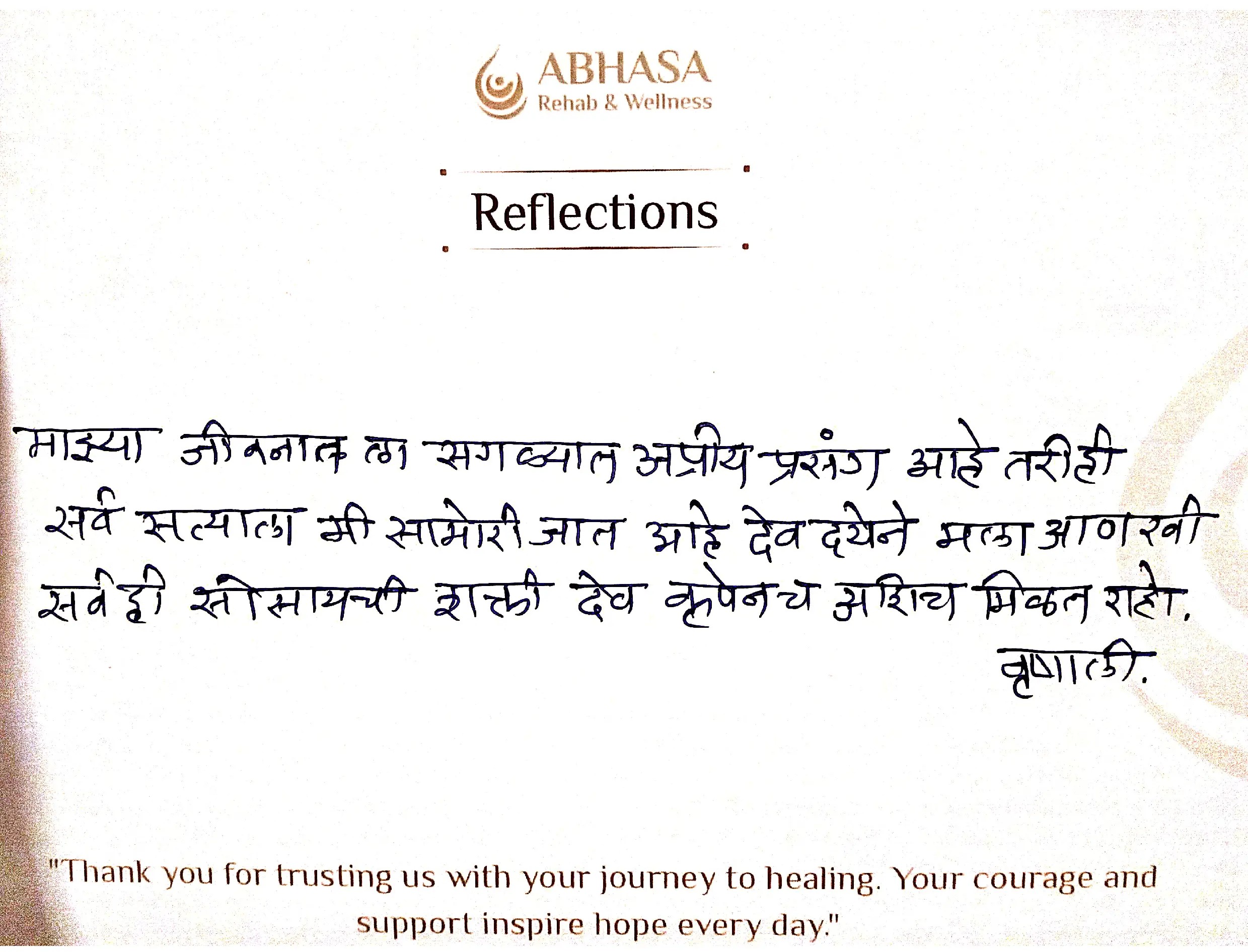
I found strength to face life’s hardest truths here. I believe it was God’s grace that brought me to Abhasa.
Former Client
FAQs About Schizoaffective Rehabilitation
Can a schizoaffective person live alone after rehab?
Does schizoaffective disorder ever go away?
While the condition may not entirely disappear, life can become more manageable with the right environment and ongoing care.[2] With the support of a trusted schizoaffective treatment centre, many people experience long-term stability and improved quality of life.
How do I manage schizoaffective disorder without medication?
Medication is typically an essential component of schizoaffective disorder treatment, as recommended by clinical guidelines.[1,3,4] Any changes to medication should only be made under close psychiatric supervision. At Abhasa, we complement medical treatment with structured routines, therapeutic support, and wellness strategies – but these are additions to, not replacements for, psychiatric care.
What daily routine helps stabilise schizoaffective moods?
What therapy is best for schizoaffective individuals?
How long does residential schizoaffective rehab last?
What kind of goals are set in a schizoaffective treatment plan?
Is schizoaffective disorder curable?
There’s no one cure, but there is consistent support.[2] People find peace, purpose, and a strong sense of self with the proper guidance. Recovery here means regaining control, not perfection.
How can family support schizoaffective recovery?
What happens after discharge from a schizoaffective rehab centre?
Blog & Resources for Ongoing Schizoaffective Recovery
Recovery doesn’t stop at discharge. At Abhasa, we understand that the healing continues long after residential care ends. That’s why we’ve created the Abhasa Schizoaffective Recovery Blog, a thoughtful collection of stories, reflections, and resources to support you long after discharge. Whether seeking gentle guidance or a more profound Recovery, our articles cover everything from real-life experiences to family support and everyday emotional balance.


Sugar Cravings After Quitting Alcohol – Why They Happen and What They Mean
Shame vs Guilt in Addiction Recovery: Understanding the Difference

Why Relapse Is a Process, Not a Failure: A Clinical Perspective
Begin Your Journey Toward Stability
Starting the path to healing is not always easy, especially when schizoaffective disorder has created years of emotional confusion, doubt, or instability. But deciding to seek help is a sign of courage; you don’t have to take that step alone.
Recognised as one of the top schizoaffective treatment centres in India, we offer a place where care is gentle, support is steady, and recovery is grounded in real-life connections.
Whether you’re just waiting to seek help or have tried other options that didn’t feel quite right, our residential schizoaffective rehab programme is designed to welcome you in with calm, not pressure. Healing at Abhasa isn’t about rushing change. It’s about creating emotional safety, personal rhythm, and genuine connection for the individual and their family.
With us you’re not just beginning a treatment. You’re starting a new chapter, supported by a team that truly sees you.
Proudly Serving Across Cities
- Rehab in Karjat
- Rehab in Pune
- Rehab in Navi Mumbai
- Rehab in Madurai
- Rehab in Trichy
- Rehab in Bangalore
- Rehab in Chennai
- Rehab in Thane
- Rehab in Nasik
- Rehab in Kochi
- Rehab in Mangalore
- Rehab in Mysore
- Rehab in Hyderabad
- Rehab in Vijayawada
- Rehab in Visakhapatnam
- Rehab in Delhi
Medical Disclaimer
This information is for educational purposes only and does not constitute medical advice. Alcohol use disorder is a serious medical condition requiring professional diagnosis and treatment by qualified healthcare providers.
Always consult licensed medical professionals and addiction specialists before making treatment decisions. Individual results vary significantly based on numerous factors including severity of dependence, co-occurring conditions, personal commitment, and environmental support.
Alcohol withdrawal can be life-threatening. Attempting to detox at home without medical supervision may result in severe complications including seizures, delirium tremens, and death. Medical detoxification should only be conducted under the supervision of qualified healthcare professionals in an appropriate medical setting.
If you are experiencing a medical emergency, call emergency services immediately (dial 112 in India or your local emergency number).
The content provided describes general treatment approaches and facility amenities. It is not a substitute for individualized medical assessment or professional treatment planning. Treatment outcomes cannot be guaranteed, and recovery from alcohol dependence is an ongoing process that may include periods of relapse.
Resources
Research Citations (15 Most Authoritative Sources)
[1] StatPearls/NCBI – “Schizoaffective Disorder” – National Center for Biotechnology Information, 2023
URL: https://www.ncbi.nlm.nih.gov/books/NBK541012/
Source Type: Government (.gov) – NIH comprehensive resource
[2] Cleveland Clinic – “Schizoaffective Disorder: What It Is, Symptoms & Treatment” – 2021
URL: https://my.clevelandclinic.org/health/diseases/21544-schizoaffective-disorder
Source Type: Professional medical institution
[3] American Psychiatric Association – “Practice Guideline for the Treatment of Patients With Schizophrenia” – 2020
URL: https://www.med.unc.edu/psych/epi-nc/wp-content/uploads/sites/720/2024/01/APA-2020-guidelines-1.pdf
Source Type: Professional organization – Gold standard clinical guidelines
[4] Tiihonen, J., et al. – “Long-Term Real-World Effectiveness of Pharmacotherapies for Schizoaffective Disorder” – Schizophrenia Bulletin, 2021
URL: https://academic.oup.com/schizophreniabulletin/article/47/4/1099/6127087
Source Type: Peer-reviewed journal – Oxford Academic
[5] Vita, A. & Barlati, S. – “The implementation of evidence-based psychiatric rehabilitation” – Frontiers in Psychiatry, 2019
URL: https://pmc.ncbi.nlm.nih.gov/articles/PMC6435578/
Source Type: Peer-reviewed systematic review – NIH
[6] Recovery Research Institute – “What is the evidence for residential treatment?” – 2025
URL: https://www.recoveryanswers.org/research-post/residential-treatment-review-update/
Source Type: Research institute – Evidence synthesis
[7] VA Mental Health – “Residential Rehab for Veterans” – U.S. Department of Veterans Affairs
URL: https://www.mentalhealth.va.gov/get-help/va-residential-rehabilitation/index.asp
Source Type: Government (.gov) – Federal healthcare system
[8] Attard, A. & Larkin, M. – “Art therapy for people with psychosis: a narrative review” – The Lancet Psychiatry, 2016
URL: https://www.sciencedirect.com/science/article/abs/pii/S2215036616301468
Source Type: Peer-reviewed – Major medical journal
[9] British Association of Art Therapists – “Art therapy and psychosis” – 2024
URL: https://baat.org/art-therapy/evidence/art-therapy-and-psychosis/
Source Type: Professional organization – UK
[10] Multiple authors – “The Use of Music in the Treatment and Management of Serious Mental Illness” – Frontiers in Psychology, 2021
URL: https://www.frontiersin.org/journals/psychology/articles/10.3389/fpsyg.2021.649840/full
Source Type: Peer-reviewed – Scoping review
[11] American Psychiatric Association – “What Is Forest Bathing and How Does it Benefit Mental and Physical Health?” – 2024
URL: https://www.psychiatry.org/news-room/apa-blogs/forest-bathing-benefits-mental-physical
Source Type: Professional organization
[12] Kotera, Y., et al. – “Effects of Shinrin-Yoku (Forest Bathing) and Nature Therapy on Mental Health” – International Journal of Mental Health and Addiction, 2020
URL: https://link.springer.com/article/10.1007/s11469-020-00363-4
Source Type: Peer-reviewed – Systematic review with meta-analysis
[13] Harvey, C. & O’Hanlon, B. – “Family psychoeducation for people living with schizophrenia and their families” – BJPsych Advances, 2018
URL: https://www.cambridge.org/core/journals/bjpsych-advances/article/family-psychoeducation-for-people-living-with-schizophrenia-and-their-families/1F624040803C69204CB936C7826185E3
Source Type: Peer-reviewed – Cambridge University
[14] McFarlane, W.R., et al. – “Family psychoeducation and schizophrenia: a review of the literature” – PubMed, 2003
URL: https://pubmed.ncbi.nlm.nih.gov/12728780/
Source Type: Government (.gov) – PubMed/NIH (30+ RCTs reviewed)
[15] Multiple authors – “The role of family therapy in the management of schizophrenia” – PMC/NCBI, 2015
URL: https://pmc.ncbi.nlm.nih.gov/articles/PMC4298308/
Source Type: Government (.gov) – NIH resource