
Specialised Delusional Disorder Treatment Centres in India

Delusions don’t have to isolate you. Abhasa’s safe, expert care restores stability, clarity, and balance in life.
At Abhasa, healing flows through rhythm, not pressure.
2:1 Staff-to-client ratio
3 Healing Spaces
Personalised Treatments
360° Healing
2:1 Staff-to-client ratio
3 Healing Spaces
Personalised Treatments
360° Healing
Gallery
Specialised Delusional Disorder Treatment Centres in India

“They speak with so much fear in their eyes. The things they believe feel so real to them, but to us, it’s like watching someone drift away. We try to stay calm, but we’re always on edge. We don’t know what to say anymore.”
This is how many families describe the experience of delusional disorder.[2] It feels heavy, confusing, and lonely. When reality begins to slip, finding supportive delusional disorder treatment centres becomes urgent and necessary.
Abhasa offers a proper delusional disorder treatment environment that restores a sense of balance and emotional safety.[11] Our luxury residential care gives clients structure, comfort, and guidance in a peaceful setting. Here, healing does not feel clinical. It feels personal.
As one of India’s trusted delusional disorder treatment centres, we create a space where each person can reconnect with reality at their own pace. Our approach blends gentle routines, guided therapies, and emotional grounding practices that support long-term change.[12]
Families remain closely involved throughout the journey. A proper delusional disorder treatment plan must support not only the client but also the family, who carries the weight of this journey. We provide daily updates, emotional support, and tools to help families feel less alone.
If you’re looking for delusional disorder treatment centres that understand what your loved one needs and what your family has endured, Abhasa is here to help.
Step toward balance and hope for your loved one with Abhasa.
Understanding Delusional Disorder and the Importance of Specialised Treatment Centres
The delusional disorder often hides behind silence. Families notice the shift. Someone they love becomes convinced of things that aren’t real. Things that are unusual or confusing for others can feel entirely natural for someone living with delusions. These beliefs often shape their everyday choices, reactions to loved ones, and how they move through the world.[1,2] That’s why finding a trusted delusional disorder treatment centre matters.
It offers a space where things begin to feel steady again and where the line between fear and reality can slowly start to clear. It’s where clarity begins to return, gently and safely.
Unlike general mental health settings, psychotic disorder treatment centres offer environments explicitly created to support reality testing and emotional safety.[11,12] Here, care feels structured, not rushed. Every step matters.
The delusional disorder shows up in different ways. Some believe others want to harm them. Others feel falsely admired or think they have special powers.[1] These are not personality traits. They are signs of something more profound. A delusional disorder treatment centre helps individuals recognise, reflect, and slowly reconnect with what is real.[3,4]
For families, this experience can feel devastating. Words no longer land. Conversations turn into conflict. Trust begins to fade. Psychotic disorder treatment centres bring everyone into the recovery process. Family members learn to support without blame and stay steady during emotional storms.
At Abhasa, we honour every step forward. As one of the few delusional disorder treatment centre options in India offering residential, luxury care, we combine compassion with consistency. Psychotic disorder treatment centres like ours create space for true healing, where peace replaces fear and presence replaces confusion.

Begin the journey from confusion to clarity for your loved one.
Why Choose Residential Treatment for Delusional Disorder?

Because home care has its limits
You may be doing everything you can, keeping routines, offering emotional support and managing appointments, but things still feel out of control. You may see your loved one pulling away, holding tightly to ideas that feel confusing or untrue, and pushing back when you try to offer support.
That’s when care at delusional disorder rehab centres becomes more than just helpful. It becomes essential. This isn’t something families can manage alone, no matter how much love they give.[6,7] True healing needs structure, tools, and a safe space that only full-time care can provide.

What happens without rehab?
- Delusions may grow stronger.
- Sleep and meals become irregular.
- Emotional exhaustion sets in.
- The family feels overwhelmed.[2,10]
Without structure, daily life can fall apart. That’s why residential care benefits extend beyond the client; they support the entire family system.

How does a rehab centre enhance healing
At Abhasa, healing happens through rhythm and care. The calm, round-the-clock environment is among the most powerful residential care benefits.[12] Clients follow a healthy routine, engage in therapy, and feel supported by a professional team.
In delusional disorder rehab centres, clients begin to notice what their mind holds onto and why. Inside delusional disorder rehab centres, people start to make sense of what they’ve been feeling and thinking. With support, they slowly begin seeing patterns in their thoughts and understand why certain beliefs are fundamental. These small steps toward awareness become the roots of healing.

Healing begins with feeling safe
For someone going through a delusional disorder, the emotional weight and confusion weigh on their heart. They slowly open up safely and steadily, not because they’re told to, but because they start to feel understood.[14] Bit by bit, trust builds. They think less guarded, more present and begin reconnecting with others around them. This emotional shift doesn’t happen overnight but often marks the moment real healing takes shape. As trust builds, clients start to relax. They feel safe enough to talk, connect, and slowly rebuild their sense of self. They connect with others in group activities, practice communication, and learn to trust the world around them.[11] These are key residential care benefits that outpatient care cannot offer.

A rehab prepares for real-world success
We help clients prepare for life after rehab. Before discharge, we involve families in creating a structured plan for home life. Recovery doesn’t stop when they leave. With the right tools in place, they carry the progress forward.
When done right, care at delusional disorder rehab centres helps restore clarity for the individual and peace of mind for the family.
Healing starts in safe, structured surroundings today.
Why Families Trust Abhasa for Delusional Disorder Care
Because the way we care brings peace
Families often walk into Abhasa carrying years of worry and exhaustion. They have held on through confusion, sleepless nights, and difficult conversations. When they arrive, they don’t just find a program. They find a calm space where they can breathe.
This is what separates luxury delusional disorder treatment centres from clinical facilities. We create a place that feels safe, respectful, and healing.
We shape every plan around the individual
No two people experience delusional disorder in the same way. That is why we personalise each care plan with attention to detail.[12]
We adjust from therapy styles to social routines based on emotional readiness and progress. This kind of individual focus is one reason families call us one of the best treatment centres for delusional disorder.
Families stay informed and confident
At Abhasa, we keep families close to the process. We explain thought patterns, walk through daily updates, and guide families with clarity.[6,7]
We replace confusion with confidence. That makes us stand out among the best treatment centres in India.
We blend traditional wisdom with modern therapy
Our care combines evidence-based methods with holistic options like yoga, art, and nature-based activities.[11]
Many luxury delusional disorder treatment centres focus only on therapy rooms. At Abhasa, we bring the entire environment into the healing process.
Comfort, dignity, and support come together
Our environment’s core is private suites, wellness facilities, and 24/7 emotional care. Families who come here see the difference.
That is why they recognise us as among the best treatment centres for delusional disorder care. We protect privacy, comfort, and progress every step of the way.
Families trust us because every step feels personal and safe.
The Experts Behind Our Delusional Disorder Care
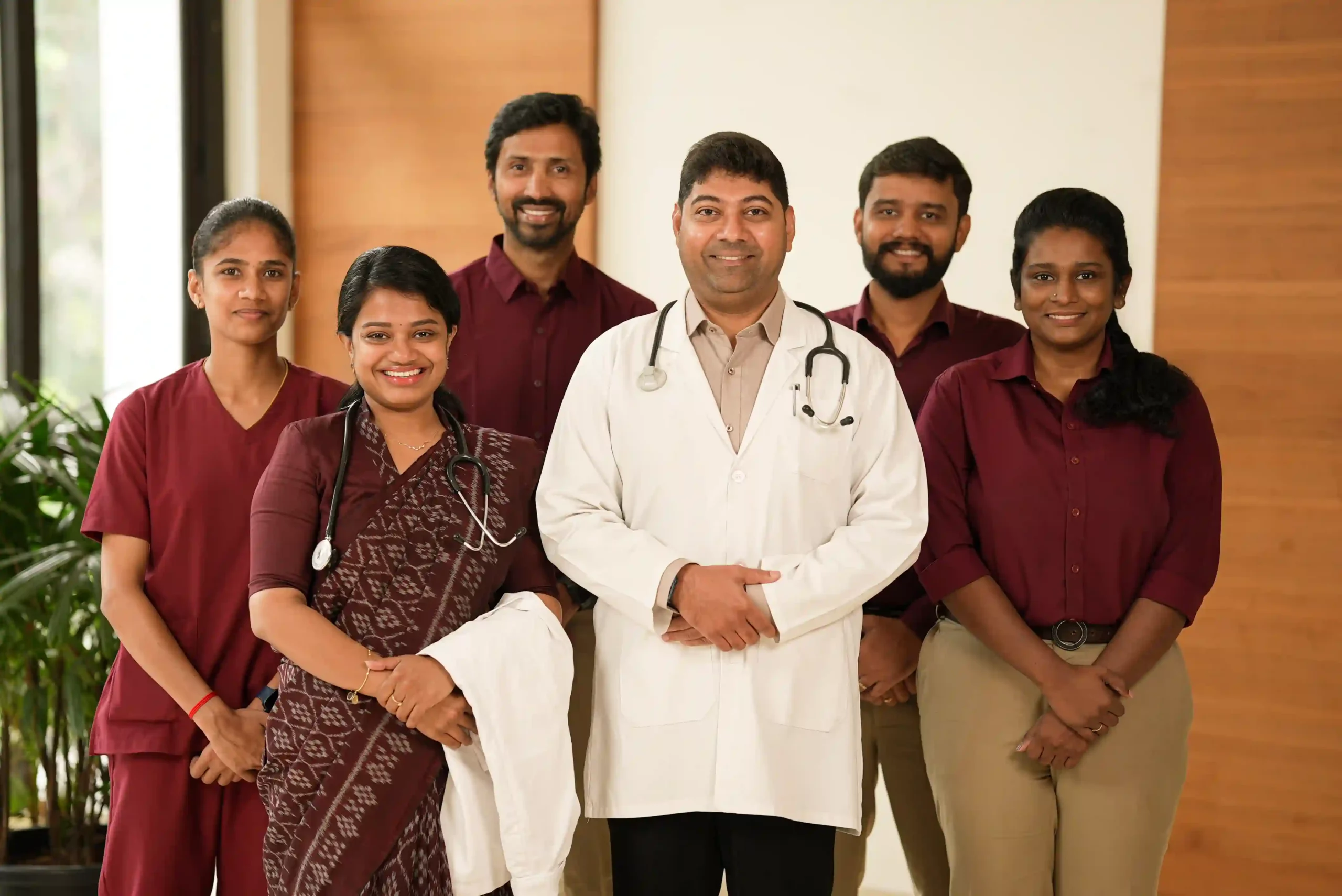
At Abhasa, care is guided by experienced psychiatric specialists who offer more than clinical skills; they bring compassion, clarity, and cultural understanding. As one of India’s trusted delusional disorder therapy centres, we personalise every recovery plan with emotional sensitivity.[5,8] Our psychiatric specialists stay updated with the latest approaches and support families through every stage. Our commitment to evidence-based care and authentic human connection sets Abhasa apart from other delusional disorder therapy centres. We help your loved one feel safe, seen, and supported every step of the way.
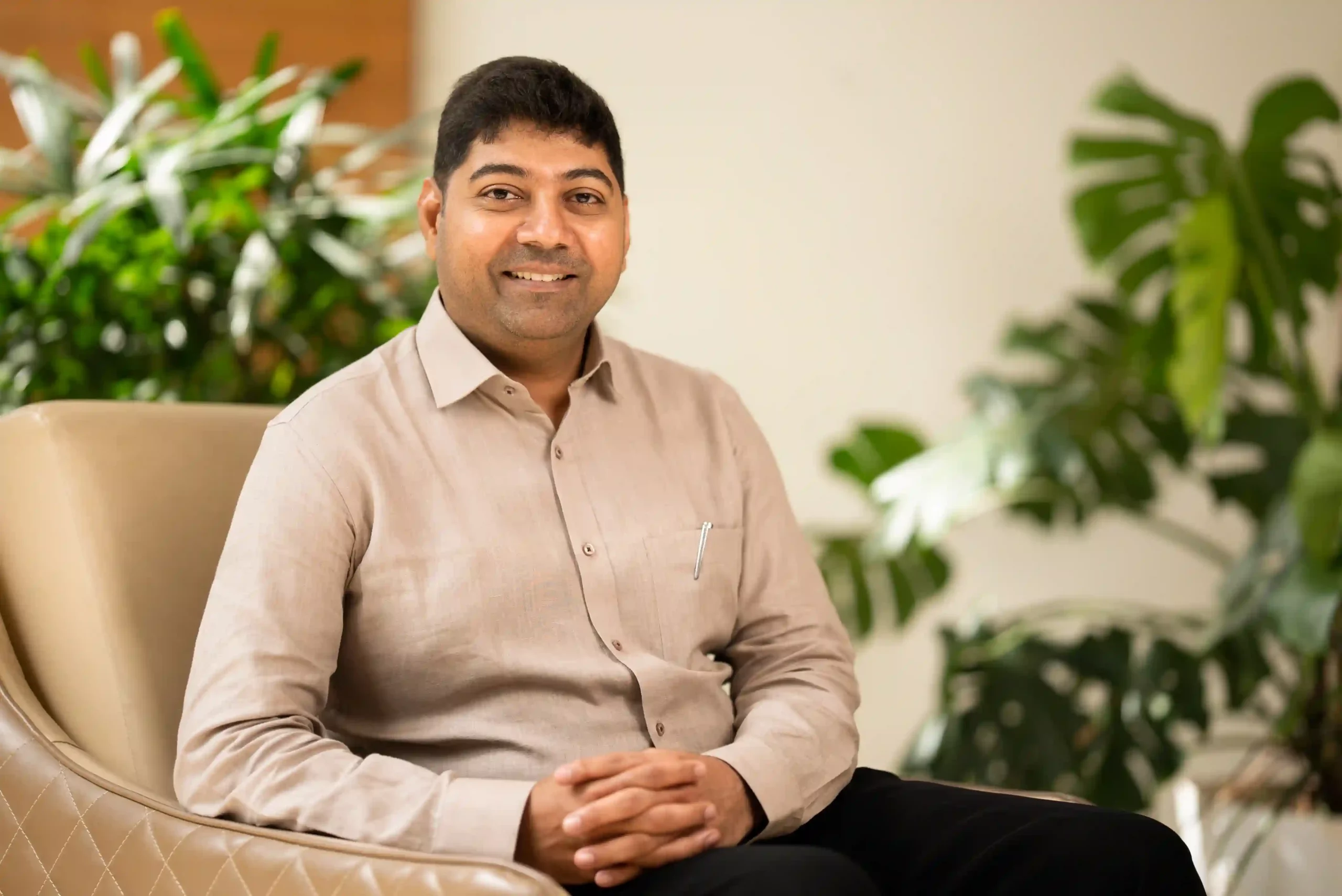
Dr. Naveen Kumar
Medical Director
15+ years of expertise in psychiatry and addiction recovery.
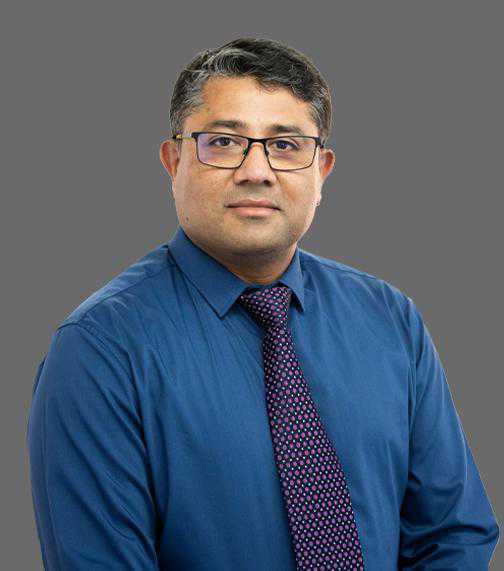
Dr. Vivek Sharma
Consultant Psychiatrist & Neurofeedback Practitioner
With over 15+ years of experience in psychiatry and neurofeedback, he blends medical expertise and compassion to guide clients toward lasting recovery.

Dr. Shree Aarthi
Consultant Psychiatrist
15+ years providing expert psychiatric care for mental health and substance use disorders.

Dr. Ramalingam P Kandaswamy
Consultant Physician
15+ years With over 5 years of experience in HIV and infectious diseases, he brings global expertise and compassionate care to every patient he supports.
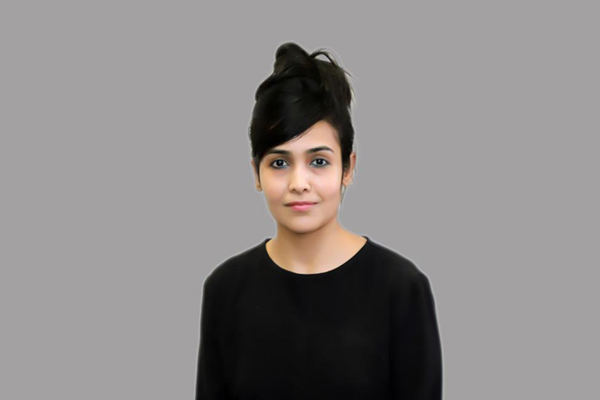
Dr. Divya
Psychiatrist
10+ years combining clinical psychiatry expertise with healthcare management for holistic treatment.
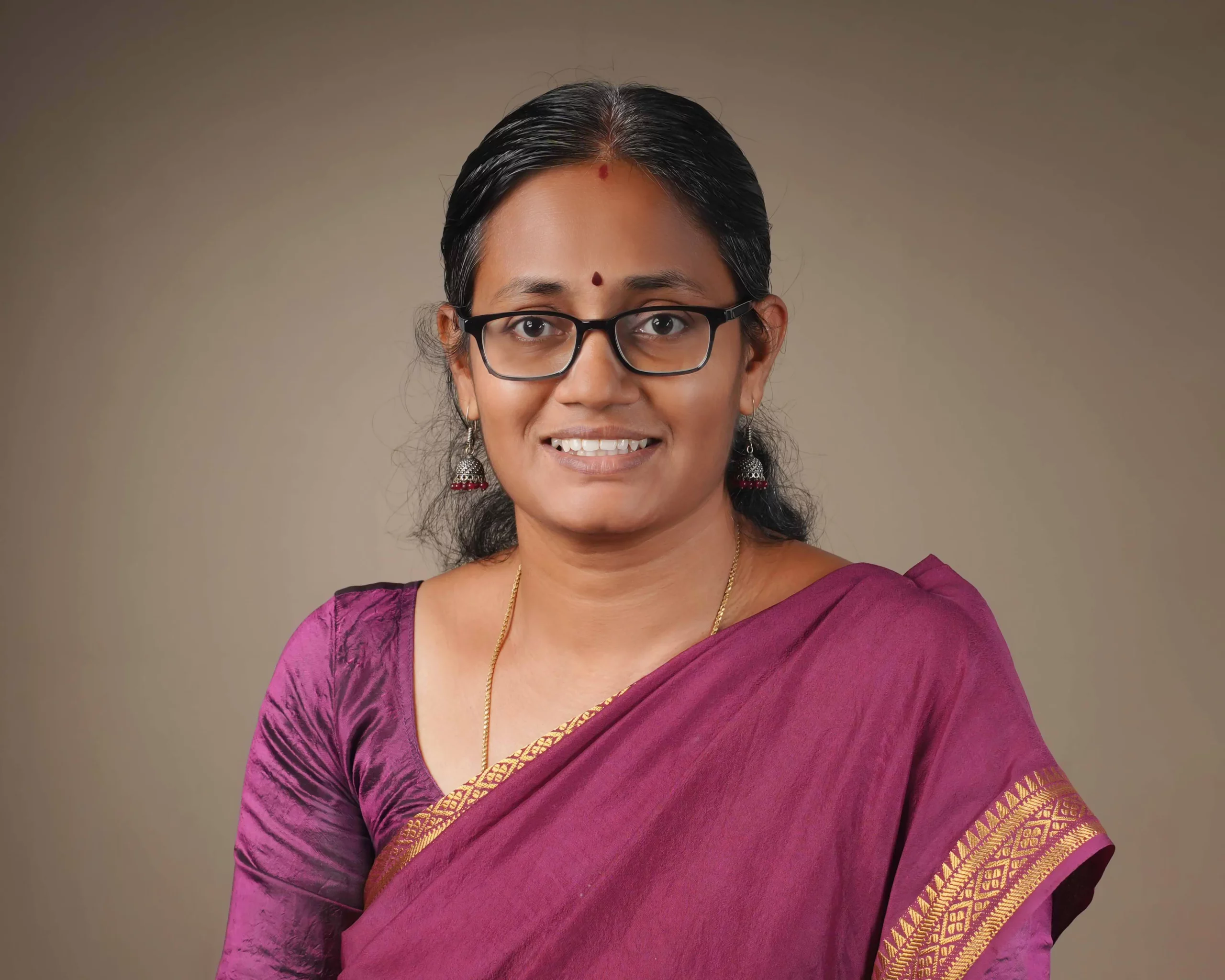
Dr. Malarvilzhi
Residential Medical Officer
12 years delivering comprehensive medical care in psychiatric and rehabilitation settings.
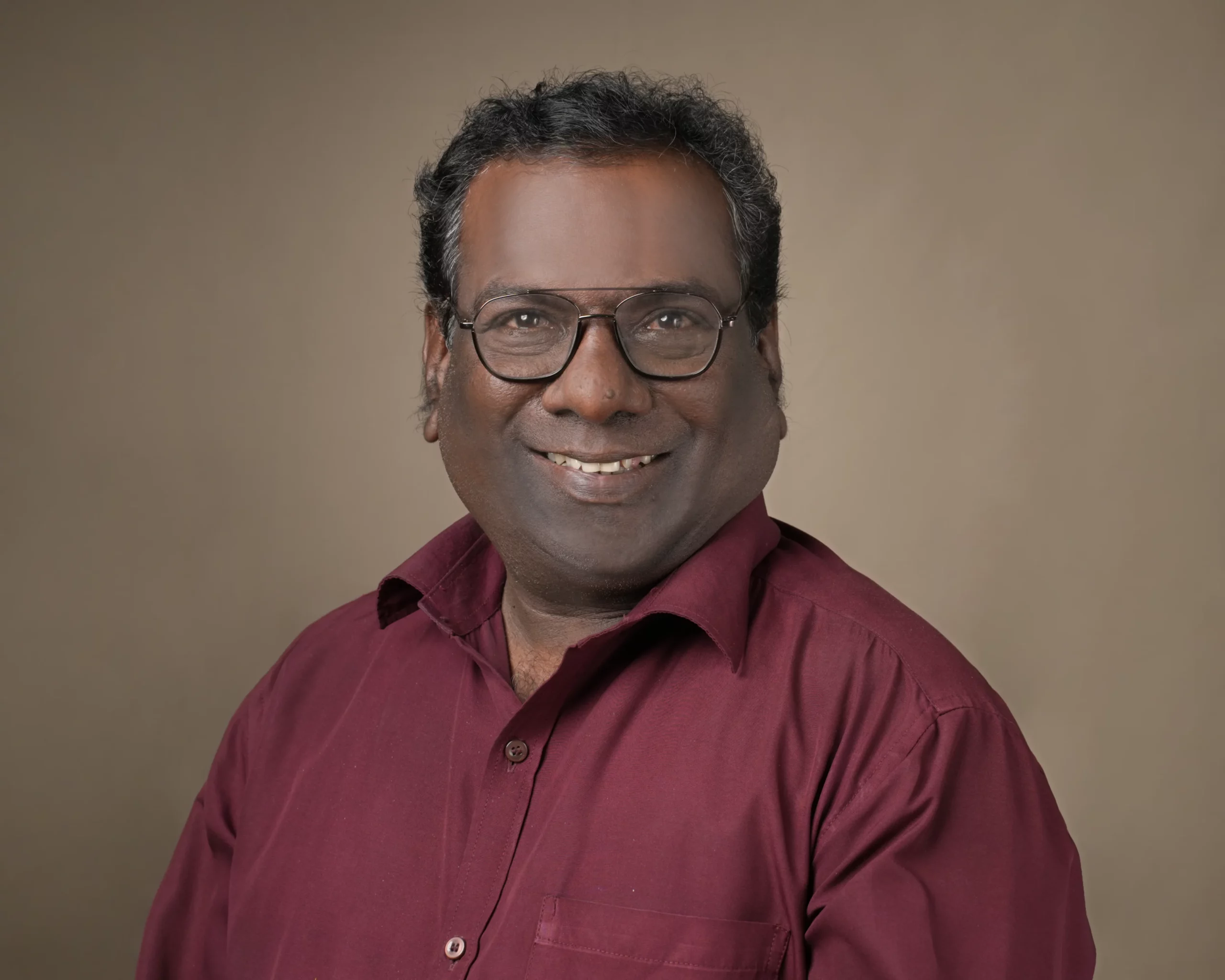
Dr. Karuppachamy
Senior Psychiatric Social Worker
22+ years of experience empowering clients through therapeutic guidance, psychosocial support, and lived-experience wisdom.
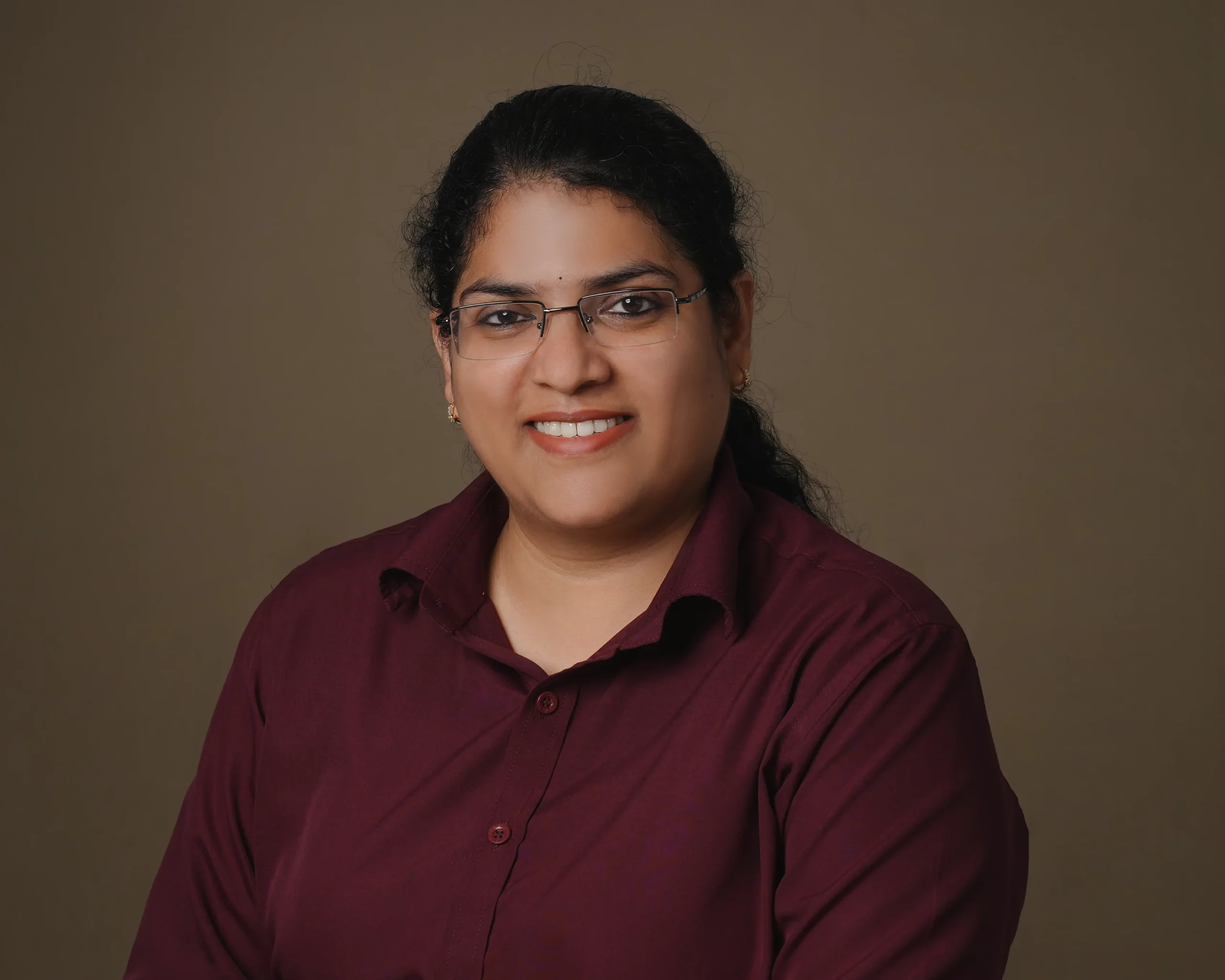
Ms. Meera
Senior Clinical Psychologist
9+ years specializing in psychological assessment and evidence-based therapeutic interventions.
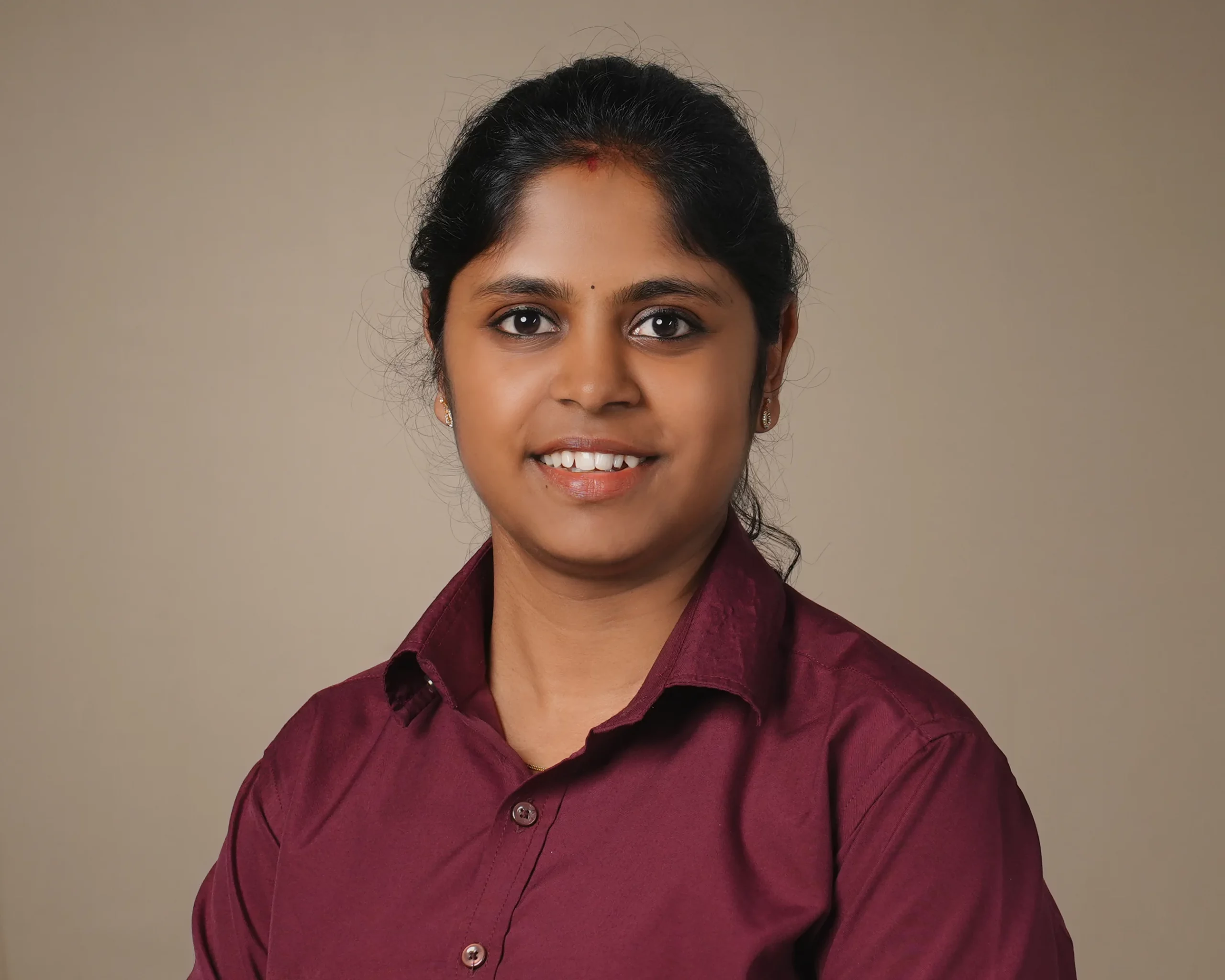
Mrs. Priyadarshini
Head Clinical Psychologist
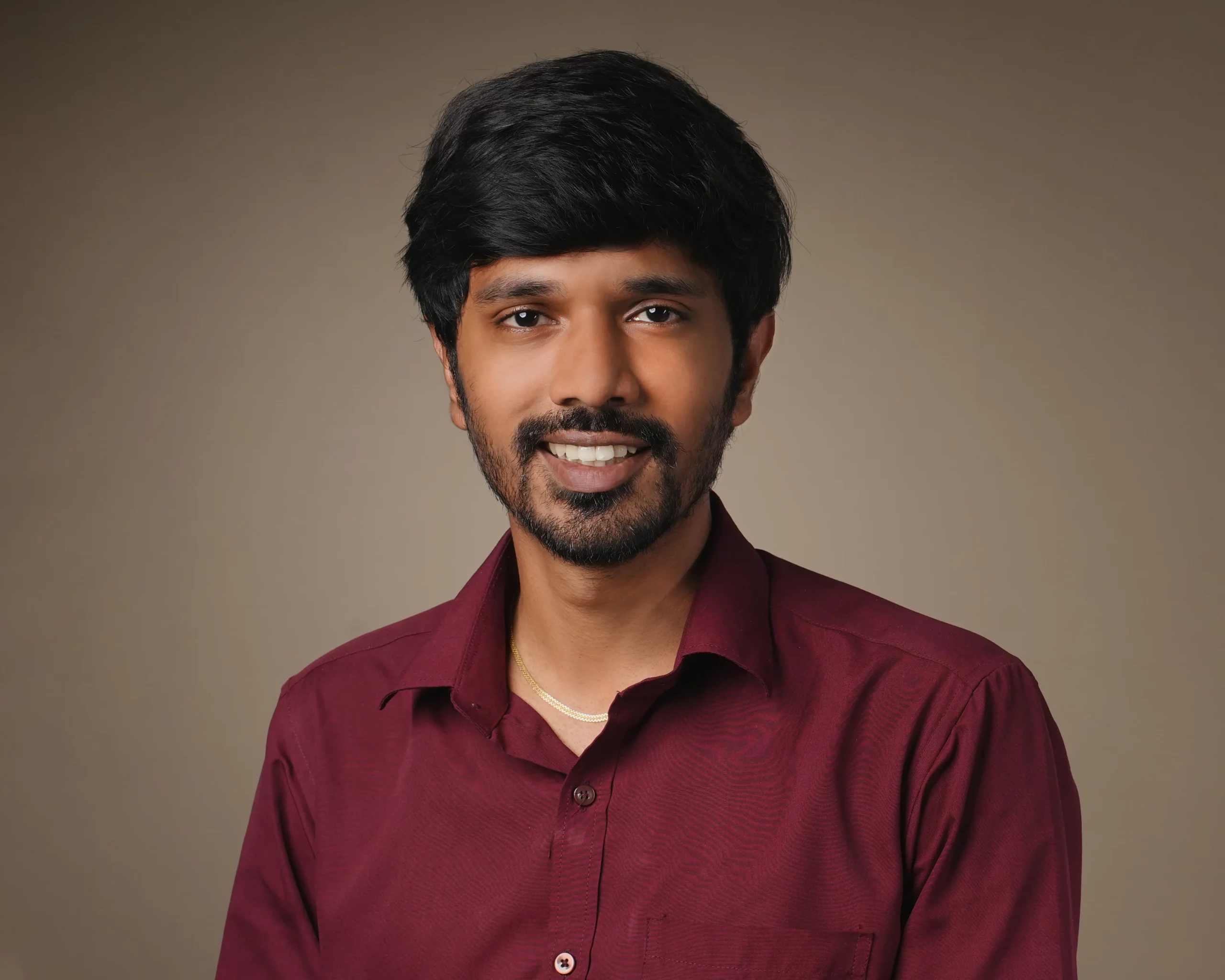
Mr. Mukesh Kanna
Clinical Psychologist
2+ years providing psychological interventions for behavioral health and emotional wellness.
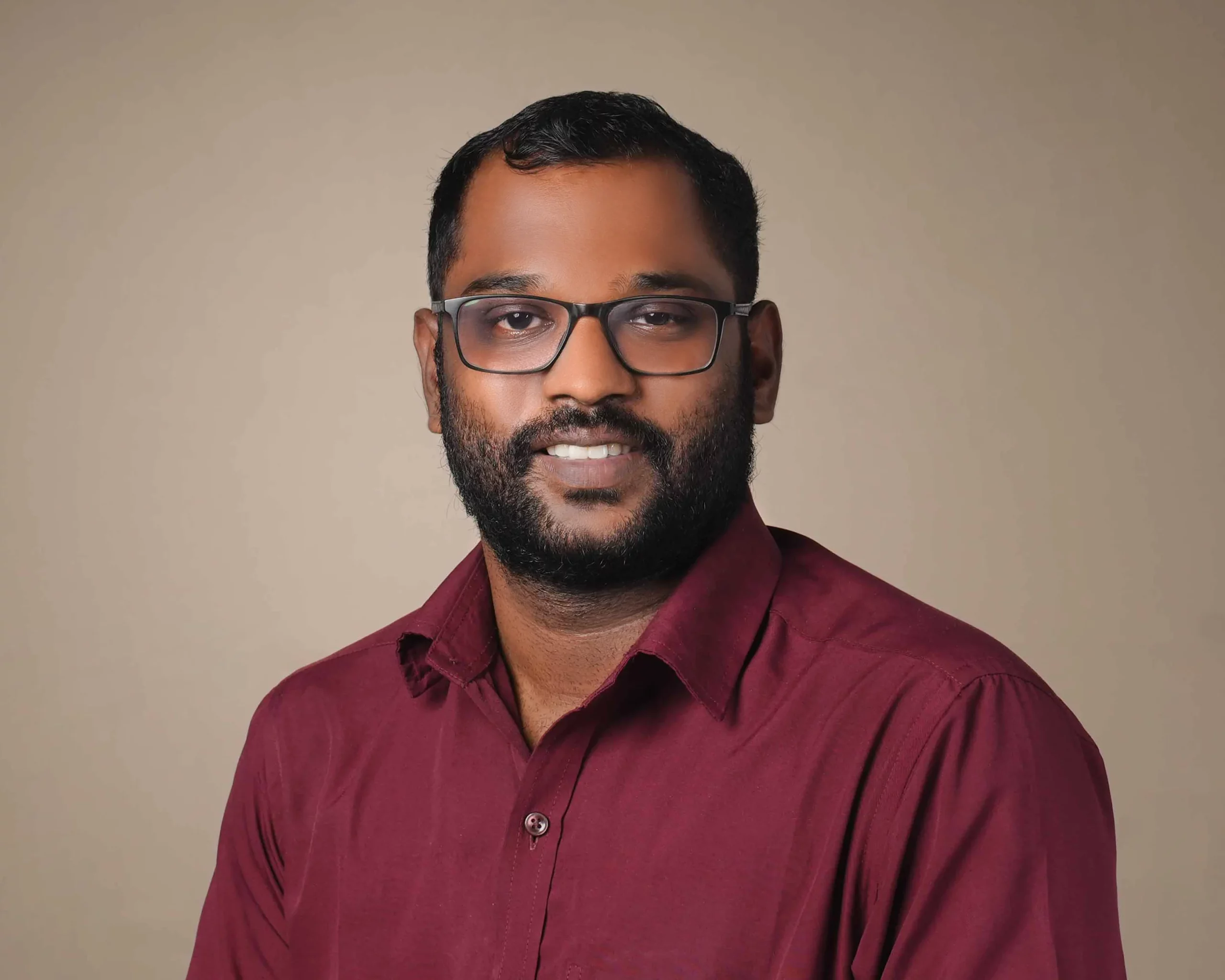
Mr. Antipas Jayabal
Clinical Psychologist
2+ years supporting clients through clinical assessment and therapeutic care.
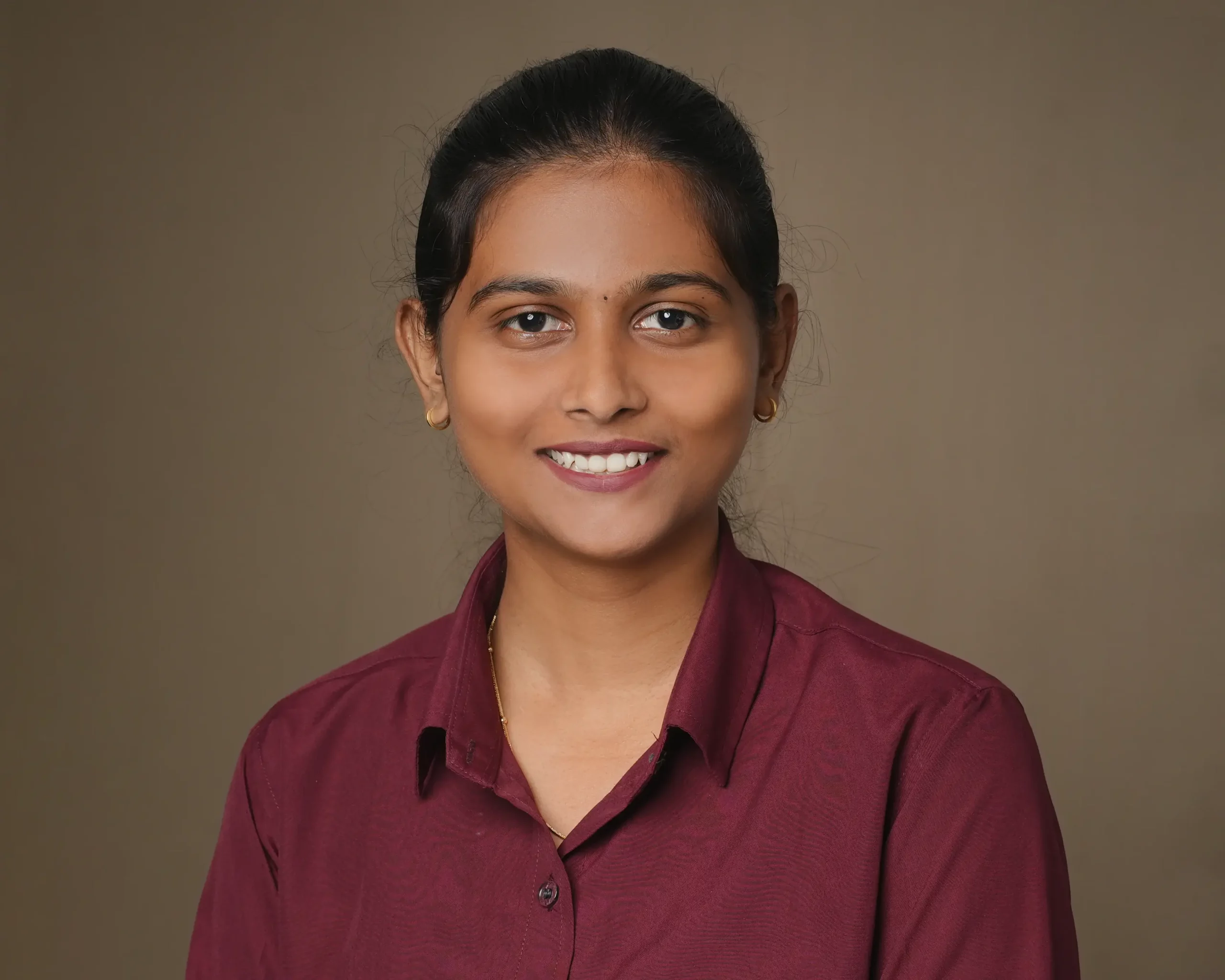
Ms Keerthana S
Psychologist
Empathetic psychologist with 4 years’ experience in handling mental health disorders, using evidence-based psychotherapies for personalized client care.
Want to meet our care team?
Inside Our Program for Delusional Disorder Recovery
Some families believe every delusional disorder rehabilitation centre follows the same model: identify the symptoms, prescribe medication, and wait. Many arrive with this expectation. At Abhasa, we take a different approach. We focus on rebuilding a person’s ability to trust, relate, and feel stable again.[3,4] We create a healing rhythm grounded in structured care that supports progress from the inside out.
Understanding what's going on
We begin by listening. We take time to learn how each person sees the world and how those beliefs shape daily life. At our delusional disorder rehabilitation centre, we build a complete picture before we offer support.
We use:
- Emotional and behavioural mapping.
- Psychological assessments that reveal thinking patterns.
- Observations from therapists, psychiatrists, and families.[1]
This foundation helps us offer care that matches each person’s real needs.
Adapting the plan as healing begins
Recovery never follows one path. We keep the plan flexible. Our team meets regularly to adjust care based on how the person feels, thinks, and responds.[14] This flexibility is part of what makes our structured care approach effective. It helps the person feel supported without feeling pushed.
Supporting growth through many layers
We help each person heal across emotional, mental, and behavioural levels. Our care includes:
- Reality-testing sessions to support healthy thought processing.
- ABC-based therapy to explore behaviour triggers and outcomes.
- One-on-one emotional support to build clarity and trust.
- Creative expression through movement, journaling, and art.
- Structured routines to encourage rhythm, responsibility, and focus.
- Brain-training sessions that strengthen calm thinking and emotional regulation.[3,4,11]
Most programs offer just one or two of these tools. Our delusional disorder rehabilitation centre combines them into a full-circle approach because deep recovery needs every layer.
We stay present through every phase. Families feel supported. Clients feel seen. That is how change begins and continues.
Every step at Abhasa supports real, lasting recovery.
A Day in Reality-Focused Treatment at Abhasa

A Day of Grounded Healing at Abhasa
This is a sample daily rhythm for clients receiving structured treatment for delusional disorder. Actual timings and flow may shift based on personal needs, emotional readiness, and therapy goals.
Daily rhythm is one of the most powerful tools in recovery.[11,12] As a trusted space for reality testing therapy, we design daily to create a calm, predictable pattern. The aim is to restore clarity through meaningful routine and personalised attention slowly.
Each day begins with gentle grounding. Clients start with breathwork, stretching, or journaling, followed by nature walks or quiet reflection. These practices anchor the morning and set the tone for structured treatment.
Therapy blocks begin mid-morning. Clients move through individual therapy and group sessions focused on reality testing therapy techniques.[3,4] They explore thoughts, challenge beliefs, and develop insight with emotional safety.
Medication, where needed, is supervised and integrated calmly into the day.[9,10] It is not a separate event but part of the overall structured treatment that supports wellbeing.
Family time is woven into the plan. Clients speak with loved ones in guided sessions or structured check-ins. This approach supports progress and strengthens the connection within the model of reality testing therapy.
The evening eases into relaxation. Art therapy, calming movement, or reflection time helps end the day peacefully. This rhythm builds consistency, a core of any effective structured treatment plan.
At Abhasa, this isn’t just a schedule. It’s the foundation for healing.
Our structured routine gently restores clarity and connection.
Reality Testing & Cognitive Interventions
At Abhasa, we understand how delusional beliefs can feel deeply convincing. Healing begins when a person starts to safely question those thoughts and re-engage with the world around them. That is where reality testing therapy and cognitive behavioural therapy play a central role.
We gently guide clients to examine their thoughts without confrontation. Through guided dialogue, written reflection, and calm observation exercises, reality testing therapy helps clients notice patterns and compare beliefs with lived experiences. This process is never forced. It unfolds slowly, within the structure of trust.
Our therapists use personalised cognitive behavioural therapy sessions to help clients explore the roots of their thoughts and feelings. We teach techniques that challenge fixed beliefs and replace them with healthier interpretations. These are practical tools that clients can carry forward into daily life.
We include the family in the therapeutic process. When appropriate, joint sessions allow loved ones to understand how reality testing therapy works and how to support progress at home. Clarity at home supports consistency in healing.
Clients often benefit from group settings where they share experiences and learn from others. Group sessions combine cognitive behavioural therapy techniques with peer validation and reality grounding in a safe space.
We also integrate mindfulness practices that help clients remain anchored in the present moment. This reinforces reality testing and cognitive behavioural therapy by creating emotional balance throughout the day.
Approaches at Abhasa shifts thinking gently and safely.
Reality Testing & Cognitive Interventions
Grounding the Mind with Reality-Based and Cognitive Therapies
At Abhasa, we understand how delusional beliefs can feel deeply convincing. Healing begins when a person starts to safely question those thoughts and re-engage with the world around them. That is where reality testing therapy and cognitive behavioural therapy play a central role.
Reality-focused approaches
We gently guide clients to examine their thoughts without confrontation. Through guided dialogue, written reflection, and calm observation exercises, reality testing therapy helps clients notice patterns and compare beliefs with lived experiences.[3,4] This process is never forced. It unfolds slowly, within the structure of trust.
Cognitive realignment
Our therapists use personalised cognitive behavioural therapy sessions to help clients explore the roots of their thoughts and feelings.[4] We teach techniques that challenge fixed beliefs and replace them with healthier interpretations. These are practical tools that clients can carry forward into daily life.
Family understanding and support
We include the family in the therapeutic process.[6,7] When appropriate, joint sessions allow loved ones to understand how reality testing therapy works and how to support progress at home. Clarity at home supports consistency in healing.
Peer connection and group healing
Clients often benefit from group settings where they share experiences and learn from others. Group sessions combine cognitive behavioural therapy techniques with peer validation and reality grounding in a safe space.[11]
Mindfulness in action
We also integrate mindfulness practices that help clients remain anchored in the present moment. This reinforces reality testing and cognitive behavioural therapy by creating emotional balance throughout the day.

Approaches at Abhasa shifts thinking gently and safely.
Family Education & Support Programs
Supporting the Family, Not Just the Individual
When delusional disorder affects someone you love, the emotional toll on the family often goes unseen. The confusion. The exhaustion. The fear of doing the wrong thing. At Abhasa, we understand that healing one person means supporting the entire system around them.
That is why family therapy for psychotic disorders and ongoing family support are not optional at Abhasa. They are foundational to every recovery journey.

You receive daily updates about routines, progress, and emotional shifts.[7] These updates answer some questions: Are they engaging today? Are they more stable? How did they respond to therapy?
- Daily routine summaries offer structure.
- Weekly check-in calls offer space to reflect.
- Monthly review calls bring your voice into the plan.
This isn’t just information, it’s real family support that keeps you close to the process and gives you peace of mind.

Our psychoeducation sessions help you understand how delusional beliefs form and how to respond without reinforcing them.[6,7,8] Through family therapy for psychotic disorders, we teach:
- How to speak without triggering distress.
- What boundaries help with recovery.
- How to stay emotionally regulated during crisis moments.
You receive simple, practical tools to create a more stable home environment.

We offer guided therapy sessions that rebuild emotional trust.[6] In family therapy for psychotic disorders, we help you listen, express, and reconnect with your loved one in meaningful ways. Healing works best when families grow together.
You are not alone in this.
Creating a Safe, Therapeutic Environment
A Space That Supports Healing from the Inside Out
At Abhasa, we know that healing doesn’t happen only during therapy sessions. It begins when someone enters a calm, private, and safe space. That is why we designed our facility as one of India’s few private treatment centres, focusing on emotional and sensory comfort. Many clients arrive feeling overwhelmed by noise, thoughts, or simply too much stimulation. What they often need first is not a session or a solution, but a place that feels quiet and safe. That’s why the therapeutic environment at Abhasa matters so much. It gives the mind space to slow down and the body a reason to breathe a little easier.

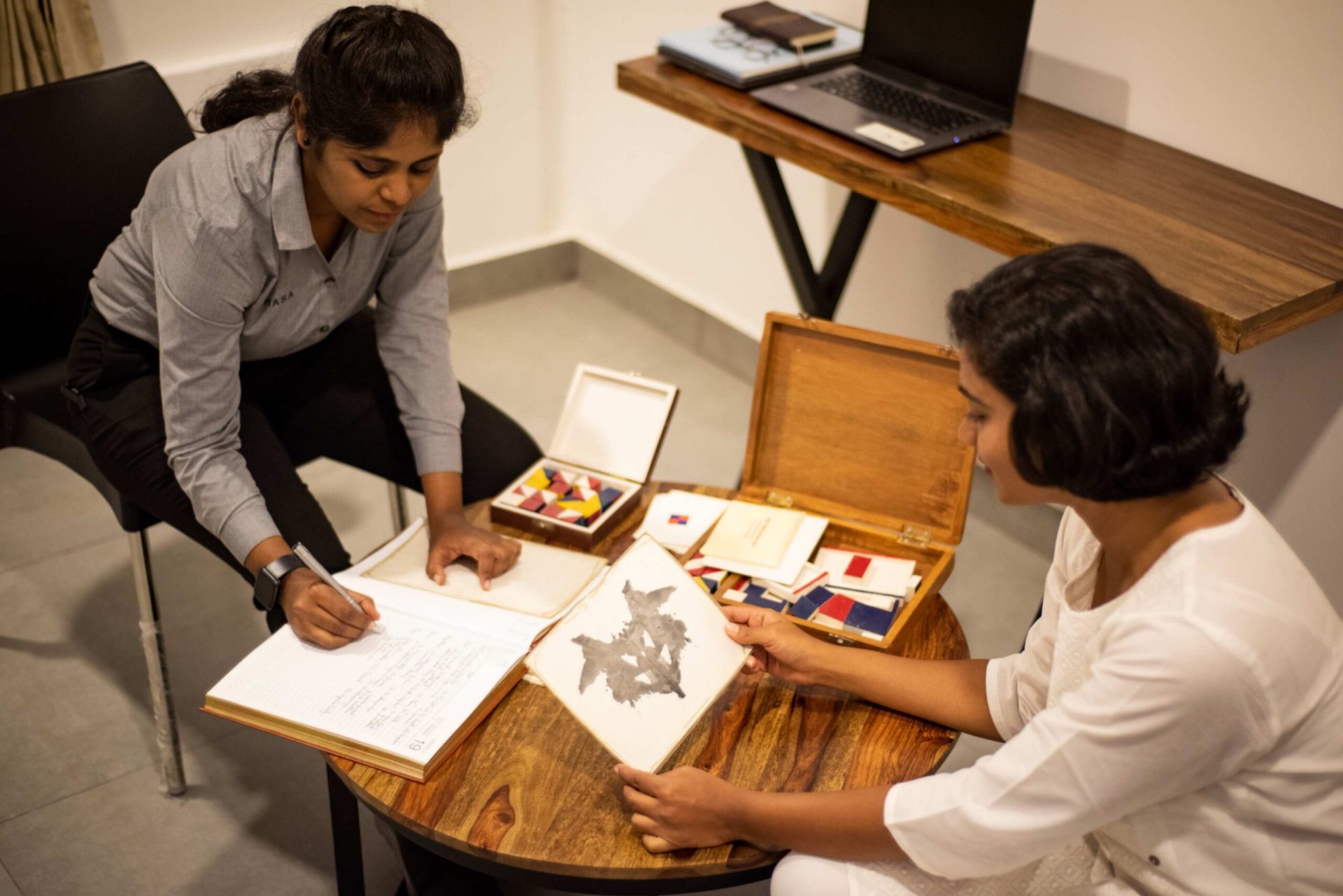
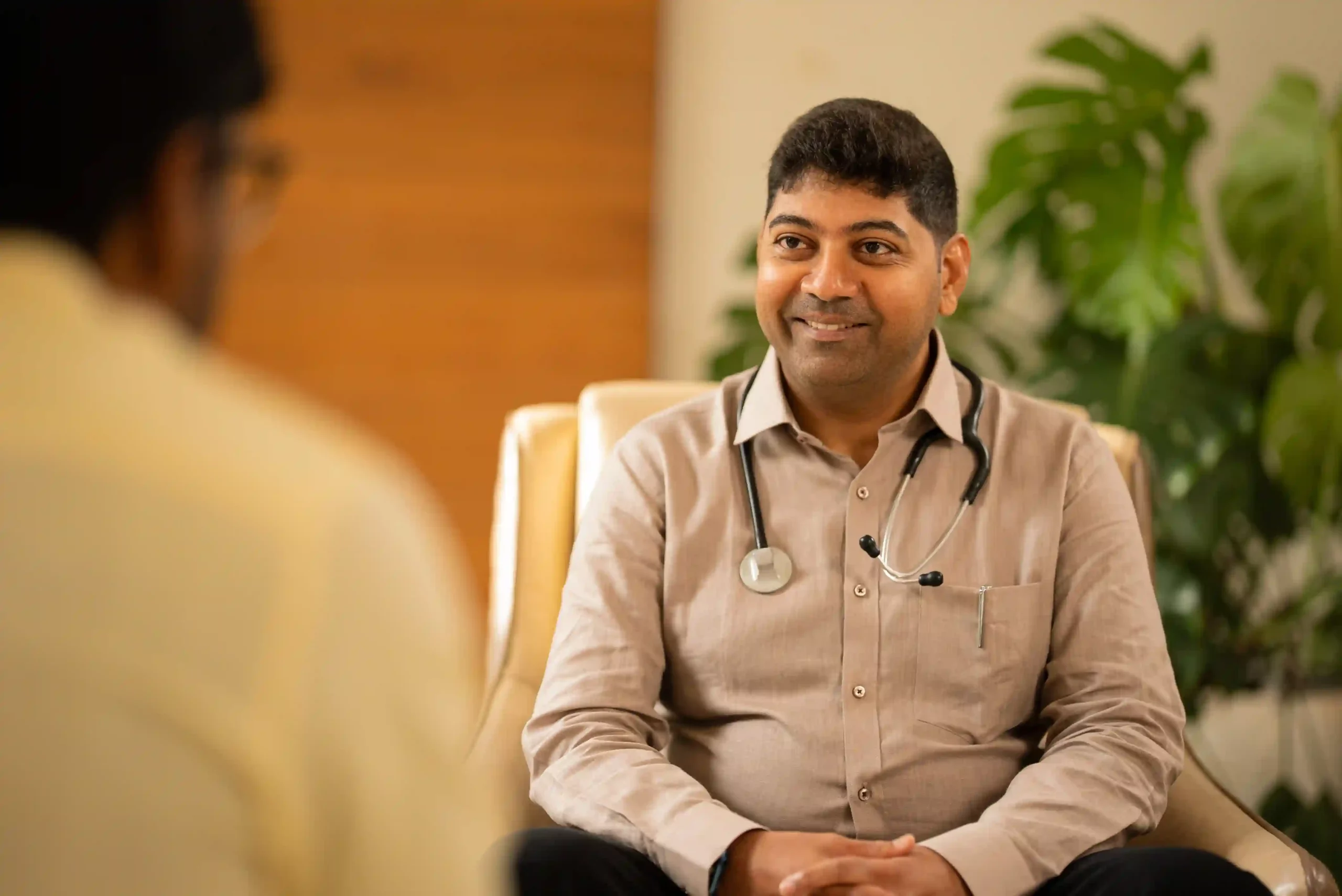
A setting that soothes without asking anything in return
We chose this location with care. It sits away from busy roads and city sounds. Trees line the paths, the air feels clean, and the light comes in gently through open spaces. This isn’t just nature, it’s part of how we help people think settled, one peaceful moment at a time. The entire space reflects what a therapeutic environment should feel like: open, natural, and soothing.
Built for privacy and protection
As one of the leading private treatment centres, we ensure complete confidentiality. Our rooms are spacious and private. Clients have access to quiet zones, wellness corners, and nature paths. Security measures remain active at all times, so families feel reassured.
Every detail adds to the healing process
The design supports recovery at every level.[11] From the texture of the walls to the flow of natural light, each detail contributes to a calm, therapeutic environment. We do not overlook comfort. We build it into everything.
Many private treatment centres offer structure. We offer sanctuary.
Step into a sanctuary built to calm, not overwhelm.
Success Stories: Recovery from Delusional Disorder
Stories of Healing and Hope
At Abhasa, every person’s journey looks different. But each story of recovery from delusional disorder reminds us that healing is possible. These moments give families hope and show that clarity can return even after long periods of confusion and fear.
We continue to witness quiet transformations every day. Each one reinforces why we do this work and why recovery from delusional disorder deserves genuine care and structure.
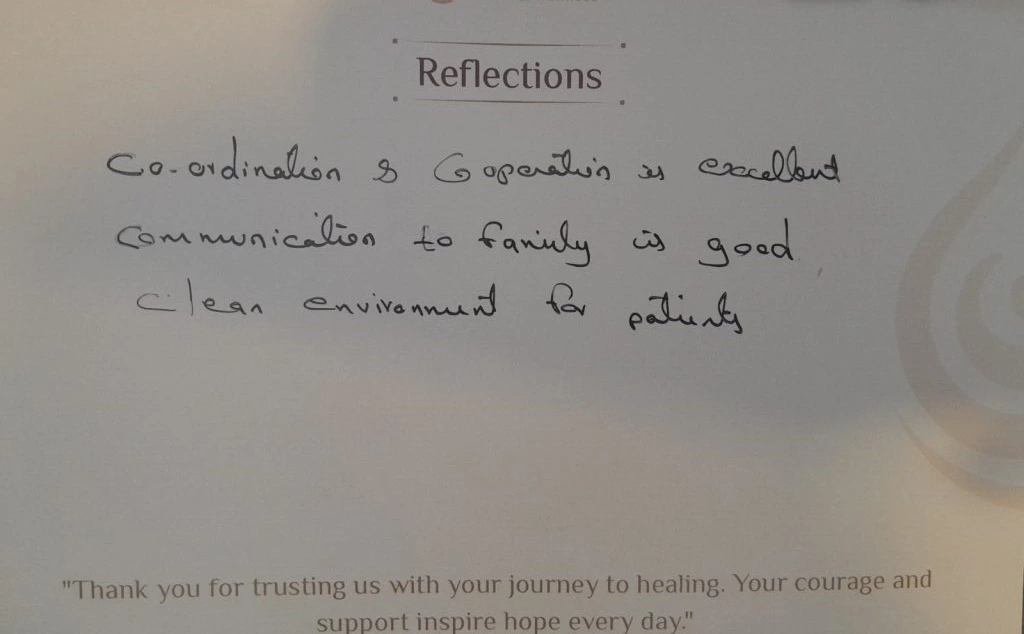
Co-ordination & cooperation is excellent. Communication to family is good. Clean environment for patients.
Former Client
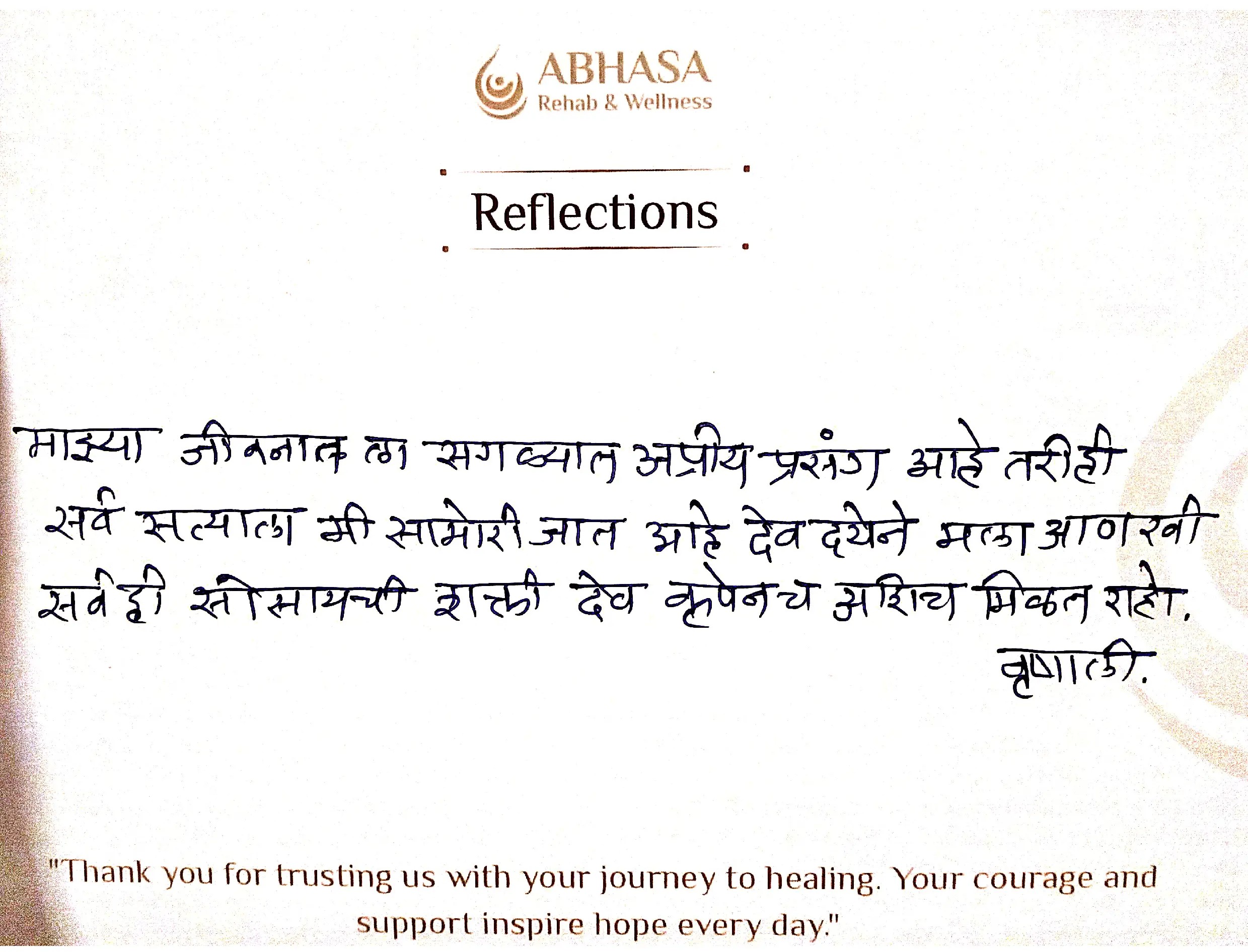
I found strength to face life’s hardest truths here. I believe it was God’s grace that brought me to Abhasa.
Former Client
Real people. Real healing. Real hope
Technology & Modern Treatment Approaches
Innovative Care That Evolves with the Person
Many clients arrive after months of uncertainty, already feeling guarded. That is why we do not start with a rigid plan. At Abhasa, we create flexible, evolving care that adjusts with the person. Our modern treatment approaches rely on deep assessments, close observation, and continuous learning.
Care that listens before it leads
Before starting therapy, we spend time understanding. Our team uses psychometric evaluations, behavioural observations, and input from families.[1] This layered assessment forms the base for our personalised plan. Unlike traditional models, our evidence-based care begins with the whole person, not just their symptoms.

Responding with real-time support
We stay close to how each person is doing, not just through checklists, but by noticing how they speak, rest, engage, and feel.[14,15] These daily cues help us decide when to encourage, slow down, and shift the plan. Our team doesn’t wait for a setback to respond. We adjust with care, as things unfold. This makes our modern treatment approaches feel steady, supportive, and person-led.

Grounded in science, guided by care
Everything we offer at Abhasa comes from a place of proven knowledge.[5,11] Our therapists rely on treatment methods backed by research and shaped by real-world results. We use evidence-based care but never lose the human touch that makes healing feel safe.
Let me know if you want this section adjusted to include specific therapy names or cultural framing.
Simultaneously, we adapt these methods to accommodate each person’s unique cultural, emotional, and psychological needs.

A care model that grows with progress
Our entire program evolves through collaboration. Weekly team reviews, family feedback, and client responses guide our progress. This makes modern treatment approaches at Abhasa truly responsive. The result is thoughtful, personalised, and proven evidence-based care that respects each person’s pace.

Technology informs care, but human connection leads it.
Post-Treatment Support & Aftercare
Healing does not stop at discharge. That’s when it often matters most. At Abhasa, we treat post-rehab planning as a vital part of the journey toward long-term recovery. We begin early, with families actively involved in shaping what comes next.
Clear, confident transition planning
Before someone leaves our care, we plan what comes next. Together with the family, we built a simple, step-by-step guide that includes therapy follow-ups, gentle daily routines, signs to watch for, and what to do if things feel off.[13] This clarity helps everyone feel more prepared and less anxious about the transition.

Care that continues, in ways that work
Long-term recovery needs steady support. Some visit us for follow-up sessions, while others prefer secure video calls from home. Either way, we stay involved. The support never disappears—it shifts to meet the person where they are.[13] Clients may also participate in group work, peer support, or holistic wellness check-ins. These touchpoints provide the emotional consistency needed to stay grounded.

Family empowerment beyond the program
We help families understand how delusional disorder works and how to respond with calm, clarity, and boundaries.[7,8] Regular coaching and education make them confident partners in aftercare support, not passive observers.

Keeping the progress steady
We know that recovery doesn’t always move in a straight line. That’s why we help each person spot early shifts in their thoughts or feelings.[13,14] They practise using fundamental tools that work in everyday life and learn to reach out when they need support. This kind of preparation gives families confidence and helps the person stay steady on their path toward long-term recovery.

Support that stays close, even after discharge
Healing doesn’t end when someone leaves our care. We connect families with trusted community resources so they have help nearby whenever needed. This kind of aftercare support creates a strong circle around the person, ensuring they feel held, not left alone.

Care that continues after discharge.
Frequently Asked Delusional Disorder Questions
Can a person with a delusional disorder live an everyday life?
Yes. Many individuals find steadiness again when supported by the proper routines, family care, and a peaceful space. At trusted treatment centres, daily structure and emotional guidance make a difference.
Can people recover from delusional disorder?
Recovery often means managing beliefs, building awareness, and reconnecting with daily life. With steady support, many individuals move toward long-term recovery in structured programs.
Can people with delusional disorder live an everyday life?
Absolutely. With compassionate care and consistent routine, clients often regain balance. Many treatment centres mention this journey, focusing on daily wins and emotional safety.
Can you recover from delusional disorder?
Yes, people do recover. Recovery looks different for each person, but progress becomes possible with the right plan and support. Families also grow stronger through education and guidance.
Do delusions ever go away?
In some cases, they lessen with support. In others, individuals learn how to respond to them more effectively. Most delusional disorder questions point toward learning coping strategies, not just removing symptoms.
How do you treat delusional disorder?
At a supportive centre, treatment often blends routine, talk-based therapy, family guidance, and reality-based practices. These elements work together to offer structure and stability.
How to care for someone with a delusional disorder?
Offer patience, listen without judgment, and stay informed. Many families find relief through education and support sessions offered by treatment centres that understand these needs.
How to help a patient with delusions?
Stay calm and consistent. Encourage them to follow routines and connect with professionals at a trusted delusional disorder treatment centre that can guide them with care.
Is delusion curable?
While “cure” may not apply to every situation, meaningful recovery is possible. Many individuals live fulfilling lives with continued support and understanding.
What are the new treatments for delusional disorder?
Modern care often includes cognitive support, mindfulness routines, and family education. These personalised methods create a more human approach to healing than traditional treatments.
What is the best treatment for delusional disorder?
The most effective care blends structured routines, compassionate therapy, and family involvement. Every care plan is shaped around the individual’s needs.
What is the first-line treatment for delusions?
Care begins with trust-building, observation, and a personalised plan. Most centres focus on creating emotional safety before introducing any advanced therapeutic tools.
What is the most effective treatment for delusional disorder?
Personalised care that includes therapy, emotional guidance, and family education often brings the best results. At centres like Abhasa, the focus stays on stability and progress.
What therapy is best for delusional disorder?
Reality-focused talk therapy works well when delivered consistently. Many treatment centre FAQs mention this as a supportive and practical method.
How long does delusional disorder treatment take?
Healing doesn’t follow a fixed schedule. Some individuals respond within weeks, while others need more time. What matters most is steady, respectful care.
Ask anonymously. Your story stays private.
Begin Your Journey to Recovery
You don’t have to navigate this on your own. If you’ve been searching for the best delusional disorder treatment, you’ve already taken the first step. Reaching out for help means choosing hope, clarity, and support that understands the emotional weight you carry.
At Abhasa, we welcome every person with respect and warmth. Whether you’re a concerned family member or someone ready to begin their healing, our team will walk beside you from the very first call. The process to start treatment is simple, private, and guided by people who care.
We understand your concerns, share how our program works, and explore how it can be tailored to your needs. The best delusional disorder treatment begins when you feel safe enough to start.
Call now to speak with our team. You’ll find not just information, but comfort.
You don’t have to do this alone. Let’s begin, together.
Medical Disclaimer
This information is for educational purposes only and does not constitute medical advice. Alcohol use disorder is a serious medical condition requiring professional diagnosis and treatment by qualified healthcare providers.
Always consult licensed medical professionals and addiction specialists before making treatment decisions. Individual results vary significantly based on numerous factors including severity of dependence, co-occurring conditions, personal commitment, and environmental support.
Alcohol withdrawal can be life-threatening. Attempting to detox at home without medical supervision may result in severe complications including seizures, delirium tremens, and death. Medical detoxification should only be conducted under the supervision of qualified healthcare professionals in an appropriate medical setting.
If you are experiencing a medical emergency, call emergency services immediately (dial 112 in India or your local emergency number).
The content provided describes general treatment approaches and facility amenities. It is not a substitute for individualized medical assessment or professional treatment planning. Treatment outcomes cannot be guaranteed, and recovery from alcohol dependence is an ongoing process that may include periods of relapse.
STREAMLINED RESOURCES & CITATIONS (15 SOURCES)
Complete Research Citations With URLs:
[1] Substance Abuse and Mental Health Services Administration (SAMHSA) – “DSM-IV to DSM-5 Psychotic Disorders” – NCBI Bookshelf, 2016
URL: https://www.ncbi.nlm.nih.gov/books/NBK519704/table/ch3.t20/
Supports: Official DSM-5 diagnostic criteria for delusional disorder, symptom classification, diagnostic assessment
[2] Joseph, S.M. & Siddiqui, W. – “Delusional Disorder” – StatPearls [Internet], 2023
URL: https://www.ncbi.nlm.nih.gov/books/NBK539855/
Supports: Comprehensive overview of epidemiology, symptoms, clinical presentation, and treatment approaches
[3] Mehl, S., Werner, D., & Lincoln, T.M. – “Does Cognitive Behavior Therapy for psychosis (CBTp) show a sustainable effect on delusions?” – Frontiers in Psychology, 2015
URL: https://www.frontiersin.org/journals/psychology/articles/10.3389/fpsyg.2015.01450/full
Supports: CBT effectiveness for delusions, long-term outcomes, reality-testing approaches
[4] VA MIRECC – “Cognitive Behavioral Therapy for Psychosis (CBTp)” – Clinical Manual, 2017
URL: https://www.mirecc.va.gov/visn2/docs/CBTp_Manual_VA_Yulia_Landa_2017.pdf
Supports: Evidence-based CBT protocols, reality-testing techniques, therapeutic approaches for delusions
[5] Indian Psychiatric Society – “Clinical Practice Guidelines for CBTp” – PMC, Clinical Guidelines
URL: https://pmc.ncbi.nlm.nih.gov/articles/PMC7001360/
Supports: India-specific clinical recommendations, cultural considerations, practice standards in Indian context
[6] Shi et al. – “Systematic review and meta-analysis of family-based interventions for early psychosis” – Schizophrenia Research, 2025
URL: https://www.sciencedirect.com/science/article/pii/S0920996425000064
Supports: Family intervention effectiveness, meta-analytic evidence for family therapy, outcomes for carers and patients
[7] Addington, D.E., et al. – “Evidence-Based Family Psychoeducational Interventions” – PMC, Family Psychoeducation
URL: https://www.ncbi.nlm.nih.gov/pmc/articles/PMC2247440/
Supports: Family psychoeducation programs, education effectiveness, family communication strategies
[8] Morillo et al. – “Effectiveness of family-based interventions for psychosis in low- and middle-income countries” – Social Psychiatry and Psychiatric Epidemiology, 2022
URL: https://link.springer.com/article/10.1007/s00127-022-02309-8
Supports: Family interventions in India and similar contexts, LMIC-specific evidence, cultural adaptations
[9] Rauch et al. – “Seventy Years of Treating Delusional Disorder with Antipsychotics” – PMC, 2022
URL: https://pmc.ncbi.nlm.nih.gov/articles/PMC9775530/
Supports: Antipsychotic medication history, treatment evolution, pharmacological approaches to delusional disorder
[10] Lähteenvuo, M., et al. – “Effectiveness of pharmacotherapies for delusional disorder in Swedish cohort” – Schizophrenia Research, 2021
URL: https://www.sciencedirect.com/science/article/pii/S0920996421000578
Supports: Real-world medication effectiveness (N=9076 patients), treatment outcomes, pharmacotherapy evidence
[11] Vita et al. – “Evidence-based psychosocial interventions in schizophrenia” – PMC, 2024
URL: https://pmc.ncbi.nlm.nih.gov/articles/PMC10990032/
Supports: Most recent comprehensive review of psychosocial interventions, multimodal treatment approaches, structured care
[12] Kane, J.M., et al. – “Comprehensive Versus Usual Community Care for First-Episode Psychosis: RAISE Trial” – American Journal of Psychiatry, 2016
URL: https://psychiatryonline.org/doi/10.1176/appi.ajp.2015.15050632
Supports: Comprehensive coordinated care effectiveness, NIMH-funded trial, individualized treatment planning
[13] Chen et al. – “10-year outcome study of early intervention program for psychosis” – Psychological Medicine, 2014
URL: https://www.cambridge.org/core/journals/psychological-medicine/article/abs/10year-outcome-study-of-an-early-intervention-program-for-psychosis-compared-with-standard-care-service/5CFCB61A6383B04DE1B34316171E0D12
Supports: Long-term treatment outcomes, recovery trajectories, aftercare effectiveness, 10-year follow-up data
[14] Staring, A.B.P., et al. – “Treatment adherence therapy in people with psychotic disorders” – British Journal of Psychiatry, 2010
URL: https://www.cambridge.org/core/journals/the-british-journal-of-psychiatry/article/treatment-adherence-therapy-in-people-with-psychotic-disorders-randomised-controlled-trial/8D4D120315A952F661BD3C5B334F986D
Supports: Treatment adherence interventions, therapeutic alliance, compliance strategies (RCT evidence)
[15] Guo, J., et al. – “Influencing factors of medication adherence in schizophrenic patients: a meta-analysis” – Schizophrenia, 2023
URL: https://www.nature.com/articles/s41537-023-00356-x
Supports: Medication adherence factors, compliance challenges, adherence monitoring (meta-analysis of multiple studies)