
Sleep Disorder Rehab in India

Restless nights don’t have to define you. Abhasa’s therapies and holistic healing help restore natural, peaceful sleep.
Your best nights are ahead, we’ll help you reach them.
2:1 Staff-to-client ratio
3 Healing Spaces
Personalised Treatments
360° Healing
2:1 Staff-to-client ratio
3 Healing Spaces
Personalised Treatments
360° Healing
Gallery
Luxury Sleep Disorder Treatment Centres in India
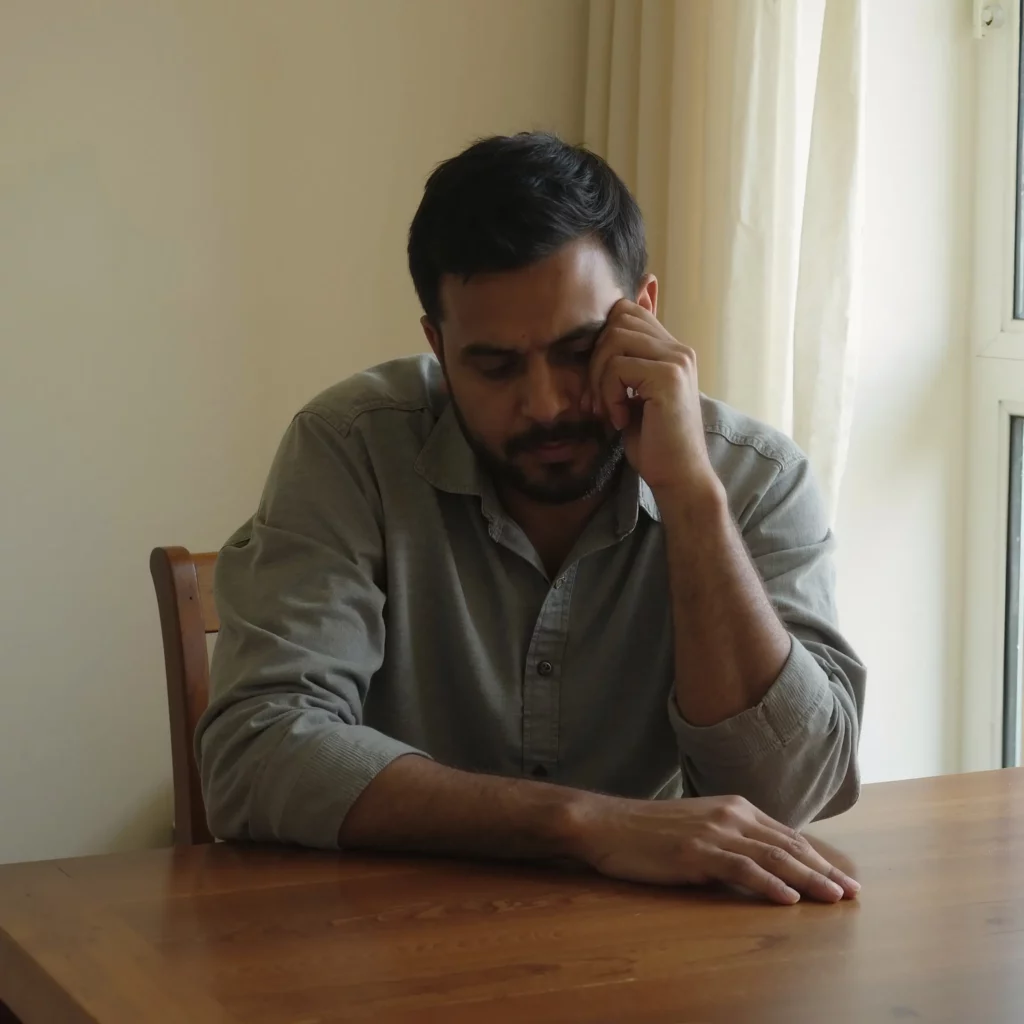
Many people spend night after night staring at the ceiling, their minds racing and their bodies unable to relax. Morning arrives with heavy eyes, a foggy head, and that familiar ache of knowing real rest never came. Over time, the strain creeps into your mood, dulls your focus, and places distance between you and the people you care about. When your nights remain restless and your mornings tired, and when this continues for a long time, it may be time to reach out for help.[1] Sleep disorder treatment centres offer more than just identifying the problem. They provide a calm, supportive environment where healthy sleep can return. [2,3]
At Abhasa, we focus on helping you or your loved one find that natural, peaceful rhythm again, guided by people who truly understand how deeply these struggles can affect your life.
What makes us different is our blend of luxury care, holistic healing, and personalised attention. Here, the best sleep disorder treatment is not confined to hospital walls or quick check-ins.[3,4] It is about giving you peace, protecting your privacy, and surrounding you with genuine care so rest feels possible again. Nights do not have to stay this way, and your days can feel brighter. We will walk with you toward that balance, helping you find comfort and ease, one night at a time.
Rediscover restful nights with personalised, holistic sleep care.
Understanding Residential Sleep Treatment
Many people think sleep problems can be solved with a few pills or a quick visit to a clinic. But real, lasting change often needs more.[3] Residential programmes at trusted sleep therapy centres create the stability and structure that broken nights can’t heal on their own. They go beyond basic tests and offer round-the-clock support, helping people not just fall asleep, but build a healthy sleep routine that lasts.[2,3]
What makes residential care different?
In a place like Abhasa, the focus is on the whole person. Our environment gives you constant sleep hygiene support – from the moment you wake up to the time you drift off. At home, interruptions, stress, and unpredictable schedules can undo progress.[2,5] In our care, every element is designed to support recovery, which is why so many turn to leading insomnia treatment centres for real change.
Why outpatient options fall short
Short visits and home-based routines often can’t control environmental triggers – noise, light, irregular schedules – that keep sleep patterns unstable.[5,6] Within a residential setting, those triggers are managed, replaced with calm routines and guided activities that help reset the body’s natural rhythms.
A complete approach to sleep wellness
Our programme combines science-backed techniques, mindful living, and personalised schedules. We help break cycles of insomnia through consistent practice and a setting that supports deep rest.[3,4] Over time, nights become restorative, mornings feel lighter, and life regains its rhythm.
If you’ve been searching for a place that understands more than just the symptoms, our residential programme can help you rebuild your life from the ground up.
What makes residential care different?
In a place like Abhasa, the focus is on the whole person. Our environment gives you constant sleep hygiene support – from the moment you wake up to the time you drift off. At home, interruptions, stress, and unpredictable schedules can undo progress.[2,5] In our care, every element is designed to support recovery, which is why so many turn to leading insomnia treatment centres for real change.
Why outpatient options fall short
Short visits and home-based routines often can’t control environmental triggers – noise, light, irregular schedules – that keep sleep patterns unstable.[5,6] Within a residential setting, those triggers are managed, replaced with calm routines and guided activities that help reset the body’s natural rhythms.
A complete approach to sleep wellness
Our programme combines science-backed techniques, mindful living, and personalised schedules. We help break cycles of insomnia through consistent practice and a setting that supports deep rest.[3,4] Over time, nights become restorative, mornings feel lighter, and life regains its rhythm.
If you’ve been searching for a place that understands more than just the symptoms, our residential programme can help you rebuild your life from the ground up.
Why Choose Residential Sleep Rehabilitation

You may have tried everything at home, adjusting routines, changing the bedroom setup, offering comfort, and staying patient through countless restless nights. Still, the problem continues.[3,7] Your loved one may wake several times through the night, start each morning already exhausted, and struggle to get through the day. When sleep issues reach this point, help from professional sleep rehabilitation centres can make a real difference.[2] Without the proper guidance and a supportive setting, it is hard to bring about lasting change.
Without a clear plan in place, the pattern often continues. Nights stay restless, and daily routines slowly fall apart. Energy levels drop. Tension builds, and the entire household feels the strain. This is where sleep recovery programs create a real difference by restoring structure, guidance, and progress to everyday life.[2,5]
At Abhasa, healing happens step by step. The calm, private setting removes the triggers that keep sleep patterns unstable. Each day follows a precise rhythm with consistent bedtimes, restorative rest, nourishing meals, and guided therapy that feels personal rather than clinical. Residents learn about their sleep cycles, identify what disrupts them, and develop skills to create lasting change.[3,4]
Recovery at Abhasa will make you feel stronger from within. You can talk openly about what’s been keeping you up at night, learn practical ways to quiet your mind, and start trusting in your ability to rest again. Along the way, you’ll meet others who understand and share their experiences so you can find comfort in knowing you’re not going through it alone.
Before leaving, we work with each person and their family to prepare for life beyond the program. Recovery continues at home with the tools, habits, and support systems built here.[7] Residential care in sleep rehabilitation centres restores more than sleep. It restores balance, energy, and peace to the whole family.
Still wondering if this is the right step? Let’s talk.
Why Families Trust Abhasa Sleep Centres
At Abhasa, we believe proper rest begins when someone feels understood. Families often arrive carrying months or years of worry, confusion, and exhaustion. They find more than a program here. They find a safe and welcoming place to pause, ask questions, and feel hope again. This warmth and understanding are why many see us as one of the best sleep disorder centres in India. Our care goes beyond managing symptoms and creates lasting change.
Care is designed around the person
No two people experience sleep difficulties in the same way. Every luxury sleep treatment plan here is built individually, from therapy schedules to daily routines. Our team watches closely, listens carefully, and adjusts to what works best for each guest. This flexibility allows healing to happen in a way that feels natural and sustainable.[3] Many families trust us over other options because of this personalised approach.
Guidance that brings clarity
Families want to know that their loved one is improving and why the changes work. We explain sleep cycles, triggers, and healthy habits so the process feels clear. This approach helps everyone feel involved and confident about the journey.
Blending modern care with holistic healing
Abhasa stands apart from many of the best sleep disorder centres because we combine proven therapeutic methods with restorative, nature-based practices. Alongside evidence-backed therapies, guests experience yoga, mindfulness, breathwork, art therapy, and nutrition designed to support rest.[4,5] All of this takes place within a peaceful, resort-like environment.
Privacy, comfort, and constant support
Our luxury sleep treatment setting offers sleep-optimised suites, spa and wellness facilities, and staff available around the clock. We prioritise privacy and comfort, and every element of the environment supports deep rest. Families often say it feels like home with the professional care needed to recover truly.
Families choose us because they feel seen.
Meet Our Sleep Disorder Experts
At Abhasa, our team includes skilled sleep disorder specialists and wellness professionals who help guests rediscover healthy rest.[8] Each member brings expertise and compassion, creating an environment where recovery feels natural and supported. Family sleep counsellors work closely with loved ones to build supportive home routines. Every specialist trains continuously in the latest sleep techniques and blends modern science with holistic practices such as sleep yoga, meditation, and breathwork.
This combination of skill, dedication, and genuine care makes our team and our approach trusted by families across India.
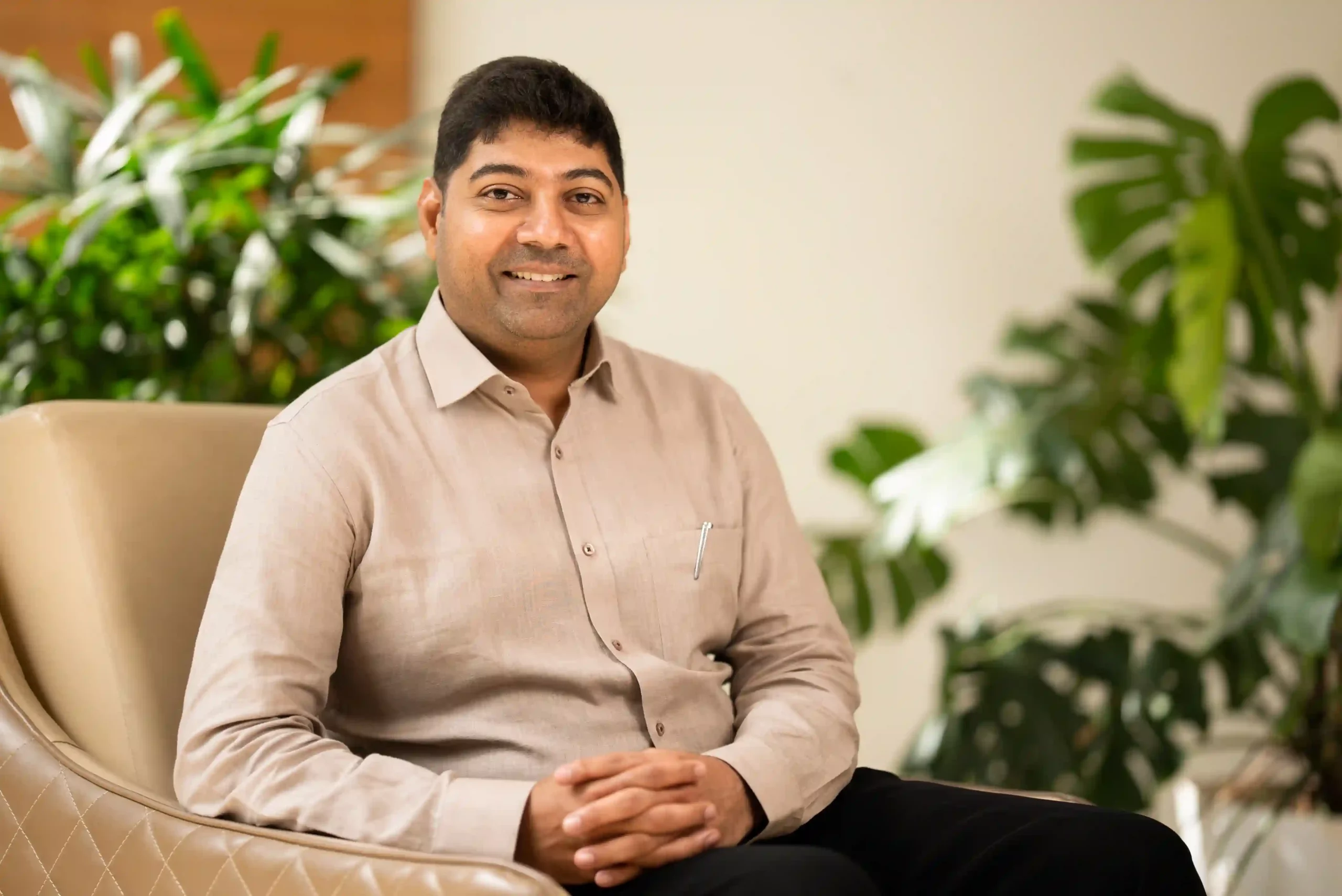
Medical Director
15+ years of expertise in psychiatry and addiction recovery.

Consultant Psychiatrist & Neurofeedback Practitioner
With over 15+ years of experience in psychiatry and neurofeedback, he blends medical expertise and compassion to guide clients toward lasting recovery.

Consultant Psychiatrist
15+ years providing expert psychiatric care for mental health and substance use disorders.

Dr. Ramalingam P Kandaswamy
Consultant Physician
15+ years With over 5 years of experience in HIV and infectious diseases, he brings global expertise and compassionate care to every patient he supports.

Dr. Divya
Psychiatrist
10+ years combining clinical psychiatry expertise with healthcare management for holistic treatment.

Residential Medical Officer
12 years delivering comprehensive medical care in psychiatric and rehabilitation settings.
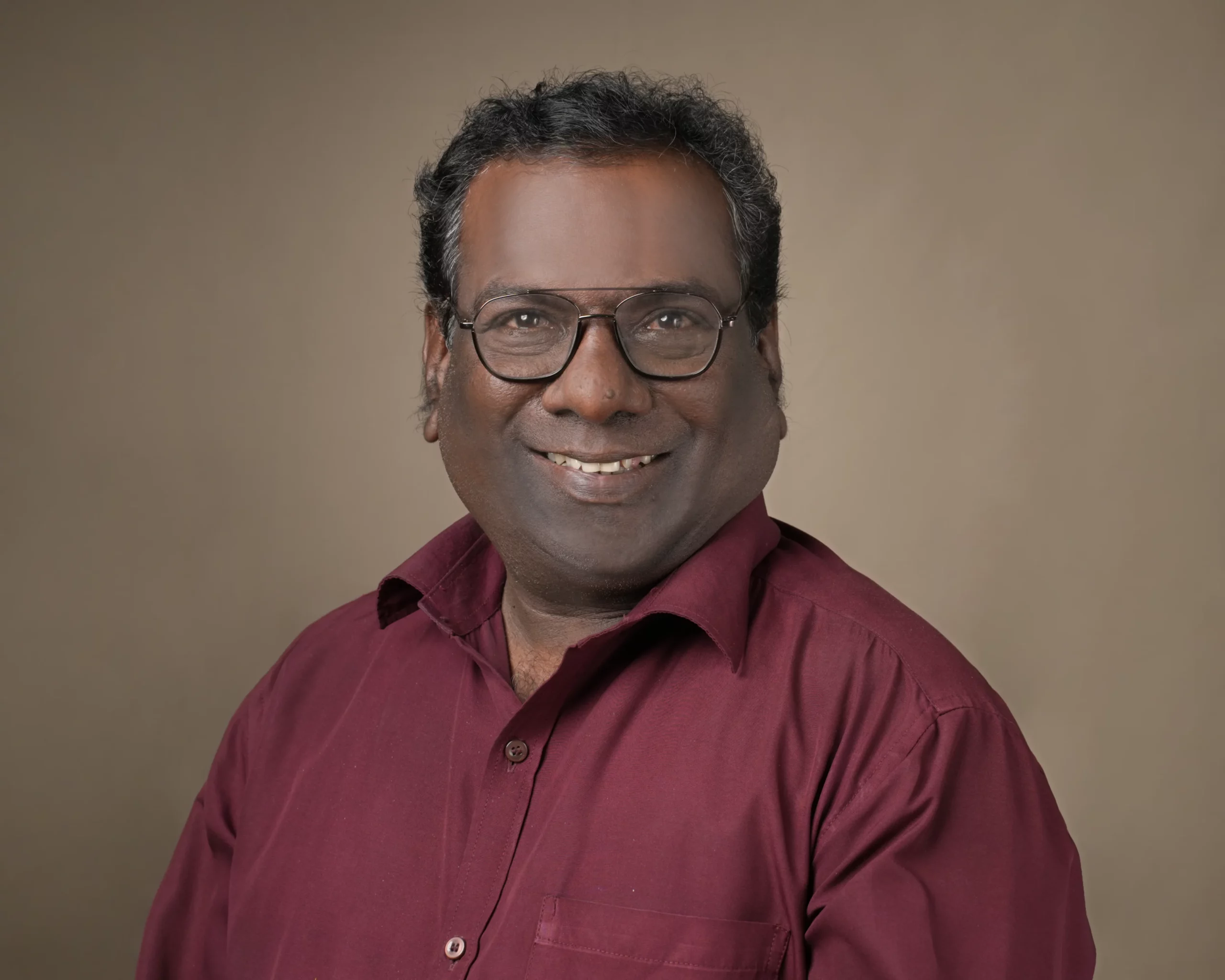
Senior Psychiatric Social Worker
22+ years of experience empowering clients through therapeutic guidance, psychosocial support, and lived-experience wisdom.

Senior Clinical Psychologist
9+ years specializing in psychological assessment and evidence-based therapeutic interventions.

Head Clinical Psychologist
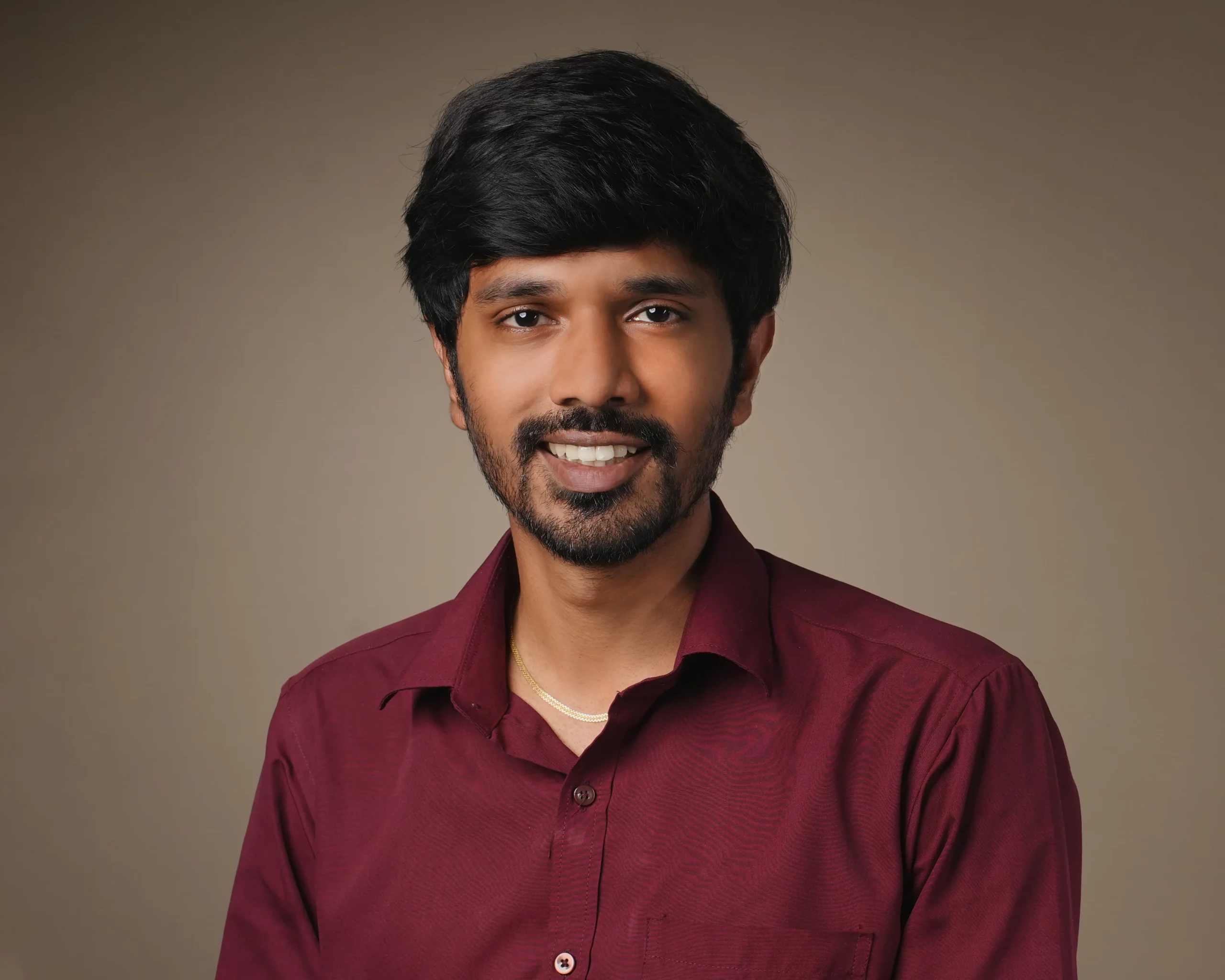
Clinical Psychologist
2+ years providing psychological interventions for behavioral health and emotional wellness.
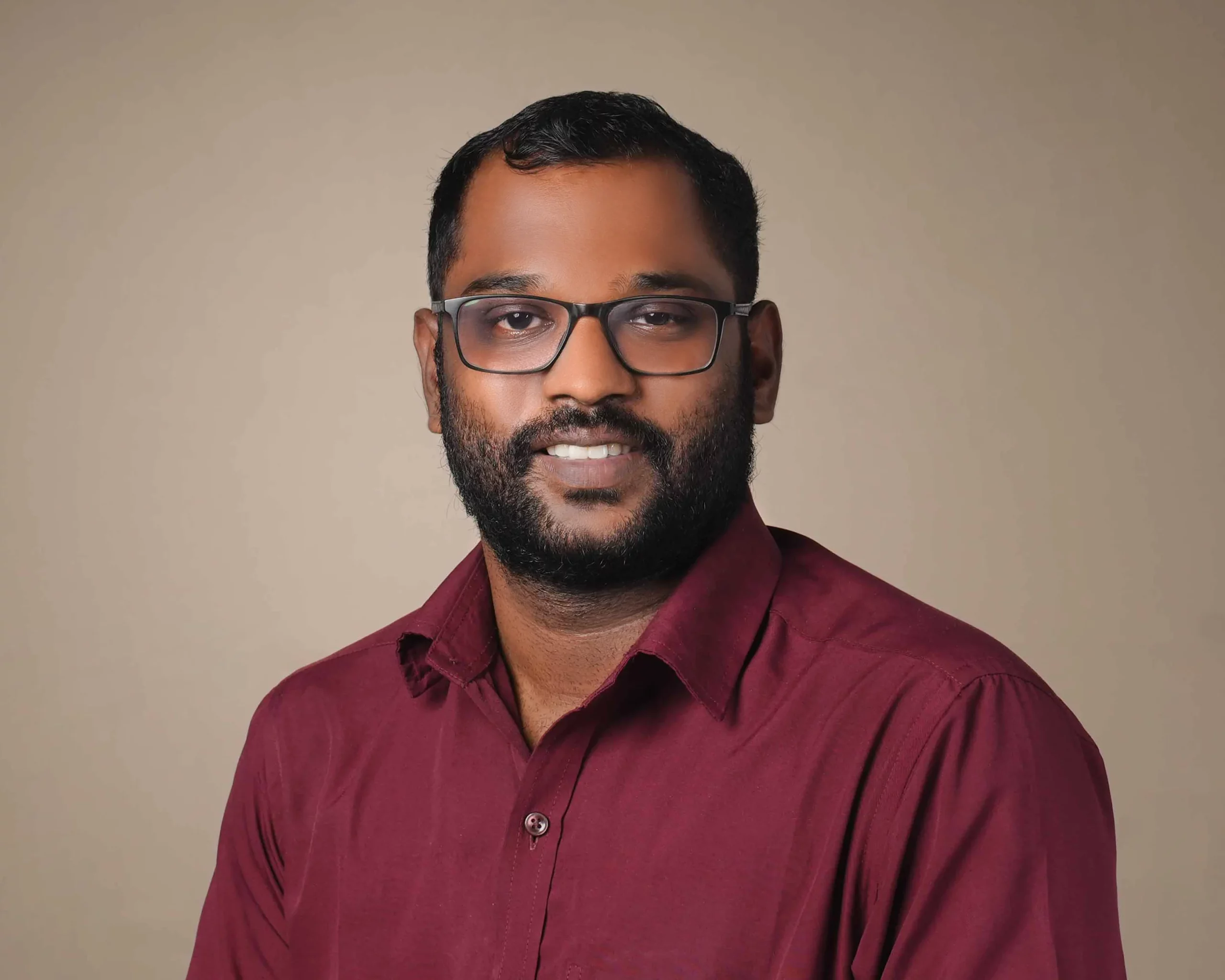
Clinical Psychologist
2+ years supporting clients through clinical assessment and therapeutic care.

Psychologist
Empathetic psychologist with 4 years’ experience in handling mental health disorders, using evidence-based psychotherapies for personalized client care.
Inside Our Residential Sleep Programme
Many people assume that all sleep therapy centres run on the same routine of tests, advice, and temporary fixes. At Abhasa, the experience is very different. We focus on helping each person rebuild healthy, natural sleep from the ground up, while also improving their overall sense of well-being.
As a leader in residential sleep treatment, we see recovery as a step-by-step process that combines structure, science, and comfort. The programme adapts to each guest so progress feels personal and lasting.[3,4]
Understanding the person
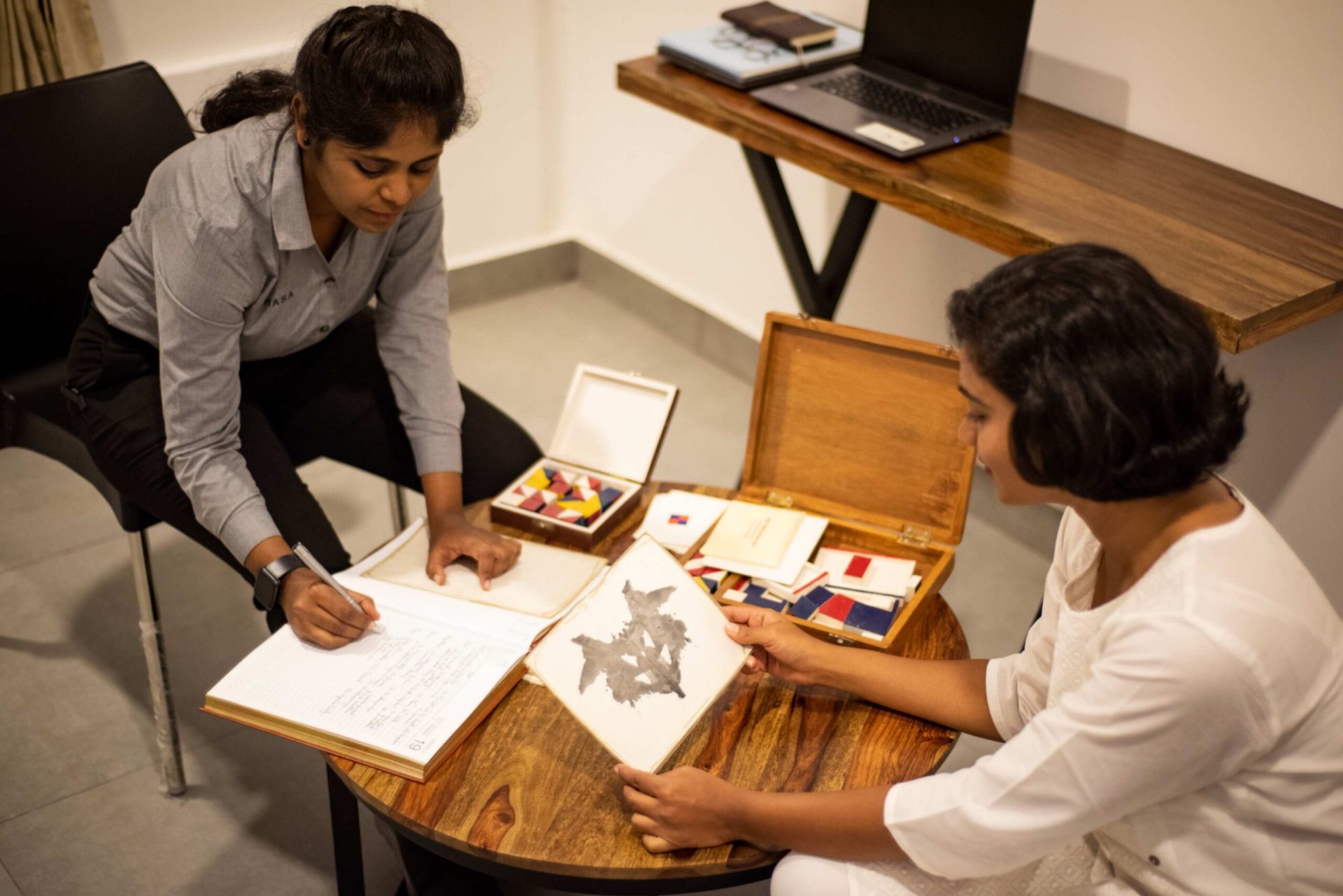
We start by looking at the whole picture of someone’s life, not just their sleepless nights. In our sleep therapy centres, we:[2,3]
- Observe current sleep patterns and everyday habits.
- Pinpoint triggers like lighting, noise, or changes in temperature.
- Speak with families to understand what nights are like at home.
With this insight, we create a recovery plan that fits the person’s life. We give them the best chance to sleep well again.
Building the right setting
The surroundings can make or break sleep recovery. Our residential sleep treatment spaces include private suites with quiet zones, adjustable lighting, and climate control to create the best conditions for rest.
Guests follow a calm, consistent daily rhythm.[5,6] Regular wake-up times, balanced activity and soothing evening routines help to reset the body’s internal clock.
Supporting rest through food
Nutrition is a powerful part of our approach. In our sleep therapy centres, meals are planned to steady energy through the day and prepare the body for sleep at night. Herbal infusions, magnesium-rich foods, and light evening snacks form part of this plan.[9]
Moving for Better Sleep
Gentle movement plays a vital role in how well we rest. In our residential sleep treatment programme, you take part in light exercise, simple stretches, and unhurried walks in peaceful surroundings. These activities encourage better blood circulation, reduce muscle tension, and prepare the body to drift into more profound and more restorative sleep.[5,6]
Calming the Mind
A busy mind often makes it harder to fall asleep. We guide you through meditation, focused breathing, and mindfulness that brings calmness. By slowing down your racing thoughts, your mind relaxes, and your body naturally falls into deep sleep and restores itself.[4]
Balancing community and personal care
Guests benefit from group sessions where they share experiences and find encouragement. Alongside this, one-on-one sleep coaching allows for personal attention, progress tracking, and programme adjustments. This mix gives our sleep therapy centres a strong sense of both community and individual care.[3,4]
Fine-tuning for lasting change
Our residential sleep treatment evolves with the person. We monitor improvements, note changes in sleep and mood, and make small shifts in the routine so gains continue over time.
Preparing for home life
Before leaving, guests and families receive a practical plan for maintaining good sleep. This can include:[5,7]
- Setting up a restful bedroom at home.
- Keeping a consistent sleeping time is essential.
- Techniques for handling stress.
- Guidance on staying with new habits.
The goal is for the progress made in our sleep therapy centres to continue long after the stay ends.
Why it works
Many guests arrive after trying quick fixes that never lasted. Our residential sleep treatment works because it addresses every layer: the surroundings, the body, the mind, and daily patterns.[2,3,7] People leave sleeping better and feeling more balanced, energised, and confident.
Your best nights are ahead, we’ll help you reach them.
A Typical Day at Our Sleep Centre

Daily rhythm has a powerful influence on recovery. As one of the trusted sleep rehabilitation centres in India, we design each day to bring stability, comfort, and steady progress.[5] Our approach to structured sleep recovery blends proven methods with restorative practices that support both body and mind.
Mornings begin in a calm, unhurried way. Guests ease into the day with natural wake-up support and light activities that prepare the body for focus and balance. A nourishing, sleep-supportive breakfast follows, giving energy without overstimulation.
Through the day, guests take part in personalised sessions that address sleep behaviours, build healthy routines, and strengthen the connection between mind and body. Gentle fitness activities, mindfulness practices, and restorative rest periods are woven into the schedule.
Evenings focus on slowing the pace. Guided relaxation, calming environments, and supportive wind-down activities prepare the body for deep rest. The consistency of this structure helps guests reset their natural rhythms and carry these habits into life beyond the program.
At many sleep rehabilitation centres, routine is optional. Here, it is central to the healing process. This daily structure forms the foundation of lasting structured sleep recovery, helping each person leave not just rested, but confident in their ability to maintain that rest at home.
Sleep Environment Design & Optimisation
At Abhasa, comfort is not just an added touch. In our sleep disorder treatment facilities, every space serves a purpose in helping guests restore natural rest. From the moment they arrive, guests step into a setting designed to reduce stress, balance the senses, and encourage healthy sleep rhythms.
Our suites are created with optimal lighting, temperature, and acoustics to support rest. Circadian lighting helps manage blue light exposure, while personalised climate control keeps the sleeping environment comfortable.[5,6] Sound therapy and quiet zones minimise disturbances, ensuring uninterrupted rest.
As one of the leading sleep medicine centres in India, we integrate modern sleep tracking technology to monitor patterns and progress. Guests also benefit from natural light exposure during the day, helping reset the body’s internal clock. Outdoor garden spaces provide a peaceful retreat where nature supports wellness and calm.

Every corner of Abhasa is designed to promote more profound, more restorative sleep.
Sleep Behaviour Modification & Therapy
Many people join our program feeling worn down by months or years of broken sleep. They may have already tried quick fixes, home remedies, or even strict routines without seeing long-term results. That is why, unlike many other providers, we never hand over a pre-written plan and walk away. Every plan we create is tailor-made with the guest in mind, shaped around their needs, and adjusted as they progress.
At Abhasa, our sleep therapy programs begin with a thorough understanding of the individual.[2,3] We focus on creating living, evolving care plans that respond to each person’s emotional, physical, and lifestyle needs. We do a complete personal sleep assessment where we explore each person’s sleep habits, the stresses that may be keeping them awake, and their sleeping environment. Guests share their sleep history, walk us through their daily routines, and open up about their challenges. We also speak with family members to understand their perspective on what nights are like at home and to spot anything in the environment that could be disturbing rest. These early steps allow us to see the whole picture, not just the surface problem.
Poor sleep rarely has a single cause and results from a combination of biological, psychological, and environmental factors. We address all of them through a personalised framework that blends cognitive behavioural therapy, habit reshaping, and restorative practices.
- Biological: Lifestyle factors, nutrition, and health patterns that impact rest.
- Psychological: Stress, anxiety, or unhelpful thought patterns that make it hard to switch off.
- Environmental: Light, sound, temperature, and other cues that disturb the sleep-wake cycle.
By treating these layers together, we help guests move beyond symptom management to lasting change.
Our personalised approach to sleep therapy programs draws on four key pillars:[2,3,4]
- Cognitive Behavioural Therapy – Practical strategies to replace disruptive sleep thoughts and behaviours with positive ones.
- Routine and Habit Design – Structuring sleep and wake times, pre-bed rituals, and calming activities.
- Relaxation and Mindfulness – Guided breathing, meditation, and gentle stretching to prepare the mind and body for rest.
- Family Involvement – Teaching supportive practices that help maintain progress at home.
Our plans are never static. Every day, our team observes how guests respond, noting changes in mood, rest quality, and overall energy. These observations are discussed in multidisciplinary reviews and translated into adjustments in the program. Families are updated regularly, making them active partners in the process.
If someone struggles with specific relaxation methods, we try alternatives. If evening routines are working well, we reinforce them with additional strategies for travel, work stress, or lifestyle changes. This flexibility ensures that the plan grows with the person and remains relevant long after they leave.
Before completing the program, guests work with our team to create a personalised post-care plan. This includes home sleep environment recommendations, strategies for handling setbacks, and a clear roadmap of short- and long-term goals. By the time they leave, they are confident, prepared, and supported in maintaining their progress.
At Abhasa, cognitive behavioural therapy is not just a technique we apply. It is part of a broader, compassionate approach within our sleep therapy programs that meets each person where they are and helps them reclaim the rest they deserve.
Your habits shape your nights and we help you sleep better.
Family Sleep Support & Education
When nights stay restless for someone you love, the whole home feels it. The worry, the guessing, the tiredness, all of it settles into the family’s days as much as the nights. You want to help, but not knowing the right way can feel heavy. At Abhasa, we recognise that weight. We make sure families are cared for too, giving them the understanding, guidance, and practical tools they need to feel confident in supporting their loved one’s journey back to peaceful sleep. Family involvement is not optional here. It is part of the plan.


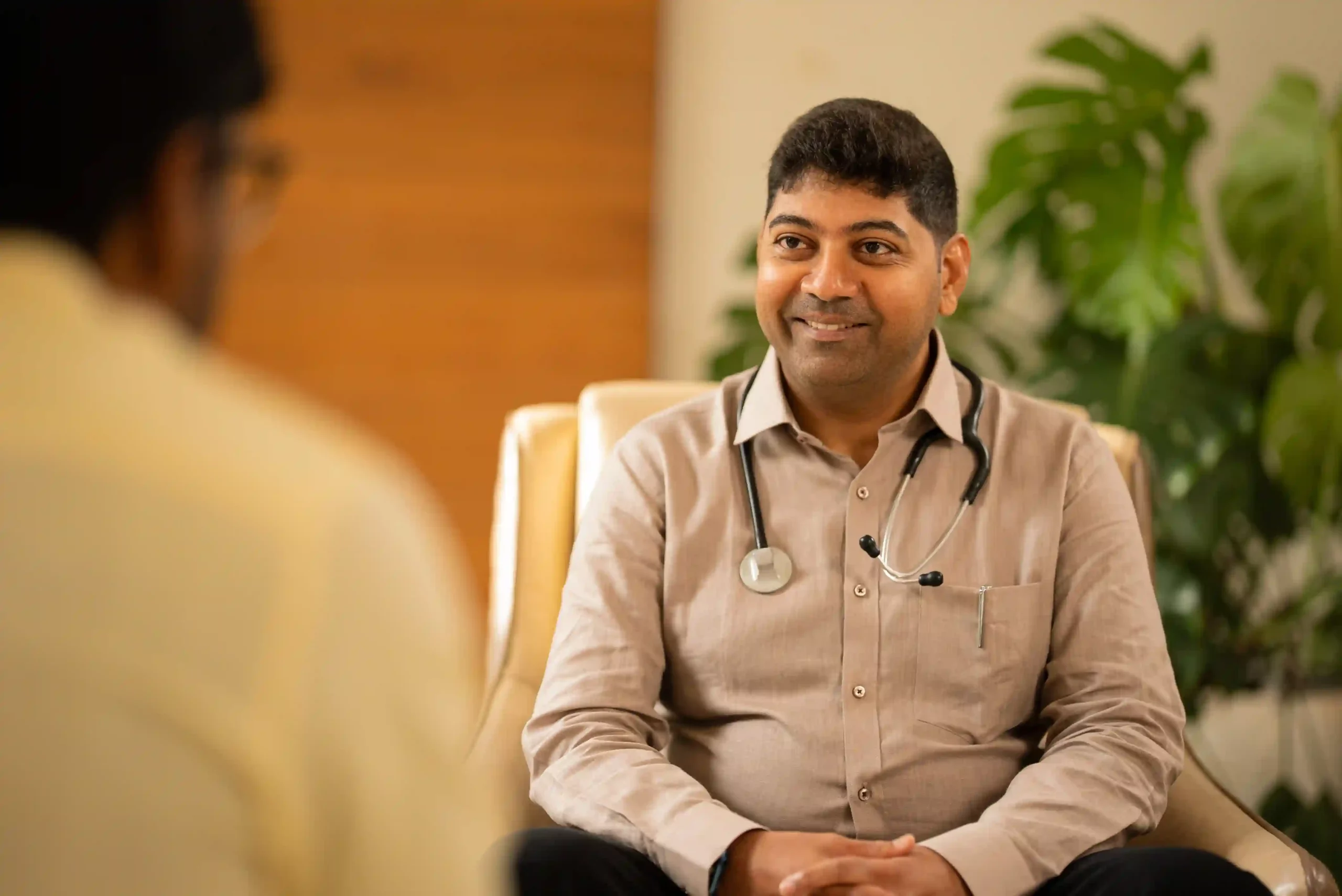
In our family sleep education program, we explain how sleep disorders work, what disrupts healthy rest, and what truly supports recovery. Families learn to recognise triggers, encourage healthy routines, and create a home environment that promotes sleep. Our sleep disorder support includes practical guides, interactive discussions, and ongoing resources so learning becomes action.
Families receive clear updates on progress through short daily reports and regular check-ins. They keep you updated on daily routines, emotional health, and progress, helping you stay closely involved in your loved one’s journey. Regular review calls with our team give you the chance to have open conversations, ask questions, and plan the next steps together.
We also hold joint sessions where families and guests sit down with a counsellor. These moments help rebuild trust, open more precise lines of communication, and ensure that everyone feels heard and understood. Practical advice on creating a supportive home sleep space ensures that progress continues beyond the program.
At Abhasa, we believe family sleep education works best when combined with genuine sleep disorder support for both the person recovering and the people who care for them. This way, everyone leaves feeling prepared, confident, and supported.
You’re not alone in helping your loved one sleep better.
Sleep-Focused Healing Environment
Not all rest happens inside therapy rooms. Sometimes, it begins with stillness, the quiet of open air, the gentle sway of trees, or a space that asks nothing of you except to slow down. At Abhasa, we designed our luxury sleep rehabilitation spaces to give the body and mind a true pause from the noise of daily life.
Our location sits away from the constant hum of the city, removing urban disruptions that can keep sleep out of reach. The natural surroundings invite calm with walking paths, garden seating, and open architecture that lets in light and fresh air. Every detail, from the tone of the walls to the arrangement of rooms, aims to soothe the senses.
As one of the trusted sleep disorder treatment centres in India, we value privacy and safety. Guests stay in sleep-optimised suites with comfortable bedding, climate control, and soft lighting. Common areas encourage peaceful social connection, while quiet zones and garden spaces offer moments of solitude.
Security stays present yet discreet, so guests feel protected without intrusion. This feeling of safety lets the body loosen and the mind settle, so real rest can finally happen. Here, the surroundings are not just a background for care; they are part of the care itself. Every corner is created to bring back balance and ease. Our luxury sleep rehabilitation setting is more than just a place to spend the night. It is a sanctuary where your thoughts can quieten and your body can relax.

Abhasa is a sanctuary built for deep, lasting rest.
Stories of Restful Nights: Life After Sleep Treatment
At Abhasa, the success of sleep treatment is measured in moments our guests and their families cherish. Many have seen physical benefits, like steady blood pressure and fewer headaches, and feel their body and mind work in harmony once more.
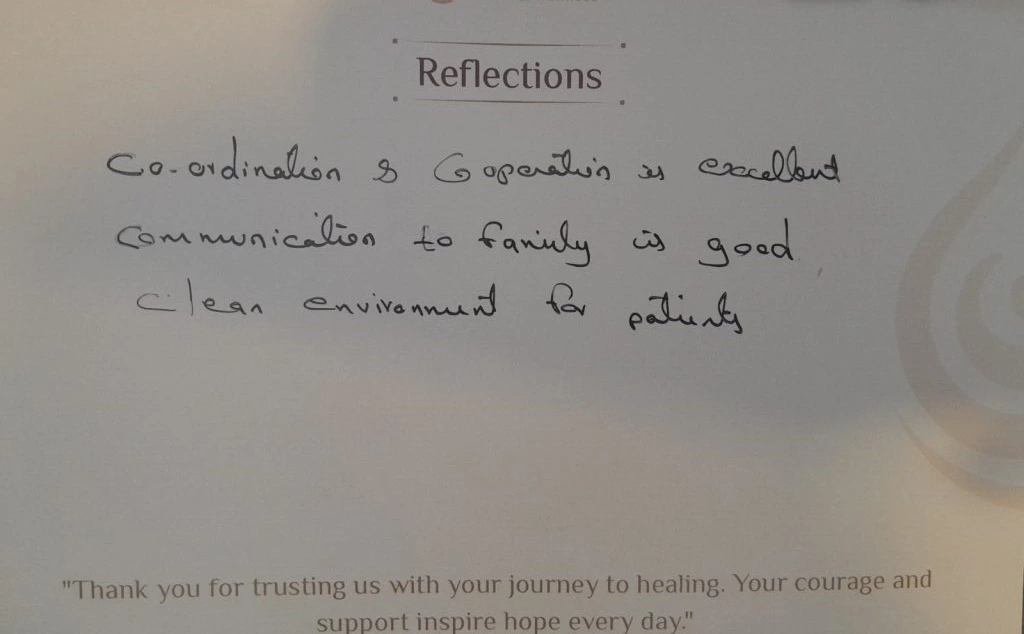
Co-ordination & cooperation is excellent. Communication to family is good. Clean environment for patients.
Former Client
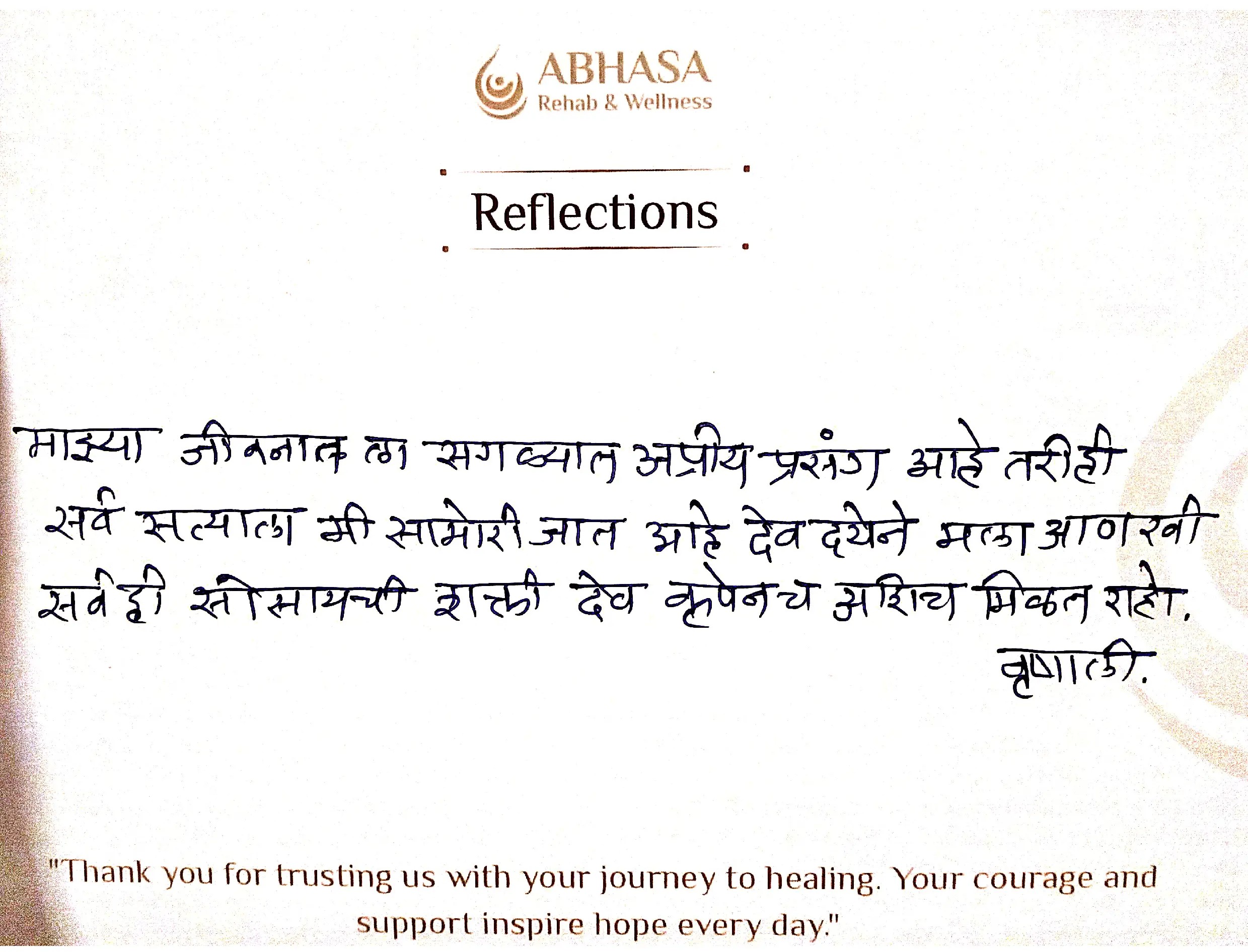
I found strength to face life’s hardest truths here. I believe it was God’s grace that brought me to Abhasa.
Former Client
FAQs About Sleep Disorder Treatment
How to be referred to a sleep clinic?
Your doctor can refer you, but it is not the only way. At Abhasa, you can contact us directly. We will listen, understand your situation, and guide you through the process so you feel supported from the first conversation.
Is a sleep disorder a mental illness?
Not always. Sleep disorders can come from many places: stress, lifestyle patterns, medical conditions, or emotional strain. The best sleep disorder treatment looks at the whole picture, so the care plan feels personal and complete.[2]
What does a sleep clinic do?
It helps you uncover the reasons behind your sleepless nights and shows you how to change them. At Abhasa, our sleep disorder treatment centres blend expert assessments with a recovery plan you can truly live with.
What does a sleep therapist do?
They work with you to gently shift the thoughts and habits that get in the way of rest. Often, they use cognitive behavioural therapy so that change feels manageable and lasting.[3,4]
What happens at a sleep disorder clinic?
You will meet with specialists, share your sleep history, and talk about your daily routine. Together, we will map a way forward that feels realistic and encouraging.
What happens during a sleep clinic?
We observe your sleep patterns, look for triggers, and give you tools that support better rest over time.
What is a doctor who specialises in sleep disorders called?
They are known as sleep specialists or sleep medicine physicians. Their focus is on restoring healthy, natural sleep.[8]
What is the 15-minute rule for sleep therapy?
If you cannot fall asleep within 15 minutes, move out of your bed, do something calming, and return when you feel ready to sleep again.[4]
What is the best cure for a sleeping disorder?
The best sleep disorder treatment is different for each person. It may involve new routines, therapy, changes to your environment, or a mix of all three.[2,3]
What is the best doctor for insomnia?
A sleep specialist or psychiatrist with sleep training can give the most tailored guidance.
What is the best sleep disorder clinic in the world?
The right clinic is one where you feel safe, understood, and supported. In India, Abhasa is known among the best sleep disorder treatment providers for our personalised, holistic approach.
What is the best therapy for sleep disorders?
Cognitive behavioural therapy for insomnia (CBT-I) is often highly effective and sustainable.[2,3]
What is the best treatment for a sleeping disorder?
A customised plan from experienced sleep disorder treatment centres that addresses your specific needs.
What is the cost of an at-home sleep study?
Costs vary based on the provider and the type of monitoring. We can explain options and help you choose what feels right for you.
What is the most effective treatment for sleep disorders?
The best sleep disorder treatment combines therapy, environmental changes, and healthy lifestyle habits.[2,3]
What is the most prescribed treatment for insomnia?
CBT-I is usually recommended before medication, as it works on both behaviour and mindset.[3,4]
What specialist to see for sleep?
A sleep medicine specialist can assess and treat the underlying causes of poor rest.
What will a sleep clinic do?
It will identify what is affecting your sleep and give you practical, proven ways to improve it.
Where is the best place for a person to get help with a sleep disorder?
Choose sleep disorder treatment centres with experienced teams, personalised care, and an environment that supports deep rest.
Which doctor is best for a sleep disorder?
A qualified sleep medicine specialist who understands your unique needs.
Which doctor is best for sleeping problems?
A sleep doctor or psychiatrist trained in treating sleep-related concerns.
Which doctor is best to treat insomnia?
A sleep specialist who can guide both the physical and emotional aspects of recovery.
Which is the best medicine for a sleep disorder?
Only a doctor can recommend safe and suitable medication after a proper assessment.
Which therapy is best for insomnia?
CBT-I is considered the most reliable therapy for restoring natural sleep.[3,4]
Which therapy is best for sleep?
Therapies that address habits, environment, and emotional well-being, such as CBT-I, often have the best results.
Begin Your Journey to Better Sleep
You do not have to face sleepless nights on your own. If you have been searching for the best sleep disorder treatment centres, know that help is here, and it is designed to feel safe, private, and truly restorative.
As one of the most trusted names for sleep treatment in India, we believe recovery starts with understanding, patience, and a clear plan. Whether you are reaching out for yourself or for someone you love, the first step opens the door to better nights and calmer days. From the moment you contact us, our team will guide you through a simple process, from your first call to your personalised sleep care plan, so you feel supported every step of the way.
The hardest part is reaching out, we’ll walk the rest together.
Proudly Serving Across Cities
- Rehab in Karjat
- Rehab in Pune
- Rehab in Navi Mumbai
- Rehab in Madurai
- Rehab in Trichy
- Rehab in Bangalore
- Rehab in Chennai
- Rehab in Thane
- Rehab in Nasik
- Rehab in Kochi
- Rehab in Mangalore
- Rehab in Mysore
- Rehab in Hyderabad
- Rehab in Vijayawada
- Rehab in Visakhapatnam
- Rehab in Delhi
Medical Disclaimer
This information is for educational purposes only and does not constitute medical advice, diagnosis, or treatment recommendations. Sleep disorders require professional evaluation and diagnosis by qualified healthcare providers. Individual results from treatment may vary significantly based on multiple factors including the specific disorder, severity, co-occurring conditions, and individual health status.
Always consult with qualified healthcare professionals before making any decisions about sleep treatment. This content should not replace professional medical consultation, diagnosis, or treatment. If you are experiencing severe sleep disturbances, daytime impairment, or related health concerns, please seek immediate evaluation from a licensed sleep medicine specialist or healthcare provider.
If you are experiencing a medical or mental health emergency, call emergency services immediately or go to the nearest emergency room.
Treatment outcomes described on this website represent potential benefits and are not guaranteed. Success rates vary by individual circumstances.
Resources
Research Citations (Top 15 Authoritative Sources):
[1] Garbarino S, et al. – “Role of sleep deprivation in immune-related disease risk and outcomes” – Nature Communications Biology, 2021
URL: https://www.nature.com/articles/s42003-021-02825-4
Source Type: Peer-reviewed journal (Nature Publishing Group)
Relevance: Documents health consequences of chronic sleep deprivation including immune function, cognitive impairment
[2] Edinger JD, et al. – “Behavioral and psychological treatments for chronic insomnia disorder in adults: An American Academy of Sleep Medicine clinical practice guideline” – Journal of Clinical Sleep Medicine, 2021
URL: https://jcsm.aasm.org/doi/10.5664/jcsm.8986
Source Type: Official AASM clinical practice guideline
Relevance: Authoritative evidence-based treatment recommendations for insomnia, CBT-I effectiveness
[3] Vargas I, Perlis ML, et al. – “Cognitive Behavioral Therapy for Insomnia (CBT-I): A Primer” – NIH/PMC, 2023
URL: https://pmc.ncbi.nlm.nih.gov/articles/PMC10002474/
Source Type: Peer-reviewed comprehensive review (NIH database)
Relevance: Complete overview of CBT-I components, methodology, effectiveness rates, treatment protocols
[4] Sleep Health Foundation (Australia) – “Cognitive Behavioural Therapy for Insomnia (CBT-I)” – 2025
URL: https://www.sleephealthfoundation.org.au/sleep-disorders/cognitive-behavioural-therapy-for-insomnia-cbt-i
Source Type: Professional sleep health organization
Relevance: Patient-accessible explanation of CBT-I techniques including stimulus control, sleep restriction, relaxation training
[5] American Academy of Sleep Medicine – “Behavioral and psychological treatments: Updated AASM clinical guidelines” – NIH/PMC, 2021
URL: https://pmc.ncbi.nlm.nih.gov/articles/PMC7853203/
Source Type: AASM evidence-based clinical guideline (NIH indexed)
Relevance: Sleep hygiene recommendations, environmental optimization, structured treatment protocols
[6] American Academy of Sleep Medicine – “Healthy Sleep Habits” – Sleep Education, 2021
URL: https://sleepeducation.org/healthy-sleep/healthy-sleep-habits/
Source Type: AASM professional educational resource
Relevance: Evidence-based sleep hygiene practices, environmental factors, circadian rhythm management
[7] Edinger JD, et al. – “Cognitive behavioral therapy for insomnia: Long-term treatment effects and predictors of long-term response” – Sleep Medicine Reviews, 2019
URL: https://www.sciencedirect.com/science/article/abs/pii/S1087079218301965
Source Type: Peer-reviewed meta-analysis
Relevance: Durability of CBT-I effects at long-term follow-up, sustained improvements, relapse prevention
[8] American Academy of Sleep Medicine – “Sleep is essential to health: An AASM position statement” – NIH/PMC, 2021
URL: https://pmc.ncbi.nlm.nih.gov/articles/PMC8494094/
Source Type: Official AASM position statement (NIH indexed)
Relevance: Importance of sleep for health, role of sleep specialists, sleep health promotion
[9] Zhang Y, et al. – “Association of magnesium intake with sleep duration and sleep quality: Findings from the CARDIA study” – SLEEP (Oxford Academic), 2022
URL: https://academic.oup.com/sleep/article/45/4/zsab276/6432454
Source Type: Peer-reviewed large cohort epidemiological study
Relevance: Evidence for dietary magnesium’s relationship to sleep quality and duration
[10] Centers for Disease Control and Prevention (CDC) – “About Sleep” – 2025
URL: https://www.cdc.gov/sleep/about/index.html
Source Type: U.S. Government health agency (.gov)
Relevance: Public health information on sleep recommendations, sleep disorder prevalence, health impacts
[11] American College of Physicians – “Management of Chronic Insomnia Disorder in Adults: A Clinical Practice Guideline” – Annals of Internal Medicine, 2016
URL: Referenced in medical literature
Source Type: ACP official clinical guideline
Relevance: First-line treatment recommendations prioritizing CBT-I over pharmacological approaches
[12] Mayo Clinic – “Insomnia treatment: Cognitive behavioral therapy instead of sleeping pills” – 2023
URL: https://www.mayoclinic.org/diseases-conditions/insomnia/in-depth/insomnia-treatment/art-20046677
Source Type: Academic medical center (Mayo Clinic)
Relevance: Authoritative patient education on CBT-I as evidence-based treatment
[13] American Heart Association – “Impact of Sleep Disorders on Brain Health: AHA/ASA Scientific Statement” – Stroke Journal
URL: https://www.ahajournals.org/doi/10.1161/STR.0000000000000453
Source Type: AHA official scientific statement
Relevance: Sleep disorders’ impact on brain health, cardiovascular health, neurodegenerative disease links
[14] Sleep Foundation – “Cognitive Behavioral Therapy for Insomnia (CBT-I)” – 2025
URL: https://www.sleepfoundation.org/insomnia/treatment/cognitive-behavioral-therapy-insomnia
Source Type: National Sleep Foundation professional organization
Relevance: Comprehensive overview of CBT-I techniques, success rates, treatment structure
[15] National Institute of Mental Health and Neurosciences (NIMHANS) – India
URL: https://nimhans.ac.in/
Source Type: Indian government premier mental health institute
Relevance: India-specific mental health and sleep disorder resources, professional standards