
Luxury Anorexia Rehab in India

Anorexia doesn’t have to consume life. Abhasa’s therapies and holistic care help you regain strength and dignity.
Your healing journey begins the moment you start.

2:1 Staff-to-client ratio
3 Healing Spaces
Personalised Treatments
360° Healing
2:1 Staff-to-client ratio
3 Healing Spaces
Personalised Treatments
360° Healing
Gallery
Luxury Anorexia Treatment in India

Rediscover Peace Around Food with Anorexia Recovery at Abhasa
“Food shouldn’t be the enemy. But right now, it feels like it is.”
When someone you love refuses food, counts every bite, or avoids the dinner table, it doesn’t just affect their body. It slowly starts to involve the whole family. You watch them shrink, emotionally and physically, and you feel helpless. You may have tried doctors, therapists, or even meal plans. But deep down, you know this needs something more.
That’s where our anorexia treatment centres step in with the structure, safety, and compassion your loved one deserves.
At Abhasa, healing happens in quiet, peaceful surroundings. Our anorexia nervosa treatment centres don’t look or feel like hospitals. They feel like calm, natural sanctuaries. Clients stay in beautiful, private rooms, follow nourishing routines, and receive constant guidance from experts who truly understand the emotional layers of this journey.
Maybe you’ve felt blamed, or perhaps you’ve been afraid to ask for help. Many Indian families carry a quiet shame around eating struggles. We want to replace that silence with clarity, support, and progress. We invite you to be part of this journey, not left outside. At Abhasa, family involvement is not optional. We work with you, not just your loved one.
Recovery is not just about eating. It’s about trust. It’s about healing self-worth. It’s about stepping back into life with freedom and peace. Our anorexia recovery centres help each person rebuild their relationship with food, with their body, and with the people who love them.
Don’t wait for tomorrow, the right care starts here.
Understanding the Role of Residential Anorexia Care
Anorexia is not just about eating less. It’s about fear, control, and deep emotional pain that often goes unseen. Families may try everything—nutrition charts, counselling, gentle encouragement—but nothing seems to bring lasting change. That’s when the need for something deeper becomes clear.
At Abhasa, our anorexia rehabilitation centres offer a structured, nurturing space designed specifically for long-term healing. We understand that outpatient support has its place, but sometimes, it isn’t enough. Our eating disorder treatment programmes create space for change to unfold safely, steadily, and with dignity.
Why Residential Support Makes a Real Difference
In a residential setting, we remove the unpredictability that often makes recovery at home so hard. At our anorexia rehabilitation centres, each client follows a gentle daily routine that supports emotional and physical restoration. Mornings begin with calm practices like mindfulness or yoga. Meals are guided and supported. Therapy sessions are consistent and tailored to each person’s needs.
More importantly, there is always someone nearby. Someone who understands what a skipped snack might mean. Someone who can step in when anxiety builds. This kind of 24/7 care makes a difference that outpatient eating disorder treatment cannot always provide.
Where Outpatient Efforts Often Fall Short
Healing at home can be difficult. Triggers may appear suddenly. Family members, although well-meaning, may feel unsure or overwhelmed. Without a consistent support system, the person struggling may slip back into old patterns: missing meals, isolating, or masking distress.
At Abhasa, we offer a protected, compassionate environment where clients feel safe to let go of those patterns. Our anorexia rehabilitation centres allow space for focused, uninterrupted healing.
Interrupting the Cycle, Gently
Many people with anorexia develop strict routines around food as a way to feel in control. We help them build new routines rooted in care, not fear. Through therapeutic meals, emotional regulation tools, and trust-based guidance, our eating disorder treatment helps clients reconnect with food in a way that feels calm and manageable.
Our approach is gentle but firm. Respectful, but rooted in expertise. Always be informed of what each person is ready for.
If you feel that outpatient care has reached its limit, and you’re looking for a space that truly understands this journey, we are here.
Why Residential Support Makes a Real Difference
In a residential setting, we remove the unpredictability that often makes recovery at home so hard. At our anorexia rehabilitation centres, each client follows a gentle daily routine that supports emotional and physical restoration. Mornings begin with calm practices like mindfulness or yoga. Meals are guided and supported. Therapy sessions are consistent and tailored to each person’s needs.
More importantly, there is always someone nearby. Someone who understands what a skipped snack might mean. Someone who can step in when anxiety builds. This kind of 24/7 care makes a difference that outpatient eating disorder treatment cannot always provide.
Where Outpatient Efforts Often Fall Short
Healing at home can be difficult. Triggers may appear suddenly. Family members, although well-meaning, may feel unsure or overwhelmed. Without a consistent support system, the person struggling may slip back into old patterns: missing meals, isolating, or masking distress.
At Abhasa, we offer a protected, compassionate environment where clients feel safe to let go of those patterns. Our anorexia rehabilitation centres allow space for focused, uninterrupted healing.
Interrupting the Cycle, Gently
Many people with anorexia develop strict routines around food as a way to feel in control. We help them build new routines rooted in care, not fear. Through therapeutic meals, emotional regulation tools, and trust-based guidance, our eating disorder treatment helps clients reconnect with food in a way that feels calm and manageable.
Our approach is gentle but firm. Respectful, but rooted in expertise. Always be informed of what each person is ready for.
If you feel that outpatient care has reached its limit, and you’re looking for a space that truly understands this journey, we are here.
A safe space where healing feels possible.
Why Residential Recovery Makes All the Difference
You may be doing everything you can. You’ve offered comfort, researched options, and tried to stay strong. Yet your loved one continues to avoid meals, withdraw from family moments, or seem lost in thoughts they can’t explain. That’s when many families start looking at residential treatment not as a last resort, but as the right next step.
At Abhasa, we’ve seen what happens when families try to manage alone. And we’ve seen what’s possible when they receive the proper support from a space designed for healing.

Structure That Brings Calm and Progress
Inside our anorexia recovery centres, healing doesn’t happen by chance. It happens by design. Each day follows a calm, predictable rhythm. Clients begin their mornings with mindful movement and eat supervised meals surrounded by trained, compassionate staff. This kind of daily structure helps reduce anxiety and restore a sense of emotional safety—something that’s hard to build at home.
Our residential treatment plans include one-on-one therapy, expressive sessions like art or nature therapy, and body image healing that meets each person where they are.

Support for the Body and the Mind
Before anything else, we stabilise physical health. Many clients arrive at our anorexia recovery centres needing nutritional care, medical support, and deep rest. We provide that in a non-judgmental, private environment. Every meal becomes an opportunity to rebuild trust with food. Every therapy session offers tools for managing the thoughts that fuel restriction and control.
In residential treatment, clients don’t have to pretend they’re okay. They feel seen, heard, and supported at every step.

Healing Happens Within a Community
Anorexia thrives in isolation. But healing often begins with connection. In our anorexia recovery centres, clients join peer groups, form safe bonds, and begin to re-enter social spaces slowly, without pressure. Group therapy, community meals, and shared activities build confidence in ways that solitary care cannot.
Our residential treatment model supports families where they learn and grow.

Planning for a Healthier Future
Recovery doesn’t stop when a client returns home. Our team works with families to prepare aftercare plans and supportive routines that last. Long-term recovery begins inside our anorexia recovery centres, but it continues with tools, strategies, and a renewed sense of hope.
If your home has become a place of worry, and you feel the weight of trying to do this alone, we are here to help.
Recovery grows where compassion and expertise come together.
Why Families Trust Abhasa for Anorexia Care
The Place Where Families Feel Understood and Healing Begins
At Abhasa, healing starts when a family feels seen. Many who come to us carry years of quiet worry, confusion, and heartbreak. They have tried to help their loved one eat, cope, and feel safe again. Still, nothing works honestly. That is when a space like Abhasa begins to feel helpful and essential.
We stand among the best anorexia treatment centres in India because we care for the whole person, not just the condition. We offer calm, privacy, and support that feels gentle but deeply transformative.
A Healing Space That Nurtures
Our luxury anorexia treatment centres are not clinical or cold. Clients stay in private, peaceful suites surrounded by greenery. They eat in warm, home-like dining areas and reflect in outdoor spaces that calm the nervous system. Every detail supports recovery by creating comfort.
Families often say it feels more like a wellness retreat than a rehab facility. We do this intentionally because healing grows in places that feel safe.
More Than Therapy, Healing That Connects Mind and Body
Clients at our luxury anorexia treatment centres receive more than just therapy. They follow a personalised schedule that blends clinical care with holistic healing. Our approach includes individual therapy, nutrition planning, yoga, art, movement, and mindfulness.
Every moment at Abhasa supports emotional, physical, and mental restoration. This is one reason families often describe us as different, because we are.
Families Stay Involved and Supported
You do not have to watch from the sidelines. At our best anorexia treatment centres, we keep families informed and involved. We explain what is happening, why specific therapies matter, and how you can support your loved one with less fear and more confidence.
From guided family therapy to meal support training, we ensure you feel equipped and not overwhelmed.
Safe, Private, and Respectful Care
Privacy and dignity are central to how we care. We protect personal information, offer quiet healing spaces, and always speak to our clients with respect. Every one of our luxury anorexia treatment centres upholds high standards for safety and confidentiality.
Our 24/7 care model ensures that help is always available. Clients feel emotionally held, not just monitored.
Real Support That Families Can Trust
Families trust Abhasa because they feel the change. They see their loved one begin to eat again, smile again, and slowly rebuild a healthier relationship with their body. And they feel supported, too.
When recovery starts here, it doesn’t stop here. We walk beside your family every step forward.
Give your loved one the help they deserve
The Team Behind Personalised Recovery
At Abhasa, healing begins with the right people. Our team brings together clinical therapists, psychiatrists, nutritionists, and holistic practitioners specialising in treating eating disorders. Each expert works closely with clients and families to ensure personalised, safe, consistent care.
Our anorexia therapy centres include family therapists, yoga mentors, and registered dietitians who understand the emotional and physical depth of this journey. They guide every step with compassion, professionalism, and cultural sensitivity.
Together, we offer a healing experience that combines science, heart, and human connection because every recovery story deserves the right team behind it.

Dr. Naveen Kumar
Medical Director
15+ years of expertise in psychiatry and addiction recovery.

Dr. Vivek Sharma
Consultant Psychiatrist & Neurofeedback Practitioner
With over 15+ years of experience in psychiatry and neurofeedback, he blends medical expertise and compassion to guide clients toward lasting recovery.
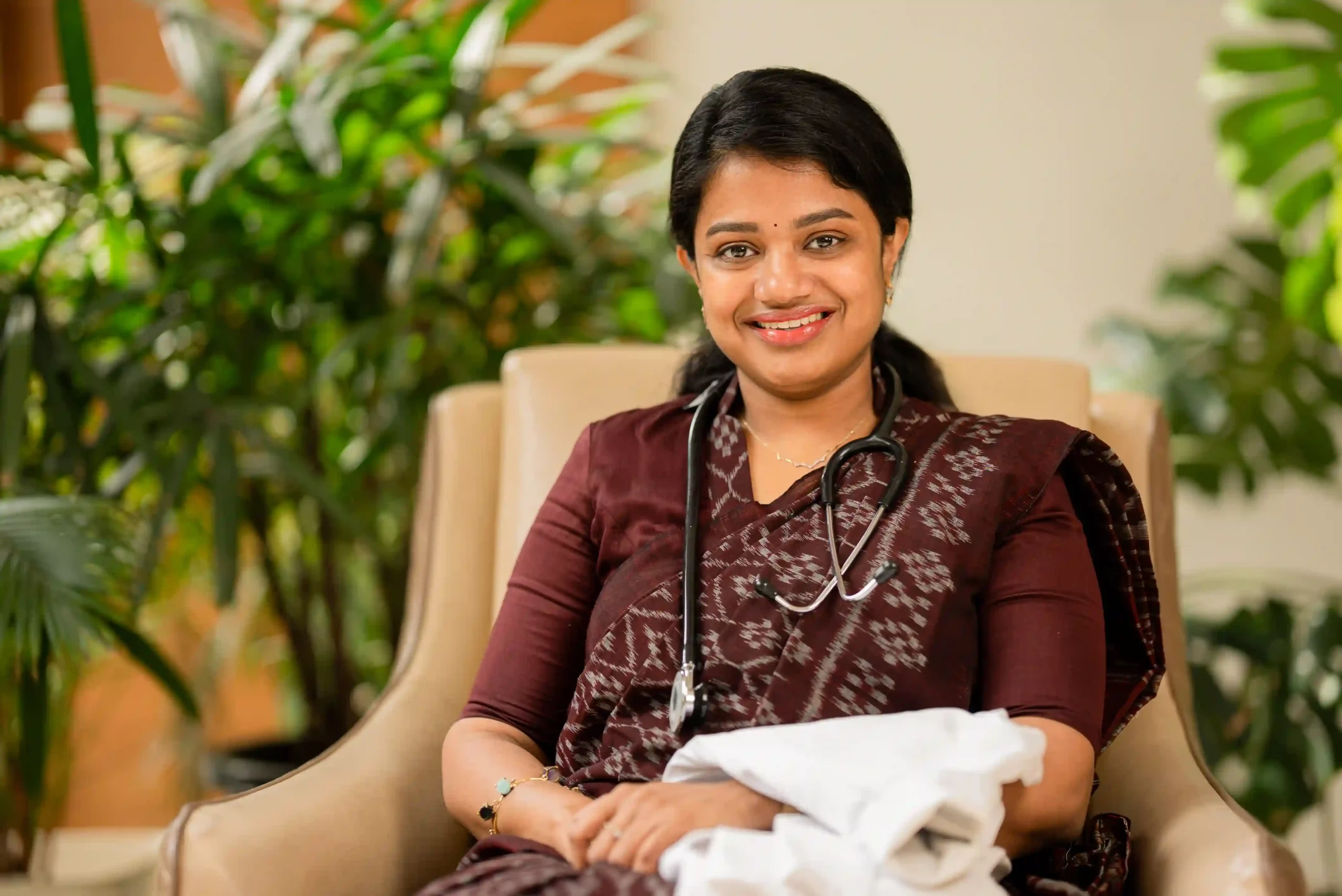
Dr. Shree Aarthi
Consultant Psychiatrist
15+ years providing expert psychiatric care for mental health and substance use disorders.

Dr. Ramalingam P Kandaswamy
Consultant Physician
15+ years With over 5 years of experience in HIV and infectious diseases, he brings global expertise and compassionate care to every patient he supports.

Dr. Divya
Psychiatrist
10+ years combining clinical psychiatry expertise with healthcare management for holistic treatment.
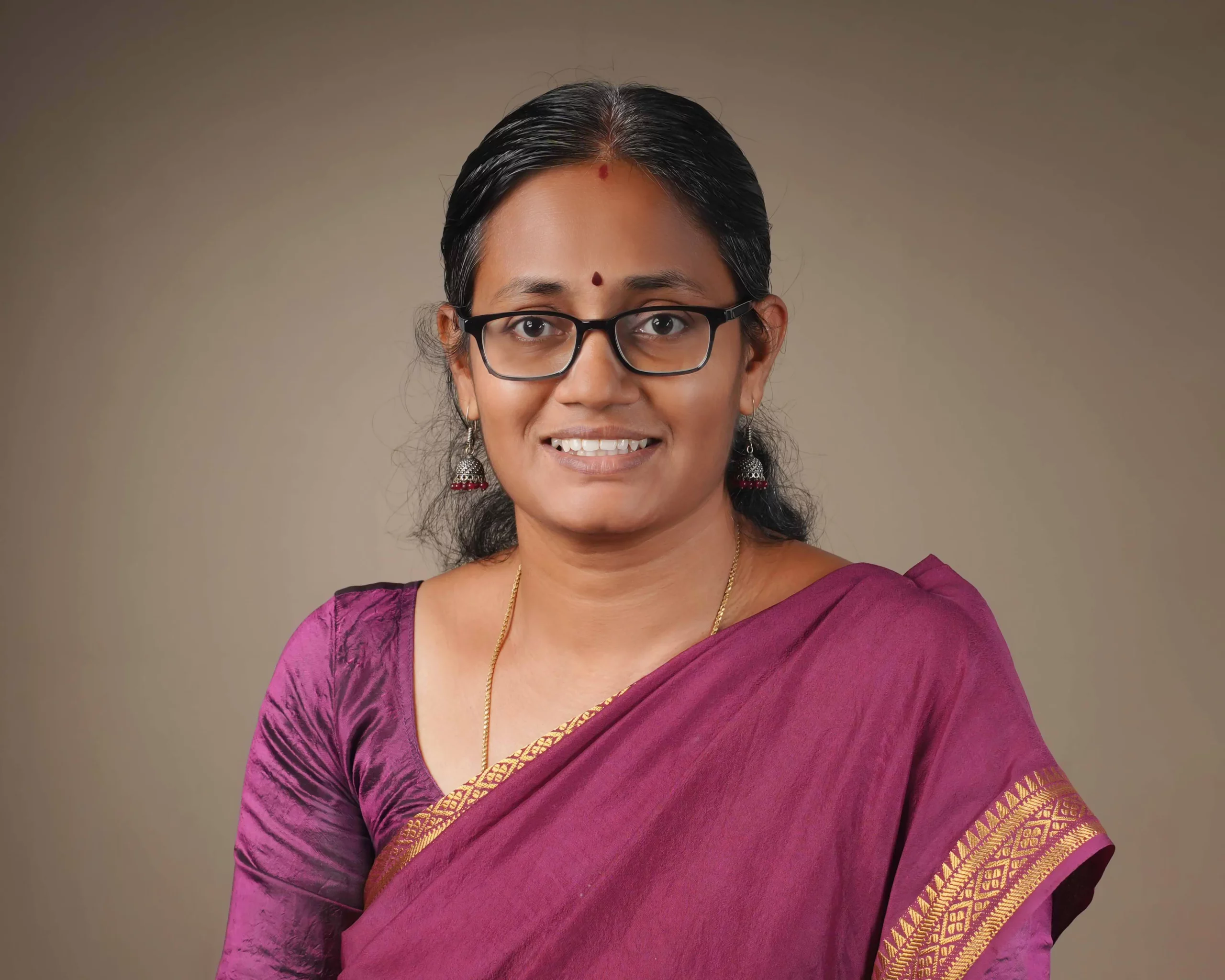
Dr. Malarvilzhi
Residential Medical Officer
12 years delivering comprehensive medical care in psychiatric and rehabilitation settings.

Dr. Karuppachamy
Senior Psychiatric Social Worker
22+ years of experience empowering clients through therapeutic guidance, psychosocial support, and lived-experience wisdom.

Ms. Meera
Senior Clinical Psychologist
9+ years specializing in psychological assessment and evidence-based therapeutic interventions.

Mrs. Priyadarshini
Head Clinical Psychologist

Mr. Mukesh Kanna
Clinical Psychologist
2+ years providing psychological interventions for behavioral health and emotional wellness.

Mr. Antipas Jayabal
Clinical Psychologist
2+ years supporting clients through clinical assessment and therapeutic care.

Ms Keerthana S
Psychologist
Empathetic psychologist with 4 years’ experience in handling mental health disorders, using evidence-based psychotherapies for personalized client care.
Families trust us because healing here feels safe.
Inside Our Residential Programme
How Our Anorexia Recovery Programme Restores Balance
If you believe all residential anorexia treatment centres supervise meals and wait for weight gain, you’re not alone. Many assume the approach is simple: eat more, get better. But anorexia affects far more than food. At Abhasa, we focus on stopping harmful behaviours and rebuilding the foundation of self-worth, emotional safety, and trust in nourishment.
As one of the most holistic anorexia treatment facilities in India, we do not follow formulas. We follow people. Our framework blends structure, compassion, and adaptability to meet every client exactly where they are.

Understanding the Patterns Behind Restriction
We do not begin with food. We start with listening.
At our residential anorexia treatment centres, the first step is understanding what’s going on beneath the food refusal or fear of weight. Our team uses gentle assessments, daily journaling, and emotional mapping to understand triggers, control patterns, and self-beliefs that shape behaviour.
This process creates a deeper plan that treats the person, not just the symptoms.
Creating a Plan That Grows With the Client
No two journeys look the same. In our anorexia treatment facilities, we design a plan that evolves with every stage of recovery. Some clients need slow meal reintroduction. Others benefit from trauma-informed therapy or guided mindfulness.
Our team—including psychologists, dietitians, and emotional wellness experts—meets regularly to review emotional shifts, adjust support, and ensure no one feels pushed beyond what they can handle.
Rebuilding in Layers, Not Labels
Many residential anorexia treatment centres treat disordered eating as a checklist. We treat it as a layered process that unfolds with time and care.
We use parallel approaches like:
- Meal coaching that rebuilds trust in food
- Body image therapy that heals perception
- Mindful movement, like yoga and grounding walks
- Family integration that brings shared understanding
- Creative expression that reveals the inner voice
Each layer supports the next, creating emotional stability and long-term resilience.
Most anorexia treatment facilities focus on behaviour. We focus on the beliefs underneath. We teach clients to be present in their body, eat without fear, and speak their needs confidently.
Our programme gives families the structure they need with the compassion they crave. If you’re looking for an anorexia recovery plan that adapts with care, Abhasa is ready to walk this journey with you.
Learn how the program fits your loved one.
Personalised care that adapts to every step.
A Day in Anorexia Recovery at Abhasa
This sample schedule offers a glimpse into what a day looks like inside our anorexia recovery programme. Actual timings and sessions are always personalised to reflect each client’s clinical needs, emotional readiness, and individual goals. At Abhasa, we believe structure heals. That is why structured eating disorder care is not just a system we follow. It is a gentle rhythm that helps clients feel safe, grounded, and emotionally prepared to heal.

Recovery from anorexia often begins in chaos. Skipped meals, overwhelming emotions, and fear around food create unpredictable days. At Abhasa, we replace that unpredictability with calm, intentional routines. Morning unfolds gently with quiet moments of journaling, breathing deeply or stretching to help them settle, calm their thoughts, and prepare for what comes next.
The focus isn’t just on food when it’s time for breakfast. It’s on comfort. Each client receives calm, steady support during the meal. Whether it’s encouragement, a quiet presence, or just someone sitting nearby, this moment becomes a step toward trust both in the food and in themselves. These meals are part of our structured eating disorder care framework, where food is reintroduced with patience, not pressure. This same approach continues through lunch, snacks, and dinner, each accompanied by emotional safety and attentive presence.
Clients participate in individual therapy, body image group work, expressive art, and movement therapy between meals. These sessions help them process internal struggles, rebuild self-worth, and learn emotional regulation in empowering ways. The client’s emotional balance is taken care of by a few intentional pauses or moments of rest. These pauses help clients recharge and stay grounded between sessions. Recovery takes energy, and we honour that.
Families are part of this journey as well. They stay connected through regular updates, gentle guidance, and one-on-one support. We help them understand what their loved one is going through and show them how to offer care with confidence, not fear. Together, we build a circle of support that feels steady and informed.
Evenings at Abhasa close with calm. After dinner, clients join reflection circles to share what they learned, felt, or found challenging during the day. These circles build connection, reduce isolation, and remind everyone that healing is not lonely.
Structured eating disorder care at Abhasa means more than sticking to a timetable. It means restoring the body and nervous system through rhythm, support, and consistency. This is not just a day plan. It is the architecture of long-term recovery.
Nutrition plays a central role in healing. At Abhasa, we begin the anorexia recovery program by focusing on nourishment that feels safe, structured, and deeply supportive. Many clients come in with years of fear and resistance around food. Our approach to nutritional rehabilitation meets them with patience and care.
We begin with a complete medical and nutritional assessment. Our team reviews current eating patterns, medical indicators, and emotional readiness. Using this information, we design a personalised anorexia recovery program that addresses both physical needs and emotional safety.
We involve clients in their meal planning. Our therapists and dietitians work together to include familiar foods, cultural considerations, and comfort levels. Through this collaboration, nutritional rehabilitation becomes a personal journey, not a set of rules.
Clients receive guided support at every meal. Our staff sit with them, offer reassurance, and help them overcome moments of fear or guilt. These therapeutic meals are part of the foundation of the anorexia recovery program. They help rebuild trust in food, one experience at a time.
Some clients may require supplements to support physical recovery. Our nutritionists carefully introduce and monitor them. We make sure nutritional rehabilitation happens safely, without overwhelming the client.
Education is also a key part of the process. We explain how the body uses nutrients, how restriction affects physical health, and how restoration brings balance. Clients begin to understand their bodies instead of fearing them. This learning becomes a powerful part of the anorexia recovery program.
Families also play an essential role. We invite parents and caregivers into meal sessions and offer training in supportive strategies. This helps extend nutritional rehabilitation beyond the treatment centre and into the home environment.
At Abhasa, we treat food as healing. We support each client with care that meets them where they are. As they begin to feel safer around food, the anorexia recovery program gently helps them rebuild that connection without pressure, without fear.
Every small step in nutritional rehabilitation matters. With time, meals become less overwhelming and more about nourishment and self-care. These everyday moments create the strength and stability needed for lasting recovery, both here and at home.
Structured meals and support restore trust and balance.
Family-Based Therapy & Support at Abhasa
When a loved one struggles with anorexia, the family often carries a silent weight. You may notice skipped meals, mood shifts, or isolation, and feel unsure how to respond. Many families try everything they can but still feel powerless. At Abhasa, we offer support that brings clarity and direction.
We place family-based therapy at the heart of our healing process. We do not treat families as outsiders. We include them as key participants. Through consistent involvement and guidance, our approach to anorexia family support helps rebuild trust, safety, and connection.
Our team shares regular updates so you always feel informed. These include short notes on meals, emotional progress, and therapy milestones. We make sure families feel connected and not left guessing. Regular anorexia family support for anorexia helps you stay involved without feeling overwhelmed.
We offer structured family-based therapy sessions that create safe spaces for honest conversations. These sessions help family members talk about trust, frustration, or emotional distance in a supportive way. Our therapists guide the process gently and help both sides feel heard.
We help families understand anorexia from the inside out. You learn how eating disorders affect thought patterns, how to respond with calm rather than pressure, and how to support without unintentionally increasing distress. This level of education makes anorexia family support feel empowering instead of confusing.
We teach families how to support meals in practical, non-confrontational ways. You learn to recognise cues, offer the right presence, and respond without creating tension. We include this training as part of family-based therapy to make the transition home feel less intimidating.
We guide families through every stage of aftercare planning. From establishing routines to recognising emotional setbacks, we equip you with tools that extend beyond residential care. This continued layer of anorexia family support ensures smoother recovery at home.
At Abhasa, we do not separate the individual from the family. We help you heal as a unit. Our commitment to personalised family-based therapy and meaningful anorexia family support gives clients and caregivers the clarity and connection needed for lasting change.
Families stay involved, supported, and empowered throughout recovery.
Body Image & Self-Esteem Healing
At Abhasa, we know that recovery from anorexia involves more than just physical nourishment. The emotional wounds tied to body image and self-worth often run deep. That’s why we design every part of our care environment to gently support body image therapy and open pathways to self-esteem recovery. Clients deserve spaces that feel safe, calming, and emotionally restorative.
Many treatment models focus only on food and weight. At Abhasa, we also focus on perception, identity, and emotional healing. The surroundings, the therapies, and the daily rhythm all support this work with intention and care.

Our spaces promote positive embodiment through gentle, non-judgmental experiences. From therapeutic mirrors to mindful dressing routines, each day includes activities that support body image therapy without creating pressure. Clients are invited to explore their views and separate their identity from appearance.
We gently reshape internal narratives using art therapy, guided journaling, and emotional mapping. These techniques create space for self-esteem recovery that feels organic, not forced.

We offer movement-based sessions focusing on joy rather than calorie counting or appearance. Clients participate in yoga, expressive dance, or nature walks designed to help them reconnect with their body’s capabilities. These moments form a core part of body image therapy by restoring trust in physical movement.
Zumba, creative movement, and grounding walks are supervised and optional. This flexibility supports comfort and autonomy, key elements in self-esteem recovery.

We help clients explore their relationship with clothing and personal style. Clients can experiment with comfortable and authentic expressions in our fashion and mirror work sessions. These structured activities allow them to reclaim self-presentation without fear or judgment, which directly supports body image therapy and strengthens internal self-worth.

Each week includes guided art and music sessions where clients express themselves without words. These activities give shape to emotions that feel hard to say aloud. We see meaningful shifts in self-esteem recovery when clients realise they can feel, create, and be heard just as they are.

Mindfulness runs throughout our day. Clients learn to stay present, notice emotions without judgment, and observe internal dialogue gently. This grounding process helps stabilise the nervous system and supports body image therapy and self-esteem recovery in a way that feels steady and lasting.
Healing deepens when clients begin to feel safe in their bodies, speak kindly to themselves, and move through the world more easily. At Abhasa, we create these conditions with intention and care.

Healing body image through self-compassion and mindful movement.
A Place That Feels Like a Pause
Not all healing begins in therapy rooms. Sometimes, it starts with a quiet, slow walk through trees. Take a deep breath in a room that feels safe, a moment where nothing is expected, except rest.
At Abhasa, we designed one of India’s trusted private anorexia treatment centres to offer this space. Many clients arrive feeling overstimulated or emotionally exhausted. We created an environment that lets them exhale.


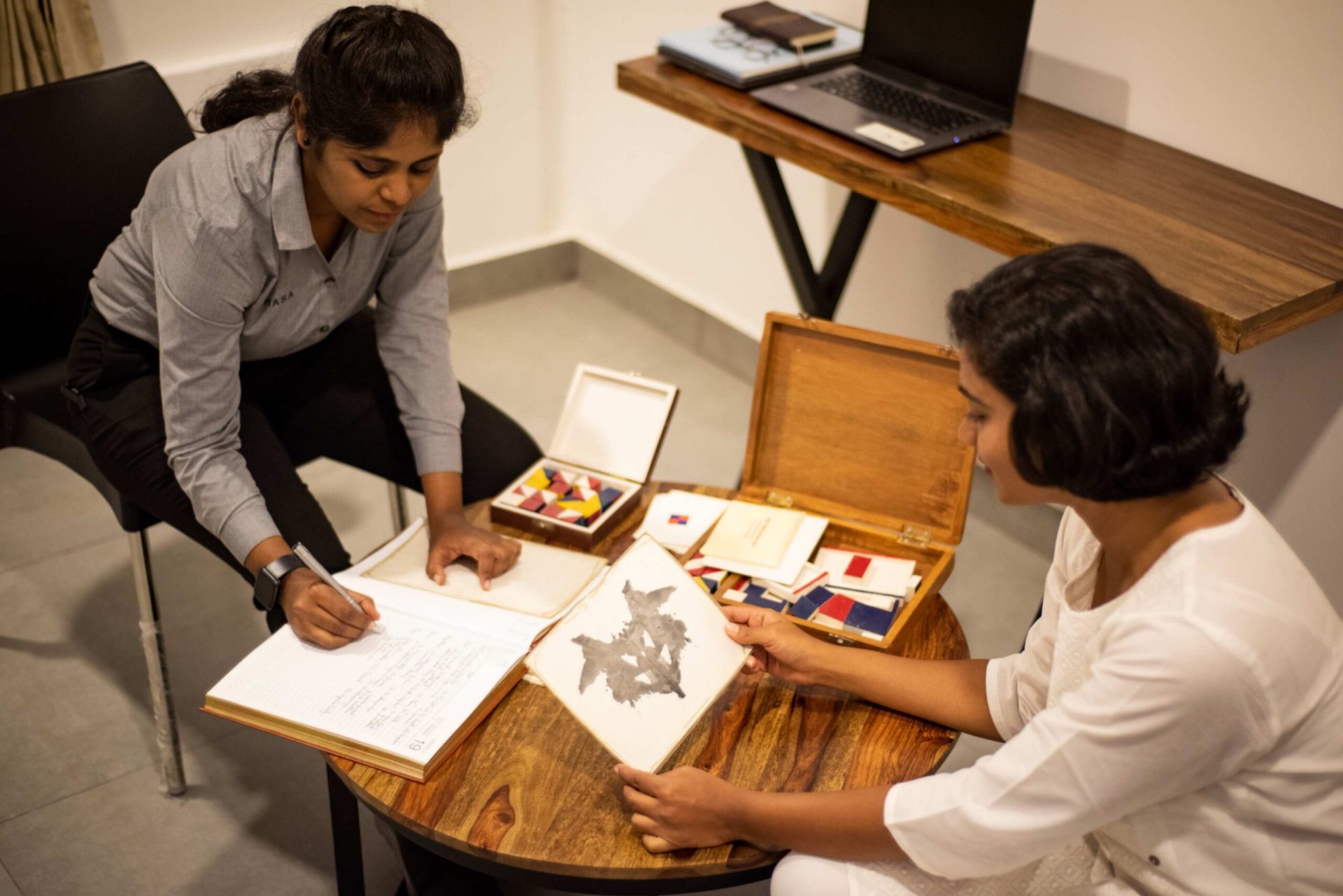
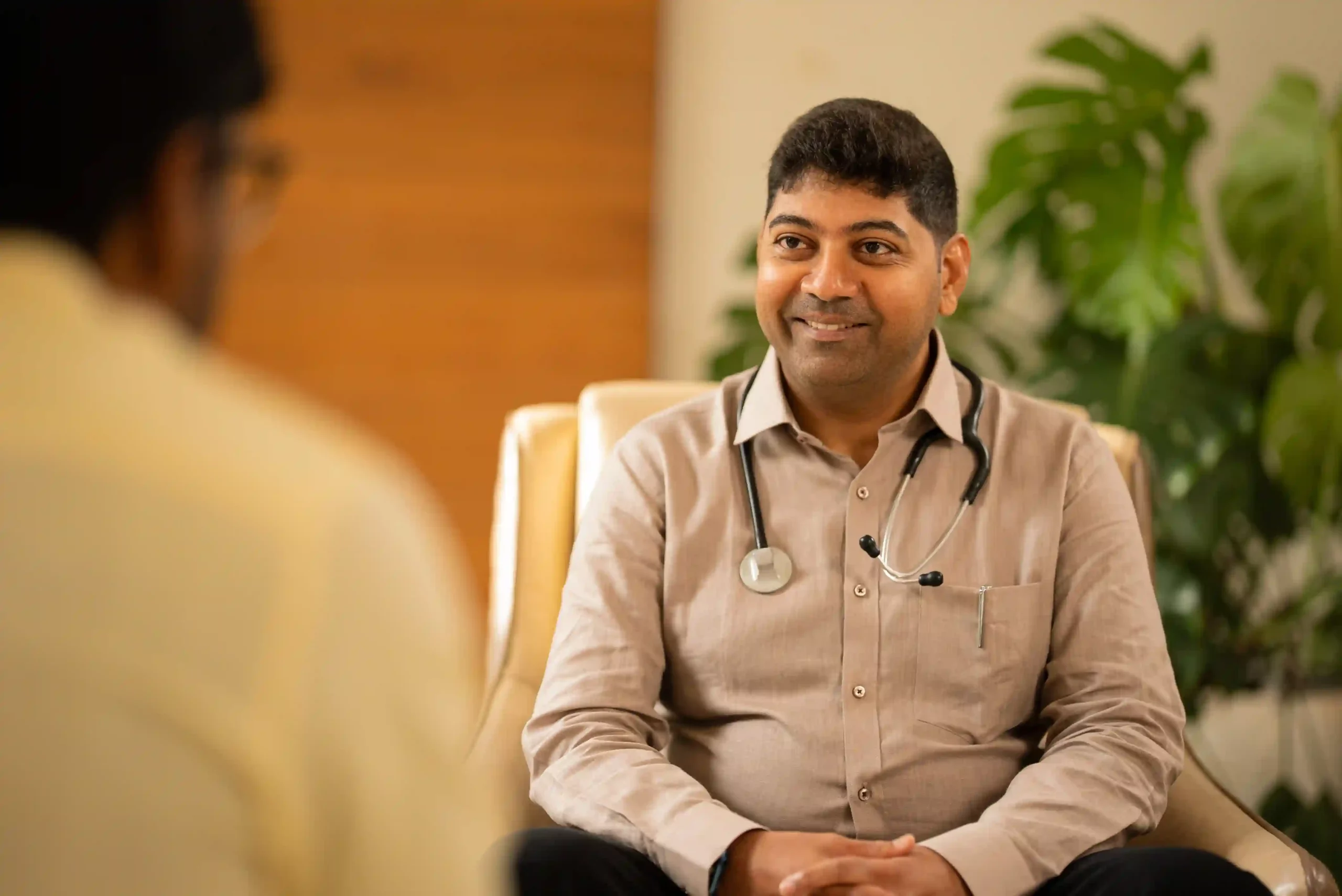
Unlike loud or clinical settings, our anorexia care centres focus on restoring calm. Every space helps regulate the nervous system and make recovery feel possible.
A Space Designed to Support Stillness
We designed our surroundings with purpose. Tree-lined paths offer peaceful walks. Sunlight filters into open rooms. Soft colours and airy layouts bring comfort without distraction. These details turn our private anorexia treatment centres into places where clients feel at ease.
At Abhasa, every decision—from architecture to lighting—supports healing. Our anorexia care centres do more than house clients. They help reduce anxiety and offer daily moments of peace.
Safety You Can See and Feel
Clients receive round-the-clock medical care and emotional support. We place safety at the core of our services. Staff members remain present, and every room provides both privacy and protection. Our private anorexia treatment centres offer an environment where healing feels consistent and safe.
Clients receive supported meals inside our therapeutic kitchen and dining areas in quiet, welcoming settings. Families can visit in designated spaces designed to protect client comfort and privacy. This kind of thoughtful design shapes every part of our anorexia care centres.
A Healing Atmosphere Without Pressure
Abhasa does not rush the process. Clients recover at their own pace in an environment that invites reflection. They spend time in garden corners, rest in private rooms, or journal near natural light. Every detail in our private anorexia treatment centres supports emotional calm and mindful living.
Families often tell us that they feel a sense of relief as soon as they enter. That feeling matters. We build anorexia care centres that feel like a sanctuary, not an obligation.
When healing feels safe, recovery becomes real.
Find calm, safety, and peace in recovery.
Stories of Recovery: Life After Anorexia
At Abhasa, each recovery story carries quiet strength. Clients have moved from fear and isolation to freedom and nourishment. One young woman who once dreaded meals now leads wellness circles, showing that anorexia recovery success can grow into confidence and leadership.
Families experience healing as well.These stories highlight that treatment success comes from steady, supported care.
Anorexia recovery success means more than eating again. It means living without fear. It means choosing connection, choosing self-worth, and choosing life.
Every story at Abhasa reminds us that full recovery is possible.
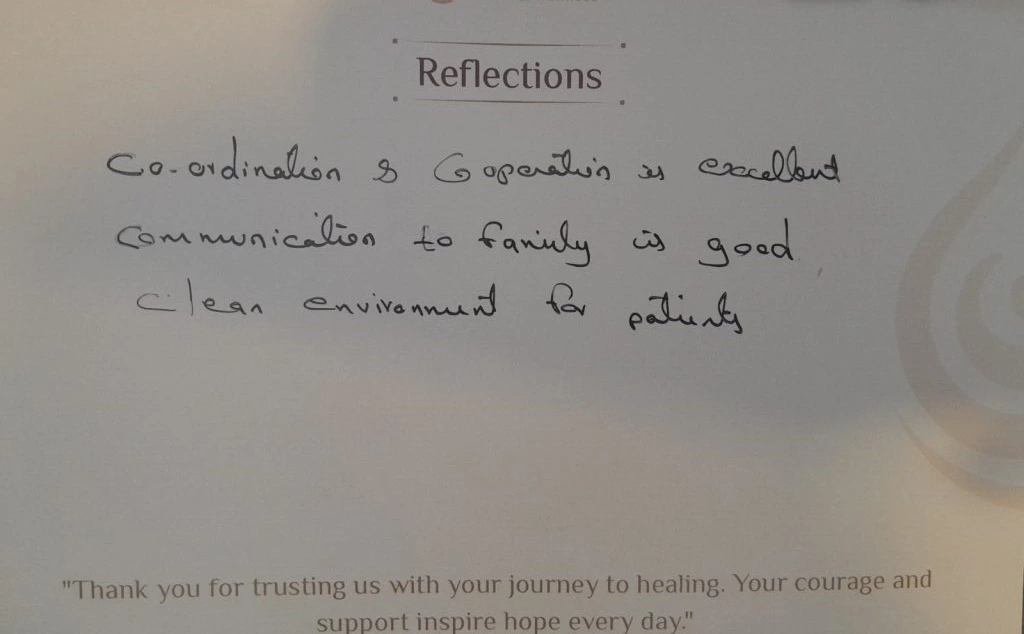
Co-ordination & cooperation is excellent. Communication to family is good. Clean environment for patients.
Former Client

I found strength to face life’s hardest truths here. I believe it was God’s grace that brought me to Abhasa.
Former Client
Speak to our team to start your loved one’s healing journey.
Frequently Asked Questions About Anorexia Recovery
At what weight do you get hospitalised for anorexia?
Hospitalisation does not depend on a specific number but rather on overall health. Doctors consider physical markers like heart rate, electrolyte balance, and whether the individual can eat and stay safe. At anorexia treatment centres near me, admissions are based on medical safety, not weight alone.
How do hospitals treat anorexia?
Hospitals provide medical stabilisation, rehydration, and nutrition support. Anorexia recovery begins with health monitoring and shifts toward emotional healing. The goal is to restore safety and introduce early therapeutic support.
How long do people with anorexia stay in hospital?
The length of stay varies. Depending on how the body responds, it may last from a few days to several weeks. Residential anorexia recovery programs offer ongoing care once hospital stability is achieved.
How many years can someone live with anorexia?
Many factors affect longevity. Without care, complications can shorten life. With early and practical support from anorexia treatment centres near me, long-term recovery is possible.
How to help anorexic people eat?
Start by offering emotional safety around meals. Avoid pressure or judgment. Most people respond better when they feel supported, not forced. Trained staff at anorexia treatment centres near me guide meal support with empathy.
How to help my wife with anorexia?
Gently express concern without blame. Encourage her to seek care. Family-based support works best when it includes education, compassion, and the involvement of anorexia recovery professionals.
How to start recovering from anorexia?
The first step is asking for help—many start by speaking with a trusted family member or care provider. Anorexia treatment centres near me offer evaluations, guidance, and a safe starting point for healing.
Is anorexia curable or treatable?
Anorexia is treatable. People can and do recover fully. With professional care, nutritional support, and emotional healing, anorexia recovery is possible.
What is nutritional rehabilitation for anorexia nervosa?
Nutritional rehabilitation involves restoring nourishment in a planned, supported way. The anorexia recovery process begins with assessments, meal planning, and gradual food reintroduction guided by professionals.
What is the best therapy for anorexia?
Therapies that focus on both emotions and behaviour work best. Family-based therapy, cognitive work, and body image healing are used widely in anorexia treatment centres near me.
What is the most successful treatment for anorexia nervosa?
The most effective programs combine medical care, therapy, nutrition support, and family involvement. Long-term anorexia recovery often requires structured care in trusted treatment environments.
Where is the best treatment for anorexia?
The best anorexia treatment centres near me focus on whole-person healing. At Abhasa, we offer private, holistic, and evidence-based care designed for long-lasting recovery.
Begin Your Healing Journey
You don’t have to face this alone. If you’ve been searching for the best anorexia treatment centres, know that care is within reach. At Abhasa, we offer personalised support in one of the leading anorexia treatment centres India trusts for long-term recovery. Our team is ready to guide you through the simple next steps. We provide private consultations, explain everything clearly, and offer free family assessments. Availability is limited, so early contact matters.
The hardest part is reaching out. From there, we walk with you.
Your healing journey begins the moment you start.
Proudly Serving Across Cities
- Rehab in Karjat
- Rehab in Pune
- Rehab in Navi Mumbai
- Rehab in Madurai
- Rehab in Trichy
- Rehab in Bangalore
- Rehab in Chennai
- Rehab in Thane
- Rehab in Nasik
- Rehab in Kochi
- Rehab in Mangalore
- Rehab in Mysore
- Rehab in Hyderabad
- Rehab in Vijayawada
- Rehab in Visakhapatnam
- Rehab in Delhi
Medical Disclaimer
This information is for educational purposes only and does not constitute medical advice. Alcohol use disorder is a serious medical condition requiring professional diagnosis and treatment by qualified healthcare providers.
Always consult licensed medical professionals and addiction specialists before making treatment decisions. Individual results vary significantly based on numerous factors including severity of dependence, co-occurring conditions, personal commitment, and environmental support.
Alcohol withdrawal can be life-threatening. Attempting to detox at home without medical supervision may result in severe complications including seizures, delirium tremens, and death. Medical detoxification should only be conducted under the supervision of qualified healthcare professionals in an appropriate medical setting.
If you are experiencing a medical emergency, call emergency services immediately (dial 112 in India or your local emergency number).
The content provided describes general treatment approaches and facility amenities. It is not a substitute for individualized medical assessment or professional treatment planning. Treatment outcomes cannot be guaranteed, and recovery from alcohol dependence is an ongoing process that may include periods of relapse.
Research Citations (Top 15 Most Authoritative Sources):
Core Citations (All Sources Used):
[1] National Institute for Health and Care Excellence (NICE) – “2024 Exceptional Surveillance of Eating Disorders: Recognition and Treatment”
https://www.ncbi.nlm.nih.gov/books/NBK607987/
Gold standard clinical guidelines for eating disorder treatment
[2] Watson HJ, Bulik CM – “Advances in the Treatment of Anorexia Nervosa: A Review of Established and Emerging Interventions”
https://pubmed.ncbi.nlm.nih.gov/28889819/
Comprehensive review of treatment efficacy and evidence-based interventions
[3] Cleveland Clinic – “Anorexia Nervosa: What It Is, Signs & Symptoms, & Treatment”
https://my.clevelandclinic.org/health/diseases/9794-anorexia-nervosa
Major medical institution resource on anorexia definition, symptoms, and treatment
[4] Himmerich H et al. – “Treatment Escalation for People with Anorexia Nervosa: Setting, Therapies and Nutritional Interventions”
https://pmc.ncbi.nlm.nih.gov/articles/PMC11426991/
Evidence-based guidance on when residential/inpatient treatment is indicated
[5] Eisler I et al. – “Family-Based Treatment of Eating Disorders in Adolescents: Current Insights”
https://pmc.ncbi.nlm.nih.gov/articles/PMC5459462/
Foundational research on Family-Based Therapy effectiveness
[6] Child Mind Institute – “Family-Based Treatment for Eating Disorders”
https://childmind.org/article/family-based-treatment-for-eating-disorders/
Accessible resource explaining FBT principles and family involvement
[7] Lock J et al. – “Randomized Clinical Trial Comparing Family-Based Treatment With Adolescent-Focused Individual Therapy for Adolescents With Anorexia Nervosa”
https://jamanetwork.com/journals/jamapsychiatry/fullarticle/210890
Gold standard RCT demonstrating FBT effectiveness
[8] Zhou Y et al. – “A Meta-Analysis of Mortality Rates in Eating Disorders: An Update 2010 to 2024”
https://www.sciencedirect.com/science/article/pii/S0272735825000133
Most recent comprehensive mortality data (SMR of 5.21)
[9] National Association of Anorexia Nervosa and Associated Disorders (ANAD) – “Eating Disorder Statistics”
https://anad.org/eating-disorder-statistic/
Prevalence, mortality rates, and general statistics
[10] Eating Disorder Hope – “Anorexia Death Rate – Highest Mortality Rate of Mental Disorder”
https://www.eatingdisorderhope.com/information/anorexia/anorexia-death-rate
Recovery statistics (46% full recovery, 33% improvement) and mortality data
[11] Mehler PS, Brown C – “Nutritional Rehabilitation: Practical Guidelines for Refeeding the Anorectic Patient”
https://pmc.ncbi.nlm.nih.gov/articles/PMC2925090/
Standard medical protocols for nutritional rehabilitation
[12] Kohn M et al. – “Importance of Initial Nutritional Status in Refeeding Syndrome Risk”
https://pubmed.ncbi.nlm.nih.gov/40019131/
Recent research on refeeding syndrome incidence (41.2%) and safety monitoring
[13] El Ghoch M et al. – “Nutritional Rehabilitation in Anorexia Nervosa: Review of the Literature and Implications for Treatment”
https://bmcpsychiatry.biomedcentral.com/articles/10.1186/1471-244X-13-290
Comprehensive review of nutritional rehabilitation approaches
[14] Toppino F et al. – “Inpatient Treatments for Adults with Anorexia Nervosa: A Systematic Review”
https://pubmed.ncbi.nlm.nih.gov/38767754/
Recent systematic review of residential/inpatient treatment practices and effectiveness
[15] Støving RK et al. – “Anorexia Nervosa: Outpatient Treatment and Medical Management”
https://pmc.ncbi.nlm.nih.gov/articles/PMC9048449/
Guidance on when outpatient vs inpatient treatment is indicated