
Chronic Mental Health Treatment in India

Having mental health challenges doesn’t define who you are, but getting the right care can contribute to a positive change in every aspect of your life.
It is our mission at Abhasa to bring hope, dignity, and peace to individuals and families by providing compassion, privacy, and a safe, supportive environment.
As one of India’s most trusted mental health treatment centers, we offer residential programs designed to restore balance, dignity, and peace.[1,2]
Our long-term healing approach over temporary solutions provides hope to families seeking reliable depression treatment centers.
Private consultation. No pressure.

2:1 Staff-to-client ratio
3 Healing Spaces
Personalised Treatments
360° Healing
2:1 Staff-to-client ratio
3 Healing Spaces
Personalised Treatments
360° Healing
Why Mental Health Needs Specialised Care

When a person faces emotional struggles, the impact spreads across relationships, work, and family harmony. A lot of families in India try to cope by themselves, seeking medical advice or waiting for time to ease their pain, but when mental health problems persist, specialised treatment becomes vital from leading mental health treatment centers.[3]
Individuals are able to re-discover their strength while families are reassured that progress is possible with structured care, emotional support, and daily therapeutic routines. It is the same with dedicated depression treatment centers, where focused programs offer stability and a renewed sense of purpose.
Breaking Stigma Barriers
In Indian society, stigma often prevents people from seeking timely help. Silence and hesitation worsen conditions, leaving families overwhelmed. At Abhasa, openness and dignity are embraced by everyone. Aside from treating mental illness, our goal is to change people’s perceptions of mental illness as one of the most trusted treatment centers in India.
It is through education, family involvement, and cultural sensitivity that people develop the courage to take action.[12]
When it comes to depression treatment centers, breaking stigma is the first step toward recovery.
Hope and Healing Journey
Recovery goes beyond reducing symptoms. It’s about finding strength within, restoring family bonds, and regaining joy. Abhasa welcomes all guests into a peaceful environment where therapeutic guidance meets holistic healing. Through compassionate care, proven methods, and family involvement, we help people rebuild their lives step by step. [1,2,3]
No matter what type of mental health treatment centre you are looking for or what type of depression treatment centre you are looking for, Abhasa stands as a sanctuary for recovery.
Understanding Residential Mental Health Care
Living with complex mental health conditions often requires more than medication or periodic visits to a clinic. Residential programs at psychiatric treatment centres provide the structured environment, safety, and constant support that families and individuals need.[4]
Unlike short outpatient sessions, mental health rehabilitation in a residential setting builds lasting change by focusing on both immediate stabilisation and long-term recovery.
Residential Care vs. Outpatient Options
Outpatient services may be helpful for mild challenges, but for those facing deeper struggles, the support often is not enough. Residential psychiatric treatment centres offer round-the-clock care where each day is designed for healing.[7]
This difference is what makes mental health rehabilitation so transformative. It provides not just clinical treatment but a stable environment where recovery becomes possible.
Why 24/7 Supervision Matters
In residential care, trained professionals are always present. Crises are managed quickly, emotional triggers are gently addressed, and clients never feel abandoned. This steady presence is what sets psychiatric treatment centres apart.[4]
It enables mental health rehabilitation to transition from crisis management to genuine growth, ensuring clients receive support every hour of the day.
The Integrated Approach to Healing
In Abhasa, residential care is never limited to medication or therapy alone. Medical experts, therapists, and holistic practitioners work together to create a holistic treatment plan.[6,15]
The integration of nutrition, mindfulness, and community support into daily life makes mental health rehabilitation into an extensive journey. A psychiatric treatment centre helps clients regain confidence, resilience, and equilibrium by combining medical care and emotional support.
Why Outpatient Support May Not Be Enough
Complex conditions may not always be adequately managed by outpatient visits. Sessions are limited, progress can be interrupted by external stress, and families often struggle without continuous support. However, mental health rehabilitation within a residential setting ensures consistency, safety, and therapeutic depth. [7]
Therefore, psychiatric treatment centres often turn out to be a turning point for recovery.
A Path Toward Renewal
Residential care is more than treatment. It is a safe space to rebuild identity, strength, and trust. Families gain peace of mind knowing their loved one is not only receiving therapy but also living in an environment specifically designed for healing.
Residential Care vs. Outpatient Options
Outpatient services may be helpful for mild challenges, but for those facing deeper struggles, the support often is not enough. Residential psychiatric treatment centres offer round-the-clock care where each day is designed for healing.[7]
This difference is what makes mental health rehabilitation so transformative. It provides not just clinical treatment but a stable environment where recovery becomes possible.
Why 24/7 Supervision Matters
In residential care, trained professionals are always present. Crises are managed quickly, emotional triggers are gently addressed, and clients never feel abandoned. This steady presence is what sets psychiatric treatment centres apart.[4]
It enables mental health rehabilitation to transition from crisis management to genuine growth, ensuring clients receive support every hour of the day.
The Integrated Approach to Healing
In Abhasa, residential care is never limited to medication or therapy alone. Medical experts, therapists, and holistic practitioners work together to create a holistic treatment plan.[6,15]
The integration of nutrition, mindfulness, and community support into daily life makes mental health rehabilitation into an extensive journey. A psychiatric treatment centre helps clients regain confidence, resilience, and equilibrium by combining medical care and emotional support.
Why Outpatient Support May Not Be Enough
Complex conditions may not always be adequately managed by outpatient visits. Sessions are limited, progress can be interrupted by external stress, and families often struggle without continuous support. However, mental health rehabilitation within a residential setting ensures consistency, safety, and therapeutic depth. [7]
Therefore, psychiatric treatment centres often turn out to be a turning point for recovery.
A Path Toward Renewal
Residential care is more than treatment. It is a safe space to rebuild identity, strength, and trust. Families gain peace of mind knowing their loved one is not only receiving therapy but also living in an environment specifically designed for healing.
Unsure if residential care is right for your loved one?
Mental Health Conditions We Treat
Taking into account that each individual is different, we understand that mental health doesn’t exist solely on the basis of one challenge. We offer a residential program that combines structure, compassion, and expertise. Having a team of professionals who treat a wide range of conditions with the same dedication to dignity and recovery gives families a sense of peace.

Depression and Mood Disorders
Our team works with clients who suffer from major depression, persistent depression, and seasonal affective disorder. [5,6]
Our residential setting goes far beyond treating symptoms of depression. The therapy we provide in our center combines structured therapy, balanced nutrition, and community connections to create an environment that fosters long-term progress.

Bipolar Disorder Care
We recognise the shifting nature of manic episodes and depressive phases. At our bipolar disorder treatment centres, clients learn to stabilise mood patterns through carefully designed routines, therapy, and medical supervision.[5]
The focus remains on building resilience so that life becomes more consistent and fulfilling. Families notice the difference as emotional intensity gives way to balanced strength.

Schizophrenia and Psychotic Disorders
Clients living with schizophrenia and psychotic disorders often feel disconnected from reality. Within our program, participants benefit from therapeutic activities that foster trust and help restore daily functioning. [14]
Medical support, structured living, and guided therapy ensure a steady recovery path. The consistency of our environment replaces chaos with stability, making long-term growth possible.

Autism Spectrum Care
Children and adults with autism require patient, respectful, and tailored interventions. Our autism treatment centres focus on behavioural therapy, social skill development, and sensory integration.[8]
Daily routines and supportive spaces give clients the confidence to engage with the world around them. Families see progress as independence increases and connections become stronger.

Addiction and Substance Abuse Recovery
At our addiction treatment centers, we offer medical care combined with therapeutic practices that target root causes, not just symptoms, of alcohol, drug, and behavioural addictions.[4,10]
Providing clients with round-the-clock support, we help them find their way back to clarity and strength. Families discover relief as their loved ones move away from harmful cycles.
Eating Disorders
Clients dealing with anorexia, bulimia, binge eating, and body dysmorphia receive integrated care. Therapy, nutritional guidance, and holistic practices help them rebuild a healthy relationship with food and body image. [3]
Recovery here is about regaining control, dignity, and self-acceptance.

Trauma and PTSD
We help people struggling with complex PTSD, combat trauma, and childhood trauma. Our structured environment eliminates daily stressors, enabling clients to focus on their healing. [9]
Therapies such as mindfulness, counselling, and guided routines create a safe and healthy environment for healing. In times of pain, loved ones regain a sense of strength as they reclaim strength from the past.

Anxiety Disorders
Generalised anxiety, panic disorder, and social anxiety affect daily living deeply. Inside our program, clients practice coping skills in a secure setting where progress is steady and sustainable.[5]
Families gain reassurance when they see anxiety reduce and confidence rise.
Personality Disorders
Through building trust, regulating emotions, and relating to others more effectively, therapy helps individuals establish a stronger sense of self. [14]

Sleep Disorders
We address insomnia, sleep apnea, and circadian rhythm disruptions with a structured approach. Lifestyle alignment, therapeutic support, and medical care restore healthy rest patterns.[3]
Clients wake with renewed energy, and families notice positive changes in overall wellbeing.

The Path Toward Stability
Abhasa’s residential program provides not just treatment but transformation. Each condition receives a tailored plan backed by medical expertise and holistic support.[1,2,6]
Families witness real progress because care here does not stop at symptom relief. It creates a foundation for lasting balance and renewal.
Need clarity on how we treat a specific condition?
Why Families Choose Abhasa for Mental Health
Families searching for the right place to heal want more than treatment. They want assurance that their loved one will be cared for with respect, safety, and compassion. At Abhasa, we create an environment where luxury meets science, and where families feel supported from the first day. Our reputation as one of the best psychiatric treatment centres comes from a unique approach that combines world-class clinical care with a holistic philosophy of healing.
A Healing Space That Feels Like a Retreat
Every detail of our setting is designed to calm the mind and nurture recovery. Private rooms, wellness facilities, and nature-inspired spaces create a resort-like environment. Clients receive medical supervision in surroundings that feel more like a sanctuary than a traditional hospital setting. This standard of care defines our vision of luxury mental health treatment.
Where Holistic Meets Clinical Care
Abhasa blends evidence-based psychiatry with practices that awaken mind, body, and spirit. Yoga, meditation, art therapy, music, and expressive activities complement medical guidance and support overall wellbeing. [6,15]
This balanced model is what places us among the best psychiatric treatment centres, as we go beyond treatment to cultivate sustainable wellbeing.
Families as Partners in Healing
Recovery involves more than the individual. Families learn, share, and heal alongside their loved ones. Our team provides education and guidance, enabling families to feel confident and equipped to support their loved ones’ recovery at home.[12]
This family-centric philosophy strengthens bonds and is a hallmark of our luxury mental health treatment programs.
Respect for Culture and Tradition
Mental health in India is deeply rooted in cultural sensitivities. At Abhasa, we honour traditions while offering progressive care. Clients feel understood because our team respects their backgrounds and beliefs. This cultural sensitivity is one of the reasons families see us as one of the best psychiatric treatment centres for mental health.
Discretion and Privacy First
Professionals and families trust us because we safeguard privacy at every stage. Confidentiality, secure spaces, and personalised attention ensure that each client feels safe. In this way, our luxury mental health treatment provides both healing and peace of mind.
Care Guided by Science and Results
Our programs are based on proven protocols that deliver measurable results. [1,2,4]
Therapy sessions, structured routines, and wellness practices work together to create real, lasting change. This commitment to results positions Abhasa among the best psychiatric treatment centres in India.
A Place Families Trust
What families discover at Abhasa is not just therapy but transformation. They find a safe space, compassionate professionals, and a program that nurtures confidence and renewal. Our promise is simple: to provide luxury mental health treatment that restores balance and dignity.
Families choose us because they feel heard and supported.
Our Mental Health Expert Team
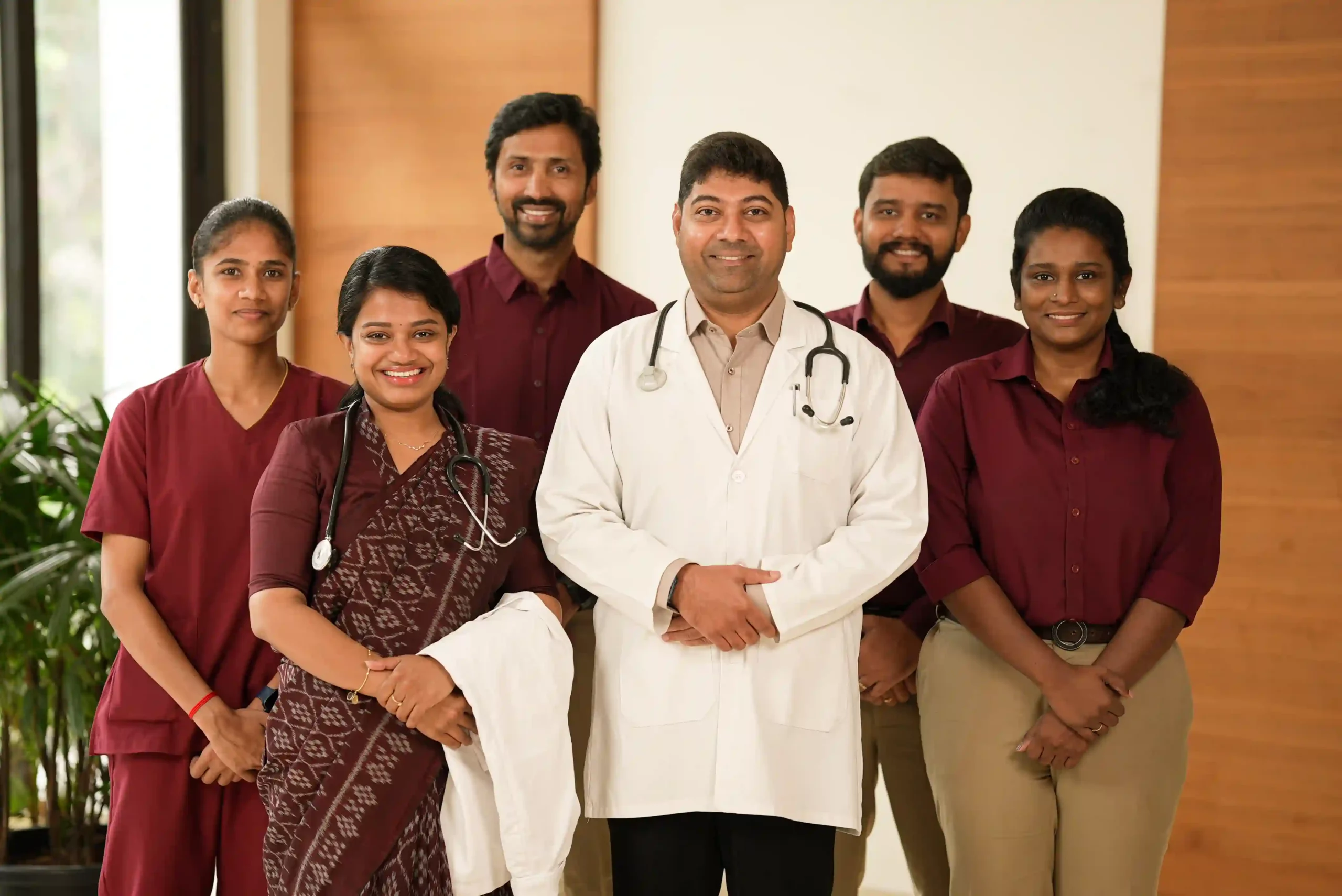
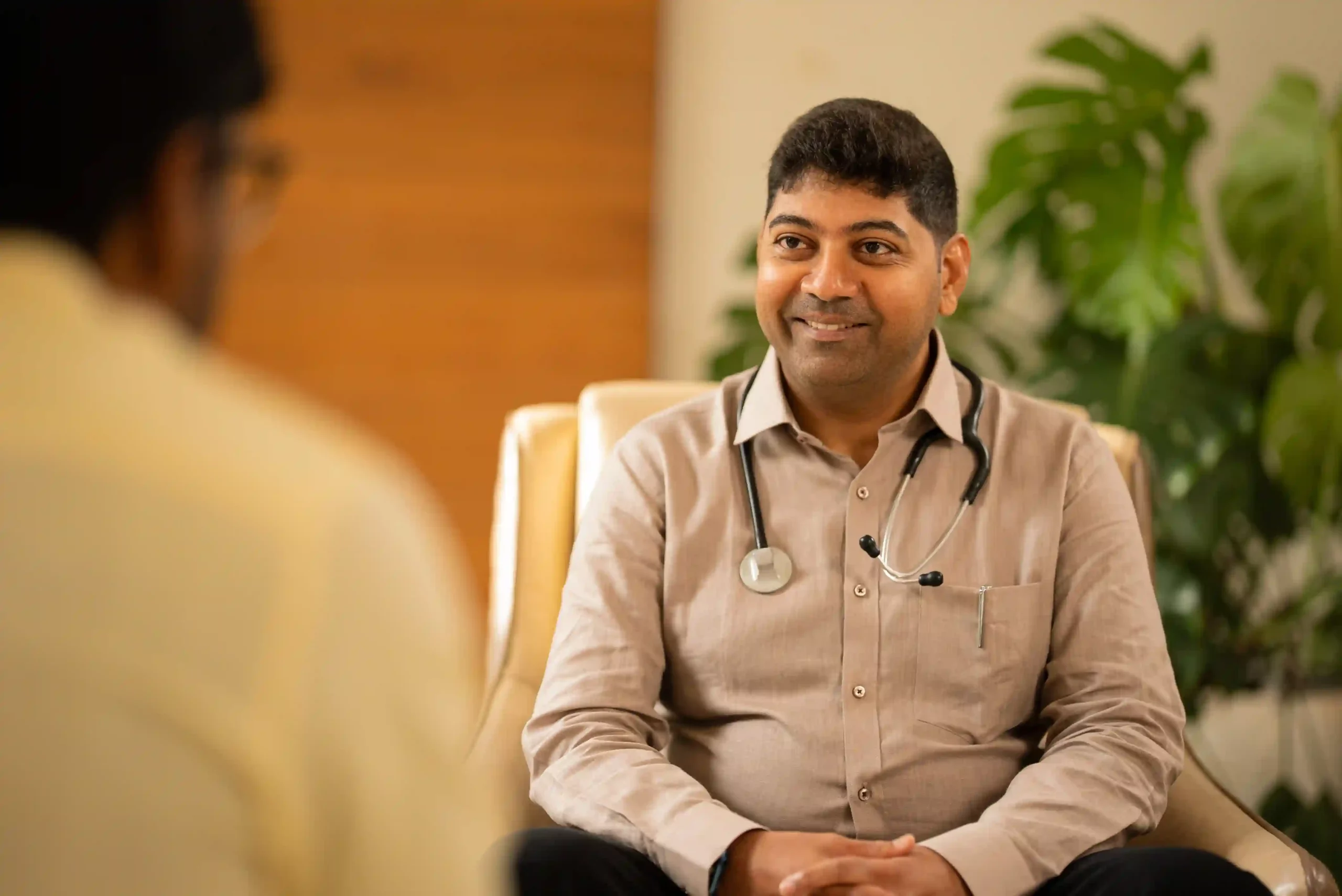
Our psychiatric specialists and mental health experts provide both knowledgeable and compassionate guidance during every stage of care at Abhasa. The trust that individuals and their families place in us enables us to restore balance, dignity, and confidence.
Our team includes consultant psychiatrists, clinical psychologists, psychiatric nurses, therapeutic specialists, family therapists, and addiction counsellors. [1,2]
Together, they create a circle of support that blends medical insight, psychological care, and holistic practices. Collaboration allows them to design personalised plans that remain focused, practical, and deeply human.
Families often say they feel reassured not only by the safe environment but also by the warmth of our team. Each of our psychiatric specialists and mental health experts listens with empathy, responds with care, and walks alongside clients with unwavering commitment, making recovery a path of trust and hope.
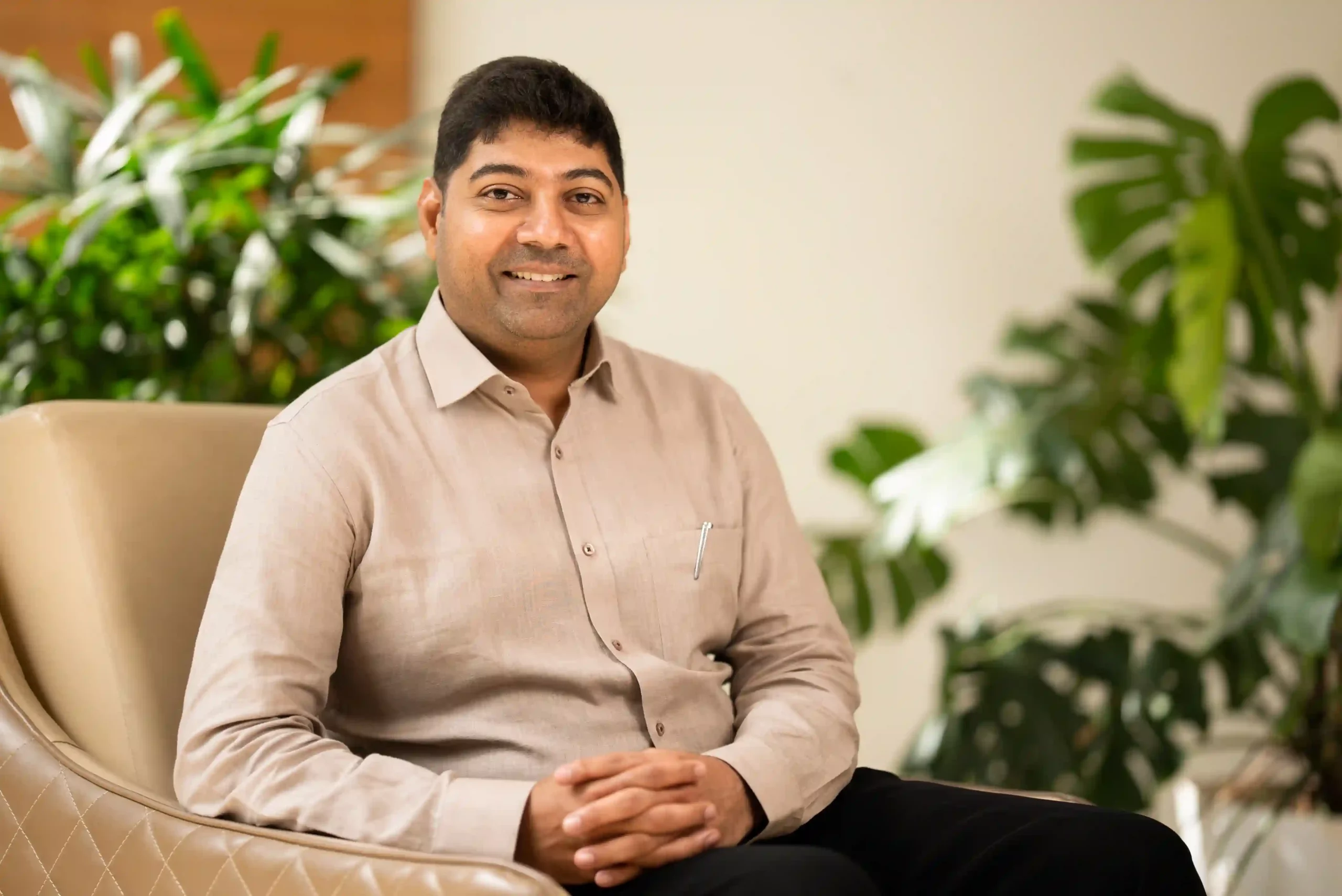
Dr. Naveen Kumar
Medical Director
15+ years of expertise in psychiatry and addiction recovery.
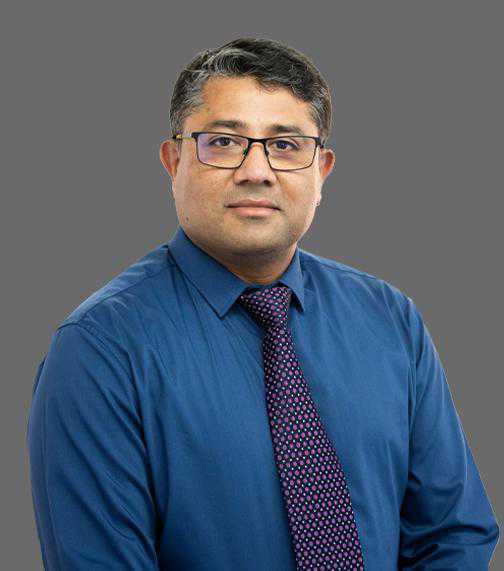
Dr. Vivek Sharma
Consultant Psychiatrist & Neurofeedback Practitioner
With over 15+ years of experience in psychiatry and neurofeedback, he blends medical expertise and compassion to guide clients toward lasting recovery.

Dr. Shree Aarthi
Consultant Psychiatrist
15+ years providing expert psychiatric care for mental health and substance use disorders.

Dr. Ramalingam P Kandaswamy
Consultant Physician
15+ years With over 5 years of experience in HIV and infectious diseases, he brings global expertise and compassionate care to every patient he supports.

Dr. Divya
Psychiatrist
10+ years combining clinical psychiatry expertise with healthcare management for holistic treatment.

Dr. Malarvilzhi
Residential Medical Officer
12 years delivering comprehensive medical care in psychiatric and rehabilitation settings.

Dr. Karuppachamy
Senior Psychiatric Social Worker
22+ years of experience empowering clients through therapeutic guidance, psychosocial support, and lived-experience wisdom.

Ms. Meera
Senior Clinical Psychologist
9+ years specializing in psychological assessment and evidence-based therapeutic interventions.

Mrs. Priyadarshini
Head Clinical Psychologist
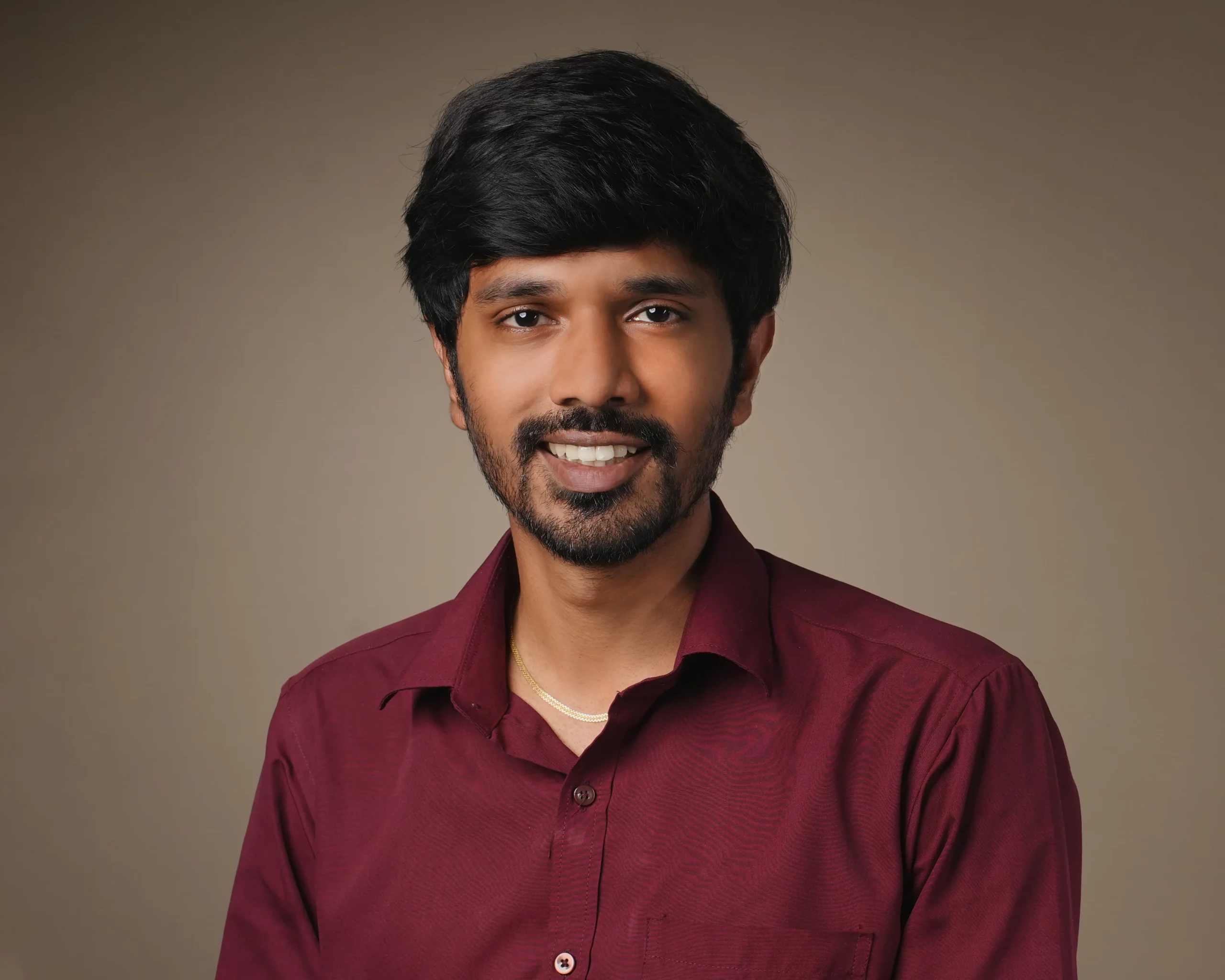
Mr. Mukesh Kanna
Clinical Psychologist
2+ years providing psychological interventions for behavioral health and emotional wellness.

Mr. Antipas Jayabal
Clinical Psychologist
2+ years supporting clients through clinical assessment and therapeutic care.

Ms Keerthana S
Psychologist
Empathetic psychologist with 4 years’ experience in handling mental health disorders, using evidence-based psychotherapies for personalized client care.
Inside Our Residential Mental Health Programme
Healing at Abhasa is not a formula. It is a carefully designed pathway where residential treatment programs combine comfort, structure, and science to help clients rediscover stability and peace. Unlike generic routines, our intensive therapy programs adapt to each person’s unique needs, ensuring progress feels personal and sustainable.
A Healing Environment Designed for Recovery
Residential treatment programs combine clinical supervision with restorative amenities, making every moment an integral part of the healing process.[4,7]
Residents stay in private, resort-style suites that provide both privacy and comfort.
Daily Structure with Flexibility
Our days balance psychiatric care, medication monitoring, and therapeutic activities. Intensive therapy programs offer one-on-one sessions, group therapy, and family involvement, while also allowing for sufficient space for rest, reflection, and self-expression.[10]
Creative and Holistic Therapies
Alongside clinical care, art, music, movement, and expressive therapies support emotional release and personal growth.[3,6]
This combination of medical and creative practices makes our residential treatment programs effective and deeply human.
Family as Partners in Care
We invite families to participate in therapy and education sessions, helping them become active participants in their recovery. [12]
This involvement strengthens trust and reinforces the outcomes of our intensive therapy programs.
In Abhasa, the healing process grow naturally, compassionately, and continuously, which makes it a suitable place for healing.
Begin a journey of structured healing with us today.
A Day in Mental Health Recovery
In Abhasa, we cultivate a rhythmic daily routine that integrates therapy, nutrition, rest, and community. Our structured mental health treatment ensures that each part of the day nurtures stability, growth, and emotional safety.

The mornings begin with gentle routines that combine medical monitoring, mindful nutrition, and quiet reflection, giving clients a sense of grounding and reassurance that their needs are consistently met.[10,13]
The first step in structured mental health treatment sets the tone for the rest of the day.
In the course of a typical day, clients have the opportunity to explore personal challenges in depth through individual sessions and gain peer support through group sessions. [10]
Structured mental health treatment moves beyond therapy rooms and becomes part of everyday life through shared meals in a community setting.
The use of creative therapies such as art, music, and movement allows people to release their emotions and self-expression.[3]
Family therapy is also included as part of recovery to ensure that the relationship between the individual and the family is nurtured as well. [12]
As the day winds down, physical activity and calming practices such as yoga prepare clients for restful sleep. Reflection and journaling help them process the day’s experiences.[10,13]
This balance of activity and stillness closes each cycle of structured mental health treatment with calm and clarity.
Let structure and care guide the path toward recovery.
Specialised Depression & Mood Disorder Care
We at Abhasa know that healing requires more than temporary relief. Living with depression or mood disorders can feel like carrying a weight that never lifts.
As one of the leading depression treatment centers in India, we focus on restoring balance, rebuilding confidence, and helping families experience hope again. Through structured, compassionate, and evidence-based care, they promote long-term emotional wellness. [5,6]
In order to develop a personalized treatment plan for depression, we begin with an assessment to determine each person’s individual triggers, history, and needs. Our major depression program incorporates coping skills programs and helps clients rebuild daily structure. [5,6]
Individuals with bipolar disorder benefit from mood stabilisation protocols that address both manic and depressive phases, helping them live with greater steadiness. [5]
Clients affected by seasonal affective disorder receive light therapy and lifestyle guidance that eases the emotional impact of seasonal changes. [6]
For new mothers facing postpartum depression, our care combines therapy, medical support, and family education to create a safe and supportive recovery journey.[5]
We also provide advanced protocols for treatment-resistant depression. When traditional methods fall short, our specialists explore innovative options that bring meaningful progress.[6]
As one of the most trusted depression treatment centres, we place special emphasis on medication optimisation. Each prescription is monitored, adjusted, and evaluated to ensure safety and effectiveness. [6]
In clinical depression treatment, cognitive therapy plays a key role in challenging negative thought patterns and replacing them with healthier ones. [10]
Through creative therapies, like art, music, and movement, clients can express their emotions non-verbally, and group and family sessions foster social connections and reduce isolation. [3,12]
With Abhasa’s compassionate therapies and medical expertise, we ensure that every client receives support that is both professional and deeply human.
Recovery is more than just feeling better; it’s about living a resilient and hopeful life.

Begin your journey to healing today.
Autism & Developmental Disorder Support

Choosing the right autism treatment center goes beyond just looking for a medical intervention. Parents want their children to develop practical skills, emotional strength, and social confidence in a safe, caring environment.
At Abhasa, our specialised autism rehabilitation programs are designed to address each individual’s unique needs while honouring their dignity and potential. [8]
Our approach begins with a thorough autism spectrum assessment. This process helps families gain clarity about strengths, challenges, and the most effective ways forward. With this foundation, our team creates a customised plan that integrates therapy, education, and support.
Behavioural interventions such as Applied Behaviour Analysis (ABA) encourage positive daily habits and minimise disruptive patterns. [8]
These therapies are structured, compassionate, and adapted to each person’s learning style. Alongside this, social skills training nurtures interaction with peers, teaching individuals how to build friendships, manage group settings, and express themselves with confidence. [8]
For many, sensory integration is a critical part of progress. [8]
In order to improve comfort in everyday environments and build resilience, our therapists provide gentle, structured exposure to various stimuli, including sound, touch, light, and others. Individuals can express needs, thoughts, and emotions more effectively with communication support, which uses both verbal and non-verbal strategies. [8]
Families play a central role in growth.
Parents and caregivers learn practical strategies to use at home through tailored education programs, which not only empower families, but also strengthen household bonds. [12]
Transition planning is another cornerstone of our work, preparing individuals for life skills that encourage greater independence and self-reliance in the future. [8]
Every aspect of Abhasa’s care reflects compassion, evidence-based practice, and cultural sensitivity. Meaningful change can happen when families and professionals work together in a spirit of trust and respect. We provide more than just therapies at our autism treatment centers. We also provide hope, direction, and a sense of belonging.
A safe place where growth feels natural and progress feels possible.
Trauma & PTSD Recovery Programs
Personalised Healing for Lasting Recovery
Trauma can disrupt every aspect of daily life and cause persistent fear, anxiety, and emotional exhaustion. At Abhasa, our trauma treatment centres provide clients with expertise, empathy, and scientific rigor to guide their recovery. [9]
Every ptsd treatment plan begins with a detailed trauma assessment. This evaluation identifies the type, severity, and impact of traumatic experiences, allowing our specialists to design a personalised roadmap that addresses both emotional and physical wellbeing. [9]
As part of our treatment programs, we use a variety of evidence-based therapies, like eye movement desensitization and reprocessing therapy, which are helpful in reducing emotional intensity and promoting resilience when treating Post-Traumatic Stress Disorder. [9]
Complementing this approach, somatic therapies aid clients in releasing tension and regaining control over their physiological responses. [9]
Cognitive processing helps clients recognise and reframe unhelpful thought patterns, fostering clarity and long-term emotional stability. [10]
Clients facing complex or repeated trauma receive specialised care. Our trauma treatment centres provide ongoing support, ensuring a safe environment where clients can practice new coping strategies. [9]
Safety planning forms a core component of recovery, teaching individuals how to maintain emotional and physical security both during treatment and after discharge. [13]
A crucial aspect of recovery and healing is family involvement. Abhasa includes family trauma work, helping loved ones understand trauma’s effects, improving communication, and supporting healthier relationships.[12]
Providing consistent support at home, fostering resilience, and educating them on PTSD can enhance treatment effectiveness.
Our programs include life skills training and creative expression in addition to direct therapy. [3,10]
Combining mindfulness practices, grounding exercises, and stress management techniques, these activities help clients process emotions safely, rebuild confidence, and regain a sense of agency. Rhythms of stability and growth are created through therapeutic sessions, reflective periods, and structured activities.
Our trauma treatment centers offer continuous monitoring by experienced specialists, ensuring that progress is tracked, plans are adapted, and support remains consistent for each individual. [1,2]
With our integrated approach, we ensure that clients regain the ability to live fully and meaningfully.
At Abhasa, treating post-traumatic stress disorder is not a one-size-fits-all process. Each program is tailored to the individual’s needs, history, and goals to create a path toward long-term recovery. Providing a sanctuary for emotional restoration and growth through rigorous assessment, innovative therapy, family education, and life skills training.

Restore safety, rebuild life.
Addiction & Substance Abuse Recovery

Comprehensive Programs for Lasting Change
Physical health, relationships, and emotional wellbeing are all affected by addiction. The addiction treatment centres and substance abuse treatment centres at Abhasa offer intensive, personalised programs that address the multifaceted nature of dependency. [4]
Recovery begins with a thorough substance use assessment, where our experts evaluate the type, duration, and severity of addiction. This initial step ensures that each client receives a treatment plan tailored to their unique needs. [4]
Medical detoxification is the cornerstone of early recovery. Our substance abuse treatment centres provide medically supervised detox to ensure safety and comfort while managing withdrawal symptoms. [4]
Clients with co-occurring mental health conditions benefit from dual diagnosis care, where psychiatric specialists and therapists address both addiction and underlying psychological disorders simultaneously. [5,14]
This integrated approach improves recovery outcomes and reduces the likelihood of relapse.
Behavioural addictions, such as compulsive gaming, shopping, internet overuse, or sex addiction, receive specialised interventions targeting unhealthy patterns. [10]
Clients participate in cognitive behavioural therapy, mindfulness practices, and coping strategies that empower them to regain control over their lives. Our family education programs teach relatives about addiction as a family disease, helping them provide informed support while maintaining healthy boundaries. [12]
Relapse prevention forms a central part of all recovery programs. [10,13]
Long-term planning, skill development, and ongoing follow-up sessions equip clients with tools to handle triggers and high-risk situations. Our programs combine traditional 12-step frameworks with alternative recovery approaches, including holistic therapies like yoga, meditation, expressive arts, and nature-based activities. [3,6,15]
This multi-layered approach ensures sustainable recovery and personal growth.
Structured daily routines balance individual therapy, group sessions, and recreational activities to promote overall wellbeing. [10]
Clients engage in skill-building exercises that strengthen emotional resilience, decision-making, and social reintegration. Family sessions enhance communication, rebuild trust, and foster understanding of addiction’s impact on the household. [12]
Every element of the program is designed to promote self-awareness, accountability, and long-term wellness.
Our addiction treatment centres and substance abuse treatment centres emphasise ongoing assessment and adjustment of treatment plans. [1,2]
Psychiatrists, therapists, and wellness specialists collaborate to ensure clients progress steadily through every stage of recovery. By addressing the physical, psychological, and social dimensions of addiction, Abhasa provides a comprehensive path to healing.
Choosing Abhasa means selecting a program that combines professional expertise with compassion. Recovery is not limited to stopping substance use; it involves rebuilding life, restoring relationships, and cultivating skills to thrive independently. Our safe, supportive environment encourages clients to explore new coping strategies, set goals, and develop lasting resilience.
Take control now.
Family Healing & Education Programs
Strengthening Families Through Knowledge and Support
Family involvement plays a crucial role in recovery from mental health challenges. At Abhasa, our family therapy and mental health family support programs provide guidance, education, and structured interventions that empower both clients and their loved ones. [12]
We begin with a detailed family assessment to understand household dynamics, patterns of communication, and how mental health impacts daily life. This step helps our specialists tailor support to each family’s unique situation.
Psychoeducation forms the foundation of our programs. Families learn about mental health conditions, treatment approaches, and recovery strategies, gaining clarity and confidence to participate actively in their loved one’s healing journey. [3,12]
Our communication training sessions equip family members with practical skills to express feelings, listen actively, and resolve conflicts constructively. [12]
Healthy boundaries are emphasised, ensuring that support is adequate without creating dependence or emotional strain.
Caregiver support is integral to sustainable recovery. We provide counselling and resources for family members to manage stress, avoid burnout, and maintain their own mental wellbeing. [12]
Systemic therapy addresses relational patterns, helping families heal past wounds and build stronger connections.[12]
Structured support groups allow families to share experiences, learn from others, and reduce the isolation often felt when coping with mental health challenges. [12]
Crisis planning is another critical aspect of our programs. Families receive guidance on identifying warning signs, managing emergencies safely, and accessing professional help quickly. [13]
This proactive approach fosters security, reduces anxiety, and promotes long-term stability within the household.
Our family therapy and mental health family support programs integrate seamlessly with individual treatment plans. [1,12]
By involving families in recovery, we create a supportive environment that enhances treatment outcomes, encourages accountability, and strengthens the bonds that contribute to lasting wellness. At Abhasa, we help families transform from passive observers to active participants in the healing journey.

Support your loved one.
Holistic Therapies for Mental Wellness

Integrating Mind, Body, and Soul Healing
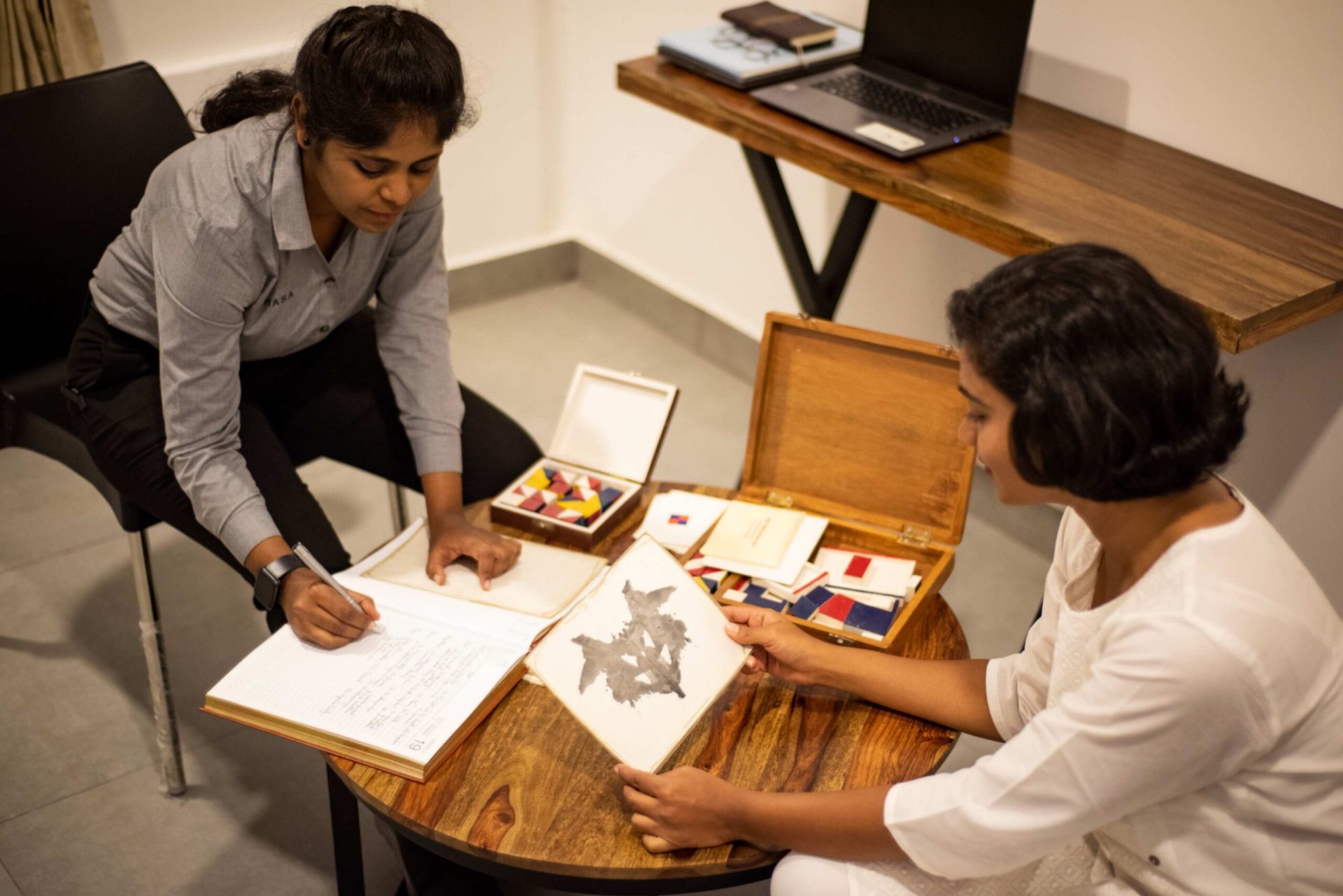
At Abhasa, our holistic mental health treatment programs go beyond traditional therapy to restore balance in every aspect of life. Each intervention complements psychiatric care, creating a full-spectrum recovery plan for emotional, cognitive, and physical wellness. [3]
Clients benefit from therapies designed to enhance resilience, improve emotional regulation, and strengthen self-awareness. Our behavioural therapy centres deliver structured, clinically supervised experiences that combine modern science with time-tested holistic approaches.
Yoga therapy supports relaxation, improves self-awareness, and strengthens emotional stability. [3]
Meditation and mindfulness sessions cultivate focus, reduce intrusive thoughts, and equip clients with tools to manage stress effectively. [10]
Art therapy encourages nonverbal emotional expression, helping clients process complex feelings safely and effectively. [3]
Music therapy harnesses the power of sound to improve mood, regulate energy, and promote relaxation. [3]
Movement therapy supports the release of physical and emotional tension, while equine-assisted therapy develops empathy, trust, and social confidence through guided interaction with animals. [3]
Horticulture therapy engages clients in gardening and nature activities, fostering patience, responsibility, and emotional regulation. [3]
Nutritional psychiatry integrates diet and lifestyle choices into treatment plans, helping stabilise mood and enhance cognitive clarity. [3]
Our holistic mental health treatment integrates seamlessly with medical interventions. Specialists coordinate with psychiatrists, psychologists, and clinical therapists to ensure that all therapies align with and reinforce the overall recovery plan. [3]
Each session is personalised to the individual’s needs, allowing clients to progress at their own pace while maintaining consistency and structure. Families are included in the process through guided observation, psychoeducation, and collaborative exercises, which strengthen support at home and encourage long-term adherence to healthy habits. [12]
Clients experience tangible benefits, including reduced anxiety, improved emotional resilience, increased self-efficacy, and a more profound sense of inner calm. These therapies also provide a safe, luxurious environment where clients can explore creativity, self-expression, and emotional insight without judgment. Additionally, structured schedules and repeated practice promote lasting skill development, enabling clients to navigate life’s challenges with greater confidence.
By integrating mind, body, and environmental therapies, our behavioural therapy centres create a comprehensive healing framework that addresses both symptoms and underlying causes. [6,15]
Each therapeutic activity contributes to overall recovery, helping clients rebuild their daily routines, improve social engagement, and regain control over their mental health.
Restore mind, body, soul.
Success Stories: Mental Health Transformation
Abhasa’s success stories demonstrate the transformative power of focused, compassionate care. We help our clients regain control, confidence, and joy through personalised treatment and structured support.
People overcoming depression describe renewed energy, purpose, and emotional balance. Individuals managing bipolar disorder learn mood regulation, stability, and healthier daily routines.
Clients undergoing autism treatment develop social skills, improve communication, and promote harmony in their families. Those recovering from addiction experience freedom and break destructive patterns. Survivors of trauma often report developing resilience and emotional strength, transitioning from a state of survival to one of thriving.
Families notice restored relationships, stronger bonds, and confidence in supporting their loved ones. Many professionals return to work with focus and renewed capacity to manage stress. These stories demonstrate that mental health recovery success is not only possible but sustainable when care combines clinical expertise, holistic therapies, and consistent guidance.[1,2,3]
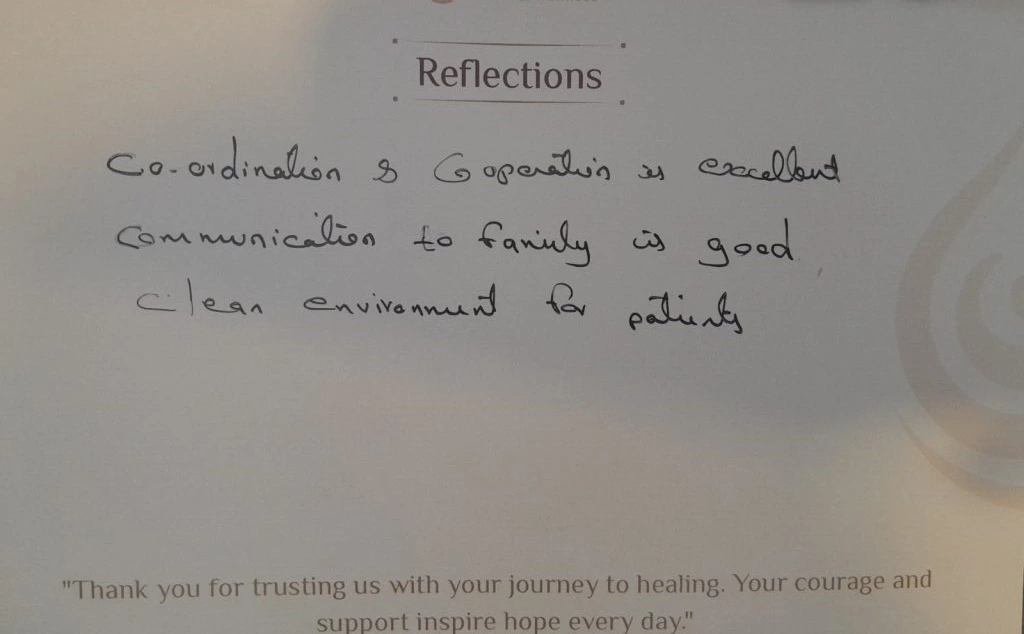
Co-ordination & cooperation is excellent. Communication to family is good. Clean environment for patients.
Former Client
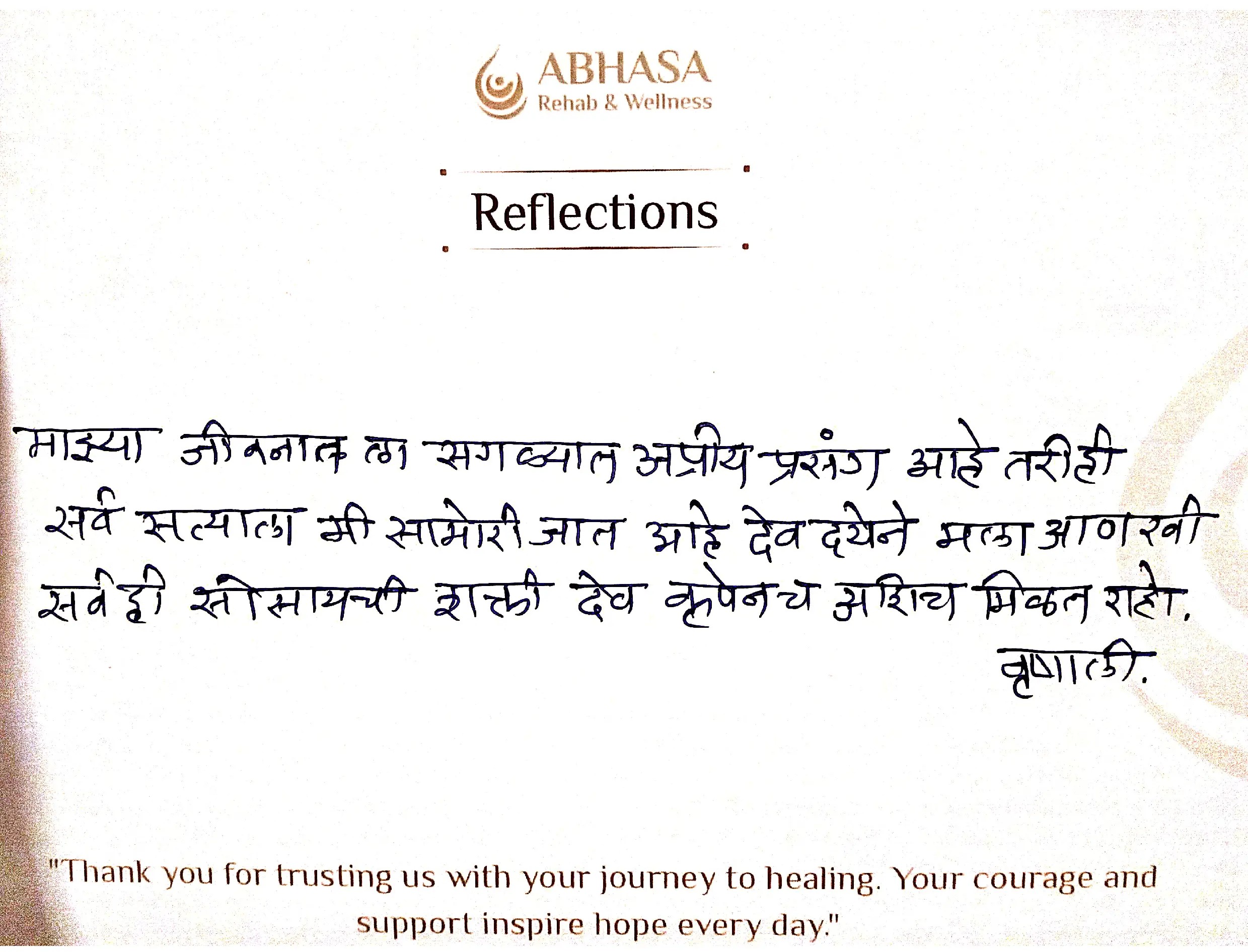
I found strength to face life’s hardest truths here. I believe it was God’s grace that brought me to Abhasa.
Former Client
Transform, heal and thrive.
FAQs About Mental Health Treatment Centres
Can people recover from chronic mental illness?
Yes. Recovery is possible with consistent care, therapy, and support. Treatment helps manage symptoms and rebuild daily functioning.[1,2]
How to deal mentally with chronic illness?
Focus on routine, therapy, emotional support, and self-care. Structured guidance from psychiatric treatment centres can improve coping skills.[3]
What are the big four chronic diseases?
Diabetes, heart disease, cancer, and chronic respiratory conditions are the most common globally.
What are the top 3 chronic conditions?
Hypertension, diabetes, and depression rank among the most prevalent.
What are the top 5 chronic diseases?
Diabetes, heart disease, chronic respiratory disease, stroke, and depression.
What are the treatments for chronic diseases?
Lifestyle management, medication, therapy, and ongoing monitoring form the core approach. Mental health treatment centres offer structured support for psychological and emotional aspects.[4,6]
What is the best therapy for chronic illness?
Individualised therapy, cognitive-behavioural approaches, and holistic mental wellness support work best.[10]
What is the best treatment against chronic diseases?
A combination of medical care, therapy, and lifestyle modification under expert supervision ensures long-term stability. [6,15]
What type of doctor is best for chronic illness?
Consult a specialist relevant to the condition. For mental health, psychiatrists guide treatment plans in psychiatric treatment centres. [1]
What type of therapy is best for chronic illness?
Behavioural therapy, cognitive therapy, and structured counselling provide the most consistent outcomes. [10]
How long does depression treatment take?
Duration varies; most programs last from several weeks to several months, depending on the severity and treatment response. [5,6]
What happens in bipolar disorder treatment?
Mood stabilisation, therapy, and ongoing monitoring help clients manage symptoms and maintain daily routines.[5]
Is autism treatable in residential settings?
Yes. Autism treatment centres provide structured, skill-building, and behavioural therapies to support development. [8]
How effective is trauma therapy?
Trauma therapy shows strong results when consistent, personalised, and integrated with holistic support. [9]
What is the success rate of addiction treatment?
Outcomes improve with comprehensive care, structured programs, and family involvement at substance abuse treatment centres.[4,10,13]
Can schizophrenia be treated without medication?
Some support is possible, but combining medication with therapy provides the most reliable results.[14]
What is the best eating disorder treatment centre?
Centres offering medical supervision, nutritional therapy, and psychological support are most effective.[3]
How do families get involved in mental health treatment?
Through family therapy, education, and structured support programs, families can actively participate in their own recovery. [12]
Is residential mental health treatment better than outpatient?
For complex conditions, residential care ensures 24/7 supervision, therapy, and structured routines. [7]
What makes a good mental health treatment centre?
Expert staff, evidence-based therapies, holistic care, and personalised programs define quality centres. [1,2,3]
How much does mental health treatment cost?
Costs vary by program length, services, and accommodation. Personalised estimates are provided after consultation.
Are mental health treatment centres confidential?
Yes. Trusted centres maintain privacy and discretion for every client.
What should I expect in mental health rehabilitation?
Structured routines, therapy sessions, holistic support, and skill-building form the core experience.[4,10]
How do I choose the right mental health treatment centre?
Evaluate credentials, therapy options, holistic services, and family involvement opportunities. [1,2]
Can mental health treatment centres help with multiple conditions?
Yes. Many centres offer integrated care for co-occurring mental health and medical conditions.[5,14]
Answers You Need
Blog & Expert Resources
Insights to Guide Your Alcohol Recovery Journey
Recovery is a deeply personal process, but you don’t have to navigate it without support. Our blog[3,15] is designed to meet you where you are, whether you’re just starting to ask questions or looking for ways to stay strong after rehab. Curated by therapists, wellness experts, and recovery coaches at Abhasa, our blog offers practical tips, compassionate stories, and guidance on everything from relapse prevention to rebuilding relationships.


Sugar Cravings After Quitting Alcohol – Why They Happen and What They Mean
Shame vs Guilt in Addiction Recovery: Understanding the Difference

Why Relapse Is a Process, Not a Failure: A Clinical Perspective
Begin Your Mental Health Journey
Taking the first step toward recovery can feel overwhelming, but you do not have to navigate it alone. At Abhasa, we are recognised among the best mental health treatment centres, providing structured, compassionate care for individuals and families alike.
Reach out today through phone, email, or our secure online form. Our team offers a complimentary consultation to assess your loved one’s needs and guide you through the initial steps toward personalised care. Every plan is designed to meet unique requirements, ensuring that therapy, medical support, and family guidance are coordinated from day one.
We also offer family consultations to educate, involve, and empower caregivers. [12]
Understanding the dynamics of home life and the impact of mental health is essential for long-term success. Our team builds a clear, actionable pathway, so clients and families know what to expect at each stage.
Recovery is possible, and it starts now. The first call or message sets in motion a journey toward emotional stability, improved daily functioning, and renewed hope.[1,2]
Choosing one of the best mental health treatment centres means accessing care that is private, expert-led, and fully integrated with holistic therapies.
The first step matters
Proudly Serving Across Cities
- Rehab in Karjat
- Rehab in Pune
- Rehab in Navi Mumbai
- Rehab in Madurai
- Rehab in Trichy
- Rehab in Bangalore
- Rehab in Chennai
- Rehab in Thane
- Rehab in Nasik
- Rehab in Kochi
- Rehab in Mangalore
- Rehab in Mysore
- Rehab in Hyderabad
- Rehab in Vijayawada
- Rehab in Vizagapatnam
- Rehab in Delhi
Medical Disclaimer
This information is for educational purposes only and does not constitute medical advice. Alcohol use disorder is a serious medical condition requiring professional diagnosis and treatment by qualified healthcare providers.
Always consult licensed medical professionals and addiction specialists before making treatment decisions. Individual results vary significantly based on numerous factors including severity of dependence, co-occurring conditions, personal commitment, and environmental support.
Alcohol withdrawal can be life-threatening. Attempting to detox at home without medical supervision may result in severe complications including seizures, delirium tremens, and death. Medical detoxification should only be conducted under the supervision of qualified healthcare professionals in an appropriate medical setting.
If you are experiencing a medical emergency, call emergency services immediately (dial 112 in India or your local emergency number).
The content provided describes general treatment approaches and facility amenities. It is not a substitute for individualized medical assessment or professional treatment planning. Treatment outcomes cannot be guaranteed, and recovery from alcohol dependence is an ongoing process that may include periods of relapse.
Resources
Research Citations (All Sources):
[1] National Institute of Mental Health and Neurosciences (NIMHANS) – “Mental Health Care in India” – NIMHANS, 2023
URL: https://nimhans.ac.in/
Source Type: Academic/government institution
Supports: Mental health treatment approaches, professional standards, integrated care
[2] World Health Organization (WHO) – “Mental Health: Strengthening Mental Health Promotion” – WHO, 2023
URL: https://www.who.int/news-room/fact-sheets/detail/mental-health-strengthening-our-response
Source Type: International health authority
Supports: Evidence-based mental health treatment, holistic care, recovery outcomes
[3] American Psychological Association (APA) – “Mental Health Treatment and Services” – APA, 2023
URL: https://www.apa.org/topics/psychotherapy
Source Type: Professional organization
Supports: Holistic therapies, psychoeducation, creative therapies, nutritional psychiatry
[4] National Institute on Drug Abuse (NIDA) – “Principles of Drug Addiction Treatment” – NIH, 2020
URL: https://nida.nih.gov/publications/principles-drug-addiction-treatment-research-based-guide
Source Type: Government research institute
Supports: Addiction treatment, detoxification, residential care, dual diagnosis
[5] Substance Abuse and Mental Health Services Administration (SAMHSA) – “Depression and Bipolar Support” – U.S. Department of Health and Human Services, 2022
URL: https://www.samhsa.gov/mental-health
Source Type: Federal health agency
Supports: Depression treatment, bipolar disorder care, mood disorder management, co-occurring disorders
[6] Journal of Clinical Psychiatry – “Evidence-Based Treatment of Depression” – Physicians Postgraduate Press, 2021
URL: https://www.psychiatrist.com/
Source Type: Peer-reviewed medical journal
Supports: Depression treatment protocols, medication management, integrated care approaches
[7] Journal of Substance Abuse Treatment – “Residential vs. Outpatient Treatment Effectiveness” – Elsevier, 2019
URL: https://www.journalofsubstanceabusetreatment.com/
Source Type: Peer-reviewed research
Supports: Residential treatment effectiveness, 24/7 supervision benefits
[8] Journal of Autism and Developmental Disorders – “Autism Spectrum Disorder Treatment Approaches” – Springer, 2022
URL: https://www.springer.com/journal/10803
Source Type: Peer-reviewed academic journal
Supports: ABA therapy, social skills training, sensory integration, autism rehabilitation
[9] Journal of Traumatic Stress – “PTSD Treatment Protocols” – International Society for Traumatic Stress Studies, 2021
URL: https://onlinelibrary.wiley.com/journal/15736598
Source Type: Peer-reviewed journal
Supports: EMDR therapy, trauma-focused CBT, somatic therapy, complex trauma treatment
[10] American Psychological Association – “Cognitive Behavioral Therapy” – APA, 2023
URL: https://www.apa.org/ptsd-guideline/treatments/cognitive-behavioral-therapy
Source Type: Professional organization
Supports: CBT effectiveness, behavioral interventions, relapse prevention, structured therapy
[11] Indian Psychiatric Society – “Mental Health Services in India” – IPS, 2023
URL: https://www.indianpsychiatricsociety.org/
Source Type: Professional medical society
Supports: Indian mental health standards, cultural sensitivity in treatment
[12] Journal of Family Therapy – “Family Involvement in Mental Health Treatment” – Wiley, 2020
URL: https://onlinelibrary.wiley.com/journal/14676427
Source Type: Peer-reviewed journal
Supports: Family therapy, psychoeducation, caregiver support, systemic therapy
[13] National Institute of Mental Health (NIMH) – “Mental Health Crisis Resources” – NIH, 2023
URL: https://www.nimh.nih.gov/health/find-help
Source Type: Government health institute
Supports: Crisis planning, safety protocols, relapse prevention
[14] Journal of Clinical Psychiatry – “Schizophrenia and Psychotic Disorders Treatment” – Physicians Postgraduate Press, 2022
URL: https://www.psychiatrist.com/
Source Type: Peer-reviewed medical journal
Supports: Schizophrenia treatment, dual diagnosis care, medication management
[15] Integrative Medicine in Mental Health – “Holistic Approaches to Mental Wellness” – Mary Ann Liebert, 2021
URL: https://www.liebertpub.com/
Source Type: Peer-reviewed journal
Supports: Integrated treatment approaches, holistic therapies, mind-body interventions