
Luxury Anxiety Treatment Center in India
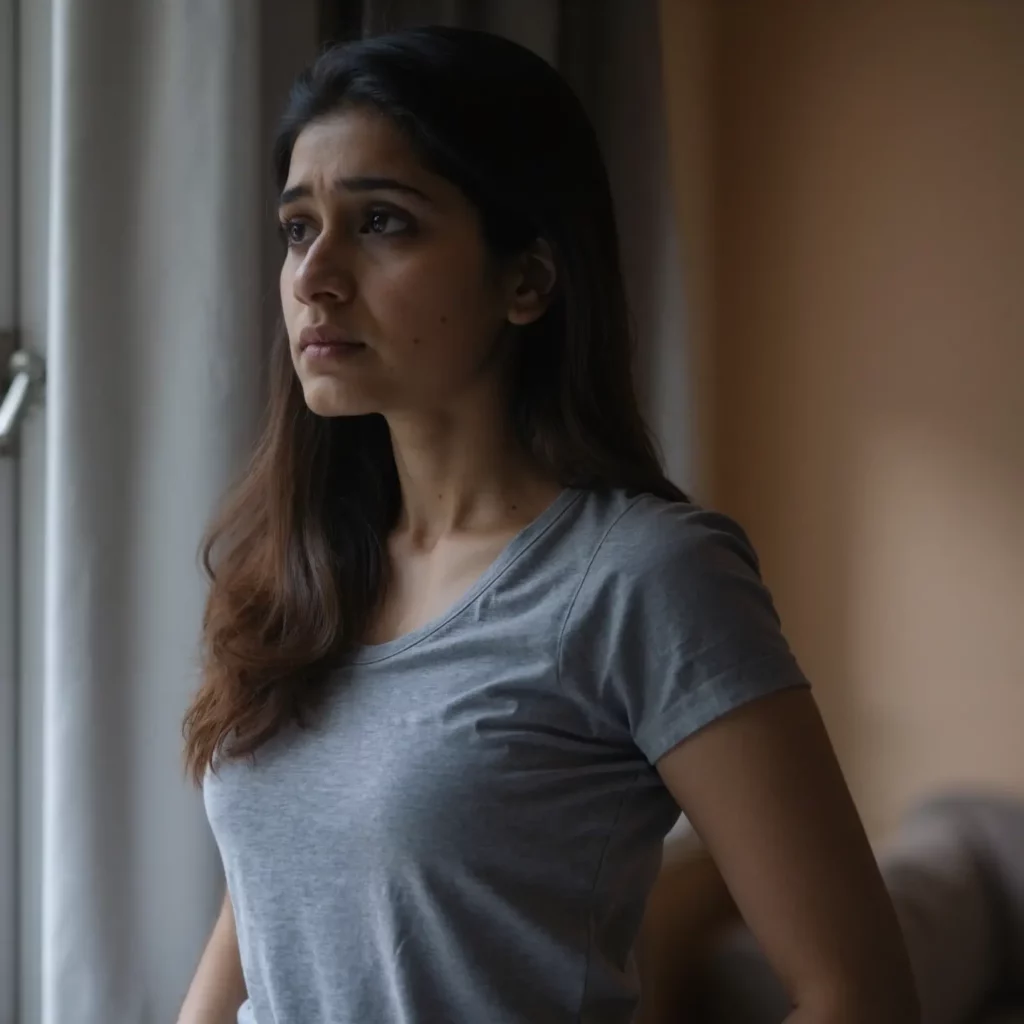
Anxiety doesn’t have to rule your mind. Abhasa’s therapies and calm spaces help you reclaim peace and clarity.
Break Free from Anxiety. We are here to help you.
2:1 Staff-to-client ratio
3 Healing Spaces
Personalised Treatments
360° Healing
2:1 Staff-to-client ratio
3 Healing Spaces
Personalised Treatments
360° Healing
Gallery
Where Hope Finds a Place to Heal

Anxiety affects more than just the mind. It disrupts sleep, interrupts conversations, and creates distance in relationships. For many Indian families, the struggle stays hidden behind smiles and silence.
You might see your loved one change. They may seem restless, overwhelmed, or unable to focus. Or you may feel stuck in your anxious cycle, trying everything from home remedies to counselling, but nothing brings lasting peace. That’s when it becomes clear. You need something more substantial. A dedicated, peaceful place that helps you take back control.
Abhasa provides that place.
As a leading anxiety treatment centre, Abhasa offers privacy, warmth, and expert support in a setting that feels like a wellness retreat. We don’t operate like a hospital. Instead, we create a calm space where people follow structured routines, receive focused attention, and start to rebuild a more peaceful life.
Our anxiety therapy centre blends scientific care with holistic healing. We combine proven psychological methods with deeply calming experiences like guided yoga, art expression, and quiet mindfulness walks. Each person follows a plan shaped around who they are, how they feel, and what they need most to heal.
Families stay closely involved throughout. You’ll receive thoughtful updates, honest conversations, and simple support that helps you feel connected to your loved one’s progress without feeling left out. You never have to guess how your loved one is doing. We walk this journey together.
If you need an anxiety treatment centre that values emotional safety, personalised care, and quiet luxury, Abhasa can help you begin again.
Break Free from Anxiety. We are here to help you
Understanding Residential Anxiety Treatment
What Makes Residential Anxiety Care a Turning Point
Anxiety can feel like a constant fight with your thoughts. When it becomes hard to get through the day, when sleep stops coming easily, and when daily life feels overwhelming, professional support makes all the difference.
Some situations need more than just short visits to a clinic. They need full-time care, safety, and structure.
That’s precisely what residential anxiety treatment offers.
What is Residential Anxiety Care?
At Abhasa, residential anxiety treatment means more than therapy. It means helping people live with calm again. Guests follow a steady routine, from mindful mornings to supported evenings.
They begin each day with quiet movement or breathwork. They eat meals that support their emotional and physical well-being. They sit with a therapist privately, share stories in a safe group, and reflect during restful pauses.
Each moment follows a rhythm that brings the mind back into balance and helps the body release tension.
Why Structure Makes Healing Possible
Outpatient visits provide moments of care but often leave too much space in between. Inside anxiety treatment centres, healing happens throughout the day.
The environment stays calm, predictable, and focused. Every detail supports emotional safety, from how the rooms feel to how the schedule flows. This steady structure gives people the confidence to move forward, one grounded step at a time. Home can often feel unpredictable.
A small comment, loud sound, or overwhelming task can spiral into anxiety without warning. In a residential anxiety treatment setting, we create distance from those stress points. The calm, steady environment gives the mind room to settle and the body a chance to recover.
Recovery Looks Different for Everyone
Anxiety shows up in different ways. Some people feel it as constant restlessness. Others feel frozen or withdrawn.
That’s why we never follow a fixed formula. Our team takes time to understand each person and then shapes their day around what helps, whether that means quiet reflection, creative work, or guided support through conversation and movement.
Others may feel ready to explore expressive therapy or more profound reflection. At Abhasa, we personalise every step of residential anxiety treatment. We listen. We adapt. We help each person feel safe to move at their own pace.
Why Families Often Choose Residential Support
For families who feel unsure about how to help, anxiety treatment centres offer peace of mind. You don’t have to carry the full weight alone.
Our team guides each guest with warmth and understanding while staying connected with loved ones throughout the process.
If you’re wondering whether residential anxiety treatment could help you or someone you care about, we’re here to talk.
What Makes Residential Anxiety Care a Turning Point
Anxiety can feel like a constant fight with your thoughts. When it becomes hard to get through the day, when sleep stops coming easily, and when daily life feels overwhelming, professional support makes all the difference.
Some situations need more than just short visits to a clinic. They need full-time care, safety, and structure. That’s precisely what residential anxiety treatment offers.
What is Residential Anxiety Care?
At Abhasa, residential anxiety treatment means more than therapy. It means helping people live with calm again. Guests follow a steady routine, from mindful mornings to supported evenings. They begin each day with quiet movement or breathwork. They eat meals that support their emotional and physical well-being.
They sit with a therapist privately, share stories in a safe group, and reflect during restful pauses. Each moment follows a rhythm that brings the mind back into balance and helps the body release tension.
Why Structure Makes Healing Possible
Outpatient visits provide moments of care but often leave too much space in between. Inside anxiety treatment centres, healing happens throughout the day.
The environment stays calm, predictable, and focused. Every detail supports emotional safety, from how the rooms feel to how the schedule flows. This steady structure gives people the confidence to move forward, one grounded step at a time.
Home can often feel unpredictable. A small comment, loud sound, or overwhelming task can spiral into anxiety without warning.
In a residential anxiety treatment setting, we create distance from those stress points. The calm, steady environment gives the mind room to settle and the body a chance to recover.
Recovery Looks Different for Everyone
Anxiety shows up in different ways. Some people feel it as constant restlessness. Others feel frozen or withdrawn. That’s why we never follow a fixed formula. Our team takes time to understand each person and then shapes their day around what helps, whether that means quiet reflection, creative work, or guided support through conversation and movement.
Others may feel ready to explore expressive therapy or more profound reflection. At Abhasa, we personalise every step of residential anxiety treatment. We listen. We adapt. We help each person feel safe to move at their own pace.
Why Families Often Choose Residential Support
For families who feel unsure about how to help, anxiety treatment centres offer peace of mind. You don’t have to carry the full weight alone.
Our team guides each guest with warmth and understanding while staying connected with loved ones throughout the process.
If you’re wondering whether residential anxiety treatment could help you or someone you care about, we’re here to talk.
Residential care brings calm to families in crisis.
Why Choose Residential Care for Anxiety
Anxiety affects more than just the individual. It disrupts sleep, routine, and relationships. Families often try everything they can, from supportive conversations to therapy appointments, but sometimes the anxiety continues to grow. When that happens, structured care becomes essential. A well-designed anxiety rehabilitation centre offers the calm and consistency needed to begin proper recovery.

Healing Begins in the First 48 Hours
Within the first two days, a person starts to feel safer. They begin to sleep better, speak more openly, and feel a sense of relief.
Our team conducts a complete emotional and behavioural assessment at our anxiety recovery centre.
This helps us understand the specific kind of support each individual needs. From day one, care starts with intention and compassion.

Consistent Support Builds Confidence
Anxiety often returns when daily life lacks routine. Missed sleep, rising pressure, or emotional triggers can undo weeks of progress. At an anxiety rehabilitation centre, we design each day with purpose.
Clients move through a balanced schedule that includes calming activities, talk therapy, creative expression, and rest. This structure helps create emotional safety and steady progress.

Life Skills Create Long-Term Change
Our anxiety recovery centre focuses on helping people build habits that reduce anxious responses. We teach clients how to identify early signs of anxiety, use healthy coping techniques, and develop patterns that support emotional balance.
These skills continue to support recovery long after discharge.

Families Grow Stronger Together
Families often feel lost while trying to help. At an anxiety rehabilitation centre, we offer clarity. Our team shares regular updates, guides emotional conversations, and supports every family member involved in the healing process. When families understand how anxiety works, they respond with patience and confidence.
If home efforts have not brought results, we invite you to explore a supportive next step.
The right support makes recovery sustainable.
Why Families Choose Abhasa for Anxiety Recovery
Healing begins the moment someone feels seen, not judged. Families who arrive at Abhasa often carry years of exhaustion, silence, or helplessness. From the first conversation, they sense the difference. We offer more than programs and routines. We create space to breathe, ask questions, and begin again with hope. That is why families trust Abhasa as one of India’s best anxiety treatment centres.
Where Luxury Meets Purpose
We designed Abhasa with comfort and healing in mind. As one of India’s leading luxury anxiety treatment centres, our space blends soft surroundings with serious care.
Private suites, landscaped gardens, and calming interiors support emotional balance. Every corner invites peace, not pressure.
Care That Adapts With You
No two people experience anxiety in the same way. That’s why our plans change as our clients grow. Our team watches closely.
We respond to emotional needs and slight shifts in progress. This flexibility sets Abhasa apart from other luxury anxiety treatment centres, where routines may feel rigid or impersonal.
We Guide the Whole Family
We believe families deserve clarity, not confusion. At Abhasa, we explain what anxiety looks like, how it behaves, and how to support healing. This education builds trust. Families walk away with tools, language, and understanding.
That’s why many consider us among the best anxiety treatment centres for both individual and family transformation.
Science and Tradition, Together
Our clients receive evidence-based therapy along with time-honoured wellness practices. From CBT to yoga, mindfulness to creative treatment, our approach reflects a deep respect for modern psychology and ancient wisdom.
This balance makes Abhasa feel like more than a program. It feels like a sanctuary.
A Safe Place to Recover in Every Way
As one of India’s best anxiety treatment centres, we offer comfort without compromise. Clients stay in peaceful, private rooms.
They receive 24/7 emotional support, structured routines, and constant access to professionals who care. Families rest easier knowing their loved one is safe, supported, and growing stronger daily.
Healing begins where families feel understood.
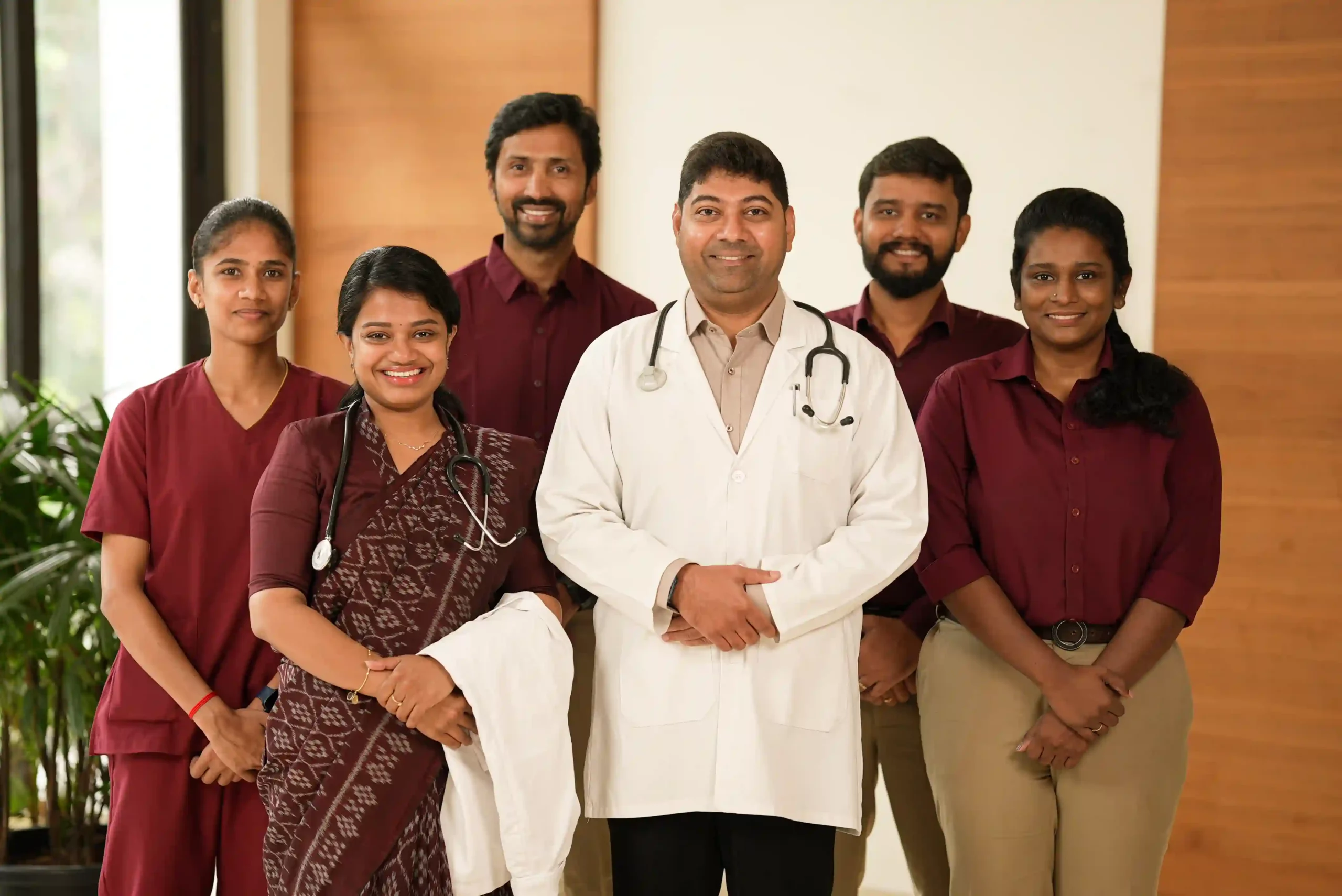
Meet Our Anxiety Treatment Experts
At Abhasa, care begins with the people you meet. Our team forms the foundation for making this anxiety therapy centre feel safe and personal. You’ll find experienced psychologists, psychiatrists, and counsellors who truly understand what it feels like to live with anxiety. They don’t follow a script. They listen, observe, and guide using evidence-based methods shaped around each person.
Alongside them, holistic therapists bring in calming practices like yoga, breathwork, and art. These moments often become the most meaningful part of someone’s healing journey.
Families also receive steady support. Our family therapists help loved ones rebuild trust and communicate with more understanding.
What makes our anxiety therapy centre special isn’t just the training or tools. It’s the heart our team brings into every conversation, every session, and every small step forward.
At Abhasa, we don’t just use evidence-based care; we deliver it with warmth and purpose.
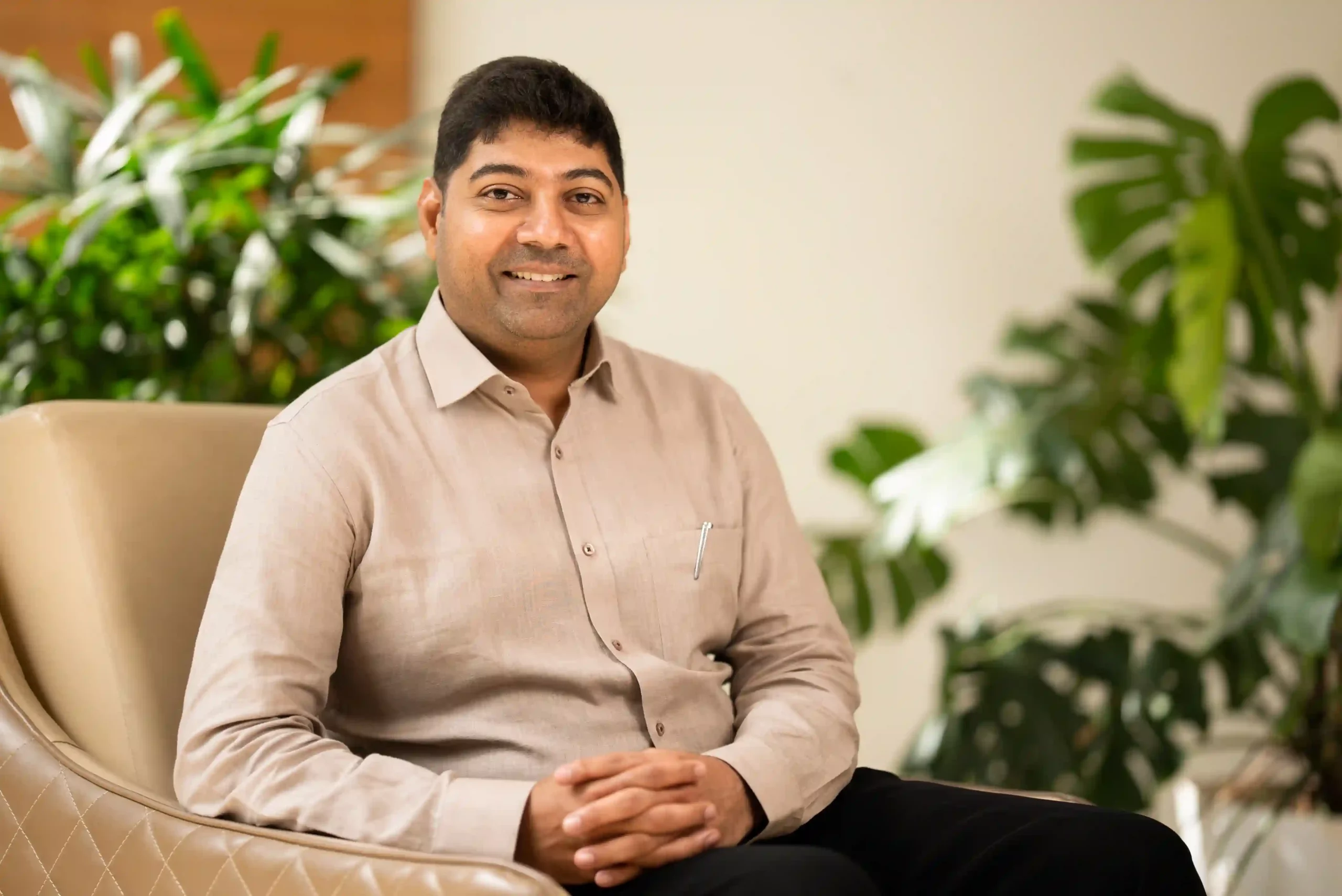
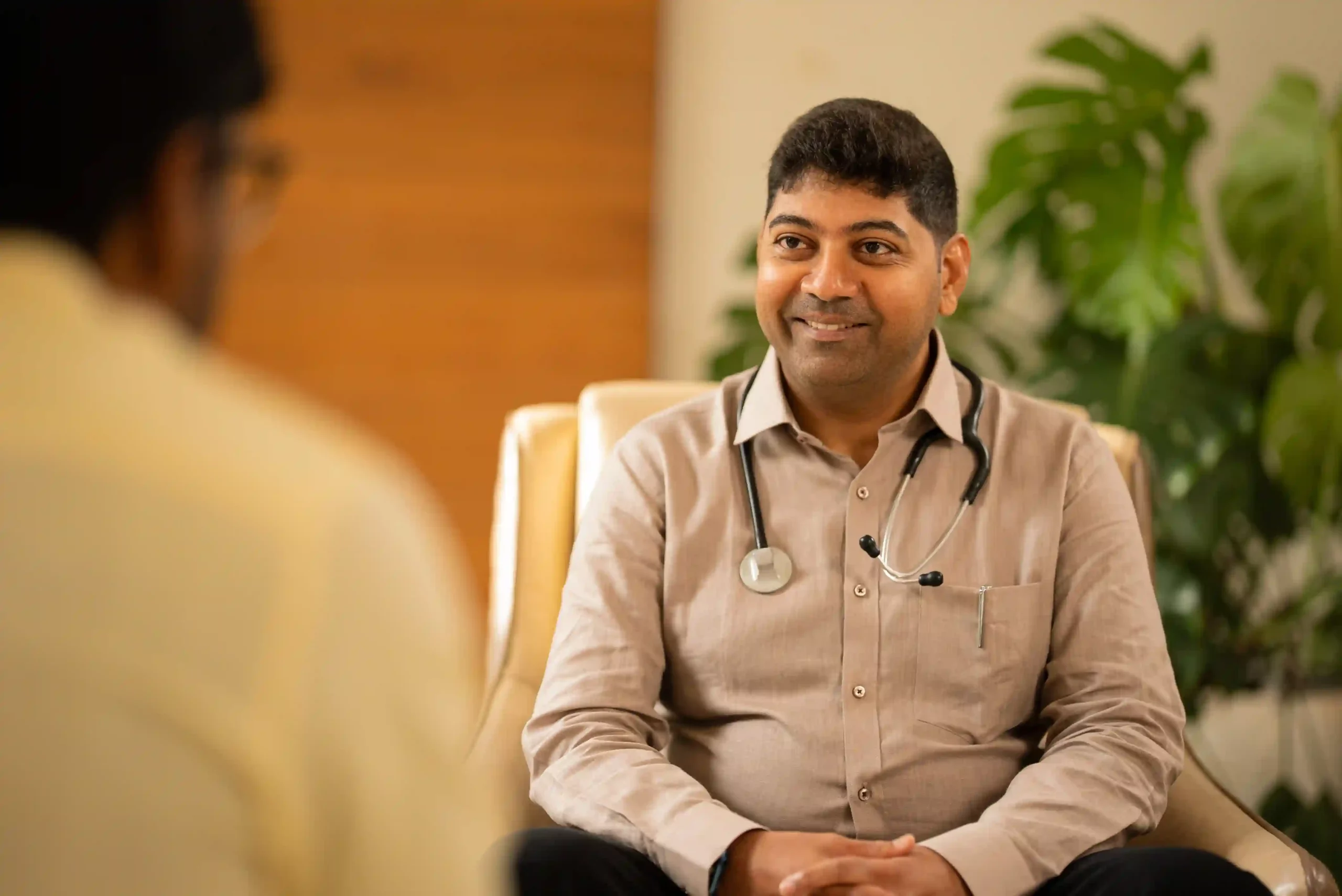
Dr. Naveen Kumar
Medical Director
15+ years of expertise in psychiatry and addiction recovery.
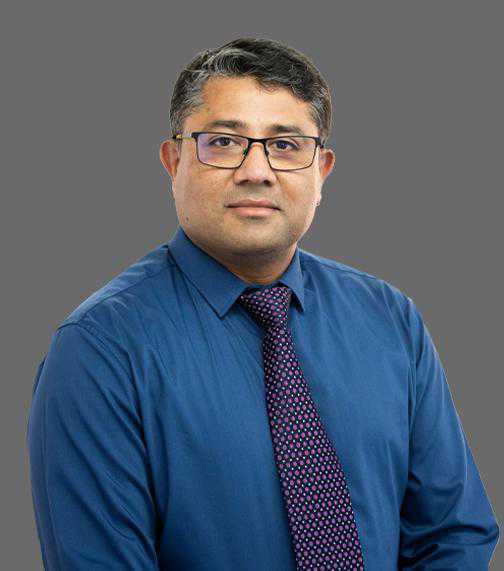
Dr. Vivek Sharma
Consultant Psychiatrist & Neurofeedback Practitioner
With over 15+ years of experience in psychiatry and neurofeedback, he blends medical expertise and compassion to guide clients toward lasting recovery.
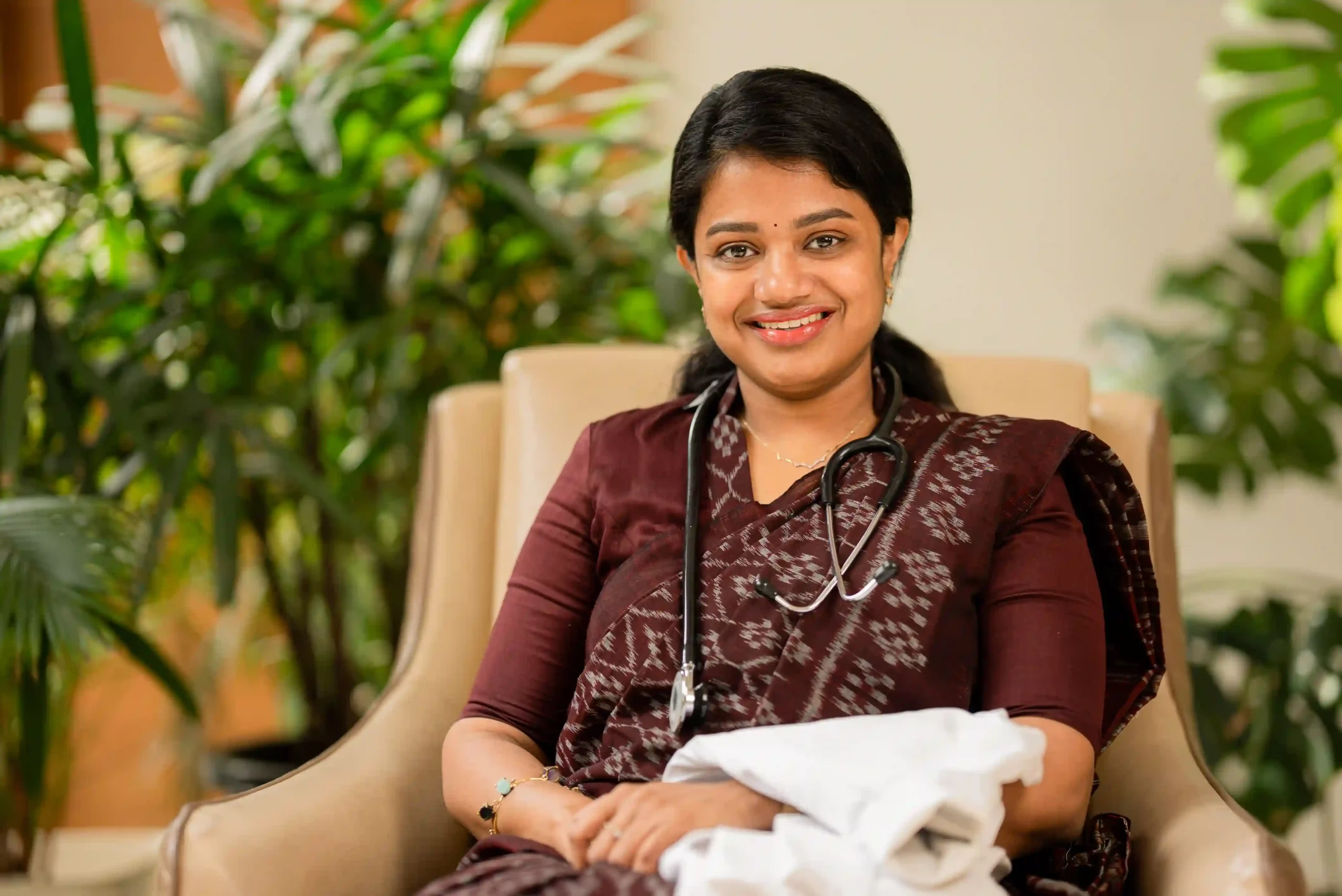
Dr. Shree Aarthi
Consultant Psychiatrist
15+ years providing expert psychiatric care for mental health and substance use disorders.

Dr. Ramalingam P Kandaswamy
Consultant Physician
15+ years With over 5 years of experience in HIV and infectious diseases, he brings global expertise and compassionate care to every patient he supports.
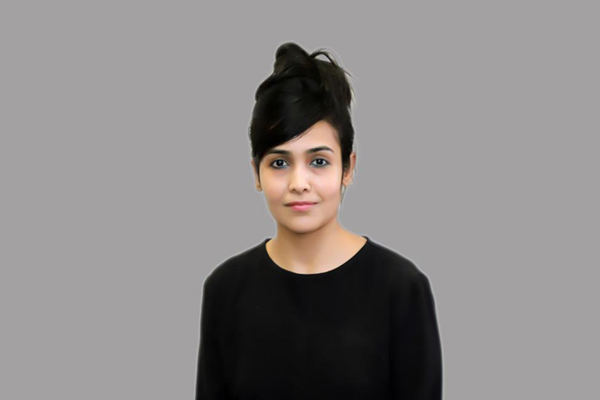
Dr. Divya
Psychiatrist
10+ years combining clinical psychiatry expertise with healthcare management for holistic treatment.
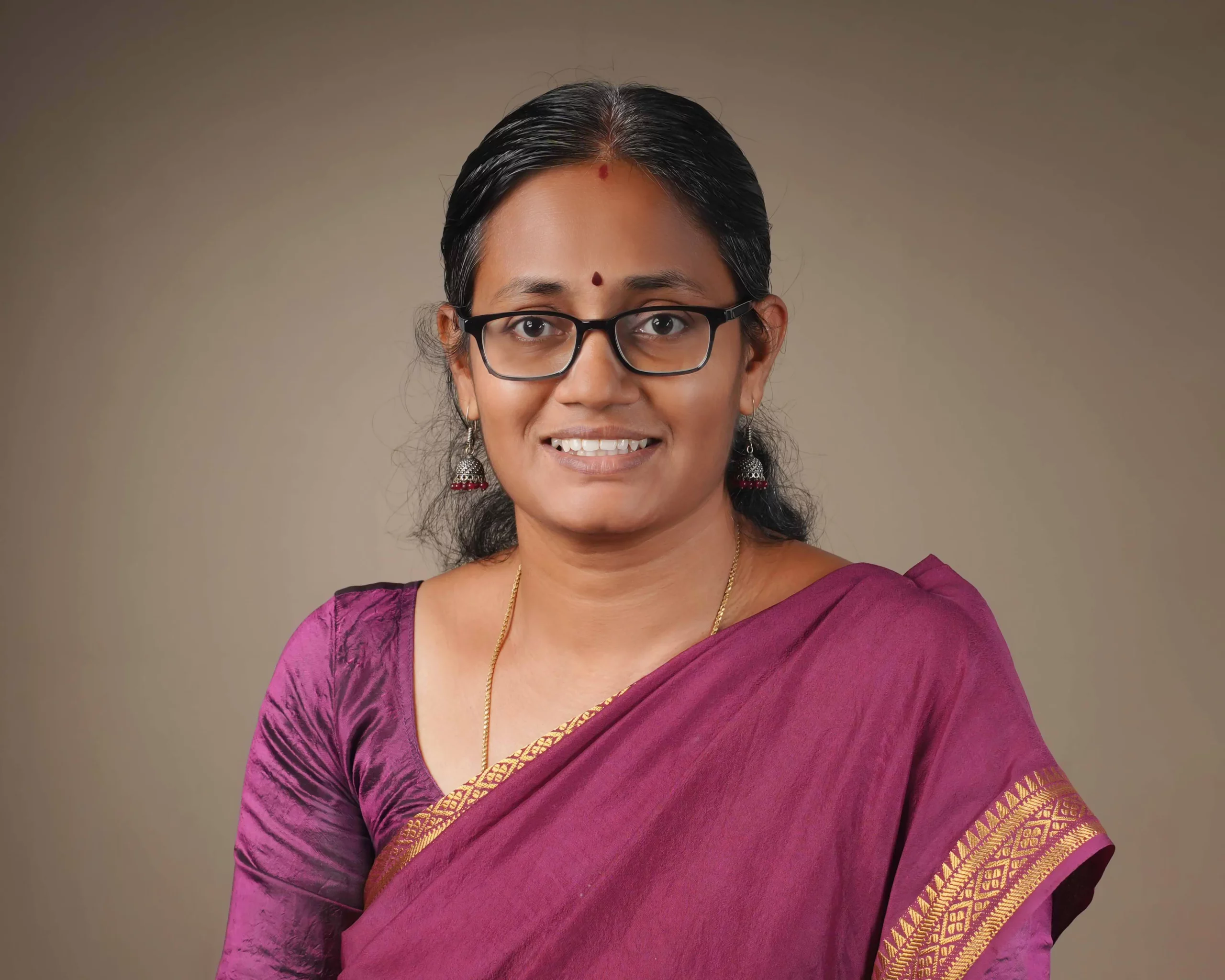
Dr. Malarvilzhi
Residential Medical Officer
12 years delivering comprehensive medical care in psychiatric and rehabilitation settings.
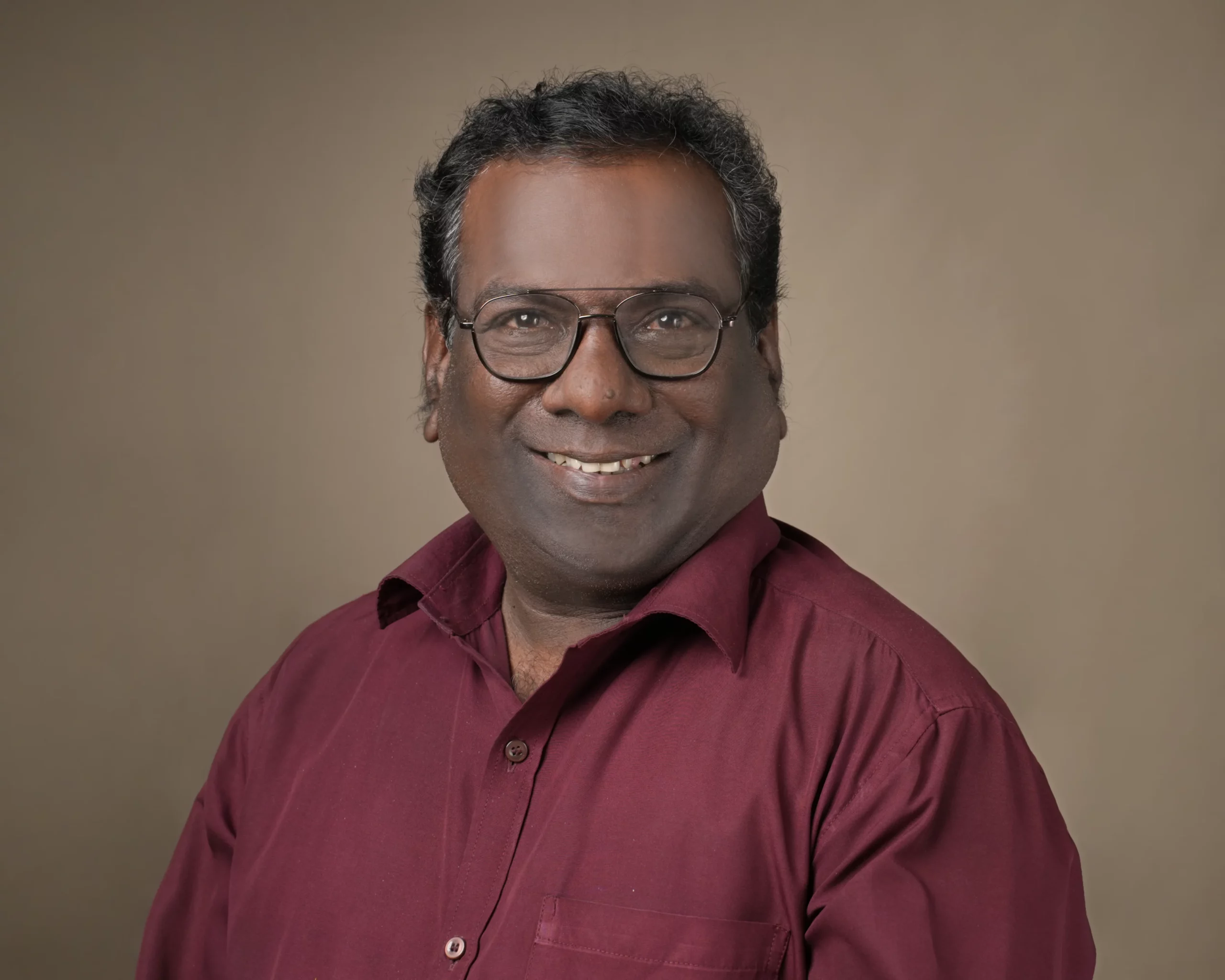
Dr. Karuppachamy
Senior Psychiatric Social Worker
22+ years of experience empowering clients through therapeutic guidance, psychosocial support, and lived-experience wisdom.
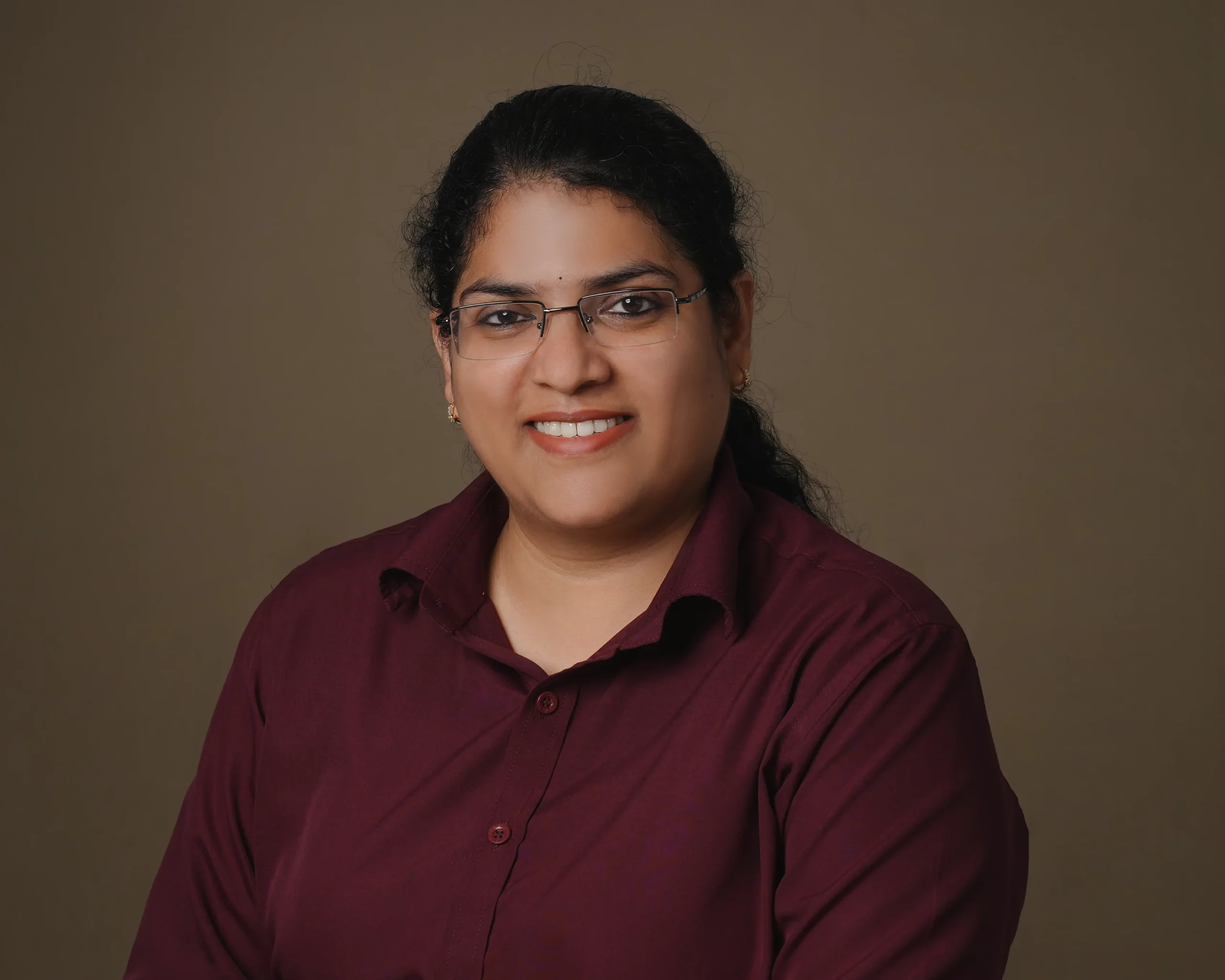
Ms. Meera
Senior Clinical Psychologist
9+ years specializing in psychological assessment and evidence-based therapeutic interventions.
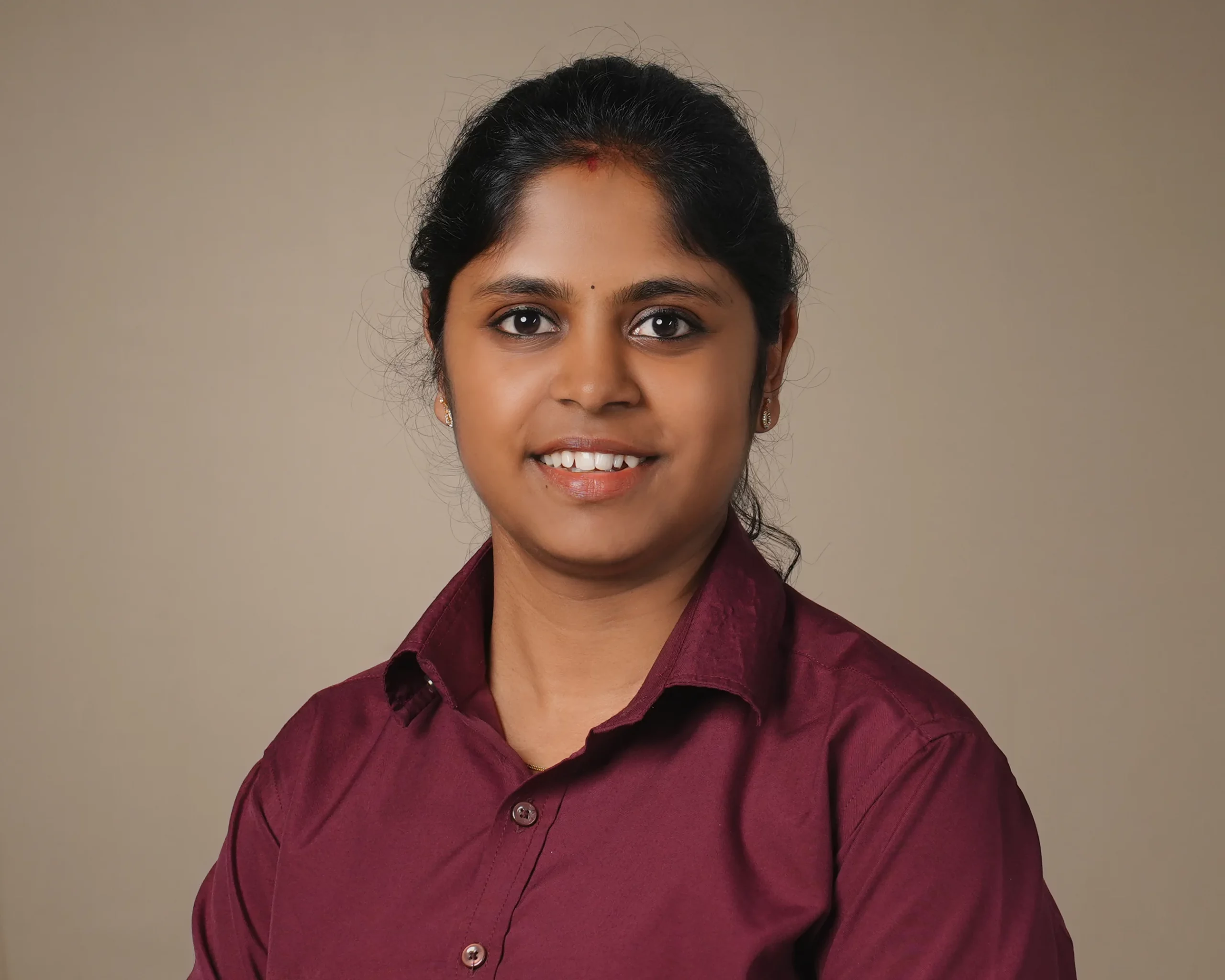
Mrs. Priyadarshini
Head Clinical Psychologist
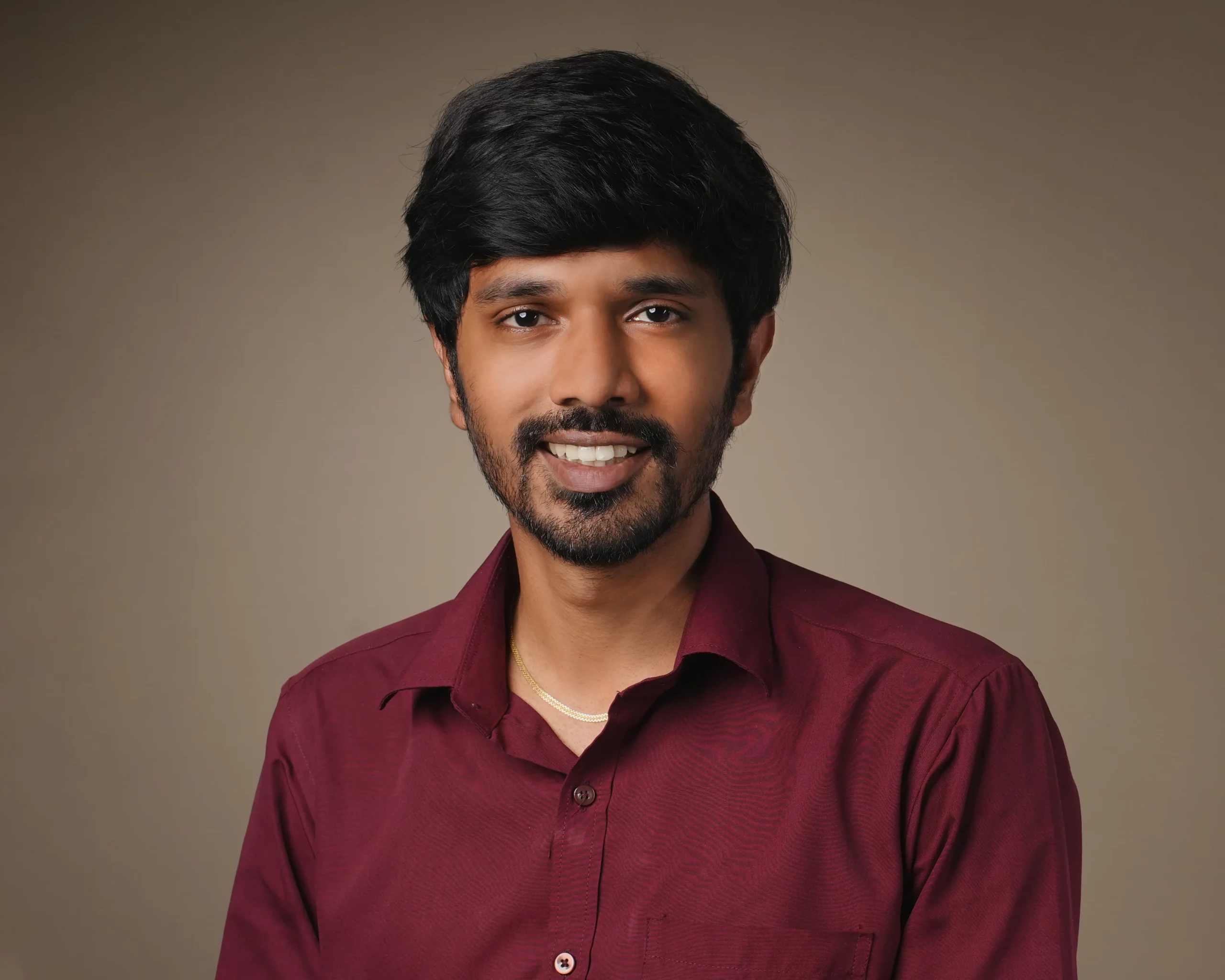
Mr. Mukesh Kanna
Clinical Psychologist
2+ years providing psychological interventions for behavioral health and emotional wellness.
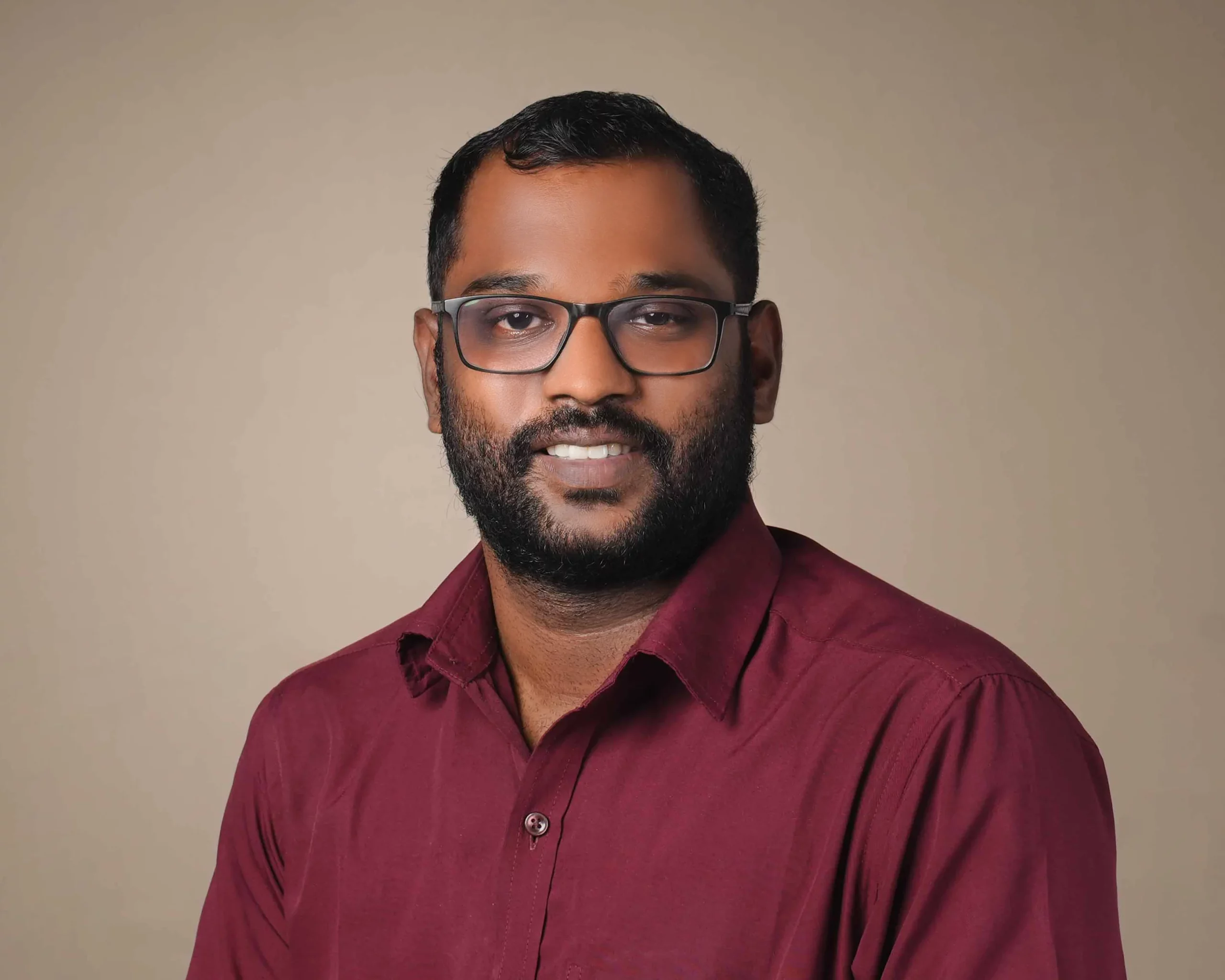
Mr. Antipas Jayabal
Clinical Psychologist
2+ years supporting clients through clinical assessment and therapeutic care.
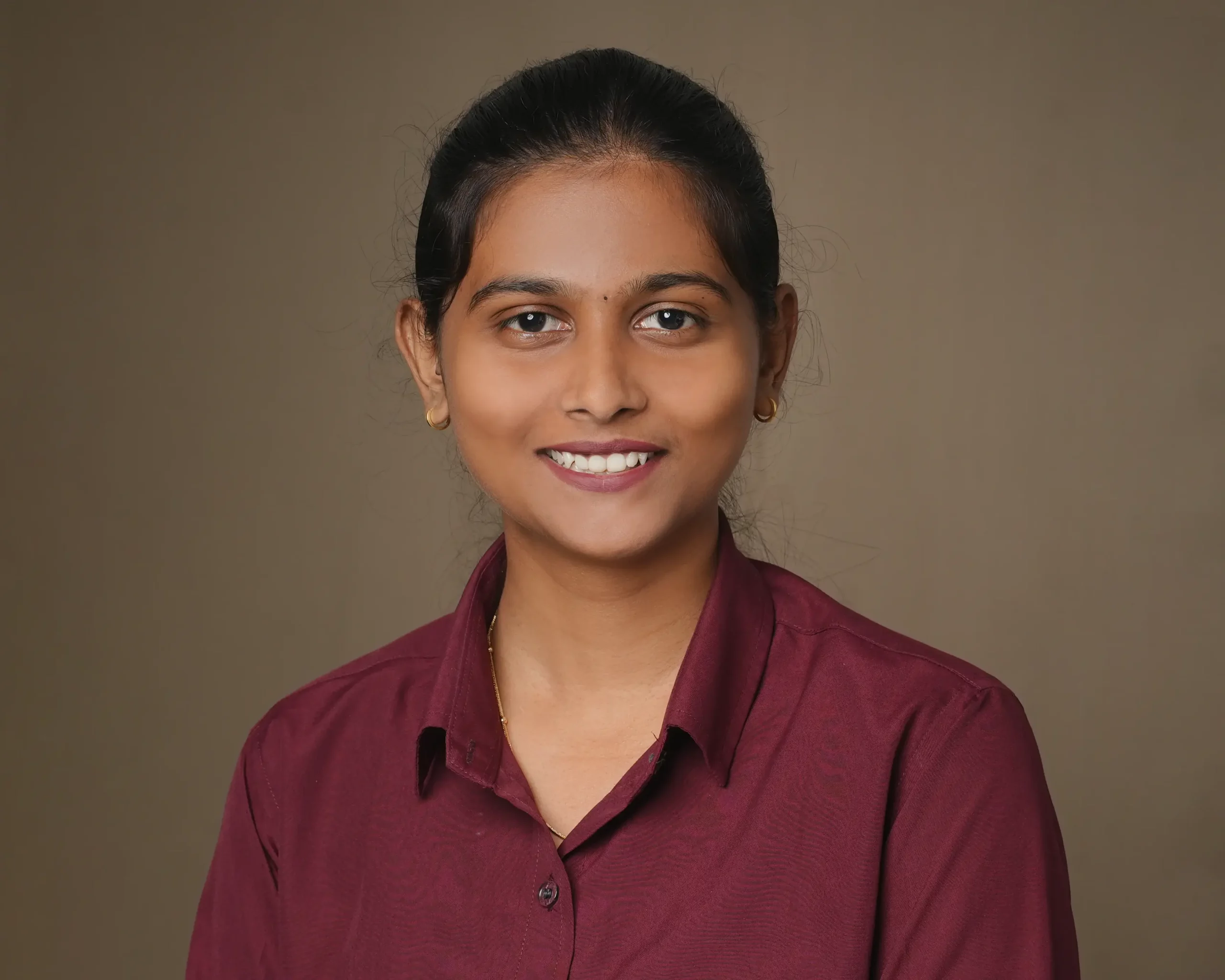
Ms Keerthana S
Psychologist
Empathetic psychologist with 4 years’ experience in handling mental health disorders, using evidence-based psychotherapies for personalized client care.
Inside Our Residential Anxiety Healing Program
If you think all anxiety treatment facilities follow the same process, like checklists, prescriptions, and repetition, you’re not alone. But what we offer at Abhasa is something more. We don’t just aim to reduce anxious thoughts. We help people reclaim clarity, calm, and control, layer by layer.
As one of India’s trusted centres for residential anxiety treatment, we at Abhasa don’t treat anxiety with a fixed formula. We get to know the person first, their story, patterns, and what makes them feel safe. From there, we shape a healing plan that grows with them. Our approach brings together proven psychology, a steady routine, and the kind of emotional care that helps people feel grounded again.
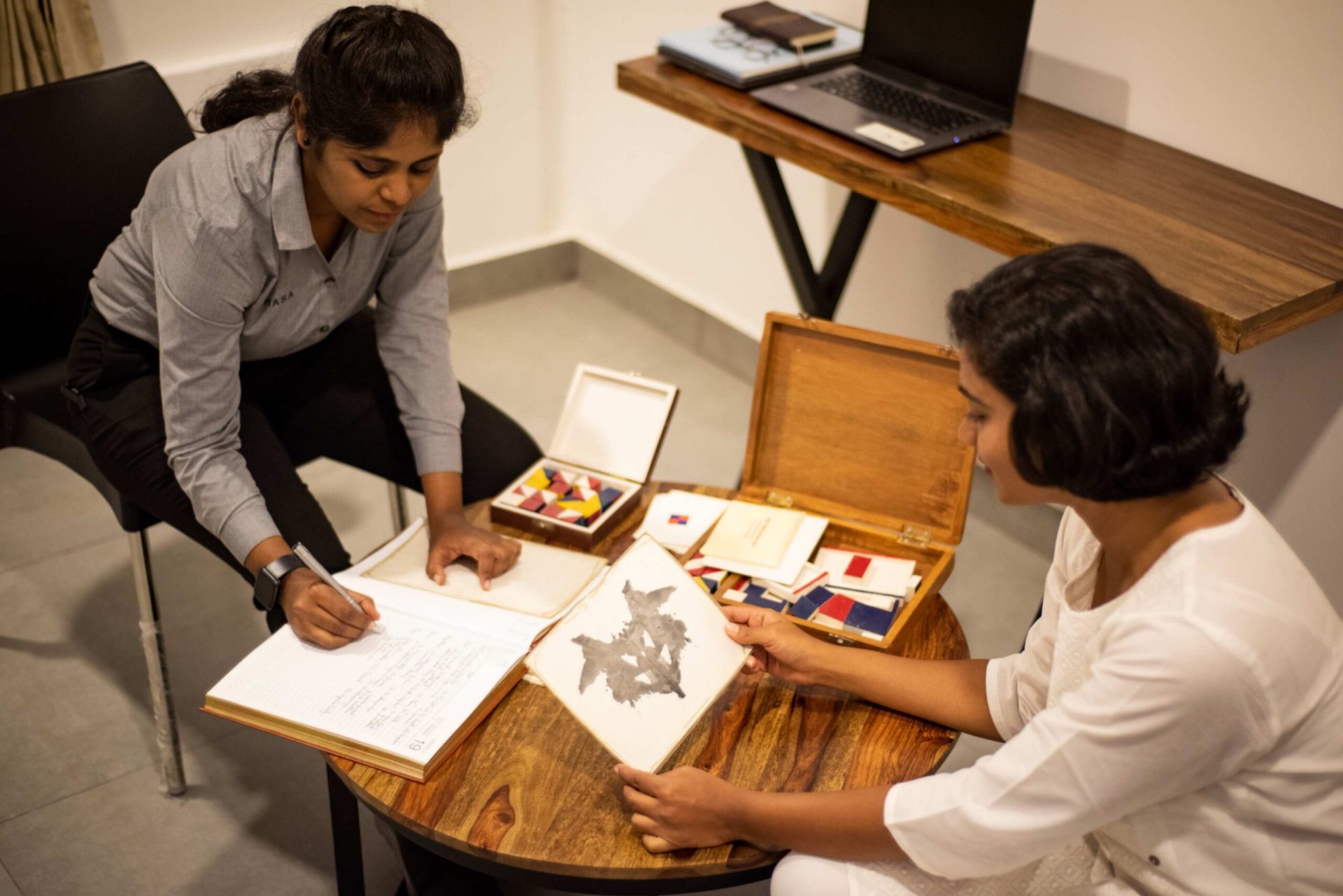
Understanding the Root of Anxiety
We don’t start with immediate solutions. We begin with curiosity and careful observation. Our first step always focuses on what’s happening beneath the surface.
- Emotional Response Mapping: A series of tools that explore how anxiety shows up in daily life, thought loops, behavioural responses, and stress sensitivity
- Lifestyle Review: Assessments of sleep, food patterns, routines, and social habits
- Clinical Consultation: Joint evaluations from our psychologists and wellness team to build an informed care plan rooted in lived experience.
This foundation makes our approach to residential anxiety treatment personal, not procedural.
Creating a Schedule That Evolves With You
Most anxiety treatment facilities offer a static plan. At Abhasa, we watch, listen, and adjust continuously.
We don’t set a fixed routine and walk away. Our team checks in often, watches how each person responds and makes thoughtful adjustments. Some days may call for more quiet time, others for deeper conversation or movement. We blend one-on-one support, calming group activities, and mindfulness naturally. This kind of rhythm offers a structure that feels steady but never stiff.
Healing Through Multiple Recovery Layers
Our residential anxiety treatment model strengthens the mind through structured, supportive layers:
- Mind-Body Reset: Guided breathwork, yoga, and nature-based therapy to reduce emotional overload
- Thought Reframing: Cognitive journaling and talk therapy to break anxious thought cycles
- Skill-Building: Life structure training to support routines, confidence, and resilience
- Creative Expression: Art, music, and writing sessions to channel internal stress
- Sensory Regulation Tools: Safe techniques that calm overactive responses and promote focus.
Unlike many anxiety treatment facilities, we combine these elements in one cohesive path. Because real change takes more than one method; it takes many small steps in the right direction.
At Abhasa, we meet people where they are. And we walk with them through every shift, every pause, and every breakthrough.
Our personalised healing framework is designed for real, lasting change.
A Day in Anxiety Recovery at Abhasa
Most people who come to Abhasa carry the weight of anxious habits, disrupted sleep, emotional highs and lows, and scattered routines.

As a trusted anxiety recovery centre, we help rebuild stability through a day that feels calm, structured, and deeply intentional.
We begin the morning with quiet moments. Clients ease into their day through meditation or breathwork, personal care and a nourishing breakfast. These slow, mindful beginnings help calm racing thoughts and ground the body.
After the morning routine, clients join small groups to share, listen, and reflect. These group conversations often help ease the weight of isolation. With the support of peers and a gentle therapist to guide the way, clients begin to look at their thoughts more clearly and learn tools that bring real relief.
Later in the day, each person moves into their own personalised space for healing. Some spend time in quiet one-on-one sessions. Others step into a yoga mat, a canvas, or a journal. These moments allow each person to reconnect with themselves. Through movement, creativity, and deep conversation, healing takes hold in genuine and lasting ways. Clients take restful breaks between sessions, which helps them absorb what they learn.
Freshly prepared midday meals nourish both body and mind. Meals are shared in quiet, welcoming spaces where conversation flows gently. These shared moments invite quiet connection. Clients can sit together, speak if they wish, or simply enjoy the comfort of being around others without any expectations.
As the day begins to slow, the atmosphere turns gentle. Some prefer to write in a journal, while others join a relaxed group chat or step outside for a peaceful walk among the trees. Each person ends the day in a way that feels natural, supported, and their own. These simple, steady rituals help ease the nervous system and bring a sense of closure to the day. Sleeping becomes easy with familiar routines, and the mind feels safe enough to rest.
Unlike other anxiety recovery centres where routines can feel rigid or clinical, we shape our days to feel human. Our environment encourages peace without pressure and rhythm without rigidity.
Each moment serves a purpose. Every part of the day supports holistic anxiety treatment by weaving together movement, mindfulness, community, and rest.
Our daily rhythm restores calm, rebuilds structure, and helps you or your loved one feel safe again.
Transform your routine, transform your mind.
Specialized Anxiety Therapies
Clients living with anxiety often feel caught in a cycle of overthinking, physical restlessness, and emotional fatigue. At Abhasa, we understand that recovery must address the whole self. As part of our core healing framework, we offer a range of therapies that support lasting change for anxiety disorders.
We do not rely on a single approach. Instead, we combine cognitive behavioural therapy with creative, movement-based, and family-oriented support. Each treatment at Abhasa contributes to healing in a specific, purposeful way.
Our team integrates therapies that ease the body, calm the nervous system, and retrain thought patterns. We personalise each care plan to support each guest’s emotional and psychological needs.
Core Therapeutic Services
We use evidence-based techniques that address the internal landscape of anxiety disorders:
- Cognitive behavioural therapy: Helps clients identify anxious thoughts, challenge negative beliefs, and develop healthier responses
- Exposure therapy: Introduces feared situations gradually in a safe environment, helping reduce avoidance and panic.
- Mindfulness-based therapy: Teaches present-moment awareness to reduce overthinking and promote emotional balance
- Eye Movement Desensitisation and Reprocessing (EMDR): Works through past trauma and emotional blocks linked to anxiety
- Group therapy: Creates peer connection, reduces isolation, and encourages shared understanding
- Family therapy: Loved ones get a chance to be involved in the recovery journey, helping rebuild trust and emotional safety.
- Art therapy: Provides a non-verbal outlet for internal emotion, promoting creative healing and self-expression
Each element of our programme contributes to deep, structured healing:
- Clients learn to interrupt worry cycles through cognitive behavioural therapy.
- They build emotional awareness through mindfulness and expressive therapies.
They feel supported by others through group work. - They reconnect with family members in a guided, safe setting.
- They develop the confidence to face triggers at their own pace.
In addition to our structured therapeutic sessions, clients can access carefully designed amenities that support nervous system regulation and sensory comfort. These include:
- A fully equipped gym for energy release and strength building.
- A basketball court for physical coordination and emotional grounding.
- Indoor games and board games to improve focus and social bonding.
- Outdoor activities and guided treks to reconnect with nature and reduce inner pressure.
- Library corners for calm reading and mental clarity.
- A chai corner for relaxed conversations in a safe space.
- Spa and saloon facilities to encourage sensory regulation and physical ease.
- Weekend activities such as pottery, bird watching, movie nights, or food truck evenings based on availability.
- 24/7 security and surveillance for emotional reassurance and physical safety.
- On-demand crisis support from trained professionals.
We also offer a complete set of activities that bring body and mind back into balance:
- Yoga to calm the nervous system and deepen self-awareness.
- Zumba releases stored energy and improves emotional agility.
- Music, aroma, and art therapy for non-verbal emotional expression.
- Sound healing for sensory reset and inner grounding.
- Pet-assisted therapy to build empathy, connection, and comfort.
At Abhasa, these activities are not extras. They form the foundation of delivering holistic anxiety treatment that helps clients reconnect with life on every level.
Most people living with anxiety disorders have tried short-term fixes that did not bring real change. Our programme offers something more. It supports long-term recovery by helping clients build emotional tools, regulate nervous system responses, and engage with life from a place of strength.
Healing anxiety with science and care.
Personalised Anxiety Recovery Plans
A Recovery Plan That Adapts, Breathes, and Evolves
Many people arrive at Abhasa carrying years of silent struggle. Some have spent months trying to manage anxiety on their own. Others have been through therapy before and still feel stuck. That’s why we never hand over a fixed plan on Day One. At Abhasa, we build the plan with them. And we let it grow as they do.
As one of the few anxiety treatment centres in India focused on long-term, structured healing, we start with presence. We observe. We listen. And we build trust before we build a plan.
Every person entering our anxiety treatment centre begins with layered assessments. These are not just intake forms. They are meaningful tools that help us understand how the person thinks, responds to stress, and begins to feel safe.
Our process includes:
- Clinical consultation and psychometric tools.
- Structured team observations.
- Emotional pattern mapping and lifestyle review.
- Stress response evaluation and sleep-nutrition tracking.
This detailed view helps us create an evidence-based roadmap that reflects the person behind the symptoms. We learn not just what anxiety looks like but what it feels like for them.

Anxiety does not come from one source. It lives in the body, mind, and relationships. That’s why we follow the bio-psycho-social model of care. It allows us to support biological, psychological, and social healing layers together.
Our personalised development plan includes the following:
- Modern Medical Science.
- Psychiatry, diagnostics, and evidence-based interventions such as cognitive behavioural therapy.
- Holistic Healing Practices
- Mindfulness, yoga, breathwork, art therapy, and emotional regulation techniques.
- Life and Social Skills.
- Group sessions, nature walks, anxiety journaling, and expression-based therapies.
- Family Therapy.
- Sessions that help families rebuild trust, understand anxiety better, and create shared tools for support.
This integrated plan moves gently with the person. It adapts to their energy, their pace, and their needs.

As the client feels more steady, we begin planning what comes next. This includes a detailed transition plan shaped for the family, not just handed over to them.
We guide clients and caregivers through the following:
- The daily rhythm needed for emotional safety.
- Early signs of relapse and what to do.
- Evidence-based lifestyle habits that protect progress.
- Clear tools for emotional communication and boundary-setting.
- Ongoing support planning that keeps the client from feeling alone.
At Abhasa, we don’t treat a condition in isolation. We support a human being returning to life. And we support the people who stand beside them.

No one-size-fits-all, care that truly adapts.
Family Involvement That Feels Steady and Supportive
When someone struggles with anxiety, families often carry the invisible weight. They worry quietly, try to say the right things, and hold everything together without knowing what helps. At Abhasa, we see that effort. And we support it fully.
As one of India’s leading anxiety support centres, we place the family at the centre of every healing plan. Because anxiety affects not just the person but the system around them, and real recovery begins when that system heals together.

Family involvement is not an afterthought at Abhasa. It is a consistent, structured part of care. We make sure that families feel included, not left behind.
- Daily snapshots share what your loved one did that day, how they felt, and how they responded to therapy.
- Weekly check-ins with the case manager give you space to ask questions, process emotions, and share observations.
- Monthly review calls with the clinical team help everyone align on goals, challenges, and next steps.
- These regular updates help families feel grounded. You are not left wondering how your loved one is doing. This rhythm transforms family involvement into a source of strength.
As one of the most trusted anxiety support centres, we believe supporting families is as important as helping the individual.

At Abhasa, we want you to understand anxiety and how you can help your loved one navigate it. Through our structured psychoeducation series, we guide you with clarity and care.
You will learn:
- What anxiety disorders do to the nervous system and thought patterns.
- How to respond supportively during anxious episodes.
- What to avoid, even if it feels helpful.
- How to stay emotionally steady when your loved one feels unsteady.
We provide clear, usable communication guides and simple ways to create an anxiety-supportive home environment. This is where family therapy becomes more than just a session. It becomes a way of living that protects healing.

Anxiety often puts space between people. Words go unsaid, support feels unsure, and even love can get tangled in worry. At Abhasa, we gently guide families back to one another.
In our family therapy sessions, no one is held responsible. Instead, we create a safe space where each voice matters. These conversations help rebuild trust, clear misunderstandings, and open space for support that feels real.
This isn’t just about helping one person heal. It’s about helping everyone move forward together. That’s why families who come to Abhasa leave feeling closer, calmer, and more understood.
Because when the family heals together, recovery feels safer, stronger, and more lasting.
Stronger together, calmer together, healing as one.
Safe, Healing Environment
Not all healing begins in a therapy session. Sometimes, it starts with stillness. A garden path. A window that opens to soft light. A room that doesn’t demand but welcomes. At Abhasa, every corner of our anxiety treatment centre supports calm, not chaos.

Unlike typical anxiety support centres, we designed Abhasa as a luxury sanctuary for emotional ease. Here, the surroundings do more than provide comfort—they help regulate the nervous system and restore a sense of safety.
Why Environment Matters in Anxiety Recovery
People seeking help at an anxiety treatment centre often carry invisible weight: overthinking, sleeplessness, and emotional fatigue. The environment they enter must not add pressure. It must relieve it.
At Abhasa, private suites open to natural views, filling the space with soft light and quiet. Garden trails wind through flowering trees and shaded courtyards, inviting clients to breathe deeper and walk slower. Therapy rooms feature large windows, subtle tones, and textures that quiet the senses, creating an atmosphere of calm even before a session begins.
Near the centre of the property, a sunlit lounge encourages quiet conversation or reflection. Gentle laughter drifts from the chai corner, where warm drinks bring people together without the pressure to speak. The library invites guests to settle into a chair, surrounded by books and silence.
Spa and salon areas provide a pause from overthinking. Soft aromas, warm towels, and calm voices help ground clients in the present. Outdoors, curated experiences like bird watching, pottery, and guided walks reconnect the senses with joy and movement.
The gym and basketball court offer structure and energy release for those seeking physical engagement. Indoor games playfully strengthen focus and resilience. Every space is held within 24/7 monitored security, so clients feel safe and protected every hour.
Where Recovery Finds Rhythm
The physical environment at Abhasa is part of the therapeutic journey. The colours, the airflow, and even the silence are intentional. A safe setting allows anxious minds to lower their guard. That is when true healing begins.
You will not find overstimulation or sterile halls here. You will see green open spaces that move with the wind. A rhythm of stillness and activity that adapts to each person’s readiness. You will find rooms that respect your quiet and activities that coax back your joy. This is not just a place to stay. It is a place to begin again.
Healing starts when the mind feels safe.
Stories of Healing and Hope
At Abhasa, every anxiety recovery centre journey holds quiet power. One client, once consumed by panic, now supports others after finding calm through cognitive therapy and breathwork. A barely-speaking family now shares laughter again, thanks to guided sessions and steady communication. Another guest who had spent years battling fatigue and sleepless nights began to regain balance with a personalised routine that blended yoga, therapy, and restful structure. From teachers stepping confidently back into classrooms to clients rediscovering joy in running marathons, each story reflects the lasting care found at our anxiety treatment centre. This is where real change takes root.
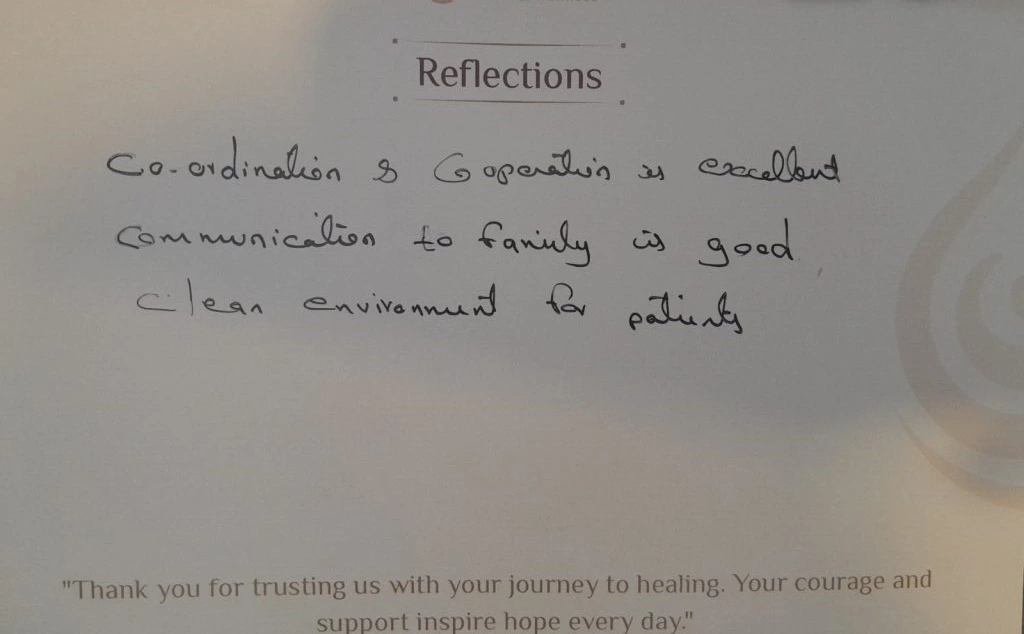
Co-ordination & cooperation is excellent. Communication to family is good. Clean environment for patients.
Former Client
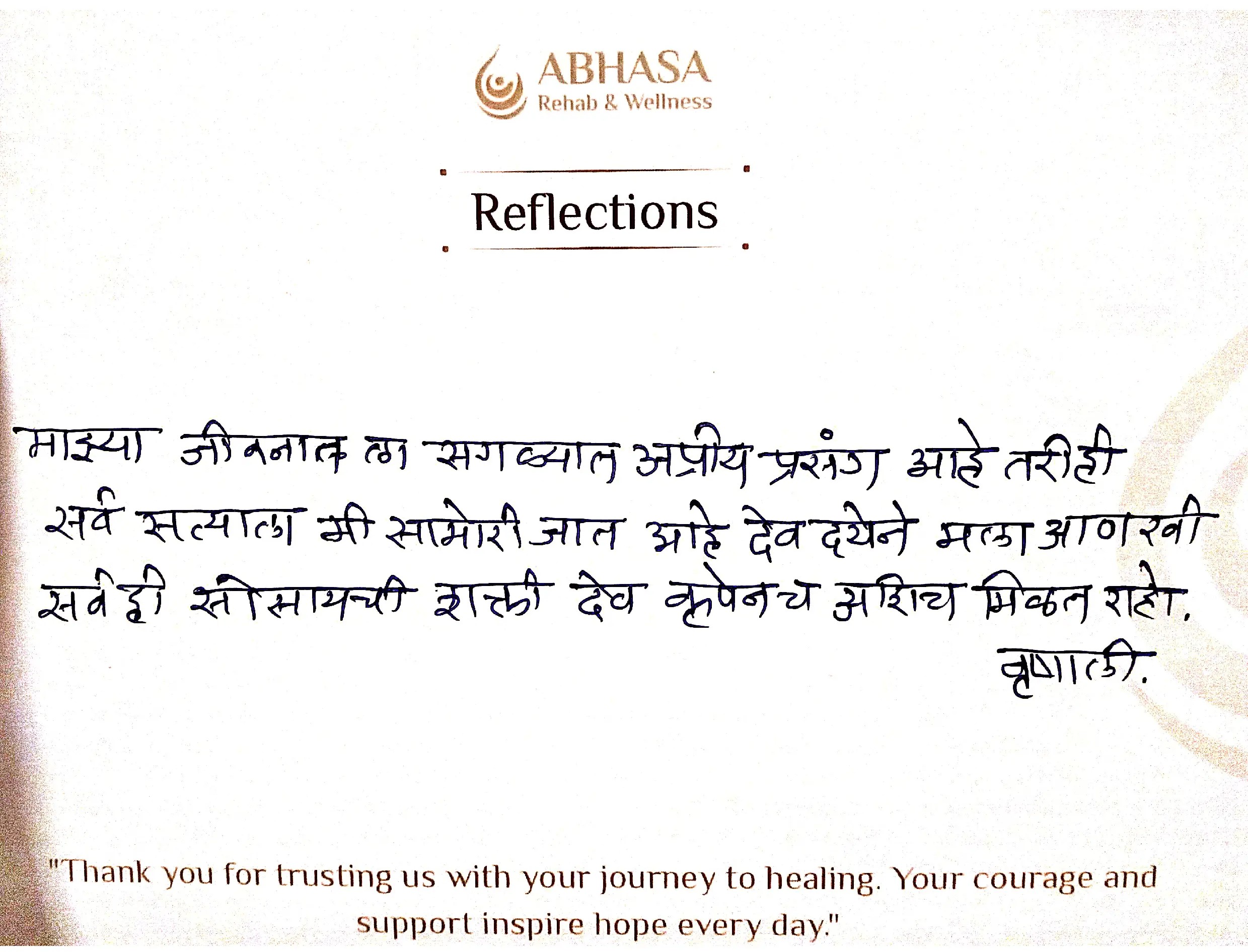
I found strength to face life’s hardest truths here. I believe it was God’s grace that brought me to Abhasa.
Former Client
FAQs About Anxiety Treatment Centers
Can I live a normal life with anxiety?
Yes. With the proper care, support, and coping techniques, many people manage anxiety well and lead fulfilling lives.
Does rehab help anxiety?
Yes. Many anxiety rehab centres offer structured care that helps reduce symptoms, improve coping skills, and restore emotional balance.
What are the 4 types of anxiety disorder?
They include feeling constantly on edge (generalised anxiety), sudden waves of panic (panic disorder), fear of social settings (social anxiety), and intense fears tied to specific things or situations (phobias).
What is the 3-3-3 rule for anxiety?
It’s a grounding technique: Name 3 things you see and 3 sounds you hear, and move 3 body parts.
What is the best counselling therapy for anxiety?
Cognitive Behavioral Therapy (CBT) is regarded as effective for managing anxiety.
What is the best place to go to for anxiety disorder?
The best option is often a dedicated anxiety treatment centre that provides personalised support, holistic care, and expert guidance.
What is the best therapy for anxiety?
CBT, mindfulness-based therapy, and exposure therapy are considered adequate for various forms of anxiety.
What is the best treatment for anxiety?
The most effective treatment often combines therapy, lifestyle changes, and, when necessary, medical support.
What is the most effective treatment for anxiety?
Combining evidence-based therapies like CBT and lifestyle support yields the best outcomes.
What is the rehabilitation for anxiety disorder?
Rehabilitation includes structured routines, therapy, skill-building, and emotional support in a nurturing setting.
What services are available for anxiety?
Services at anxiety treatment centres near me may include therapy, wellness practices, group support, and relapse prevention.
What therapist is best for anxiety?
A licensed therapist trained in CBT or anxiety-specific therapies is ideal.
What type of therapy is best for anxiety?
CBT, mindfulness-based therapy, and exposure therapy often work best.
Which hospital is best for anxiety?
Rather than a hospital, many individuals find more personalised support at an anxiety recovery centre.
Which therapy is best for anxiety?
CBT is often the first-line choice, supported by complementary approaches like mindfulness or expressive therapies.
Begin Your Anxiety-Free Journey
You don’t have to manage this alone anymore. If you’ve been searching for the best anxiety treatment centres, you’ve just taken the first step toward something better. At Abhasa, we offer more than therapy. We offer presence, support, and a healing path grounded in compassion.
As one of India’s leading anxiety treatment centres, we know how heavy it feels to keep pushing through anxious days. Our team is here to walk you through each step, from your first call to a personalised care plan designed just for you. Whether you are a parent, a partner, or the one seeking help, your story matters here.
Call us today for a confidential consultation. Availability is limited to ensure every client receives undivided care. We also offer free family consultations to help loved ones understand the path forward
The hardest part is reaching out. The rest, we’ll walk together.
Proudly Serving Across Cities
- Rehab in Karjat
- Rehab in Pune
- Rehab in Navi Mumbai
- Rehab in Madurai
- Rehab in Trichy
- Rehab in Bangalore
- Rehab in Chennai
- Rehab in Thane
- Rehab in Nasik
- Rehab in Kochi
- Rehab in Mangalore
- Rehab in Mysore
- Rehab in Hyderabad
- Rehab in Vijayawada
- Rehab in Visakhapatnam
- Rehab in Delhi
Medical Disclaimer
This information is for educational purposes only and does not constitute medical advice. Alcohol use disorder is a serious medical condition requiring professional diagnosis and treatment by qualified healthcare providers.
Always consult licensed medical professionals and addiction specialists before making treatment decisions. Individual results vary significantly based on numerous factors including severity of dependence, co-occurring conditions, personal commitment, and environmental support.
Alcohol withdrawal can be life-threatening. Attempting to detox at home without medical supervision may result in severe complications including seizures, delirium tremens, and death. Medical detoxification should only be conducted under the supervision of qualified healthcare professionals in an appropriate medical setting.
If you are experiencing a medical emergency, call emergency services immediately (dial 112 in India or your local emergency number).
The content provided describes general treatment approaches and facility amenities. It is not a substitute for individualized medical assessment or professional treatment planning. Treatment outcomes cannot be guaranteed, and recovery from alcohol dependence is an ongoing process that may include periods of relapse.
Research Citations (Top 15 Most Authoritative Sources):
Core Citations (All Sources Used):
[1] Grover S, Dutt A, Avasthi A – “Anxiety disorders” – National Medical Journal of India, 2022
URL: https://nmji.in/anxiety-disorders/
Source Type: Peer-reviewed medical journal
Supports: Anxiety prevalence, symptoms, diagnostic criteria
[2] India State-Level Disease Burden Initiative Mental Disorders Collaborators – “The burden of mental disorders across the states of India: the Global Burden of Disease Study 1990–2017” – The Lancet Psychiatry, 2020
URL: https://www.thelancet.com/journals/lanpsy/article/PIIS2215-0366(19)30475-4/fulltext
Source Type: Peer-reviewed epidemiological study
Supports: 44.9 million Indians affected by anxiety, treatment gap data
[3] Carpenter JK, Andrews LA, Witcraft SM, Powers MB, Smits JAJ, Hofmann SG – “Cognitive behavioral therapy for anxiety and related disorders: A meta-analysis of randomized placebo-controlled trials” – Depression and Anxiety, 2018
URL: https://pubmed.ncbi.nlm.nih.gov/29451967/
Source Type: Peer-reviewed meta-analysis (41 RCTs)
Supports: CBT effectiveness (Hedges’ g = 0.56), exposure therapy, evidence-based treatment approaches
[4] Hofmann SG, Gómez AF – “Mindfulness-Based Interventions for Anxiety and Depression” – Psychiatric Clinics of North America, 2017
URL: https://pmc.ncbi.nlm.nih.gov/articles/PMC5679245/
Source Type: Peer-reviewed comprehensive review
Supports: Mindfulness therapy effectiveness, moderate effect sizes for anxiety reduction
[5] Simon NM, Hofmann SG, Rosenfield D, et al. – “Efficacy of Yoga vs Cognitive Behavioral Therapy vs Stress Education for the Treatment of Generalized Anxiety Disorder” – JAMA Psychiatry, 2021
URL: https://jamanetwork.com/journals/jamapsychiatry/fullarticle/2769486
Source Type: Peer-reviewed randomized controlled trial
Supports: Yoga effectiveness (54% response rate vs 33% control), comparable to CBT
[6] Anxiety and Depression Association of America – “Residential Treatment Centers”
URL: https://adaa.org/find-help/treatment-help/residential-treatment-centers
Source Type: Professional mental health organization
Supports: Residential treatment as appropriate level of care, structured treatment benefits
[7] McLean Hospital – “Treatment for Anxiety Disorders” – Harvard Medical School Affiliate
URL: https://www.mcleanhospital.org/anxiety
Source Type: Top-ranked academic medical center
Supports: Comprehensive anxiety treatment approaches, structured residential care benefits
[8] Cramer H, Lauche R, Anheyer D, et al. – “Yoga for anxiety: A systematic review and meta-analysis of randomized controlled trials” – Depression and Anxiety, 2018
URL: https://pubmed.ncbi.nlm.nih.gov/29697885/
Source Type: Peer-reviewed meta-analysis (8 RCTs)
Supports: Yoga benefits (SMD = -0.43 to -0.86), mind-body interventions
[9] Harvard Health Publishing – “Yoga for better mental health” – Harvard Medical School, 2024
URL: https://www.health.harvard.edu/staying-healthy/yoga-for-better-mental-health
Source Type: Academic medical institution
Supports: Yoga mental health benefits, nervous system regulation
[10] Lebowitz ER, Marin C, Martino A, Shimshoni Y, Silverman WK – “Parent-Based Treatment as Efficacious as Cognitive-Behavioral Therapy for Childhood Anxiety: A Randomized Noninferiority Study” – Journal of the American Academy of Child & Adolescent Psychiatry, 2020
URL: https://pubmed.ncbi.nlm.nih.gov/34424998/
Source Type: Peer-reviewed systematic review
Supports: Family therapy effectiveness, family involvement in treatment, comparable efficacy
[11] Shapiro F – “The Role of Eye Movement Desensitization and Reprocessing (EMDR) Therapy in Medicine” – The Permanente Journal, 2014
URL: https://pmc.ncbi.nlm.nih.gov/articles/PMC3951033/
Source Type: Peer-reviewed comprehensive review
Supports: EMDR for trauma and anxiety-related conditions
[12] Cleveland Clinic – “EMDR Therapy: What It Is, Procedure & Effectiveness” – 2022
URL: https://my.clevelandclinic.org/health/treatments/22641-emdr-therapy
Source Type: Major academic medical center
Supports: EMDR applications, therapy process, effectiveness for anxiety
[13] American Psychological Association – “Anxiety”
URL: https://www.apa.org/topics/anxiety/disorders
Source Type: Leading professional psychology organization
Supports: Anxiety treatment approaches, family involvement benefits, prognosis
[14] Parker G, Paterson A – “Behavioral & Psychological Interventions for Anxiety Disorders in Primary Care” – BMC Primary Care, 2021
URL: https://bmcprimcare.biomedcentral.com/articles/10.1186/s12875-021-01445-5
Source Type: Peer-reviewed systematic review
Supports: Contemporary anxiety treatment, evidence-based approaches, integrated care models
[15] World Health Organization – “Depression and Other Common Mental Disorders: Global Health Estimates” – 2017
Source Type: International health authority
Supports: Global anxiety prevalence, public health perspective