Prescription Drug Treatment Centre in India
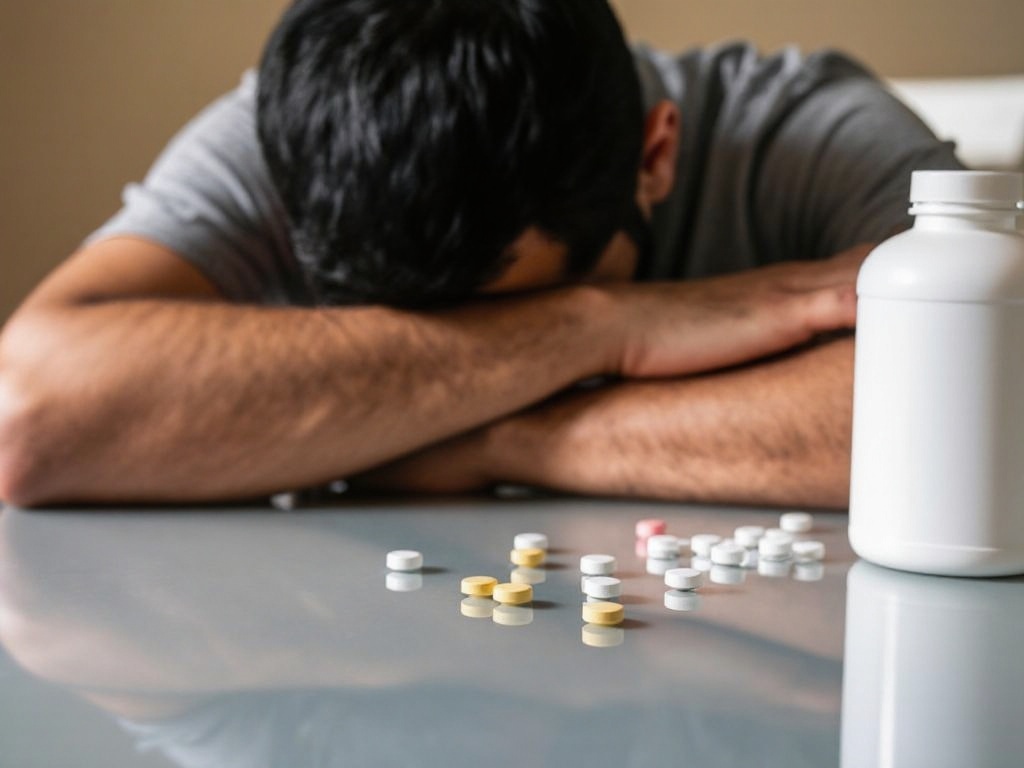
Dependence on medicines isn’t the end. Abhasa’s safe withdrawal and therapies help you heal with dignity and balance.
Break Free from Anxiety. We are here to help you.
2:1 Staff-to-client ratio
3 Healing Spaces
Personalised Treatments
360° Healing
2:1 Staff-to-client ratio
3 Healing Spaces
Personalised Treatments
360° Healing
Luxury Prescription Drug Addiction Treatment in India

The pills that once helped now seem to control everything. Maybe it started with a doctor’s note for back pain, anxiety, or sleepless nights. Perhaps it was meant to be temporary. But now the lines are blurry. You’re not just dealing with a habit. You’re watching someone you love slowly slip away, and it feels like you’re the only one who notices.
If you’ve been searching for a prescription drug addiction treatment centre, it’s probably because something doesn’t feel right anymore. The changes may initially be small, missed workdays, mood shifts, hiding pills, or avoiding conversations. But they add up. And deep down, you know they need more than willpower. They need help that works.
At Abhasa, we understand the silent weight that families carry. The fear of judgment. The professional shame. The whispered questions at dinner. We also appreciate the quiet strength it takes to reach out and say, “This isn’t working. We need support.” That’s why we’ve created a safe, luxurious, and culturally sensitive space where individuals can reclaim control and dignity.
Our prescription drug rehab programme isn’t clinical or cold. It’s rooted in structure, warmth, and gentle accountability. Clients live in serene private villas, not wards. They follow a personalised plan designed by experts in addiction, therapy, and holistic healing. From ayurvedic routines and meditation to one-on-one support, every element is made to rebuild from the inside out.
This isn’t just recovery. It’s renewal.
Freedom from dependency begins with the right support.
Understanding Prescription Drug Addiction
Why Professional Help Makes All the Difference
Trying to fix prescription drug addiction at home can feel like patching a sinking boat. Over-the-counter strategies don’t address the deeper pull of chemical dependency. True healing needs structured care from a prescription drug addiction treatment centre where safety, emotional stability, and daily rhythm allow the body and mind to reset.[1,2] Withdrawal, denial, and relapse loops can all be managed more effectively with compassionate, 24/7 care.
What Sets Abhasa Apart
We’re not just another prescription drug rehab in India. We’re a sanctuary where healing happens with dignity. With a team that listens first and treats second. Nature, nutrition, and neuroscience guide every step. At Abhasa, clients aren’t patients; they’re people returning to themselves.
The hardest step is the first one. If you’re here, you’ve already taken it.
When Medication Quietly Takes Control
Not all addictions start with risky choices. Sometimes, they begin with a doctor’s advice. A pill to help you sleep. A tablet for chronic pain. A prescription to get through the workday. But over time, something shifts. The line between healing and harm fades. What once brought relief now feels necessary to function.
This is the quiet grip of prescription drug addiction. It doesn’t always come with obvious signs. It can wear the disguise of responsibility and routine. But behind the scenes, the brain begins to depend on the medication in ways that go far beyond the original purpose.
Families often struggle to see it early. And by the time prescription drug abuse becomes visible, it has already changed how a person thinks, behaves, and relates to those around them. Recognising this shift is the first step toward getting meaningful support.
What It Means to Be Dependent
There’s a difference between physical dependency and prescription drug addiction. Dependency means the body has adapted to a drug and needs it to avoid withdrawal. Addiction goes further. It means compulsive use continues even when it’s causing harm. It’s not about choice anymore. It’s about survival, to feel okay.[1,3]
Prescription drug abuse often begins with minor missteps: taking an extra pill during a tough week, mixing medications, or ignoring the dosage timeline. What follows is a pattern of growing needs, both physical and emotional.
How Certain Medications Increase the Risk
Some medications are more prone to misuse. Among the most common:[4,5]
- Opioids: Painkillers such as oxycodone, tramadol, or codeine
- Benzodiazepines: Used for anxiety, panic, or sleep (e.g., alprazolam, diazepam)
- Stimulants: Medications for attention or energy, like methylphenidate or amphetamines
Each class carries its risks, but all can lead to prescription drug addiction when taken over long periods without consistent medical oversight.
India has seen a noticeable rise in prescription drug abuse, particularly with opioids and sedatives. Easy access, self-medication, and high-pressure lifestyles all play a role. What starts as a short-term solution for pain or performance often escalates into a long-term struggle that affects careers, relationships, and mental health.
At Abhasa, we’ve worked with professionals, caregivers, and young adults who never expected to need rehab. But addiction doesn’t discriminate. It can affect anyone regardless of education, job title, or intention.
When the Cost Is Too High to Ignore
The impact of prescription drug addiction is rarely just physical. Careers can stall. Families drift apart. Trust begins to erode. People feel shame for something they never meant to happen. That’s why compassion and not criticism must guide the recovery path.
Knowing the difference between use, misuse, and addiction helps families understand what’s truly needed: structured support, medical guidance, and a healing space where dignity is protected.
Why Professional Help Makes All the Difference
Trying to fix prescription drug addiction at home can feel like patching a sinking boat. Over-the-counter strategies don’t address the deeper pull of chemical dependency. True healing needs structured care from a prescription drug addiction treatment centre where safety, emotional stability, and daily rhythm allow the body and mind to reset.[1,2] Withdrawal, denial, and relapse loops can all be managed more effectively with compassionate, 24/7 care.
What Sets Abhasa Apart
We’re not just another prescription drug rehab in India. We’re a sanctuary where healing happens with dignity. With a team that listens first and treats second. Nature, nutrition, and neuroscience guide every step. At Abhasa, clients aren’t patients; they’re people returning to themselves.
The hardest step is the first one. If you’re here, you’ve already taken it.
When Medication Quietly Takes Control
Not all addictions start with risky choices. Sometimes, they begin with a doctor’s advice. A pill to help you sleep. A tablet for chronic pain. A prescription to get through the workday. But over time, something shifts. The line between healing and harm fades. What once brought relief now feels necessary to function.
This is the quiet grip of prescription drug addiction. It doesn’t always come with obvious signs. It can wear the disguise of responsibility and routine. But behind the scenes, the brain begins to depend on the medication in ways that go far beyond the original purpose.
Families often struggle to see it early. And by the time prescription drug abuse becomes visible, it has already changed how a person thinks, behaves, and relates to those around them. Recognising this shift is the first step toward getting meaningful support.
What It Means to Be Dependent
There’s a difference between physical dependency and prescription drug addiction. Dependency means the body has adapted to a drug and needs it to avoid withdrawal. Addiction goes further. It means compulsive use continues even when it’s causing harm. It’s not about choice anymore. It’s about survival, to feel okay.[1,3]
Prescription drug abuse often begins with minor missteps: taking an extra pill during a tough week, mixing medications, or ignoring the dosage timeline. What follows is a pattern of growing needs, both physical and emotional.
How Certain Medications Increase the Risk
Some medications are more prone to misuse. Among the most common:[4,5]
- Opioids: Painkillers such as oxycodone, tramadol, or codeine
- Benzodiazepines: Used for anxiety, panic, or sleep (e.g., alprazolam, diazepam)
- Stimulants: Medications for attention or energy, like methylphenidate or amphetamines
Each class carries its risks, but all can lead to prescription drug addiction when taken over long periods without consistent medical oversight.
India has seen a noticeable rise in prescription drug abuse, particularly with opioids and sedatives. Easy access, self-medication, and high-pressure lifestyles all play a role. What starts as a short-term solution for pain or performance often escalates into a long-term struggle that affects careers, relationships, and mental health.
At Abhasa, we’ve worked with professionals, caregivers, and young adults who never expected to need rehab. But addiction doesn’t discriminate. It can affect anyone regardless of education, job title, or intention.
When the Cost Is Too High to Ignore
The impact of prescription drug addiction is rarely just physical. Careers can stall. Families drift apart. Trust begins to erode. People feel shame for something they never meant to happen. That’s why compassion and not criticism must guide the recovery path.
Knowing the difference between use, misuse, and addiction helps families understand what’s truly needed: structured support, medical guidance, and a healing space where dignity is protected.
When concern turns into worry, support can’t wait.
Why Choose Residential Treatment for Prescription Drugs

When Home Care Reaches Its Limit
You may have tried everything. You monitored doses, kept prescriptions out of sight, offered comfort, and stayed awake through sleepless nights. But despite your efforts, the worry only deepens. Your loved one feels more distant. That is when structured support becomes necessary, not optional.
Residential prescription drug treatment centres offer more than a place to stay. They provide a healing space where professionals guide each day with purpose. At Abhasa, we create a peaceful environment where clients regain stability, clarity, and a sense of self.
Choosing inpatient prescription drug addiction care means stepping into a space built for full recovery. Every part of the experience supports growth, both physically and emotionally.

A Space That Promotes Real Change
When someone stays in their everyday environment, triggers often remain around them. People, places, and routines can unintentionally push them toward relapse. Inpatient prescription drug addiction care removes those risks by creating distance and structure. This change allows space to reset.
In our residential prescription drug treatment centres, we build a gentle rhythm that helps clients feel safe. From mornings that begin with movement and mindfulness to evenings filled with reflection and emotional grounding, each moment supports healing. Every action has an intention behind it.

24/7 Care That Brings Confidence
Withdrawal comes with both physical discomfort and emotional stress. Facing that alone can feel overwhelming.[6,7] That is why our residential prescription drug treatment centres offer constant supervision. Medical experts stay close, offering guidance, comfort, and quick responses when clients need support most.
Our team stays alert and compassionate throughout the day. We ensure that detox protocols remain safe and manageable. In inpatient prescription drug addiction treatment, we remove the guesswork and give clients the tools to begin again.

Discreet, Dignified, and Family-Friendly
Many clients feel hesitant about asking for help. That hesitation can delay recovery for professionals, public figures, or families concerned about privacy. At Abhasa, we protect each person’s story with complete confidentiality. We do not share names or personal details. What happens here stays here.
Our inpatient prescription drug addiction programme also supports families. We keep loved ones informed, offer clarity about progress, and teach ways to rebuild relationships. Healing happens with you, not without you.

The Right Setting Makes All the Difference
Lasting recovery needs more than temporary fixes. It requires calm days, clear routines, and people who understand how to guide change gently. In our residential prescription drug treatment centres, recovery feels human again. Clients do not just survive the day; they begin to live again.
When home isn’t enough, structured care makes the difference.
Why Families Trust Abhasa for Prescription Drug Recovery
Families often arrive holding quiet worry. They have tried outpatient support, relied on doctors, searched online, and hoped things would improve with time. But when the signs of struggle grow stronger, they begin looking for more than solutions. They look for a safe, private, and healing place. That is where Abhasa steps in.
Unlike most luxury prescription drug addiction treatment centres, we do not offer one-size-fits-all care. We create space for recovery that feels warm, not clinical. Families walk in and feel something shift. They find quiet gardens, compassionate professionals, and rooms that feel calm and comfortable. Most importantly, they see people who understand what they are going through.
We focus on healing that works in a setting that comforts.
Healing Begins with Comfort and Care
We designed Abhasa to feel like a private retreat. Our clients stay in peaceful villas surrounded by nature. Chef-prepared meals help in therapeutic nutrition. They wake up to quiet mornings, follow a routine that gently supports recovery, and end the day with a sense of calm.
This is what genuine care looks like inside luxury prescription drug addiction treatment centres. It is thoughtful, nurturing, and deeply respectful of each person’s needs.
A Holistic Approach That Works in Real Life
Recovery is about rebuilding from the inside out. That is why our programs include more than therapy. Clients learn to reconnect with themselves through yoga, nature walks, expressive arts, meditation, and ancient Indian wellness practices.
Families looking for the best prescription drug addiction treatment want more than short-term results. They want long-lasting healing. Our integrative approach helps people rediscover strength, self-worth, and balance.
Cultural Sensitivity That Eases Family Worries
We understand how difficult it can feel to talk about addiction in Indian families. There may be shame, fear, or hesitation. At Abhasa, we honour those feelings with complete privacy and care. We keep everything confidential.
We make sure families feel respected and heard, not judged. This is one of the reasons so many clients tell us they trust Abhasa over others, offering the best prescription drug addiction treatment.
A Reputation Built on Real Results
We have guided clients from all walks of life: corporate leaders, caregivers, students, artists, and entrepreneurs. Our consistent results and respectful care have earned the trust of families across India. They do not choose Abhasa just because we are among the top luxury prescription drug addiction treatment centres. They choose us because we care deeply and honestly.
Families stay involved. They receive regular updates. They get to ask questions and share concerns. They become part of the journey. And most of all, they feel relieved knowing their loved one is in the right place.
Families trust Abhasa because care feels personal.
Meet Our Prescription Drug Recovery Experts
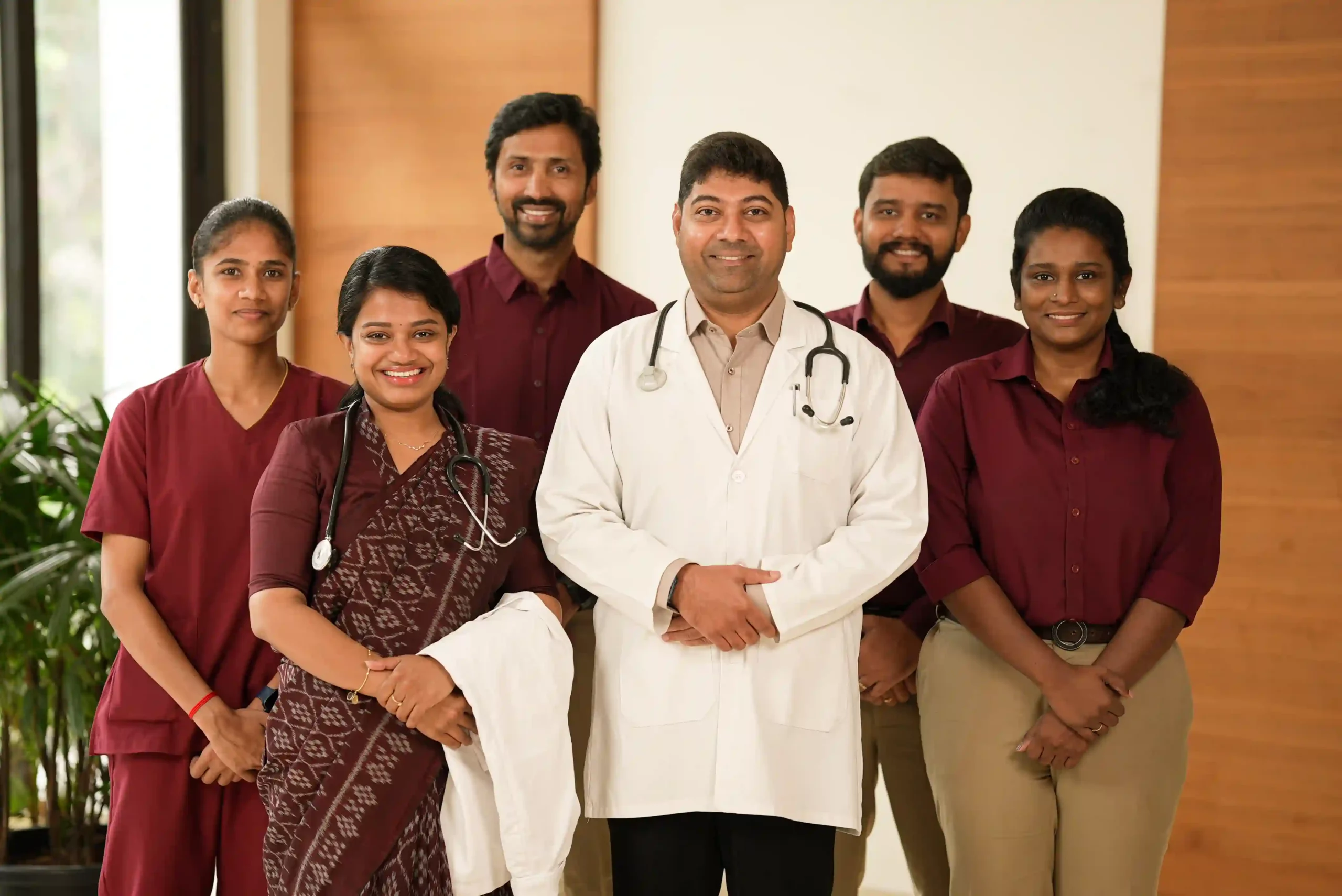
Behind every healing journey at Abhasa stands a team of dedicated professionals. Our prescription drug addiction treatment team includes board-certified psychiatrists, addiction counsellors, and trauma-informed therapists who offer personalised care grounded in empathy. Alongside them, holistic practitioners guide clients through yoga, mindfulness, and nutritional healing. Some of our staff have walked this path, bringing lived experience and deeper understanding. We also have family therapists who support loved ones through the recovery process. With ongoing training in opioid addiction treatment and integrative recovery methods, our experts bring compassion, clarity, and confidence to every step of healing.
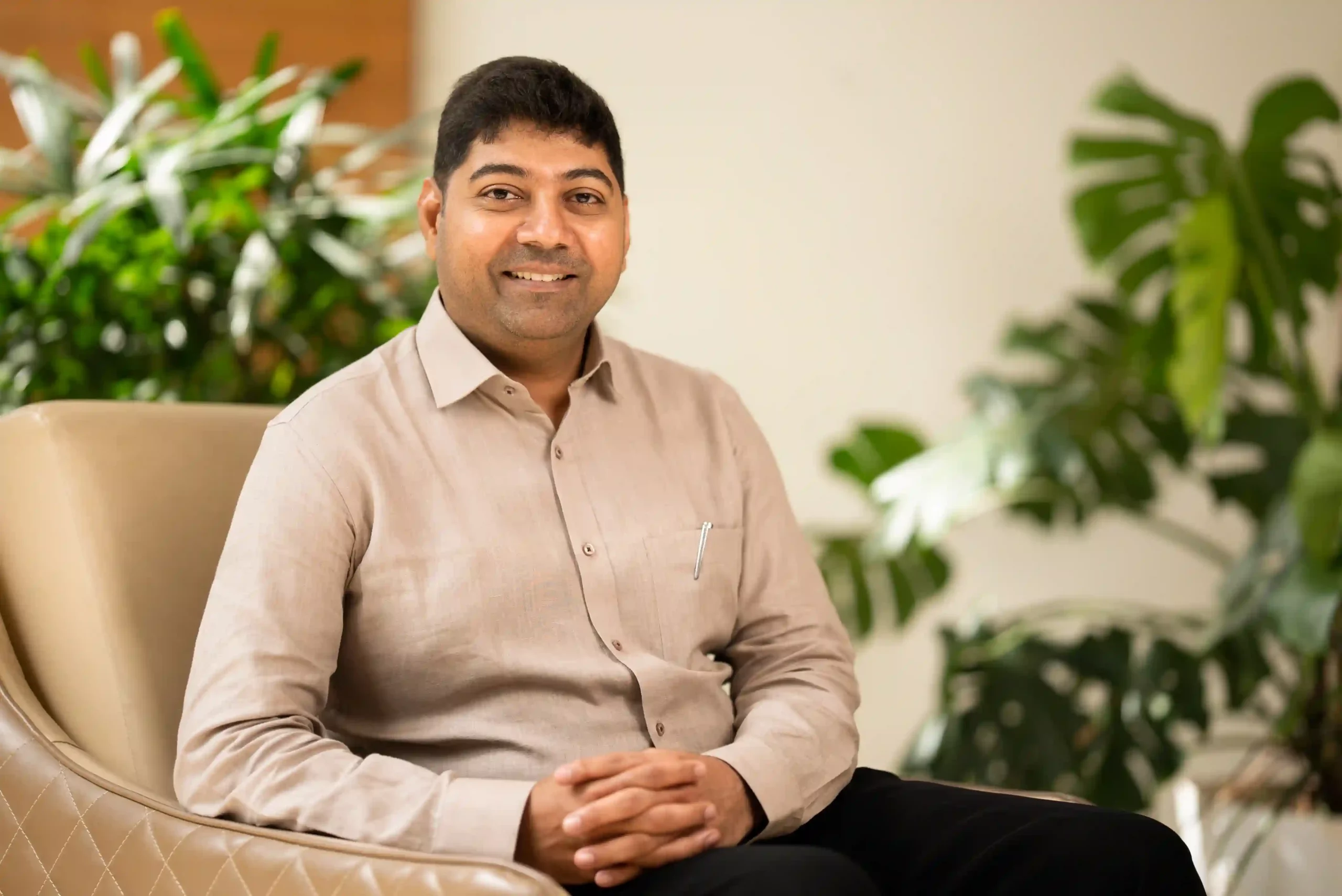
Dr. Naveen Kumar
Medical Director
15+ years of expertise in psychiatry and addiction recovery.
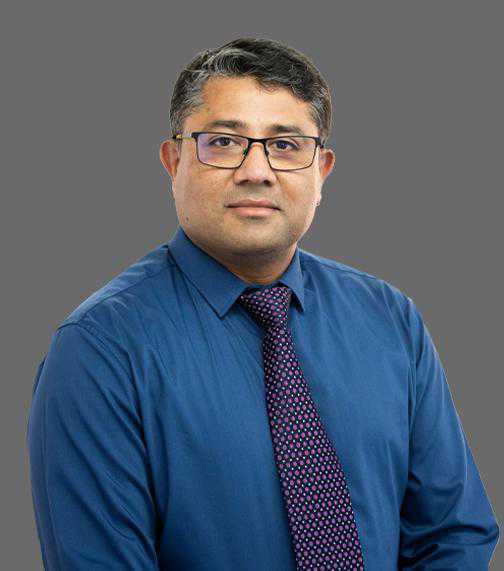
Dr. Vivek Sharma
Consultant Psychiatrist & Neurofeedback Practitioner
With over 15+ years of experience in psychiatry and neurofeedback, he blends medical expertise and compassion to guide clients toward lasting recovery.

Dr. Shree Aarthi
Consultant Psychiatrist
15+ years providing expert psychiatric care for mental health and substance use disorders.

Dr. Ramalingam P Kandaswamy
Consultant Physician
15+ years With over 5 years of experience in HIV and infectious diseases, he brings global expertise and compassionate care to every patient he supports.

Dr. Divya
Psychiatrist
10+ years combining clinical psychiatry expertise with healthcare management for holistic treatment.
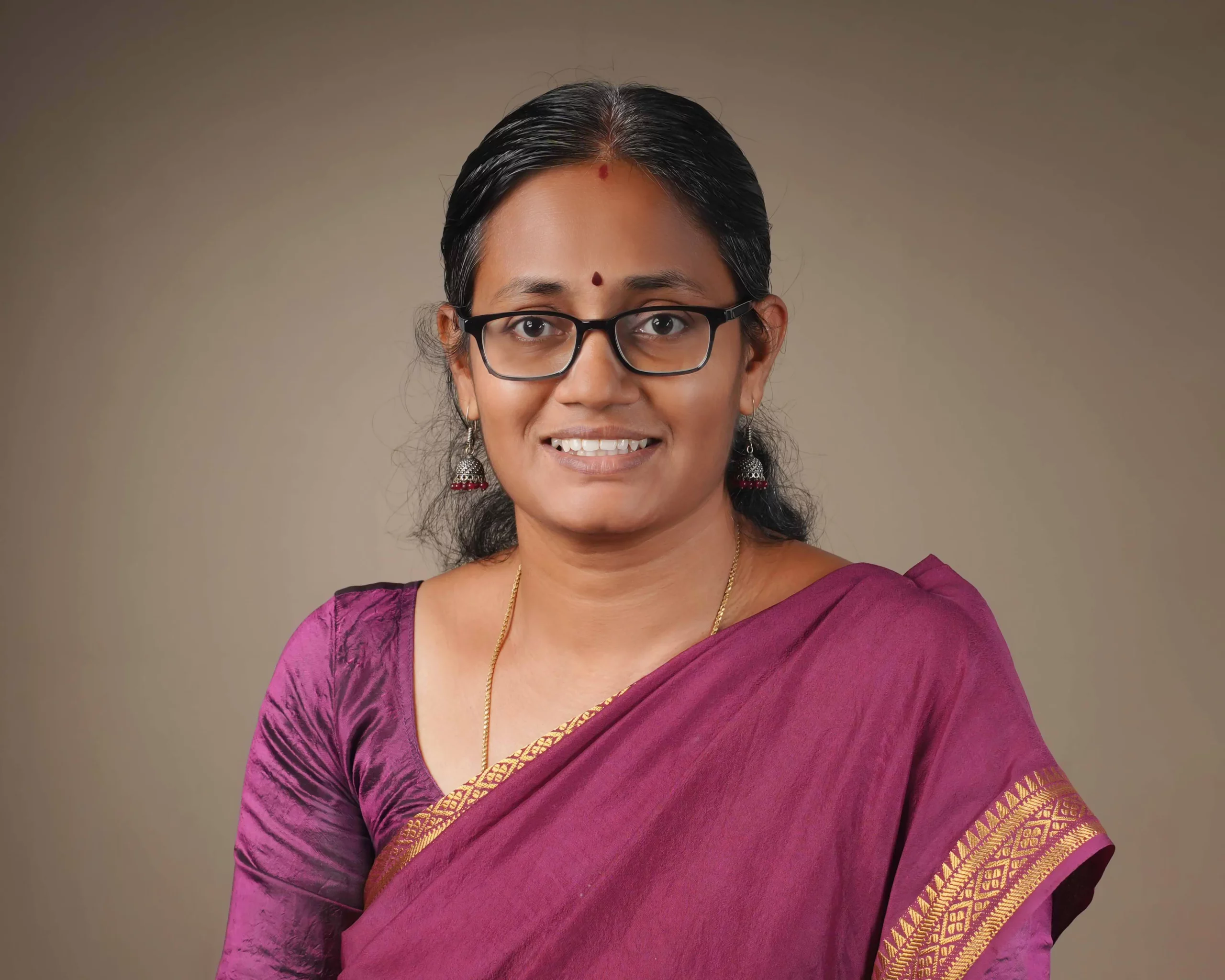
Dr. Malarvilzhi
Residential Medical Officer
12 years delivering comprehensive medical care in psychiatric and rehabilitation settings.
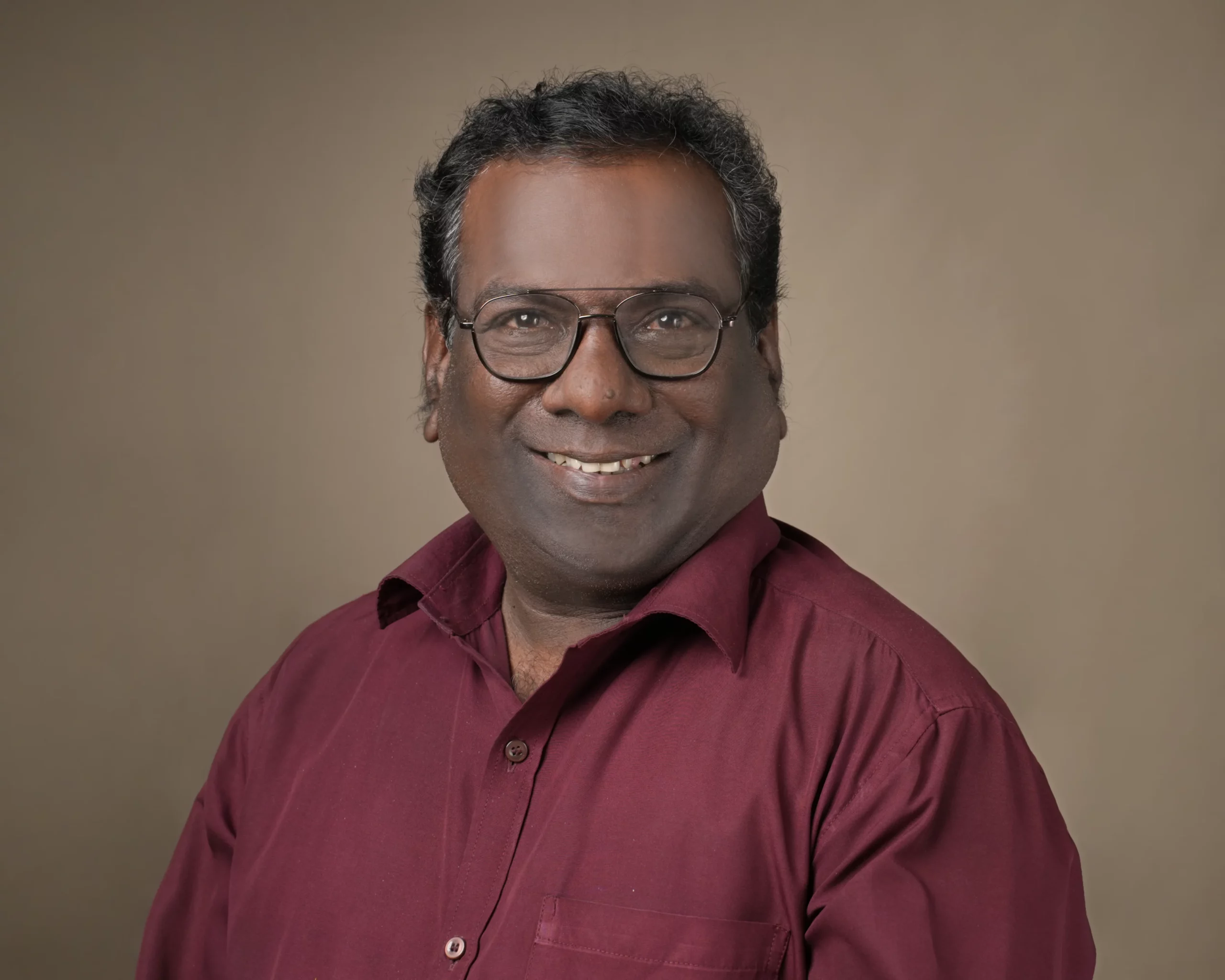
Dr. Karuppachamy
Senior Psychiatric Social Worker
22+ years of experience empowering clients through therapeutic guidance, psychosocial support, and lived-experience wisdom.
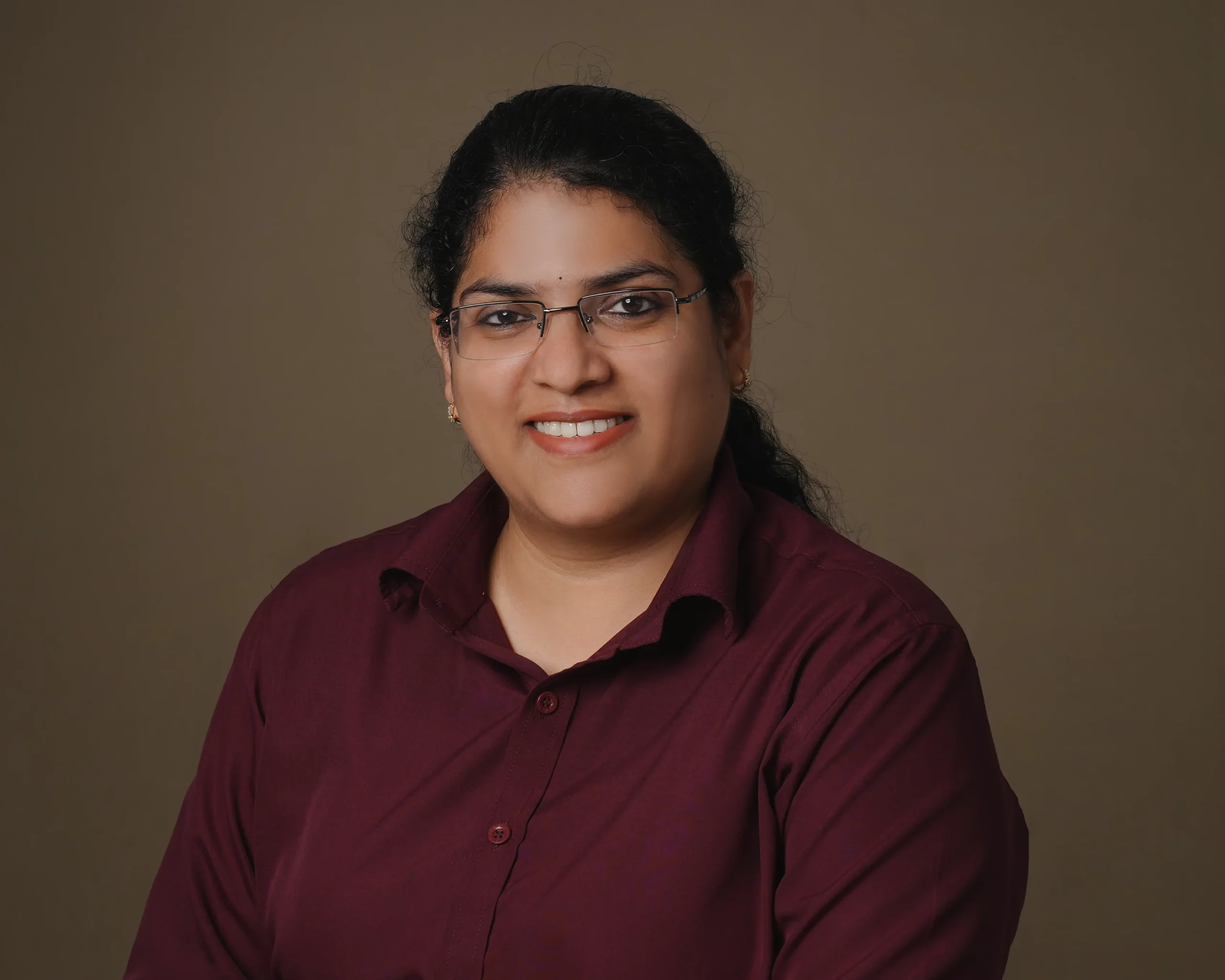
Ms. Meera
Senior Clinical Psychologist
9+ years specializing in psychological assessment and evidence-based therapeutic interventions.
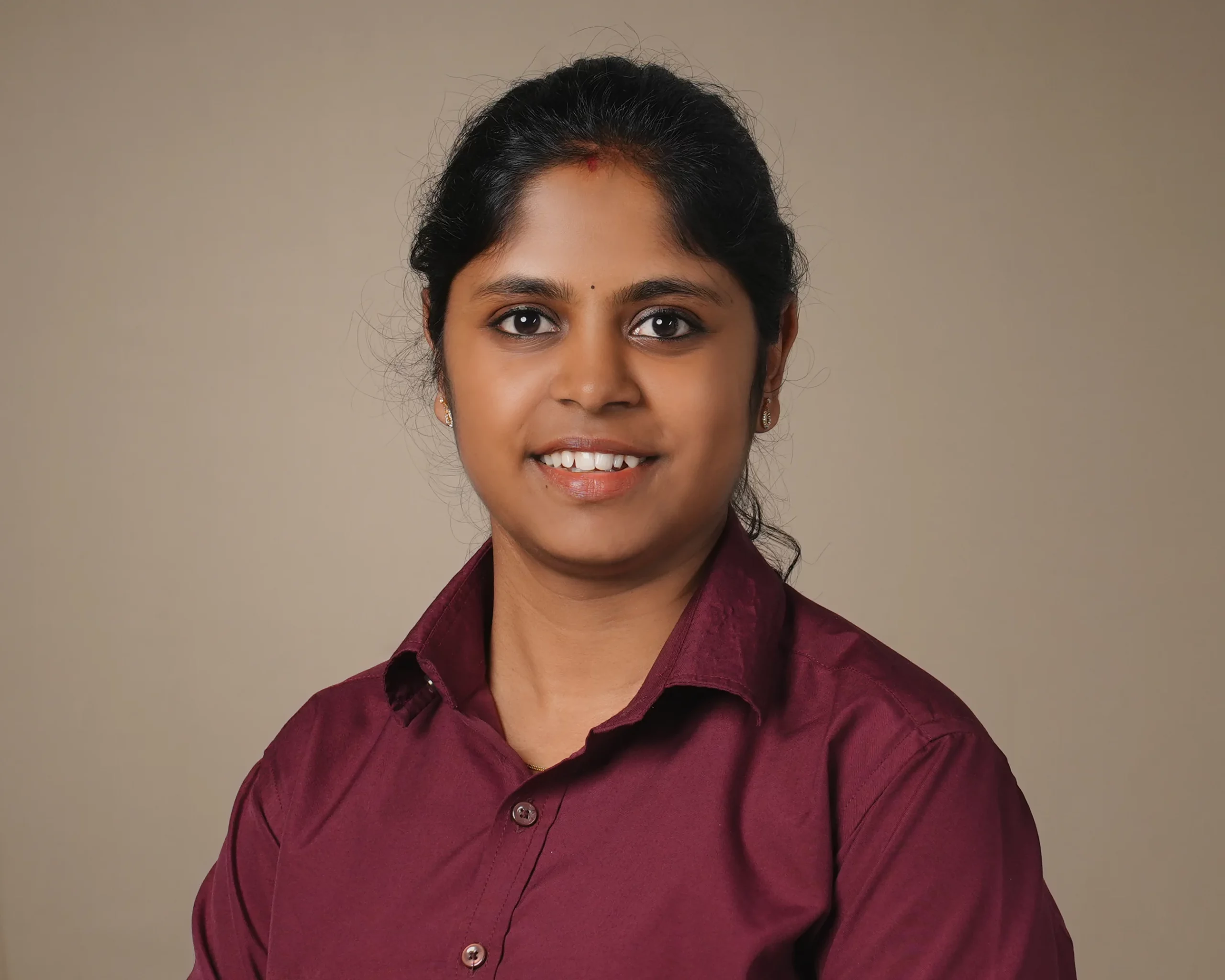
Mrs. Priyadarshini
Head Clinical Psychologist
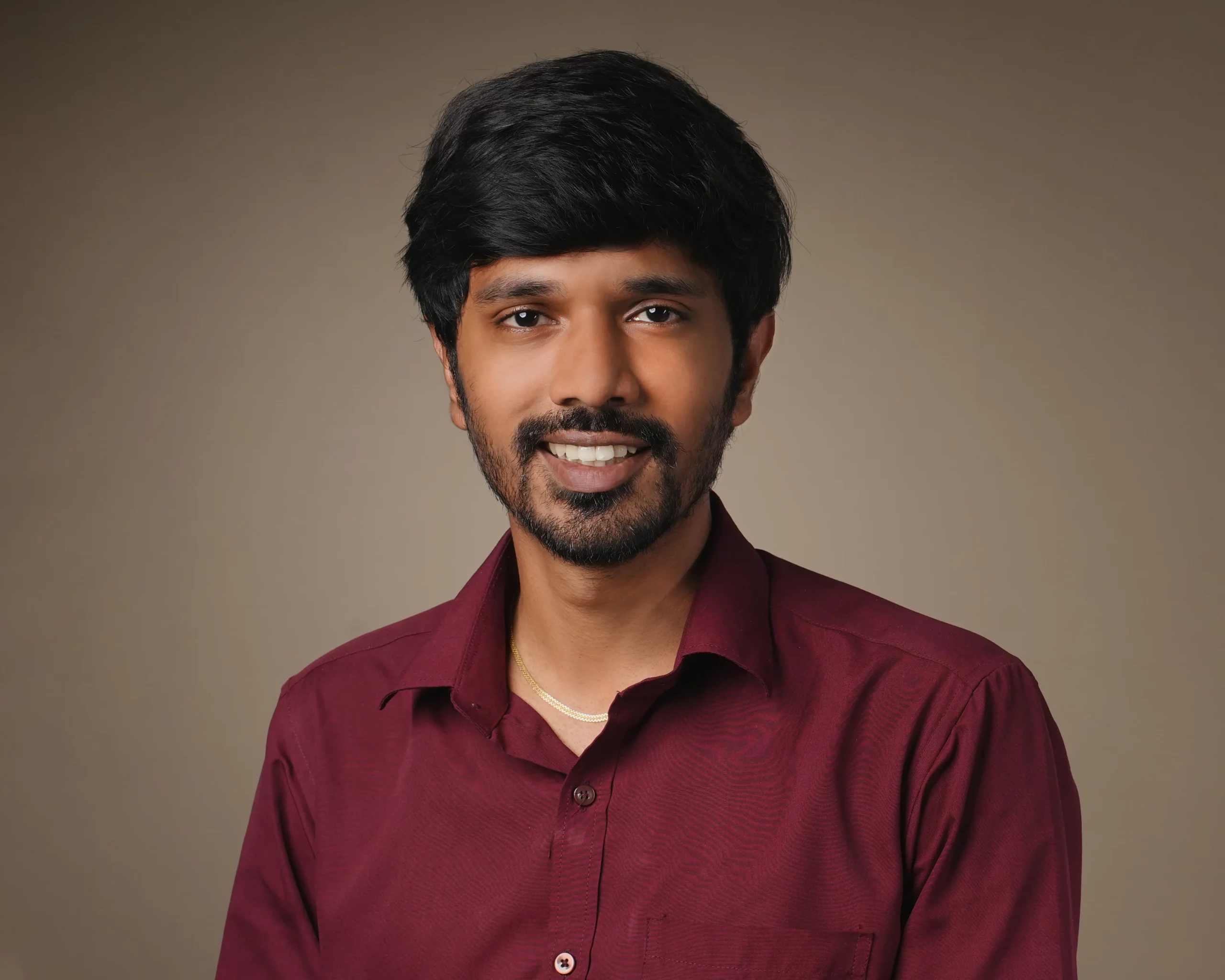
Mr. Mukesh Kanna
Clinical Psychologist
2+ years providing psychological interventions for behavioral health and emotional wellness.

Mr. Antipas Jayabal
Clinical Psychologist
2+ years supporting clients through clinical assessment and therapeutic care.
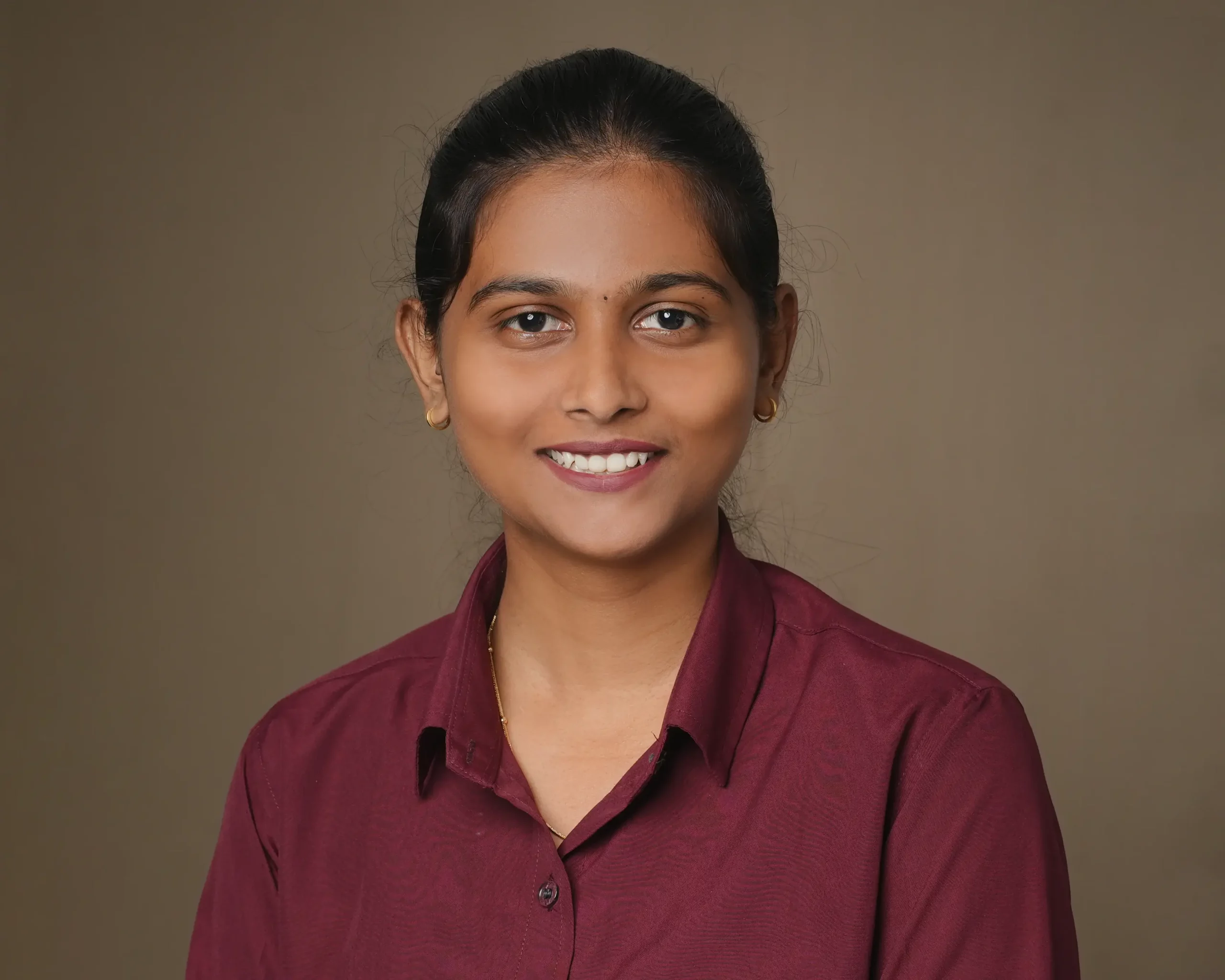
Ms Keerthana S
Psychologist
Empathetic psychologist with 4 years’ experience in handling mental health disorders, using evidence-based psychotherapies for personalized client care.
Inside Our Residential Prescription Drug Programme
Real Recovery Begins With a Framework That Listens
Many people assume a prescription drug rehabilitation centre provides a detox, offers therapy, and repeats the cycle. But at Abhasa, we believe recovery needs more. It requires thoughtful structure, emotional safety, and daily practices that bring the mind and body back into balance.
Our prescription drug recovery program doesn’t follow a formula. It follows the person. We layer care in intuitive and grounded ways, adapting each step to where the client is emotionally and physically.[3] That’s why families choose Abhasa—not just because we support recovery, but because we do it with presence, privacy, and purpose.
Mapping the Why Behind the Dependence
We don’t begin with medications. We start with understanding. Each person joining our prescription drug rehabilitation centre undergoes a gentle yet thorough assessment process. Our team maps the emotional triggers, daily routines, and past experiences that contributed to the dependency.
This includes:
- Clinical interviews with addiction specialists and therapists
- Psychological testing to understand coping styles and emotional tendencies
- Daily pattern mapping to identify when, how, and why substances were used
- Optional neurofeedback or stress assessments when relevant
We don’t assume a client’s story. We ask, observe, and listen deeply. That is how real change begins inside our prescription drug recovery program.
Adapting care as the Person Grows
Healing doesn’t follow a fixed script. At Abhasa, we shape the day-to-day care around how each person feels, responds, and progresses. Some clients start with quiet days and gentle routines. Others show early motivation and need structured engagement.
Rather than locking someone into a preset schedule, our team pays attention. Doctors, therapists, and wellness specialists meet regularly to revisit each care plan. They refine therapy sessions, introduce new emotional tools, and respond to what’s unfolding in real time. This level of flexibility keeps the prescription drug recovery program helpful and responsive, especially when feelings change or motivation drops.
Recovery That Builds Layer by Layer
In our prescription drug rehabilitation centre, recovery means more than staying away from medication. It means learning how to live again confidently, calmly, and clearly. That’s why we offer many parallel supports, not just one or two.
Clients explore:
- Grounding practices like mindfulness, breathwork, and guided art
- Coaching to identify and change thought patterns that drive habits
- Daily tools like journaling, peer interaction, and self-reflection
- Movement-based healing through yoga, nature walks, and gentle fitness
- Feedback sessions that improve emotional insight and reduce reactivity
These aren’t optional add-ons. They are core parts of how we help people rebuild trust in themselves. We bring together emotional support, behavioural change, and body-based therapies in one unified process. The depth of our prescription drug recovery program comes from treating the person, not just the pattern.
A Healing Process That Includes the Whole Family
Families often ask us how they fit into the journey. Our answer is simple: you are part of the healing. We invite families to participate in education sessions, communication training, and routine updates.
Each week, the assigned therapist offers progress reports and emotional guidance. Families learn to avoid enabling, set healthy boundaries, and prepare for post-rehab support. The prescription drug recovery program becomes stronger when the entire system learns and grows together.
A Typical Day in Prescription Drug Recovery
Every part of our structured prescription drug recovery approach begins with restoring balance. At Abhasa, we create a peaceful, stabilising routine that repeats gently, offering structure without pressure.

This daily program structure helps the body reset, the mind settles, and emotions begin to feel manageable again. The day flows in a way that supports safety, strength, and steady progress.
Each morning begins with a calming wellness ritual. Clients wake to guided breathwork, soft stretches, or mindfulness in nature. These first quiet moments allow the body to settle and prepare for the day ahead.
After this, a nutritious breakfast is served. Meals support emotional and physical healing and are designed by chefs who understand clients’ needs in prescription drug recovery. The medical team then checks in with each client, helping them feel grounded and reassured through consistent care.
Late mornings bring therapeutic engagement. Clients join their therapy sessions to explore the root causes and build emotional tools for recovery. Afterwards, group sessions help rebuild trust, strengthen communication, and remind clients they are not alone.
Each part of the daily program structure feels purposeful, not overwhelming. By midday, clients pause for a nourishing lunch followed by rest or quiet time, allowing the morning’s work to integrate peacefully.
Afternoons offer space for movement, creativity, and learning. Clients spend their afternoons engaging in activities that help them feel more connected to themselves and their healing journey. Some express what words cannot through art or sound.
Some individuals discover their inner strength through yoga or expressive movement. Subsequently, they participate in gentle workshops that introduce fresh perspectives. These sessions delve into the formation of habits, ways to disrupt unhelpful patterns, and methods to cultivate lasting emotional resilience that extends far beyond their time spent here.
This section of the structured prescription drug recovery plan helps the brain and nervous system gently reorganise, one experience at a time.
Clients step outside for gentle movement, or nature walks as the day winds down. Dinners are relaxed and shared in a space that feels like home. The evening closes with reflection through journaling, soft music, or a quiet conversation with a therapist.
This ending allows each person to process the day and settle into rest. Our daily program structure helps the body sleep better, and the mind softens into calm.
Healing begins with rhythm, not rush.
Safe Prescription Drug Detox Process
Most people imagine detox as a crisis moment, a time of struggle, fear, and physical distress. But in our prescription drug detox centres, we take a different approach.[6,7] We treat detox as the start of healing, not something to survive, but something to move through with care and support.
Each detox plan at Abhasa follows a calm, medically guided rhythm. We don’t rush or push. We pace the process according to how clients feel, respond, and stabilise. Some may begin with tapering protocols; others may receive comfort medications or integrative support like breathwork, hydration therapy, or sensory grounding. The focus is always on safety and emotional ease.
Detox doesn’t have to feel chaotic. That’s why we’ve built daily routines that offer predictability, comfort, and balance. Every morning begins with gentle monitoring, hydration, and check-ins with the care team. Clients receive medical support, nutritional meals, light movement if tolerated, and quiet rest periods throughout the day.
As one of the most trusted prescription drug detox centres in India, we use this rhythm to lower anxiety and help clients settle into their bodies. Predictable routines build trust. Every part of the day reinforces that they are not alone and that help is always available.
Prescription drug withdrawal treatment can bring symptoms like restlessness, fatigue, emotional waves, or sleep disruption. That’s why our team stays attentive around the clock. No moment is dismissed. No discomfort is left unacknowledged. Clients receive warm care, not just clinical checklists.
If medication-assisted treatment is needed, it’s provided with caution and close supervision. But healing often comes from soft lighting, calming food, slow breathing, or being heard without judgment. These moments matter. And they’re part of what makes detox at Abhasa so different.
A poorly managed detox can leave clients discouraged before they even begin deeper recovery. But a supported detox builds momentum. It gives the body a reset, the mind a break, and the emotions a place to settle.
That’s what our prescription drug withdrawal treatment aims to do. We walk beside the client. Every hour of care is intentional. And when the detox process ends, the real work of recovery begins from a place of strength, not exhaustion.
Detox is the first calm step toward healing.
Holistic Healing for Prescription Drug Recovery
True recovery doesn’t only happen in therapy rooms. It occurs in the moments in between. The way the body breathes, the way the mind rests, and the way emotions finally feel safe enough to be felt. At Abhasa, our holistic prescription drug addiction treatment model honours these layers.
We combine clinical care with healing practices rooted in ancient Indian wisdom and natural rhythms. Every session, every meal, and every activity contributes to a sense of safety, self-awareness, and inner strength. That’s what makes our prescription drug addiction therapy different; it supports the whole person, not just the addiction.

Physical activity at Abhasa isn’t about performance. It’s about connection. Our yoga therapy sessions help the body to release stored tension while supporting nervous system regulation.[11] Clients stretch, breathe, and re-enter their bodies with care.
As part of our holistic prescription drug addiction treatment, we also offer:
- Guided nature walks to reconnect with the earth and calm the senses
- Outdoor movement sessions that gently restore energy and confidence
- Light gym-based routines to rebuild strength in safe, supervised ways
These practices form part of each client’s weekly rhythm and are adapted to meet individual energy levels.

In our prescription drug addiction therapy model, mindfulness is not a buzzword; it’s a tool for survival. Meditation sessions help clients notice urges, observe cravings and build pause between thought and action.[12] Even those new to mindfulness learn to find stillness without pressure.
Clients also explore:
- Breathwork for emotional regulation
- Guided visualisations to build inner safety
- Restorative postures for detox-related fatigue
These sessions support nervous system recovery and are woven into daily schedules for grounding.

Our holistic prescription drug addiction treatment integrates Ayurvedic therapies that support the body’s detox process and mental clarity. Herbal compresses, oil massages, and dietary guidance restore digestion, sleep, and hormonal balance. These aren’t spa rituals but clinical supports rooted in centuries of wisdom.
Nutritional healing is also part of care. Our chefs prepare meals designed to repair brain chemistry and restore gut health, which often suffers during long-term substance use.

Not every emotion needs words. Through structured prescription drug addiction therapy, clients express through:
- Art therapy
- Music and sound healing
- Clay and tactile work
- Movement and dance sessions
These non-verbal therapies allow the mind to release what the body has held in. They also support deep emotional shifts that talk therapy alone cannot always reach.

Every practice at Abhasa is designed to help you feel whole.
Specialised Treatment for Different Prescription Drugs

Not all addictions look the same. Some begin with a painkiller prescribed after surgery. Others start with a pill to help with sleep or anxiety. Many people don’t realise how easily prescription drugs can create dependency until stopping feels impossible. At Abhasa, we never treat these experiences as identical. Each story and each substance needs a specialised plan.
Unlike a general opioid addiction treatment centre, our program begins with detailed assessments to identify the specific medication, its impact on the brain and body, and how it shaped emotional patterns. Our care model then adapts to support that client’s unique path to recovery.

Our opioid addiction treatment centre cares for clients who have used medications like morphine, tramadol, or fentanyl.[4,5,8] These substances often suppress both physical pain and emotional signals. Recovery involves restoring that awareness safely.
We begin with:
- Medically supervised detox and symptom management
- One-on-one therapy focused on pain avoidance and emotional numbing
- Techniques to rebuild natural dopamine regulation, such as nature immersion and physical movement
- Breathwork and trauma-informed emotional processing
- Tools to handle relapse urges in high-pressure situations
Every stage in our opioid addiction treatment centre is personalised and guided by licensed professionals trained in opioid-specific recovery.

Most people who seek painkiller addiction treatment don’t set out to misuse medication. They were managing real, ongoing physical pain. That’s why we treat pain as both a medical and emotional concern.
Our program for painkiller addiction treatment includes:
- Personalised pain re-assessment with a holistic lens
- Alternatives to medication like hydrotherapy, acupuncture, and somatic movement
- Strategies for emotional regulation without pharmaceutical crutches
- Nutrition and sleep restoration protocols
- Group therapy to explore the mental toll of living with chronic discomfort
We believe pain deserves to be heard and not just masked.

Benzodiazepine addiction can develop quietly. A few months of anxiety relief may become years of dependency. Stopping suddenly can lead to emotional distress, sleep disruption, and withdrawal confusion.[9,10]
Our approach to benzodiazepine addiction involves:
- Slow, medically supported tapering
- Neurofeedback to retrain brainwave balance
- Calming routines using meditation, art therapy, and yoga Nidra
- Emotional coaching to rebuild confidence without pills
- Support for rebound anxiety and sleep regulation
Clients in benzodiazepine addiction care receive continuous clinical oversight to ensure safety and emotional stability.

Many clients come to us after using multiple medications over time, like stimulants for energy, sleep aids for rest, and antidepressants to manage mood. Our clinical team builds a recovery strategy that carefully addresses every interaction in these cases.
Treatment for complex or overlapping prescription use includes:
- Detox protocols that consider cross-dependency risks
- Individualised therapy tracks for each substance class
- Ongoing reviews and adaptive care plans
- Holistic treatments that stabilise the body while the brain readjusts
Whether someone arrives from an opioid addiction treatment centre, needs painkiller addiction treatment, or struggles with long-term benzodiazepine addiction, we build a plan that matches their reality, not a textbook.
Recovery isn’t one-size-fits-all.
Family Involvement in Prescription Drug Recovery
When a loved one struggles with prescription drug use, families often absorb the weight in silence. You may try to stay strong, hold the family together, and offer support without knowing what truly helps. At Abhasa, we recognise this silent effort. We support families just as much as we support clients.[13,14]
Our model of care values family involvement in recovery as an essential part of healing. We bring families into the process with guidance, clarity, and emotional structure. When families feel supported, the recovery journey becomes more grounded and practical.
We build our prescription drug addiction family therapy program around empathy, communication, and steady updates that allow families to feel present, not powerless.

Families receive structured updates that bring reassurance and clarity. These include:
- Daily routine snapshots that answer questions like how they’re eating, sleeping, and responding to therapy
- Weekly calls with case managers to process emotions and clarify progress
- Monthly review calls with the clinical team to align treatment goals and provide personalised updates
This rhythm creates a sense of trust and emotional consistency. We ensure family involvement in recovery feels clear and continuous, not confusing or sporadic.

Many families ask how they can help. We answer that with knowledge. Our psychoeducation sessions teach you:
- How prescription drugs affect the brain and behaviour
- What to do during emotional outbursts or cravings
- How to avoid enabling patterns that might cause harm
- Ways to manage your own emotions during difficult moments
We provide practical guides on boundaries, post-rehab planning, and healthy communication styles. This kind of education gives family involvement in recovery a strong, informed foundation.

Trust often becomes fragile during addiction. Small betrayals and emotional distance create tension. Our prescription drug addiction family therapy sessions help rebuild the relationship through guided conversations and emotional repair.[13,14]
In family sessions, we:
- Create a safe space to talk honestly
- Guide conversations toward trust and emotional healing
- Teach new communication methods that reduce conflict
- Help families work together toward shared recovery goals
We help you move forward together. With each conversation, we build emotional safety that supports long-term healing.

You are not alone in this.
Safe, Confidential Environment

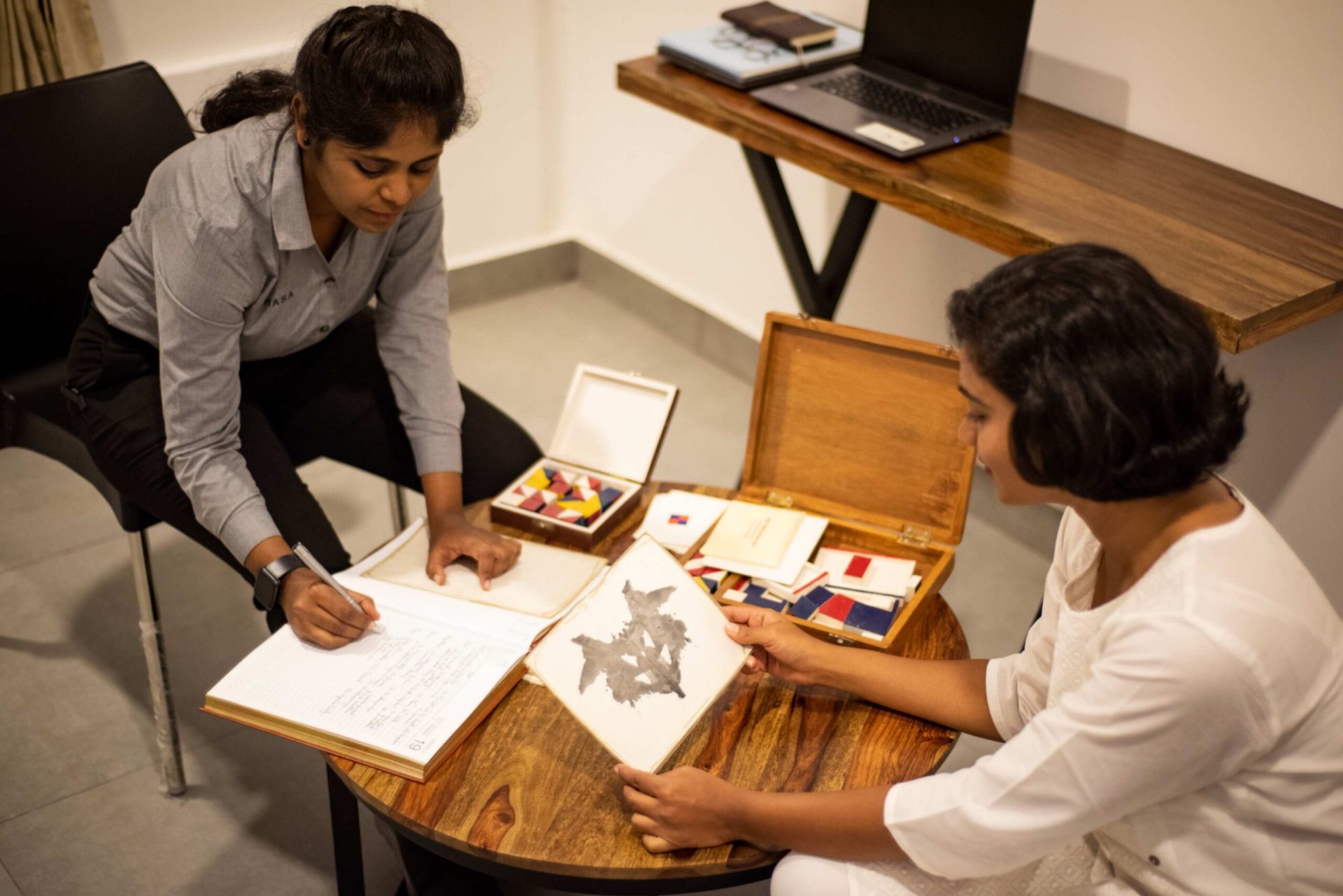
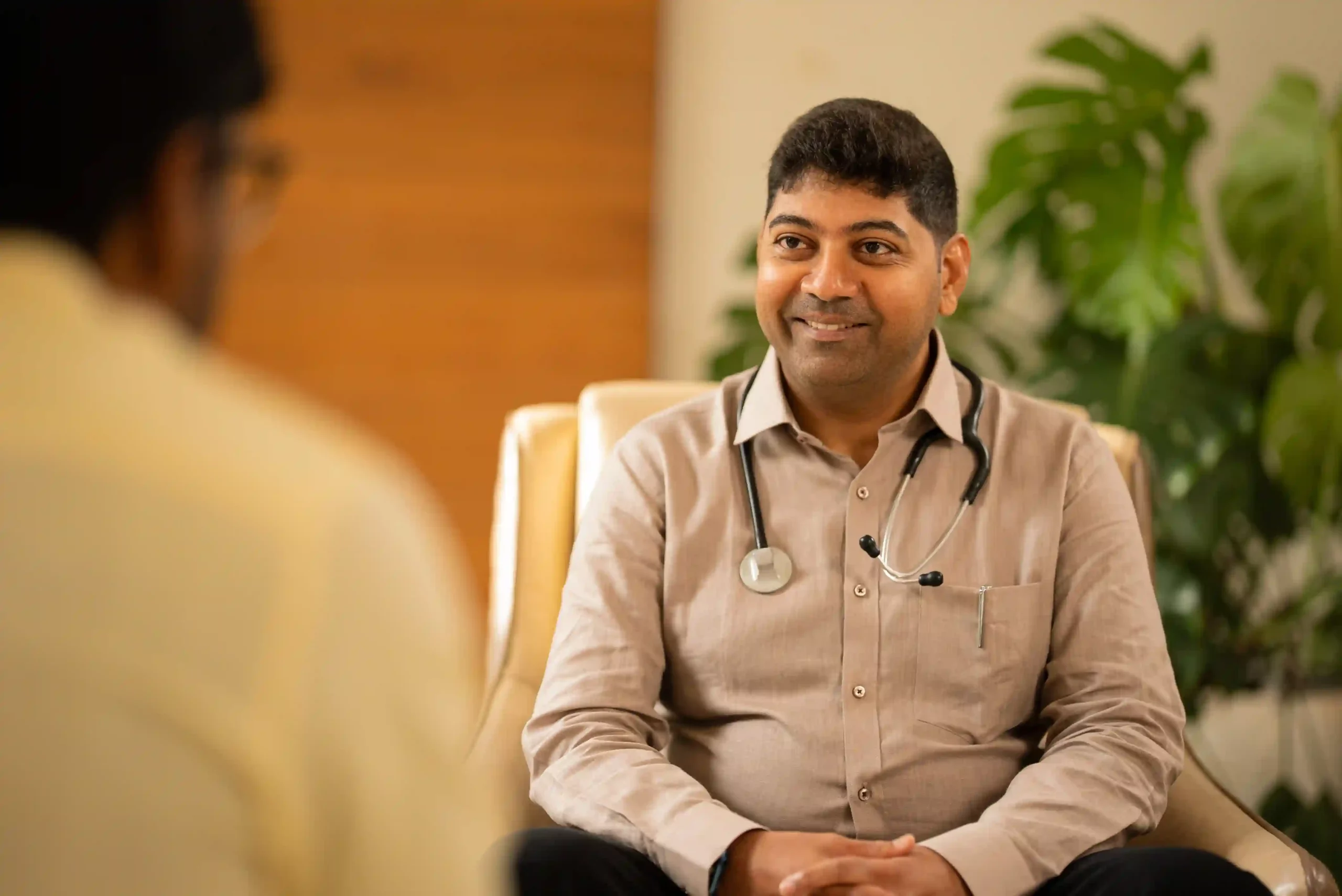
Healing starts to feel real when you’re in a space that lets you breathe. At Abhasa, we’ve created a setting where calm comes naturally. Our private prescription drug addiction treatment environment doesn’t feel like a facility. It feels like a retreat where you can finally let your guard down.
Many people come to us carrying a lot. The stress of hiding pain. The fear of being seen in a vulnerable place. That’s why our confidential prescription drug treatment model is designed with complete privacy in mind. You’ll find quiet corners, peaceful gardens, and private suites that offer comfort without distraction.
Our private prescription drug addiction treatment team takes your confidentiality seriously. We know that reaching out can feel like a big step. That’s why, from your very first call, we hold your privacy with care. Everything you share stays between us. No questions asked. Whether you’ve always had to stay strong for others or need space to breathe again, your story stays yours.
What you’ll find here isn’t just calm. It’s a sense of being held quietly, respectfully, and without pressure. It helps you feel grounded. You’re not rushed. You’re not watched. You can rest, breathe, and begin again at your own pace. That’s the kind of peace real recovery needs.
We believe that potential prescription drug treatment should feel safe, gentle, and deeply respectful. At Abhasa, it does.
Recovery starts where you feel safe to breathe.
Long-term Recovery and Relapse Prevention
Staying Grounded After Rehab: What Comes Next
At Abhasa, recovery does not end with discharge. It simply shifts form. We know that prescription drug addiction aftercare plays a vital role in making early progress.[1,15] We work closely with clients and their families to build an aftercare pathway that supports everyday life beyond the centre.
A Plan That Lives With You
We begin planning for prescription drug addiction aftercare before discharge even takes place. The care team designs an individualised roadmap that includes weekly check-ins, continued therapy, and guidance for home routines. This ensures stability in the early days of return when emotions may run high, and the new rhythm still feels unfamiliar.
Relapse Prevention
We don’t just list strategies. We help clients learn how to respond, not react. Relapse prevention tools are woven into every part of therapy, through body awareness, reflection practices, and habit resetting.[15] Our team teaches each person how to spot their unique warning signs, regulate emotions, and choose healthier responses when stress builds.
Support That Doesn’t Disappear
Recovery grows in the presence of connection. That’s why we connect clients with peer-led support groups, therapist-led sessions, and personalised counselling beyond their stay. These circles of support make prescription drug addiction aftercare feel active, not passive.
Family Healing Continues Too
We stay in touch with families, not just to update but to strengthen. Continued family sessions are available to work through post-rehab transitions, boundary-setting, and conflict resolution because relapse prevention includes the system, not just the individual.
When Crisis Happens, We’re Still Here
For moments of overwhelm or setbacks, families can reach out. Emergency support remains available. Relapse prevention isn’t about fearing setbacks. It is about knowing what to do when life takes an unexpected turn. With the right tools and support, you’re not starting over but staying on track.
Recovery is a journey you don’t have to walk alone.
Success Stories: Freedom from Prescription Dependency
Every prescription drug addiction recovery success story at Abhasa begins with quiet courage. One client, once reliant on sleep aids and painkillers, now leads workshops on stress resilience. Another rebuilt her career after years of dependency, reuniting with her children and regaining her confidence. Families speak of mended bonds, restored trust, and laughter returning home. Our approach combines structure with compassion, making long-term recovery possible and sustainable. These aren’t just stories; they prove that freedom from prescription dependency can be honest, steady, and life-affirming.
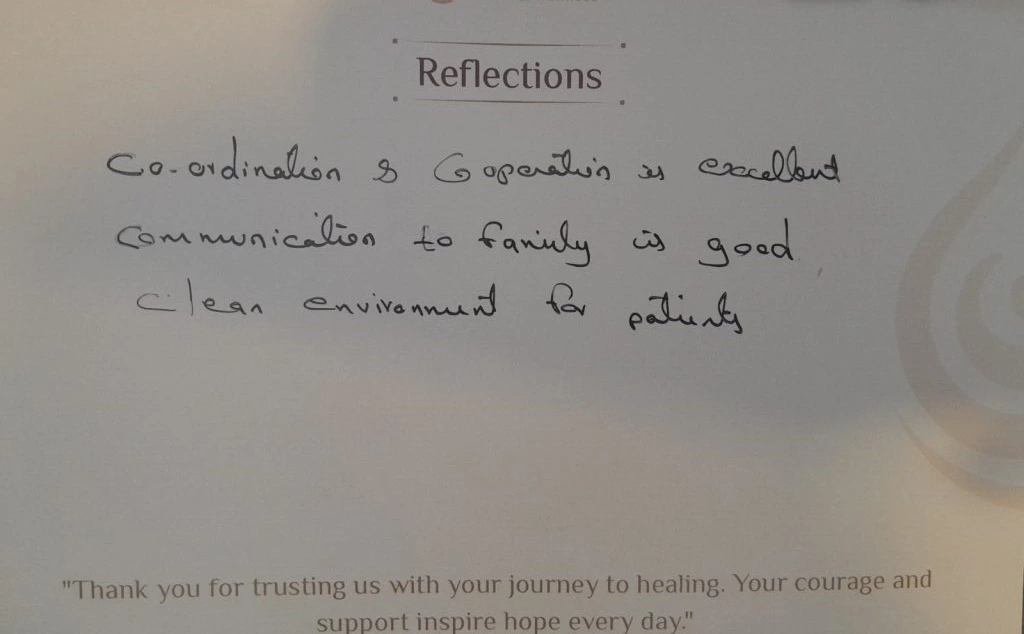
Co-ordination & cooperation is excellent. Communication to family is good. Clean environment for patients.
Former Client
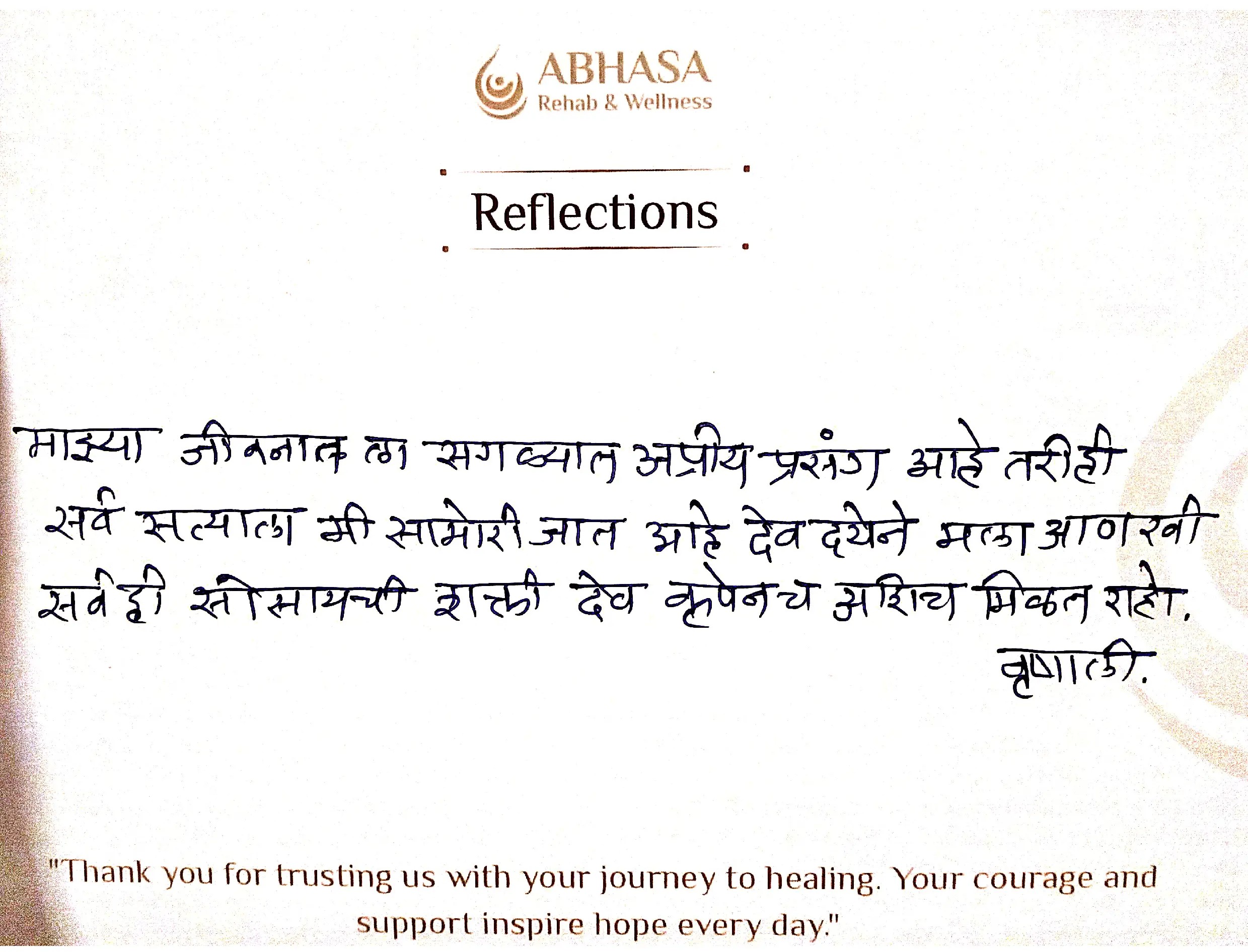
I found strength to face life’s hardest truths here. I believe it was God’s grace that brought me to Abhasa.
Former Client
Real people. Real healing.
FAQs About Prescription Drug Addiction Treatment
How to treat prescription drug addiction?
Prescription drug addiction treatment involves a combination of medical detox, emotional therapy, and structured lifestyle support.[1,2] At Abhasa, one of the trusted prescription drug addiction treatment centres near me, we personalise the journey to help clients safely withdraw, rebuild habits, and restore inner balance.
What are the three most commonly abused prescription medications?
The most frequently misused medications include opioids (like oxycodone), benzodiazepines (such as alprazolam), and stimulants used for attention disorders.[4,5] Our experts at Abhasa offer tailored care for each, making our facility among the most versatile prescription drug addiction treatment centres near me.
What is the definition of prescription drug abuse?
Prescription drug abuse refers to the use of medication in a way not intended by a prescribing doctor. This includes higher doses, using someone else’s prescription, or seeking the drug’s effects beyond medical need.
What is the most common prescription drug addiction?
Opioid addiction remains the most widespread.[4,8] Our specialised team at Abhasa provides holistic opioid care as part of our commitment to offering complete prescription drug addiction treatment centres near me support.
How many days is it safe to detox?
The detox period varies by drug type and the person’s health. It may take a few days to a few weeks under 24/7 care.[6,7] Our program ensures medically supervised safety throughout.
What medicine is used for detox?
Doctors may prescribe medication-assisted treatments such as buprenorphine or tapering benzodiazepines to ease withdrawal.[8,9] Each plan is supervised at our prescription drug addiction treatment centres near me to ensure comfort and safety.
How much does prescription drug abuse cost?
The emotional, social, and financial costs of prescription drug abuse are high. Relationships, work, and mental health often suffer. Timely care through a supportive rehab centre helps reduce this burden over time.
How much does rehab cost in India?
Prescription drug rehab cost depends on the treatment length, medical support needed, and type of accommodation. At Abhasa, prescription drug rehab cost is customised based on personal needs. You can contact our team to explore available care options.
What are two types of treatment for drug abuse?
The two most common types are medical detox and behavioural therapy.[1,2] Our programs blend both with holistic care, creating a complete path forward at one of the most respected prescription drug addiction treatment centres near me.
What medication is prescribed for addiction?
Doctors may use medications such as naltrexone, buprenorphine, or mood stabilisers based on the specific addiction and personal health profile.[8] Each prescription is part of a larger healing plan.
What drugs are used in rehabilitation?
In rehabilitation, medications support withdrawal and emotional stability. However, the focus stays on therapy, skill-building, and personalised care that continues long after detox.
What is a drug rehabilitation centre?
A drug rehabilitation centre is a place where clients receive structured care, emotional guidance, and medical support to overcome substance dependence. Abhasa provides luxury care in a serene, confidential setting.
How do we stop addiction to drugs?
The safest way to stop is under expert care. Trying to quit alone can be risky. Our prescription drug addiction treatment centres near me offer compassionate, non-judgemental help that works with you at every stage.
What therapy is most effective for addiction?
Cognitive behavioural therapy (CBT) remains one of the most effective methods.[2,12] Combined with holistic healing, CBT helps clients understand triggers, manage cravings, and replace harmful behaviours.
Which medicine is best for drug addiction?
There’s no one-size-fits-all answer. The best medication depends on the addiction type and health history. At Abhasa, our medical team reviews each case to choose what’s safest and most effective.
Begin Your Journey to Prescription Drug Freedom
You don’t have to do this alone. If you’ve been searching for the best prescription drug addiction treatment centres, know that the path to healing is right here. At Abhasa, we offer personalised prescription drug treatment in India that combines medical care with emotional support in a safe and private space.
This first step matters whether you’re calling for yourself or someone you love. And from here, we walk with you, one conversation, one choice, one day at a time.
One call can open the door to lasting change.
Proudly Serving Across Cities
- Rehab in Karjat
- Rehab in Pune
- Rehab in Navi Mumbai
- Rehab in Madurai
- Rehab in Trichy
- Rehab in Bangalore
- Rehab in Chennai
- Rehab in Thane
- Rehab in Nasik
- Rehab in Kochi
- Rehab in Mangalore
- Rehab in Mysore
- Rehab in Hyderabad
- Rehab in Vijayawada
- Rehab in Visakhapatnam
- Rehab in Delhi
Medical Disclaimer
This information is for educational purposes only and does not constitute medical advice. Alcohol use disorder is a serious medical condition requiring professional diagnosis and treatment by qualified healthcare providers.
Always consult licensed medical professionals and addiction specialists before making treatment decisions. Individual results vary significantly based on numerous factors including severity of dependence, co-occurring conditions, personal commitment, and environmental support.
Alcohol withdrawal can be life-threatening. Attempting to detox at home without medical supervision may result in severe complications including seizures, delirium tremens, and death. Medical detoxification should only be conducted under the supervision of qualified healthcare professionals in an appropriate medical setting.
If you are experiencing a medical emergency, call emergency services immediately (dial 112 in India or your local emergency number).
The content provided describes general treatment approaches and facility amenities. It is not a substitute for individualized medical assessment or professional treatment planning. Treatment outcomes cannot be guaranteed, and recovery from alcohol dependence is an ongoing process that may include periods of relapse.
Resources
15 Top-Tier Authoritative Citations:
[1] National Institute on Drug Abuse (NIDA) – “Treatment and Recovery”
URL: https://nida.nih.gov/publications/drugs-brains-behavior-science-addiction/treatment-recovery
Source Type: Federal research agency (Tier 1)
Supports: Basic addiction treatment principles, chronic disease model
[2] Substance Abuse Treatment, Prevention, and Policy – “Research-supported group treatments for drug use disorders”
URL: https://substanceabusepolicy.biomedcentral.com/articles/10.1186/s13011-021-00371-0
Source Type: Peer-reviewed systematic review
Supports: Evidence-based treatment approaches, CBT efficacy
[3] Nora Volkow – “Personalizing the Treatment of Substance Use Disorders” – American Journal of Psychiatry
URL: https://psychiatryonline.org/doi/10.1176/appi.ajp.2019.19121284
Source Type: Leading addiction researcher, peer-reviewed
Supports: Personalized treatment, neuroscience basis
[4] CDC – “Treatment of Opioid Use Disorder”
URL: https://www.cdc.gov/overdose-prevention/treatment/opioid-use-disorder.html
Source Type: Federal health agency (Tier 1)
Supports: Opioid treatment protocols, MOUD effectiveness
[5] FDA – “Information about Medications for Opioid Use Disorder (MOUD)”
URL: https://www.fda.gov/drugs/information-drug-class/information-about-medications-opioid-use-disorder-moud
Source Type: Federal regulatory agency (Tier 1)
Supports: FDA-approved medications, safety information
[6] WHO – “Withdrawal Management – Clinical Guidelines”
URL: https://www.ncbi.nlm.nih.gov/books/NBK310652/
Source Type: International organization clinical guidelines
Supports: Withdrawal management protocols
[7] NCBI – “Physical Detoxification Services for Withdrawal From Specific Substances”
URL: https://www.ncbi.nlm.nih.gov/books/NBK64116/
Source Type: Government-hosted medical reference
Supports: Detoxification protocols, medical management
[8] SAMHSA – “Federal Guidelines for Opioid Treatment Programs (2024)”
URL: https://library.samhsa.gov/product/federal-guidelines-opioid-treatment-programs-2024/pep24-02-011
Source Type: Federal treatment standards (Tier 1)
Supports: Treatment program standards, best practices
[9] ASAM – “Benzodiazepine Tapering Guidelines”
URL: https://www.asam.org/quality-care/clinical-guidelines/benzodiazepine-tapering
Source Type: Professional organization clinical guidelines
Supports: Benzodiazepine tapering protocols
[10] Springer – “Joint Clinical Practice Guideline on Benzodiazepine Tapering” – Journal of General Internal Medicine
URL: https://link.springer.com/article/10.1007/s11606-025-09499-2
Source Type: Multi-society peer-reviewed guidelines
Supports: Evidence-based tapering strategies
[11] PMC – “A Narrative Review of Yoga and Mindfulness as Complementary Therapies for Addiction”
URL: https://pmc.ncbi.nlm.nih.gov/articles/PMC3646290/
Source Type: Peer-reviewed systematic review
Supports: Evidence for yoga/mindfulness in addiction
[12] Addiction Science & Clinical Practice – “Mindfulness-based treatment of addiction: current state of the field”
URL: https://ascpjournal.biomedcentral.com/articles/10.1186/s13722-018-0115-3
Source Type: Peer-reviewed comprehensive review
Supports: Mindfulness mechanisms, efficacy
[13] Wiley – “Effects of family therapy for substance abuse: A systematic review” – Family Process
URL: https://onlinelibrary.wiley.com/doi/10.1111/famp.12841
Source Type: Peer-reviewed systematic review
Supports: Family therapy effectiveness
[14] PMC – “Family Involvement in Treatment and Recovery for Substance Use Disorders”
URL: https://pmc.ncbi.nlm.nih.gov/articles/PMC8380649/
Source Type: Peer-reviewed research network study
Supports: Family involvement benefits
[15] StatPearls/NCBI – “Addiction Relapse Prevention”
URL: https://www.ncbi.nlm.nih.gov/books/NBK551500/
Source Type: Medical reference, government-hosted
Supports: Relapse prevention strategies