
Luxury Phobia Treatment Centres in India

Fear doesn’t have to shrink your world. Abhasa’s therapies and care help you face phobias with calm and confidence.
Break Free from Anxiety. We are here to help you.
2:1 Staff-to-client ratio
3 Healing Spaces
Personalised Treatments
360° Healing
2:1 Staff-to-client ratio
3 Healing Spaces
Personalised Treatments
360° Healing
Gallery
Rediscover Calm at a Luxury Phobia Treatment Centre in India

Every door feels too heavy to open. Every crowded room brings discomfort. Even everyday moments become overwhelming when fear starts to control your life. Some feel panic when they face heights.
Others avoid public speaking or cannot get on a flight. When these fears interfere with daily life, they go beyond simple fear. They become phobias.
Abhasa offers a new direction for those searching for answers. As a leading phobia treatment centre in India, we recognise the emotional weight that phobias carry. These fears often grow in silence, misunderstood and hidden, especially within Indian families.[12] Many people hesitate to ask for help. That is why we designed our phobia treatment centres to feel peaceful, private, and respectful.
Each phobia treatment centre at Abhasa blends comfort with structure. Our environment supports healing through mindful mornings, therapeutic sessions, and meaningful daily rhythms.[5,6] Clients begin to rebuild their confidence in a calm and familiar setting. We support the person, not just the phobia. We also involve families so they can help the healing journey without reinforcing avoidance.
Our phobia treatment centres focus on real recovery. We help clients create new patterns, develop resilience, and restore emotional safety.[3,10] Our team provides continuous guidance with care and patience. Families receive regular updates and coaching to become active partners in the process.
If you want a phobia treatment centre that understands what you and your loved one are facing, Abhasa offers the right place to begin.
Luxury care designed to ease hidden fears.
Understanding Residential Phobia Treatment
Many people assume that therapy for phobias means short-term sessions or occasional check-ins. But those options often fall short. When fear interferes with daily life, consistent care makes the real difference.[7] This is where residential phobia treatment changes the path forward.
At Abhasa, we do not view fear as something you simply suppress. With the right tools and support, we see it as something you can learn to navigate.[1,3] Unlike outpatient care, where daily stressors and familiar environments can reinforce avoidance, residential phobia treatment provides a safe space for change to begin.
A Place Designed to Support Emotional Safety
Inside our phobia therapy centres, we offer more than just therapy rooms. We offer structure. Clients follow a predictable daily rhythm that reduces emotional overwhelm and builds confidence.[8]
Morning self-care routines, guided therapy sessions, mindful exposure work, and evening reflections give each day a precise shape.
In contrast, fear-based patterns often remain unchecked at home or in outpatient settings. Family pressures, unpredictable situations, or lack of professional supervision can cause setbacks. But within a residential phobia treatment setting, each element of the day supports calm, presence, and growth.
Phobia vs Normal Fear: Understanding the Difference
Everyone experiences fear. But when fear takes over daily choices, routines, and relationships, it becomes a phobia. The science of fear shows that repeated avoidance strengthens that fear over time.[1,12] Within our phobia therapy centres, we help reverse this pattern through supported exposure and emotional resilience-building.[10,15]
We teach clients to understand their body’s fear response, work with it, and slowly expand their comfort zones. This happens gently, and always at a pace that feels safe.
Why Short-Term Therapy May Not Be Enough
Outpatient sessions often provide insight but lack continuity. That’s why residential phobia treatment gives clients a stronger foundation. Here, exposure happens regularly. Progress is not left to chance.[2,8] Our team stays present through every stage of fear-fighting, offering real-time coaching and grounding techniques.
Avoidance becomes harder when clients live in an environment designed to support recovery. Inside our phobia therapy centres, clients learn how to meet fear with courage, not retreat from it.
A Daily Structure That Builds Confidence
Each day at Abhasa reflects the belief that healing is a steady process. Structured exposure work, balanced with relaxation and peer connection, forms the heart of residential phobia treatment. Clients eat well, sleep better, and feel supported through their biggest wins and significant challenges.[5,6]
If you’ve tried outpatient care and felt progress slip away between sessions, our approach may offer the stability you’ve been searching for. Our phobia therapy centres are built to help clients feel safe and rediscover the strength to move forward.
A Place Designed to Support Emotional Safety
Inside our phobia therapy centres, we offer more than just therapy rooms. We offer structure. Clients follow a predictable daily rhythm that reduces emotional overwhelm and builds confidence.[8] Morning self-care routines, guided therapy sessions, mindful exposure work, and evening reflections give each day a precise shape.
In contrast, fear-based patterns often remain unchecked at home or in outpatient settings. Family pressures, unpredictable situations, or lack of professional supervision can cause setbacks. But within a residential phobia treatment setting, each element of the day supports calm, presence, and growth.
Phobia vs Normal Fear: Understanding the Difference
Everyone experiences fear. But when fear takes over daily choices, routines, and relationships, it becomes a phobia. The science of fear shows that repeated avoidance strengthens that fear over time.[1,12]
Within our phobia therapy centres, we help reverse this pattern through supported exposure and emotional resilience-building.[10,15]
We teach clients to understand their body’s fear response, work with it, and slowly expand their comfort zones. This happens gently, and always at a pace that feels safe.
Why Short-Term Therapy May Not Be Enough
Outpatient sessions often provide insight but lack continuity. That’s why residential phobia treatment gives clients a stronger foundation. Here, exposure happens regularly. Progress is not left to chance.[2,8] Our team stays present through every stage of fear-fighting, offering real-time coaching and grounding techniques.
Avoidance becomes harder when clients live in an environment designed to support recovery. Inside our phobia therapy centres, clients learn how to meet fear with courage, not retreat from it.
A Daily Structure That Builds Confidence
Each day at Abhasa reflects the belief that healing is a steady process. Structured exposure work, balanced with relaxation and peer connection, forms the heart of residential phobia treatment. Clients eat well, sleep better, and feel supported through their biggest wins and significant challenges.[5,6]
If you’ve tried outpatient care and felt progress slip away between sessions, our approach may offer the stability you’ve been searching for. Our phobia therapy centres are built to help clients feel safe and rediscover the strength to move forward.
Residential care gives fear a safe space to be faced, not avoided.
Types of Phobias We Treat

Fear takes many forms, and no two people experience it similarly. That’s why Abhasa offers deeply personalised care that addresses many phobia types. From everyday fears to more complex anxieties, our program starts with understanding what you face and creating a manageable plan.[12,13]
We work with specific phobias like fear of heights, animals, needles, or enclosed spaces. These fears often begin small but can grow to interrupt daily life. At Abhasa, we use thoughtful exposure strategies and calming routines to help you rebuild comfort and confidence.[10,15]
For those facing social phobias, such as fear of speaking, judgment, or group settings, we create safe spaces to explore social reconnection without pressure. Our team understands how isolating these fears can feel, and we support each step toward openness.[3,11]
Agoraphobia is the fear of being in open or crowded spaces, often leading individuals to avoid those situations and a loss of freedom. At Abhasa, our approach focuses on gentle reintroduction to the outside world, always at the client’s pace.[1,10] We design therapeutic sessions in natural, secure environments to ease this journey.
Some clients come to us with complex phobias that involve several triggers or overlapping fears. Our team carefully maps these patterns during the assessment phase and crafts structured interventions that address both the root and the response.
We also honour cultural sensitivity in our care. As a centre based in India, we recognise unique fears arising from local customs, beliefs, or family expectations. Our program includes space for those nuances, ensuring treatment respects the individual and their cultural identity.
Whether it’s a single fear or a web of patterns, we meet each person with respect, clarity, and a plan that grows with them.
Why Choose Residential Phobia Recovery
Why a Residential Phobia Recovery Program Creates Real Change
Caring for someone with a phobia often begins at home. Families offer reassurance, change routines, and try to protect their loved ones from fear triggers. But when those efforts no longer ease the distress, a different kind of support becomes essential. That’s when a phobia rehabilitation centre becomes more than a treatment option. It becomes the turning point.[7,8]
Inside a phobia rehabilitation centre, recovery begins with one key difference: consistency. Fear thrives on avoidance and unpredictability. Healing grows when people face their fears in a controlled and supportive space. That’s what makes fear treatment centres truly life-changing.
In our phobia rehabilitation centre, clients receive 24/7 support. Whether someone feels overwhelmed late at night or needs reassurance before an exposure session, our team remains present. This steady support allows clients to overcome their fear instead of avoiding it. Most fear treatment centres cannot offer this level of daily immersion in outpatient settings.

Round-the-Clock Guidance Builds Trust and Progress
In our phobia rehabilitation centre, clients receive 24/7 support. Whether someone feels overwhelmed late at night or needs reassurance before an exposure session, our team remains present.[2,7]
This steady support allows clients to overcome their fear instead of avoiding it. Most fear treatment centres cannot offer this level of daily immersion in outpatient settings.

A Safe Space Designed to Hold Fear Gently
Healing from a phobia takes more than information. It takes experience, structure, and trust. In our phobia rehabilitation centre, each environment, therapy rooms, gardens, and activity spaces are designed to feel safe. Clients practice facing fears gradually, with each step guided by trained experts. That’s why fear treatment centres with residential care help clients build confidence, not just cope.[5,6]

Progress Happens in Small, Structured Steps
Recovery doesn’t need to feel overwhelming. In our phobia rehabilitation centre, exposure happens in a clear, manageable way. Clients don’t rush. They climb their fear hierarchy one step at a time. This structured exposure plan, offered consistently in fear treatment centres, reduces the shock factor and increases long-term progress.[1,10]

Being Around Others Who Understand Makes a Difference
Fear often isolates. But inside our phobia rehabilitation centre, clients connect with peers who understand what they’re going through. Group sessions, shared meals, and joint mindfulness practices help restore social comfort.[9,11] Unlike traditional fear treatment centres, we focus on emotional safety and peer connection as part of the healing process.

Families Receive the Tools to Support Healing at Home
Families play an essential role in recovery. That’s why every phobia rehabilitation centre at Abhasa includes family education. We teach loved ones how to support progress without reinforcing avoidance. Families also receive updates and have access to supportive conversations with our team. This makes our fear treatment centres more holistic, inclusive, and long-lasting in their impact.[4,9]
If you’ve tried everything and still feel stuck, a residential option may offer the needed change. We’ve seen how structured support, guided exposure, and emotional understanding create real breakthroughs inside our phobia rehabilitation centre. Let us walk with you through it.
Residential care transforms fear into lasting confidence.
Why Families Trust Abhasa for Luxury Phobia Care
Families carry more than worry when they arrive. They have sleepless nights, unanswered questions, and a quiet fear of what might come next. At Abhasa, they find something different. They find warmth, understanding, and a sense of hope. This makes us one of India’s best phobia treatment centres.
We designed our luxury phobia treatment centres not as clinical institutions but as sanctuaries of healing. Here, calm replaces chaos. Clients rest in peaceful rooms, walk through garden paths, and experience therapies in spaces that breathe safety. We believe that recovery does not have to feel harsh. It can feel gentle, restorative, and dignified.[5,13]
Care That Honours the Whole Person
We do more than offer therapy. Our luxury phobia treatment centres integrate emotional care with physical and spiritual wellness. Each client follows a personalised program that may include yoga, expressive arts, mindfulness walks, and guided breathwork.
These experiences work alongside exposure therapy and CBT to restore balance. This unique mix is why so many families choose us over standard facilities.[3,6]
A Family-Centred Approach That Builds Trust
Families stay involved from the start. In the best phobia treatment centres, support must include everyone affected by the fear, not just the person facing it.
At Abhasa, we hold family education sessions, provide weekly updates, and offer emotional guidance to help loved ones walk this path together. You don’t just witness the recovery you take part in it.[4,9]
Privacy That Feels Protective, Not Isolating
We understand how deeply personal phobia struggles can be. At our luxury phobia treatment centres, confidentiality is non-negotiable. From private rooms to discreet interactions, everything respects your family’s need for privacy.
Many Indian families tell us this helped them feel safe enough to ask for help, finally.
Cultural Sensitivity That Understands Indian Realities
Indian families often carry quiet expectations, traditional roles, and a fear of stigma. We don’t ignore that. We honour it. The team at our best phobia treatment centres understands how to gently guide conversations, offer reassurance, and create space for healing without judgment.
This cultural grounding helps clients and families feel more at home.
A Proven Environment for Deep and Lasting Change
From nature-integrated exposure therapy to spa-based relaxation, our programs feel different because they are different. Families choose our luxury phobia treatment centres because they want their loved one to heal in a place that feels nurturing, not clinical. They trust our years of experience, the professionalism of our team, and the quiet strength of our spaces.
If you’re looking for one of the best phobia treatment centres offering heart, structure, and dignity in one place, you’ve just found it. Give Your Loved One the Help They Deserve.
Families find peace where healing feels natural.
Meet the Experts Behind Your Recovery
At Abhasa’s phobia recovery centres, healing begins with people who genuinely understand fear. Our specialists include exposure therapists, CBT experts, and family counsellors collaborating daily to provide consistent, personalised care. Inside our fear therapy centres, clients receive support rooted in science and compassion.[3,10] Some professionals even bring lived experience with phobias, creating a more profound connection. We blend modern methods with holistic practices like mindfulness and creative therapies. Families receive guidance, too, ensuring recovery continues at home. At Abhasa, you’re not just receiving treatment, you’re surrounded by people who believe in your ability to move forward.
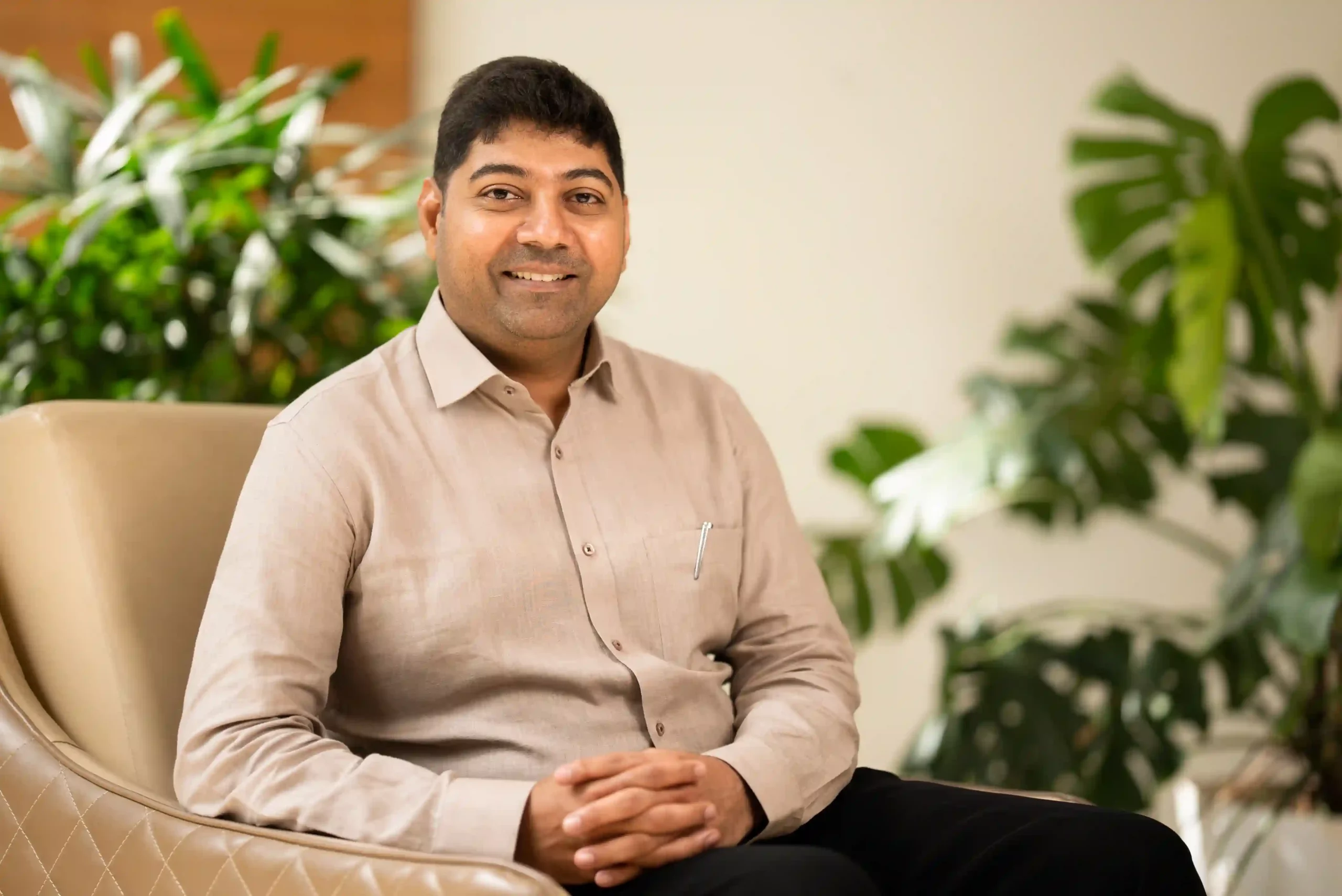
Dr. Naveen Kumar
Medical Director
15+ years of expertise in psychiatry and addiction recovery.
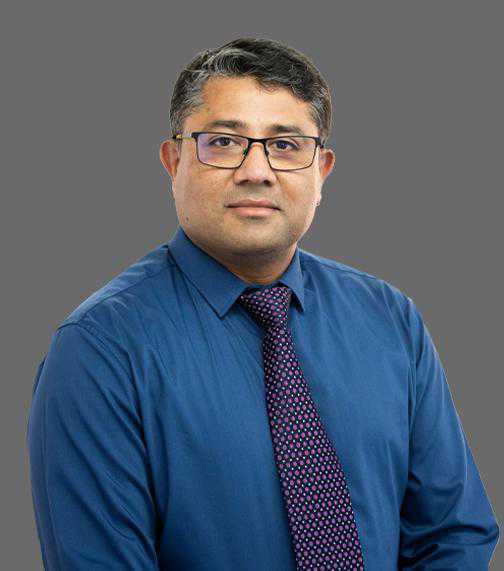
Dr. Vivek Sharma
Consultant Psychiatrist & Neurofeedback Practitioner
With over 15+ years of experience in psychiatry and neurofeedback, he blends medical expertise and compassion to guide clients toward lasting recovery.

Dr. Shree Aarthi
Consultant Psychiatrist
15+ years providing expert psychiatric care for mental health and substance use disorders.

Dr. Ramalingam P Kandaswamy
Consultant Physician
15+ years With over 5 years of experience in HIV and infectious diseases, he brings global expertise and compassionate care to every patient he supports.
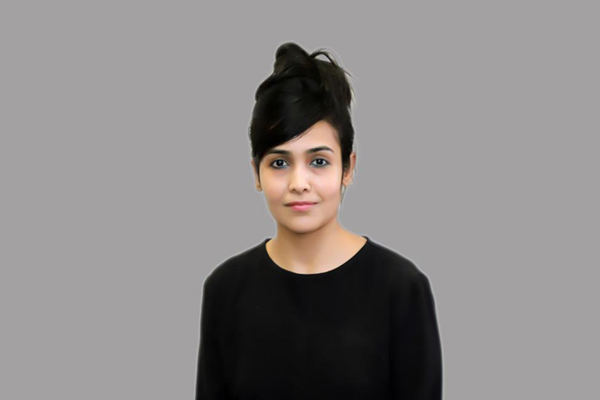
Dr. Divya
Psychiatrist
10+ years combining clinical psychiatry expertise with healthcare management for holistic treatment.

Dr. Malarvilzhi
Residential Medical Officer
12 years delivering comprehensive medical care in psychiatric and rehabilitation settings.
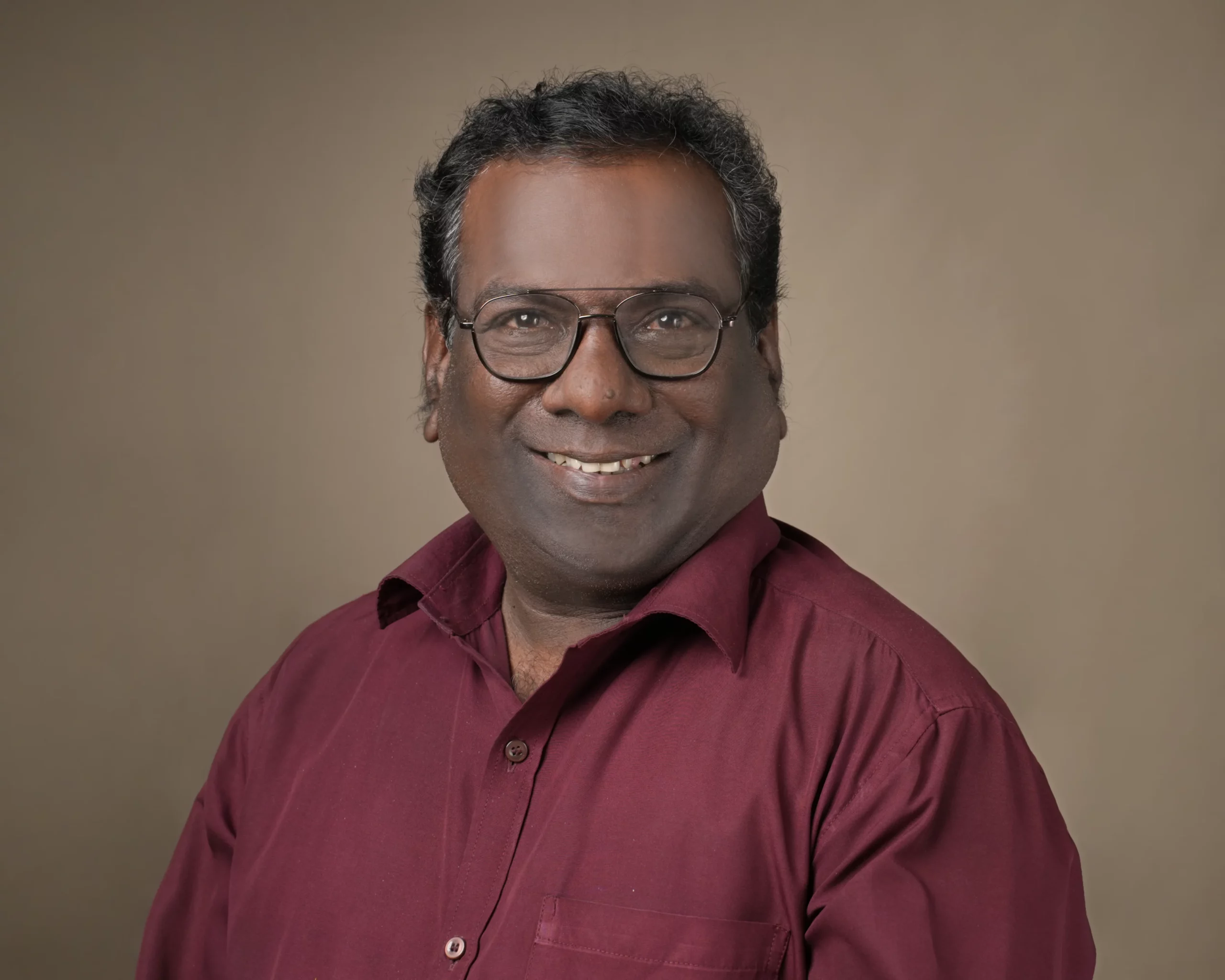
Dr. Karuppachamy
Senior Psychiatric Social Worker
22+ years of experience empowering clients through therapeutic guidance, psychosocial support, and lived-experience wisdom.

Ms. Meera
Senior Clinical Psychologist
9+ years specializing in psychological assessment and evidence-based therapeutic interventions.

Mrs. Priyadarshini
Head Clinical Psychologist

Mr. Mukesh Kanna
Clinical Psychologist
2+ years providing psychological interventions for behavioral health and emotional wellness.

Mr. Antipas Jayabal
Clinical Psychologist
2+ years supporting clients through clinical assessment and therapeutic care.

Ms Keerthana S
Psychologist
Empathetic psychologist with 4 years’ experience in handling mental health disorders, using evidence-based psychotherapies for personalized client care.
Our Comprehensive Phobia Treatment Programme
A Phobia Recovery Programme Built for Real, Lasting Change
Not every approach to phobia care is the same. Some focus only on symptoms. Others rely on generic methods. At Abhasa, our programme offers more. We don’t treat phobias as a condition to manage. We treat it as a pattern to unlearn. Our care model blends scientific precision with human connection, so families choose us over conventional options.
As one of India’s most trusted exposure therapy centres, we begin with a deep understanding. Healing starts when we listen, not just to what the client says, but how their fear shows up in body, behaviour, and thought. Each care plan grows with the client.[1,12]
We Understand Where the Fear Comes From
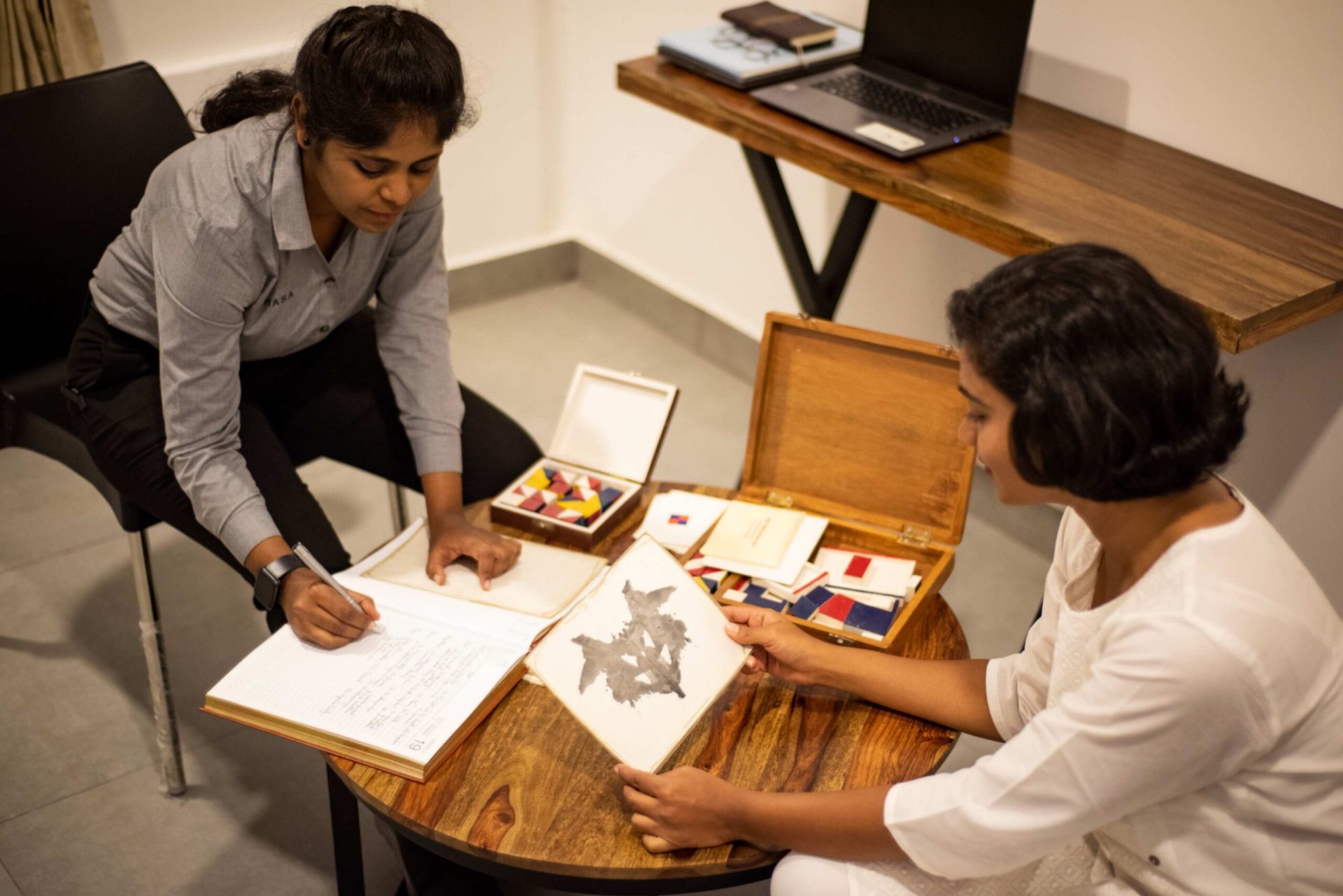
Before anything begins, we take the time to listen and learn. What are they afraid of? When did it start? What does their body do when fear shows up?
- To gain a comprehensive understanding, we utilise tools that clarify our perspective: We analyse thought patterns and emotional triggers and observe behaviour in calm, supportive environments.
- This first step helps us design care that feels safe, personal, and grounded in trust.
The approaches we follow make our exposure therapy centres stand out. We map emotional responses first, then create a clear change plan.
Gradual, Guided Exposure That Feels Safe
We help clients face fears slowly, through a process known as graded exposure. At our exposure therapy centres, this means structured steps that increase tolerance without overwhelming the person. Sessions may begin with imagery, move into virtual simulations, and then progress to real-life settings.
A professional supports every session. There is no pressure, only guided progress in a calm and encouraging space.[10,15]
Thought-Pattern Work with CBT Tools
Fear lives not only in reaction but also in beliefs. That’s where cognitive behavioural therapy comes in. Our therapists work one-on-one with clients to identify fear-based thoughts, challenge distortions, and replace them with practical, healthier responses.[3]
Unlike short-term programs, our use of cognitive behavioural therapy continues throughout the client’s stay. We revisit progress often, fine-tuning sessions so that each tool builds emotional resilience.
Restoring Calm Through Physical Regulation
Fear shows up in the body. So we address it there too. We include:
- Guided breathwork and progressive relaxation.
- Mindfulness sessions focused on grounding.
- Movement-based therapies to support emotional flow.
These physical regulation practices make our exposure therapy centres holistic. We work on the nervous system, not just the mind.[6,13]
Involving the Family in Every Phase
Phobia recovery is stronger when families feel equipped. Through Abhasa’s education sessions, families learn:
- How to support without enabling.
- How to communicate during setbacks.
- How to maintain progress after discharge.
- This commitment to family care makes our cognitive behavioural therapy framework even more effective. Clients don’t return to old environments unprepared; they return supported.[4,9]
At Abhasa, we do not offer surface-level solutions. We build layered care that addresses the fear and the thought behind it. Our exposure therapy centres and integrated cognitive behavioural therapy sessions help clients move forward honestly, steadily, and kindly.
Real change happens when fear is faced safely, not avoided.
A Day in Phobia Recovery at Abhasa

How Daily Rhythm Supports Phobia Recovery
Fear often disrupts daily life. Many individuals who arrive at Abhasa come from routines filled with unpredictability, emotional strain, and constant alertness. We respond with a steady rhythm that helps restore calm. Our structured phobia treatment begins by creating an environment where each moment has meaning, and every part of the day offers support.[8]
We plan each day to bring emotional stability and quiet confidence. Clients participate in guided therapies that help them identify fear patterns, build coping skills, and practice small acts of courage.[10,15] Our team integrates one-on-one sessions, group reflection, creative outlets, and mindfulness-based relaxation into the overall fear management program.
We do not follow a rigid template. We adjust activities based on individual energy levels, emotional readiness, and treatment milestones. Some clients need space to slow down and breathe. Others respond best to structured exposure work and active reflection. Our team pays attention and adapts the flow of each day with care.
In our structured phobia treatment, healing does not happen only during therapy sessions. It occurs during quiet reflection, creative moments, and nature-inspired activities that encourage grounding. Clients build habits that gradually reduce fear and restore inner balance.[1,3]
Each part of the fear management program supports long-term change. As clients become more comfortable with the rhythm, they feel more present, more in control, and more confident about what comes next. These routines prepare them to carry stability into daily life after their time at Abhasa.
Gentle routines help transform fear into steady strength.
Exposure Therapy in Natural Settings
Healing Through Nature-Guided Exposure

Proper recovery does not always happen inside four walls. For many clients at Abhasa, healing begins the moment they step into the open air. Our outdoor spaces offer more than beauty. These areas are designed with care to support nature-based exposure therapy.[5,6] Natural surroundings help clients approach fear with calm and confidence.
We include outdoor sessions as part of our holistic fear treatment plan. Gardens, pathways, and quiet green spaces allow clients to face specific fears in safe, familiar environments. The natural setting invites stillness. The space itself does a lot of the work. Being outdoors, surrounded by calm, helps clients feel more present and less overwhelmed when facing their fears.[6]
If social settings feel intimidating, we begin with simple things, such as a walk with one or two peers or a quiet activity where talking feels easy and unforced. These small, real moments often help clients feel safe enough to begin connecting again. For those who experience fear in broad or public areas, we introduce gentle movement through gardens or shaded trails, allowing their comfort to grow slowly with each step.
Our team stays close throughout. We offer encouragement, track emotional cues, and adjust the experience in real time so that each moment feels safe and steady.
We also bring therapy animals as part of the nature-based exposure therapy process. These sessions create space for emotional ease and help restore trust in others and the self.[5]
As part of nature-based exposure therapy, we also include animal-assisted sessions. Some clients find comfort in spending time with animals like dogs or horses, always with a therapist nearby. These moments often bring calm, connection, and a quiet kind of trust that words can’t always reach.
Mindfulness weaves through every part of this process. We gently encourage clients to slow down, notice their breath, feel the ground beneath them, and take in the sounds around them. It’s not about doing it perfectly. It’s about simply being present, one moment at a time. This sensory grounding reduces fear-based responses and builds resilience.[6]
Each activity takes place with professional support. Our therapists monitor emotional responses, adjust pace, and stay fully present. We ensure that nature-based exposure therapy meets each client where they are, leading them forward with safety and trust.
At Abhasa, healing happens in rhythm with nature. Through carefully designed experiences, our holistic fear treatment helps clients reconnect with their environment, body, and sense of inner peace.
Calm, nature-filled spaces help fear lose its hold.
Family Education and Support
Helping Families Heal, Learn, and Grow Together
When someone experiences a phobia, the effects often extend to the entire household. Families carry unspoken stress, trying to support without knowing what truly helps. At Abhasa, we include families from the beginning. We guide them through a care model built on clarity, consistency, and compassion. That is the foundation of our approach to family phobia support.[4,9]
We believe education changes everything. Through our structured phobia family education sessions, families learn how fear functions, what makes it stronger, and how to respond in ways that build trust and resilience. This education brings confidence, not confusion.
We keep families in the loop, not left guessing. You’ll receive regular updates that give you a real sense of how your loved one is doing, not just a clinical summary, but a glimpse into their day. You’ll know if they’re sleeping well, taking part in therapy, and how they’re responding emotionally.
Alongside these updates, we also set up weekly calls with our team. These aren’t rushed check-ins. They’re open, honest conversations where you can ask questions, share concerns, and feel supported as part of the recovery journey. We treat family phobia support as an active partnership, not an afterthought.[9]

In every phobia family education session, we explain how to support your loved one in real situations. Families learn to set healthy boundaries, respond during panic, and stay steady without reinforcing avoidance. These skills help create safety without adding pressure.[4]
We give families practical tools, including communication guides, boundary-setting methods, and routines that promote emotional calm at home. These tools stay with you long after discharge and help maintain the progress your loved one makes here.

A phobia often creates tension and emotional distance in families. At Abhasa, structured conversations bring clarity and connection back into those relationships. Family sessions encourage honesty, active listening, and shared understanding.
This is one of the most potent forms of family phobia support. It gives everyone the chance to feel heard and supported. Families who engage in this work often leave with stronger bonds and greater confidence in each other.[9]

We help families create supportive home environments that continue the work started here. Our team walks you through steps to reduce emotional triggers, reinforce daily structure, and encourage independence.
Our phobia family education model ensures caregivers feel prepared, capable, and supported. You do not just hope for change, you help create it.
Families learn, heal, and grow together, step by step
Specialised Phobia Programs
Personalised Recovery Paths for Every Phobia
Fear does not come in one form. Some clients feel panic while boarding a plane. Others freeze at seeing medical tools, speaking in public, or driving. At Abhasa, we honour these differences. Real healing begins when care aligns with the specific nature of the fear.[1,11] That is why we offer specialised phobia treatment programs designed for different fear types, each backed by a structure that feels safe, supportive, and effective.
We begin with a complete assessment. Our team takes time to understand the fear, its triggers, and how it shows up daily. We listen to the client’s experience and look at emotional patterns. From there, we shape a care plan that reflects the fear and how the person lives through it.
This approach forms the heart of our comprehensive phobia care. We do not offer generalised treatment. We focus on the person behind the phobia and tailor each step around their progress.
Clients who fear flying receive exposure support through virtual simulations, grounding techniques, and aviation-specific counselling. We help reduce panic before travel and rebuild a sense of control.
For those with a fear of doctors, procedures, or hospitals, our specialised phobia treatment plan includes desensitisation through controlled healthcare scenarios and gentle, trust-building routines.
We help clients who fear public speaking or group interaction through structured group practice, communication coaching, and confidence-building tools.
Our comprehensive phobia care model helps clients who fear driving or being in a vehicle. We use step-by-step exposure, body awareness training, and cognitive support to manage the physical and emotional response.
When animal fears interfere with daily life, we guide clients through safe, controlled interactions with therapy animals. These sessions are supervised and paced with care.
Clients who fear heights receive gradual exposure in nature settings, alongside grounding tools that help manage dizziness, panic, or breathlessness.
Each specialised phobia treatment path is personalised. We do not follow preset templates. Our team meets weekly and adjusts the care as needed. We involve families in this process, ensuring everyone understands the goals, tools, and changes.[10,12]
This is what makes our comprehensive phobia care unique. We work with the individual, not just the diagnosis. Every plan evolves as the client grows in awareness, confidence, and courage.
Every fear is unique, so is every recovery plan.
Safe, Luxurious Environment
A Space That Supports Quiet Confidence and Recovery



Healing begins when the nervous system feels safe. At Abhasa, we understand that the right environment can shape the entire recovery experience.[5,6] We created a setting where each space reflects care, comfort, and emotional ease. Our approach to private phobia treatment goes beyond therapy rooms. It includes every corner of our campus.
Clients enter a space that feels calm from the start. They walk along tree-lined paths, pause in quiet gardens, and settle into private rooms designed for rest. These small details create a setting where luxury fear recovery becomes possible. Each element exists to reduce overwhelm and invite grounding.
Our campus sits away from noisy streets and crowded neighbourhoods. We chose a location that allows clients to disconnect from daily stressors and reconnect with their rhythm. This distance from triggers supports the deeper work of private phobia treatment, where progress depends on feeling emotionally steady and physically safe.
Every aspect of the physical space contributes to healing. Therapy rooms are quiet and naturally lit. Rest spaces feel warm and uncluttered. We include areas for yoga, nature walks, mindfulness practice, and light physical movement. These activities are not add-ons. They are part of the therapeutic design.
Our team also ensures complete confidentiality throughout the stay. From client entry to discharge, we prioritise privacy. This gives families peace of mind and creates a respectful foundation for recovery. These measures define our promise of private phobia treatment that respects the individual and their journey.[14]
Inside our luxury fear recovery environment, clients also access high-comfort amenities. This includes spa-based therapies, private dining spaces, and curated wellness experiences. These amenities support relaxation, sensory regulation, and a sense of dignity.
Abhasa was designed to feel different. Clients often describe it as a space where they can finally let their guard down. Where they breathe easier, sleep better, and begin to feel human again.
This is not just a setting. It is part of the healing. That is the difference luxury fear recovery makes when every space, sound, and surface helps restore calm.
Step into a sanctuary that’s built to calm, not overwhelm.
Success Stories: Freedom From Fear
Stories of Real Change
At Abhasa, every step forward matters. Our clients arrive carrying fear, but leave with calm, confidence, and connection. From overcoming the fear of flying to rebuilding social trust, each journey reflects powerful phobia recovery success.[2,11] Families often report emotional relief, stronger bonds, and a deeper understanding of how to help. These lasting fear treatment outcomes include symptom relief and fundamental transformation.[7,8] Our clients return to careers, relationships, and routines they once avoided. Their stories remind us that fear can fade, and life can grow beyond it, with the proper support.
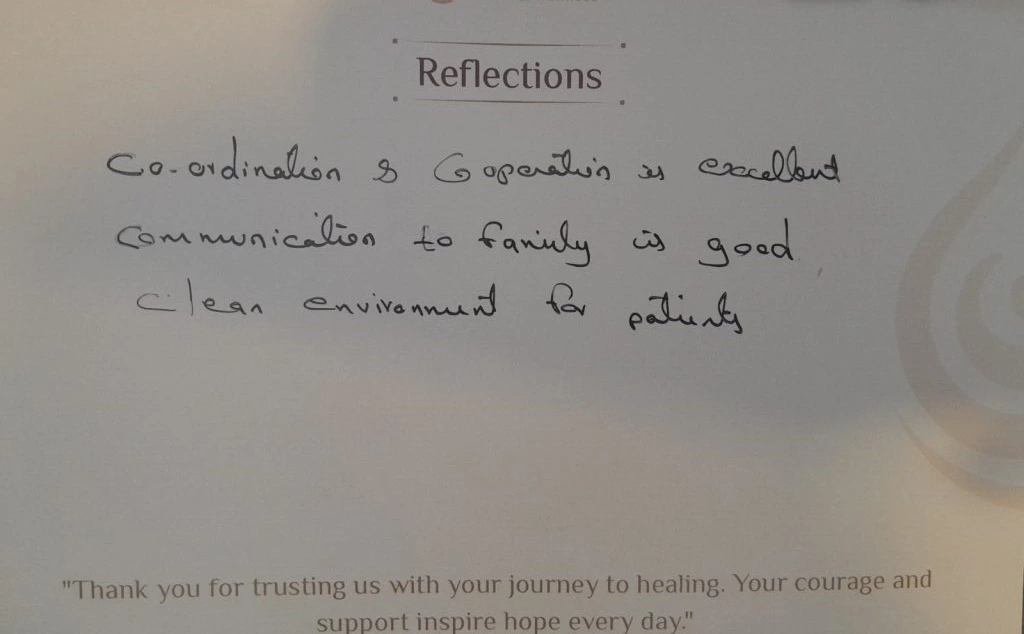
Co-ordination & cooperation is excellent. Communication to family is good. Clean environment for patients.
Former Client
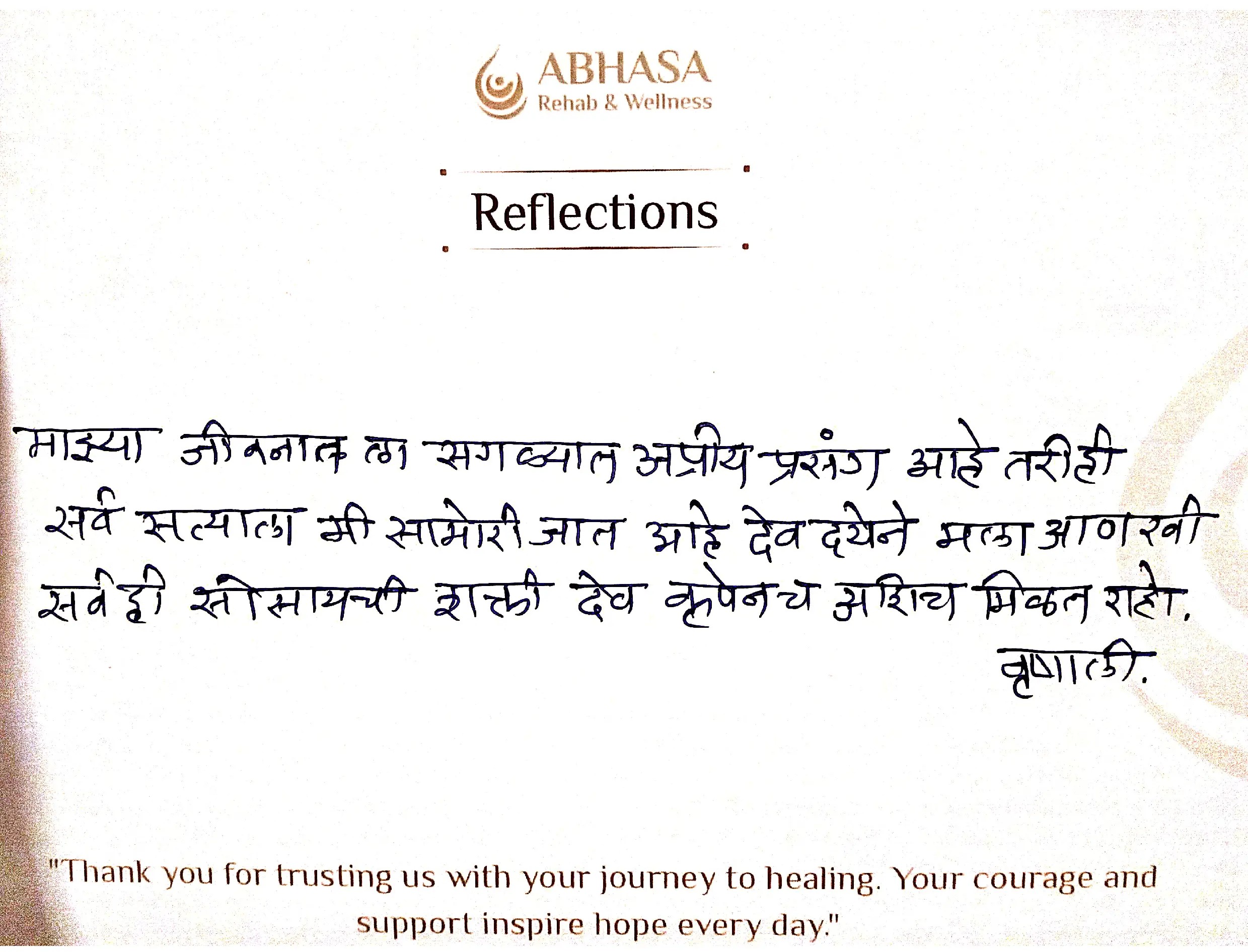
I found strength to face life’s hardest truths here. I believe it was God’s grace that brought me to Abhasa.
Former Client
FAQs About Phobia Treatment Centres
Can phobias be cured permanently?
Many people fully overcome their fears with the proper support. At the best phobia therapy programs, clients learn new ways to respond to fear and build lasting confidence.[3,10] Permanent relief often comes from consistent, structured care in trusted phobia treatment centres near me.
Can phobias come back?
Old fears can return, mainly during stress. That’s why we equip clients with lifelong tools during the program. The best phobia therapy goes beyond short-term results and teaches how to stay resilient even after discharge.[7]
How can I train my mind to overcome fear?
You can start by learning to observe your reactions and practising gradual exposure to what scares you. At professional phobia treatment centres near me, therapists help you do this safely and gently, one step at a time.
How long does a phobia last?
Phobias can last for years if untreated, but they don’t have to. With guidance from the best phobia therapy, most clients begin to feel better within weeks.[2,8] The timeline depends on your pace and support system.
How to cure phobias naturally?
Natural healing includes breathwork, meditation, and exposure practices guided by trained professionals. Some phobia treatment centres near me blend natural techniques with therapeutic tools for a holistic experience.
How can you help a person with a phobia?
Offer understanding, not pressure. Encourage small steps and celebrate progress. You can also explore phobia treatment centres near me that include families in care so that you can support them the right way.[4,9]
How to reduce fear?
Gentle exposure and relaxation training help a lot. The best phobia therapy includes personalised strategies to manage both emotional and physical fear responses.
How to remove a phobia?
You don’t need to force it away. At the right pace and with the proper support, it fades. The best phobia therapy teaches you how to respond calmly instead of avoiding.
What are the fear hospitals called?
They’re often called phobia treatment centres; the best ones create a calm, private environment instead of a clinical hospital setting.
What is the best therapy for fear and anxiety?
Most experts recommend exposure therapy combined with CBT. The best phobia therapy includes both relaxation and mindfulness tools.
What is the best therapy for fears?
It depends on the type of fear, but gradual exposure in a supportive space helps most people.[10,15] That’s why many turn to phobia treatment centres near me for structure and safety.
What is the best therapy for phobias?
The most effective approach includes exposure therapy, thought-pattern work, and lifestyle adjustments. The best phobia therapy adapts to each person rather than using a one-size model.
What is the best treatment for anxiety and fear?
Combining talk therapy with behavioural tools works best. Nature therapy, breathwork, and emotional coaching often support this in top phobia treatment centres near me.
What is the best treatment for a phobia?
A plan that includes therapy, exposure, and daily structure works best. The best phobia therapy focuses on long-term relief and practical life changes.[3,7]
What is the most effective treatment for phobias?
Research shows that exposure therapy combined with emotional regulation gives lasting results. The best phobia therapy uses both science and empathy to support change.[1,11]
What is the study of phobias called?
It’s part of psychology, especially anxiety research. But for care, most people turn to phobia treatment centres near me rather than just academic study.
What is the success rate of phobia treatment?
Success rates vary, but many people see significant improvements. The best phobia therapy centres focus on measurable progress supported by real-world change.[2,15]
What organisations help with phobias?
In India, many private phobia treatment centres near me, like Abhasa, offer both emotional and therapeutic support. Nonprofits may also offer phone-based help or awareness programs.
What therapy is used to get over fears?
Exposure therapy and cognitive behaviour strategies are most common. The best phobia therapy customises these to fit each person’s situation.
What type of therapy is used for fears?
Experts use exposure and CBT most often. Some phobia treatment centres near me also use VR tools and nature therapy for better outcomes.
Which therapy is best for fear?
There’s no single answer. The best phobia therapy respects your pace and blends different methods that work together to build courage.
Is there a phobia treatment centre specifically in India?
Yes. Abhasa is one of the most trusted phobia treatment centres near me in India, offering personalised care, luxury comfort, and holistic recovery programs.
Begin Your Journey to Freedom
You do not have to face this fear by yourself. If you are looking for the best phobia treatment centres, know that help is available. At Abhasa, our phobia recovery centres offer safe, private, and personal care.
We make the process simple. Call us, message us, or fill out a secure contact form. Our team will guide you through a gentle assessment. We take time to understand your fears and personalise a plan that works for you.
Families can also request a free consultation to learn how the best phobia treatment centres support long-term recovery. We provide straightforward answers and a calm, structured plan from the start. We limit our intake to make sure every person receives dedicated care.
Choose a phobia recovery centre that focuses on lasting change.
Break Free From Fear with us.
Proudly Serving Across Cities
- Rehab in Karjat
- Rehab in Pune
- Rehab in Navi Mumbai
- Rehab in Madurai
- Rehab in Trichy
- Rehab in Bangalore
- Rehab in Chennai
- Rehab in Thane
- Rehab in Nasik
- Rehab in Kochi
- Rehab in Mangalore
- Rehab in Mysore
- Rehab in Nasik
- Rehab in Kochi
- Rehab in Mangalore
- Rehab in Mysore
Medical Disclaimer
This information is for educational purposes only and does not constitute medical advice. Phobias and anxiety disorders require professional diagnosis and treatment by qualified mental health professionals. Treatment outcomes vary significantly among individuals based on multiple factors including phobia type, severity, duration, co-occurring conditions, and individual response to therapy. This content should not replace professional medical or psychological consultation.
Always consult qualified healthcare professionals before making treatment decisions. Treatment approaches described here require supervision by licensed therapists, psychiatrists, or other mental health professionals. Individual results may vary significantly, and there is no guarantee of specific outcomes.
If you are experiencing a mental health crisis, call emergency services immediately or contact a crisis helpline.
Resources
Research Citations (All Sources):
[1] Böhnlein, J., Altegoer, L., et al. – “Factors influencing the success of exposure therapy for specific phobia: A systematic review” – Clinical Psychology Review, 2019
URL: https://www.sciencedirect.com/science/article/abs/pii/S014976341930404X
Source Type: Peer-reviewed systematic review (111 studies analyzed)
[2] McKay, D., et al. – “The relative efficacy and efficiency of single- and multi-session exposure therapies for specific phobia: A meta-analysis” – Behaviour Research and Therapy, 2022
URL: https://www.sciencedirect.com/science/article/abs/pii/S0005796722001747
Source Type: Peer-reviewed meta-analysis (85 studies, 1758 participants)
[3] Kaczkurkin, A.N., & Foa, E.B. – “Cognitive-behavioral therapy for anxiety disorders: An update on the empirical evidence” – Dialogues in Clinical Neuroscience, 2015
URL: https://pmc.ncbi.nlm.nih.gov/articles/PMC4610618/
Source Type: Peer-reviewed comprehensive review of CBT effectiveness
[4] Ginsburg, G.S., Silverman, W.K., & Kurtines, W.K. – “Family involvement in treating children with phobic and anxiety disorders” – Clinical Psychology Review, 1995
URL: https://www.sciencedirect.com/science/article/abs/pii/027273589500026L
Source Type: Peer-reviewed review article on family therapy
[5] Kotera, Y., Richardson, M., & Sheffield, D. – “Effects of shinrin-yoku (forest bathing) and nature therapy on mental health” – International Journal of Mental Health and Addiction, 2022
URL: https://www.ncbi.nlm.nih.gov/pmc/articles/PMC9914984/
Source Type: Peer-reviewed systematic review of nature-based interventions
[6] Coventry, P., et al. – “Nature-based outdoor activities for mental and physical health: Systematic review and meta-analysis” – SSM – Population Health, 2021
URL: https://pmc.ncbi.nlm.nih.gov/articles/PMC8498096/
Source Type: Peer-reviewed meta-analysis of nature therapy
[7] McKay, D., et al. – “Continuing care and relapse prevention” – Journal of Substance Abuse Treatment, 2021
URL: https://pmc.ncbi.nlm.nih.gov/articles/PMC7813220/
Source Type: Peer-reviewed review on aftercare effectiveness
[8] Davis, T.E., Ollendick, T.H., & Öst, L.G. – “One-Session Treatment of Specific Phobias in Children: Recent Developments” – Annual Review of Clinical Psychology, 2019
URL: https://pmc.ncbi.nlm.nih.gov/articles/PMC10087411/
Source Type: Peer-reviewed authoritative review of treatment approaches
[9] Barrett, P.M., Dadds, M.R., & Rapee, R.M. – “Family treatment of childhood anxiety: A controlled trial” – Journal of Consulting and Clinical Psychology, 1996
URL: https://pubmed.ncbi.nlm.nih.gov/8871418/
Source Type: Landmark randomized controlled trial on family involvement
[10] “Exposure Therapies for Specific Phobias” – Society of Clinical Psychology, Division 12 of the American Psychological Association, 2022
URL: https://div12.org/treatment/exposure-therapies-for-specific-phobias/
Source Type: Professional organization evidence-based practice guidelines
[11] Wolitzky-Taylor, K., et al. – “Psychological approaches in the treatment of specific phobias: A meta-analysis” – Clinical Psychology Review, 2008
URL: https://www.sciencedirect.com/science/article/abs/pii/S0272735808000639
Source Type: Peer-reviewed meta-analysis (33 randomized studies)
[12] National Institute of Mental Health (NIMH) – “Phobias and Phobia-Related Disorders”
URL: https://www.nimh.nih.gov/health/publications/phobias-and-phobia-related-disorders
Source Type: Government (.gov) – Federal health authority
[13] Mayo Clinic – “Specific phobias – Diagnosis and treatment”
URL: https://www.mayoclinic.org/diseases-conditions/specific-phobias/diagnosis-treatment/drc-20355162
Source Type: Medical institution (.org) – Evidence-based medical information
[14] U.S. Department of Health and Human Services – “HIPAA Privacy Rule and Sharing Information Related to Mental Health”
URL: https://www.hhs.gov/hipaa/for-professionals/special-topics/mental-health/index.html
Source Type: Government (.gov) – Federal regulatory guidance on privacy
[15] Cleveland Clinic – “Exposure Therapy: What It Is, What It Treats & Types”
URL: https://my.clevelandclinic.org/health/treatments/25067-exposure-therapy
Source Type: Medical institution (.org) – Evidence-based treatment information