
Luxury Methamphetamine & Crystal Meth Addiction Treatment in India
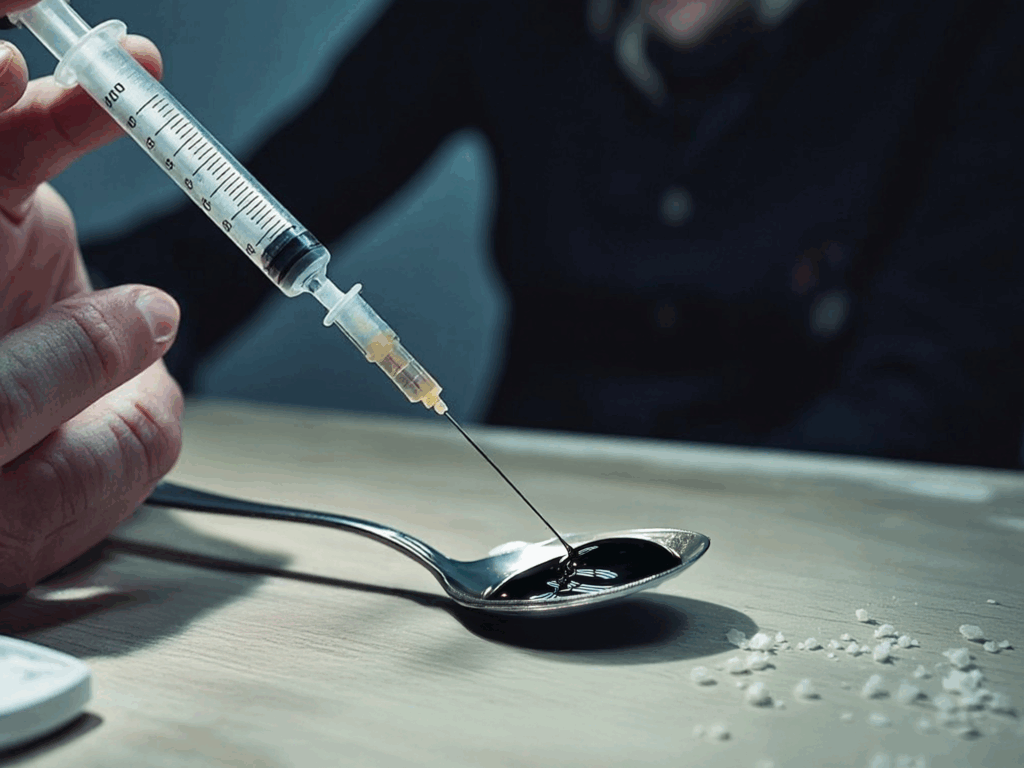
At Abhasa, we are more than a rehab. We are one of India’s few crystal meth addiction treatment centres that combine medical safety with emotional healing in a luxury, private setting. Families come to us when they need a complete reset, not just a temporary break. Here, your loved one will be surrounded by nature, nurtured by trained professionals, and supported by a team that understands how addiction affects every part of life.
Addiction affects every family member, not just the individual.
2:1 Staff-to-client ratio
3 Healing Spaces
Personalised Treatments
360° Healing
Gallery
A Recovery Space That Feels Like a Retreat

Unlike most methamphetamine addiction treatment centres, Abhasa is designed to feel like a serene escape. There are no harsh walls, no clinical beds, and no cold routines. Every room opens to greenery, sunlight, and the possibility of healing. Our approach to recovery blends evidence-based therapy with wellness practices like yoga, nutrition, and mindfulness—all tailored to meet the needs of Indian families.
As one of the few culturally sensitive crystal meth addiction treatment centres, we know that recovery cannot happen in isolation. That’s why families are actively involved. Through guided sessions, regular updates, and shared progress goals, loved ones are never left in the dark.
Why Meth Recovery Needs Specialised Support
- Meth alters brain chemistry quickly, causing intense dependency.
- Withdrawal can include aggression, paranoia, and profound fatigue.
- Unsupervised detox at home increases emotional and physical risk.
- Structured, holistic support in a luxury setting offers the best chance at long-term healing.
You don’t have to face meth addiction alone.
Understanding Methamphetamine Addiction & Why Professional Treatment is Essential
When someone you love is caught in the grip of methamphetamine addiction, life changes quickly. What starts as a way to stay awake longer or feel more in control turns into something that takes over completely. Crystal meth addiction doesn’t just affect energy or focus; it affects memory, mood, sleep, trust, and relationships.
It’s not always easy to see when things start to fall apart. But over time, you notice the confusion, the weight loss, the paranoia, and the anger that comes without warning. Methamphetamine addiction rewires how a person thinks and feels. It’s not just a habit. It’s a cycle that feeds itself, again and again.
What Makes Meth Different
Unlike some substances, crystal meth addiction causes fast and profound changes to the brain.[3,4] People may go for days without sleep, lose interest in eating, and become fixated on tasks that don’t make sense.[1,4] There can be hallucinations, obsessive behaviour, and sudden bursts of aggression.[5] Families are left trying to make sense of it all, unsure where the person they knew has gone.
The truth is, methamphetamine addiction doesn’t fade on its own. In fact, without structured support, it usually worsens.[2,6]The more someone uses it, the harder it becomes to break the pattern.
Why Trying to Handle It Alone Often Backfires
Families trying to manage crystal meth addiction at home set rules, offer love, and hope things will get better with time. But the reality is, withdrawal from meth can be intense. It’s not just mood swings or low energy. Some people go through deep depression, anxiety, or even frightening episodes that feel hard to explain.[7,8]
It’s a lot to face without the proper support.
That’s where a structured program makes a difference.
A Complex Addiction That Needs Specialised Care
Crystal meth addiction impacts more than one area of life. It affects appetite, immune function, cognition, sleep, and self-control.[4] It causes brain chemistry to shift in ways that make the person crave more of the drug just to feel normal again.[3] This makes relapse common and recovery fragile, unless care is intensely personalised.[6,11]
Methamphetamine addiction often has a deeper story behind it. That’s why we, at Abhasa, don’t just help people stop using but help them rebuild from the inside out. With the proper support and a steady routine, life starts to feel clear, grounded, and meaningful again.
Healing Doesn't Have to Wait
If you’ve been wondering whether it’s too soon or too late to get help, know that crystal meth addiction responds best when support arrives early. But it’s never too late to start.
A journey toward real recovery
With time, structure, and care, rehabilitation in schizophrenia helps clients feel safe in their own minds again.
And for the family, it brings peace of mind, knowing their loved one is not just being treated, but truly supported.
If you’re wondering whether rehabilitation for schizophrenia patients can make a difference, the answer is yes. We’ve seen it. And we help make it possible, one steady step at a time.
What Makes Meth Different
Unlike some substances, crystal meth addiction causes fast and profound changes to the brain.[3,4] People may go for days without sleep, lose interest in eating, and become fixated on tasks that don’t make sense.[1,4] There can be hallucinations, obsessive behaviour, and sudden bursts of aggression.[5] Families are left trying to make sense of it all, unsure where the person they knew has gone.
The truth is, methamphetamine addiction doesn’t fade on its own. In fact, without structured support, it usually worsens.[2,6] The more someone uses it, the harder it becomes to break the pattern.
Why Trying to Handle It Alone Often Backfires
Families trying to manage crystal meth addiction at home set rules, offer love, and hope things will get better with time. But the reality is, withdrawal from meth can be intense. It’s not just mood swings or low energy. Some people go through deep depression, anxiety, or even frightening episodes that feel hard to explain.[7,8]
It’s a lot to face without the proper support.
That’s where a structured program makes a difference.
A Complex Addiction That Needs Specialised Care
Crystal meth addiction impacts more than one area of life. It affects appetite, immune function, cognition, sleep, and self-control.[4] It causes brain chemistry to shift in ways that make the person crave more of the drug just to feel normal again.[3] This makes relapse common and recovery fragile, unless care is intensely personalised.[6,11]
Methamphetamine addiction often has a deeper story behind it. That’s why we, at Abhasa, don’t just help people stop using but help them rebuild from the inside out. With the proper support and a steady routine, life starts to feel clear, grounded, and meaningful again.
Healing Doesn't Have to Wait
If you’ve been wondering whether it’s too soon or too late to get help, know that crystal meth addiction responds best when support arrives early. But it’s never too late to start.
With professional guidance, lasting meth recovery is possible.
Why Choose Residential Rehab for Methamphetamine Recovery
When a loved one is caught in a cycle of methamphetamine use, it can feel like you’re trying everything, like talking, guiding, setting limits, only to watch things fall apart again. That’s when residential methamphetamine treatment becomes more than just a next step. It becomes necessary.
At home, things are unpredictable. Triggers can’t always be avoided. Emotions run high. And there’s only so much a family can do without a safe, structured environment. In contrast, inpatient methamphetamine treatment offers the kind of steady care that helps people truly reset and begin again.

24/7 Medical Support Builds Confidence
In residential methamphetamine treatment, clients are never left to face withdrawal symptoms alone. Our medical team monitors every step, helping manage restlessness, low moods, cravings, and other difficult phases.[8] This kind of supervision gives the body and mind a stable space to begin clearing out the chaos meth leaves behind.

A Space That Removes Triggers
Unlike home, where memories and stressors can interrupt progress, inpatient methamphetamine treatment offers a calm setting away from pressure and temptation. Each part of the environment, from rooms to routines and even meals, is designed to reduce overwhelm and bring focus back to healing.

Therapy That Isn't Limited by Time
Here, therapy isn’t squeezed into a once-a-week visit. In residential methamphetamine treatment, clients have access to individual and group sessions daily. That frequency makes a difference.[2,9] Emotions get unpacked safely. Patterns are recognised sooner. Progress becomes visible.

Connection That Heals from Within
Meth can leave people isolated and guarded. Inpatient methamphetamine treatment includes peer support. Connecting with people walking the same journey without judgment is often where real breakthroughs happen.[2] People begin to feel less alone. More understood. And gradually, more hopeful.

Protection for the Family
Families, too, need space to reflect and reset. While your loved one is in residential methamphetamine treatment, you get time to rest and regroup. At Abhasa, we stay in close touch with families, providing updates, guidance, and counselling. You’re part of the journey, but not alone in carrying the weight of it.
Healing from meth isn’t a one-person job. And it can’t be rushed or forced. But in the right setting, with the right people, recovery becomes possible, step by step, day by day.
Daily therapy sessions uncover patterns and support growth.
Abhasa's Luxury Approach to Methamphetamine Addiction Recovery
Recovery starts when care feels warm, not clinical.
At Abhasa, we believe healing from addiction begins the moment someone feels safe, respected, and heard. Families who reach out often carry years of fear and guilt. What they find here is more than a rehab centre. It is a private, welcoming space where the journey to recovery begins with calm, comfort, and compassion. Our luxury methamphetamine treatment program offers all the structure of professional care, without the coldness of a hospital.
A Space Designed to Comfort and Heal
Unlike institutional setups, our environment invites healing. Our luxury methamphetamine treatment facility features serene natural surroundings, private rooms, and quiet therapy spaces. Clients begin each day with mindful practices and follow a balanced routine that feels grounding and clear.
These surroundings do more than look beautiful. They help regulate emotions and reduce stress, giving clients the space to focus on recovery.
Personalised Care That Responds to Change
Every client arrives with a different story. That’s why our team never uses a standard model of care. Our comprehensive methamphetamine treatment plans evolve based on the person’s daily progress, emotional needs, and comfort level. We stay attentive. We adjust as needed. We focus on what works best for each individual.
Whether someone needs more one-on-one sessions, additional wellness therapies, or flexible pacing, we respond with care.
Healing Through a Whole-Person Approach
Comprehensive methamphetamine treatment at Abhasa includes more than counselling. We integrate holistic healing into each day. Clients take part in yoga, nature walks, guided meditation, expressive arts, and nutrition-focused care. These elements help rebuild physical health, reduce cravings, and restore a sense of emotional balance.
This mind-body-spirit approach supports long-term recovery in ways that clinical therapy alone often cannot.[2]
Support That Understands Indian Families
Families play a key role in recovery. At Abhasa, we understand the cultural barriers that make addiction difficult to talk about. Many Indian families struggle in silence.[12,13] That is why our luxury methamphetamine treatment team approaches each case with cultural understanding and respect.
We offer regular family sessions, open communication, and guidance that empowers families to support healing at home.
Your Privacy Matters
We know recovery is personal. That’s why we protect your privacy at every step. From calm, private rooms to a team that treats every detail with care, we make sure you and your family feel safe and respected throughout the journey. Our comprehensive methamphetamine treatment program offers quiet support in a space that values your comfort and dignity.
Serene surroundings and mindful routines support emotional balance.
Our Methamphetamine Addiction Treatment Team
Healing begins with the right people. At Abhasa, our care team includes experienced methamphetamine addiction specialists and compassionate crystal meth treatment doctors who guide recovery with both skill and heart.
Our medical team ensures detox happens safely, with 24/7 support and monitoring. Therapists help clients explore the emotional roots of addiction through personalised, trauma-informed care. Alongside them, holistic practitioners lead yoga, mindfulness, and movement therapies that help ease stress and rebuild inner balance.
Families also receive dedicated support. Our counsellors offer guidance and tools to rebuild trust at home. Each person here plays a role in creating an environment that feels calm, steady, and genuinely supportive.
Recovery takes a team, and ours is ready to walk with you.

Dr. Naveen Kumar
Medical Director
15+ years of expertise in psychiatry and addiction recovery.

Dr. Vivek Sharma
Consultant Psychiatrist & Neurofeedback Practitioner
With over 15+ years of experience in psychiatry and neurofeedback, he blends medical expertise and compassion to guide clients toward lasting recovery.

Dr. Shree Aarthi
Consultant Psychiatrist
15+ years providing expert psychiatric care for mental health and substance use disorders.

Dr. Ramalingam P Kandaswamy
Consultant Physician
15+ years With over 5 years of experience in HIV and infectious diseases, he brings global expertise and compassionate care to every patient he supports.

Dr. Divya
Psychiatrist
10+ years combining clinical psychiatry expertise with healthcare management for holistic treatment.

Dr. Malarvilzhi
Residential Medical Officer
12 years delivering comprehensive medical care in psychiatric and rehabilitation settings.

Dr. Karuppachamy
Senior Psychiatric Social Worker
22+ years of experience empowering clients through therapeutic guidance, psychosocial support, and lived-experience wisdom.

Ms. Meera
Senior Clinical Psychologist
9+ years specializing in psychological assessment and evidence-based therapeutic interventions.

Mrs. Priyadarshini
Head Clinical Psychologist

Mr. Mukesh Kanna
Clinical Psychologist
2+ years providing psychological interventions for behavioral health and emotional wellness.

Mr. Antipas Jayabal
Clinical Psychologist
2+ years supporting clients through clinical assessment and therapeutic care.

Ms Keerthana S
Psychologist
Empathetic psychologist with 4 years’ experience in handling mental health disorders, using evidence-based psychotherapies for personalized client care.
Let experienced hands support your healing journey.
Inside Our Residential Methamphetamine Treatment Program
Some families think most programs follow a simple path: detox, therapy, and discharge. At Abhasa, we offer something more thoughtful. Our methamphetamine treatment program helps clients rebuild layer by layer, with structure, clarity, and care.
The residential treatment program at Abhasa doesn’t stop at symptom management. It creates a complete healing experience through stability, routine, and personalised attention. Every part of the day is designed to help someone reconnect with themselves.
Begin with Understanding
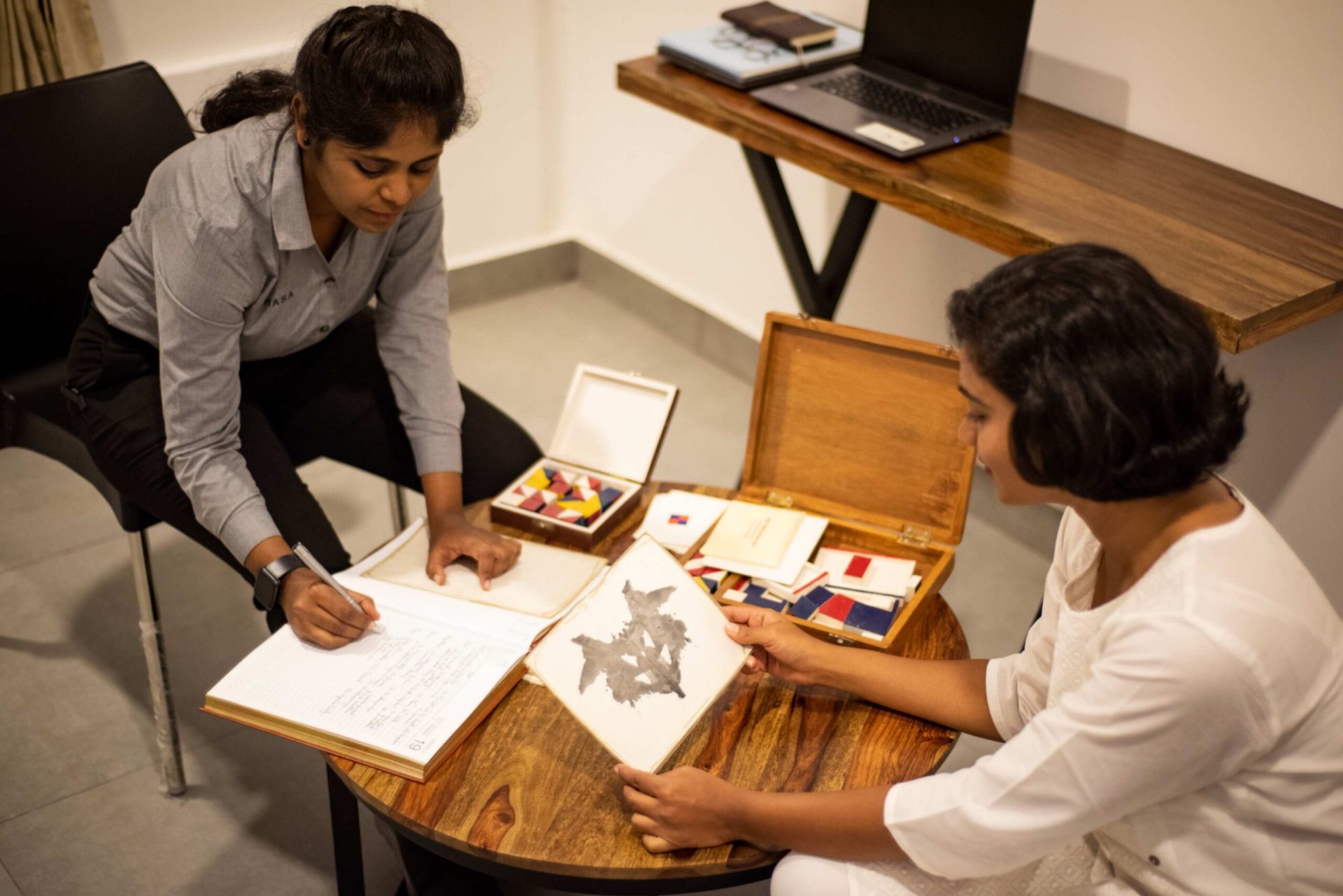
We start with a clear, gentle assessment to understand the person behind the addiction. We look at past patterns, triggers, and emotional stressors. Our medical team begins detox only when the client feels safe and supported. Throughout withdrawal, doctors monitor progress closely.
Our methamphetamine treatment program prioritises safety, dignity, and stability from the very first step.
Care That Adjusts Over Time
Recovery doesn’t follow a script. That’s why we allow our residential treatment program to evolve with each person’s journey. Our therapists, doctors, and wellness staff meet regularly to update plans.[9] With flexible healing plans that adapt to each person, a structure is established that reduces emotional chaos.
Whole-Person Recovery
Our methamphetamine treatment program focuses on rebuilding the person through:
- Therapy sessions: Daily one-on-one and group sessions with trained counsellors
- Movement: Physical activity like yoga, strength-building, and walking
- Nutrition: Brain-focused meals planned by wellness experts
- Mindfulness: Guided practices that reduce anxiety and cravings
- Expression: Art, journaling, and music as emotional outlets
All parts of the residential treatment program work together. They restore energy, rebuild trust, and support lasting recovery.[2]
At Abhasa, we don’t rush the process. We build it with care, attention, and presence. Clients move through the program at their own pace, surrounded by people who understand.
Break Free from Meth – Call Now
Let your loved one start with a program built for real, lasting change.
Flexible plans evolve with each person’s recovery journey.
A Day in Methamphetamine Recovery at Abhasa

At Abhasa, healing begins with a steady flow throughout the day. Many of our clients arrive after long periods of disruption, where time lost its meaning and routines felt impossible. A structured methamphetamine recovery process brings that rhythm back in simple, manageable steps.
Our daily treatment routine focuses on balance.[9] Clients start the day with calming practices like guided meditation or breathwork. These quiet moments give the mind a chance to slow down and feel grounded. After that, a wholesome breakfast helps the body refuel and prepares clients for the day ahead.
Therapy comes next. One-on-one sessions give each person space to talk about what they’ve been through, what still feels heavy, and what they want from their future. Later in the day, group sessions offer connection, an opportunity to listen, share, and realise they’re not alone in this. These therapeutic activities form the heart of our structured methamphetamine recovery program.
Afternoons include holistic practices. Yoga, expressive art, and mindful movement help release emotional tension. The medical team stays involved throughout the day, checking in to make sure each person feels steady, cared for, and safe.
Movement plays a big part in the afternoon. Gentle exercise or time outdoors helps release tension and bring the body back into focus. As evening arrives, dinner becomes a time to slow down, share a meal, and take a breath.
Many clients end the day with quiet reflection, sometimes through writing, sometimes in small group circles where they talk about progress, hopes, or just what felt different that day.
This daily treatment routine restores the internal sense of time and care. It helps rebuild daily habits and encourages emotional stability.
Break Free from Meth – Call Now
Let this rhythm of healing bring peace back into your loved one’s life.
Yoga, art, and mindful movement release emotional tension.
Medical Detox for Methamphetamine Withdrawal
Detox is often the hardest step, especially when the body feels overwhelmed and the mind feels fragile. At Abhasa, we take this first step seriously. Our methamphetamine detox process is not rushed or clinical. It is calm, careful, and fully supported.
Clients entering crystal meth detox have often been through long periods of sleep loss, emotional crashes, or physical strain. That’s why we begin with medical supervision in a quiet, secure environment. Every detail is planned to help the person feel safe in their body again.
Our medical detox team stays close throughout the early days. They monitor sleep, appetite, hydration, and emotional stability. Instead of focusing on discomfort, we focus on comfort. This includes a peaceful room, gentle encouragement, and round-the-clock care that makes each person feel seen.
Meth withdrawal can feel intense. People may face anxiety, agitation, low mood, or emotional numbness.[7,8] Our crystal meth detox approach includes ongoing assessments so we can respond quickly.[8] We adjust care plans in real time, not just based on symptoms, but based on how the client feels.
We don’t treat methamphetamine detox like a checklist. We understand that healing begins when the body feels calm and the mind starts to settle. Our team includes psychiatrists, nurses, and therapists who collaborate daily to guide progress. This allows the person to move into therapy gently, without pressure.
Each medical detox phase depends on how the client responds. There is no fixed number of days. Instead, we follow their pace. Some may need more time for rest and regulation.[7] Others may be ready to begin light therapy within a few days. Either way, we stay present.
Families are kept informed throughout the methamphetamine detox process. You will never feel left in the dark. Our team offers regular updates and answers your questions with care and honesty.
Our crystal meth detox plan includes options like nutrition support, hydration therapy, and wellness routines like light movement, breathwork, or guided relaxation. We use only the support necessary; never more, never less.
These details create a safe foundation for the whole healing journey. The goal of medical detox at Abhasa is not just to remove meth from the system. It is to help each person begin recovery with dignity, safety, and quiet strength.
Break Free from Meth – Call Now
Start safely. Heal deeply. We’re here for every step.
Calm, careful detox creates a safe foundation for recovery.
No two journeys through addiction look the same. That’s why methamphetamine addiction therapy at Abhasa never follows a fixed script. We build each therapeutic plan with care, based on how each person responds emotionally, physically, and socially.
Recovery from meth addiction requires more than willpower. It requires safe spaces, skilled guidance, and room to grow. Our crystal meth counselling team is focused on helping people understand themselves and gently rebuild trust in the world around them.
A Framework That Adapts With You
We begin with deep assessments. We take time to understand not just what’s happening on the surface, but what’s happening underneath. Through guided interviews, therapeutic observations, and input from families, we develop a living plan. This plan evolves as the client grows—because real methamphetamine addiction therapy responds to the person, not just the behaviour.
Individual Therapy That Builds Awareness
Clients work one-on-one with a dedicated therapist to unpack complex thoughts, patterns, and memories. Cognitive Behavioural Therapy (CBT) helps identify beliefs that feed cravings and shape unhelpful behaviours.[10] Over time, these patterns begin to shift. This is where the core of crystal meth counselling begins to work—by building clarity and emotional control.
Group Work That Heals in Community
Isolation feeds addiction. Group sessions offer inclusivity. In our methamphetamine addiction therapy model, we encourage group work that fosters connection and provides space for clients to feel seen, heard, and understood. The community aspect fosters accountability, resilience, and connection.[2] Sharing struggles becomes a source of strength, not shame.
Trauma-Informed Support That Creates Safety
Many who enter crystal meth counselling carry stories of trauma that haven’t been spoken aloud. Our therapists use trauma-informed techniques to help clients feel safe and supported. Sessions include grounding exercises, trust-building conversations, and emotional processing that happen at a pace that feels right.
Family Integration That Repairs Bonds
Families often feel helpless in the face of addiction. That’s why our methamphetamine addiction therapy includes dedicated family sessions. These allow for honest conversations, boundary-setting, and reconnection. Our therapists guide each family member in learning how to support recovery without feeling overwhelmed themselves.
We don’t just teach people how to stay away from meth. We help them build a life that feels good enough without it. The heart of crystal meth counselling at Abhasa is not just change—it is healing.
Break Free from Meth – Call Now
Start with the therapy that sees the whole person, not just the problem.

Healing begins when the person feels safe enough to be honest. At Abhasa, we shape methamphetamine addiction therapy around that simple truth. Each client receives care that adapts to their progress. No template, no pressure. Just focused support from professionals who understand the pace of real recovery.
We don’t ask clients to fit into a plan. We shape the plan around them. Our crystal meth counselling team takes time to listen, observe, and understand what each individual needs to move forward.
Individual Therapy That Creates Change
Clients attend one-on-one sessions with trained therapists who guide them through patterns of thought, emotion, and behaviour. Our methamphetamine addiction therapy uses approaches like Cognitive Behavioural Therapy to help clients understand what sets off their reactions. Over time, they learn how to pause, reflect, and respond with more clarity and control.
Earning Trust, One Step at a Time
Many people come in carrying pain they’ve never spoken about. That’s why our methamphetamine addiction therapy includes trauma care. We never had a process. Therapists create a calm, supportive space where clients can start to explore what feels heavy, one layer at a time. Even small steps matter here.
Families Need Healing Too
We know addiction affects the whole family, not just the person using. That’s why crystal meth counselling at Abhasa has guided sessions for loved ones. These meetings help clear the air, set healthy boundaries, and begin the slow work of rebuilding trust. Families learn how to show support while still caring for themselves. Clients and families learn how to walk the path of recovery together.
We believe therapy should heal, not just correct. Our methamphetamine addiction therapy helps them understand what they feel, why it matters, and how to respond with clarity. Recovery grows stronger with each insight.
Break Free from Meth – Call Now
Let healing begin with therapy that truly understands.

Healing from meth isn’t just about stopping use. It’s about helping someone feel steady in their body, quiet in their mind, and safe in their surroundings. At Abhasa, we take a whole-person approach. Our holistic methamphetamine treatment blends traditional care with thoughtful therapies that help clients slow down, reconnect, and begin again.
Some of the most essential breakthroughs don’t happen in therapy rooms. They occur during small, quiet moments like stretching in yoga, painting something hard to say, or sitting in the sun after a long time indoors. These are the kinds of experiences we build into our alternative therapy approaches.
Movement That Supports the Body
Yoga is a gentle part of daily life here. It helps clients feel more at ease in their bodies, especially after long periods of restlessness or neglect.[2] Our instructors keep the practice steady and straightforward, making it a core part of our holistic methamphetamine treatment.
Moments of Calm That Build Focus
Cravings and stress do not disappear overnight. That is why we include meditation and mindfulness as part of our alternative therapy approaches. These tools help clients stay present, calm their thoughts, and face emotions without feeling overwhelmed.
Nourishment That Helps the Brain Heal
What someone eats can affect how they feel.[4] Our meals are carefully planned to restore energy, support brain health, and help with sleep. Nutrition is an integral part of the holistic methamphetamine treatment process, and our wellness team stays involved every step of the way.
Creativity That Lets Emotions Breathe
Art, music, and movement give people a way to express what words cannot always reach. These alternative therapy approaches often become a turning point in recovery where someone finally feels seen, even by themselves.
Nature That Feels Like a Reset
Green, open spaces surround our centres for a reason. Time outside helps clients feel grounded and present. Whether it is a quiet walk or simply sitting under a tree, nature supports healing in a way that feels gentle and real. This is a key part of how our holistic methamphetamine treatment works.
Rest That Teaches the Body to Relax Again
Massage, spa treatments, and deep relaxation sessions are more than comfort. They are a chance to teach the nervous system what calm feels like. These alternative therapy approaches help lower stress, improve sleep, and give clients a much-needed pause.
Recovery needs space. At Abhasa, we create that space through care that goes beyond the expected. Our holistic methamphetamine treatment helps clients reconnect with themselves and move forward in a way that feels steady, honest, and supported.
Break Free from Meth – Call Now
Let your loved one find healing in every part of their life.

Family Support During Methamphetamine Addiction Treatment
Families carry so much of the weight when a loved one struggles with methamphetamine addiction: the late-night worry, the confusion, the fear of doing or saying the wrong thing. At Abhasa, we understand how overwhelming that can feel. That is why methamphetamine addiction family support is a core part of the healing process.We do not just update families; we support them.

Families often ask the same quiet questions: Are they okay? Are they eating? How are they coping today? We answer those questions with steady updates.
We share daily insights into your loved one’s progress. You will know what their day looked like, how they responded to therapy, and where they might need extra care. This rhythm of communication makes methamphetamine addiction family support feel grounded, not uncertain.
Each week, families connect with the care team for focused check-ins. These short calls give space to ask questions and understand where they stand in the recovery journey. Monthly review sessions are elaborate and link you with the clinical team. These calls build a genuine partnership, not just a reporting system.
We sit down with families and walk them through what’s going on. In these sessions, you’ll learn how meth impacts the brain, why your loved one might act the way they do, and how to respond without losing yourself in the process.[3] We also talk through common missteps, so you feel more confident and less overwhelmed when things get tough. This part of methamphetamine addiction family support teaches you to support without burning out.
You will also receive practical guidance on boundaries, post-rehab routines, and emotional regulation. This isn’t just learning—it is preparation for life beyond treatment.

Family therapy is not just a session. It is a space where healing between loved ones begins. We gently guide difficult conversations. We help families say what they have been holding in, and hear what they might have missed. Over time, these moments open new understanding and restore safety in the relationship.
Through family therapy, many families begin to reconnect, not as people trying to fix each other, but as people learning how to support each other again.
You are not just bystanders in this journey. You are part of it. With the right methamphetamine addiction family support, families can feel stronger, more informed, and more at peace.
Talk to our family care team today and take the first step together.
Creating a Safe, Healing Environment
Not all recovery happens in therapy rooms. At Abhasa, our healing environment begins the moment someone enters the space. Every part of our methamphetamine treatment facilities is designed to offer calm, privacy, and relief from chaos.



Our methamphetamine treatment facilities sit in a peaceful location, far from city noise and distractions. The surroundings feel open, natural, and restorative. Clients walk among trees, rest in garden courtyards, and take in fresh air that helps the body reset and the mind slow down. This natural setting supports the healing environment we carefully create.
Inside, luxury accommodations offer comfort without feeling clinical. The rooms feel warm, private, and thoughtfully designed. Each space encourages rest and reflection. The layout of our methamphetamine treatment facilities includes open lounges, light-filled therapy rooms, and quiet corners that support gentle emotional recovery.
Safety always comes first. Our team follows strong security measures while maintaining warmth and respect. We’ve built a healing environment that protects dignity while reducing overstimulation.
Every element, nature, architecture, lighting, and floor has been created to calm the nervous system. Most importantly, our methamphetamine treatment facilities protect privacy. We uphold strict confidentiality protocols and create quiet, respectful boundaries around each person’s experience.
This healing environment helps clients feel emotionally safe, physically grounded, and supported in ways that allow proper recovery to begin.
Step into calm. Experience the safety your family deserves. Call now for a private tour.
Families are supported with guidance, updates, and reassurance.
Success Stories: Freedom from Methamphetamine Addiction
At Abhasa, every guest’s path is different, yet many share the exact turning point: the moment they realise change is not only possible but already happening. These personal accounts of success in Meth addiction treatment show how a thoughtful blend of care, patience, and guidance can transform lives in ways that go far beyond symptom relief.
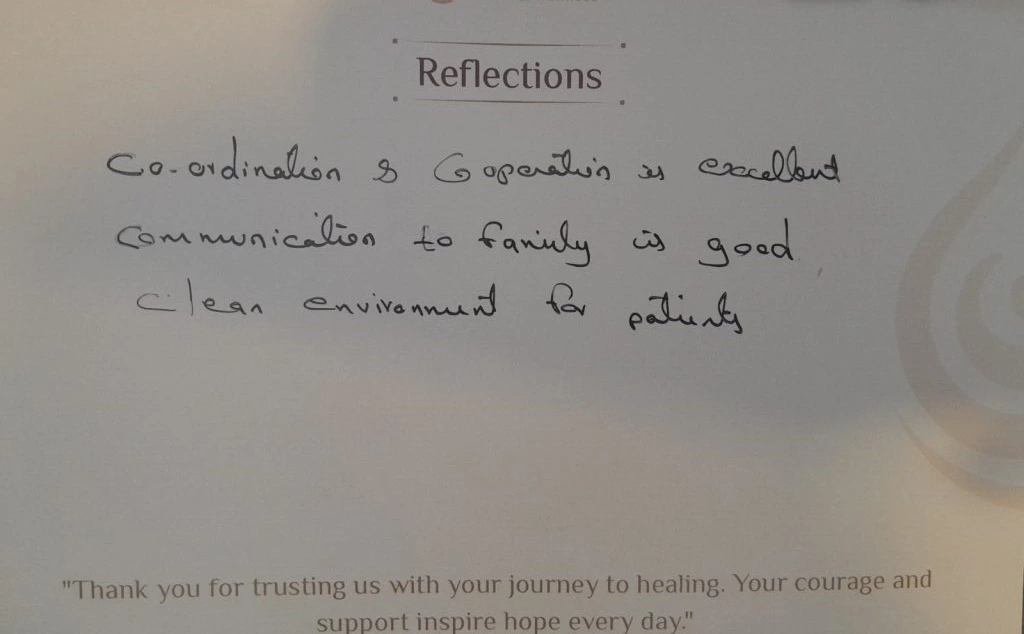
Co-ordination & cooperation is excellent. Communication to family is good. Clean environment for patients.
Former Client
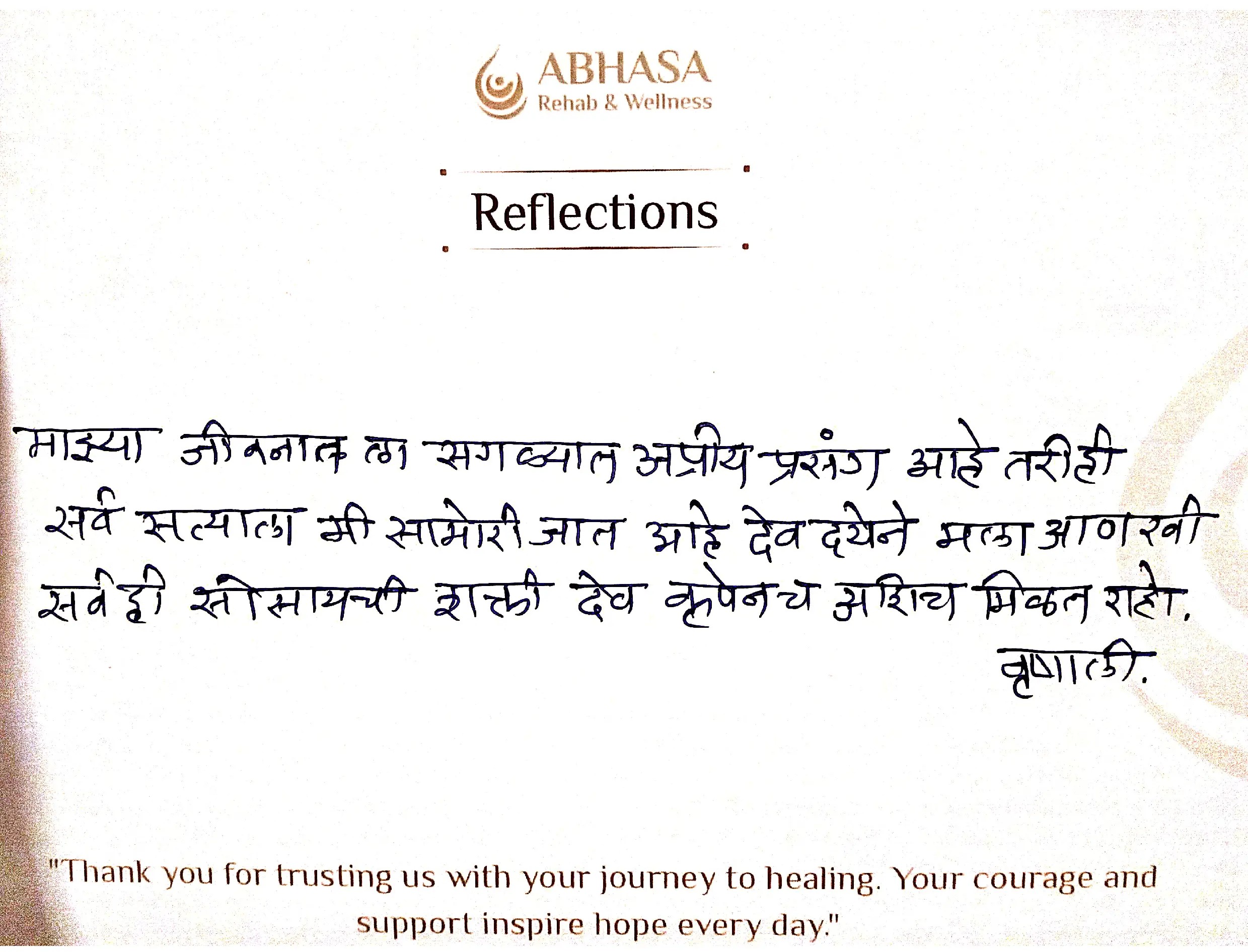
I found strength to face life’s hardest truths here. I believe it was God’s grace that brought me to Abhasa.
Former Client
Real recovery begins when support meets commitment and care.
FAQs About Methamphetamine Addiction Treatment Centres
Can rehab cure drug addiction?
Rehab doesn’t offer a “cure,” but it creates the foundation for lasting recovery. At trusted methamphetamine rehab centres, the focus is on building coping skills, restoring emotional balance, and supporting long-term healing.[2,11] For those recovering from crystal meth, crystal meth treatment facilities offer structured, supportive environments that reduce relapse risk and improve quality of life.
How is substance abuse treated in facilities?
Treatment combines therapy, medical supervision, and holistic support. At well-regarded crystal meth treatment facilities, this often includes cognitive-behavioural therapy, trauma-informed care, family sessions, and supervised detox. Leading methamphetamine rehab centres also personalise each care plan to address emotional and physical needs.
How long does a detox treatment last?
Detox timelines vary based on the severity of use and the person’s health. In most crystal meth treatment facilities, detox may last anywhere from 5 to 14 days, with round-the-clock care.[7,8] Methamphetamine rehab centres extend support beyond detox through ongoing therapy and relapse-prevention planning.
How long does it take for drug addicts to recover?
Recovery isn’t a fixed timeline. Some find stability in weeks, others take several months. Methamphetamine rehab centres often offer 30 to 90-day programs, while crystal meth treatment facilities support long-term progress with follow-ups and aftercare.[9]
How to keep a recovering addict busy?
Routine helps. In crystal meth treatment facilities, clients engage in therapies, group sessions, yoga, and creative activities that promote focus and reduce cravings. Families working with methamphetamine rehab centres also receive guidance on how to maintain structure post-rehab.
Is it possible for drug addicts to recover?
Yes. Many people live whole lives after recovery. At methamphetamine rehab centres, clients work through emotional triggers, rebuild confidence, and strengthen relationships.[11] Crystal meth treatment facilities help make that transformation possible with compassionate, structured care.
What are the new treatments for meth addiction?
Today’s crystal meth treatment facilities use modern therapy models like CBT, EMDR, and motivational interviewing.[10] Methamphetamine rehab centres also include holistic approaches such as mindfulness, art therapy, and nutritional support to treat the whole person.
What drugs are used in rehabilitation?
In some methamphetamine rehab centres, medications may be used to ease withdrawal or manage co-occurring issues like anxiety or depression. Crystal meth treatment facilities prioritise safety and never rely on a one-size-fits-all approach. Every medication decision is made carefully.
What happens in drug rehab centres?
Clients follow a supportive schedule that includes therapy, detox, physical wellness, and life skills coaching. Methamphetamine rehab centres provide a healing routine designed to reduce cravings and restore stability. Crystal meth treatment facilities also create safe spaces to rebuild trust and confidence.
What is the hardest drug to rehab from?
Stimulants like crystal meth are often considered challenging due to psychological cravings and emotional toll. That’s why crystal meth treatment facilities combine deep emotional support with physical healing strategies.[2] Methamphetamine rehab centres create a safe environment where lasting recovery becomes possible.
What is the helpline for drug addiction in India?
The Ministry of Social Justice runs a 24/7 national helpline: 14446.[14] You can also contact trusted methamphetamine rehab centres like Abhasa directly for confidential help. Many crystal meth treatment facilities offer immediate guidance and family support during crises.
What is the most successful treatment for addiction?
There is no one answer, but the best outcomes often come from integrated care. Leading methamphetamine rehab centres combine therapy, medical detox, family involvement, and life-skills development.[2,9] At Abhasa and other crystal meth treatment facilities, recovery is built on trust, not just treatment.
What is the recovery rate for drug addicts?
Recovery rates vary, but long-term recovery is achievable with the proper support. Crystal meth treatment facilities that provide structured care, routine, and aftercare planning often see better outcomes.[6,11] Methamphetamine rehab centres that include family education also see higher retention and engagement.
What is the treatment for methamphetamine induced psychosis?
When psychosis occurs, methamphetamine rehab centres stabilise the individual with calm surroundings, supervised care, and supportive therapies.[5,15] Crystal meth treatment facilities use psychiatric evaluation and emotional regulation strategies to ease confusion and reorient the person safely.
What medication is used to treat meth addiction?
There is no single approved medication for meth addiction, but drugs like antidepressants or anti-anxiety prescriptions may be used for symptom management. Crystal meth treatment facilities always evaluate the need carefully. At methamphetamine rehab centres, the focus is on combining medical safety with psychological healing.
Begin Your Recovery from Methamphetamine Addiction
You don’t have to do this alone. If you’ve been searching for methamphetamine addiction treatment centers that feel private, respectful, and truly supportive, know that Abhasa is here for you.
We help individuals and families begin the path to crystal meth recovery with a calm, structured process. A simple phone call is all it takes to start. Our team listens, guides you through a confidential assessment, and helps you understand the next steps with clarity and care.
Whether you are reaching out for yourself or for someone you love, this could be the moment everything starts to change.
Start recovery today with guidance, care, and support.
Proudly Serving Across Cities
- Rehab in Karjat
- Rehab in Pune
- Rehab in Navi Mumbai
- Rehab in Madurai
- Rehab in Trichy
- Rehab in Bangalore
- Rehab in Chennai
- Rehab in Thane
- Rehab in Nasik
- Rehab in Kochi
- Rehab in Mangalore
- Rehab in Mysore
- Rehab in Hyderabad
- Rehab in Vijayawada
- Rehab in Visakhapatnam
- Rehab in Delhi
COMPLIANCE ADDED: Medical Disclaimer
This website provides general information about bipolar disorder treatment at Abhasa. The information on this site is not medical advice and should not be used as a substitute for professional medical consultation, diagnosis, or treatment.
Bipolar disorder is a serious medical condition that requires professional psychiatric care. Always seek the advice of your psychiatrist or other qualified health provider with any questions you may have regarding your mental health condition.
Never disregard professional medical advice or delay in seeking it because of something you have read on this website. Individual results vary significantly. Outcomes depend on many factors including illness severity, medication adherence, co-occurring conditions, and individual engagement with treatment.
If you think you may have a medical emergency or are experiencing a mental health crisis, call your doctor, go to the nearest emergency department, or call emergency services immediately.
The decision to pursue residential treatment for bipolar disorder should be made in consultation with a qualified psychiatrist or mental health professional who can assess your specific situation, symptoms severity, and treatment needs. Residential treatment is not appropriate for all individuals with bipolar disorder.
RESOURCES - 15 AUTHORITATIVE SOURCES
Research Citations (Consolidated to Top 15)
[1] American Academy of Family Physicians – “Bipolar Disorders: Evaluation and Treatment” – American Family Physician, 2021
URL: https://www.aafp.org/pubs/afp/issues/2021/0215/p227.html
Supports: Bipolar disorder definition, mood characteristics, clinical assessment, treatment foundations
[2] Skyland Trail – “Residential Treatment for Bipolar Disorder” – Treatment Program, 2024
URL: https://www.skylandtrail.org/our-programs/what-we-treat/bipolar/adult-bipolar/
Supports: Residential treatment structure, 24/7 care benefits, program length (2-4 months), home environment limitations
[3] Mayo Clinic – “Bipolar disorder – Diagnosis and treatment” – Medical Reference, 2024 URL: https://www.mayoclinic.org/diseases-conditions/bipolar-disorder/diagnosis-treatment/drc-20355961
Supports: Clinical diagnostic criteria, treatment approaches, extreme mood swings, medical authority
[4] NCBI – “Psychosocial therapies for bipolar disorder: Network meta-analysis” – British Journal of Psychiatry, 2018 URL: https://www.cambridge.org/core/journals/the-british-journal-of-psychiatry/article/psychosocial-therapies-for-the-adjunctive-treatment-of-bipolar-disorder-in-adults-network-metaanalysis/38884948954905C7B71C7D9E4215B78C
Supports: Psychosocial interventions effectiveness, personalized care approaches, therapy as medication adjunct
[5] NCBI – “Family-Focused Therapy for Bipolar Disorder: 30 Years of Research” – PMC, 2018 URL: https://pmc.ncbi.nlm.nih.gov/articles/PMC5922774/
Supports: FFT effectiveness, relapse reduction (9% vs 50%), family psychoeducation value, long-term outcomes
[6] ScienceDirect – “Family interventions in bipolar disorder: Systematic review” – Journal of Affective Disorders, 2015
URL: https://www.sciencedirect.com/science/article/abs/pii/S027273581530057X
Supports: Family intervention improving outcomes, caregiver burden (89-91% distress), tailored family approaches
[7] NCBI – “Family-Focused Treatment: 2-Year RCT Results” – PMC, 2008
URL: https://pmc.ncbi.nlm.nih.gov/articles/PMC2754177/
Supports: Shorter depression recovery times, 70-100% recovery rates with family involvement, 2-year follow-up data
[8] NCBI – “Treating Circadian Rhythm Disruption in Bipolar Disorder” – PMC, 2019
URL: https://pmc.ncbi.nlm.nih.gov/articles/PMC6812517/
Supports: Social rhythm therapy benefits, IPSRT effectiveness, circadian dysfunction in BD, routine stabilization
[9] NCBI – “Maintaining Daily Routines to Stabilize Mood” – PMC, 2021
URL:https://pmc.ncbi.nlm.nih.gov/articles/PMC7890582/
Supports: Social rhythm stability predicting episode onset, stabilization decreasing recurrence risk, daily rhythm importance
[10] NCBI – “Social Rhythm Therapies for Mood Disorders: Update” – PMC, 2016
URL: https://pmc.ncbi.nlm.nih.gov/articles/PMC4919368/
Supports: Consistent daily routines, social rhythm instability as risk factor, IPSRT effectiveness data
[11] Supportive Care – “Bipolar Disorder and the Importance of Routine” – Clinical Resource, 2024
URL: https://www.thesupportivecare.com/blog/bipolar-disorder-and-the-importance-of-routine
Supports: 40% fewer manic episodes with regular routines, relapse risk reduction, physical activity benefits
[12] NCBI – “Mindfulness-Based Cognitive Therapy: Systematic Review” – PMC, 2017
URL: https://pmc.ncbi.nlm.nih.gov/articles/PMC5590538/
Supports: MBCT improving emotional regulation, reducing anxiety/depression/mania symptoms, 12-month maintenance
[13] NCBI – “Role of Art Therapy in Mental Health: Critical Review” – PMC, 2022
URL: https://pmc.ncbi.nlm.nih.gov/articles/PMC9472646/
Supports: Art therapy improving mental health, emotion regulation enhancement, anxiety reduction, self-expression
[14] PubMed – “Creative art therapy for mental illness” – Journal of Psychiatric Research, 2019
URL: https://pubmed.ncbi.nlm.nih.gov/30901671/
Supports: CAT as low-risk intervention for SMI, symptom minimization, functioning maximization, 86-study review
[15] NIMH – National Institute of Mental Health – Bipolar Disorder
URL: https://www.nimh.nih.gov/health/topics/bipolar-disorder
Supports: Government health authority, prevalence (2.8% U.S. adults), evidence-based treatment standards, crisis resources