
Luxury Panic Disorder Treatment Centre in India

Panic doesn’t have to control life. Abhasa’s therapies and safe spaces help you breathe easier and live freely again.
Break Free from Anxiety. We are here to help you.
2:1 Staff-to-client ratio
3 Healing Spaces
Personalised Treatments
360° Healing
2:1 Staff-to-client ratio
3 Healing Spaces
Personalised Treatments
360° Healing
Gallery
A Safe Place to Heal from Panic

Panic can change your life in quiet but painful ways. It makes your heart race for no reason. Your chest feels tight, your hands tremble, and it seems like everything around you is moving too fast. Even leaving the house or being in a crowd can feel too much.
For many, panic shows up without warning. You may have tried to explain it, but the words never seem to be enough. Friends might not understand. Family members often try to help, but feel helpless when nothing seems to work.
This is why panic disorder treatment centres matter. Panic disorder is real, and it deserves more than surface-level support.[1,2] At Abhasa, we help you find calm again. We listen, care, and stay beside you as you find steady ground.
If you are searching for the best treatment for panic disorder in Mumbai, this is where real healing begins.
Panic Doesn't Just Go Away
Panic affects how you feel, move, and relate to the people around you. You may have seen doctors, tried breathing exercises, or even taken short breaks to rest. But the fear still returns.[15]
Many people try to push through on their own. They hope it will stop. But over time, they begin to lose trust in their own body. This leads to more anxiety, more isolation, and more exhaustion.
That’s where Abhasa can help. We are one of India’s few panic disorder treatment centres offering complete care. This includes round-the-clock guidance, a peaceful setting, and a team understanding what panic truly feels like.
You don’t have to keep managing this alone. We offer support that helps.
A New Way Forward at Abhasa
We offer the best treatment for panic disorder in Mumbai through a calm, private residential program. Our care team creates a daily structure that helps the mind and body find safety again. Clients participate in therapy, meditation, gentle movement, and activities that rebuild self-trust.
This is not a hospital. It is a peaceful space where you wake up to nature sounds, where you are not judged, and where small steps are celebrated. Families are involved too.[13] We give them the tools to support you without feeling overwhelmed.
If you are tired of panic controlling your life or watching someone you love struggle, Abhasa is here.
Feeling trapped by panic? Don’t worry!
Understanding Residential Panic Disorder Treatment
Finding Stability in a Structured Environment
Many people think panic can be managed with therapy sessions and self-help routines. But panic doesn’t follow a schedule. It shows up when you least expect it, making everyday tasks impossible.[1,15] That’s why care in a panic disorder treatment centre looks very different from outpatient support.
At Abhasa, we offer a healing space where panic is met with compassion and steady structure. Our panic disorder rehab centres provide an environment designed to reduce fear, remove triggers, and build the confidence to face the outside world again.
What Makes Residential Care Different?
Living with panic often means living in fear of the next episode. In an outpatient setting, people return to the same environment that feeds their stress. Triggers remain close. They may try to manage alone, juggling daily life with rising anxiety. For many, this only increases burnout.
Inside a panic disorder treatment centre, the story changes. Here, every part of the day supports calm. Clients follow a regular rhythm, including therapy, rest, nutrition, and gentle movement. This rhythm brings down the nervous system’s alarms and teaches the body to feel safe again.[15]
That consistency is what makes a real difference.
The Importance of Ongoing Support
Panic doesn’t disappear after a few sessions.[11] It softens with time, support, and repetition. Our panic disorder rehab centres give clients the time and space to understand their patterns. When panic appears, someone is always nearby to guide, comfort, and teach.
This 24/7 presence helps interrupt the panic cycle before it spirals. Clients no longer feel like they have to carry everything on their own. In every corner of our panic disorder treatment centre, there is someone trained to notice shifts, offer support, and bring grounding.
That’s not something outpatient care can offer.
Why the Right Environment Matters
At home, routines get interrupted. Triggers go unmanaged. Support is not always available. In our panic disorder rehab centres, we remove those unpredictable stressors. Clients live in a peaceful space where recovery isn’t rushed, but supported at every step.
They eat well, sleep well, and learn coping skills in a setting designed for healing. Each small success adds to their belief that life without panic is possible.
If you’re wondering whether a panic disorder treatment centre could change daily life, we’re here to talk.
Finding Stability in a Structured Environment
Many people think panic can be managed with therapy sessions and self-help routines. But panic doesn’t follow a schedule. It shows up when you least expect it, making everyday tasks impossible.[1,15] That’s why care in a panic disorder treatment centre looks very different from outpatient support.
At Abhasa, we offer a healing space where panic is met with compassion and steady structure. Our panic disorder rehab centres provide an environment designed to reduce fear, remove triggers, and build the confidence to face the outside world again.
What Makes Residential Care Different?
Living with panic often means living in fear of the next episode. In an outpatient setting, people return to the same environment that feeds their stress. Triggers remain close. They may try to manage alone, juggling daily life with rising anxiety. For many, this only increases burnout.
Inside a panic disorder treatment centre, the story changes. Here, every part of the day supports calm. Clients follow a regular rhythm, including therapy, rest, nutrition, and gentle movement. This rhythm brings down the nervous system’s alarms and teaches the body to feel safe again.[15] That consistency is what makes a real difference.
The Importance of Ongoing Support
Panic doesn’t disappear after a few sessions.[11] It softens with time, support, and repetition.
Our panic disorder rehab centres give clients the time and space to understand their patterns. When panic appears, someone is always nearby to guide, comfort, and teach.
This 24/7 presence helps interrupt the panic cycle before it spirals. Clients no longer feel like they have to carry everything on their own. In every corner of our panic disorder treatment centre, there is someone trained to notice shifts, offer support, and bring grounding.
That’s not something outpatient care can offer.
Why the Right Environment Matters
At home, routines get interrupted. Triggers go unmanaged. Support is not always available. In our panic disorder rehab centres, we remove those unpredictable stressors. Clients live in a peaceful space where recovery isn’t rushed, but supported at every step.
They eat well, sleep well, and learn coping skills in a setting designed for healing. Each small success adds to their belief that life without panic is possible.
If you’re wondering whether a panic disorder treatment centre could change daily life, we’re here to talk.
Panic doesn’t have to control the rhythm of your days.
Why Choose Residential Treatment for Panic Disorder

When Home Can No Longer Hold It All
You try everything. You sit beside your loved one, remind them to breathe, cancel plans, stay strong, and hope things improve. But the fear still returns. Your loved one may start avoiding people, hiding their struggles, or waking up each day with dread instead of ease.
This is when help from a panic disorder rehabilitation centre becomes necessary. Love alone cannot stop the panic. It needs structured care, consistent guidance, and a safe environment. A residential panic disorder treatment program can create that space, where each day helps restore peace and strength.

What Happens Without a Structured Plan?
- Panic attacks often return without warning
- Daily rhythms break down
- Families carry invisible pressure
- Everyone begins to feel exhausted and stuck
- Living in the same environment where fear began makes recovery more complicated.

Why a Healing Setting Matters
The correct setting changes everything. Our residential panic disorder treatment program offers more than temporary relief. We create a healing atmosphere where recovery feels possible. Clients stay in calm, private rooms. They learn to identify what triggers their panic and how to respond more healthily.
Our team uses simple, steady methods that support nervous system repair. Clients rebuild their internal sense of safety through repeated sessions and gentle structure.[11,13] This is the core of what makes a panic disorder rehabilitation centre effective. It offers more than tools. It gives people time to relearn calm.

Emotional Healing Starts With Understanding
Most people with panic disorder feel alone. They try to explain what they’re going through, but it feels invisible. At Abhasa, we hear what often goes unspoken. Clients receive compassion, not judgment. They open up at their own pace. We offer individual and group support, allowing them to connect with others who have felt the same fear.
Inside our residential panic disorder treatment program, clients slowly regain self-trust. They learn to respond to life with presence instead of panic. They rediscover a life they want to live.

Families Heal Here Too
Families also need space to recover. Panic disorder affects everyone in the home. We guide families with tools, communication strategies, and emotional support. This helps them feel more confident in their role. A panic disorder rehabilitation centre supports the whole system, not just the individual.
When done with care, residential panic disorder treatment becomes a turning point. It brings stability where there was chaos, and hope where there was fear.
Still unsure if structured care is the step forward?
Why Families Choose Abhasa for Panic Disorder Care
Families Feel the Difference the Moment They Arrive
Most families walk in carrying years of silent pain. They have watched someone they love shrink under panic. That person may pull away from conversations, skip routines, and lose trust in their body. Families often feel overwhelmed, unsure how to help, and desperate for change.
At Abhasa, families experience different kinds of care. They find warmth, guidance, and a sense of safety in entering. Our environment reflects why we remain one of India’s best panic disorder treatment centres. We do not offer quick fixes. We provide a complete space to breathe, recover, and reconnect.
Healing begins with safety, comfort, and understanding inside our luxury panic disorder treatment centres.
A Place That Listens, Adjusts, and Cares
Abhasa personalises every care plan. We adjust our programs based on the client’s emotional readiness and the family’s involvement. Our team observes, listens, and responds with care. This flexibility allows us to offer deeper support than many luxury panic disorder treatment centres.
Clients move through recovery at a pace that suits them. Families stay informed and supported at every stage.
Education That Builds Confidence
Families need more than surface-level updates. They need real understanding. We explain how panic works in the mind and body. We teach families how to respond, stay calm during episodes, and become a support system without feeling overwhelmed.
This knowledge creates confidence. Families begin to feel capable, not helpless. This is one reason people choose us over other best panic disorder treatment centres.
Mind, Body, and Spirit in Balance
Our luxury panic disorder treatment centres combine medical insight with holistic wellness. Clients participate in yoga, expressive art, breathwork, and guided mindfulness.[9,10] These activities calm the nervous system and restore emotional balance.
Healing feels natural in this environment. Clients slowly rediscover peace within themselves.
Every Detail Supports Recovery
We designed every part of Abhasa to support recovery. Clients live in private rooms, follow healthy routines, and receive 24/7 emotional support. Families often notice visible changes within days.
This attention to detail makes us one of India’s most trusted luxury panic disorder treatment centres. We offer more than care. We offer comfort that heals.
Healing That Includes the Family
Panic affects the entire family. That is why we include everyone in the healing process. We provide sessions, updates, and space to process emotions. Families walk away with tools and clarity.
The best panic disorder treatment centres support not only the client, but also those who love them. Abhasa stands for this kind of complete care.
Families feel seen, heard, and supported every step of the way.
Meet Our Panic Disorder Recovery Experts
The Experts Behind Your Recovery
Our team blends compassion with clinical strength at Abhasa, a leading panic disorder therapy centre. Each expert holds advanced training in cognitive behavioural therapy, exposure work, and mindfulness-based methods.[3,4,5] We personalise every care plan to reflect each client’s needs and pace. Some of our therapists also bring lived experience with anxiety, adding depth to their work. As trusted professionals, they guide with empathy, skill, and deep presence. Our panic disorder therapy centres focus on long-term healing, not quick fixes. Through cognitive behavioural therapy, we help clients build calm that lasts.[5,8]
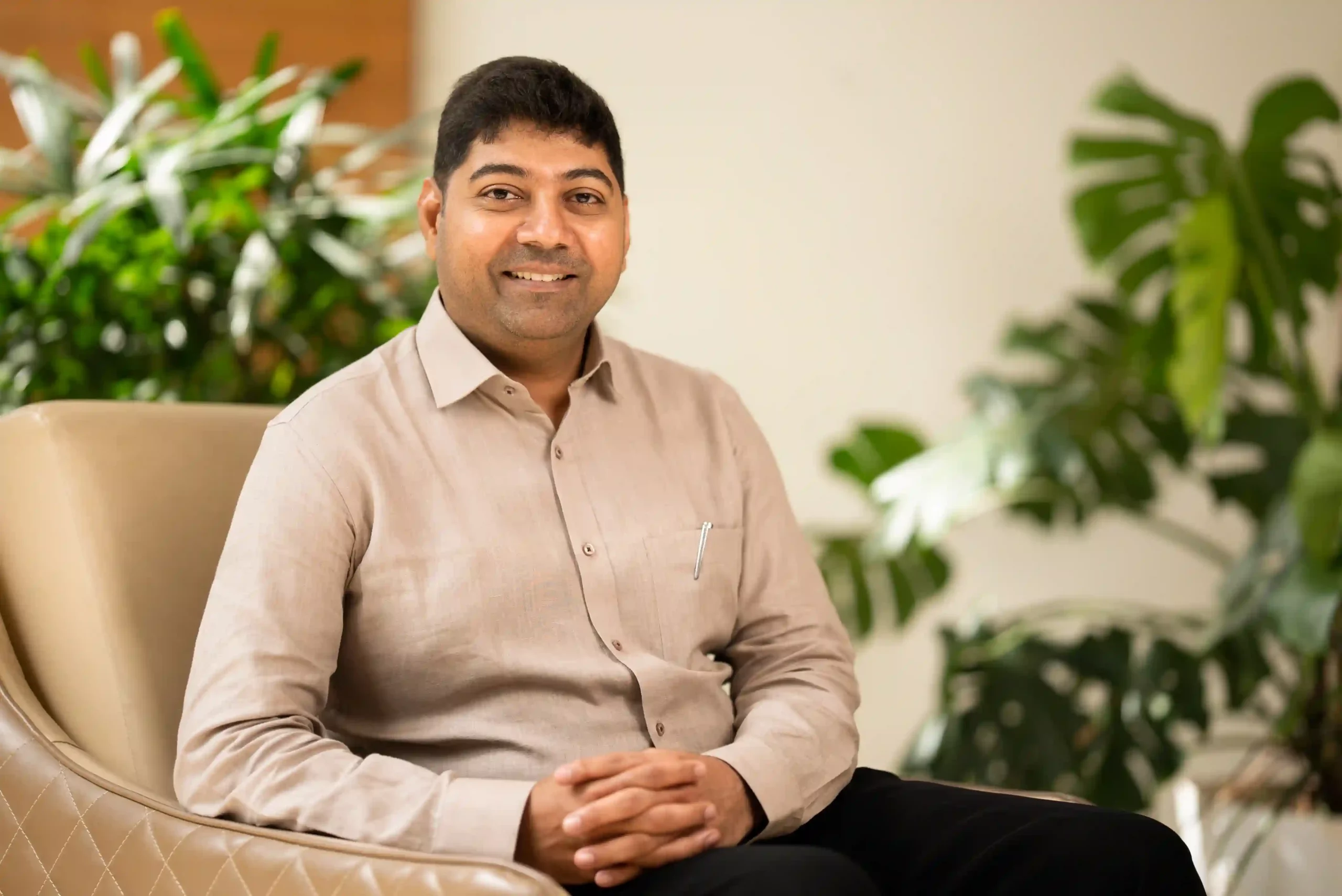
Dr. Naveen Kumar
Medical Director
15+ years of expertise in psychiatry and addiction recovery.
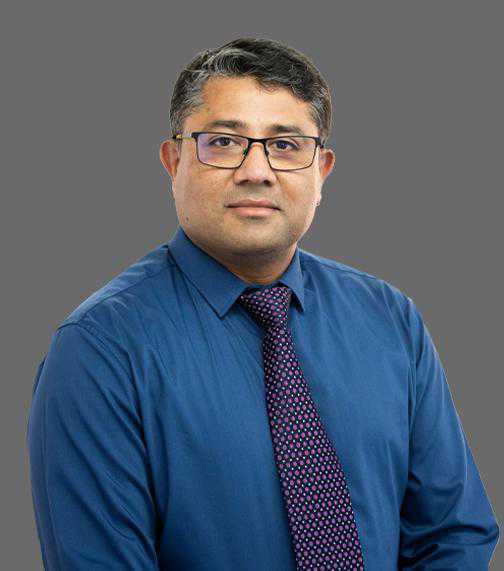
Dr. Vivek Sharma
Consultant Psychiatrist & Neurofeedback Practitioner
With over 15+ years of experience in psychiatry and neurofeedback, he blends medical expertise and compassion to guide clients toward lasting recovery.

Dr. Shree Aarthi
Consultant Psychiatrist
15+ years providing expert psychiatric care for mental health and substance use disorders.

Dr. Ramalingam P Kandaswamy
Consultant Physician
15+ years With over 5 years of experience in HIV and infectious diseases, he brings global expertise and compassionate care to every patient he supports.
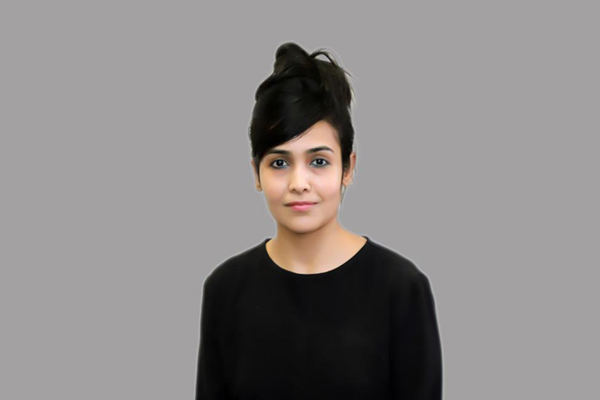
Dr. Divya
Psychiatrist
10+ years combining clinical psychiatry expertise with healthcare management for holistic treatment.
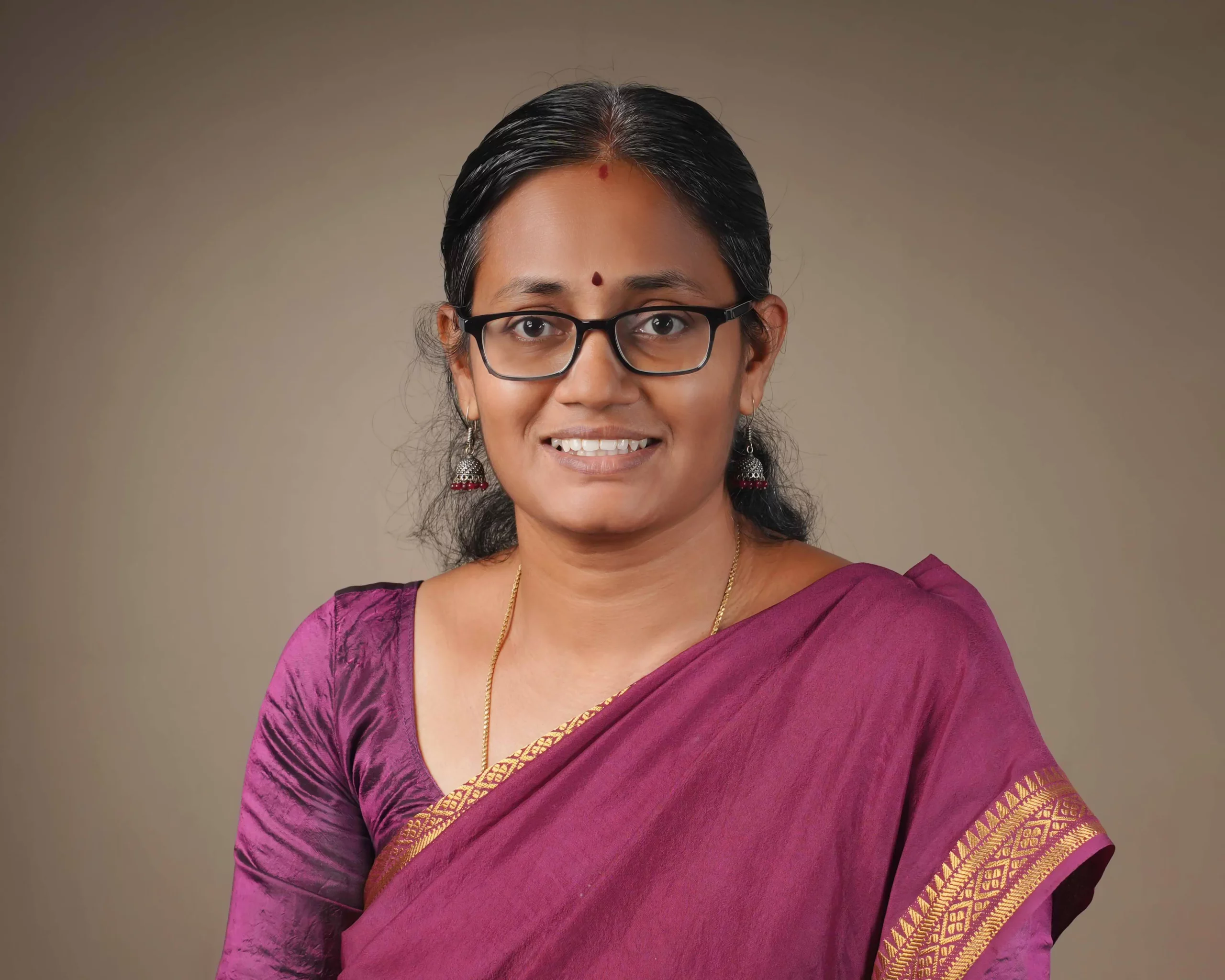
Dr. Malarvilzhi
Residential Medical Officer
12 years delivering comprehensive medical care in psychiatric and rehabilitation settings.
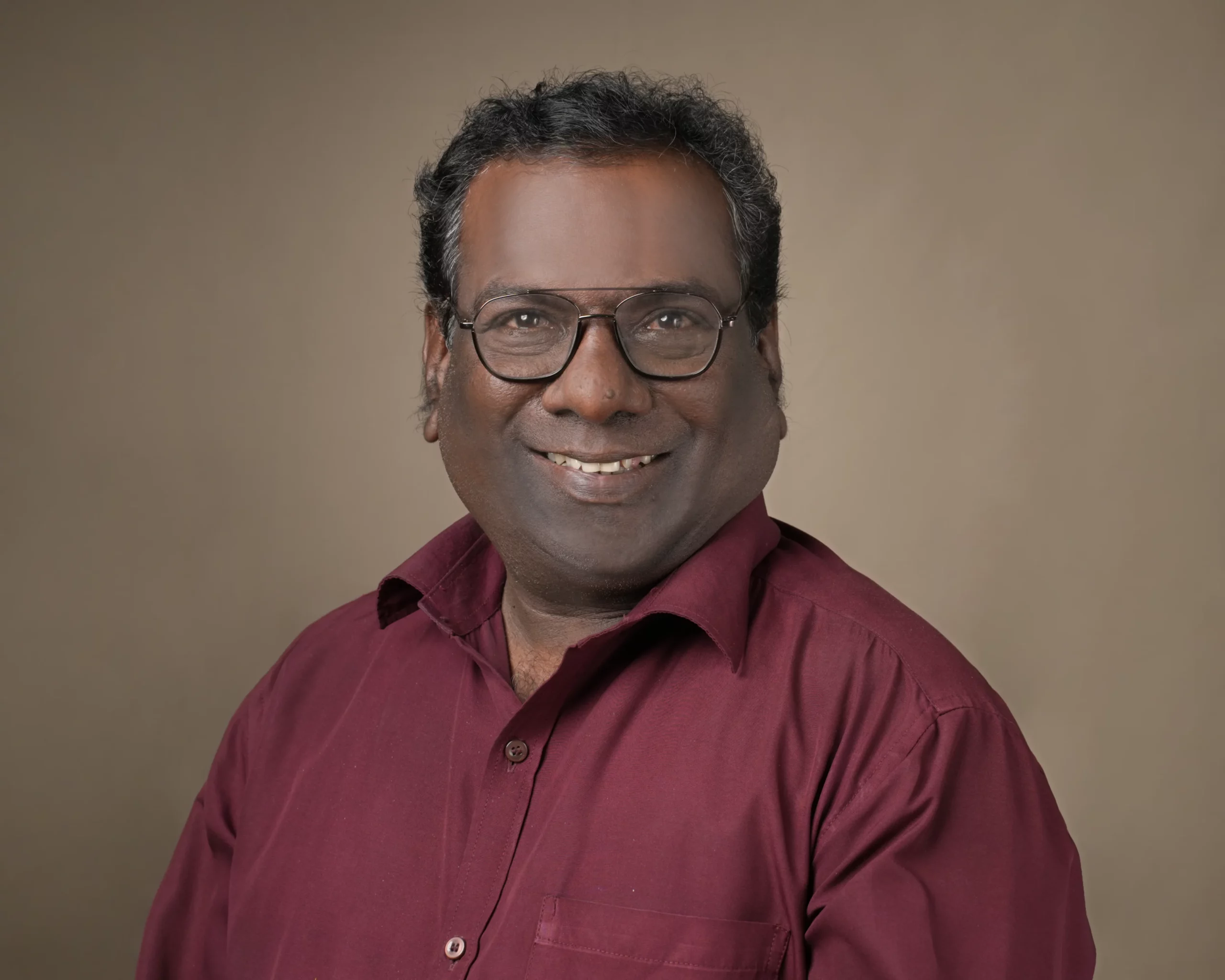
Dr. Karuppachamy
Senior Psychiatric Social Worker
22+ years of experience empowering clients through therapeutic guidance, psychosocial support, and lived-experience wisdom.

Ms. Meera
Senior Clinical Psychologist
9+ years specializing in psychological assessment and evidence-based therapeutic interventions.
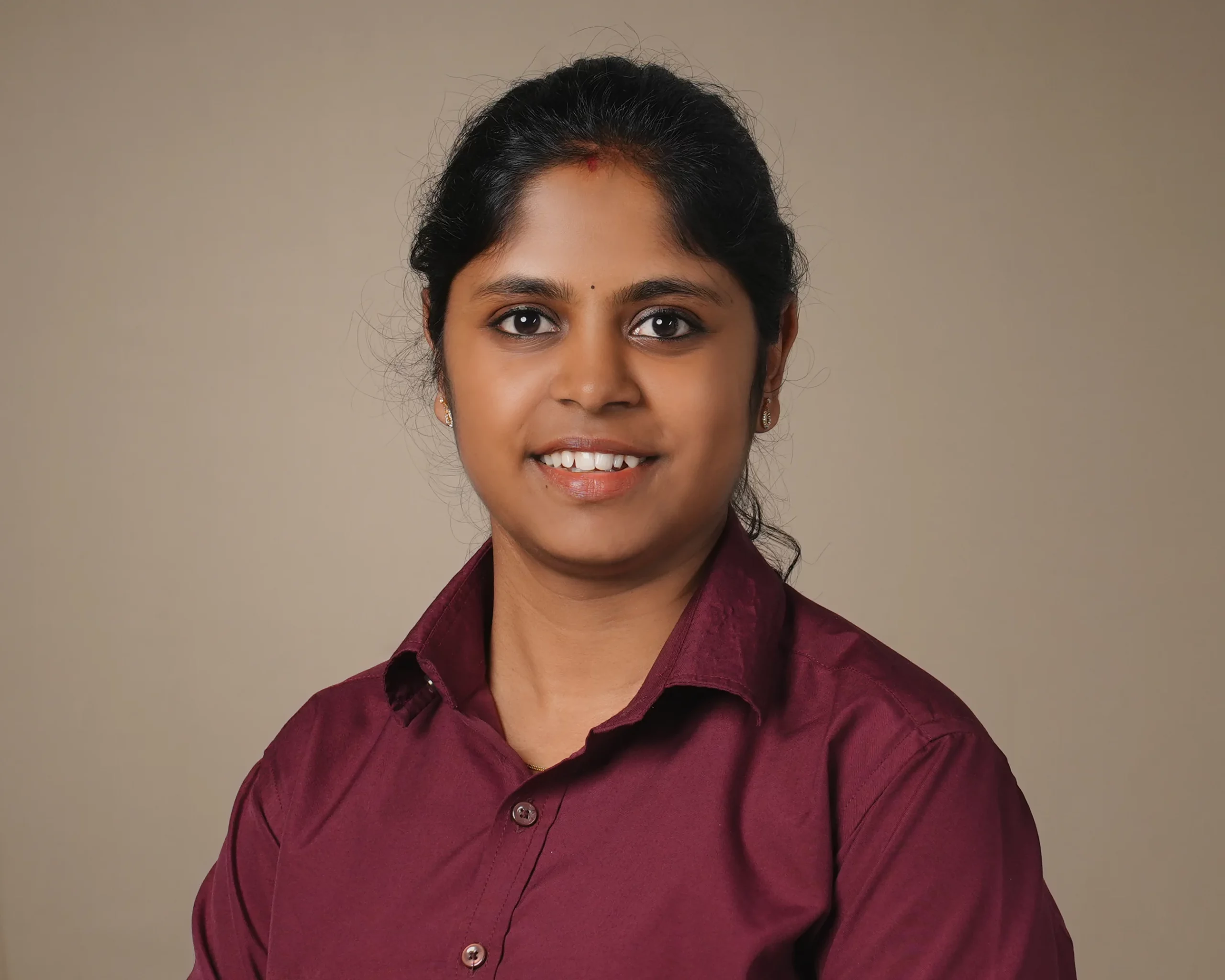
Mrs. Priyadarshini
Head Clinical Psychologist

Mr. Mukesh Kanna
Clinical Psychologist
2+ years providing psychological interventions for behavioral health and emotional wellness.

Mr. Antipas Jayabal
Clinical Psychologist
2+ years supporting clients through clinical assessment and therapeutic care.
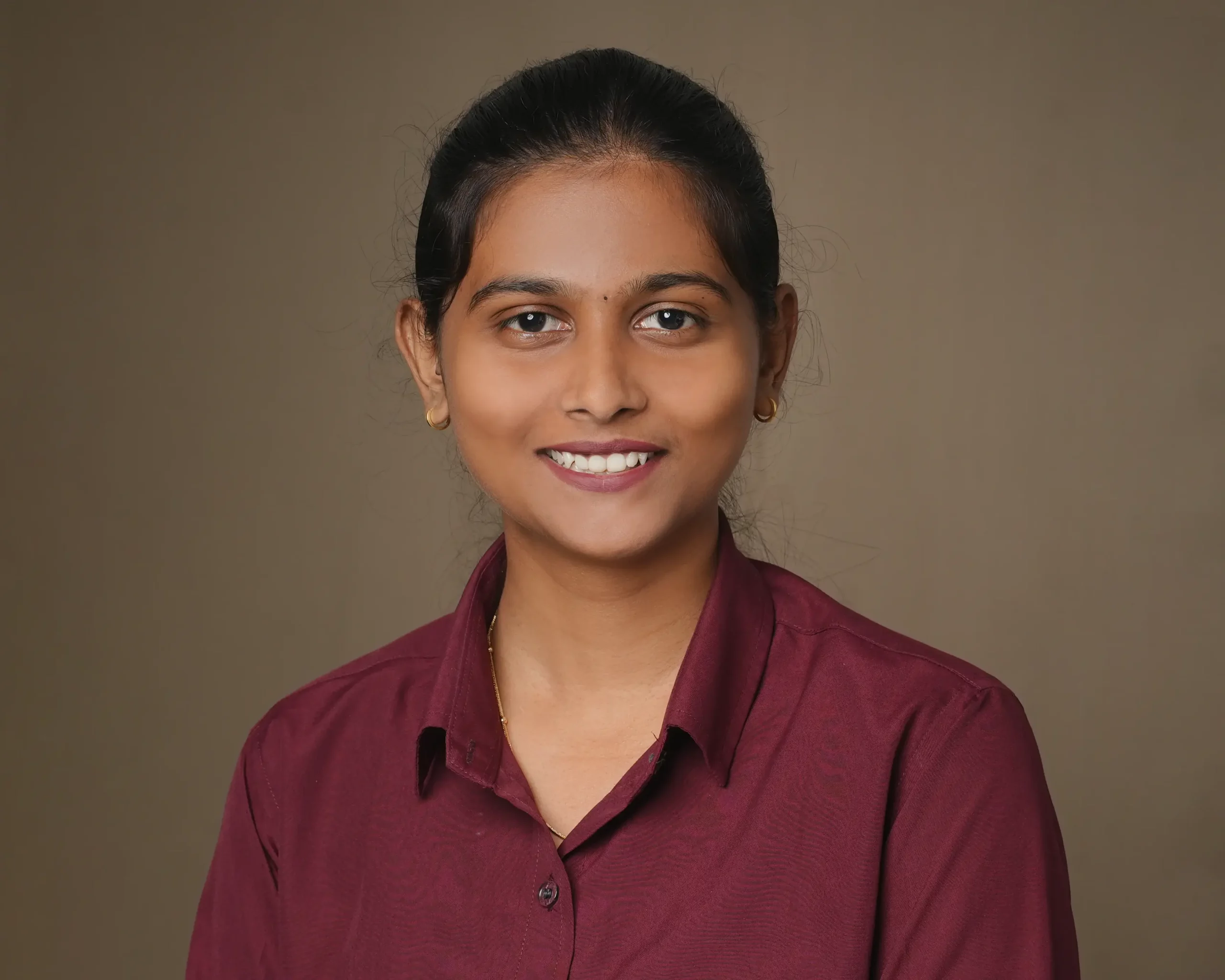
Ms Keerthana S
Psychologist
Empathetic psychologist with 4 years’ experience in handling mental health disorders, using evidence-based psychotherapies for personalized client care.
Inside Our Residential Panic Recovery Programme
A Structured Healing Experience That Helps You Reclaim Life
Many people believe that panic disorder treatment centres in Mumbai all follow the same approach. They expect short-term strategies, quick symptom control, and a return to the same stress-filled routines. At Abhasa, we offer something entirely different.
We do not focus only on reducing panic. We help people recover their sense of calm, rebuild emotional stability, and return to life with strength.
As one of Mumbai’s most trusted panic disorder treatment centres, we offer a recovery process rooted in clarity, rhythm, and compassion. Every stage of care blends science with warmth through our deeply personalised holistic treatment framework.
Understand the Whole Story
We begin by listening. We do not make assumptions or jump to conclusions. Each recovery journey starts with a complete emotional and behavioural review.[13] We use structured tools to uncover what triggers panic and how it affects day-to-day life.
- Emotional Assessments: These show us thought patterns and emotional responses.
- Stress Mapping: This reveals how panic builds in the body and how it can be regulated.
- Clinical Insight: Our therapists and psychologists develop a complete picture based on lived experience.
Unlike many panic disorder treatment centres in Mumbai, we pause, observe, and understand before we act. Every holistic treatment plan starts from that point of clarity.
Grow the Plan With the Person
Every client changes over time. That is why our care plans grow with them. Most panic disorder treatment centres in Mumbai offer a standard structure, but we adapt ours based on how the client feels and responds.
Our clinical and wellness teams meet every week to update each plan. If someone needs more rest, we adjust. If they gain strength, we offer more challenge. This flexibility is at the heart of holistic treatment.
We build recovery that works with the client, not against them.
Create Layers of Daily Support
Healing is not just one session or one practice. It is a full-day rhythm where each layer supports the next.[11,13] That is why families choose Abhasa over other panic disorder treatment centres in Mumbai. We offer an experience that nourishes mind, body, and spirit.
- Private Suites: Clients stay in quiet, luxurious rooms designed for rest.
- Calm Mornings: Each day begins with guided breathing, yoga, or mindfulness.
- Therapy Blocks: Personal and group sessions target emotional safety and clarity.
- Nature and Movement: Clients engage in walks, grounding, and creative expression.
- Nutrition Plans: Our chefs prepare meals that support the goals of holistic treatment.
- Evening Closure: The day ends with reflection, calm, and a soft emotional reset.
- Constant Support: Our team always remains nearby to guide and care.
This flow rebuilds emotional resilience in small, sustainable steps. Our panic disorder treatment centres in Mumbai feel less like a clinic and more like a retreat for the nervous system.
Each moment of care is part of a broader plan. Through consistent, compassionate support, our holistic treatment approach helps clients rediscover peace and stability.[10]
Recovery is not rushed, it’s rebuilt, step by step.
A Typical Day in Panic Disorder Recovery

A Daily Flow That Builds Calm and Confidence
This schedule offers a window into how each day at Abhasa supports emotional healing. While the flow remains steady, we personalise every element based on a client’s emotional needs, therapy goals, and progress.
Daily rhythm shapes recovery. As a trusted centre for structured panic disorder treatment, we build each day with intention. Clients experience a mix of therapeutic practices, mindful routines, and restorative pauses that help the body feel safe again.[9,10]
We begin the day calmly, not with urgency. Gentle mornings include breathing exercises, grounding practices, and time to ease into movement. Each activity works toward stabilising the nervous system and reducing anxiety cycles.
Clients participate in one-on-one sessions, exposure work, creative therapies, and group discussions throughout the day.[6] We balance emotional effort with recovery time. Our structured panic disorder treatment approach helps clients connect with their surroundings and their own body with greater ease.
We include rest, not as an afterthought, but as therapy itself. Nature walks, mindful silence, and sensory integration activities help process emotion and encourage reflection.
Evenings slow the pace. We close the day with therapeutic writing, soft conversation, or guided mindfulness. This helps the mind and body transition into a sense of safety and readiness for rest.
This entire structure supports what panic disrupts. It replaces unpredictability with steadiness. It builds patterns that promote calm. Over time, clients internalise this rhythm and take it with them beyond residential care.
The sample day reflects our clinical framework, but every client follows their own pace. Some need more time alone. Others thrive in small group work. Our team adjusts daily activities so no one feels pushed or left behind.
Many people living with panic disorder come from scattered, disrupted routines. They live in reaction mode. That is why structured panic disorder treatment must do more than treat symptoms. It must retrain the nervous system through rhythm, consistency, and presence.[15]
Other programs may offer therapy alone. At Abhasa, structure becomes therapy. Every part of the day restores stability.
This is more than a schedule. It is a return to self-trust, one step at a time.
Healing happens in rhythm, one calm day at a time.
Specialised Panic Disorder Therapies
At Abhasa, therapy is not just a session on a schedule. It is the heart of the healing process. Every modality in our program is chosen with care to support emotional safety, nervous system balance, and long-term growth. As a leader in panic disorder therapy, we offer a curated mix of personalised, evidence-based techniques for each client.
Many panic disorder therapy programs focus only on surface-level coping tools. We go deeper. We aim to retrain fear responses, build self-regulation, and restore everyday confidence.
We use cognitive behavioural therapy as a foundational practice.[3,4,5,8] It helps clients identify thought distortions, challenge unhelpful beliefs, and develop new, grounded thinking patterns. Sessions include guided self-reflection, thought tracking, and real-life roleplay.
Our therapists personalise cognitive behavioural therapy to fit the client’s pace and readiness.[11] We know that healing must feel safe and understood for healing to last.
In most anxiety programs, avoidance gets reinforced. At Abhasa, we gently guide clients through exposure therapy.[6] These sessions help clients face panic triggers in slow, supported steps.
Our exposure therapy model never forces. We work alongside the client to create manageable scenarios where they can practise staying present. Over time, panic loses its grip, and confidence grows.[12]
This style of panic disorder therapy helps clients reclaim everyday experiences, from riding in traffic to speaking in groups, without fear.
In addition to cognitive behavioural therapy and exposure therapy, our therapists use mindfulness-based sessions to improve present-moment awareness.[9,10] These sessions teach clients to pause, breathe, and anchor in the now.
We also include relaxation therapy, breathwork, progressive muscle relaxation, and body scans. These tools reduce nervous system overwhelm and support the deeper work done in panic disorder therapy sessions.
Many clients living with panic carry unresolved trauma. We use EMDR and trauma-processing methods where appropriate, always with consent and emotional readiness. This work complements cognitive behavioural therapy and enhances emotional integration.
Each layer of care strengthens the others. Whether a client sits in a one-on-one session, walks through a gentle exposure therapy plan, or practises reflection, everything has purpose.
Our entire panic disorder therapy framework brings calm into the body, clarity into the mind, and safety into daily life.
Therapy here is not just treatment, it’s transformation.
Personalised Panic Recovery Plans
Recovery Plans That Evolve With the Person
Many clients arrive at Abhasa already drained. They often carry years of silent fear, disrupted routines, and attempts to manage panic without support. That is why we do not start with a standard plan. We begin by understanding who they are.
Our approach to panic disorder rehabilitation begins with listening. We design personalised treatment plans that reflect the client’s emotional state, readiness, and healing goals. These plans change as the person grows, giving them room to move at their own pace.
We start with deep assessments. We do not focus only on symptoms. We explore what triggers panic, how the client responds, and what brings even a moment of safety.[13] We gather insights through one-on-one sessions, psychometric evaluations, and team observations during the early phase of care.
This first layer of panic disorder rehabilitation helps us build a plan that feels honest and supportive. Every detail we collect shapes the first version of their personalised treatment path.

Every person’s panic looks different. Some avoid social settings. Others fear leaving the house. Some feel unsafe in their own body. That is why we revise each plan based on how the client feels, not just how they perform.
Our team meets weekly to review progress. We track emotional shifts, behavioural changes, and physiological responses. If a client struggles, we modify their support. If they show strength, we expand their work.
- Each personalised treatment plan includes:
- A map of panic triggers with matching strategies.
- A blend of therapy sessions based on readiness.
- Weekly goal-setting focused on small, achievable wins.
- Tools for relapse prevention with real-world application
Emotional tracking is built into daily feedback.
This structure makes panic disorder rehabilitation more sustainable. Clients feel seen. They feel in control. And they begin to trust the process.

As the program progresses, we begin planning beyond rehab. Families receive education and clarity about panic. We explain how to support without pressure, notice relapse cues, and maintain a healthy home rhythm.
We prepare the client with realistic steps. We design a personalised treatment roadmap that includes home routines, emotional regulation skills, and crisis tools that keep healing steady.[11]
Abhasa creates care that lasts beyond discharge. That is what makes our panic disorder rehabilitation framework strong and reliable.

Panic looks different for everyone. So does healing.
Supporting the Ones Who Support
When someone faces daily panic, the family often walks through it too. They carry the fear, the unknowns, the helplessness. At Abhasa, we understand this quiet weight. That is why we make family therapy for panic disorder part of the recovery plan, not an afterthought.[13]
We bring families into the process in a way that feels steady, informed, and kind because healing from panic means healing the whole support system.

Families receive regular progress updates. These include short, easy-to-read reports on routines, emotional states, and therapeutic progress. These updates reduce worry and help the family feel connected without asking.
We also offer weekly calls with a dedicated case manager. These calls give families a space to ask questions, share feelings, and understand how their loved one is responding to family therapy for panic disorder.
Once a month, families join structured review calls with the clinical team. We walk through progress, goals, and strategies together. This way, everyone moves in the same direction.

Panic can be confusing. Families often do not know how to help. That is why we hold educational sessions focused on family therapy for panic disorder.
These sessions explain:
- How panic affects the brain and body.
- What to do during a panic episode.
- How to avoid accidental triggers.
- How to stay grounded during emotional storms.
We also teach communication tools and emotional regulation methods that bring peace to daily interactions.
Families receive guides on handling difficult days, knowing when to step in, and creating safe spaces without pressure. All of this support turns fear into understanding and exhaustion into confidence.

Family therapy for panic disorder at Abhasa goes beyond check-ins. We hold guided sessions where clients and their loved ones can speak, listen, and rebuild. We support honest conversations that strengthen connection and restore safety.
These sessions often bring about turning points. They repair trust, reduce blame, and build deeper emotional understanding. They remind everyone that healing happens best when no one feels alone.
We believe real progress happens when the family recovers together.
Healing begins when families notice the unseen.
A Space That Helps You Feel Safe Again


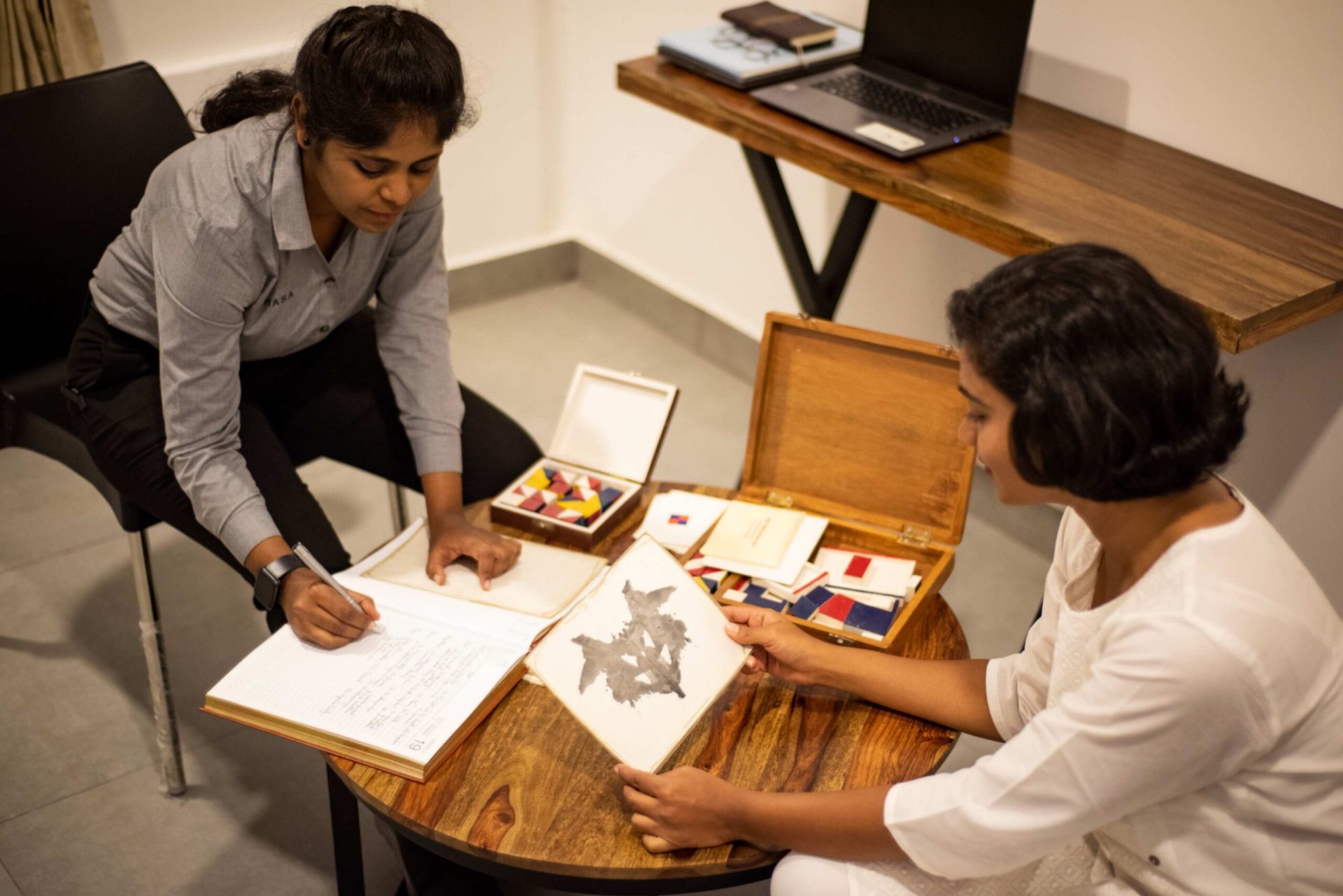
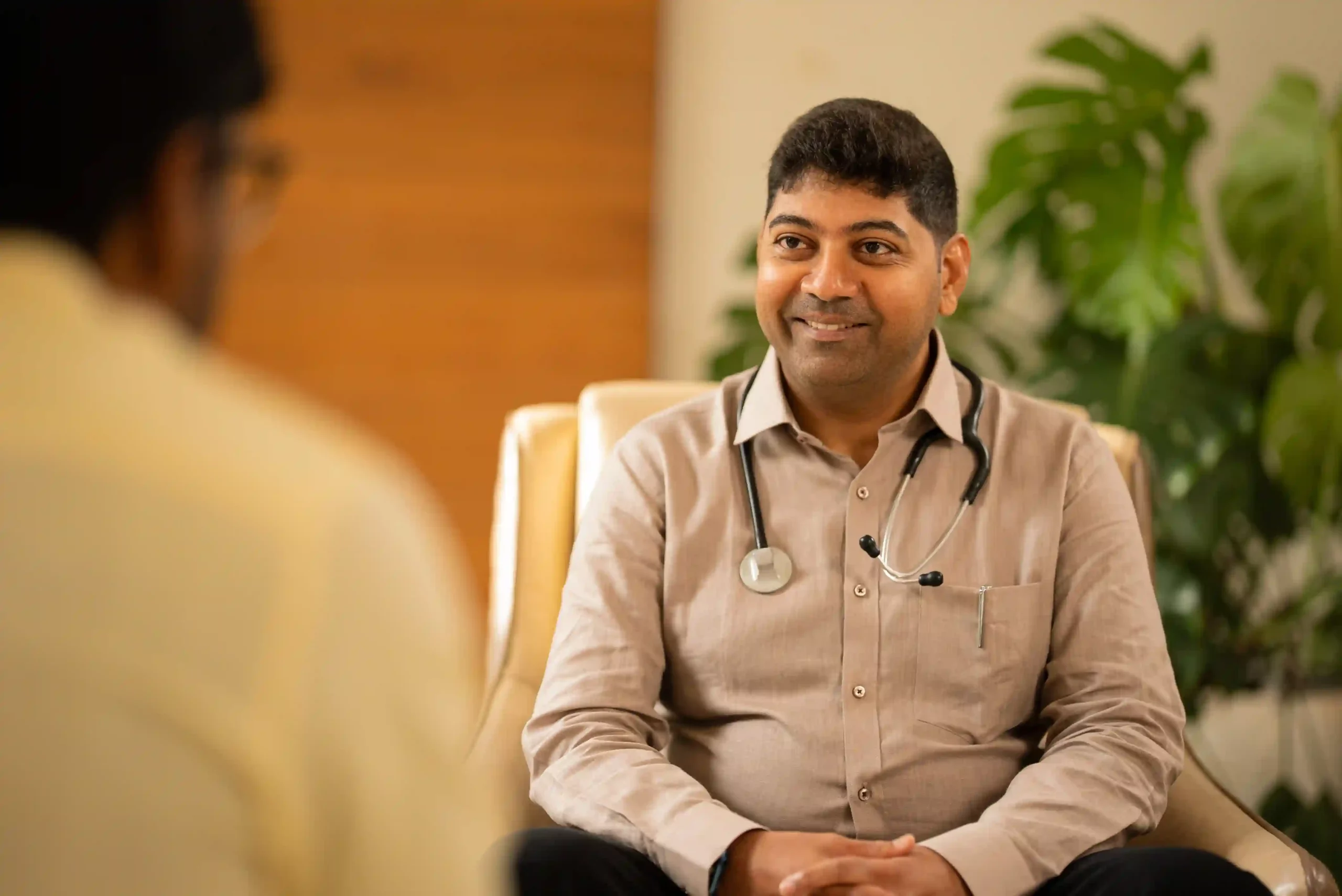
Not all healing begins with therapy. Sometimes, it starts with silence. With the sound of birds in the morning. With a private corner that asks nothing from you except that you breathe and feel safe.
At Abhasa, we designed one of the most trusted panic disorder treatment centres near me to do exactly that. We created a peaceful space where overstimulation stops, and calm begins. Clients often arrive in a state of alertness. Their nervous systems remain on guard, ready for the next wave of panic.[15] Here, that urgency finally slows.
Our location, set away from city noise and pressure, allows clients to escape daily triggers. Lush gardens, open skies, and healing architecture combine to create an environment that supports emotional safety. Every design detail supports recovery, not just the therapy rooms.
We understand how sensitive panic recovery can be. That is why we uphold the highest privacy standards. Clients receive care in a secure, professionally monitored space that protects dignity and peace. This makes Abhasa one of the few panic disorder treatment centres near me that blends emotional safety with physical comfort.
The grounds offer open green areas, quiet reading nooks, and wellness corners. Everything feels natural, soft, and intentional. Our goal is not just to provide luxury, but to create a calm rhythm that helps the body and mind return to balance.
You do not walk into a facility here. You walk into a sanctuary. The kind that whispers to your nervous system, “You can rest now.”
Step into safety, details at Abhasa create comfort.
Stories of Growth Beyond Panic
Every story at Abhasa reflects personal strength. These moments of panic disorder recovery success reveal how life can shift when care meets compassion. One client who once feared open spaces now walks with ease. A mother who avoided social contact now leads her child’s school events. Families speak of deeper trust and new beginnings. Confidence returns, slowly but surely.[11,12] These transformations show that real, lasting panic disorder recovery success is not a dream; it is a process we walk together. At Abhasa, recovery becomes a reality you can feel, one day at a time.
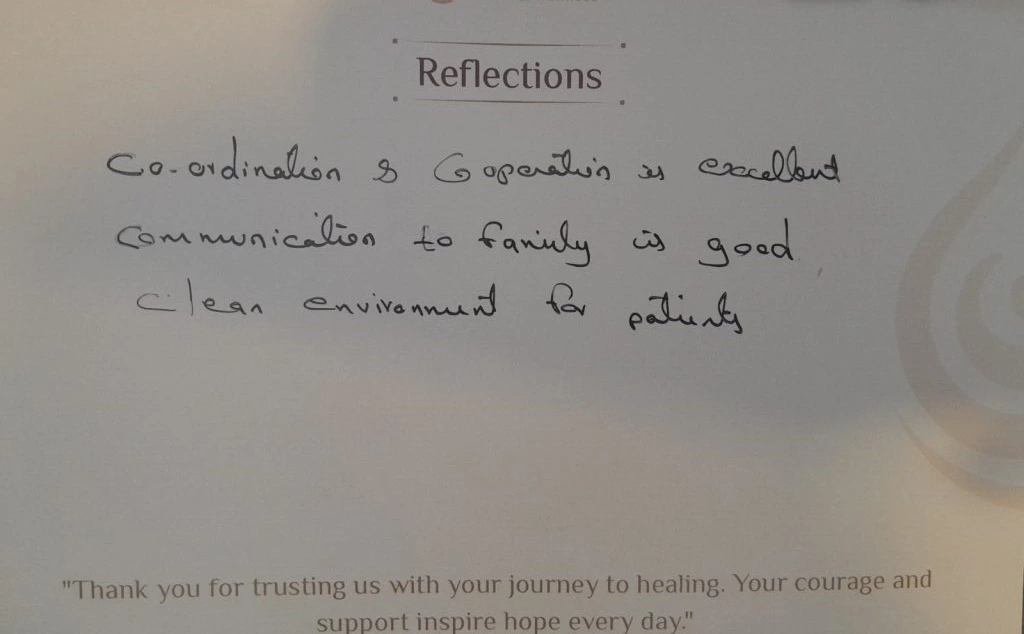
Co-ordination & cooperation is excellent. Communication to family is good. Clean environment for patients.
Former Client
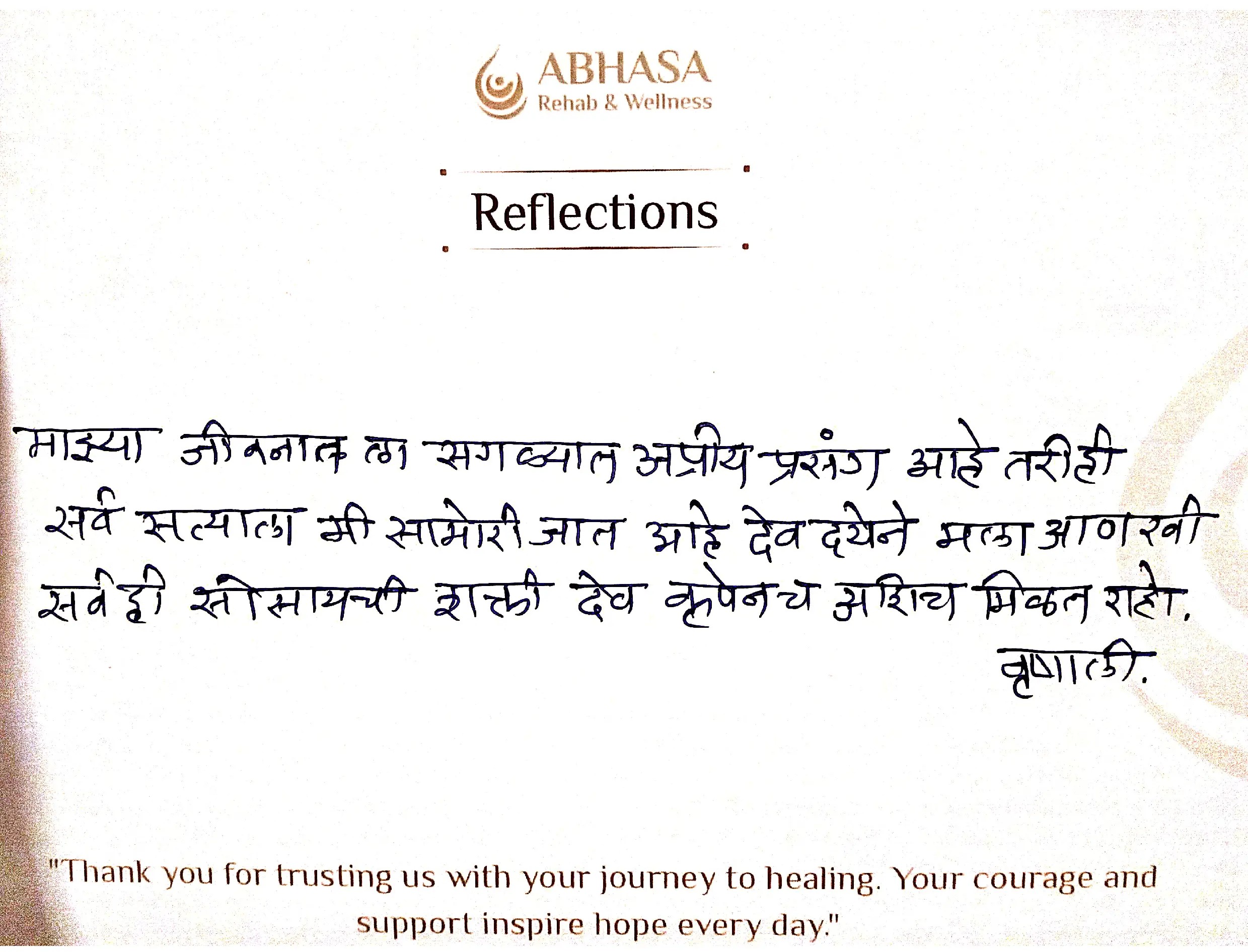
I found strength to face life’s hardest truths here. I believe it was God’s grace that brought me to Abhasa.
Former Client
Frequently Asked Questions
Can a hospital treat panic attacks?
Yes. With the proper Yes, a hospital can offer immediate help during severe panic episodes. However, many people prefer a more personalised panic disorder treatment setting. Residential centres like Abhasa offer calm, structured care that supports emotional and physical healing beyond crisis moments.care, support, and coping techniques, many people manage anxiety well and lead fulfilling lives.
Can I live an everyday life with panic disorder?
Yes. With consistent panic disorder treatment, people rebuild their routines and confidence. Life may look different, but you feel complete, safe, and grounded.
Can I live with panic attacks?
You can, but you do not have to accept them as permanent. Panic attack treatment teaches tools that help reduce the frequency and intensity. Over time, daily life becomes more manageable and less fearful.
Can you fully recover from panic disorder?
Many people experience long periods without panic when they receive focused panic disorder treatment.[11] Full recovery often comes from therapy, structure, and personal growth.t teaches tools that help reduce the frequency and intensity. Over time, daily life becomes more manageable and less fearful.
How did I cure my panic attacks naturally?
Natural approaches like breathwork, mindfulness, and routine help many. However, lasting change often needs structured panic attack treatment to address deeper emotional patterns and triggers.
How can you get rid of panic attacks permanently?
While no one method fits all, a personalised panic attack treatment plan that includes therapy and wellness practices gives the best results. Healing grows with time, support, and consistency.
What are the new treatments for panic disorder?
New panic disorder treatment options include virtual reality exposure, breath-based neurofeedback, and integrated wellness therapies. At Abhasa, we combine modern science with holistic approaches to create lasting progress.
What is the 3-3-3 rule for panic disorder?
The 3-3-3 rule helps ground people during panic: name three things you see, hear three things around you, and move three body parts. It forms part of gentle panic attack treatment practices to bring focus back to the present.
What is the best medicine for panic attacks in India?
Many medicines exist, but the best one depends on individual needs. Medication often supports panic attack treatment plans but works best when paired with therapy, routine, and family support.
What is the best therapy for panic disorder?
Experts often recommend cognitive behavioural therapy.[3,4,5,8] At Abhasa, we pair it with other panic disorder treatment methods like exposure work, relaxation, and mindfulness for deeper results.
What is the best treatment for panic disorder?
The best panic disorder treatment includes therapy, family support, a daily rhythm, and coping tools.[7,8,13] Recovery improves when care supports the whole person, not just the symptoms.
Which doctor can cure a panic attack?
A psychiatrist or psychologist trained in panic attack treatment can guide recovery. At Abhasa, our team includes experts who blend emotional care with structured routines that help clients feel safe.
Which doctor treats panic disorder?
Psychiatrists and therapists trained in panic disorder treatment provide support and guidance. Abhasa’s team includes specialists in panic, anxiety, and trauma, all working together for long-term healing.
Start the Journey Back to Calm
You do not have to carry this alone. If you have been searching for the best treatment for panic disorder, Abhasa offers a space where real healing begins. We are among India’s most trusted panic disorder treatment centres, where privacy, compassion, and calm support guide your next steps. Our team will provide a no-pressure assessment from the very first call. Recovery begins with one moment of courage. Take that moment now.
Freedom from panic starts here. And we will help every step of the way.
Proudly Serving Across Cities
- Rehab in Karjat
- Rehab in Pune
- Rehab in Navi Mumbai
- Rehab in Madurai
- Rehab in Trichy
- Rehab in Bangalore
- Rehab in Chennai
- Rehab in Thane
- Rehab in Nasik
- Rehab in Kochi
- Rehab in Mangalore
- Rehab in Mysore
- Rehab in Nasik
- Rehab in Kochi
- Rehab in Mangalore
- Rehab in Mysore
Medical Disclaimer
This information is for educational purposes only and does not constitute medical advice. Alcohol use disorder is a serious medical condition requiring professional diagnosis and treatment by qualified healthcare providers.
Always consult licensed medical professionals and addiction specialists before making treatment decisions. Individual results vary significantly based on numerous factors including severity of dependence, co-occurring conditions, personal commitment, and environmental support.
Alcohol withdrawal can be life-threatening. Attempting to detox at home without medical supervision may result in severe complications including seizures, delirium tremens, and death. Medical detoxification should only be conducted under the supervision of qualified healthcare professionals in an appropriate medical setting.
If you are experiencing a medical emergency, call emergency services immediately (dial 112 in India or your local emergency number).
The content provided describes general treatment approaches and facility amenities. It is not a substitute for individualized medical assessment or professional treatment planning. Treatment outcomes cannot be guaranteed, and recovery from alcohol dependence is an ongoing process that may include periods of relapse.
Resources
Research Citations (15 Authoritative Sources):
[1] National Institute of Mental Health (NIMH) – “Panic Disorder” – NIMH Statistics, 2024
URL: https://www.nimh.nih.gov/health/statistics/panic-disorder
Source Type: U.S. Government (.gov) – Official health statistics
Supports: Prevalence data (2.7% of U.S. adults, 4.7% lifetime prevalence)
[2] Anxiety and Depression Association of America (ADAA) – “Facts & Statistics” – ADAA Resource Center, 2022
URL: https://adaa.org/understanding-anxiety/facts-statistics
Source Type: Leading professional anxiety disorders organization
Supports: Prevalence data (6 million adults affected by panic disorder)
[3] Pompoli, A., Furukawa, T.A., et al. – “Psychological therapies for panic disorder with or without agoraphobia in adults” – Cochrane Database of Systematic Reviews, 2016
URL: https://www.cochrane.org/CD011004/DEPRESSN_psychological-therapies-panic-disorder-or-without-agoraphobia-adults
Source Type: Cochrane Systematic Review (Gold Standard)
Supports: CBT effectiveness for panic disorder treatment
[4] Carpenter, J.K., Andrews, L.A., Witcraft, S.M., et al. – “Cognitive behavioral therapy for anxiety and related disorders: A meta-analysis of randomized placebo-controlled trials” – Depression and Anxiety, 2018
URL: https://pubmed.ncbi.nlm.nih.gov/29451967/
Source Type: Peer-Reviewed Meta-Analysis (41 studies, 2,843 patients)
Supports: CBT efficacy (moderate effect size Hedges’ g = 0.56 for anxiety disorders)
[5] Hofmann, S.G., Asnaani, A., Vonk, I.J., et al. – “The Efficacy of Cognitive Behavioral Therapy: A Review of Meta-analyses” – Cognitive Therapy and Research, 2012
URL: https://pmc.ncbi.nlm.nih.gov/articles/PMC3584580/
Source Type: Peer-Reviewed Review (269 meta-analytic studies)
Supports: CBT as gold standard treatment with large effect sizes
[6] Lee, K., Noda, Y., Nakano, Y., et al. – “Interoceptive hypersensitivity and interoceptive exposure in patients with panic disorder” – BMC Psychiatry, 2006
URL: https://bmcpsychiatry.biomedcentral.com/articles/10.1186/1471-244X-6-32
Source Type: Peer-Reviewed Research
Supports: Exposure therapy effectiveness for panic disorder
[7] Furukawa, T.A., Watanabe, N., Churchill, R. – “Psychotherapy plus antidepressant for panic disorder with or without agoraphobia” – Cochrane Database of Systematic Reviews, 2006
URL: https://www.cochrane.org/CD004364/DEPRESSN_psychotherapy-plus-antidepressant-panic-disorder-or-without-agoraphobia
Source Type: Cochrane Systematic Review (Gold Standard)
Supports: Combined treatment approaches
[8] Bandelow, B., Michaelis, S., Wedekind, D. – “Treatment of anxiety disorders” – Dialogues in Clinical Neuroscience, 2017
URL: https://pmc.ncbi.nlm.nih.gov/articles/PMC5573566/
Source Type: Peer-Reviewed Review
Supports: First-line treatment recommendations (SSRIs, SNRIs, CBT)
[9] Kabat-Zinn, J., Massion, A.O., Kristeller, J., et al. – “Effectiveness of a meditation-based stress reduction program in the treatment of anxiety disorders” – American Journal of Psychiatry, 1992
URL: https://pubmed.ncbi.nlm.nih.gov/1609875/
Source Type: Peer-Reviewed Research (Seminal study)
Supports: Mindfulness-based interventions for panic disorder
[10] Hofmann, S.G., Sawyer, A.T., Witt, A.A., Oh, D. – “The effect of mindfulness-based therapy on anxiety and depression: A meta-analytic review” – Journal of Consulting and Clinical Psychology, 2010
URL: https://pmc.ncbi.nlm.nih.gov/articles/PMC2848393/
Source Type: Peer-Reviewed Meta-Analysis (39 studies, 1,140 patients)
Supports: Mindfulness effectiveness (moderate effect sizes for anxiety)
[11] van Dis, E.A.M., van Veen, S.C., Hagenaars, M.A., et al. – “Long-term Outcomes of Cognitive Behavioral Therapy for Anxiety-Related Disorders” – JAMA Psychiatry, 2020
URL: https://jamanetwork.com/journals/jamapsychiatry/fullarticle/2756136
Source Type: Peer-Reviewed Meta-Analysis (69 RCTs)
Supports: Long-term treatment outcomes and maintenance
[12] Cuijpers, P., Cristea, I.A., Karyotaki, E., et al. – “Absolute and relative outcomes of psychotherapies for eight mental disorders” – World Psychiatry, 2024
URL: https://onlinelibrary.wiley.com/doi/full/10.1002/wps.21203
Source Type: Peer-Reviewed Meta-Analysis (441 trials, 33,881 patients)
Supports: Treatment response rates (38% for panic disorder)
[13] Katzman, M.A., Bleau, P., Blier, P., et al. – “Canadian clinical practice guidelines for the management of anxiety, posttraumatic stress and obsessive-compulsive disorders” – BMC Psychiatry, 2014
URL: https://bmcpsychiatry.biomedcentral.com/articles/10.1186/1471-244X-14-S1-S1
Source Type: National Clinical Practice Guidelines
Supports: Treatment recommendations and protocols
[14] World Health Organization – “Anxiety disorders” – WHO Fact Sheets, 2024
URL: https://www.who.int/news-room/fact-sheets/detail/anxiety-disorders
Source Type: International Organization (UN)
Supports: Global prevalence and treatment data (4.4% of global population)
[15] Bandelow, B., Baldwin, D., Abelli, M., et al. – “Biological markers for anxiety disorders, OCD and PTSD” – World Journal of Biological Psychiatry, 2017
URL: https://pubmed.ncbi.nlm.nih.gov/27805828/
Source Type: Peer-Reviewed Review
Supports: Biological understanding of panic disorder/nervous system