
Alcohol De-Addiction & Rehab Centre in India
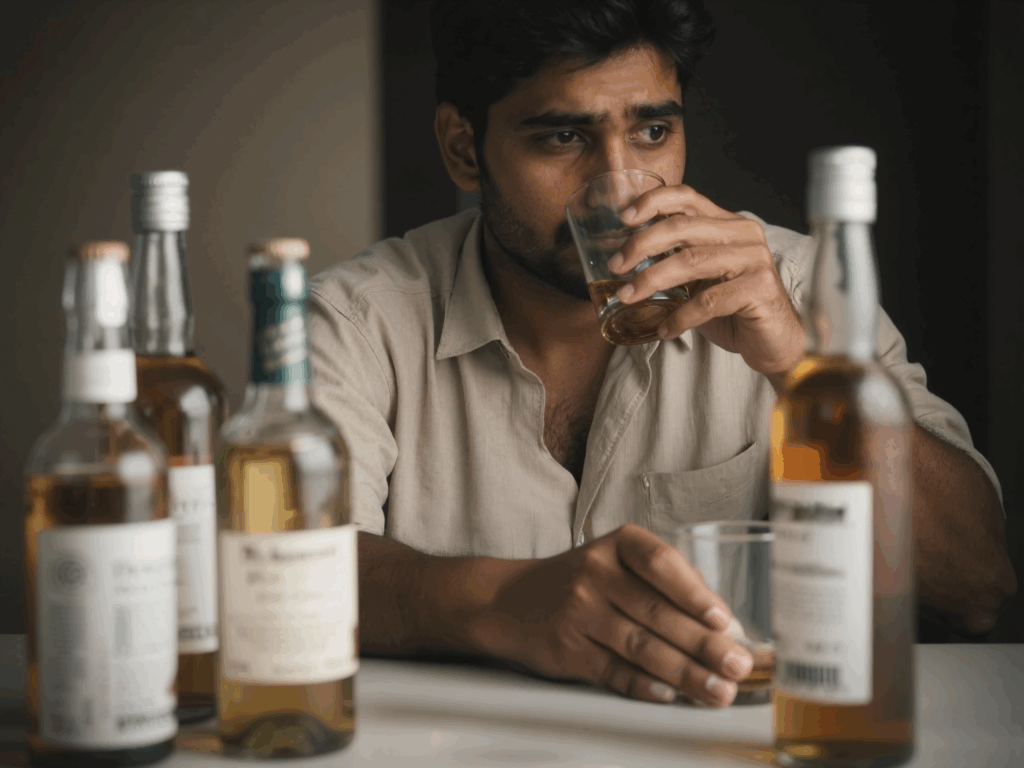
Life isn’t meant to be ruled by alcohol. Abhasa’s safe detox and holistic healing help you regain freedom and dignity.
Private consultation. No pressure.
2:1 Staff-to-client ratio
3 Healing Spaces
Personalised Treatments
360° Healing
2:1 Staff-to-client ratio
3 Healing Spaces
Personalised Treatments
360° Healing
Gallery
Luxury Alcohol Rehabilitation in India

An alcohol rehabilitation[1] program is about more than breaking the habit. Because Alcohol dependence[1] affects more than just the person drinking. It influences how families function, how relationships feel, and how safe the home environment becomes.
You may have noticed it begins with small things, missed events, emotional withdrawal, and mood changes. Over time, those changes grow larger, creating a gap between who your loved one used to be and how they are now.
That’s where a trusted alcohol rehab centre[2] like Abhasa can offer relief. Our alcohol rehabilitation[2] program is about more than breaking habits; it’s about rebuilding dignity, rhythm, and relationships in a way that feels personal and gentle. And you, as a family, are never left out of that process.
At Abhasa, alcohol rehab doesn’t confine or punish with restrictions. It is a place where one is truly understood, and treatments are planned as they progress. It’s a peaceful, luxurious space where care is grounded in empathy, and healing happens through nature, structure, and connection.
Whether you’re seeking help for yourself or a loved one, this is a place where both of you can exhale, feel safe, and begin again, with privacy, support, and calm.
Understanding Alcohol De‑Addiction and a residential rehab
When you witness someone close caught in the loop of alcohol use, it doesn’t just affect them; it quietly unravels the everyday moments that once felt normal. Conversations become harder, moods change, and routines fall apart. You may sense that gentle support alone isn’t enough anymore.
That’s where a rehabilitation centre for alcohol, like Abhasa, can help. Here, alcohol de‑addiction isn’t about judgment; it’s about creating a safe, structured space where healing begins with understanding, not pressure.
As one of India’s trusted rehabilitation centres for alcohol, we focus on supporting each individual through calm routines, nature-based activities, and personalised care that meets them where they are. For many, it’s the first time they feel genuinely seen.
What a Residential Journey Feels Like
Inside residential care, every part of the day is designed to bring back balance. Clients begin with slow mornings, shared meals, and guided wellness sessions. They participate in emotional support circles, movement, art, and nature walks at a pace that respects their comfort.
Rather than rushing toward change, we focus on sustainable shifts, building emotional stability, reconnecting with life, and slowly rediscovering self-worth.
And for families? You’re part of this journey, too. Regular updates and supportive guidance keep you involved and reassured every step of the way.

Find balance, support, and understanding here
Why Choose Alcohol Rehab?

Because Real Change Begins with the Right Support
If you’re reading this, you’ve been holding things together for a while. You encouraged them toward positive change. You’ve waited. You’ve tried to understand. And somewhere deep down, you’re beginning to feel that home support, while full of love, may no longer be enough.
That is where alcohol rehab can become more than just a place. It becomes a safe turning point.
Choosing a rehabilitation centre for alcohol is not about giving up on someone. It is about creating the right conditions for healing.

The Benefits of Alcohol Rehab
1. Detox Support That Feels Safe, Not Scary
The first few days without alcohol can be challenging. It’s not just about physical symptoms; it’s the emotional weight, too. Trying to get through it at home can feel overwhelming for everyone involved.
At a residential alcohol rehab[4,5], detox is done with care. There’s a calm environment, professionals who know what to look for, and gentle support at every step. It’s not rushed. It’s paced to comfort, helping the body slowly find balance again. This is one of the most essential benefits of alcohol rehab[4,5], knowing that help is close and you’re not facing it alone.
2. A Daily Rhythm That Brings Back Stability
When alcohol becomes a coping mechanism, everyday life can lose its shape. Sleep gets disrupted, meals are skipped, and routines fade. Slowly, the world starts to feel chaotic.
One of the strengths of a residential alcohol rehabilitation centre is that it offers a gentle structure. There are no rules to follow but a rhythm to return to. Waking up on time, eating nourishing food, joining in calming activities, and having time to be. These small things bring back a sense of normalcy and control. Over time, that routine helps people reconnect with themselves and their world. Meals are nourishing and consistent. Days are planned with care. There is time to move, rest, reflect, and engage. This sense of structure slowly helps rebuild confidence and trust in the body, relationships, and life itself.
3. Relapse Prevention That Works Beyond the Walls
Support does not stop when a person leaves rehab. Long-term healing requires tools that last. Rehab introduces realistic and personalised relapse prevention strategies[2,6,7]. These include emotional regulation, stress management, and healthier habits that replace old coping patterns. Families also gain guidance on how to support recovery without burnout or fear.

Holistic Alcohol Addiction Care: Healing the Whole Person
Not every rehab journey looks the same, which is why holistic alcohol addiction care[8] is so valuable. It moves beyond focusing on alcohol use and looks at the whole picture: physical health, emotional well-being, relationships, sleep, nutrition, and more.
This kind of care gently helps people feel human again, not labelled or judged, but seen as someone trying to start over.
Whether you’re making this decision for yourself or someone you love, know this: you are not alone. So many families reach a point where love needs more structured support. That is not a weakness. That is wisdom.
Why Families Trust Abhasa Rehab and Wellness
Where Comfort, Care, and Family Healing Begin
When someone you care about is struggling with alcohol, it’s not just their life that changes. Yours does, too. The silence. The worry. The waiting. It takes a toll on the whole family. At some point, you may wonder if a peaceful, professional space could help where conversations and promises haven’t.
That is why families turn to Abhasa. We offer something more than support. We offer an environment where recovery is possible in a way that feels calm, safe, and respectful.
If you’re searching for the best alcohol rehab centres, Abhasa has become a trusted name for families who want care that feels personal and surroundings that feel like home
A Setting That Feels Safe and Supportive
Rehab should never feel cold or clinical. At Abhasa, it doesn’t. The space is designed with warmth and privacy in mind. From the tranquil architecture to the comfortable rooms and green surroundings, everything is built to help people feel secure.
This matters. Because when someone feels safe, they can begin to open up. They can slow down, breathe, and take the first step toward healing. This is what makes Abhasa a standout among luxury alcohol rehab options in India.
Care That Adapts to the Person
No two people recover the same way. We create personalised plans based on each individual’s background, preferences, and pace. Every detail, from their meals to the rhythm of their daily routine, is chosen to support recovery without pressure.
There’s time for quiet reflection, engaging, and rediscovering the small joys that alcohol may have replaced. And through it all, the support is steady and thoughtful.
Families Feel Seen, Heard, and Supported
At Abhasa, we understand that alcohol use doesn’t just affect one person. It changes the family dynamic. That’s why we don’t treat the family as outsiders. You are part of the process.
We keep you informed. We prepare you for what to expect. We offer guidance on reconnecting and rebuilding trust in ways that feel real. You are given space to process your emotions while your loved one receives care. This mutual support is one of the reasons families trust Abhasa.
Choosing the Best Care Is Choosing Peace of Mind
Trust doesn’t come from promises. It comes from presence. Families choose Abhasa because they know we provide consistent, compassionate care in an environment that respects the person and their journey.
If you are exploring the best alcohol rehab centres for someone you love and want a place that brings calm, privacy, and dignity to the recovery process, Abhasa is here to help you begin that next step.
Meet Our Alcohol-Recovery Experts
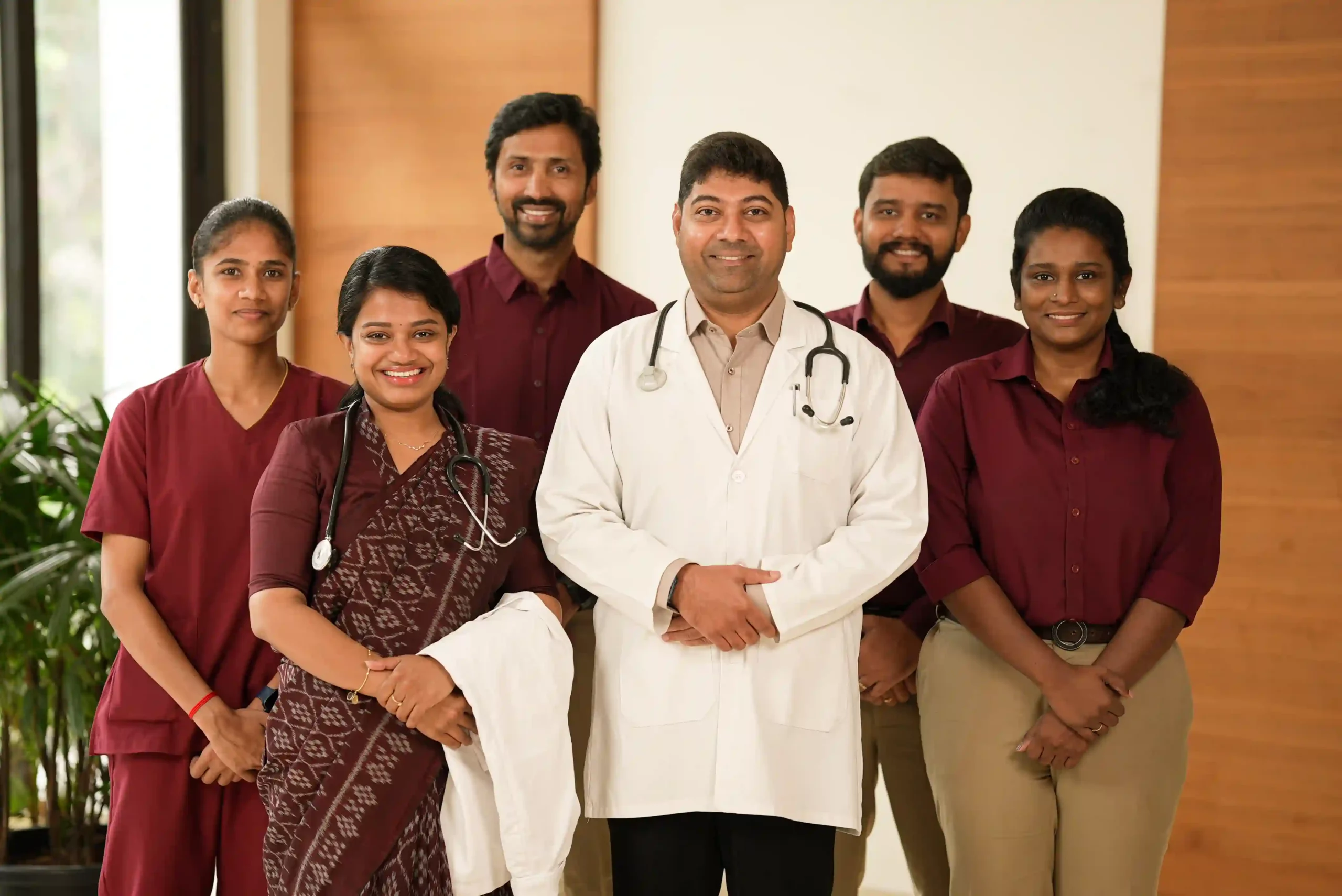
At our alcohol rehabilitation centre, healing begins with people who truly care. Our recovery team includes experienced counsellors, support staff, and wellness professionals who listen with patience and guide with compassion. Each expert brings a calm, steady presence to help clients navigate every step of the journey.
From one-on-one emotional support to lifestyle planning, everything is thoughtfully aligned with your loved one’s comfort. What sets us apart is our commitment to building trust, not just routines. This is alcohol recovery with the heart. With every session, our team supports lasting change through consistent, respectful, and holistic alcohol treatment[5].

Dr. Naveen Kumar
Medical Director
15+ years of expertise in psychiatry and addiction recovery.

Dr. Vivek Sharma
Consultant Psychiatrist & Neurofeedback Practitioner
With over 15+ years of experience in psychiatry and neurofeedback, he blends medical expertise and compassion to guide clients toward lasting recovery.

Dr. Shree Aarthi
Consultant Psychiatrist
15+ years providing expert psychiatric care for mental health and substance use disorders.

Dr. Ramalingam P Kandaswamy
Consultant Physician
15+ years With over 5 years of experience in HIV and infectious diseases, he brings global expertise and compassionate care to every patient he supports.

Dr. Divya
Psychiatrist
10+ years combining clinical psychiatry expertise with healthcare management for holistic treatment.

Dr. Malarvilzhi
Residential Medical Officer
12 years delivering comprehensive medical care in psychiatric and rehabilitation settings.

Dr. Karuppachamy
Senior Psychiatric Social Worker
22+ years of experience empowering clients through therapeutic guidance, psychosocial support, and lived-experience wisdom.

Ms. Meera
Senior Clinical Psychologist
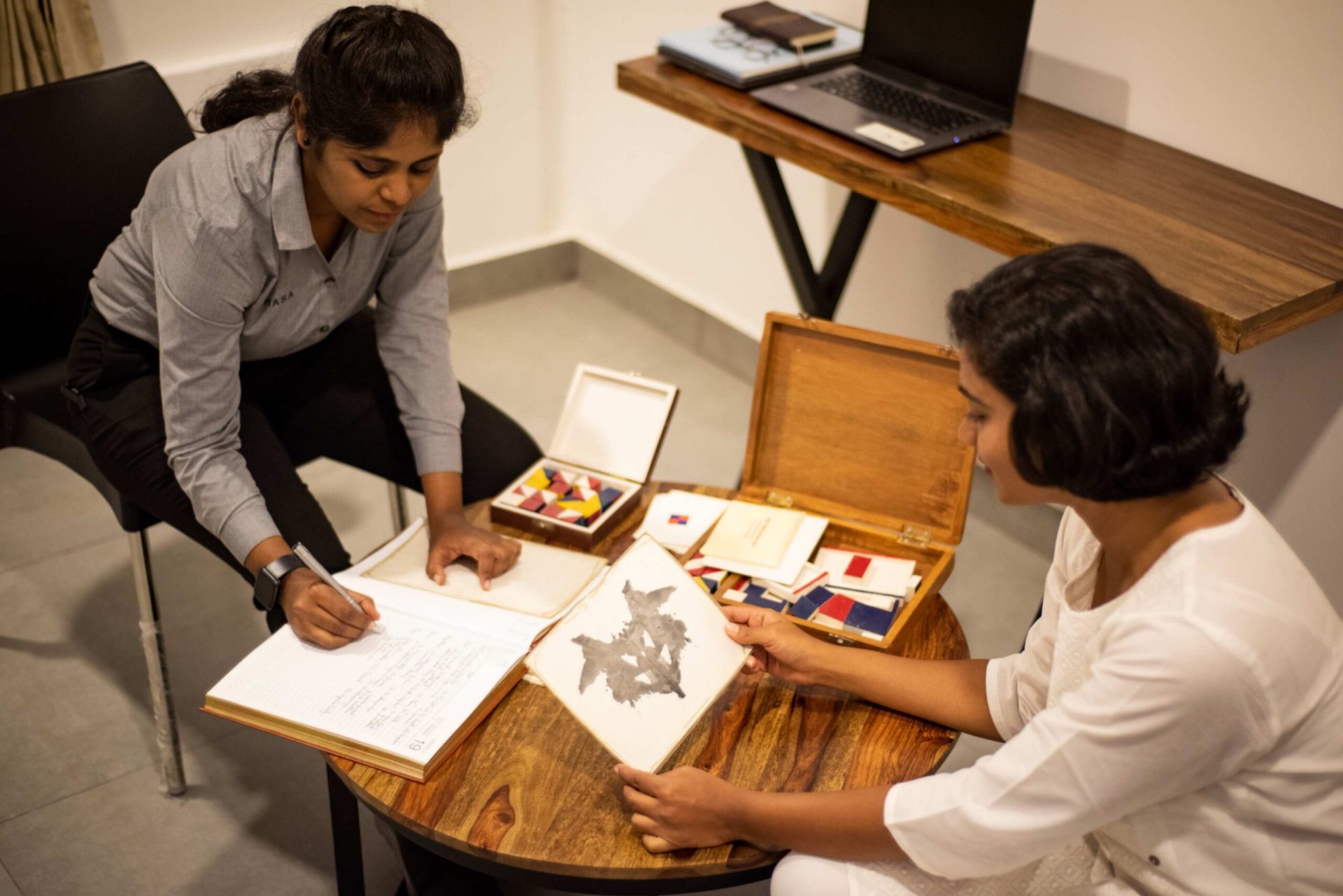
9+ years specializing in psychological assessment and evidence-based therapeutic interventions.

Mrs. Priyadarshini
Head Clinical Psychologist

Mr. Mukesh Kanna
Clinical Psychologist
2+ years providing psychological interventions for behavioral health and emotional wellness.

Mr. Antipas Jayabal
Clinical Psychologist
2+ years supporting clients through clinical assessment and therapeutic care.

Ms Keerthana S
Psychologist
Empathetic psychologist with 4 years’ experience in handling mental health disorders, using evidence-based psychotherapies for personalized client care.
Inside Our Alcohol Rehabilitation Program
If you think all residential treatment centers for schizophrenia follow the same routine, diagnose, medicate, repeat, you’re not alone.
But what we do at Abhasa is different. We don’t just focus on stopping symptoms. We focus on rebuilding life, one layer at a time.
As a trusted rehabilitation center for schizophrenia, at Abhasa, healing is not a formula. It’s a framework. It’s a journey that includes science, structure, and soul, and it adapts to each person who walks through our doors.

Because Real Recovery Is More Than Just Quitting
If you think all alcohol rehab centres[3,9] follow the same scripted detox, group therapy, and repeat, you’re not alone. It’s a common belief. But what we do at Abhasa goes deeper than symptom management. We focus on rebuilding a life from the inside out. As a private alcohol rehabilitation[3,9], Abhasa views the recovery journey as involving structure, scientific methods, and emotional support. We curate these to meet the unique needs of each individual who enters our doors.
Step 1: Understanding What's Beneath the Surface
Most programs begin with detox. We start with listening.
At Abhasa, the first step in our alcohol addiction recovery program[3,9] is understanding what’s going on underneath the drinking patterns. Before we decide what someone needs, we take time to find out who they are.
- Emotional and behavioural mapping: Our psychologists use structured conversations and assessments to explore emotional triggers, coping habits, and underlying stressors.
- Lifestyle profiling: We examine daily routines, sleep patterns, social relationships, and personal history. This gives us a clear picture of where support is needed most.
- Medical and psychological review: Our team collaborates to create a care plan based on symptoms and lived experience. The goal is to personalise support from day one.
And this sets us apart from many alcohol rehab centres. We start by understanding, not assuming.
Step 2: Creating a Plan That Moves With You
Every program offers a plan. But at Abhasa, the plan grows with the person.
We build each recovery path around the client’s pace. That means adapting and adjusting based on how someone responds emotionally, mentally, and physically. Our team comprises psychiatrists, psychologists, wellness coaches, and care coordinators who meet regularly to update the plan so it always feels right.
Whether someone is thriving or struggling, we meet them where they are. That flexibility is one of the reasons families trust Abhasa for private alcohol rehabilitation[2,6,7].
Step 3: Layered Healing for Long-Term Change
Most centres focus on stopping harmful behaviour. At Abhasa, we focus on helping people build a life they no longer want to escape from. Our recovery is structured through multiple layers of care:
- Relapse prevention strategies: Clients learn to identify triggers, manage cravings, and develop healthier coping tools.
- Daily life structure: A consistent rhythm of meals, rest, therapy, and wellness blocks that rebuild confidence and reduce chaos.
- Cognitive tools: We use methods like the ABC model to understand behaviour patterns and replace them with more constructive responses.
- One-on-one development sessions: Ongoing personal sessions with psychologists and counsellors to work through emotional blocks, past trauma, and relationship challenges.
- Therapeutic activities: Nature walks, journaling, light movement, and creative expression activities that help reconnect the mind and body in recovery.
What makes us different from other alcohol rehab centres[8] is that we don’t choose one or two layers and hope they work. We include all of them. Healing doesn’t happen in isolation but through connection, repetition, and care that adapts.
A Recovery Framework That Feels Personal, Not Rigid
At Abhasa, we walk alongside each client through setbacks and breakthroughs, sharing when it feels possible and when it doesn’t.
If you’re looking for a private alcohol rehabilitation program that understands what real healing looks like, we’re here to begin that journey with you.
A Typical Healing Day at Abhasa

This daily schedule offers a glimpse into what life looks like inside Abhasa’s alcohol rehabilitation program[2,6]. Clients follow a rhythm shaped by their care plan, emotional needs, and recovery goals. What doesn’t change is the intention behind each moment.
Why Daily Rhythm Matters in Alcohol Recovery
At Abhasa, we believe healing happens through consistency. Many clients arrive with disrupted sleep, scattered routines, and emotional exhaustion. That’s why we build daily around structured sober living[2,6], offering a gentle flow that encourages stability, presence, and purpose.
The day includes a blend of therapy, movement, nourishment, and quiet time from morning to evening. This rhythm supports emotional recovery and the development of everyday habits that continue long after treatment.
Each day begins with self-care routines and light movement to help the body reset. Some clients may start with yoga, guided stretching, or a nature walk. These practices prepare the mind for the day ahead and support early-stage relapse prevention coaching[8,10] by lowering anxiety and helping clients connect with themselves.
Late morning is dedicated to one-on-one therapy or focused group sessions. This is where clients explore emotional triggers, build communication skills, and process their experiences in a safe, guided space.
Our private alcohol rehabilitation[8,11] program also includes time for journaling, behaviour mapping, and relapse planning tools that are woven into these therapeutic blocks.
After a balanced lunch, the afternoon includes lighter activities like expressive art, music, or therapeutic writing. These sessions help with emotional regulation and reintroduce joy in simple moments.
Clients also take part in life skills coaching. This includes time management, stress response, healthy routines, and relationship building, core parts of both structured sober living[8,11] and long-term sobriety.
Evenings are intentionally calm. After a nourishing meal, clients join reflection circles, mindfulness sessions, or light journaling. These activities settle the day’s work and create emotional closure before rest.
Some clients may also have short check-ins with their therapist or engage in a personal recovery activity, depending on where they are in their plan.
Not Just a Routine. A Foundation for Recovery.
This is more than a day schedule. It’s a healing rhythm that helps rebuild trust, inside and out. Each day at Abhasa, personal attention is balanced with proven techniques to support growth and prevent relapse. By weaving relapse prevention coaching into daily routines and offering predictable, meaningful blocks of care, we help each person regain stability.
Other alcohol rehab centres may treat routine as a background element. At Abhasa, it is part of the program. It helps clients feel grounded, safe, and ready to step into a life of balance.
“Free, no-obligation consultation within 24 hours”
Our Facilities, Amenities, and Spaces of Healing
At Abhasa, luxury is never about appearance. It’s about how you feel the moment you arrive. Calm. Safe. Seen. As one of India’s trusted luxury alcohol treatment centres[8], we design every corner to ease the mind, support the body, and allow healing to happen gently.
From restful rooms to quiet gardens, our environment helps restore peace one moment at a time.
The Spa: Where the Body Learns to Rest Again
Our spa isn’t just a place to relax. It’s a therapeutic space that helps the nervous system settle. Clients experience massage, herbal care, and soothing therapies that reduce anxiety and create space for emotional release. Every touchpoint is calm, warm, and grounded.
The Yoga Deck: Where the Day Begins with Breath
Our open-air yoga deck welcomes quiet mornings and soft movement. Here, clients take time for breathwork, stretching, or silent reflection. It’s a space that helps them reconnect with their bodies and feel more stable from the inside out. A calm start can change the direction of an entire day.
Recovery for women often comes with its own set of challenges. That’s why we offer a dedicated women’s alcohol rehab[9] wing that is private, peaceful, and supported by an all-female staff.
In this space, women find the freedom to heal without explaining themselves. There’s space to rest, room to reflect, and a circle of support built on understanding and care.
Clients also have access to:
- Quiet walking paths to calm the mind and body
- A gym for movement, strength, and emotional release
- Library corners for gentle focus and mental stillness
- A chai corner for casual connection and conversation
- Indoor and outdoor games for play and emotional balance
- Weekend leisure like movie nights, pottery, or nature outings
- A wellness room for aromatherapy, sound healing, and reflection
These aren’t just perks. They are tools that support structure, comfort, and recovery from the inside out.
Safety is central to everything we do. Abhasa offers 24/7 security and surveillance so that every client can feel genuinely at ease day and night. Our trained staff ensures that care is present, protection is constant, and the environment remains calm and reassuring.
For many families, knowing their loved one is safe provides a deep layer of comfort. It’s one more reason why Abhasa remains a trusted name in luxury alcohol treatment centres.
Everything we offer, from our yoga deck to our women-only wing, is carefully designed. These are not extras. They are essential parts of our recovery model.
Because when someone feels safe, supported, and surrounded by thoughtful spaces, healing no longer feels out of reach. It starts to feel real.
Personalised Recovery Plans That Support Growth
Real Change Begins With a Plan That Listens
Many people arrive at rehab feeling guarded, uncertain, or exhausted. That’s why, unlike many alcohol recovery programs that hand out fixed schedules, we don’t hand over a plan and walk away. We build one together. And we let it grow.
At Abhasa, alcohol addiction rehabilitation[1,3,8] is never rigid. We meet people where they are and adjust the rhythm based on where they’re going.
A Plan That Evolves With the Person
We begin every recovery journey with deep listening and careful assessment. Before we create a plan, we want to understand the person behind the pattern.
That’s why our intake process includes:
- Clinical and psychological evaluations
- Lifestyle and stress response assessments
- Family history and social context
- Team-based observation over the first few days.
These insights help us create a care framework that doesn’t just manage behaviour but supports the person as they rebuild.
Many challenges related to alcohol use stem from layers of factors: biological, psychological, and social. We address all three together using an integrated model of care. This approach helps us understand not only how someone drinks but why they feel the need to.
Our Recovery Plans Are Built on Four Core Pillars
We combine clinical structure with meaningful daily practices to create a personalised care plan that supports change. Each plan includes:
- Medical and psychological support: Psychiatry, diagnostics, and evidence-based therapy
- Mind-body care: Mindfulness, yoga, guided reflection, and emotional regulation techniques
- Community and expression: Nature walks, creative activities, and movement sessions.
- Family involvement: Calls, education sessions, and boundary-setting tools that create stronger relationships.
These elements work together to build emotional resilience, strengthen communication, and teach clients the life skills[12,13] to move forward after rehab confidently.
The Plan Doesn't End When Treatment Does
As clients prepare to transition out of the residential program, we help build a clear post-rehab roadmap. This includes routines, risk indicators, and safety nets that support long-term recovery.
We involve families early in this phase. Together, we co-create a continuity plan that includes:
- Medication guidelines and health follow-ups
- Flexible routines for daily stability
- Emotional risk signs to watch for
- Communication techniques to manage stress and prevent relapse
- Continued support and check-in options
We educate families to support the healing process by making them understand the condition and its care without feeling overwhelmed. This is what sets Abhasa’s approach to alcohol addiction rehabilitation[2,6] apart from most.
Why This Makes a Difference
Most programs stop at the discharge note. We go further.
We give clients and their families a path that makes sense. One that feels practical, compassionate, and informed. That’s how we help ensure the growth that starts at Abhasa continues long after.

How We Support Families During Alcohol Recovery
When a loved one struggles with schizophrenia, the weight often falls silently on the family. The worry. The helplessness. The burnout comes from trying to do the right thing without knowing what that really is. At Abhasa, we see that. And more importantly, we support it.
That’s why family involvement in rehab is never optional. It’s part of the healing plan.
At Abhasa, we honour family involvement in rehab as a central element of every treatment journey. Because real schizophrenia recovery support involves the system that surrounds the client, not just the client themselves.

When someone you love is struggling with alcohol use, it often becomes a quiet weight the whole family carries. The worry builds up. The helplessness grows. And even when you’re doing your best, it can feel like you’re falling short.
At Abhasa, we see that. And more importantly, we support it. That’s why family involvement in alcohol rehab[12,13] is not something we add in later. It is part of the care plan from the very beginning.
Healing does not happen in isolation. It occurs within the system of relationships that surround the person. We honour that connection and help families move through recovery together.

We believe in keeping families informed and involved, not just with milestones but with the day-to-day journey. Here’s how we do that:
- Daily routine reports: These offer a clear, simple picture of how your loved one is doing, what they ate, how they slept, and how their mood was during the day.
- Weekly case manager check-ins: These 15-minute calls allow you to ask questions, share insights, and process what’s unfolding.
- Monthly clinical review calls: In these hour-long sessions, you’ll speak directly with the care team to align on goals, shifts, and future direction.
This kind of regular contact turns updates into a partnership. You are not left guessing. You are part of the process. This structure makes family involvement in alcohol rehab[13] feel steady, not overwhelming.
Because caring for someone in recovery also means caring for you.

We know this journey can feel unfamiliar. That’s why we provide psychoeducation sessions that simplify the complex. These sessions are built to help you understand the following:
- What alcohol use does to the brain and behaviour
- How to respond supportively during emotional moments
- What helps recovery and what might unintentionally slow it down
- How to care for your nervous system through it all
You’ll also receive practical tools that guide you on communication, emotional boundaries, and planning for life after rehab. This support gives you the confidence to show up with clarity and compassion, not confusion or fear.

We don’t shy away from the hard conversations. We guide them.
Our family therapy sessions create space for healing old hurts, rebuilding trust, and learning to express emotions safely. This is where many families find their way back to connection, not by fixing everything at once, but by starting small and honest.
This is one of the most meaningful aspects of family involvement in alcohol rehab[13,14]. Not just being present but healing together.
Because real recovery includes the relationships that matter most.
Healing Environment: Safe, Private & Serene
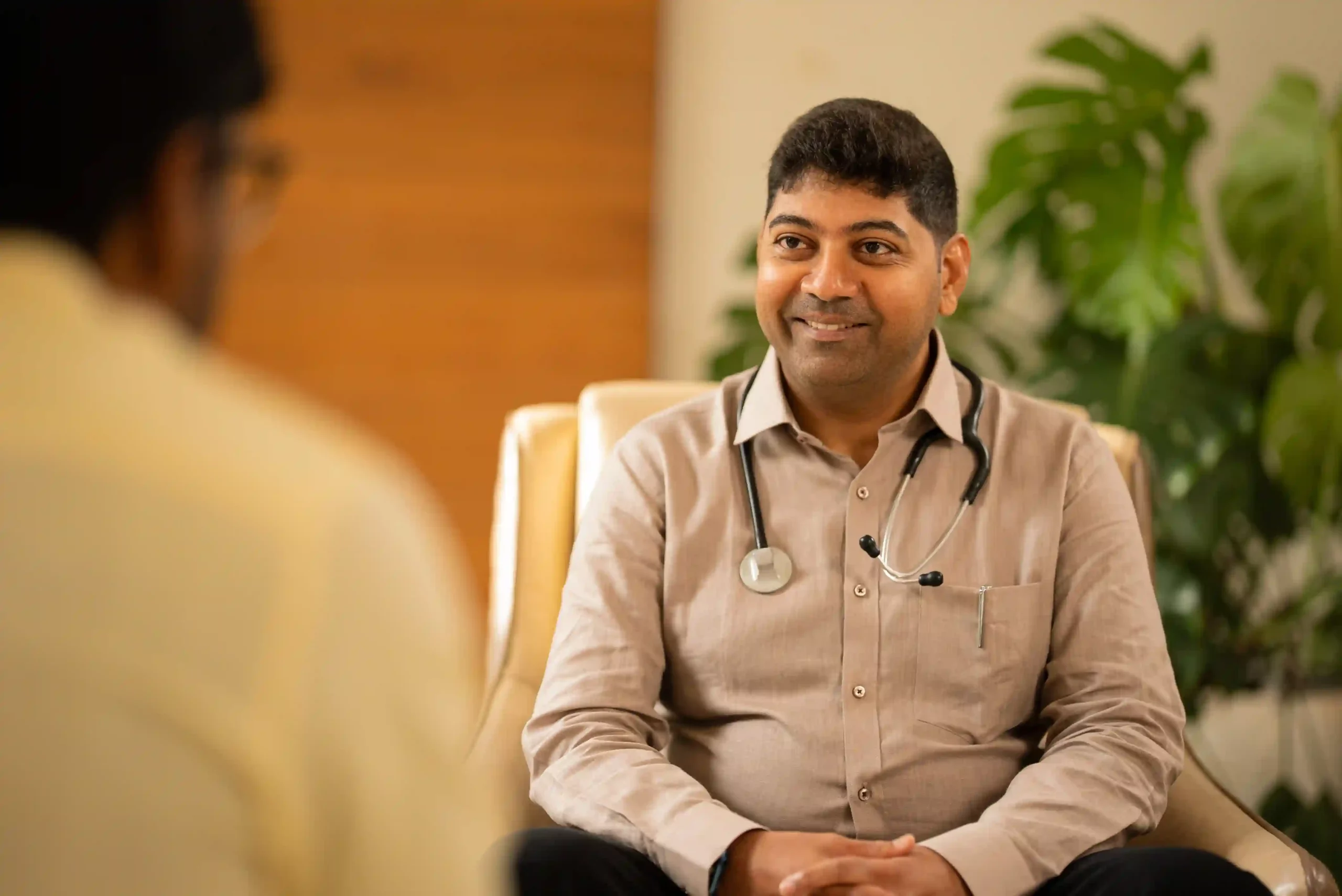
Real recovery begins in a space that feels safe. Abhasa offers calm surroundings, privacy you can trust, and a deep sense of peace the moment you arrive. For many, it’s the first time in a long while they’ve felt honestly held.

Safety That Feels Steady and Respectful
Feeling safe isn’t just about having systems in place; it’s about how you’re treated daily. At Abhasa, your space is protected, your time is honoured, and no one rushes your process. The calm here is intentional, and the support is steady.
Privacy That Lets You Breathe
Your journey is yours, and we respect that deeply. Whether you’re resting in your room, reflecting in the garden, or sitting quietly with your therapist, your space is yours to feel safe in. Everything is designed to help you heal without pressure, in peace.
This is what sets private alcohol rehabilitation[2,6] apart: care that’s personal, peaceful, and never intrusive.
Room to Slow Down
Here, there’s no need to push through or pretend. You can take your time, sit with your thoughts, step back when needed, and move forward when ready. There’s no pressure to explain, only space to feel supported.
Nature That Holds You Quietly
The surroundings at Abhasa do more than look beautiful. They create a quiet stillness that helps you breathe a little easier. Gentle pathways, open skies, and shaded corners offer comfort just by being there. It feels less like treatment and more like finding your footing in a place that understands your needs.
These surroundings are intentional. Being close to nature helps regulate emotions, ease anxiety, and support emotional stability. Combined with holistic alcohol addiction care[8], it creates a healing experience that touches both body and mind.
Security That Helps You Feel at Ease
Our campus is protected by discreet but thorough security. There is 24/7 Surveillance, trained staff on-site, and protocols in place that prioritise emotional and physical safety. But it never feels restrictive. Clients often say they feel free within the space because absolute freedom comes when you know you are safe.
Families can rest easy knowing that care, safety, and support are constant whether someone is here for a short stay or an extended program.
Stories of Strength: Life After Alcohol
Healing from alcohol isn’t just about what’s left behind; it’s about everything you begin to reclaim. At Abhasa, we’ve walked alongside people who’ve found their way back to themselves. The success of alcohol rehab[2,6] shines through in the small, everyday wins, waking up clear-headed, rebuilding trust, and feeling truly present with loved ones.
Many share how tools like structure, emotional awareness, and life skills after rehab[2,6] helped them stay steady. For some, it’s journaling or painting. For others, it’s learning to speak confidently or create healthier boundaries. And for all, it’s rediscovering joy in a life they thought was lost.
These are not just stories; they’re proof that change is possible.
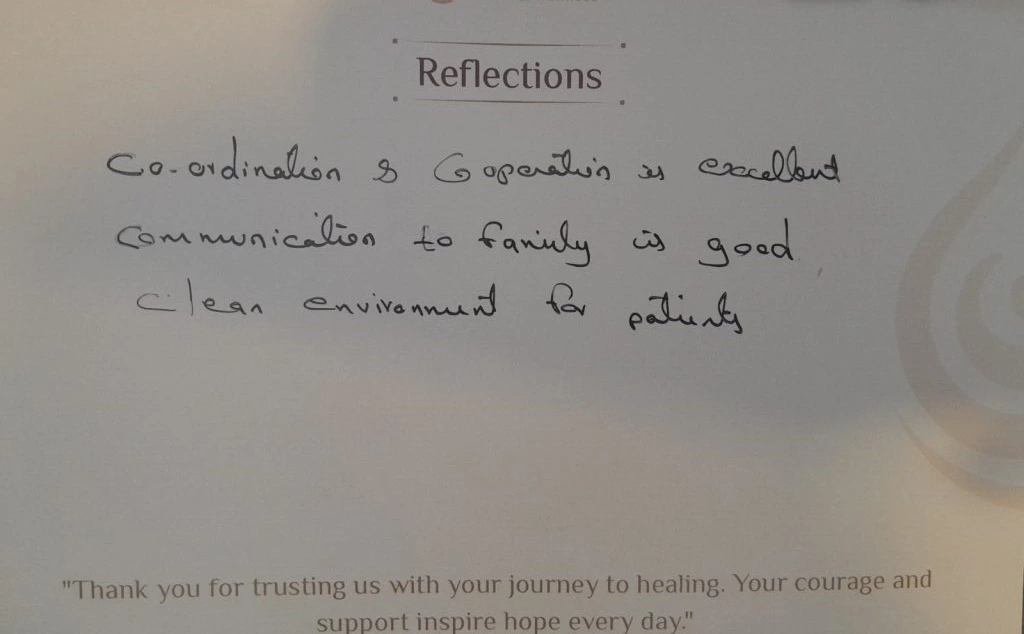
Co-ordination & cooperation is excellent. Communication to family is good. Clean environment for patients.
Former Client
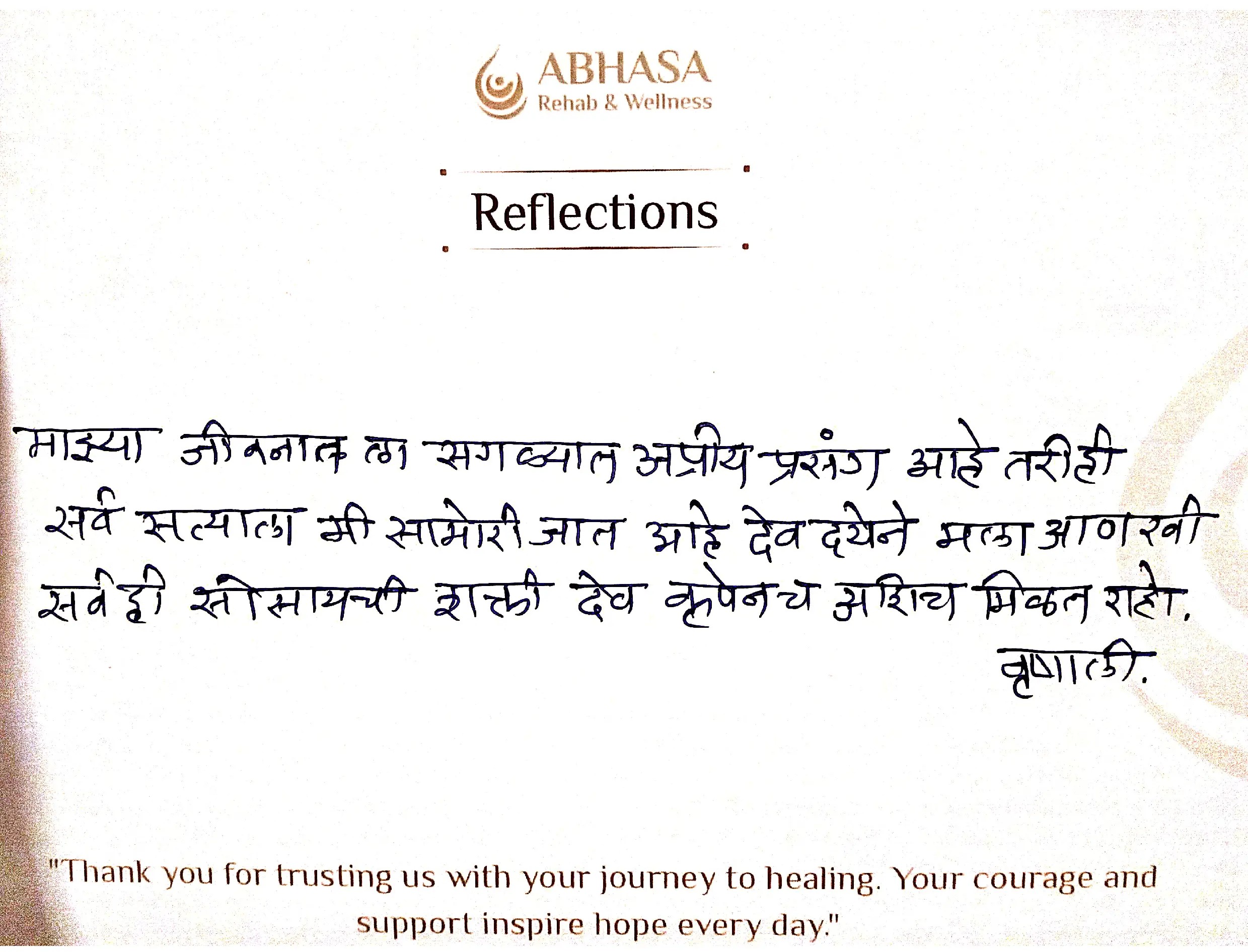
I found strength to face life’s hardest truths here. I believe it was God’s grace that brought me to Abhasa.
Former Client
“no-obligation consultation within 24 hours”
FAQs About Alcohol Rehabilitation
Can you drink alcohol after rehab?
The goal of alcohol rehabilitation[1,2,6] is to help you build a fulfilling, alcohol-free life. While it’s a personal choice, most people who maintain recovery long-term choose to stay sober to protect their progress.
How do you treat alcohol addiction without medication?
Not everyone needs medication. Many alcohol rehab centres[8,9] use holistic support like therapy, mindfulness, fitness, and nutrition to help you reset habits, manage triggers, and feel more grounded without medication.
How does residential rehab work for alcoholism?
In residential alcohol rehab[4,5], you live on-site in a safe, peaceful space. Days follow a structured routine with therapy, wellness activities, and personal time. Everything is designed to help you heal and rediscover your balance.
How much does alcohol rehabilitation cost in India?
Costs vary depending on location, facilities, and duration. Luxury alcohol rehab near me[3,6,9] options like Abhasa offer premium care and privacy. It’s best to contact the centre directly for details based on your needs.
Is rehab good for alcoholics?
Yes. Alcohol rehabilitation[3,6,9] provides focused time away from daily stress, tools to rebuild your life, and a support team that understands your journey. It’s not just about stopping drinking; it’s about learning how to thrive.
What happens in an alcohol rehabilitation centre each day?
A typical day includes therapy, group sessions, nutritious meals, fitness, and self-care time. The structure helps reduce chaos and brings stability, one step at a time.
What percentage of alcoholics recover after rehab?
Success depends on continued support, environment, and mindset. Many who stay engaged with therapy and healthy routines post-rehab go on to lead whole, sober lives.
Which therapy style is most suitable for alcoholism recovery?
It depends on the person. Emotional support, group support, creative expression, and mindfulness are all effective. Good alcohol rehab centres[8,9,5] tailor treatment to your comfort and goals.
How long should someone stay in alcohol rehab?
Stays can range from a few weeks to a few months. It depends on how much support you need to feel steady and confident.
Will rehabilitation work for alcoholics long‑term?
It absolutely can. Long-term success is more likely when alcohol rehabilitation[2,6,12] includes aftercare, life skills, and ongoing emotional support. Recovery is a journey, and rehab is your strong first step.
Blog & Expert Resources
Insights to Guide Your Alcohol Recovery Journey
Recovery is a deeply personal process, but you don’t have to navigate it without support. Our alcohol recovery blog[3,15] is designed to meet you where you are, whether you’re just starting to ask questions or looking for ways to stay strong after rehab.Curated by therapists, wellness experts, and recovery coaches at Abhasa, our blog offers practical tips, compassionate stories, and guidance on everything from relapse prevention to rebuilding relationships.
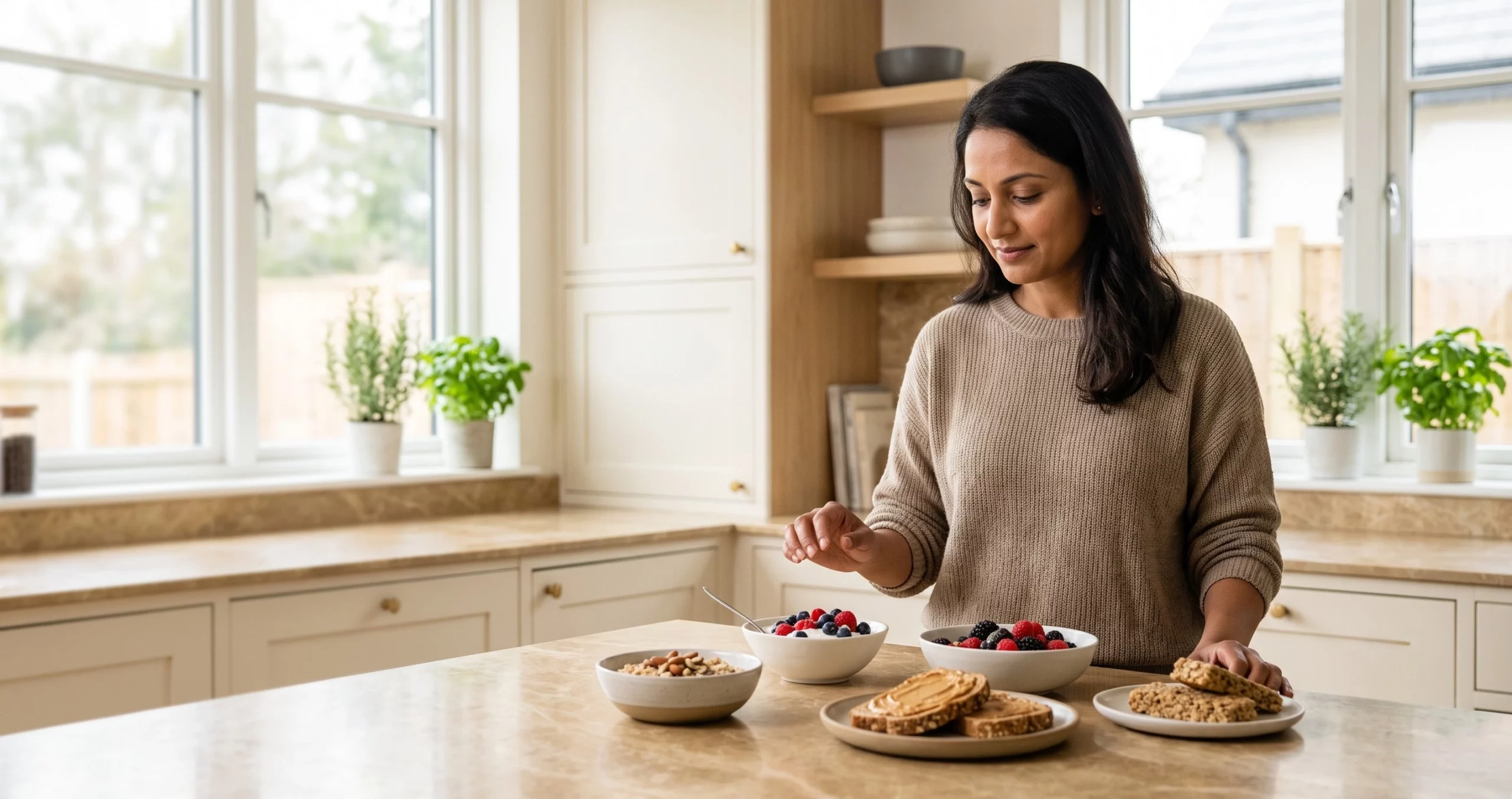

Sugar Cravings After Quitting Alcohol – Why They Happen and What They Mean
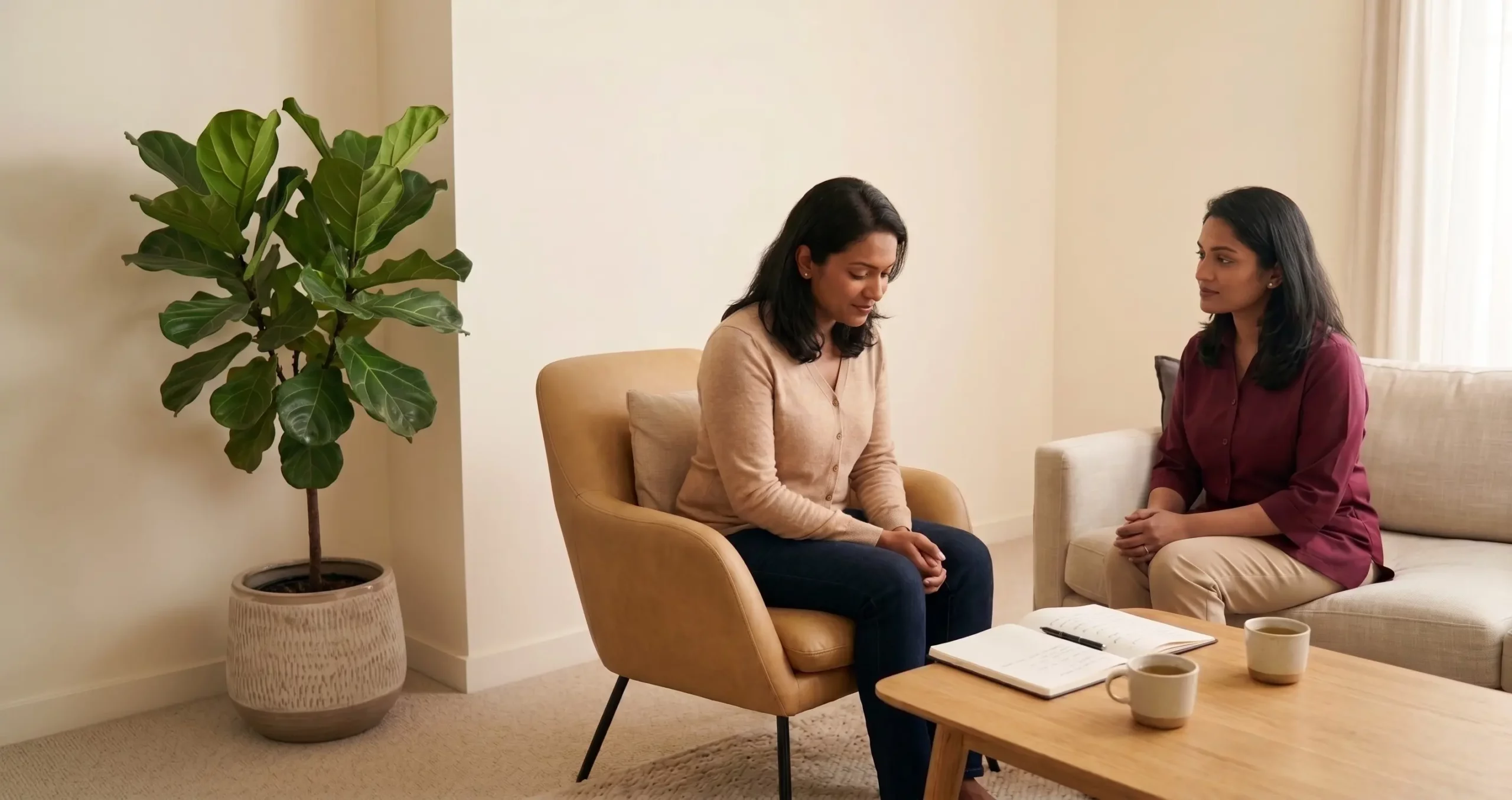
Shame vs Guilt in Addiction Recovery: Understanding the Difference
Summarize with OpenAI ChatGpt Claude Claude AI Google Perplexity Perplexity AI Grok Grok Key Takeaways Shame vs guilt in addiction

Why Relapse Is a Process, Not a Failure: A Clinical Perspective
Begin Your Recovery Journey with the Best Alcohol
Rehab Centre in India
Taking the first step toward recovery isn’t easy. But, the first small step can bring your life back. Whether you’re seeking support for yourself or someone dear to you, hold on to this truth: you are never alone in this journey. At Abhasa, recognised among the best alcohol rehab centres in India, we offer more than treatment; we offer a path back to wholeness.
Our alcohol rehab centre in India provides a safe, luxurious, and deeply personalised healing space where individuals and families find clarity, peace, and renewed strength. From holistic therapies to structured support and family involvement, every part of your journey is handled with care and compassion.
You don’t need to have it all figured out. You need a place that sees the person behind the pain, and walks beside you with understanding and warmth.
Proudly Serving Across Cities
- Rehab in Karjat
- Rehab in Pune
- Rehab in Navi Mumbai
- Rehab in Madurai
- Rehab in Trichy
- Rehab in Bangalore
- Rehab in Chennai
- Rehab in Thane
- Rehab in Nasik
- Rehab in Kochi
- Rehab in Mangalore
- Rehab in Mysore
- Rehab in Hyderabad
- Rehab in Vijayawada
- Rehab in Visakhapatnam
- Rehab in Delhi
Medical Disclaimer
This information is for educational purposes only and does not constitute medical advice. Alcohol use disorder is a serious medical condition requiring professional diagnosis and treatment by qualified healthcare providers.
Always consult licensed medical professionals and addiction specialists before making treatment decisions. Individual results vary significantly based on numerous factors including severity of dependence, co-occurring conditions, personal commitment, and environmental support.
Alcohol withdrawal can be life-threatening. Attempting to detox at home without medical supervision may result in severe complications including seizures, delirium tremens, and death. Medical detoxification should only be conducted under the supervision of qualified healthcare professionals in an appropriate medical setting.
If you are experiencing a medical emergency, call emergency services immediately (dial 112 in India or your local emergency number).
The content provided describes general treatment approaches and facility amenities. It is not a substitute for individualized medical assessment or professional treatment planning. Treatment outcomes cannot be guaranteed, and recovery from alcohol dependence is an ongoing process that may include periods of relapse.
Resources: Complete 15-Source Bibliography
Core Citations (All Sources Used):
[1] World Health Organization (WHO) – “Alcohol Fact Sheet” – 2024
URL: https://www.who.int/news-room/fact-sheets/detail/alcohol
Source Type: International health organization (Tier 1)
Supports: Global alcohol statistics, health impacts, 400 million affected worldwide
[2] NCBI Bookshelf – “Addiction Relapse Prevention” – StatPearls, 2023
URL:https://www.ncbi.nlm.nih.gov/books/NBK551500/
Source Type: Peer-reviewed medical reference (Tier 1)
Supports: Relapse prevention strategies, recovery as ongoing process, evidence-based interventions
[3] Narasimha, V.L. et al. – “Alcohol use disorder research in India: An update” – Indian Journal of Psychiatry, 2024
URL: https://pmc.ncbi.nlm.nih.gov/articles/PMC11293778
Source Type: Peer-reviewed India-specific research
Supports: 5% problematic use in India, clinical profiles, treatment approaches for Indian population
[4] Cleveland Clinic – “Alcohol Withdrawal: Symptoms, Treatment & Timeline” – 2025
URL: https://my.clevelandclinic.org/health/diseases/alcohol-withdrawal
Source Type: Major medical institution (Tier 1)
Supports: Medical detox necessity, withdrawal symptoms, timeline, supervised care importance
[5] Diaz-Gomez, J.L. et al. – “Alcohol Withdrawal Syndrome” – StatPearls/NCBI, 2024
URL: https://www.ncbi.nlm.nih.gov/books/NBK441882/
Source Type: Peer-reviewed clinical reference (Tier 1)
Supports: Clinical management, severity assessment, interprofessional care, withdrawal protocols
[6] VA Whole Health Library – “Reducing Relapse Risk” – 2023
URL: https://www.va.gov/WHOLEHEALTHLIBRARY/tools/reducing-relapse-risk.asp
Source Type: Government healthcare system (Tier 1)
Supports: 60% sustained recovery rate, behavioral treatments, relapse as chronic disease feature
[7] Marlatt, G.A. & Gordon, J.R. – “Relapse Prevention: Marlatt’s Cognitive-Behavioral Model” – PMC, 1999
URL: https://pmc.ncbi.nlm.nih.gov/articles/PMC6760427/
Source Type: Foundational peer-reviewed research
Supports: RP model taxonomy, high-risk situations, lapse vs relapse, intervention strategies
[8] Khalsa, S.S. et al. – “Yoga and Mindfulness as Complementary Therapies for Addiction” – PMC, 2013
URL: https://pmc.ncbi.nlm.nih.gov/articles/PMC3646290/
Source Type: Peer-reviewed narrative review
Supports: Holistic approaches, stress reduction, craving management, complementary therapy effectiveness
[9] National Institute on Drug Abuse (NIDA) – “Treatment Approaches for Drug Addiction” – 2020
URL: https://nida.nih.gov/publications/drugfacts/treatment-approaches-drug-addiction
Source Type: Government research institute (Tier 1)
Supports: Behavioral therapies, treatment individualization, duration importance, various modalities
[10] Hallgren, M. et al. – “Yoga as an adjunct treatment for alcohol dependence: A pilot study” – ScienceDirect, 2014
URL: https://www.sciencedirect.com/science/article/abs/pii/S096522991400034X
Source Type: Peer-reviewed clinical trial
Supports: Yoga feasibility in treatment, alcohol consumption reduction, stress regulation benefits
[11] Marcus, M.T. et al. – “Mindfulness Meditation for Alcohol Relapse Prevention: Feasibility Pilot” – PMC, 2009
URL: https://pmc.ncbi.nlm.nih.gov/articles/PMC4106278/
Source Type: Peer-reviewed pilot study
Supports: Meditation reducing stress/anxiety/depression, craving severity decrease
[12] Hogue, A. et al. – “Family Involvement in Treatment and Recovery for SUDs” – PMC, 2021
URL: https://pmc.ncbi.nlm.nih.gov/articles/PMC8380649/
Source Type: Peer-reviewed research
Supports: Families as key resources, family involvement improving outcomes, developmental science
[13] American Addiction Centers – “Family Therapy for SUDs and Addiction Recovery” – 2025
URL: https://americanaddictioncenters.org/therapy-treatment/family-therapy
Source Type: Treatment organization with evidence base
Supports: Family support increasing retention and abstinence, various therapy models (BCT, BSFT, etc.)
[14] SAMHSA – “Mental Health Coping Resources for Children and Families” – 2024
URL: https://www.samhsa.gov/mental-health/children-and-families/coping-resources
Source Type: Government health agency (Tier 1)
Supports: Family role in recovery, genetic considerations, family therapy effectiveness
[15] National Institute on Alcohol Abuse and Alcoholism (NIAAA) – “Treatment for Alcohol Problems: Finding and Getting Help” – 2024
URL: https://www.niaaa.nih.gov/publications/brochures-and-fact-sheets/treatment-alcohol-problems-finding-and-getting-help
Source Type: Government research institute (Tier 1)
Supports: Treatment settings, medication options, behavioral treatments, mutual-support groups