
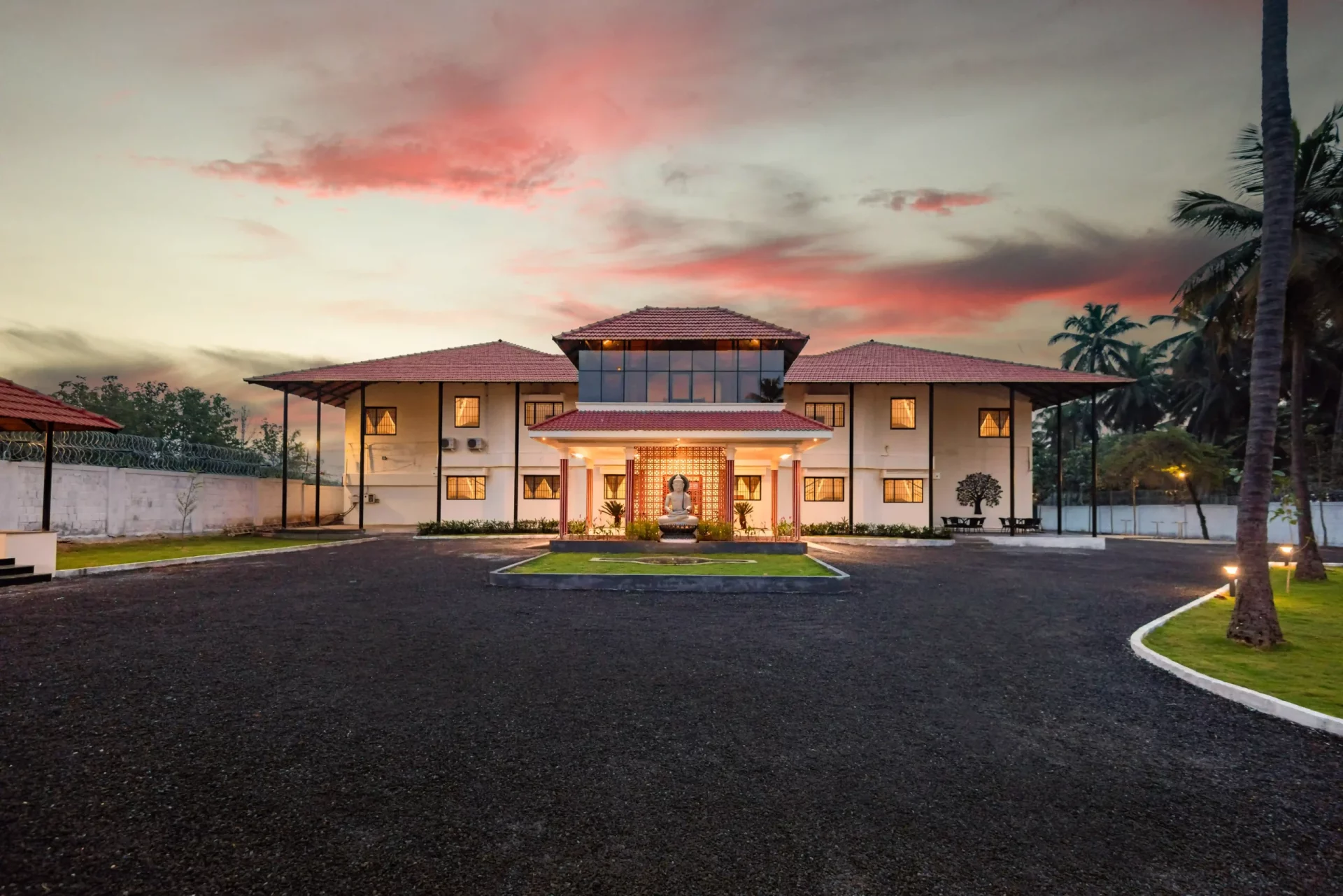
Finding a Rehabilitation Centre in Delhi?
Here's What Families Discover
Expert Review: Developed by Abhasa Rehab and Wellness, reviewed by Dr. Naveen Kumar, MBBS, DPM (Psychiatry), 15 years experience. Based on evidence from WHO, NIMHANS, Mayo Clinic, and peer-reviewed research.
Experience premium care.
Understanding the Mental Health Reality in Delhi
Direct Answer: Abhasa is a residential rehabilitation centre serving families from Delhi NCR seeking private, compassionate care for mental health conditions and addiction. Our centres in Coimbatore and near Mumbai provide evidence-based treatment with 70-80% recovery rates in a peaceful environment away from the pressures of city life.
If you’re searching for a rehabilitation centre in Delhi or a deaddiction centre in Delhi, here’s what families discover: the most effective recovery often happens away from the city where triggers and stressors live. That’s why over 200 Delhi families have chosen Abhasa’s therapeutic retreat settings for lasting healing.
150 million Indians need mental health support. Only 30 million receive it.[1] That gap of 120 million people represents families struggling in silence, unsure where to turn, or hesitant because of what others might think.
Delhi NCR contributes significantly to this burden. The National Capital Region, with its population exceeding 30 million people, sees elevated rates of workplace stress, substance use, and mental health conditions. Urban professionals, homemakers, students, and elderly individuals all face distinct pressures that can lead to mental health challenges.
If you are reading this, someone in your family may be going through a difficult time. It could be your teenager, your spouse, your parent, or perhaps yourself. Whatever brought you here, know this: you are not alone. Your concern shows how much you care, and caring enough to seek information is the first step toward finding help.
Need immediate guidance? Speak with our team confidentially: +91-73736-44444 (WhatsApp available)
Why Delhi Families Hesitate to Seek Help
For families looking for a rehab centre in Delhi, the first barrier is often not finding one—it’s overcoming the hesitation to seek help at all.
Delhi is a city of achievement. People here work hard, build careers, raise families, and maintain social standing. This same drive for success creates pressure that makes seeking mental health support feel difficult.
Many families delay getting help because of concerns that are deeply rooted in our culture:
Fear of judgment
The worry about what relatives, neighbours, or colleagues might think. “Log kya kahenge?” is a question that stops many families from reaching out, even when they know help is needed.
Privacy concerns
In a connected city like Delhi, where social and professional networks overlap, families worry about confidentiality. The thought that someone might find out feels overwhelming.
Misunderstanding about treatment
There is a common belief that rehabilitation centres are only for extreme cases or that therapy is for people who cannot cope. This prevents families from seeking help during early stages when treatment is most effective.
Self-reliance culture
Family expectations
Many households believe in handling problems internally. Seeking outside help can feel like admitting failure or bringing shame to the family name.
Here is the truth: seeking help is one of the strongest things a person can do. The most successful people, including business leaders, doctors, and athletes, work with mental health professionals. Taking care of your mind is no different from taking care of your body.
Worried about privacy? We offer confidential consultations with no obligation. Call +91-73736-44444
Every information, from the very first discussion to the final day of your stay, is designed to safeguard dignity and motivate change.
Why Many Families Choose Treatment Away from Delhi
Your search for rehab in Delhi brought you here—and that search may lead you to an important realisation: the best recovery outcomes often happen away from the city.
For families worried about privacy and stigma, seeking treatment outside Delhi offers real advantages.
When someone receives care in their home city, they remain surrounded by the same environment that may have contributed to their struggles. Most rehab centres in Delhi keep patients near their triggers—the office where stress accumulated, the home where conflicts happened, the neighbourhood where everyone knows everyone. These places carry memories and associations that can make recovery harder.
When a person travels to Abhasa’s facility in Coimbatore or near Mumbai, something shifts. There is physical distance from triggers and stressors. There is anonymity that allows complete focus on healing. There is no risk of running into someone from your social or professional circles.
What Are the Benefits of Treatment Away from Home?
| Factor | At Home (Delhi) | Away (Abhasa) |
|---|---|---|
| Privacy | Risk of being seen seeking help locally | Complete anonymity |
| Triggers | Surrounded by stress sources | Clean break from environment |
| Focus | Daily distractions continue | Full attention on recovery |
| Judgment | Social pressure present | Judgment-free setting |
| Environment | City noise and pace | Nature, quiet, space to heal |
This is why families searching for rehab in Delhi often discover that the best option is actually outside the city—where therapeutic distance accelerates healing.
What distance provides
- Complete privacy and confidentiality for your family
- A clean break from stressful environments and toxic patterns
- Space away from judgment and social pressure
- A peaceful, nature-rich setting that supports healing
- Freedom to focus entirely on recovery without distractions
Research supports this approach. Studies show that environmental change during treatment improves outcomes by reducing exposure to triggers and allowing full immersion in the recovery process.[2]
A short flight of 2 to 3 hours creates meaningful separation. This distance is not about running away. It is about creating the right conditions for healing to happen.
Explore our centres: Why Abhasa
Addiction Support for Every Age – Delhi Families
How Does Academic Pressure Affect Teenagers in Delhi?
Young people in Delhi face enormous pressure. Academic competition for exams like JEE, NEET, and board results creates constant stress. Social media adds comparison and anxiety. Relationships bring their own challenges.
Many teenagers struggle with identity confusion, anxiety, panic attacks, gaming addiction, emotional outbursts, and sleep problems. Some turn to substances to cope. Others withdraw from family and friends.
Parents often notice changes but are unsure what to do. Is this normal teenage behaviour or something more serious? When should they intervene?
If your teenager has changed significantly, if they are struggling with sleep, withdrawing from activities they once enjoyed, or showing signs of anxiety or depression, professional support can help. Early intervention makes a real difference.
Related: Understanding Anxiety Disorders
What Signs of Burnout Should Working Professionals Watch For?
Delhi NCR’s corporate culture in Gurgaon, Noida, and the startup ecosystem demands long hours and high performance. Many professionals push themselves until they burn out.
The signs often appear gradually. Difficulty sleeping. Needing alcohol to unwind after work. Feeling emotionally numb. Struggling to focus. Relationships suffering because of overwork. Performance declining despite working longer hours.
Professionals often dismiss these signs as “just stress” or “part of the job.” Chronic stress affects both mental and physical health. It damages careers more than taking time to heal properly.
Cognitive Behavioural Therapy (CBT) has strong evidence for treating workplace stress and burnout, with studies showing sustained improvement in functioning and well-being.[3]
Related: Alcohol Addiction Support
Why Do Homemakers Often Struggle in Silence?
Homemakers carry invisible burdens. Managing a household, raising children, caring for elderly parents, maintaining relationships, and often doing all of this without recognition or support.
Many homemakers experience chronic stress, emotional suppression, loneliness, and past trauma that was never addressed. The expectation to “hold everything together” means their own needs come last. Their struggles stay hidden until they become impossible to ignore.
Caregiver burnout is real. The person who takes care of everyone else also deserves care. If you are a homemaker feeling overwhelmed, isolated, or struggling emotionally, your pain is valid. Support is available, and seeking it is not selfish.
Related: Depression Treatment
How Does Running a Business Affect Mental Health?
Running a business in Delhi’s competitive market takes a toll. The pressure to succeed, financial uncertainty, long hours, and isolation create conditions where mental health suffers.
Many entrepreneurs struggle with overwork, inability to disconnect, anger and irritability, relationship damage, and sometimes turn to alcohol or other substances to manage pressure. The entrepreneurial mindset of pushing through and not showing weakness becomes a barrier to getting help.
If you are a business owner feeling overwhelmed, struggling with stress, or noticing that your coping methods are becoming harmful, professional support can help you regain balance. Your business needs you healthy.
Related: Drug Addiction Treatment
What Mental Health Challenges Do Elderly People Face?
Older adults in Delhi face a mental health situation that rarely gets discussed. Loneliness after losing a spouse or friends. Grief that does not seem to lift. Depression that family members dismiss as “just getting old.” Long-standing addictions to alcohol or prescription medications. Early signs of cognitive decline.
The shift away from joint families has left many elderly people isolated. Their struggles are real and deserve attention, not dismissal.
If an elderly family member seems withdrawn, sad, or is showing concerning changes in behaviour or memory, professional assessment can help.
Related: Dementia Care
What Treatment Options Exist for Mental Health Conditions?
Searching for a mental health rehabilitation centre Delhi families trust? Unlike typical mental rehabilitation centre Delhi options, Abhasa provides comprehensive psychiatric care in a peaceful, nature-rich environment. Families searching for a psychiatric rehabilitation centre in Delhi often find that comprehensive residential care delivers better outcomes than outpatient treatment alone.
Mental health conditions like depression, anxiety disorders, OCD, bipolar disorder, and PTSD affect families across Delhi. These are medical conditions that respond to proper treatment.
Many people live with these conditions for years without getting help, often because of stigma or because they do not realise that effective treatment exists. With the right support, people recover. Not just managing symptoms, but actually feeling better.
According to the World Health Organization, a combination of medication and psychotherapy produces the best outcomes for most mental health conditions, with recovery rates of 70-80% when treatment is completed.[4]
How Can Addiction Be Treated Effectively?
Searching for a rehabilitation centre in Delhi for drug addiction? Or seeking a rehabilitation centre in Delhi for alcohol addiction? Understanding effective treatment options is the first step.
Looking for drug rehab in Delhi or alcohol rehab in Delhi? Families seeking the best drug rehab in Delhi and best alcohol rehab in Delhi often discover that evidence-based treatment in a therapeutic environment delivers the strongest outcomes.
Addiction affects more families than people admit. Alcohol addiction is the most common, but families also struggle with drug addiction, prescription medication misuse, gambling, gaming, and other behavioural addictions.
Addiction is not a moral failing. It is a health condition that develops over time and requires proper treatment to overcome. With professional detoxification and therapy, people recover every day.
Medication-assisted treatment combined with behavioural therapy significantly improves outcomes for addiction. The National Institute on Alcohol Abuse and Alcoholism recognises CBT as one of three evidence-based treatments with the strongest research support.[5]
If someone in your family is struggling with addiction, help is available. Recovery is possible.
Not sure which applies? Talk to our team: +91-73736-44444
Luxury care is much more than comfort.
When Should Delhi Families Seek Rehab?
Mental health challenges develop gradually. Because the changes happen slowly, families sometimes do not notice until problems become severe. According to WHO guidelines, early intervention significantly improves treatment outcomes.[6]
Early Warning Signs
These signs suggest monitoring and possibly seeking counselling:
- Sleep pattern changes that persist for more than two weeks
- Increased irritability or mood swings
- Declining interest in activities that once brought enjoyment
- Minor changes in work or academic performance
Moderate Indicators
These signs suggest seeking professional assessment:
- Persistent mood changes lasting more than two weeks
- Regular use of alcohol or substances to cope with emotions
- Relationship conflicts becoming more frequent
- Work or academic performance noticeably suffering
- Difficulty concentrating or making decisions
Severe Signs (Seek Help Promptly)
These signs require immediate professional attention:
- Complete withdrawal from family, friends, or activities
- Thoughts of self-harm or hopelessness
- Daily substance dependence or inability to function
- without alcohol or drugs
- Inability to carry out normal daily responsibilities
- Significant personality or behavioural changes
| Severity | Examples | Recommended Action |
|---|---|---|
| Early | Sleep issues, irritability | Monitor closely, consider counselling |
| Moderate | Mood changes, substance use | Seek professional assessment |
| Severe | Withdrawal, dependency | Contact professionals promptly |
Take our self-assessment: Do I Need Rehab?
Women-Exclusive Care – India's First Luxury Women-Only Rehabilitation Centre
Many women delay seeking help because mixed-gender rehabilitation centres can feel uncomfortable or unsafe. Abhasa understands this. In July 2023, we transformed our Coimbatore Sowripalayam facility into India’s first and only women-exclusive luxury rehabilitation centre.
Why Women Choose Our Women-Only Centre
Privacy and comfort
No concerns about being around men during vulnerable moments. Complete focus on healing without distractions.
Gender-specific treatment
Female-only staff
All clinical and support staff are women, creating a safe space where women feel understood and supported.
Common concerns addressed
- Relationship trauma and domestic situations
- Body image and eating concerns
- Perinatal mental health (depression or anxiety during or after pregnancy)
- Gender-based violence recovery
- Balancing multiple roles (mother, daughter, wife, professional)
- Social pressure and family expectations unique to women
Facilities at Our Women's Centre
Our Coimbatore women-exclusive facility offers luxury amenities in a safe, private sanctuary:
- Private suites with walk-in wardrobes
- Luxury spa facilities for wellness and relaxation
- Meditation and yoga spaces surrounded by nature
- Library and quiet zones for reflection
- Gourmet chef-prepared meals with nutritional planning
- 24/7 female nursing staff and security
- Gender-sensitive therapy spaces designed for women’s comfort
Location benefits
Nestled in the serene Western Ghats, away from the noise and judgment of city life. Complete confidentiality. Nature-rich environment that supports deep healing.
For Delhi families seeking care for mothers, daughters, wives, or sisters, this facility provides the safety and privacy that women deserve during recovery.
Learn more about women-specific care: Call +91-73736-44444
At Abhasa, we focus on every detail so you really feel safe and secure, cared for, and ready to start your next chapter.
Our Track Record with Delhi Families
Since 2019, Abhasa has helped over 1,500 families navigate mental health and addiction challenges. Our approach combines scientific treatment with genuine compassion, achieving sustained recovery rates of 70-80%.
What Makes Abhasa Different from Other Centres?
Families searching for the best rehab in Delhi NCR discover that quality matters more than proximity. Why do Delhi families consider Abhasa among the best rehab centre in Delhi families’ recovery journeys? When searching for the top rehabilitation centre in Delhi, the comparison below shows why:
| Factor | Many Centres | Abhasa |
|---|---|---|
| Recovery rates | Variable (40-60%) | 70-80% sustained recovery |
| Staff ratio | 5:1 to 8:1 | 2:1 individualised attention |
| Age expertise | Often specialised for one age group | All ages (teenagers to elderly) |
| Family involvement | Limited or no family therapy | Regular counselling and updates |
| Approach | Single modality | Holistic and scientific integration |
| Environment | Clinical hospital settings | Nature-rich, retreat-like campus |
Complete privacy
Looking for private rehab in Delhi? Our locations in South India and near Mumbai offer even greater confidentiality—no one from your Delhi network will encounter your family member during treatment. For families concerned about reputation, this matters.
All-age expertise
Experienced team
2:1 staff-to-patient ratio
Family involvement
Mental health challenges affect entire families. We include families through counselling, education, and regular communication, even when you are in Delhi.
Learn more: Why Choose Abhasa
Luxury Rehab Facilities Serving Delhi
Looking for luxury rehab in Delhi? Here’s what families find: the most refined recovery experiences combine clinical excellence with resort-style comfort—and that combination is exactly what Abhasa provides. Unlike typical luxury rehab centres in Delhi, Abhasa offers something most urban facilities cannot: serene retreat settings surrounded by nature, complete privacy, and genuine distance from the triggers that fuel addiction. For families seeking the top luxury rehab in Delhi families’ consideration, our Coimbatore and Karjat facilities set new standards.
Recovery requires more than clinical treatment—environment matters. Our facilities are healing sanctuaries, not clinical hospitals. We maintain medical standards while providing comfort that helps people focus on recovery.
Our Facilities
Coimbatore Centres (Western Ghats): Serene mountain setting with clean air and natural beauty. Private suites, deluxe rooms, and sharing options. Amenities include spa, gym, yoga spaces, horticultural therapy gardens, library, and chai corner. Therapeutic activities: nature trails, pet therapy, art and music therapy, and festival celebrations.
Karjat Centre (Near Mumbai): 2-acre campus at Lonavala’s foothills. Features swimming pool, spa, salon, organic farm, and outdoor activities. Suite and deluxe rooms with wheelchair-accessible options.
Both facilities offer: Chef-prepared meals, 24/7 medical supervision, and comfortable spaces designed for long-term healing.
What Luxury Means at Abhasa
For families seeking a premium rehabilitation centre Delhi residents trust, Abhasa offers luxury care without the limitations of city-based facilities.
Luxury rehabilitation creates environments where healing happens naturally:
- Privacy – Complete confidentiality, discreet locations
- Comfort – Spaces that feel like home, not hospital
- Individual attention – 2:1 staff ratio, genuine personal care
- Holistic integration – Treatment addressing body, mind, and spirit
- 24/7 medical supervision – Safety without institutional atmosphere
For Delhi families who want their loved ones treated with dignity during recovery, our facilities provide that comfort.
Explore our facilities: Abhasa Locations
Privacy, professionalism, and world-class treatment work together right here to safeguard your recovery and your reputation.
How Treatment Works at Abhasa
Clinical Assessment and Psychiatric Care
We begin with a thorough assessment by our psychiatric team. This includes understanding not just symptoms, but the context, history, relationships, and pressures that contribute to the struggle.
Under 24/7 supervision by our medical team led by Dr. Malarvilzhi G, medication is used thoughtfully when it can help. Sometimes it is needed, sometimes it is not. We determine this together.
Evidence-Based Therapy
Our clinical psychologists, including Ms. Meera K with expertise in trauma and behavioural health, use evidence-based approaches including Cognitive Behavioural Therapy (CBT), which has robust research support for treating both mental health conditions and addiction.[3]
Individual therapy sessions work through the underlying causes of struggles. Group therapy provides connection with others who understand, without judgment.
Holistic Support
Beyond typical holistic rehab in Delhi options, Abhasa integrates yoga, meditation, and evidence-based therapy in a nature-rich environment that urban facilities simply cannot match.
Our Coimbatore campus is surrounded by nature. Research shows that natural environments reduce stress hormones and support recovery. The quiet is something rare for anyone coming from Delhi.
Treatment also includes nutrition planning, yoga, mindfulness practices, and other complementary approaches that support the whole person.
Reintegration Planning
Treatment does not end at discharge. We prepare for return home with relapse prevention planning and continued support through our aftercare programme.
Learn more: How We Treat | Life After Rehab
Schedule a clinical consultation: +91-73736-44444
Your privacy is our top priority, from your very first call to your final day with us.
Meet the Experts Who Guide Your Recovery
Medical Team
Dr. Naveen Kumar, MBBS, DPM (Psychiatry) – Medical Director with 15 years of experience in psychiatry and addiction recovery. Specializes in dual diagnosis care.
Dr. Shree Aarthi, MBBS, MD, DNB (Psychiatry) – Triple board-certified with 15 years of experience in complex psychiatric cases.
Dr. Malarvilzhi G, MBBS, MD – Provides 24/7 medical oversight at Coimbatore with 20 years of experience.
Dr. Rohit Garg, MBBS, MD (Psychiatry) – AIIMS-trained addiction psychiatrist (13 years) at Karjat, specializing in advanced therapies including rTMS.
Clinical Psychology Team
Ms. Meera K, M.Phil Clinical Psychology – 9 years specializing in trauma-informed care and evidence-based therapies (CBT, DBT, EMDR).
Mrs. Priyadharshini & Mr. Mukesh Kanna, M.Phil Clinical Psychology – Combined 11 years in trauma-informed care, behavioural interventions, and emotional wellness.
Dr. Karuppachamy P, Ph.D. (Social Work) – 22 years experience with the unique combination of academic credentials and lived recovery experience. Leads peer counselling programmes.
Team Strength: 63 professionals with 200+ years of combined experience across mental health, addiction, and holistic care.
You are not alone in this. Family comfort is part of the care we offer.
A Typical Day at Abhasa
Morning
Afternoon
Evening
Weekly frequency
- Individual therapy: 1-2 sessions/week
- Group therapy: Daily
- Psychiatrist consultation: Weekly
- Family therapy: Weekly video sessions
- Specialized therapies: 3-5 sessions/week
What this structure provides
Routine reduces anxiety. Balance between treatment and rest prevents overwhelm. Community activities build connections. With a 2:1 staff ratio, individual needs receive prompt attention. Daily opportunities to practice new coping strategies and emotional regulation skills.
For families used to Delhi’s hectic pace, this peaceful rhythm supports genuine healing.
Questions about daily life? Call +91-73736-44444
No one-size-fits-all plans. Only care that grows with you
Travel from Delhi to Our Centres
The journey is simpler than many families expect.
By Flight to Coimbatore
Direct flights from Delhi’s Indira Gandhi International Airport to Coimbatore take approximately 3 hours. Airlines including IndiGo, Air India, and SpiceJet operate 6-8 daily flights. We arrange complimentary airport pickup for all admissions.
Alternative: Mumbai (Karjat) Centre
Our Karjat centre near Mumbai is approximately 2 hours by flight from Delhi, followed by a 1.5-hour drive. Some families prefer this option for easier visiting.
What Happens on Arrival
Our team meets you at the airport and brings you to the centre. The admission process is smooth and respectful. We understand this is a difficult time and handle everything with sensitivity.
We handle all logistics. You just arrive. Contact Us
An investment in care is an investment in the life you want to rebuild.
Frequently Asked Questions
Is there a rehabilitation centre near me in Delhi?
If you’re searching “rehabilitation centre near me Delhi,” here’s what families discover: the best recovery often happens away from familiar triggers. While Abhasa’s centres are in Coimbatore (Tamil Nadu) and Karjat (near Mumbai), we specifically serve Delhi families. A 2-3 hour flight creates therapeutic distance that accelerates healing. Over 200 Delhi families have made this journey and found lasting recovery.
Is there drug addiction rehab in Delhi for my family member?
Q: Is there drug addiction rehab in Delhi for my loved one?
A: While Abhasa’s centres are located in Coimbatore and near Mumbai (not in Delhi), we have helped hundreds of Delhi families through drug addiction recovery. The distance from Delhi is actually therapeutic—it removes your loved one from dealers, using buddies, and familiar triggers. With direct flights taking just 2-3 hours, the journey is simple. Our team handles all logistics, and daily video calls keep you connected.
How long is treatment at Abhasa?
What is the cost of treatment?
What should my family member bring?
Can family visit during treatment?
Is treatment confidential?
What if my family member does not want to go?
Do you treat both addiction and mental health together?
Families researching alcohol addiction rehab in Delhi often discover that many people experience both addiction and mental health conditions together—a situation called dual diagnosis.
Yes. Our integrated approach treats both conditions simultaneously, which research shows produces better outcomes than treating them separately.
What happens after discharge?
What therapies do you offer for addiction recovery?
Will I receive individual 1-to-1 counselling?
Is detox included before rehabilitation?
Yes, if needed. For clients experiencing physical dependence on substances, we provide medically supervised detoxification before rehabilitation begins. Our inpatient programme includes comprehensive withdrawal management that typically lasts 2-7 days depending on the substance and severity. Our multi-disciplinary team of certified psychiatrists and medical professionals monitor vital signs, manage withdrawal symptoms safely, and provide medication when appropriate to ensure comfort and safety.
What credentials and experience do your therapists have?
How quickly can someone be admitted in an emergency?
We can arrange admission within 24-48 hours in urgent situations. Call our helpline (+91-73736-44444) at any time. Our team will assess the situation, provide guidance, and expedite the admission process if immediate care is needed. We understand that addiction and mental health crises do not wait for convenient timing.
Is there a rehabilitation centre in Delhi for alcoholics?
Q: Is there a rehabilitation centre in Delhi for alcoholics that provides comprehensive care?
A: While Abhasa’s facilities are in Coimbatore and near Mumbai rather than Delhi, we have helped hundreds of Delhi families struggling with alcohol dependency. Our alcohol rehabilitation programme includes medically supervised detoxification, individual counselling, group therapy, and relapse prevention planning. The distance from Delhi provides therapeutic benefit—removing your loved one from drinking triggers, familiar bars, and social pressures that fuel addiction. We serve Delhi families with 70-80% sustained recovery rates.
Is there a rehabilitation centre in Delhi for drugs?
Q: Is there a rehabilitation centre in Delhi for drugs that my family can trust?
A: Abhasa serves Delhi families from our centres in Coimbatore and Karjat (near Mumbai). For drug addiction, the distance from Delhi is actually beneficial—it creates separation from dealers, using environments, and peer pressure. Our drug rehabilitation programme addresses all substance dependencies including cannabis, opioids, prescription medications, and synthetic drugs. We provide medically supervised detox, evidence-based therapy, and comprehensive aftercare planning. Daily video calls keep Delhi families connected throughout treatment.
Is there a rehabilitation centre in Delhi for mental health?
Q: Is there a rehabilitation centre in Delhi for mental health conditions like depression, anxiety, or bipolar disorder?
A: Yes, Abhasa specialises in residential mental health treatment serving Delhi families. We treat depression, anxiety disorders, OCD, bipolar disorder, PTSD, and other psychiatric conditions requiring intensive care. Our psychiatric rehabilitation programme combines medication management under 24/7 medical supervision with evidence-based therapies including CBT, DBT, and trauma-informed care. The peaceful environment away from Delhi’s pressures allows deeper healing. According to WHO guidelines, residential treatment produces 70-80% recovery rates for most mental health conditions.
Is there an affordable rehab centre in Delhi? What are the costs?
Q: Is there an affordable rehab centre in Delhi families can access for quality treatment?
A: Abhasa offers various accommodation and programme options to meet different budgets while maintaining clinical quality. We provide 30, 45, 60, and 90-day programmes with shared, deluxe, and suite room options. While we are not the cheapest option available, families find our 70-80% recovery rates represent strong value compared to multiple unsuccessful attempts at lower-cost facilities. We offer confidential cost consultations and can discuss payment options. Call +91-73736-44444 for personalised pricing based on your specific needs.
Is there a luxury rehab center in Delhi for my family?
Q: Is there a luxury rehab center in Delhi that provides premium care with complete privacy?
A: While Abhasa’s facilities are in Coimbatore and Karjat rather than Delhi, our luxury residential programmes serve Delhi families seeking premium care. Our centres feature private suites, spa facilities, gourmet chef-prepared meals, meditation gardens, and resort-style amenities—all combined with evidence-based clinical treatment. The distance from Delhi offers an additional benefit: complete anonymity and separation from social and professional networks. Many families find that luxury treatment away from the city provides the peaceful, private environment their loved one needs for genuine healing. Call +91-73736-44444 to discuss our premium accommodation options.
What is a mental health rehabilitation centre in Delhi?
Q: What is a mental health rehabilitation centre Delhi families can trust for serious psychiatric conditions?
A: A mental health rehabilitation centre provides residential treatment for conditions like depression, anxiety, bipolar disorder, OCD, PTSD, and other psychiatric diagnoses requiring intensive care. Unlike outpatient therapy, residential treatment offers 24/7 medical supervision under a multi-disciplinary team of certified psychiatrists, clinical psychologists, and experienced counsellors. Abhasa specialises in this type of comprehensive care, combining medication management with evidence-based therapy including CBT and DBT. Our programme uses a structured daily schedule with individual counselling, group therapy, and holistic approaches like yoga and meditation. According to WHO research, residential mental health treatment achieves 70-80% recovery rates when completed. For Delhi families, our peaceful settings away from city pressures create the environment needed for deep healing.
Have specific questions? Call us: +91-73736-44444
Your privacy, comfort, and care remain our highest priorities
Take the First Step Today
You have read this far because you care about someone who is struggling, or because you are struggling yourself. That concern matters. It is the first step toward healing.
Mental health challenges are difficult, but they are treatable. With proper care, 70-80% of people with mental health conditions and addiction experience sustained recovery. Teenagers find stability. Professionals regain their energy and focus. Parents heal from old wounds. Elderly individuals find peace. Families reconnect.
Every week of delay allows problems to deepen. Early intervention produces better outcomes. The right time to seek help is when you recognise something is wrong.
A short flight could be the beginning of a different story for your family.
When you are ready to talk:
Call: +91-73736-44444 (available 24/7)
WhatsApp: +91-73736-44444
Self-Assessment: Do I Need Rehab?
Contact Form: Contact Us
We are here when you are ready. No pressure. No judgment. Just support.
Continue Your Learning
Our resources can help you understand more about specific conditions:
- Understanding Depression – Symptoms, causes, and treatment approaches
- Anxiety Disorders – Types of anxiety and evidence-based treatments
- Alcohol Addiction – How alcohol dependence develops and recovery options
- Detoxification Process – What to expect during medical detox
- Family Support Guide – How to support a loved one through recovery
- Life After Rehab – Maintaining recovery after treatment
Your path to a healthier, stronger future starts in a place designed with you in mind.
Medical Disclaimer
This content is for informational purposes only and does not substitute professional medical advice, diagnosis, or treatment. Always consult qualified healthcare professionals for medical concerns.
Emergency Resources
- Tele-MANAS (National): 14446
- NIMHANS Helpline: 080-46110007
- Vandrevala Foundation: 1860-2662-345 (24/7)
- iCall: 9152987821
Resources
Research Citations (All Sources):
- Gururaj G, et al. National Mental Health Survey of India, 2015-16: Summary. NIMHANS Publication No. 128. Bengaluru: NIMHANS, 2016.
- McLellan AT, et al. Drug dependence, a chronic medical illness: implications for treatment, insurance, and outcomes evaluation. JAMA. 2000;284(13):1689-1695.
- Magill M, Ray LA. Cognitive-Behavioral Treatment with Adult Alcohol and Illicit Drug Users: A Meta-Analysis of Randomized Controlled Trials. J Stud Alcohol Drugs. 2009;70(4):516-527.
- World Health Organization. Mental Health Gap Action Programme (mhGAP). WHO, 2023. https://www.who.int/teams/mental-health-and-substance-use/treatment-care/mental-health-gap-action-programme
- National Institute on Alcohol Abuse and Alcoholism. Treatment for Alcohol Problems: Finding and Getting Help. NIH Publication. https://www.niaaa.nih.gov/publications/brochures-and-fact-sheets/treatment-alcohol-problems-finding-and-getting-help
- World Health Organization. Early intervention in mental disorders. WHO Mental Health Policy and Service Guidance Package. 2023.
Last Updated: January 2026 | Medical Review: Dr. Naveen Kumar, MBBS, DPM (Psychiatry)