Medically Reviewed by: Dr. Naveen Kumar, MBBS, DPM (Psychiatry), Clinical Lead at Abhasa Rehab & Wellness
Last Updated: December 2025
That sudden, powerful pull towards a drink. You know the feeling. It might hit you after a long day, during a social gathering, or sometimes out of nowhere. Your mind starts bargaining, telling you one drink won’t hurt.
If you’re trying to cut back on alcohol—or stop entirely—cravings can feel like the biggest obstacle in your path. But here’s what most people don’t realise: cravings are normal. They’re predictable. And with the right tools, they’re manageable.
Understanding how to stop alcohol cravings isn’t about willpower alone. It’s about understanding why your brain craves alcohol in the first place, recognising your personal triggers, and building a toolkit of strategies that actually work.
This guide will walk you through everything—from the neuroscience behind cravings to practical techniques you can use right now. Whether you’re in early recovery or simply trying to drink less, these strategies can help you regain control.
What Are Alcohol Cravings?
Let’s start with the basics. An alcohol craving is an intense urge or desire to drink. It’s more than just thinking about alcohol—it’s a physical and psychological experience that can feel overwhelming.
Cravings can show up in different ways:
Physical cravings involve body sensations. Your heart might race. Your palms might sweat. You might feel restless or tense. Some people describe a “pulling” sensation in their chest or stomach.
Psychological cravings happen in your mind. You might find yourself thinking obsessively about drinking, romanticising past drinking experiences, or convincing yourself that just one drink is harmless.
Here’s something important to understand: cravings are a normal part of alcohol use disorder (AUD). They don’t mean you’re weak or failing. They mean your brain has adapted to alcohol—and it takes time to readjust.
According to the National Institute on Alcohol Abuse and Alcoholism (NIAAA), cravings stem from complex neurobiological processes in the brain’s reward system. The good news? These neural pathways can change. Your brain can heal.
Why Do Alcohol Cravings Happen?
So what’s actually happening in your brain when you crave alcohol? Understanding this helps you see cravings for what they are—not personal weakness, but biology.
The Brain’s Reward System
When you drink alcohol, it triggers your brain to release dopamine—the “feel-good” chemical. This happens in an area called the ventral tegmental area, which sends signals to the nucleus accumbens, your brain’s reward centre.
Over time, with repeated drinking, your brain starts associating alcohol with reward. It learns that drinking = pleasure. And it starts craving that reward, even when you don’t consciously want to drink.
Research from NIAAA shows that this learning process creates what scientists call “incentive salience”—a powerful motivation for reward driven by both your body’s current state and previously learned associations.
Habit Loops and Conditioned Cues
Your brain is incredibly efficient at forming habits. Drinking often follows predictable patterns:
- Cue: Stress after work, Friday evening, certain friends
- Routine: Having a drink
- Reward: Temporary relief or pleasure
After enough repetitions, just encountering the cue (the stressful day, the Friday feeling) triggers a craving—automatically, without conscious thought.
Withdrawal and PAWS
For people with significant physical dependence, cravings intensify during withdrawal. But even after acute withdrawal ends (usually within a week), many people experience Post-Acute Withdrawal Syndrome (PAWS).
PAWS can include anxiety, sleep problems, mood swings, and cravings that persist for weeks or months. According to research published in PMC, these symptoms typically improve over 4-6 months, though some people experience them longer.
The key point? Cravings in early recovery don’t mean something is wrong. They’re part of your brain healing from alcohol’s effects.
Common Triggers for Alcohol Cravings
Knowing your triggers is half the battle. Once you can identify what sparks your cravings, you can prepare for them—or avoid them altogether.
Emotional Triggers
Stress is the most common craving trigger. When you’re overwhelmed, your brain remembers that alcohol provides temporary relief. Learn more about stress management techniques that can help.
Anxiety and fear often drive people toward alcohol’s numbing effects. If anxiety is a significant issue for you, addressing it through therapy can reduce cravings dramatically. Read about dealing with fear and anxiety.
Loneliness and boredom create empty spaces that alcohol used to fill. Building meaningful activities and connections helps close those gaps.
Anger and frustration can trigger cravings, especially if drinking was how you coped with these emotions. Managing anger in healthier ways weakens this connection.
Sadness and grief also fuel cravings. The relationship between alcohol and depression is complex—each can worsen the other.
Environmental Triggers
- Places: Bars, restaurants, parties, even certain rooms in your home
- People: Drinking buddies, family members who drink heavily
- Events: Celebrations, holidays, work functions
- Objects: Certain glasses, the refrigerator, alcohol advertisements
Internal Triggers
Sometimes cravings come from physical states:
- HALT: Hungry, Angry, Lonely, Tired
- Physical discomfort: Pain, illness, fatigue
- Positive feelings: Celebration, excitement, feeling good (wanting to feel “even better”)
Take some time to map out your personal triggers. Write them down. The more specifically you can identify them, the better you can prepare.
How to Stop Alcohol Cravings in the Moment
This is where practical skills matter most. When a craving hits, you need tools you can use immediately.
The 5-10 Minute Rule
Cravings feel permanent, but they’re not. Most cravings peak within 10-30 minutes and then fade. Your job is to ride it out.
Tell yourself: “I just need to get through the next 10 minutes.” Then distract yourself. Often, by the time those minutes pass, the craving has weakened significantly.
Urge Surfing
Urge surfing is a mindfulness technique developed by psychologist Alan Marlatt at the University of Washington. Instead of fighting your craving or giving in to it, you observe it like a wave.
Here’s how:
- Notice the craving without judgment. Where do you feel it in your body?
- Breathe deeply and stay present with the sensation
- Watch the craving rise, knowing it will peak
- Observe it fall as it naturally weakens
Think of yourself as a surfer. You don’t try to stop the wave. You don’t let it pull you under. You ride it. According to 2024 research from the University of Colorado Boulder, mindfulness techniques like urge surfing significantly reduce alcohol cravings.
Grounding and Breathing Exercises
Box Breathing: Inhale for 4 counts, hold for 4, exhale for 4, hold for 4. Repeat.
5-4-3-2-1 Technique: Name 5 things you can see, 4 you can hear, 3 you can touch, 2 you can smell, 1 you can taste.
Temperature shift: Hold ice cubes, splash cold water on your face, or drink something very cold or hot. The sudden temperature change redirects your focus.
Healthy Distractions
When a craving hits, change your environment or activity:
- Take a walk (even just around the block)
- Call someone supportive
- Do something with your hands (cook, clean, draw)
- Listen to music or a podcast
- Take a shower
- Play a game on your phone
- Practice mindfulness
The goal is to occupy your mind and body until the craving passes.
“Play the Tape Forward”
Instead of romanticising that first drink, think through the whole scenario:
- One drink leads to more
- Waking up with regret or hangover
- Broken promises to yourself
- Impact on health, relationships, goals
This cognitive technique helps your brain see the full picture, not just the momentary relief.
Healthy Lifestyle Habits That Reduce Cravings Over Time
While immediate coping skills help in the moment, lifestyle changes reduce the frequency and intensity of cravings long-term.
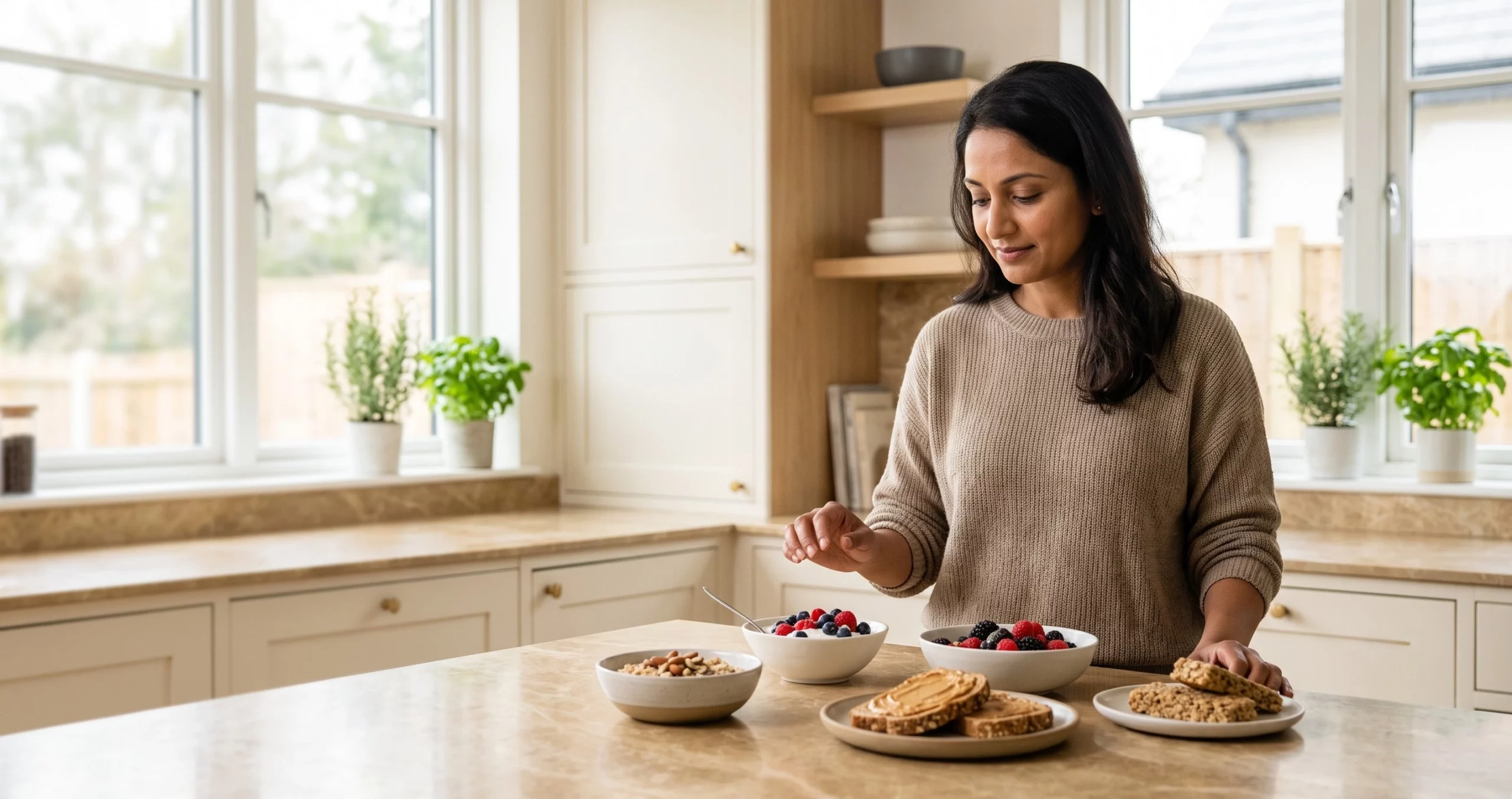
Nutrition and Balanced Eating
Your brain needs proper fuel. Unstable blood sugar from skipped meals or sugary foods can trigger cravings.
Eat regular, balanced meals with protein, healthy fats, and complex carbohydrates. Protein-rich foods support dopamine production, helping stabilise your mood naturally.
Stay hydrated. Sometimes what feels like a craving is actually thirst.
Consider limiting caffeine and sugar, which can create energy crashes that trigger cravings. Learn more about nutrition in healing.
Physical Exercise
Exercise is one of the most powerful craving-reducers available. It:
- Releases endorphins (natural mood-boosters)
- Reduces stress and anxiety
- Improves sleep
- Gives you a healthy dopamine boost
- Builds confidence and self-esteem
You don’t need intense workouts. Walking, swimming, yoga, cycling—whatever you enjoy and will actually do regularly. Yoga for addiction combines physical movement with mindfulness, addressing cravings on multiple levels.
Research shows that regular exercise improves dopamine sensitivity, reducing the compulsive behaviours associated with addiction.
Sleep Hygiene
Poor sleep significantly increases cravings. Your brain’s self-control centres don’t function well when you’re tired.
Build good sleep habits:
- Keep a consistent sleep schedule
- Avoid screens before bed
- Create a cool, dark sleeping environment
- Limit caffeine after noon
- Address any underlying sleep disorders
Read more about sleep and addiction recovery.
Stress Reduction
Chronic stress keeps your brain in a state where cravings thrive. Building regular stress-reduction practices into your life changes this.
Options include:
- Daily meditation or mindfulness practice
- Deep breathing exercises
- Time in nature
- Journaling
- Creative hobbies
- Social connection
The goal isn’t eliminating stress—that’s impossible. It’s building resilience so stress doesn’t automatically trigger cravings.
Psychological Tools to Manage Urges
Beyond immediate coping skills, psychological approaches can fundamentally change how you relate to cravings.
CBT-Style Thought Reframing
Cognitive Behavioural Therapy (CBT) teaches you to identify and challenge unhelpful thoughts. When you notice thoughts like “I can’t handle this without a drink” or “One won’t hurt,” you learn to examine them.
Ask yourself:
- Is this thought actually true?
- What evidence contradicts this thought?
- What would I tell a friend thinking this?
- What’s a more balanced way to see this?
According to research, CBT techniques provide effective tools to cope with cravings through thought restructuring, mindfulness, and behaviour analysis.
Craving Log / Trigger Diary
Tracking your cravings reveals patterns you might miss otherwise. Note:
- When did the craving occur?
- What were you doing?
- How were you feeling emotionally?
- What triggered it?
- How intense was it (1-10)?
- What helped (or didn’t)?
After a few weeks, patterns emerge. Maybe Friday evenings are consistently hard. Maybe certain people trigger you. This information helps you plan better.
Building a "Sober Toolkit"
Create a personalised list of strategies that work for you. Keep it on your phone or somewhere accessible. When a craving hits, you don’t have to think—just pull out your list.
Your toolkit might include:
- Phone numbers of supportive people to call
- Favourite distraction activities
- Breathing exercises that work for you
- Motivational quotes or reminders
- A link to a meditation app
- Photos reminding you why you’re doing this
Having a plan reduces decision fatigue when you’re most vulnerable.
Social & Environmental Strategies
Recovery doesn’t happen in isolation. Your environment and relationships significantly impact your cravings.
Avoiding High-Risk Situations (Especially Early On)
In early recovery, it’s wise to avoid situations where drinking is the main activity. This isn’t weakness—it’s strategy.
As you build stronger coping skills, you can gradually reintroduce some situations. But there’s no prize for white-knuckling through a bar in your first month of sobriety.
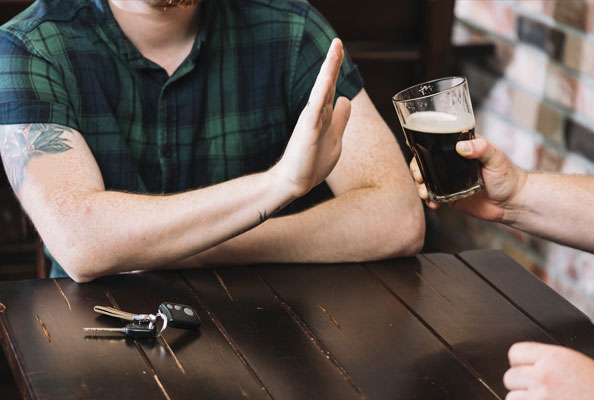
Setting Boundaries
Some people won’t understand or support your changes. That’s okay. You still get to set boundaries:
“I’m not drinking tonight”
“Please don’t offer me alcohol”
“I need to leave early”
“Let’s meet for coffee instead of drinks”
You don’t owe anyone a detailed explanation. Family support can be crucial—involve loved ones who understand what you’re working on.
Creating Alcohol-Free Routines
If drinking was part of your daily routine, you need replacement rituals.
Evening wind-down: Replace the after-work drink with herbal tea, a walk, or a short meditation
Social activities: Find friends to do alcohol-free activities with—movies, hiking, board games, meals at restaurants
Celebrations: Plan how you’ll celebrate achievements without alcohol
Read about dealing with friends in recovery and building supportive relationships.
Supplements & Medications: What You Should Know
While lifestyle changes and psychological techniques form the foundation, medications can provide significant additional support.
FDA-Approved Medications for Alcohol Cravings
Three medications are approved specifically for alcohol use disorder:
Naltrexone blocks the pleasurable effects of alcohol. If you drink while taking it, you don’t get the same “reward,” which reduces cravings over time. According to NIAAA research, naltrexone significantly reduces heavy drinking episodes.
Acamprosate helps restore balance in brain chemistry disrupted by chronic drinking. It’s particularly helpful for reducing cravings in people who have already stopped drinking.
Disulfiram creates an unpleasant reaction if you drink alcohol. It works as a deterrent rather than directly reducing cravings.
These medications work best as part of a comprehensive treatment approach that includes therapy and support—not as standalone solutions.
Why Self-Medicating Is Dangerous
Using other substances to manage alcohol cravings often leads to new problems. Some people turn to cannabis, benzodiazepines, or other drugs. This rarely works long-term and can create additional dependence.
If you’re struggling with cravings, talk to a qualified psychiatrist who can evaluate your situation and recommend appropriate treatment.
Importance of Medical Guidance
Any medication for alcohol use disorder should be prescribed and monitored by a doctor. They can:
- Assess whether medication is appropriate for you
- Determine the right medication based on your history
- Monitor for side effects
- Adjust treatment as needed
- Integrate medication with other treatment approaches
When Alcohol Cravings Signal a Serious Problem
Sometimes cravings indicate something that needs professional attention.
Signs of Alcohol Dependence
If you experience these alongside cravings, you may have developed alcohol dependence:
Loss of control: Drinking more than intended, unable to stop once started
Tolerance: Needing more alcohol to feel the same effects
Withdrawal symptoms: Shaking, sweating, nausea, anxiety when not drinking
Continued use despite problems: Drinking even though it’s causing health, relationship, or work issues
Preoccupation: Spending significant time thinking about, obtaining, or recovering from alcohol
Giving up activities: Reducing hobbies, social activities, or responsibilities because of drinking
Red Flags Requiring Immediate Attention
Seek medical help immediately if you experience:
- Severe shaking or tremors
- Hallucinations (seeing or hearing things that aren’t there)
- Confusion or disorientation
- Seizures
- Very rapid heartbeat
- High fever
Alcohol withdrawal can be medically dangerous. Detoxification should often be supervised by medical professionals.
The Honest Assessment
If you’re reading this article and recognising yourself, that’s actually a good sign. Awareness is the first step.
Ask yourself honestly:
- Are cravings controlling my life more than I’m controlling them?
- Have I repeatedly tried to cut back without success?
- Are the consequences of my drinking mounting?
- Do I need more support than I’m currently getting?
If you answered yes to any of these, it might be time to explore professional help. Take our self-assessment to evaluate your situation.
How Professional Treatment Helps Stop Alcohol Cravings
For moderate to severe alcohol use disorder, professional treatment significantly improves outcomes.
Medical Detox & Withdrawal Management
For people with physical dependence, medically supervised detox provides:
- Safe management of withdrawal symptoms
- Medications to reduce discomfort and prevent complications
- 24/7 medical monitoring
- Foundation for further treatment
Trying to detox alone from significant dependence can be dangerous. Medical supervision makes the process safer and more comfortable.
Inpatient & Outpatient Rehabilitation
Residential treatment provides:
- Structured environment away from triggers
- Intensive therapy and support
- Medical care and medication management
- Time to focus fully on recovery
- Community with others in recovery
Outpatient programmes offer:
- Flexibility to maintain work and family responsibilities
- Regular therapy sessions
- Support while living at home
- Step-down after residential treatment
Learn more about choosing a rehabilitation centre and what to expect at rehab.
Evidence-Based Therapies
Professional treatment typically includes:
- Cognitive Behavioural Therapy (CBT): Changing thought patterns and behaviours
Motivational - Enhancement Therapy: Building motivation for change
- Group therapy: Learning from and supporting others in recovery
- Family therapy: Healing relationships and building support systems
- 12-step facilitation: Connecting with recovery community
Research from PMC confirms that behavioural treatments for alcohol use disorder demonstrate robust evidence for reducing alcohol consumption and improving outcomes.
How Abhasa Supports Clients with Alcohol Cravings & Recovery
At Abhasa Rehab & Wellness, we understand that stopping alcohol cravings isn’t just about willpower. It’s about addressing the biological, psychological, and social factors that drive them.
Our Holistic Approach
We combine evidence-based medical treatment with holistic therapies:
- Medical evaluation and medication management by experienced psychiatrists
- Individual therapy addressing your specific triggers and patterns
- Yoga and meditation to build natural stress resilience
- Neurofeedback training to help restore healthy brain patterns
- Nutrition and exercise programmes supporting physical recovery
- Community and peer support in a nurturing environment
Relapse Prevention Planning
Before leaving treatment, every client develops a comprehensive relapse prevention plan. This includes:
- Identification of personal triggers
- Coping strategies for high-risk situations
- Support network mapping
- Warning signs to watch for
- Action plans if cravings intensify
Aftercare and Long-Term Support
Recovery doesn’t end when treatment does. Our aftercare programmes provide:
- Regular follow-up sessions
- Access to support groups
- Family education and support
- Tools for maintaining long-term sobriety
If you’re struggling with alcohol cravings and wondering what support might help, we’re here to talk. No pressure, no judgment—just honest conversation about your situation and options.
Frequently Asked Questions About Alcohol Cravings
What causes alcohol cravings?
Alcohol cravings result from changes in brain chemistry—particularly in the dopamine reward system—combined with learned associations between drinking and certain situations, emotions, or people. When your brain has adapted to regular alcohol use, it signals a desire for alcohol when triggered by familiar cues or when it expects the usual reward.
Are alcohol cravings normal when you stop drinking?
Yes, completely normal. Cravings are a predictable part of recovery, especially in the first weeks and months. They indicate your brain is readjusting to functioning without alcohol. The intensity and frequency typically decrease over time with sustained abstinence.
How long do alcohol cravings usually last?
Individual craving episodes typically peak within 15-30 minutes and fade if you don’t act on them. In terms of how long you’ll experience cravings overall, most people see significant improvement in the first 3-6 months. However, some people experience occasional cravings for years, particularly when triggered by specific situations.
How can I stop alcohol cravings naturally at home?
Several evidence-based approaches help: urge surfing (mindfully observing cravings until they pass), distraction techniques, physical exercise, eating regular balanced meals, getting adequate sleep, practicing stress reduction techniques like deep breathing or meditation, avoiding known triggers, and building a strong support network.
What should I do if cravings feel too strong to handle?
Reach out for support immediately. Call a trusted friend or family member, contact a counsellor or therapist, attend a support group meeting, or call a helpline. If you’re in treatment, contact your care team. If cravings are consistently overwhelming your ability to cope, it may be time to consider more intensive support like outpatient or residential treatment.
Can diet and exercise help reduce alcohol cravings?
Yes. Regular exercise releases endorphins and helps restore healthy dopamine function, directly reducing cravings. A balanced diet with regular meals stabilises blood sugar and supports brain chemistry. Protein-rich foods are particularly helpful as they provide building blocks for neurotransmitters like dopamine.
Do medications help with alcohol cravings?
FDA-approved medications like naltrexone and acamprosate have been shown to reduce alcohol cravings in many people. These work best when combined with therapy and other support. They should always be prescribed and monitored by a doctor who can determine whether medication is appropriate for your situation.
When should I consider going to rehab for alcohol cravings?
Consider professional treatment if: cravings are overwhelming your ability to function, you’ve tried to stop on your own repeatedly without success, your drinking is causing significant problems in health, relationships, or work, you experience physical withdrawal symptoms, or you have other mental health concerns alongside alcohol use. Read our admission guide to learn more about the process.
Final Thoughts: Hope, Recovery & Next Steps
If you’ve read this far, you’re already doing something important—educating yourself, looking for solutions, taking your situation seriously. That matters.
Here’s what we want you to remember:
Cravings are not your enemy. They’re your brain’s adaptation to alcohol. They can be managed, reduced, and eventually become much less powerful.
You’re not fighting alone. Millions of people have walked this path before you. Many have found lasting recovery. Professional support, peer communities, and loved ones can all be part of your journey.
Recovery is possible. Not perfect—no one’s life is. But genuinely, meaningfully better. People recover from alcohol use disorder every day. You can too.
If you’re ready to take the next step, we’re here to help.
Ready to talk? Contact us for a confidential conversation about your situation:
Phone: +91-7373-644444 (WhatsApp available)
Email: info@abhasa.in
Learn more: Alcohol Addiction Treatment at Abhasa
Medical References
- NIAAA. Neuroscience: The Brain in Addiction and Recovery. National Institute on Alcohol Abuse and Alcoholism. https://www.niaaa.nih.gov/health-professionals-communities/core-resource-on-alcohol/neuroscience-brain-addiction-and-recovery
- Sinha R, et al. Pharmacological Approaches to Reducing Craving in Patients with Alcohol Use Disorders. PMC. PMC3990000.
- Koob GF, Volkow ND. Neurobiology of Addiction: A Neurocircuitry Analysis. Lancet Psychiatry. PMC2770186
- NIAAA. How to Stop Alcohol Cravings. Rethinking Drinking. https://rethinkingdrinking.niaaa.nih.gov/tools/worksheets-more/how-stop-alcohol-cravings
- Magill M, Ray LA. Cognitive-Behavioral Treatment with Adult Alcohol and Illicit Drug Users: A Meta-Analysis of Randomized Controlled Trials. J Stud Alcohol Drugs. 2009;70(4):516-527. PMC6856400.
- Witkiewitz K, et al. State-of-the-Art Behavioral and Pharmacological Treatments for Alcohol Use Disorder. Am J Drug Alcohol Abuse. 2019;45(2):124-140. PMC6430676.
- Jessup MA, et al. Neurobiology and Symptomatology of Post-Acute Alcohol Withdrawal: A Mixed-Studies Systematic Review. PMC. 2022. PMC9798382.
- Marlatt GA, Gordon JR. Relapse Prevention: Maintenance Strategies in the Treatment of Addictive Behaviors. Guilford Press.
- University of Colorado Boulder. If you have a mind to drink less, mindfulness can help. 2024. https://www.colorado.edu/asmagazine/2024/05/15/if-you-have-mind-drink-less-mindfulness-can-help
- SAMHSA. Medication for the Treatment of Alcohol Use Disorder: A Brief Guide. SMA15-4907.
- Freitas R, et al. The efficacy of neurofeedback for alcohol use disorders – a systematic review. J Psychiatr Res. 2022;156:106-118. PubMed: 36416049.
- Khanna S, Greeson JM. A Narrative Review of Yoga and Mindfulness as Complementary Therapies for Addiction. Complement Ther Med. 2013;21(3):244-252. PMC3646290.