
- Last Updated: 2026-07-09
- Published: 2026-07-09
- 8 min read
Key Takeaways
- Post-festival depression is real: The brain's dopamine crash after intense celebrations triggers genuine emotional and physical withdrawal symptoms.[3]
- Indian festivals hit harder due to deep social obligations, structural immersion, and high emotional investment making the post-celebration slump more intense.
- Practical recovery steps include transitioning slowly, reconnecting with one person, moving your body, and limiting social media after the festival ends.
- Seek professional help if low mood persists beyond two weeks, worsens significantly, or begins to affect daily functioning.
Ever felt that sudden emptiness after the last Diwali diya burns out? That hollow feeling when the Holi colours wash away, and Monday morning stares back at you?
You’re not imagining it. And you’re definitely not alone.
That strange sadness after festivals when everything should feel fine but somehow doesn’t has a name. Psychiatrists call it post-festival depression. In the West, they call it “holiday blues.” But here in India, where festivals are woven into our very identity, this emotional crash hits differently.
What Is Post-Festival Depression?
QUICK ANSWER
Post-festival depression is a temporary emotional low that follows the end of a major celebration. It involves feelings of sadness, emptiness, low energy, and a lack of motivation as the excitement fades and normal routine resumes.
Post-festival depression isn’t a clinical diagnosis you’ll find in medical textbooks. But ask any mental health professional, and they’ll tell you it’s very real.
Dr. Avinash Joshi, a Nagpur-based psychiatrist, explains that this phenomenon is well-recognised worldwide. “Festivals like Diwali give a person freedom from routine lots of fun, celebration, and food. This naturally elevates mood. The happiness felt during this period is comparable to a high.”
And what goes up, as they say, must come down.
Here’s the thing: your brain doesn’t know the difference between “festival ending” and “something important is being taken away.” Both register as loss. Both trigger a dip.
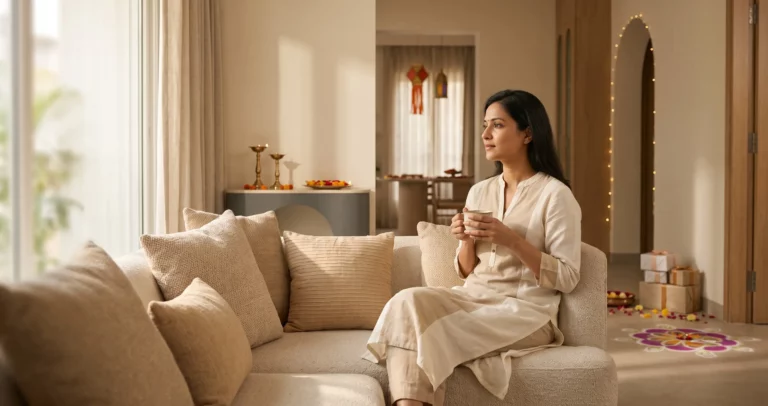
So when you find yourself feeling low after Durga Puja or unusually tired after Onam that’s not weakness. That’s your nervous system readjusting to normal life.
Why Indian Festivals Hit Harder
QUICK ANSWER
Indian festivals are more intense because they involve a build-up of social obligations, deep emotional investment, and collective rituals. The scale of preparation, family expectations, and social comparison all contribute to a sharper emotional contrast once the festival ends.
Indian festivals aren’t just celebrations. They’re complete sensory experiences that engage every part of your being.
Think about it:
The build-up is intense. Weeks of shopping, decorating, planning menus, coordinating with relatives, taking time off work. By the time Diwali arrives, you’ve invested enormous emotional energy.
The social connection is deep. Unlike Western holidays that might involve close family, Indian festivals pull in extended family, neighbours, colleagues, childhood friends. That level of togetherness especially for those living away from home creates a powerful emotional high.
The sensory overload is complete. Lights, sweets, new clothes, music, firecrackers, rangoli, the smell of incense and mithai. Your brain gets flooded with stimulation it doesn’t experience the rest of the year.
The expectations are cultural. There’s immense pressure to be happy, to look festive, to participate enthusiastically. Even if you’re struggling internally, the festival demands you show up with a smile.
When all of this suddenly stops when the lights go off, the guests leave, and the silence settles in your brain experiences something like withdrawal.
And for the roughly 15% of Indian adults who need active intervention for mental health issues (according to the National Mental Health Survey 2015-16), this transition can be particularly challenging.[4]
The Science Behind the Crash
QUICK ANSWER
During celebrations, the brain releases dopamine and serotonin chemicals linked to pleasure and reward. When the event ends, these hormone levels drop back to baseline, and stress hormones such as cortisol rise, creating a noticeable emotional slump.
What’s actually happening in your brain when the festivities end?
The dopamine drop. During celebrations, your brain releases dopamine often called the “motivation molecule.” Every new gift, every sweet you eat, every social interaction triggers small dopamine hits. Neuroscience research shows that even window shopping can flood your brain with this feel-good chemical.[3]
But here’s the catch: your brain always seeks balance. When dopamine levels stay elevated for days, your brain adjusts its baseline. So when the festival ends and stimulation returns to normal, you don’t just feel “normal” you feel below normal.
It’s like stepping off a roller coaster. The ground feels too still.
The stress hormones catch up. While you were busy celebrating, your body was running on adrenaline and cortisol.[1] The excitement masked your exhaustion. Now, with the pressure off, your body finally processes all that accumulated stress.
The routine void. Festivals disrupt your sleep schedule, eating patterns, and daily routines. Your circadian rhythm gets confused. When you try to suddenly snap back to normal early alarms, office deadlines, regular meals your system resists.

Signs You're Experiencing Festival Burnout
QUICK ANSWER
Signs include both emotional symptoms (such as sadness, irritability, anxiety, or feeling disconnected) and behavioural symptoms (such as avoiding social interaction, loss of motivation, difficulty sleeping, or increased screen time). These typically appear in the days immediately after celebrations end.
How do you know if what you’re feeling is post-festival depression and not just regular tiredness?
Watch for these patterns:
Emotional Signs
- A sense of emptiness or “flatness” that wasn’t there before
- Feeling disconnected even when surrounded by people
- Unexplained sadness that seems disproportionate
- Missing the festival even though you were exhausted by it
- Irritability over small things
Physical Signs
- Difficulty getting out of bed (beyond normal Monday reluctance)
- Changed appetite, either eating much less or much more
- Sleep problems can’t fall asleep, or sleeping too much
- Low energy that coffee doesn’t fix
- Body aches that weren’t there during the celebration
Behavioural Signs
- Avoiding social interactions you’d normally enjoy
- Procrastinating on work more than usual
- Loss of interest in hobbies
- Increased screen time as a way to escape
- Difficulty concentrating on tasks
The key difference between post-festival blues and clinical depression is duration. If these feelings last beyond 2-4 weeks, it’s worth paying attention.
Who Is More Vulnerable?
QUICK ANSWER
People who need more time to recharge after social events, those already managing mental health conditions, and people caught up in nostalgia or memory are more likely to experience a stronger post-festival crash.
Some people bounce back from festivals easily. Others struggle more. This isn’t about being “weak” it’s about brain chemistry and life circumstances.
Those with cyclothymic tendencies. Dr. Joshi notes that people who naturally swing between mild highs and lows are more susceptible. They experience festivals more intensely and crash harder when they end.
People living away from family. If the festival was a rare chance to be home, returning to an empty flat in another city can feel devastating.
Those already managing mental health conditions. If you’re working through anxiety or depression, the emotional volatility of festival season can destabilise your routine.
Caregivers and hosts. The person who did most of the cooking, cleaning, and organising often crashes hardest. They gave everything to make the festival beautiful for others.
People in recovery. For those navigating addiction recovery, festivals can be particularly complex social pressure to drink, disrupted routines, and family stress all add layers of difficulty.
Practical Ways to Navigate the Crash
QUICK ANSWER
The key is to accept the low feeling rather than resist it. Practical steps include transitioning slowly back to routine, maintaining one meaningful social connection, moving your body, monitoring finances, limiting social media, practising mindfulness, prioritising sleep, and shopping deliberately.
The good news? Post-festival depression is temporary. And there are concrete things you can do to move through it more gently.
1. Expect It (Don't Fight It)
Knowing this dip is coming doesn’t prevent it but it does help you not panic when it arrives. Remind yourself: “This is a normal response. It will pass.”
2. Transition Slowly
3. Maintain One Connection
You don’t need to recreate the entire festival atmosphere. But keeping one social thread alive helps a weekly call with a relative you reconnected with, or plans to meet a friend for chai next weekend.
4. Move Your Body
Exercise releases endorphins your brain’s natural mood stabilisers. It doesn’t have to be intense. A 20-minute walk, some stretching, or gentle yoga can help reset your nervous system.
Research consistently shows that physical activity is one of the most effective tools for managing mood dips.
5. Watch Your Finances
Festival spending often creates anxiety that surfaces after the celebration ends. Instead of avoiding your bank balance, sit with it. Make a simple plan. Financial clarity reduces the stress that contributes to post-festival blues.
6. Limit Social Media Comparison
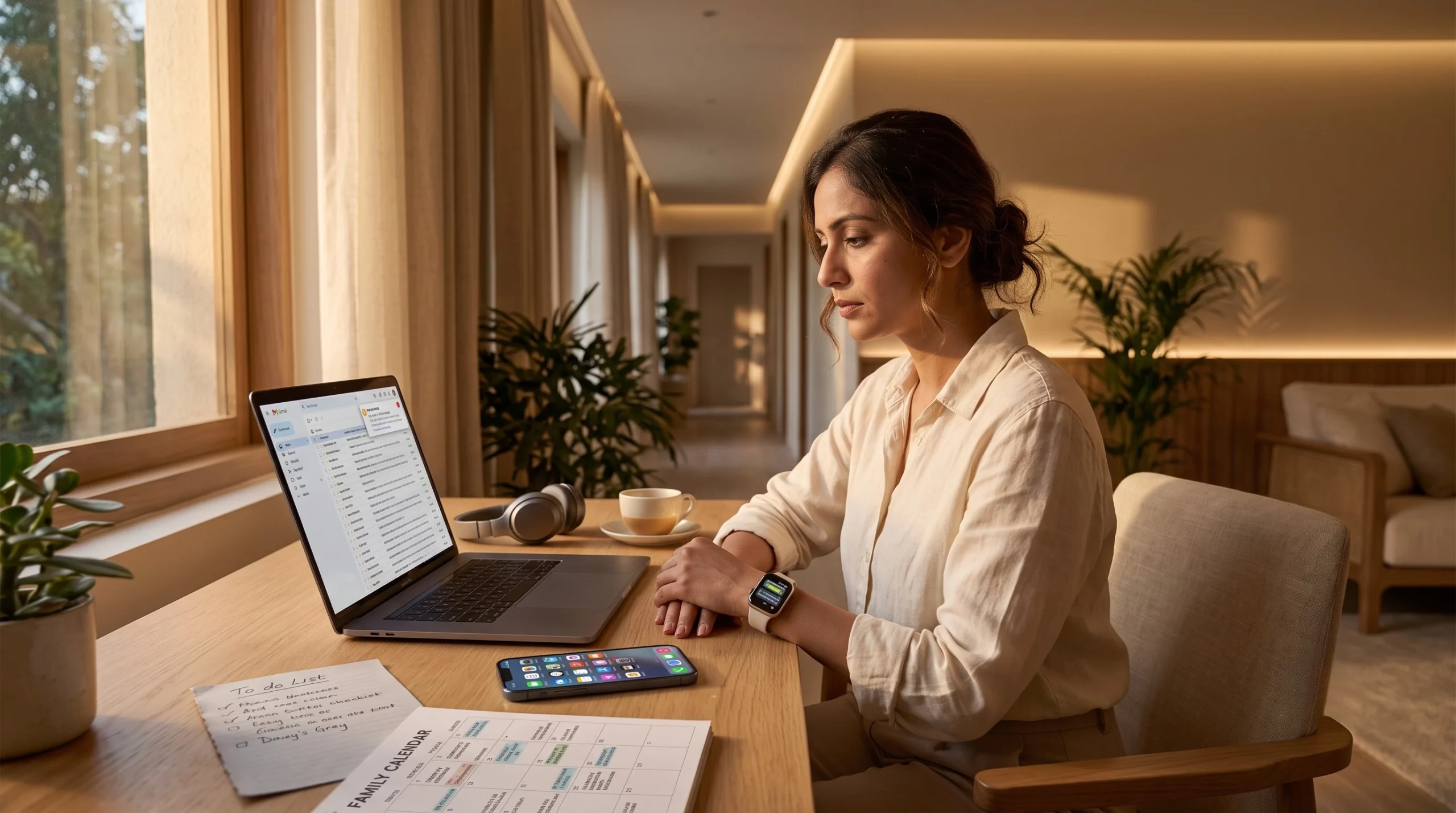
Everyone’s posting their perfect festival moments. But comparing your Monday morning reality to someone else’s carefully curated highlight reel only deepens the slump.[5]
7. Practice Mindfulness
Research from UC Davis shows that people who maintain gratitude practices report higher wellbeing. You don’t need elaborate rituals just a few minutes noticing what’s present rather than dwelling on what’s gone.
8. Prioritise Sleep
When to Seek Professional Help
Post-festival blues should lift within 2-4 weeks. If they don’t or if they intensify it might be time to talk to someone.
Consider reaching out if:
- The sadness interferes with your ability to work or care for yourself
- You’re having thoughts of self-harm or hopelessness
- You’re using alcohol or substances to cope
- Sleep problems persist beyond a few weeks
- You feel disconnected from everything, including things you usually love
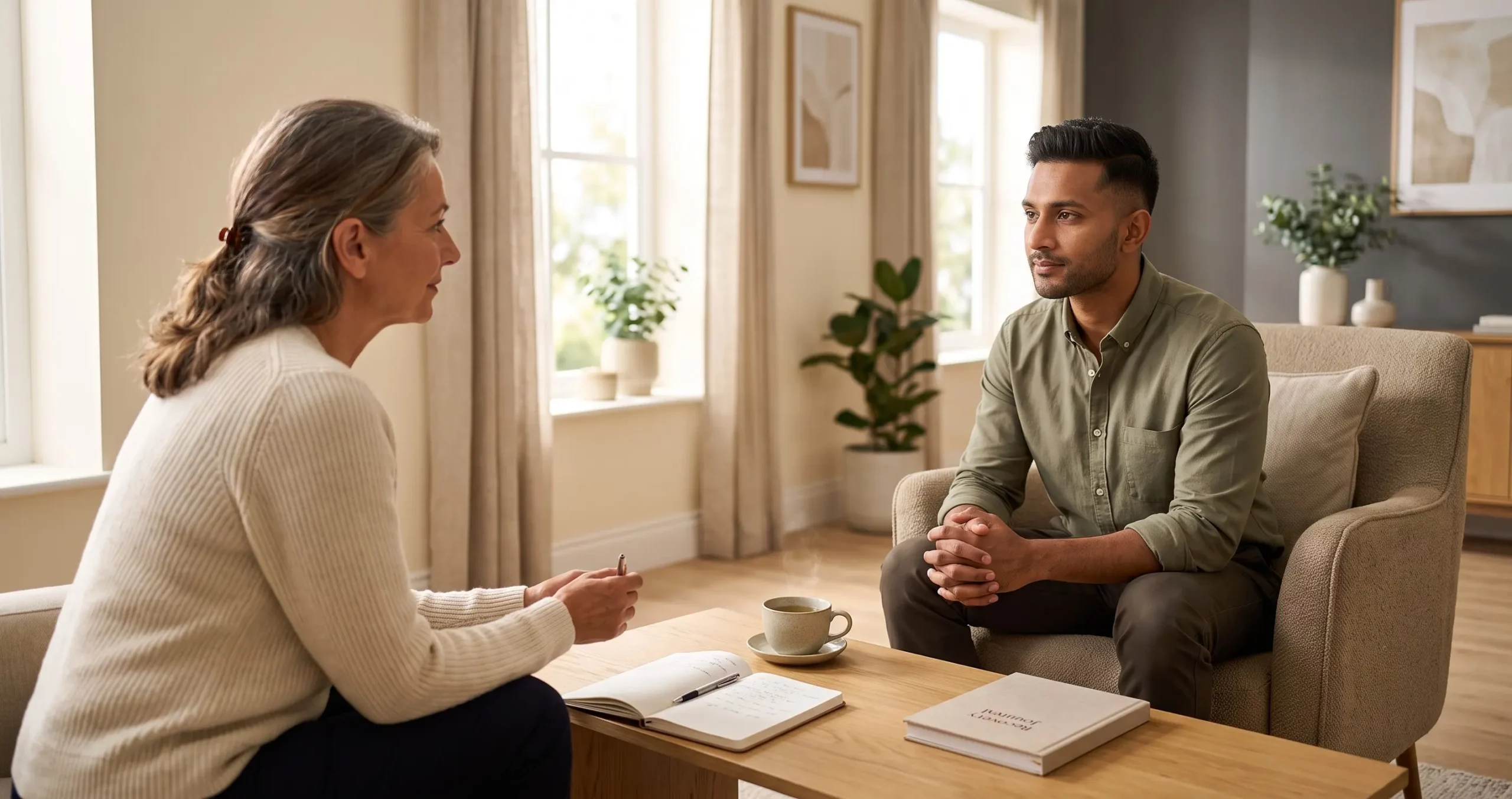
A mental health professional can help you understand whether this is situational sadness or something that needs more attention. There’s no shame in asking understanding the difference between sadness and depression is an important first step.
If you or someone you know is struggling, speaking with a counsellors can provide clarity and support.
A Note for Families
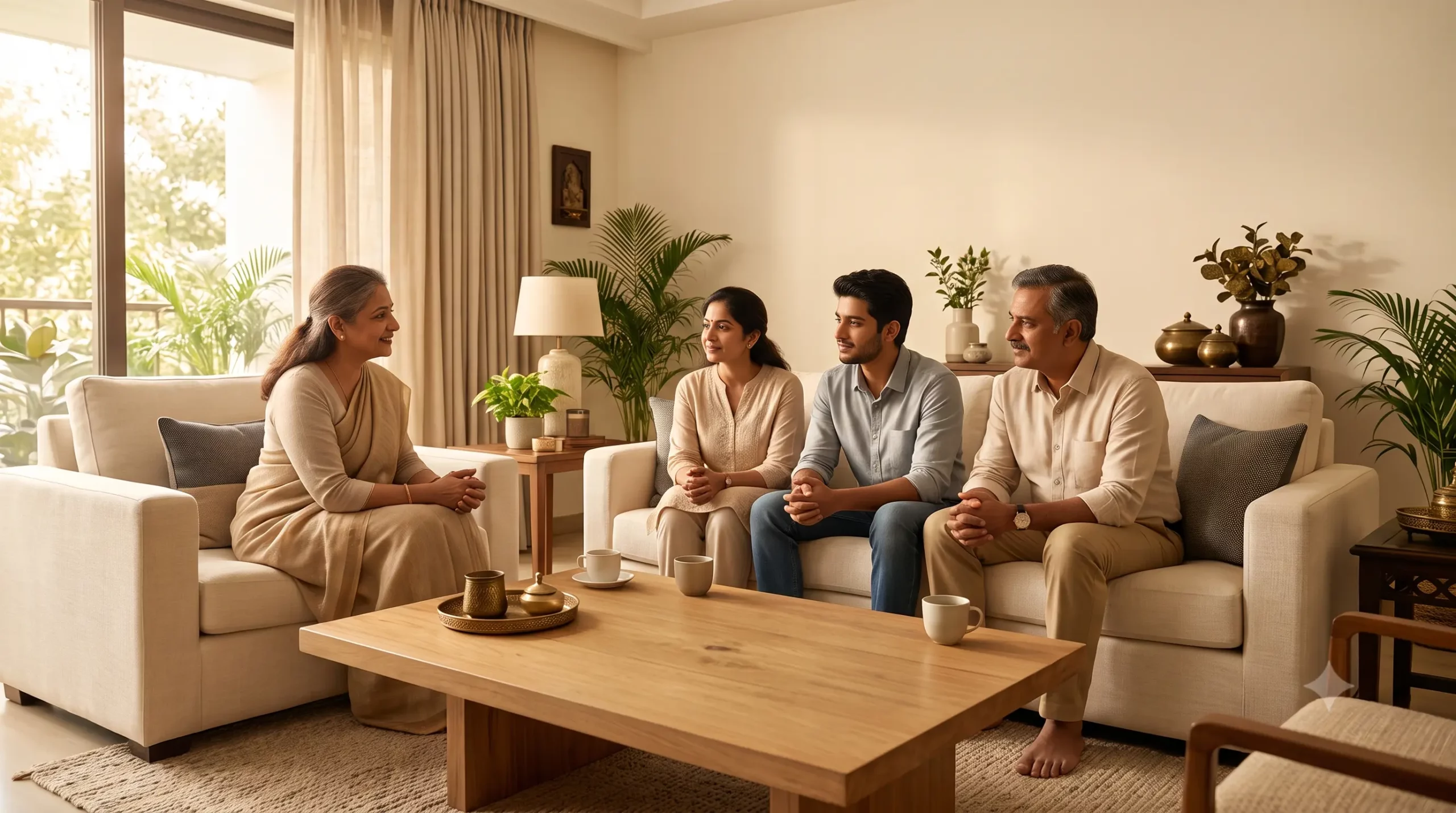
If you notice a loved one seeming “off” after festivals quiet, withdrawn, irritable approach gently. The worst thing you can say is “The festival was so nice, why are you sad?”
Instead, try:
- “How are you really doing?”
- “It’s okay to feel strange after all that excitement.”
- “I’m here if you want to talk no pressure.”
Frequently Asked Questions
Typically 1-4 weeks. The intensity usually peaks in the first few days after festivals end and gradually lifts. If symptoms persist beyond a month, consider speaking with a mental health professional.
No. Post-festival depression is temporary and situational, it’s a response to a specific event. Clinical depression is more persistent, lasting at least two weeks with more severe symptoms. However, post-festival blues can sometimes trigger or worsen existing depression.
Yes. Children can feel sad when the excitement ends, especially if they had extended time with grandparents or cousins. Their “crash” might show up as tantrums, clinginess, or difficulty returning to school routines.
Not necessarily. It’s more common after major festivals with significant build-up and emotional investment (Diwali, Durga Puja, weddings). Smaller celebrations usually don’t create the same contrast.
Somewhat. But be careful not to replace festival stimulation with work overstimulation. The goal is gradual transition, not avoiding the feelings altogether. What gets pushed down eventually surfaces.
The Bigger Picture
Here’s what often gets missed in conversations about post-festival depression: it reveals something important about how we live the rest of the year.
If the contrast between festival life and regular life feels crushing, that’s worth noticing.
Maybe it means we need more connection in our ordinary days. Maybe it points to stress we’ve been ignoring. Maybe it shows us that our regular routine lacks joy.
The dip after festivals isn’t just something to “get through.” It’s information. It’s your mind asking: What’s missing? What do I need more of?
And those questions uncomfortable as they are can lead somewhere meaningful.
Wrapping Up
Post-festival depression is real. It’s common. And it’s temporary.
The sadness you feel when Diwali ends or when the wedding season wraps up isn’t a character flaw. It’s your brain adjusting to a different reality after an emotional high.
Be patient with yourself. Move through it gently. Keep one social thread alive. And know that if it persists, help is available.
The lights will come back on next year. In the meantime, there’s something to be said for learning to find steadiness in the quiet days too.
Ready to take the next step?
Whether you have questions or need guidance, we're here to help.
Medical References
[1] Walker, W. H., Walton, J. C., DeVries, A. C., & Nelson, R. J. (2020). Circadian rhythm disruption and mental health. Translational Psychiatry, 10(1), 28. DOI: 10.1038/s41398-020-0694-0 — best overall foundation for the routine-disruption/cortisol mechanism.
https://pubmed.ncbi.nlm.nih.gov/320667
[2] Palmer, C. A., et al. (2024). Sleep loss and emotion: A systematic review and meta-analysis. Psychological Bulletin, 150(4), 440–463. DOI: 10.1037/bul0000410 — most current, highest-quality evidence on sleep and mood.
https://pubmed.ncbi.nlm.nih.gov/38127505/
[3] Glimcher, P. W. (2011). Understanding dopamine and reinforcement learning. PNAS, 108(Suppl 3), 15647–15654. DOI: 10.1073/pnas.1014269108 — canonical reference for the dopamine mechanism.
https://pubmed.ncbi.nlm.nih.gov/21389268/
[4] Murthy, R. S. (2017). National Mental Health Survey of India 2015–2016. Indian Journal of Psychiatry, 59(1), 21–26. DOI: 10.4103/psychiatry.IndianJPsychiatry_102_17 — essential for grounding the India-specific stigma/treatment-gap claims.
https://pubmed.ncbi.nlm.nih.gov/28529357/
[5] McComb, C. A., Vanman, E. J., & Tobin, S. J. (2023). Meta-analysis of social media upward comparison effects. Media Psychology, 26(5), 612–635. DOI: 10.1080/15213269.2023.2180647 — most current, rigorous evidence on the social-comparison claim.
https://www.tandfonline.com/doi/full/10.1080/15213269.2023.2180647
Disclaimer: This article is for informational purposes only and does not constitute medical, psychological, or psychiatric advice. Always seek guidance from a qualified healthcare professional for any concerns about mental health or well-being.
If you or someone you know is in immediate danger:
Emergency Helplines:
- Vandrevala Foundation: 1860-2662-345 (24/7 Mental Health Crisis)
- iCall: 9152987821 (Mon-Sat, 8am-10pm)
- NIMHANS Helpline: 080-46110007 (Psychiatric Emergency)
- National Mental Health Helpline (India): 1800-599-0019 (Toll-free)
Abhasa 24/7 Helpline: +91-73736-44444
Emergency: If experiencing a medical emergency, call 112 or visit your nearest emergency room.