
Ever tapped your phone just to peek at one text and then lose track of half an hour while flicking between Instagram, WhatsApp, and a hundred other icons? Believe me, you’re far from the first person to blink and wonder where the time went. A tiny screen that once promised quick updates has quietly wrapped itself around almost every part of our day-to-day lives.
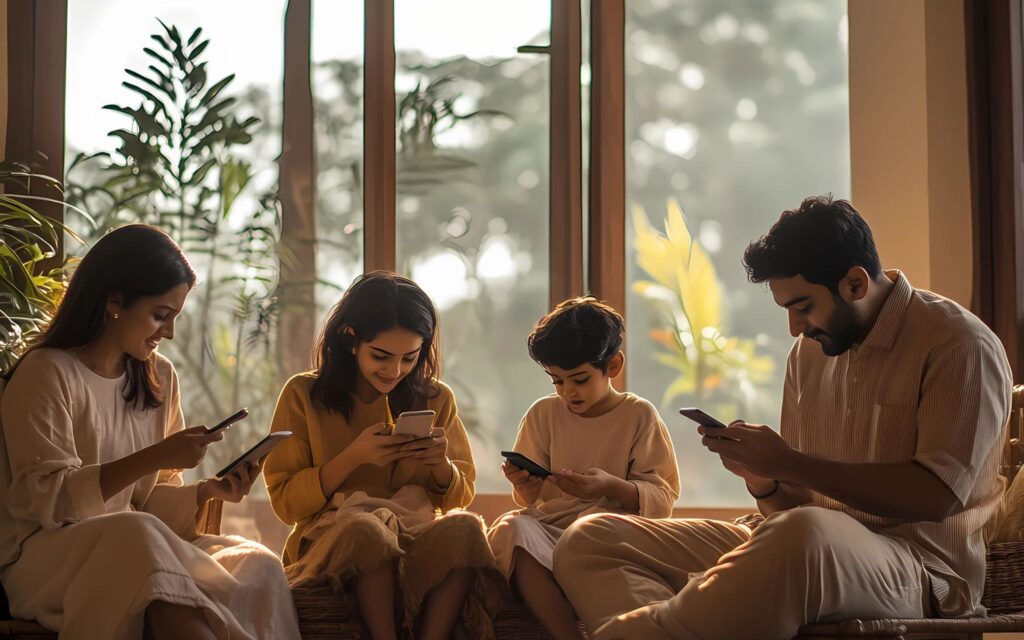
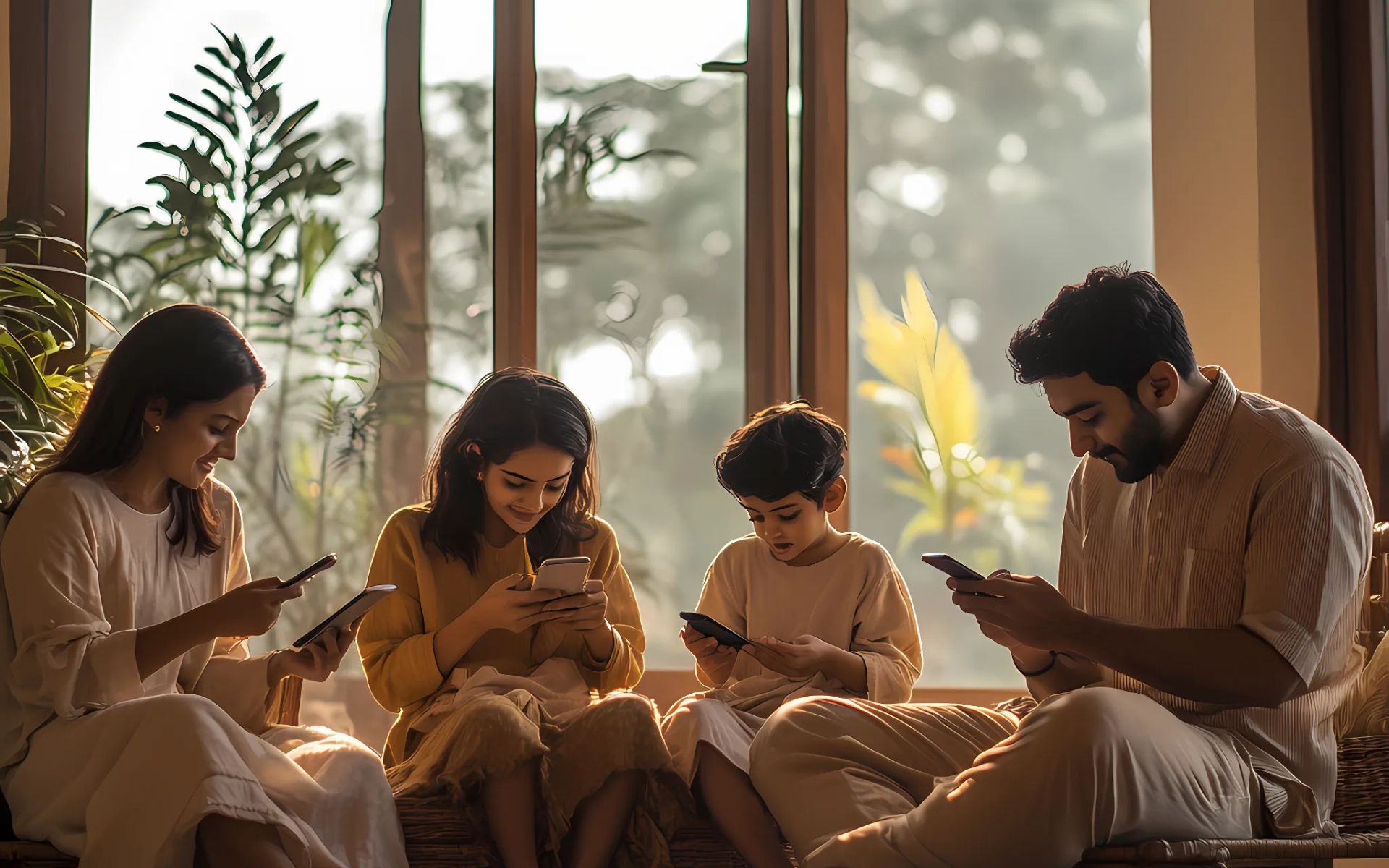
Toddlers watch bright cartoons on family tablets, school kids swap memes during lunch, and grandparents dial up the grandbabies, all while sitting in the same room. That soft glow now feels about as normal as a fork next to a dinner plate. But none of us pause to ask what we’re paying for that comfort.
Digital over-use isn’t just personal, it weaves into our families, friendships, even the way we dream at night. Sleep gets shorted, conversations go mute, and some mornings we can’t even remember what we wanted before we opened an app. That tangled web deserves a close-up.
Are we, each one of us, hooked on screens? The word addiction sounds harsh, so we dodge it and call ourselves busy. Honestly, few people can stretch two hours without checking text alerts, weather updates, or new follower chimes. Surveys say grown-ups unlock their phones more than a hundred times a day. Teenagers, true to form, beat that, and little kids treat swipe motions like breathing.
This behavior isn’t random at all. Designers sprinkle in pop-up rewards, cheery likes, and that just-one-more-scroll urge to hook us while we swipe. Over the months those tiny jolts pile up until picking up the phone feels as automatic as breathing. Smartphone addiction fits neatly into the dictionary now, so the buzz is more than gossip.
Okay, but do all of us really have a problem with screens?
How Phones Mess with Sleep and Concentration
Picture this: you climb into bed, and the bedside table is completely empty. Nope? Most of us drift off while staring at the phone’s soft glow, and we practically reach for them before our eyes are even open. Gradually that habit shreds the body’s inner clock.
Take sleep itself. The blue light filters through the eyelids and tells the brain, stay wide awake. One more episode pushes lights-out to midnight, maybe beyond, and a chirping notification yanks us awake minutes later. Melatonin still lingers in the bloodstream, but it might as well be asleep on the couch.
Focus takes a similar beating. Constant pings turn even straight sentences into a puzzle of broken thoughts. We brag about multitasking, yet real concentration slides between the cracks. Attention burns out quickly and then keeps asking for quick hits, leaving deep work gasping for breath.
These habits don’t just waste time, they push and pull on our sense of calm.
Is Your Phone Now a Security Blanket?
Pause for a sec. Can you sit still when your phone leaves your pocket? Do you swipe the feed even if nothing in it grabs you? That twitch is what psychologists mean by digital dependency.
Smartphones never stop sending little nudges, so the brain never stops answering. A ping feels tiny, but the brain counts it as news, then reward, then urgent news. Repeat that cycle all day and the habit roots itself.
The impact is loudest for kids, whose brains are still wiring up. The screen fills quiet moments, letting them skip boredom but also skip practice at being bored. Adults notice the pattern, too, a tough feeling shows up, the phone shows up faster.
Unwinding the Loop: Spotting the Warning Signs
Addiction wears different clothes depending on who’s wearing it. Teens might multitask their homework and three game chats at once, while grandma checks her weather app every five minutes. The symptoms shift, yet most people admit the emotional price tag feels the same.
Effects on Kids and Teens
- Many youngsters now chat less in person and rely on texting or gaming chat rooms.
- When an adult asks them to close the phone, they often snap or pout.
- Late-night scrolling steals sleep, and the missing rest shows up as lower grades.
Effects on Adults
- A work email that should take ten minutes can stretch to an hour because notifications keep buzzing.
- Meetings slide by while partners or roommates feel ignored, and chores gather dust.
- When feelings get heavy, the Netflix app is one tap away from numbness.
Effects on Older Adults
- Grandma might open Facebook in the morning and not close it until dinner, mostly to see familiar faces.
- Walking to the mailbox feels like a workout because the living room chair is so comfy.
- A string of cat videos beats sitting in silence, yet that quiet hour would do her mind good.
What Happens Inside
At first, the signs are petty, irritability when the Wi-Fi blinks, a foggy head after scrolling all night. Over months, those little annoyances settle into anxiety or depression, and friends drift away without anyone noticing.
Balance Is Tough
Wellness lives in the middle ground, yet phones tilt the scale almost without asking. Teens compare likes, adults escape stress, and seniors chase one more funny clip, always telling themselves just five more minutes. That one phrase keeps launching another round.
Motivation Matters
Addiction isn’t about clocks and timers alone. It’s the itch that says check one last text, the reflex that opens TikTok while waiting for toast, and the relief that comes from tapping a screen even when the heart says stop.
Ask Yourself: Tool or Crutch? Step back for a moment and see your own screen time for what it really is. Is the device lighting your path forward or just dulling the edges of what you don’t want to face? That small question can shift the way any of us, teen, adult, even grandparent, approach a glowing display.
Can We Break Free? The headline is dramatic, yet the hope behind it is simple: Attention is still ours, and it can be pulled back from the feed. Reclaiming energy and clear thought from pixels is possible, but the first move is paying honest notice to how we swipe, scroll, or shop.
Mindful Moves Matter
Going cold turkey rarely sticks, so lean on tiny, deliberate changes instead.
- Skip the phone for the first hour you wake up, letting breakfast, conversation, or simple silence fill that space.
- Install a usage tracker and stare at the math, it never lies and, oddly enough, it motivates.
- Swap one nightly scroll for a stroll, a few journal lines, or even a face-to-face chat with a roommate.
Parents can claim the stage, too: declare dinner tables, bedrooms, and family game nights tech-free zones. Kids notice rules first, then they start to mimic them.
Habits that were coded into muscle memory can be rewritten, it just takes steady practice, a heap of kindness to yourself, and a solid reason for bothering in the first place.
Managing Digital Behavior Across Generations
Almost everyone now steps into a glow from tablets, phones, and game consoles each morning. Giving those screens a time-out sounds easy enough, yet few actually try it for long.
When kids dial their use back, they usually sleep better and focus more in class, not to mention they talk face-to-face with friends instead of just texting.
Grown-ups who curb the scrolling often find that anxiety melts a bit, projects wrap up faster, and people at home feel a lot more noticed. Senior users who mix web time with walks and coffee chats keep their bodies limber and their minds sharp.
None of this is about picking a punishment, really. The goal is simple: guard the time, health, and connections that matter most to each of us.
When to Seek Help for Tech Dependency
Every now and then phone habits cross a line into daily life, and the shift is anything but subtle.
Check for these red lights: mood swings that hit the moment a screen goes dark, clothes left unworn because a video clip just dropped, or arguments that start and end with too much scrolling.
Spot two or three, and asking for outside guidance isn’t a weakness, it’s a smart play.
Coaches who specialize in digital balance, talk therapists, even short-term detox centers now dot the map, and they’re not booked only by teens. Plenty of adults sign up, turn off their devices, and reacquaint themselves with the world in three dimensions.
Needing help is not a sign of weakness, it is proof that you want to steer your life again. Recognizing that truth can be the first big win.
Finding Digital Peace for the Mind
In a world that never truly powers down, switching off your devices can feel like a quiet revolution. Sometimes the loudest self-care move is the one nobody else sees.
Binge-worthy shows and endless scrolling may practically be hobbies now, yet you do not have to join the club. Investigating why screens hijack attention at every age, and then making tiny, honest tweaks, lets you rewrite the script.
The very next time your thumb itches for an app, stop. Honestly ask, What am I hunting for right this second? The answer could be a real chat, a nap, or just the rare gift of stillness. Whatever it is, a pixel cannot imitate it.
Pause, inhale, gaze out for a moment, and then decide. That first, small break from tech often grows into much bigger freedom. Your brain and spirit will appreciate the extra room to breathe.
If you notice yourself, or someone close to you, wrestling with constant notifications, anxiety spikes, or plain old phone glue, Abhasa can step in. Our all-age programs mix practical tools and a no-shame atmosphere so online and offline living can sit side by side without friction. Peace of mind is yours for the asking, and we are ready when you are.