

Losing a loved one can be a lifelong pain, and every similar event can trigger all the emotions you once went through, all over again, like you never healed. When the news of the Pahalgam tragedy broke, the visuals of devastated women who lost their beloved ones on what was supposed to be a happy holiday, something they had saved for, planned, and dreamt about for months, were shattering.
For the victims, the first ripples were disbelief, fear, and anger. But what followed were quieter, deeper waves of grief that keep swirling throughout their existence, missing the strongest support system in the home. Such events can also stir up past pain for those reading about it, reopening emotional wounds they thought had healed.
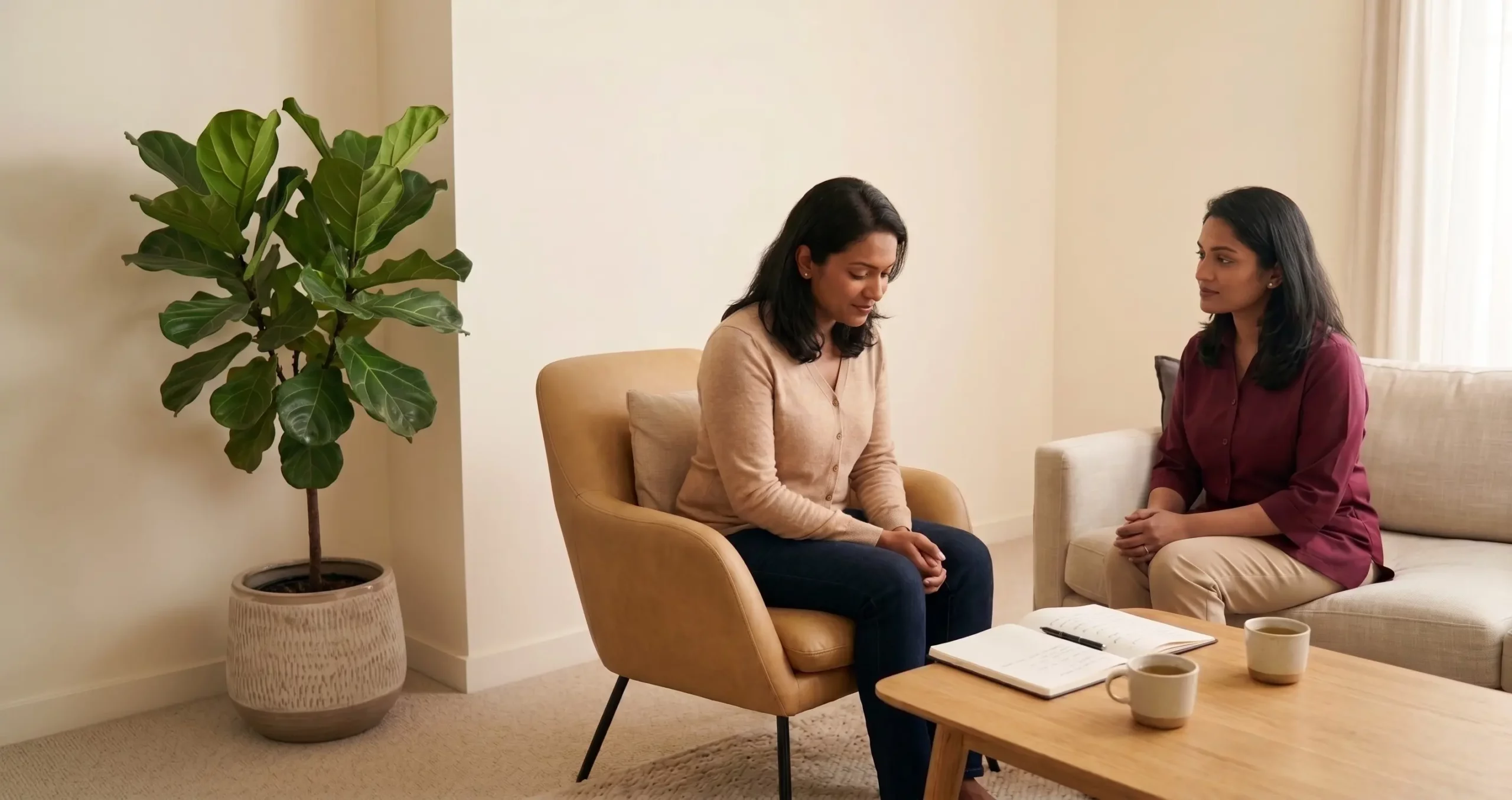
At Abhasa, we resonate deeply with pain and believe everyone deserves a supporting arm that can navigate them through a mental storm and show some light in the darkest of days.
We’ve unfolded our ways of guidance to help ease the immediate heartache of this incident, practical steps for healing or even just to make you feel slightly lighter. The first step is acceptance, acceptance that mourning a person also means mourning the security, identity, and moral support they brought.
Clinical language calls it “complicated bereavement,” but in plain words, it’s a hole that swallows the colour from everyday life. Yet grief is not a straight line. It surges, ebbs, and then surprises you in the supermarket aisle when your hand reaches for their favourite pickle. Understanding this looping rhythm is the first shield against self-blame (“Why am I still crying?”).
Grief Isn’t a Calendar Event, in the Abhasa blog archive, is an article that gently walks you through these waves of grief. And if you feel vulnerable to falling into addictive habits, this article might be for you – Dealing With Grief in Addiction Recovery.
Grief loves company, choose it wisely.
Social media will swarm your feed with emotionally stirring content about the attack. Subconsciously, the brain can morph this into re-traumatisation. Mindfully curate your feed with soothing voices and healing words from people who are truly committed to building a healthier society. Our Instagram page is one such space where we talk about healing and recovery on a micro level.
When should you seek help?
- When you can’t stop engaging with flashbacks, even months after the funeral
- When you’ve lost interest in everything you once loved
- When excessive behaviours, like harmful associations or addictive habits, begin to take over.
These are red flags, signals to pause and seek guidance. What you’ve gone through is a difficult, heavy road and it deserves immense emotional support, especially when breakdowns come uninvited.
Just remember: you don’t have to do it all by yourself.