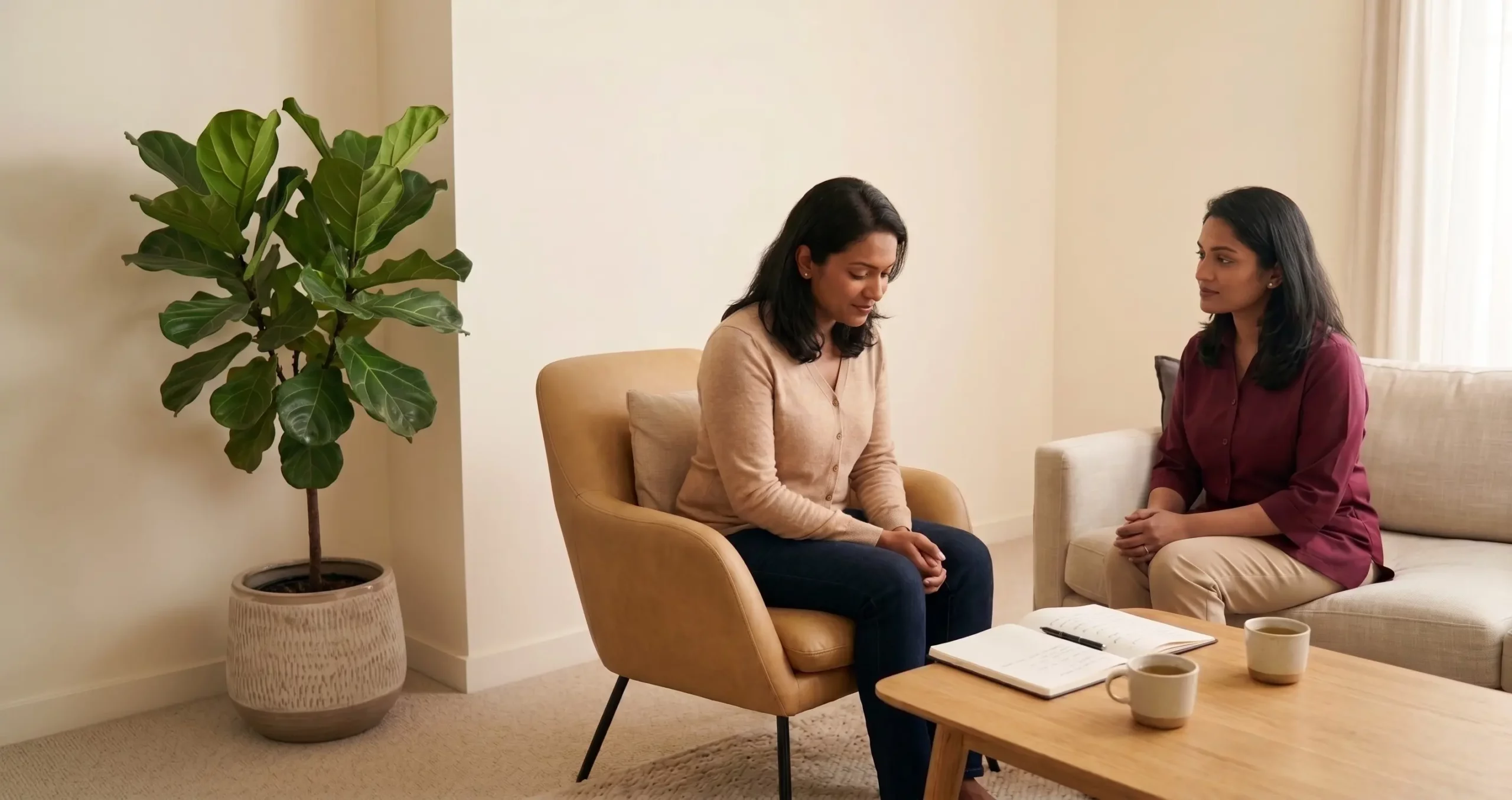


How to Choose the Right Rehabilitation Centre for Your Needs

The right rehabilitation centre can mean the difference between failure and success in your personal journey towards healing. It is more than just a logistical decision – it’s about where you would want to begin this transformation, as well as how you would like to be supported or guided through it. The surrounding environment is crucial in recovering from addiction, mental health problems, or a troubling mixture of both. Without a supportive environment, the rehabilitation process becomes painfully challenging and nearly impossible to succeed in.
Overwhelming processes can often appear to be intimidating, but recovery is deeply personal and it is important to remember that no two cases are the same. Before you begin your search, think of what your ideal centre would provide and how would it make you feel safe and valued.
Thinking about all of this can raise many questions. Which centre provides the atmosphere you envision? Is it the right facility? All of these questions can seem daunting, but let’s break it down step by step to make the process easier and simpler.
Take a Breath- Remember What is Important for You
Before you branch out into the specifics of different rehab centres, take some time to think about what is really important to you. Focus on things that will help you feel comfortable, healed, and ready to recover. Some people may require a considerable degree of privacy, while others may prefer a community that is friendly and interactive. Use this moment to consider what kind of atmosphere will be most beneficial for you on your road to wellness.
1. Feel Secure and Understood – Privacy
When recovering, privacy is everything. Simply talking about one’s addiction, mental health, or trauma issues is already difficult on its own. The rehabilitation facility must provide a setting where patients can feel comfortable discussing their struggles without worrying that their words will be judged. The rehab process should be sufficiently therapeutic and attended to on a personal level, which enables full confidentiality. This allows one to explore and work on one’s issues freely without any external stress and pressure.
While thinking of such a physical space, your focus should be on being able to safely explore tricky personal topics in an introspective rather than an exposé setting. Feeling able to safely tell personal stories has a bearing on the therapeutic journey, and the realization of the facility’s need for confidentiality plays an important role in healing effectively.
2. Fierce Recovery ‘Mental Space’ – Peace of Mind
A recovery journey is usually viewed as just stopping further damaging activities. Yet it involves giving your head the room to come back to good working order. For this, the term “mental space” is defined as the absence of disruptive stimuli or activities, such as work pressures or anything that may be a barrier to healing. Some people may need a more passive and quiet space to be able to get in touch with themselves or to be social and require some stimulating environment in order to feel good.
The best rehabilitation center will have the ability to provide patients who need to take a break from social interaction with a self-reflective environment, yet also needs to encourage their patients to step beyond the confines of their inner shells. Hence, a rehabilitation centre should always be centred around achieving the right equilibrium between the personal space given and social interactions in order to heal the mind, body, as well as spirit.
3. Experts – Your Guides Toward Professional Help
The effectiveness of a rehabilitation centre solely relies on the professionals employed there. The quality of care you will receive is largely dependent on the skill and knowledge of the counsellors, therapists, and other support staff. The facility you choose should have a multidisciplinary team in addiction medicine, psychiatry, and holistic medicine that can provide appropriate care during your entire journey.
Understanding who you will be working with is key; they need to be knowledgeable professionals, but they must also possess compassion and a good dose of empathy. Recovery is not something that can be completed in a single step, and it is critical to have a team focused on facilitating your success that understands that you will need support during challenging times as well as someone to celebrate the small wins with you.
4. Recovery Modalities - An All-Around Strategy
Recovery procedures include multiple options. It is more than addressing behavioural problems or symptomatology; it is about promoting total healing in the mind and body. Some people may find traditional psychotherapy useful, but others may respond better to more creative techniques like yoga, meditation, or art therapy. A good centre will have a wide variety of treatment modalities so that you can do what is more helpful to you.
The centre you select must provide not just the traditional therapies such as Cognitive Behavioral Therapy (CBT) or Dialectical Behavioral Therapy (DBT) but also those that are more holistic and deal with the emotional and psychological aspects of healing deeply. True personalization is guaranteed through a multidisciplinary approach which provides the flexibility to customize the treatment plan according to specific needs.
Socialization – Community Power
Recovery can never be done alone. It is essential to make connections. Perhaps one of the most debilitating characteristics of addiction and mental health problems is the complete and deep sense of isolation that is characteristic of them. A supportive rehab centre does not only provide therapeutic care, it also provides community.
Choose a centre that provides positive interactions with others on a similar healing journey. Such interactions can include therapy sessions, support circles, and group activities. These experiences are crucial in the recovery process as they help in reducing the feeling of loneliness. They serve as a reminder that there are shared relationships, struggles, and victories that need to be celebrated.
1. Do you feel valued in the centre?
In the process of receiving professional help, a lot of people tend to forget the importance of human connection in their lives. A good centre will work towards meeting you beyond a number and start seeing you on a personal level. centres have to understand you as a human being and not only as a medical case. This is the first question you need to address when looking for a facility.
2. How well does the centre address your specific needs?
There is no one approach to recovery. The centre you select must be able to treat you with a plan that considers your history, challenges, and what aspects of your life need attention. Recovery is not a one-size-fits-all process, and the best centres will have procedures in place to accommodate your changing needs over time.
3. Does the centre provide a sense of community?
Loneliness is one of the most troubling parts of recovery. The best rehab centres give you a sense of community and support so that you are not alone with your experience. The centre should provide therapy, but they must also offer a communal approach to healing.
Remember to Have Faith in Yourself Throughout This Experience
In the end, finding the right rehabilitation centre is a private decision no one else can understand. It takes some thinking and a considerable amount of self-trust in this journey. Take your time, evaluate and think about what you really want. It takes time, but it is all worth it.
The correct centre will be the one where you are able to recover at your own speed in the hands of professionals keen on your healing, and a community that is there for you. A person’s healing journey starts with a supportive, safe environment so that he or she can be empowered to make permanent changes in life.
Always, remember healing is not about fighting battles, it is about flexing the muscles of new and built strength, and hope. You are never alone, and the perfect rehabilitation centre will guide you to a future in which healing not only happens but is guaranteed.