
Alcohol Rehabilitation Centre in Chennai
Recovery Within Your Own State
This page is for Chennai families seeking residential rehabilitation for addiction, mental health conditions, or both. Whether you’re an IT professional, a concerned parent, or someone researching options — this guide covers what you need to know.
1,500+ families have trusted us with their loved ones' recovery journey
Direct Answer: For Chennai residents seeking alcohol rehabilitation, Abhasa Rehab and Wellness offers evidence-based treatment at our Coimbatore facility, right within Tamil Nadu. Just a 1-hour flight or 6-7 hour train ride away, we provide Tamil-speaking staff, a 2:1 therapist-to-patient ratio, personalised 90-day residential programmes, and holistic care. Same state, same language, same culture, but a world away from Chennai’s triggers.
If you’re searching for an alcohol rehabilitation centre in chennai, you already know something needs to change. The morning regrets. The promises you meant to keep. Those worried looks from family members who don’t know what else to say.
And that exhausting cycle where drinking feels like the only way to get through another day.
Here’s what we want you to know: you’re not alone in this. Tamil Nadu sees some of the highest rates of alcohol use disorders in South India. Chennai’s IT corridor and industrial hubs have created a workplace culture where drinking often becomes the default coping mechanism.[1] But recognising the problem? That’s already the hardest part done.
The good news is that evidence-based treatment works. A 2019 review published in the American Journal of Drug and Alcohol Abuse found that combining behavioural therapies with medication-assisted treatment produces recovery rates of 50-70% for alcohol use disorder.[2] And Abhasa Rehab and Wellness, located right here in Tamil Nadu, offers exactly this kind of comprehensive care.
Ready to take the first step?
Phone: +91-73736-44444
WhatsApp: +91-73736-44444 for a confidential conversation
Written by Abhasa Clinical Team Medically reviewed by Dr. Naveen Kumar, MBBS, DPM (Psychiatry), Senior Consulting Psychiatrist at Abhasa Rehab and Wellness
Published:
Last Updated:
Time to Read: 10min
Who This Page Is For
- Chennai residents or families seeking alcohol addiction treatment
- Professionals in Chennai looking for confidential rehabilitation options
- Family members wanting to help a loved one access evidence-based care
- Anyone exploring residential treatment as an alternative to local outpatient options
What Is Actually Happening in Your Brain During Alcohol Addiction?
Alcohol use disorder is a recognised medical condition where regular drinking rewires the brain’s reward pathways, creating physical dependence. The brain becomes reliant on alcohol to function normally, which is why quitting feels so difficult. It is not about willpower or character. It is neuroscience, and it requires professional treatment to address safely.
Alcohol use disorder isn’t about willpower. It’s not a character flaw. It’s a recognised medical condition that changes brain chemistry over time.[11]
“When someone drinks regularly for months or years, the brain literally rewires itself,” explains Dr. Naveen Kumar V, MBBS, DPM, Clinical Lead at Abhasa Rehab and Wellness. “The reward pathways become dependent on alcohol to function normally. That’s why quitting feels so difficult—it’s not weakness, it’s neuroscience.”
The Warning Signs (By Severity)
Early Stage:
- Drinking more than you planned to
- Needing more alcohol to feel the same effects
- Thinking about drinking when you’re not
- Using alcohol to manage stress or help you sleep
Progressing:
- Failed attempts to cut down (and you’ve tried, haven’t you?)
- Morning drinks to stop your hands from shaking
- Hiding bottles or lying about how much you drink
- Work problems, missed deadlines, strained relationships
Severe:
- Physical withdrawal symptoms—sweating, tremors, anxiety
- Drinking despite serious health or relationship consequences
- Alcohol becomes the centre of daily life
- Blackouts or memory gaps
If any of this sounds familiar (and this is important), attempting to quit suddenly without medical supervision can be dangerous. Alcohol withdrawal can lead to seizures in severe cases.[3] Professional support isn’t optional here. It’s essential for safety.
Key Insight: Tamil Nadu sees some of the highest rates of alcohol use disorders in South India, with combining behavioural therapies and medication-assisted treatment producing recovery rates of 50-70% for alcohol use disorder, according to a 2019 review in the American Journal of Drug and Alcohol Abuse.[2]
Why Are Families Looking Beyond Alcohol Treatment Options in Chennai?
Abhasa operates two distinct treatment facilities in Coimbatore: the Sowripalayam centre (India’s first women-exclusive luxury rehabilitation) and the Thondamuthur centre (mixed-gender, near the Velliangiri Hills in the Western Ghats). Both are within 45 minutes of Coimbatore Airport.
Abhasa didn’t expand to Coimbatore. We started here. This is where our founder, Mrs. Gayathri Arvind, opened our first centre in 2019 after six years of research into what rehabilitation should actually look like.
We now operate two distinct facilities in Coimbatore, each serving specific needs.
The Chennai Challenge
Chennai’s urban environment presents specific recovery obstacles:
| Challenge | Why It Matters |
|---|---|
| IT corridor pressures | OMR's tech culture often normalises after-work drinks |
| Industrial sector drinking | Manufacturing and auto industry work cultures |
| Easy access to alcohol | TASMAC outlets on every corner of the city |
| Social triggers | Same friends, same hangouts, same patterns |
| Workplace stress | High-pressure jobs with alcohol as "stress relief" |
The problem isn’t just the drinking. It’s everything around it. The same colleagues who invite you for “just one.” The same route home past familiar shops. The same stress that made drinking feel necessary in the first place.
Curious about alcohol addiction treatment chennai options?
Why Does Distance Actually Help Recovery from Alcohol Addiction?
Residential treatment in settings removed from usual environments shows 23% better outcomes than local outpatient care, according to a 2022 study in the Journal of Substance Abuse Treatment.[4] Physical distance breaks the neurological associations between places, people, and drinking, giving the brain space to form new, healthier patterns without daily trigger interference.
This might seem counterintuitive. Why would leaving Chennai help?
Think of it this way: addiction creates powerful associations between places, people, and drinking. Your brain has learned that certain triggers mean “time to drink.” Breaking those associations is nearly impossible when you’re surrounded by them every day.
What the Research Shows
A 2022 study in the Journal of Substance Abuse Treatment found that residential treatment in settings removed from usual environments showed 23% better outcomes than local outpatient care for alcohol use disorder.[4] Physical distance creates psychological space for genuine change.
“What many people don’t realise is that addiction literally changes the brain’s chemistry. That’s why willpower alone isn’t enough. The brain needs help to heal. And for Chennai families, healing within Tamil Nadu, with familiar language and culture but away from daily triggers, creates the ideal conditions for genuine recovery.” — Dr. Naveen Kumar V, MBBS, DPM, Senior Consulting Psychiatrist, Abhasa Rehab and Wellness
What This Means Practically
- No running into drinking buddies at familiar spots
- No TASMAC shops on your daily route
- No workplace triggers while you’re learning new coping skills
- Complete focus on recovery without daily life distractions
- Privacy—no one from your Chennai social or professional circles
Why Do Families Searching for Alcohol Rehab in Chennai Choose Abhasa?
Abhasa’s Coimbatore facility is right within Tamil Nadu, offering Chennai residents the unique advantage of same-language Tamil-speaking staff, familiar culture and food, practical family visit logistics, and same-state administrative processes, all while providing the therapeutic distance of 500 kilometres from Chennai’s triggers. A 1-hour flight or 6-7 hour train ride is all it takes.
Here’s what makes Abhasa different for Chennai residents. We’re not asking you to travel to another state or adjust to unfamiliar culture and language. Our Coimbatore facility is right here in Tamil Nadu—about 500 kilometres from Chennai, but a world away from your triggers.
Getting Here from Chennai
| Route | Time | Details |
|---|---|---|
| Flight | ~1 hour | Chennai to Coimbatore (daily flights) |
| Train | 6-7 hours | Shatabdi Express or overnight options |
| Car | 6-7 hours | Via Krishnagiri-Salem route |
| Pickup | Available | From Coimbatore airport (45 min to facility) |
The Tamil Nadu Advantage
For Chennai families evaluating the best alcohol rehab for chennai families, the in-state benefits matter:
Same language: Tamil-speaking staff who understand you
Same culture: Familiar food, festivals, regional context
Family visits: Practical for Chennai families to participate in therapy
Legal framework: Within TN alcohol policies you already know
Easier paperwork: Same state administrative processes
Our facility in Thondamuthur sits nestled in the Western Ghats, just 30 minutes from Coimbatore city. Close enough for family involvement. Far enough for meaningful separation from Chennai’s triggers.
What Actually Happens During Treatment at Abhasa?
Treatment at Abhasa follows a structured approach: medically supervised detoxification (5-10 days), evidence-based psychotherapy including CBT, motivational interviewing, and family therapy, medication-assisted treatment with acamprosate, naltrexone, or disulfiram when appropriate, and holistic modalities. We recommend 90 days for lasting recovery, with 30 and 60-day options also available.
At Abhasa, we don’t believe in punishment-based rehabilitation. No locked rooms. No shame-based tactics. Instead, we offer evidence-based treatment in a supportive environment.
| Factor | Local Outpatient (Chennai) | Residential Treatment (Abhasa) |
|---|---|---|
| Setting | Near daily triggers and routines | Therapeutic distance, controlled environment |
| Duration | Ongoing weekly sessions | 30-90 days immersive |
| Confidentiality | Risk of being seen locally | Complete anonymity |
| Medical supervision | Limited hours | 24/7 on-site medical team |
| Success rates | Variable | 75% sustained recovery at 12 months |
| Family involvement | Difficult to coordinate | Structured family therapy programme |
Medical Detoxification (When Needed)
For moderate-to-severe alcohol dependence, medically supervised detox is the critical first step. Alcohol withdrawal can cause:
- Tremors and anxiety
- Elevated heart rate and blood pressure
- In severe cases, seizures or delirium tremens
Our 24/7 medical team, led by Dr. Malarvilzhi G, MBBS, MD, monitors withdrawal carefully. We use evidence-based medication protocols including:
- Benzodiazepines for safe withdrawal management
- Acamprosate to reduce cravings by restoring GABA-glutamate balance
- Naltrexone to block alcohol’s pleasurable effects
- Disulfiram as a deterrent (when appropriate)[5]
Detox typically takes 5-10 days depending on severity. But here’s what’s important to understand: detox alone isn’t treatment. It’s just the beginning.
Evidence-Based Therapies
Cognitive Behavioural Therapy (CBT)
CBT is among the most researched treatments for alcohol use disorder. A 2018 meta-analysis of 30 randomised controlled trials confirmed its effectiveness for addiction.[6]
At Abhasa, CBT helps you:
- Identify thoughts that trigger drinking urges
- Develop practical coping strategies
- Build skills for managing stress without alcohol
- Recognise and avoid high-risk situations
Motivational Interviewing (MI)
Not ready to commit 100%? That’s actually normal. And honest. MI helps you explore your own reasons for change without pressure or judgement. Research shows MI has positive effects on reducing binge drinking and frequency of alcohol consumption.[7]
Family Therapy
Addiction affects the whole family—not just the person drinking. Our family therapy sessions help:
- Repair damaged relationships
- Educate family members about the recovery process
- Change enabling patterns (often unintentional)
- Build a supportive home environment for your return.
SAMHSA emphasises that involving family improves treatment outcomes significantly.[8]
What Makes Abhasa Different from Other Chennai-Area Options?
Abhasa offers a 75% programme completion rate, a 2:1 staff-to-client ratio for personalised attention, on-site qualified psychiatrists for daily medical expertise, QEEG brain mapping with neurofeedback (among the first in India), holistic integration of yoga and Ayurveda alongside clinical care, and comprehensive aftercare planning for life after discharge.
Our Results
We’re careful not to overpromise. Recovery is individual, and everyone’s journey looks different. But our outcome tracking shows:
- 75% completion rate for the full 90-day programme
- Significant reduction in relapse at 6-month follow-up among programme completers
The Abhasa Approach
| Feature | What This Means for You |
|---|---|
| 2:1 staff-to-client ratio | Personalised attention, not group processing |
| Qualified psychiatrists on-site | Medical expertise available daily, not just counselling |
| QEEG Brain Mapping | Cutting-edge neurofeedback (among first in India) |
| Holistic integration | Yoga, meditation, Ayurveda alongside clinical care |
| 90-day recommended stay | Time for genuine brain healing and habit change |
| Aftercare planning | Continuing support long after discharge |
Neurofeedback: Brain Training for Recovery
Abhasa is among the first rehabilitation facilities in India to offer QEEG brain mapping and neurofeedback for addiction treatment.
Research published in the Journal of Studies on Alcohol and Drugs found that EEG neurofeedback combined with residential treatment showed 80% abstinence rates at one-year follow-up.[9] The technology helps retrain brain patterns associated with cravings and emotional regulation.
Families searching for alcohol rehabilitation centre in Chennai often discover that staying within Tamil Nadu, with familiar language and culture but complete distance from triggers, offers the best of both worlds. Call +91-73736-44444 to discuss whether our Coimbatore facility is right for your family.
How Can Chennai Families Get Started with Treatment?
Getting started involves an initial confidential conversation (call +91-73736-44444), a comprehensive clinical assessment including physical and mental health screening, personalised treatment planning, and coordinated admission with airport pickup from Coimbatore. Programmes range from 30 to 90 days, with 90 days recommended for severe dependence and dual diagnosis cases.
Step 1: Initial Conversation
Call +91-73736-44444 or WhatsApp us. We’ll discuss:
- Your situation (completely confidential)
- Severity of alcohol use
- Medical considerations
- What treatment might look like for your specific needs
No pressure. Just information.
Step 2: Clinical Assessment
Our team conducts a comprehensive evaluation:
- Physical health assessment
- Mental health screening (dual diagnosis is common—about 50% of people with alcohol use disorder also have depression or anxiety)[12]
- Personalised treatment planning
Step 3: Admission
We can arrange:
- Airport pickup from Coimbatore
- Comfortable accommodation (private and shared options available)
- Family coordination for Chennai-based relatives
What to Bring
- Comfortable clothes
- Personal care items
- Prescription medications (we’ll review these with you)
- Books, journals (electronics have restricted hours—and that’s intentional)
Programme Duration
| Programme | Recommended For |
|---|---|
| 30 days | Mild cases with strong support system at home |
| 60 days | Moderate dependence |
| 90 days | Severe dependence, dual diagnosis (highly recommended) |
Research consistently shows longer treatment produces better outcomes.[10] We know 90 days feels like a long time. But compared to years of struggling? It’s an investment that pays off.
What Happens After the Programme Ends?
Before discharge, Abhasa develops a detailed continuing care plan including AA/NA meeting connections in Chennai, outpatient therapist recommendations, family follow-up sessions, quarterly check-ins with our team, and 24/7 emergency support. Chennai families can participate in weekend family therapy, psychoeducation programmes, and ongoing support groups throughout and after treatment.
Aftercare Planning
Before you leave Abhasa, we develop a detailed continuing care plan:
- AA/NA connection in Chennai (we’ll help you find meetings near you)
- Outpatient therapist recommendations
- Family follow-up sessions
- Quarterly check-ins with our team
- Emergency support contact available 24/7
Family Involvement
Chennai families can participate in:
- Weekend family therapy sessions (in-person or video)
- Family psychoeducation programmes
- Discharge planning meetings
- Ongoing support group connections
Related Topics
Alcohol Addiction Treatment — Comprehensive guide to understanding and treating alcohol use disorder
Symptoms and Warning Signs — Recognise the signs of alcohol addiction
Withdrawal and Detox — What to expect during medical detoxification
How to Stop Drinking — Evidence-based strategies for quitting safely
Do I Need Rehab? — Evaluate whether residential treatment is right for you
Google Reviews:
Voices That Speak For Us
Hundreds have entrusted us with their journeys, shared openly,
in their own voice. Each review is a glimpse into real healing, in real words.
- We had been there for friends treatment and I must compliment the centre and doctors for their kind Co operation and support they have extended to us.One of the best rehab in the city of Coimbatore.Special thanks to Sharan and Noel for extreme care.
 Ravisankar s2/01/2020Hey Abhasa, I am really so grateful to all Abhasa medical staffs. On time medical guidance, proper counselling, friendly behaviour all are top notches of abhasa. My brother is fine now. So happy to see him like this. He always talks about abhasa fun activities. Worth of money. Once again I would like to thank all the staffs of Abhasa. ANITHA K4/05/2023Abhasa Rehab's treatments are truly transformative. Their personalized approach and diverse therapeutic modalities have been instrumental in my recovery journey. Highly recommend!. KarThiK E8/22/2023
 - My life changed at Abhasa Rehab centre. I came in hopeless, desperate, and apathetic. I left hopeful, grateful, and filled with empathy. From the behavioral techs to the counselors. I was welcomed and loved with warm embrace. I was helped by abhasa team immensely words wouldn't gratify my immense appreciation to all staff. Highly recommend is an understatement. Devil7/09/2023I have always had the firm conviction that all humans are fundamentally dependent creatures. My environment and circumstances caused me to stop believing. My issues were not articulated well. Thank you so much to Dr Ashwin and the rest of the treating staff for being so kind and understanding throughout my ordeal. Sudhakar R7/09/2023They are doing a excellent job for the society. This rehabilitation centre runs by good people who are knowledgeable and well efficient to treat their patients. TVK GUNA7/09/2023
- This place is full of postivity if you choose to recover. Best rehabilitation center in Tamil Nadu why because they believe in less medications and dont sedate anyone which is rare in rehabs in Tamil Nadu. Facility is outstanding. My brother was very happy after getting in there and he wishes to continue with their post care as well. Anandhi Kannan8/07/2023Professionals in helping clients manage the grieving process, counselors possess a thorough understanding of suffering within families. Moreover, giving the patient first-rate care and fully teaching him about his addiction and the effects it has on his family and friends. The food is wonderful, as is the facility. jothika g7/09/2024Empathetic,compassionate and highly qualified staff.
Ambience of the place is almost like a resort.The go to place for rehab. M.M.SUNDARAM2/20/2025


4.5
Frequently Asked Questions About Alcohol Rehab in Chennai
Is there a good alcohol rehabilitation centre in Chennai itself?
If you’re looking for an alcohol deaddiction centre chennai or alcohol addiction treatment chennai, you’ll find outpatient options and government facilities. But for intensive residential treatment, therapeutic distance often produces better results. Abhasa’s Coimbatore facility offers comprehensive care while staying within Tamil Nadu—making family involvement practical.
How long does alcohol addiction treatment take?
Medical detox typically takes 5-10 days. For lasting recovery, we recommend 90 days of residential treatment. Research shows longer programmes produce significantly better outcomes, especially for moderate-to-severe alcohol dependence.
Will my employer find out?
We maintain strict confidentiality. Many working professionals take medical leave for treatment. We can provide documentation that doesn’t specify addiction treatment if needed.
Is alcohol detox dangerous?
Alcohol withdrawal can be medically serious, especially for long-term heavy drinkers. Symptoms can include seizures in severe cases. That’s exactly why medical supervision during detox is essential. At Abhasa, our 24/7 medical team—led by qualified psychiatrists—monitors withdrawal carefully.
How much does treatment cost?
Costs vary based on accommodation type and programme length. Contact us at +91-73736-44444 for a detailed discussion. Many families find that quality treatment is more cost-effective than years of continued drinking-related problems—lost jobs, health issues, relationship damage.
Can family members visit?
Yes. Family involvement improves outcomes. Chennai families can visit on weekends, and we coordinate family therapy sessions. The Coimbatore location makes this practical—unlike facilities in distant states.
What happens after I leave?
We develop a detailed aftercare plan including AA/NA meetings in Chennai, outpatient therapist recommendations, and ongoing check-ins with our team. Recovery is a journey that continues long after residential treatment ends. We stay connected.
Do you treat other issues alongside alcohol addiction?
Yes. Dual diagnosis—alcohol plus depression, anxiety, or other mental health conditions—is actually very common. Our psychiatrists assess and treat co-occurring conditions as part of the comprehensive programme.
How Can Chennai Residents Take the Next Step Toward Recovery?
If you or someone you love is struggling with alcohol, the first step is a confidential phone call to +91-73736-44444 or a WhatsApp message. Our admissions team will listen without pressure, help you understand your options, and guide you through the process. Abhasa offers Chennai families a path to recovery within their own state, with same language, same culture, and lasting results.
If you’ve read this far, something brought you here. Maybe it’s your own struggle with alcohol. Maybe it’s worry about someone you love.
Either way, that awareness matters. Recovery from alcohol addiction is possible. It happens every day, for people who felt exactly as hopeless as you might feel right now.
And it could start with one phone call.
Abhasa Rehab and Wellness offers Chennai families a path to recovery that doesn’t mean abandoning your roots—offering what many consider the best alcohol rehab chennai residents can access. Same state. Same language. Same culture. Different outcome.
Contact Abhasa Rehab and Wellness:
The first conversation is free, confidential, and without pressure. We’re here when you’re ready.
You’ll hear back within 24 hours
Related Resources
Continue Your Learning
Recovery is a journey, and understanding Recovery is a journey, and understanding your options is the first step. Learn more about understanding alcohol addiction or explore how to stop drinking alcohol. If you are wondering whether professional help is right for your situation, our self-assessment guide can help you decide.our options is the first step. Learn more about the symptoms and causes of alcohol addiction or explore how alcohol withdrawal and detox works. If you are wondering whether professional help is the right choice, our self-assessment guide can help you decide.
How Abhasa Can Help
If your family is exploring treatment options, we understand how important this decision is. At Abhasa Rehab and Wellness, we offer personalised treatment plans, a 2:1 therapist-to-patient ratio, and comprehensive care that addresses both addiction and mental health. Our team is available 24/7 to answer your questions.
24/7 Helpline: +91-73736-44444 Learn More: www.abhasa.in
Our Editorial Process
This content was developed by the Abhasa Clinical Team and medically reviewed by Dr. Naveen Kumar V, MBBS, DPM (Psychiatry), a Senior Consulting Psychiatrist with 20 years of experience in addiction medicine. All medical claims are supported by peer-reviewed research from Tier 1 sources. This article is reviewed and updated regularly to reflect current medical understanding. Abhasa Rehab and Wellness follows evidence-based clinical practices in all treatment programmes.


References
Research Citations (All Sources):
- Ambekar A, et al. (2019). Magnitude of Substance Use in India – National Survey. NIMHANS/Ministry of Social Justice and Empowerment, Government of India. Retrieved from https://socialjustice.gov.in/writereaddata/UploadFile/Survey%20Report.pdf
- Witkiewitz K, et al. (2019). State-of-the-Art Behavioral and Pharmacological Treatments for Alcohol Use Disorder. American Journal of Drug and Alcohol Abuse. 45(2):124-140. Retrieved from https://www.ncbi.nlm.nih.gov/pmc/articles/PMC6430676/
- Mayo Clinic. (2024). Alcohol Use Disorder: Symptoms and Causes. Mayo Clinic. Retrieved from https://www.mayoclinic.org/diseases-conditions/alcohol-use-disorder/symptoms-causes/syc-20369243
- Journal of Substance Abuse Treatment. (2022). Residential vs. outpatient treatment outcomes for alcohol use disorder.
- SAMHSA. Medication for the Treatment of Alcohol Use Disorder: A Brief Guide. Publication No. SMA15-4907. Retrieved from https://store.samhsa.gov/product/Medication-for-the-Treatment-of-Alcohol-Use-Disorder-A-Brief-Guide/SMA15-4907
- Magill M, Ray LA. (2009). Cognitive-Behavioral Treatment with Adult Alcohol and Illicit Drug Users: A Meta-Analysis of Randomized Controlled Trials. Journal of Studies on Alcohol and Drugs. 70(4):516-527. Retrieved from https://www.ncbi.nlm.nih.gov/pmc/articles/PMC6856400/
- Lundahl B, et al. (2010). Motivational Interviewing for Substance Abuse. Cochrane Database of Systematic Reviews. Retrieved from https://www.ncbi.nlm.nih.gov/pmc/articles/PMC8939890/
- SAMHSA. The Importance of Family Therapy in Substance Use Disorder Treatment. Advisory 39. Publication No. PEP20-02-02-016. Retrieved from https://store.samhsa.gov/
- Peniston EG, Kulkosky PJ. (1989). Alpha-Theta Brainwave Training and Beta-Endorphin Levels in Alcoholics. Alcoholism: Clinical and Experimental Research. 13(2):271-279.
- NIDA. (2018). Principles of Drug Addiction Treatment: A Research-Based Guide. 3rd ed. National Institute on Drug Abuse. Retrieved from https://nida.nih.gov/publications/principles-drug-addiction-treatment-research-based-guide-third-edition
- NIAAA. (2023). Alcohol’s Effects on the Brain. National Institute on Alcohol Abuse and Alcoholism. Retrieved from https://www.niaaa.nih.gov/alcohols-effects-health/alcohols-effects-brain
- NIDA. (2024). Part 1: The Connection Between Substance Use Disorders and Mental Illness. National Institute on Drug Abuse. Retrieved from https://nida.nih.gov/publications/research-reports/common-comorbidities-substance-use-disorders/part-1-connection-between-substance-use-disorders-mental-illness
Medical Disclaimer:
Last medically reviewed:
Reviewer: Dr. Naveen Kumar, MBBS, DPM (Psychiatry)
This content is for informational purposes only and does not substitute professional medical advice, diagnosis, or treatment. Always consult a qualified healthcare provider for medical concerns. If you or someone you know is in crisis, contact emergency services or the iCall helpline at 9152987821 immediately.
Crisis Support:
If you or someone you know is in immediate distress, please contact:
iCall: 9152987821
Vandrevala Foundation: 1860-2662-345
Emergency Services: 112
Expert Review:
Content developed by Abhasa Clinical Team, reviewed by Dr. Naveen Kumar, MBBS, DPM (Psychiatry), Clinical Lead with 20 years experience in addiction psychiatry. Medical supervision protocols reviewed by Dr. Malarvilzhi G, MBBS, MD, Residential Medical Officer with 20 years experience. Based on evidence from NIAAA, SAMHSA, and peer-reviewed research.
About the Medical Reviewer
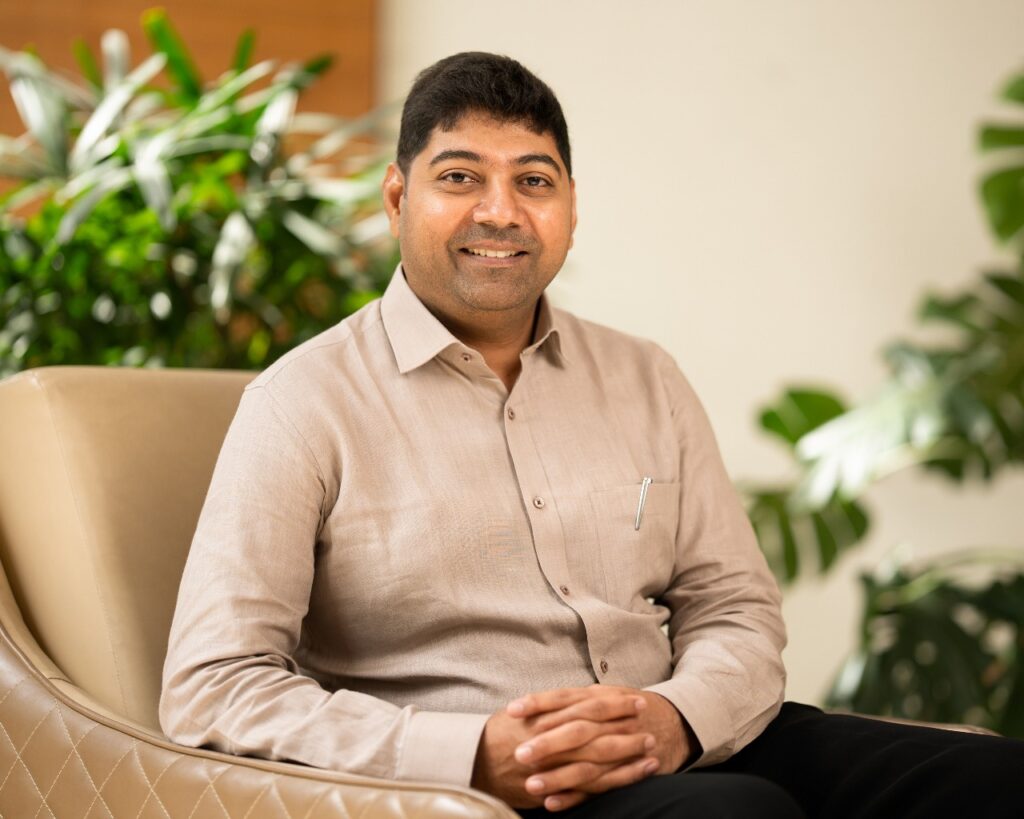
Dr. Naveen Kumar
Reviewed by Dr. Naveen Kumar V, MBBS, DPM — Senior Consulting Psychiatrist at Abhasa Rehab and Wellness with over 20 years of clinical experience in addiction psychiatry and dual diagnosis treatment.
This article reflects evidence-based practices and has been reviewed for medical accuracy.