
Best Rehabilitation Centre in Indore
Luxury Deaddiction & Mental Health Care
Medically Reviewed by: Dr. Naveen Kumar, MBBS, DPM (Psychiatry), 15+ years experience
Author: Abhasa Clinical Team
Last Updated: January 2026
For Indore Families Searching for Recovery Options
If you’re searching for a rehabilitation centre in Indore, here’s what families across Madhya Pradesh are discovering: the most effective recovery often happens away from the city where triggers and stressors live.
Indore has transformed rapidly. It’s now a thriving commercial hub—ranked among India’s cleanest cities, home to booming IT parks, pharmaceutical industries, and a startup ecosystem that rivals larger metros. But with this growth comes pressure. Corporate stress. Late-night work cultures. Weekend drinking that slowly becomes daily drinking. And for some, substances that started as “stress relief” become something harder to control.
Sound familiar? (You’re not alone in this.)
Many families in Indore face a difficult truth: their loved one needs help, but they’re unsure where to turn. Local options feel too close—what if someone they know sees them? Government facilities feel impersonal. And private clinics? They’re often unsure about the quality of care.
Here’s something that surprises most families: many rehab centres in Indore keep patients close to the very triggers that contributed to their addiction. The same city. The same social circles. The same dealers just a phone call away. Therapeutic distance—physical separation from these triggers—accelerates recovery significantly.
And here’s what many families discover: Abhasa Rehabilitation Centre offers something different. Our centres in Coimbatore (Tamil Nadu) and near Mumbai offer something local options often can’t: complete anonymity, clinical excellence, and healing environments designed for lasting recovery.
Experience premium care.
Understanding Addiction & Mental Health in Madhya Pradesh
Madhya Pradesh faces unique challenges when it comes to addiction and mental health.
According to the AIIMS-NIMHANS National Survey on Drug Use (2019), the state has concerning patterns:[1]
- Alcohol prevalence: 17.8%—higher than the national average
- Harmful alcohol dependence: 6.1% of the population
- Cannabis use: 3.2%, influenced by historical bhang culture
- Opioid use: 1.4%, with traditional opium use in some tribal communities
Indore, as the commercial capital of Madhya Pradesh, carries additional weight. The city is listed as a vulnerable district for substance abuse. Industrial city stress affects professionals in IT, pharmaceuticals, and corporate sectors—often leading to unhealthy coping mechanisms.
What does this mean for your family? Here’s the thing—addiction isn’t a character flaw. It’s a response to stress, trauma, or circumstances—and it responds to proper treatment.
What Is Addiction? A Simple Explanation
When drinking or using substances stops being a choice and becomes something your body demands—that’s when dependency begins.
Think of it this way: in the beginning, substances offer relief. Stress melts away. Sleep comes easier. Social anxiety disappears at parties. But over time, the brain adapts. It starts needing that substance just to feel “normal.”
Families researching a deaddiction centre in Indore discover that addiction affects the brain’s reward system.[2] It’s not about willpower or moral weakness. The brain chemistry changes—and professional treatment helps reverse those changes.
This is what people often misunderstand—they think, “Just stop.” But the body has other plans. Withdrawal symptoms. Intense cravings. Anxiety that feels unbearable. This is why structured, medically-supervised treatment matters.
And here’s the hopeful part: recovery is possible.[8] With the right support, the brain heals. New pathways form. Life returns—often better than before.
Warning Signs: When to Consider Professional Help
How do you know when casual use has crossed into dependency? (It’s a question many families struggle with.) Here are signs to watch for, organised by substance type:
Alcohol Dependency Signs
| Stage | Warning Signs |
|---|---|
| Early | Morning drinks to "steady nerves," hiding alcohol, missing deadlines at work |
| Moderate | Daily drinking required, relationship strain, memory blackouts |
| Severe | Physical tremors without alcohol, liver problems, complete dependency |
Drug Dependency Signs
| Stage | Warning Signs |
|---|---|
| Early | Increased tolerance, seeking substances despite consequences |
| Moderate | Failed attempts to quit, drug use affecting work performance |
| Severe | Health deterioration, complete lifestyle change around substance |
Prescription Medication Dependency Signs
| Stage | Warning Signs |
|---|---|
| Early | Taking more than prescribed, "doctor shopping" for prescriptions |
| Moderate | Mixing medications, hiding usage from family |
| Severe | Physical dependency, withdrawal symptoms when stopping |
For Indore professionals specifically: Watch for these patterns in high-stress corporate environments:
- Missing project deadlines after late-night drinking
- Taking sick leave after weekend binges
- Performance improvement plans appearing unexpectedly
- Hiding alcohol in office bags or desks
- Needing a drink before client presentations
If three or more signs apply to your loved one, professional assessment is recommended.
Every detail, from the very first conversation to the final day of your stay, is designed to protect dignity and motivate change.
Why Choose Abhasa for Indore Families?
Why do Indore families consider Abhasa among the best rehab centre in Indore families’ recovery journeys?
Our track record speaks clearly: with a 70-80% sustained recovery rate at 12-month follow-up (verified through structured aftercare programmes), our evidence-based approach delivers results that matter. This isn’t about promises—it’s about outcomes.
Clinical Excellence
“Recovery isn’t just about stopping substance use—it’s about rebuilding a life where using becomes unnecessary. That requires addressing the underlying causes, not just the symptoms.” — Dr. Naveen Kumar, Clinical Lead, MBBS, DPM (Psychiatry)
- Board-certified psychiatrists with 25+ years of experience
- RCI-registered clinical psychologists specialising in addiction
- 24/7 medical supervision during detoxification
- Dual diagnosis expertise—treating addiction alongside mental health conditions
What Sets Abhasa Apart
| What Most Centres Offer | What Abhasa Delivers |
|---|---|
| Basic counselling | 40+ evidence-based therapies including CBT, DBT, EMDR |
| Crowded wards | Private suites with attached bathrooms |
| Standard meals | Chef-prepared, nutritionist-designed organic cuisine |
| Limited family involvement | Comprehensive family therapy programmes |
| No aftercare | 12 months of structured aftercare support |
Confidentiality Guarantee
Unlike most private rehab centres in Indore options, Abhasa offers complete anonymity. Our centres in Coimbatore and near Mumbai mean:
- No one from Indore will encounter your loved one
- No local social stigma
- Complete discretion in admission and treatment
- Confidentiality agreements with all staff
For families concerned about privacy—especially those in prominent positions—this matters enormously.
Luxury treatment is much more than comfort.
Alcohol & Drug Deaddiction Treatment
Phase 1: Stabilisation & Medical Detox
The first 7-14 days focus on safely managing withdrawal—and this phase is crucial:
- Medical monitoring: Vital signs checked regularly
- Medication management: Prescribed by psychiatrists to ease discomfort
- Nutrition support: Hydration and balanced meals to restore physical health
- 24/7 nursing care: Round-the-clock supervision
If you’re searching for an alcohol rehabilitation centre in Indore, understand that proper detox requires medical supervision. Alcohol withdrawal can be dangerous—even life-threatening—without proper care.[3] Abhasa ensures safe, comfortable detoxification.
Phase 2: Intensive Therapy
Once stabilised (usually after the first week), structured therapy begins:
- Individual sessions: 3-5 times weekly with assigned therapist
- Group therapy: Daily sessions with peers in recovery
- Family therapy: Regular sessions involving loved ones[7]
- Psychiatric care: Ongoing medication management if needed
Phase 3: Behavioural Rehabilitation
Deep work on underlying patterns:
- Cognitive Behavioural Therapy (CBT): Identifying and changing thought patterns[4]
- Dialectical Behaviour Therapy (DBT): Building emotional regulation skills
- Motivational Enhancement Therapy: Strengthening commitment to recovery[5]
- Trauma processing: Addressing root causes (if applicable)
Phase 4: Relapse Prevention
Before discharge—and this is where many centres fall short—comprehensive planning happens:
- Trigger identification: Knowing what situations pose risk
- Coping strategies: Practical tools for difficult moments
- Emergency protocols: What to do if cravings intensify
- Aftercare planning: 12 months of continued support
At Abhasa, we focus on every detail so you feel secure, cared for, and all set to start your next chapter.
Drug Rehabilitation Programmes
Looking for a drug rehabilitation centre in Indore? Here’s why distance benefits drug recovery specifically.
Drug dependencies—whether cannabis, prescription medications, or harder substances—often involve supply chains. Dealers. Friends who use. Places where substances are easily available. Staying in Indore means staying close to these connections.
Abhasa’s retreat settings break these chains completely. During 3-6 month residential treatment (yes, it’s a commitment), patients are physically separated from their supply networks. Old contacts fade. New habits form.
Our Drug Rehabilitation Approach
Assessment: Understanding the specific substance, usage patterns, and co-occurring conditions.
Personalised Protocol: Each patient receives customised treatment based on their unique situation.
Therapy Combination:
- Evidence-based therapies targeting addiction pathways
- Holistic practices supporting overall wellbeing
- Skill-building for life without substances
- Family involvement to rebuild trust
Recovery Markers: Regular assessment of progress against personalised milestones.
Mental Health Treatment & Psychiatric Support
Families researching mental health rehabilitation in Indore discover that addiction rarely exists alone. Most patients have underlying mental health conditions that contributed to their substance use—or developed because of it.
Abhasa specialises in treating:
Conditions We Address
- Depression: Persistent sadness, loss of interest, hopelessness
- Anxiety Disorders: Excessive worry, panic attacks, social anxiety
- Bipolar Disorder: Mood swings between mania and depression
- OCD: Intrusive thoughts and compulsive behaviours
- Schizophrenia: Hallucinations, delusions, disorganised thinking
- PTSD: Trauma-related symptoms affecting daily life
Dual Diagnosis Treatment
Q: Is there specialised dual diagnosis treatment in Indore for my loved one?
A: Dual diagnosis—treating addiction and mental health conditions simultaneously—requires specialised expertise.[6] While local facilities may treat one or the other, Abhasa’s integrated approach addresses both. Our psychiatrists are trained specifically in co-occurring disorders, ensuring no condition is overlooked.
This matters—treating addiction alone won’t work if underlying depression triggers relapse. Similarly, treating depression without addressing alcohol dependency leads to incomplete recovery.
Holistic Therapies for Long-Term Recovery
Unlike typical holistic rehab in Indore search results that may offer generic wellness programmes, Abhasa integrates evidence-backed holistic practices into clinical treatment.
Daily Wellness Practices
- Yoga sessions: Morning and evening practices tailored to recovery
- Meditation: Mindfulness techniques for managing cravings
- Breathwork: Pranayama for anxiety reduction
- Art therapy: Creative expression for emotional processing
Nutrition & Physical Health
- Nutritionist-designed meals: Supporting brain chemistry restoration
- Fitness programmes: Rebuilding physical strength and energy
- Sleep hygiene coaching: Restoring healthy sleep patterns
- Ayurvedic consultations: Traditional wellness practices (optional)
Life Skills Development
- Financial management: Rebuilding practical life skills
- Career counselling: Planning for professional reintegration
- Communication skills: Repairing relationships through healthier interaction
- Stress management: Tools for handling pressure without substances
The combination of clinical treatment and holistic care creates sustainable recovery—patients don’t just stop using, they build lives worth living.
Privacy, professionalism, and world-class care work together here to safeguard your recovery and your reputation.
A Typical Day at Abhasa
What does structured treatment actually look like? Here’s a typical day:
6:30 AM — Wake up, personal hygiene, morning medication
7:00 AM — Yoga and meditation session
8:00 AM — Nutritious breakfast, vitamins
9:00 AM — Individual therapy session
10:30 AM — Group therapy
12:30 PM — Lunch, rest period
2:00 PM — Psychoeducation workshop (understanding addiction)
3:30 PM — Recreational activity (art, music, sports)
5:00 PM — Evening tea, journaling
6:00 PM — Family therapy session (scheduled days)
7:00 PM — Dinner
8:00 PM — Recovery meeting (12-Step or SMART Recovery)
9:30 PM — Wind-down activities, personal time
10:00 PM — Lights out
This structure provides stability. (Many patients haven’t experienced regular routines in years.) The predictability itself becomes healing.
Who Benefits from Our Programmes?
Abhasa serves diverse populations
- Alcohol dependency: From early-stage concern to severe dependence
- Drug dependency: Cannabis, prescription medications, harder substances
- Mental health conditions: With or without substance use
- Dual diagnosis: Co-occurring addiction and mental health
- Professionals: Executives, doctors, lawyers requiring discretion
- Women: Dedicated women-only programmes at Coimbatore
Special Programmes for Indore Professionals
For professionals from Indore’s IT, pharmaceutical, and corporate sectors:
- Executive tracks: Maintaining work connectivity when appropriate
- Digital detox: Breaking unhealthy relationships with technology
- Performance pressure: Addressing achievement-driven stress
- Re-entry planning: Transitioning back to work successfully
Your privacy is our top priority, from your very first call to your last day with us.
Luxury Healing Environments
The Perfect Setting
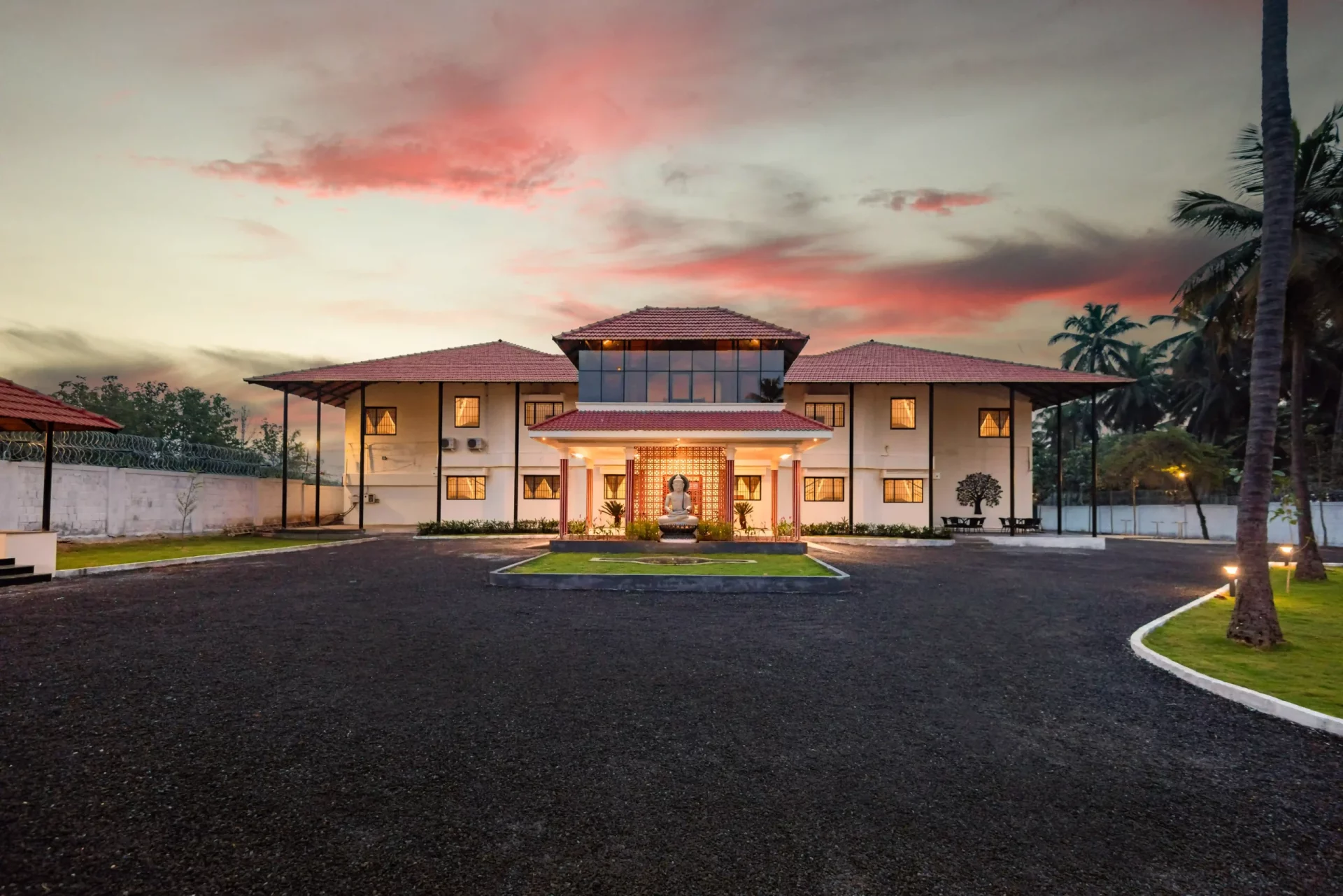
Nestled in Coimbatore’s Western Ghats, surrounded by therapeutic gardens and clean mountain air, Abhasa offers environments specifically designed for healing.
A world away from Indore’s urban bustle—after years of city stress, traffic, deadlines, constant connectivity—the contrast itself becomes therapeutic.
Facilities Within
- Private suites: Individual rooms with attached bathrooms
- Organic gardens: Fresh vegetables and herbs for meals
- Yoga pavilions: Outdoor spaces for morning practice
- Meditation areas: Quiet zones for reflection
- Recreation facilities: Indoor games, fitness equipment
- Dining areas: Restaurant-quality meal service
Why Distance Matters
The 3-4 hour distance from Indore provides:
- Trigger separation: Away from dealers, drinking buddies, familiar stressors
- Social reset: Complete anonymity from Indore social circles
- Focus: No distractions from recovery work
- Family visits: Designated weekends for family therapy sessions
- Duration compatibility: For 1-6 month stays, location convenience becomes irrelevant
You are not alone in this. Family comfort is part of the care we provide.
Travel & Access Support for Indore Patients
Flight Options to Coimbatore Centre
Route: Indore (IDR) → Coimbatore (CJB)
- Connection via Mumbai or Chennai: 4-5.5 hours total
- Airlines: IndiGo, Air India
- Cost: INR 5,000 – 12,000
Flight Options to Mumbai Centre (Karjat)
Route: Indore (IDR) → Mumbai (BOM)
- Direct flights: 6-8 daily options
- Duration: 1 hour 15 minutes
- Cost: INR 3,000 – 8,000
Admission Support
We assist with:
- Discreet travel coordination: Private transfers from airport
- Documentation: All paperwork prepared in advance
- Family coordination: Keeping loved ones informed
- Medical records transfer: Seamless information handover
Step-by-Step Admission Process
Your search for a rehabilitation centre near me in Indore brought you here. Now, here’s what happens next:
Step 1: Confidential Enquiry Call or WhatsApp +91-73736-44444. Everything discussed remains private.
Step 2: Clinical Screening Our intake team gathers medical history, substance use patterns, and mental health concerns.
Step 3: Personalised Care Plan A psychiatrist reviews the case and recommends appropriate treatment level and duration.
Step 4: Admission Coordination Travel arrangements, room allocation, and family communication coordinated.
Step 5: Arrival & Stabilisation Comfortable settling-in, medical assessment, beginning of care.
Step 6: Treatment Phase Structured therapy, medical care, and holistic healing—typically 30-180 days.
Step 7: Family Sessions Regular involvement of loved ones in recovery process.
Step 8: Discharge & Aftercare Comprehensive planning, relapse prevention tools, 12-month follow-up support.
No one-size-fits-all plans. Only care that grows with you
Recovery Outcomes
Our evidence-based approach delivers measurable results:
- 70-80% sustained recovery at 12-month follow-up
- 85% completion rate of recommended programme duration
- 90%+ family satisfaction with communication and involvement
- Average 47% improvement in quality-of-life scores
These aren’t just statistics. They represent families reunited. Careers rebuilt. Lives restored.
An investment in care is an investment in the life you want to rebuild.
Frequently Asked Questions (Indore-Focused)
What is the cost of rehabilitation treatment for Indore patients?
Treatment costs range from INR 1.5 lakh to 6 lakh depending on programme duration (30-180 days), room type (shared or private), and treatment intensity. Detailed cost breakdowns are provided during initial consultation.
Is treatment confidential?
Do you treat both alcohol and drug addiction?
What mental health conditions do you treat?
How long does a rehab programme last?
Is medical detox included?
Are private rooms available?
Can families visit?
How quickly can admission happen?
Emergency admissions can be arranged within 24-48 hours. Planned admissions typically take 3-5 days for proper assessment and coordination.
What aftercare support is provided?
12 months of structured aftercare including:
- Weekly virtual check-ins (first 3 months)
- Bi-weekly sessions (months 4-6)
- Monthly follow-up (months 7-12)
- 24/7 crisis support line
- Booster sessions if needed
Your privacy, comfort, and care remain our highest priorities.
Madhya Pradesh Mental Health Resources
State-Level Support
- Madhya Pradesh Mental Health Authority: State government mental health resources
- MY Hospital, Indore: Government psychiatric services
- Gandhi Medical College, Bhopal: Academic psychiatric care
National Helplines
- iCall: 9152987821 (psychosocial support)
- NIMHANS Helpline: 080-46110007
- Vandrevala Foundation: 1860-2662-345 (24/7 counselling)
Your path to a healthier, stronger future starts in a place created with you in mind.
Start Your Recovery Journey Today
Here’s something important to understand: every day of delay increases risk. Addiction is progressive—it doesn’t stay the same; it gets worse. The physical toll accumulates. Relationships strain further. Professional consequences mount.
But here’s the good news: recovery is possible. Thousands of families have walked this path before yours—they felt the same fear, confusion, and uncertainty you’re feeling now. And they came through.
The first step is always the hardest—and the most important.
Learn More About Your Options
Request Information: Download our detailed treatment guide explaining programmes, duration options, and what to expect.
Confidential Consultation: Speak directly with our clinical team. No pressure. Just honest answers to your questions.
Virtual Tour: See our facilities from the comfort of your home before deciding.
Contact Abhasa Today
- Phone/WhatsApp: +91-73736-44444
- Email: info@abhasa.in
- Website: www.abhasa.in
You don’t have to figure this out alone. Help is closer than you think.
Related Resources
Understanding Addiction
- Do I Need Rehab? — Self-assessment tool
- Alcohol Addiction — Comprehensive guide
- Drug Addiction — Treatment options
- Dual Diagnosis — When addiction meets mental health
Treatment Information
- How We Treat — Our clinical approach
- Schools of Therapy — CBT, DBT, and more
- Family Support — Resources for loved ones
- Life After Rehab — Maintaining recovery
Location Pages
- Rehabilitation Centre Bhopal — For nearby families
- Women’s Rehabilitation Centre Indore — Women-specific care
- Deaddiction Centre Indore — Substance-focused treatment
Mental Health Conditions
- Depression Treatment — Clinical depression care
- Anxiety Disorders — Treatment approaches
- PTSD Treatment — Trauma-informed care
Medical Disclaimer
This content is for informational purposes only and does not constitute medical advice. Addiction and mental health conditions require professional evaluation. Individual treatment outcomes may vary. Always consult qualified healthcare providers for diagnosis and treatment decisions.
Emergency Resources
References
Research Citations (All Sources):
[1] Ministry of Social Justice and Empowerment, Government of India. (2019). Magnitude of Substance Use in India. AIIMS-NIMHANS National Survey. Retrieved from https://socialjustice.gov.in/writereaddata/UploadFile/Survey%20Report.pdf
[2] National Institute on Drug Abuse. (2024). Drugs, Brains, and Behavior: The Science of Addiction. Retrieved from https://nida.nih.gov/publications/drugs-brains-behavior-science-addiction
[3] Rahman A, Paul M. (2023). Delirium Tremens. StatPearls Publishing. Retrieved from https://www.ncbi.nlm.nih.gov/books/NBK482134/
[4] McHugh RK, Hearon BA, Otto MW. (2010). Cognitive behavioral therapy for substance use disorders. Psychiatric Clinics of North America. Retrieved from https://www.ncbi.nlm.nih.gov/pmc/articles/PMC2897895/
[5] Substance Abuse and Mental Health Services Administration. (2020). Using Motivational Interviewing in Substance Use Disorder Treatment. Advisory 35. Retrieved from https://store.samhsa.gov/product/Using-Motivational-Interviewing-in-Substance-Use-Disorder-Treatment/PEP20-02-02-014
[6] National Institute on Drug Abuse. (2024). Part 1: The Connection Between Substance Use Disorders and Mental Illness. Retrieved from https://nida.nih.gov/publications/research-reports/common-comorbidities-substance-use-disorders/part-1-connection-between-substance-use-disorders-mental-illness
[7] Rowe CL. (2012). Family therapy for drug abuse: review and updates 2003-2010. Journal of Marital and Family Therapy. Retrieved from https://www.ncbi.nlm.nih.gov/pmc/articles/PMC3188398/
[8] Substance Abuse and Mental Health Services Administration. (2023). Recovery and Recovery Support. Retrieved from https://www.samhsa.gov/find-help/recovery