

Do Indian Sober Living Homes Make Good Post-Rehab Options?
Entering and leaving rehab is often characterized as one of the most freeing yet fragile times in recovery. You have struggled through some of the toughest stages, detox, therapy, and self-reflection. But how do you deal with a world needing to be confronted after so much sheltering has been done? The truth is that sober living does not finish with rehab, rather it builds from there. This is where sobering homes come into play. But do they work? Do they effectively aid healing? And do Indian recovery housing options provide enough support to navigate someone smoothly through this important change?
If these are questions you or someone close to you is looking for answers to, we assure you that you are not sailing alone. So let us try to find out together, regarding the safety offered along with emotional support essential scaffolding provided through post-rehab care in India utilizing sober homes.
What Comes After Rehabilitation? Why Transitional Areas Are Important
Think of rehabilitation as a mountain you need to climb. It’s only after putting in the effort that you are finally able to reap the rewards and make it to the top. But have you thought about how you would get back down? That part is just as dangerous. Returning from a rehabilitation center back to your daily life with all its challenges, stresses, and triggers can lead to feeling lonely and even relapsing.
This is where the importance of Indian rehab centers lies concerning transitional care in relation to post treatment options. The aim here is to learn how to navigate through life without intensive care step by step. This basically means learning how to walk again where the ground used to be unstable instead of trying to run through a world full of temptations.
Explainer: Sober Living Homes In India
Sober living homes in India can be described as more secure structures akin to family residences, providing everything with compassion at the same time. They provide an environment free of drugs and alcohol where recovering individuals are encouraged rebuild their lives. But these aren’t just ‘dry houses’ – they follow strict rules and policies centered around community, emotional accountability, and mutual support.
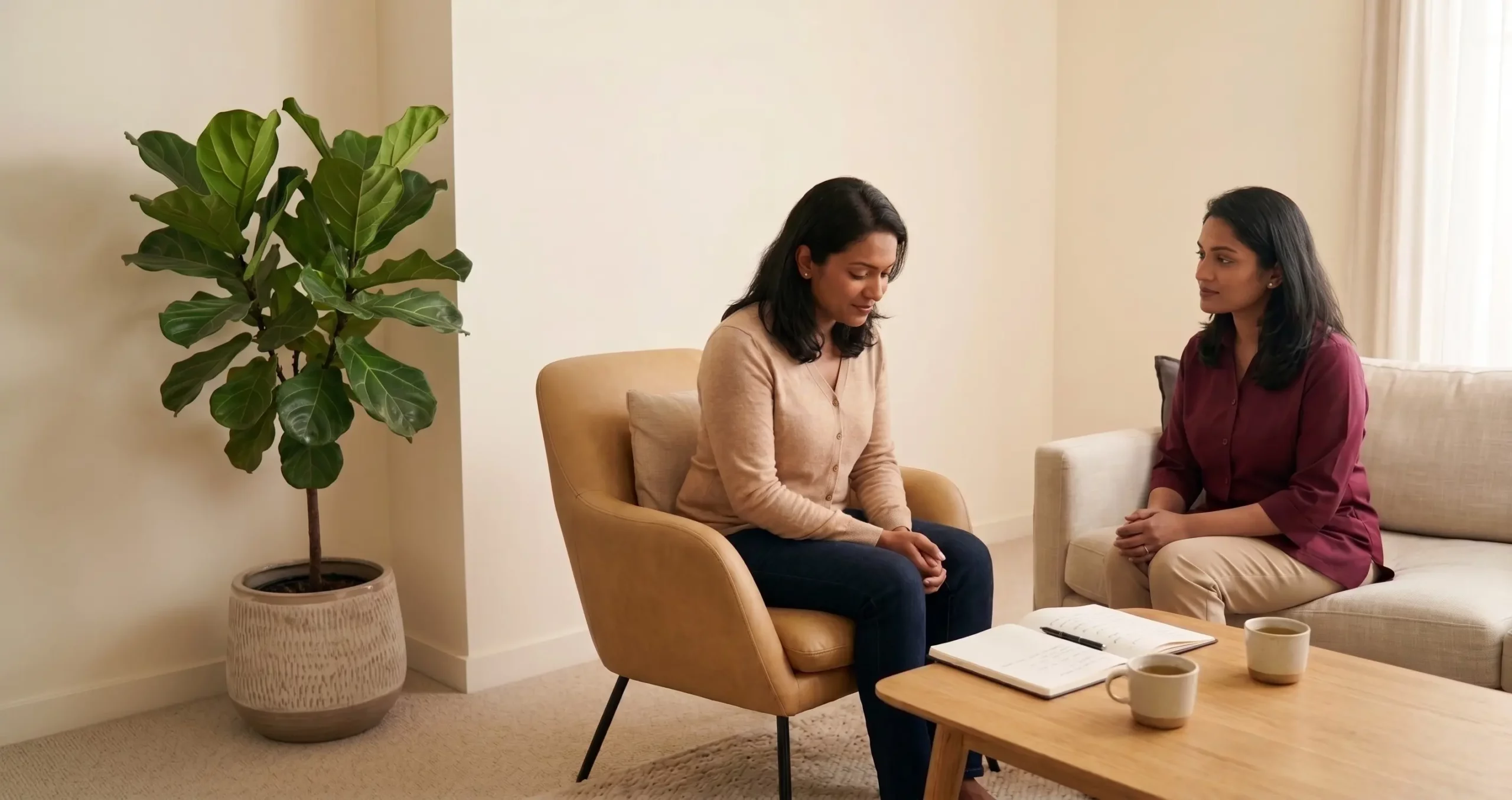
In here, peer support is coupled with community reinforcement and daily life skills workshops. Moreover, there are drug tests and supervision around the clock. There is also the space to gradually reintegrate into work, therapy, or relationships.
Indian Recovery Housing: Do They Work?
Let’s be frank – All recovery housing in India is not equal. Some are well managed and managed by trained mental health professionals with a sufficient community atmosphere and evidence-based practices such as regular group therapies. Other facilities under house supervision may lack some adequate structure, absence of hierarchy, clear rules, and consistent therapeutic follow-up.
So do sober living homes work in India? I would say it gets a conditional yes as long as the home focuses on basic principles of clean environments, order in everyday activities which give a set framework for days, simple emotional safety. If these key components are applied then they could act as gain in prolonged recovery support that strengthens self-efficacy almost always decreases chances of returning to using substances.
Addiction psychology studies suggest dedicated post-waiting period supportive housing substantially increases long-term sobriety prospects (in this case in India). These houses provide the much needed buffer where family dynamics social stigma over the house plus looming job pressures make recovering complicated due to so many external factors.
The Major Advantages of Sober Living Homes in India
While individual journeys may vary, certain well-established benefits stand out from sober living homes in India:
Continuity in care: You maintain adherence to routines akin to rehab. These include morning wake ups, group check-ins, and preset activities.
Emotional cushion: Sober homes offer an area where residents can exercise the emotions of vulnerability, responsibility, and connection away from the eyes of society.
Step-by-Step Return: You are still able to access therapists, support groups or yoga and meditation which allow you to slowly re-enter the world while having professional guidance.
This is a powerful consideration for post-rehab care structure in India. It’s not a fallback, it’s a springboard.
Who Should Consider Using A Sober Living Home
You may ask yourself “Do I really need a sober home after completing rehab?” Not typically. But for individuals recovering from trauma – likened to someone going back to a stressful job or chaotic household – clean environments provide much needed stability. In other situations where someone feels emotionally vulnerable, communal support greatly aids motivation through accountability.
If you are struggling with alcohol, drugs or even prescription medications, Indian recovery housing acts as a complement to your treatment steps and not a duplication.
Searching for Recovery Homes in India: Crucial Considerations
What should I consider while searching for a recovery home? Below are some tips that may help:
Therapeutic support: Make sure the facility offers psychological counselling, group therapy, or at least has 12-step meetings available.
Routine structure: Effective sober living homes have predetermined daily activities to engage residents instead of having open-ended stays.
Professional oversight: Look for qualified personnel who will attend to both addiction and psychiatric needs.
Community spirit: Inquire if residents actively participate in shared household duties and whether mutual respect is promoted.
Also, don’t hesitate to ask such as Is the house LGBTQ+ inclusive? Dietary requirements catered for? Family visits permitted?
Why Sober Living Works: Ground Reports
Recovery is often perceived through the lens of abstention from substance use. The other side of the coin however includes emotional development, growth, healing from trauma et cetera. A number of individuals who transition from rehabilitation centers into sober homes report significant boost in their self-worth alongside better family relations, improved time management and more.
A former resident of a recovery home in Bengaluru said, “I understood the science behind staying sober. Managing my life afterwards is what I found challenging. The home gave me time and space to learn that.” This highlights how rehabilitation facilities strive to help former patients transition from ‘treatment’ to ‘living.’
Whether it’s rediscovering an old passion, practicing cooking skills, or enjoying the simple act of being listened to, community-based sobriety provides support in ways that are often underappreciated.
How to Know If You’re Ready
Perhaps you started with detox. Or maybe therapy is yielding positive results in your life. In any event, if deep down you know your biggest challenge is controlling temptation once you return home, then sober living homes in India may be just what you need.
Sober Living Questions:
Am I confident managing stressors without support?
Do I have a stable, trigger-free home to return to?
Can I maintain daily sobriety routines without oversight?
If there is uncertainty in answering any of these questions, then it’s safe to conclude that post-rehab care still ought to be considered in India. It does not speak about weakness, rather it shows wisdom on how your energy and surroundings are utilized.
Addressing Concerns: What About Cost or Stigma?
One of the major concerns regarding Indian recovery housing is cost. However, there are several options ranging from luxury villas to modest yet well-maintained hostels. Some even operate on a sliding scale, are subsidized by NGOs, or have philanthropic support.
As for stigma, concerns revolving negative public perceptions are quite real. Many people still relate recovery homes to shame or failure. But here’s a gentle reminder: recovery is never something to feel ashamed about. If society hasn’t caught up yet, that’s their burden to bear, not yours.
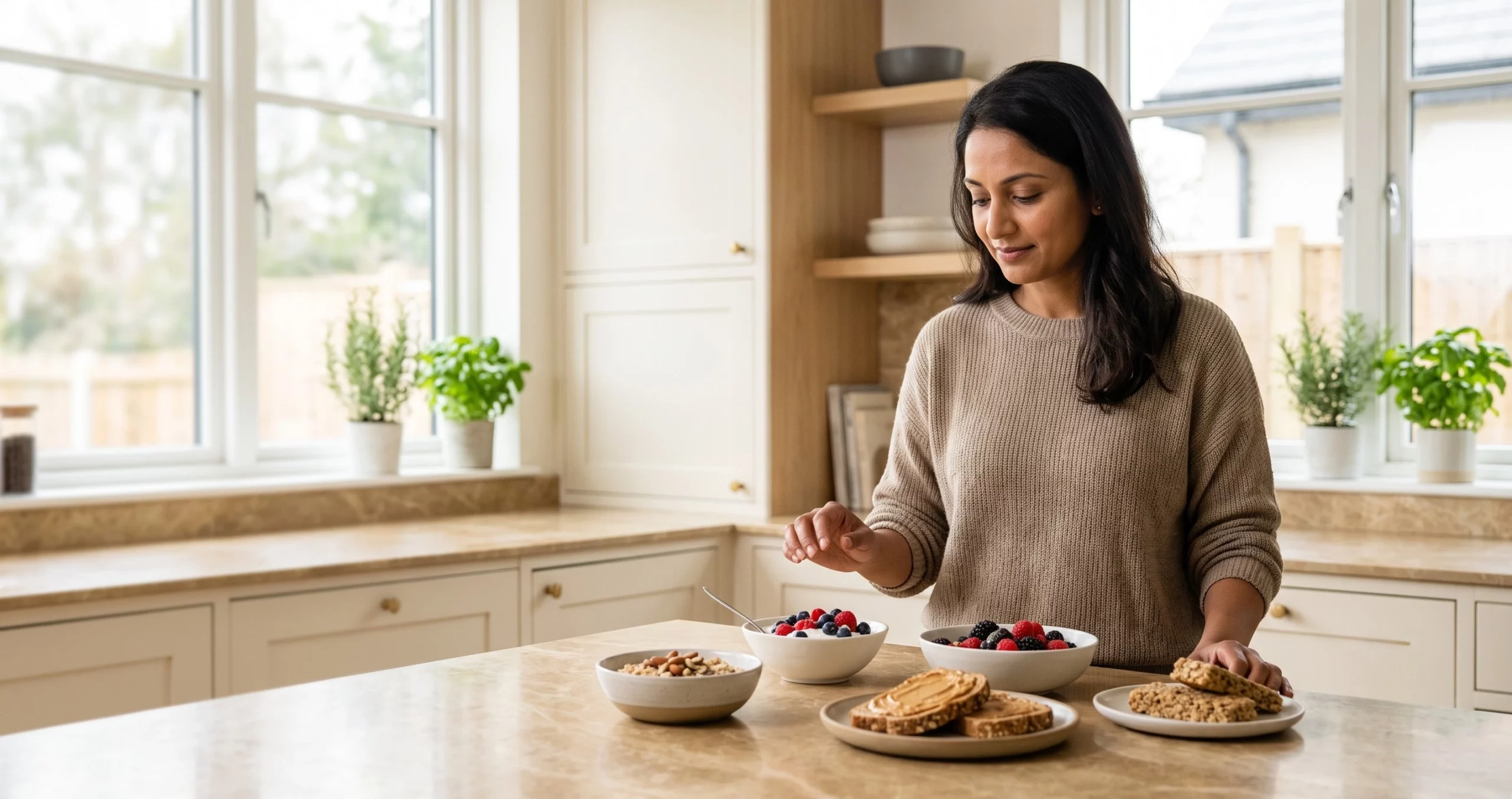
Whether it’s a morning walk, an evening prayer, or a mid-day breathing break, your daily routine for addiction recovery becomes your safety net. It’s what catches you when life gets loud again.
Why Sober Homes Are Especially Crucial in the Indian Context
Most cultures in the West encourage independent living from a young age while Indians generally opt for multigenerational households. While these families may offer emotional support, they can also be quite pressuring and toxic when dealing with addiction issues. In these instances, sober living homes in India offer the physical and emotional space needed to heal.
Additionally, urban recovery housing serves as a ray of hope as metropolitan areas face soaring addiction rates. It helps individuals empowered to find community, safely reintegrate into society, rebuild their sense of purpose and practice new habits before diving into life outside chaotic daily routines.
So if you or someone you love is in recovery, ask: What kind of life are you creating each day? Are your habits helping you heal or holding you back? The answers don’t have to be perfect. They just have to be honest.
Because healing begins not in giant leaps, but in quiet, consistent steps taken one structured day at a time.
The Future of Post-Rehabilitation Care in India
India appears to have a hopeful future regarding post-rehab care with the increasing awareness about mental health and addiction. Many recovery homes are now adding mindfulness, vocational training, family therapy, and trauma-informed care as adjuncts to post-discharge support. A few of these are even providing virtual care that transcends physical boundaries.
With increased visibility, compassion, and oversight, the perception of sober living houses in India is slowly changing from fringe options to essential resources.
It’s Time To Thrive Beyond Surviving
There is so much more to recovery than abstaining from a substance, it is about rebuilding your identity, re-anchoring your values, and choosing tranquility instead of turmoil. Moving forward, allow yourself the Indian recovery housing choice, but know that each step beyond must come from intention rather than fear.
Every person recovering from addiction should have support by their side. Within reach is kind, supportive aid who would gladly join you on this journey. Perhaps support comes in the form of a warm home on the outskirts of town. Or perhaps with community lunches, reflective early mornings, or casual evenings filled with understanding peers.
Above all else remember: sober living homes in India aren’t places to hide from life. They’re where life awaits you after you dive into it and return rejuvenated and reenergized rather than burdened with chaos.