
Alcohol Rehabilitation Centre in Kolkata
What Families Need to Know About Recovery
This page is for Kolkata families seeking residential rehabilitation for addiction, mental health conditions, or both. Whether you’re an IT professional, a concerned parent, or someone researching options — this guide covers what you need to know.
1,500+ families have trusted us with their loved ones' recovery journey
Direct Answer: For Kolkata residents searching for alcohol rehabilitation, Abhasa Rehab and Wellness offers evidence-based residential treatment at our centres in Coimbatore (Tamil Nadu) and Karjat (near Mumbai). With a 2:1 staff-to-patient ratio, 90-day programmes, and a 75% success rate at 12-month follow-up, we provide the therapeutic distance and comprehensive care that supports lasting recovery for West Bengal families.
If you’re searching for an alcohol rehabilitation centre kolkata families can trust, you’re not alone. Thousands across West Bengal find themselves looking for the right place to help someone they love. And here’s what many of them discover: the best recovery often happens away from home.
Kolkata is a city of deep connections. The intellectual gatherings at Coffee House. The evening conversations that stretch into the night. The cultural traditions binding families together across generations. But these same connections can make recovery complicated—and that’s something we understand deeply.
When drinking has become part of the social fabric (the office celebrations, the weekend gatherings, the stress relief after long days), staying local can feel like trying to heal while surrounded by triggers. That’s why many Kolkata families searching for alcohol rehab kolkata solutions are looking beyond typical local options and choosing residential treatment at Abhasa Rehab and Wellness.
In this guide, you’ll learn: Why distance-based treatment works, what our programmes include, how to get here from Kolkata, and what families can expect throughout the recovery journey.
Written by Abhasa Clinical Team Medically reviewed by Dr. Naveen Kumar, MBBS, DPM (Psychiatry), Senior Consulting Psychiatrist at Abhasa Rehab and Wellness
Published:
Last Updated:
Time to Read: 13min
Who This Page Is For
- Kolkata residents or families seeking alcohol addiction treatment
- Professionals in Kolkata looking for confidential rehabilitation options
- Family members wanting to help a loved one access evidence-based care
- Anyone exploring residential treatment as an alternative to local outpatient options
What Does Alcohol Addiction Look Like in Kolkata?
Alcohol addiction in Kolkata often develops gradually within the city’s deeply social culture, where drinking is embedded in corporate gatherings, intellectual circles, and cultural celebrations. Recognising the signs early — and understanding that addiction is a medical condition, not a moral failing — is the first step toward recovery.
What do the numbers actually show?
West Bengal has seen a steady rise in alcohol-related concerns over the past decade. According to the National Family Health Survey (NFHS-5), approximately 26% of men in West Bengal consume alcohol, with urban centres like Kolkata showing higher rates of problematic drinking patterns.[1]
But here’s the thing—statistics don’t capture what families actually experience. They don’t show the corporate professional who can’t get through the evening without a drink. The businessman whose “social drinking” has quietly crossed into dependency. The young executive whose career success came with a drinking habit that’s now spiraling.
The World Health Organization (WHO) reports that alcohol use disorders affect approximately 5.1% of the global adult population, with India seeing a 55% increase in per capita alcohol consumption over the past two decades.[4]
Key Insight: India has experienced a 55% increase in per capita alcohol consumption over the past two decades, with urban centres like Kolkata seeing disproportionately higher rates of problematic drinking among professionals aged 25-45.[4]
What Do Families in Kolkata Often See?
Alcohol dependency doesn’t announce itself all at once. It creeps in gradually. The signs can be easy to explain away—especially in a city where drinking is socially acceptable. Sound familiar?
Some behavioural patterns families commonly notice:
- Morning shakiness or anxiety that eases after the first drink
- Hiding drinking from family members or lying about amounts consumed
- Increased irritability when alcohol isn’t available
- Neglecting responsibilities at work or home
- Financial strain from spending on alcohol
- Failed attempts to cut back or stop (sometimes multiple times)
- Drinking alone more frequently than before
- Memory gaps from drinking episodes
If any of this sounds familiar, know that you’re not imagining things. And you’re definitely not overreacting. Many families wait too long because they keep hoping things will improve on their own.
Not sure if your loved one needs professional help? Take our do I need rehab assessment—it’s confidential and takes just a few minutes.
Why Does Distance-Based Treatment Work for Kolkata Residents?
What makes going away actually help?
Here’s something that might surprise you: when searching for an alcohol addiction treatment kolkata solution, many families ultimately choose treatment centres outside the city. Not because local options don’t exist. But because distance itself becomes part of the healing.
Think about it this way. Recovery requires breaking patterns. The familiar routes home that pass by favourite bars. The colleagues who normalise “just one more.” The stress triggers from work that always led to drinking. The neighbourhood liquor shops known by name.
When someone travels to a residential centre away from Kolkata, they’re not running from their problems. They’re creating the physical and emotional space to actually address them.
The Therapeutic Value of Separation
At Abhasa, families from Kolkata tell us that distance provides:
- Freedom from social drinking pressures and the expectation to participate
- Complete anonymity—no chance of running into colleagues or neighbours
- Mental space to focus entirely on recovery without daily distractions
- A clean break from enabling relationships and drinking environments
- Time to build new patterns before returning to familiar triggers
Research from the National Institute on Alcohol Abuse and Alcoholism (NIAAA) confirms that environmental cues play a significant role in triggering alcohol cravings and relapse.[5] Removing these cues during early recovery strengthens outcomes.
Why 90 Days Makes a Difference
Most alcohol addiction treatment programmes run between 30 and 90 days. At Abhasa, we recommend the 90-day residential programme for alcohol dependency. Here’s why.
Brain chemistry takes time to stabilise after prolonged alcohol use. The neural pathways that drive cravings don’t rewire in a week or two. A 2019 study published in Frontiers in Psychiatry found that treatment programmes of 90 days or longer showed significantly better outcomes for alcohol use disorder than shorter programmes.[2]
SAMHSA’s research further supports this, indicating that individuals who complete at least 90 days of treatment are significantly more likely to maintain long-term sobriety.[6]
For someone from Kolkata, this means 90 days of focused recovery—without the pull of old routines, familiar triggers, or well-meaning friends who might enable relapse.
How to Reach Abhasa from Kolkata for Alcohol Treatment
Both Abhasa centres are reachable from Kolkata with a 2.5-hour direct flight — to either Coimbatore or Mumbai. We arrange airport pickup and handle all transfer logistics so families can focus on recovery rather than travel planning.
We understand that travel can feel like a barrier. But families from Kolkata have found it’s more manageable than expected. And many tell us later that the journey itself marked a turning point.
To Our Coimbatore Centre (Tamil Nadu)
Flight: Direct flights from Kolkata to Coimbatore take approximately 2.5 hours. Airlines like IndiGo, Air India, and SpiceJet operate regular routes.
From Airport: Our centre in Thondamuthur is about 45 minutes from Coimbatore Airport. We arrange airport pickup for all admissions.
The setting: Nestled in the Western Ghats, surrounded by nature. It feels more like a retreat than a hospital—and that’s intentional.
To Our Karjat Centre (Near Mumbai)
Flight: Kolkata to Mumbai is approximately 2.5 hours. Multiple daily flights available.
From Airport: The Karjat centre is about 2 hours from Mumbai Airport, nestled in the Western Ghats near Lonavala. We arrange transfers.
Both journeys take less time than many office commutes. And they’re the start of something that can change everything.
Ready to discuss travel logistics? Call us at +91-73736-44444. We’ll walk you through everything.
What Treatment Programmes Does Abhasa Offer?
Abhasa offers 30 to 90-day residential programmes combining medically supervised detox, evidence-based psychotherapy (CBT, DBT, Motivational Interviewing), holistic therapies, and dual diagnosis treatment — all tailored to each patient’s specific needs.
When families search for an alcohol rehabilitation centre kolkata solution, they’re looking for more than just detox. They want comprehensive alcohol addiction treatment kolkata programmes that address why someone drinks—not just how to stop.
| Factor | Local Outpatient (Kolkata) | Residential Treatment (Abhasa) |
|---|---|---|
| Setting | Near daily triggers and routines | Controlled therapeutic environment in Coimbatore |
| Duration | Ongoing weekly sessions | 30-90 days immersive |
| Confidentiality | Risk of being seen locally | Complete anonymity |
| Medical supervision | Limited hours | 24/7 on-site medical team |
| Success rates | Variable | 75% sustained recovery at 12 months |
| Family involvement | Difficult to coordinate | Structured family therapy programme |
How Does Medical Detoxification Work?
Alcohol withdrawal can be dangerous. Really dangerous. Symptoms range from uncomfortable (tremors, anxiety, insomnia) to life-threatening (seizures, delirium tremens). At Abhasa, medical detoxification happens under 24/7 supervision by our clinical team.
What to expect:
- Initial medical assessment by a psychiatrist
- Medication-assisted detox to manage alcohol withdrawal symptoms safely
- Round-the-clock nursing care
- Typically 5-7 days duration
- Comfortable, private rooms during this phase
Our Medical Director, Dr. Naveen Kumar V (MBBS, DPM, 20 years in addiction psychiatry), oversees all detoxification protocols. Every patient receives individualised medical care—not a one-size-fits-all approach.
Medical oversight by Dr. Malarvilzhi G (MBBS, MD, 20 years experience) ensures 24/7 supervision. Medical emergencies don’t wait for office hours, and neither do we.
What Evidence-Based Therapies Do You Use?
Once medically stable, the real work begins. Abhasa uses therapies backed by research—not just tradition.
Cognitive Behavioural Therapy (CBT): A meta-analysis of 30 randomised controlled trials found CBT significantly more effective than no treatment for alcohol use disorders.[3]
At Abhasa, CBT helps patients:
- Identify thoughts that lead to drinking
- Develop healthier coping strategies
- Build problem-solving skills
- Prevent relapse through cognitive restructuring
Dialectical Behaviour Therapy (DBT): Particularly helpful when alcohol use occurs alongside emotional dysregulation, anxiety, or trauma.
Motivational Interviewing: A patient-centred approach that strengthens internal motivation for change rather than imposing it externally.
12-Step Facilitation: Introduction to AA principles and peer support networks that continue after discharge.
For patients with co-occurring mental health conditions, our dual diagnosis treatment addresses both issues simultaneously—because treating one without the other rarely works.
What About Holistic Therapies?
Recovery isn’t just about stopping drinking. It’s about building a life you don’t want to escape from.
- Yoga and meditation—calming the nervous system and building emotional regulation
- Art and music therapy—processing emotions that words can’t capture
- Nature therapy—our centres are surrounded by the Western Ghats
- Nutritional support—restoring physical health after alcohol’s damage
- Fitness programmes—rebuilding strength and natural endorphin production.
Learn more about how we treat at Abhasa.
What Makes Abhasa's Clinical Team Different?
If you’ve been comparing alcohol deaddiction centre kolkata options, you’ll find most facilities focus on amenities. At Abhasa, we start with people. Here’s the difference.
2:1 Staff-to-Patient Ratio
This isn’t a marketing number. It means you’ll actually receive individual attention. Your therapist knows your story. Your nurse knows your progress. Your care team coordinates daily.
Specialist Expertise
Dr. Naveen Kumar V (MBBS, DPM, 20 years experience) leads our psychiatry team. Addiction psychiatry is his specialisation—not something added to a general practice.
Dr. Malarvilzhi G (MBBS, MD, 20 years experience) provides 24/7 medical oversight as Residential Medical Officer.
Ms. Meera K (M.Phil Clinical Psychology, 8-9 years experience) specialises in trauma-informed care. Because alcohol often masks deeper wounds that need healing.
Dr. Karuppachamy P (Ph.D. Social Work, 35 years experience) brings unique perspective as both clinician and peer counselor with lived recovery experience.
Advanced Interventions
Abhasa offers QEEG brain mapping and neurofeedback—not available at most Indian rehabilitation centres.
What this means for you: personalised protocols based on actual brain function, not generic treatment plans.
How Does Abhasa Support Kolkata Families During Treatment?
Abhasa’s family support programme runs parallel to individual treatment and includes in-person or virtual family therapy, weekly progress updates, education about addiction as a medical condition, and 6-12 months of post-discharge family counselling.
Addiction affects everyone in the family. Searching for the best alcohol rehab for kolkata residents often falls to spouses, parents, or adult children who have watched someone they love struggle.
At Abhasa, family isn’t an afterthought. Our family support programme includes:
- Family therapy sessions (in-person or virtual)
- Weekly family updates on treatment progress
- Education about addiction as a medical condition—not moral failure
- Guidance on supporting recovery without enabling
- Preparation for reintegration after discharge
- Monthly family counselling for 6-12 months post-discharge
“The most successful recoveries I’ve witnessed have one thing in common: a supportive family that learned to set healthy boundaries while staying connected. That balance between care and self-care is something we help every family find.” — Dr. Naveen Kumar V, MBBS, DPM, Senior Consulting Psychiatrist, Abhasa Rehab and Wellness
We’ve worked with families from across India. We understand the dynamics—the concerned parents, the overwhelmed spouses, the worried children. Read more about family therapy in addiction recovery.
Want to understand your role in recovery? Call +91-73736-44444 to speak with our family counselling team.
How Can Kolkata Families Start the Admission Process?
The admission process begins with a free, confidential call to our team. From there, we handle clinical assessment (available via video call for Kolkata families), treatment planning, travel coordination, and airport pickup — so everything is arranged before arrival.
Taking the first step can feel overwhelming. We’ve made it as straightforward as possible.
Step 1: Initial Consultation
Call us at +91-73736-44444. You’ll speak with a trained counsellor who can answer your questions, understand your situation, and explain our programmes. No pressure. No sales tactics.
This call is free and confidential. Many families call just to understand their options before making any decisions.
Step 2: Clinical Assessment
If you decide to proceed, our clinical team conducts a detailed assessment. This includes medical history, drinking patterns, previous treatment attempts, and family dynamics. For Kolkata families, this can happen over video call initially.
Step 3: Treatment Planning
Based on the assessment, we develop a personalised treatment plan. Not a generic programme—a plan designed for this specific person’s needs.
Step 4: Admission Coordination
We help coordinate travel, manage logistics, and prepare you for admission. Many families from Kolkata arrive the same day as their flight.
Step 5: Begin Treatment
From the moment of arrival, our team takes care of everything. The focus shifts entirely to recovery.
Related Topics
- Alcohol Addiction Treatment — Comprehensive guide to understanding and treating alcohol use disorder
- Symptoms and Warning Signs — Recognise the signs of alcohol addiction
- Withdrawal and Detox — What to expect during medical detoxification
- How to Stop Drinking — Evidence-based strategies for quitting safely
- Do I Need Rehab? — Evaluate whether residential treatment is right for you
Google Reviews:
Voices That Speak For Us
Hundreds have entrusted us with their journeys, shared openly,
in their own voice. Each review is a glimpse into real healing, in real words.
- Professionals in helping clients manage the grieving process, counselors possess a thorough understanding of suffering within families. Moreover, giving the patient first-rate care and fully teaching him about his addiction and the effects it has on his family and friends. The food is wonderful, as is the facility.
 jothika g7/09/2024I am so amused by their work and the staffs there are so kind, within 2 1/2 months my ward have changed alot we are so thankful. jamuna vinoth7/06/2024Abhasa is a great environment for people with substance addictions to heal and reboot their lives. This is a place that is like home for them. I say this because of the ambiance,their professionalism, the food and most importantly, their team of medical experts and health practitioners. Yin Yangers6/21/2019
 - It's a good treatment center in coimbatore for people suffering from drugs and alcohol addiction. Very experienced and caring staff including doctors, psychologists and counselors. food quality and living space are excellent with a lot of greenery around and in the place. Vengatesh GK3/23/2022Such a nice rehab facility in Coimbatore. The treatment centre is giving after care also they are guiding their patients like their family. My brother was there and now he is doing very well. Vallarasu.s vallarasu.s7/12/2022Very useful program
Dr Naveen and Miss Nivedha and
Team of ABHASA are rendering good service with humanitarian and effective manner.
Hats off ABHASA👌👌👌👌👌 Sendamangalam Namakkal7/09/2023 - Hey Abhasa, I am really so grateful to all Abhasa medical staffs. On time medical guidance, proper counselling, friendly behaviour all are top notches of abhasa. My brother is fine now. So happy to see him like this. He always talks about abhasa fun activities. Worth of money. Once again I would like to thank all the staffs of Abhasa. ANITHA K4/05/2023Abhasa means ray of light. It was the perfect ray of light for me .I took rehab therapy for 6 months in abhasa. It was a very well organized systematically done. The admission as well as the rehab therapy was very smooth . The team builds a well tailored personalized program for your recovery . Rohini1/09/2025I am really grateful to Abhasa, the people, environment and the process. A great place to rediscover inner peace. Gained insights about myself with the help of the wonderful counselor(Mr. Sebastian) and therapist(Mr. Antipas). Praveen Menon12/12/2025


4.5
Frequently Asked Questions About Alcohol Rehab in Kolkata
Is there an Abhasa centre in Kolkata?
Abhasa’s residential centres are located in Coimbatore (Tamil Nadu) and Karjat (near Mumbai). We don’t have a physical presence in Kolkata, but we’ve helped many Kolkata families through residential treatment at our centres. The distance, as many families discover, actually supports better outcomes. See our rehabilitation centre for Kolkata page for more details.
How long is the treatment programme?
We offer programmes from 30 to 90 days, with 90 days strongly recommended for alcohol dependency. Longer treatment correlates with better long-term outcomes.[2] For someone from Kolkata, this means a focused period away from triggers before returning home with new coping skills.
What does treatment cost?
Treatment at Abhasa ranges from Rs. 2-6 lakhs per month, depending on room selection and programme intensity. We offer private suites, deluxe rooms, and shared options. Contact us for detailed pricing based on your specific needs.
Can family visit during treatment?
Yes. We encourage family involvement. Family members can visit during designated times, and we also conduct virtual family sessions. Our family programme runs parallel to individual treatment.
What happens after discharge?
Recovery doesn’t end when treatment does. Abhasa provides:
- Detailed aftercare plan before discharge
- 6-12 months of monthly family counselling
- Regular follow-up calls
- Connection to AA/NA groups in Kolkata
- Quarterly check-ins
How do I know if someone needs residential treatment?
If previous attempts to quit haven’t worked, if drinking has caused significant problems at work or home, if there’s a history of withdrawal symptoms, or if other mental health issues are present—residential treatment is typically recommended. A proper clinical assessment can determine the right level of care.
What if they don't want to go?
This is common. Denial is part of addiction. Our counsellors can guide families through motivational conversations that encourage willingness without force. Sometimes a structured intervention helps. We can coordinate this.
Have more questions? Visit our deaddiction centre for Kolkata residents page or call +91-73736-44444.
A Message to Kolkata Families
When families across West Bengal search for an alcohol rehabilitation centre kolkata can trust, they discover that the best care often requires looking beyond familiar boundaries. Looking beyond local options takes courage. It means acknowledging that familiar approaches haven’t worked—and being willing to try something different.
At Abhasa Rehab and Wellness, we’ve welcomed families from Salt Lake to South Kolkata, from Park Street executives to family businesses in Burrabazar. The stories are different, but the hope is the same: lasting recovery.
We can’t promise it will be easy. We can promise you won’t face it alone.
Contact Abhasa Rehab and Wellness:
You’ll hear back within 24 hours
Related Resources
Continue Your Learning
Recovery is a journey, and understanding your options is the first step. Learn more about what alcohol addiction looks like or explore how to stop drinking alcohol. If you are wondering whether residential treatment is right for your loved one, our self-assessment guide can help you decide.
How Abhasa Can Help
If your family is exploring treatment options, we understand how important this decision is. At Abhasa Rehab and Wellness, we offer personalised treatment plans, a 2:1 therapist-to-patient ratio, and comprehensive care that addresses both addiction and mental health. Our team is available 24/7 to answer your questions.
24/7 Helpline: +91-73736-44444 Learn More: www.abhasa.in
Our Editorial Process
This content was developed by the Abhasa Clinical Team and medically reviewed by Dr. Naveen Kumar V, MBBS, DPM (Psychiatry), a Senior Consulting Psychiatrist with 20 years of experience in addiction medicine. All medical claims are supported by peer-reviewed research from Tier 1 sources. This article is reviewed and updated regularly to reflect current medical understanding. Abhasa Rehab and Wellness follows evidence-based clinical practices in all treatment programmes.


References
Research Citations (All Sources):
- National Family Health Survey (NFHS-5), 2019-2021, Government of India
- Moos, R.H. & Moos, B.S. (2019). Long-term outcomes in addiction treatment. Frontiers in Psychiatry, 10, 95.
- Magill, M. & Ray, L.A. (2009). Cognitive-behavioral treatment with adult alcohol and illicit drug users. Journal of Consulting and Clinical Psychology, 77(4), 632-645.
- World Health Organization (2024). Global Status Report on Alcohol and Health.
- National Institute on Alcohol Abuse and Alcoholism (2023). Understanding Alcohol Use Disorder.
- SAMHSA (2022). National Survey on Drug Use and Health: Treatment Outcomes.
Medical Disclaimer:
Last medically reviewed:
Reviewer: Dr. Naveen Kumar, MBBS, DPM (Psychiatry)
This content is for informational purposes only and does not constitute medical advice. Alcohol withdrawal can be medically dangerous and should occur under professional supervision. If you or someone you know is experiencing alcohol withdrawal symptoms, seek medical attention immediately.
Crisis Support:
If you or someone you know is in immediate distress, please contact:
iCall: 9152987821
Vandrevala Foundation: 1860-2662-345
Emergency Services: 112
Expert Review:
Developed by Abhasa Rehab and Wellness clinical team. Medical review by Dr. Naveen Kumar V, MBBS, DPM (Psychiatry), 20 years experience, and Dr. Malarvilzhi G, MBBS, MD (Residential Medical Officer), 20 years experience. Based on evidence from WHO, NIAAA, SAMHSA, and peer-reviewed research.
About the Medical Reviewer
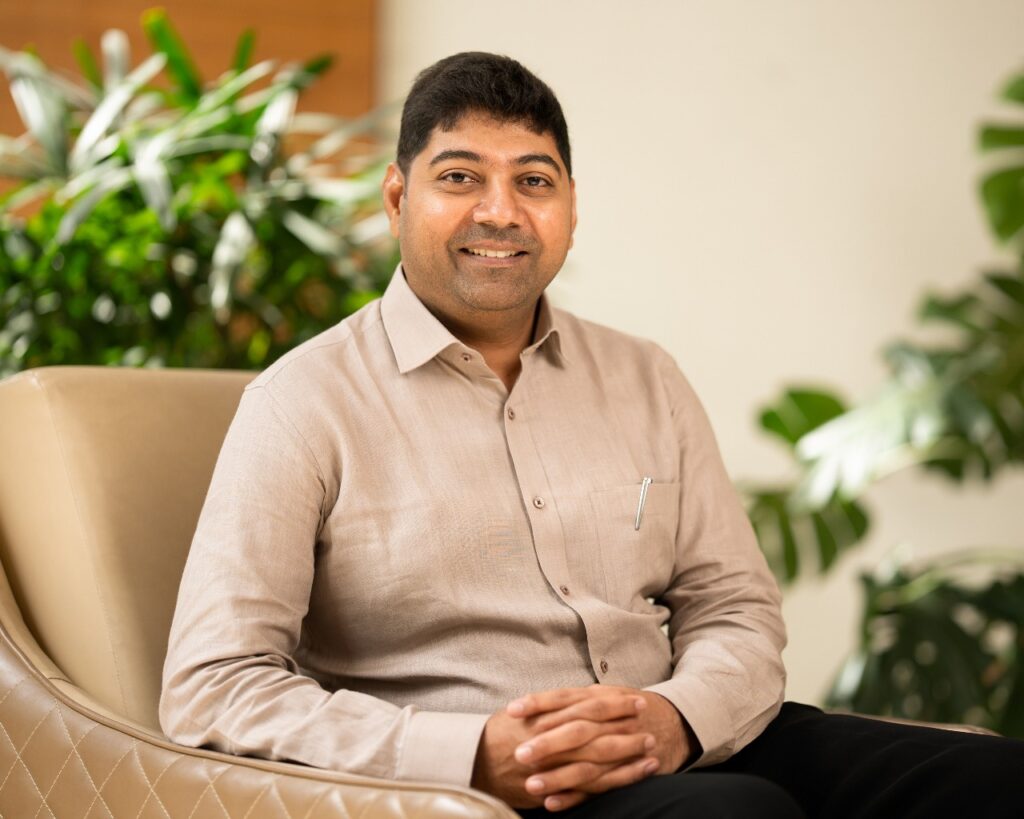
Dr. Naveen Kumar
Reviewed by Dr. Naveen Kumar V, MBBS, DPM — Senior Consulting Psychiatrist at Abhasa Rehab and Wellness with over 20 years of clinical experience in addiction psychiatry and dual diagnosis treatment.
This article reflects evidence-based practices and has been reviewed for medical accuracy.