
Finding a Rehabilitation Centre in Kolkata:
A Guide for Families
If you’re searching for a rehabilitation centre in Kolkata for your family member, here’s what we’ve learned from helping hundreds of Bengal families find their way to recovery.
When Someone You Love Is Struggling
Have you noticed changes that worry you? The missed calls, the excuses, the person you knew slowly disappearing?
If you’re searching for a rehab centre in Kolkata, you’re not alone—and you’re in the right place. For families across West Bengal, this moment is painfully familiar. You’ve probably looked at local options. Maybe visited a couple. And something didn’t feel right.
Here’s what most families tell us when looking for rehab in Kolkata: they tried local de-addiction centres in Kolkata first. Some helped for a while. But the triggers were everywhere. The drinking buddies. The dealers. The stress of Kolkata’s pace. And relapses kept happening.
This is true whether you’re searching for addiction treatment in Kolkata or psychiatric care. Local options often struggle when the environment itself is part of the problem.
That’s not your fault. And it’s not a failure of willpower either.
Experience premium care.
Why Families Searching for Rehab in Kolkata Choose Distance-Based Recovery
According to AIIMS-NIMHANS 2019 data, West Bengal has an alcohol prevalence of 12.4%—below the national average.[1] But here’s what those numbers miss: Kolkata’s unique pressures create their own patterns.
The city’s corporate sector, its creative industries, its intense social expectations. All of this can make recovery harder when you’re surrounded by familiar environments.
And there’s another factor few people talk about openly. West Bengal sits along the Bangladesh border—a major heroin transit route according to NCB Reports.[2] Kolkata, North 24 Parganas, South 24 Parganas, and Malda are listed as vulnerable districts.
This isn’t about blame. It’s about understanding why leaving Kolkata for rehabilitation often works better than staying.
What Makes the Best Rehab in Kolkata Families' Journeys Different?
When someone enters a rehabilitation programme far from home, something shifts. The daily triggers disappear. There’s no chance of running into old connections. No familiar bars or dealers. No well-meaning friends who don’t understand.
Unlike the typical best rehab in Kolkata search results, Abhasa offers serene retreat settings far from urban triggers. This is why distance-based rehabilitation works for so many Kolkata families. At Abhasa, they find something they didn’t expect: relief.
Our rehabilitation centre in Coimbatore is a 2.5-hour direct flight from Netaji Subhas Chandra Bose International Airport. IndiGo and Air India operate 2-3 daily direct flights. We arrange airport pickup. The journey is easy—and it creates meaningful separation for healing.
We also have a facility near Mumbai (Karjat) for families who prefer that option. Same approach, same care, different location.
How Abhasa Serves Kolkata Rehabilitation Centre Seekers
So what does rehabilitation treatment actually look like? Not the clinical checklist version—the real one.
At Abhasa, our rehabilitation philosophy is guided by what we call our 16 Guiding Principles. They shape everything we do. From how we welcome families to how we support recovery after someone leaves.
Most rehabilitation centres in Kolkata keep patients near the same stressors that fueled their addiction. Abhasa’s therapeutic distance changes that equation.
Here’s what makes our approach different:
We look at the whole person. Not just the addiction or the mental health symptoms—but the relationships, the career pressures, the family dynamics. For many Kolkata professionals, work stress plays a huge role. We address that.
Everything is evidence-based. CBT, DBT, trauma-informed therapy. Our team uses approaches backed by research.[3] No guessing. No experimenting.
You work with actual specialists. Dr. Naveen Kumar leads our psychiatric team—MBBS, DPM, with 15+ years of experience. Ms. Meera K, our trauma specialist (M.Phil Clinical Psychology, 9 years), provides psychological support. These aren’t names on a website. They’re people who remember your family member’s story.
The ratio matters. We maintain a 2:1 staff-to-patient ratio. That means real attention. Not overcrowded wards where people get lost in the system.
Understanding Warning Signs: What Kolkata Families Often Notice
If you’re reading this, you’ve probably seen changes. Here’s what families typically describe—organized by observable behaviour, not medical categories:
Behavioural Changes
- Avoiding family gatherings or pujo celebrations
- Sudden secrecy about finances or phone calls
- Missing work or declining performance
- Sleeping at odd hours, erratic schedule
- Losing interest in things they once loved
Relationship Patterns
- Withdrawing from close relationships
- Becoming defensive when questioned
- Lying about whereabouts or activities
- Borrowing money without explanation
- Mood swings—especially anger or irritability
Physical Signs
- Weight changes (loss or gain)
- Appearance changes (not caring about grooming)
- Trembling hands, sweating, or restlessness
- Red eyes or slurred speech
- Unexplained injuries or accidents
You don’t need to see all of these. Even a few should prompt a conversation. And if you’re unsure? Take our self-assessment quiz to get clarity.
Luxury care is more than comfort.
Our Treatment Philosophy: Mental Health and Addiction Treatment
We believe recovery isn’t just about stopping a behaviour. It’s about building a life worth staying sober for.
If you’re searching for depression treatment in Kolkata or anxiety treatment in Kolkata, you’ve likely seen many options. But here’s what families discover: residential treatment away from daily stressors often works better than outpatient care alone.
Families researching the best rehabilitation centre in Kolkata discover that therapeutic distance accelerates recovery.
At Abhasa, treatment includes:
Medical stabilization first. If detox is needed, our residential medical team provides 24/7 supervision. Alcohol withdrawal can be life-threatening and requires medical supervision.[4] Dr. Malarvilzhi G (MBBS, MD, 20 years experience) ensures safety during withdrawal.
Psychological healing. Individual therapy, group sessions, family counselling. We address trauma, anxiety, depression—whatever underlies the addiction. Co-occurring mental health disorders are common among individuals with substance use disorders.[5]
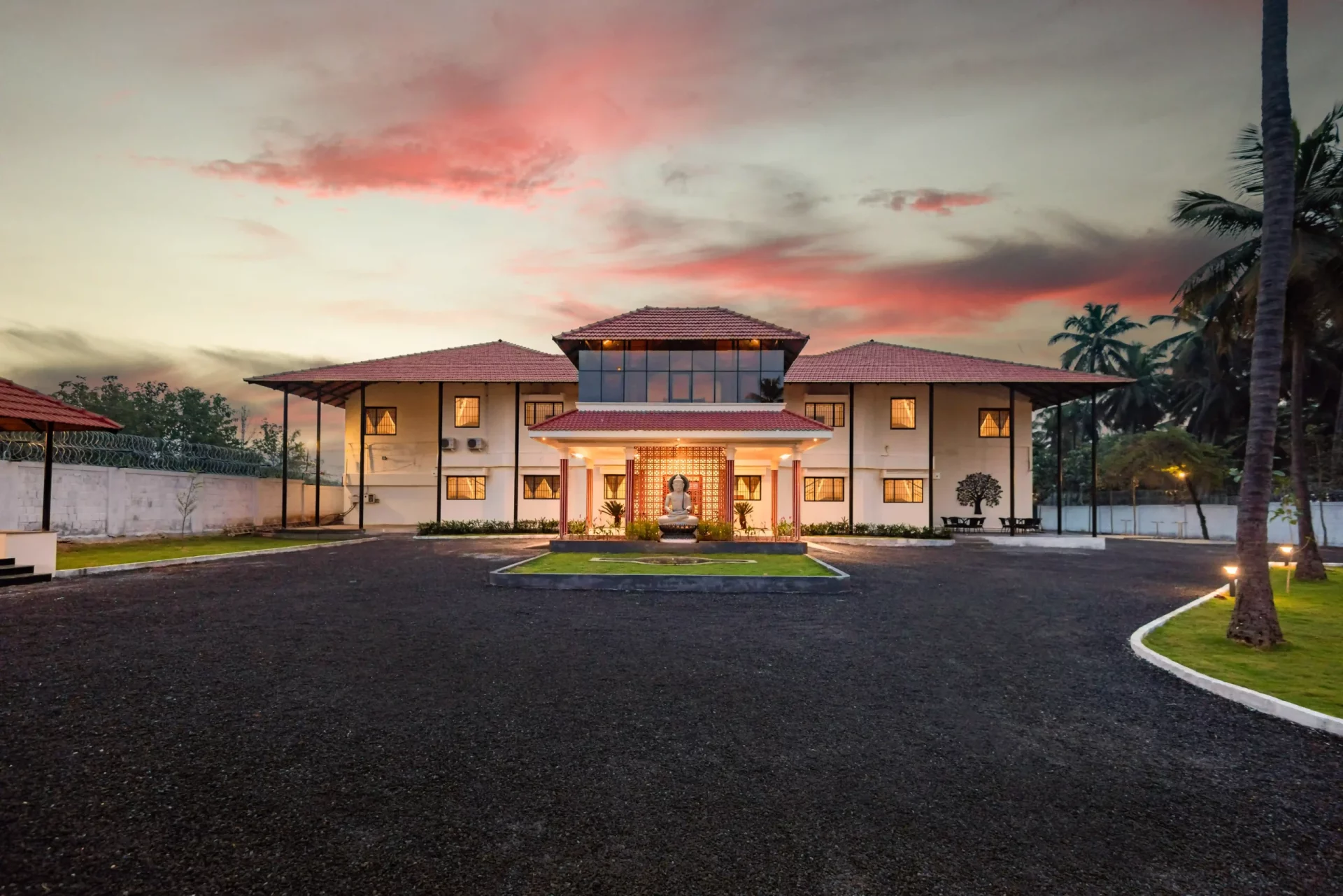
Holistic practices. Yoga, meditation, art therapy, nature walks. Unlike typical luxury rehab centers near Kolkata, Abhasa combines resort-like amenities with evidence-based treatment. Our Coimbatore campus is designed for calm. It feels more like a retreat than a hospital—and that’s intentional.
Life skills for after. We don’t just treat addiction. We help people rebuild careers, relationships, and purpose. That’s what prevents relapse.
Why Kolkata Families Consider Us Among Top Rehabilitation Centres
Distance Creates Safety in Rehabilitation
Privacy and Discretion
Environment for Rehabilitation and Healing
Proven Results
Families ranking the top rehabilitation centres serving Kolkata prioritize outcomes—and our 75% success rate speaks for itself. Across 1,500+ patient families since 2019, we’ve seen this with continued aftercare. That’s not a number we share lightly—it’s backed by follow-up data.
Family Support Throughout
Family involvement in treatment improves recovery outcomes and reduces relapse rates.[6] We include family counselling, regular updates, and education about how to support recovery when your loved one returns home. Learn more about our family support programme.
Specialized Care: Women's Rehabilitation Centre Options for Kolkata Families
If you’re searching for female rehab centers in Kolkata, Abhasa offers something unique: a women-exclusive facility in Coimbatore.
Families looking for a women’s rehabilitation centre in Kolkata find that our women-exclusive campus provides the privacy and safety needed for recovery. Women face distinct challenges in addiction and mental health—from trauma histories to social stigma to caregiving pressures.
Our women’s facility offers:
- Women-only environment for safety and comfort
- Female clinical staff who understand women’s experiences
- Trauma-informed care addressing histories of abuse or neglect
- Family reintegration support for mothers and wives
- Confidentiality that protects reputation and career
This isn’t just separate housing—it’s treatment designed for women’s specific needs.
Getting to Our Rehabilitation Centre from Kolkata: Your Travel Options
Flights (Recommended)
- Departure: Netaji Subhas Chandra Bose International (CCU)
- Arrival: Coimbatore International (CJB)
- Duration: 2 hours 30 minutes direct
- Airlines: IndiGo, Air India
- Frequency: 2-3 direct flights daily
- Cost: INR 5,000 – 12,000 typically
Trains (Alternative)
- Coimbatore Express
- Duration: 28-32 hours
- Note: We recommend flights for comfort and speed
Airport Pickup
- Complimentary pickup from Coimbatore airport
- Our team meets you at arrivals
- Transport directly to the centre
Family Visits
- Same easy travel for visiting your loved one
- We coordinate visit schedules with you
- Accommodation recommendations available
You are not the only one in this. Family comfort is part of the care we provide.
Frequently Asked Questions from Kolkata Families
What if my family member doesn't want to go to rehab?
How long will they need to stay at the rehabilitation centre?
Can family visit during rehabilitation treatment?
What happens after they leave the rehabilitation centre?
Aftercare is critical. We provide 6-12 months of continued support: phone check-ins, therapy sessions, family guidance. Relapse prevention is built into everything we do. Research shows that relapse rates for addiction are similar to other chronic medical conditions like diabetes and hypertension (40-60%), which is why ongoing support matters.[7]
Is there a mental rehabilitation centre in Kolkata for dual diagnosis?
Families searching for a mental rehabilitation centre in Kolkata for dual diagnosis (addiction plus mental health conditions) often find limited options locally. Abhasa specializes in dual diagnosis treatment—addressing depression, anxiety, bipolar disorder, and addiction simultaneously. While our centres are in Coimbatore and near Mumbai, we’ve helped hundreds of Kolkata families with complex cases. See our mental health treatment options.
Where can I find a rehabilitation centre in Kolkata for alcohol addiction?
If you’re looking for a rehabilitation centre in Kolkata for alcohol addiction, here’s what we’ve learned: distance from drinking environments dramatically improves outcomes. While our centres aren’t physically in Kolkata, we serve Kolkata families specifically because therapeutic separation from triggers helps. Learn about alcohol addiction treatment.
What's the cost of rehabilitation for Kolkata residents?
Cost depends on the treatment plan and duration. We provide detailed pricing after an initial clinical assessment. This isn’t about sales—it’s about understanding what your family member actually needs. Contact us for a personalised assessment.
Your privacy, comfort, and care remain our highest priorities
Meet Our Rehabilitation Team and Experts
Our clinical team brings together psychiatrists, psychologists, counsellors, and wellness specialists. Here’s who leads your care:
Dr. Naveen Kumar, MBBS, DPM (Psychiatry) Clinical Lead with 15+ years of experience in addiction psychiatry and dual diagnosis treatment. He’s worked with families from across India, including many from Kolkata.
Ms. Meera K, M.Phil Clinical Psychology 9 years experience in trauma therapy, CBT, DBT, and EMDR. She specializes in evidence-based psychological care.
Dr. Malarvilzhi G, MBBS, MD Residential Medical Officer with 20 years experience. Available 24/7 for medical supervision during detox and treatment.
Our team of 63 professionals includes counsellors, social workers, wellness coaches, and nursing staff—all working together for your family member’s recovery.
Taking the First Step: What Happens When You Call
When you contact us, here’s what to expect:
- A conversation, not a sales pitch. We listen to your situation. What’s happening? How long has this been going on? What have you tried?
- Clinical assessment. Our team evaluates what treatment approach would work best. Every person is different.
- Clear information. We explain options, costs, timeline, and answer all your questions. No pressure.
- Travel coordination. If you decide to proceed, we help arrange everything—flights, pickup, accommodation for family if needed.
- Admission and welcome. When your loved one arrives, they’re welcomed with dignity. This is the beginning, not a punishment.
Resources for Kolkata Families
Resources for Kolkata Families
Helplines
- West Bengal Health Helpline: 104 (Toll-Free)
- iCALL Mental Health Support: 9152987821
Government Resources in Kolkata
- Drug De-addiction Centre, NRS Medical College
- Pavlov Hospital (Psychiatry)
Self-Assessment
Learn More
A Message to Kolkata Families
If you’ve read this far, you’re probably exhausted. The worry, the uncertainty, the feeling of helplessness—we understand.
Recovery is possible. We’ve seen it happen for hundreds of families. Not overnight, and not without work. But with the right support, people heal. Families rebuild. Life returns.
You don’t have to figure this out alone.
Ready to talk?
Call us at +91-73736-44444 (available 7 days a week via phone and WhatsApp).
Or fill out our contact form and we’ll call you back within 24 hours.
The conversation is confidential. There’s no obligation. Just guidance from people who’ve helped many Kolkata families find their way forward.
Rehabilitation Centre for Kolkata Residents | Abhasa Rehab and Wellness
Expert Review
Developed by Abhasa Rehab and Wellness, reviewed by Dr. Naveen Kumar, MBBS, DPM (Psychiatry). Based on evidence from AIIMS-NIMHANS, WHO guidelines, and clinical research.
Medical Disclaimer
This content is for informational purposes only and should not replace professional medical advice. If you or someone you know is experiencing a mental health crisis, please contact emergency services or a mental health helpline immediately. Individual results vary
Last Updated: January 2026
References
Research Citations (All Sources):
[1] Ambekar A, et al. (2019). Magnitude of Substance Use in India. Ministry of Social Justice and Empowerment, AIIMS-NIMHANS National Survey. Retrieved from https://socialjustice.gov.in/writereaddata/UploadFile/Survey%20Report.pdf
[2] Narcotics Control Bureau, Ministry of Home Affairs, Government of India. (2023). Annual Report on Drug Trafficking Patterns. Retrieved from https://narcoticsindia.nic.in/
[3] McHugh RK, Hearon BA, Otto MW. (2010). Cognitive behavioral therapy for substance use disorders. Psychiatric Clinics of North America. Retrieved from https://www.ncbi.nlm.nih.gov/pmc/articles/PMC2897895/
[4] Jesse S, et al. (2017). Alcohol withdrawal syndrome: mechanisms, manifestations, and management. Acta Neurologica Scandinavica. Retrieved from https://pubmed.ncbi.nlm.nih.gov/27586815/
[5] National Institute on Drug Abuse. (2024). Part 1: The Connection Between Substance Use Disorders and Mental Illness. Retrieved from https://nida.nih.gov/publications/research-reports/common-comorbidities-substance-use-disorders/part-1-connection-between-substance-use-disorders-mental-illness
[6] Rowe CL. (2012). Family therapy for drug abuse: review and updates 2003-2010. Journal of Marital and Family Therapy. Retrieved from https://www.ncbi.nlm.nih.gov/pmc/articles/PMC3188398/
[7] National Institute on Drug Abuse. (2024). Treatment and Recovery. Retrieved from https://nida.nih.gov/publications/drugs-brains-behavior-science-addiction/treatment-recovery