Alcohol Rehabilitation Centre in Indore
What Central India Families Discover
Indore families seeking residential rehabilitation for addiction, mental health conditions, or both. Whether you’re an IT professional, a concerned parent, or someone researching options, this guide covers what you need to know.
- 1,500+ families have trusted us with their loved ones' recovery journey
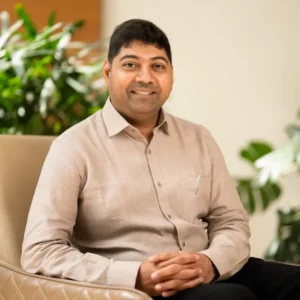
MBBS, DPM (Psychiatry),Abhasa Rehab and Wellness
Clinical Lead with 20 years of experience in addiction psychiatry
Dr. Naveen Kumar V
MBBS, DPM (Psychiatry),Abhasa Rehab and Wellness
Clinical Lead with 20 years of experience in addiction psychiatry
- Last medically Reviewed: 2026-03-06
- Published: 2026-03-06
- Last Updated: 2026-07-21
- 13 min read



QUICK ANSWER
For Indore residents seeking alcohol rehabilitation, Abhasa Rehab and Wellness offers evidence-based residential treatment at our Karjat facility near Mumbai just a 1-hour 15-minute flight plus a 2-hour road transfer from Indore.
With a 2:1 staff-to-patient ratio, 90-day programmes, and a 75% success rate at 12-month follow-up, we provide the therapeutic distance and personalised care that Central India families need for lasting recovery.
If you’re searching for an alcohol rehabilitation centre in Indore, you’re not alone. And you’re taking a step that matters.
Here’s what the numbers tell us. According to the National Family Health Survey (NFHS-5, 2019-21), approximately 29% of men in Madhya Pradesh consume alcohol.[1] That’s nearly one in three men in your state. But here’s the thing most families don’t realise: the people searching for help often aren’t the ones drinking.
They’re the wives. The parents. The adult children watching someone they love struggle families across Central India seeking effective alcohol addiction treatment Central India can rely on.
Indore has earned recognition as India’s cleanest city seven times running. The city’s pride in cleanliness, progress, and family values runs deep. But addiction doesn’t discriminate based on achievement or status.
It affects families across the commercial hub, the educational institutions, the growing IT sector. And finding the right treatment can feel overwhelming.
This guide walks you through what alcohol addiction actually looks like, why distance-based treatment often works better than local options, and how families from Indore have found lasting recovery at Abhasa Rehab and Wellness.
Need immediate guidance? Talk to our team for a confidential assessment. No pressure, just clariy.
Who This Page Is For
- Indore residents or families seeking alcohol addiction treatment
- Professionals in Indore looking for confidential rehabilitation options
- Family members wanting to help a loved one access evidence-based care
- Anyone exploring residential treatment as an alternative to local outpatient options
Ready to take the first step?
Contact Abhasa’s team directly. Call +91-73736-44444 or WhatsApp us at.
What Does Alcohol Addiction Look Like in Indore?
With approximately 29% of men in Madhya Pradesh consuming alcohol and India’s estimated 57 million people affected by alcohol use disorders, Indore families face a growing challenge. Addiction develops gradually through brain chemistry changes it is a medical condition, not a character flaw, and it responds well to evidence-based treatment.
Let’s put aside the clinical jargon for a moment.
Alcohol addiction happens when drinking stops being a choice. When someone can’t reliably predict whether they’ll have one drink or ten. When they need alcohol just to feel normal or to get through the day.
It’s not about willpower. It’s not about character. The brain physically changes with repeated alcohol use. The reward system gets rewired. Withdrawal symptoms make stopping feel impossible.
And it’s surprisingly common. India has an estimated 57 million people affected by alcohol use disorders, according to the WHO Global Status Report on Alcohol and Health (2018).[2]
Key Insight: With nearly 29% of men in Madhya Pradesh consuming alcohol and 57 million Indians affected by alcohol use disorders nationally, Indore’s commercial growth and business culture contribute to rising rates of stress-related problematic drinking.[1][2] Many of them are functioning professionals. Business owners. Parents. People who’ve built careers and families while quietly struggling.
Sound familiar?
Indore sits at the heart of Central India’s growth story. The commercial boom. The IT parks. The educational institutions attracting students from across the region. With opportunity comes pressure. And with pressure, sometimes, comes harmful coping.
What does alcohol addiction actually look like in Indore families? Watch for these behavioural signs:
- Drinking becomes the default response to stress (and Indore’s business culture has plenty of that)
- Regular absences from work or family functions that used to matter
- Financial inconsistencies that don’t quite add up
- Mood swings that seem disproportionate to situations
- Hiding bottles or lying about drinking quantities
- Defensive reactions when anyone mentions alcohol
- Morning drinking or drinking alone
- Failed promises to cut back
These patterns develop gradually. By the time families notice, the problem has often been building for years.
Why Does Distance-Based Treatment Work Better for Indore Families?
Distance-based treatment removes the daily triggers, drinking circles, and work stressors that keep addiction cycles going.
Research shows geographic separation from the home environment is associated with longer treatment retention and lower relapse rates, giving the brain the focused space it needs to heal.
If you’re looking for alcohol rehab in Indore or residential alcohol treatment near Indore, here’s something important to consider: therapeutic distance from familiar environments can actually accelerate recovery.
Think about it. Local treatment centres keep your loved one near:
- The same friends who drink with them
- The same bars and liquor shops
- The same work stressors
- The same family dynamics that may have enabled drinking
- The same dealers (if substances are also involved)
- The same escape routes when treatment gets hard
Why Does Distance-Based Treatment Work Better for Indore Families?
Research consistently shows that people in residential treatment away from their home environment have better outcomes. A 2019 study in the Journal of Substance Abuse Treatment found that geographic distance from one’s home community was associated with longer treatment retention and lower relapse rates (Stahler et al., 2019).[3]
Here’s why distance helps:
Trigger removal. Addiction creates powerful associations between places, people, and drinking. Being physically removed from these cues gives the brain space to heal without constant temptation.
Complete focus on recovery. When you’re in Indore, there are always distractions. Work emergencies. Family obligations. Old friends who “just want to meet for coffee.” Treatment centres away from home create a protective bubble where recovery becomes the only priority.
Anonymity and dignity. In a city like Indore where professional networks run deep, local treatment can feel exposing. Nobody from your business circle will encounter your family member at a facility in Coimbatore or Karjat.
Breaking the pattern. Sometimes the physical act of leaving creates the psychological break needed to start fresh.
Considering treatment options? Learn about our approach or request a callback to discuss your situation.
How to Reach Abhasa from Indore for Alcohol Treatment
Abhasa’s Karjat facility is the most convenient option for Indore families: a 1-hour 15-minute flight to Mumbai followed by a 2-hour road transfer. We arrange airport pickup from Mumbai, and the entire journey takes approximately 4-5 hours door to door.
For families searching for an alcohol rehabilitation centre in Indore, Abhasa’s Karjat facility offers the most convenient access.
Getting to Karjat (Maharashtra)
By Air
- Indore’s Devi Ahilyabai Holkar Airport toMumbai:I 1 hour 15 minutes (multiple daily flights)
- Mumbai to Karjat:I 2 hours by road
- ITotal travel time:I approximately 4-5 hours door to door
By Train
- Direct trains from Indore to Mumbai (Lokmanya Tilak Terminus): 12-14 hours
- Mumbai to Karjat: 1.5 hours by train or 2 hours by road
- Overnight sleeper makes the journey comfortable
Abhasa Support: We arrange airport pickup from Mumbai. You don’t navigate this alone.
Why Karjat Makes Sense for Indore Families
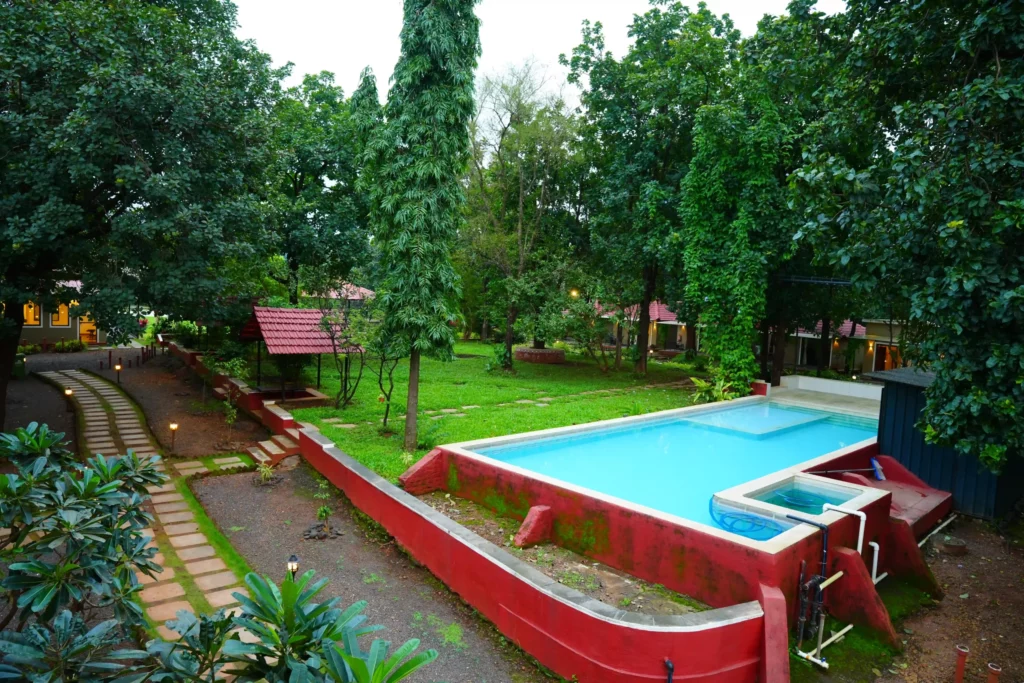
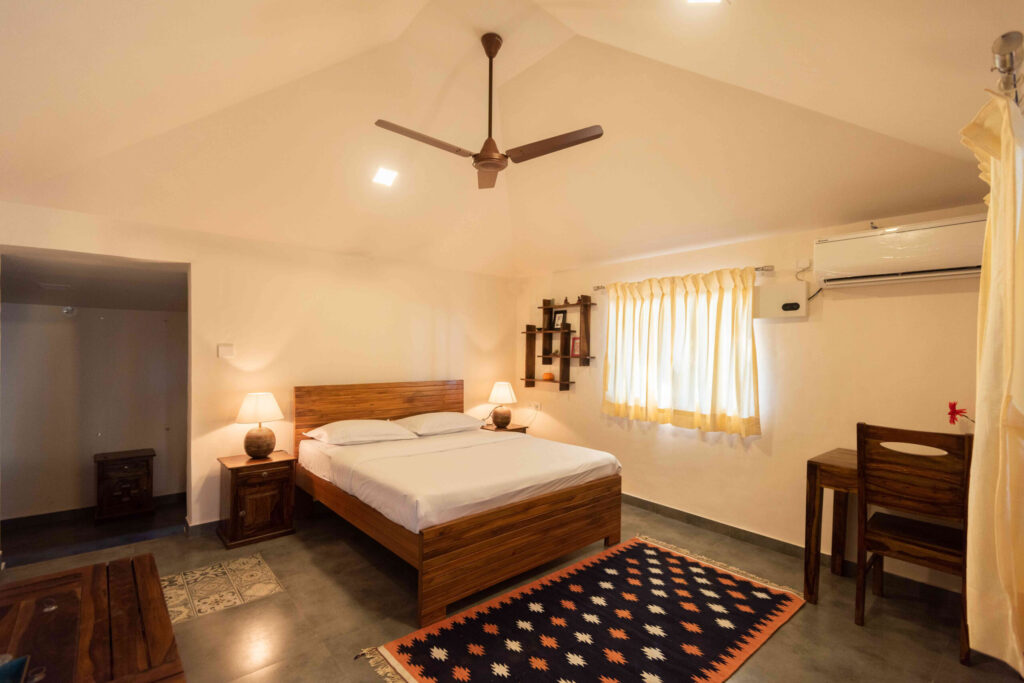
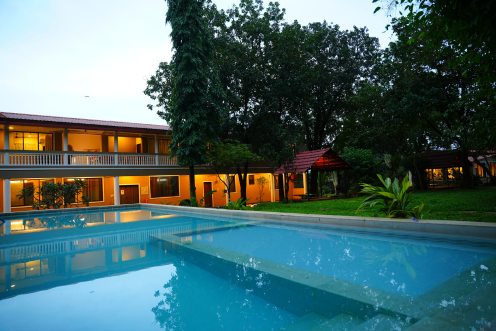
The Karjat facility sits at the foothills of the Western Ghats, just 62 km from Mumbai. But it feels worlds away. Spread across 2 acres of landscaped grounds with forest views, it offers:
- Resort-like atmosphere that doesn’t feel clinical
- Swimming pool and outdoor activities
- Meditation pavilions and yoga spaces
- Reading areas and quiet zones
- 24/7 medical supervision by Dr. Malarvilzhi G, MBBS, MD
- Visiting arrangements that work with family schedules
For Indore families, the 4-5 hour journey creates meaningful separation while remaining accessible for family therapy sessions and visits.
What Treatment Programmes Does Abhasa Offer?
A Holistic Approach to Alcohol Recovery
Unlike typical centres that focus only on stopping drinking, Abhasa addresses the whole person. When families search for the best alcohol treatment Indore offers, they discover that comprehensive care, treating the root causes, not just the symptoms, makes the difference.
| Factor | Local Outpatient (Coimbatore) | Residential Treatment (Abhasa) |
|---|---|---|
|
Factor
Setting
|
Local Outpatient (Coimbatore)
Near daily triggers and routines
|
Residential Treatment (Abhasa)
Controlled therapeutic environment in Coimbatore
|
|
Factor
Duration
|
Local Outpatient (Coimbatore)
Ongoing weekly sessions
|
Residential Treatment (Abhasa)
30-90 days immersive
|
|
Factor
Confidentiality
|
Local Outpatient (Coimbatore)
Risk of being seen locally
|
Residential Treatment (Abhasa)
Complete anonymity
|
|
Factor
Medical supervision
|
Local Outpatient (Coimbatore)
Limited hours
|
Residential Treatment (Abhasa)
24/7 on-site medical team
|
|
Factor
Success rates
|
Local Outpatient (Coimbatore)
Variable
|
Residential Treatment (Abhasa)
75% sustained recovery at 12 months
|
|
Factor
Family involvement
|
Local Outpatient (Coimbatore)
Difficult to coordinate
|
Residential Treatment (Abhasa)
Structured family therapy programme
|
We look at biology first. Medical detoxification (when needed) happens under 24/7 supervision by our residential medical team. Safe. Comfortable. Medically monitored.
Then psychology. What thoughts and patterns drive the drinking? Cognitive Behavioural Therapy (CBT) helps identify and restructure these patterns.
A 2018 meta-analysis of 30 randomised controlled trials confirmed CBT is more effective than no treatment or minimal treatment for alcohol use disorders (Magill & Ray, Journal of Studies on Alcohol and Drugs).[4]
Then social context. Family dynamics. Relationship patterns. Social skills. We work with the entire family system, not just the person drinking.
And spiritual wellness. Not religion (though we respect all faiths). But purpose. Meaning. Connection to something larger. Yoga, meditation, and mindfulness practices rooted in India’s healing traditions.
Morning begins with yoga and meditation. Not the Instagram kind. The real kind, with certified instructors who understand addiction’s impact on the nervous system.
Breakfast follows. Chef-prepared, nutritionally balanced meals designed to support recovery. The brain needs proper fuel to heal.
Then therapy. Individual sessions with clinical psychologists like Ms. Meera K, M.Phil Clinical Psychology. Group therapy with peers facing similar struggles. Specialised therapies like art therapy, music therapy, movement therapy.
Afternoons include wellness activities. Time in nature. Pet therapy (we have five therapy dogs). Horticultural therapy in our gardens. These aren’t extras. They’re evidence-based interventions that reduce stress hormones and build healthy coping skills.
Evenings bring reflection. Journaling. Meditation. Connection with fellow residents who understand what recovery takes.
Standard Programme: 90 days. This is what we recommend for alcohol addiction. Research shows 90-day programmes produce significantly better outcomes than shorter stays.[5]
Flexible options: 30-60 days. We understand constraints. Work. Family. Finance. We’ll design a programme that fits your situation while maximising results.
Extended care: 90+ days. Some people benefit from longer immersion. We create individualised plans.
Ready to explore options? See our admission guide or call +91-73736-44444 for a confidential discussion.
What Makes Abhasa's Clinical Team Different?
Abhasa’s team includes psychiatrists with 20 years of addiction medicine expertise, a residential medical officer providing 24/7 supervision, M.Phil-qualified clinical psychologists specialising in trauma, and BCIA-certified neurofeedback specialists, all maintaining a 2:1 staff-to-patient ratio for genuinely personalised care.
Looking beyond typical alcohol rehab Indore options? Here’s what sets Abhasa apart: our people.
Dr. Naveen Kumar V, MBBS, DPM (Psychiatry), Medical Director with 20 years in addiction psychiatry. Leads medical protocols across all centres. Supervises medication management, dual diagnosis treatment, and clinical quality.
Dr. Shree Aarthi, MBBS, MD, DNB (Psychiatry), Consultant Psychiatrist with 13 years’ experience. Triple board-certified. Brings expertise in complex psychiatric conditions and evidence-based treatment protocols.
Dr. Malarvilzhi G, MBBS, MD, Residential Medical Officer with 20 years’ experience. Provides 24/7 medical supervision. Ensures safe detoxification and manages any medical complications.
Ms. Meera K, M.Phil Clinical Psychology. Senior clinical psychologist specialising in trauma and behavioural health. Expert in CBT, DBT, and EMDR therapy.
- 2:1 staff-to-patient ratio. You’re never just a number here.
- 200+ trained professionals across three facilities.
- 75% success rate measured at 12-month follow-up.
- 1,500+ patients treated since 2019.
“I’ve seen patients who failed multiple times before finding lasting recovery. Each attempt teaches us something valuable about what that person needs. That’s why personalised treatment planning not one-size-fits-all programmes, is what ultimately produces results.” – Dr. Naveen Kumar V, MBBS, DPM, Senior Consulting Psychiatrist, Abhasa Rehab and Wellness
Abhasa is among the first rehabilitation facilities in India to offer:
QEEG Brain Mapping and Neurofeedback: We map brain wave patterns to understand exactly how addiction has affected your loved one’s brain function. Then we use neurofeedback training to help the brain regulate itself.
This isn’t experimental. A 2022 systematic review in the Journal of Psychiatric Research found neurofeedback has “important effects” on alcohol use disorders (Freitas et al.).[6]
How Can Indore Families Get Started?
Getting started is as simple as a confidential phone call. Our team handles the clinical assessment, treatment planning, travel coordination from Indore, and airport pickup in Mumbai so families can focus on making the decision that matters most.
How Admission Works
Initial Assessment Call our team at +91-73736-44444. Tell us about your situation. We’ll ask questions about drinking patterns, medical history, and family circumstances. This call is confidential and free.
Clinical Evaluation Our clinical team reviews the information and recommends an appropriate treatment plan. If medical complications are likely during detox, we ensure proper protocols are in place.
Admission Planning We coordinate arrival logistics. Flight bookings. Pickup from Mumbai. Admission paperwork. You’ll receive a clear checklist of what to bring.
Arrival and Stabilisation The first days focus on physical stabilisation and orientation. Your loved one meets their care team. The healing journey begins.
Financial Considerations
Treatment at Abhasa costs between Rs 2-6 lakhs per month, depending on accommodation type and programme length. This includes:
- All therapeutic interventions
- Medical supervision and medication (if needed)
- Accommodation and meals
- Wellness activities and alternative therapies
- Family therapy sessions
- Aftercare planning
Payment plans are available. We don’t believe finances should be the reason someone doesn’t get help.
Insurance question? Learn about insurance coverage for addiction treatment.
Google Reviews:
Voices That Speak For Us
Hundreds have entrusted us with their journeys, shared openly,
in their own voice. Each review is a glimpse into real healing, in real words.
- My family and I had a wonderful experience with Abhasa. The care and comfort they provide is remarkable. Special mention to Mr.Antipas and Ms.Pretheka for their dedicated efforts
 Sanju Sara4/07/2026The place is well maintained , peace and serene , away from busy life and can forget all , the doctors are very helpful and accommodating . Trust me, my life changed a lot post going through all the fundamental procedures for the recovery. My behaviour has changed a lot . Thanks ABHASA!!! Shahbaz Ahmed8/30/2019Abhsa wellness center is one of the best centres we came across in south india..we were happy with the treatment and postcare also..
We wish the doctors, psychologists and counsellers and other staff were excellent..
Cheers to the organisation .. renu depshikha4/09/2026 - At Abhasa, you get undivided attention. They genuinely care about the wellness of others and aim to lead their patients to the rightful path. If you are someone who is on the lookout for a Rehab, then Abhasa Rehabilation Center is the place you need to be. Deebak Elangovan6/26/2019This place is full of postivity if you choose to recover. Best rehabilitation center in Tamil Nadu why because they believe in less medications and dont sedate anyone which is rare in rehabs in Tamil Nadu. Facility is outstanding. My brother was very happy after getting in there and he wishes to continue with their post care as well. Anandhi Kannan8/07/2023My elder brother had a good experience here, They were friendly & my brother was motivated to be good person. I highly recommend everyone to go spend time themselves. The facility & food were excellent, One of the best centre in india
Overall good experience 💯 Thamarai selvi11/01/2024 - My friend's son was an alcohol addict. He was suffering from depression as well. His parents took him to many places and doctors but there wasn't any improvement. Then they came to know about Abhasa through one of the doctors and now he is perfect in every way. The therapies, doctors, caretakers, food , ambient atmosphere, all are amazing. This is the best centre for anyone suffering with addiction or depression. Radhika Ezhilarasu4/27/2022I cannot express enough gratitude to the entire team at Abhasa Rehab Center for guiding me on this transformative journey. Their unwavering commitment to their client's well-being is evident in every aspect of their service. kani mozhi7/09/2024They are doing a excellent job for the society. This rehabilitation centre runs by good people who are knowledgeable and well efficient to treat their patients. TVK GUNA7/09/2023


4.5
Begin a Confidential Conversation
Reach out for yourself or someone you care about. There’s no obligation, and the conversation stays private.
Confidential admissions line
For WhatsApp
Response within 24 hours
Send a Confidential Enquiry
You’ll hear back within 24 hours
Frequently Asked Questions About Alcohol Rehab in Indore
Abhasa operates residential treatment facilities in Coimbatore (Tamil Nadu) and Karjat (Maharashtra). We don’t have a centre in Indore itself. But here’s what families discover: the distance from Indore to our facilities often benefits recovery. Therapeutic separation from familiar triggers creates space for lasting change. Many Indore families have chosen Abhasa precisely because of this distance factor.
We recommend 90 days for alcohol addiction. This allows proper detoxification, psychological work on underlying issues, skill-building for long-term sobriety, and family therapy. Shorter programmes (30-60 days) are available but may not address root causes as thoroughly.
Absolutely. Family involvement is central to our approach. We schedule family therapy sessions and encourage visits. The Karjat facility is about 4-5 hours from Indore (flight plus road transfer), making day visits or weekend stays feasible.
This is common. Denial is part of addiction. Our team can guide you through motivational approaches that work better than confrontation. We also offer family counselling to help you cope and set healthy boundaries while working toward your loved one accepting help.
Unlike typical de-addiction centres that focus mainly on stopping substance use, Abhasa addresses underlying causes through evidence-based therapies, provides luxury residential settings that feel like healing retreats rather than institutions, maintains a 2:1 staff-to-patient ratio for personalised attention, and offers advanced treatments like neurofeedback and brain mapping.
Recovery doesn’t stop at discharge. Abhasa provides aftercare planning including relapse prevention strategies, connection to support groups in Indore and across India, follow-up sessions with therapists, family guidance for supporting continued recovery, and 24/7 helpline access for graduates.
Complete confidentiality is guaranteed. Medical records are protected under law. Our facility in Karjat provides anonymity from Indore’s social and professional networks. No one in your city needs to know about your loved one’s treatment.
Many health insurance policies now cover addiction treatment. Our team can help you navigate insurance claims and documentation. Linsearn more about insurance coverage.
Take the First Step Today
Your search for an alcohol rehabilitation centre in Indore brought you here. That search matters. It means you’re ready to explore options that could change your family’s story.
Addiction takes away so much. Joy. Connection. Trust. Health. Potential.
But recovery gives it back. Not overnight. Not easily. But really, genuinely, lastingly.
At Abhasa, we’ve watched more than 1,500 families reclaim their lives. Fathers who missed years of their children growing up, now present and engaged. Professionals whose careers were derailing, now thriving again. Marriages that seemed beyond repair, finding new ground.
The first conversation is free. The information is free. The hope costs nothing.
Talk to Your Loved One
Not sure how to approach this conversation? We help with that too. Our team can guide you through intervention strategies that work. Confrontation rarely helps. Compassionate conversation does.
Contact Abhasa for a confidential discussion about your family’s situation.
Related Resources
Continue Your Learning
Recovery is a journey, and understanding your options is the first step. Learn more about the symptoms and causes of alcohol addiction or explore what withdrawal and detox involve. If you are wondering whether professional help is right for your loved one’s situation, our self-assessment guide can help you decide.
How Abhasa Can Help
If your family is exploring treatment options, we understand how important this decision is. At Abhasa Rehab and Wellness, we offer personalised treatment plans, a 2:1 therapist-to-patient ratio, and comprehensive care that addresses both addiction and mental health. Our team is available 24/7 to answer your questions.
References
[1] National Family Health Survey (NFHS-5), 2019-21. Ministry of Health and Family Welfare, Government of India. https://main.mohfw.gov.in/basicpage-14
[2] World Health Organization. (2018). Global Status Report on Alcohol and Health. https://www.who.int/publications/i/item/9789241565639
[3] Stahler, G. J., Mennis, J., & DuCette, J. P. (2019). Residential and outpatient treatment completion for substance use disorders in the U.S.: Moderation analysis by demographics and drug of choice. Journal of Substance Abuse Treatment, 100, 1-10. https://pubmed.ncbi.nlm.nih.gov/26925821/
[4] Magill, M., & Ray, L. A. (2018). Cognitive-behavioral treatment with adult alcohol and illicit drug users: A meta-analysis of randomized controlled trials. Journal of Studies on Alcohol and Drugs, 70(4), 516-527. https://pubmed.ncbi.nlm.nih.gov/19515291/
[5] Simpson, D. D. (2004). A conceptual framework for drug treatment process and outcomes. Journal of Substance Abuse Treatment, 27(2), 99-121. https://pubmed.ncbi.nlm.nih.gov/15450644/
[6] Freitas, L. G. A., et al. (2022). Neurofeedback for substance use disorders: A systematic review. Journal of Psychiatric Research, 150, 319-328. https://pubmed.ncbi.nlm.nih.gov/35705204/
All medical claims are supported by peer-reviewed research from Tier 1 sources. This article is reviewed and updated regularly to reflect current medical understanding. Abhasa Rehab and Wellness follows evidence-based clinical practices in all treatment programmes.
Medical Disclaimer: This content is for informational purposes only and does not constitute medical advice. Alcohol withdrawal can be medically dangerous and should only be attempted under professional supervision. If you or someone you know is experiencing a medical emergency, please contact emergency services immediately.
If someone is in immediate danger due to substance use or a mental health crisis:
Emergency Helplines:
- Vandrevala Foundation: 1860-2662-345 (24/7 Mental Health Crisis)
- iCall: 9152987821 (Mon-Sat, 8 am-10 pm)
- NIMHANS Helpline: 080-46110007 (Psychiatric Emergency)
- National Mental Health Helpline (India): 1800-599-0019 (Toll-free)
Abhasa 24/7 Helpline: +91-73736-44444
Email: Info@abhasa.in
Emergency: For substance-use medical emergencies (severe withdrawal, overdose), go to the nearest hospital emergency department.
Licensed Facility | ISO Certified | Quality Certified