
Personality Disorder Treatment in Mumbai
What NCR Families Need to Know
1,500+ families have trusted us with their loved ones' recovery journey
Written by Abhasa Clinical Team Medically reviewed by Dr. Naveen Kumar, MBBS, DPM (Psychiatry), Senior Consulting Psychiatrist at Abhasa Rehab and Wellness
Published:
Last Updated:
Time to Read: 10min
What is personality disorder treatment? Personality disorder treatment is an evidence-based therapeutic approach combining specialised psychotherapy — such as Dialectical Behaviour Therapy (DBT), Schema Therapy, and Cognitive Behavioural Therapy (CBT) — with psychiatric support to help individuals develop healthier emotional responses, stable relationships, and a stronger sense of self. At Abhasa Rehab and Wellness, our Karjat facility near Mumbai offers structured residential programmes designed specifically for personality disorders.
Key Takeaways
- Personality disorders are real medical conditions — not character flaws or choices
- Effective treatment exists, especially DBT, Schema Therapy, and CBT
- A 2017 meta-analysis in JAMA Psychiatry confirmed that psychotherapy produces significant, lasting improvement for personality disorders[1]
- Abhasa’s Karjat centre is just 2-2.5 hours from Mumbai, offering residential care in a calm, nature-enclosed setting
- Treatment programmes range from 30 to 90 days, followed by 12-month aftercare
- Family involvement is a core part of every treatment plan at Abhasa Rehab and Wellness
Who Is This Page For?
- Family members concerned about intense mood swings, unstable relationships, or impulsive behaviour in a loved one
- Spouses or parents looking for residential personality disorder treatment near Mumbai
- Individuals diagnosed with borderline, avoidant, or other personality disorders seeking structured support
- Mental health professionals looking for a referral facility with DBT and Schema Therapy expertise
What Is a Personality Disorder?
A personality disorder is a mental health condition where long-standing patterns of thinking, feeling, and behaving cause significant distress — both for the person living with it and for the people around them. These aren’t short-term mood changes. They’re deeply rooted patterns that usually begin in adolescence or early adulthood and affect how someone sees themselves, relates to others, and handles emotions.
The World Health Organisation’s ICD-11 classification describes personality disorders as persistent disturbances in how a person experiences and relates to self, others, and the world — causing difficulties across personal, family, social, and work settings.[2]
[CITATION: WHO ICD-11 Personality disorders and related traits, 2019]
There are several types. Borderline personality disorder (BPD) is the most commonly treated — marked by emotional instability, fear of abandonment, and impulsive behaviour. But personality disorders also include avoidant, narcissistic, dependent, and antisocial types, among others.
Here’s what most families don’t realise: personality disorders aren’t about someone being “difficult.” They’re about someone whose brain processes emotions differently. And with the right treatment — especially therapies like DBT and Schema Therapy — meaningful, lasting change is possible.
Not sure if what you’re seeing is a personality disorder? Our clinical team can help you understand the signs. Call +91-73736-44444 for a confidential conversation.
Personality Disorders in Mumbai — Why Residential Treatment Matters
Mumbai’s high-pressure environment can make personality disorder symptoms harder to manage. The fast pace, competitive work culture, and social demands create constant triggers — especially for someone who already struggles with emotional regulation.
According to the AIIMS-NIMHANS National Survey (2019), Maharashtra reports an alcohol use prevalence of 15.4%.[3] Substance use frequently co-occurs with personality disorders, particularly borderline personality disorder, creating a cycle that’s very hard to break without professional help.
What makes residential treatment different from outpatient visits? Consistency. Someone with a personality disorder doesn’t just need a weekly therapy session. They need an environment where they can practise new skills — every day, with support — until those skills become second nature.
That’s what Abhasa’s Karjat centre provides. A structured space, away from Mumbai’s chaos, where your loved one can focus on learning healthier ways to manage emotions and relationships.
“Personality disorders respond best to intensive, structured therapy. The residential setting allows us to create a therapeutic environment where patients practise DBT skills throughout the day — not just in a 50-minute session once a week.” — Dr. Naveen Kumar V, MBBS, DPM (Psychiatry), Consulting Psychiatrist, Abhasa Rehab and Wellness
Treatment Programmes at Abhasa for Personality Disorders
At Abhasa Rehab and Wellness, we treat personality disorders through a combination of specialised psychotherapy, psychiatric support, and structured daily routines — all within a supportive residential environment. Our approach draws on therapies with the strongest research evidence for personality disorders.
Residential Treatment Programmes
Our residential programmes are the foundation of personality disorder treatment at Abhasa. Your loved one lives with us in a structured setting where every aspect of their day supports recovery.
30-Day Intensive Programme For individuals in crisis or those needing stabilisation. Focuses on emotion regulation skills, safety planning, and building an initial therapeutic alliance. Best suited for acute situations where immediate support is needed.
60-Day Extended Care Our recommended option for most personality disorder cases. Allows deeper therapeutic work — including full DBT skills training, Schema Therapy, and family therapy sessions. Two months gives enough time for new patterns to start replacing old ones.
90-Day Comprehensive Recovery Our most thorough programme. For complex presentations — dual diagnosis, trauma history, or repeated treatment attempts elsewhere. Ninety days provides the time needed for lasting behavioural change and gradual reintegration planning.
Evidence-Based Therapies We Use
What separates Abhasa from most centres? We don’t rely on a one-size-fits-all approach. We use specific therapies that are proven to work for personality disorders:
Dialectical Behaviour Therapy (DBT) DBT was originally developed by Dr. Marsha Linehan specifically for borderline personality disorder. It’s the most extensively researched treatment for BPD. DBT teaches four core skill sets: mindfulness, distress tolerance, emotion regulation, and interpersonal effectiveness.[4] At Abhasa, DBT skills are practised daily — not just discussed in sessions.
Schema Therapy Schema Therapy addresses the deep-rooted patterns (called “schemas”) that drive personality disorder behaviours. A landmark randomised trial published in Archives of General Psychiatry found Schema Therapy superior to other approaches for BPD, with recovery rates of approximately 45% after three years of treatment.[5]
Cognitive Behavioural Therapy (CBT) Individual CBT sessions help identify and change unhelpful thinking patterns. For personality disorders, CBT targets the cognitive distortions that fuel relationship difficulties, black-and-white thinking, and emotional reactivity.
EMDR (Eye Movement Desensitisation and Reprocessing) Many personality disorders — particularly BPD — have roots in childhood trauma. EMDR helps process traumatic memories that continue to drive present-day emotional reactions. Our clinical psychologist Ms. Meera K (M.Phil Clinical Psychology, 8-9 years, specialist in trauma/CBT/DBT/EMDR) guides this therapy at Abhasa.
Group Therapy Group sessions give individuals a safe space to practise interpersonal skills with peers. For someone with a personality disorder, this is where the real-world learning happens — navigating disagreements, expressing needs, and building trust.
Family Therapy Personality disorders don’t happen in isolation. Families are affected. At Abhasa, we include family therapy in every programme because relationships are both a trigger and a healing tool.
Ready to explore which programme fits your situation? Call +91-73736-44444 for a no-obligation consultation. We’ll help you understand the options.
Online Counselling for Mumbai Families
Can’t visit our facility right away? That’s completely understandable. Sometimes the first step is just a conversation from home.
Abhasa’s online counselling services bring expert support directly to you:
Virtual Assessment
Our clinical team conducts a thorough online evaluation — understanding the symptoms, history, and what your family has been through. This helps us determine whether residential care is the right next step, or whether outpatient support may be appropriate first.
Teletherapy Sessions
Hybrid Treatment
Some families prefer starting online, then moving to residential care when they’re ready. We make that transition seamless. No repeating your story. No starting over. Everything carries forward.
Start with an online consultation: Call +91-73736-44444 or WhatsApp us. No pressure — just clarity about what comes next.
Our Karjat Facility — Healing in a Calm Setting Near Mumbai
Abhasa’s Karjat centre sits in the foothills of the Western Ghats — just 2-2.5 hours from Mumbai. It’s a peaceful, resort-like facility spread across lush greenery, designed with healing in mind.
Why does the setting matter for personality disorders? Research shows that environmental stability supports emotional regulation. For someone learning DBT skills — like distress tolerance and mindfulness — practising in a calm, structured space makes a real difference compared to doing it in a chaotic urban environment.
Facility Features
- Accommodation: Suite rooms, deluxe rooms, twin sharing, and shared options — comfortable spaces that feel like home
- Therapeutic Spaces: Individual counselling rooms, group therapy halls, meditation gardens
- Wellness: Yoga and meditation spaces, gym, horticultural therapy gardens
- Comfort: Nutritious meals, chai corner, recreational activities, bird watching areas
- Safety: 24/7 medical and security staff, 2:1 staff-to-patient ratio
- Nature: Forested hill views, Western Ghats landscape, spacious outdoor areas
Getting Here from Mumbai
- Distance: Approximately 80 km from Mumbai city centre
- Drive time: 2-2.5 hours by road
- Train: 30 minutes from Karjat Railway Station
- Airport pickup: Complimentary pickup from Mumbai airport arranged for all admissions
- Transfers: Available from Mumbai or Pune airports
Want to see the facility before deciding? We understand. Call +91-73736-44444 to arrange a visit. Many families tell us that visiting the centre helped them feel confident about their decision.
Why Mumbai Families Choose Abhasa for Personality Disorder Treatment
A Team That Specialises in This
Not every mental health facility is equipped to treat personality disorders. They require therapists trained in specific modalities — DBT, Schema Therapy, trauma-focused work. At Abhasa Rehab and Wellness, our team includes:
- Dr. Naveen Kumar V — MBBS, DPM (Psychiatry), 20 years of experience. Leads our psychiatric programme and oversees medication management for personality disorders with co-occurring conditions.
- Dr. Rohit Garg — MBBS, MD Psychiatry, 25 years experience, former AIIMS faculty. Based at the Karjat centre, bringing academic rigour and deep clinical expertise.
- Ms. Meera K — M.Phil Clinical Psychology, 8-9 years experience. Specialist in trauma, CBT, DBT, and EMDR — the therapies most relevant for personality disorder treatment.
A 2:1 Staff-to-Patient Ratio
Every person at Abhasa gets genuine individual attention. With two staff members for every patient, your loved one isn’t just a number on a roster. They’re seen. They’re heard. Every single day.
Lifestyle That Supports Healing
What does a typical day look like at Abhasa? Think calm. Structured. Purposeful.
Morning yoga or meditation. Individual therapy. Group skills sessions. Nutritious meals. Recreational time in nature. Evening reflection. It’s a rhythm that feels more like a wellness retreat than a hospital — and that’s intentional.
For personality disorders, daily structure is therapeutic. It creates the predictability that helps someone with emotional dysregulation feel safe enough to do the hard work of changing lifelong patterns.
Dual Diagnosis Expertise
Personality disorders frequently co-occur with substance use, depression, or anxiety. The NICE Clinical Guideline CG78 emphasises that personality disorders often present alongside other mental health conditions and that treatment should address all co-occurring difficulties.[6]
At Abhasa, we treat everything together. Not one condition first and the other later. Both at once. Because addressing only part of the picture rarely works.
Personality Disorder Treatment: Residential vs Outpatient
| Feature | Residential (at Abhasa) | Outpatient |
|---|---|---|
| Setting | 24/7 structured therapeutic environment | Weekly clinic or video sessions |
| Duration | 30-90 days continuous | Ongoing, flexible scheduling |
| Best for | Severe symptoms, crisis, dual diagnosis, failed outpatient | Mild symptoms, maintenance after stabilisation |
| Therapy intensity | Daily individual + group sessions | 1-2 sessions per week |
| DBT skills practice | Integrated into daily routine with staff coaching | Self-directed between sessions |
| Family involvement | In-facility family weekends, structured family therapy | Scheduled family sessions |
| Environment | Removed from triggers, calm natural setting | Home environment (may include triggers) |
| Cost | ₹2,00,000 - ₹6,00,000/month (all-inclusive) | Lower monthly cost |
| Support | 2:1 staff-to-patient ratio | Self-managed between appointments |
Our recommendation: For moderate to severe personality disorders, especially when outpatient therapy hasn’t produced lasting change — residential treatment provides the immersive environment needed to build new skills that actually stick.
Wondering whether residential care is the right step? Take our self-assessment or call +91-73736-44444 for clinical guidance.
Assessment and Admission Process
Getting started at Abhasa is simpler than most families expect. Here’s how it works.
Step 1: Confidential Consultation
Call or WhatsApp +91-73736-44444. Our team will listen — without judgement. We’ll ask about what you’ve been noticing, how long it’s been going on, and what you’ve tried so far. This conversation is free and completely confidential.
Step 2: Clinical Assessment
Our psychiatrist conducts a thorough evaluation — either in person or via video call. This covers:
- Detailed psychiatric and psychological history
- Current symptom assessment (using validated screening tools)
- Previous treatment review
- Co-occurring condition screening (substance use, depression, anxiety, trauma)
- Family dynamics and relationship assessment
Step 3: Personalised Treatment Plan
Based on the assessment, our clinical team creates a customised plan. This includes:
- Recommended programme duration (30, 60, or 90 days)
- Primary therapeutic approach (DBT, Schema Therapy, or combination)
- Medication strategy (if indicated)
- Family involvement plan
- Aftercare outline
Step 4: Smooth Admission
Admission can happen within 24-48 hours of your decision. Abhasa handles the logistics — including complimentary airport pickup from Mumbai.
What to bring:
- Valid ID proof
- Medical records and previous treatment summaries (if available)
- Current medication list
- Comfortable clothing
- Personal toiletries
Ready to take the first step? Call +91-73736-44444 now. Our team is available to answer your questions and guide you through the process.
Abhasa Locations Nearest to Mumbai
Karjat, Maharashtra (Nearest to Mumbai)
- Type: Mixed-gender residential rehabilitation
- Distance from Mumbai: 80 km (2-2.5 hours by road)
- Speciality: Luxury residential care in the Western Ghats setting
- Facilities: 24/7 medical care, yoga and meditation spaces, suite and deluxe rooms
Thondamuthur, Coimbatore (Flagship Centre)
- Type: Mixed-gender residential rehabilitation
- Distance from Mumbai: 1.5-hour flight to Coimbatore
- Speciality: Widest range of therapies, nature-enclosed campus
- Facilities: 24/7 medical care, horticultural therapy, pet therapy
Sowripalayam, Coimbatore (Women-Exclusive)
- Type: Women-only residential rehabilitation
- Distance from Mumbai: 1.5-hour flight to Coimbatore
- Speciality: India’s first and only women-exclusive luxury rehabilitation centre
- Facilities: Dedicated female clinical team, women-focused therapy programmes
For help choosing the right centre, call +91-73736-44444 for a free consultation.
Google Reviews:
Voices That Speak For Us
Hundreds have entrusted us with their journeys, shared openly,
in their own voice. Each review is a glimpse into real healing, in real words.
- Mr. Gokul had good support from Abhasa team. It was very helpful to recover from his illness. Thank You very much for whole team
Thank You Anandha Nehru5/13/2023I have visited Abhasa and it is a very good experience. This seems to be new premises and maintained very well. I am very much satisfied with counselling, rehabilitation activities and courtesy of the staffs. It will be a life changing for so many affected addicted and psychiatric people. On the whole I am very much impressed with the team. Thanks Abhasa. Dutton Dominic2/08/2023I am really grateful to Abhasa, the people, environment and the process. A great place to rediscover inner peace. Gained insights about myself with the help of the wonderful counselor(Mr. Sebastian) and therapist(Mr. Antipas). Praveen Menon12/12/2025
 - Stay at Abhasa has been pleasant, everyone was courteous and helping. The food is amazing, activities were fun. If you're looking for wellness or de addiction this is the right place to come. Udaydeep Singh8/26/2019I must thank Abhasa, I myself running an organization, but I should say that abhasa got really good team. A team with dedication and service oriented. I didnt miss my home even after staying there for 3 months. They are arranging family meets, helping me with my decisions, everything they will be with us. The hospitality is really impressive. Thanks to my therapist Mr. Sriram and Mr. Siby Mathew Case Manager. Thank you abhasa vinu sreedhar4/05/2023Excellent doctors and team. All their team members are sincere, highly professional and dedicated. They diligently examine each client and support them during their stay. They provide report on daily basis and on discharge they provide detailed reports. The centre is fully secured and closely monitored. Truly a great place. Certainly, I will recommend to anyone who needs care and support. M Jambunathan4/30/2026
- One of the best rehabs in India. I’ll accommodation and food and the treatment the staff everything is was an excellent experience very professional overall the center has changed my life for the better.- Sharan Lal Chris Fazo3/30/2026I had a pleasant stay there my case manager was most as rest responsible but otherwise I got what I wanted from the team, Thank you Nivedha Joel and the management team, of course not forgetting KB sir. And also Siri and gayathri as well Venkatkumar Vijayakumar3/04/2023Best rehab in terms of treatment and facility. Nothing to complain about, I will recommend this to my friends
Overall good experience. Keep up the good work abhasa team. Insamam Ulhath7/09/2023


4.5
Frequently Asked Questions
What types of personality disorders does Abhasa treat?
Abhasa treats all major personality disorder types, including borderline personality disorder (BPD), avoidant personality disorder, narcissistic personality disorder, dependent personality disorder, and others. Treatment is personalised based on the specific diagnosis and symptoms.
What therapies are used for personality disorder treatment?
Our core therapies include Dialectical Behaviour Therapy (DBT), Schema Therapy, Cognitive Behavioural Therapy (CBT), EMDR for trauma processing, group therapy, and family therapy. According to a 2017 meta-analysis published in JAMA Psychiatry, psychotherapy — particularly DBT and Schema Therapy — produces significant and lasting benefits for personality disorders.[1]
How long does personality disorder treatment take?
According to Dr. Naveen Kumar V: “Personality disorders are deeply rooted patterns, so treatment takes time. Our 60-90 day programmes give patients enough time to learn and practise new skills. But the real change continues in aftercare — which is why we provide 12 months of follow-up support.”
Can personality disorders be cured?
Personality disorders can be effectively treated and managed. Many people achieve significant improvement — to the point where they no longer meet diagnostic criteria. A landmark Schema Therapy trial showed recovery rates of approximately 45% after sustained treatment.[5] The goal isn’t “perfection” — it’s building a life that works.
Is DBT available at Abhasa?
Yes. DBT is a core part of our personality disorder programme. Our clinical psychologists are trained in all four DBT modules — mindfulness, distress tolerance, emotion regulation, and interpersonal effectiveness. Skills are practised daily, not just discussed in weekly sessions.
How far is the Karjat centre from Mumbai?
The Karjat centre is approximately 80 km from Mumbai city centre — about 2-2.5 hours by road, and 30 minutes from Karjat Railway Station. We provide complimentary airport pickup from Mumbai for all admissions.
What if my family member refuses to go for treatment?
This is very common with personality disorders. Treatment at Abhasa is voluntary — but our counsellors are experienced in helping families navigate this conversation. We can guide you on how to approach your loved one with care and without pressure. Sometimes a family consultation is the right first step.
Does Abhasa treat personality disorders with addiction?
Yes. Personality disorders and substance use often co-occur — and treating them separately is rarely effective. At Abhasa, we use an integrated approach that addresses both conditions together. Our dual diagnosis expertise is one of the reasons families choose us.
What does aftercare look like?
Our aftercare programme continues for 12 months after discharge. It includes monthly follow-up calls, alumni support, relapse prevention check-ins, family sessions, and crisis intervention access. Recovery is a long-term process. We stay with you through it.
What is the cost of personality disorder treatment at Abhasa?
Treatment at Abhasa ranges from ₹2,00,000 to ₹6,00,000 per month, depending on the programme type, duration, and accommodation chosen. This is an all-inclusive package covering medical care, therapy, meals, accommodation, and activities. Contact us at +91-73736-44444 for a detailed cost discussion.
Can family members visit during treatment?
Still have questions? Reach out at +91-73736-44444 or contact us online. We’re here to help — whenever you’re ready.
Emergency Resources
If you or someone you know is in immediate danger or experiencing a mental health crisis:
- Vandrevala Foundation: 1860-2662-345 (24/7, multilingual)
- iCall: 9152987821 (Mon-Sat, 8am-10pm)
- NIMHANS Helpline: 080-46110007
- Maharashtra Health Helpline: 104
- Emergency Services: 112
Contact Abhasa Rehab and Wellness:
The first conversation is free, confidential, and without pressure. We’re here when you’re ready.
You’ll hear back within 24 hours


References
Research Citations (All Sources):
- Cristea IA, et al. Efficacy of psychotherapies for borderline personality disorder: a systematic review and meta-analysis. JAMA Psychiatry. 2017;74(4):319-328.
- World Health Organisation. ICD-11: Personality disorders and related traits. WHO, 2019.
- AIIMS-NIMHANS. National Survey on Extent and Pattern of Substance Use in India. Ministry of Social Justice and Empowerment, Government of India. 2019.
- Linehan MM. Cognitive-behavioral treatment of borderline personality disorder. New York: Guilford Press; 1993.
- Giesen-Bloo J, et al. Outpatient psychotherapy for borderline personality disorder: randomized trial of schema-focused therapy vs transference-focused psychotherapy. Archives of General Psychiatry. 2006;63(6):649-658.
- NICE. Borderline personality disorder: recognition and management. NICE guideline [CG78]. 2009 (updated 2018).
- Neacsiu AD, et al. Dialectical behavior therapy skills for transdiagnostic emotion dysregulation: a pilot randomized trial. Behaviour Research and Therapy. 2014;59:40-51. PMC4117969.
- APA. Practice Guideline for the Treatment of Patients With Borderline Personality Disorder. American Journal of Psychiatry. 2001;158(10 Suppl):1-52.
Medical Disclaimer:
Last medically reviewed:
Reviewer: Dr. Naveen Kumar, MBBS, DPM (Psychiatry)
How We Keep This Content Accurate:
All content is written by our clinical team, reviewed by board-certified psychiatrists, and updated regularly based on the latest medical research. Read our editorial policy.
Peer Review Statement:
This article has been medically reviewed by Dr. Naveen Kumar V, MBBS, DPM (Psychiatry), Consulting Psychiatrist at Abhasa Rehab and Wellness, with 20 years of experience in psychiatry and addiction recovery.
Abhasa Rehab and Wellness — Personality Disorder Treatment Near MumbaiPhone: +91-73736-44444 | +91-97867-22222 | Email: Info@abhasa.inKarjat Centre: Seema Farm House, Kashele, Naldhe Post, Karjat, Maharashtra 410201
About the Medical Reviewer
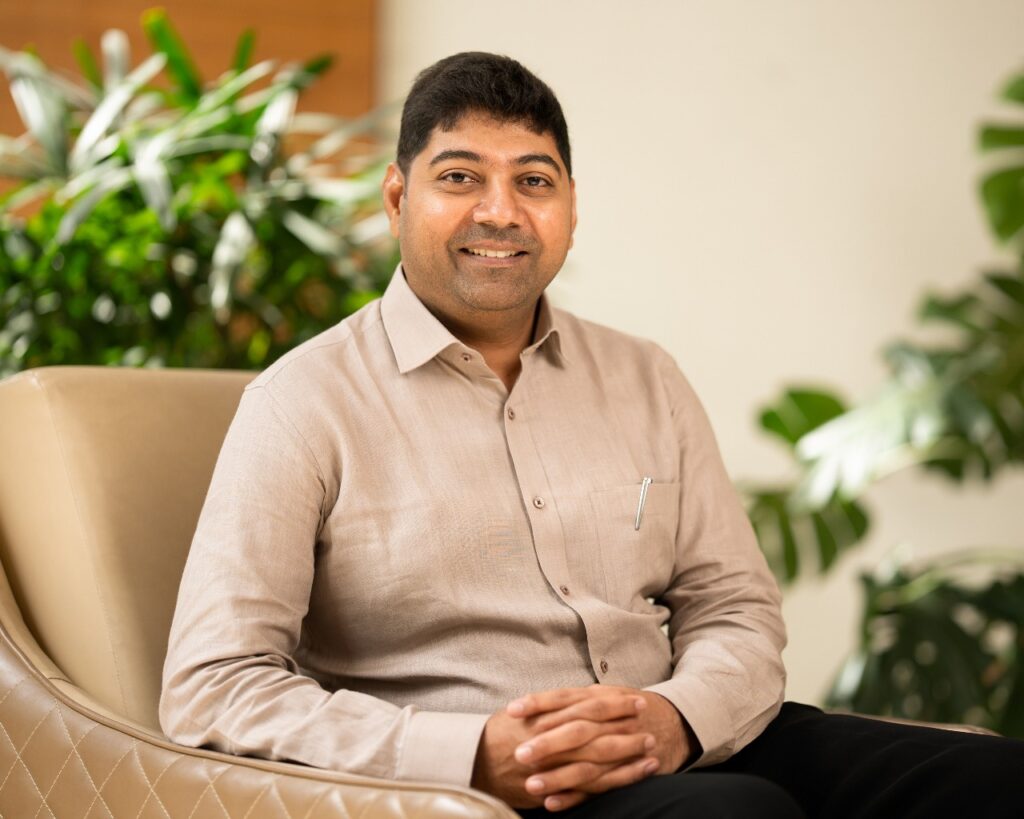
Dr. Naveen Kumar
Reviewed by Dr. Naveen Kumar V, MBBS, DPM — Senior Consulting Psychiatrist at Abhasa Rehab and Wellness with over 20 years of clinical experience in addiction psychiatry and dual diagnosis treatment.
This article reflects evidence-based practices and has been reviewed for medical accuracy.