
OCD Treatment Centre in Mumbai
Evidence-Based Care Near Your City
This page is for Mumbai families seeking residential rehabilitation for addiction, mental health conditions, or both. Whether you’re an IT professional, a concerned parent, or someone researching options — this guide covers what you need to know.
1,500+ families have trusted us with their loved ones' recovery journey
What Is OCD Treatment in Mumbai? OCD treatment in Mumbai involves specialised therapy — primarily Exposure and Response Prevention (ERP) — combined with medication management for obsessive-compulsive disorder. Abhasa Rehab and Wellness operates a residential treatment centre in Karjat, Maharashtra, just 62 km from Mumbai, offering daily ERP therapy, psychiatric care, and holistic recovery support. This page covers treatment options available near Mumbai, what to expect, and how to begin.
Written by Abhasa Clinical Team Medically reviewed by Dr. Naveen Kumar, MBBS, DPM (Psychiatry), Senior Consulting Psychiatrist at Abhasa Rehab and Wellness
Published:
Last Updated:
Time to Read: 10min
Who This Page Is For
- Mumbai families whose loved one’s OCD has not improved with outpatient therapy in the city
- Working professionals in Mumbai whose OCD is affecting career performance and relationships
- Parents in Mumbai looking for residential treatment for an adult child with severe OCD
- Spouses and partners seeking a treatment centre close enough for regular visits
- Anyone in Mumbai or Maharashtra exploring evidence-based OCD treatment options
When Should Mumbai Families Consider Residential OCD Treatment?
Mumbai families should consider residential OCD treatment when outpatient therapy hasn’t produced lasting improvement, when OCD symptoms consume more than 2-3 hours daily, when the home environment has become a landscape of triggers and rituals, or when family members have begun accommodating compulsions in ways that reinforce the disorder.
Have you noticed your loved one washing their hands until the skin cracks? Or checking the door lock fifteen times before leaving? Perhaps they spend hours arranging items “just right” — and the entire family walks on eggshells around these rituals.
If you are searching for OCD treatment in Mumbai or an OCD specialist in Mumbai, you are not alone. Obsessive-Compulsive Disorder affects approximately 2-3% of the Indian population, according to research published in the Indian Journal of Psychiatry.[1] That is millions of people — and millions of families — dealing with intrusive thoughts and compulsive behaviours that can feel impossible to control.
“OCD affects approximately 2-3% of the Indian population — millions of individuals and families dealing with intrusive thoughts and compulsive behaviours” — Indian Journal of Psychiatry, 2010
OCD is not about being neat or particular. It is a recognised mental health condition where the brain gets stuck in a loop of unwanted thoughts (obsessions) and repetitive behaviours (compulsions). The person knows these thoughts are irrational. They desperately want to stop. But the anxiety feels unbearable without performing the ritual.
Why Does Distance from Mumbai Actually Help OCD Recovery?
Distance helps OCD recovery because the home environment is often saturated with triggers — the bathroom where washing rituals happen, the kitchen where checking behaviours occur, the bedroom where bedtime routines take hours. A new residential setting removes these environmental cues while providing 24/7 therapeutic support that outpatient care simply cannot match.
Here is something that surprises many Mumbai families: sometimes the best care happens away from home. OCD thrives on familiar environments. Every corner of the home can become a trigger.
At Abhasa Rehab and Wellness — located just 62 km from Mumbai in Karjat, Maharashtra — the environment itself becomes part of the treatment. Our serene residential setting removes your loved one from their usual triggers while providing round-the-clock therapeutic support.
Travel from Mumbai to Abhasa (Karjat)
| Detail | Information |
|---|---|
| Distance | 62 km (approximately 1.5-2 hours by road) |
| Route | Via Mumbai-Pune Expressway, exit at Karjat |
| Rail | 30 minutes from Karjat Railway Station |
| Airport | 2 hours from Mumbai Airport |
| Pickup | We arrange pickup from Mumbai for all admissions |
| Family visits | Most Mumbai families drive down on weekends |
This means you can visit regularly while your family member receives intensive treatment in a peaceful, purpose-built environment.
In our experience at Abhasa, Mumbai families are often relieved when they visit Karjat. The green surroundings, the quiet — it’s a stark contrast to the city. And many tell us their loved one seemed calmer within the first few days, simply because the pressure of daily life had been lifted.
Ready to take the first step? Call +91-73736-44444 or message us on WhatsApp for a confidential conversation.
What Makes OCD Treatment Actually Work?
ERP (Exposure and Response Prevention) is the gold standard for OCD treatment, achieving 60-75% response rates in clinical trials. Combined with SSRI medication at higher doses than used for depression, response rates reach 70-85%. The key is consistency and intensity — daily sessions in a residential setting produce stronger outcomes than weekly outpatient visits for moderate-to-severe OCD.
Research consistently shows that Exposure and Response Prevention (ERP) is the gold standard for OCD treatment. A meta-analysis published in Clinical Psychology Review found ERP achieves 60-75% response rates, with effect sizes ranging from d=1.31 to d=1.59 for symptom reduction.[2]
“ERP therapy achieves response rates of 60-75%, with effect sizes of d=1.31 to d=1.59 for symptom reduction” — Ost et al., Clinical Psychology Review, 2015
But here is what many OCD treatment centres near Mumbai may not tell you: ERP requires time, consistency, and expert guidance. A weekly therapy session simply cannot deliver the intensive exposure work that leads to lasting change.
How ERP Works at Abhasa
ERP involves gradually facing feared situations without performing compulsions. Over time, the brain learns that the feared outcome does not happen — and the anxiety naturally decreases.
For someone with contamination OCD, this might look like:
- Days 1-7: Learning about OCD and how the brain creates false alarms
- Weeks 2-3: Touching “contaminated” surfaces with increasing difficulty
- Weeks 4-6: Delaying handwashing by longer intervals
- Weeks 7-12: Practising new responses in various situations
Our clinical team guides each step. The residential setting means your loved one has support 24/7 — not just during therapy hours.
OCD Treatment Options: Local vs Residential
| Factor | Weekly Outpatient in Mumbai | Residential at Abhasa (Karjat) |
|---|---|---|
| Therapy frequency | 1-2 sessions per week | Daily ERP sessions |
| Support availability | During session only | 24/7 therapeutic support |
| Environment | Return to triggers daily | Trigger-free residential setting |
| Family accommodation | Continues at home | Structured reduction programme |
| Treatment duration | 12-20 weeks (variable) | 30-90 days (intensive) |
| Staff ratio | Variable | 2:1 staff-to-client |
| Holistic support | Therapy only | Yoga, meditation, nutrition, fitness |
| Distance from Mumbai | In city | 62 km (1.5-2 hours) |
What Treatment Programmes Does Abhasa Offer?
Abhasa offers a 30-90 day intensive residential OCD programme combining daily ERP therapy, psychiatric medication management, group therapy, mindfulness training, family therapy, and holistic wellness support. Treatment follows the 16 Guiding Principles of recovery — a comprehensive framework addressing physical, psychological, social, and spiritual dimensions of healing.
Intensive Residential Programme
Our primary OCD treatment programme includes:
Daily Therapeutic Components:
- Individual ERP sessions with trained therapists
- Group therapy for social support and shared learning
- Medication management by resident psychiatrists
- Mindfulness and anxiety management training
- Family therapy sessions (in-person or video call)
Holistic Support:
- Yoga and meditation for stress reduction
- Nutritional support for brain health
- Physical fitness activities
- Art and expressive therapies
- Life skills training
Medication Support
While ERP is the primary treatment, medication often helps — especially for moderate to severe OCD. Research shows SSRIs at higher doses than typically used for depression can be effective. Combined ERP plus medication achieves 70-85% response rates.[3]
“Combined ERP plus SSRI medication achieves 70-85% response rates — significantly higher than either treatment alone” — Foa et al., American Journal of Psychiatry, 2005
Our psychiatrists carefully assess whether medication would benefit your loved one, monitor progress, and adjust dosages as needed.
Online Counselling
We understand residential treatment is not always immediately possible. Abhasa offers online counselling with experienced OCD therapists for psychoeducation, beginning ERP exercises, family guidance, and preparation for eventual residential treatment. Learn more.
Ready to take the first step? Call +91-73736-44444 or message us on WhatsApp for a confidential conversation.
What Are Abhasa's Facilities Like?
The Karjat centre sits amidst the Western Ghats — a serene, green campus spread across 2 acres of lush greenery at the foothills of Lonavala. The facility offers private and shared accommodation, dedicated therapy spaces, 24/7 medical care, wellness amenities, and a home-like atmosphere that supports clinical-grade treatment.
- Private and shared accommodation: Clean, comfortable rooms designed for rest and recovery
- Dedicated therapy spaces: Individual therapy rooms, group rooms, and quiet reflection areas
- Medical facilities: 24/7 nursing care, emergency protocols, medication management
- Wellness amenities: Yoga hall, meditation garden, walking paths, fitness area
- Nutritious meals: Three balanced meals plus snacks, prepared fresh daily
- Recreational spaces: Library, common areas, outdoor seating
The environment is structured but not institutional. We maintain a home-like atmosphere while providing clinical-grade care.
Why Do Mumbai Families Choose Abhasa?
Mumbai families choose Abhasa because of the combination of specialised OCD expertise, proximity (just 62 km away in Karjat), evidence-based protocols, comprehensive family involvement, a 2:1 staff-to-client ratio, and continuity of care from admission through aftercare.
Specialised Expertise
Our clinical team includes:
Dr. Naveen Kumar V V, MBBS, DPM (Psychiatry) — Consulting Psychiatrist with 20 years in psychiatry
Dr. Shree Aarthi, MBBS, MD, DNB — Triple board-certified psychiatrist
Ms. Meera K, M.Phil Clinical Psychology — Specialised in trauma and behavioural health including ERP
Dr. Malarvilzhi G, MBBS, MD — Residential Medical Officer providing 24/7 oversight
Evidence-Based Approach
We follow protocols based on published research — not trends or guesswork. ERP remains our primary intervention because the evidence supports it.
Family Involvement
OCD affects the entire family. We include family therapy, education sessions, and ongoing communication so you understand the recovery process and how to support it.
Proximity to Mumbai
Continuity of Care
Recovery does not end at discharge. We provide detailed aftercare planning, follow-up appointments (in-person or online), family guidance, and relapse prevention strategies.
What we’ve seen with Mumbai families is that the initial worry about “sending their loved one away” transforms quickly. By the second or third visit, they see the difference — less anxiety, fewer rituals, a person starting to come back to themselves. And Karjat is close enough that it never feels far.
Your Journey from Mumbai to Recovery
Step 1: Initial Consultation Contact us for a confidential discussion. Our intake team listens without judgement and provides honest guidance. Phone: +91-73736-44444 (WhatsApp available) | Email: info@abhasa.in
Step 2: Clinical Assessment Our psychiatrist conducts a detailed evaluation — in person at Karjat or via video call. We assess OCD symptom severity, co-occurring conditions, medical and treatment history, and family situation.
Step 3: Treatment Planning Based on assessment, we recommend appropriate programme duration and approach. We explain everything clearly — no pressure, no sales tactics.
Step 4: Travel and Admission We coordinate admission details and can arrange pickup from Mumbai. The drive takes approximately 1.5-2 hours via the Mumbai-Pune Expressway.
Step 5: Active Treatment Daily ERP therapy, psychiatric monitoring, group sessions, holistic wellness, and regular family involvement through visits and video calls.
Step 6: Discharge and Aftercare Comprehensive planning for transition home with follow-up appointments, relapse prevention strategies, and ongoing family guidance.
Google Reviews:
Voices That Speak For Us
Hundreds have entrusted us with their journeys, shared openly,
in their own voice. Each review is a glimpse into real healing, in real words.
- My life changed at Abhasa Rehab centre. I came in hopeless, desperate, and apathetic. I left hopeful, grateful, and filled with empathy. From the behavioral techs to the counselors. I was welcomed and loved with warm embrace. I was helped by abhasa team immensely words wouldn't gratify my immense appreciation to all staff. Highly recommend is an understatement.
 Devil7/09/2023Excellent doctors and team. All their team members are sincere, highly professional and dedicated. They diligently examine each client and support them during their stay. They provide report on daily basis and on discharge they provide detailed reports. The centre is fully secured and closely monitored. Truly a great place. Certainly, I will recommend to anyone who needs care and support. M Jambunathan4/30/2026Joined my father here. The staff and support members are very transparent to the family, with strict control over diet and electronic gadgets usage. Wishing a change in my father’s behaviour and habits. ENVY OP4/14/2026
 - At Abhasa, you get undivided attention. They genuinely care about the wellness of others and aim to lead their patients to the rightful path. If you are someone who is on the lookout for a Rehab, then Abhasa Rehabilation Center is the place you need to be. Deepak6/26/2019Best center I found in Tamilnadu for my treatment. I got treated here and now I'm in the perfect path of recovery. Thanks to Abhasa for changing my life completely. Sowmiya Sowmi9/17/2021Excellent center for individuals requiring inpatient psychiatric, deaddiction and overall wellness and life skills.
One of my acquaintances changed her life here and grateful for this place. Indrani Bongu3/14/2026 - Very good service, very kind staffs who helped for the recovery of my brother, we definately recommend this rehab.
This is your wise choice for rehabilitation centre. Reshrexy Rexy4/05/2023I would like to thank abhasa rehabilitation centre because of it my brother got alcohol free and living healthy life with family.. it is the best alcohol rehabilitation centre in tamilnadu. You people are doing great for society, keep doing , god bless you . helping other for alcohol deaddiction is a noble work. Jeevanantham Nantham.M5/04/2022Once you come here it's gonna be hard for you to leave. But the team consisting of tephila ma'am, preethika ma'am, achudan, tabsheer were friendly supportive and helped me with a variety of things concerning my professional, mental and physical well being. I am grateful for them and the friends that I have made here. I hope to be never come back again. A Deepak WCFA3/09/2026


4.5
Frequently Asked Questions
How long does OCD treatment take?
Most people benefit from 60-90 days of intensive residential treatment. Mild cases may see significant improvement in 30-45 days. The goal is lasting change, not quick fixes.
Is OCD curable?
OCD is highly treatable. Most people experience significant symptom reduction with proper ERP treatment.[2] Many achieve remission — meaning minimal symptoms and full quality of life. Some need ongoing maintenance strategies, but they learn to manage effectively.
What if my family member refuses treatment?
This is common. OCD creates fear around change. We can guide you on supportive conversations, intervention approaches, and how to set boundaries that encourage treatment-seeking.
How much does OCD treatment in Mumbai cost?
Treatment investment varies based on programme duration and accommodation type. We provide transparent pricing during consultation — no hidden costs. We also work with families on payment arrangements when needed.
Can I visit during treatment?
Yes. We encourage family involvement. Most Mumbai families visit on weekends — the 62 km drive takes just 1.5-2 hours. We also schedule family therapy sessions and provide regular updates.
What makes Abhasa different from local OCD treatment centres?
Abhasa offers daily intensive ERP therapy (not weekly sessions), a 2:1 staff-to-client ratio, 24/7 medical supervision, a trigger-free residential environment, comprehensive family programmes, and holistic wellness support — all just 62 km from Mumbai.
Ready to take the first step? Call +91-73736-44444 or message us on WhatsApp for a confidential conversation.
You’ll hear back within 24 hours
Related Resources
Continue Your Learning
Recovery is a journey, and understanding your options is the first step. Learn more about the symptoms and causes of alcohol addiction or explore how alcohol withdrawal and detox works. If you are wondering whether professional help is the right choice, our self-assessment guide can help you decide.
How Abhasa Can Help
If your family is exploring treatment options in Coimbatore, we understand how important this decision is. At Abhasa Rehab and Wellness, we offer personalised treatment plans, a 2:1 therapist-to-patient ratio, and comprehensive care that addresses both addiction and mental health. Our team is available 24/7 to answer your questions.
24/7 Helpline: +91-73736-44444 Learn More: www.abhasa.in
Our Editorial Process
This article was developed by the Abhasa Clinical Team and reviewed by Dr. Naveen Kumar. V, MBBS, DPM (Psychiatry), with over 20 years of experience in addiction psychiatry and dual diagnosis treatment. All medical claims are supported by Tier 1 and Tier 2 sources, including peer-reviewed journals, WHO publications, and NIDA guidelines. Facility details, pricing, and team information are verified against Abhasa’s internal knowledge base.
Abhasa Rehab and Wellness is a licensed and certified facility, ISO certified, and licensed by the State Mental Health Authority (SMHA).Medical Review Date: February 2026 | Next Review: August 2026


References
Research Citations (All Sources):
[1] Reddy YCJ, Rao NP, Khanna S. An overview of Indian research in obsessive compulsive disorder. Indian Journal of Psychiatry. 2010;52(Suppl 1):S200-S209.
[2] Ost LG, Havnen A, Hansen B, Kvale G. Cognitive behavioral treatments of obsessive-compulsive disorder: A systematic review and meta-analysis. Clinical Psychology Review. 2015;40:156-169.
[3] Foa EB, Liebowitz MR, Kozak MJ, et al. Randomized, placebo-controlled trial of exposure and ritual prevention, clomipramine, and their combination in the treatment of OCD. American Journal of Psychiatry. 2005;162(1):151-161.
[4] World Health Organization. Mental Health Atlas 2017. Geneva: WHO; 2017.
[5] American Psychiatric Association. Diagnostic and Statistical Manual of Mental Disorders, Fifth Edition, Text Revision (DSM-5-TR). Arlington, VA: APA; 2022.
[6] National Institute of Mental Health. Obsessive-Compulsive Disorder. NIMH; 2024.
[7] Soomro GM, et al. SSRIs versus placebo for OCD. Cochrane Database Syst Rev. 2008;1:CD001765.
[8] Simpson HB, et al. Response versus remission in OCD. J Clin Psychiatry. 2006;67(2):269-276.
Medical Disclaimer:
Last medically reviewed:
Reviewer: Dr. Naveen Kumar, MBBS, DPM (Psychiatry)
This content is for informational purposes only and does not replace professional medical advice. If you or someone you know is experiencing mental health symptoms, please consult a qualified healthcare provider.
Crisis Support:
If you or someone you know is in immediate distress, please contact:
- Vandrevala Foundation: 1860-2662-345 (24/7)
- iCall: 9152987821
- NIMHANS Helpline: 080-46110007
- Maharashtra State Helpline: 104
- Abhasa 24/7 Helpline: +91-73736-44444
- Emergency: 112
Expert Review:
Developed by Abhasa Rehab and Wellness. Reviewed by Dr. Naveen Kumar V, MBBS, DPM (Psychiatry), Consulting Psychiatrist with 20 years experience. Based on evidence from WHO, peer-reviewed journals, and clinical research. Last Medical Review: March 2026
About the Medical Reviewer
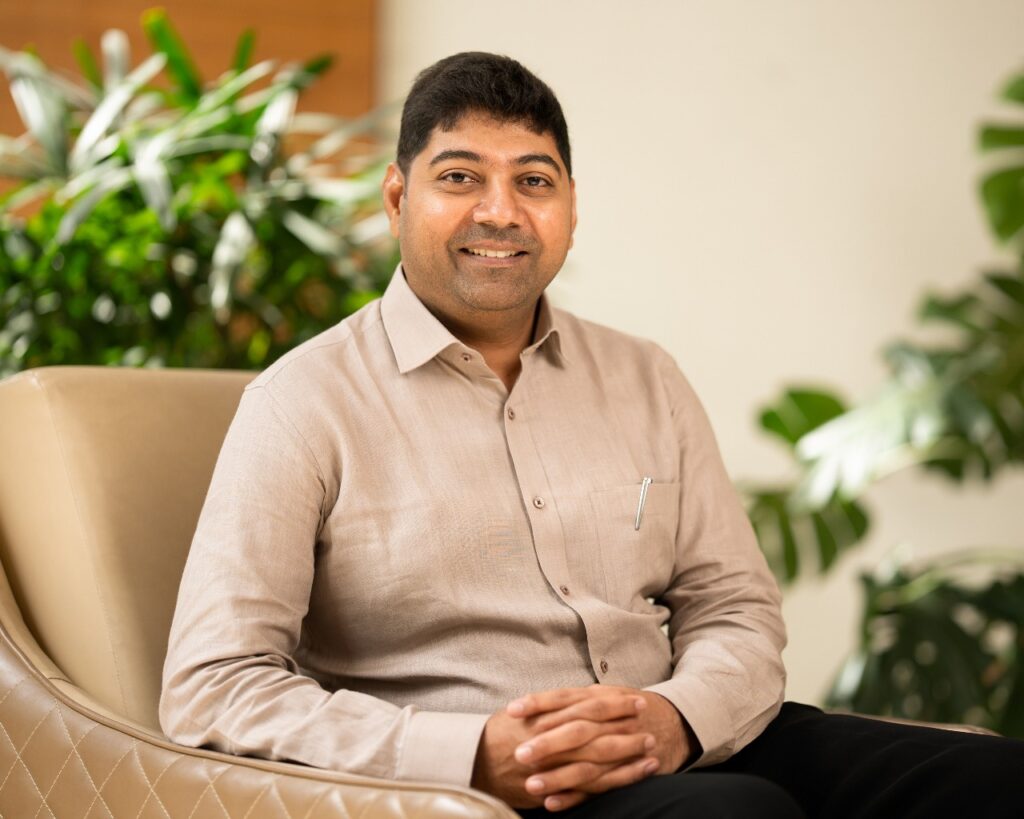
Dr. Naveen Kumar
MBBS, DPM (Psychiatry), Consulting Psychiatrist with 20 years of experience in psychiatry and dual diagnosis treatment. This article was developed by the clinical team at Abhasa Rehab and Wellness.