
OCD Treatment in Delhi
Finding Effective Care for Your Family
Reviewed by Dr. Naveen Kumar, MBBS, DPM (Psychiatry), 20 years experience
1,500+ families have trusted us with their loved ones' recovery journey
The Silent Struggle: Recognising OCD Beyond "Being Careful"
She checks the door five times. Then five more. Logic says it is locked – she just checked. But the thought returns: “What if you missed something?” And the cycle begins again.
If you are searching for OCD treatment in Delhi, you have probably watched this pattern – or something like it – consume someone you love. And if you are looking for the best OCD treatment in Delhi, you have likely already tried outpatient options that have not worked. Maybe it is contamination fears that turn simple tasks into hour-long ordeals. Maybe it is intrusive thoughts so disturbing they bring shame and isolation. Maybe it is the “just right” feeling that demands perfection in arrangements, routines, symmetry.
OCD is not about being tidy or cautious. According to data from the Indian Journal of Psychiatry, it is a recognised condition affecting 2-3% of the population – causing significant distress and stealing years of normal life.[1]
The good news? OCD responds remarkably well to proper treatment. The challenge is finding that treatment.
Why Families Searching for Best OCD Treatment in Delhi Look Beyond the City
Here is what many families discover after searching for OCD treatment centres in Delhi: outpatient care often is not enough. Those seeking the best OCD treatment in Delhi often realise that the most effective care may require stepping away from familiar surroundings.
Weekly therapy appointments help with mild symptoms. But moderate to severe OCD needs something more. The brain requires consistent, intensive exposure work – sometimes multiple sessions daily – to rewire its faulty alarm system. That level of care is difficult to achieve while maintaining regular life in a busy city.
There is another factor. OCD thrives on familiar environments. The bedroom where bedtime rituals happen. The kitchen where checking starts. Family members who have learned to accommodate the OCD – offering reassurance, participating in rituals, rearranging schedules around symptoms.
Sometimes the best path forward is a clean break. A residential setting where old patterns cannot follow.
Why Distance Can Be Therapeutic
Abhasa Rehab and Wellness offers specialised OCD treatment in Coimbatore, Tamil Nadu – far from Delhi’s triggers and routines. This is not about running away from problems. It is about:
- Removing environmental cues that activate compulsions
- Breaking family accommodation patterns that accidentally reinforce OCD
- Providing round-the-clock therapeutic support
- Creating space for intensive daily treatment
Travel from Delhi to Abhasa (Coimbatore):
- Flight: 2 hours 50 minutes to 3 hours 15 minutes (direct flights available)
- Cost: Approximately Rs. 4,000-12,000 depending on booking time
- Airlines: IndiGo, Air India, SpiceJet, Vistara offer direct routes
The journey takes less than a morning. The benefits can last a lifetime.
Understanding Evidence-Based OCD Treatment
When researching OCD treatment near Delhi, you will find many claims. Permanent cures. Quick fixes. Alternative therapies promising relief without discomfort.
The research tells a different story. Exposure and Response Prevention (ERP) is the most effective treatment for OCD – period. Published meta-analyses show 60-75% response rates, with effect sizes of d=1.31-1.59.[2] These are strong numbers for any mental health intervention.
How ERP Actually Works
OCD creates false alarms. Touch something “contaminated”? The brain screams danger. Have an intrusive thought? The brain demands you neutralise it. The compulsions – washing, checking, mental rituals – temporarily quiet the alarm. But they also teach the brain that the danger was real.
ERP breaks this cycle:
- Exposure: Gradually facing feared situations (touching a doorknob, tolerating uncertainty about locks, allowing "imperfect" arrangements)
- Response Prevention: Not performing the compulsion (no washing, no checking, no mental neutralising)
- Natural Anxiety Reduction: Staying with the discomfort until anxiety decreases on its own - proving the feared outcome does not happen
- Brain Rewiring: Repeated practice builds new neural pathways, quieting the false alarm system
This is uncomfortable work. It requires courage. But it is also incredibly effective when done properly with trained specialists.
Why Medication Helps Many People
ERP alone works for many. But combining it with medication – typically SSRIs at higher doses than used for depression – improves outcomes further. Research shows combined treatment achieves 70-85% response rates.[3]
Our psychiatrists assess each person individually. Medication is never forced, always discussed openly, and carefully monitored for effectiveness and side effects.
Treatment Programmes at Abhasa
Intensive OCD Recovery Programme
Our flagship programme provides the consistent, intensive care that OCD requires:
Clinical Components (Daily):
- Individual ERP sessions with trained therapists
- Group therapy for support and normalisation
- Psychiatric monitoring and medication management
- Cognitive therapy for intrusive thoughts
- Mindfulness and acceptance training
- Family therapy sessions (video or in-person)
Duration: Typically 60-90 days for moderate to severe OCD. Mild cases may see significant improvement in 30-45 days.
Holistic Support:
- Yoga and meditation (evidence-based stress reduction)
- Physical fitness and outdoor activities
- Nutritional care for brain health
- Art and expressive therapies
- Sleep optimisation
- Life skills training
Online Counselling Option
- Education about OCD and treatment options
- Beginning ERP exercises
- Family guidance on helpful responses
- Assessment for appropriate level of care
- Bridge support before or after residential treatment
Learn about online options
Our Facilities: Purpose-Built for Recovery
Unlike typical rehabilitation centres in Delhi focused on addiction, Abhasa specialises in mental health conditions including OCD. Our Coimbatore facility offers:
Residential Accommodation:
- Private and semi-private rooms
- Home-like environment (not clinical or institutional)
- Air-conditioned comfort
- Attached bathrooms
- Secure premises with 24/7 staff
Therapeutic Spaces:
- Individual therapy rooms for ERP sessions
- Group therapy areas
- Meditation and quiet reflection spaces
- Art therapy rooms
- Outdoor therapy options
Medical Infrastructure:
- Round-the-clock nursing care
- Residential Medical Officer (Dr. Malarvilzhi G, MBBS, MD)
- Emergency protocols
- Medication management and pharmacy
- Regular health monitoring
Wellness Amenities:
- Yoga hall with certified instructors
- Meditation gardens
- Fitness area
- Library and recreational areas
- Healthy, fresh meals prepared daily
Advantages of Choosing Abhasa
Specialised OCD Expertise
OCD requires specific treatment approaches – not general mental health care. Our team includes:
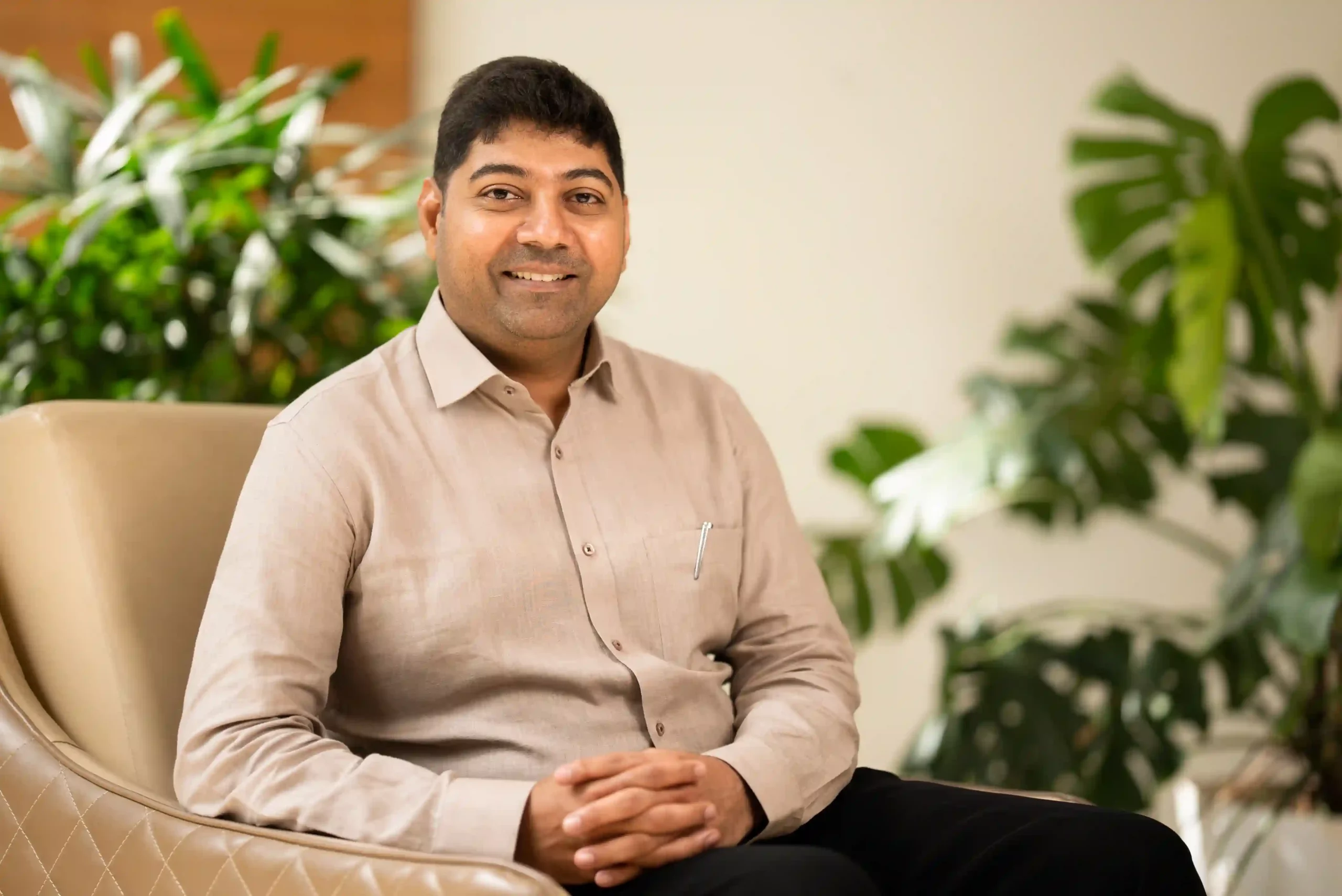
Dr. Naveen Kumar
Medical Director
15+ years of expertise in psychiatry and addiction recovery.
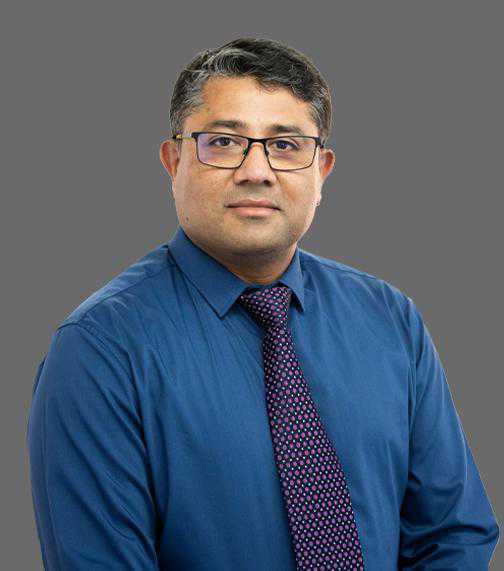
Dr. Vivek Sharma
Consultant Psychiatrist & Neurofeedback Practitioner
With over 15+ years of experience in psychiatry and neurofeedback, he blends medical expertise and compassion to guide clients toward lasting recovery.
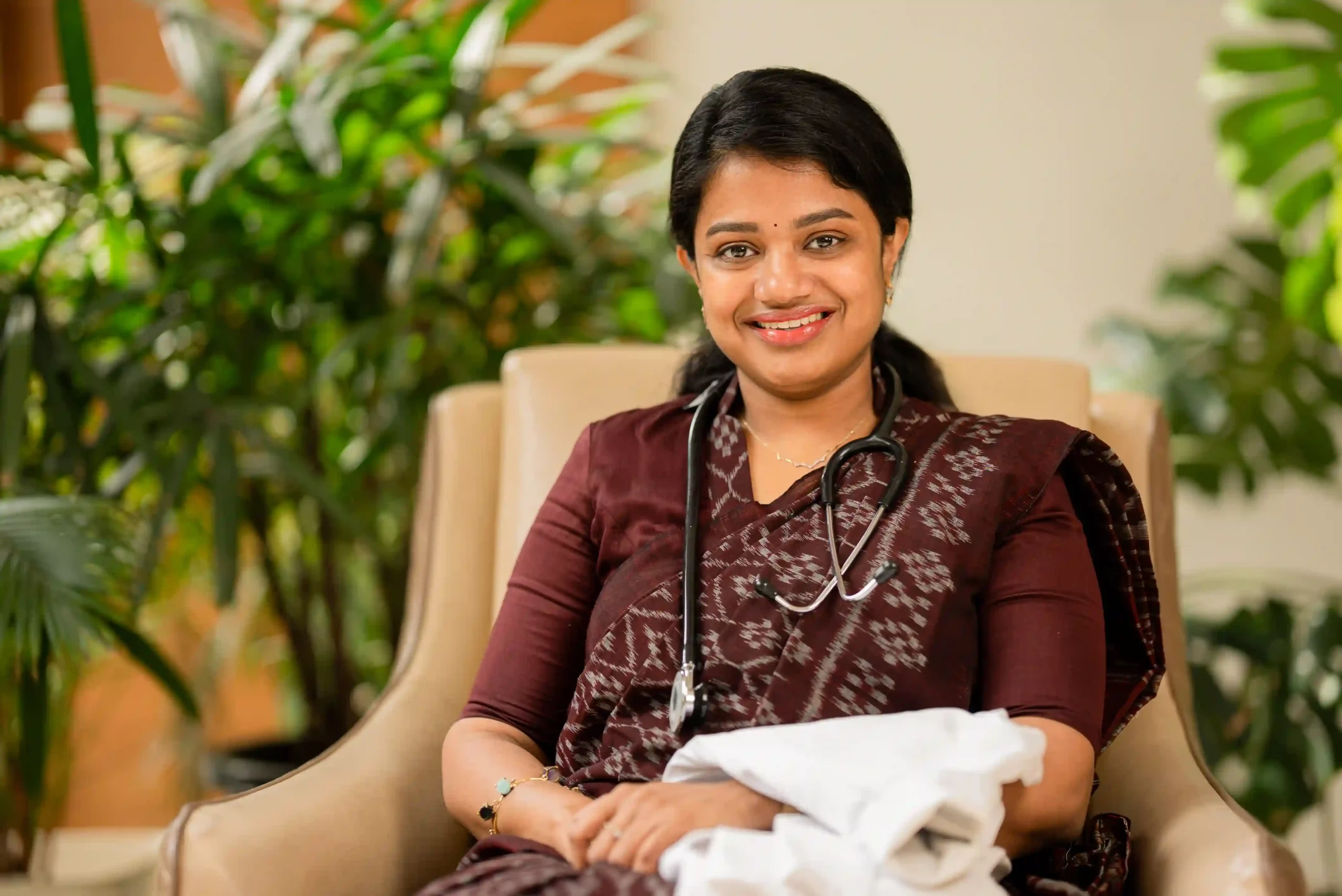
Dr. Shree Aarthi
Consultant Psychiatrist
15+ years providing expert psychiatric care for mental health and substance use disorders.

Dr. Ramalingam P Kandaswamy
Consultant Physician
15+ years With over 5 years of experience in HIV and infectious diseases, he brings global expertise and compassionate care to every patient he supports.
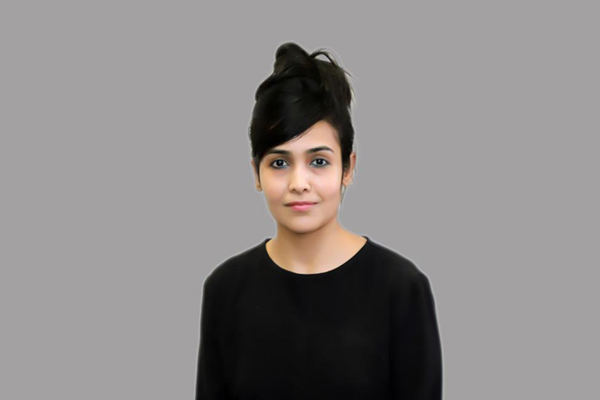
Dr. Divya
Psychiatrist
10+ years combining clinical psychiatry expertise with healthcare management for holistic treatment.
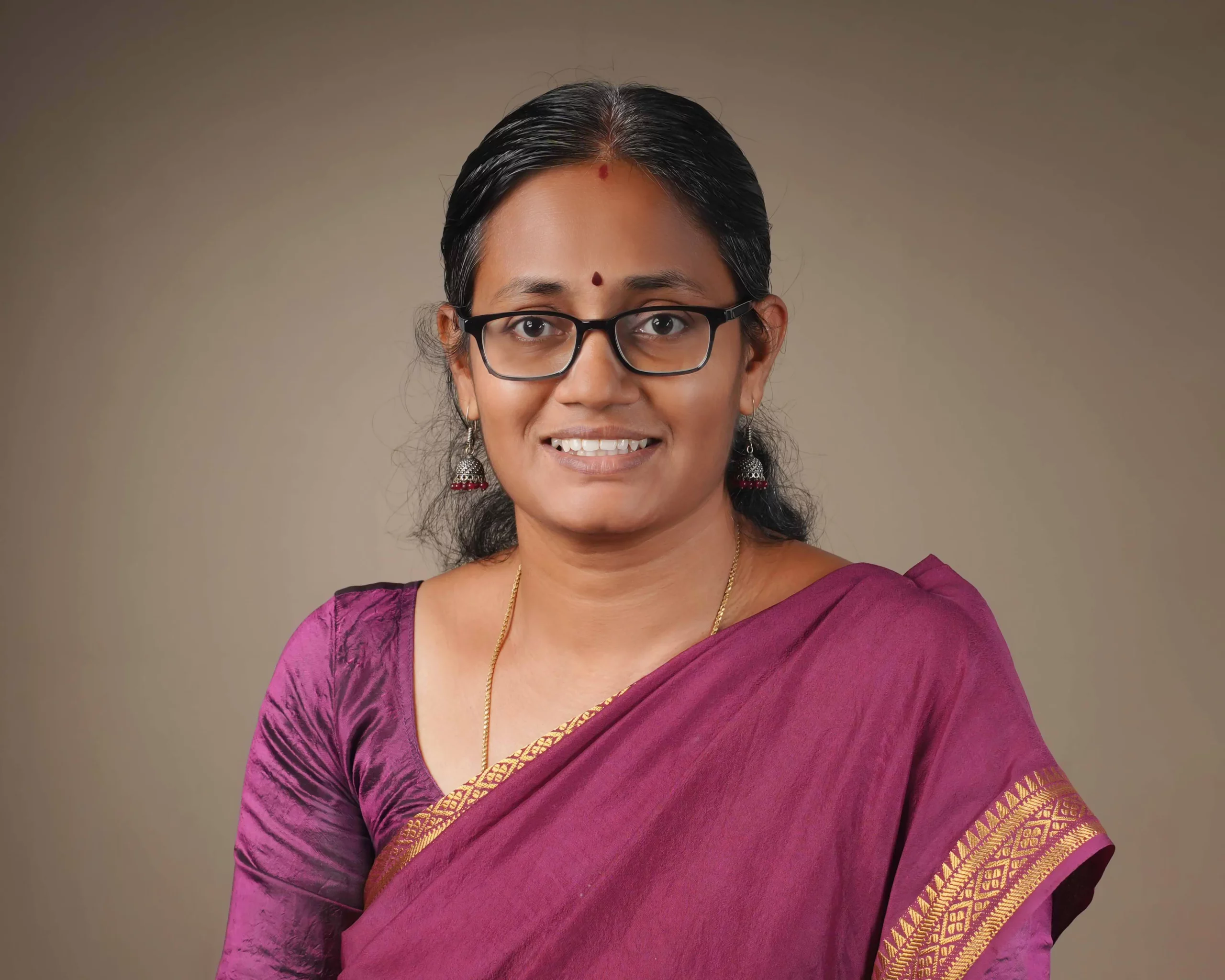
Dr. Malarvilzhi
Residential Medical Officer
12 years delivering comprehensive medical care in psychiatric and rehabilitation settings.
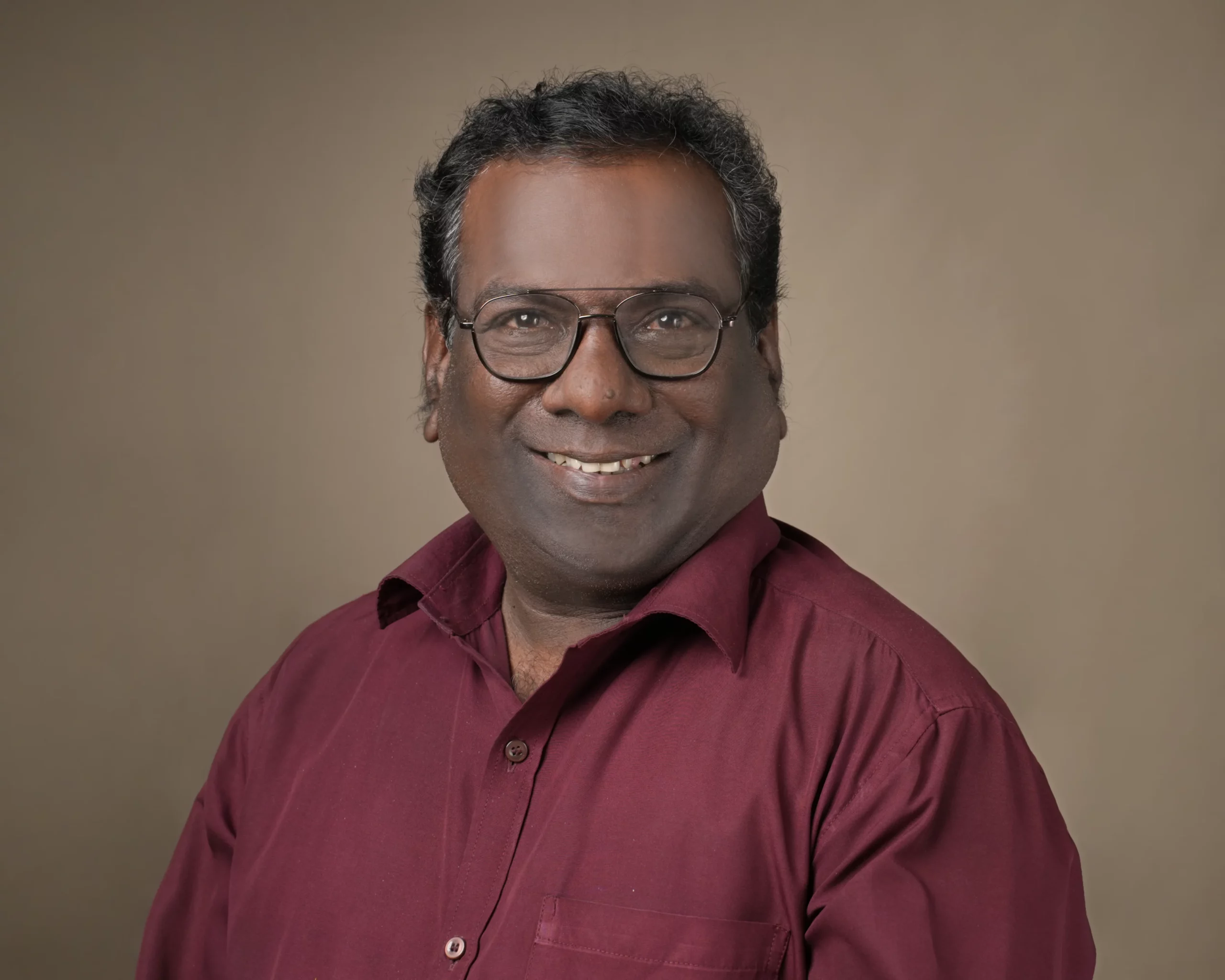
Dr. Karuppachamy
Senior Psychiatric Social Worker
22+ years of experience empowering clients through therapeutic guidance, psychosocial support, and lived-experience wisdom.
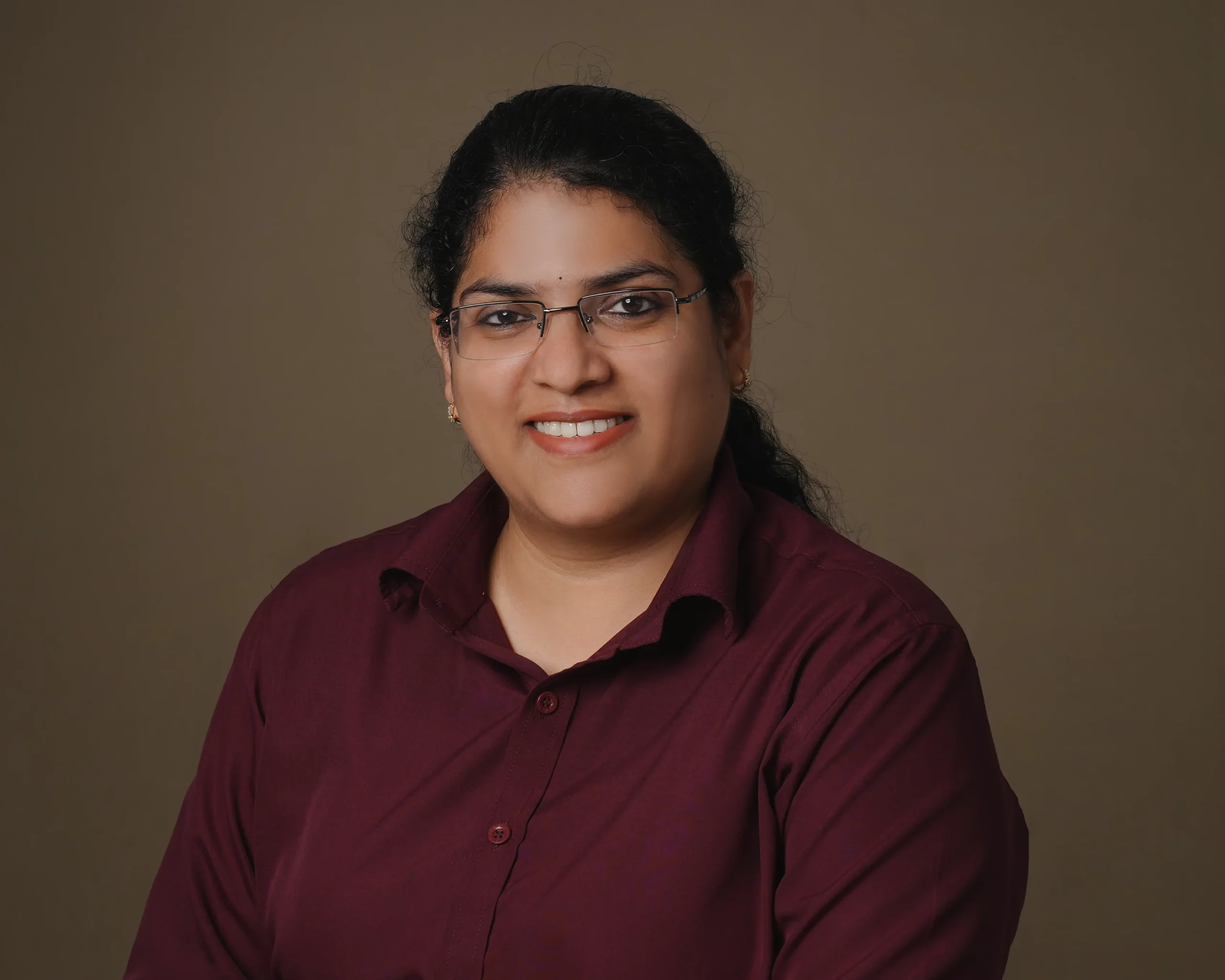
Ms. Meera
Senior Clinical Psychologist
9+ years specializing in psychological assessment and evidence-based therapeutic interventions.
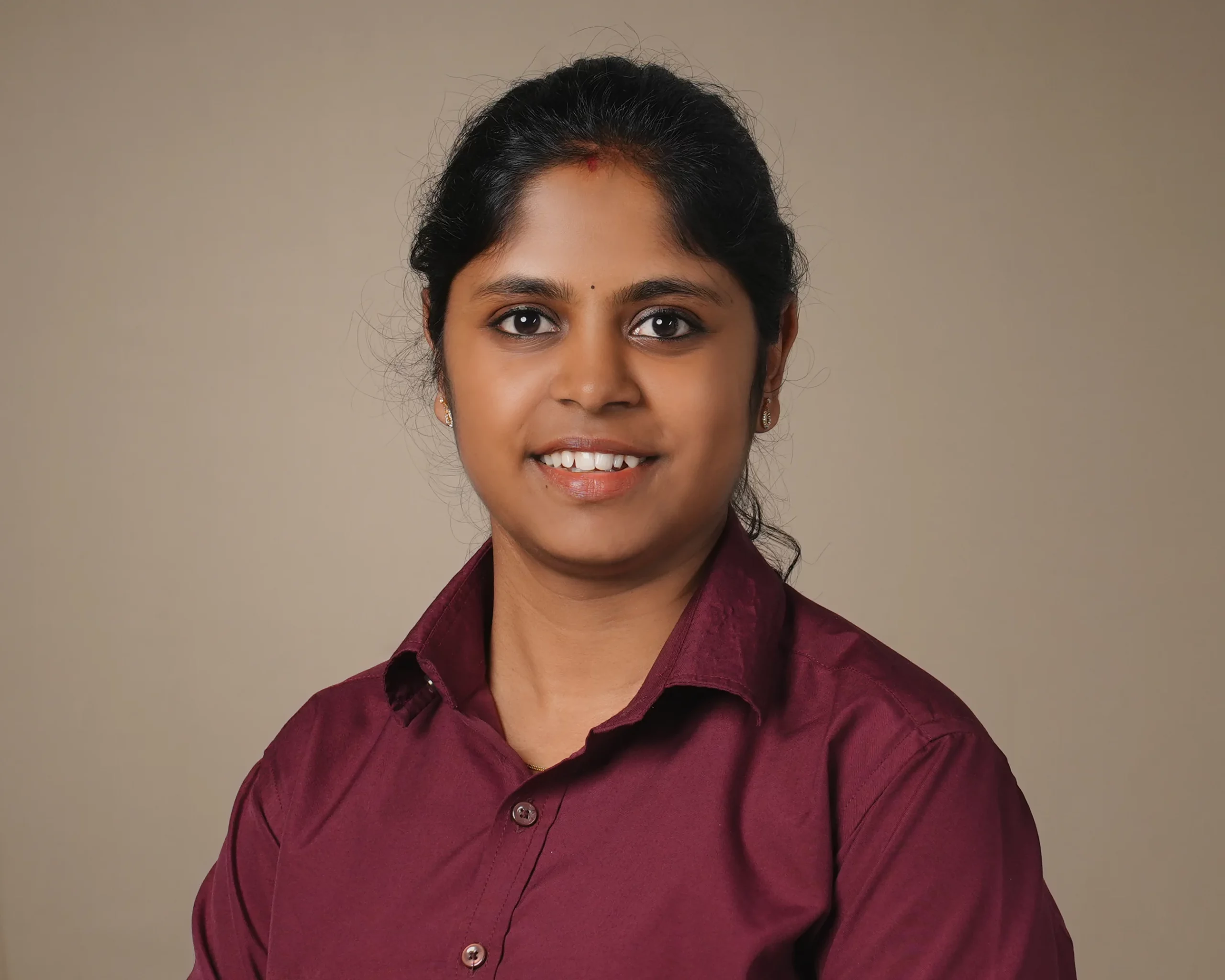
Mrs. Priyadarshini
Head Clinical Psychologist
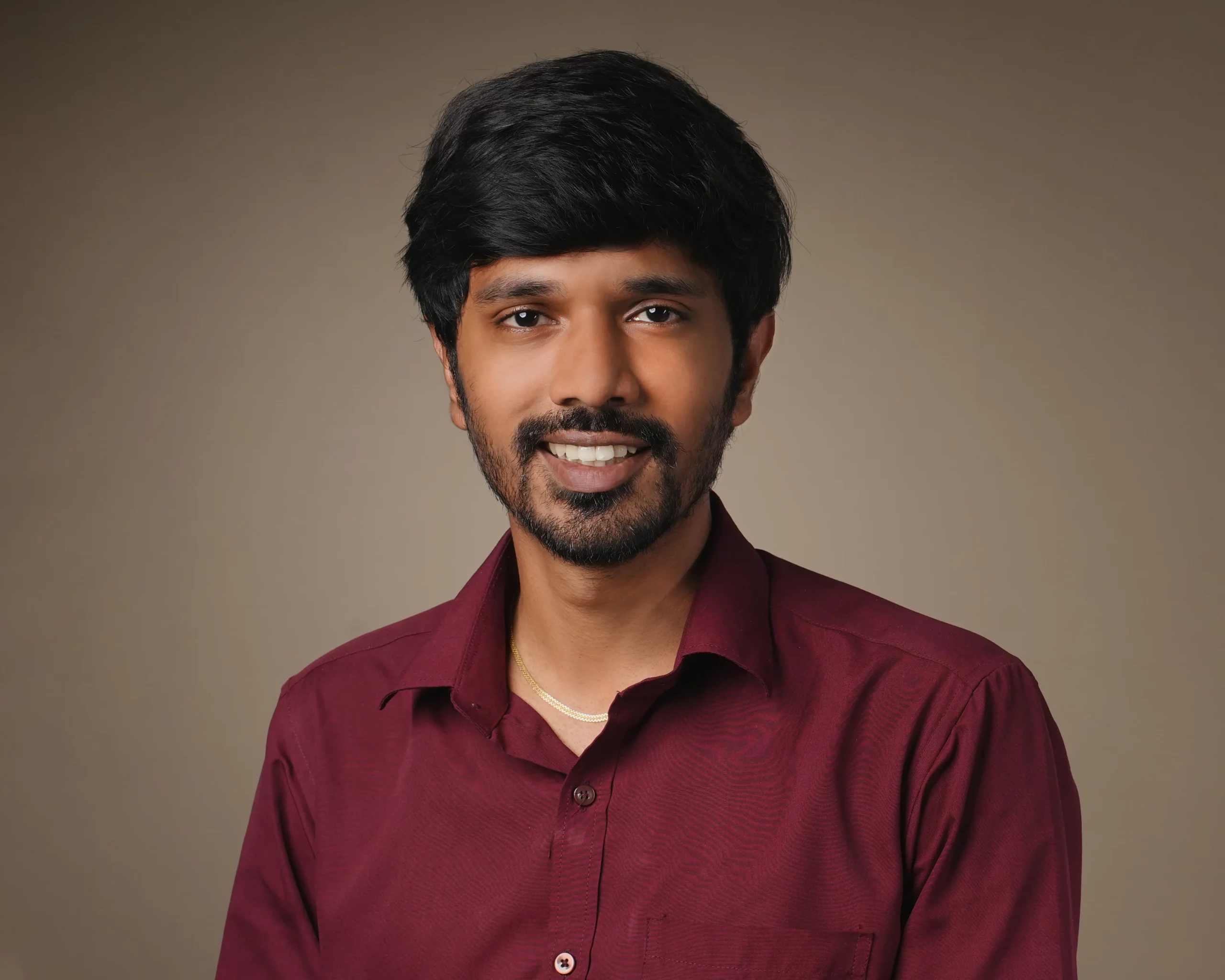
Mr. Mukesh Kanna
Clinical Psychologist
2+ years providing psychological interventions for behavioral health and emotional wellness.
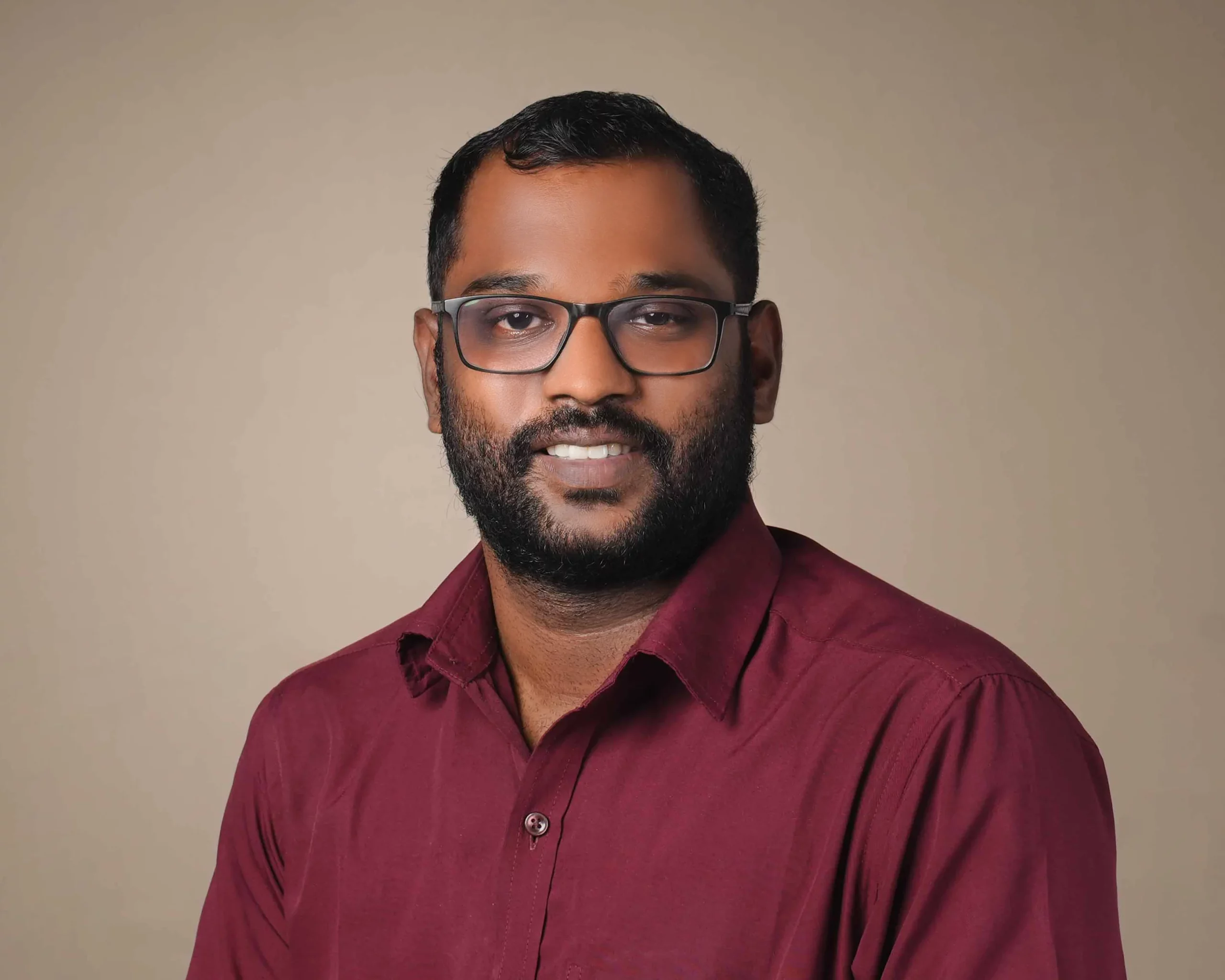
Mr. Antipas Jayabal
Clinical Psychologist
2+ years supporting clients through clinical assessment and therapeutic care.
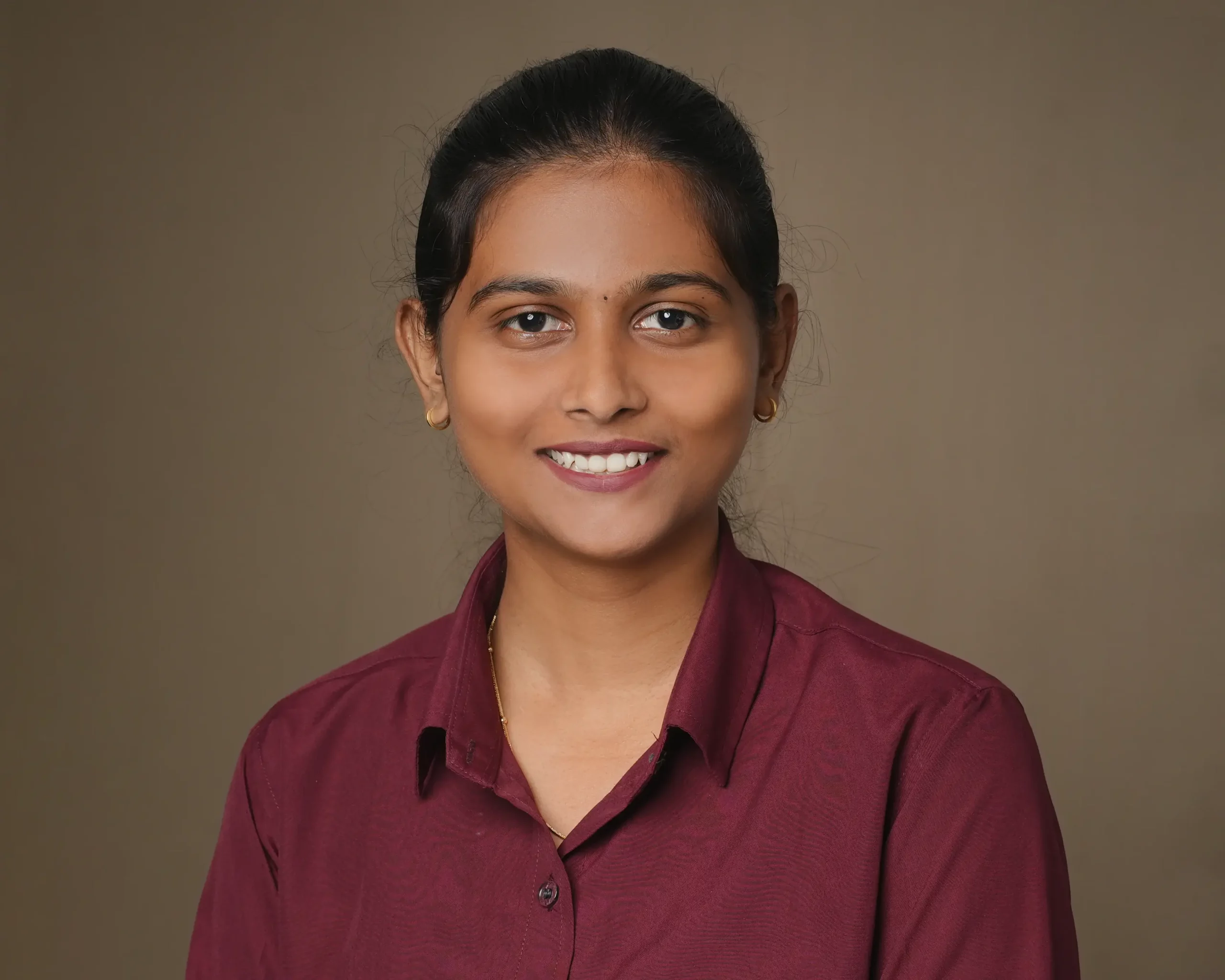
Ms Keerthana S
Psychologist
Empathetic psychologist with 4 years’ experience in handling mental health disorders, using evidence-based psychotherapies for personalized client care.
The Wider Team
63
Full-time Professionals
200+
Years Combined Experience
2:1
Staff-to-Patient Ratio
100%
MCI/RCI Registered
Evidence-Based Protocols
We follow international guidelines for OCD treatment. No experimental approaches. No unproven methods. Just the interventions that research shows actually work.
Therapeutic Environment
The Coimbatore setting – nestled in Tamil Nadu’s foothills – provides natural calm. Clean air. Green surroundings. Peace that Delhi cannot offer. This is not luxury for its own sake – it is environment as treatment.
Complete Anonymity
Many Delhi families worry about stigma. At Abhasa, no one from your city, your workplace, or your social circle will encounter your loved one. The distance provides privacy.
Family Involvement
OCD affects everyone. We include:
- Regular family therapy sessions
- Education about the condition
- Guidance on stopping accommodation
- Communication throughout treatment
- Preparation for homecoming
Continuity of Care
- Detailed aftercare plans
- Follow-up appointments (online or in-person)
- Relapse prevention strategies
- Ongoing family guidance
- Support during transition home
Assessment and Admission
Step 1: Initial Conversation Call or WhatsApp for a confidential discussion. Our intake team listens without judgement, answers questions, and provides honest guidance.
Phone: +91-73736-44444 (WhatsApp available) Email: info@abhasa.in
Step 2: Clinical Assessment Our psychiatrist conducts a comprehensive evaluation via video call. We assess:
- OCD symptom types (contamination, checking, intrusive thoughts, etc.)
- Severity and functional impact
- Co-occurring conditions (depression, anxiety are common)
- Previous treatment history
- Medical background
- Family situation and support
Step 3: Treatment Planning Based on assessment, we recommend appropriate programme duration and approach. We explain everything clearly – expected timeline, treatment components, realistic outcomes.
Step 4: Admission Coordination Once decided, we coordinate:
- Travel arrangements (we can help with flight booking)
- Medical records transfer
- Family preparation
- Admission scheduling
Frequently Asked Questions
What is the best OCD treatment in Delhi?
If you are searching for the best OCD treatment in Delhi, here is what research shows: intensive residential ERP programmes produce the strongest outcomes for moderate-to-severe OCD.[2] While Delhi has mental health facilities that treat OCD, many families find that outpatient care – weekly sessions while continuing normal life – does not provide the intensive treatment severe OCD requires. Residential programmes like Abhasa offer daily therapy in a controlled environment, which often produces better outcomes.
How is OCD different from normal worry?
Everyone has unwanted thoughts occasionally. With OCD, these thoughts are persistent, distressing, and feel impossible to control. The person knows the fears are irrational but cannot stop them. Compulsions (rituals) develop to manage anxiety – but they only reinforce the cycle.
Can OCD be cured permanently?
OCD is highly treatable. Most people experience significant symptom reduction with proper ERP treatment.[2] Many achieve what clinicians call “remission” – minimal symptoms and full quality of life. Some need ongoing management strategies, but they learn to handle symptoms effectively.
What if my family member refuses treatment?
Very common. OCD creates fear of change, and compulsions feel necessary for safety. We can guide you on supportive conversations, appropriate intervention timing, and boundary-setting that encourages treatment-seeking without damaging relationships.
How much does treatment cost?
Fees depend on programme duration and accommodation type. We provide transparent pricing during consultation – no surprises or hidden charges. Payment plans are available for families who need flexibility.
Can I visit during treatment?
Yes. Family involvement supports recovery. Delhi families typically visit monthly or join weekly video sessions. We schedule formal family therapy as part of treatment.
Taking the Next Step
If you have been searching for the best OCD treatment in Delhi or OCD treatment for Delhi residents, you know the exhaustion. Watching rituals consume hours. Offering reassurance that never helps for long. Wondering if normal life will ever return.
OCD is stubborn – but it is not unbeatable. The research is clear. The methods are proven. What most people need is intensive treatment in the right environment with the right expertise.
A 3-hour flight can be the beginning of profound change.
We are here to answer your questions. No pressure. Just honest conversation about whether Abhasa is right for your family.
Contact Abhasa Rehab and Wellness:
References
Research Citations (All Sources):
- Reddy, Y. C. J., Rao, N. P., & Khanna, S. (2010). An overview of Indian research in obsessive compulsive disorder. Indian Journal of Psychiatry, 52(Suppl 1), S200-S209.
- Öst, L. G., Havnen, A., Hansen, B., & Kvale, G. (2015). Cognitive behavioral treatments of obsessive-compulsive disorder: A systematic review and meta-analysis of studies published 1993-2014. Clinical Psychology Review, 40, 156-169.
- Foa, E. B., Liebowitz, M. R., Kozak, M. J., et al. (2005). Randomized, placebo-controlled trial of exposure and ritual prevention, clomipramine, and their combination in the treatment of obsessive-compulsive disorder. American Journal of Psychiatry, 162(1), 151-161.
- World Health Organization. (2017). Mental Health Atlas 2017. Geneva: WHO.
- American Psychiatric Association. (2022). Diagnostic and Statistical Manual of Mental Disorders, Fifth Edition, Text Revision (DSM-5-TR). Arlington, VA: American Psychiatric Publishing.
- National Institute of Mental Health and Neurosciences (NIMHANS). (2016). National Mental Health Survey of India, 2015-16. Bengaluru: NIMHANS Publication.
Medical Disclaimer:
This content provides general information about OCD and treatment options. It does not constitute medical advice. Please consult a qualified mental health professional for personalised diagnosis and treatment recommendations.
Crisis Support:
If you or someone you know is in immediate distress, please contact:
- iCall: 9152987821
- Vandrevala Foundation: 1860-2662-345
- Emergency Services: 112
Expert Review:
Developed by Abhasa Rehab and Wellness, reviewed by Dr. Naveen Kumar, MBBS, DPM (Psychiatry). Based on evidence from international OCD research and peer-reviewed journals.