
OCD Treatment Centre in Coimbatore
Specialised Care at Abhasa Rehab and Wellness
This page is for Coimbatore families seeking residential rehabilitation for addiction, mental health conditions, or both. Whether you’re an IT professional, a concerned parent, or someone researching options — this guide covers what you need to know.
1,500+ families have trusted us with their loved ones' recovery journey
OCD Treatment Centre in Coimbatore: Abhasa Rehab and Wellness operates two specialised treatment facilities right here in Coimbatore — a women-exclusive centre in Sowripalayam and a flagship mixed-gender residential centre in Thondamuthur. With over 1,500 patients treated since 2019 and a 75% sustained recovery rate, Abhasa provides intensive daily Exposure and Response Prevention (ERP) therapy — the gold standard for OCD — without the need to travel outside your city.
Written by Abhasa Clinical Team Medically reviewed by Dr. Naveen Kumar, MBBS, DPM (Psychiatry), Senior Consulting Psychiatrist at Abhasa Rehab and Wellness
Published:
Last Updated:
Time to Read: 10min
Who This Page Is For
- Coimbatore residents struggling with OCD who want specialised treatment without leaving home
- Families in Coimbatore watching a loved one trapped in compulsive rituals
- Women seeking a gender-specific treatment environment at our Sowripalayam facility
- Students at Coimbatore’s colleges dealing with perfectionism or academic-related OCD
- Anyone who has tried outpatient OCD treatment in Coimbatore without lasting improvement
You Don't Have to Leave Coimbatore for World-Class OCD Treatment
Abhasa Rehab and Wellness is located right here in Coimbatore — not “near Coimbatore” or “serving Coimbatore,” but actually in your city. With two dedicated facilities, you have access to intensive, evidence-based OCD treatment without the stress and logistics of travelling to another city.
You’ve read the articles. You’ve tried the self-help techniques. Perhaps you’ve even seen a psychiatrist and taken medication. But the thoughts keep coming. The rituals still control your day. You’re tired of fighting a battle that seems unwinnable.
“OCD affects about 2-3% of people worldwide — millions of individuals, including thousands in Tamil Nadu alone.” — World Health Organization, Mental Health Atlas, 2017
The good news: OCD is highly treatable. With proper ERP therapy, research shows 60-75% of patients respond well, with symptom reductions of 50-60%.[4]
At Abhasa in Coimbatore, we’ve helped over 1,500 patients reclaim their lives since 2019. Many came after years of struggling. Most leave with the skills and confidence to manage OCD long-term.
Two Facilities in Coimbatore: Choose What's Right for You
Women-Exclusive Centre (Sowripalayam)
A safe, private environment designed specifically for women. Some women with OCD — particularly those with contamination or harm-related obsessions — feel more comfortable in a women-only setting.
- Female clinical staff available
- Specialised programming for women’s mental health
- Private, secure campus
- Tamil-speaking staff throughout
Flagship Residential Centre (Thondamuthur)
Our mixed-gender programme in a spacious, serene environment in the Thondamuthur foothills. Modern amenities combined with clinical excellence.
- Expansive green campus away from city bustle
- Individual and group therapy spaces
- Yoga hall, meditation gardens, walking paths
- Easy for family visits from anywhere in Coimbatore
Both facilities provide quality-certified care with 24/7 psychiatric supervision, a 2:1 staff-to-patient ratio, and evidence-based treatment protocols.
Understanding OCD: Beyond the Stereotypes
OCD is a recognised medical condition — classified in the DSM-5-TR — where intrusive, unwanted thoughts (obsessions) cause intense anxiety, driving repetitive behaviours (compulsions) that temporarily ease anxiety but never resolve it. The cycle grows stronger over time. The person often knows their rituals don’t make logical sense, but they can’t stop.[2]
OCD is often misunderstood. People joke about being “so OCD” when they like things tidy. Real OCD is nothing like that.
OCD Types We Treat at Abhasa Coimbatore
| OCD Type | What It Looks Like | Common in Coimbatore |
|---|---|---|
| Contamination | Excessive washing, cleaning, avoiding "dirty" things | Industrial environment can intensify concerns |
| Checking | Repeated verification of locks, appliances, work | Professionals and students |
| Harm OCD | Intrusive thoughts about hurting self or others | Causes immense guilt and shame |
| Symmetry | Need for perfect arrangement, "just right" feeling | Time-consuming arranging rituals |
| Religious (Scrupulosity) | Excessive worry about sin or rituals done wrong | Culturally sensitive treatment available |
| Pure-O | Mental obsessions with invisible compulsions | Often missed or misdiagnosed |
| Relationship OCD | Obsessive doubts about partner suitability | Constant analysis and reassurance-seeking |
In our experience at Abhasa, Coimbatore residents often share that they delayed seeking treatment because they didn’t realise what they were experiencing was OCD. The contamination fears, the checking, the intrusive thoughts — they thought it was just “them.” It’s not. It’s a condition. And it responds to treatment.
Why Intensive Treatment Works Better
A study by Abramowitz and colleagues compared intensive daily ERP to weekly ERP. The intensive group showed faster symptom reduction, greater overall improvement, and better maintained gains at follow-up.[3] For moderate to severe OCD, research consistently shows that intensive treatment produces faster, more lasting results.
For mild OCD, outpatient treatment can work. But if your symptoms take more than 1-2 hours daily, if previous outpatient therapy hasn’t produced lasting improvement, or if family accommodation patterns have developed — intensive residential treatment is worth considering.
The Home Environment Problem
Even with the best outpatient therapist, you go home each night to an environment where:
- OCD triggers are everywhere
- You’ve established rituals tied to specific places
- Family members may unknowingly accommodate your OCD
- It’s easy to slip back into compulsive behaviours
At Abhasa in Coimbatore, you step into a fresh environment. No established rituals. A structured day. Support available whenever anxiety peaks.
The Gold Standard: ERP Therapy at Abhasa Coimbatore
What Is ERP?
Exposure and Response Prevention (ERP) is the most effective psychological treatment for OCD, recommended by the American Psychological Association, NICE (UK), and the World Federation of Biological Psychiatry. It’s not “just talking about your problems” — it’s a structured, systematic approach to retraining the brain’s faulty alarm system.
“ERP therapy achieves response rates of 60-75%, with mean symptom reduction of 50-60% on clinical scales, maintained at 1-5 year follow-up.” — Ost et al., Clinical Psychology Review, 2015
How ERP Works at Abhasa
- Mapping Your OCD — we identify your specific obsessions, compulsions, and triggers
- Building a Hierarchy — we create a ladder from least to most anxiety-provoking situations
- Gradual Exposure — starting lower on the ladder, you face feared situations with therapist support
- Resisting Compulsions — instead of ritualising, you sit with the anxiety
- Learning — your brain discovers that anxiety passes on its own without rituals
- Progress — as lower-level exposures become manageable, we move up the hierarchy.
Treatment at Abhasa follows the 16 Guiding Principles of recovery — a comprehensive framework addressing physical, psychological, social, and spiritual dimensions of healing.
Medication: When and Why
“Combined ERP plus SSRI medication achieves 70-85% response rates — significantly higher than either treatment alone.” — Foa et al., American Journal of Psychiatry, 2005
Dr. Naveen Kumar V, MBBS, DPM (Psychiatry), leads our psychiatric services with 20+ years experience. He evaluates each patient individually, considering symptom severity, previous medication trials, co-occurring conditions, and individual preferences. Not everyone needs medication. For those who do, the right medication at the right dose makes ERP therapy more effective.
Dr. Malarvilzhi G, MBBS, MD, provides 24/7 residential medical oversight, ensuring safety and prompt response to any concerns.
What Treatment Looks Like at Abhasa Coimbatore
Assessment Phase (Days 1-3)
- Comprehensive psychiatric evaluation
- Yale-Brown Obsessive Compulsive Scale (Y-BOCS) assessment
- Detailed mapping of obsessions, compulsions, and triggers
- Medical evaluation and any needed tests
- Personalised treatment plan creation
Active Treatment Phase (Weeks 1-8)
Clinical Care:
- Individual ERP therapy sessions 3-4 times weekly with M.Phil Clinical Psychologists
- Cognitive therapy for OCD-related beliefs
- Daily check-ins with support staff
- 24/7 psychiatric supervision
- Medication management and monitoring
Holistic Wellness:
- Yoga and mindfulness practices (aligned with 16 Guiding Principles)
- Physical fitness and outdoor activities in Thondamuthur’s green surroundings
- Nutritious South Indian and North Indian meals
- Art therapy, pet therapy with five therapy dogs
- Sleep hygiene optimisation
Family Involvement:
- Family psychoeducation sessions
- Guidance on supporting without accommodating OCD
- Family therapy as appropriate
- Regular progress updates
Consolidation Phase (Weeks 9-12)
- Advanced exposures tackling toughest triggers
- Building independence in managing anxiety
- Relapse prevention planning
- Preparing for return to daily life in Coimbatore
Aftercare
- 6-12 month follow-up appointments (easy — you’re local)
- Online counselling options available
- Booster sessions if needed
- Alumni support network
What our clinical team has observed: Coimbatore residents have a unique advantage — because you’re local, aftercare is seamless. Follow-up appointments, booster sessions, family therapy — all without the logistics of travel. That continuity supports long-term recovery.
Your Journey to Recovery at Abhasa Coimbatore
Step 1: Contact — Call +91-73736-44444 or WhatsApp us for a confidential conversation. Our care coordinators listen without judgement.
Step 2: Assessment — Our psychiatrist conducts a thorough evaluation, either in person at our Coimbatore facility or via video call.
Step 3: Facility Visit — Tour either the Sowripalayam or Thondamuthur centre, meet the team, see the environment firsthand. No commitment required.
Step 4: Admission — Comprehensive psychiatric evaluation, Y-BOCS assessment, personalised treatment plan, family orientation.
Step 5: Treatment — Daily ERP therapy, cognitive therapy, medication management if needed, holistic wellness activities. Duration: 30-90 days based on clinical need.
Step 6: Aftercare — Local follow-up appointments, ongoing family guidance, relapse prevention. The advantage of being in Coimbatore: easy access to booster sessions whenever needed.
Why Choose Abhasa in Coimbatore
Clinical Team
- Dr. Naveen Kumar V, MBBS, DPM (Psychiatry) — Clinical Lead, 20+ years experience
- Dr. Shree Aarthi, MBBS, MD, DNB — Triple board-certified psychiatrist
- Ms. Meera K, M.Phil Clinical Psychology — Trained in ERP and behavioural therapies
- Dr. Malarvilzhi G, MBBS, MD — Residential Medical Officer, 24/7 oversight
- 63 staff members — 200+ years combined clinical experience
Track Record
- 75% Success Rate — sustained recovery at follow-up
- 1,500+ Patients Treated since 2019
- Indian HP Award 2023 for healthcare excellence
- 2:1 Staff-to-Patient Ratio — individual attention always available
Therapeutic Environment
- Serene, nature-surrounded setting in Thondamuthur foothills
- Cooler climate than many Indian cities — comfortable year-round
- Modern amenities with clinical excellence
- Spaces designed for healing and growth
Coimbatore-Specific Considerations
Industrial Environment: Coimbatore’s textile and manufacturing industries can trigger contamination concerns. Our ERP therapists have specific experience addressing industrial-context contamination OCD.
Educational Hub: Students at Coimbatore’s colleges and universities face academic pressure that can worsen perfectionism-related OCD. We work with young adults to develop healthy academic behaviours.
Religious Context: Strong religious traditions can interact with scrupulosity OCD. Our team provides culturally sensitive treatment that honours faith while addressing OCD patterns.
Local Treatment Advantage: Unlike residents of other cities who must travel for intensive OCD care, you can receive world-class treatment right here in Coimbatore. Family visits are easy. You remain connected to your community. And aftercare is seamless.
Taking the First Step
You’ve been fighting OCD perhaps for months, perhaps for years. Reading articles, trying techniques, hoping it would get better on its own. It hasn’t.
Recognising that you need help isn’t weakness. It’s wisdom. OCD is a neurobiological condition that responds to specific treatment. You wouldn’t treat diabetes with willpower alone — OCD deserves proper treatment too.
And you don’t have to leave Coimbatore to get it.
Contact Abhasa Rehab and Wellness:
Coimbatore Facilities:
- Women-Exclusive Centre: Sowripalayam, Coimbatore
- Flagship Residential Centre: Thondamuthur, Coimbatore
You don’t have to keep living this way. Let us help you find your way out.
Google Reviews:
Voices That Speak For Us
Hundreds have entrusted us with their journeys, shared openly,
in their own voice. Each review is a glimpse into real healing, in real words.
- Best place for psychological issues and mental health councelling. Special mentions to dr.naveen sir, mr.yashvanth(therapist) and mr.sharan(admin) for their constant support and motivation to our family.
 Devi Priya10/10/2023They are doing a excellent job for the society. This rehabilitation centre runs by good people who are knowledgeable and well efficient to treat their patients. TVK GUNA7/09/2023Visited Abhasa Rehab and wellness and staff received me very cordial and explained in detile their activities. Narsimulu Gotrala12/31/2025
 - Excellent centre for those who can afford
Facilities,Personal attention and professional support excellent.. thank you 🙏 Jogi Abraham9/20/2025Delicious food is brought in every day for lunch, snacks and coffee are also here. The facility is clean and modern and I have enjoyed my time here. Bhawani Singh Bhati7/09/2023Ok well Tnpsc Spark2/10/2023 - I was feeling down for almost everyday. No hope, no happiness, no motivation to go out…. I felt like asking help and called abhasa, they came and helped to reach their centre. Very comfortably they have welcomed me and admitted in abhasa. Karthick K7/09/2023My friend's son was an alcohol addict. He was suffering from depression as well. His parents took him to many places and doctors but there wasn't any improvement. Then they came to know about Abhasa through one of the doctors and now he is perfect in every way. The therapies, doctors, caretakers, food , ambient atmosphere, all are amazing. This is the best centre for anyone suffering with addiction or depression. Radhika Ezhilarasu4/27/2022Amazing experience. Very professional people are handling the clients with most empathetic way and very good luxurious atmosphere. Thanku Abhasa. Sruthi Denny5/25/2023


4.5
Frequently Asked Questions
Is Abhasa the best OCD treatment centre in Coimbatore?
Abhasa is the leading specialised OCD treatment centre in Coimbatore with two dedicated facilities: a women-exclusive centre in Sowripalayam and a flagship residential centre in Thondamuthur. You don’t need to travel to Chennai, Bangalore, or Mumbai for specialised intensive OCD care — it’s right here in your city.
How long does OCD treatment take?
Most patients benefit from 8-12 weeks of intensive residential treatment. Some with milder OCD may need less; those with severe or treatment-resistant OCD may need longer. We assess individually and adjust based on progress.
Can OCD be cured completely?
OCD is highly treatable rather than “curable” in the traditional sense. With proper ERP therapy, most patients achieve 50-80% symptom reduction and regain quality of life. The goal is manageable symptoms that don’t control your life. Many patients maintain these improvements long-term with periodic maintenance strategies.
What if I've tried ERP before and it didn't work?
Many patients have had unsuccessful ERP attempts. Common reasons: therapy wasn’t intensive enough, therapist wasn’t properly trained in ERP protocols, inadequate exposure practice, or stopping too soon. Our intensive programme addresses these issues.
Can I continue working during treatment?
Residential treatment requires stepping away from regular work. But consider: OCD likely already impairs your productivity. A focused 8-12 weeks can set you up for years of better functioning.
How much does treatment cost?
Treatment costs vary based on duration and facility chosen. We provide transparent pricing after assessment. Contact +91-73736-44444 to discuss options and payment arrangements.
You’ll hear back within 24 hours
Related Resources
Continue Your Learning
Recovery is a journey, and understanding your options is the first step. Learn more about the symptoms and causes of alcohol addiction or explore how alcohol withdrawal and detox works. If you are wondering whether professional help is the right choice, our self-assessment guide can help you decide.
How Abhasa Can Help
If your family is exploring treatment options in Coimbatore, we understand how important this decision is. At Abhasa Rehab and Wellness, we offer personalised treatment plans, a 2:1 therapist-to-patient ratio, and comprehensive care that addresses both addiction and mental health. Our team is available 24/7 to answer your questions.
24/7 Helpline: +91-73736-44444 Learn More: www.abhasa.in
Our Editorial Process
This article was developed by the Abhasa Clinical Team and reviewed by Dr. Naveen Kumar. V, MBBS, DPM (Psychiatry), with over 20 years of experience in addiction psychiatry and dual diagnosis treatment. All medical claims are supported by Tier 1 and Tier 2 sources, including peer-reviewed journals, WHO publications, and NIDA guidelines. Facility details, pricing, and team information are verified against Abhasa’s internal knowledge base.
Abhasa Rehab and Wellness is a licensed and certified facility, ISO certified, and licensed by the State Mental Health Authority (SMHA).Medical Review Date: February 2026 | Next Review: August 2026


References
Research Citations (All Sources):
- World Health Organization. (2017). Mental Health Atlas 2017. Geneva: WHO.
- American Psychiatric Association. (2022). Diagnostic and Statistical Manual of Mental Disorders, Fifth Edition, Text Revision (DSM-5-TR). Arlington, VA: American Psychiatric Publishing.
- Abramowitz, J. S., Foa, E. B., & Franklin, M. E. (2003). Exposure and ritual prevention for obsessive-compulsive disorder: Effects of intensive versus twice-weekly sessions. Journal of Consulting and Clinical Psychology, 71(2), 394-398.
- Ost, L. G., Havnen, A., Hansen, B., & Kvale, G. (2015). Cognitive behavioral treatments of obsessive-compulsive disorder. Clinical Psychology Review, 40, 156-169.
- Foa, E. B., Liebowitz, M. R., Kozak, M. J., et al. (2005). Randomized, placebo-controlled trial of exposure and ritual prevention, clomipramine, and their combination. American Journal of Psychiatry, 162(1), 151-161.
- Simpson, H. B., Foa, E. B., Liebowitz, M. R., et al. (2006). Cognitive-behavioral therapy for augmenting pharmacotherapy in OCD. American Journal of Psychiatry, 163(4), 718-728.
- NIMHANS. (2016). National Mental Health Survey of India, 2015-16. Bengaluru: NIMHANS Publication.
Medical Disclaimer:
Last medically reviewed:
Reviewer: Dr. Naveen Kumar, MBBS, DPM (Psychiatry)
This content provides educational information about OCD and treatment options. It is not a substitute for professional medical advice. Always consult a qualified mental health professional for individual guidance.
Crisis Support:
If you or someone you know is in immediate distress, please contact:
iCall (TISS): 9152987821
Vandrevala Foundation: 1860-2662-345 (24/7, multilingual)
Emergency Services: 112
Abhasa Admissions (Confidential): +91 73736 44444 / +91 97867 22222
Email: [email protected]
Expert Review:
Developed by Abhasa Rehab and Wellness Clinical Team, reviewed by Dr. Naveen Kumar V, MBBS, DPM (Psychiatry), Consulting Psychiatrist with 20+ years experience. Last reviewed: March 2026.
About the Medical Reviewer
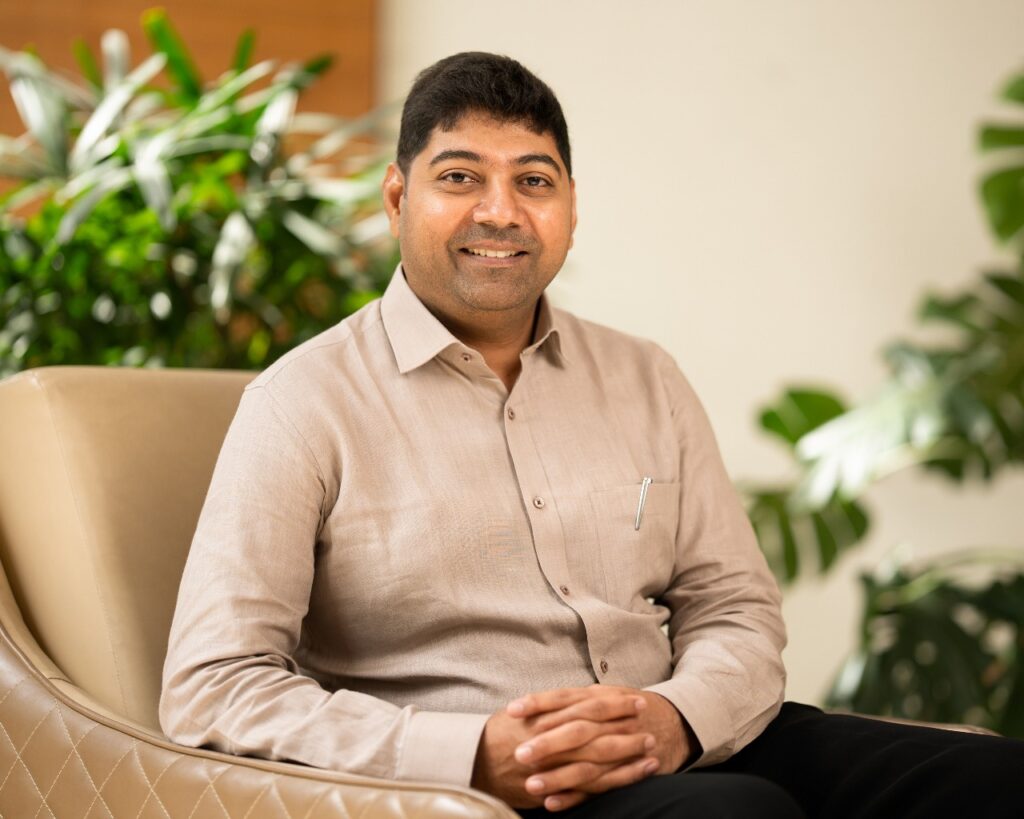
Dr. Naveen Kumar
Dr. Naveen Kumar serves as Consulting Psychiatrist at Abhasa Rehabilitation Centre, bringing over 20 years of specialised expertise in psychiatry and addiction recovery. His extensive clinical experience and advanced qualifications make him the primary medical authority for psychiatric treatment at Abhasa, providing comprehensive medical oversight for all treatment protocols.