
OCD Treatment Cost in India: A Realistic Guide for Families
OCD treatment costs in India span a wide range, from near-free government care to lakhs per month for private residential treatment, and the right tier is a clinical decision, not just a financial one.
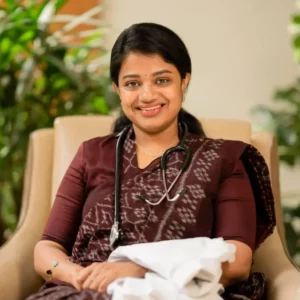
MBBS, MD, DNB(Psychiatry) brings over 12 years of clinical experience in psychiatry to her work at Abhasa Rehab and Wellness.
- Medically Reviewed: 2026-06-25
- Published: 2026-06-25
- Last Updated: 2026-06-25
- 10 min read

Typical active treatment duration
Per private outpatient session
Full outpatient course, total cost
Abhasa monthly programme fee (verified)
Key Takeaways
- OCD treatment costs in India range very widely from near-zero (government subsidised outpatient care) to ₹15 lakh+ per month (high-end private residential).
- Most middle-class Indian families budget between ₹500–₹3,000 per private OPD session, ₹50,000–₹2 lakh for a comprehensive outpatient course over 6–12 months, or ₹2 lakh+ per month for residential treatment.
- OCD is not a short course adequate evidence-based treatment usually means 6–12 months of active care plus aftercare, which materially affects total cost planning.
- Cost does not predict clinical quality some of the most expensive centres do not deliver evidence-based ERP, and some mid-priced centres do excellent clinical work.
- At Abhasa, programme fees range from ₹2 to ₹6 lakhs per month, depending on programme length and accommodation tier.
- Asking the right questions about value accreditation, ERP-trained therapists, transparent pricing, and aftercare planning — is more useful than asking the cheapest centre's price.
- Overview
- Symptoms
- Treatment
- Recovery
If you are a family in India trying to plan for OCD treatment, the cost question usually comes early. Often before “where” and sometimes before “what kind.” That makes sense.
Mental health treatment in India is mostly out-of-pocket, the price range is wide, and well-meaning friends and family give wildly different numbers.
This guide is here to give you a realistic, honest map of the cost spectrum without pretending the numbers are tighter than they actually are.
We will walk through outpatient and residential costs, what drives them, what is typically included, and what to ask before committing. Where we name Abhasa Rehab and Wellness’s own pricing, we will use only the verified range published in our master service documentation.
Who This Guide Is For
This guide is written for:
- Indian families trying to plan financially for OCD treatment for a loved one.
- Adults with OCD who are weighing whether and how to access evidence-based care.
- GPs and counsellors who need a working sense of cost so they can refer realistically.
The Cost Spectrum at a Glance
QUICK ANSWER
OCD treatment costs in India range from near-zero (government subsidised outpatient) to ₹15 lakh+ per month (private residential at the higher end).
Most middle-class Indian families find adequate care between ₹500 and ₹3,000 per private OPD session, ₹50,000 to ₹2 lakh for a comprehensive outpatient course over 6–12 months, or ₹2 lakh+ per month for residential treatment, depending on the centre and accommodation tier.
The spectrum looks roughly like this in current Indian market practice:
| Setting | Typical cost range | What it usually covers |
|---|---|---|
|
Setting
Government / public (AIIMS, NIMHANS, state psychiatric hospitals)
|
Typical cost range
Near-free OPD subsidised inpatient
|
What it usually covers
Assessment, OPD sessions, medication. Inpatient where available.
|
|
Setting
Private outpatient (OPD)
|
Typical cost range
₹500–₹3,000 per session
|
What it usually covers
Individual psychiatry or psychology consultation. Medication separate.
|
|
Setting
Private intensive outpatient (IOP)
|
Typical cost range
₹50,000–₹2,00,000 for 4–6 weeks
|
What it usually covers
Multiple sessions per week, ERP-focused, sleep at home.
|
|
Setting
Private residential
|
Typical cost range
₹50,000–₹15,00,000+ per month
|
What it usually covers
24/7 supervised care, daily therapy, accommodation, food, family work.
|
|
Setting
Specialised dual-diagnosis residential
|
Typical cost range
₹2,00,000–₹15,00,000+ per month
|
What it usually covers
All of the above plus integrated addiction medicine.
|
These ranges are wide because the Indian private mental health sector is genuinely heterogeneous. A single residential month at a basic-amenity centre can cost ₹50,000 a single residential month at a luxury centre with high staff ratios and specialised therapies can run several lakhs higher. Both can be appropriate clinically the right answer depends on the case, not the brand.
The most common gap in family planning is not the per-month figure. It is the duration. OCD is not a 7-day or 30-day condition. Active evidence-based care usually runs 6–12 months across phases, with aftercare extending further [1].
Budgeting for the full arc, not just the first month, is the most useful financial step a family can take.
What Drives OCD Treatment Cost in India
Several factors push the cost up or down independent of the brand or the city:
ERP-trained therapists with OCD as a primary specialty are relatively rare in India. A senior consultant psychiatrist or a specialist clinical psychologist with documented OCD experience commands higher fees than a general counsellor. This is the area where paying more often does correlate with better treatment, because OCD treatment is delivered well only by people who know the condition deeply.
As the spectrum table shows, the level of care is the largest single cost driver. A weekly OPD course is the least expensive option, and is appropriate for the majority of mild-to-moderate cases. Residential care is meaningfully more expensive, and is reserved for situations that need it.
OCD ERP typically takes 12–20 sessions for an adequate first course, with continuation and maintenance often extending care to 6–12 months total [1]. Residential stays typically run 4–12 weeks. The longer the course, the higher the cumulative cost, but rushing OCD treatment usually means redoing it later.
SSRIs are the first-line medications for OCD. Generic versions are widely available in India and inexpensive — typically ₹50–₹500 per month [2]. Branded or patent-protected medications cost more. Augmentation agents (such as low-dose atypical antipsychotics, used in selected cases) add to the medication budget.
Tier-1 cities (Mumbai, Delhi, Bangalore, Chennai, Hyderabad) tend to have higher-priced OPD and residential options than smaller cities. Tier-2 and Tier-3 city access varies sometimes ERP-trained therapists are available locally, often they are not.
Within any residential centre, single rooms typically cost more than shared rooms. Premium amenities, location, and inclusions all add to the monthly figure.
Some residential fees are all-inclusive of therapy, accommodation, food, and basic medication. Others bill separately for medications, family sessions, or specialised therapies. The “included” line matters when comparing centres.
Outpatient Cost Breakdown
A realistic outpatient cost picture in India looks like this:
- Initial psychiatric assessment: ₹2,000–₹10,000 depending on the practitioner and city.
- Per-session OPD therapy: ₹500–₹3,000. ERP-trained clinical psychologists typically sit toward the upper end of this range; counsellors and trainees sit lower.
- Number of sessions for a first course: 12–20 sessions over 3–6 months for ERP, per the international evidence base [1].
- Medication (SSRI generic): ₹50–₹500 per month, with adequate trials lasting 10–12 weeks at full dose [2][4].
- Maintenance period: After the active course, monthly to quarterly maintenance sessions for 6–12 months are common.
Putting this together, a comprehensive outpatient course of evidence-based OCD treatment over 6–12 months typically falls between ₹50,000 and ₹2,00,000 in total for middle-class Indian families using a senior private practitioner.
Government-subsidised OPD care can bring this dramatically lower for those who can access tertiary centres.
For more on what evidence-based outpatient ERP looks like, see our ERP therapy for OCD and medications for OCD guides.
For the wider treatment landscape, see Treatment Options for OCD. For a refresher on which OCD subtypes typically need longer or more intensive treatment (and hence cost more), see types of OCD.
Residential Cost Breakdown
Residential OCD treatment is appropriate when outpatient care has not been enough, severity is high, or co-occurring conditions complicate the picture. The cost reflects the 24/7 nature of the care.
A typical Indian private residential month usually includes:
- 24/7 staff supervision the largest cost component.
- Accommodation and food.
- Daily therapy sessions (individual ERP, group work, family sessions).
- Initial and ongoing psychiatric assessment.
- Medication management (medications themselves may or may not be included in the headline fee).
- Family programme.
- Aftercare planning before discharge.
Across the Indian private market, monthly residential fees vary widely:
- Budget-tier private centres: ₹50,000–₹1,50,000 per month. Smaller, fewer specialised therapies, lower staff ratios.
- Mid-tier private centres: ₹1,50,000–₹4,00,000 per month. Better staff ratios, ERP-trained therapists, family programmes.
- Premium private centres: ₹4,00,000–₹15,00,000+ per month. High staff ratios, specialised therapies (such as neurofeedback), dedicated dual-diagnosis programmes, premium accommodation.
The right tier is a clinical and financial decision together. A high-end centre that does not deliver evidence-based ERP is more expensive than it needs to be. A low-cost centre that delivers excellent ERP and good aftercare can be the right answer for a moderate case.
For more on when residential care is appropriate, see our companion guide on residential OCD treatment. For the case-by-case decision question of when treatment is needed at all, see when to seek treatment for OCD.
Abhasa Programme Fees (Verified)
At Abhasa Rehab and Wellness, programme fees range from ₹2 to ₹6 lakhs per month, depending on programme length and accommodation tier. This range is published in our master service documentation and is the figure to expect at a real admissions conversation.
What that monthly fee covers in our model:
- 24/7 supervised residential care at our facilities in Sowripalayam (Coimbatore, women-exclusive), Thondamuthur (Coimbatore, mixed-gender), or Karjat (Maharashtra, mixed-gender).
- Daily ERP delivered by a clinical team trained specifically in OCD.
- Medication management by treating psychiatrists.
- A 2:1 staff-to-client ratio that supports daily therapy density.
- Neurofeedback as a wellness adjunct for selected patients, facilitated by trained neurofeedback technicians on the Abhasa team.
- Group therapy and milieu work.
- Structured family programmes during the stay.
- Aftercare planning before discharge, with written plans and follow-up schedule.
- The 16 Principles framework that organises the clinical experience.
What sits outside the headline programme fee and is worth confirming directly with the admissions team includes specific medication choices, post-discharge OPD, and travel costs for family members.
For the precise quotation that applies to your situation, including exact accommodation tier and length of stay, the Abhasa OCD Treatment Center admissions team is the right point of contact.
- Initial assessment fees sometimes included, sometimes a separate ₹2,000–₹15,000.
- Medication beyond the programme some centres include this in the monthly fee, others do not.
- Family travel for residential visits for families travelling from out of state, this can add up over a 4–12 week stay.
- Aftercare OPD typically billed separately after discharge. Plan for at least 6 months of follow-up.
- Longer-than-planned stays the clinical recommendation may shift from a planned 4 weeks to 6 or 8 weeks if response requires it. A reputable centre will tell you this upfront and bill transparently.
- Specialised therapies billed extra at some centres, niche therapies (neurofeedback, certain group programmes, family residential weeks) are extras rather than inclusions.
- Diagnostic tests baseline blood work, ECG, sometimes neuropsychological testing.
The single most useful question in any cost conversation is: “What is the all-in monthly fee, and what is billed separately?” A clear written answer is a quality signal in itself.
How to Evaluate Value, Not Just Price
Three Indian residential centres at the same price point can deliver very different outcomes. Cost is the wrong filter to lead with. The questions below are more useful and tend to surface real differences:
- Is ERP your primary OCD treatment, and how is it delivered? Specifics matter: number of sessions per week, individual versus group, who delivers it.
- What are your therapists’ OCD-specific credentials? ERP training, IOCDF affiliation, specific OCD post-graduate work.
- Who is the treating psychiatrist? OCD pharmacotherapy is specialised ask about their OCD experience specifically.
- What outcomes do you measure and share? Reputable centres track Y-BOCS pre/post and at 6 and 12 months.
- What is your staff-to-client ratio?
- Is aftercare planning included, and what does it look like in practice?
- What is your typical length of stay, and what determines it?
- Can you share a written treatment plan and clinical model?
When two centres come back with similar-sounding answers but different prices, the price difference is doing real clinical work. When two centres have very different prices but very different clinical answers, the comparison is telling you something else entirely.
For the wider context on choosing the right setting, see our residential treatment guide. For the family decision question of when to seek any treatment, see when to seek treatment for OCD.
Frequently Asked Questions
The Indian insurance landscape for mental health treatment has expanded since the Mental Healthcare Act 2017 and IRDAI guidelines that followed [5], which established that mental health conditions must be covered on par with physical health conditions in new policies.
In practice, coverage is uneven across insurers, products, and treatment settings. Outpatient psychiatry and medications are sometimes reimbursable residential treatment is sometimes covered partially.
The honest answer is to call your insurer with your specific policy in hand and ask about your specific situation. A treatment provider can usually share documentation that supports an insurance claim, whether the insurer accepts it is a separate question.
Tertiary government centres in India, such as AIIMS, NIMHANS, and several state psychiatric institutes, provide high-quality OCD assessment and ongoing care, often at near-free cost for outpatient services [6].
The constraint is access: long waiting lists, the need to travel to a city with a tertiary centre, and the pace of care. For uncomplicated OCD, tertiary government care is excellent. For complex presentations needing intensive ERP delivered weekly without delay, the access constraints sometimes push families to private care.
The most common pattern is to budget for the full arc initial assessment, the active treatment phase (6–12 months for outpatient, 4–12 weeks plus aftercare for residential), and a year of maintenance rather than just the first month.
Building in a buffer of 20–30% above the minimum estimate is sensible because individual response varies and length of treatment may extend.
Payment terms vary by centre. The right way to find out is a direct conversation with the admissions team of the centre you are considering, with your specific timeline and budget in hand. Reputable centres are usually transparent about what is and is not possible.
Ranges from near-free (govt) to ₹6L+/month (premium residential)
12–20 ERP sessions for outpatient; 4– 12 weeks residential
Clinical outcome data (80%+ response rate to ERP)
More questions?
More questions? Speak with our team confidentially. Call +91-73736-44444 or visit Abhasa OCD.
Talking Through the Numbers Honestly
Cost is rarely the deciding factor in OCD treatment outcomes; clinical fit and continuity of care matter more but it is a real planning constraint for most Indian families.
A frank conversation with an admissions team that names what is and is not included, what the typical course of treatment looks like for your situation, and what aftercare costs are likely to be is one of the most useful early steps.
The Abhasa OCD Treatment Center admissions team is available to walk you through what a programme would look like for your situation, including the verified ₹2–6 lakh per month range and what determines where in that range a specific programme would fall.
For more on the OCD treatment landscape generally, see Abhasa OCD and the broader Treatment Options for OCD guide.
References
[1] National Institute for Health and Care Excellence (NICE). Obsessive-Compulsive Disorder and Body Dysmorphic Disorder: Treatment. Clinical Guideline CG31. 2005, updated 2019. https://www.nice.org.uk/guidance/cg31
[2] Soomro GM, Altman D, Rajagopal S, Oakley-Browne M. Selective Serotonin Re-uptake Inhibitors (SSRIs) versus Placebo for Obsessive Compulsive Disorder. Cochrane Database Syst Rev. 2008;(1):CD001765. PMID: 18253995. https://pubmed.ncbi.nlm.nih.gov/18253995/
[3] American Psychiatric Association. Practice Guideline for the Treatment of Patients With Obsessive-Compulsive Disorder. 2007 (reaffirmed). https://psychiatryonline.org/pb/assets/raw/sitewide/practice_guidelines/guidelines/ocd.pdf
[4] Öst LG, Havnen A, Hansen B, Kvale G. Cognitive Behavioral Treatments of Obsessive-Compulsive Disorder: A Systematic Review and Meta-Analysis of Studies Published 1993–2014. Clin Psychol Rev. 2015;40:156-169. PMID: 26117062. https://pubmed.ncbi.nlm.nih.gov/26117062/
[5] Government of India. Mental Healthcare Act, 2017. Ministry of Law and Justice. Insurance Regulatory and Development Authority of India (IRDAI). Guidelines on standardization in health insurance, 2019–2020.
[6] Math SB, Manjunatha N, Kumar CN, Basavarajappa C, Gangadhar BN. Mental Healthcare Act 2017 — The way forward. Indian J Psychiatry. 2019;61(Suppl 4):S620-S622. PMID: 31142996. https://pubmed.ncbi.nlm.nih.gov/31142996/
[7] Farrell LJ, Waters AM, Tiralongo E, Mathieu S, McKenzie M, Garbharran V, et al. Efficacy of Therapist-Supported Online Cognitive Behavioral Therapy for Children and Adolescents with Obsessive-Compulsive Disorder: A Randomized Controlled Trial. Depress Anxiety. 2023;40(2):185-196. https://www.ncbi.nlm.nih.gov/pmc/articles/PMC10465687/
[8] Paxos C. Moving Beyond First-Line Treatment Options for OCD. Ment Health Clin. 2022;12(5):300-308. https://www.ncbi.nlm.nih.gov/pmc/articles/PMC9645290/
[9] International OCD Foundation (IOCDF). Levels of Care for OCD Treatment. 2022.
https://iocdf.org/expert-opinions/levels-of-care-for-ocd-treatment/
- Medically reviewed by
- Senior Consultant Psychiatrist
- Abhasa Rehab and Wellness
Medical Disclaimer: The cost figures in this article reflect general Indian market ranges drawn from publicly available data and clinical practice patterns. Actual costs at any specific centre, hospital, or clinic vary and should be confirmed directly with that provider. The only Abhasa-specific pricing in this guide is the verified monthly programme range published in our master service documentation; for individual quotations, please contact the admissions team.
Whatever you decide to do next, here are the resources to keep close:
Crisis lines (24/7 unless noted):
- iCall (TISS): 9152987821 (Mon–Sat, 10 am–8 pm)
- Vandrevala Foundation: 1860-2662-345 (24/7)
- AASRA: 9820466627 (24/7)
- Tele-MANAS (Govt of India): 1-800-91-4416 (24/7)
Editorial and Review Information
Written by: Abhasa Clinical Team.
Medically reviewed by: Dr. Shree Aarthi, MBBS, MD, DNB(Psychiatry), Senior Consultant Psychiatrist, Abhasa Rehab and Wellness
He specialises in dual diagnosis – the overlap between mental health conditions like OCD, anxiety disorders, and substance use disorders – and has worked extensively with patients across the full spectrum of OCD presentations.
His approach is rooted in evidence-based practice, particularly Exposure and Response Prevention and pharmacotherapy, but he believes firmly that no two recovery journeys look the same.
When someone sits across from him after years of living with undiagnosed OCD, his first priority is always this: help them feel less alone, and then help them understand what is actually happening in their brain.
Review cycle: This page is reviewed at least every 12 months, and sooner if clinical guidance changes.
Abhasa 24/7 Helpline: +91-73736-44444
You are not alone in this. Trained clinicians have heard versions of these thoughts hundreds of times before. The shame you have been carrying does not have to keep being yours.