
Luxury Eating Disorder Rehab in India
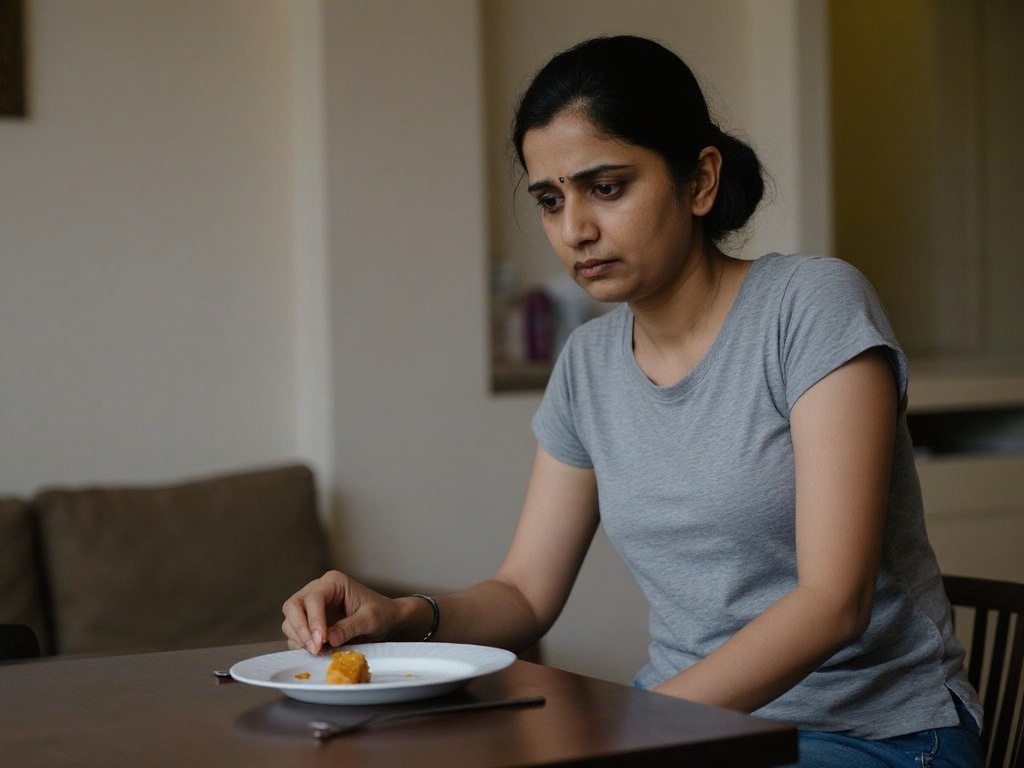
Food struggles don’t have to control you. Abhasa’s therapies and nutrition support help heal body, mind, and spirit.
Healing begins when food is no longer the enemy.
2:1 Staff-to-client ratio
3 Healing Spaces
Personalised Treatments
360° Healing
2:1 Staff-to-client ratio
3 Healing Spaces
Personalised Treatments
360° Healing
Gallery
Luxury Eating Disorder Treatment Centres in India

An eating disorder can quietly slip into everyday life, changing the way a person relates to food, their body, and how they see themselves. Meals that once felt warm and comforting can become moments of stress and uncertainty. In many Indian families, the tendency to keep such struggles unspoken can make asking for help feel even harder. Many try to manage it on their own, visiting doctors and hoping things will improve, but deep down, they know professional guidance is needed.
Abhasa’s eating disorder centres provide more than care. They offer a private, nurturing space where recovery becomes possible.[1,2] Our approach is not about rigid medical settings but about creating a calm environment where compassionate experts guide each day. Clients here find stability through supportive meal plans, body image healing, and emotional resilience work.[5,9]
Families are part of the journey. We involve them in eating disorder treatment centres’ programmes that teach how to support recovery at home.[3,4] This is more than treatment; it’s a full-circle path to restoring confidence, health, and joy in daily life.
If you have been searching for eating disorder centres or eating disorder treatment centres in India that understand both the emotional and cultural sides of recovery, Abhasa is ready to help. Reclaim Your Relationship with Food, Call Now.
Healing begins when food is no longer the enemy.
Understanding Residential Eating Disorder Treatment
Many people believe that eating disorder treatment only involves therapy sessions or a nutrition plan at home. In reality, true healing needs more than occasional check-ins or short-term plans. Residential eating disorder treatment provides a consistent and structured environment where clients rebuild their relationship with food, their body, and themselves every single day.
What residential care means
At Abhasa, residential eating disorder treatment goes beyond symptom control. Our team offers constant support, balanced routines, and emotional safety.[1,2] Here, clients do more than get through the day. They learn to live fully again.
Through guided meals, therapeutic activities, and personalised care, our approach helps clients develop lasting skills to manage both the physical and emotional sides of recovery.[6,7]
Why one approach does not fit all
No two experiences with an eating disorder are the same. Our eating disorder treatment plans are customised for each client. Some clients need gentle support with daily meals and body image work. Others may be ready for group discussions, movement therapy, and creative self-expression.
How residential care feels different from home or outpatient settings
At home, meals can be unpredictable. There may be moments when stress, emotional triggers, or gaps in support make it harder to stay on track. Creating a steady rhythm around meals is an essential part of recovery, and that’s where a residential treatment centre like Abhasa makes a real difference.
The healing power of connection
In residential eating disorder treatment, connections form in a natural, comforting way. Eating together, sharing honest conversations, and spending time with others who understand the journey help build bonds. The bonding brings comfort, strength, and a sense of belonging. Sitting down for meals together, joining in group activities, and having honest, supportive talks with peers help create a genuine sense of belonging. Many clients realise, often for the first time, that they do not have to face this journey on their own.
With steady structure, genuine care, and professional guidance, eating disorder treatment at Abhasa helps people find calm in their minds, strength in their bodies, and a renewed belief in a life beyond disordered eating. If this feels like the step you or your loved one needs, reach out to us today for personal guidance.
What residential care means
At Abhasa, residential eating disorder treatment goes beyond symptom control. Our team offers constant support, balanced routines, and emotional safety.[1,2] Here, clients do more than get through the day. They learn to live fully again.
Through guided meals, therapeutic activities, and personalised care, our approach helps clients develop lasting skills to manage both the physical and emotional sides of recovery.[6,7]
Why one approach does not fit all
No two experiences with an eating disorder are the same. Our eating disorder treatment plans are customised for each client. Some clients need gentle support with daily meals and body image work. Others may be ready for group discussions, movement therapy, and creative self-expression.
How residential care feels different from home or outpatient settings
At home, meals can be unpredictable. There may be moments when stress, emotional triggers, or gaps in support make it harder to stay on track. Creating a steady rhythm around meals is an essential part of recovery, and that’s where a residential treatment centre like Abhasa makes a real difference.
The healing power of connection
In residential eating disorder treatment, connections form in a natural, comforting way. Eating together, sharing honest conversations, and spending time with others who understand the journey help build bonds. The bonding brings comfort, strength, and a sense of belonging. Sitting down for meals together, joining in group activities, and having honest, supportive talks with peers help create a genuine sense of belonging.[3,5] Many clients realise, often for the first time, that they do not have to face this journey on their own.
With steady structure, genuine care, and professional guidance, eating disorder treatment at Abhasa helps people find calm in their minds, strength in their bodies, and a renewed belief in a life beyond disordered eating. If this feels like the step you or your loved one needs, reach out to us today for personal guidance.
Real healing begins when care is consistent.
Why Choose Residential Treatment for Eating Disorders

When home care is not enough
Families often try their best, offering love, encouragement, and healthy food choices. Yet without the proper structure, progress can stall. Mealtimes may still feel tense, body image struggles may deepen, and the person may retreat further from daily life. This is when the benefits of eating disorder treatment in a dedicated residential setting become essential.[1,11] Having a structured plan, professional guidance, and a supportive community can make the difference between feeling stuck and moving toward lasting recovery.

What happens without residential support
- Relapses occur more frequently
- Healthy routines break down
- Stress and anxiety increase
- Families feel overwhelmed and unsure how to help
Without the tools and environment designed for healing, both the person and their loved ones can feel trapped in a cycle.

How a dedicated setting transforms progress
At Abhasa, the benefits of eating disorder treatment go beyond meal planning. Clients find calm, safety, and steady guidance. The first 24 to 48 hours bring a noticeable shift as structured eating routines, balanced nutrition, and round-the-clock meal supervision create a sense of stability.[5,15] Alongside this, body image work helps address distorted self-perception in a compassionate way. This environment allows recovery to feel achievable, not overwhelming.

The emotional and social side of healing
Real healing goes beyond the physical. It also means nurturing emotional well-being. At Abhasa, clients step into a warm and supportive environment where they can speak openly about their challenges, understand the triggers that affect them, and discover healthier ways to cope.[6,9] Sitting down for meals together and joining in group activities naturally foster trust, understanding, and a sense of belonging. These moments of connection are among the most meaningful benefits of eating disorder treatment, helping clients feel supported and reminding them that they belong.

Preparing for a strong future
We plan for what happens after leaving our care. Families receive education and meal support training, ensuring that the progress made here continues at home.[3,4] Recovery does not stop at discharge; it grows stronger when the right tools and support systems are in place.
If you want to understand how the benefits of eating disorder treatment can change your loved one’s future, speak to us today for personalised guidance.
Lasting recovery needs more than love. It needs support.
Why Families Trust Abhasa for Eating Disorder Recovery
At Abhasa, we know that real healing begins when a person feels truly heard and valued. Many families arrive carrying years of concern, doubt, and emotional exhaustion. What they find within our walls goes far beyond traditional treatment. They find a place where they feel safe, respected, and supported; a space where they can exhale, ask the questions that matter, and begin to hope again. This is why people recognise us as one of the most trusted luxury eating disorder treatment centres in India.[2,8] Our care addresses more than symptoms and creates transformation in daily life.
Care that adapts to each person
Recovery looks different for everyone, and no two paths are alike. We avoid one-size-fits-all programmes, choosing instead to shape our approach around each client’s needs, progress, and comfort. From therapy methods to nutrition plans, every element is personalised so the process feels natural, supportive, and within reach. This flexibility is one reason families see us as providers of the best eating disorder treatment available.[1,2]
Clarity for families and confidence for clients
Healing becomes stronger when everyone understands the process. We guide families through the reasons behind each step of care. We explain how eating patterns, triggers, and thought cycles work, and replace uncertainty with understanding. We provide more than support. We create empowerment.
A blend of modern science and holistic healing
Our setting feels different because it is. While many centres stop at conventional therapy, we combine modern nutritional science with holistic practices. Alongside evidence-based counselling, clients experience yoga, mindfulness, art therapy, body image workshops, and nature-based activities.[6,7,9] These elements are part of what defines luxury eating disorder treatment centres that care for mind, body, and spirit.
Privacy, comfort, and round-the-clock support
Privacy plays a vital role, especially for sensitive concerns. Our discreet setting offers private suites, therapeutic cuisine, and wellness spaces designed for comfort. Compassionate staff remain available at all hours so families know their loved one has continuous care and support.
The level of care, personalisation, and cultural understanding we offer is why families across India choose us when they want the best eating disorder treatment for their loved ones.
Give your loved one the help they deserve. Call us today to begin.
Healing begins where families feel understood.
Meet Our Eating Disorder Recovery Experts
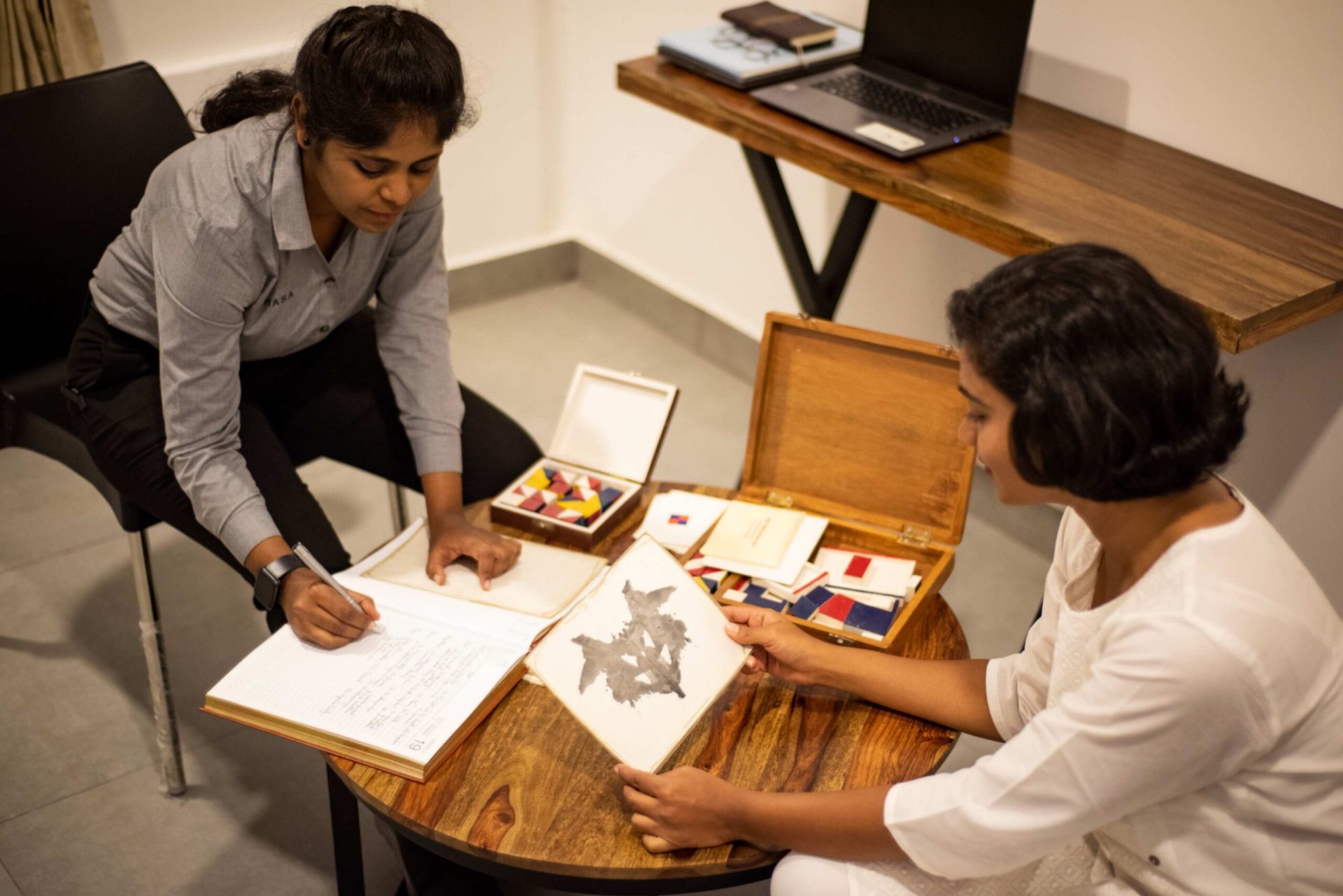
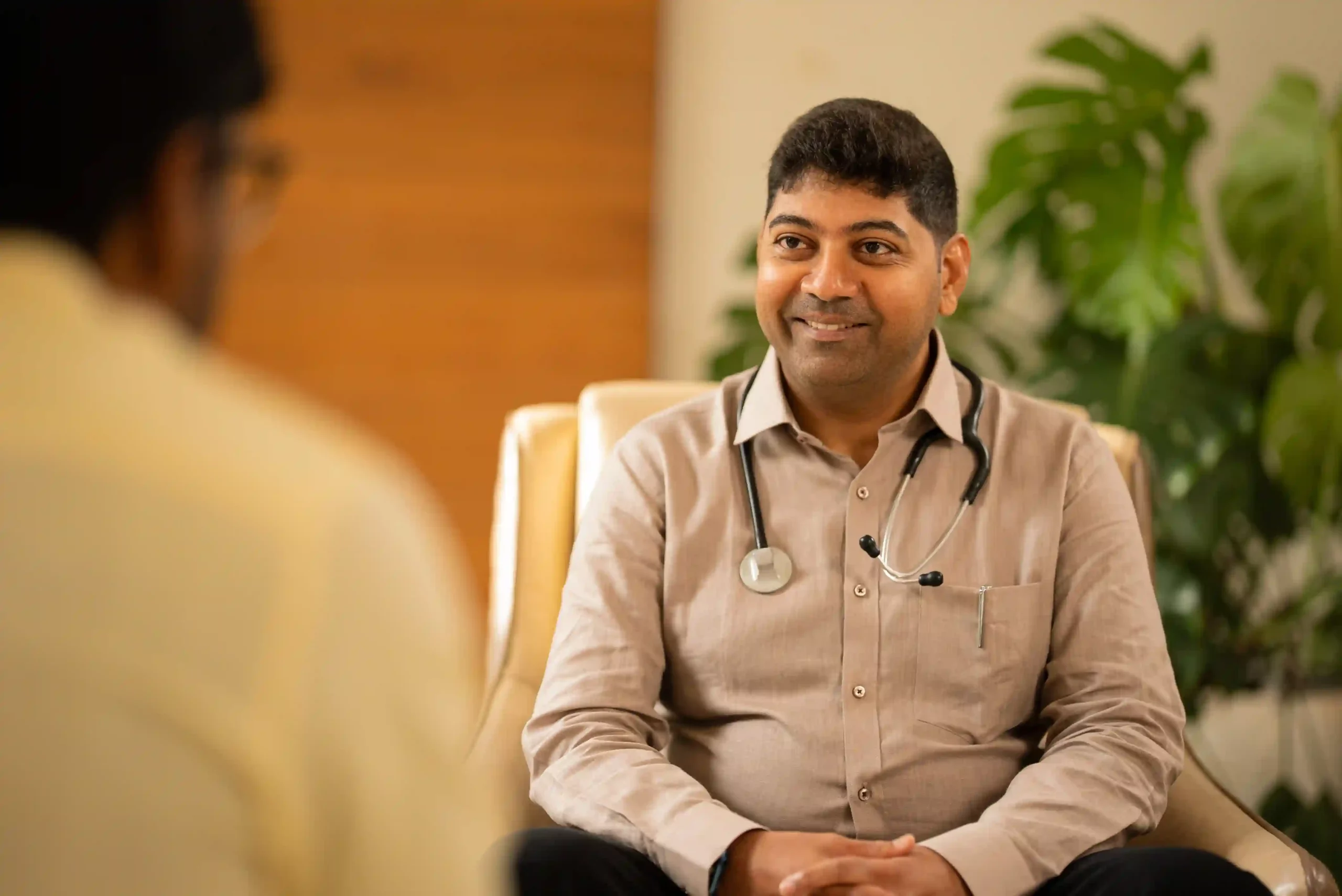
At Abhasa, our eating disorder specialists lead with compassion and skill. Every member of our recovery team works with the same purpose: to give each client personalised care while protecting dignity and emotional well-being. Our eating disorder specialists bring together psychiatrists, nutritionists, body image therapists, and family counsellors.[2,10] They work closely to design personalised plans that support every part of recovery: physical, emotional, and social.
The recovery team pairs strong professional knowledge with sincere, compassionate care.[2] They guide clients through evidence-based therapies, yoga, mindfulness, and art activities that nurture mind, body, and spirit.
The dedication, knowledge, and warmth of our recovery team create an environment where clients can focus entirely on healing.

Dr. Naveen Kumar
Medical Director
15+ years of expertise in psychiatry and addiction recovery.
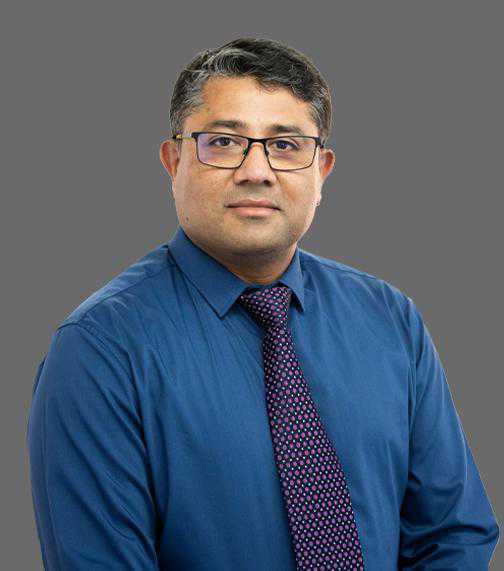
Dr. Vivek Sharma
Consultant Psychiatrist & Neurofeedback Practitioner
With over 15+ years of experience in psychiatry and neurofeedback, he blends medical expertise and compassion to guide clients toward lasting recovery.

Dr. Shree Aarthi
Consultant Psychiatrist
15+ years providing expert psychiatric care for mental health and substance use disorders.

Dr. Ramalingam P Kandaswamy
Consultant Physician
15+ years With over 5 years of experience in HIV and infectious diseases, he brings global expertise and compassionate care to every patient he supports.

Dr. Divya
Psychiatrist
10+ years combining clinical psychiatry expertise with healthcare management for holistic treatment.

Dr. Malarvilzhi
Residential Medical Officer
12 years delivering comprehensive medical care in psychiatric and rehabilitation settings.

Dr. Karuppachamy
Senior Psychiatric Social Worker
22+ years of experience empowering clients through therapeutic guidance, psychosocial support, and lived-experience wisdom.

Ms. Meera
Senior Clinical Psychologist
9+ years specializing in psychological assessment and evidence-based therapeutic interventions.

Mrs. Priyadarshini
Head Clinical Psychologist

Mr. Mukesh Kanna
Clinical Psychologist
2+ years providing psychological interventions for behavioral health and emotional wellness.

Mr. Antipas Jayabal
Clinical Psychologist
2+ years supporting clients through clinical assessment and therapeutic care.

Ms Keerthana S
Psychologist
Empathetic psychologist with 4 years’ experience in handling mental health disorders, using evidence-based psychotherapies for personalized client care.
Inside Our Residential Programme
If you think every eating disorder centre runs the same routine, you are not alone. Many people expect a set schedule and minimal flexibility. At Abhasa, we do things differently. We focus on rebuilding a healthy life, one step at a time.

Understanding the Whole Picture
We begin by getting to know the person behind the symptoms. Our first goal is to understand the unique challenges, triggers, and habits influencing eating patterns.
- Nutritional assessment: We look at current eating behaviours, dietary needs, and areas of physical concern.[5,15]
- Emotional mapping: involves gentle conversations where therapists look at how food, body image, and emotions influence a client’s daily life.
- Family insights: give us another layer of understanding, as loved ones share their experiences and perspectives on the journey so far.[3,4]
Together, these steps allow us to create a private treatment plan that begins with genuine understanding rather than assumptions.
Building a Plan That Evolves
Other programmes may hand you a fixed schedule. At Abhasa, the plan grows and shifts as the client progresses. Our eating disorder centre team meets regularly to review emotional, physical, and social responses, making adjustments that ensure the care feels right at each stage.
Layered Recovery That Reaches Every Area
Healing is never one-dimensional. Our private treatment programme includes:
- Therapeutic meal planning and supervision to rebuild trust in food.[5,15]
- Body image therapy to address self-perception and acceptance.[9]
- Mindful movement that promotes health without pressure or compulsion.
- Creative and expressive therapies, such as art, journaling, and music, can provide emotional release.
- Group connection through shared meals and peer discussions.[3]
- One-on-one sessions for deeper personal work.
Many centres provide only a few of these services, but we bring them all together because lasting change needs every layer of care.
Nurturing the Environment for Success
We have created a space that feels inviting and restorative, more like a retreat than a clinic. Clients stay in private suites with calming interiors that promote rest and peace of mind. They might choose to stroll through the serene gardens or sit in a peaceful spot to gather their thoughts. Families often say the surroundings offer a quiet kind of support that makes healing feel more natural. At Abhasa, our eating disorder centre offers structure that guides recovery while allowing space for personal comfort and choice. We meet clients where they are, support them through every phase, and walk beside them until they feel ready to carry their progress forward.
Our personalised programme is built for lasting change. Speak to us today to see how it can work for you or your loved one.
Real recovery is more than routine, it’s personalised.
A Typical Recovery Day at Abhasa
At Abhasa, each day follows a gentle yet purposeful rhythm that helps lay the groundwork for healing. Our approach nurtures structured eating recovery while supporting emotional balance and steady growth. The flow of the day weaves together therapy, mindful practices, movement, and reflection, with every activity building naturally on the one before it.[1,2]

Mornings often start quietly, with practices like meditation or light movement to help clients feel grounded and ready for the day. Meal time plays a key role in structured eating recovery, helping to build confidence and foster a sense of connection.[5]
As the day unfolds, clients take part in group therapy that fosters understanding, body image sessions that work toward self-acceptance, and creative arts therapy that opens space for self-expression. Nutritional counselling offers practical, hands-on ways to build balanced eating habits that can last long after their time here. Nutritional counselling helps each person develop valuable skills for balanced eating.[15] Mindful movement or yoga builds body awareness in a healthy and supportive way.
Meals form an intentional part of the day. Lunch and dinner include guidance, supervision, and meal coaching to create lasting habits.[5,15]
Evenings include reflection or journaling, allowing clients to process the day and recognise their progress. Between each session, clients enjoy time for rest, light interaction, and personal space. These pauses help them absorb the benefits of the day’s work.
Many centres treat daily routines as secondary. At Abhasa, the structure is a core part of the healing process. Clients learn habits within structured eating recovery that they can carry into life after residential care. This is not just a plan for the day. It is a rhythm that supports lasting recovery.
A day at Abhasa is a step toward lasting recovery.
Nutritional Rehabilitation & Body Healing
Healing from an eating disorder is a journey that must address both the mind and the body. While emotional recovery creates the foundation for lasting change, the body also needs careful, structured attention to repair the impact of disordered eating. At Abhasa, nutritional rehabilitation is a core part of the process. It restores physical health, builds trust with food, and lays the groundwork for long-term eating disorder recovery.[2,5,15]
We begin with a gentle, personalised approach to medical nutrition therapy. Our team works to reintroduce variety, balance, and adequate nutrition in a way that feels safe and manageable for each client. Many arrive with disrupted eating patterns or nutritional deficiencies, so this phase focuses on creating consistency. Through guided meals, supervision, and encouragement, nutritional rehabilitation helps the body recover from malnutrition, stabilises energy levels, and supports emotional well-being.[5,15]
The physical effects of disordered eating can leave the body feeling weak, depleted, or tense. We take a gradual approach to rebuilding strength, restoring energy, and improving overall wellness. Clients often notice a return of vitality as they progress through this stage of eating disorder recovery, and with it comes a renewed sense of confidence in their bodies. This process also includes gentle movement sessions to reintroduce physical activity in a safe, non-compulsive way.
Lasting change comes from understanding and listening to the body’s natural signals. Our meal planning sessions teach clients how to respond to hunger and fullness cues, make balanced food choices, and move away from rigid food rules. This education is essential in nutritional rehabilitation, equipping clients with the skills to navigate meals confidently after residential care ends.[15]
Some clients require targeted nutritional support to address deficiencies caused by prolonged disordered eating. We incorporate supplements when needed, always alongside whole food-based solutions. By combining both, we help strengthen the immune system, improve mood stability, and support every phase of eating disorder recovery.
Our kitchen therapy sessions allow clients to work with food positively and creatively. Cooking together will enable them to discover new recipes, explore flavours, and practice preparing balanced meals. This part of nutritional rehabilitation replaces anxiety or fear with confidence and enjoyment, creating a healthy connection to food that lasts.
Mindful eating is a daily practice here at Abhasa. Clients learn to slow down, savour each bite, and stay present during meals. This approach helps them reconnect with their body’s needs and develop a calmer, more trusting relationship with food. Mindful eating supports the emotional side of eating disorder recovery while strengthening the progress made in physical health.[6]
At Abhasa, nutritional rehabilitation is not just a clinical step; it is a meaningful turning point where the body starts to regain its strength. Slowly, the mind learns to trust again.
Your relationship with food can improve with guidance.
Personalised Recovery Plans & Trigger Management
Every person begins their journey with their own story, history, and challenges. That is why at Abhasa, we never hand out a fixed template. Our personalised eating disorder treatment evolves with the individual, changing as they grow stronger and more confident.[1,2]
We start with in-depth assessments that go beyond a simple intake. Our team spends the first few days observing eating patterns, emotional responses, and comfort levels in different situations. We gather insights from the client, their family, and our multidisciplinary team to understand more than symptoms. This approach allows us to build recovery plans that reflect the whole person, not just the condition.

An essential part of personalised eating disorder treatment is recognising high-risk situations and emotional cues that can disrupt progress. Together with the client, we map out triggers such as certain foods, social settings, or body image stressors. This clarity allows us to create strategies within the recovery plans to manage and reduce these challenges.

We use gradual exposure to help clients feel comfortable with previously avoided foods. These sessions are guided by our specialists, with full support to make each step manageable. This element of personalised eating disorder treatment encourages flexibility, reduces anxiety, and helps restore trust in eating.[6,7]

Mirror work, self-reflection exercises, and guided acceptance practices help clients rebuild their self-perception. This process is built into the recovery plans so that emotional and physical healing happen together.[9]

Clients and staff keep a shared record of meals, moods, and milestones. This ongoing tracking allows the personalised eating disorder treatment to adapt as needed. When progress slows or challenges arise, we make targeted adjustments rather than forcing a fixed path.

Each of our recovery plans includes relapse-prevention tools such as emergency meal strategies, coping exercises, and support contacts. These safety nets help clients maintain progress and confidence once they leave residential care.[11]
At Abhasa, we approach personalised eating disorder treatment with genuine care and concern for each person’s unique path.

You deserve a care plan designed just for you.
Family Meal Therapy & Support
When someone is living with an eating disorder, the strain often extends to the entire family. The worry, the uncertainty, and the exhaustion from trying to help without knowing the most effective approach can be overwhelming. At Abhasa, we recognise this and provide consistent, structured family involvement in eating disorder treatment so that no one walks this path alone.[3,4]

Families receive regular updates about their loved one’s progress. Short, clear reports share how the day went, whether meals were completed, emotional well-being, and any changes in engagement. This ongoing communication ensures family involvement in eating disorder treatment remains steady and grounded.[3,4]
We also schedule weekly check-in calls with a dedicated case manager to answer questions and address concerns. Monthly review meetings with the clinical team give families the chance to talk through progress.

Through dedicated family education sessions, we explain the “why” behind the care process. Families learn:
- How eating disorders affect the body and mind
- What helps during moments of mealtime stress
- Which responses can unintentionally make recovery harder
- How to maintain emotional balance while offering support
We also provide practical guides on communication, boundary setting, and creating a supportive food environment at home. This knowledge turns family involvement in eating disorder treatment into an empowering, confidence-building experience.[3,4]

Family therapy sessions help address difficult conversations in a safe space. These meetings rebuild trust, improve communication, and reduce anxiety around shared meals. Clients and their families learn together how to create a home environment that supports ongoing recovery. This step makes sure family involvement in eating disorder treatment focuses on rebuilding relationships and also aids in helping the individual’s recovery.[3,4]
At Abhasa, we have seen that recovery becomes stronger when families grow and heal together. We offer education, consistent updates, and guided meal therapy so families can actively take part in building a healthier future with their loved one.
You are never alone on this journey.
Safe, Serene Environment for Healing


At Abhasa, private eating disorder treatment takes place in a setting where every detail encourages calm, safety, and dignity. Healing is not confined to therapy rooms. It often begins in spaces that feel nurturing and free from pressure.[1,2] Our location is carefully chosen to be away from triggering environments. This gives clients the privacy and peace they need to focus on recovery.
The grounds are surrounded by natural beauty, with gardens, walking paths, and quiet seating areas where clients can reconnect with themselves. Every element of our luxury facilities is designed for comfort and emotional ease. Private suites have soothing interiors, and peaceful dining spaces make mealtimes less overwhelming.
We prioritise security with discreet yet effective measures that ensure confidentiality and safety at all times. This combination of privacy, nature, and thoughtful design creates a sanctuary where clients can slow down, breathe, and truly heal.
A place where safety, comfort, and privacy meet.
Stories of Freedom: Life After Recovery
Every journey at Abhasa’s eating disorder program is deeply personal, yet some milestones are too powerful not to share. These moments of eating disorder recovery success show what can happen when care is consistent, compassionate, and built around the individual.[11,12]
FEATURE SUCCESS STORIES.
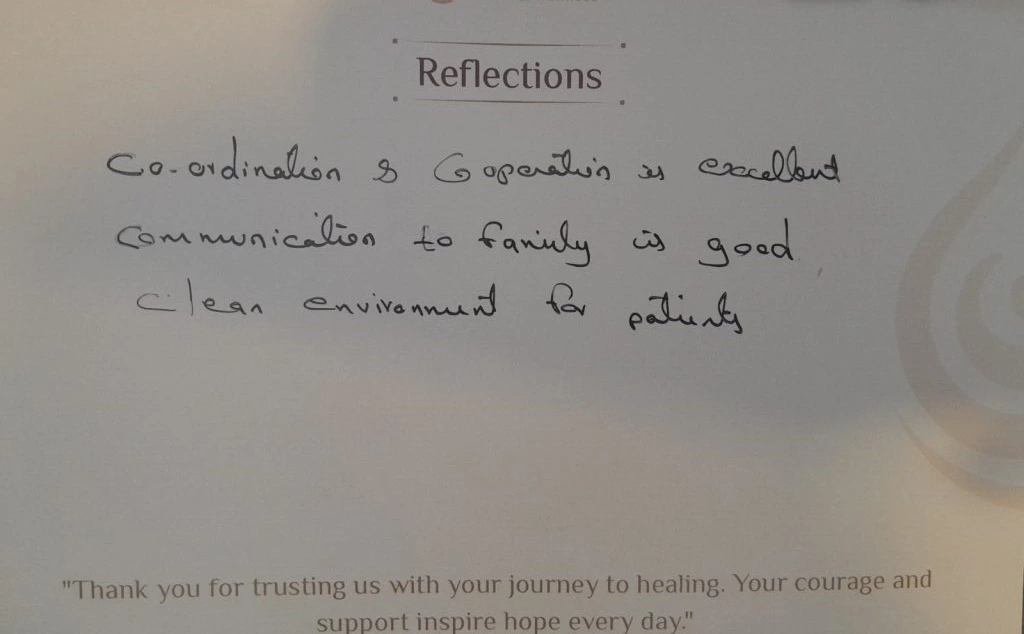
Co-ordination & cooperation is excellent. Communication to family is good. Clean environment for patients.
Former Client

I found strength to face life’s hardest truths here. I believe it was God’s grace that brought me to Abhasa.
Former Client
Your journey to freedom with food starts today.
FAQs About Eating Disorder Treatment
Can you completely recover from an eating disorder?
Yes, full recovery is possible.[11,12] With the proper support from trusted eating disorder treatment centres, many people rebuild a healthy relationship with food, body, and self-worth.
Can you live an everyday life with bulimia?
Absolutely. With early help and consistent care, recovery can restore both physical health and daily stability, allowing a fulfilling life.
How long do people with anorexia stay in the hospital?
The stay depends on health needs. Some require short-term medical stabilisation, while others benefit from more extended residential care in eating disorder treatment centres.
How to break eating addiction?
Work with professionals who address emotional, physical, and behavioural patterns. This often involves therapy, structured meals, and relapse-prevention coaching.
How to stop comfort eating?
Identify triggers, develop alternative coping tools, and work with a recovery team that helps you build mindful eating habits.
How to treat eating disorders at home?
While home support is valuable, professional care from eating disorder treatment centres offers the safest path, especially for moderate to severe cases.
Is bulimia a psychiatric disorder?
Yes, it is recognised as a mental health condition that requires specialised care combining therapy and nutritional rehabilitation.[2,8]
What are the five stages of ED recovery?
They often include recognition, seeking help, structured treatment, skill-building, and long-term maintenance.
What are the top 3 eating disorders?
Anorexia nervosa, bulimia nervosa, and binge eating disorder are the most commonly recognised.[8,13]
What doctor do I go to for an eating disorder?
Start with a psychiatrist or psychologist who understands eating disorders deeply. The right doctor will listen without judgment, explore your needs with care, and connect you to a supportive team that includes nutrition and therapy experts.
What doctor helps with anorexia?
A psychiatrist who specialises in eating disorders can guide the recovery journey with compassion and expertise. They often work hand in hand with dietitians and therapists, ensuring you have emotional, physical, and nutritional support at every step.
What is an eating recovery centre?
An eating recovery centre is more than a place for treatment. It is a safe, understanding space where you receive therapy, nutritional care, and emotional guidance. Here, you are supported by a team that sees the whole person, not just the disorder, while helping you rebuild trust with food and yourself.
What is the age range for bulimia?
It can occur at any age, though it most often begins in adolescence or young adulthood.[13]
What is the best eating disorder organisation?
This depends on your location, but always choose one with experienced professionals and a strong track record in recovery.[14]
What is the best eating disorder treatment?
The most effective approach combines therapy, nutritional guidance, and family involvement.[2,6,7]
What is the best therapy for anorexia?
Therapies like CBT-E (Enhanced Cognitive Behavioural Therapy) and family-based approaches show strong results.[6,7]
What is the best therapy for eating disorders?
It varies by person but may include CBT-E, DBT, and interpersonal therapy.[6,7]
What is the best treatment for bulimia nervosa?
Structured therapy and nutritional rehabilitation within a supportive eating disorder treatment centre often work best.[6,7,15]
What is the best treatment for eating disorders?
A combination of therapy, nutrition, medical monitoring, and aftercare planning.[2]
What is the current treatment for eating disorders?
Treatment often integrates psychotherapy, nutritional rehabilitation, and lifestyle rebuilding.[2,6]
What is the rule of 3 for eating disorders?
It refers to three balanced meals per day, with planned snacks, to stabilise eating patterns.[15]
What type of doctor do you see for eating disorders?
A psychiatrist or clinical psychologist with expertise in disordered eating.[2,10]
Where can eating disorders be treated?
They can be treated in outpatient programs, residential eating disorder treatment centres, or hospitals, depending on severity.[1]
Where do people go when they have an eating disorder?
Many choose specialised eating disorder treatment centres that offer holistic and individualised care.
Where is the best treatment for anorexia?
The best care comes from trusted eating disorder treatment centres with personalised plans and compassionate teams.
Begin Your Recovery Journey
You do not have to face this alone. If you have been searching for the best eating disorder treatment centres, know that help is here, and it is safe, private, and designed for lasting change.
As one among the most trusted names in eating disorder treatment in India, we believe recovery progresses with empathy and care and not with judgment. Whether it is for you or for your loved ones, it can be the start of a healthier and more peaceful chapter in life. From your first call to your first day with us, we make the process transparent, supportive, and free from unnecessary stress.
Your journey will include a free, confidential family consultation, simple admission steps, and a caring team ready to guide you through every stage.
The hardest step is reaching out, we walk together.
Proudly Serving Across Cities
- Rehab in Karjat
- Rehab in Pune
- Rehab in Navi Mumbai
- Rehab in Madurai
- Rehab in Trichy
- Rehab in Bangalore
- Rehab in Chennai
- Rehab in Thane
- Rehab in Nasik
- Rehab in Kochi
- Rehab in Mangalore
- Rehab in Mysore
- Rehab in Hyderabad
- Rehab in Vijayawada
- Rehab in Visakhapatnam
- Rehab in Delhi
Medical Disclaimer
This information is for educational purposes only and does not constitute medical advice, diagnosis, or treatment recommendations. Eating disorders are serious mental health conditions that require professional diagnosis and treatment from qualified healthcare providers.
Individual results vary significantly. Recovery rates, treatment effectiveness, and outcomes described in this content represent possibilities, not guarantees. Research shows that approximately 46% of individuals with eating disorders achieve full recovery, 33% show improvement, and 20% remain chronically ill. Your individual outcome depends on many factors including disorder severity, duration, co-occurring conditions, treatment adherence, and personal circumstances.
This content should not replace professional medical consultation. Always consult qualified eating disorder specialists, psychiatrists, psychologists, and registered dietitians before making treatment decisions. Treatment plans must be individualized based on comprehensive medical and psychological assessment.
Eating disorders are potentially life-threatening. Anorexia nervosa has the highest mortality rate of any mental illness. If you or someone you know is experiencing symptoms of an eating disorder, seek professional help immediately.
If you are experiencing a medical or psychiatric emergency, call emergency services immediately (911 or your local emergency number).
Resources - 15 Top-Tier Authoritative Citations
Complete Bibliography (Peer-Reviewed & Official Sources Only):
[1] Solmi, M., et al. – “A systematic review and meta-analysis of intensive treatment options for adults with eating disorders” – Clinical Psychology Review, 2023
URL: https://www.sciencedirect.com/science/article/pii/S0272735823001125
Source Type: Peer-reviewed meta-analysis | Gold standard systematic review
[2] American Psychiatric Association – “Practice Guideline for the Treatment of Patients With Eating Disorders” – APA, 2023
URL: https://psychiatryonline.org/doi/full/10.1176/appi.ajp.23180001
Source Type: Professional organization official clinical practice guidelines
[3] Gorrell, S. & Le Grange, D. – “Family-based Treatment of Eating Disorders: A Narrative Review” – PMC, 2019
URL: https://pmc.ncbi.nlm.nih.gov/articles/PMC6764593/
Source Type: Peer-reviewed narrative review | Leading FBT researchers
[4] Lock, J. & Le Grange, D. – “Family-based treatment of eating disorders in adolescents” – PMC, 2017
URL: https://pmc.ncbi.nlm.nih.gov/articles/PMC5459462/
Source Type: Peer-reviewed research article | Landmark FBT research
[5] Mehler, P.S., et al. – “Nutritional Rehabilitation: Practical Guidelines for Refeeding the Anorectic Patient” – PMC, 2010
URL: https://pmc.ncbi.nlm.nih.gov/articles/PMC2925090/
Source Type: Peer-reviewed clinical guidelines | Authoritative refeeding protocols
[6] Fairburn, C.G. – “Cognitive Behavioral Therapy for Eating Disorders” – PMC, 2008
URL: https://pmc.ncbi.nlm.nih.gov/articles/PMC2928448/
Source Type: Peer-reviewed clinical review | Leading CBT-ED expert
[7] Hay, P., et al. – “Psychotherapies for eating disorders: findings from a rapid review” – Journal of Eating Disorders, 2023
URL: https://jeatdisord.biomedcentral.com/articles/10.1186/s40337-023-00886-w
Source Type: Peer-reviewed rapid review | Comprehensive psychotherapy evidence
[8] National Institute of Mental Health (NIMH) – “Eating Disorders” – NIMH, 2025
URL: https://www.nimh.nih.gov/health/topics/eating-disorders
Source Type: Government (.gov) federal health agency | Official U.S. health information
[9] Cassioli, E., et al. – “A novel ‘practical body image’ therapy for adolescent inpatients with anorexia nervosa” – PMC, 2021
URL: https://pmc.ncbi.nlm.nih.gov/articles/PMC8292282/
Source Type: Peer-reviewed RCT | Body image therapy effectiveness
[10] Mayo Clinic – “Eating disorder treatment: Know your options” – Mayo Clinic, 2025
URL: https://www.mayoclinic.org/diseases-conditions/eating-disorders/in-depth/eating-disorder-treatment/art-20046234
Source Type: Tier-1 medical institution | Trusted clinical resource
[11] Solmi, M., et al. – “Outcomes in people with eating disorders: transdiagnostic systematic review and meta-analysis” – PMC, 2024
URL: https://pmc.ncbi.nlm.nih.gov/articles/PMC10785991/
Source Type: Peer-reviewed systematic review | Comprehensive recovery outcomes meta-analysis
[12] Bryant, E., et al. – “Eating disorder outcomes: findings from a rapid review” – Journal of Eating Disorders, 2023
URL: https://jeatdisord.biomedcentral.com/articles/10.1186/s40337-023-00801-3
Source Type: Peer-reviewed rapid review | Recent comprehensive outcomes data
[13] Smink, F.R., et al. – “Epidemiology of Eating Disorders: Incidence, Prevalence and Mortality Rates” – PMC, 2012
URL: https://pmc.ncbi.nlm.nih.gov/articles/PMC3409365/
Source Type: Peer-reviewed epidemiological review | Foundational prevalence data
[14] National Eating Disorders Association (NEDA) – “Eating Disorders Support, Awareness & Recovery” – NEDA, 2024
URL: https://www.nationaleatingdisorders.org/
Source Type: Leading professional advocacy organization | U.S. national resource
[15] Academy for Eating Disorders – “GUIDEBOOK for NUTRITION TREATMENT of EATING DISORDERS” – AED, 2019
URL: https://higherlogicdownload.s3.amazonaws.com/AEDWEB/27a3b69a-8aae-45b2-a04c-2a078d02145d/UploadedImages/Publications_Slider/FINAL_AED_Purple_Nutrition_Book.pdf
Source Type: International professional organization clinical guidebook | Authoritative nutrition protocols