
Luxury De-addiction Centre Delhi NCR
Premium rehabilitation care in a peaceful environment, away from the stress of Delhi. Expert treatment for addiction and mental health challenges.
1,500+ families have trusted us with their loved ones' recovery journey
Best Rehabilitation Centre in Ghaziabad – Luxury Deaddiction & Mental Health Care
Finding healing for your family—away from the stress, pollution, and pressures of NCR
De-addiction Centre Delhi NCR: Alcohol & Drug Treatment for Delhi Families
If you’re searching for a de-addiction centre in Delhi NCR, you’re not alone. Whether you need alcohol de-addiction or drug de-addiction treatment, thousands of families across the National Capital Region face this same difficult search. Every year, thousands of families across the National Capital Region face this same difficult search. And here’s what most discover: sometimes the best path to recovery isn’t the closest one.
Delhi NCR has one of the highest rates of alcohol use in India—28.9% compared to the national average of 14.6%.[1] The corporate pressure cooker of Gurgaon, the startup stress of Noida, the social expectations that come with professional success—all of it creates an environment where addiction can quietly take hold. And often, it’s the high-functioning professionals who struggle the most to ask for help.
Why Families Search for a De Addiction Centre in Delhi
The search for a de addiction centre in Delhi usually begins with a moment of clarity. Maybe it’s a health scare. Maybe a spouse has finally had enough. Or maybe you’ve simply realized that what started as “social drinking” or “stress relief” has become something you can’t control anymore.
What makes Delhi NCR different is the intensity. The work culture here rarely allows for vulnerability. There’s always another deal to close, another meeting to attend. The idea of taking 3-6 months off for treatment feels impossible. And the fear of being seen—at a local facility, by a colleague or client—keeps many people stuck.
This is exactly why families from Delhi are increasingly looking beyond local options.
The Distance Advantage: Why Leaving Delhi Helps Recovery
Most nasha mukti kendra in Delhi options keep patients close to their triggers. The same city. The same social circles. The same stress-inducing environment that contributed to the addiction in the first place.
Here’s what research shows: therapeutic distance from familiar environments accelerates recovery.[2] When you’re 2,000 kilometres away from your usual triggers—the favourite bar, the drinking buddies, the work stress—something shifts. You can finally focus entirely on healing.
A 2.5-hour flight from Delhi to Coimbatore creates meaningful separation. You’re removed from:
- Local triggers: The regular haunts, the familiar dealers or shops
- Social pressure: No chance encounters with colleagues or clients
- Family dynamics: The well-meaning but sometimes counterproductive interventions
- Work stress: The constant pull of “just one more deadline”
This distance isn’t about running away. It’s about creating space to do the deep work that recovery requires.
Understanding Addiction Treatment: What Actually Works
Before choosing any nasha mukti kendra in Delhi NCR or beyond, it helps to understand what evidence-based treatment looks like. The World Health Organisation recognises addiction as a complex brain disorder—not a moral failing, not a lack of willpower.[3]
Effective treatment typically includes:
Medical Detoxification
The first step involves safely managing withdrawal symptoms under 24/7 medical supervision. This is crucial—alcohol withdrawal, in particular, can be medically dangerous without proper care.[4]
Psychiatric Assessment
Many people with addiction also have underlying mental health conditions—depression, anxiety, trauma. Addressing these "dual diagnosis" situations is essential for lasting recovery.[5]
Individual Therapy
One-on-one sessions with trained therapists help identify the root causes of addiction. Cognitive Behavioural Therapy (CBT) and Dialectical Behaviour Therapy (DBT) are among the most effective approaches.[6]
Group Therapy
Connecting with others who understand the struggle reduces isolation and shame. Group sessions build accountability and community.
Family Counselling
Addiction affects the entire family system. Involving loved ones in the recovery process improves outcomes and helps heal fractured relationships.[7]
Aftercare Planning
Recovery doesn't end when treatment does. A solid aftercare plan—including ongoing therapy, support groups, and relapse prevention strategies—is critical for long-term success.
What to Look for in a Rehabilitation Centre
When evaluating options—whether searching for the best nasha mukti kendra in Delhi or considering facilities elsewhere—here’s what matters:
Medical Credentials
Look for centres with qualified psychiatrists, not just counsellors. Addiction is a medical condition that requires medical expertise. Check for certifications and licensing.
Staff-to-Patient Ratio
More staff means more individualised attention. A 2:1 ratio allows for genuine personalised care, not assembly-line treatment.
Evidence-Based Approaches
Be wary of centres that rely solely on "spiritual healing" or unproven methods. The most effective treatment combines medical intervention with psychological therapy and holistic support.[8]
Facility Environment
Recovery takes time—often 3-6 months for lasting change. The environment matters. A peaceful, comfortable setting supports healing far better than a sterile clinical space.
Success Tracking
Legitimate centres track their outcomes. Ask about recovery rates and how they measure success.
Family Involvement
The best programmes include family counselling and regular family updates. Recovery happens in the context of relationships.
Abhasa's Approach: What Makes It Different
At Abhasa Rehab and Wellness, we’ve treated over 1,500 patients since 2019, with a 75% success rate. Our approach combines evidence-based Western medicine with holistic Eastern healing modalities—what we call integrative healing.
The 16 Principles
Two Strategic Locations
Coimbatore, Tamil Nadu Our flagship facility sits nestled in the Western Ghats, offering serene natural surroundings that support deep healing. We also operate India’s first and only women-exclusive luxury rehabilitation centre here.
Karjat, Maharashtra Just 2 hours from Mumbai airport, this facility is ideal for those who want to be closer to family while still maintaining therapeutic distance. For Delhi NCR families, either location offers the removal from triggers that supports recovery.
Comprehensive Treatment
Our programmes include:
- 24/7 psychiatric supervision
- Medical detoxification with round-the-clock nursing
- Individual and group therapy
- Family counselling programme with regular updates
- Holistic therapies: yoga, meditation, art therapy, music therapy
- Luxury amenities: spa, gym, meditation spaces, organic gardens
- Aftercare and relapse prevention planning
The Clinical Team
Treatment at Abhasa is led by qualified medical professionals:
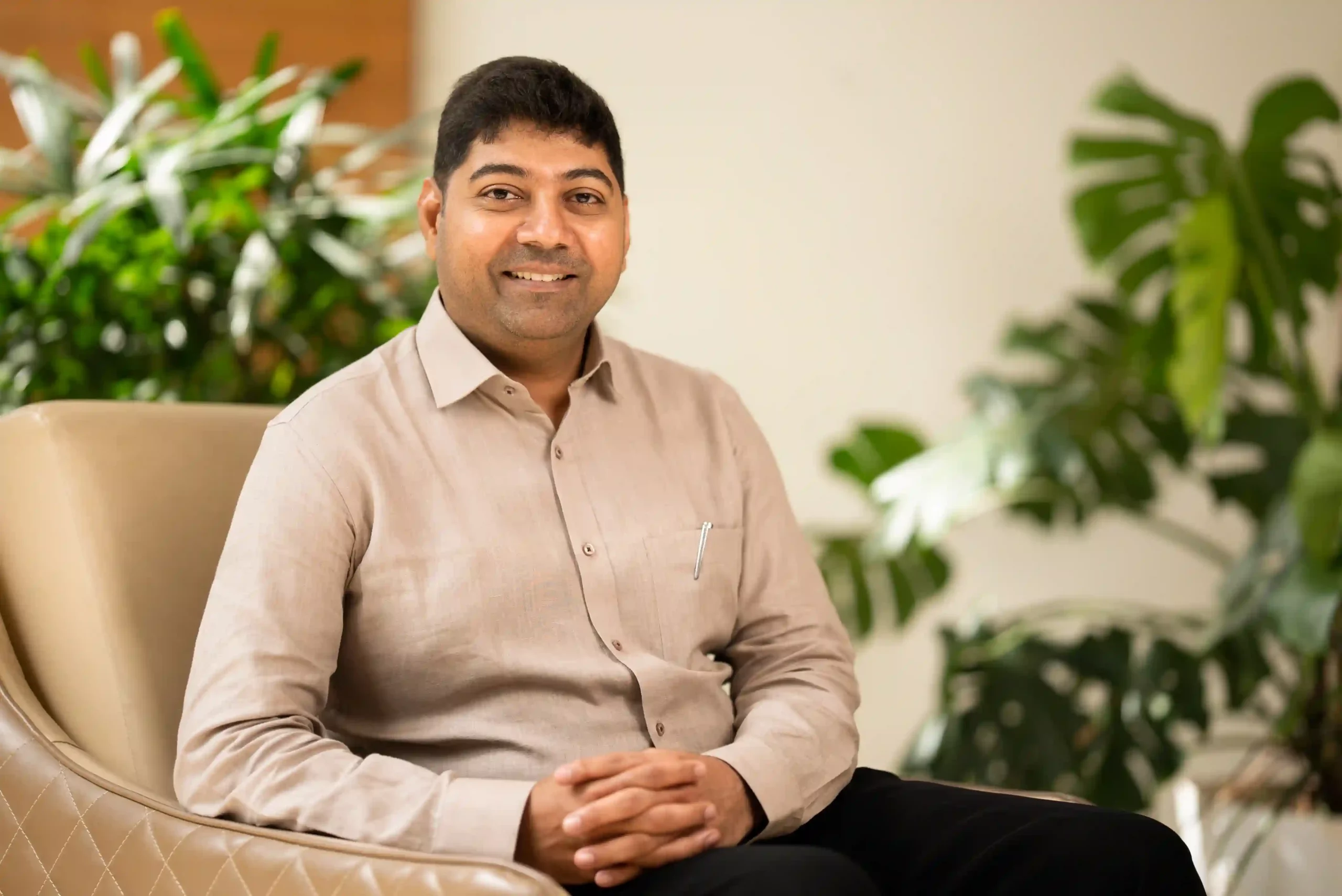
Dr. Naveen Kumar
Medical Director
15+ years of expertise in psychiatry and addiction recovery.
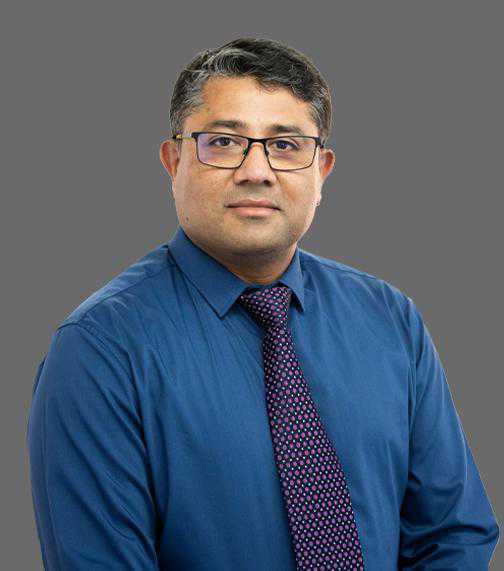
Dr. Vivek Sharma
Consultant Psychiatrist & Neurofeedback Practitioner
With over 15+ years of experience in psychiatry and neurofeedback, he blends medical expertise and compassion to guide clients toward lasting recovery.
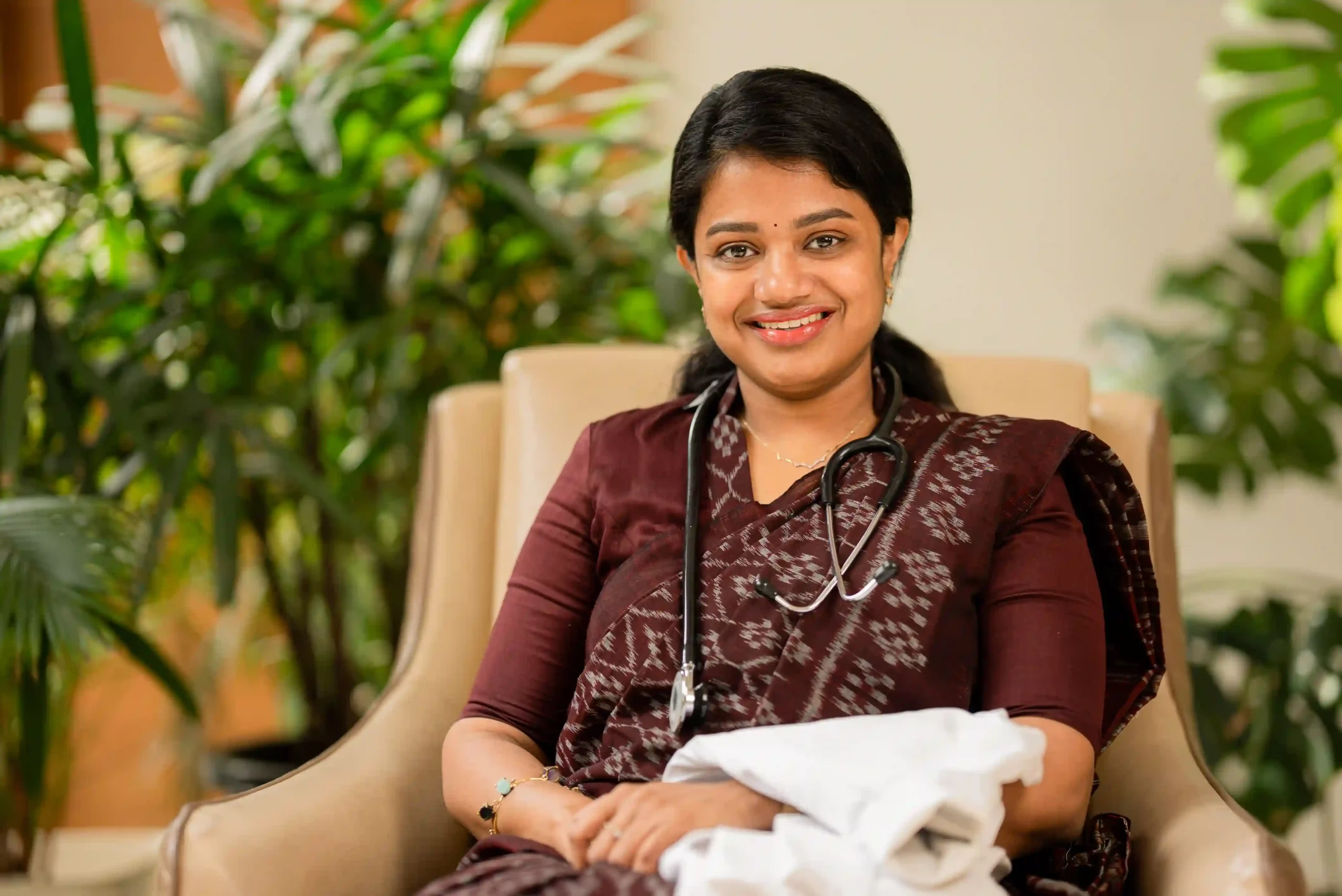
Dr. Shree Aarthi
Consultant Psychiatrist
15+ years providing expert psychiatric care for mental health and substance use disorders.
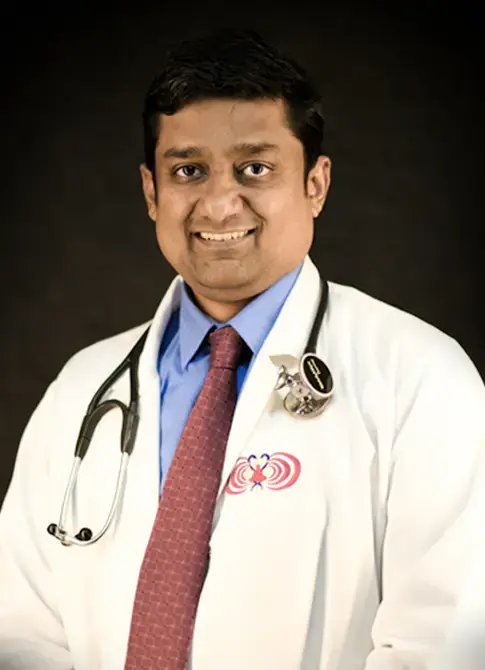
Dr. Ramalingam P Kandaswamy
Consultant Physician
15+ years With over 5 years of experience in HIV and infectious diseases, he brings global expertise and compassionate care to every patient he supports.
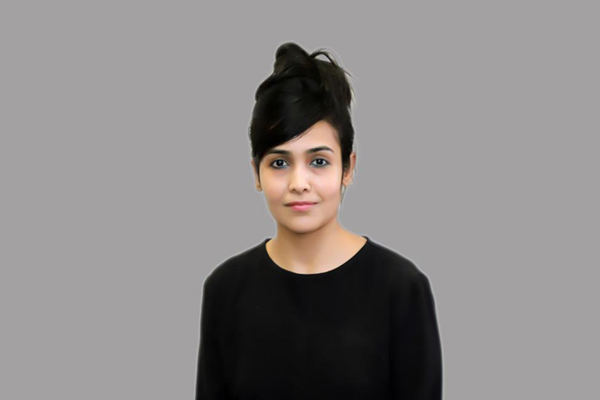
Dr. Divya
Psychiatrist
10+ years combining clinical psychiatry expertise with healthcare management for holistic treatment.
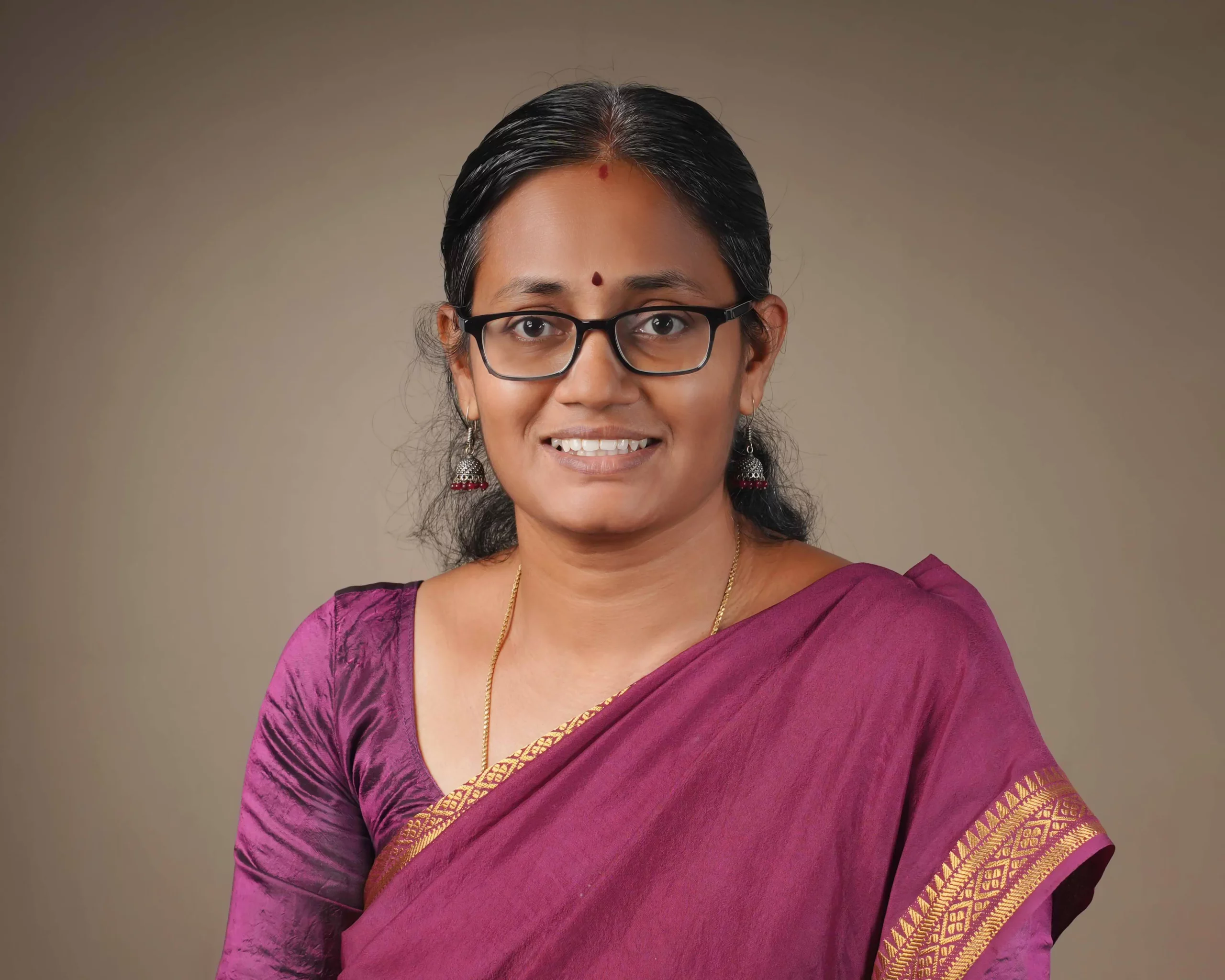
Dr. Malarvilzhi
Residential Medical Officer
12 years delivering comprehensive medical care in psychiatric and rehabilitation settings.
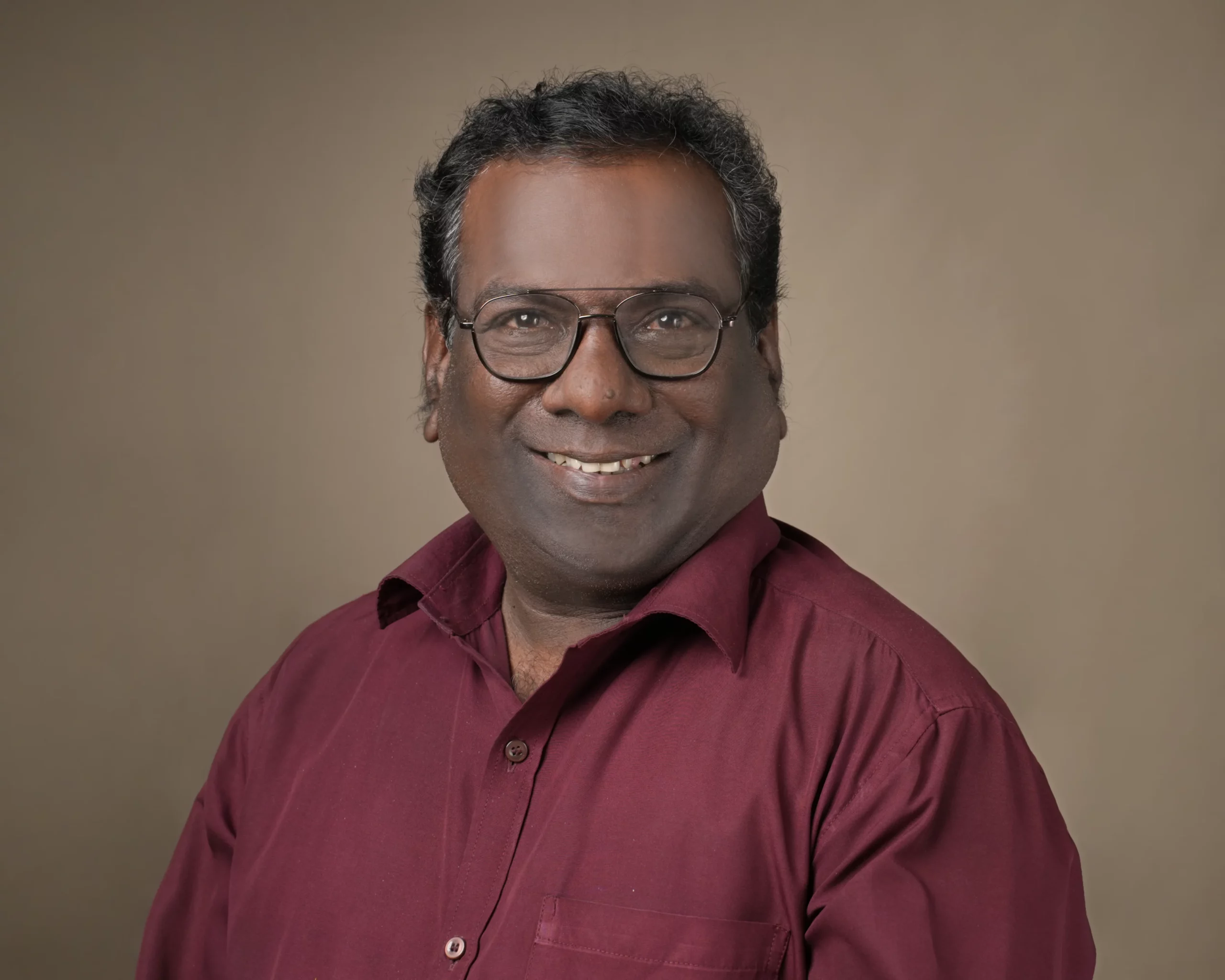
Dr. Karuppachamy
Senior Psychiatric Social Worker
22+ years of experience empowering clients through therapeutic guidance, psychosocial support, and lived-experience wisdom.
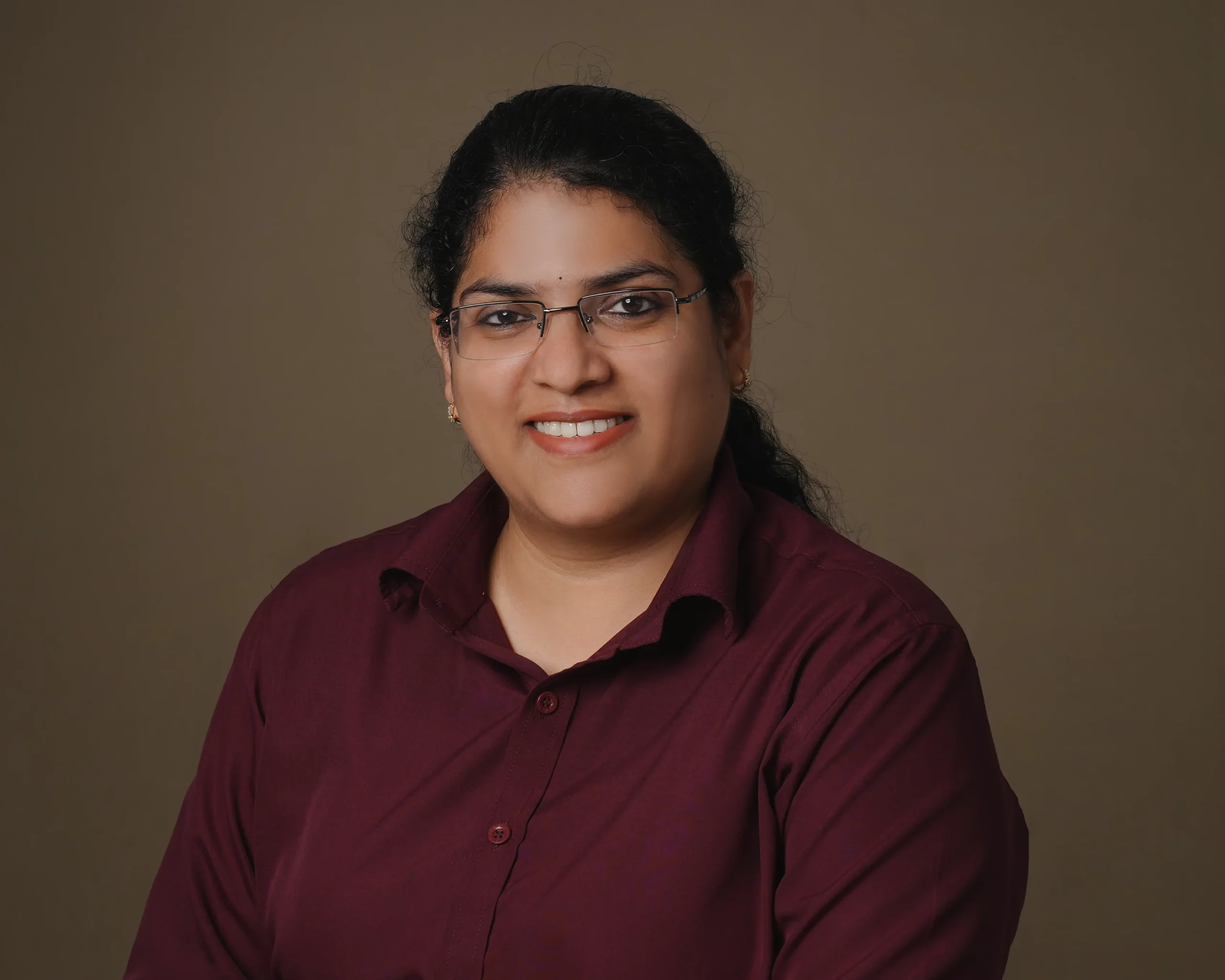
Ms. Meera
Senior Clinical Psychologist
9+ years specializing in psychological assessment and evidence-based therapeutic interventions.
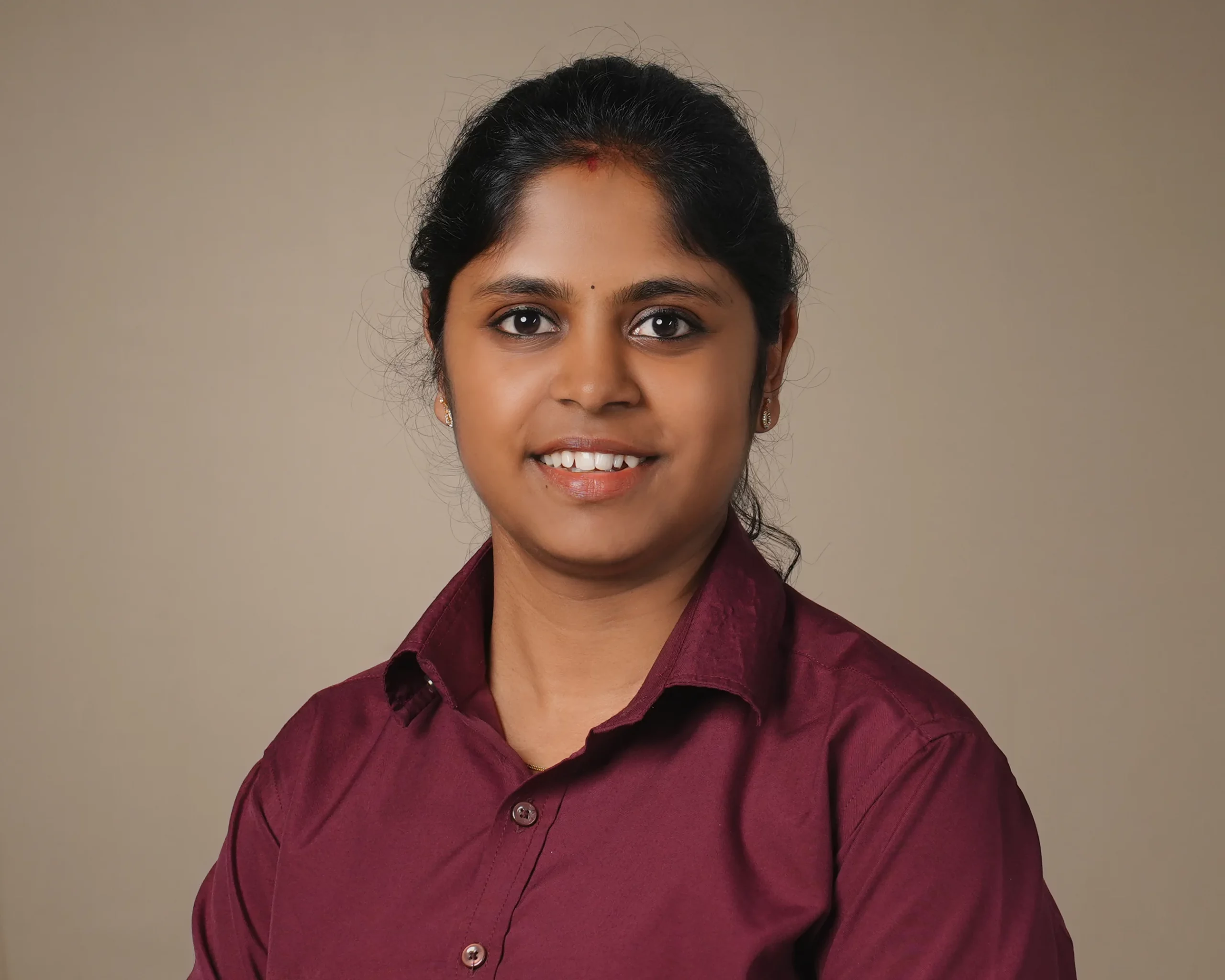
Mrs. Priyadarshini
Head Clinical Psychologist
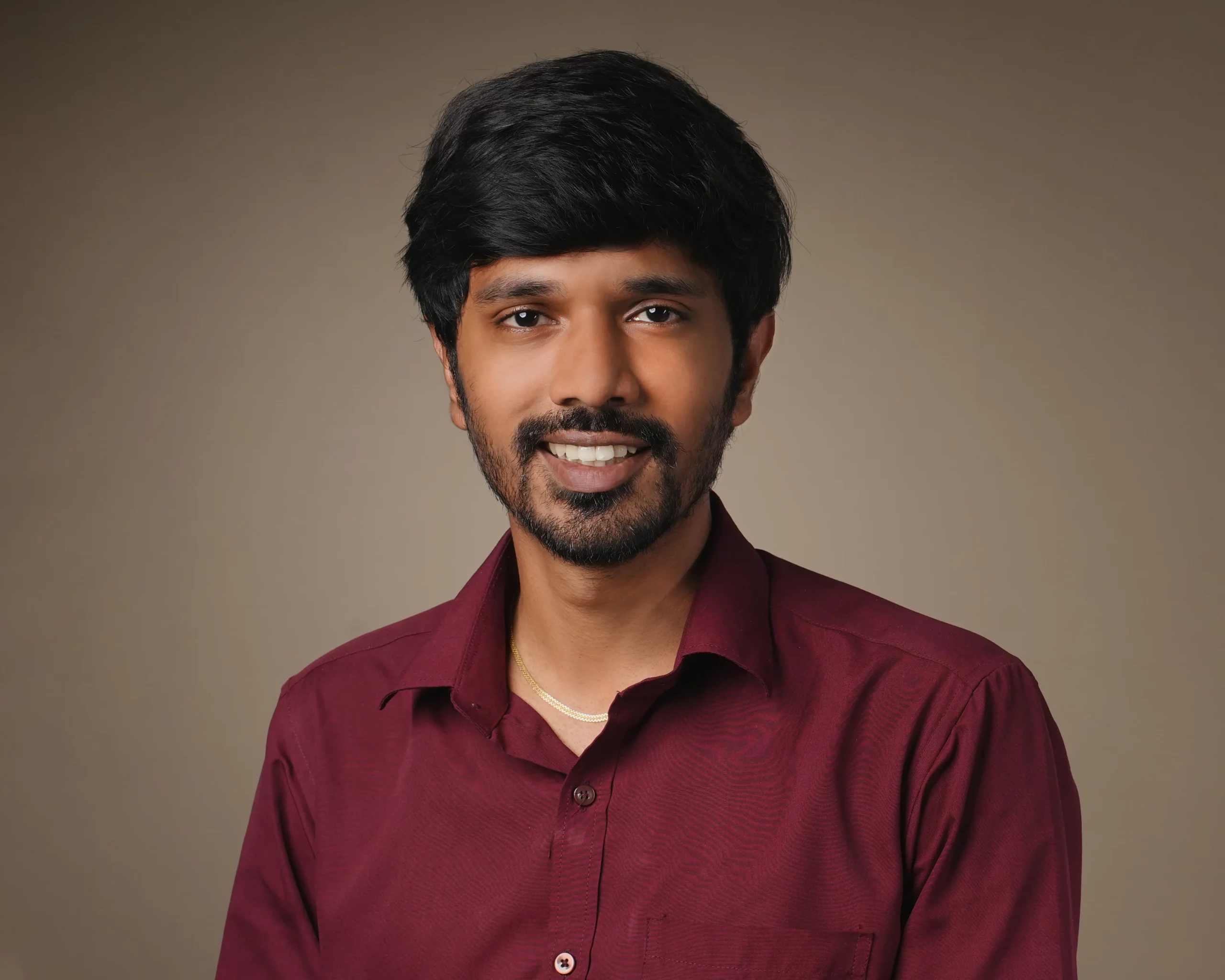
Mr. Mukesh Kanna
Clinical Psychologist
2+ years providing psychological interventions for behavioral health and emotional wellness.
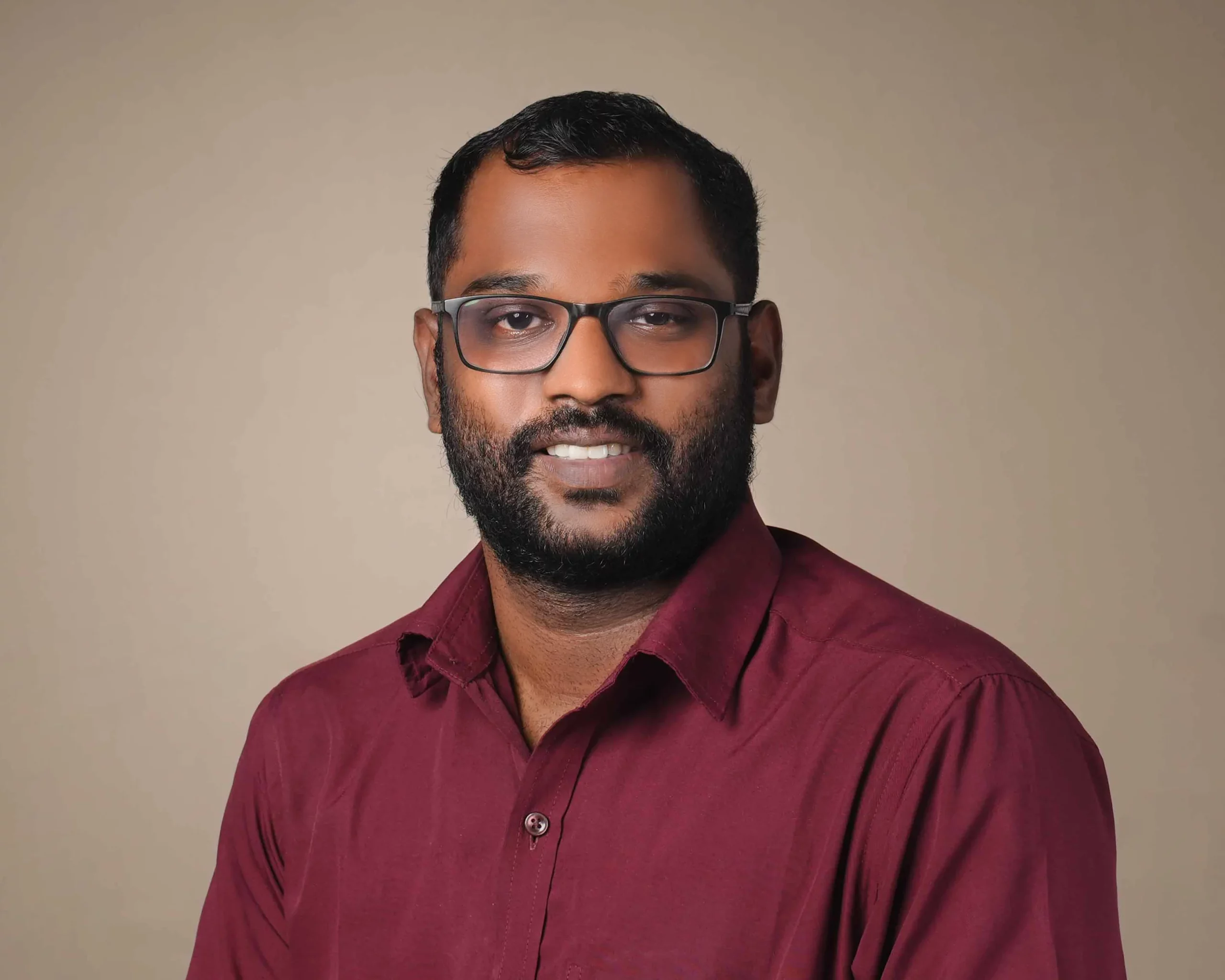
Mr. Antipas Jayabal
Clinical Psychologist
2+ years supporting clients through clinical assessment and therapeutic care.
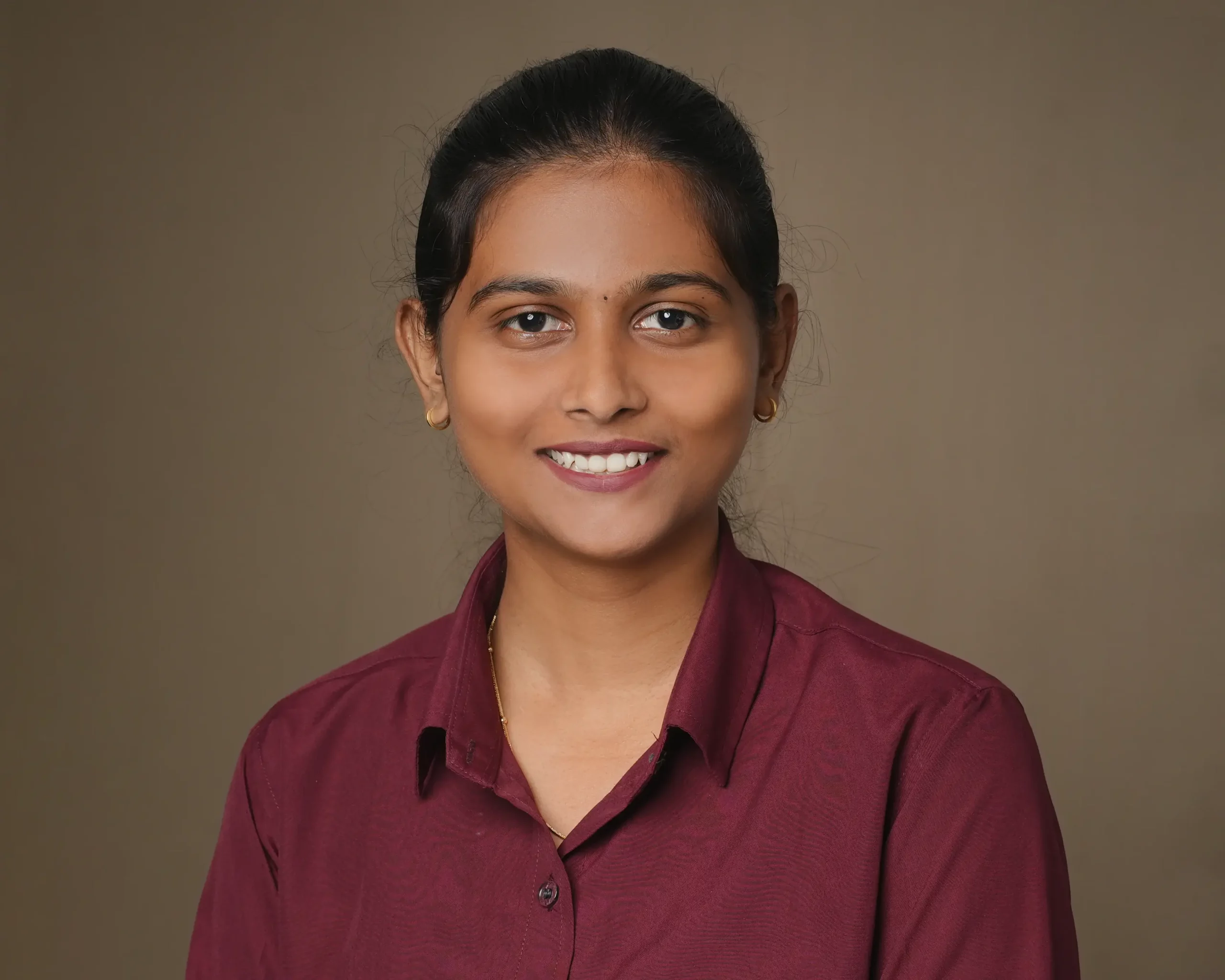
Ms Keerthana S
Psychologist
Empathetic psychologist with 4 years’ experience in handling mental health disorders, using evidence-based psychotherapies for personalized client care.
The Wider Team
63
Full-time Professionals
200+
Years Combined Experience
2:1
Staff-to-Patient Ratio
100%
MCI/RCI Registered
Travel from Delhi NCR to Abhasa
Getting to our Coimbatore facility is straightforward:
By Air
- 6-8 daily direct flights on IndiGo, Air India, SpiceJet, and Vistara
- Flight time: 2 hours 50 minutes to 3 hours 15 minutes
- Typical cost: INR 4,000-12,000 (book 2-3 weeks in advance for best rates)
- Airports: Delhi (DEL) to Coimbatore (CJB)
Arrival Support We arrange complimentary airport pickup. Our team will meet your family member at Coimbatore airport and handle all logistics from there.
Family Visits The direct flight connection makes family visits manageable. We also facilitate regular video calls and provide weekly progress updates.
For families considering our Mumbai-area facility in Karjat:
- 50+ daily flights to Mumbai
- Flight time: 2 hours 5 minutes to 2 hours 15 minutes
- 2-hour drive from Mumbai airport to Karjat
Addressing Common Concerns
For families in Kolkata, here’s how the logistics work.
Getting there. Direct flights from Kolkata’s Netaji Subhas Chandra Bose International Airport to Coimbatore International Airport take approximately 2 hours 30 minutes. IndiGo and Air India operate 2-3 daily flights. The centre arranges airport pickup.
Connecting flights via Chennai add about 2 hours but offer more scheduling options.
What to expect. Treatment programmes typically range from 30 days to 6 months depending on the severity and individual needs. Assessment happens in the first 48 hours. A personalised treatment plan follows.
Family involvement. Family therapy sessions are scheduled throughout treatment. Family weekends allow for visits. Video calls keep you connected between sessions.
Aftercare. Recovery doesn’t end at discharge. Abhasa provides 6-12 months of follow-up support. Relapse prevention planning starts from day one.
"Can my loved one really take 3-6 months off work?"
This is the question we hear most from Delhi NCR families. And here's the reality: addiction will eventually force time away anyway—through health crisis, job loss, or worse. Choosing treatment now, on your terms, is always better than waiting for rock bottom.
Many of our patients are executives and professionals. We help coordinate with employers when appropriate, framing the absence as medical leave. Your career can survive treatment. It may not survive continued addiction.
"What about privacy?"
Complete anonymity is one of the biggest advantages of seeking treatment away from Delhi. No one from your professional or social circles will encounter you. No chance meetings at local shops. No gossip.
"Is luxury really necessary?"
It's not about luxury for its own sake. It's about creating an environment where people actually want to stay and do the work. A comfortable, dignified setting reduces the urge to leave prematurely—which is one of the biggest predictors of treatment failure.
"What if there's a medical emergency?"
Both our facilities have 24/7 medical staff, emergency protocols, and hospital tie-ups. We're equipped to handle any situation that arises.
Local Resources in Delhi NCR
While we believe our approach offers advantages that local options cannot match, we want to share resources for immediate help:
Emergency Helplines
- National Drug Helpline: 14446 (24/7, Nasha Mukt Bharat Abhiyan)
- Delhi State Drug De-addiction Helpline: 1800-599-0019 (Toll-free)
- iCALL Psychosocial Helpline: 9152987821 (Mon-Sat 8am-10pm)
Government Facilities Government hospitals offer treatment, though often with long waiting periods and limited privacy. For immediate crisis situations, these can be helpful starting points.
Taking the First Step
If you’ve been searching for a nasha mukti kendra in Delhi NCR for yourself or a loved one, you’ve already taken an important first step. The next step is easier than you might think.
At Abhasa, every journey begins with a confidential assessment. There’s no pressure, no judgement—just an honest conversation about what you’re facing and how we might help.
Ready to learn more?
- Call us: Speak directly with our admissions team
- WhatsApp: Send a message for quick, confidential answers
- Online Assessment: Take our Do I Need Rehab quiz to understand your situation better
- Learn More: Explore how we treat addiction or contact us directly
Contact Abhasa Rehab and Wellness:
Frequently Asked Questions
Is there a good nasha mukti kendra in South Delhi?
While there are local options available, many families from South Delhi ultimately choose Abhasa because the distance from Delhi’s social and professional circles provides the privacy and separation from triggers that supports lasting recovery. Our Coimbatore facility is just a 3-hour flight away, and we handle all travel coordination.
How long does treatment at a de addiction centre typically take?
Meaningful recovery typically requires 3-6 months of residential treatment.[8] Short programmes (21-28 days) rarely produce lasting change because addiction involves rewiring deeply ingrained patterns. At Abhasa, we work with each patient to determine the appropriate treatment duration based on their specific situation.
What is the cost of treatment at a rehabilitation centre?
At Abhasa, programmes range from INR 2-6 lakhs per month, depending on room choice and treatment intensity. This includes all medical care, therapy, meals, and amenities. While this represents a significant investment, it’s important to weigh it against the ongoing costs of active addiction—health consequences, career impact, family strain, and the intangible cost of lost years.
Can I visit my family member during treatment?
Is the treatment confidential?
Absolutely. Confidentiality is fundamental to our practice. We never share patient information without explicit consent. Being treated away from Delhi adds an additional layer of privacy—no risk of running into acquaintances.
References
Research Citations (All Sources):
[1] Ambekar A, et al. (2019). Magnitude of Substance Use in India. Ministry of Social Justice and Empowerment, AIIMS-NIMHANS National Survey. Retrieved from https://socialjustice.gov.in/writereaddata/UploadFile/Survey%20Report.pdf
[2] Moos RH. (2003). Addictive disorders in context: Principles and puzzles of effective treatment and recovery. Psychology of Addictive Behaviors, 17(1), 3-12. Retrieved from https://pubmed.ncbi.nlm.nih.gov/12665077/
[3] World Health Organization. (2019). ICD-11: Disorders due to substance use. Retrieved from https://icd.who.int/browse11/l-m/en
[4] Jesse S, et al. (2017). Alcohol withdrawal syndrome: mechanisms, manifestations, and management. Acta Neurologica Scandinavica. Retrieved from https://pubmed.ncbi.nlm.nih.gov/27586815/
[5] National Institute on Drug Abuse. (2024). Part 1: The Connection Between Substance Use Disorders and Mental Illness. Retrieved from https://nida.nih.gov/publications/research-reports/common-comorbidities-substance-use-disorders/part-1-connection-between-substance-use-disorders-mental-illness
[6] McHugh RK, Hearon BA, Otto MW. (2010). Cognitive behavioral therapy for substance use disorders. Psychiatric Clinics of North America. Retrieved from https://www.ncbi.nlm.nih.gov/pmc/articles/PMC2897895/
[7] Rowe CL. (2012). Family therapy for drug abuse: review and updates 2003-2010. Journal of Marital and Family Therapy. Retrieved from https://www.ncbi.nlm.nih.gov/pmc/articles/PMC3188398/
[8] Substance Abuse and Mental Health Services Administration. (2023). Recovery and Recovery Support. Retrieved from https://www.samhsa.gov/find-help/recovery
Developed by Abhasa Rehab and Wellness, reviewed by Dr. Naveen Kumar, MBBS, DPM (Psychiatry). Based on evidence from AIIMS-NIMHANS National Survey 2019, World Health Organisation guidelines, and peer-reviewed addiction medicine research.
Medical Disclaimer:
Abhasa Rehab and Wellness
- Since 2019 | 1,500+ patients treated | 75% success rate
- 2:1 staff-to-patient ratio | 24/7 psychiatric supervision
- Indian Health Professionals Award 2023 – “Best Rehabilitation and Wellness Home”
- Google Rating: 4.9/5