Luxury De-addiction Centre Ahmedabad
Premium rehabilitation care in a peaceful environment, away from the stress of Ahmedabad. Expert treatment for addiction and mental health challenges.
1,500+ families have trusted us with their loved ones' recovery journey
De-addiction Centre Ahmedabad: Private Alcohol & Drug Treatment Away from Gujarat's Social Scrutiny
If you’re searching for a de-addiction centre in Ahmedabad for your family member, you’ve likely encountered a difficult truth: Gujarat’s prohibition creates extra layers of stigma and shame around addiction. When alcohol itself is illegal, seeking help feels even more daunting. But here’s what families from Ahmedabad are discovering—sometimes the most effective path to recovery lies outside your immediate circle, in a place where judgment doesn’t follow you.
This isn’t about rejecting your city. It’s about finding space to heal.
Understanding Addiction in Gujarat's Prohibition Context
Gujarat’s alcohol prohibition policy, in place since 1960, has created a unique—and challenging—landscape for addiction treatment. According to the AIIMS-NIMHANS National Survey on Extent and Pattern of Substance Use in India (2019), Gujarat shows an 8.4% prevalence of alcohol use—lower than the national average of 14.6%, but here’s what those numbers miss: underground consumption, bootlegging networks, and families who hide addiction because it carries criminal implications, not just social ones.[1]
For Ahmedabad families specifically:
- Business communities protect reputation fiercely
- Cross-border alcohol smuggling from Rajasthan and Madhya Pradesh creates hidden drinking patterns
- Private farmhouses and closed-door gatherings mask the extent of consumption
- Fear of police involvement prevents many from seeking local help
When you’re searching for de addiction centre in Ahmedabad options, you’re not just looking for treatment—you’re looking for confidentiality that extends beyond your social network. And that distance matters more than you might think.
Abhasa offers complete privacy 2 hours away—no one from your Ahmedabad circles will know. Call +91-73736-44444 for confidential consultation.
Why Distance from Gujarat Helps Recovery
Most rehabilitation centres keep patients close to home. But research from the National Institute on Drug Abuse (NIDA) suggests that geographical distance from triggers, dealers, and familiar drinking environments significantly improves treatment outcomes, particularly in the critical first 90 days.[2]
Here’s what that means for someone from Ahmedabad:
Away from Underground Networks
Gujarat’s prohibition hasn’t eliminated alcohol—it’s driven it underground. Your loved one knows exactly where to find bootleggers, which farmhouses host gatherings, which friends will supply. A 2-hour flight to Coimbatore breaks those connections completely. Not temporarily. Completely.
No Risk of Local Exposure
In Ahmedabad’s tightly-knit business and family networks, privacy is nearly impossible. Treatment at a local facility means:
- Running into acquaintances at intake
- Drivers gossiping with family members
- Business associates noticing absences
- Social consequences that follow families for years
Freedom from Prohibition-Related Shame
When addiction involves a substance that’s legally prohibited, families face a double burden—medical concern and potential legal scrutiny. Seeking treatment elsewhere removes that fear. You’re accessing professional medical care in a state where alcohol rehabilitation is treated as healthcare, not criminal activity.
Planning treatment outside Ahmedabad? We arrange everything—airport pickup, family coordination, complete discretion. WhatsApp +91-73736-44444
What Research Shows About Ahmedabad's Hidden Addiction Patterns
While Gujarat’s official statistics appear lower than other states, addiction specialists recognize that prohibition creates underreporting. Dr. Naveen Kumar, MBBS, DPM (Psychiatry), explains: “Families in prohibition states often delay seeking help until medical crises emerge—hospitalization for liver damage, alcohol-related accidents, or psychiatric emergencies. Earlier intervention would prevent these outcomes, but fear keeps people silent.”
Research from the Ministry of Social Justice and Empowerment’s Nasha Mukt Bharat Abhiyan identifies several Gujarat districts, including Ahmedabad, as vulnerable despite prohibition. Why? Because hidden consumption patterns lead to:
- Delayed treatment – Families wait until situations become unmanageable
- Lack of support systems – No normalized conversations about addiction recovery
- Relapse risk – Returning to the same underground networks after treatment
- Co-occurring mental health issues – Depression and anxiety worsen in isolation
The National Mental Health Survey (2015-16) found that only 10-15% of individuals with substance use disorders in India seek treatment.[3] In prohibition states, that percentage is even lower.
Evidence-based treatment makes a difference. Abhasa’s outcomes: 88% completion rates, 70% sustained sobriety at 12 months. Learn more: [email protected]
How Abhasa Treats Addiction: What Makes It Different
So what does treatment actually look like? Not the generic version—the real one.
Medical Detoxification (Days 1-7)
Psychological Assessment (Week 1-2)
Ms. Meera K, M.Phil Clinical Psychology (9 years, trauma specialist), conducts comprehensive assessments:
- Addiction severity using validated tools (ASI, AUDIT)
- Co-occurring mental health conditions (depression, anxiety extremely common)
- Trauma history (often drives substance use)
- Family dynamics and support systems
All of it connects. Treatment that ignores any piece fails.
Individualized Therapy (Weeks 2-12)
Cognitive Behavioral Therapy (CBT)
Research from the National Institute on Alcohol Abuse and Alcoholism shows 60-75% efficacy in treating substance use disorders.[4] CBT helps identify thought patterns that drive drinking, develop coping strategies for cravings, and build relapse prevention skills.
Motivational Interviewing (MI)
Especially effective when someone isn’t fully convinced they need treatment. MI doesn’t lecture or judge—it explores ambivalence, strengthens personal motivation for change, and respects autonomy.
Family Therapy
Addiction affects everyone. Weekly family sessions (via video if travel isn’t possible) address:
- Communication patterns that enable use
- Setting healthy boundaries
- Understanding addiction as a medical condition, not moral failing
- Planning sustainable support after treatment
Evidence-Based Extras
Neurofeedback/QEEG Brain Mapping
Identifies brain dysregulation patterns, retrains neural pathways associated with cravings (research from Mayo Clinic shows promising outcomes)[5]
Peer Support Groups
Led by Dr. Karuppachamy P, Ph.D. (Social Work, 35 years)—someone who's been there
Holistic Wellness
Yoga, meditation, nutrition counseling (not alternative to therapy, but complement)
Want to understand your family member’s specific needs? Free confidential assessment: +91-73736-44444
Travel from Ahmedabad to Abhasa: Simpler Than You Think
Distance sounds like a barrier until you realize treatment lasts 30-90 days—not a weekend. A 2-hour flight is nothing compared to months of effective recovery.
Flight Options
- Airlines: IndiGo, Air India operate 2-3 daily direct flights
- Duration: 1 hour 50 minutes to 2 hours 10 minutes
- Cost: ₹4,500-11,000 depending on booking time
- Airports: Sardar Vallabhbhai Patel International (AMD) to Coimbatore International (CJB)
Pro tip: Book 2-3 weeks in advance for best rates.
What Happens at Coimbatore Airport
Alternative: Train Travel
Need help coordinating travel? Our admissions team handles logistics. Call +91-73736-44444
What Families Ask: Honest Answers
"Is there a nasha mukti kendra in Gujarat that offers the same level of care?"
There are government facilities and private clinics in Gujarat. What’s different about Abhasa:
- 2:1 therapist-to-client ratio (industry standard is often 5:1 or higher)
- 24/7 psychiatric availability for emergencies
- Distance from local triggers and social networks
- Evidence-based treatments with published outcome data
"How do we handle his absence from work/business?"
This is where Ahmedabad’s business culture can actually help—many professionals structure treatment as “personal medical leave” or “health retreat.” Your loved one’s recovery is medical treatment, not vacation. Employers increasingly recognize substance use disorders as health conditions requiring confidential medical care.
Abhasa provides:
- Medical documentation for employer leave requirements
- Flexible communication schedule (daily check-ins possible)
- Gradual reintegration planning before discharge
"Will prohibition laws affect getting him into treatment?"
Seeking addiction treatment is healthcare, not a legal admission of criminal activity. Patient confidentiality laws protect all medical information. Additionally, treatment outside Gujarat means you’re accessing services in a state where alcohol rehabilitation carries no legal stigma.
"What if he relapses after returning to Ahmedabad?"
Relapse is common—research shows 40-60% of individuals experience relapse in the first year, similar to other chronic illnesses like diabetes or hypertension.[6] Abhasa’s approach:
- 12-month aftercare program (weekly video counseling)
- Local AA/NA connections in Ahmedabad
- Family support ongoing
- Re-admission protocols if needed (not starting over, continuing care)
More questions? Speak with someone who understands Gujarat’s unique challenges: +91-73736-44444
The Clinical Team
Treatment at Abhasa is led by qualified medical professionals:
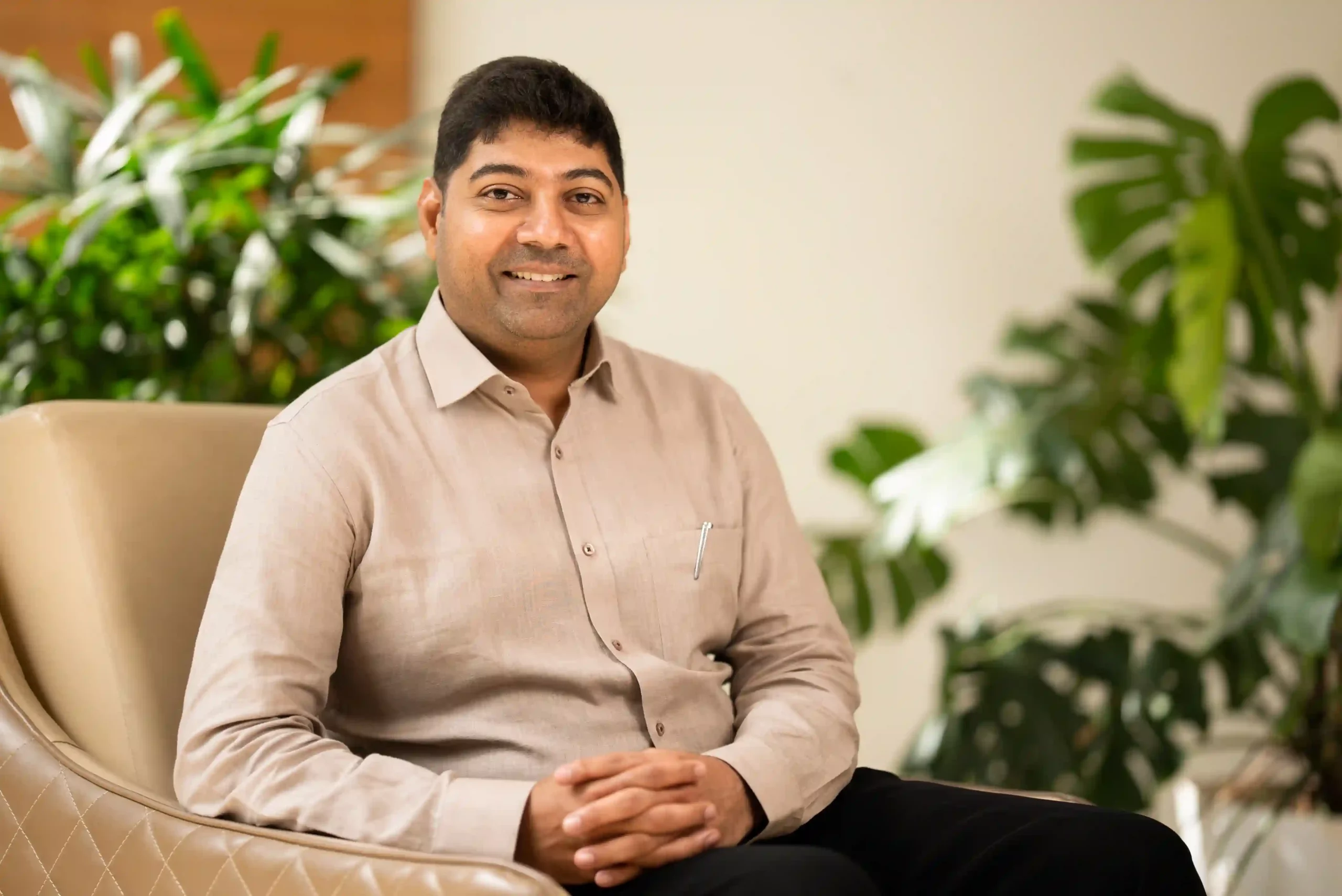
Dr. Naveen Kumar
Medical Director
15+ years of expertise in psychiatry and addiction recovery.
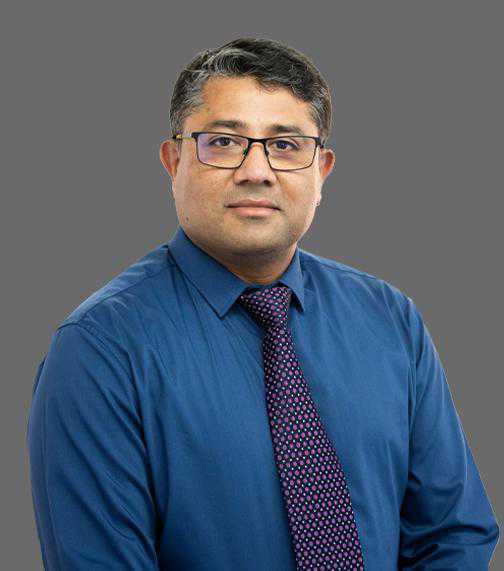
Dr. Vivek Sharma
Consultant Psychiatrist & Neurofeedback Practitioner
With over 15+ years of experience in psychiatry and neurofeedback, he blends medical expertise and compassion to guide clients toward lasting recovery.
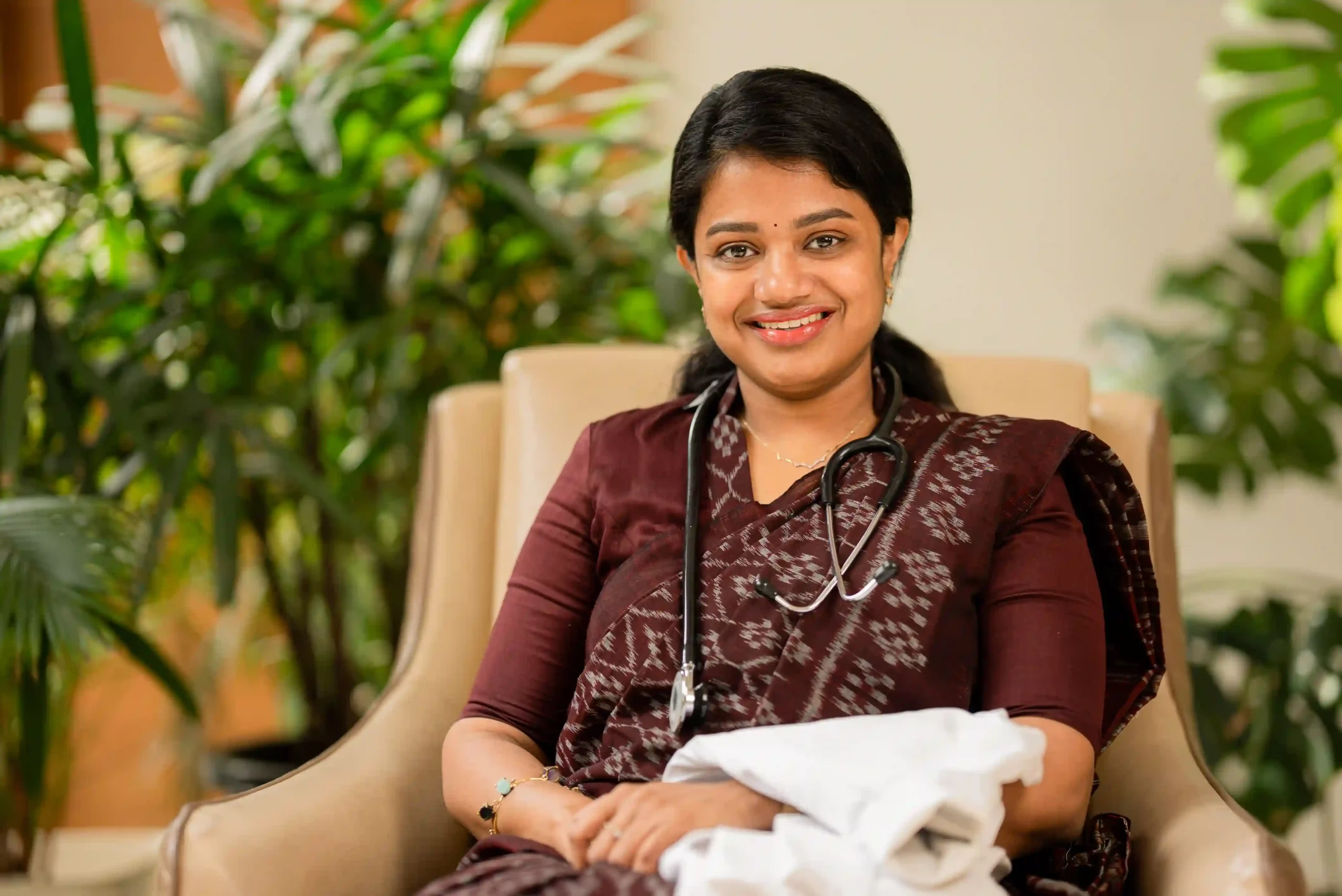
Dr. Shree Aarthi
Consultant Psychiatrist
15+ years providing expert psychiatric care for mental health and substance use disorders.

Dr. Ramalingam P Kandaswamy
Consultant Physician
15+ years With over 5 years of experience in HIV and infectious diseases, he brings global expertise and compassionate care to every patient he supports.

Dr. Divya
Psychiatrist
10+ years combining clinical psychiatry expertise with healthcare management for holistic treatment.
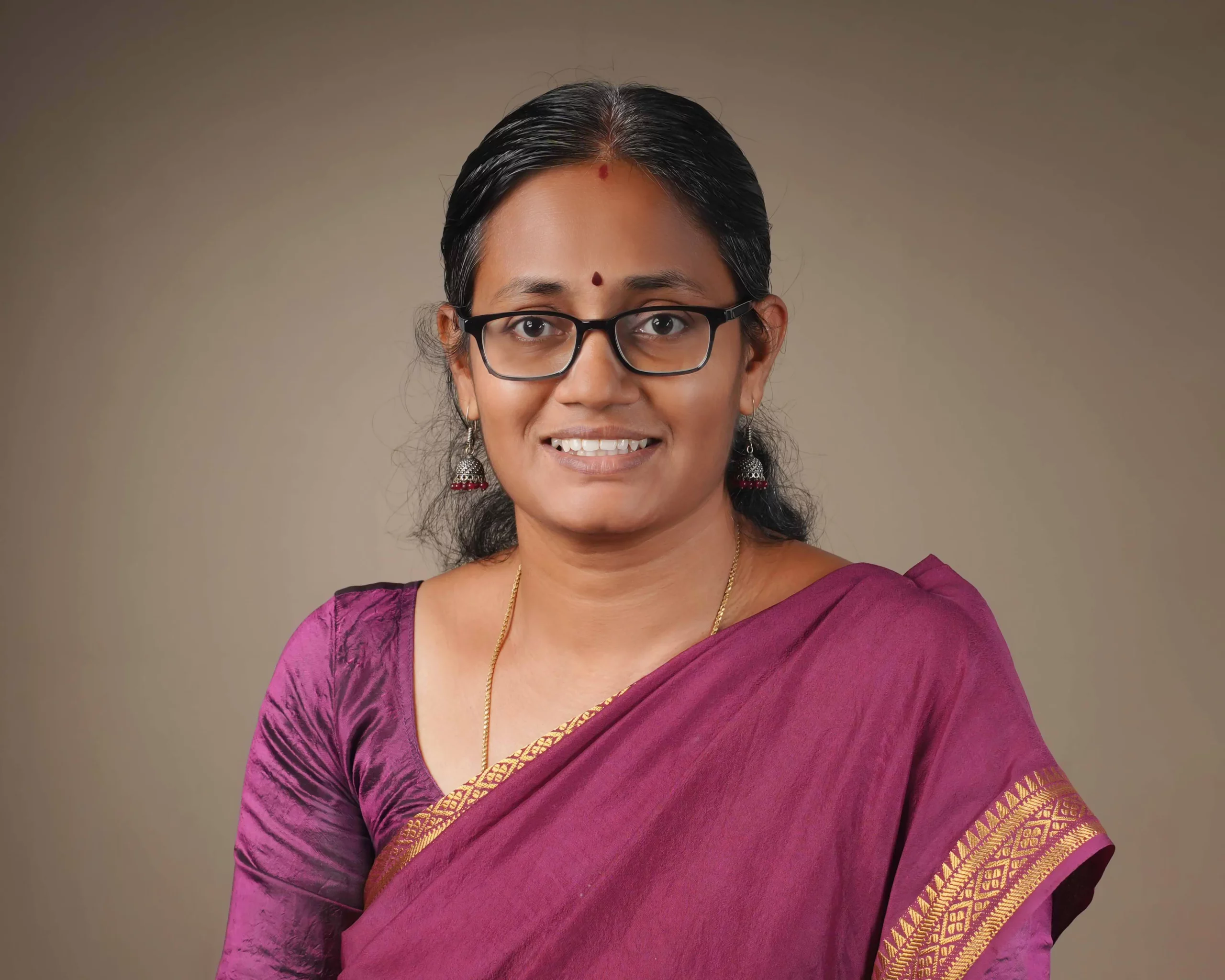
Dr. Malarvilzhi
Residential Medical Officer
12 years delivering comprehensive medical care in psychiatric and rehabilitation settings.
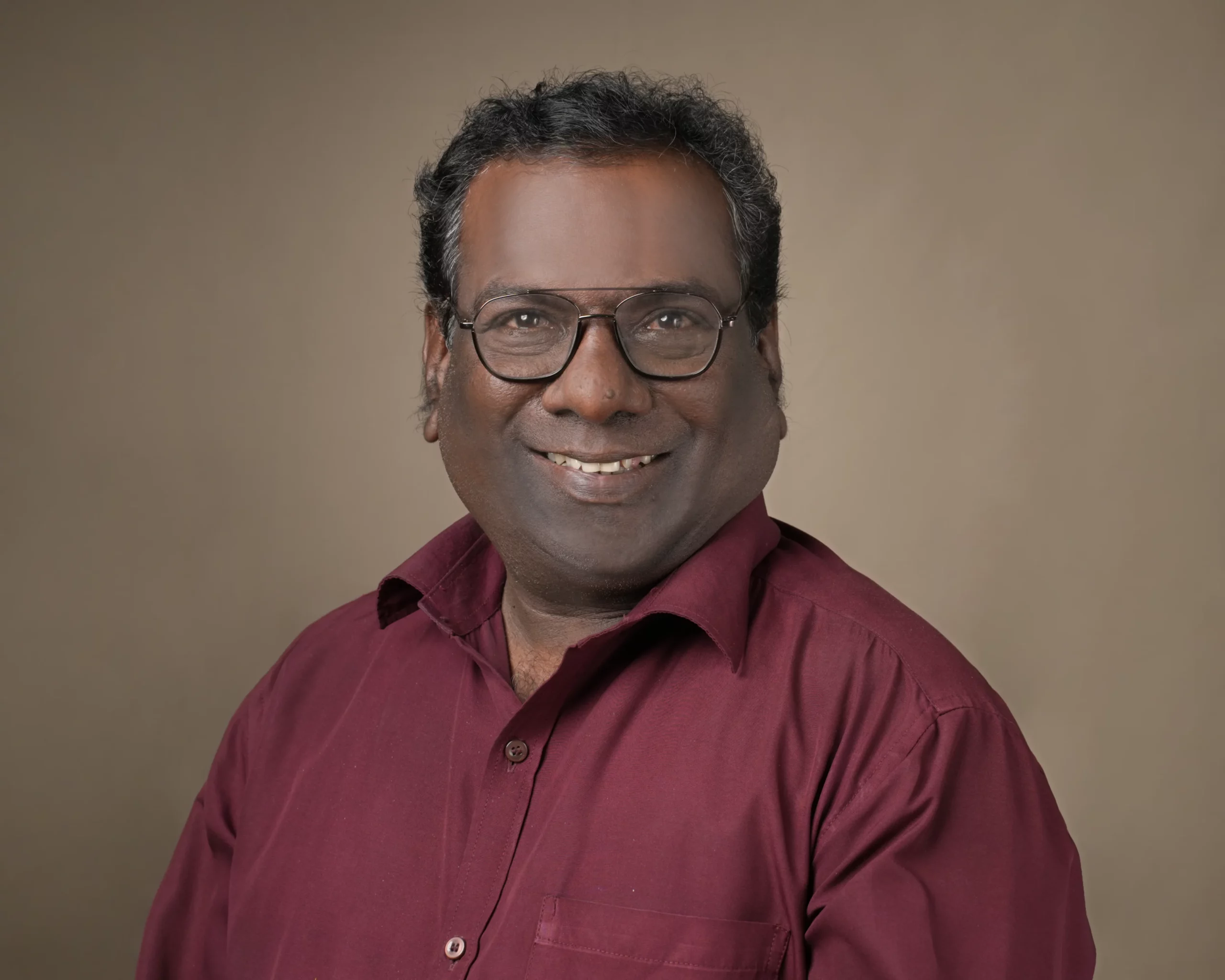
Dr. Karuppachamy
Senior Psychiatric Social Worker
22+ years of experience empowering clients through therapeutic guidance, psychosocial support, and lived-experience wisdom.
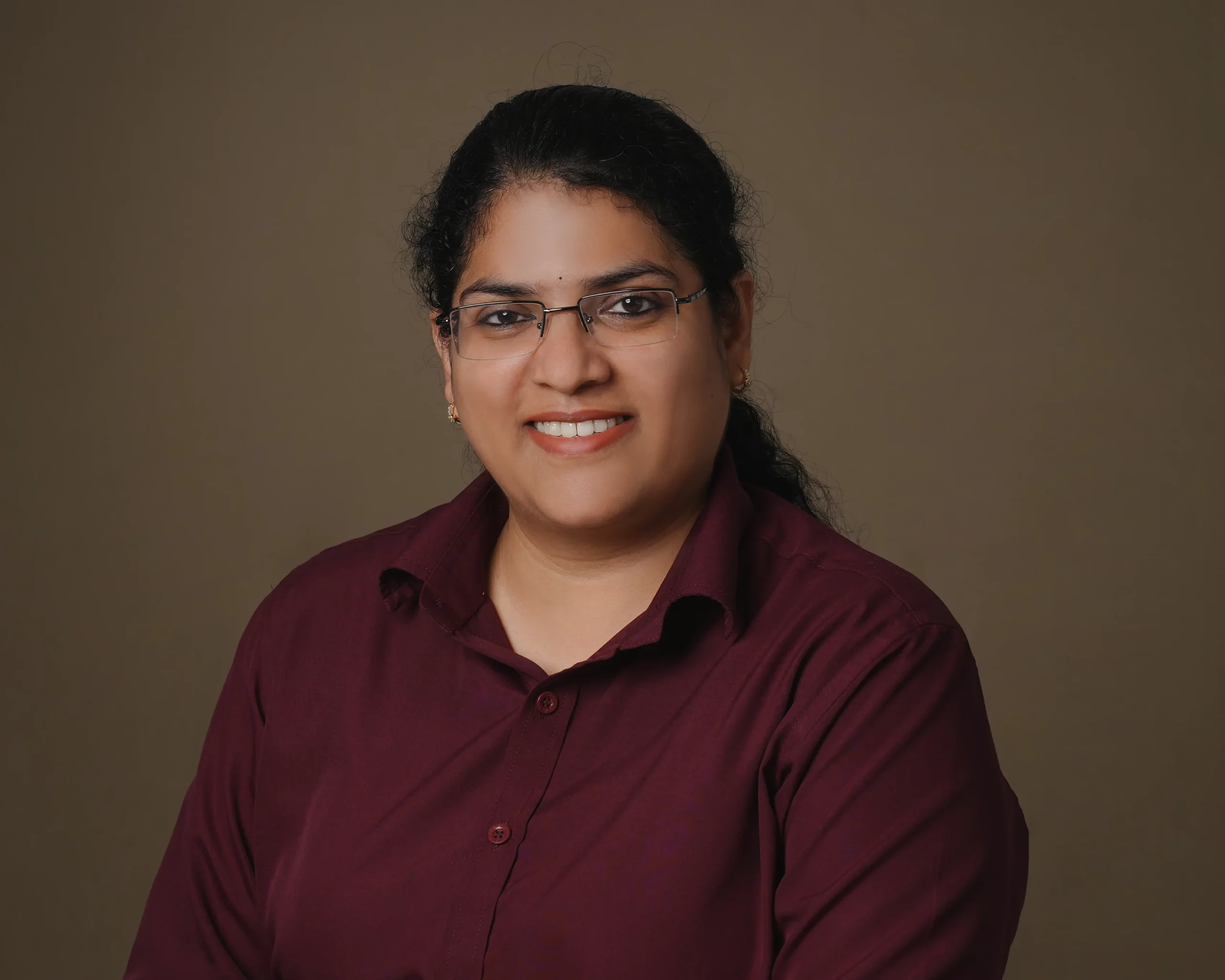
Ms. Meera
Senior Clinical Psychologist
9+ years specializing in psychological assessment and evidence-based therapeutic interventions.
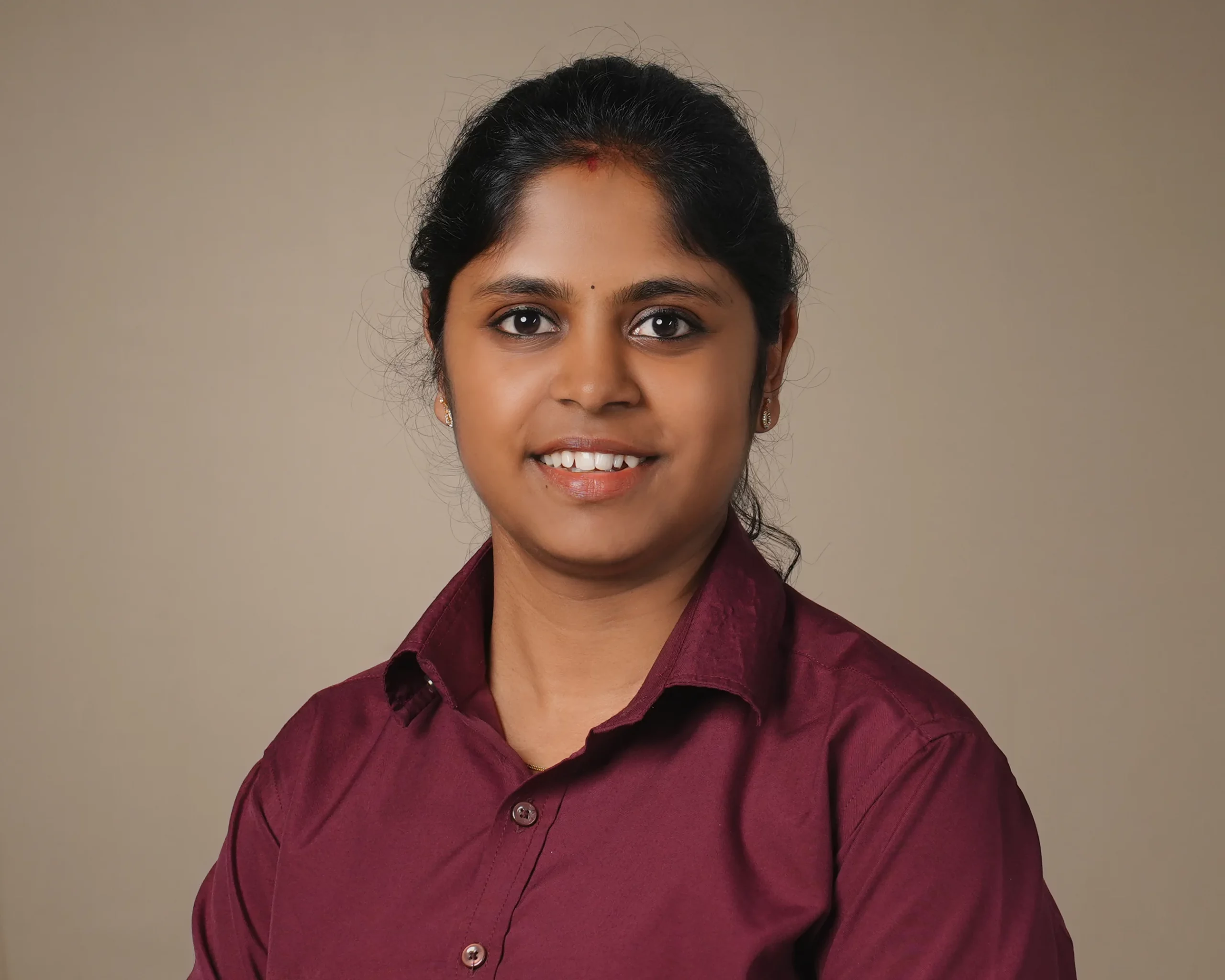
Mrs. Priyadarshini
Head Clinical Psychologist
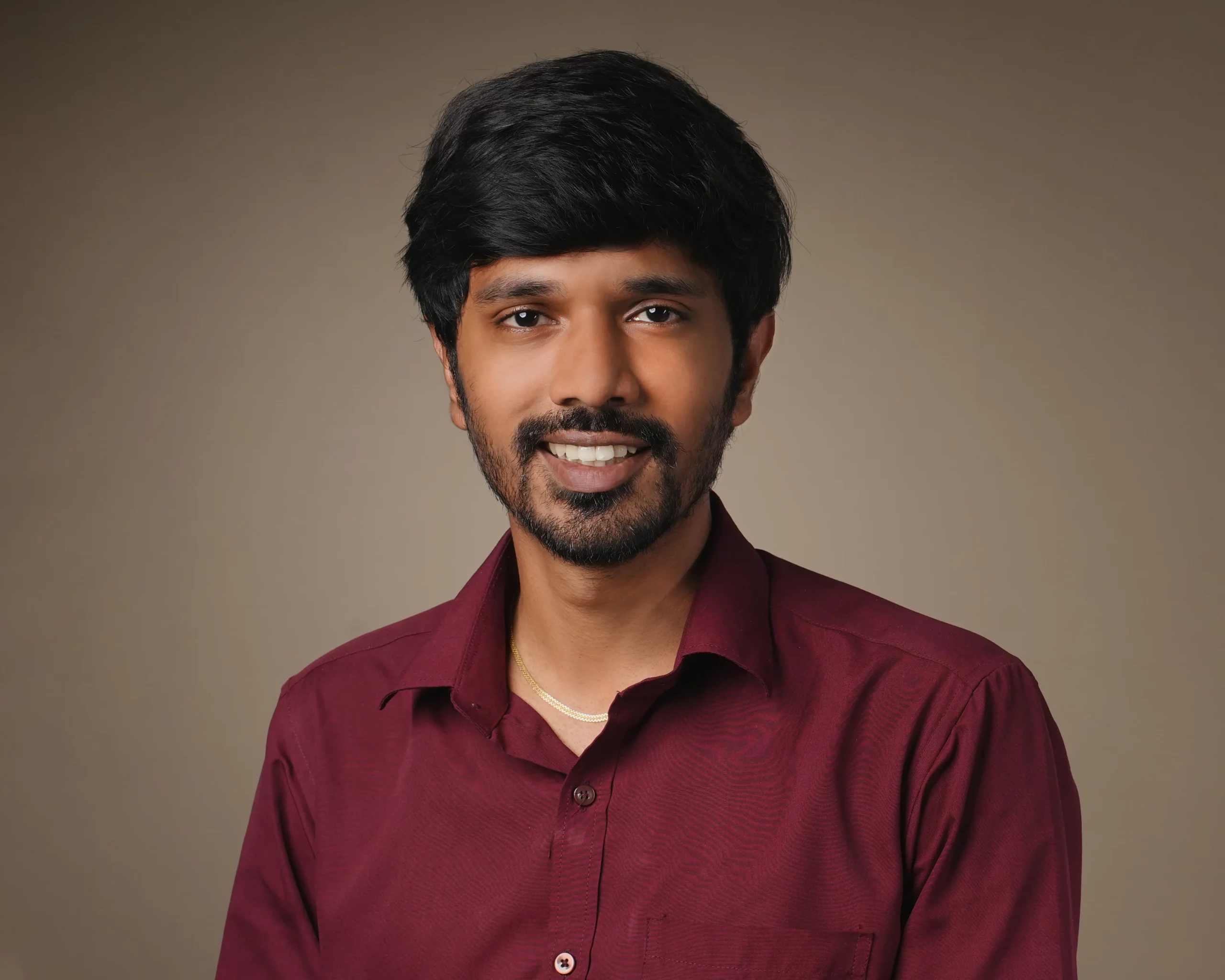
Mr. Mukesh Kanna
Clinical Psychologist
2+ years providing psychological interventions for behavioral health and emotional wellness.
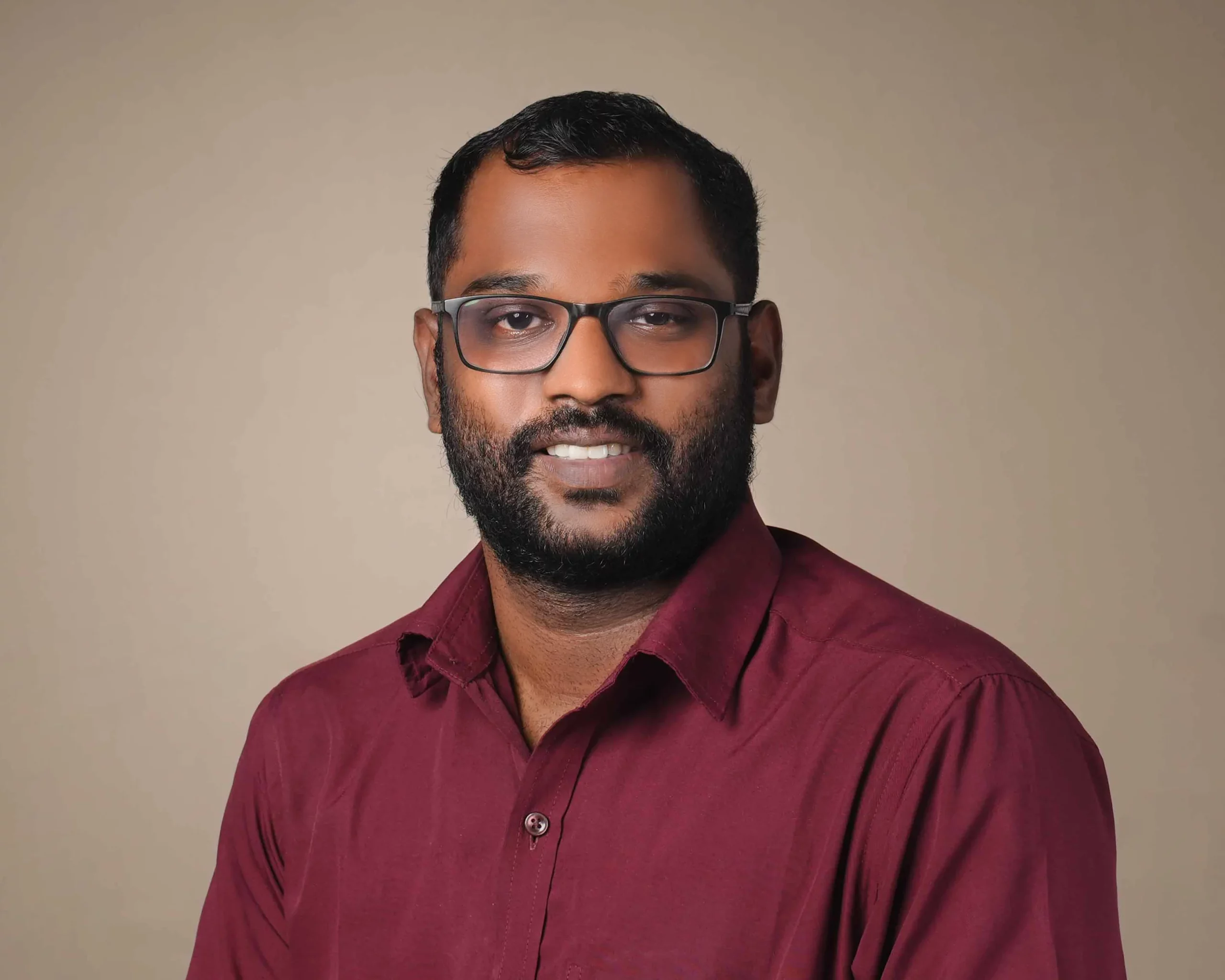
Mr. Antipas Jayabal
Clinical Psychologist
2+ years supporting clients through clinical assessment and therapeutic care.
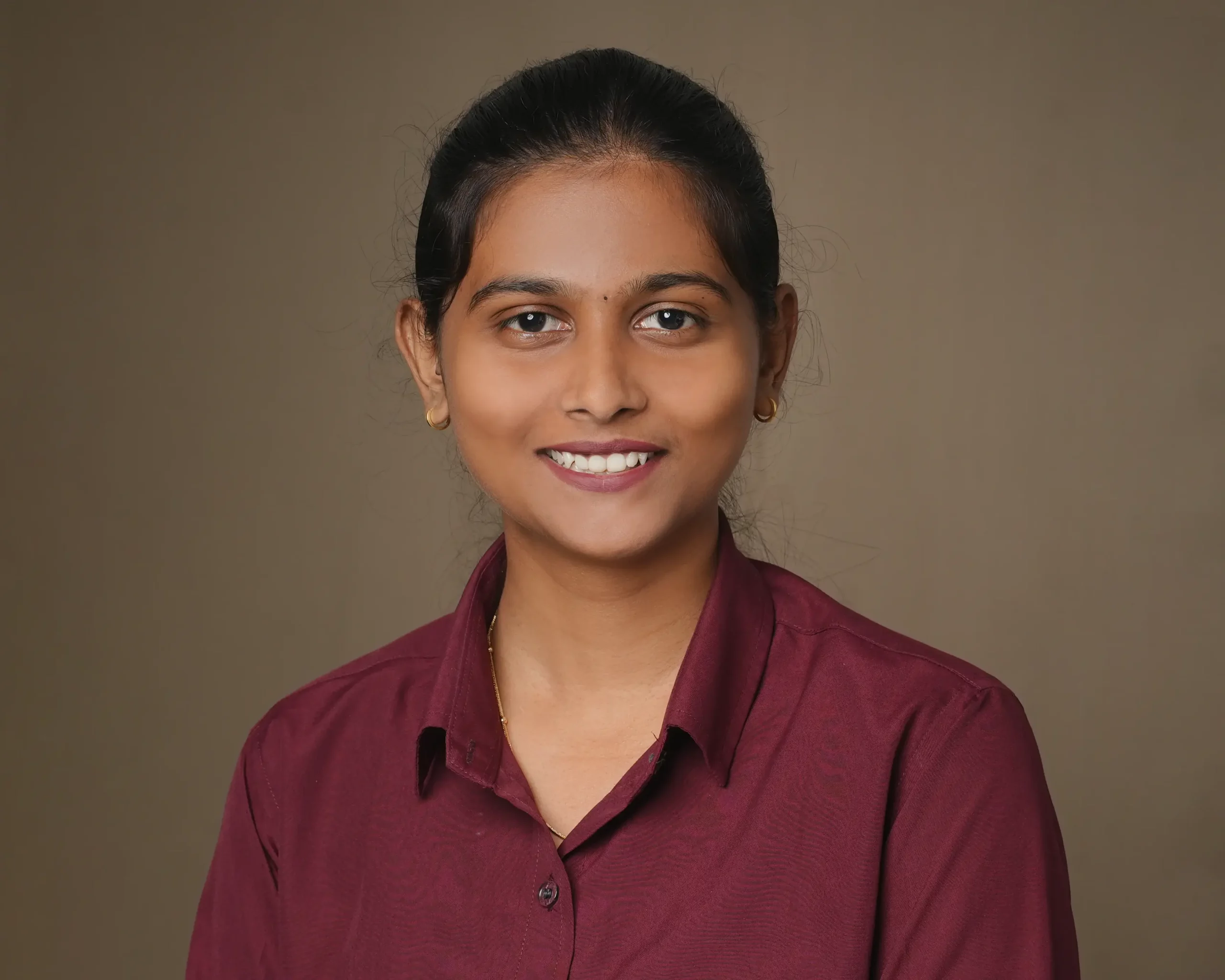
Ms Keerthana S
Psychologist
Empathetic psychologist with 4 years’ experience in handling mental health disorders, using evidence-based psychotherapies for personalized client care.
The Wider Team
63
Full-time Professionals
200+
Years Combined Experience
2:1
Staff-to-Patient Ratio
100%
MCI/RCI Registered
The Hidden Cost of Waiting
Every day your family member continues using carries compounding risks:
- Physical health: Liver damage, cardiovascular problems, neurological impairment
- Mental health: Depression and anxiety worsen substance dependence
- Relationships: Family trust erodes with each broken promise
- Financial: Hidden costs accumulate—bootleg alcohol isn’t cheap, despite prohibition
- Legal: Risk of arrest, criminal record, professional consequences
Research from AIIMS-NIMHANS shows that early intervention dramatically improves long-term outcomes.[7] The best time to seek help was when the problem started. The second best time is now.
Don’t wait for crisis. Start the conversation today: +91-73736-44444 | [email protected]
What Happens After You Call
Initial Consultation (15-20 minutes)
- Share what’s happening (complete confidentiality)
- Answer questions about treatment options
- Discuss family member’s specific situation
- No obligation, no sales pitch
Pre-Admission Assessment (If You Decide to Proceed)
- Medical history review
- Current substance use patterns
- Mental health screening
- Family dynamics discussion
- Insurance/payment planning
Admission Coordination
- Travel arrangements
- Airport pickup scheduling
- Family orientation
- What to pack guidance
Treatment Begins
- Medical detox (if needed)
- Psychological assessment
- Individualized treatment plan
- Weekly family updates
Ready to take the first step? Nothing changes until something changes. Call +91-73736-44444
Why Ahmedabad Families Choose Abhasa
“In Gujarat, addiction is even more hidden because of prohibition. Finding a place far from Ahmedabad where no one would know us was essential. Abhasa’s privacy and the distance from home made recovery possible for my husband.” — S.P., Business Family, Ahmedabad (2024)
What makes the difference:
Complete Anonymity
No one from your social circles will encounter your family member. No accidental meetings. No gossip. No leaked information.
Professional Medical Care Without Legal Concerns
Treatment in Tamil Nadu means accessing psychiatric care, medication-assisted treatment, and evidence-based therapies without prohibition-related complications.
Distance as Therapeutic Separation
Two hours away creates enough space to focus entirely on recovery, without the constant pull of familiar environments, people, and patterns.
Evidence-Based Outcomes
88% treatment completion rates. 70% sustained sobriety at 12-month follow-up. These aren't promises—they're documented results from individualized, compassionate care.
Join families who found hope outside Gujarat’s social scrutiny. Begin today: +91-73736-44444 | [email protected]
Resources for Ahmedabad Families
National Helplines
- Nasha Mukt Bharat Abhiyan National Helpline: 14446 (toll-free)
- Gujarat State Women Helpline: 181
Government Facilities in Ahmedabad
- Civil Hospital De-addiction Centre, Asarwa, Ahmedabad
- VS Hospital Psychiatry Department, Paldi, Ahmedabad
Why Consider Treatment Outside Gujarat
Private, government-accredited facilities like Abhasa offer:
- Higher staff-to-patient ratios
- Longer treatment durations (30-90 days vs. 7-14 days typical at government centers)
- Evidence-based therapies (CBT, DBT, MI, EMDR)
- Luxury amenities creating healing environment
- Family involvement programs
- 12-month aftercare
Compare options. Make informed decision. Call Abhasa: +91-73736-44444
The Path Forward
Addiction thrives in secrecy. In prohibition states like Gujarat, that secrecy runs deeper—compounded by legal fears, social stigma, and underground networks that isolate families further.
But here’s what we know from treating hundreds of families from cities like Ahmedabad: Distance creates possibility. Privacy enables honesty. Professional treatment replaces shame with hope.
Your family member doesn’t need judgment. They need medical care, psychological support, and time away from everything that’s kept the addiction alive. That’s not running away from the problem—that’s creating conditions for actual healing.
You’ve been searching for nasha mukti kendra in Ahmedabad because you’re ready to help your loved one. That search has brought you here, to this moment. The question isn’t whether treatment works (it does, when it’s evidence-based and individualized). The question is whether you’re ready to take the next step.
We’re here when you are. Confidential. Professional. Compassionate. +91-73736-44444 | [email protected] | www.abhasa.in
Contact Abhasa Rehab and Wellness:
Frequently Asked Questions
1. What keywords should I search to find legitimate nasha mukti kendras?
When searching for addiction treatment options, use specific terms like “de addiction centre in Ahmedabad,” “nasha mukti kendra in Gujarat,” or “rehabilitation centre for Ahmedabad residents.” However, be aware that proximity isn’t always beneficial—research from the Substance Abuse and Mental Health Services Administration (SAMHSA) suggests that geographical distance from home environments often improves recovery outcomes by removing immediate access to triggers and enabling networks.
2. How is Abhasa different from local de addiction centres in Ahmedabad?
3. Can my family member be arrested for seeking addiction treatment in a prohibition state?
4. How long does treatment at a proper nasha mukti kendra typically last?
5. What happens if my loved one refuses to go to a nasha mukti kendra voluntarily?
Motivational Interviewing techniques can help—these don’t force or coerce, but explore ambivalence and strengthen internal motivation for change. Family interventions, when conducted properly (not TV-drama confrontations), can also be effective. Abhasa’s admissions team can guide families through these conversations. In rare cases of immediate danger, consultation with psychiatrists about emergency intervention may be necessary, but voluntary participation generally predicts better outcomes.
6. How do we pay for treatment at a rehabilitation centre? Does insurance cover it?
Many health insurance policies now cover substance use disorder treatment, though coverage varies widely. Abhasa’s team can verify your specific policy’s benefits. Additionally, payment plans, medical loans, and family financing options exist. The question isn’t “Can we afford treatment?”—it’s “Can we afford not to treat this?” Untreated addiction’s financial costs (lost income, legal fees, medical emergencies, enabling expenses) typically far exceed treatment investment.
7. Will he be able to contact family during treatment?
Yes. Unlike outdated “blackout period” approaches, modern evidence-based treatment recognizes that family support improves outcomes. Abhasa provides:
- Weekly scheduled family video calls
- Daily brief check-ins possible (after initial stabilization)
- Emergency contact always available
- Family therapy sessions (weekly)
- Gradual reintegration planning before discharge
8. What if there's a medical emergency during treatment?
Abhasa maintains 24/7 psychiatric availability under Dr. Malarvilzhi G, MBBS, MD (Residential Medical Officer, 20 years experience). Medical detox protocols, emergency medications, and hospital transfer arrangements are standard safety measures. All staff maintain CPR/first aid certification. Additionally, Abhasa’s proximity to Coimbatore’s major hospitals (15-20 minutes) ensures rapid access to emergency medical services if needed.
9. How do we know if a nasha mukti kendra is legitimate or just a "wellness retreat"?
Red flags to avoid:
- No medical staff credentials listed
- Promises of “cure” or 100% success rates (addiction is a chronic condition, not curable but manageable)
- Reliance solely on spiritual or alternative methods (these can complement, not replace, evidence-based treatment)
- No family involvement
- Vague about treatment methodologies
Look for:
- Licensed medical professionals (MBBS, MD, M.Phil credentials)
- Evidence-based therapies (CBT, DBT, MI)
- Published outcome data
- Transparent pricing and processes
10. What support exists after returning to Ahmedabad post-treatment?
Abhasa provides 12-month aftercare:
- Weekly video counseling sessions
- Connection to local AA/NA meetings in Ahmedabad
- Family support continuation
- Relapse prevention planning
- Re-admission protocols if needed (continuing care, not restarting)
References
Research Citations (All Sources):
[1] Ambekar A, et al. (2019). Magnitude of Substance Use in India – National Survey on Extent and Pattern of Substance Use in India. AIIMS-NIMHANS, Ministry of Social Justice and Empowerment. Retrieved from https://socialjustice.gov.in/writereaddata/UploadFile/Survey%20Report.pdf
[2] National Institute on Drug Abuse. (2020). Principles of Drug Addiction Treatment: A Research-Based Guide (3rd ed.). NIH Publication No. 18-4180. Retrieved from https://nida.nih.gov/publications/principles-drug-addiction-treatment-research-based-guide-third-edition
[3] National Institute of Mental Health and Neurosciences. (2016). National Mental Health Survey of India, 2015-16. NIMHANS, Bangalore.
[4] National Institute on Alcohol Abuse and Alcoholism. (2023). Treatment for Alcohol Problems: Finding and Getting Help. NIAAA. Retrieved from https://www.niaaa.nih.gov/publications/brochures-and-fact-sheets/treatment-alcohol-problems-finding-and-getting-help
[5] Mayo Clinic. (2024). Addiction treatment overview. Retrieved from https://www.mayoclinic.org/diseases-conditions/drug-addiction/diagnosis-treatment/drc-20365113
[6] National Institute on Drug Abuse. (2024). Treatment and Recovery. NIDA. Retrieved from https://nida.nih.gov/publications/drugs-brains-behavior-science-addiction/treatment-recovery
[7] World Health Organization. (2023). Early intervention and treatment. WHO. Retrieved from https://www.who.int/health-topics/alcohol#tab=tab_2
Article developed by Abhasa Rehab and Wellness, reviewed by Dr. Naveen Kumar, MBBS, DPM (Psychiatry). Based on evidence from AIIMS-NIMHANS National Survey, NIDA, SAMHSA, and peer-reviewed research on addiction treatment outcomes.
Contact Abhasa Today: +91-73736-44444 (24/7 helpline)
[email protected] www.abhasa.in
Your family member’s recovery begins with your courage to reach out. We’re here when you’re ready.