Schizophrenia Treatment in Mumbai: Residential Care at Abhasa's Karjat Centre
Has a family member's illness started to feel bigger than weekly appointments can hold? If so, you are not alone, and there are steady, practical options. For families looking for schizophrenia treatment in Mumbai, care works best as a combination of medicine, therapy, rehabilitation and family support.
Abhasa Rehab and Wellness provides this as residential care at its Karjat centre, about 62 km from Mumbai and just under two hours by road.

Medically Reviewed By Dr. Shree Aarthi
MBBS, MD, DNB(Psychiatry) brings over 12 years of clinical experience in psychiatry to her work at Abhasa Rehab and Wellness.

- 100% Private & Confidential
- 24/7 Admissions Desk
- Licensed by SMHA
What Is Schizophrenia?
Schizophrenia is a mental health condition that changes how a person thinks, feels and sees what is real. It is treatable, and with steady care many people live settled, meaningful lives. The World Health Organization (WHO) describes it as a serious mental disorder that responds to treatment[1].
Schizophrenia is a long term condition that affects thinking, feelings and behaviour. A person may hear or see things others do not, hold strong beliefs that do not match reality, find it hard to think clearly, or lose interest in daily life. These changes are symptoms of an illness. They are not a choice.
Doctors usually describe the symptoms in three groups.
Positive symptoms are things added to a person's experience, such as hearing voices, seeing things, or holding strong false beliefs.
Negative symptoms are things taken away, such as low energy, less speech, little expression of feeling, or pulling back from people. These are often mistaken for laziness. They are symptoms.
Cognitive symptoms affect attention, memory and planning, which can make study, work and daily tasks harder.
You can read more in our guides on the symptoms of schizophrenia and the early signs of schizophrenia.
In India, a 2023 population study found that about 1.41% of people have a schizophrenia spectrum disorder at some point in their lives[2]. The same study found a treatment gap of 72% among people with a current illness, meaning most were not getting care[2].
72% of people in India with a current schizophrenia spectrum disorder were not receiving treatment.— Hegde et al., Indian Journal of Psychiatry, 2023[2] That gap between the number of people affected and the number getting help is a large part of why early, steady care matters. Our complete guide to schizophrenia covers the condition in more depth.
When Is Outpatient Care Not Enough?
Many people with schizophrenia are supported well at home by a psychiatrist, regular medicine and a caring family. Residential care is for a different situation: when symptoms keep returning, medicine is not being taken as planned, or home has become too strained to heal in. The table below shows how families can think about it.
Some signs that a person may need more support than weekly visits can give:
- Medicine keeps being stopped, hidden or forgotten, and symptoms return each time
- Sleep has been disturbed for many nights, or the person barely eats
- The person has stopped washing, dressing or leaving their room
- Voices, suspicion or fear are taking over the day
- The family is exhausted, and arguments at home are making things worse
- A recent hospital stay ended, but things are slipping again at home
If several of these sound familiar, a conversation with a psychiatrist is a sensible next step. Our guide to preventing relapse in schizophrenia explains the warning signs families can watch for.
Situation at homeWhat it may meanLevel of care to discuss
Stable on medicine and managing daily lifeMaintenance phaseRegular visits to a city psychiatrist, online follow-up
Symptoms returning, medicine missed or stopped, home under strainRelapse risk is risingAssessment, then residential care if home care is not holding
Not sleeping or eating for days, very confused, or thoughts of harming self or othersPossible emergencyNearest hospital emergency now. Call 112.
If there is any danger to life, do not wait. Call 112 or go to the nearest hospital emergency department. You can also call Tele-MANAS on 14416 for free mental health support[10].
Three Levels of Schizophrenia Care: Hospital Ward, Outpatient Clinic and Residential Centre
The NICE guideline on psychosis and schizophrenia recommends reviewing a person's care plan when symptoms change, and including the family in planning[3].
Hospital wardWho it suitsAcute crisis or emergencyTypical lengthDays to a few weeksMain focusSafety and urgent stabilisationDaily structureWard routine
Outpatient clinicWho it suitsStable person living at homeTypical lengthOngoing visitsMain focusMedicine review and follow-upDaily structureHome routine
Residential rehabilitation centre (long-term care)Who it suitsPerson who needs more structure than home can giveTypical length30 days to six months or longerMain focusMedicine stabilisation, rehabilitation, family workDaily structurePlanned days with therapy, activity and rest
If you are unsure which level fits, ask us. Call or WhatsApp +91 73736 44444 and describe what has been happening. Our team will tell you honestly whether residential care is likely to help.
How Is Schizophrenia Treated?
Treatment has several parts that work together: medicine, family support, therapy and rehabilitation. No single part does everything on its own. A psychiatrist builds the mix around the person, then reviews it as their needs change. Here is what each part involves and why it matters for recovery.
No single pill fixes schizophrenia on its own. A psychiatrist works out the right medicine, the right dose and the right monitoring for each person. It can take time to find the right fit, so patience from everyone helps.
Medicine and regular review
Antipsychotic medicines are the core of treatment. Taking them as prescribed over time lowers the chance of relapse. A large review of trials found that 27% of people who kept taking maintenance medicine relapsed within a year, compared with 64% of those given a placebo[4].
Medicine works best when a psychiatrist reviews it regularly. Doses can be adjusted, and side effects can be managed.
Some people choose a long-acting injection when tablets are hard to keep up with.
Others do well on tablets with a family member helping to keep a routine. Your psychiatrist can explain the options, and our guide to schizophrenia medication sets them out in plain words.
Regular checks of weight, blood sugar, cholesterol and blood pressure are part of safe treatment, because some medicines affect these over time[5]. A good plan looks after the body as well as the mind.
Family intervention
Family involvement is one of the best-supported parts of care. Structured family programmes that teach communication, problem-solving and ways to manage stress are linked with fewer relapses[6].
In practice, this means families learn what the illness is, what warning signs to watch for, how to speak calmly during hard moments, and how to look after themselves. Caring for someone with schizophrenia is tiring, and families need support too.
Therapy and rehabilitation
Cognitive behavioural therapy adapted for psychosis can help some people manage distressing voices and beliefs. Its effect is usually modest, so it works best alongside medicine, not in place of it.
Cognitive remediation, a structured training method for attention and memory, has been shown to help with everyday functioning[7]. Rehabilitation covers the practical side of recovery: social skills, daily living, and study or work planning. A later section describes this in more detail.
Can someone recover without medicine? For most people, medicine is part of the plan. Some people reduce or change their medicine over time, but only with a psychiatrist's guidance. Stopping suddenly can cause relapse. Our guide on whether schizophrenia is curable explains what recovery looks like in realistic terms.
"Families often hope for one answer that fixes everything. In schizophrenia, recovery usually comes from several steady things done together: the right medicine, a calmer home and a daily routine that gives the week some shape."
— Dr. Shree Aarthi, MBBS, MD, DNB (Psychiatry), Abhasa Rehab and Wellness
Schizophrenia Treatment in Mumbai: Abhasa's Programmes
Abhasa's residential schizophrenia programme brings psychiatric assessment, medicine stabilisation, therapy, rehabilitation and family sessions together under one plan. Programmes run from 30 days to six months or longer, and the length is agreed with the person and family based on need.
The right length depends on how unwell the person is, how they respond to medicine, and what support is waiting at home. Some people benefit from a shorter stay to settle medicine and routine. Others need longer to rebuild skills and confidence.
For families who prefer a women-only setting, Abhasa's Sowripalayam centre in Coimbatore is women-exclusive. The team can explain how it compares with Karjat for a particular person.
If you are not sure whether a stay is needed, talk it through with our team. Call or WhatsApp +91 73736 44444, or write to us through the contact page.
The programme includes:
- Psychiatric assessment to understand symptoms, history and what has been tried before
- Medicine stabilisation and monitoring, including long-acting injectable options where suitable
- Psychoeducation for the person and the family about the illness and its warning signs
- Cognitive behavioural therapy for psychosis, individual and in groups
- Group work to rebuild social confidence and routine
- A relapse-prevention plan to take home, written with the person
- Family sessions to support the people who will be part of the next stage of recovery
What Does Residential Treatment Add?
A residential stay adds structure, time and a calm setting. Long-term care at a rehab for schizophrenia patients gives time for medicine to settle and skills to return. For someone whose symptoms keep returning at home, it allows medicine to be adjusted under daily supervision, skills to be rebuilt in a steady routine, and the family to be involved in planning. It does not replace follow-up care, but it can make that follow-up work better.
What families often notice is the effect of a predictable day. Meals, sleep, medicine, activity and therapy happen at regular times. For a person whose thinking is unsettled, a steady rhythm can be calming in itself.
A residential stay can also give a break to a family that has been carrying a great deal. Relatives get time to rest, learn about the illness, and plan the next stage with the team, without being on alert at every hour.
It is not right for everyone. If a person is stable on medicine, living at home and keeping routines, outpatient care may be all they need. If they are in an acute crisis, a hospital ward is the right first step. The team can help you work out which fits.

Schizophrenia Rehabilitation Centre Near Mumbai: Rebuilding Daily Life
Rehabilitation is about more than managing symptoms. It helps a person get back to a life they value. Good psychiatric rehabilitation usually covers:
- Social skills, such as starting a conversation, handling disagreement and asking for help
- Daily living skills, such as keeping a routine, looking after oneself, cooking and managing money
- Cognitive remediation, to rebuild attention, planning and memory
- Physical activity. Regular aerobic exercise has been shown to help with thinking skills such as attention and memory[8].
- Work or study planning. Supported employment can help people with severe mental illness find and keep work[9].
Rehabilitation works best when it is built around the person's own goals. Some people want to return to a job. Others want to finish a course, manage their own medicine, or simply feel comfortable at family gatherings again. The team begins with what matters to the person.
Abhasa also offers yoga, art, music and meditation. These support rest, self-expression and calm. They sit alongside the clinical work and do not replace it.
"The first thing I ask a family is what a good day used to look like. That tells us what we are working back towards, and it reminds everyone that the person is much more than the illness."— Dr. Shree Aarthi, MBBS, MD, DNB (Psychiatry), Abhasa Rehab and Wellness
Why Mumbai Families Choose Abhasa
Mumbai families choose Abhasa for psychiatrist-led care at a centre under two hours from the city. Psychiatrists review medicine, programmes can run for months so skills have time to build, and family sessions are part of the plan from the start.
We do not publish outcome rates or rank ourselves against other centres. The best way to judge fit is a conversation with our team.
Ready to take the next step? Call +91 73736 44444 or WhatsApp us, and we will arrange your free consultation.
- Under two hours from Mumbai. Close enough to visit, far enough from daily pressure.
- Psychiatrist-led care. Psychiatrists review medicine themselves; it is not left to a general plan.
- Time for rehabilitation. Programmes can run for months, not days, so skills have time to build.
- Family work built in. Family sessions are part of the plan from the start.
- Care for co-occurring conditions. Abhasa treats mental health disorders alongside addiction where they occur together.
- A women-only option. Abhasa's Sowripalayam centre in Coimbatore is women-exclusive.
- Centres in four locations: Sowripalayam and Thondamuthur in Coimbatore, Karjat near Mumbai, and Mambapur near Hyderabad, so a family can choose the setting that suits the person best.
Who Leads Care? Our Psychiatrists and Team
Psychiatrists lead treatment.
Who is based at Karjat day to day is a question for the admissions team, who can introduce you to the people who will care for your family member.
Speak to a member of our clinical team before you decide anything. Call +91 73736 44444 and ask for a conversation with the team.
Dr. Shree Aarthi is a Consulting Psychiatrist with 12 years of clinical experience (MBBS, MD, DNB in Psychiatry).

Dr. Naveen Kumar, Consulting Psychiatrist, has more than 20 years of experience (MBBS, DPM), with a focus on addiction psychiatry and dual diagnosis.
Care is supported by clinical psychologists, nursing staff available around the clock, and a staff-to-client ratio of 2:1 at Abhasa's centres. That means each person has people nearby who know them and notice small changes early.
How Treatment Works, Step by Step
Each step is agreed with the person and the family. Nothing in the plan is a surprise, and the team explains the reason for each part.
- Consultation. A free first call. The team listens, explains options and answers questions. There is no pressure to decide.
- Assessment. The psychiatrist reviews symptoms, medicines, physical health and history. Families are asked for their view too.
- Settling in. The person arrives and has time to settle. Medicine is reviewed in the first days.
- Daily routine and therapy. Structured days with therapy, rehabilitation, activity and rest.
- Rehabilitation. Skills work is built around what the person wants to get back to.
- Family sessions. Regular sessions with the family, online or in person.
- Discharge plan and follow-up. A written relapse-prevention plan, a medicine plan and online follow-up with the team after returning to Mumbai.
Assessment and Admission: How to Begin
To begin, call or WhatsApp Abhasa on +91 73736 44444 for a free consultation. A psychiatrist then assesses your family member, the team agrees a plan with you, and we help arrange travel to the Karjat centre, with transfers from Mumbai or Pune airports.
- Step 1: Call or WhatsApp. Reach us at +91 73736 44444. Tell us what is happening at home. You do not need to have decided anything yet. If you are searching for schizophrenia treatment near me from Mumbai, this call is the quickest way to find out whether Karjat suits you.
- Step 2: Free consultation. Our team explains options, answers questions and checks whether residential care suits your situation.
- Step 3: Assessment. A psychiatric assessment, with the family involved where the person agrees. Our admission guide explains what to expect.
- Step 4: Admission. Admission is by the person's consent wherever possible. Under the Mental Healthcare Act, 2017, a person with severe illness who cannot decide may be admitted with supported, legally safeguarded procedures[11]. Our team explains what applies to your situation.
- Step 5: Travel to Karjat. We help with transfers from Mumbai or Pune airports.
- A valid ID
- Medical records and a current medicine list
- Comfortable clothing
- Personal toiletries
If your family member has stopped eating or sleeping for days, or you are worried about their safety, please call now on +91 73736 44444. If there is immediate danger, call 112.
Families in Mumbai, Thane and Navi Mumbai often reach the point of asking about residential care slowly. The person is still at home, and a city psychiatrist is still involved, but things are slipping. Sleep is off, the person has pulled back from people, and medicine is taken on and off. This page explains what treatment involves, when a residential stay may help, and how to begin.
Abhasa Rehab and Wellness is a mental health and addiction care provider with four centres: Sowripalayam and Thondamuthur in Coimbatore, Tamil Nadu; Karjat in Maharashtra; and Mambapur, Hyderabad.

Online Consultation and Follow-Up for Mumbai Families
Not every family can travel straight away, and recovery does not end on the day of discharge.
- First consultationBy phone, WhatsApp or video.
- Online psychiatric reviewAnd medicine follow-up.
- Online family counsellingFor relatives supporting recovery.
- Follow-up after dischargeSo the plan continues back home in Mumbai.
Online care works well for follow-up and family support. It is not a replacement for in-person assessment when someone is very unwell. The team will say when a visit is needed.
Learn more on our online consultation page, or ask about online follow-up on +91 73736 44444.
Schizophrenia Treatment Centre Near Mumbai: The Karjat Campus
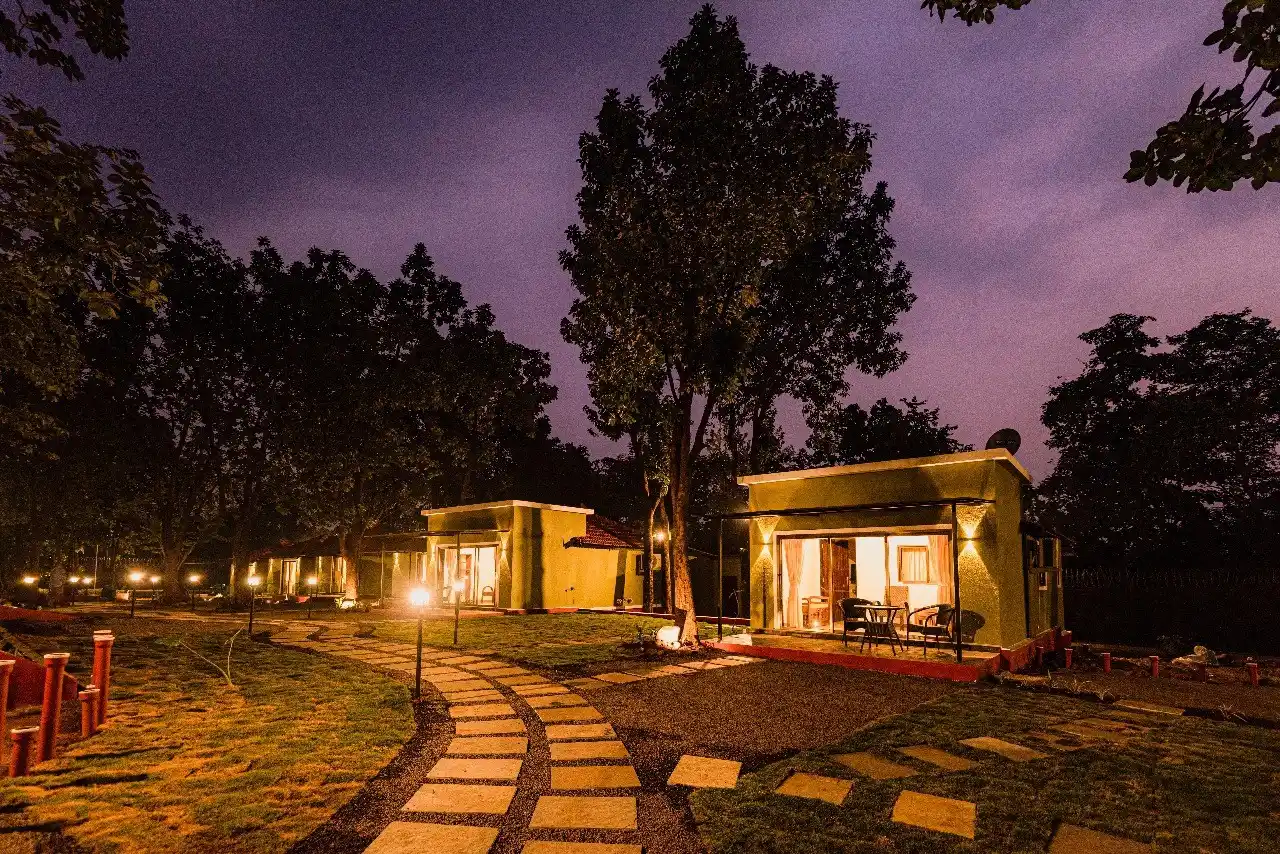
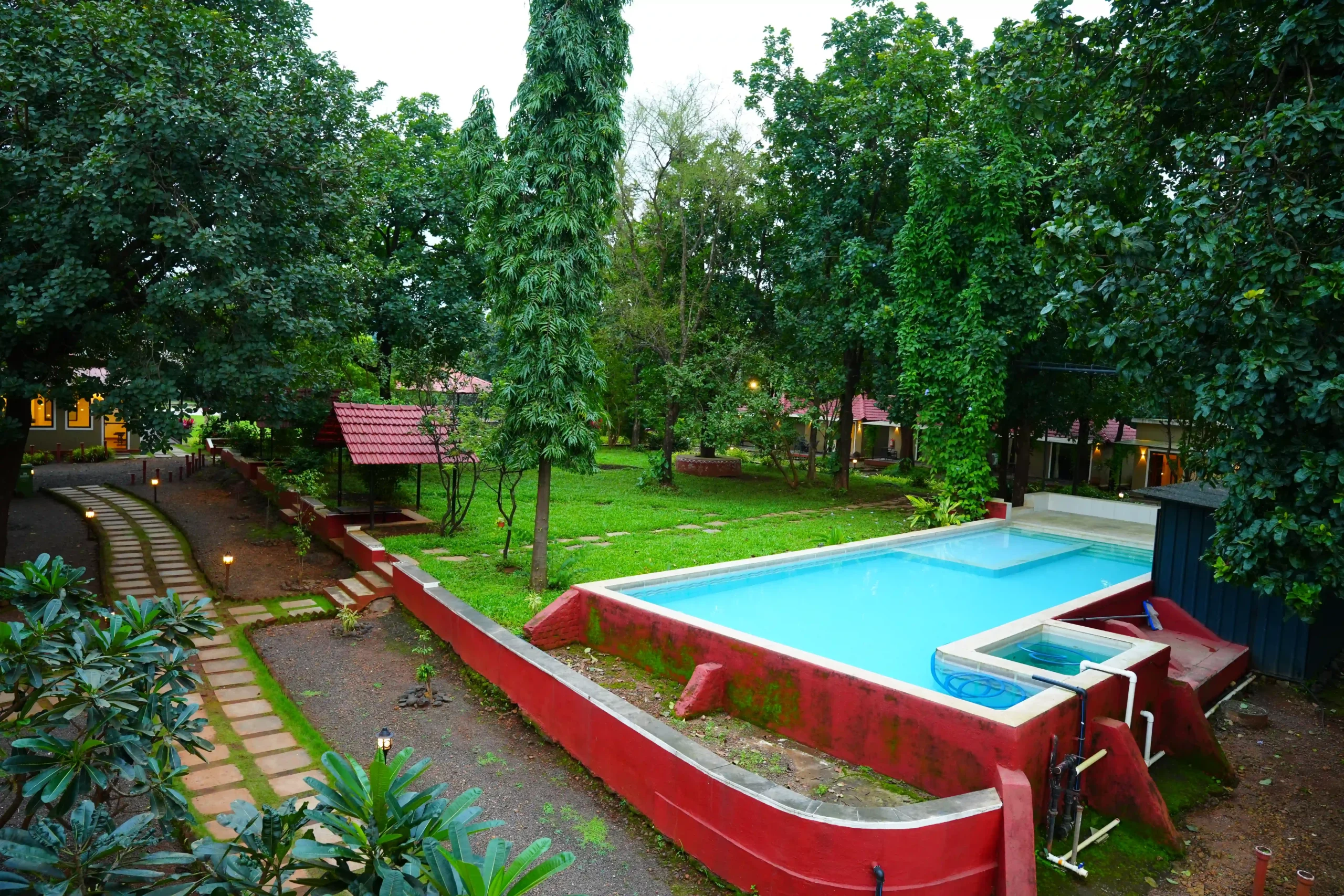
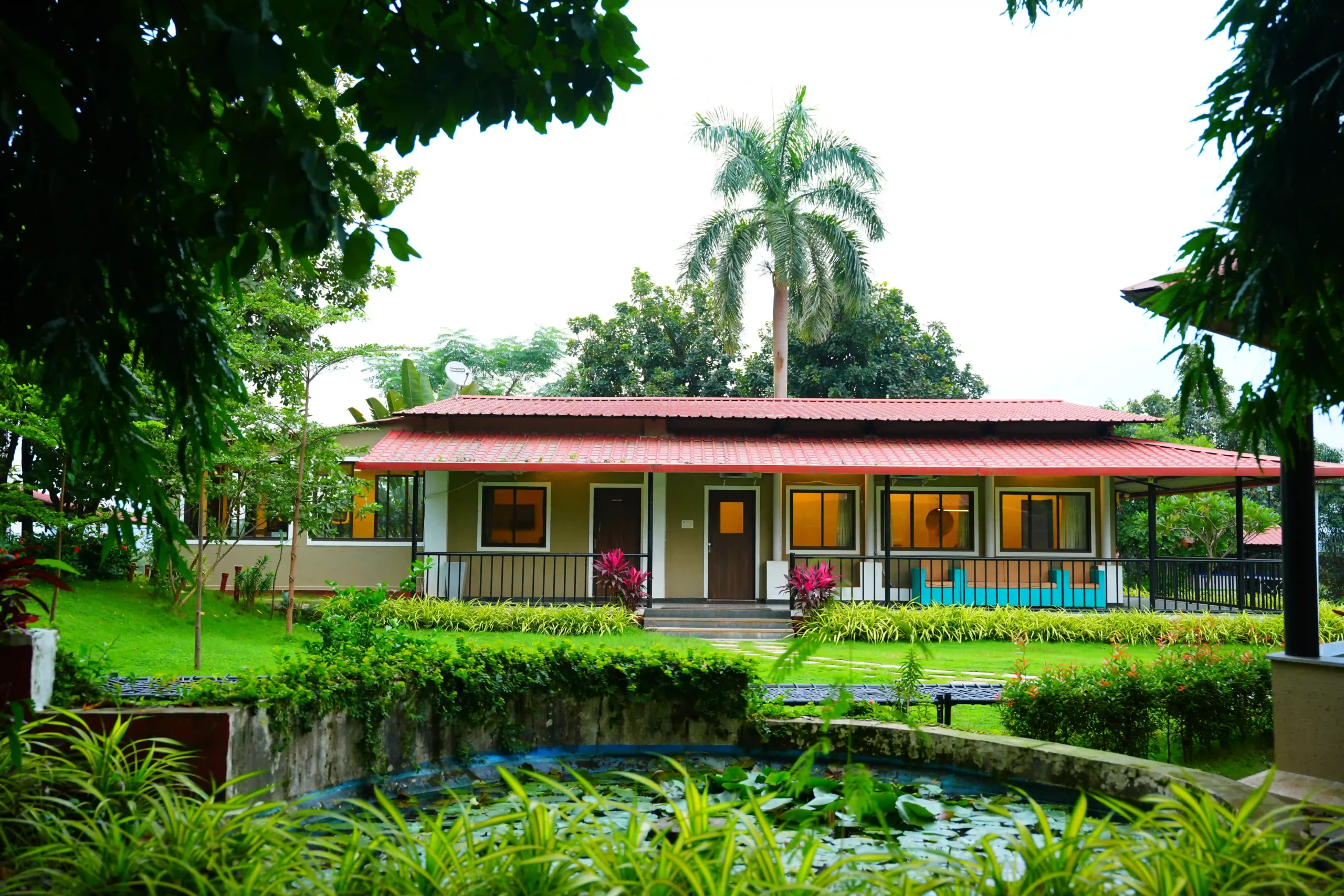
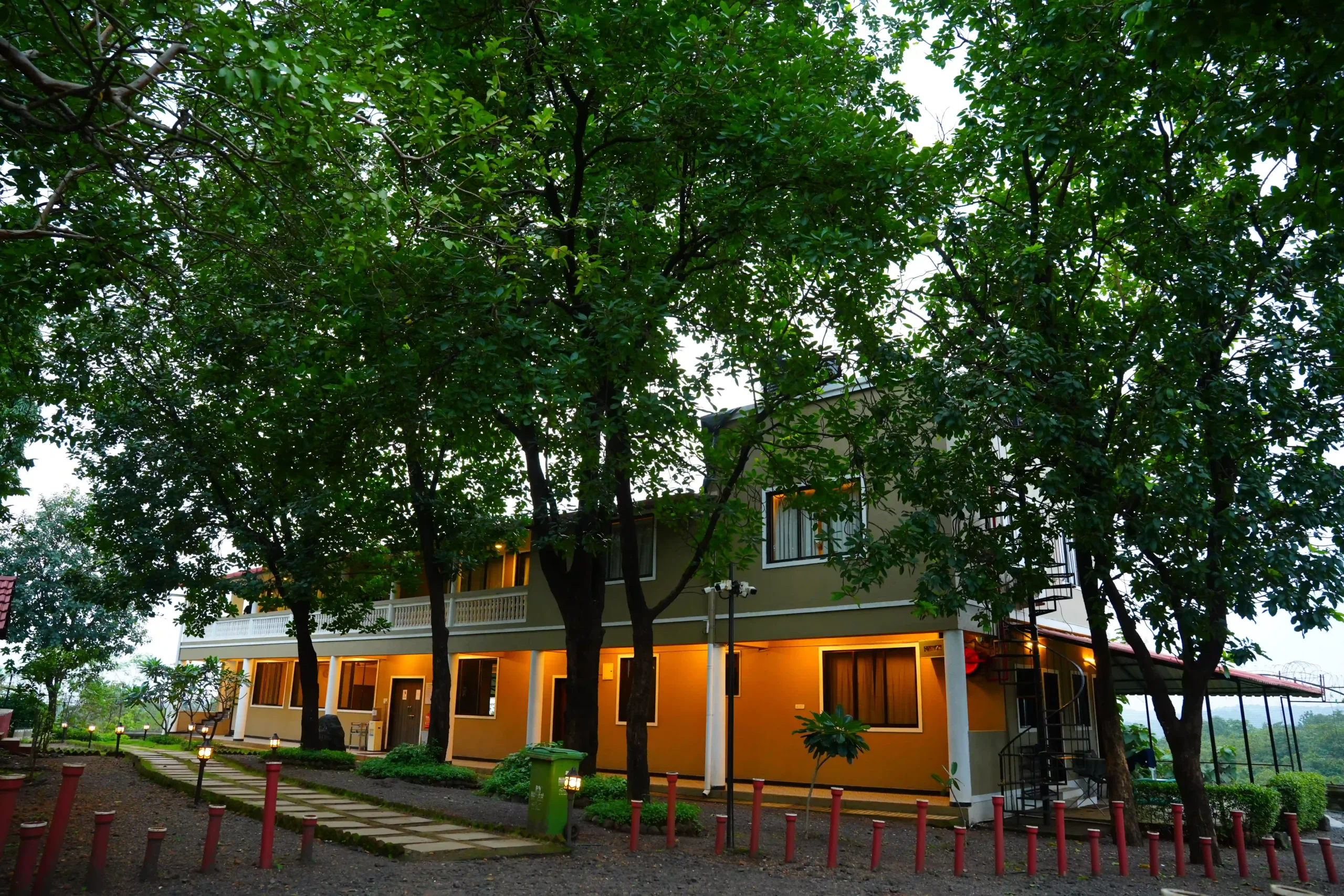
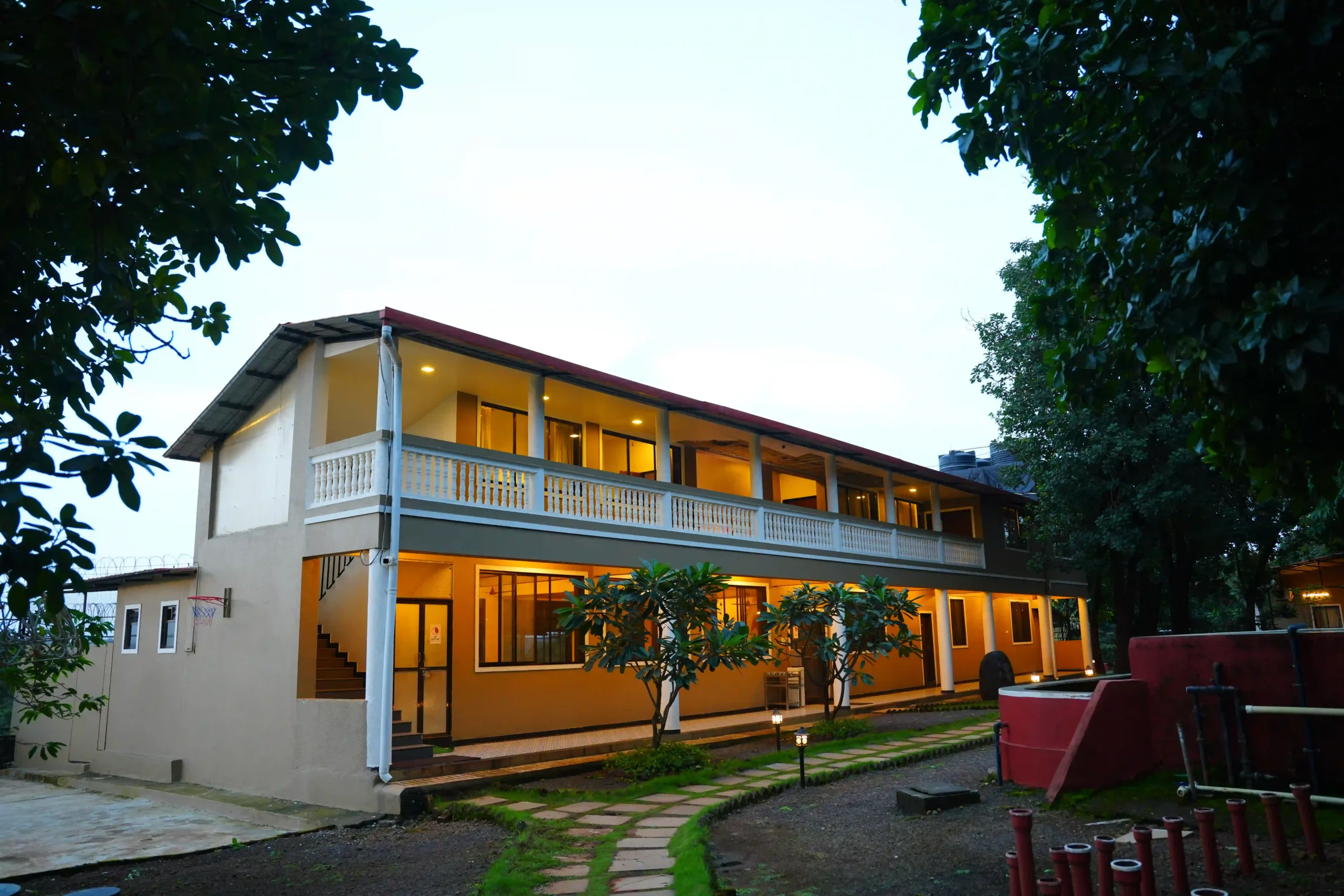
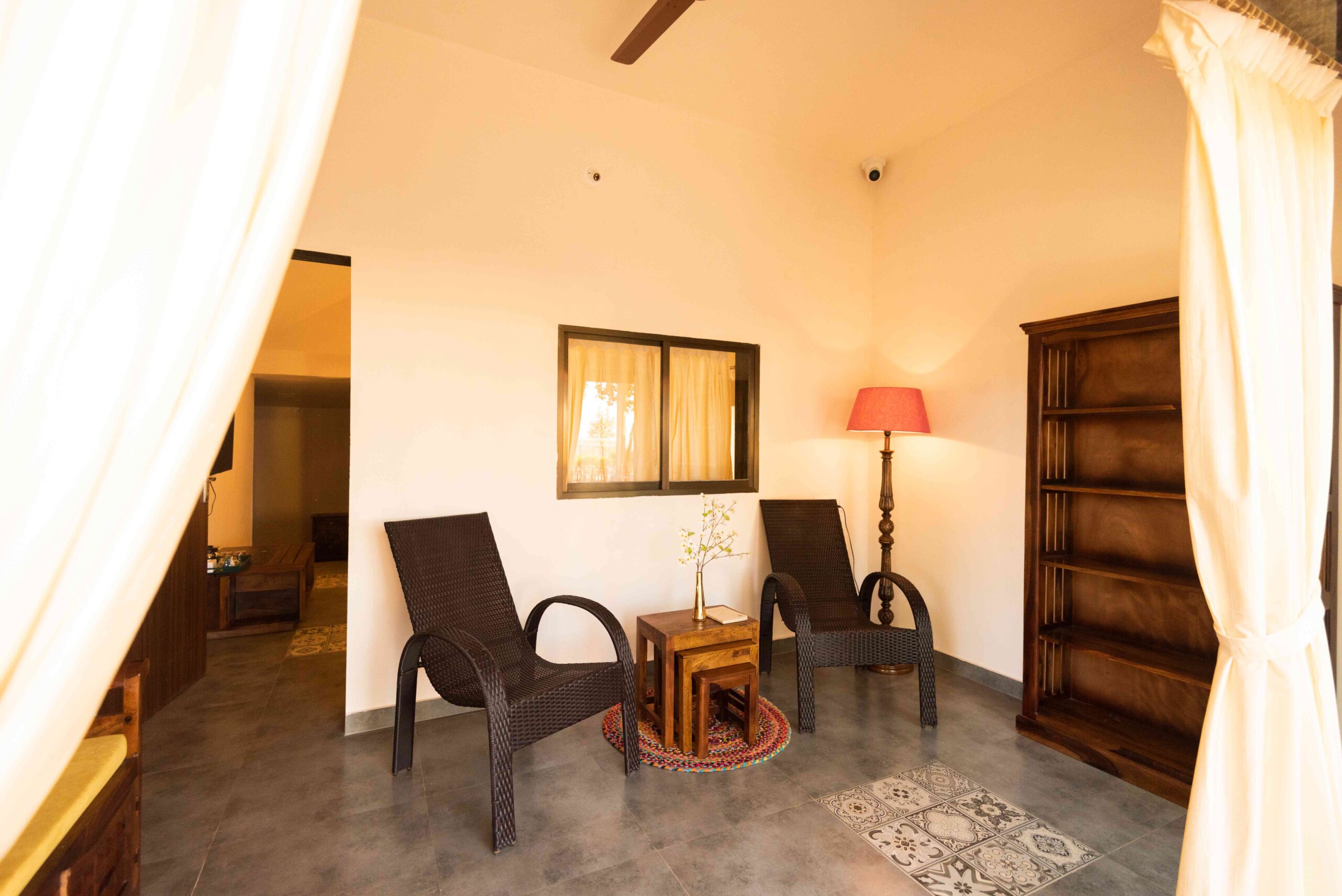
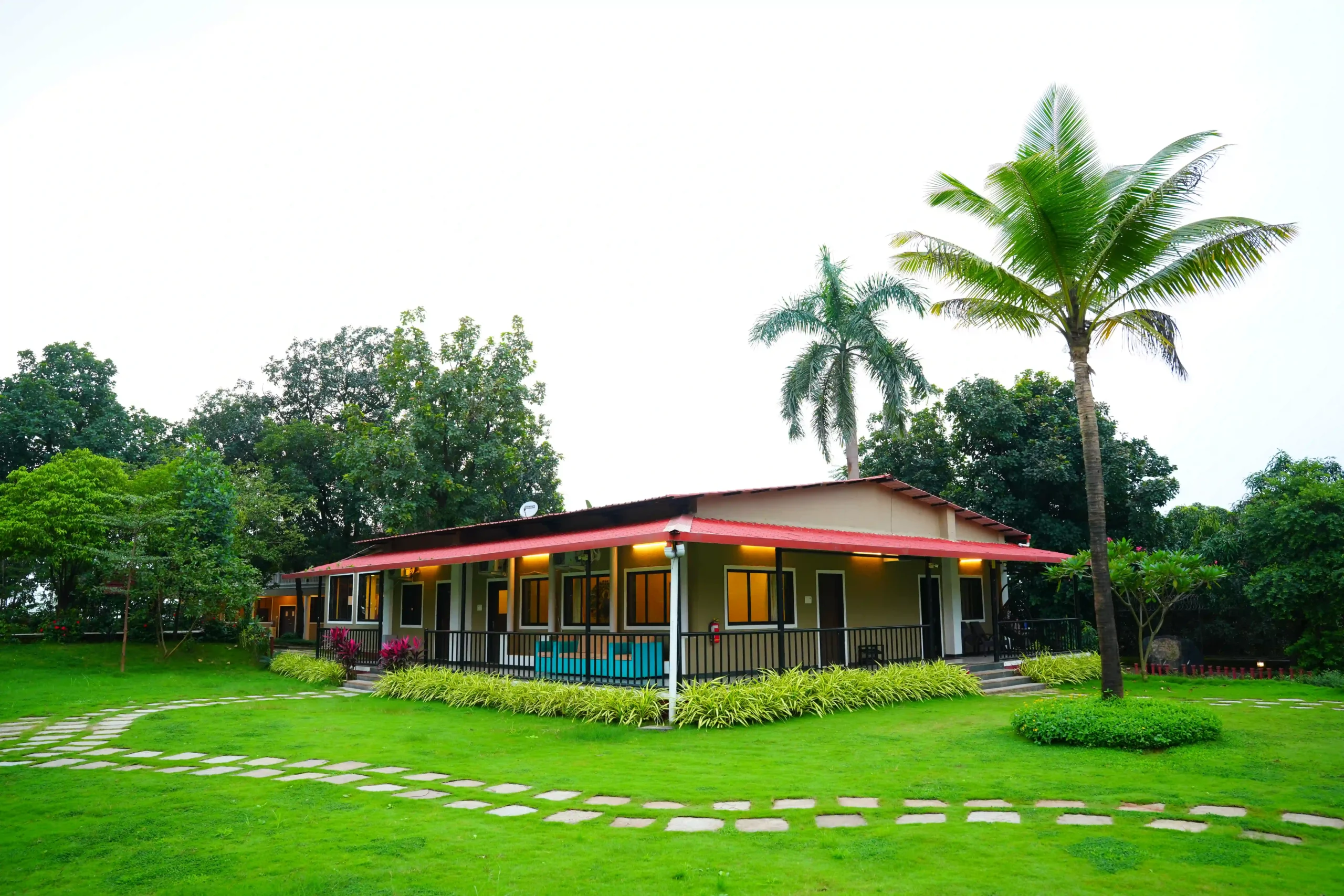
Abhasa's Karjat centre is about 62 km from Mumbai, just under two hours by road and about 30 minutes from Karjat railway station. It sits on two acres at the foothills of Lonavala in the Western Ghats, with forested hill views and a quiet, resort-like feel.
Distance matters in recovery. Being away from familiar triggers, such as the daily stress of home or the routines that came with the illness, gives a calmer space to rest and rebuild. Being close enough to Mumbai and Pune means families can still visit.
62 kmfrom Mumbai
Under 2 hrsby road
30 minfrom Karjat railway station
2 acresat the foothills of Lonavala
- About 62 km from Mumbai, just under two hours by road
- About 30 minutes from Karjat railway station
- Transfers available from Mumbai and Pune airports
- Two acres of greenery at the foothills of Lonavala, in the Western Ghats
- Forested hill views, away from city noise
- A mixed-gender centre
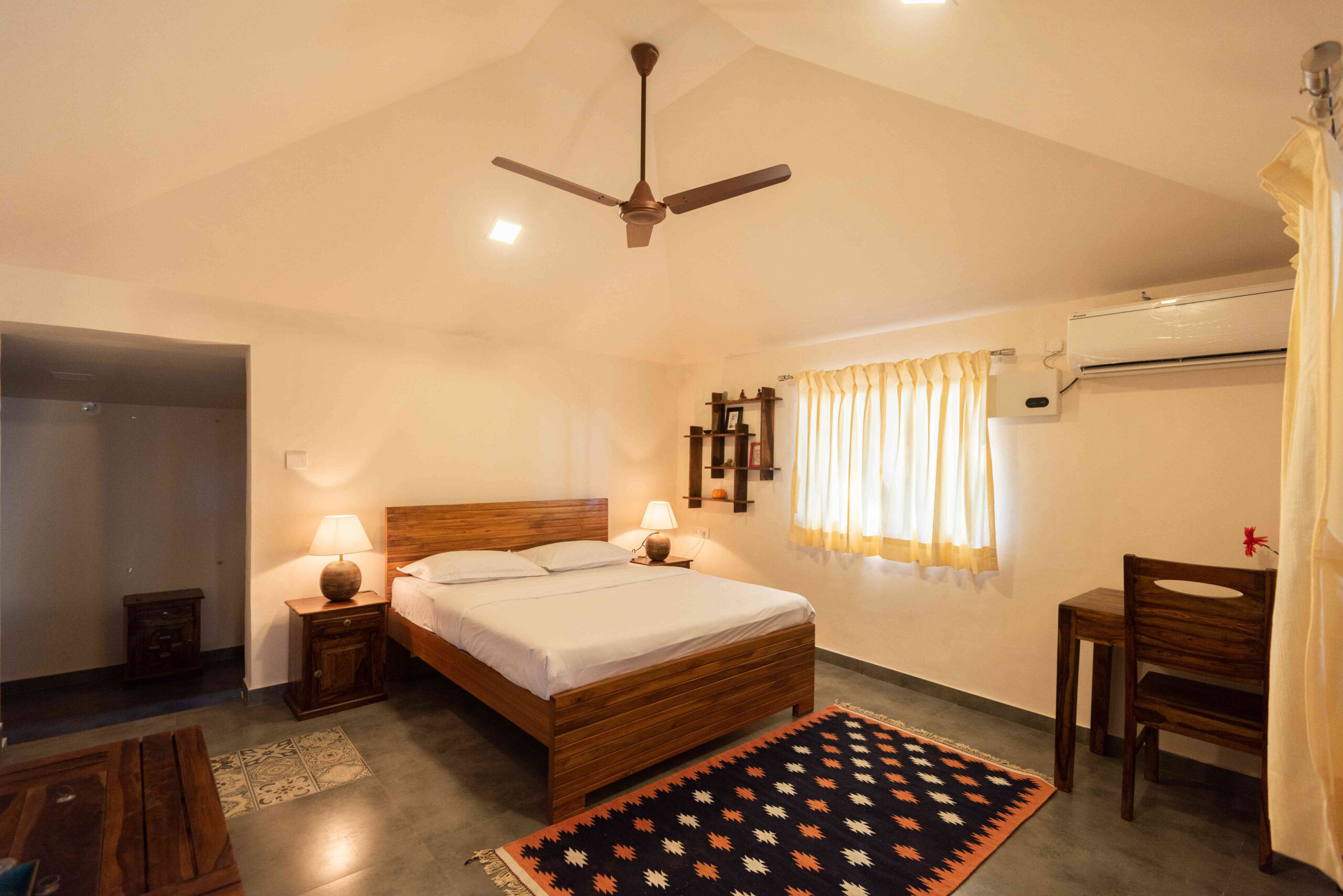
- Suite and deluxe rooms
- Twin, three-sharing and six-sharing rooms
- Wheelchair-accessible rooms
- 24/7 medical supervision and care staff
- Gym and swimming pool
- Yoga and meditation pavilions
- Library and reading spaces
- Guided nature walks and trekking
- An organic farm and gardens
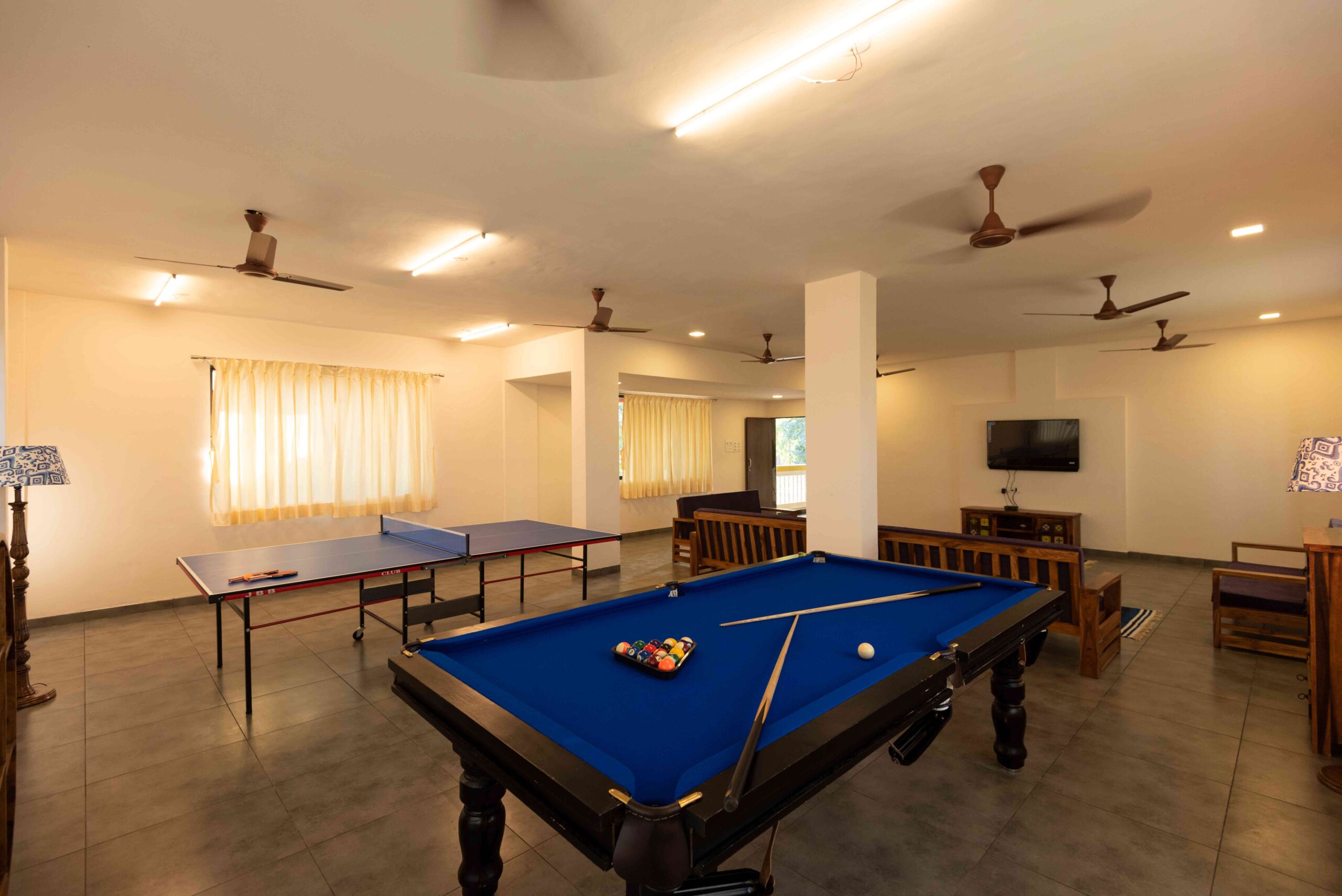
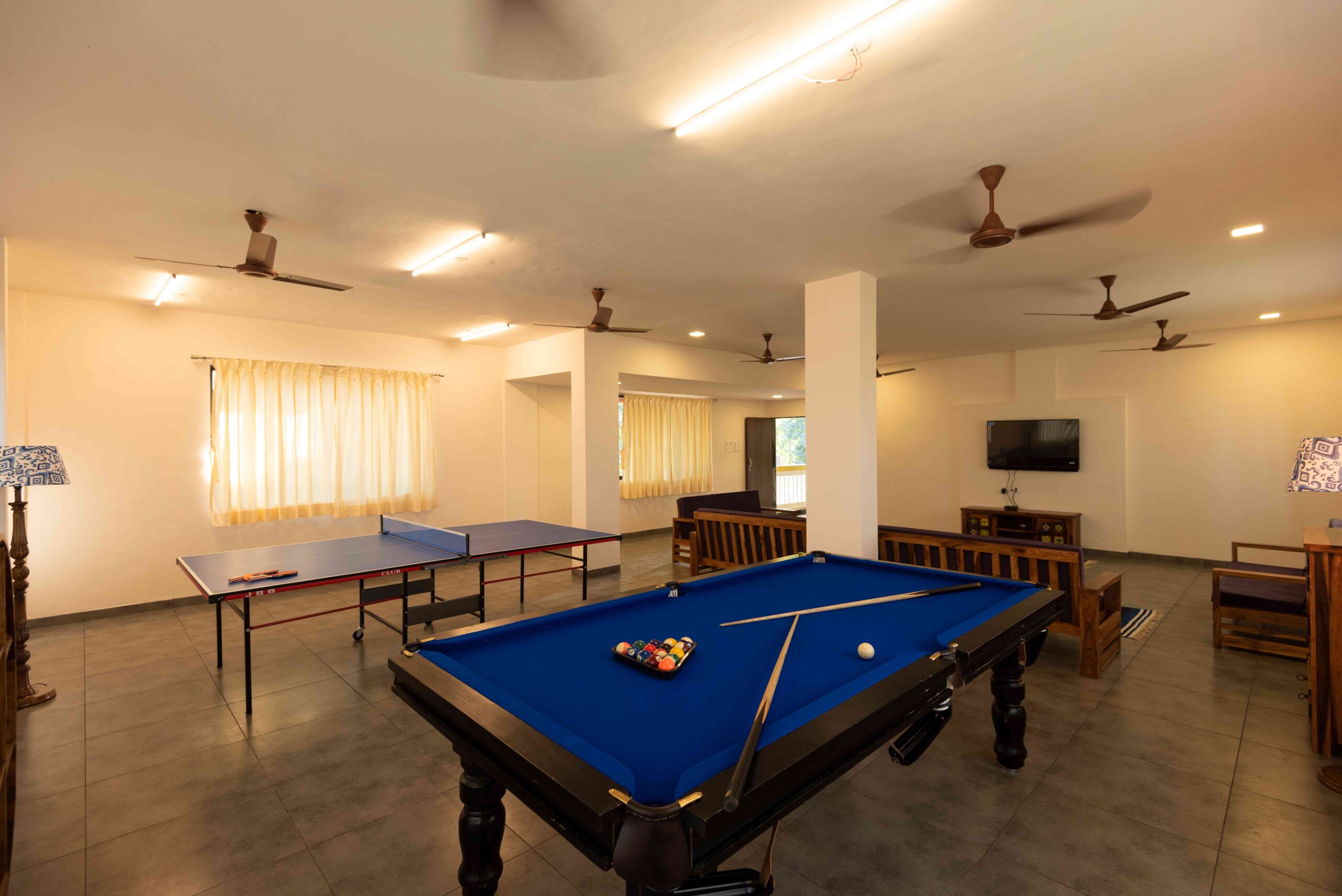
- Indoor and outdoor recreation, cycling and festival celebrations
The address is:
Abhasa Rehab and WellnessSeema Farm House, Kashele, Naldhe Post
Karjat Taluk, Dist. Karjat
Maharashtra 410201
Want to see the centre before deciding?
Looking for a schizophrenia treatment centre near Mumbai that you can visit? Karjat is reachable by road and rail from the city. Families who want to see the centre before deciding can ask the team to arrange a visit. Our wider rehabilitation centre in Mumbai page gives an overview of Abhasa's care for Mumbai families.
If your family member also has a mood component to their illness, Abhasa treats schizoaffective disorder as well, and the team can help work out which diagnosis fits.


Recovery from schizophrenia is possible, and it often happens one steady step at a time. A good first step is a conversation, with no commitment.
Talk to our team at +91 73736 44444, or write to us through the contact page. We will walk the next steps with you, at your pace.
How far is Karjat from Mumbai?
Karjat is about 62 km from Mumbai. It takes just under two hours by road, and the centre is about 30 minutes from Karjat railway station. Transfers are available from Mumbai and Pune airports.
Can family visit during treatment?
Yes. Family visits are scheduled with the team so that they support the person's routine.
How long does a residential stay last?
Programmes run from 30 days to six months or longer. The length depends on need and is agreed with the person and family.
What does treatment cost, and is the first consultation really free?
The first consultation is free, with no obligation to join. Costs for treatment depend on the programme and length of stay. Our cost guide explains what affects the price: schizophrenia treatment cost in India. Call +91 73736 44444 for a specific answer, and ask any question you like before deciding.
What if my family member does not want treatment?
Many people agree to care once they feel understood, and the way the family speaks matters a great deal. Listening first, and talking about sleep, stress or worries rather than the diagnosis, often helps. When someone cannot make the decision, the Mental Healthcare Act, 2017 allows supported admission with safeguards.
Who is the best doctor for schizophrenia in Mumbai?
The right psychiatrist depends on the person's needs. Look for a psychiatrist who reviews medicine regularly, works with the family and explains the plan clearly. Our psychiatrists are described above, and you are welcome to ask them questions before deciding.
Are there schizophrenia treatment centers in Mumbai itself?
Abhasa's centre is in Karjat, about 62 km from Mumbai. Our team can help you compare it with local options, so that you choose what suits your family.
Can someone from Pune come here?
Yes. Transfers are available from Pune airport as well as Mumbai.
Will the medicine be needed for life?
Some people need medicine long term, others reduce it over time under a psychiatrist's guidance. Stopping suddenly can cause relapse, so changes should always be planned.
What happens if symptoms return after discharge?
Relapses can happen, and they are not a sign that treatment has failed. The relapse-prevention plan written during the stay lists early warning signs and what to do. Online follow-up with the team means a family can reach out early, before things build up.
Is schizophrenia the same as a split personality?
No. This is a common mix-up. Schizophrenia does not mean a person has more than one personality. It affects how a person thinks, feels and understands reality.
Can someone with schizophrenia study or work again?
Many people can, with the right support. Rehabilitation often includes planning for study or work. A Cochrane review found that supported employment improves work outcomes for people with severe mental illness, though it called the evidence limited[9].