
Best Rehabilitation Centre in Ahmedabad
At Abhasa, our empathic team of therapists and counsellors help you overcome all life’s tribulations. Get back to the zest of living life to the fullest by getting a customized treatment option for your specific case.
Our Rehabilitation centre situated in Ahmedabad is equipped to help you identify specific issues around mental health and wellness. This helps us provide the right treatment regime that shows noticeable results. We have created a serene and luxurious atmosphere in a ‘one of its kind’ wellness resort. This USP helps you in complete the treatment of detoxification, de-addiction and mental health disorder processes.
No need to look for options when you Google “best luxury rehabilitation centre Ahmedabad”. With its dedicated staff and proven track record, Abhasa is the wellness resort you can truly benefit from.
ABHASA- IN SANSKRIT MEANS “CONSTANT EXERCISE”
Abhasa in Sanskrit means “Constant Exercise”. It is a practice that brings stillness to one’s mind and which we believe is a practice for those who take the route of recovery from any form of addiction and mental health disorders. We at Abhasa Rehabilitation Centre provide a wellness retreat to the ones who have taken a step towards de-addiction and mental health related issues by understanding their mindset from the roots and take care of them with integrity in a luxurious environment by a panel of experts. We lend our hands to each and everyone who is wanting to step out of any form of addiction and be their support system until they completely recover and see the better things in life.
Why Abhasa Rehabilitation Centre?
- Location: Situated in the Western Ghats, the greenery, climate and the pollution-free environment add as a major factor contributing to healing and recovery.
- Holistic Approach towards recovery: We believe in addressing the root of the problem that leads to addiction and mental health disorders than to just suppress the urges and this is done with the help of therapy, diet and other physical activities such as nature walks, meditation etc.
- Customized Treatment: Every individual is different and the recovery program is based on keeping in mind one’s preferences and choices in life to help them get the maximum benefit.
- Support, Care and Love: The last thing a person who is recovering from addiction and mental health disorders need is for someone to remind them of the bad days. We provide maximum support and care to people who have decided to step out of their problems and lend our hands to the better things in life. We take in only selected number of people so that we can take personalized care of our clients and give them a family-like set up.
MISSION
To de-stigmatize and eliminate blemishes surrounding mental health and addiction, aiming to achieve our purpose through building a holistic community and customised treatment approach that aids in healing and recovery.
VISION
To establish a comprehensive footprint that would widen our reach and open our doors to aid in recovery for the needy with a compassionate, holistic and customised treatment approach.
Treatment of Drug and Alcohol Addiction in Ahmedabad
The holistic rehab centre is located at the foothills of Lonavala, in Karjat, Mumbai. Spread across 2 acres of lush greenery, you can look forward to the idyllic setting to recover from addiction, stress, and troubles from toxins. You are free to choose from a range of accommodation options at our wellness rehab centre. They include suite rooms, deluxe rooms, twin sharing, three sharing, or six sharing depending on your preferences.
Say hello to luxurious and empathic rehabilitation program, driven with a singular purpose i.e – to help restore your mental wellness for better mind-body balance.
Therapies that soothe the mind, body and soul
See a list of therapies available at our alcohol rehabilitation centre in Ahmedabad.
- Art therapy,
- Movement therapy
- Meditative Walking around the organic and herbal garden
- Pet Therapy
-
Recreational Activities
- Bird Watching in their natural environs
- Massage and Spa
- Music Therapy
- Fishing
- Cycling
These therapies enable nature to speed up the healing process at Abhasa.
Why our centre is ideal for your self-introspection and healing goals?
At Abhasa, we use approaches like cognitive behaviour therapy and psychodynamic psychotherapy. This way, we act as your confidant. We help you banish the substances that prevent you from being a better version of ‘you’.
Our location in picturesque of Western Ghats will help in your holistic recovery amidst lush greenery. This is one more example of our efforts towards providing a comprehensive environment to accelerate self-healing. Our collective endeavours help elevate the degree of wellness you feel from within.
Our Team
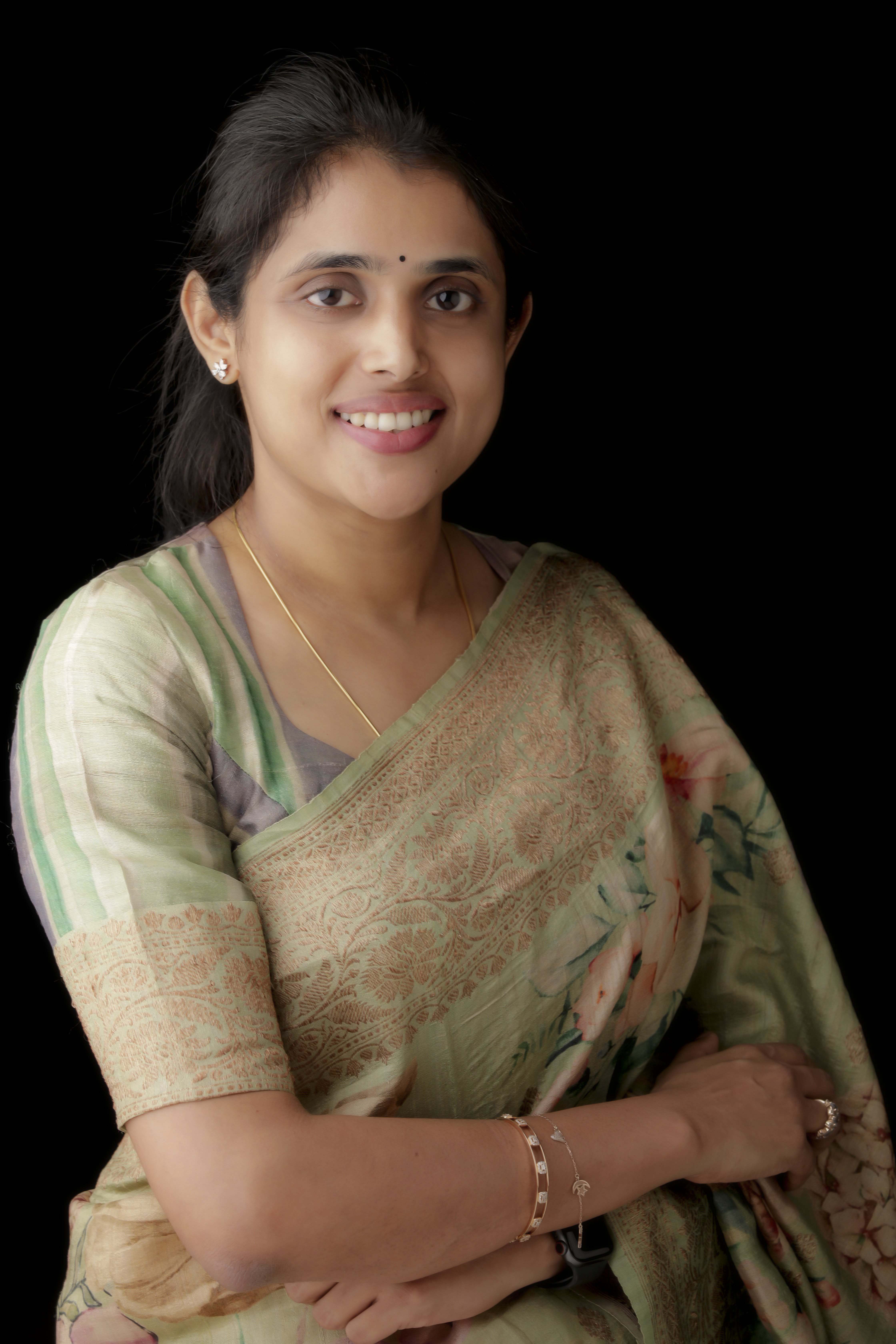
Mrs. Gayathri Arvind
Founder & Managing Director
Mrs. Gayathri Arvind, an entrepreneur turned philanthropist and mental health advocate; she started Abhasa after realizing that conventional rehabilitation centres are not as effective, considering the punishment culture with which patients are managed. The alarming growth in the number of alcoholics and addicts, and lack of centres which provide critical care strongly motivated her to work on a model that takes up a holistic approach in treating their clients physically, mentally and emotionally without the usage of brute force or suppression.
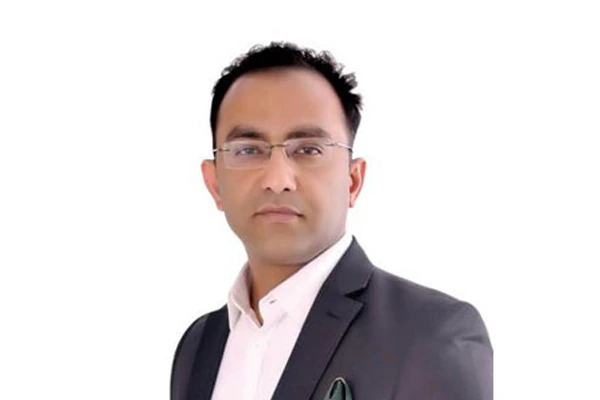
Dr. Rohit Garg
Senior Consultant Psychiatrist
Dr. Rohit Garg, the Director of Mind Vriksha Clinic in CR Park, New Delhi plays a key role in treating addictions at Abhasa. He specializes in adult, child and geriatric disorders after having done immense research work using new techniques like Repetitive Trans-Magnetic Stimulation and Cognitive Behavior Therapy. A winner of many awards and recognitions, he has been bestowed the Rajiv Gandhi Rashtriya Ekta Samman Award and the Best Doctor’s Award in India by Medi Health Magazine in 2011 and 2013. He is recognized by his patients for his virtue of putting human life above everything else and for his charitable work in different parts of the country like Rajasthan, Haryana, Punjab, U.P and Delhi.
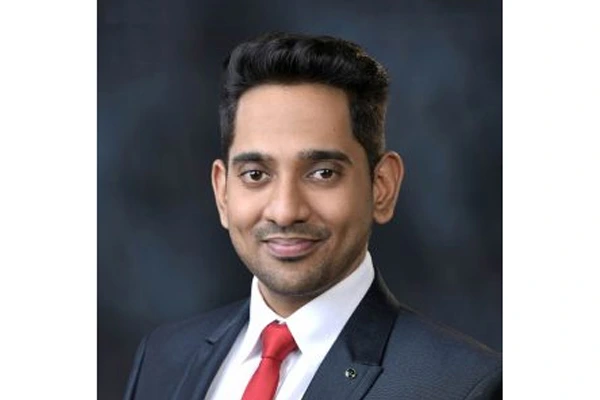
Dr. Ashwin V Samilal
Consultant Psychiatrist
Dr. Ashwin V Samilal, a psychiatrist by choice and not by chance, has been practicing Psychiatry since 2014. He completed his Masters in Psychiatry from PSG Institute of Medical Sciences & Research in 2017. Dr. Ashwin V Samilal believes in providing customized treatment to his clients by enhancing motivation and captaining patients and their families to help individuals of substance use disorders to lead a better life.
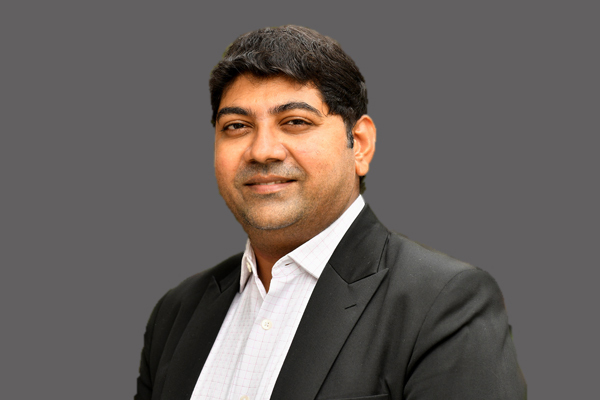
Dr. Naveen Kumar V
Consultant Psychiatrist
Dr. Naveen Kumar V is a Psychiatrist , completed MBBS in 2006 and DPM in 2010 from Sri Ramachandra Medical College and Research Institute,Chennai. He is a member of the Indian Psychiatric Society. He has 15 years of experience in various settings that include treating patients with substance abuse and worked in inpatient facility that treated addiction and behaviour disorder. His experience include, providing mental health care for indigenous tribal community in Kerala where he helped in setting up De-addiction centre in the Government Tribal Speciality Hospital . Other Special areas of interest include PTSD, OCD, Depression and Anxiety. His work is towards prevention, diagnosis and treatment of mental, addictive and emotional disorders addressing biological, psychological and social components of illness.
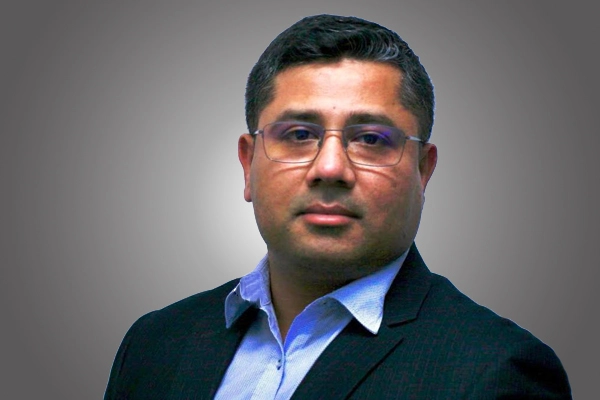
Dr Vivek Sharma
Consultant Psychiatrist (Neurofeedback Practitioner)
Dr Sharma completed his MBBS and MD (Psychiatry) from King George’s Medical University in India. After realizing the limited impact of conventional medical treatments in severe mental illness, he developed a specialized interest in neuromodulation and trained in Neurofeedback in Australia, and went on to become Board-Certified in Neurofeedback by BCIA. He has trained in use of QEEG brain mapping- a novel investigative technique, which provides precision neurofeedback training, and is in the final stages of accreditation in this discipline. Due to his combined knowledge of Medicine, Psychiatry and QEEG he has a nuanced understanding of therapeutic and adverse effects of medications on the brain and uses this knowledge to provide recommendations for neurotherapy interventions. He has considerable experience in managing some of the most challenging neuropsychiatric conditions such as Obsessive-compulsive disorder, PTSD and Autistic spectrum disorder which are often underdiagnosed and respond poorly to conventional treatments. He has been associated with Abhasa through carrying out Neurofeedback sessions, these sessions are curated to match individual needs. Neurofeedback sessions play a major role in treating patients by giving them closure and a new perspective and this aids in recovery.
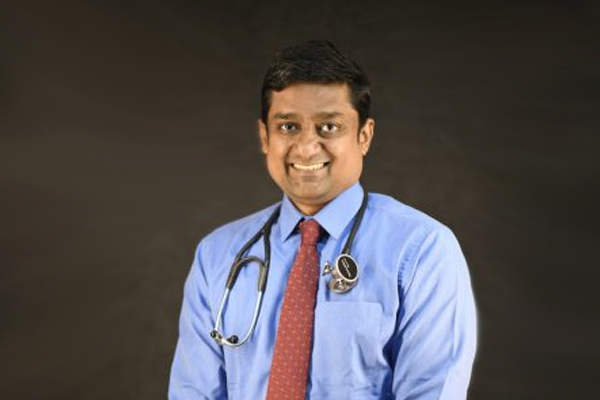
Dr. Ramalingam p kandaswamy
General Physician
Dr. Ramalingam is a Fellow in HIV Medicine and Clinical Leadership training, a full-time 1-year fellowship from the Govt Hospital of Thoracic Medicine, Tambaram Sanatorium recognized by the Govt Of Tamil Nadu. He is the Member of Indian Medical Association Erode Branch. And he has worked in the National Health Service UK at the Royal Cornwall Hospital, Truro. He has also worked with an International training center and educational center for Health (ITECH INDIA) Department of Global Health, the University of Washington as a Senior Clinical Trainer. He was associated with NACO India as part of HIV training and curriculum development. He is a specialist in HIV/TB care and Infectious diseases. He is Interested in Clinical Research.
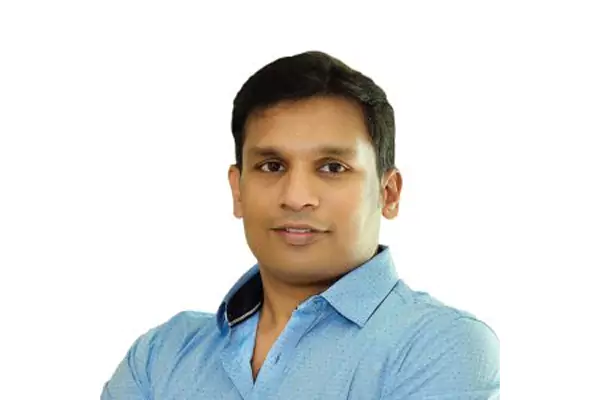
Dr. Gokul Krupa Shankar
Consultant Gastro-Surgeon
Dr. Gokul Krupa Shankar is the Head, Dept. of Surgical Gastroenterology, VGM Gastro Centre, Erode & Course Director, Post-Graduate Fellowship in Minimal access abdominal surgery, TNMGR Medical University. He is known for his proven and effective communication skills with patients, families, and other medical professionals. His leadership abilities are evident in his management of practice staff in providing patients with quality care, ability to quickly and properly diagnose patient conditions in emergencies to ensure they receive the treatment they need as soon as possible under controlled conditions. He provides detailed orientation which reduces mistakes made in patient treatment, diagnosis, and medication administration.
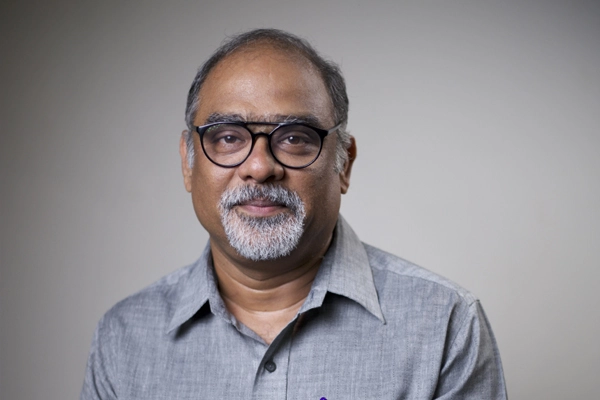
Ramalingam (Ramly)
CEO
Ramalingam (Ramly) graduated from Madras Christian College with a Bachelor of Science in Zoology in 1991 and completed training from the Oberoi School of Hotel Management. He joined The Oberoi Bangalore in 1994. He initially worked as a housekeeping executive and over the years rose through the ranks to head operations at GRT hotels, Club Mahindra and Araiya hotels. He has exposure in the hotels and hospitality sectors in The Hague, Sydney and Papua New Guinea. He was instrumental in opening hotel properties at Pondicherry, Tuticorin, Yercuad, Kufri, Chennai, Palampur and Calicut. After serving as the opening General Manager at Calicut he has joined Abhasa as the Chief Executive Officer for Erode and Maharashtra and is looking forward to a challenging and refreshing experience.
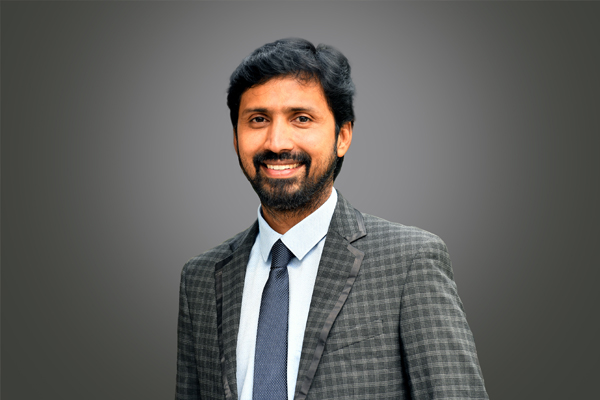
Mr. Sharan
General Manager
Mr. Sharan is an enthusiastic, motivational person who brings with him his years of experience helping people with mental illness, resolving conflicts and advising people in need by listening and intuitive decision making ability. He is dedicated to providing rehabilitation and building constructive therapeutic relationship with skills development and physical education programs. He has the experience in providing mental health support for the families in times of need and guiding individuals deal effectively through their problems with compassion and involvement.
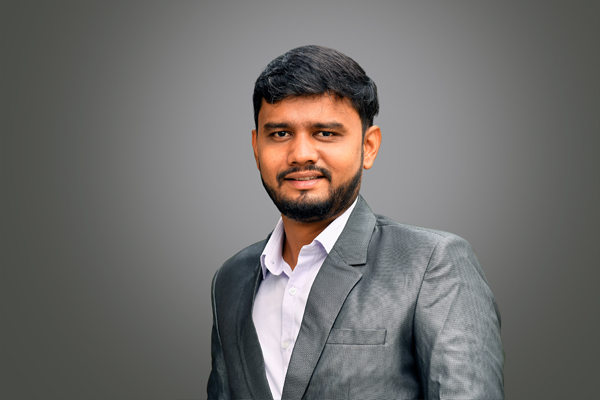
Mr. Ajaykumar Padmanaban
Operations Manager
Mr.Ajaykumar Padmanaban, He is passionate to communicate and inspire people minds with his ideas. He is committed to work with 7+ years of experience in healthcare sector at some reputed institutions in various profiles of Operations, Marketing and Relationship management and ultimately responsible for maintaining and increasing the efficiency of a business for an organization. He leads, motivates, and supports a large team and highly responsible with all conflict management.
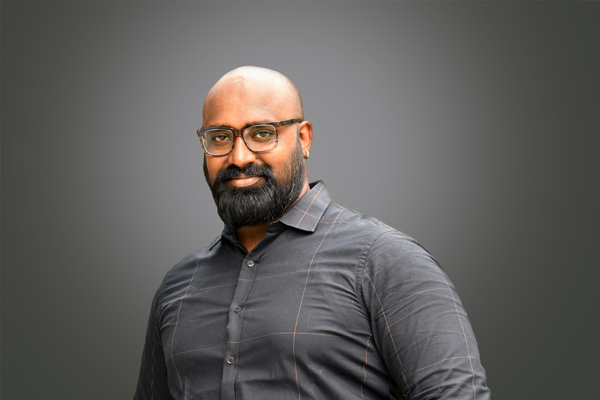
Mr. Hari Jayaramen
Relationship Manager - Counsellor
An MSW with years of experience in serving the mentally ill, resolving conflicts, and providing guidance for those in need. Dedicated to training in rehabilitation, therapeutic intervention, skill development programs and physical training program. Experienced in crisis intervention and providing support for mental health.
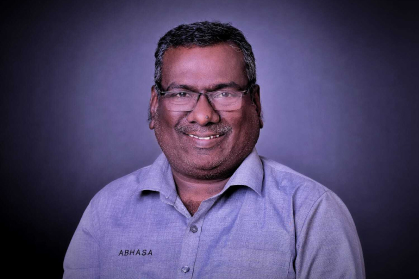
Dr. P Karuppuchamy
Program Manager
Dr. P Karuppuchamy is an enthusiastic and experienced clinician who brings with him, his enriched Experience of 20 years of working with people suffering from various substance abuse, addiction and psychological Disorders. Dr. Karuppuchamy has done his MSW from MISS, Madurai, M. Phil from NIMHANS, Bangalore where he specialized in psychiatric social work. He then completed his PhD from Bharatiyar University, Erode. In addition to this he has being working in various specialities like clinical, teaching training and research. A keen observer and an active listener, he has worked with various individuals who have personality issues and challenging factors in their personality. Dr. Karuppuchamy has an optimistic approach towards any problem and prefers to spread positive vibrations to other.
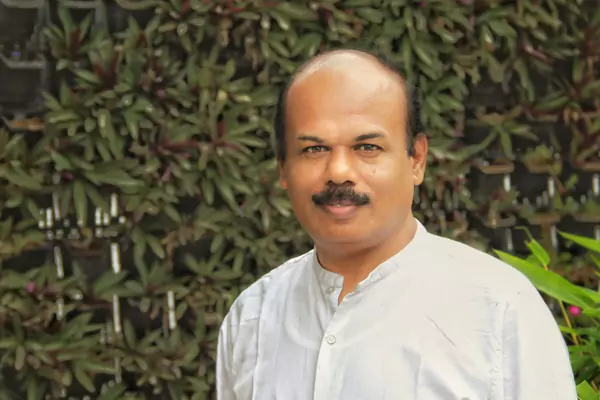
Dr.N Laxamanan
Consultant clinical psychologist
Dr. N Laxamanan is a Licensed Clinical psychologist from the Rehabilitation Council of India(RCI) with over an experience of 26 years in field of mental health. He is a dedicated psychologist with a extensive experience in providing innovative treatments for patients to navigate psychological struggles using a variety of psychological assessments and tools. He received his Master's and Doctorate degrees from the Central Institute of Psychiatry, Ranchi in Medical and Social Psychology specializing in psychometric analysis and psychotherapy. With a commitment to serve the ongoing support in-depth diagnosis evaluation and implementation, he has experience in collaborating with other relevant services providers to support patients holistically.
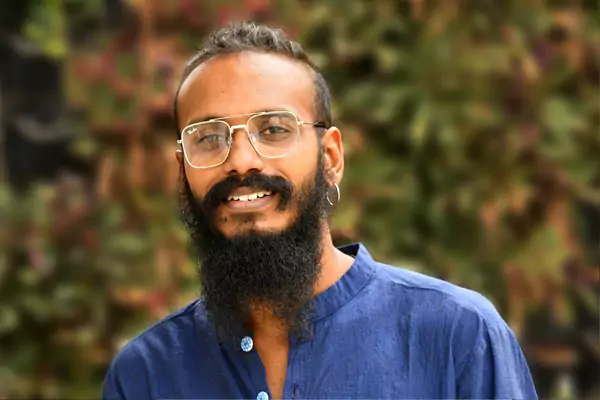
Mr.JijoMaanthra David
ACTIVITIES MANAGER
Mr.Jijo is a wellness coach and a dance enthusiast who has travelled all across India hitchhiking for more than a year and learning Yoga sutras and meditation from the yogis of Himachal till Kanyakumari. He has represented India in Singapore for the United Nation peace conference. He is also awarded “Best Dance Teacher of the year 2019” by Indian education Awards. He is a movement researcher with knowledge on therapeutic movement interventions. He is also a postgraduate in social work and has various expertises in Music, Art and Philosophy. He is always optimistic and brings creative activities for the client’s development. Apart from that He is keen in creating new techniques of meditation by fusing eastern principles with esoteric spiritual philosophies.
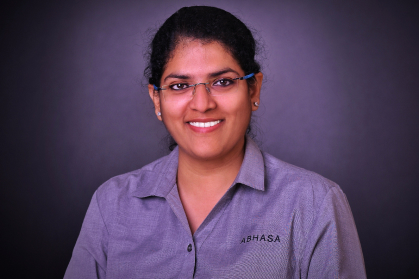
K Meera
Clinical Psychologist
Mrs. Meera Krishnanunni is a clinical psychologist who has completed her M.Phil. in Clinical Psychology from University of Calcutta, Kolkata. She has worked in the same University (under CUIPP Unit). She has worked in a Rehabilitation Centre in Kerala, in U.A.E. as School Counsellor and as Child Psychologist in a clinic in U.A.E. She feels strongly for the children and have worked for the same, especially for learning disability, dyslexia, ADHD in children.
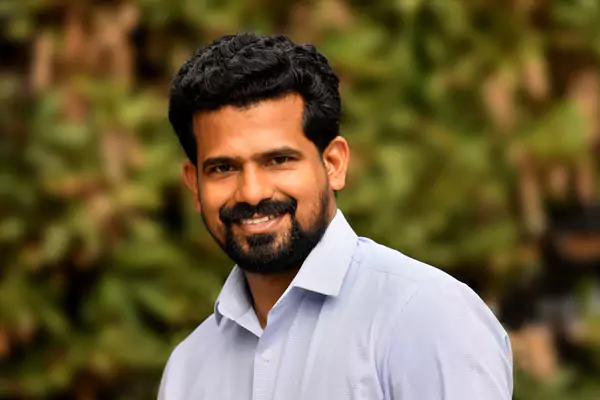
Sutheesh Prabhakaran
Counselling Psychologist
Mr. Sutheesh Prabhakaran is an enthusiastic and experienced psychologist, compassionate therapist and a NIMHANS-trained certified counsellor. With double masters in Psychology and Social Work, he has over ten years of intensive practical experience in the field of both de-addiction and mental health. He also holds a Postgraduate Diploma in Guidance and Counselling. He is well experienced in providing specialized psychological assessments, evaluations and various therapies, including CBT. Meditation Therapy, Bibliotherapy, Relaxation therapy, Motivation enhancement, Mindfulness and Insight building are some of his significant areas of interest.
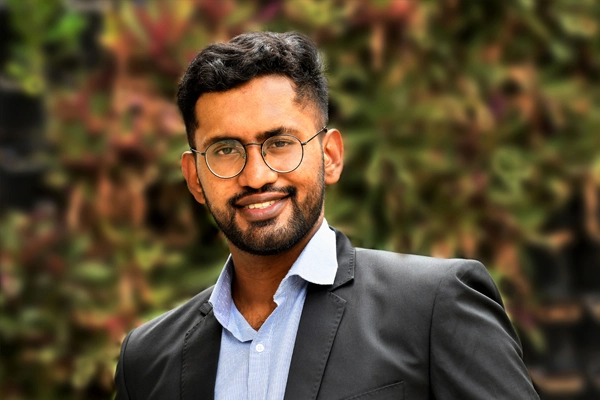
Mr. Renosh John
Psychologist
A compassionate psychologist committed to serving patients by listening to concerns and guiding patients in approaching behavioural, mental and emotional problems. Mr. Renosh completed his Masters in Clinical Psychology from Manipal University and is well versed in various psychological techniques including cognitive behavioural, mindfulness based and emotion focused therapies. He is polished in screening individuals to identify their psychological needs and providing assistance and treatment. Mr Renosh has worked with various sections of the society including women and children with psychiatric disorder and is focused in neuropsychological problems.
Apart from his work, Mr. Renosh is a musician, football player and an avid photographer.
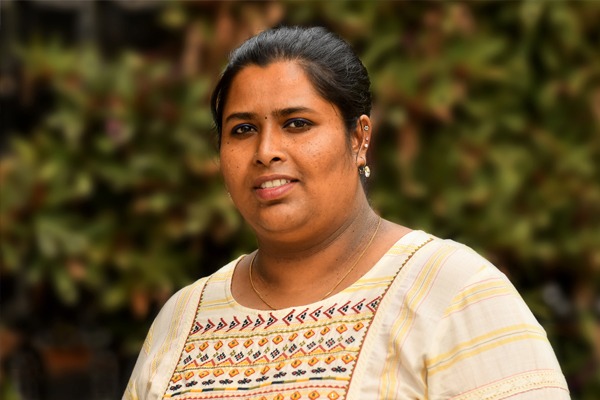
Revathy
Counsellor
A compassionate social worker, completed Masters in Social Work with specialization in Medical and Psychiatry. She is skilled in assessment, developing treatment plans, counselling, and evaluation. Empathetical approach towards the clients with active listening skills has been forte.
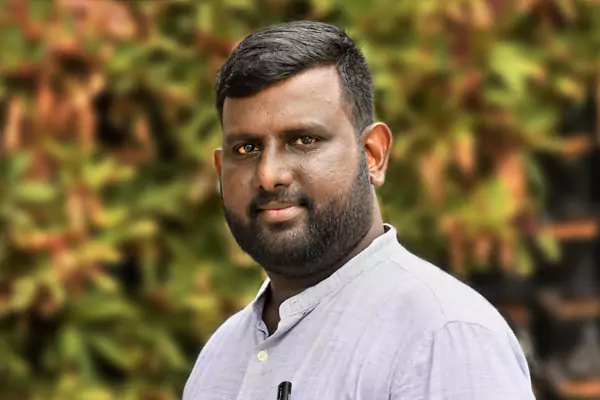
Sreedhil M Sasidharan
Psychiatric Social Worker
An engineer who shifted his career to an empathetic social worker with specialization in medical and psychiatry .He is experienced and passionate in the field of de addiction and is skilled in crises intervention, individual and group therapies, case management , assessment and making treatment plans .He is an active listener and haves strong communication and interpersonal skills .He is also experienced in life skill coaching to help clients lead healthy and successful life.
Be in seamless harmony with your mind and body
We know that every person needs a different approach and personalized guidance on the road to recovery. We make the road as smooth as possible with our capabilities in mental health and wellness therapy. We use a blend of approaches like dietary modifications, nature walks, and meditation. This way, you see a better version of ‘you’ emerging from within. Be one with the universe and eliminate the reasons for sorrow that engulf your life.
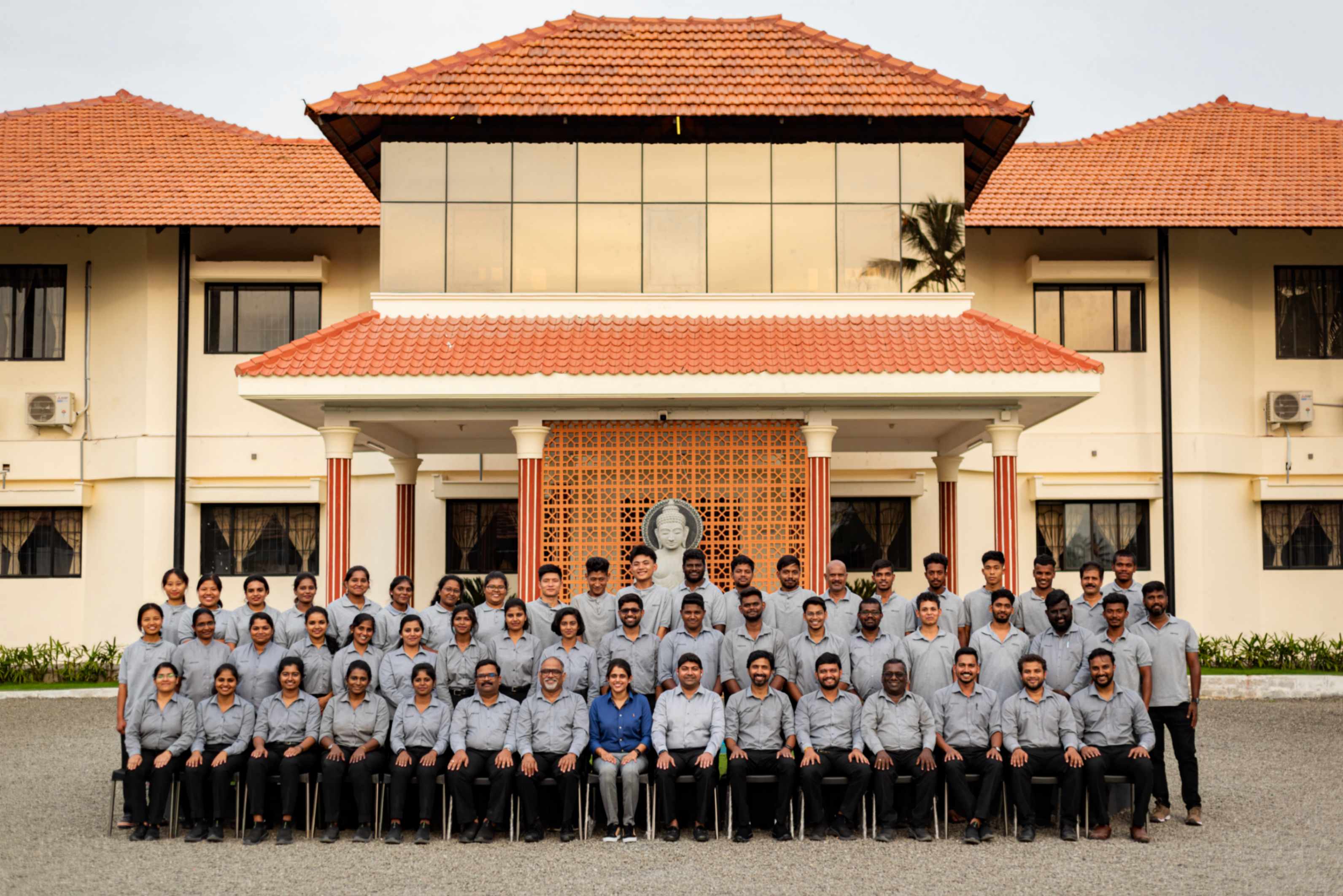
Our biggest asset that drives all-round recovery and personal growth is our team of mental health and wellness experts. They are the empathic experts you need to make a 360-degree transformation of the mind and body. We bring together our years of learning and practical application of mental wellness approaches. As a result, you can be assured of being in the capable hands of the best team of Abhasa.
We strongly believe in the fundamental principles of Ayurveda. It states that the body needs to eliminate all types of toxins. Only then, will it be in perfect sync with the mind, body, and soul. We know, that, no one shoe will fit all. Hence, our course of healing at the drug de-addiction centre works wonders for your recovery. They are curated keeping in mind your specific case and distinct treatment approach.
You no longer have to escape reality and get entangled in a web of addiction and substance abuse. Embrace the gift of life with complete healing with comprehensive therapies driven by Abhasa’s expert wellness practitioners.
Get an understanding, empathic, and trusted wellness advocate at Abhasa – your preferred rehabilitation centre in Ahmedabad. Contact us to know more on how you can re-calibrate the journey called ‘life’.
